• Skip to main content
  • Skip to secondary menu
  • Skip to primary sidebar
  • Skip to footer
  • Home
  • About Us
  • Say hello
Rethink Real Estate. For Good.

Rethink Real Estate. For Good.

  • Podcast
  • Posts
  • In the news
  • Speaking and media
    • About Eve
    • Speaking requests
    • Speaking engagements
    • Press kit
  • Investment opportunities

Impact

One room at a time.

December 9, 2020

Atticus LeBlanc is the founder of Padsplit, a technology platform dedicated to affordable housing, with no barriers of entry. Atticus, who studied architecture and urban studies at Yale, has been an affordable housing advocate and real estate investor for over a decade, with a company that owns and manages over 550 affordable residential units. But he founded Padsplit with a much bigger goal in mind. He wants to dramatically change how we address affordable housing by using space that is now under-used – whether in our own house or a rental property. He wants to make every available room a safe, clean home for someone who really needs it, all while providing a fair return to homeowners.

PadSplit’s platform allows homeowners to list a room, or to work with local contractors to reconfigure a house to optimize the space for multiple tenants. PadSplit houses typically offer five to eight furnished bedrooms, with shared bathrooms, kitchen, dining, and laundry rooms (no living rooms), with all utilities, internet and a cleaning service included, for a weekly rent. To rapidly provide new affordable housing in our changing economy, Atticus wants PadSplit to take hold in a really big way. So, he’s planning to grow the 1,100 rooms that are on PadSplit today, to many hundreds of thousands of rooms. PadSplit is his moonshot. 

Atticus has written in-depth Op-Ed pieces for the Forbes Real Estate Council blog, is the co-chair of ULI’s UrbanPlan Education Initiative, and he co-chaired the Design For Affordability Task Force in 2018.

Insights and Inspirations

  • Atticus wonders how we’ll ever catch up on the affordable housing we need to build if we don’t think differently.
  • Every spare, unused room can be a fresh start, and safe home, for someone who needs it.
  • PadSplit is a private market solution to a problem that is generally managed inefficiently with subsidies.
  • PadSplits are generally located near public transit.
  • No traditional corporate leases. No deposits. Month to month. Fully furnished. Stay a month or stay a year. People can live in PadSplits to live close to their job (where they otherwise may not be able to afford a unit), or simply to get back on their feet.

Other Information

  • Atticus has three rituals that keep him grounded: Journaling, exercise and nightly dinners around the table with his family. He also loves fishing and backpacking whenever he can escape from his work routine.
Read the podcast transcript here

Eve Picker: [00:00:09] Hi there. Thanks so much for joining me today for the latest episode of Impact Real Estate Investing. My guest today is Atticus LeBlanc, founder of PadSplit, a technology platform dedicated to affordable housing. Atticus has been an affordable housing advocate and real estate investor for over a decade now, his company owning and managing over 550 affordable residential units. But he founded PadSplit with a much bigger goal in mind. He wants to dramatically change how we address affordable housing by using every space that is underused, in our own house or in a shared home. He doesn’t care how. Every room is a safe, clean home for someone who really needs it. You’ll want to hear more. Be sure to go to EvePicker.com to find out more about Atticus on the show notes page for this episode. And be sure to sign up for my newsletter so you can access information about impact real estate investing and get the latest news about the exciting projects on my crowdfunding platform, Small Change.

Eve: [00:01:26] Hello, Atticus. Thank you so much for joining me today.

Atticus LeBlanc: [00:01:30] Absolutely. Pleasure to be here, Eve. Thank you for the opportunity.

Eve: [00:01:33] Yeah, I’m really looking forward to that conversation. Because you’re doing something pretty unusual. You started a company called PadSplit, and I’m wondering why you started it.

Atticus: [00:01:45] Sure. Yeah. So I think ever since I was a kid, I enjoyed solving problems. And maybe charging at windmills bigger than, bigger than where appropriate at any given time. And this has just been a really big windmill. I’ve been in in real estate my entire career here in the Atlanta area, going on 18 years now. And have been an entrepreneur for the last 15. And then in housing, specifically, for the last 12. As an entrepreneur in the housing space, I came to see a lot of what I felt was wrong with the industry, and the growing, let’s just say, affordable housing crisis for lack of a better word, and lack of supply, and lack of customer discovery for people who were the front line workers within our communities. And folks who ultimately had to commute hours or several hours a day to be able to afford a place to live and get to their place of work. And so, when I got to a point in my career where I felt like I was comfortable financially and had built up enough of the real estate portfolio that could support my own family, this was kind of a moonshot endeavor to look at ways to really solve the underlying fundamental issues of housing, on affordability, not just in the Atlanta market, but trying to do so around the country, and potentially around the world.

Eve: [00:03:10] So, PadSplit splits pads, it’s a great name. What does a PadSplit house look like, typically, after you’ve finished renovating it?

Atticus: [00:03:21] If we’ve done our jobs well or if our owners and real estate investors have done their jobs well, it looks from the outside like any other traditional housing unit, whether that’s a single family home or apartment. On the interior, it’s a little bit different. But essentially it’s just geared to allow single person households or individual workers in our communities to be able to rent individual rooms rather than entire homes. So, because we, we’re a marketplace and we align incentives with real estate investors who are generally looking for higher returns, one thing that may be different is you’re typically going to see more bedrooms in a PadSplit home than you would in a typical home. And the reason for that is in a traditional rental home environment, or any home environment, you have a lot of inefficient, underutilized and unmonetized space. So, if you’re going to rent a property, there’s almost no cost included in the rent for the formal dining room, for instance …

Eve: [00:04:28] Right.

Atticus: [00:04:28] … or the home office. And there’s no reason why, given the fact that we have a lack of housing supply, that these spaces shouldn’t be utilized to actually house people. And so, what PadSplit does as a marketplace, it allows those spaces to be utilized on an individual contract basis with each one of those people who needs a place to live. And in doing so, also makes the home more profitable for those real estate investors. And so, the difference is you would see, instead of a formal dining room, you’d see that room converted into a convertible living area where you actually have a bed instead of a dining room table. And that owner is getting paid for it rather than not.

Eve: [00:05:11] So, by doing this, you can include traditional investors who get a return and you don’t need subsidies, you’re not relying on the government to produce affordable housing. Is that right?

Atticus: [00:05:24] Exactly. Exactly right. Yeah, and throughout my career I’ve worked with a number of more traditional affordable housing programs and have consistently been frustrated by …

Eve: [00:05:35] Oh, they are so complicated.

Atticus: [00:05:37] Yeah, it, well, not just the complication, but the time. The time and energy and effort that goes into creating those units, and meanwhile, we have an abundance of outside opportunity. Right? There is …

Eve: [00:05:52] I think also not just the time and energy. I’ve done some work like that, too, but it’s an industry that kind of hasn’t caught up to what people want today. So, it can be pretty inflexible.

Atticus: [00:06:03] Absolutely.

Eve: [00:06:04] About, you know, what an affordable housing unit should look like.

Atticus: [00:06:08] Yeah, I’d say there are two major issues with the affordable housing industry, let’s call it. And one is the fact that virtually every program is designed to limit profit. And where profit is created or treated as an enemy. And instead they will pay as a percentage of cost. It’s OK to get paid as a percentage of cost, but not as profit. And what you do is you misalign incentives there. Where an affordable housing developer who’s maybe redeveloping a property, they have a home with perfectly good kitchen cabinets, but if they’re getting paid on a percentage of cost, they are now motivated to spend those public dollars to replace those perfectly good kitchen cabinets with brand new ones, because they only get paid if they actually spend that additional subsidy. And I’d say, overall, in most of the programs I’ve worked with, they generally have that same ideology. That they need to pay a fee rather than thinking about what is the most efficient solution possible.

Eve: [00:07:15] Right.

Atticus: [00:07:16] The second issue is just customer discovery, in that if you look at the Low-Income Housing Program, for instance, which has been probably the most successful affordable housing creation program in American history, three million units over about 30 years, there’s still no customer discovery there, where they’re evaluating the needs of the individual residents. The rules that are governing what types of units are created are ultimately from a consortium of government officials with some private advice from developers, but almost never based around purely, OK, you are a person who is in need of housing – What exactly do you need and what is the most efficient way to create that?

Eve: [00:08:02] Right. Right.

Atticus: [00:08:03] And so as a result, you spend a lot of money creating something that isn’t necessarily geared towards the end customer.

Eve: [00:08:09] What do you include in a PadSplit room, and how did you discover what your customers want?

[00:08:15] Yeah. So, what’s included in a room, and really this goes hand-in-hand with what the customers want. Rooms are fully furnished. They include all utilities, Wi-Fi, laundry, telemedicine and credit reporting into one single bill. And that bill is charged on a weekly basis, or on individual pay periods when people get paid. And this came out of the customer discovery process when I was managing properties that I owned, and particularly in lower income apartments, I ran into situations where I saw people that would end up late on their rent and under eviction because ultimately they decided to pay a utility bill, a cable television bill, for instance, in the middle of the month, and didn’t have enough money left over by the time the first of the month rolled around to be able to make that payment. And it was mind boggling to me, initially, that why would anyone ever choose to do that? And as I dove a little deeper, it occurred to me, well, wait a second, you know, we’re obviously, we’re almost at the end of the month now, but if I asked you or anyone else, what day of the week does November first fall on? No one, almost no one would know off the top of their head.

Eve: [00:09:40] Right.

Atticus: [00:09:40] But we all know that today is Wednesday. And if I get paid on Friday, it’s very easy for me to budget around that.

Eve: [00:09:47] Right, right, right.

Atticus: [00:09:48] And at the same time, if I’m living paycheck to paycheck, then it’s very difficult for me, and me personally, I mean, I’ve long put a lot of my stuff on autopay just because I know I won’t remember. But if you don’t have the financial capacity to do that and you have to really be careful about your budgeting, it’s not easy when you have a cable bill that’s due on the 12th and a water bill that’s due on the 23rd and so forth and so on. And you start to compile all these bills. And people are just not spending their money as wisely as they should be because it’s not top of mind.

Eve: [00:10:26] Right, right.

Atticus: [00:10:27] And the prioritization of those expenses is not anything that’s easy to do. And then on top of that, as I looked at the traditional housing industry, and in a rental property where people would have to pay large upfront deposits, we all know that there’s a huge portion of the population that doesn’t have the money, doesn’t have any savings …

Eve: [00:10:48] Yes.

Atticus: [00:10:48] … to be able to do that. And so you really want to just wait around for them to build the savings so they can get the deposit? Or do you want to figure out a way to create easier access? And so, that’s really what we’ve done, is created lower barriers to entry for individuals who are in need of housing, but also kept the billings on a regular schedule that’s easy to remember so that they can afford them.

Eve: [00:11:11] Right, right, right.

Atticus: [00:11:11] And they don’t have to come up with those upfront costs to outfit their bedroom or apartment or house on the front end, that just further exacerbates their affordability issues.

Eve: [00:11:22] So, where you start your operations?

Atticus: [00:11:25] So, started here in Atlanta. I really kicked off my housing career, I’ve been in Atlanta now for 20 years, almost. I kicked off my housing career in late 2007, early 2008. Really a touch before that, but really just got into the swing of things before the crash had really been public, but it was clear that something was going on, and that home values were much lower than they should have been, although at the time I had no idea why, and no one could really tell me why. But it’s been a long time coming. And we’ve been working on this problem for a long time.

Eve: [00:11:58] You started in Atlanta. How many units you have now and where they located?

Atticus: [00:12:03] So, we have about 1100 units today.

Eve: [00:12:06] Oh, wow.

Atticus: [00:12:07] And they are still mostly in Georgia, although we have a handful of units in the Texas market. And we’ve got some in Alabama, we’ve got some in Virginia. And we’ll be making a larger push into, into the Houston metropolitan area, as well as a couple other markets here over the next several months.

Eve: [00:12:28] And what are your tenants look like? Who are they?

Atticus: [00:12:31] Here in Atlanta, our members, as we refer to them, average income is around 25,000 dollars a year. It’s the cashier at your grocery store, the barista at your at your coffee shop, the security guard at any local retail establishment or hospital, Uber drivers, Lyft drivers, administrators in various government offices.

Eve: [00:12:54] That is shocking. Administrators and government offices.

Atticus: [00:12:57] Oh, yeah. Yeah, I mean, we’ve we’ve had police officers. We still have some teachers. Average age is, is just under 40, about 39 years old.

Eve: [00:13:04] Oh.

Atticus: [00:13:04] About 60 percent single women. And here in Atlanta, we’re 97 and a half percent African-American. But yeah, I mean, I refer to this group of people really as the invisible population. But I challenge any of your listeners to just ask next time you’re in some sort of retail environment, or heck, your Amazon delivery driver. But the folks who work in your community, whether that’s a hairstylist or the, anyone at the grocery store, where do they live, ask them where they live. And I think you’ll be intrigued to find the answer. But it wasn’t until maybe five years ago or so, I really started to understand that you could be working full-time in this country and very easily be homeless.

Eve: [00:13:48] Yeh.

Atticus: [00:13:48] And just that there are almost no housing options available for people that earn less than around 35,000 dollars a year that are the traditional options without any subsidy.

Eve: [00:13:57] I always make a habit of asking Uber drivers,= if that’s the full time job. And I’m, I’ve been stunned hear who has to moonlight, Uber driving …

Atticus: [00:14:09] Yeh.

Eve: [00:14:09] … over the years to make ends meet or to pay for groceries or to make the rent payment. It’s pretty shocking …

Atticus: [00:14:17] Yeh.

Eve: [00:14:17] Especially on the West Coast.

Atticus: [00:14:20] Yeah, definitely. I mean, even here in Atlanta, which is a relatively affordable city, we have a young woman who’s now been with us for almost three years, who works as a pastry chef in Midtown. But before PadSplit, she was commuting an hour and a half each direction …

Eve: [00:14:35] Oh, wow.

Atticus: [00:14:35] … to get to her place of work. And then I remember the last time I was in San Francisco asking my Uber driver where he lived. And he lived with his family in Fresno, three hours away. But then four days a week, he shared a studio apartment in Daly City near the airport. And that was how he made it work. So that he could spend some time with his family in Fresno. It’s incredible when you see the lengths that people have to go to just to find reasonable housing. And these really are people that our economy relies on on a regular basis, but really just go unnoticed.

Eve: [00:15:08] That’s pretty heartbreaking. So, I have to ask one question as an urban designer and architect, what do the neighbors think …

Atticus: [00:15:17] Yeh.

Eve: [00:15:17] … when you renovate the house?

Atticus: [00:15:19] Depends very much on the neighbors, right?

Eve: [00:15:21] Right.

Atticus: [00:15:21] It would be no surprise to anyone that we have NIMBY opposition, you know, folks who say not in my backyard.

Eve: [00:15:28] Well, I’ve heard, Atticus, that quite a few people say, on my podcast the last month that NIMBYism is probably the biggest reason why we’re in this predicament.

Atticus: [00:15:39] Oh, unquestionably. Yeah, I don’t deny that at all, and it’s frustrating. I mean, with with a lot of those those conversations where people say, OK, well, yeah, I think the person who works in my grocery store should be able to live here. And my question is always, do the people who serve your community deserve an opportunity to live there? And almost no one ever says ‘no’ to that question. Right? But they will say, well, yeah, but the government is going to fix that.

Eve: [00:16:11] Right.

Atticus: [00:16:12] And, or the cities are working on that problem. And I don’t think anyone really has an idea of just the scope and the depth of the issue and how bad things really are. And the fact that if we as a society are not working to change these issues on our own, nobody’s going to get anything done. And so, yeah, I mean, absolutely, there are lots of neighbors who, under the guise of, quote unquote, protecting the integrity of single family neighborhoods, which they conveniently forget, like all of those zoning codes were based in systemic racism going back a hundred years, that it’s OK for all of this space to go to waste while you have people who are working full-time, that are living on the street or commuting three hours.

Eve: [00:16:58] Right.

Atticus: [00:16:58] And I mean, that’s a real difficulty and something that I think we as the community or as a nation of communities and neighborhoods ultimately have to decide where the line in the sand really is. And at what point do you say, OK, in our country, everyone should have equal access to opportunity and housing opportunity almost goes without saying, but what are we willing to do to live out those ideals?

Eve: [00:17:27] So, you’ve thought a lot about affordable housing solutions. Why this one?

Atticus: [00:17:32] Well, for me, I was intrigued by private market solutions that didn’t require subsidy programs. And don’t get me wrong, I’ve worked with a lot of subsidy programs and particularly housing choices and still am an owner of a number of properties that work with housing choice participants. But just the time, right? It was, how quickly could I do something today that could create a groundswell of support and address the problem as expeditiously as I felt like it needed to be addressed. And so that’s really the reason why I looked at private market solutions, was because I knew that if you could align those incentives to just create more efficient market opportunities, then I had already seen over the course of my career how strong some of those forces could be. Where here in Atlanta, I watched entire neighborhoods change over the course of just two or three years because of the actions and investments of not one large company, but tens or hundreds of independent individual real estate investors and entrepreneurs. Sometimes for better, sometimes for worse.

Eve: [00:18:43] Yeh.

Atticus: [00:18:43] And so, the idea was, OK, well, right now we are decrying the gentrification and displacement in a lot of these communities. And I agree, that I think in a lot of ways, the displacement especially, is heart wrenching and contributes to the same problems that we’re seeing with people having to move further and further away from their places of work. But what if we could take the same group of individuals who really are just pursuing their own best interests, which we can’t expect them not to. And you said, OK, well, instead of contributing to gentrification and displacement in these areas, what if I gave you another option for investing that allowed you to create more affordable housing? And if you could make affordable housing more profitable than the other alternatives that people had so that the best option available was also one that was a societally good thing and created positive social change for these largely marginalized groups, then those investors would absolutely pursue those. And that was really the thesis that led me to create that split in the way that we’ve done.

Eve: [00:19:44] How much do your tenants, or your members pay per month compared to a unit like what, that they would have to go out and get in the marketplace?

Atticus: [00:19:53] Yeah. And it’s not apples to apples, because our units are all-inclusive.

Eve: [00:19:58] No, of course not. There’re furnished, and electric and utilities and everything, right?

Atticus: [00:20:02] Exactly. Yeah. But it’s about 600 dollars on average, across our portfolio, that people pay on a monthly basis.

Eve: [00:20:10] How much vacancy do you have, because that’s always a good indicator.

Atticus: [00:20:13] Yeah. So, right now we have about 45 rooms or so that are available, so we stay pretty well full. Of course, back to the customer discovery and user question. What we found too is if you’re new to town, if you come here and you’ve got a job, you don’t really want to sign a 12-month lease, you’re trying to figure out what part of town you want to live in.

Eve: [00:20:37] Yes.

Atticus: [00:20:38] And so …

Eve: [00:20:39] It’s like co-work, for housing.

Atticus: [00:20:41] Yeah, similar. Similar. Yeah. I mean, it’s but so our terms are certainly shorter. On average, we still see nine months as an average term …

Eve: [00:20:50] Yeh.

Atticus: [00:20:50] But we absolutely have folks who come to town and are trying to get their bearings or get their feet under them, or maybe they’ve just been through some sort of traumatic situation like a divorce or the death of a loved one. And they don’t need something long-term. They need an affordable place to stay for three months.

Eve: [00:21:08] Right.

Atticus: [00:21:08] And so we see those as well. And that certainly contributes to the amount of vacancy as well. But, yeah, we stay pretty well full.

Eve: [00:21:16] And I have a feeling that you chose this path, as well, because it’s a way to scale what you’re doing. I’d love to hear your hopes on scale.

Atticus: [00:21:25] Yeah, I certainly had no business starting a technology company.

Eve: [00:21:30] Kind of like me.

Atticus: [00:21:31] I am a real estate Neanderthal. But I was intrigued by what I had seen AirBnB do over the preceding 10 years, in terms of, just how individual hosts around the world were able to take this model and run with it. And I wanted to do the same thing with much more positive social impact for affordable housing. And I wanted any real estate investor, or homeowner, candidly, or housing provider of any kind, anywhere, to be able to pick up these sets of tools and provide affordable housing in their communities, regardless of what their thesis may be. If they wanted to create housing for farmers or teachers or employees at a certain facility, that they would be able to use these same sets of tools to be able to do that. And that was really, the major reason why I started PadSplit as a technology marketplace as opposed to a real estate company, was because I certainly didn’t fancy creating this mega-corporation that owned thousands and thousands of homes. And, oh, by the way, even if we did, that still wouldn’t be near the impact that I was trying to create in the world.

Eve: [00:22:49] Do you own any of the buildings yourself at all or are they really …

Atticus: [00:22:53] Personally, I have two. The first prototype and then I have one other one. But other than that, no. We have maybe 65 or 70 different owners of all the properties.

Eve: [00:23:05] Oh.

Atticus: [00:23:05] Anyone from an individual homeowner, all the way to institutional or sub-institutional investors. I do have one room in my personal home that I rent through the platform. We don’t really count that one.

Eve: [00:23:17] So, how do you manage those building owners? Because I can imagine some bad ones might creep in.

Atticus: [00:23:24] Well, a lot of that is baked into the model. Right? Where we don’t do traditional corporate leases the way that other similar companies have done, where we’re the ones making the improvements. The owners are ultimately sharing in the profitability. So, they see a direct correlation between the quality of the unit and their bottom line. And that’s really, I think, important about aligning those incentives. And they are the ones that are purchasing, maintaining and renovating those properties. And then also to maintain accountability, a big part of the platform, and this was absolutely from AirBnB, giving the residents in those homes or the members in our platform the ability to rate and review both maintenance and quality of those homes.

Eve: [00:24:05] Um Hmm.

Atticus: [00:24:06] So, kind of creating …

Eve: [00:24:09] That’s encouragements.

Atticus: [00:24:10] … creating 360 degree accountability where not only are those posts motivated by the bottom line, but they’re also accountable to the members inside those homes as well.

Eve: [00:24:22] You touched on systemic racism and I know you’ve written about this and thought about this. And I’d like to know what you think of some of the key examples of racism in housing policy that exist today and that have made this problem worse.

Atticus: [00:24:40] It’s not really a question of what I think. It’s just a question of a history lesson. And there are a couple of points there. One, if you look at any historic neighborhood today compared to what the population makeup was 100 years ago, or call it turn of the, turn of the 20th century, what you’ll find is that there was a much wider distribution of family makeup in those neighborhoods then, and housing choices there, than than there are today in those same neighborhoods. Because since the 1960s, we’ve as as a nation really forced this idea of single family home. And that’s been repeated over and over and over, where one family, one home, in spite of the fact that you look at 35 percent of the population as single person households. Today. And meanwhile, our home sizes have just continued to increase, even though family size continues to decrease. So, you had this this extreme mismatch. How that relates to systemic racism is this, in that, whether you’re looking at as as Richard Rothstein analyzed in Color of Law and has been written about by a number of other publications, the foundation of these zoning codes, when things started to change in really, whether it’s L.A. 1908 or Buchanan in 1917, they stemmed from trying to segregate neighborhoods based on race. Like, that was the foundation of zoning. And if you acknowledge that at any point in our history, regardless of if you believe that it’s happening today, but at any point in our history, if our culture has contributed to wealth inequality on the basis of race, at any point, if that has contributed to our current inequality of income based on race, then you also have to acknowledge that because these housing policies are based around income, they’re also based around race. And so if I say in a particular neighborhood, you who may be lower income and maybe a single person are not allowed to live here by virtue of the fact that the average home is going to rent for 3,000 dollars, I’m discriminating based on race, in that situation. And so, by limiting the diversity of housing stock and housing choices, we are absolutely discriminating based on race while we are discriminating based on income. And the great irony is, across racial groups, there are very few communities who have any concern about discriminating based on income. But very rarely do the same folks ever acknowledge that because you’re discriminating on income, it also means that you’re discriminating based on race, but it’s just, it’s just a fact.

Eve: [00:27:29] Yes. Yup. OK, so then what’s what’s the biggest challenge you’ve had?

Atticus: [00:27:37] Oh, let’s say, the only, only one, huh? Yeh.

Eve: [00:27:41] One of them.

Atticus: [00:27:43] Listen, I mean … It’s a massive problem. And I’d say, the single biggest thing is, is anticipating and managing human behavior at any level of scale. Right? Whether that is relationships with members inside the homes, whether that is relationships between the members, or just the home and people in the neighborhood. And the sheer amount of effort necessary to maintaining all those relationships. Or the foresight to build in structures and processes that align behaviours appropriately. And we’ve done a lot of work on this and certainly put a lot of thought into it. I mean, listen, we sit at this intersection where we are involved in people’s lives 24 hours a day, seven days a week, at the very base of Maslov’s hierarchy of needs, in terms of just the need for safety and shelter.

Eve: [00:28:49] Yeh.

Atticus: [00:28:49] And so, it is about as big a problem as I think I could have ever tried to tackle.

Eve: [00:28:55] Yes, I’d agree with that.

Atticus: [00:28:56] And just the sheer complexity of those different interactions is the single hardest thing in my mind.

Eve: [00:29:02] So, what’s your big, hairy, audacious goal with this, with PadSplit?

Atticus: [00:29:08] For me, it’s always been that you can solve at least a significant portion of the housing crisis on a national and global scale. The big, hairy, audacious goal is that it becomes a household name that just becomes commonly accepted. That if you are in an apartment or if you are in a home and you have extra space, why on earth wouldn’t you trust another individual to lease that space from you? In the same way that I think ride sharing to hitchhiking. Where 20 years ago you would never imagine getting the back of a stranger’s car, whereas today we do it all the time. And those activities are not fundamentally any different. What’s different is the fact that you, as a customer of that service, trust that stranger that you’re getting into the back of a car with. And so, the big, hairy, audacious goal is that same paradigm exists for housing. Where you trust that you can use this platform and and allow someone else into your home without really missing a beat. And that’s just obviously a wholesale change to the way that we think today about, quote unquote, strangers. And if we can empower access to those opportunities, both as a user of housing or as a provider of housing, and to empower those users to become providers eventually and build their own income and wealth, that’s really what we’re setting up for. And we want to make sure that those opportunities exist everywhere.

Eve: [00:30:38] Final question, but I think I read that you were looking for funding and you did receive a chunk of it, is that correct?

Atticus: [00:30:45] We did, yeah. So we closed …

Eve: [00:30:48] Congratulations.

Atticus: [00:30:48] Thank you. Yeah. We closed on on our Series A round of financing a couple of weeks ago. So, we will be around for much longer.

Eve: [00:30:56] You’ll be bigger and doing more of this.

Atticus: [00:30:57] Hopefully. Yeah. We just keep putting one foot in front of the other and are anxious to expand to new markets that are interested in solutions.

Eve: [00:31:05] Well, it’s really been delightful talking to you and thank you very much, and thank you for tackling this very big problem.

Atticus: [00:31:12] Well, we’re trying. But thank you for having me, Eve. I really appreciate it.

Eve: [00:31:31] That was Atticus LeBlanc. He wants PadSplit to take hold in a really big way. He can’t see how we will ever be able to catch up and provide enough affordable housing quickly if we don’t think differently. That empty spare room or that basement den can offer a comfy bed and a safe home to someone who really needs it. So, he’s planning to grow the 1100 rooms on PadSplit today to many hundreds of thousands of rooms. PadSplit is his moonshot.

Eve: [00:32:15] You can find out more about impact real estate investing and access the show notes for today’s episode at my website, EvePicker.com. While you’re there, sign up for my newsletter to find out more about how to make money in real estate while building better cities. Thank you so much for spending your time with me today, Atticus. And thanks for sharing your thoughts. We’ll talk again soon. But for now, this is Eve Picker signing off to go make some change.

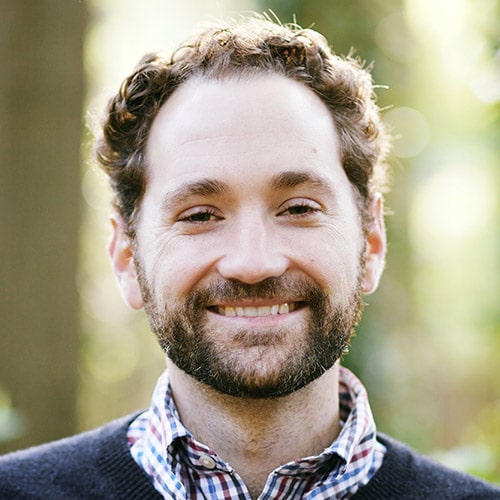
Image courtesy of Atticus LeBlanc, PadSplit

Quadruple the pace.

December 7, 2020

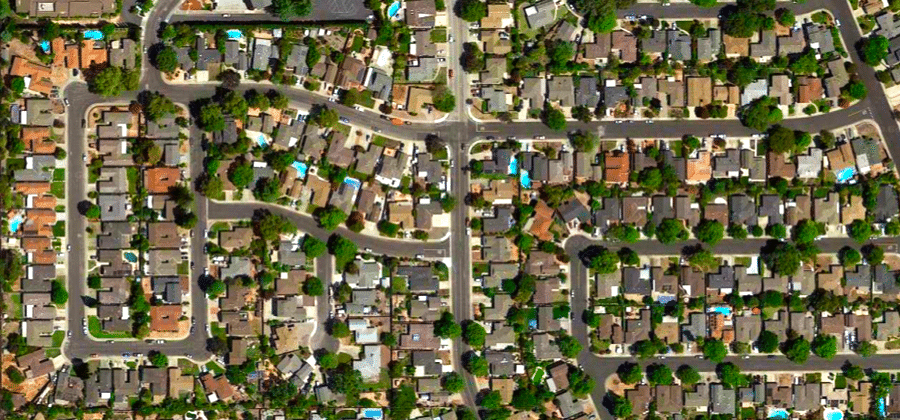
Housing shortages are not a new thing in California. California has suffered from housing shortages since the 1970s. By 2018, the shortfall was estimated to be at around 3 – 4 million.

This shortfall is at all levels of affordability but especially so for low- and moderate- income people. According to the annual report by the Department of Housing and Urban Development, the national rise in homelessness between 2018 and 2019 was 2.7 percent, but in California, which is struggling with out-of-reach housing costs and intractable fights over affordable housing construction, it grew by a staggering 16.4 percent, making it the third highest in the country. 20 percent of the Californian population is now living in poverty and high housing costs in urban centers has led to displacement and continued urban sprawl. According to Zillow, the median price of a Californian home is now almost the highest in the country.  

As California’s population continues to grow, the state struggles to provide enough housing. To keep up with expected growth, housing production needs to double. And to prevent further price increases and reduce rents, production would have to quadruple over the next decade. This is an enormous problem. A number of causes have been cited as the root of the problem including density restrictions, the high cost of land, NIMBYs (Not in My Backyard) or residents who oppose new construction, the high cost of construction, and cities that instead of encouraging residential development favor commercial and retail development to bring higher tax revenue. 

The Californian legislature has passed several bills in an attempt to address this issue, but the magnitude of the problem requires even more. Changes to zoning regulations to permit higher density, faster development approvals and better ways to involve stakeholders would all influence the production of new housing units positively. Lower construction costs achieved through manufacturing or by preserving existing buildings would help as well.

Heather Hood, VP at Enterprise Community Partners, is fully immersed in the affordable housing crisis, working to help solve it in Northern California. She’s written influential pieces on housing issues, helped to create technical assistance programs and co-chaired Oakland’s Housing Cabinet. 

Listen in to my conversation with Heather to hear an expert’s take on the housing crisis.

Image ©Google 2020

Learn some more …

Manufacturing change.

December 2, 2020

Green builder, Scott Flynn, co-founded indieDwell with Pete Gombert four years ago “to change the building industry by offering high quality, sustainable and healthy homes to underserved communities.” In the early 1990s, Scott worked as a carpenter’s apprentice building and remodeling homes, and even after he graduated from college as a chemical engineer, he continued to do building projects on the side. In 2001, Scott set up shop full-time, as Flynner Homes, a design-build firm based in Boise, Idaho, where indieDwell is also based. There, he was an early pioneer in the construction of high-performing, certified green homes, including at least two net-zero homes.

IndieDwell’s mission is to produce similarly sustainable houses, with a smaller footprint, that everyone on the income spectrum could afford. They work with developers or local organizations that can develop housing with an emphasis on creating mixed income, place-based communities. The first half of indieDwell’s model is about embracing modular construction, creating components in factory that then can be assembled on site. The second half of indieDwell’s model involves partnering with local communities to create employee owned/joint venture factories that produce housing for that community and region. They have already opened a second facility in Pueblo, CO, and they are in discussion with communities in Northern and Southern California, Virginia and Florida.

indieDwell’s innovative approach has received support from the Chan Zuckerberg Initiative, Enterprise Community, and a number of both financial, civic and philanthropic organizations. Scott, himself, is a Certified Green Builder, and both his companies have earned B Corp recognition.

Insights and Inspirations

  • It took months to manufacture their first home. Now IndieDwell is manufacturing 2 homes per week per line. With 5 lines in place, and more planned, the number of homes is growing.
  • IndieDwell is an employee-owned B-Corp. People are at the heart of everything Scott does.
  • Containers are complicated to build into homes. In a few months, IndieDwell will be moving to steel-studded framed systems for their modular homes.
  • IndieDwell sells their modular homes to like-minded organizations to ensure that the end-user gets the full-benefit of their carefully planned modular homes.

Information and Links

  • Scott likes B Corp.
  • He likes to listen to the Simon Sinek podcast.
  • And he wants to point out the great resource that is the Greater Good Science Center, at UC Berkeley.
Read the podcast transcript here

Eve Picker: [00:00:13] Hi there. Thanks so much for joining me today for the latest episode of Impact Real Estate Investing. My guest today is Scott Flynn, chief impact officer for indieDwell. Scott founded and ran indieDwell for four years, growing it from a one per quarter modular home manufacturing company to 10 per week. And it keeps on growing with joint venture manufacturing facilities planned all over the country. For indieDwell, the focus has been on affordable modular homes made from recycled shipping containers, although that is about to change. Be sure to go to EvePicker.com to find out more about Scott on the show notes page for this episode, and be sure to sign up for my newsletter so you can access information about impact real estate investing, and get the latest news about the exciting projects on my crowdfunding platform, Small Change.

Eve: [00:01:23] Hello, Scott. I’m really pleased to have you on my show today.

Scott Flynn: [00:01:27] It’s a pleasure to be here, Eve.

Eve: [00:01:28] You build tiny, affordable homes in Boise, Idaho. And I wanted you to tell us how, how do you do that?

Scott: [00:01:37] Well, it’s much bigger than just Boise, Idaho. I mean, we’re starting to scale this across the country. We’re scaling our impact with factories, with partners, factories across the country. Just to be clear, we don’t build tiny homes. We build modular homes.

Eve: [00:01:57] Umhmm.

Scott: [00:01:57] So, you know, for just some background here, the difference between a modular and a manufactured home, there’s a big difference. So, a manufactured home is built to lower quality codes, and that’s where you get the trailer homes and the mobile homes come into that category.

Eve: [00:02:17] Ok.

Scott: [00:02:17] But a modular is the same as a site-built stick-built home. It goes on a permanent foundation. It appreciates with the market. That’s the big thing here, the difference between these two.

Eve: [00:02:30] Umhmm.

Scott: [00:02:30] A manufactured home is considered personal property, so it depreciates over time.

Eve: [00:02:35] Kind of like a recreational vehicle.

Scott: [00:02:37] It’s exactly the same …

Eve: [00:02:39] Ok.

Scott: [00:02:39] Yes. But we build modular, so it’s real property and therefore it appreciates with the market. And therefore, when you can get anybody into one of these homes, say, the underserved or the left behind, so to speak, they can start to build wealth.

Eve: [00:02:58] And you’re doing that using shipping containers.

Scott: [00:03:02] That’s true. Yes. We started this five, about four and a half years ago now, the idea came into my head and it just seemed like the right thing to be building with. And, you know, we’re not builders, we’re manufacturers, so, you know, there was 50 million shipping containers in the world. And now there’s well, more than that. And half of them are sitting around being decommissioned, but still have the structural integrity in them, and I thought, wow, they’re, the structure’s there. It’s a resource. It’s doing nothing. You can put them on flatbeds easy and ship them around. So, that’s what we started building with.

Eve: [00:03:49] And that’s amazing recycling story, right? Are you still building with shipping containers?

Scott: [00:03:55] We are. But I will let you know we are starting to phase out of them in about four to six months. We realize that they’re extremely hard to work with.

Eve: [00:04:08] Interesting.

Scott: [00:04:08] Yeah, they’re really complicated. Especially when you get into a commercial-type project where you have more restrictive codes. You’ve got fire codes you have to comply with, and boy, it can really become challenging. And, you know, we’re in the business to put as many people in homes as possible, not try and build with the most complicated thing. Shipping containers are extremely difficult to work with, especially when you’re doing a commercial project, so that means, you know, a multi-family, multi-story project. And it’s, you know, we’re not in the business to prove that we can build the most complicated home. We’re in the business to put good citizens into a high quality, healthy home. And so, we are in the process of switching into a steel studded frame system. So, the story is still there.

Eve: [00:05:12] Right.

Scott: [00:05:12] It’s still steel screwed to steel. And there’s still high performance and energy efficient and durable and sustainable, and healthy. It’s just going to be packaged in a way that where, it’ll just make our lives easier and we’ll have more homes.

Eve: [00:05:29] Right. Right. So, a little more efficient to build. And what about cost-wise? Because I think, you know, these sound like they’re pretty affordable homes.

Scott: [00:05:39] Yes. I mean, the new product will actually lower the price even more. Our base model is a 640 square foot, two bedroom, one bath, large kitchen and living room. We’re offering that at 85,000 dollars. You still have to have your land, and then you put in foundation.

Eve: [00:05:59] Right.

Scott: [00:06:00] But depending on where you are in the country, you could be on the ground for 100,000, plus your land.

Eve: [00:06:09] Yeah. You know, I built a tiny house in Pittsburgh and that’s pretty well, what it cost me was a bit smaller, but the land was the killer because it was on vacant city land and that was an old basement for the house in the land. And we had to dig it out and remediate it. And that cost more than the actual house.

Scott: [00:06:30] Yes, that’s typically the case.

Eve: [00:06:33] Yeh, so you have to pick your land carefully, right? It’s great that you’re evolving and with the goal of keeping prices down. And what do these homes look like? You said there’s a typical, did you say two bedroom, one bathroom … or was it one bedroom, one bathroom house?

Scott: [00:06:50] The base model is two bedrooms. One bath.

Eve: [00:06:53] Ok.

Scott: [00:06:53] Has a full shower.

Eve: [00:06:54] Yes.

Scott: [00:06:55] And then it has a large kitchen area, and that leads right into the living room. So, when you walk in the home, you walk right into this 16 foot wide, 20 foot deep space that has your living room and kitchen in it. It feels very homey.

Eve: [00:07:15] Mmhmm. And what happens if someone wants extra bedrooms? How do they add them on?

Scott: [00:07:20] We just add another container onto it. We can get up to four bedroom, two bath.

Scott: [00:07:24] Ok, so that’s pretty, pretty simple. And when you do the steel frame system, you’ll have a little bit more flexibility, right?

Scott: [00:07:33] Yes. We’ll be able to go a little bit wider. So, we’re still deciding between a 12 and 14 foot module, but it’ll make a world of difference.

Eve: [00:07:43] Ok, and who do you sell these to? I was reading that you only sell to organizations, not to individuals.

Scott: [00:07:50] Yeah, our goal is to partner with like-minded developers, foundations, possibly other builders. We go through so much effort to build a product that is high performance and healthy, and a business culture that comes along with that, and capping our margins. We haven’t talked about that yet. We cap our margins to keep our pricing down.

Eve: [00:08:19] Mm hmm.

Scott: [00:08:21] And what we want to do is work with partners that are going to take the product from us and continue that impact all the way to the end customer. We don’t want somebody coming in along the way and taking that margin that we worked so hard to keep down.

Eve: [00:08:44] Yes.

Scott: [00:08:45] So, that’s why it’s really important for us to align with like-minded people.

Eve: [00:08:51] So, what sort of organizations have purchased these so far? And I suppose they’re purchasing them in bulk. So, who lives in the homes? Today?

Scott: [00:09:01] Our first two, and we’re heading into our third and fourth with them, is a charity. LEAP charities, led by Bart Cochran. And Bart did something amazing. He built the first ‘extremely affordable,’ so, we’re talking 30 percent AMI, with the most underserved group of people in this country, with healthy, high performance homes. And then he made the community net zero energy by putting solar panels on all the roofs. So, he has demonstrated the ultimate community is possible, that we can build high performance, healthy communities and serve everybody in the income spectrum. It’s beautiful. And so, we did a small community with him called Windy Court One. He built a Windy Court Two right next to it. So, he even made the community bigger, you know. Right across the street, he’s putting in, I believe it’s a 12-block subdivision. And you can see he’s just going to grow off of this.

Eve: [00:10:11] Mm hmm.

Scott: [00:10:12] That’s the like-mindedness that we do our darndest to connect with.

Eve: [00:10:19] And so where else in the country, like what other organizations are you connecting with?

Scott: [00:10:24] Well, some of the biggest names are Chan Zuckerberg Initiative, are you familiar with Chan Zuckerberg?

[00:10:31] Um Hmm, yes.

[00:10:31] Yeh, so they’re one of our partners. Northern Trust, Gary Community Investments out of Colorado. Enterprise. And there are several more.

Eve: [00:10:44] So, it sounds like you’re going to explode …

Scott: [00:10:46] Well …

Eve: [00:10:47] … building these little things.

Scott: [00:10:47] We have our second factory in Pueblo, Colorado, and it’s actually four times the size of our first factory here in Boise. You know, our first factory is 20,000 feet. It only has one line in it. It’s more of like our R&D line, as we like to say. But Pueblo is 100,000 square feet with four lines. And that’s what we are modeling all of our factories off of. And we have a minimum of four to six other partners that are inches away from pulling triggers in Northern California, Southern California, Virginia and Florida. And others on the way.

Eve: [00:11:38] So, with all these joint venture factories, like right now, how many of these homes are you manufacturing, and how big do you hope your production numbers will grow?

Scott: [00:11:49] Well, right now, it’s estimated that each line will produce about four modules a week, which is on the low side. And if you scale that across eight to 10 factories, that’d be about eight to ten thousand modules a year, which would be equal to about an average of, say, so half that. You start to put modules together, you know, four to five thousand homes.

Eve: [00:12:20] That’s pretty good.

Scott: [00:12:22] Yeah.

Eve: [00:12:24] What’s the biggest challenge you have in scaling like this?

Scott: [00:12:29] It’s actually scaling the business. It’s scaling the the inner workings and the processes and procedures of all of this, you know, as it scaled? That seems to be our biggest challenge. Here’s the amazing thing. We have zero dollars in outbound sales marketing. Zero. We have over 700 million dollars in our sales pipeline.

Eve: [00:12:57] Wow.

Scott: [00:12:58] So the sales and the inbound traffic is not the problem. There’s no problem there. Our product is in high demand. It’s just getting all of the inner workings to flow a little bit better as we scale. But typical, I mean, this is the definition of, you know, a startup and scale.

Eve: [00:13:25] Mm hmm. So what led you to start indieDwell.

Scott: [00:13:27] Oooo. Love this question. I’ve been in the construction industry for approaching 30 years and the last, well, starting in like 2003, I actually left my engineering career. I was a, I was a chemical engineer, for my passion in building and homes and architecture. And I started my own company, name of that company, Flynner Design and Build. And that company became the Boise Valley’s, you know, green builder. Healthy, high performance custom homes. And I, because I coupled my passion for design and architecture and construction with chemical engineering, which is heat energy and mass transfer. Well, that’s what a home does. A home is constantly transferring heat, energy and mass. And that’s at the core of energy efficiency and comfort. That’s what it is. And that’s what drew me into becoming a net zero energy builder, and just known as a green builder. The Flynner Homes cater to say the top 10 percent. Right? I put a question on myself, what would it take to put everybody on the income spectrum into a Flynner home? And that’s where IndieDwell came out of that question. And I had to figure out how to disrupt the typical construction business in ways to make that work, and one of them was how we incorporate as a corporation. We became a public benefit corporation. And really, that’s the heart of everything here. It’s, you know, typical corporations are inherently bound to maximize profits for its shareholders. That’s its job. A public benefit corporation, we’re still a for profit company, so it’s still business 101 at its core, but we are here to maximize our impacts on all of our stakeholders, just not our shareholders. And so when we look at it through that lens, it just opens our eyes to all of the possibilities of what business can have on impacting society and the environment positively. And that’s what’s brought us here today.

Eve: [00:16:06] That’s pretty great. You know, my husband also got a background in chemical engineering, but he ended up becoming a philosopher of science instead.

Scott: [00:16:14] Well, we could talk that, too, if you want, but …

Eve: [00:16:18] So, careers are meandering, aren’t they? And everything you learn is useful in the end. And so, like, how long did it take you to produce your first ten homes?

Scott: [00:16:32] Oh, my gosh, this is starting a manufacturing process from scratch …

Eve: [00:16:40] I can only imagine.

Scott: [00:16:41] … isn’t the most efficient thing today. We measure our throughput in days. You know, how many modules can we get through a day. I think when we first got started, it was almost two and a half years ago, it was how many weeks, if not months, I think it could be months, to get the first …

Eve: [00:17:01] Yeah.

Scott: [00:17:01] … home through.

Eve: [00:17:03] Yeah.

Scott: [00:17:04] And I mean, you just look at our efficiency curve and we’re being close to where we want it to be.

Eve: [00:17:10] That’s fantastic. What’s your big, hairy, audacious goal then?

Scott: [00:17:16] Oh, it’s really to demonstrate that when you put all of your stakeholders first. All of them. That not only are you more satisfied, but everybody you touch is fulfilled. Right? And so, you don’t have to be a manufac …, you could build any widget or have any service to have a company that impacts every person and place and thing’s life in a positive way.

Eve: [00:17:55] I mean, that’s an interesting statement because, you know, I think that’s probably the difference you’re talking about between a public benefit organization and a regular corporation, because most people would have a goal, like 50,000 homes a year. But your goal is to put people first, right?

Scott: [00:18:17] Yes. And when you do that, all of the metric goals come out of that.

Eve: [00:18:24] Yes.

Scott: [00:18:24] Right. But this is the, this is the foundation, the human connection, the, that creates all of those metrics.

Eve: [00:18:37] Yeah. So, just shifting gears a tiny bit. Are there any current trends or innovations in construction or real estate development that you think are really important for our future?

Scott: [00:18:51] Well, being a building scientist, because I can couple my engineering with construction. So as far as assemblies go, is understanding how to use less material and achieve the same outcome. For instance, our container home, we’ve got, it’s what is known as a double thermal break. It means that …

Eve: [00:19:16] Mm Hmm.

Scott: [00:19:16] … it’s hard for energy to get insi … from outside and in, and inside and out. And because of that, we get to shrink our wall down to four and a half inches instead of a typical five and a half inches that a two by six would deliver.

Eve: [00:19:32] Mm Hmm.

Scott: [00:19:32] Right? So how many more areas can we do that in? What is available to use less, but achieve equal or more?

Eve: [00:19:43] Right, because that translates into cost savings, right? And …

Scott: [00:19:47] Costs …

Eve: [00:19:47] … material savings and everything else.

Scott: [00:19:50] That’s, yes, absolutely. Less waste. You know, and on that front, it’s, you know, generally, it’s how efficient can you become and waste as little as possible, if not zero waste, which we’re working towards that, too.

Eve: [00:20:09] I have to wonder, like, you’re creating this enormous production line and, have you thought about anything else you might produce on it? You know, once you have a system in place.

Scott: [00:20:19] You know, we we have this book that we pass around. It’s about manufacturing. And it’s this particular book is specific to modular manufacturing. But the author in his first paragraph says, ‘I’ve spent many time in all sorts of manufacturing processes like automation and pharmaceutical and aeronautical.’ But he said, ‘the hardest one by far is building homes.’ So, are all of our efforts are going to be put into how to build the most efficient home in a manufacturing process. And for us to run other product through it is just not even discussed.

Eve: [00:21:00] Distracting.

Scott: [00:21:02] Oh yeh, plenty.

Eve: [00:21:04] Well, what’s next for you? Besides focusing on this for the next few years?

Scott: [00:21:10] Well, you know, so I’m the chief impact officer. I ran the company for the first four years, say I was the CEO, and then we put an amazing person in my place, Christina Ortiz, and she’s doing a fantastic job. I couldn’t ask any more out of her. And I took the role as the chief impact officer. So, you know, we’re looking at culture, going back to the people. How do you inspire the people? How do you, you know, we say that we have workplaces of safety, support and trust, and a culture of inclusion, diversity and equality, or equity. And so, my job is to make sure all of that is going into place, so that we do protect one of our most cherished stakeholders, which is our teammates, and I say teammates, because everybody at IndieDwell is an owner. We all have shares in this company. So, you can say it’s an employee-owned company.

Eve: [00:22:16] Mm hmm.

Scott: [00:22:16] So, everywhere along the line is like, where can we add more inclusion? Is everybody being heard? And do they know that everybody from the top actually cares about them and cares about everything that we touch, and making sure that message is driven home. And we’re not going to get it perfect all the time. There’s a long road ahead to make sure all these trainings and programs are put into place, but, you know, we’ll keep pushing forward and continuing to elevate it.

Eve: [00:22:56] Well, Scott, IndieDwell sounds like a fantastic company, and I can’t wait to see how it grows and evolves. And it’s very exciting. So thank you very much for sharing with me today.

Scott: [00:23:08] You are so welcome.

Eve: [00:23:19] That was Scott Flynn. His winding career has taken him from chemical engineer to home builder to home manufacturer. He calls himself a building scientist. But while Scott is focused on reducing building costs and unpacking the science of building homes, I hear quite loudly that first and foremost, he’s focused on people. He wants to build homes that everyone can afford. But he also wants to build a company that makes a difference in each employee’s life. And he’s doing that by providing ownership for all employees in the company that he’s building. You can find out more about impact real estate investing and access the show notes for today’s episode at my website EvePicker.com. While you’re there, sign up for my newsletter to find out more about how to make money in real estate while building better cities. Thank you so much for spending your time with me today. And thank you, Scott, for sharing your thoughts. We’ll talk again soon. But for now, this is Eve Picker signing off to go make some change.

Image courtesy of Scott Flynn/indieDwell.

Why ADUs are a good idea.

November 30, 2020

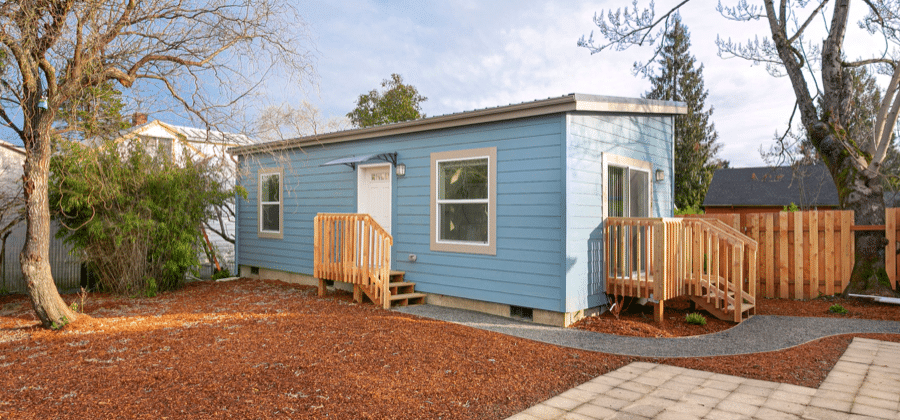
What’s an ADU?  It’s a granny flat or a mother-in-law unit, now more widely known as an Accessory Dwelling Unit and usually built as an additional living unit in the backyard of a single-family home. ADUs are typically small, so that they can fit neatly into a backyard, with a compact and efficient floor plan big enough for one or two people to live in.

Adding value all around

One of the greatest benefits of an ADU is the value it adds to a property. Already a popular selling point in many areas, they not only add square footage of independent living space but can also provide supplementary rental income to the homeowner. In the past, zoning laws have prevented this but with the current shortage of housing availability cities and states are enacting policies which encourage the building of ADUs but permitting them to be built “by right”, with no special permitting needed.

Building ADUs increases the amount of housing units while reducing the pressure of cities to expand outwards. Instead of building large-scale low-income housing, building a multitude of small-scale ADUs will increase property values across the board as the integrity and  character of a neighborhood is preserved. And higher density populations can not only bring more commercial activity, more transport options and walkability, but the value of infrastructure investments such as transportation, is expanded when more people use it.

Multigenerational housing

With the housing shortage at crisis levels, multigenerational housing is becoming more widely accepted in the US, and ADUs are likely to become more frequently used for expanded families. An ADU can provide housing for ageing parents, home care helpers or young adult members of a family. It can provide additional work-from-home space or it can allow senior homeowners to age in place.

Cost and efficiency

Building an ADU in your backyard means you don’t have to acquire land and their compact size requires less building materials. In some cases, costs are minimized by manufacturing off-site. Their size makes them inherently energy efficient as well.

Zoning

In some cities zoning laws can make it tough for homeowners to create an entirely new dwelling on their property. They may also face backlash from NIMBY (Not in My Backyard) neighbors. But homeowners who build ADUs are filling an important affordability gap and are helping to address the ever-growing housing crisis.

In Portland, Oregon, the city has introduced a combination of zoning reforms, fee waivers, and outreach to jumpstart the building of ADUs and help address the critical housing shortage. That’s where Patrick Quinton launched his company, Dweller. Dweller specializes in building and providing ADUs to homeowners who want one. Not only do they build the modular ADUs offsite, saving substantial time and money, they handle all aspects of the process, from site planning and permitting, to utilities, installation and landscaping. And they pay for the ADUs as well – financing that most homeowners don’t have. Dweller enters into a ground lease with each homeowner, giving them the option to buy the ADU at some later date, making the process of adding a housing unit and adding a little income for each homeowner, as easy as can be.

Listen in to my conversation with Patrick.

Image courtesy of Dweller, Inc

Learn some more …

Triple bottom line development.

November 23, 2020

Triple Bottom Line

The term was coined some twenty-five years ago by John Elkington, author of 19 books, co-founder of Environmental Data Services and SustainAbility, and a pioneer of the global sustainability movement. Traditionally, investors were only concerned with profit, but the concept that investment can also be socially and environmentally beneficial is one that began with this term and has been gaining traction and even driving decision-making ever since.

In the same way, triple bottom line real estate development can create a win-win-win for the developer, the community and also the planet.

The developer

Real estate development is a hugely risky business. Developers must make a reasonable profit not only to cover overheads, and a salary for themselves, but also to make it possible to secure loans, without which real estate projects cannot happen.

Community

The social component of community might be the most important. A development can bring many benefits to a community including the removal of blight, providing affordable housing, adding amenities, adding civic space, encouraging local business, bringing jobs, increasing the tax base to pay for more services and generally improving the quality of life through place-making.  It’s important that developers work closely with the community to make sure their project is both beneficial and embraced.

Sustainability

Real estate projects can incorporate sustainable practices into their work in many ways — by saving energy during construction, using renewable building materials or energy, by adding insulation and rainwater collection facilities, by locating in a walkable or bikeable location and by being close to transit. These are just a few of the options which developers might consider.

Ken Weinstein is a developer who strives for the triple bottom line in each of his projects. His company, Philly Office Retail, tackles underutilized and blighted properties and re-develops them to serve their local communities.

Not satisfied with what he can add to his community in terms of real estate, he’s also become a teacher by launching Jumpstart Germantown, a bootcamp for wannabe developers, open to everyone in his community. Still not satisfied, he’s gone even further to launch a loan program to support their projects as well.

The High Line, New York by Brian Ledgard , CC BY-2.0

« Previous Page
Next Page »

Primary Sidebar

sign up here

APPLY TO BE A PODCAST GUEST

More to See

(no title)

February 22, 2025

Bellevue Montgomery

February 11, 2025

West Lombard

January 28, 2025

FOLLOW

  • LinkedIn
  • RSS

Tag Cloud

Affordable housing Climate Community Creative economy Crowdfunding Design Development Environment Equity Finance FinTech Gentrification Impact Investing Mobility Offering Opportunity zones PropTech Technology Visionary Zoning

Footer

©rethinkrealestateforgood.co. The information contained on this website is for general information purposes only. Nothing on this website is intended as investment, legal, tax or accounting strategy or advice, or constitutes an offer to sell, solicit or buy securities.
 
Any projections discussed or made may not be accurate and do not guarantee a specific outcome. All projections or investments are subject to risk due to uncertainty and change, including the risk of loss, and past performance is not indicative of future results. You should make independent decisions and seek independent advice regarding investments or strategies mentioned on this website.

Recent

  • The Mulberry
  • Mount Vernon Plaza
  • The Seven
  • Real estate and women.
  • Oculis Domes.

Search

Categories

Climate Community Crowdfunding Development Equity Fintech Investing Mobility Proptech Visionary


Copyright © 2026 · Magazine Pro on Genesis Framework · WordPress · Log in