• Skip to main content
  • Skip to secondary menu
  • Skip to primary sidebar
  • Skip to footer
  • Home
  • About Us
  • Say hello
Rethink Real Estate. For Good.

Rethink Real Estate. For Good.

  • Podcast
  • Posts
  • In the news
  • Speaking and media
    • About Eve
    • Speaking requests
    • Speaking engagements
    • Press kit
  • Investment opportunities

Visionary

Rethink Real Estate.

January 27, 2021

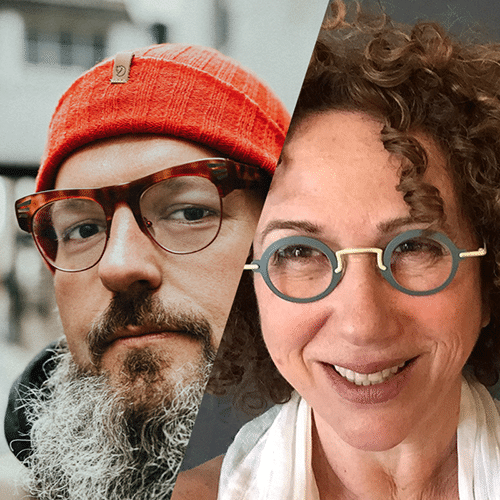
What happens when three friends and kindred spirits start dedicating their Saturday mornings to the pursuit of more equitable development and democratized finance?

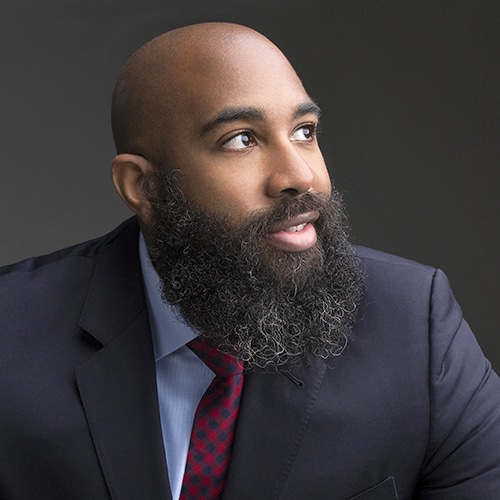
For years, Dutch MacDonald, architect and technologist, Josh McManus, entrepreneur and place-maker, and Eve Picker, urban designer and developer, have been rooting each other on in their respective pursuits. And then the pandemic happened. We traded in time spent on trains and planes for weekly meetings. Over the last year our discussions have led to an emerging consensus regarding the acute need to rethink real estate for the future. 

In our respective worlds we have encountered developers, companies, foundations and family offices all looking for counsel. Not an esoteric brand of futurism, but on-the-ground real experience, and solutions to the diverse problems facing anyone who wants to create buildings and places that work for everyone. 

And so, Small Change Advisors was born. We’ve an eye on reimagining the way that spaces and places work. And we have a wealth of collective experience amongst us. Just listen in to Josh and Eve in this first of a series of ongoing conversations, and you’ll get the picture.

Insights and Inspirations

  • There is a radical transformation of real estate going on right before our eyes, and in a system that hasn’t changed much since this country’s inception.
  • We’ve watched the broker model in insurance and the mortgage industry being displaced. Real estate may be next in line.
  • The ‘dollars and square foot, for many years at a time’ model for commercial real estate needs to be reimagined.
  • We have to stop looking at buildings as ‘warehouses for humans’ and see them as ‘machines for the maximization of human potential.’
  • Real estate is a tool for transformation, able to stitch places and communities and cities together.
  • We need a broader toolkit of options to expand the lessee/landlord relationship, including a democratization of real estate that can let owners, renters and communities (literally) invest in where they live and work.

Information and Links

  • Get some (community, development, impact, crowdfunding, visionary) advice from Small Change Advisors.
Read the podcast transcript here

Eve Picker: [00:00:19] Hi there. Thanks so much for joining me today for the latest episode of Impact Real Estate Investing. What happens when three friends and kindred spirits start dedicating their Saturday mornings to the pursuit of more equitable development and democratized finance? Well, a lot.

Eve: [00:00:44] For years, Dutch MacDonald, architect and technologist, Josh McManus, entrepreneur and placemaker, have been rooting each other, and me, on in their respective pursuits. And then the pandemic happened. We substituted planes and trains with weekly meetings, and over time a picture emerged that there’s an acute need regarding how to tackle real estate in the future. Developers, companies, foundations and family offices are all looking for counsel. Not the esoteric, academic brand of futurism, but real talk, real experience and real solutions to the problems facing people working to build places that work for everyone. And so, Small Change Advisors was born. We’ve an eye on reimagining the way that spaces and places work. And we have a wealth of collective experience amongst us. Just listen in to Josh and I and you’ll get the picture. Be sure to go to EvePicker.com to find out more about our Saturday morning adventure, and be sure to sign up for my newsletter so you can access information about impact real estate investing and get the latest news about the exciting projects on my crowdfunding platform, Small Change.

Eve: [00:02:16] Hey, Josh, thanks so much for joining me today.

Josh McManus: [00:02:19] Hi Eve. Happy to be here.

Eve: [00:02:21] So, you and I talk a lot on Saturday mornings with our friend, Dutch MacDonald.

Josh: [00:02:26] That we do.

Eve: [00:02:27] We started doing that like maybe mid-last year? And what brought us there, why did we decide to do that?

Josh: [00:02:35] I think it was a unique combination of our ongoing realization that we all come to, a very similar set of shared beliefs, but from very different experiences and angles. And, you know, to give away your time on Saturday morning when you have a lot of other things that you could be working on, I think there has to be a lot of serendipity and symbiosis. And we seem to have found that amongst the group, that time always flies by.

Eve: [00:03:05] Yeah, I mean, I remember thinking I’ve known you for quite a long time now, right? Through CEOs for Cities and after that. So, you and I have had a lot of commonalities in the way we think about cities and do things. And Dutch, Dutch was the architect for my real estate portfolio, and then moved on to a slightly different world, business strategy and digital placemaking, I suppose. I don’t know, I have always thought that together the three of us can be better than alone.

Josh: [00:03:37] Yeah, yeah, I totally agree. I think the more, and it’s probably been, I don’t know, 15, 20 years since you and I first crossed paths?

Eve: [00:03:47] Yeh, probably.

Josh: [00:03:48] But the further I go into this work, there’s a very small set of people that I call, you know, at the Ph.D. Level that have been on the, sort of, the front lines of placemaking, community change, this sort of transformational development. And so, it gets harder and harder to find friends that you can have the right conversations with. And so, there’s a certain solace in finding folks that you can talk about any of these problems and issues and opportunities with. But then each of us come at it, you know, you guys have a, very technical training. I have business training. Dutch has been doing a lot of work and consulting in the digital world. And so, I think there’s a lot of magic that’s happened, is collapsing our insights together and turning them into shared action.

Eve: [00:04:35] So, we each have a special superpowers, and I think that’s what’s always fascinated me. And also the thought of working with people who, as you said, think the same way, love the same things, are passionate about cities, want to make a difference. All of those things. It’s hard to find people who really want to do that.

Josh: [00:04:54] Yeah.

Eve: [00:04:55] Anyway, so I’m going to ask you, what’s the one thing you believe about real estate right now that others don’t seem to believe in, yet?

Josh: [00:05:04] I think that we are seeing the radical transformation of real estate right before our eyes and that we should be surprised and amazed by that because it’s a system that hasn’t changed pretty much in the United States since our inception. And the thing that I believe about real estate that I don’t know that others have completely come to terms with yet, is that I don’t think the business model is going to hold. I don’t think that the dollars and square foot, for many years at a time for commercial real estate, is going to be the way that business is done even a dozen years from now. I think there’s going to be a radical imagination of the monetization for commercial spaces. And I think that we’re getting a first look at it through the work of Small Change, and also through some of the work that I’m doing in these post-industrial cities.

Eve: [00:06:02] When you talk about that … are you talking about ‘demand pricing’? Explain a little more.

Josh: [00:06:07] Yeah, I think either brokers with a much broader toolset, or a displacement of the broker, which has happened in the insurance and the mortgage industry, and the toolset then becomes much bigger. So, I mean, demand pricing and pricing, that’s also got the arbitrage for the amount of time that you want the space for. So, right now, it’s really hard for potential tenants to find short-term lease offerings. But, you know, We Work, despite its failure, or despite its setbacks, started to chart that territory. And then you’re seeing a number of other providers following those footsteps. But not just demand pricing. You’re seeing unique revenue share models, a lot of retail, and food and beverage, is shifting much more to revenue share. Food halls are driving a lot of innovation around revenue models where risk and costs are shared by different entities. And so, I just see, you know, the ways that you can and use commercial space turning from a singular, ‘it’s about dollars, square feet and years,’ into a much more broad and varied menu of offerings that are priced accordingly, that are staffed accordingly, and that are, frankly, much more mutually beneficial to both the landlord on the lessee.

Eve: [00:07:29] That’s a really exciting concept. I have to tell you, I was thinking about that 15 years ago when I developed two buildings which had unusually small commercial spaces. Like little studios and spaces that range from about 400 square feet to under 2000 square feet. And I couldn’t find a broker who wanted to take on leasing them. And the reason was, because the broker model is based on commission. And that broker model, really, I don’t want to say it forces greed because that’s a bad way to put it. I mean, people need to put food on their table. So so brokers, right? But it forces them to really pursue the bigger deals because that’s how they get paid. And so, all the little ones get left behind. And yet they’re the ones that are really important for building, you know, the next business, a creative and diverse economy. And I ended up marketing all of those spaces myself for that reason. But it is a very broken system. Very broken.

Josh: [00:08:32] Yeah, well …we’re seeing the radical disruption and displacement … so AirBnB, you know displaced a whole set of brokers. You used to go to the beach and you dealt with a real estate firm that was set up to do short-term rentals. And now AirBnB is …

Eve: [00:08:50] That’s right.

Josh: [00:08:50] Vacasa and others. Yeah. And same thing if you look at under Warren Buffett’s holdings at Berkshire Hathaway, a Geico, like, you know, just used to have your neighborhood insurance man, and you don’t right now. You go direct when you’re going with Geico. I was at Quicken Loans as part of my work with Rock Ventures. That’s a 50 state sales-side operation. So, they’re competing against banks who have brick and mortar locations in neighborhoods, and they have this sustained competitive advantage, in that they don’t have that brick and mortar and they don’t have that whole traditional brokerage model. So, I don’t see any reason why it won’t happen in commercial real estate. You know, it’s in the process of arriving right now.

Eve: [00:09:31] Yeah, at the moment, really, Craigslist is the only option.

Josh: [00:09:35] Yeah, yeah …

Eve: [00:09:36] For those little spaces …

Josh: [00:09:37] … and that’s a sketchy option.

Eve: [00:09:39] It’s a sketchy option. It’s difficult.

Josh: [00:09:41] But I, I think it’ll change quickly.

Eve: [00:09:43] Yeah, that’s exciting. What’s your biggest pet peeve in real estate? Aside from this one?

Josh: [00:09:51] Well, this one is a major pet peeve of mine. There’s a philosophical one that I don’t know if you and I have talked about before, which is, I think that all too often we look at buildings as warehouses for humans instead of as machines for the maximisation of human potential. And what I mean by that is, a lot of folks, when you were doing commoditized-type work, if it was piecework or sales work or light manufacturing, which is, where can we find some space that has basic amenities so that people can do their work inside of them. Now that we’ve moved to a much more knowledge work-based economy, you have to ask yourself, how do I help the people that are inside of those, which are our most valuable asset, be their most productive selves? And so, I still walk into too many spaces and I feel like they’re trying to compete on the warehousing front. So, how many people can we warehouse in here for how many dollars and how many square feet?

Eve: [00:10:49] Right.

Josh: [00:10:49] And they’re not thinking about this is a machine for maximisation of human potential. So, what happens in the public realm? The quality of the food and bev, the quality of the shared spaces, the shared amenities? I always say in the real estate project I work on, you can’t austerity your way to prosperity. And so, I’m constantly peeved when I find people that are trying to do that.

Eve: [00:11:12] Interesting.

Josh: [00:11:14] What about for you, Eve?

Eve: [00:11:15] I’ve got a couple of pet peeves. One is banking. You know, I really and I’m not sure it’s the fault of banks, but I really believe that banks are squashing creative real estate innovation in the way that they lend. Because in order to get a bank loan, you need to get an appraisal. And in order to get an appraisal, there need to be a couple of, like, kind projects. So, this means that some new idea or a first of its kind project in a neighborhood is not going to get traditional bank financing. And I think that’s really holding back remaking places in a meaningful way. I think it’s a really big problem. The second pet peeve I have, I think, is zoning. Same issue. I have a little cottage in this wonderful little place that was, really, a fisherman’s village. It’s a miniature little thing. And sometime in the 19 .. probably in the 1960s or 70s, some wanting the zoning department thought it was a really good idea to overlay a completely suburban zoning rule over that funky little neighborhood. Everything that was there is grandfathered in, but everything that’s being built now looks completely different. It looks suburban with side yards and backyard setbacks that really are a completely suburban model. And I think that’s a horrible shame. But, you know, I think contextual zoning is critical to keep places intact and characterful and interesting and to really maintain the culture of them. But on the other hand, rewriting zoning codes, not zoning law, is immensely expensive. And I really don’t know the answer to that. I mean, small municipalities simply aren’t going to be able to afford to address that. They’re just not.

Josh: [00:13:15] Yeah, yeah. I see a regular friction with this, especially in post-industrial cities that have draconian old zoning laws, and they also don’t have the municipal finance to even start thinking about how they decrease these barriers. There’s an exciting piece of these pink zones or innovation zones, or they’re sort of peeling back zoning temporarily to see what happens. And I hope that that leads to some mass scale changes. But it seems to me in general, you know, when a lot of this was laid out, you know, heavy industry was big and dirty and that’s not even the case anymore. And so, all of the things that were being accounted for and attempted to be prevented, not to mention the things that were attempted to be prevented that were terribly racist classist or something else -ist, but I don’t think it’s the looming threat that it was when a lot of this came about. So, I’m hopeful that some of these innovation programs will chip away at it.

Eve: [00:14:14] Yeah, things like that have happened recently, like zoning overlay districts in the entire state of Oregon and California to permit accessory dwelling units. They’re really good. Planners need to just go for it a little bit more.

Josh: [00:14:29] So you have this incredibly rich experience where you’ve worked on a lot of projects. And I’m curious to know of all these projects that you’ve worked on, and you’ve taken on some of the hardest to figure out buildings in some of the most needed urban places of all of them that you’ve ever done. Like what’s your favorite project and why?

Eve: [00:14:50] This is like picking your favorite child. It’s very difficult to do. Oh, favourites, that’s really hard. So, They all have the pros and cons. But I would say … I think the most challenging for me were the most fun. I don’t know if I would call them my favorite, but that tiny house that I built in Garfield, 250 square feet of it, was the most challenging project I ever took on, by far. And it was challenging because it challenged zoning codes, building codes, financing. I mean, there were things I discovered along the way that we just never anticipated. I couldn’t get an appraisal for it because it was the first tiny house on a foundation in the tristate region. Therefore, I crowdfunded the debt, because I was not going to get a bank loan. It was extremely challenging, and I enjoy that. It’s solving an enormous puzzle and along the way you discover the pieces of it that you really need to address. I think I’m a design snob. I love great design and I love wonderful and beautiful buildings and places. But for me, I think the projects I’m proudest of are the ones that just didn’t look like they would ever work. And I, I got them to work through sheer tenacity. Many of my projects have design features that people point out, which really are not design features. I live in a loft with a polished concrete floor because we couldn’t afford to cover it with anything, you know. Three of the walls are concrete block for the same reason. Dutch helped me with these projects. So, he was an integral part of this. We used the raw materials that we knew we couldn’t get away from, to turn them into design features because that’s what the budget dictated. So, I don’t know if I have a favorite, but I think that’s my favorite part of building is really making something wonderful happen with the resources you have. Does that make sense?

Josh: [00:16:58] Yeah, absolutely. And that willingness to let the problem dictate the solution, in some ways flies in the face of probably some of the real estate advice you’ve been given along the way.

Eve: [00:17:11] Oh, yeah, that encapsulates it really well. That’s what I really enjoy.

Josh: [00:17:16] So, what other real estate advice have you been given, or have heard other people giving, that you don’t agree with? Because I love this contrarian line of thought.

Eve: [00:17:25] Real estate advice that I’ve discarded. I think probably the biggest one, and this may be a problem for me is that I fall in love with the buildings I buy. I really, I really love architecture and I love buildings. And so I become passionately entwined in my projects, which, you know, every big developer tells you never to do, you know? Be ready to walk away from a project if it doesn’t work. That is really hard for me. I can’t walk away. I spend a lot of time kind of pressing the challenge, trying to make it work. So, I think that’s probably the biggest advice I’ve ignored. Don’t become passionately involved in the buildings you choose to develop. For me, it matters. If I’m going to spend time on redeveloping a property, or building a new one, or maintaining it afterwards, managing it. I’ve got to love it. I really don’t want to be doing that, you know, with a Microtel in a suburb. That would be painful for me.

Josh: [00:18:28] Sure. Yeah. That relates to the piece of advice that I’ve been given that I just, sort of, fundamentally reject, which is that, you know, often times I’m working with large organizations, you know, companies, sometimes entire communities, sometimes foundations, sometimes family offices, and there’s still people who come to me and say, well, you have to understand that within that, real estate is a unique discipline. The buildings work differently and only developers understand how buildings work. And for me, again, a building is a machine for the maximization of human potential.

Eve: [00:19:04] I think that’s right.

Josh: [00:19:06] And so, if I’m advising a company to say, well, let’s not worry about what the lease is on this space, if you have 20 million dollars of payroll sitting in this building and the building could make those people 10 percent more productive, that will eclipse whatever the dollars in square foot price was at the bottom of the development deal.

Eve: [00:19:29] Right. It’s about change making, right?

Josh: [00:19:32] Real estate is a tool for transformation. Yep. It is not a warehouse for human beings. It is a tool for transformation. And if you look at what companies and communities and foundations and family offices are willing to spend on other tools for transformation, to then walk up to real estate and say, well, we should use the 300 year old model about competitive, you know, commodity prices per square feet. I think that’s just patently ridiculous.

Eve: [00:20:00] Well, you know, I think I bring that same thinking to small change the crowdfunding platform. I venture to say I’d be a lot further along with that business if I were willing to raise funds for any old project that came along. But I’m not. I’ve made it harder for myself, but also much more gratifying by insisting that Small Change is going to help transform places. And so, the projects we raise funds for really need to be making some change in some way, in the place they’re in. I really hope that takes hold. I believe there are lots of people who think about it, but it’s certainly not as many, and there’s not as many big dollars invested as your everyday, you know, development that you see pop up everywhere that all look the same over and over again. There’s far more money in those than these challenging little enterprises, right?

Josh: [00:20:59] Yeah. Yeah. Well, this might be leading the witness a little bit, but I’m curious, based upon that, if you had a magic wand and you could change anything about the development industry, overall, what is it that you would change? I’m sure it relates somehow to the projects that are getting done.

Eve: [00:21:18] Yeah, I mean, I think it goes back to the real estate industry. I think the zoning and financing are the key pieces for me. I wish there were a pool of funds, a bank, a group of banks that would support creative, ground-up projects that really offer the opportunity to stitch places and communities and cities together, and I wish they weren’t so much money being spent on the wrong type of projects in suburban places where you have to drive to them, which causes further pollution, where they really don’t face the street, that don’t add anything to the community there … as you said, warehouses for people. So, that’s what I would like to see change. How about you? What’s your magic wand? What would you like to see?

Josh: [00:22:11] For me on the magic wand, I feel like there is just a missing toolbox that fits between the landlord and the lessee. And so right now there’s a very traditional leasing model that sits between most landlords and lessees. And there’s about dollars and square feet and years. And I would create a much broader toolkit of options that says no matter what you need right now, here is a tool that might be able to help you as the entrepreneur and also benefit the landlord. And so, part of my background is working in creating entrepreneurial ecosystems. And so, I’ve worked with so many small businesses of so many sizes and stages of development, I know that most of them do one of two things. They either sign up for the wrong space and that becomes a particular detriment to them, or they avoid getting space for far too long. And that stunts their growth. And it’s because they’re terrified of, you know, they just got started five weeks ago and they’re asked to sign a five year lease and they don’t know what business is going to be like in, you know, five months, much less five years.

Eve: [00:23:26] Yes, I know.

Josh: [00:23:27] So, creating a much broader toolkit that allows you to nurture an ecosystem of tenants through the maximization of their potential. And I believe that tenants will pay for the arbitrage, like they’ll pay for you to direct them. And we’ve seen this with the We Works and Industrious’ of the world. They’re realizing, like, people will pay for optionality and therefore the landlord can be made whole, and sometimes above whole. But I’m super excited for that toolkit. If I had the magic wand then I would accelerate that toolkit to where there was a whole suite of services available to every potential lessee from every landlord. And then it wouldn’t be necessarily cumbersome or it wouldn’t be, like, finding a unicorn when you’re in a city trying to get a business off the ground.

Eve: [00:24:19] But then, you know, you’d have to work with me on my magic wand, because as the landlord, when I go to the bank with the building and I want to refinance it, the first thing they look at is the length of the lease. The leases that we have on the building. And so, if I have a building providing optionality and I’ve been in this position, even if I have a history with that bank and have never missed a payment, they probably won’t come to the table with a loan. This is why I think, you know, some of these boring things like banking are really critical. So, if we were to develop that toolkit, I’d be right there looking for banks that would support it.

Josh: [00:24:57] I think the toolkit requires a new capital class, and that’s the conundrum of it.

Eve: [00:25:02] That’s right.

Josh: [00:25:03] But if we can make that clear, I actually do believe that there are capital providers that would be interested in that capital class. If you look at the impact funders that want to see the stagnation of small business development in the United States offset, this would be one of the ways to do that. Because you could better incubate small businesses if they had the appropriate arrangements and services in order to grow.

Eve: [00:25:29] Yeah, I think it’s right. I think you just they’re all so intertwined. It’s not a small problem.

Josh: [00:25:36] No.

Eve: [00:25:37] But I have to ask you, like, we’re forming this company, Small Change Advisors, the three of us together. What roles would you love to be involved in as a Small Change Advisor? How do you think we can help people?

Josh: [00:25:50] Yeah, well, I guess we kind of buried the lede from the audio side of things, which is we’ve been working together on Saturday mornings and we finally got to a point where we were like, hey, enough people are asking for these services that we’ve got to do something about it.

Eve: [00:26:04] That’s right.

Josh: [00:26:05] So, we said, OK, well, the easiest thing to do is extend off from the Small Change platform and all the success that you’ve already created there, and the deals that you’ve helped people get done, and form Small Change Advisors. Because we are seeing these companies, these communities, these foundations and these family offices that are trying to figure this out. So, my life mission is to strengthen the humanity immune system. And what I mean by that is I believe the more people that are equipped and empowered to be agents of change, the better off the world will be. And I don’t just mean individual people organizing in their neighborhoods. That’s important. But I think that companies, communities, like entire communities, again these these family offices, these foundations can be equipped to be agents of change. And so what I hope we can do with Small Change Advisors is accelerate the amount of people that are thinking about real estate in these ways that you and I have been looking at it for the last 10, 15, 20 years, the same way that Dutch looks at it, which is, as a tool for transformation for communities, you know, as a great benefit both to the organizations that are doing them, but also to the communities that surround them. And as a overarchingly source of abundance for, you know, a lot of post-industrial places that we work in that have forgotten what abundance looks like.

Eve: [00:27:33] So what is a dream project? Look like them? Like an example of one?

Josh: [00:27:38] Yeah. So, I’m super lucky in that I get to work on a couple of dream projects right now. And the one that’s public facing that I get to help out with is Ford Motor Company’s work on Michigan Central and Detroit. And Michigan Central is a development that’s anchored by Michigan Central Station, which is the Beaux Arts station that’s been abandoned for about 30 years that is designed by the same folks who designed Grand Central Station in New York. And Ford is turning that into a mobility innovation district and a place of discovery for the future of mobility. And so, working to support a company and a community like Detroit, a neighborhood like Corktown, and to think about how you create new products and services, how you create jobs for a community, how you create a place that’s more dynamic and attractive, like that’s the sort of dream project. And so, I got to work in Downtown Detroit on similar stuff. I was at Rock Ventures and we worked on the acquisition and the transformation of over 10 million square feet. But that sort of size and scale is what I’m super fascinated with, because I’m seeing non-traditional actors in the real estate world intervene and say we’re going to make our places better. We have to, it’s table stakes for retaining and attracting the best employees. And it’s also the right thing to do for the communities that we call home. And so, those are sort of dream projects that I get to work on now. I’m interested in that same question for you as well. And then I’ve got another question behind that.

Eve: [00:29:19] I’ve got a variety of dream projects. One of my big dream projects is that someone approaches Small Change who gets that it is a tool for them, to really remake an entire place. That they can raise a bunch of small raises with people from the neighborhood investing in a variety of buildings, maybe even, you know, your project in Michigan. You know, you open the door for neighborhood investors in each project that is built. But you can also do much larger raises and let much larger investors in as well. So, that over time the people who live there can enjoy the increased value of that asset. I would love someone to come along with something that scale and sort of realize the potential of how we can help to generate wealth over a long period of time. I’d also love to create a Small Change fund. So far we’ve been working on individual project basis, but there are some securities tools out there, Regulation A in particular, that I think could really be used to create a large fund which lets everyone over the age of 18 invest, and really puts our theories to work on where investments should be made, where they’re not being made right now, to sort of build community. I think those are probably my two top picks. I have like little dream projects for real estate as well. But we won’t talk about those.

Josh: [00:30:51] Yeah, yeah. Those are super exciting and I think we’re lucky to be working on the projects we already are. And I can see these new things on the horizon. Beyond those projects they inform a larger, more audacious goal. And so much of what has attracted me to spend the time with you and Dutch every Saturday morning, and to want to be a part of Small Change, and that’s a broader democratization. So, you referenced it that there and community participation. But could you talk a little bit more about that big audacious goal, what you’d like to see for real estate and investment overall? If we could fly back down in 100 years and look at the world, how would it be different because Small Change has been around?

Eve: [00:31:38] Well, I mean, Small Change is sort of tackling, we’re right at the beginning of tackling the democratization of investment. And until these new securities laws were written in 2016, regulation crowdfunding, unaccredited investors could, or non-accredited investors could not invest. Investment in real estate was only for the elite, for the three percent that have a minimum net worth of one million dollars without their primary residence, or 200,000 dollars a year in income. And even then, that elite would have to know someone in the real estate business to be able to invest. So, the places where money was coming from was altogether very limited. And what I learned in my work in Pittsburgh is that people have a palpable need, a desire, to be part of improving their city and they look for ways to do that. I mean, this is one of the key things I learnt in Pittsburgh. It’s extremely powerful. And I really believe that giving them an opportunity to invest at some small level is the right thing to do. In the long run, it will benefit the city and make it a stronger, more tightly-knit place. Does that make sense?

Josh: [00:33:00] Yes, absolutely.

Eve: [00:33:03] That’s one, what the hopes are, that somehow Small Change can become a community banking system of sorts and fill in where financial institutions just don’t want to go right now. Or can’t go right now, for whatever reason. It’s a big, hairy, audacious goal.

Josh: [00:33:21] Yeh, and it’s also such a beautiful dream. And so I’m grateful to you for inviting Dutch and I into the fold. I’m super excited about us forming Small Change Advisors. And I do know from my days in fundraising that you don’t get anything that you don’t ask for. So, I guess as we sort of wrap up this first session, and I made a bunch of notes. It feels like we’ve got a lot more things to talk about. We should say to the folks that are listening, if you are a company, a community, a foundation or a family office, and you’re trying to figure out a project that aligns with this dream of democratizing real estate finance and building better places through these progressive real estate projects, we’d love to talk to you. And also, if you are somebody that has built a tool, created a solution that you think may help along this goal, too, or you’re interested in what we’re going to do as a team, as Small Change Advisors reach out to us as well. Because this is a mission that about a lot more than a traditional company would have. And so we’re going to need all the help we can get along the way.

Eve: [00:34:29] And I would say a final thing is if you have something that you’d like us to talk about, let us know. We plan a couple of conversations like this, and one of you out there may have an idea that hadn’t occurred to us. So, please be in touch.

Josh: [00:34:44] Yeah. Yeah. So, on the horizon, space as a product versus space as a service, continuously variable financing, monetizing public amenities, and the specifics of involving the crowd in the finance stack are all things that are on my notes for additional discussion. So, again, thank you for the invitation to talk.

Eve: [00:35:07] Oh, thank you very much. I’m looking forward to the next one.

Josh: [00:35:10] Thank you.

Eve: [00:35:25] You can find out more about impact real estate investing and access the show notes for today’s episode at my website, EvePicker.com. While you’re there, sign up for my newsletter to find out more about how to make money in real estate while building better cities. Thank you so much for spending your time with Josh and I today. There’ll be more to come soon. We’ll talk again soon. But for now, this is Eve Picker signing off to go make some change.

Images courtesy of For Purpose and Small Change Advisors.

The third way.

January 25, 2021

Many people may be familiar with the broader concepts of real estate development, but what effect does the way in which a project is financed have on the final outcome?

For profit

Property development has long been a business enterprise. Like all investment, it’s all about risk and reward. For-profit developers take all the risks in order to obtain the greatest reward. Typically, developers, as individuals or companies, coordinate the buying of land, designing a project, marketing it, obtaining approvals, financing, building, managing and ultimately selling. The entire process is aimed at maximising profit, but it requires very deep pockets as a project may take years to complete and the developer will only see their profit when the project is sold.

Unfortunately, not all private developers do the right thing. Some developers, either unethically or unwittingly, cause gentrification and displacement in communities by building apartments and condominiums out of the price range of local residents. Even projects pitched to provide revitalization for underserved neighborhoods have sometimes driven long-term residents from their communities and homes.

Non-profit

Non-profit developers have a vastly different purpose of existence. Their mission is to build affordable housing for the underserved sectors of the community. Non-profit housing organizations and community development corporations (CDC) make up the bulk of the non-profit development sector and have so far produced approximately one-third of the social housing stock. Unlike their private counterparts, non-profit developers generally do not have deep pockets and need to access capital through a variety of sources for both development and management as these properties are not built to be sold.

Another major difference is that unlike for-profit organizations, non-profits are exempt from paying income tax – a government reward for their investment in community.

The third way

What if there were a third way to develop? Charmaine Curtis believes there just might be.

Charmaine, the CEO of her own development and consulting firm in the San Francisco Bay Area since 2004, believes that the middle ground should be occupied by developers like her – those who want to use their talents to develop in a more equitable way. Developers who know how to drive a deal to financial viability, while at the same time building a project to be proud of that adds value to the community.

Projects would be market-driven, but always with community-first principles in mind. A developer might make a fee, or a reasonable profit commensurate with the level of risk, but that profit would also benefit the people who the development is built for. This may be the perfect meshing of the non-profit and for-profit development world, and ultimately a nobler role that developers might play in shaping more equitable cities.

Listen to my conversation with Charmaine.

Image by J D Norton

Building generational wealth.

January 20, 2021

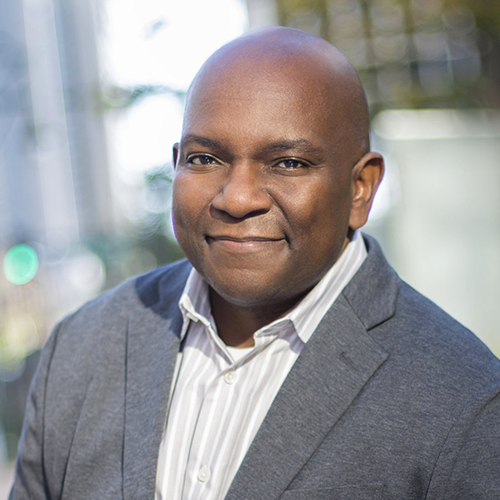
Last May, Lyneir Richardson told us about his audacious goal to help 1,000 urban entrepreneurs grow their businesses, through a nine-month program run by the Center for Urban Entrepreneurship & Economic Development (CUEED) at Rutgers University in Newark, NJ. This year we are talking to him again about his latest project, implemented through The Chicago TREND Corporation, where Lyneir is co-founder and CEO, to buy 100 community shopping centers with 100 community members. The first one will be Walbrook Junction, in Baltimore, MD.

The Chicago TREND Corporation is a social enterprise that was initially funded by the John D. and Catherine T. MacArthur Foundation and Chicago Community Trust. It was created as a centralized resource, for real estate developers, retailers and community development organizations wanting to invest in and understand Chicago’s neighborhoods, that can drive transformative change. Describing himself as an urban entrepreneur who is interested in strengthening economic conditions in underserved areas, Lyneir says he likes to work on bringing together private, public and philanthropic funds to support these kinds of projects. And he does that with incredible energy.

Lyneir was also formerly the CEO of Brick City Development Corporation, where he had responsibility for real estate development, small business services and business attraction in Newark, N.J. He is an experienced commercial and residential real estate developer with almost two decades of experience in urban retail development.

Insights and Inspirations

  • Wealth is generated by owning assets that generate revenue and appreciate over time.
  • Retail can be catalytic.
  • Lyneir started his career as a bank lawyer, but found his passion in smaller loans that made a serious impact.
  • His big hairy audacious goal is to buy 100 community shopping centers with 100 community members.
  • Lyneir’s first offering on Small Change, Walbrook Junction, can be found here!
Read the podcast transcript here

Eve Picker: [00:00:10] Hi there! Thanks so much for joining me today for the latest episode of Impact Real Estate Investment. Wealth is created by owning assets that generate revenue and appreciate over time. And today, I’m talking to Lyneir Richardson, the CEO of The Chicago Trend Corporation, about his wealth creation strategy, a strategy that he is  sharing with those who have missed out on wealth generation opportunities before. Lyneir is planning to buy 100 community shopping centers. He and his team have developed a rigorous set of criteria for finding and buying shopping centers that have solid cash flow and also added value over time. He wants to empower Black entrepreneurs and community residents to have a meaningful ownership stake in the revitalization and continued vibrancy of commercial corridors and Black shopping districts. And now he’s onto the next phase of his plan with a crowdfunding campaign for a shopping center he wants to purchase in Baltimore, which everyone over the age of 18 can invest in. You’ll want to hear more. Be sure to go to EvePicker.com, to find out more about Lyneir on the show notes page for this episode. And be sure to sign up for my newsletter so you can access information about impact real estate investing and get the latest news about the exciting projects on my crowdfunding platform, Small Change.

Eve: [00:01:54] Hello, Lyneir, thanks so much for joining me today.

Lyneir Richardson: [00:01:57] Thank you for having me.

Eve: [00:01:59] So, you’ve lived a life in economic development and I’m just wondering how you got there from your initial career choice of the law.

Lyneir: [00:02:08] I tell people all the time that hopefully life is long and the world is big. I started my career as a bank lawyer. I worked in a law department of 90 lawyers and every day we’d work on transactions where we were making loans of 50 million or a 100 million dollars to some big corporate institution. Every day in the afternoon, around two o’clock, I started to fall asleep on the loan documents. The work was boring. It wasn’t until I had an opportunity to do a pro-bono assignment, which was making a 100,000 dollar loan to a local business on the west side of Chicago, and it was at that point that the work came alive. It was the same loan documents and, you know, mortgage and guarantee, and it was a 100,000 dollar loan as opposed to a 100 million dollar loan. But it was a lot of fun. And, you know, giving resources to people and places, that other people overlooked or undervalued, became my mantra. So, I’ve had a lot of fun with that. I left the bank shortly thereafter.

Eve: [00:03:17] Yeah. And what did you do after that?

Lyneir: [00:03:19] So, I went to a homebuilder who was building houses in on the south side of Chicago. I worked for him for a couple of years and really saved up some money. I was 27. I’d saved about 70,000 dollars of my own money. And I jumped out and I started my own little business. The first year I developed, built and sold, and I want to come back to ‘and sold’, six single-family homes in Chicago. I grew that business over the next maybe six and a half, seven years to about nine million dollars of annual revenue, building 80 to 100 homes every year.

Eve: [00:03:54] Wow.

Lyneir: [00:03:55] And it was, it was a wild ride. I was a ‘Young Entrepreneur of the Year.’ And I always tell people I’d won what we would call today a pitch competition. I won a business plan competition and I won a 100,000 dollar prize. And what they said was the 100,000 dollars was rocket fuel, but no one ever told me that rocket fuel is highly flammable. So, I had all the highs and lows. Couple of claims, the need to sell that business, in like, a fire sale. But luckily, I was able to keep my reputation and sort of figure out what my next move is, would be. And now it’s sort of fun to talk about failure, and failure is necessary. And you learn it’s only lessons that failure can teach. But I’m telling you, at that point, it was hard for me.

Eve: [00:04:41] Yeah, I’m sure.

Lyneir: [00:04:44] But I got lucky. I met a guy at an Urban Land Institute meeting who was being honored, you know, for real, in the real estate industry, a guy named Matthew Bucksbaum and who was the founder and CEO of General Growth Properties. He ultimately gave me an opportunity. I send him a letter and said, I’m trying to figure out what to do next. And it worked. I got an opportunity to work at General Growth and and work directly with the CEO to formulate an urban development group. Again, back at passion work. How do you get retail development in ethnic, urban and underserved areas was the charge. The CEO had a personal interest there. I formed a national group and I got the resources in General Growth to do projects in Baltimore, in New York, in Detroit and Birmingham, Alabama. Worked on projects in Milwaukee. It just was a lot of fun. So, you know, step two, I always tell people the career is long and winding road. In 2007, General Growth experiences the financial, was the poster child for financial, financial sort of illiquidity, had great assets, but couldn’t refinance. It was the recession. And so, I left General Growth. Same way, trying to figure out what do I do next? And I moved to Newark and found this great opportunity working for Cory Booker and heading the Economic Development Corporation in Newark, New Jersey. And when the recession thawed out, we did two billion dollars of new projects, hotels, grocery stores, office towers for Panasonic and others. It just was a lot of fun. And then, when he became Senator Booker is when I started my current sort of career path. I lead an entrepreneurship center at Rutgers Business School and I am CEO of a social enterprise, again, focusing on development and getting capital to underserved, changing ethnic neighborhoods. So, it’s been a lot of fun.

Eve: [00:06:44] That’s really what we’re going to talk about today. So, you founded and lead The Chicago TREND Corporation?

Lyneir: [00:06:50] Yes.

Eve: [00:06:51] And what does TREND do?

Lyneir: [00:06:53] So, TREND aims to empower entrepreneurs and strengthen neighborhoods. That’s really our mission. We were formed out of a research assignment from the MacArthur Foundation and the Chicago Community Trust that really aimed to determine how retail impacted neighborhood change. And so, it was what every community kind of wanted, a grocery store or a coffee shop or sit-down restaurant. And the foundation at the time was trying to determine where to put its resources. They didn’t want to put grant and investment in neighborhoods that didn’t need it, that would act on it, would have that development on its own market forces. It also didn’t want to do grants in neighborhoods where the project would fail. And so my co-founder and I, Bob Weisbord, worked on a process, a data analytic tool, leveraging our retail relationships and then ultimately getting capital. We launched in 2016 with about seven million dollars of support from philanthropically motivated impact investors: MacArthur Foundation, Chicago Community Trust. We subsequently raised another 10 million dollars from Fifth Third Bank and something called Benefit Chicago, and the American Baptist Home Mission Society, and a host of other, again, philanthropic impact investors. Really excited.

Eve: [00:08:20] What do you do with that money?

Lyneir: [00:08:22] We find projects. We’ve now invested about nine million dollars in projects really largely led by the Black entrepreneurs or nonprofit organizations. Initially, all of our work has been in Chicago. We’re just starting to expand outside of Chicago. We invested in everything from, our first project was an urgent care and health care center, urgent care and a daycare center right next door to each other. A second project was relocating a historic restaurant in Southside neighborhood, literally across the street in a new building; a new restaurant in there. I think the restaurant was more than 70 years, 80 years old. And we brought in additional retail and African American UPS store franchisee, Military Veterans Doing Great Work. We’ve invested in land with the developer, two million dollars to buy land for a mixed-use project. We invested in a performing arts center. So, it’s that type of work. The theory is retail can be catalytic and can either stem the neighborhood’s decline or strengthen the neighborhood. That your first impression of a community is the commercial corridor, right? You drive in there, you see it. And so we try to use data and analytic tools to identify strategic commercial corridors where investment could happen. We then use a whole host of, we call it deal facilitation, relationships with URI, our relationship that ICSE, going to the shopping center convention and talking to the retailers, leveraging my old relationships at General Growth, but then ultimately finding projects and developers and investing 200,000 dollars to two million dollars on projects that have been our work up until the start of 2020.

Eve: [00:10:18] What are some of the challenges that you’ve been confronted with with this work?

Lyneir: [00:10:23] Well, this work again, I’ve been doing this since my time at General Growth in 2004. It is about perception, in some instances, that still redlining, retail redlining of neighborhoods. That’s been a challenge in communicating that it really is income and market viability to sites and finding the right location that has components that will work for retail. Accessible and visible, and finding projects that work and assembling land. So, just the nature of real estate development and getting tenants attracted is a challenge. Of course, retail, the industry is changing. So, right now there’s this thought about everything is Amazon, and Amazon sells everything. And so what retail is still necessary to communities are: restaurants, entertainment, necessity-type goods, health services and other things of that sort. And then finally, I always say it’s the narrative in the numbers. It’s sort of making sure that the project works, the project proforma works. There’s clearly often a narrative around communities. Maybe it’s a food desert, or a community doesn’t have a sit down restaurant. But you got to find a place where the numbers work, both from a development standpoint as well as for the retailer or the entrepreneurs operating the business. So, intelligently identifying, structuring, using data to identify opportunity and invest in it, all of that’s the challenge. Then just communicating and building relationships to get people to take a look at the projects.

Eve: [00:12:05] It sounds like up until now, in Chicago, transferral hasn’t really been as development, but more investment in development projects.

Lyneir: [00:12:13] That’s correct. That is correct.

Eve: [00:12:14] And so, now you’re shifting gears a little bit because you’ve listed a project on Small Change.

Lyneir: [00:12:20] Yes.

Eve: [00:12:21] And it seems you shifted into development mode. And why is that?

Lyneir: [00:12:27] Yes, I’m really excited about it. So, you know, 2020, we all know it was the year of pandemic, of protests and a political pandemonium. That’s what I call it, the PPP. And in Chicago, right after the murder of George Floyd, there was looting in commercial corridors. And as I, as I watched the news and sort of talked to friends who were on the ground, and community, people were lamenting the fact that we just got these stores open. We fought for everywhere to get a Wal-Mart open or Walgreens open in the community. And there was looting even to some of the Black-owned business. There was looting. I’ve just observed that, that my thought was a very few people of color-owned commercial real estate. People of color didn’t have opportunities, sufficient opportunities to be commercial real estate agents or commercial property managers. And so, my thought was we should own assets. And as you remember, I talked about my initial business of developing, building and selling homes. Then, when I got to General Growth and met, you know, the Bucksbaums, when I got to Newark, I met a guy named Jerry Gottesman where they said, you know, we don’t sell. That wealth is created by owning assets that generate revenue and appreciate over time. So, my thought was, why don’t I start to buy assets? Commercial, small strip centers that generate revenue, have the potential to appreciate over time, are important to the community and provide services. And so, we bought our first shopping mall. It literally was our Chicago TREND business. You know, it was a pilot. So, literally, the first project, my wife and I put our own money alongside of our philanthropic capital. And one of the industry icons invest with us. And we bought the first center. And what we found is even during the tough part of the pandemic, the first center had non-Amazonable retail tenants. It had an MRI center, a carry-out chicken restaurant, State Farm dealer, Dunkin Donuts, a beauty salon. Right? So, those tenants, there were entrepreneurs. They were fighting and finding ways and finding grants to stay open. They paid their rent. They continued to provide services to the community. I say, essential services, and again, essential in the context of the pandemic is taking on different meanings. But these are places that people still went to that are, quote unquote, not Amazonable. And so, we bought our first one in the early part of 2020. We bought a second one in October of 2020. The second one we bought in partnership intentionally with local entrepreneurs and we decided that we could do that more. And so, that’s the project we’ve listed on Small Change and we’re really excited about continuing to grow this business line.

Eve: [00:15:41] Tell us about that particular offering that you have on Small Change. What does the building look like?

Lyneir: [00:15:46] So, we’ve put under contract a 47,000 square foot shopping center in West Baltimore. West Baltimore is a largely African American community, densely populated, median household income of a little over fifty thousand dollars a year. And we found a community essential services shopping center. Now, I want to brand the name. I want to call it SOCS, Service Oriented Community Shopping. Right, everybody needs SOCS. Everybody needs black socks, right? Service Oriented Community Shopping. You know, it’s a small shopping center, nothing glamorous. But even during the pandemic, it continued to perform. It has a Save-a-lot grocery, RiteAid Drugstore, carryout pizza, Papa John’s, a laundromat, a liquor store, all of those things, as you can imagine, even though the pandemic were still needed services for the community.

Eve: [00:16:50] Right.

Lyneir: [00:16:50] And over time, we’re going to own it. We put a contract. We’re going to invest. Initially, our plan was let’s buy it. Let’s talk to the city of Baltimore. But we intentionally have created this structure where we want to co-own with local residents and entrepreneurs and people that have some connection to the community. And so we create we create an opportunity. We’re investing half of the money, up to 70, 80 percent of the money if necessary. With our Small Change offering, we’re providing an opportunity for people with a little amount of money, anyone over the age 18 to invest with us and to co-own the asset with us.

Eve: [00:17:36] That’s pretty great. What’s the overall strategy? So, this is shopping center, number two, right?

Lyneir: [00:17:42] It would be number three, actually.

Eve: [00:17:44] OK, number three, what’s the overall strategy?

Lyneir: [00:17:47] So, our goal, it depends on who you’re talking to. Right? So some people only get excited by the big numbers and some people say, oh, big numbers are too, too aggressive, why be greedy? Our initial goal is we want to own 10 more shopping centers in partnership with local residents and impact investors, and sort of structuring these deals. We want 10 more of these in 2021. And the big business … could we own 100? Could we form the first urban shopping center that’s owned by people of color and have local investment? Can we make these assets better over time? So, imagine the conversation with the city is not just Lyneir and Chicago TREND saying to the city of Baltimore, you know, let’s help us make the center better. But it’s the community. It’s sort of the crowd. There’s power in the crowd. I believe in that. And then over time, just lastly, just measuring impact. Imagine if the neighborhood continues to get stronger. Imagine if more entrepreneurs found opportunity in the center. Imagine if the center becomes more profitable. The neighborhood becomes safer because there’s ownership here. All of those big, old, dreamy impact goals really excite me.

Eve: [00:19:00] Yeah, it is very exciting. Wow. Who do you hope the investors will be? What what do you hope they will look like? Do you have some avatars in mind?

Lyneir: [00:19:12] Yes. But, I mean, literally, we started with the thought of could we find more people of color? Right? That right now there’s a real conversation going on around racial justice investing and racial wealth gap closing. I firmly believe it can. I woke up one day with this sentence in my head, ‘that wealth is created by owning assets that generate revenue and hopefully appreciate over time.’ And by owning those assets over the long term and having a long term perspective, you have different opportunities. Maybe it’s a redevelopment, maybe it’s new tenant, maybe it’s a new program that provides capital. So, I really would love to have a whole lot of local community residents .. open a shopping center in Baltimore, have some Baltimore residents own it with me, open a center in Cleveland or Pittsburgh or Greensboro or Columbus, Ohio, or more shopping centers in Chicago. That there’s a place in our offering for local Black entrepreneurs so that they’re learning about commercial real estate development and ownership and also benefiting from the appreciation of the income that might be generated from the asset. But then lastly, I’m hoping that impact investors, not just them, I’m hoping that people who want a good return, want to strengthen neighborhoods, want a project that has the narrative, what we’re strengthening neighborhoods and bridging the racial wealth gap, but also has a return. So it doesn’t just have to be Black entrepreneurs. It doesn’t just have to be Baltimore residents or Columbus, Ohio residents or Chicago residents. It’s impact investors who want to believe that a commercial asset, community owned, well managed, managed from an advantage point of social impact as well as profitability. People want to invest and get a return. So foundation programming officers, impact investors, small people around the country, outside of the country. Anyone who wants to help neighborhoods get better. That’s my passion. I always tell you this this thing, you know, I have a younger brother who is financially much wealthier than I am, much more financially. But my goal was not to be because I never wanted to be the poor nonprofit executive. But I wasn’t, I didn’t want to be the billionaire either. Right. That was my first objective.

Eve: [00:21:53] Right. That’s pretty clear when the 100,000 dollar deal excited you, right.

Lyneir: [00:21:58] Exactly. I never want to be the poor nonprofit executive, but I wasn’t profit maximizing either. Right. So, it’s about impact. It’s about strength in the neighborhood. It’s about the small deal that again, seeing value where other people say that’s too small. You know, people will tell me all the time is just as easy to do a 60 million dollar deal or a 100 million dollar deal as it is to do a six million dollar deal.

Eve: [00:22:22] But do you feel as good about it?

Lyneir: [00:22:24] I don’t feel as good about it.

Eve: [00:22:26] No, you and I are alike.

Lyneir: [00:22:26] So, I’m hoping that some of those people want to do the big deals, but know that it’s important to do the little deals will also invest with us.

Eve: [00:22:34] Yeah.

Lyneir: [00:22:34] They’ll say, all right, I see he’s doing good work. I see that they’re intelligent about it. They understand how to operate it. Again, this is not just about imaginary goals or, you know, we’re going to close the laundromat and tomorrow we’re going to bring in Starbucks and Cheesecake Factory. We’re going to see opportunities. We’re going to find things that can also work with the municipality, we’re going to hopefully continue to own and improve the project in a way that both makes money and makes sense and is valued and appreciated by the community and by our investors.

Eve: [00:23:12] Yeah, it’s a really exciting strategy. And I think sometimes these little projects are harder to pull off than being one so big is not necessarily better.

Lyneir: [00:23:22] Yeah, I want to do this 100 times. I don’t know what you call that. I want to just bang my head against the wall. But I believe that local ownership, that if I can use the MacArthur Foundation, and Chicago Community Trust, and Fifth Third Bank, and Rockefeller Foundation, and Child Care Foundation and others … Farash Foundation, I don’t want to leave anyone out. They all invested in our little social enterprise to create capacity. And so, I’m hoping to use that capacity in other places around the country and further working in Chicago and in Baltimore and in Rochester, New York and other places to really make communities better to, you know, again, get resources to places that are overlooked and to help create wealth for people who, you know, who just haven’t had as many opportunities as some other communities.

Eve: [00:24:13] One of the things I find most exciting about this is that, I don’t want to call them unsophisticated investors,  but investors who’ve never had an opportunity to invest in real estate before can invest right alongside people who do know what they’re doing. And it’s an educational enterprise as well.

Lyneir: [00:24:32] Yeah.

Eve: [00:24:33] Embarking on this idea of, put a little bit of money in and see where it takes you. And it’s the beginning of a journey to create wealth. You know, along the way you can learn from the other people around you. I think it’s an amazing opportunity.

Lyneir: [00:24:49] I started out, I went to law school, a great law school, but no one ever told me, hey, you know, you hold some assets, you try to let them appreciate.

Eve: [00:25:01] Right.

Lyneir: [00:25:02] You know, there’s value in compounding, you know, you know, all those things. You know what really goes into the discussion with the retailer? So, it’s not just Starbucks is not coming to our community or it’s how do we create a structure that makes it attractive, the win/win for the community. And maybe it’s not Starbucks, maybe it’s a local entrepreneur. How do we get resources, but also shop there and patronize in a way that allows the entrepreneur to make money and stay open and continue to grow. So all of those things are byproducts. But first, it makes money, right? At first, it pencils.

Eve: [00:25:41] Right.

Lyneir: [00:25:42] Because of it doesn’t pencil, what I learned in my early period of entrepreneurship, is while you can do passion work if you’re not doing it in a way that’s profitable, it becomes exasperating, you run out of energy. So, I want to do passion work profitably.

Eve: [00:25:58] Yes, yep.

Lyneir: [00:26:00] That’s what this is about.

Eve: [00:26:01] So, there’s one other thing we haven’t touched on, and that is how you’re planning to staff and fill these shopping centers. I know that’s sort of an added value for the communities. Talk about that?

Lyneir: [00:26:13] So, literally the shopping centers that we are acquiring, first a shopping center we acquired, it was a little less than 70 percent occupied. And we initially identified an African American restaurant and signed a lease with them. It was a State Farm office, it’s an African American State Farm owner. We signed a lease with them. So we would love to find other ways to have local and people of color becoming tenants in our centers. We love to have people of color leasing, doing property management at our centers. There are these opportunities again, that by owning and being able to lead the decision making, you know, you’ll find opportunities, you’ll deal with a more diverse tenants. Over time, Baltimore has a center that has some tenants that people might turn their nose up to, or can make the case that they’re extractive, you know, things like check cashing and stuff, things like that.

Eve: [00:27:10] Right.

Lyneir: [00:27:10] Over time, we’ll find new opportunities. So, you don’t go in there tomorrow and say, OK, Mr. Tenant, we don’t like, that’s been paying rent that’s been operating here for 10 years, that obviously is serving a customer, you don’t  go in there and want to say, you’re out.

Eve: [00:27:25] Yeah.

Lyneir: [00:27:26] You go on there and say, is there a way to improve the operation in some way or can we make the case with another potential operator that may not pay as much rent as the extractive tenant?

Eve: [00:27:37] I’ve done that myself in a neighborhood where I had what I suppose you would call an extractive operator. And it really took me 10 years to be in a position to replace them with someone who paid less rent but added much more value at the street. And it’s it’s a really long haul. It can take a long time because you’ve got to stabilize the entire building to really kind of get to the point where you can afford to do that and not lose investor’s money, you know.

Lyneir: [00:28:03] So that, again, that’s the advantage, I believe, of our expertise and experience.

Eve: [00:28:08] Yes.

Lyneir: [00:28:09] So, from an economic development standpoint. So, my objective is how could I make the case to the city to, you know, the foundation community, to, you know, other government support sources, though, say, all right, we do want this tenant who we think would offer more goods and services and be, you know, a better asset or benefit to the community, but they’ll pay 40 percent less than the tenant is there that we are not as happy with.

Eve: [00:28:37] Right.

Lyneir: [00:28:38] Can we find resources to structure that? The other thing is, again, this is long term work. All of the work, I’ve been doing this work now for, in June, I’ll call it 28 years.

Eve: [00:28:51] Wow.

Lyneir: [00:28:52] This is evolution, not revolution. Right. That things get better progressively. We’re trying to have long term ownership not going in here, buying the center, flipping. Our goal is can we create wealth by a pool of shopping centers. This is the third, the first outside of Chicago. I’ve had great conversations about other markets. I’m very optimistic about how we will grow. And I’m hoping that we’ll do more with this crowdfunding approach of really democratizing investor interest and making opportunities locally, but also making opportunities available for people who are, you know, any place but want to have an impact. I’m really, this is our pilot test with this. And if it works, maybe we’ll do it 98 more times, Eve. Let’s do it ninety eight more times.

Eve: [00:29:40] I sure hope so. Well, thank you very, very much. I’ve really enjoyed getting to know you, Lyneir, and I’m just dying to see what happens with your offering. So, thank you. Thank you very much for everything you do.

Lyneir: [00:29:54] Great. Thank you again.

Eve: [00:30:17] That was Lyneir Richardson. Not only has Lyneir crafted a wealth creation strategy that could empower Black communities, he’s also being purposeful about driving inclusively in other ways. He plans to assemble a team of Black experts to provide hands on property management, stay on top of issues, retain existing tenants and attract new ones to improve financial performance of each shopping center. This culturally informed team will have a positive community impact by employing black people and cultivating and incubating Black-owned businesses in these shopping centers. If you want to know more, check out Walbrook Junction at SmallChange.co. You can find out more about Impact Real Estate Investing and access the show notes for today’s episode at my website EvePicker.com. While you’re there, sign up for my newsletter to find out more about how to make money in real estate while building better cities. Thank you so much for spending your time with me today and thank you Lyneir for sharing your thoughts. We’ll talk again soon. But for now, this is Eve Picker signing off to go make some change.

Image courtesy of Lyneir Richardson/The Chicago TREND

Sharing luxury.

January 11, 2021

Have you ever imagined spending the weekend in a grand luxury estate in the country?

America’s luxury estates were built in the late 1800s during ‘The Gilded Age’, a term made popular by Mark Twain. After the Civil War, with the onset of industrialization, the nation enjoyed unprecedented prosperity, Great fortunes were amassed with the expansion of tobacco, railroads, steel, fossil fuel industries and technical and scientific progress, not to mention no personal income tax.

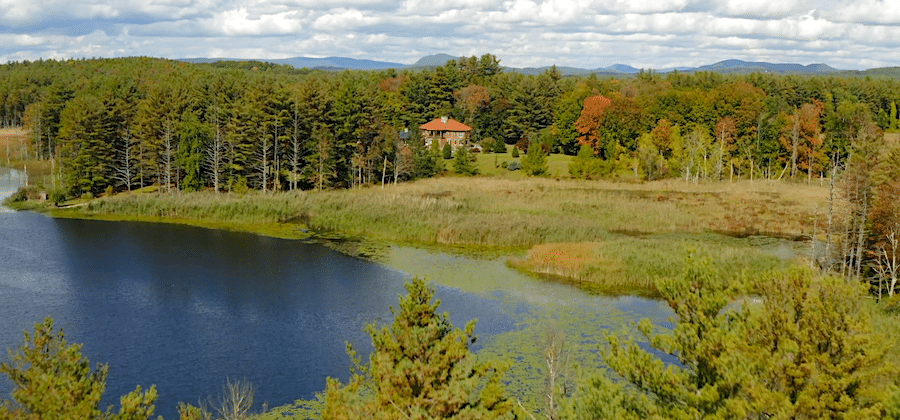
Some of this wealth found its way to the Berkshires, only 150 miles from New York City. There some of the country’s wealthiest families, The Astors and Westinghouses among them, built their second homes, or ‘cottages.’ Carole Owens, author of The Berkshire Cottages — a survey of the palatial summer retreats constructed by millionaires in the post-Civil War Gilded Age — believes the influx of literary and artistic luminaries “gave the Berkshires a panache that attracted wealthy New Yorkers and Bostonians looking for more than just sylvan beauty.”

More than 75 grand estates were built in the Berkshires and they were built to last for generations. Designed by prominent architects to emulate the grand estates that were so admired on European travels, each one was more extravagant than the last. These mansions were constructed in a variety of architectural and decorative styles from different European countries and from different eras such as Queen Anne, Beaux Arts, and Renaissance Revival. Inside, they were overflowing with antiquities, furniture, collectibles and works of art, often imported from Europe.

Over time, as the gilded age ended, and manufacturing moved south, these mansions were reduced in number, demolished or some succumbing to fire. A few have been preserved as museums to paint a picture of the privileged Gilded Age summers. Some have become exclusive resorts and hotels. And one, previously owned by the Tappan family, is now Tanglewood, the summer home of the Boston Symphony Orchestra. And the rest, most likely due to the cost of maintenance, sadly have been abandoned.

In the Berkshires, you’re surrounded by natural beauty. With its proximity to New York and Boston, the region remains a popular vacation destination today. It’s recognized as a cultural hub with a thriving arts scene, is renowned for annual festivals, offers outdoor activities year round and has a farm to table food scene.

Daniel Dus grew up in the Berkshires and is familiar with those abandoned and underutilized luxury estates. He’s launched a new company, Shared Estates, and plans to reposition some of these estates for current times. For one, they’ll be renovated to carbon neutral standards, the ultimate in recycling projects. But perhaps more important Daniel and his team want to reposition these luxury estates for the sharing economy. No longer for the wealthy, they will be available for middle class families to enjoy. And he’s taking the democratization one step further by offering anyone over the age of 18 the opportunity to invest through a crowdfunding offering.

Listen in to Eve’s conversation with Daniel Dus.

Image courtesy of Shared Estates

Why ADUs are a good idea.

November 30, 2020

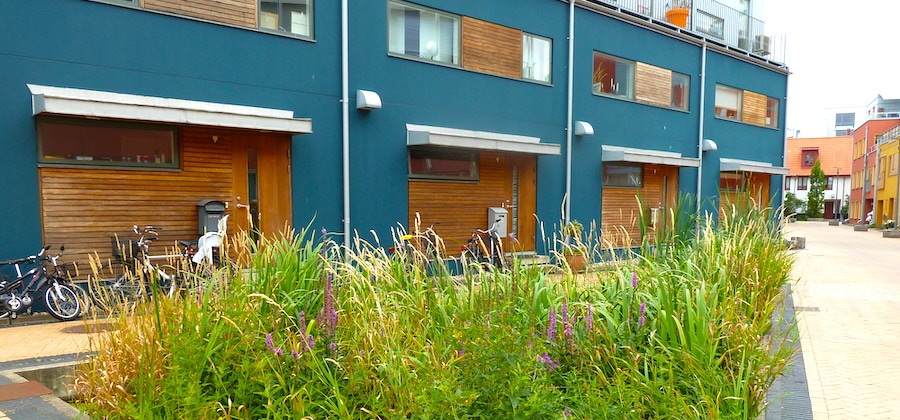
What’s an ADU?  It’s a granny flat or a mother-in-law unit, now more widely known as an Accessory Dwelling Unit and usually built as an additional living unit in the backyard of a single-family home. ADUs are typically small, so that they can fit neatly into a backyard, with a compact and efficient floor plan big enough for one or two people to live in.

Adding value all around

One of the greatest benefits of an ADU is the value it adds to a property. Already a popular selling point in many areas, they not only add square footage of independent living space but can also provide supplementary rental income to the homeowner. In the past, zoning laws have prevented this but with the current shortage of housing availability cities and states are enacting policies which encourage the building of ADUs but permitting them to be built “by right”, with no special permitting needed.

Building ADUs increases the amount of housing units while reducing the pressure of cities to expand outwards. Instead of building large-scale low-income housing, building a multitude of small-scale ADUs will increase property values across the board as the integrity and  character of a neighborhood is preserved. And higher density populations can not only bring more commercial activity, more transport options and walkability, but the value of infrastructure investments such as transportation, is expanded when more people use it.

Multigenerational housing

With the housing shortage at crisis levels, multigenerational housing is becoming more widely accepted in the US, and ADUs are likely to become more frequently used for expanded families. An ADU can provide housing for ageing parents, home care helpers or young adult members of a family. It can provide additional work-from-home space or it can allow senior homeowners to age in place.

Cost and efficiency

Building an ADU in your backyard means you don’t have to acquire land and their compact size requires less building materials. In some cases, costs are minimized by manufacturing off-site. Their size makes them inherently energy efficient as well.

Zoning

In some cities zoning laws can make it tough for homeowners to create an entirely new dwelling on their property. They may also face backlash from NIMBY (Not in My Backyard) neighbors. But homeowners who build ADUs are filling an important affordability gap and are helping to address the ever-growing housing crisis.

In Portland, Oregon, the city has introduced a combination of zoning reforms, fee waivers, and outreach to jumpstart the building of ADUs and help address the critical housing shortage. That’s where Patrick Quinton launched his company, Dweller. Dweller specializes in building and providing ADUs to homeowners who want one. Not only do they build the modular ADUs offsite, saving substantial time and money, they handle all aspects of the process, from site planning and permitting, to utilities, installation and landscaping. And they pay for the ADUs as well – financing that most homeowners don’t have. Dweller enters into a ground lease with each homeowner, giving them the option to buy the ADU at some later date, making the process of adding a housing unit and adding a little income for each homeowner, as easy as can be.

Listen in to my conversation with Patrick.

Image courtesy of Dweller, Inc

Learn some more …

« Previous Page
Next Page »

Primary Sidebar

sign up here

APPLY TO BE A PODCAST GUEST

More to See

(no title)

February 22, 2025

Bellevue Montgomery

February 11, 2025

West Lombard

January 28, 2025

FOLLOW

  • LinkedIn
  • RSS

Tag Cloud

Affordable housing Climate Community Creative economy Crowdfunding Design Development Environment Equity Finance FinTech Gentrification Impact Investing Mobility Offering Opportunity zones PropTech Technology Visionary Zoning

Footer

©rethinkrealestateforgood.co. The information contained on this website is for general information purposes only. Nothing on this website is intended as investment, legal, tax or accounting strategy or advice, or constitutes an offer to sell, solicit or buy securities.
 
Any projections discussed or made may not be accurate and do not guarantee a specific outcome. All projections or investments are subject to risk due to uncertainty and change, including the risk of loss, and past performance is not indicative of future results. You should make independent decisions and seek independent advice regarding investments or strategies mentioned on this website.

Recent

  • The Mulberry
  • Mount Vernon Plaza
  • The Seven
  • Real estate and women.
  • Oculis Domes.

Search

Categories

Climate Community Crowdfunding Development Equity Fintech Investing Mobility Proptech Visionary


Copyright © 2026 · Magazine Pro on Genesis Framework · WordPress · Log in