• Skip to main content
  • Skip to secondary menu
  • Skip to primary sidebar
  • Skip to footer
  • Home
  • About Us
  • Say hello
Rethink Real Estate. For Good.

Rethink Real Estate. For Good.

  • Podcast
  • Posts
  • In the news
  • Speaking and media
    • About Eve
    • Speaking requests
    • Speaking engagements
    • Press kit
  • Investment opportunities

Visionary

The potential of unused space.

March 8, 2021

The US may be facing the most severe housing crisis in its history. Restrictive building regulations and zoning have pushed real estate prices out of reach for more and more Americans. The problem, which has been growing for the last fifty years, has been sharply accelerated by the pandemic.  

While some progress is being made, the rate of homelessness is outstripping policymaking to squash it. This problem requires more creative responses, both long-term and temporary, that recognize the unique characteristics of cities and their populations.

Vacant land 

Many cities have vacant and underutilized land. There’s a growing awareness that cities are the most sustainable places to live and this makes vacant lots in cities quite attractive. Often small in size, they can be well-suited for the building of small, affordable homes. Developers and architects are turning their attention to these lots in an effort to make an impact on housing affordability. Architects like Brian Gaudio, turned housing manufacturer, who launched his company Module to build efficient infill homes. Or Jonathan Tate, a New Orleans- based architect who focused on designing and building affordable housing on odd-shaped and forgotten lots. One of his projects, Starter Home Two, was built using crowdfunded equity raised through Small Change.

Adaptive reuse

Underutilized government offices, hotels and shuttered public schools might also help to solve the housing shortage. The pandemic has increased the inventory of buildings that now stand vacant. And some developers and investors are creatively acting upon the opportunity.

Repvblik, an LA development company, has built its practice around adaptive reuse since 2015. In Branson, Missouri, they have converted a Days Inn Hotel into affordable housing, turning 423 hotel rooms into 341 affordable multifamily units. Plato’s Cave now includes coworking spaces, meeting rooms, a gym, a communal kitchen and dining room for functions, a beach volleyball court, and free-to-use bicycles. The cost of conversion for this project was less than half of the cost of building a new property. Starcity, a San Francisco-based company, is also converting defunct and underused commercial and hospitality spaces. And ASK Studio, an architectural firm, has converted an 1888 local high school, in Clinton, Iowa, into 16 affordable multifamily units.

Empty rooms

But what about homeowners who are feeling the squeeze and have a spare room or two in their home? Or real estate owners who are just not realizing the appropriate rent for their property? Atticus LeBlanc, an affordable housing advocate for over a decade now, founded Padsplit to address affordable housing a little differently. Instead of building new, he advocates for using every empty space in every home for an abundance of affordable living options. On Padsplit, a technology platform, homeowners can list a room, or find a local contractor to reconfigure their home so that they can share it with multiple tenants. On the outside, a PadSplit looks like any other traditional home. But on the inside each house typically has five to eight furnished bedrooms, with shared bathrooms, kitchen, dining, and laundry rooms (no living rooms). Utilities, internet service and cleaning is included in weekly rent, making these “pads” extremely flexible housing options. Padsplit homes are designed to allow single person households, or individual workers in our communities, to be able to rent individual rooms rather than entire homes.

Want to learn more? Listen in to my podcast conversation with Atticus.

Image by Htm CC BY 4.0, via Wikimedia

The impact accelerator.

March 3, 2021

From ecologist to impact investment guru, Dr. Stephanie Gripne has had a singular career arc. Originally trained in wildlife management and conservation, she went on to work on issues surrounding the built environment, in conservation real estate, environmental markets, and in the wonky world of financing strategies and historic tax credits. At the same time she was working as a research fellow, studying impact investing and philanthropy, and she became involved in the Colorado impact investing scene.

In 2012, it all came together when she founded the Impact Finance Center (IFC), based in Denver, as a nonprofit academic center with a mission to identify, train and activate philanthropists and investors to become impact investors. In 2019, the IFC added on an Impact Investing Institute, to provide education to organizations, family offices, foundations and other funding groups. Today, Stephanie’s big, hairy audacious goal is to move a trillion dollars into impact investing.  

Stephanie believes that impact investing is all about educating people – and the IFC is quickly becoming the go-to place for every level of investor, from the well-endowed non-profit world to individuals who have never invested before. We know you’ll be hearing more from Stephanie and the IFC, for sure.

Insights and Inspirations

  • Stephanie wants the Impact Finance Center to be the place to go for agenda-free and trustworthy investor education.
  • The Impact Finance Center is an accelerator for impact investors.
  • Stephanie believes there is a gigantic audience of potential impact investors out there we can reach.
  • The IFC provides impact education through portfolio evaluation, educational offerings (with 200 classes online), training and an ever-growing number of themed impact investor clubs.
  • And you should check out the Impact Real Estate Investing Club.
Read the podcast transcript here

Eve Picker: [00:00:14] Hi there. Thanks for joining me on Rethink Real Estate. I’m on a mission to make real estate work for everyone. Real estate can help to solve climate change, can house people affordably, can create beautiful streetscapes, unify neighborhoods and enliven cities. So, I’m on a journey to find the most creative thinkers and doers out there. I’m not the only one who wants to rethink real estate. You can learn more about me at EvePicker.com, or you can find me at SmallChange.co, a real estate crowdfunding platform with impact real estate investment opportunities open for investment right now. And if you want to support this podcast, join me at Patreon.com/RethinkRealEstate, where there are special opportunities for my friends and followers.

Eve: [00:01:09] Today, I’m talking with Dr. Stephanie Gripne. In what seems to be an improbable amount of time, Stephanie has gone from ecologist to impact investment guru. Her big, hairy, audacious goal is to move a trillion dollars into impact investing. Ten years ago, about four years after getting her doctorate, she became director of the Initiative for Sustainable Development at the University of Colorado’s Real Estate Center. There she was immersed in issues surrounding the built environment and socially responsible investing. In 2012, she took the leap and founded the Impact Finance Center as a nonprofit academic center with a mission to identify, train and activate philanthropists and investors to become impact investors. I’ve already learned a lot from Stephanie, but I’m going to learn more and so might you. So, listen in. If you’d like to join me in my quest to rethink real estate there are two simple things you can do. Share this podcast. Or go to Patreon.com/RethinkRealEstate to learn about special opportunities for my friends and followers, and subscribe if you can.

Eve: [00:02:40] Stephanie, I’m so happy to talk to you today.

Stephanie Gripne: [00:02:44] Eve, I am so happy to talk with you today.

Eve: [00:02:47] So, you have a supremely cool resume and it’s pretty clear how driven you are. There’s a lot to talk about, but I wanted to start by talking about what you’re working on today. You lead the Impact Finance Center. What is that?

Stephanie: [00:03:01] That’s a great question, Eve. For those of you in the audience who have heard of an accelerator, you might have heard of TechStars or 500 startups or Y Combinator. Those accelerators are essentially boot camps for people who want to start a startup or a small business. So, they identify, educate and invest in entrepreneurs. When I was a professor in 2010-12 at the University of Colorado at the Leeds School of Business, I was actually the director of the Initiative for Sustainable Real Estate Development. I just kept wondering why isn’t there more money flowing into good things? And I finally kept unpeeling the onion and realizing there are not entities out there providing investor education that is non-conflicted or trustworthy, in that most of the investor education is actually trying to get your business. So, it comes from Wall Street and they’re trying to become your investment adviser or raise a fund. And so, my hypothesis was that if we started providing non-conflicted investor education from the inside of a nonprofit, where we weren’t going to try to raise a fund or become your investment advisor, we could actually educate and activate these investors. So, going back to the accelerator analogy, Impact Finance Center is essentially an accelerator for impact investors. Instead of identifying, educating and investing in entrepreneurs, we identify and educate individuals and organizations who want to become impact investors. And those typically are: private foundations, community foundations, high net worth individuals, companies and family offices.

Eve: [00:04:51] So, that’s really how you and I started talking way back on the plane ramp, where we met, right?

Stephanie: [00:04:58] That is true. We did mean on a plane ramp in California. And yes, we are. I had been following the crowdfunding movement for some time and figuring out what my role in it was going to be.

Eve: [00:05:10] How do you accomplish investor education and accelerate those impact investors? What is it you actually do?

Stephanie: [00:05:17] That’s a great question. We really offer five ways for people to get education. One, and this is the the holy grail of it all, is we can evaluate your investment advisor portfolio, and that is pretty brutal. We evaluated a 100 million dollar foundation in Seattle and found out their investment advisor had charged them in excess of fees of one million dollars over five years to underperform by five million dollars.

Eve: [00:05:49] Ohhh.

Stephanie: [00:05:49] We have a 15 million dollar foundation in Denver … where we evaluated their investment advisor and found out they had been charged in excess of fees of $240,000 over seven years to underperform by 1.4 million dollars. So, we have, that is number one. We can evaluate your portfolio and investment advisor for governance and fees and evidence-based decision evaluation and impact. And then, the next phase is just education. We’re putting our 200 classes online. We have 47 recorded webinars up there. So, if you’re a do-it-yourselfer … sign on our Impact Investing Institute and train yourself. We also offer one-on-one training, small group training and large group training.

Eve: [00:06:39] Wow. That’s a lot of work, Stephanie. When did you launch the center?

Stephanie: [00:06:43] I was a professor at University of Colorado in 2010-12. And I realized then, once I had essentially collected evidence and accidentally discovered that the financial return of a grant is negative 100 percent loss. I determined that this impact investing was legal; and determined that, also, that people were interested, but there wasn’t a place for them to go learn. And then, the other piece, I realized, is asking somebody to do a first investment, cutting a 25,000 dollar check, even if you have a lot of money, is scary. And so, the key was, that’s in my, I use a baseball analogy, that’s a major league investment. And so, how do you create a T-ball opportunity for people to learn by doing. And so, that’s either using simulations like business case competitions or kind of monopoly. We do some simulation type activities, where you get to pretend you’re an investor or you actually do a small dollar amount. And we often have people take money they would have donated and pool it together in a giving circle model, and then they learn how to invest together.

Eve: [00:07:55] Interesting. Interesting. Who are you trying to reach? Like, who do you think your audience is? How big is it?

Stephanie: [00:08:04] Our audience is gigantic. If you just Google the number of millionaires in states like Colorado or Georgia or Massachusetts, and you’ll see a range from 150,000 millionaires to over a million millionaires … that’s a great question, Eve. People often ask me, oh, would you rather not work with a foundation or, versus a high net worth individual? And there’s two criteria that we look to partner with people. One, they have to be motivated and willing to take action. If you’re going to be on the slow boat will still help you, but you don’t get to be first in line. So, you have to be willing to move and take action. And the second thing is, you have to be an independent thinker. If you’re somebody who likes to have the crowd go first and you join the crowd, you’re probably not the right individual organization to come find us. And so, those are difficult to go find. But it’s great. We’re really nice about it. When people get stuck, we’re like, hey, it’s OK, go back and do this homework, and when you’re ready to get back into it, move forward. But what that means, Eve,  is that I have worked with foundations where 20 trustees, oftentimes family members, are in unison, and I’ve worked with a grumpy high-net worth individual that’s difficult to move. So, it doesn’t have to be an individual or a foundation or a family office or a corporation. It just has to be a willingness to take action.

Eve: [00:09:29] And beyond the gigantic audience of accredited investors, as you know, they are only about three percent of the population, there is now a growing audience of people who’ve never invested before and sit in the non-accredited group. So it’s huge, right?

Stephanie: [00:09:45] It’s endless. And it’s interesting, because I was trying to think the other day about how I got started. And I know my dad, when I was 12 or 13 years old, we invested in Micron Together Technology Company. I’m 47 years old. I don’t know how I found, it had to have been at the library, found a book on Motley Fool that taught direct investing. So, direct investing with public companies. And I still have some of those stocks I first invested in. But I actually did an investment in Enron, because it was a renewable energy company. So, I kind of like to think of myself as an early adopter in the modern-day crowdfunding.

Eve: [00:10:25] Since have you started seeing a shift towards impact investing?

Stephanie: [00:10:30] Oh, absolutely. In Colorado, for example, we started the Center in 2012, and I’ll go back and answer your your last question in a little bit. When we started the Center, I realized when I was at University of Colorado when I had that ‘aha’ moment that, wow, people do need education, and I thought every entrepreneurship center needs an innovative finance center. And then I took a step back, and I’m like, wait, every university that’s going to struggle financially needs innovative finance center to stay financially viable. And then I took a step back, and I thought, wait, every association of, I call them ‘clubs of money,’ a community foundation association, a YPO, family office association. They need this curriculum too. And there was, at the time, only 15 centers and really only two of us that actually do transactions. And so, that was my idea, to leave in 2012 and then start a nonprofit, multi-university academic center where we could essentially provide a curriculum in a box. And just to give you a sense of how long it takes to get going, at least in Colorado …

Eve: [00:11:46] Are you telling me how long it takes to get going?

Stephanie: [00:11:48] Well, just to just have a sense, in 2010-12, our first two transactions we supported were the Museum of Contemporary Art and the Alliance Center, and those both were real estate transactions, and one was a foundation and a couple of board members. So, they got 101 percent return. And we financed the Museum of Contemporary Art and saved them 550,000 a year. The other one was a project I led with the Alliance Center in partnership with the Denver Foundation, and we used a donor-advised fund to do a loan at zero and one percent that essentially saved that nonprofit six million dollars and gave the donor 101 percent return. I worked on those two transactions for three years and they all moved when the bills were due. They tried everything else for years and years and years. And then, when the adjustable rate mortgage was going to be due, or the building renovation COP bill was going to be due, that’s when they were finally willing to move. So, that there was a negative-like desperation as the birthplace of innovation. It took three years for two transactions. And I do believe Colorado’s probably done 100 impact investment transactions in the last three months.

Eve: [00:13:02] Wow. The story you’re telling is much like mine. I think if you build something new and I suppose on the cutting edge, it takes a really long time and you have to have stick-to-it-ness. Right. Just have to keep going.

Stephanie: [00:13:15] You do. You have to have the Stockdale paradox. You have to have this eternal knowledge you will prevail in the end. And I had great advice from a friend, Dan, whose dad said, you need to stick past three and a half years and go to five years. Most people give up at three and a half years. And there’s a great metaphor. It’s like paddling an iceberg with flippers on. It takes a long time to get that iceberg going.

Eve: [00:13:38] Yeah, it really does. It can be a little depressing but there it is.

Stephanie: [00:13:42] Um-Hmm.

Eve: [00:13:42] This is a pretty unusual place for a Ph.D. in forestry to end up. That’s what you have, right?

Stephanie: [00:13:49] Yes.

Eve: [00:13:49] So I have read about Fish and Wildlife and spotted owls on your resume. Tell me about the journey that took you from wildlife to impact investment.

Stephanie: [00:14:01] It was great. I was watching an interview this morning with Heather McGhee, and she’s approaching this conversation from a race issue. I grew up in an environmental issue, and she’s framing it using a zero sum game. And I grew up in central Idaho, in Sun Valley, Idaho. And there was a zero sum framing where it was, either we either could save the endangered species of the wolves and the salmon, or we could have jobs. And I just remember knowing deeply in my heart that there was enough resources for both of them, and my friends would literally threaten the lives of my other friends with guns. And there was a river guide I used to work for that, a bunch of the river guides, made a sticker that said ‘Happiness is the fisheries’ biologists’ face on a milk carton.’ And it was a very tumultuous, and in some ways, violent way to grow up. And I just I didn’t know. I thought it was about the wildlife at that point. And now I’m really clear it was a resource allocation issue. And I deeply believe there’s enough money for communities and the environment and jobs. And so, that just has motivated me since I was 16 and I’ll never forget. I do like woodworking. And I announced when I was 16 or 17 that I was going to become a carpenter and make furniture. And my dad, who was incredibly supportive, my late dad, of whatever I would choose, said Stephanie, what about architect? I said, I said no. I said, what about wildlife biologist? And my dad said, you have a mind for business, Stephanie. Why don’t you go make a lot of money and then you can have influence on the environment. And my dad, actually, he was a workout guy that would take companies through bankruptcy, but the last 10 years of his career, he took a company out of bankruptcy, a precast concrete company. So, for 10 years, my family made every precast concrete box in the state of Idaho, electrical box, etc., and air conditioner pad. And I said, Dad, I just don’t have the constitution to do it the way you did it. I’m not willing to go make money in whatever way I can and then do what I want to do. I’m going to do what I want to do along the way.

Eve: [00:16:22] Yeah, I think this must be part of being a parent, not really understanding what your kids are doing. Right. What would be good outcomes, do you think, if more people invest in important change making projects, what are the outcomes you hope for?

Stephanie: [00:16:41] I’ll actually, answer that question and continue my last answer a little bit. My dad would end up being quite wealthy, becoming homeless for two years, and then at 24 years of age, he would come back to live with me. And so, the roles were reversed, for those of you who cared for your parents, except my roles were reversed for me when I was 24. And I remember I was doing my Ph.D. in seven states with ranchers and, a socioeconomic analysis, a conservation project, and I got to study with my hero, the chief of the Forest Service, Dr. Jack Ward Thomas. I was also working for the Forest Service in multiple roles all around the country based out of Lander, Wyoming. And my mom came down with pancreatic cancer and my dad was living with us in a home in Lander, Wyoming. And I remember coming home one day and I said, I don’t care if you walk dogs or volunteer or you get a job, but you can’t just stay in this basement apartment. You have to do something. And he would get a real estate license and a mortgage broker license. And he didn’t cost a lot of money to support him at that time because he was living in a basement apartment of our house. And so, essentially what we did is we were used to being poor graduate students. And so, instead of taking all the excess money of having two salaries and a grad’s stipend, we would buy a house. You could buy a house in Lander, Wyoming, for six to eight thousand dollars from down payment, 120,000 dollars house from 2000-2005.

Eve: [00:18:17] Wow.

Stephanie: [00:18:18] And the reason I’m saying this is my mom passed in 2003 and I wasn’t emotionally ready to sell the house. My sister was. So, I bought the house from my sister. And I think most of us, our road to becoming an investor in a meaningful way, is that second house. The first house is, I made it. I’m an adult. I’m building wealth. But that’s a, it’s a very different experience to get your second house. And I don’t know that I would have offensively purchased my second house. It kind of came to me because my mom passed. But once that second one happened, I talked to several people who’ve had this experience, you’re like, wait a minute, I can do this. I can own an asset and make money. And so, we bought a third house and then, on the fourth or fifth house, my dad came home and he said, Stephers, he’s like, there’s these families coming into our mortgage business. A lot of them have bad credit, but there are some that have bad credit that actually used to have good credit. They just had a medical situation and they didn’t have the right medical insurance. And now they’re in this bankruptcy called a medical bankruptcy. So they’re not allowed to buy a house or car, even though they are people who paid their bills. And so we ended up doing a lease option with these families and we had a family meeting and agreed that we wanted a 10 percent return. And so we would set aside 10 percent of their rent as a partial equity. And if the house appreciated above 10 percent return during their medical bankruptcy, essentially get the upside of that. And the houses during that time period appreciated fifteen to twenty five percent. So we got the joy of philanthropy, a job for my dad, an amazing tenant, a solid 10 percent return, and they got dignity. Got to move into their home three to five years early and get partial equity upside. And so I think that all of us are on this quest of connection and meaning. And when you realize, like I did then at twenty four, twenty five years of age, that you can do well by doing good. I don’t think most of us can go back from that.

Eve: [00:20:27] I think you’re a rock star. You probably made some friends for life as well in that process, right.

Stephanie: [00:20:34] Absolutely. That was about three hundred transactions ago and I’m I have lots of friends along the way. Three to four hundred. I’ve lost count. I kind of stopped keeping count after two hundred. As as my colleague Todd James says, 60 percent of what we do has been visible and behind the scenes. So there’s a lot of lovely, incredible, awesome people out there that don’t even know that we were helping push and pull to make their dreams happen. And, you know, it’s it’s it’s an incredible role to play in people’s lives.

Eve: [00:21:03] You really did shift from fish and wildlife to real estate, and then you dragged me into it recently, which I’m really enjoying. But we’re working together on one of your many projects, which you didn’t mention before when you talked about the five ways to educate people. You’re also creating impact investing clubs, which are really fascinating, they’re themed clubs where potential impact investors gather and you’re educating them with a particular focus. And we’re on the journey of building a real estate impact investing club.

Stephanie: [00:21:38] We are, Eve. I didn’t mention this at the beginning. So Impact Finance Center does two things. We identify, educate and activate individuals and organizations to become impact investors and we also build what we call community infrastructure, which can be replicated, scaled and customized. And in that bucket of community infrastructure, you just mentioned investor clubs, which is one piece of it. We also stood up the first statewide marketplace for impact investing, which is the second time I met you when you came out to Impact Days.

Eve: [00:22:11] That’s right. Yeah.

Stephanie: [00:22:11] Our Impact Days, and that’s, you can think of it is, imagine everybody who needed money in the state, doing good, shows up and they create a farmer’s market booth and we activate new investors and organize existing investors and we bring the investors to go shopping in the farmer’s market. We call that Impactings. A Bodega is a subset of that marketplace. And that’s what we’re branding as our Investor Clubs. And then we also have two hundred classes, which we refer to as our Impact Investing Institute. And one of the most exciting pieces of infrastructure that we created was, are you familiar with The Who’s Who Under 40 that business journals do?

Eve: [00:22:49] Yes, yep.

Stephanie: [00:22:50] Yeah. We reached out to our business journal and we said we’re going to do Who’s Who in impact investing for the Rocky Mountain region. Do you want to be our media partner? And that was exciting because the first year we did it, we had 300 people apply.

Eve: [00:23:03] Oh, wow, that’s great.

Stephanie: [00:23:05] The second year that we had 1,300, and so that builds the book. And then the last piece, which is really the key, is our impact investing, giving circle or investor accelerator, and that’s in partnership with civil society organizations like Community Foundations. So, right now we have 34 women that could be middle-income or high-net worth, or connected to a company or family office or foundation, who are major league when it comes to intelligence, and major league when it comes to alignment, and major league when it comes to admission, and major league when it comes to access to money. But they’ve never actually written a check to support a sutainable real estate project, or a small business, or a startup. And so in this case, we make it low cost, easy and fun. We say, let’s participate in a giving circle, donate two thousand dollars in and we end up getting a kitty of seventy five thousand to one hundred and fifty thousand and we say, who needs money? And this year we had a 111 women apply, 112 women apply, for over 50 million dollars of need. And then we go through a selection process and they do due diligence, and they invest in a couple investments for their first investments. Because it’s a pooled donor-advised fund that the Women’s Foundation of Colorado, they don’t get the money back, it’s essentially a learned by doing fund experience where hopefully they walk in is that as a donor, they walk out as an investor and then they say, I want to join the investor club. So, yes, Eve, the investor clubs are…

Eve: [00:24:38] This is especially important, this educational piece, because because women don’t invest. And I can tell you that with certainty on Small Change, women, just a tiny minority of investors. It really kind of puzzles me.

Stephanie: [00:24:53] You know, it’s interesting because I am counting on my fingers right now and hopefully going to my toes. I have several women who will be investing in Lyneir’s project who have been spreading the good news on Lyneir and some of the other great offerings you have on Small Change right now. And I’ll be completely honest with you, we we started the Investor Club as a response to Colorado’s CDFIs, Community Financial Development Institutions and nonprofit lenders, who basically said Steph, that’s been great. The three year pilot, we had a goal to move one hundred million. We’re up to three hundred million. Success. But we need to still keep helping raise capital for the CDFI’s and non-profit lenders. And so the first Investor Club was a Main Street Lender Club. The second one was our Indigenous Investor Club. And then the third one was with the federal government’s Sustainable Forestry Mass Timber CLT Investor Club that connects with real estate. And now we’re starting clubs in California and Massachusetts and with the New York CDFIs.   But I have to say Eve Picker, the most popular one, has been the Real Estate Investor Club.

Eve: [00:26:02] This was unexpected, wasn’t it? We have to keep up.

Stephanie: [00:26:06] Yeah, I was only mildly surprised. I saw there’s a quest to need. Nobody gets paid to do the work we’re doing. I think that’s the difficult part.  If Wall Street had figured out how to get paid to educate investors we would have money flowing like hotcakes to Main Street investments.

Eve: [00:26:23] And, you know, it’s been pretty stunning because some on our club meeting announcements for mid-March, there’s something like 1,800 people signed up on LinkedIn and I have no idea where they’re coming from. It’s pretty big. It’s pretty astounding, so we better put on a really good show, right.

Stephanie: [00:26:43] Yeah, it’s well it’s easy to do. I mean, people who are either investing or working in community real estate, creating real estate, affordable housing, mass timber CLT, all of the all the good stuff. Is there some of the most inspiring people you’ve ever met.

Eve: [00:26:58] Yes, I agree.

Stephanie: [00:26:58] So so it’s pretty much you just have to set the stage and let them shine.

Eve: [00:27:04] Let me ask you, so what happens to the club meeting and how it happened? What’s your formula?

Stephanie: [00:27:10] Yeah. And and for those of you who are familiar and who’ve gone to like a pitch competition or an expo, that’s what I think about it. I think it is essentially a virtual farmer’s market. And our goal is investor education specifically and also some social venture education. But what we want to do is we do an investor panel and we want to showcase different types of investors so people can see themselves in the crowd and go, wait, they’re just like me. I could do that, too. And so really, that’s about getting diverse, interesting investors up there so we can make it seem more accessible to people sitting in the crowd that they can go from not identifying as an investor to becoming an investor. And then the same is true for the social ventures like community real estate projects. It’s a way to educate people about what’s possible. Most people I mean, Eve, you know better than anybody, but if you and I walked out of our front door right now and and just talk to the next hundred people that walked by and said, are you an investor? All of them are investors, but most of them would probably we’d probably get five to ten of them who would say that they identify as an investor?

Eve: [00:28:24] Yeah, maybe less, actually.

Stephanie: [00:28:27] Maybe less. And that is the challenge. Like I remember when Mitt Romney was running for president, the Mormon Church put up signs, they had a campaign and put up billboards and they put up everyday faces and they called I’m a Mormon campaign. And I feel like we need to put up do a similar campaign, that I’m an Investor campaign.

Eve: [00:28:46] Yeah, that’s right. I think that’s a great idea because an investor could be someone who invests ten bucks in their friend’s startup or an investor can be someone who invests a million dollars into something big.

Stephanie: [00:28:59] I would even argue a mom who goes to the grocery store and decides which milk she’s going to buy for her child as an investor. She’s invested in the supply chain of…

Eve: [00:29:08] Oh, yeah.

Stephanie: [00:29:09] Are you buying organic or not organic or how are the companies trading?

Eve: [00:29:13] Or if they decide to go purchase at a farmer’s market instead of the grocery store.

Stephanie: [00:29:18] Every time a dollar changes hands, you’re an investor.

Eve: [00:29:24] Yes. I think you have a broader description of investor than I think of. But you’re right. So the club meetings are like a mixture of panels with investors, large and small, talking about their experiences and what it means to them and social ventures. And then a little pitch round right. Of deals that are looking for money.

Stephanie: [00:29:43] Yeah. So we we essentially, because we’re in Covid, we can’t do this in person. And so I think that’s to the benefit of this, Eve.

Eve: [00:29:50] I agree.

Stephanie: [00:29:52] And because in Colorado, when you came out to Colorado, Impact Days, we physically have a farmer’s market, you know, where…

Eve: [00:29:59] I don’t want to travel that much. I kind of like this Zoom thing.

Stephanie: [00:30:02] Absolutely. So we’re essentially putting the farmer’s market online. And so we created an investor catalog. And it’s really the social venture panel is to give five to 12 minutes casually for people to learn about a couple of the investment opportunities. And then we do a speed round of two minutes. And it’s shocking to me sometimes that people actually shine better in the two minutes than they do when they’re given seven to ten minutes.

Eve: [00:30:29] Yeah, it’s pretty fun. And people get an opportunity to ask questions, too. I think it’s exciting for me. I mean, what’s your ultimate goal with these clubs? What would be a fantastic outcome in five years for you?

Stephanie: [00:30:41] I’ll put my geeky academic entrepreneur hat on for a second. We actually wrote a paper called Laying the Groundwork for the National Impact Investing Marketplace. So we published in the Foundation Review. And we’re pretty confident now that if you take our infrastructure and combine it with some other infrastructure, such as Lenny Lavis up in Seattle, he has realized impact investor flow, a Fleg regenerative accelerator. If you take some of our joint infrastructure together, we can actually completely fix the capital markets and move a trillion dollars into impact. I can do it two ways. I can go fundraise 20 million dollars and take what we did in Colorado and expand it to all 50 states. Or we can earn money from some of our social ventures, such as our Impact Investing Institute, and use it to self-fund our expansion to all 50 states. So what’s exciting about the Investor Clubs is most of our Investor Clubs are actually being purchased or supported by foundations who want to do economic development and Covid recovery. Federal government, USDA, Forest Service. And we’ve had interest in state governments, too. So I think if I was in state government or foundation interested or family office interest in Covid recovery or a corporation, I would be basically investing in as many Impact Investing Giving Circles and Investor Clubs as I could afford to support. I think that getting one percent of our wealth to invest in Main Street as an example in Colorado, that would be five billion dollars that could be leveraged through CDFI’s and banks for a 15 billion to 50 billion dollar year investment. It wouldn’t take much, just one percent of the wealth.

Eve: [00:32:27] Um-hmm. Fantastic. I’m going to change gears again. Just ask a few more questions to wrap up and they’re about you. And what do you love doing the most and why?

Stephanie: [00:32:39] I love most partner dancing. Ballroom dancing is my favorite joy in the whole world. Which I feel like it’s going to be the last activity that comes back to us after Covid. So I’m sort of isolated. I’m single in Denver, Colorado, and I Waltz and Cha-Cha and Two-step and learning the Latin dances and I Swing and I just can’t wait to get back to partner dancing.

Eve: [00:33:04] So I have to ask, have you watched my very favorite Australian movie called Strictly Ballroom?

Stephanie: [00:33:09] I have seen Strictly Ballroom. Yes.

Eve: [00:33:13] So, the Star of Strictly Ballroom used to live next to me in Sydney.

Stephanie: [00:33:17] Well, I can’t wait to be traveling with you to Sydney.

Eve: [00:33:20] I don’t think he lives there any more.

Stephanie: [00:33:24] We can go have lunch.

Eve: [00:33:24] And what are you excited about the most?

Stephanie: [00:33:27] I am excited, two things. Is, as I used to feel like that from 2012-20, I felt like I know there’s an answer and we just have to develop the answer. And now I feel like the answers there. All the puzzle pieces are on the table. Now, we just have to put the puzzle pieces together. And so I’m excited about all of the amazing impact investors and all the amazing social ventures out there. There is so much goodness and love and light and inspiring people who are showing up in the impossible ways to make the world a better place. And so I’m very fortunate in that I get to hear from people with resources and people needing resources, doing amazing things and have the the joy of being able to connect them together. And our phone has just been ringing off the hook. Especially a lot of middle aged white women, just between the combination of the global pandemic and our civil rights crisis have just called. And many of them have got a text once that says, what can I do to help my sisters of color immediately? And she made an investment quickly. I had another woman call. We do a fellowship of ten sessions. And on her first session, she’s like, I’m ready to make a first hundred thousand dollar investment today. I’m like, OK, there we go. And so, yeah. So it’s just great to see how many people are showing up and going, now’s the time. I can’t wait any longer.

Eve: [00:34:59] It’s been really wonderful talking to you and I really can’t wait to see what becomes of the Impact Finance Center and our club and what’s next for you.

Stephanie: [00:35:09] Oh, well, and likewise, Eve. I just want to give a gratitude and compliment to you, because I don’t know that we’ve discussed this, but when this movement was getting off the ground, I was very aware there’s a role to activate new investors, educate and organize existing investors and build the financial fintech solution. And I chose to be on the education of investor side, and I couldn’t be more happy to be collaborating with you. You’re just somebody who is a visionary and a joy and has incredible integrity. And I think,

Eve: [00:35:44] I’m blushing now.

Stephanie: [00:35:45] Oh, I think that what you do and what I do are two pieces…

Eve: [00:35:51] Perfect match.

Stephanie: [00:35:51] Of a puzzle that literally will democratize and provide that pathway to solve the problems that I had as a 15 year old, 16 year old watching.

Eve: [00:36:01] You know, you’re right. I mean, I think investor education is the most difficult part of what I do, and I can’t do that and investor education. So I’m extremely grateful to have you around.

Stephanie: [00:36:14] Well, let’s go find what should our goal be in the next five years.

Eve: [00:36:18] We should build humongous impact investor club and just showcase thousands of projects. And, you know, I’d have to quantify that goal clearly.

Stephanie: [00:36:30] Well, I’m going put a goal out for us. It’s February 18, 2021. How about a year from now, our goal will be able to have a list of twenty thousand investors that are actively investing in and community real estate.

Eve: [00:36:43] I think that’s a fantastic goal. I’m happy to add to it.

Stephanie: [00:36:48] Fantastic. It’s a true honor and joy to be in partnership with you.

Eve: [00:36:51] Thank you.

Stephanie: [00:36:52] Thank you.

Eve: [00:37:04] That was Dr. Stephanie Gripne. Stephanie believes that impact investing is all about educating people – trustworthy, non-conflicted investor education. The Impact Financial Center is quickly becoming the go-to place for just this type of education and for every level of investor, from foundations to individuals who have never invested before. You’ll be hearing more about the Impact Finance Center, I’m sure. Please share this podcast so that more people learn about Stephanie and the Impact Finance Center. You can find out more about this episode on the show notes page at EvePicker.com, or you can find other episodes you might have missed. Or you can show your support at Patreon.com /RethinkRealEstate, where you can learn about special opportunities for my friends and followers. A special thanks to David Allardice for his excellent editing of this podcast and original music. And thanks to you for spending your time with me today. We’ll talk again soon, but for now, this is Eve Picker, signing off to go make some change.

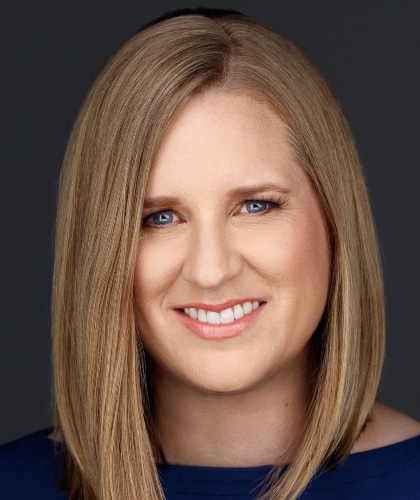
Image courtesy of Dr. Stephanie Gripne/IFC and CO Impact Days

Totally backwards.

February 24, 2021

Michael H. Shuman – economist, attorney, author, entrepreneur and a go-to person on local and community economics. Local, local, local. In everything he does Michael is focused on the little guy (or girl). And he firmly believes that a robust economy would not be so robust without all of those little main street businesses and startups. 

Over the past 30 years, Michael has given, on average, more than one invited talk per week in nearly every state and in more than a dozen countries. He says, “I love public speaking, because it gives me an opportunity to explain difficult, arcane topics in simple, hopefully entertaining terms to people who care about their communities.” Michael has also been credited with being one of the architects of the 2012 JOBS Act and hence is one of the fathers of investment crowdfunding. Without him we wouldn’t have our crowdfunding platform, Small Change. 

In addition to all his other outreach, Michael is the author, co-author, and editor of a number of books. His most recent is, Put Your Money Where Your Life Is: How to Invest Locally Using Solo 401ks and Self-Directed IRAs.

Insights and Inspirations

  • Locally-owned businesses comprise 60 to 80 percent of the private marketplace in the average U.S. community. But economic developers and subsidies almost always overlook them.
  • At the state and local level, it’s estimated that 100 billion dollars per year is spent on attracting big corporations. And this is a tiny fraction of what actually constitutes a community’s local economy. And that’s totally backwards.
  • Communities with a higher density of locally-owned business have higher per capita job growth rate. They have less poverty. They have more civic engagement, higher voting participation, higher rates of volunteership.
  • In four years of investment crowdfunding, 700,000 people have invested almost half a billion dollars into several thousand companies and projects – overwhelmingly, disproportionately companies led by women and people of color.

Information and Links

  • Michael’s local investment handbook.
  • A piece Michael wrote on crowdfunding for Nonprofit Quarterly.
  • And a piece he wrote on decentralization for the Next System Project.
Read the podcast transcript here

Eve Picker: [00:00:09] Hi there. Thanks so much for joining me today for the latest episode of Impact Real Estate Investing. Today, I’m talking with Michael Shuman, an economist, attorney, author, entrepreneur and a go-to person on local and community economics. Michael has been credited with being one of the architects of the 2012 Jobs Act. He’s one of the fathers of investment crowdfunding. Without him, I wouldn’t have my crowdfunding platform, Small Change. Michael’s given an average of more than one invited talk per week, mostly to local governments and universities for the past 30 years, in nearly every U.S. state and more than a dozen countries. He says, “I love public speaking because it gives me an opportunity to explain difficult, arcane topics in simple, hopefully entertaining terms to people who care about their communities.”  Not being busy enough, Michael has also authored, co-authored and edited quite a few books, most recently ‘Put Your Money Where Your Life Is: How to Invest Locally Using Solo 401ks and Self-Directed IRAs.’ I’m going to learn a lot from Michael and so might you, so listen in. Be sure to go to EvePicker.com, to find out more on the show notes page for this episode. And be sure to sign up for my newsletter so you can access information about impact real estate investing and get the latest news about the exciting projects on my crowdfunding platform, Small Change.

Eve Picker: [00:01:58] Hello, Michael, I’m really delighted to have you on my show today.

Michael Shuman: [00:02:02] Great to be here.

Eve: [00:02:04] Put your money where your life is. That’s the title of your latest book. And it seemed like a really obvious statement. Why do you need to write a book about this?

Michael: [00:02:15] Well, maybe I’m just book-o-philic, that I tend to write a lot of books and that’s the way I express myself. But I did feel like there were two bodies of knowledge I was trying to bring together. One was a whole emerging body of knowledge around why local businesses and local economies are so important. And the other is this body of knowledge about how to use these somewhat obscure tax tools, the self-directed IRA and the solo 401k, For local investing. And so, bringing these two things together in a readable form, that was really the objective and I couldn’t see a way of doing that just as a pamphlet.

Eve: [00:03:05] But I suppose more than that, like why local? Who are you trying to reach with this book and why? Why do you think it’s important?

Michael: [00:03:12] Well, I would say for about 30 years, I have been on a campaign to remake economic development, and the reason is, is that I think there is a very impressive body of evidence that locally owned businesses are the key to community prosperity. They comprise 60 to 80 percent of the private marketplace in the average American community. They are highly profitable. They are highly competitive. They have done great despite the ways in which economic developers and subsidies have overlooked them. And yet, when it comes to economic development, when you talk with an economic developer for any length of time, they will tell you that their mission is to attract and retain business. And when you unpack that term, attract and retain, it’s really all about global companies. So a tiny fraction of what constitutes a community’s economy is what in fact is driving economic development. And it’s totally backwards. So, what I’ve been arguing is that we have to figure out ways of nurturing and strengthening and getting capital into local business. And if we do that and, we can really enhance jobs, income, wealth and tax receipts.

Eve: [00:04:49] We’ve got that backwards. Do we have it backwards at the local level, at the state level? What about the federal level?

Michael: [00:04:55] Every level conceivable has it backwards. At the state and local level, it’s estimated that something near 100 billion dollars per year is spent on attraction, corporate attraction. At the federal level, it’s not really corporate attraction, but what you see is all of these subsidies, which are largely going to larger businesses, big Ag, big cattle, big water, big coal, big oil and gas. I mean, you name it. And small businesses in the end are getting the crumbs. So, yeah, I think this is a systematic problem and requires some systematic solutions.

Eve: [00:05:43] How did you get interested in this?

Michael: [00:05:46] I became interested in this in a circuitous way, so I was graduated from law school in 1982 and really detested the idea of becoming a lawyer. So, I started a nonprofit in the field of peace and justice. It was called the Center for Innovative Diplomacy. And one of the things that we did in the ten or so years that this organization lasted, is we organized several thousand mayors and city council members across the United States to get involved in what we called municipal foreign policy. So, the involvement of cities and say in nuclear free zones or anti-apartheid campaigns or human rights initiatives. And I got very excited about this way of influencing international policy. But I started to think about how to get involved in economic development through these tools. And I had a partnership with an organization based in Europe that was then called Towns and Development. And you can think of Towns and Development as sort of sister cities with attitude. So, they had thousands of links between northern and southern cities built around economic development, and Towns and Development asked me to write a critique, a sort of retrospective of what at that point was more than a decade of work. And at the end of that critique, I said, you guys are doing marvelous work. You have great principles for economic development. The problem is, is that your practice of economic development has no relationship to the principles. That is, if the northern city sends a big company to the southern partner, you celebrate that as a big success. But in fact, success needed to be measured in greater self-reliance. And it was that moment that I realized I needed to pivot and start working on a whole different field. So, I wrote a book in the mid 90’s called ‘Going Local,’ and I thought it would be a one-off book. I would, you know, write it, be done. But it opened so many interesting doors that that’s really what I’ve been doing ever since.

Eve: [00:08:19] What would be good outcomes if we move towards more localized economies?

Michael: [00:08:26] If you look at the evidence out there of lots of different studies, we know that communities with a higher density of locally-owned business have higher per capita job growth rate. They have less poverty. They have more civic engagement, higher voting participation, higher rates of volunteership. We know from an EPA study that locally-owned smokestack businesses pollute about one tenth as much as their absentee-owned counterparts. We know that locally-owned businesses are the dynamism of what promotes entrepreneurship and what promotes people really being committed and excited about a stable city. So, I feel like the list is very long and compelling. And so, I really feel like if we had a world of more localized economies, we would be wealthier, we would be more equitable and we would be less likely to go to war with one another.

Eve: [00:09:37] I have to ask. Is there a gold standard city or community out there that you would point to for localized economies?

Michael: [00:09:45] I have become familiar through studies that I do with many local governments. I’ve become familiar with several hundred local governments. And honestly, there’s none that I would give better than a B or B minus to.

Eve: [00:10:03] Oh, OK.

Michael: [00:10:05] And I think part of the problem is the pernicious impact of these outdated ideas about economic development. And so what a typical city you look at, say, a Portland or a Seattle, which nominally seems like a very green kind of city. And they have all of these departments working on recycling and storm water management and energy efficiency. And by those criteria, these cities are looking really good. And then they have economic development departments that are filled with dinosaurs that all they want to do is spend vast amounts of public money to attract global companies.

Eve: [00:10:52] Yeah.

Michael: [00:10:53] And they systematically ignore their local businesses.

Eve: [00:10:56] Yeah, I live in a place like that.

Michael: [00:10:58] Pittsburgh. Yes. And, you know, in Pittsburgh has despite that, I think, become a more self reliant community. I mean, they turned, but …

Eve: [00:11:11] But you know, Michael, I think that’s because, isn’t Pittsburgh, the birthplace of community development corporations?

Michael: [00:11:18] Yes.

Eve: [00:11:20] Community development activity is very, very big here. And that’s almost like their own little localized economy. So, that may be part of the difference. Does that make sense?

Michael: [00:11:31] I think it does. And I think the other thing, I mean, I’m not intimately familiar with Pittsburgh, but one of the things as a visitor that I have noted about it is that it’s really a city of amazing neighborhoods.

Eve: [00:11:46] Yes, it is. Yep.

Michael: [00:11:47] And the definition of those neighborhoods.

Eve: [00:11:50] Physically quite distinct.

Michael: [00:11:52] Yes. I think that makes a difference, too, because people then self organize around that sense of neighborhood well-being.

Eve: [00:12:01] I think that’s right. It’s one of the things I’ve always thought about, like in when I go visit San Francisco, which is a beautiful city, one neighborhood bleeds into the other. And I’ve come to really love the very distinct neighborhood personalities here and the character, the buildings, and it’s really interesting. Yeah.

Michael: [00:12:20] I lived in San Francisco for about 10 years and I used to say to people, it’s a terrible place to visit because the only way you can enjoy San Francisco is by slowly taking it in, walking the streets, going from neighborhood to neighborhood. And there’s no way you can do justice to that as a tourist going to Alcatraz.

Eve: [00:12:47] Right. Yeah, well, that’s how I prefer to visit cities anyway. Would there be any bad outcomes if we move towards localized economies? Like what would we be missing?

Michael: [00:12:57] So, there are different conceptions of localization.  And I believe that critics of localization have in their head what I would call a theory of ‘dumb localization.’ And what it is, is it, looks at, say, what Brazil did in the 1960s with the idea that, oh, we need to build up our internal economy, we’ll put up trade barriers, we’ll put up technology transfer limits, we’ll punish people for coming into the country with long visa processes. And by that process, we will build up more internal self-reliance. That’s the way globalization fanatics think about localization. And if we do that, we will become poorer, and countries will become backward, and we will miss out. So, I really think that localization has to be defined in more market terms, that localization means consumers freely finding great local deals and goods and services and freely choosing those. It means businesses expanding to meet local needs. It means governments getting rid of subsidies that are currently favoring global businesses.

Eve: [00:14:27] So, if you were the mayor of a city that was a D on your scale, what would you do to make it an A, an A local economy?

Michael: [00:14:38] The first thing I would do is I would announce that we were not giving a penny of subsidy to any business, so that automatically would save me a good deal of money that I could spend on other things. I would create a procurement system that really looked objectively at the impacts of local business when they were potential bidders versus non-local business. And I would realize that the local businesses pay more in taxes and therefore they deserve a boost in the procurement process that objectively reflects that. I would change my city’s investment policies so that rather than putting money out in the global economy, I would, like the cities of Tucson or Phoenix, put my money in local banks so it could be re-lent to support various economic development projects. I would think about how to use municipal bonds and municipal powers of creating investment funds in order to foster various kinds of economic development projects like affordable housing or local food projects. So, there’s a long list of things that cities could do that really is hard to find any city that’s doing that right now.

Eve: [00:16:03] I mean, honestly, one of my pet peeves is most cities look outside their borders for the best consultants, whereas they often have a lot of talent inside. And that’s also one way to increase the economy of a city. And it’s a very weird dynamic, but I think you’re probably right. There are tons of things you could do.

Michael: [00:16:23] I’ve experienced that here. I live in Montgomery County, Maryland, and I can’t tell you the number of times I have bid on Montgomery County contracts. And they go for some …

Eve: [00:16:35] Oh, yeah, I can imagine.

Michael: [00:16:37] … competitive person a hundred miles away, and they lose out on the tax benefits.

Eve: [00:16:42] Yeah, I may as well be invisible in Pittsburgh, I think.

Michael: [00:16:45] Well, you’re not invisible to me and to the rest of the country, so that’s the good news.

Eve: [00:16:49] That’s the problem, right?  That we want to shift to local. So, OK. And how do you think the pandemic, I have to talk about this, might impact this trajectory? Because I have a feeling in some ways it might actually help.

Michael: [00:17:05] I think it has helped. And what I’ve noticed is that most of the cities that I’m working with have at least put the word resilience into their vocabulary and are thinking about how they can make their communities more resilient. What they haven’t realized yet is that resilience is the opposite of what David Ricardo advocated in ‘comparative advantage,’ and which is, it’s a subtlety, but at some point they’re going to realize, oh, yeah, resilience means more diversity of business. It means greater self-reliance. It means greater localization. It means what we’re doing in economic development is a little bit outdated. So, that’s going to take some time to work its way through the system. But ultimately, it will be a very good thing because we’ll be resilient not just against the next pandemic, but will be resilient on the next capital flight and the next climate catastrophe and so forth.

Eve: [00:18:11] Yeah, one of the things that’s been fascinating me about the pandemic, which I think feeds into this, is there’s definitely people moving out of cities. Not that I believe the cities will die. There’s always going to be room in Tokyo and Paris, okay, but there’s definitely a shift back to smaller places. And that means that there’ll be money in those places. And often there are main streets which are very underutilized. And I’m hopeful that those small local economies will be revitalized. That would be a good outcome in amongst this misery, right?

Michael: [00:18:44] Absolutely. I was in North Carolina. I shouldn’t have traveled there in the pandemic, but…

Eve: [00:18:51] No, that’s for sure.

Michael: [00:18:53] … I made the decision to go there when one of the curves was on the down slope. But it was a was a discussion with economic developers in the Charlotte area about how to heal the urban-rural divide. So, I did a lot of reading and thinking about this. And I actually agree with you that, I mean, if you look at the literature out there, there is an assumption that rural is dead and people are moving to the cities. And to some extent that has been true. But I think what you’re observing is really happening. That there is a turning point that has happened in rural America that a lot of people don’t appreciate. That Internet connectivity has come to much of rural America, not all of it, but much of it, that people of color, particularly immigrants are beginning to move there because it’s a cheaper place to live. And that’s diversifying rural America. We’re also seeing a lot of retirees going there and they bring Social Security and their pension savings, and that money drives the economy in different ways. So, yeah, and if you add resilience to the mix, you really see why for, not all Americans, and you’re right, you know, the great cities are still going to be great cities. But for some Americans, some fraction of millions of Americans, they will move into rural America.

Eve: [00:20:25] Yeah, we still have financing issues for investing in rural America. We have an offering on our platform right now that could not find a loan, and were told over and over again by banks that we don’t lend in rural areas. And so I think, you know, the whole financing system behind everything is also part of this story. Right?

Michael: [00:20:47] It’s another form of redlining, isn’t it?

Michael: [00:20:50] Yeah, it is. OK, well, I want to move on to regulation crowdfunding, which is the love of my life. And I know that you’ve been involved in it since day one, before I was. And I’d love you to tell us about that journey.

Michael: [00:21:04] Yeah. So. As I said earlier, one of the things that I have found fascinating in the whole discourse about local economy is that every answer to a question opens up new questions. And as I, in the 1990s and early 2000s was sort of thinking about how do we change economic development policy, I started to pay attention to the capital system and started to see how difficult it was for a small business to raise grassroots capital. And my very specific experience with this is, for about two years, and I think this was maybe 2001 to 2003, I tried to start a chicken company in the Eastern Shore of Maryland and it was going to be called Bay Friendly Chicken. It was to offer a greener alternative to what the bionic chicken that Tyson and Perdue were offering. And I started to think about ways of raising money. And I’d have meetings with securities attorneys and learn just how extraordinarily difficult …

Eve: [00:22:32] Ridiculous.

Michael: [00:22:32] And expensive it was to even get a penny of money from a grassroots investor.

Eve: [00:22:38] Yeh.

Michael: [00:22:38] And I started to think about what the rationale of this was. And they would say, well, you know, we don’t want grandma to be buying swampland in Florida. It’s always grandma. It’s always Florida. It’s always swampland. And look, I have a mother who is 97, 98 now. I don’t want her buying swampland in Florida. But what does my mother do with her money? My mother goes to the local casino. She lives in St. Louis. And when she goes to the casino, do they say to her, Mrs. Shuman, excuse me, but are you an accredited gambler? No. I mean, and she is not an accredited gambler. She is, you know, she is one of tens of millions of Americans who enter into thousands of casinos and they can lose everything independent of their income.

Eve: [00:23:40] Yes.

Michael: [00:23:41] And yet we never regulate that. And so that contradiction was like a chicken bone in my throat. And 2008 crisis came and I said, you know, I’m going to start writing about this. So, I wrote a piece for the Federal Reserve. They have a community journal.

Eve: [00:24:00] Okay.

Michael: [00:24:01] And basically made the suggestion that there should be a 100 dollar exemption in securities law, that any human being should be able to put 100 hundred dollars into a business with absolutely no legal work whatsoever. Lawyer Free Zone. And some friends of mine kind of got wind of this. They wrote a rule-making petition to the SEC, Securities and Exchange Commission, and hundreds of people wrote letters in support. So, that was sort of the beginning of a lot of conversations and there were other people who were simultaneously doing similar conversations. And then, I remember there was a hearing on Capitol Hill about a proposed crowdfunding bill introduced by Patrick McHenry, conservative of North Carolina. And I remember the head of the SEC was being grilled by Tea Party Republicans. And I was sitting in the room watching this. And they asked her, they said, you know, you’ve got a proposal in front of you for a one hundred dollar exemption. What have you done with it? And at this point, unemployment in the country was running at about 10 percent because of the Great Recession. And she responded with such condescension and contempt and said, look, we get these kinds of proposals all the time. And, yeah, you know, we’ll get around to them …

[00:25:47] Oooh.

[00:25:47] … and the Congresspeople left and right, were, like, outraged. We have unprecedented unemployment. We know that local businesses can help fix this. And yet you in the SEC are systematically ignoring the simplest of reforms. That committee voted unanimously in favor of McHenry’s proposal and the House supermajority passed it. Now, where McHenry went with crowdfunding was not where I suggested. He actually originally suggested a ten thousand dollar exemption for people. And then it got whittled back to two thousand dollars. And all of these additional regulatory things got put on it. So, it was half a loaf, but it was something. And I think crowdfunding has been a qualified success. The bill was passed in 2012. It took four unnecessary years of haggling for the SEC and FINRA to put forward rules for implementation. But in the four years since, the data show 700,000 people putting in almost half a billion dollars into several thousand companies and projects, and that the beneficiaries have been overwhelmingly, disproportionately companies led by women and people of color. I think it’s doing some good things out there.

Eve: [00:27:26] Yeah, no, I agree. Well, this is what we use on our platform. And I think it also helps for us, those real estate developers who are doing really innovative and necessary projects, sometimes small, that most banks don’t want to deal with. And so, that also propels the economy forward. When you have someone thinking about how to deal with the affordable housing crisis and they can’t get a loan for their project idea, that’s a problem. So, there’s lots of ways that this has helped. It’s a fantastic rule, but it’s got a long way to go. What’s the silliest thing, do you think about this rule? I can probably give you a lot of those, but I’d like to know what you think.

Michael: [00:28:12] What’s the silliest thing about the rule? Well, the silliest thing is something they just fixed. And it wasn’t so much that it was implicit in this rule. It was a long standing piece of securities law. But they finally, in their discretion, got rid of it. And that was prohibiting businesses and grassroots investors, from having conversations before the formality of the issue was done. And this idea in securities law that communication will somehow pollute the marketplace has got it fundamentally backwards. Communication is what lays the foundation for a marketplace. And when there is a conversation between a real estate project and a grassroots investor before there is any formal transaction, it should be a moment of celebration, not a moment of repression. And when the SEC finally, finally, finally put in some rule changes in the first week of November, which most people overlooked because there was an election happening.

Eve: [00:29:25] Oh, I didn’t overlook it.

Michael: [00:29:27] Of course, what election?

Eve: [00:29:33] But I’m you know, I’m on the federal register every day looking for the thing to be posted.

Michael: [00:29:38] Right. Right. We’re still waiting, aren’t we?

Eve: [00:29:40] Yes. So, for people listening, you know, the rules are not implemented until 60 days after they’re posted on the federal register. And so while there was a vote, it’s still not moving along. Right, Michael?

Michael: [00:29:53] Right. Right. I think $2,200 per person is too low a number. I think it should be higher. I do think it’s getting the number that a company or a project can raise, from a little over a million dollars to five million is a very big step forward.

Eve: [00:30:13] I should probably, like, take a break and just explain to listeners who don’t know about regulation crowdfunding that this is really the first step towards democratizing investment. It’s a rule that permits everyday people, everyone, not just accredited investors, to invest in businesses or real estate projects that developers bring to them, and business owners bring to them. And they do that by requiring platforms, called funding portals, to be registered with the SEC and to be members of FINRA, the Financial Regulatory Agency, to sort of manage this business of putting everyday investors together with businesses. And the rule really started out as having a cap of 1.07 million that businesses could raise every year, and permitting everyone to invest 2,200 a year, not per project, a year. If they want to invest more than that there is a calculation around income and net worth, and it even capped what accredited investors could invest in. Even Warren Buffett is not currently permitted to invest more than 107,000 a year.

Eve: [00:31:24] So, these upgrades raise the cap that you can raise through an offering to five million dollars. And while they do not raise that $2,200 cap, they do raise what unaccredited investors can invest by changing the way the net worth and income calculation is made, which is a good thing. And they also permit accredited investors to invest as much as they want. So, these are pretty big steps forward, right, Michael? And then the thing that you care a lot about is the ‘test the water’ piece, which I agree with you on.

Michael: [00:31:57] Yeah, that’s a very good explanation. And one other thing I would just add for your listeners is that sometimes there’s confusion about donation crowdfunding with investment crowdfunding. And donation crowdfunding on sites like Kickstarter, Indiegogo, that has been always permitted because donations are not securities, and securities are what are heavily regulated and that’s, those regulations are what we are talking about.

Eve: [00:32:27] Right. If you go to Small Change or you go to Wefunder or any of those sites and you invest, you really become an investor in the capital stack of that business or that development project. And there’s an offering made, an offering of what the business owner might return to you because you invest in their projects.

Michael: [00:32:49] Yeah, and I think it’s worth saying to your listeners why this is so revolutionary. And for the last 10 years, at least when I was able to talk to audiences in person, which you can’t do now, still, I would I would ask them three questions. And the first question was, by show of hands, how many of you have mindfully bought something locally, maybe at a farmers market over the last week and almost all the hands go up. People love their local businesses and they love the things in their economy. And then I ask, well, OK, how many of you have a show of hands do your banking at a locally-owned bank or credit union. Half the hands go down. And then I say, those of you with pension funds, how many of you put at least one percent of your pension funds in these local businesses that are 60 to 80 percent of your economy, and all the hands go down. And suddenly people realize, oh, my god, why is that? Why is all of my money going to the global minority of businesses in the economy rather than supporting the projects and the businesses that I love? And it’s all about securities law. So, what this law represents is the beginning of a transformation, so that we are putting our money into the things that matter in our life.

Eve: [00:34:24] Yes, so you know the way I think that the SEC and FINRA missed the mark with this rule is, the amount of due diligence the platforms have to do is really burdensome. And you have to remember that these platforms are startup businesses. They’re small businesses trying to support other small businesses. And a small business can’t afford a full-time compliance officer. And essentially, that’s really what you need to be able to run one of these platforms. So, I think you’re right. If someone is going to invest $2,000 dollars, do you really need to have all of the burden of, I mean, the rule, that if I told you everything we have to do, it’s nuts. We do it because we have to, but it is a lot. So, that’s my pet peeve.

Michael: [00:35:13] Yeah, I think it’s a very important one. And I worry that your platform and many of the other platforms are going to have challenges long-term because the regulatory burdens are so high and that limits your ability to just pay the basic bills and keep the lights on.

Eve: [00:35:36] Oh, yeah. I mean, insurance for our platform is over $40,000 a year.

Michael: [00:35:41] Wow.

Eve: [00:35:42] That in itself is huge. I mean, the compliance piece of it, figured that out in the first few years and we have, come to a simplified and efficient system. So, that’s less of a problem for us now. It was excruciating in the early years, but there are expenses that just never go away and it’s hard to catch up with those. Insurance is a really big one because the insurance industry doesn’t understand this. This is a nascent industry that’s emerging and they are going to charge top dollar until there’s thousands of platforms like this.

Michael: [00:36:20] It’s outrageous. But let me just say, I love your platform. I love its personality. I love the things that you are putting on there. I think it’s unique and it’s mission-driven. And I think over time you will enjoy success that many of your competitors do not because they are not mission-driven or they are not distinguishable from one another in the same way yours is. And yours is after mission-oriented real estate. And I think now that the ceiling has been raised from one million to five million, I think a lot more projects are going to be coming on to your site. And that augurs well for your future.

Eve: [00:37:05] Yeah, I hope so. I think the missing piece still, and I’m going to keep that in mind in my dark moments when things are difficult as only they can be in a small business, I think still investor education is the most difficult piece. And there’s a lot for people to learn who’ve never been able to invest like this before. No matter what, they invest in, it’s a leap. And that’s really, I think, probably the hardest part of this. But what would the ultimate end goal be for this ruling in your mind? What should it be?

Michael: [00:37:41] I think currently Americans have about 56 trillion dollars invested in stocks, bonds, mutual funds, pension funds and insurance funds. So, those are all the long-term securities. And right now, about 99 percent of them are in global companies. I would like to see, say, 80 percent of that money in the locally owned businesses and real estate projects that they belong in. And when that happens, I will think we have achieved real success.

Eve: [00:38:20] Wow, that would be amazing.

Michael: [00:38:22] And, you know, it works out per capita. You know, earlier I said that the range, depending on how you define local business, is 60 to 80 percent of the private economy is local. So let’s take 60 percent. So 60 percent of 56 trillion dollars, you know, works out to 30 plus trillion dollars and dividing that by the number of Americans out there, 330 million. It’s about $100,000 per capita. So, I encourage listeners to think about your community, say you live in a 10,000 person community, multiply that number by 100,000 per capita. And that’s what the benefits of local investment could be for your community. It is hard to imagine a more significant stimulus that you could bring to your economy than bringing local investment in.

Eve: [00:39:21] Yeah, you’re right. So, you are a very busy guy. You’re a prolific author, prolific speaker. I think I read somewhere that you speak once a week. Professor, consultant. What do you love doing the most and why?

Michael: [00:39:38] Well, more and more, I love teaching. I mean, I’ve always loved teaching. I taught as a way of paying my bills at law school at Stanford. I taught a writing class. And I still teach now, and I have the privilege for the last four years of teaching at Bard Business School, which is a sustainability-oriented program. And the school is expanding and my course load is expanding. And I’m really, I’m liking that a lot because I think young people now are so much smarter than …

Eve: [00:40:15] Than we were?

Michael: [00:40:16] … the people I remember. I don’t want, Eve, you were very smart person, so I don’t want to say “we.” I’m going to only take this route myself. But when I was, when I was younger, the way that you changed the world was, And this is, again, from the law school perspective, that I would take a job for about $5,000 a year working for Ralph Nader as a Nader’s Raider. And that was doing good. And then, as I understood that world better, I realized, oh, what that world is all about is spending all of your time begging for money from rich people or rich foundations. And that’s how they made ends meet. And I did that for about 20 years and I was pretty good at that, but today’s young people have a different view of the world. They see the way to change the world is through mission-oriented business, and that by having great businesses out there doing great things, they can change the planet faster. And I think they’re right. And so, I love my role as a teacher to support them in that work.

Eve: [00:41:32] And so, like, my final big question is, this is the wrap up question. What’s next for you?

Michael: [00:41:39] So, what’s next for me is I am going to try to start soon a very simple newsletter that lists all of the local investment-oriented blogs, and all the local investment-oriented sites, and all the local investment-oriented people to try to get some glue, to hold all these various pieces together. Because I feel like there’s a proliferation of organizations, a proliferation of sites. But the big picture is still not quite there. So, I see a kind of a swan song act as I get into my mid-60s, a swan song act of really being a networker and bringing of people together for this larger cause. So, that’s that’s my next act.

Eve: [00:42:38] Well, I can’t wait to see the list, and I really enjoyed the conversation.

Michael: [00:42:43] I did as well. Thanks so much, Eve.

Eve: [00:42:45] Thank you.

Eve: [00:42:56] That was Michael Shuman. In everything he does, Michael is focused on the little guy or girl. He firmly believes that our robust economy would not be so robust without all of those little Main Street businesses and startups. And so he follows through on that belief every day, in his support of investment crowdfunding, in the lectures he gives, in his teachings, in the books he writes and in his consulting engagements with local governments. You can find out more about impact real estate investing and access to the show notes for today’s episode at my website, EvePicker.com. While you’re there, sign up for my newsletter to find out more about how to make money in real estate while building better cities. Thank you so much for spending your time with me today. And thank you, Michael, for sharing your thoughts. We’ll talk again soon. But for now, this is Eve Picker signing off to go make some change.

Image courtesy of Michael H,. Shuman

Why modular construction?

February 22, 2021

Modular construction is the construction of buildings using modules or prefabricated sections. Manufactured off-site, using assembly line production, modules are fabricated from standard building materials and are built to meet or exceed the building codes of conventional buildings. They can be manufactured without compromising on quality and can meet sophisticated design specifications, including matching existing building aesthetics. After manufacture, the modules are delivered to the building site where they are installed in any specified configuration before being connected together to make an entire building. After assembly, modular buildings are effectively identical to conventional site-built buildings.

If you have been paying attention to the conversation about affordable housing or environmental sustainability in construction, you may have heard of modular construction.

Here are some advantages:

  • Manufacturing can occur at the same time as foundation and site work, reducing construction time
  • Factory manufacture means less waste as inventory is controlled and building materials are weather protected
  • Factory manufacture also reduces the risk of weather delays
  • Prefabrication causes less site disturbance
  • Modular buildings can be disassembled and recycled reducing the overall demand for building materials as well as energy use
  • Manufacturing in a factory-controlled environment means less air pollution


Scott Flynn founded  indieDwell, a modular home company that grew from a one per quarter build to 10 per week in the first four years. IndieDwell began by focusing on affordable modular homes made from shipping containers. Although shipping containers are an amazing form of recycling,  they’re very complicated to use, especially for commercial projects which have more restrictive codes. So, because indieDwell’s mission is to put as many people into high quality, healthy homes as possible, they are in the process of switching to a steel studded frame system. Like the shipping containers before them, the modules will be high performance, energy efficient, durable and sustainable. And the new modules will lower the price of homes even further.

Scott is manufacturing change. Listen in to my podcast conversation with Scott to learn more.

Image from PxHere

Turning renters into homeowners.

February 3, 2021

Darryl Scipio is a man of many talents.

He’s been deeply involved in community and political activism since his college days, taking on leadership of the Black Law Students, earning a fellowship to attend the Eagleton Institute of Politics for a year, and working in the Community Law Clinic. After graduating law school, Darryl joined the ACLU of New Jersey, running the Racial Justice Program there. And he spent the next few years working in the labor movement with Local 32BJ Service Employees International Union.

Justice runs deep with Darryl.

And now he’s applying that passion to a real estate project he’s embarking on called Savers Village. He aims to help every tenant save enough for a down payment on a home, to turn renters into homeowners and start building generational wealth. And he listed the investment opportunity on Small Change because he believes that crowdfunding really levels the playing field for investors.

Insights and Inspirations

  • While Darryl’s interests are diverse, there is a common thread that binds them. He was brought up to help others and he’s passing that on.
  • Darryl believes that culturally, philanthropy is outdated. Philanthropists tend to give to tried, tested and big organizations. He views crowdfunding as having enormous potential for igniting new ideas.
  • What’s Darryl’s big hairy audacious goal? He wants to build 60 Savers Villages over the next few years.

Information and Links

  • Darryl is proudest of his wife starting a company that makes beard oil for men. He uses it and loves it. It’s at www.ancestralelement.com.
  • And then there is his nonprofit chess mentorship program. It has two sites www.newarkchessclub.com and www.successwithchess.com. They’ve taught over 5,000 children how to play chess, and given tens of thousands of dollars to chess tournament winners in scholarships during the last decade.
  • He also wants to put a spotlight on Meshele Hardy – she has a podcast called Progress on Purpose and its full of great tips on making it! She also owns a clothing company called Sew Naturally Talented, and she makes each piece by hand. AND she is a high school biology teacher. Just all around amazing! And also his sister :-).
Read the podcast transcript here

Eve Picker: [00:00:19] Hi there. Thanks so much for joining me today for the latest episode of Impact Real Estate Investing. Daryl Scipio is a man of many talents. He’s been deeply involved in community and political activism since his college days, taking on leadership of the Black law students, earning a fellowship to attend the Eagleton Institute of Politics for a year and working in the Community Law Clinic. After graduating law school, Daryl joined the ACLU of New Jersey, running the racial justice program there, and he spent the next few years working in the labor movement with Local 32 BJ Service Employees International Union. Justice runs deep with Daryl. And now he’s applying that passion to a real estate project he’s embarking on called Savers Village. He aims to help every tenant save enough for a down payment on a home. You’ll want to hear more. Be sure to go to Evepicker.com to find out more about Daryl on the show notes page for this episode. And be sure to sign up for my newsletter so you can access information about impact real estate investing and get the latest news about the exciting projects on my crowdfunding platform, Small Change.

Eve: [00:01:51] Hello, Daryl, thanks so much for joining me.

Daryl Scipio: [00:01:54] Hi, Eve, it’s my pleasure. Absolutely.

Eve: [00:01:57] So you’ve led an incredibly rich and varied life, as far as I can see. Dual degrees in political science and Africana studies, .com jobs, entrepreneur, political fellowships, launching a chess mentorship program, racial justice work at the ACLU. And as a lawyer and I’m wondering how and why all of this and what really drives you.

Daryl: [00:02:24] Thanks for the question and thanks for having me today.

Eve: [00:02:27] Yeah, it’s a pleasure.

Daryl: [00:02:28] It’s a real pleasure and an honor to be here. I have always had varied interests, and if something looks interesting to me, I would say to myself, I want to try that. I want to learn more about that. I’d like to see what that’s about. Sometimes it’s worked and I’ve had great success. Sometimes it hasn’t and I’ve been like, get me out of here. But, you know, I’ve really tried to take life by the horns and live it to the fullest and have as many experiences as I possibly can while I’m here. So I think one of the threads, the common threads between everything that I’ve participated in or most of the things that I’ve participated in is a desire to help others and a desire to take the resources that I’ve been blessed with having access to and using the knowledge or the connections that I’ve gained to help people that don’t have access to that resource.

Eve: [00:03:37] Yeah, I think I see a fairly solid strain of racial justice in your work as well. Is that correct?

Daryl: [00:03:45] That is correct. It’s because I’ve always been impacted by race in America. And so I just thought that the right thing to do was to to fight for racial justice in one way or another. Racial justice has always been and race has been a central factor in my life. As a Black man in America and as someone that has grown up with mentors and adults that are important to me, that have given themselves to me and their time and their expertise and their mentorship. And the only thing that they’ve said to me was, now, when it’s your turn, give it back to someone else and you know, there’s been in this country, a lot more racial unrest that I’ve seen since, you know, in the past decade or so. And it is something that has placed itself into my life because of who I’ve been around and who I’ve been influenced by. When you see some sort of injustice, I was taught that you address it. Because we’re all, I believe that we’re all here to make this world a better place and the way you do that and when it comes to racial injustice, it’s to create racial justice.

Eve: [00:05:24] Yeah, I have to say, I feel a little more hopeful after meeting people like you and the project that you’ve embarked on, which which I’d really love to talk about next. It’s a real estate project in Newark, New Jersey, and I know it has a social mission, but let’s talk about the structure first. So after all these other things that you’ve done, you’re now turning your attention to real estate and you’re planning to build a rather large building. You want to just tell us a little bit about the building itself?

Daryl: [00:05:53] Yes, the building will be on a plot of land that’s about twenty six thousand square feet, a little over half an acre. We plan to build 39 units in an apartment building. And we’ll have three bedroom units, two bedroom units and one bedroom units, and I’m not exactly sure about the breakdown. It’ll probably be 15 one and two bedroom units and nine three bedroom units.

Eve: [00:06:27] Right. Do you have a timeline for construction? Where are you in the in the process?

Daryl: [00:06:34] We are currently in the process of acquiring the land and getting city approvals, we’re anticipating that takes about six months, and then we will spend 18 months on construction, so we hope to open our doors at the end of 2022. Worst case scenario, beginning of 2023.

Eve: [00:06:59] And who are your partners in this?

Daryl: [00:07:01] I’ve partnered with a developer named Patrick Turborg. I’ve partnered with real estate professionals Frank Robinson, Stephen Aravilo. And my architect is Mark Best. My engineer is Brian Grant. And these are folks, honestly that have a lot more experience than I do. So it was important that my team knows more than I do about their about their specific areas of expertise.

Eve: [00:07:37] And if I’m correct, it’s largely a Black team as well. A team of Black professionals, is that correct?

Daryl: [00:07:43] That is correct. One of the goals that I seek to make a reality is that not only do we help empower the residents of Newark, that and the members of Savers Village, but also the people that are building and developing and raising capital. And we want to help empower folks that look like me so that, you know, we can start to pass down that institutional knowledge to our children and they can do it with their children. And the only way to do that is through having the experiences.

Eve: [00:08:17] So you mentioned the name of the project, Savers Village, which is a really interesting name. And I know there’s a bigger social mission behind this project. And what challenge are you trying to solve with these thirty nine units?

Daryl: [00:08:32] We are working to turn renters into homeowners with this project. Newark, New Jersey, where the project is located, has a population that has seventy five percent of the people that live there as renters, they rent from other folks and that’s that’s huge. As you can imagine. So there’s a big push to turn those folks into homeowners. And the city of Newark supports this initiative because part of that big push to turn renters into homeowners comes from the city and from the mayor and his administration to start to create and build wealth for Black folks in America. Most of our wealth has come through homeownership and land ownership. So during the mortgage crisis of 2008, 40 percent of the Black wealth in America was wiped away.

Eve: [00:09:29] Interesting.

Daryl: [00:09:29] And when all those subprime mortgages defaulted and all those banks went out of business. So, you know, there’s a social component of trying to help turn renters into homeowners, but then also try to help folks understand what it means to build generational wealth and start to save and start to create systems to support people that are going to be here long after you’re gone.

Eve: [00:09:56] So in addition to the building, you’re building some systems. What are those? How you planning to turn renters into homeowners?

Daryl: [00:10:04] Our plan consists of taking 10 percent of someone’s rent and putting it into an account for them and save that money and invest portions of it so that after a certain amount of time, let’s say anywhere from three to five years, and they can take that money and use it for a down payment on a new home and to cover any closing costs that may come up.

Eve: [00:10:35] Are you going to do this for all renters in the building? Do they have to commit to that?

Daryl: [00:10:41] Our goal is to do it for all renters. And yes, we want them to commit to that. If they change their minds midway, through living there, then there’s nothing that we can do to stop them and that money is their’s, they’ll get that if they say, hey, you know what, I’m moving out and I’m going to Bali and I’m taking my money with me. Then we’ll say, hey, here’s your money, have a great time in Bali, sent us a postcard.

Eve: [00:11:09] And they might buy a shack there, you know.

Daryl: [00:11:11] That’s right. Yeah. I mean, with the amount of money that they’re going to save with us, they can buy a lot more than a shack in Bali.

Eve: [00:11:19] Yeah, probably. Yeah.

Daryl: [00:11:21] They can do really well down there. It’s voluntary. But, you know, we’re looking for renters that are committed to home ownership and starting to build generational wealth through home and land ownership, saving and investing. Part of what we’re going to offer to the tenants is financial literacy, credit repair and first time home buying education.

Eve: [00:11:43] And how are you going to do that?

Daryl: [00:11:45] We’re going to partner with local non-profits that offer those services and make sure that they offer it to our tenants and, you know, it can be in person or over Zoom, but our tenants will have to commit to taking those steps towards achieving that goal through the education.

Eve: [00:12:03] And so how are you going to vet and prioritize tenants who come to you? Like people looking for somewhere to live.

Daryl: [00:12:10] Mainly through our application process. We’re going to do a deep dive into who the tenant is and really kind of understand what their goals are and see if there’s a fit between the tenant and our project and find people that meet that criteria and let them know that, you know, this is a long term project, but will have long term consequences as well.

Eve: [00:12:36] Do you think there’s an ideal person? Is there an avatar of a tenant that you’d like to see move into this project?

Daryl: [00:12:43] To be honest, I would say, you know, when I think about who would be the ideal person, it was it would really just be someone that wants to be a homeowner, someone that has tried to save for home ownership, but has been unsuccessful and is really committed to moving from renting to home ownership. There’s two things that you generally need for home ownership. And the first thing is a good credit score. So someone that’s committed to keeping a credit score above 700, ideally. And then the second thing is, you know, someone that has constant income, if you have constant income and if you have a good credit score, then you can give a mortgage to a bank and get a loan for a home. So folks that are committed to those things are ideal tenants.

Eve: [00:13:34] Are there any local banks that are interested in partnering with you? I wonder about redlining as well. And, you know, if it’s going to be more difficult for some tenants than others.

Daryl: [00:13:45] There are some local banks that are interested. Investor’s Bank has shown some interest in working with us. There’s  a community development, financial institution in Newark called Invest Newark that’s interested in working with us. And New Jersey Community Capital, a nonprofit lender and developer, is interested in partnering with us on this project.

Eve: [00:14:11] That sounds really great. So you’ve also listed the project on Small Change, and I’m wondering why crowdfunding and what you hope to get out of raising funds for the project through our real estate platform.

Daryl: [00:14:26] Sure, it’s been a real blessing to have the opportunity to list the project on a platform like Small Change. I’m a huge fan of crowdfunding. As someone that comes from the non-profit world I run a 501(c)(3) chess mentorship program and I think that crowdfunding is an awesome way to get donations and to raise money. I don’t know if you’re familiar with the philanthropic world, but there’s a way to do things that are outdated.

Eve: [00:14:55] Oh, yeah, I’m very I’m very familiar.

Daryl: [00:14:57] Yeah, there’s a culture of philanthropy that says, all right, we’re going to choose you and we’re going to give you everything. And and even though this other group might have a great program, we’re not going to give them anything because they don’t come to us. We don’t know them. And so I think crowdfunding really levels the playing field when it comes to investing in real estate. And it gives folks that otherwise would not have the opportunity to invest in a project that’s worth millions of dollars, it gives them a chance to invest in a project for as little as a thousand dollars or as little as five hundred in some instances. I really like crowdfunding for that. It allows you to market your project while you’re fundraising for it as well.

Eve: [00:15:45] Yes. And that brings me to another point. You talked about building generational wealth, and I’m wondering how you think this might take hold in in Newark. If it’s possible to get the word out there so that people might invest in a project at their own doorstep.

Daryl: [00:16:05] I think people will invest. I’ve been sharing it on my social media and I’ve been getting a great response and I think when we launched in late December, it was a very busy time in most people’s lives. And now that we’re out of the holiday season, then, you know, I do believe that it will start to come to the forefront in most people’s minds. And I’ll make sure to get it to the forefront of most people’s investment through sharing it with my friends and family that are here locally and through my social media channels.

Eve: [00:16:43] Yeah, I mean, investing is yet another step in figuring out how to build wealth, and it’s not an easy one so it requires some education.

Daryl: [00:16:52] Education and patience and largely trust.

Eve: [00:16:55] Yes.

Daryl: [00:16:56] There’s a relationship that my community has had with the government, with banking, with insurance, where we place our trust in these institutions. And we would be treated differently than other folks that don’t look like us. You know, Black Americans are being treated differently than white Americans historically. And it’s not just in the private sector. It’s been in the public sector as well.

Eve: [00:17:20] Yes.

Daryl: [00:17:20] And so there’s a distrust there when it comes to investing and not just in real estate. Investing in the stock market, as well is another area where there’s some distrust amongst the Black community. We have to do our part to overcome that, to change that.

Eve: [00:17:36] I think that’s why I love real estate, because it’s so tangible, it’s so visible. It’s right in the middle of your community. And I don’t know, maybe it’s easier to trust that.

Daryl: [00:17:48] I think it is. I think it is.

Eve: [00:17:50] So this is one building. What’s your big, hairy, audacious goal?

[00:17:55] My big, hairy, audacious goal is to do 60 of these within the next few years with Newark being the first one and starting to build Savers Villages in Detroit and Houston and Camden and in Philadelphia and Pittsburgh and places all over the country where folks are facing the same challenges that Newark residents face with regard to moving from renting to home owning.

Eve: [00:18:27] 60 of them. Have you scoped out any of the next ones?

Daryl: [00:18:32] We we we started to look at a site in Philadelphia that may be ideal for this. But outside of that, no, we’re pretty laser focused on Newark at the moment and just getting this one done. Yeah.

Eve: [00:18:49] Well, Darryl, I can’t wait to see how this goes. I can’t wait to see when it’s built and I can’t wait to see the first tenants become homeowners. I think that’s an amazing goal. And I really appreciate you sharing this with us.

Daryl: [00:19:03] Thank you very much. I appreciate you joining us on this journey and supporting this initiative, with Small Change, so thank you.

Eve: [00:19:28] That was Daryl Scipio. He’s led an incredibly rich and varied life. Degrees in political science, Africana studies and law, .com jobs, entrepreneur, political fellowships, launching a chess mentorship program, racial justice work at the ACLU and more. The common thread has always been social and racial justice. Now Daryl is turning his attention to his next endeavor, Savers Village, where he plans to help renters become homeowners and to build generational wealth. And he’s listed the investment opportunity on Small Change because he believes that crowdfunding really levels the playing field for investors. You can find out more about impact real estate investing and access the show notes for today’s episode at my website, Evepicker.com. While you’re there, sign up for my newsletter to find out more about how to make money in real estate while building better cities. Thank you so much for spending your time with me today. And thank you, Daryl, for sharing your thoughts. We’ll talk again soon. But for now, this is Eve Picker signing off to go make some change.

Image courtesy of Daryl Scipio

« Previous Page
Next Page »

Primary Sidebar

sign up here

APPLY TO BE A PODCAST GUEST

More to See

(no title)

February 22, 2025

Bellevue Montgomery

February 11, 2025

West Lombard

January 28, 2025

FOLLOW

  • LinkedIn
  • RSS

Tag Cloud

Affordable housing Climate Community Creative economy Crowdfunding Design Development Environment Equity Finance FinTech Gentrification Impact Investing Mobility Offering Opportunity zones PropTech Technology Visionary Zoning

Footer

©rethinkrealestateforgood.co. The information contained on this website is for general information purposes only. Nothing on this website is intended as investment, legal, tax or accounting strategy or advice, or constitutes an offer to sell, solicit or buy securities.
 
Any projections discussed or made may not be accurate and do not guarantee a specific outcome. All projections or investments are subject to risk due to uncertainty and change, including the risk of loss, and past performance is not indicative of future results. You should make independent decisions and seek independent advice regarding investments or strategies mentioned on this website.

Recent

  • The Mulberry
  • Mount Vernon Plaza
  • The Seven
  • Real estate and women.
  • Oculis Domes.

Search

Categories

Climate Community Crowdfunding Development Equity Fintech Investing Mobility Proptech Visionary


Copyright © 2026 · Magazine Pro on Genesis Framework · WordPress · Log in