• Skip to main content
  • Skip to secondary menu
  • Skip to primary sidebar
  • Skip to footer
  • Home
  • About Us
  • Say hello
Rethink Real Estate. For Good.

Rethink Real Estate. For Good.

  • Podcast
  • Posts
  • In the news
  • Speaking and media
    • About Eve
    • Speaking requests
    • Speaking engagements
    • Press kit
  • Investment opportunities

Impact

Between renting and home ownership.

March 29, 2021

Home ownership has traditionally been considered a part of the American dream, providing economic benefits such as wealth accumulation, access to credit and a built-in saving system. Home ownership also provides housing security and a connection to place. But many Americans may never own a home. The challenges for first-time home buyers, skewed worse for minorities, include coming up with a down-payment, overcoming regulatory burdens and obtaining adequate credit.

The alternative to home ownership is renting a house or apartment, which has a lower barrier to entry. Renting provides more flexibility by allowing tenants to move without penalty at the end of a lease. On the flip side, it decreases housing security. A landlord might suddenly decide to sell, causing tenants to have to vacate. Or gentrification could cause rents to increase until they become unaffordable. And saving money without the advantage of a mortgage can be daunting.

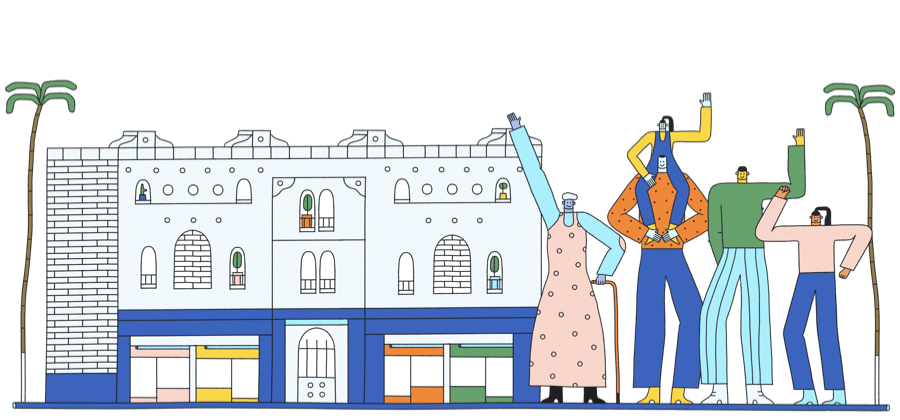
Max Levine’s organization, NICO (Neighborhood Investment Company), wants to create a new housing typology – something halfway between renting and home ownership. Modeled as a B-Corp, NICO has launched what they believe is the world’s first neighborhood REIT (real estate investment trust) in Echo Park, Los Angeles.

Echo Park, like many other neighborhoods today, has experienced a significant amount of gentrification. This means that many members of the community are excluded from home ownership. NICO wants to help them to build wealth and belonging and let them participate as primary financial stakeholders. Using a REIT structure and applying it at the local level allows every day people to have a financial stake in their own neighbourhood.

Shares in NICO sell for as little as $100 and stakeholders can choose to make either a one-time investment or a long-term commitment through monthly payments. Open to both locals and non-locals, the REIT offers two classes of shares with some additional benefits attached to those for local shareholders. In addition, each of the tenants in the buildings owned by NICO have been given $1,000 worth of shares. 

Listen in to my conversation with Max Levine as we unpack this interesting new model.

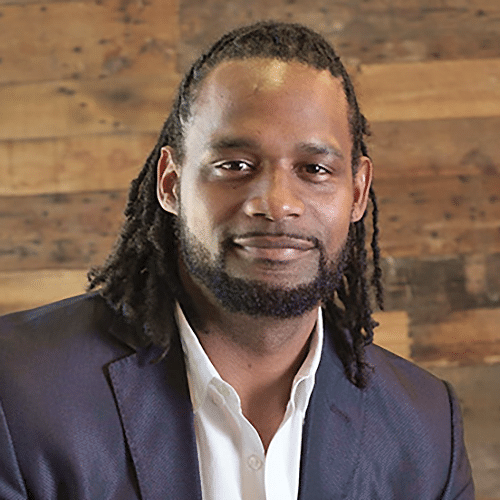
Image courtesy of Max Levine/NICO Benefit Corp.

Veterans Buy America.

March 24, 2021

Andy Williams is a former Marine who was determined to better his life (and secure his future) through real estate. In a fairly short period of time he built a substantial portfolio of homes, a real estate development business focused on larger projects, and now, a program that seeks to turn veterans into entrepreneurs just like himself.  While his organization, Recon Realty, is focused on making a profit, Andy’s heart is in the impact he can make (Recon Realty is also a B-Corps).

As Andy describes it, “Real estate was a safe haven [from the war] for me and [his wife] Ashley. It was a safe investment vehicle that allowed for us to serve our community in a small way as we built a portfolio of rental properties. After a few projects, we realized that impact investing was our calling. We used it as a bridge to get back home from Iraq, to start a family, and ultimately build a business.” And with that experience, they aim to help make it easier for other veterans to do the same.

In 2018, Recon ran a pilot program where a dozen veterans were guided through the process of buying, flipping and renting income properties, and this coalesced as Veterans Buy America. They call it a “residential developer accelerator,” and their goal is to now grow it nationally. “It doesn’t matter how much money you have. It’s whether you’re solving a problem,” Andy has said. “I want to show the world that entrepreneurs like me can exist.”

Insights and Inspirations

  • Andy went from military veteran to owning a portfolio of homes to becoming a developer of much larger projects.
  • Andy’s head is focused on profit. But his heart is focused on impact. He wants to teach vets just like him how to “own a piece of America.”
  • So far, Andy’s program has successfully helped 100 vets become RE developers. His BHAG is to help 100,000.
Read the podcast transcript here

Eve Picker: [00:00:11] Hi there, thanks for joining me on Rethink Real Estate. I’m on a mission to make real estate work for everyone. Real estate can help to solve climate change, can house people affordably, can create beautiful streetscapes, unify neighborhoods and enliven cities. So, I’m on a journey to find the most creative thinkers and doers out there. I’m not the only one who wants to rethink real estate. You can learn more about me at EvePicker.com or you can find me at SmallChange.co, a real estate crowdfunding platform with impact real estate investment opportunities open for investment right now. And if you want to support this podcast, join me at Patreon.com/rethinkrealestate, where there are special opportunities for my friends and followers.

Eve: [00:01:10] Today, I’m talking with Andy Williams, the founder of Recon Realty, amongst other things. Andy was a Marine determined to better his life through real estate. In a fairly short period of time, he built a substantial portfolio of homes, a real estate development business focused on larger projects, and a program that seeks to turn veterans into entrepreneurs just like Andy. While Recon Realty is focused on making a profit, Andy’s heart is in the impact. The question for him is, how can he use real estate to turn transitioning veterans into entrepreneurs so that they too can turn a profit? Patriots need to start buying up America, he says. I’m going to learn a lot from Andy and so might you. So listen in. If you’d like to join me in my quest to rethink real estate, there are two simple things you can do. Share this podcast or go to Patreon.com/rethinkrealestate to learn about special opportunities for my friends and followers and subscribe if you can.

Eve: [00:02:42] Hello, Andy, thanks so much for joining me today.

Andy Williams: [00:02:46] Oh, it’s a pleasure to be here. Thanks for having me.

Eve: [00:02:49] So you’ve gone from being a U.S. Marine to a real estate developer to impact entrepreneur, in a pretty short period of time. And I wanted to start by asking you how you got involved in real estate.

Andy: [00:03:03] Real estate really was a transition from private security contracting to civilian life. I was trying to build a bridge back home, so I bought my first rental property in 2006. And it was a safe investment, an easy investment and made sense. And I just kept doing it for about six years, buying rental properties in my hometown with the intent to build enough cash flow to replace my income that I was making overseas.

Eve: [00:03:38] And where is your hometown?

Andy: [00:03:41] It’s in central Texas.

Eve: [00:03:42] Okay.

Andy: [00:03:42] So I’m 5th generation Texan. So…

Eve: [00:03:45] Okay.

Andy: [00:03:46] After getting back from the Marines, I made Texas my home.

Eve: [00:03:50] What did it take to purchase your first time? I mean, that’s a pretty big leap from Marine to buying a house.

Andy: [00:03:58] Yeah, actually, my first house was around 50,000-dollar rental property. So it took me, I think I put 20 percent down, so it was about 8,000 dollars. And after I got out of the Marines, I’d actually save some money while I was in. And then I was making, you know, very good pay, working with the State Department, under private security contract. So, I I’d basically reinvest my my monthly salary into rental properties for about six years.

Eve: [00:04:33] Wow. So. And did you need to make these properties tenant ready? Like, I suppose I’m wondering what skills you had to learn in that transition and how you identified the right sort of properties to buy. And you know, what your plan was. What was your big strategy?

Andy: [00:04:50] I didn’t have one of that time. I grew up in in this in this community that was segregated. It was there was good houses, bad houses, you know, people that were rich and there was people that was poor. There was really not a middle class. And so when I started making money, I wanted to buy properties for the underserved and provide sustainable housing. So, my dad was a concrete foreman when I was growing up. And around that time, he was he was aging out, wasn’t able to do the do the work that that he had in his trade. And he was kind of out of work. So, he was kind of my eyes on the ground, and I would buy properties and he would be my project manager and he would make them ready and then we would lease them out. It was very mom and pop.

Eve: [00:05:45] That’s fabulous. Yeah. Were your first houses a success or did you have any failures, any moments where you regretted what you were doing?

Andy: [00:05:57] No.  I’m very conservative and I was always I’ve always been an investor for the long haul. So, you know, I think I just sold last year a property that was in my portfolio for 15 years. I think some of the the fifth house I ever bought was a duplex. It’s still in my portfolio. I’ve always looked at real estate as a as a way to kind of build wealth, but also solve a problem. And I think that’s what attracted me to the affordable housing market. Because I grew up understanding that real estate and safe housing, quality housing was really a privilege that was afforded to few.

Eve: [00:06:43] Yes.

Andy: [00:06:43] And when I was in a position to, you know, do well, I wanted to do good. And so it became a safe return. It wasn’t until I started trying to build an operation around it, was there risk really being assessed because I was buying really cheap properties in a market that I felt that I understood. I actually felt that it was misaligned and I wanted to play on the long haul and being well traveled as a as a veteran and seeing kind of the simplicity of being able to buy a home, you know, fix it up and rent it out and looked at the rate in the rents and the cash flow, it just made sense. But when you started to, it was it wasn’t until 2012 when I came back from Iraq. At that point, I had about 50 rentals and I wanted to kind of start a business. And so I started looking at trying to integrate construction component and I started flipping houses. And that’s when I started realizing that there was a different dynamic. Most of that had to do with the characters. When I started investing in the in the city, the Dallas Fort Worth area. I ran into some bad actors and not everyone did what they said. And you had to kind of have protocols in place. And so, I spent a better part of three years building some infrastructure. But I was able to kind of make some mistakes and build through those those challenges because I always held a decent sized rental portfolio, that in my mind was kind of a baseline. It was a cushion, in case you ever ran into some problems you could dump a rental and if you needed to leverage, you had cash flow coming from your rental portfolio. So, you never really was too overexposed.

Eve: [00:08:56] So how big is that portfolio? I mean, what do you think the baseline should be for people who are listening?

Andy: [00:09:03] That really depends on your goals. I mean, mine was, you know, about a five-million-dollar portfolio. And, you know, I was thinking I got it up to about 100 houses. I’ve scaled it down over the last three years because I hit that threshold where I didn’t want to deal in that housing stock. And then also I didn’t want to reinvest in the communities where I had properties. I ran into some some infrastructure challenges. My dad passed away in 2014. My mom started managing the properties and that that original portfolio really was just kind of a mom-and-pop operation and meant to be mom and pop. And once, you know, it kind of served its purpose, I divested it. And then I moved my operation to the major market and then I started building teams. And the projects I’m doing now, they’re more, you know, leveraged on teams. I’m good at I’m good at certain things, certain things. You know, I’m not as strong at or passionate about. And so I leveraged my my military background to kind of build teams and into medium to large size projects that are basically what I’ve learned over the last five years is that, you know, good projects are are really executed with good teams and a solid project is is really effective if you can assemble the right team around it. And so I focus on team building around projects at this point. And entrepreneurially, I have a focus on, you know, capacity building and training that I actually do what I’ve already done. And that’s more more where I’m headed in the future. We’re actually rebuilding our portfolio now, but we’re doing build to rent and we’re we’re playing in and into areas and we’re focused on distressed communities that have been redlined or segregated or socially deprived of capital because of its demographic. And we’re trying to get ahead of gentrification and build capacity…

Eve: [00:11:15] Right, right.

Andy: [00:11:15] And then trying to hold some properties there as we we have an input.

Eve: [00:11:19] But what a great story. Those small properties really helped you build a much, much bigger career. And that’s, that’s pretty valuable, right?

Andy: [00:11:31] Yeah, I think the sense is, is, you know, you make your mistakes and you learn. But I think the biggest thing that I’ve learned over the last three years, maybe five, is that, you know, I got started early and I was lucky because I was you know, I was advised to invest for the long haul and I wasn’t looking for, you know, a quick buck. And once I figured out something that made sense and it made money and kept doing the same thing.

Eve: [00:12:01] Yeah.

Andy: [00:12:02] It’s like in the military, you know, in the Special Forces community, you don’t you don’t really add a magic style or systems. You just kind of focus on mastering the basics. And that’s that’s what I did. So when I look at, you know, buying, you know, single family homes to to do renovate to rent, it’s very simple. You do it once you figure out what your kind of your cost is, you know, you take a wood frame home 1950s. You got to figure out what it’s going to be to get that renovated and get it turn what it’s going to rent for, what your leverage is going to be. And you just rinse and repeat once you figure out how to get in there. Right. You you get it gutted. You put it back together and you throw a tenant in there. It’s really should be, you know, an operation, a management issue. And you just scale up to what your capacity is. And, you know, there’s a lot of liquidity in the market now, too. And so, you know, the finance vehicles that are present today weren’t present 10, 15 years ago. So it’s a lot easier to to really execute the scale. You know, an operation and you just got to find the right markets and the right product.

Eve: [00:13:18] Right, right, right.

Andy: [00:13:18] So you can go that down.

Eve: [00:13:20] But I’ve also read that you want to use real estate to turn transitioning vets into entrepreneurs. And so, you know, to help people like you do the same thing in some way. And how do you do that?

Andy: [00:13:37] A couple of years ago, I got to a point where, you know, I had some national exposure and I was able to create a conversation with the right people. So, I’ve always thought that and believed in the idea that America runs on capitalism and veterans were not necessarily being positioned to build sustainable businesses. We were kind of being, you know, reintegrated into corporate America. And, you know, a lot of veterans just aren’t cut out, nor that they need to just go right to work. They need to figure out a passion that they can pour their energy into. And it can be project based.

Eve: [00:14:22] You know, my son is a vet, so I witnessed that firsthand. Takes away the transition. Yeah.

Andy: [00:14:29] Yeah, so funny story. There’s a Marine that got me in the real estate. He was a World War II Bronze Star recipient. He fought at the Battle of Iwo Jima. And I still have some of the properties that he sold to me. But when I when I was in Iraq, I was on leave and I have seen this old frail man pulling some carpet out of this duplex. And I stopped and I asked him what he was doing and if it was his property and if he’d be willing to sell it. And, you know, gave me his number. When I got back overseas, I called, and we talked for about a month and a half and end up selling me the property. I didn’t know him until he sold me actually about 30 properties, which helped me scale, but I never got to know him. He came back from World War II and he started a fencing company, and he was moving houses from Fort Stockton down to central Texas. And he he kind of had a retirement built on free and clear properties. And so I kind of followed his blueprint. But when I when I seen myself, you know, fast forward 2012, 2013, 2014. And then I get some national exposure. I just was frustrated that my peers, my friends, my fellow veterans weren’t positioned right. And I just always felt America needed to do better, but I just didn’t think they understood. So, I went to the Department of Labor and I sat down with them and I worked with them to create a programatic that, you know, I believe was a transition platform. And we tested it and we brought it to market. And we’re now in the process of expanding that that mission. Rehab Warriors does exactly that. We teach veterans to be the average home builders and developers. The big difference is we’re not telling them to come work for me or they’re not vertically integrated and we’re a construction company. We actually don’t have them picking up tools and hammers and we don’t teach them trades to work for DR Horton or Lennar. We we actually give them the principles. We show them how to model financial projects and we give them access to capital and we have them go access properties in their market.

Andy: [00:16:42] And we’ve got a lot of success. And that’s more my passion. You know, I could flip 1000 homes in the next ten years. I could, you know, build a large rental portfolio, but that’s not success for me. Success is if I can train 10,000 veterans to do what I’ve already done and find peace at home. Because I think the war fighter really does deserve to own part of the country by which it served. And the other way, I think that we’re going to be able to to be able to do that, you know, truthfully is to buy at a discount, create the value and rebuild the infrastructure. And that’s why we have a huge emphasis on affordable housing in distress zones. We teach these veterans, and we redirect their energies and efforts into their communities. And they’re finding properties and they’re having a lot of success. And naturally, they’re building teams. But more importantly, they’re local to their community and they’re solving problems in their local community and they’re finding their passion. And America’s better for it, you know, I’m better for it. And and America is getting a new breed of developer that I believe it deserves.

Eve: [00:17:53] So tell me about some of these success stories. Like it sounds like you’re sort of starting out on this journey. How many vets have you trained? How many have been successful? What does it look like so far?

Andy: [00:18:05] So we have 100 percent success rate. And, you know, we we probably supported about 100 veterans. So far through the training, we have about 50 on the platform we’re going to roll out, which we’re still early stage because I focused on making sure that we had 100 percent success and then tooling it down to where the veterans wanted to be. But we had a military veteran perfect case study. Female veteran, you know, started a minority owned business right inside the community that she was discharged from. And you know, she she got into, you know, our community back in June 2020. We helped source and identify the right property by August, matched her up with a local banker. She was able to access, you know, very competitive financing. We try not to play in the hard money space. We don’t play in the private money space. We really have a position. We want proper capital to execute these projects. And so access to capital was something that I emphasized the last year and a half, two years. But she just finished her project, took her 90 days, bought a working home, took it apart, put it together. And, you know, she she ran into some some contractor issues, which is mostly…

Eve: [00:19:24] Pretty normal.

Andy: [00:19:26] Yeah. And that’s where we really emphasize the support is we, anyone can show you how to find a property, anyone can show you how to model, and anyone can show you where the money is. What we do is we build a community where we help walk you through it. Because we want you to be successful, because if you get you get through one property, you’re going to continue on the journey. So, we help navigate the contractor issues. And she ended up completing a beautiful rehab and set on the market. She got a full price offer and she closed and she made, she made money. She made a lot of money.

Eve: [00:20:04] Good for her.

Andy: [00:20:06] It wasn’t the money, though, that that was motivating. It was the fact that she she got through it and she was able to, you know, less than one mile from the gate that she left and discharged. She was able to reintegrate successfully. And she chose our program over any of the any of the programs that the military had. And so we have a waiting list. So, you know, there’s a lot of veterans that that are on the waiting list. We’re building out the infrastructure. But right now, as a founder, I’m kind of putting the culture in place.

Eve: [00:20:36] Yeah, yeah.

Andy: [00:20:37] The market, it’s really, it’s really hot right now. And I don’t want to send a bunch of veterans into the communities right now to go buy, because really, you shouldn’t be flipping houses in markets that are kind of peaking. And most of the market shifted to new construction. We do teach home building. And then as for myself, I shifted to developments. And I think, you know, we’re being disciplined right, and we’re trying to, we’re waiting for the dip and then we’re going to assemble and deploy. But in the meantime, we’re putting the training wheels on and we’re putting them, the people through the program so that they can execute. And more importantly, we we’re building the culture where we want to we want to put the community first, yield second and we want to serve.

Eve: [00:21:22] Right. So, like, just generally, what are some of the challenges you’ve been confronted with? Because you’ve come a long way from your roots. There must have been financing challenges and, you know, neighborhood complaints. And I don’t know what else. You know, aside from the contractor challenges which are always there.

Andy: [00:21:44] Yeah. I mean, I think, you know, let’s take it down because, you know, my my smallest project we just put on the market, you know, 150,000-dollar rehab that we threw up. We bought it for 60, put 70 into it and you know, turned the market to a little affordable house that we could have tore down and rebuilt. But we wanted to connect with the community. But in that same neighborhood, we got 13 acres and a contract where we’re going to throw up a tax credit investment. Low-income housing tax credit, portable housing, you know, three story corner unit, garden style apartment. And really, it’s the challenges we’ve navigated, you know, so far has been just understanding what, while we’re there and what we’re doing. I don’t really see real estate as complex as some people. I mean, the financing is is very intricate to the project. And I’ve been very, you know, focused on going downstream. You know, there’s a lot of private capital out there, financial institutions, you know, there’s crowdfunding platforms. But my focus has been really I want the federal allocation. You know, there’s trillions of dollars spent on affordable housing. So, you know, I’m going to go get the money that, you know, is best suited and effective at modeling out.

Eve: [00:23:09] Um hmm.

Andy: [00:23:09]  I’m on the State Board of Affordable Housing. And so, I have some some initiatives and I’m pushing at the state level here in Texas. And we’re executing beautifully the model and we’re navigating the challenges. But what’s happened with the approach for the overall mission is that I’m allowing organizations to align, that they really see the big picture, going to help me move the needle forward. And that’s how we’re creating progress. Because it’s, we’re solving the real problem.

Eve: [00:23:45] Um hmm. So one final question. What’s what’s next for you? It doesn’t sound like you stay in one place too long.

Andy: [00:23:53] Yeah, I think what’s next is just keep doing what I’m doing. I’m really focused on Rehab Warriors. We just got done redeveloping and rezoning a large tract that we’re going to we’re going. To have a seven-year commitment to the city where we’re going to end up building 500 single family homes.

Eve: [00:24:16] Wow.

Andy: [00:24:16] Over 100 build to rent single family homes and town homes. And we got a multi-family affordable housing project, a single-family affordable housing project and some retail. So that was kind of my case study. We picked up some land, brought it to an RP from HUD and my development team and I’m a I’m a I’m a small part of the development team, but a big part of the mission. We’re able to work with the city and this small community that didn’t really have the right developers supporting them. And we came in and we put together this master plan.

Eve: [00:24:54] Um hmm.

Andy: [00:24:54] And, you know, the by-product of it is we’re going to continue to serve the community. And my goal is to just close the loop between the size of projects I’m doing in the in the single-family homes that actually have a passion for capacity building for the veterans. Because I really believe that the veterans have, in my mind, the ability to not just reintegrate, but safely land inside America’s housing market and solve a real critical problem. Because we have an affordable housing crisis across the country. We have a lot of skilled trades and unskilled trades gap, but everyone sees that as the problem. Right. But it’s the opportunity for me because I see the problem is I got 250,000 more fighters coming home every year and they’re trying to figure out what’s next. And I’m just going to give them a very focused target. That just go and do this and you’ll find not just peace of mind but purpose. And if you do it right, you execute and you end up economically mobile, which is the end state. Because if we can, you know, help our war fighters come back home and have economic mobility in America, we’re better off. And so that’s my mission to improve America’s housing stock by, you know, reintegrating veterans, but doing it in a way where we’re winning and we’re ushering them into a conscious capitalist community.

Eve: [00:26:27] It’s an honorable goal and a really big one. And I really hope you’ll be incredibly successful at it and I thank you very much for taking the time to talk to me today.

Andy: [00:26:38] Yeah, it’s a pleasure. And you’ve done some great work. And, you know, I think your platform is also, you know, an option. And I think I love what you’re doing because, you know, you’re democratizing access to great projects with great operators.

Eve: [00:26:55] Yeah.

Andy: [00:26:56] It’s needed. I think everyone wants to be a part of, you know, the change. And I think that this is just one area. You know, my goal is just to capacity build, build operators so they see this is a focus. So, it was a pleasure. And I keep doing the good work.

Eve: [00:27:14] Yeah. Yeah. No, Andy, I want to say I think I mean, I think, you know, I’ve always been horrified at how vets have been treated when they leave the military and having seen the sort of support that they get inside before they leave. It’s it’s not it doesn’t seem to be the right sort of support. So, I think what you’re doing is fantastic. Just keep going.

Andy: [00:27:38] Yes. I appreciate it and you as well. Thank you for having me.

Eve: [00:27:42] Okay, bye.

Andy: [00:27:50] Bye, bye.

Eve: [00:27:50] That was Andy Williams. He’s a self-made real estate mogul with a heart. He’s passing on what he’s learned to other vets just like him, so that they, too, can participate in the wealth this country has to offer. It doesn’t matter how much money you have, it’s whether you’re solving a problem. Andy says, I want to show the world that entrepreneurs like me can exist. You can find out more about this episode on the show notes page at EvePicker.com, or you can find other episodes you might have missed. Or you can show your support at Patreon.com/RethinkRealEstate, where you can learn about special opportunities for my friends and followers. A special thanks to David Allardice for his excellent editing of this podcast and original music. And thanks to you for spending your time with me today. We’ll talk again soon. But for now, this is Eve Picker signing off to go make some change.

Image courtesy of Andy Williams/Recon Realty

The potential of unused space.

March 8, 2021

The US may be facing the most severe housing crisis in its history. Restrictive building regulations and zoning have pushed real estate prices out of reach for more and more Americans. The problem, which has been growing for the last fifty years, has been sharply accelerated by the pandemic.  

While some progress is being made, the rate of homelessness is outstripping policymaking to squash it. This problem requires more creative responses, both long-term and temporary, that recognize the unique characteristics of cities and their populations.

Vacant land 

Many cities have vacant and underutilized land. There’s a growing awareness that cities are the most sustainable places to live and this makes vacant lots in cities quite attractive. Often small in size, they can be well-suited for the building of small, affordable homes. Developers and architects are turning their attention to these lots in an effort to make an impact on housing affordability. Architects like Brian Gaudio, turned housing manufacturer, who launched his company Module to build efficient infill homes. Or Jonathan Tate, a New Orleans- based architect who focused on designing and building affordable housing on odd-shaped and forgotten lots. One of his projects, Starter Home Two, was built using crowdfunded equity raised through Small Change.

Adaptive reuse

Underutilized government offices, hotels and shuttered public schools might also help to solve the housing shortage. The pandemic has increased the inventory of buildings that now stand vacant. And some developers and investors are creatively acting upon the opportunity.

Repvblik, an LA development company, has built its practice around adaptive reuse since 2015. In Branson, Missouri, they have converted a Days Inn Hotel into affordable housing, turning 423 hotel rooms into 341 affordable multifamily units. Plato’s Cave now includes coworking spaces, meeting rooms, a gym, a communal kitchen and dining room for functions, a beach volleyball court, and free-to-use bicycles. The cost of conversion for this project was less than half of the cost of building a new property. Starcity, a San Francisco-based company, is also converting defunct and underused commercial and hospitality spaces. And ASK Studio, an architectural firm, has converted an 1888 local high school, in Clinton, Iowa, into 16 affordable multifamily units.

Empty rooms

But what about homeowners who are feeling the squeeze and have a spare room or two in their home? Or real estate owners who are just not realizing the appropriate rent for their property? Atticus LeBlanc, an affordable housing advocate for over a decade now, founded Padsplit to address affordable housing a little differently. Instead of building new, he advocates for using every empty space in every home for an abundance of affordable living options. On Padsplit, a technology platform, homeowners can list a room, or find a local contractor to reconfigure their home so that they can share it with multiple tenants. On the outside, a PadSplit looks like any other traditional home. But on the inside each house typically has five to eight furnished bedrooms, with shared bathrooms, kitchen, dining, and laundry rooms (no living rooms). Utilities, internet service and cleaning is included in weekly rent, making these “pads” extremely flexible housing options. Padsplit homes are designed to allow single person households, or individual workers in our communities, to be able to rent individual rooms rather than entire homes.

Want to learn more? Listen in to my podcast conversation with Atticus.

Image by Htm CC BY 4.0, via Wikimedia

Why modular construction?

February 22, 2021

Modular construction is the construction of buildings using modules or prefabricated sections. Manufactured off-site, using assembly line production, modules are fabricated from standard building materials and are built to meet or exceed the building codes of conventional buildings. They can be manufactured without compromising on quality and can meet sophisticated design specifications, including matching existing building aesthetics. After manufacture, the modules are delivered to the building site where they are installed in any specified configuration before being connected together to make an entire building. After assembly, modular buildings are effectively identical to conventional site-built buildings.

If you have been paying attention to the conversation about affordable housing or environmental sustainability in construction, you may have heard of modular construction.

Here are some advantages:

  • Manufacturing can occur at the same time as foundation and site work, reducing construction time
  • Factory manufacture means less waste as inventory is controlled and building materials are weather protected
  • Factory manufacture also reduces the risk of weather delays
  • Prefabrication causes less site disturbance
  • Modular buildings can be disassembled and recycled reducing the overall demand for building materials as well as energy use
  • Manufacturing in a factory-controlled environment means less air pollution


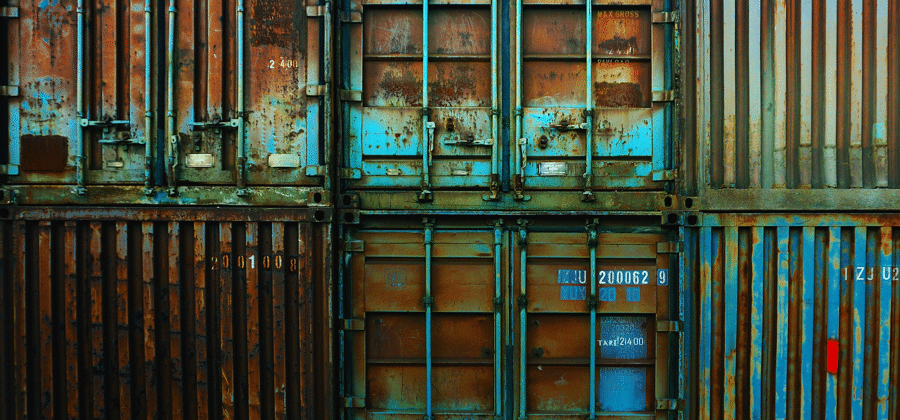
Scott Flynn founded  indieDwell, a modular home company that grew from a one per quarter build to 10 per week in the first four years. IndieDwell began by focusing on affordable modular homes made from shipping containers. Although shipping containers are an amazing form of recycling,  they’re very complicated to use, especially for commercial projects which have more restrictive codes. So, because indieDwell’s mission is to put as many people into high quality, healthy homes as possible, they are in the process of switching to a steel studded frame system. Like the shipping containers before them, the modules will be high performance, energy efficient, durable and sustainable. And the new modules will lower the price of homes even further.

Scott is manufacturing change. Listen in to my podcast conversation with Scott to learn more.

Image from PxHere

The Bridge.

February 17, 2021

Garry Gilliam may be best known for playing in the National Football League, first for the Seattle Seahawks, then the San Francisco 49ers, but today he has a second career as an impact real estate developer. Originally from Harrisburg, at age eight Garry was sent to the Milton Hersey School, a private philanthropic boarding school for orphans and low income children based in nearby Hershey, PA, where he excelled. That model of community is one part of the inspiration for The Bridge, a new real estate development company that is working to acquire old properties like schools, malls, and warehouses, in order to turn them into sustainable communities in the inner city. Each project will be planned as self-contained, mixed-use “Eco-Villages” with housing, commercial/retail space, co-working, urban agriculture, innovation/education center and entertainment. A place to “work, eat, live, learn and play.”

The Bridge came about as a joint effort with Garry’s friends, both from Penn State and the Hershey School, to give back to their hometown community. Their first project began when they leased the Bishop McDevitt Building in Harrisburg, in 2019, to create co-working, maker and event spaces, and this summer they finished their initial fundraising. The complete rehabilitation will include about 50 units of sustainable, zero-energy housing, commercial areas and indoor urban agriculture. The Bridge also hopes to acquire five to 30 acres in Harrisburg for sustainable Eco-Village campuses that can produce healthy fresh food, clean water and renewable energy.

After starting in Harrisburg, the partners then hope to expand to other cities, going into low-income neighborhoods and turning to other athletes and influencers of color to invest in and lead each project. So … watch this space!

Insights and Inspirations

  • Just watch Garry talk about The Bridge. Seriously.
  • Garry wants to invest $1.5B over the next 20 years into 20 different cities with The Bridge.
  • Harrisburg is ripe for impactful development with historical issues that many cities face, including redlining, neighborhoods that are food deserts, and general lack of resources for many school districts.
  • The goal with The Bridge is to find a model that works not just in his hometown, but everywhere.

Information and Links

  • Garry wants to highlight three amazing people: Milton Hershey, Nipsey Hussle and Charles Mully. You can read a little about each of them here.
  • And he gives a shoutout to a book by spiritual teacher David Deida, The Way of the Superior Man.
Read the podcast transcript here

Eve Picker: [00:00:05] Hi there. Thanks so much for joining me today for the latest episode of Impact Real Estate Investing.

Eve: [00:00:11] My guest today is Gary Gilliam. Gary is perhaps best known for his starring role in football. He entered the NFL in 2014 after signing with the Seattle Seahawks, a superstar climax to a very long journey, which we talk about in the podcast. But today’s focus, The Bridge, came about as a joint effort with friends to give back to their hometown, Harrisburg. There they will take an obsolete school building, the Bishop McDevitt Building and repurpose it for 21st century needs. It will become an eco-village with about 50 units of sustainable, zero energy, housing, commercial uses and indoor urban agriculture. Their broader goal is to acquire five to 30 acres for sustainable eco-village campuses that will produce healthy, fresh food, clean water and renewable energy. Gary doesn’t plan to stop there. Over the next 10 years, he hopes to invest one point five billion dollars (1.5) in 20 different cities. He’ll turn to other athletes and influences of color to invest in and lead each project.

Eve: [00:01:35] Be sure to go to Evepicker.com to find out more about Gary on the show notes page for this episode and be sure to sign up for my newsletter so you can access information about impact real estate investing and get the latest news about the exciting projects on my crowdfunding platform, Small Change.

Eve: [00:01:59] All right, Gary, thanks so much for joining me on this show.

Gary Gilliam: [00:02:08] Yeah, thanks for having me.

Eve: [00:02:09] So I’m very excited to talk to you. Someone shared your really wonderful video, What is The Bridge Eco-village, with me. And there’s really there’s so much passion and love in that video. I really just wanted to hear more about the project.

Gary: [00:02:26] Yeah. Yeah, definitely. That video specifically was featuring our pilot location in Harrisburg, Pennsylvania. So, The Bridge Eco-village is a for-purpose real estate development company. The model that is also in that video is our B model in which we acquire old schools, malls, warehouses and convert them into eco-villages. And to us, an eco-village is essentially a mixed use development that has spaces for you to work, eat, live, learn and play. So that workspace, co-working spaces, maker-space, an area for entrepreneurs to come for incubation acceleration, what have you, that each branch is actually urban agriculture, the growing food with aeroponics and hydroponics, or growing food without soil, which allows us to grow food year round and also control the environment so we get bigger and higher yields and actually higher nutritional value as well. So that’s where we live is housing, affordable housing as well as luxury housing. It’s important for everybody to be together. That LERN Branch is actually our non-profit, which is Empower at the Bridge Foundation, which is a heavy focus into financial literacy, teaching people how to repair their credit. Also a heavy focus into job training, mostly like contractual work, so plumbing, electrician work, things like that, and then also sustainable business practices and research and development.

Gary: [00:03:51] Then within that play branch, the last branch is entertainment. So that’s providing a space for people to have zip lines and batting cages, electric go-carts, virtual reality areas. So providing entertainment spaces to the local community. So The Bridge Eco-village, essentially a community center or village aspect, mixed use development. The eco aspect actually comes from the way that we are building mostly through our ITW branch, but for the entire building itself. So solar panels not just looking to be net zero, but striving to be net positive in our energy. We have water collection which doubles with how efficient our water usage is within our farming aspect. We actually save ninety five percent more water than what traditional farmers do. And then within our our waste and our carbon, we actually have a bio waste food digester. We can bring in fresh food waste from outside sources, convert that into nutrients and also more energy. So not just, you know, closing the energy loop, the waste loop, the water loop, carbon loop, so building things sustainably and our build environment. But to us, it’s not just about the word sustainable. It’s really about kind of playing chess and thinking ahead and making things that are built to last. So for us, sustainability really means longevity, which is why we’re looking to convert these older good bone schools and malls and do something great with them.

Eve: [00:05:12] You have my head spinning. Any any one of these things is a pretty significant business to start. And for those who are listening, I mean, you’ve you’ve moved a career from professional football to basically community visionary. And so let’s step back a bit. I mean, how did that transformation happen and where did the seed of the idea for The Bridge begin?

Gary: [00:05:38] Way back, actually. So when I was eight years old, I actually was enrolled into a private boarding school for orphans. I’m not an orphan, so I’ll give a little bit of history about the school itself. So Milton Hershey School, founded by Hershey’s Chocolate, the great chocolate chairman Milton Hershey, not only was he into chocolate, but he also founded this school back in 1909 for little white orphan boys. It was called the Hershey Industrial School for Boys. And that’s what the school was up to the 60’s when black males were admitted, to the 70’s and 80’s females were admitted. And by the time that I went in late 90s, it was no longer just for orphans. But your family had to be below the poverty line, single parent homes, still your orphans, foster kids, the like. And what the school does is it provides a fully cost free education. You live on campus, cost free your clothes, your food, everything, and then they double it up. And when you graduate from the high school, whatever college you get accepted to, they provide you with a pretty significant scholarship, anywhere from eighty thousand to one hundred thousand dollars to go toward that education.

Eve: [00:06:47] Wow.

Gary: [00:06:48] So, that’s really the true inspiration of the work, eat, live, learn, play model. One the school, but but on a bigger scale, the town itself. So there was nothing in that farm town of Hershey wasn’t being called Hershey until Milton Hershey himself went there and established this town. Now there’s a four theme park, stadiums, theaters, obviously the entire school just it’s now a one stop shop for everything that he provided for his workers. But now it’s an entertainment space for everybody. So, that work, eat, live, learn, play model definitely comes from the town. And then also on a microcosm of the school itself, providing all the opportunities and resources that the kids needed that would have never gotten those opportunities or resources before.

Eve: [00:07:29] I bet Hershey would love to hear this story, right?

Gary: [00:07:32] Yeah, yeah.

Eve: [00:07:33] That’s a great seed to plant. So then you went on to have a professional career in football and I suppose came back to your hometown, right? That’s Harrisburg.

Gary: [00:07:45] Yeah, yeah, yeah. Yep. So I got a full ride scholarship to play at Penn State where I went and played for Joe Paterno and Bill O’Brien. While there, I triple majored in business, advertising and psychology. So made sure that with that full ride I maximize it and got some pieces of paper to my name. So then after that I went to the NFL. I went undrafted actually to the Seattle Seahawks. Earned a starting spot there and played there for three years and ended up getting two new contracts actually with the Forty Niners. And that’s who I most recently played with and now I’m a free agent. I’m taking this year off to stay away from the virus and decided to, you know,  develop The Bridge. A few business plans had already been developed for The Bridge. So you kind of put them together. So, yeah, I went to the NFL, played for a few different teams, and now I’m doing some real estate development. And like you stated, you know, community development.

Eve: [00:08:38] Yes, it’s a lot of fun, isn’t it?

Gary: [00:08:40] Absolutely.

Eve: [00:08:41] Yeah. Where are you starting? Like, physically? What are the buildings like? And you have a first project, I think, in Harrisburg. What does it look like?

Gary: [00:08:50] Yeah. Yeah. So that specific property was built in 1930. It’s an old Catholic school. The Catholic school was there until 2014, so it’s been empty since then. It’s actually the fallout shelter for the city. So it’s got great bones. It’s actually really, really good shape on the inside. A few areas need some work, got to put a sprinkler system in and repair parts of the roof. That’s part of the biggest expense, aside from obviously the renovations that we plan on doing. But, yeah, that the building in terms of the areas, though, that The Bridge itself targets, there are three main requirements. First and foremost, the town or the city or the area is a food desert or within close proximity to a food desert.

Eve: [00:09:37] Um Hm.

Gary: [00:09:37] Our main objective is to convert food deserts into food oases. Food security and food localization are extremely important, not just in the health of individuals, but also in finances and keeping the dollar circulating within your community. So first and foremost, food deserts. Second, we’re targeting places that have home owner occupied rates lower than 45 percent. And then we’re also the third requirement is the local school district there is ranked in the bottom half of the state. So those three things, Venn diagramed out the middle area right there is where The Bridge wants to be. Normally areas that most developers don’t want to go into. Lots of distressed properties, you know, areas that don’t have people that have a lot of disposable income. Those are the exact people that we’re targeting. We’re pitching or constructing this model to really combat systematic oppression. Those things that I just labeled create systematic oppression and keeps whoever lives in those areas down. You don’t have resources there. You don’t have opportunities to get yourself out of those situations. So that’s right where we want to be.

Eve: [00:10:40] Ok, so this first building sounds like a gut rehab. I think I saw pictures of it. It’s pretty gorgeous on your video and it looks pretty big. How big is it and what are you planning to actually build inside that space? And you adding new buildings like I’m an architect. I want to know how the physical structure, what you’re planning.

Gary: [00:11:01] So it’s one hundred and twenty thousand square feet.

Eve: [00:11:05] Oh, that’s pretty big. Yeah.

Gary: [00:11:06] Sitting on eight and a half acres. And it’s currently there’s a ground floor, first floor and a second floor. We plan on building another floor on top, at least one floor. We’re still deciding if we’re going to go a bit higher within that top floor is going to be housing. As of now, we’ve got about 50 units. And that’s a mix of affordable housing as well as luxury housing. As I stated. In the ground floor is actually where our maker-space, music studio, a digital media lab, that’s where those those areas are. So kind of the co-working space.

Eve: [00:11:41] Incubator space.

Gary: [00:11:41] Some co-working offices up on the first floor, as well as some more housing. The gym, there’s a gym. The gym will remain the gym. There’s a nice stage in there and some built-in bleachers. So we’ll refurbish that and people will be able to use that for TED talks and what have you. We’re not going to put a gym floor back into it, but you will be able to do some physical activities in there, pull up curtains, sectioned off the area, use it for different events and what have you. There’ll be a new building actually built connected to the gym, which will house our adventure arcade. So the zip lines, the batting cages, the trampolines and what have you. So that’ll be new build as well as our farm. Which is looking to be anywhere from sixty thousand to seventy thousand square feet, but going vertical. So about six stories high, so only taken up about a third of an acre, but being able to produce the same amount of food that 13 acres does in a traditional farming sense.

Eve: [00:12:34] It sounds like your plans are pretty fleshed out. Like, how far along are you in the development process?

Gary: [00:12:39] Yeah, the conceptual phase is done. We’re getting our land development plan together. We haven’t gotten our full construction drawings together yet. We’re still locking in a few of our different anchor tenants, some of the local entities that want to be a part of our mission and really help the demographic that we’re trying to help too. So we’re making sure we lock in the right anchor tenants there and get their spaces developed the way that they like them. And as of now, we’re raising money. And luckily, being in the NFL, I got to be our main investor. But we’re in the process of opening up to bring more investors in so we can obviously bring this fully to fruition. We just had our groundbreaking actually on November 19 and looking to start construction in the spring.

Eve: [00:13:21] Oh, wow. So you’re really pretty far along.

Gary: [00:13:23] Yeah. Yeah. So we’re we’re moving along, moving, moving, moving right along. We acquired the building last November, so we took the last year to really do a lot of our planning stuff. You know, Covid slowed a few things down.

Eve: [00:13:36] Really slowed things down.

Gary: [00:13:38] Yeah. But allowed us to still meet virtually and get some of our things done.

Eve: [00:13:43] Right.

Gary: [00:13:43] But now we’re obviously entering the next phase and taking it from paper to dirt and steel. It’s going to be paramount that we get there. And so being in March, April, May it will look a little bit better.

Eve: [00:13:53] Yes, hopefully. So what do the locals think?

Gary: [00:13:56] Oh, we’ve got, oh man, tremendous community support. So, what we do, like so The Bridge Eco-village, work, eat, live, learn, play. Right. That’s that’s the model. But the specific amenities within each of those branches is determined by what the community there needs. Right. So, okay yeah, we want a co-working space, if that’s what you guys want, or we want an area like a maker-space. Like, what do you guys want within a maker-space. What do you need. What have you not had access to. You know, so we actually hold a bunch of community panels before we even put together our plan. So that’s what a lot of the last year was too, is getting in touch with local community, local neighborhoods, figuring out what the specific things people want, need, what’s lacking, obviously talking to not just the community, but also to politicians and getting their support. You know, because obviously within the fundraising aspect, there’s a public private partnership. So being able to have their support as we pursue some of those public funds was was very important, you know, and they’re all behind it. Everybody’s super behind, you know, what we’re doing. It’s not like this is some like, you know, come to Jesus thing. This is like, all right, look, we have an old school here, a building that’s been sitting here as a community. We have an opportunity now to put together a plan to really develop this thing as something that we could use and need. And not only that, but then actually create a showcase to show what other communities can do in their places and in their cities with their old buildings.

Eve: [00:15:18] You talked about public private partnerships. Does that include financing partnerships?

Gary: [00:15:23] Yeah, absolutely.

Eve: [00:15:24] So affordable housing dollars or historic tax credits?

Gary: [00:15:29] Yep.

Eve: [00:15:29] Like, how do you bring the capital stuff together? I know these projects are very difficult.

Gary: [00:15:34] Yeah, yeah. No, so a lot. So there’s different grants, obviously, like you mentioned, tax credits, historical tax credits. We actually have a meeting set up with the expert, for historical tax credits. The way we designed our plan, we know we’re not being super intrusive and knocking down a ton of different walls. So, we are  anticipating…

Eve: [00:15:52] Yes, they don’t like that, do they?

Gary: [00:15:57] No, they don’t. That’s the kind of the public side, the private side, a lot of different athletes and entertainers. Right. So. As an athlete, most of us have different, like I’ll speak specifically to the NFL and football. We have our own football camps and we go back home. Right. So, it never really sat well with me, you know, just like, ah man, first of all, the chances of making it to the NFL are very, very, very low. And even if you do make it to the NFL, the chances of you keeping a lot of your money is very, very low. Eighty eight percent of NFL players are bankrupt within just two years of playing.

Eve: [00:16:29] Oh, that’s shocking.

Gary: [00:16:30] Eighty eight percent. Yeah.

Eve: [00:16:32] Why is that?

Gary: [00:16:33] That’s financial literacy and really understanding, you know, just making bad investments. I think you’ve got to have a certain image, spending the money in the wrong places, purchasing liberty.

Eve: [00:16:44] You grow up poor and then you have all this money. And because no one’s ever really taught you how to manage it, it’s too much.

Gary: [00:16:51] Yeah. Yeah. Kind of like, you know, when people win the lottery. Most of them end up same thing, either broke or dead, unfortunately.

Eve: [00:16:58] What a shame. Okay.

Gary: [00:17:00] So, aside from that, which is also an issue, instead of going home and preaching about or having the kids come in and go to these football camps, and them thinking, oh, I want to make it to the NFL and be just like Gary Gilliam, you know, if there’s a kid that that has the potential, by all means, do it. It’s also great for the physical aspect and getting the kids out of the house to do things. But let’s think a little more deeply with it. Let’s let’s really go back and talk about real estate, business, agriculture, leveraging credit. Let’s talk about those things. You can create a lot more millionaires that way than we do with athletics, right? That same drive and tenacity and execution ability that we have in athletics, we can mirror that in the business world, too. So let’s be the face of that. You know, athletes, let’s be the ones that are going back home now and using the money that we’ve gained to then, one, create opportunities for other people to gain money, but also be helping a ton of people. And most of them like it and and they want to get on board. And what The Bridge is, is it’s a model. So it’s not just in Harrisburg. We’ve got a target to hit a bunch of other cities over the next few years. So this thing is about scalability. It’s about impact. Like I stated in the very beginning, it’s a for purpose real estate development company. So really about impacting individual’s lives. But it’s also structured and made in a way that you can make a lot of money with and has a great return too.

Eve: [00:18:20] So then what will success look like to you in five or 10 years, say?

Gary: [00:18:26] Yeah, I think success will go back to our three requirements. If that area is no longer a food desert. If the home ownership are higher than forty five percent, significantly higher. And if the school district in that area is then ranked in the top half of the state, then that’s when we know we were successful. And that ripple will be able to be measured. That’s quantifiable. We’ll be able to see that with numbers. And you kind of wonder, OK, well, how does the school district, how does homeownership rates, how does that food desert, how does that relate to the bridge? Well, the school district is directly correlated to homeownership rates and values, which in our LERN branch were heavy on financial literacy, getting people into homes, using FHA loans to get their home owner occupied, taking care of properties, property values go up, more funding to our school districts. Right, these things are linked. So if we’re doing, we’re supposed to do with each bridge location and that means the area surrounding us, none of those things are now issues and we’ll see how far that ripple goes. Which will then allow us to overlap, if need be, other bridge locations so we can start to cover the areas that still have those issues.

Eve: [00:19:32] Those are really great and pragmatic metrics. I think it’ll work really well.

Gary: [00:19:38] Thank you.

Eve: [00:19:38] I have to ask, what’s the biggest challenge you’ve had with this project? Maybe you haven’t had any.

Gary: [00:19:44] The biggest challenge personally would be asking people for money. It’s kind of an odd thing personally, for me to do so, you know, getting over that hump and just kind of like, yeah, you know, this is this is kind of, you know, what we’re doing. And everyone’s always like, well, how can I get involved? It’s like, well, we need capital. That’s that’s that’s a big thing. You know, we’ve kind of assembled The Avengers. If you’ve got expertise, right, in architectural stuff or engineering or marketing or whatever else it is, like, this is obviously something that would be in a lot of different cities and teams are needed in each of those cities to run these living buildings, if you will. So, yeah. So teams and capital.

Eve: [00:20:22] Ok, and what’s your what’s your really big, hairy, audacious goal? You said you wanted to be in a few other cities in a few years. What’s, what does this look like in in 10 years from now, do you think?

Gary: [00:20:33] Oh, yeah. Oh, yeah. We’re looking to raise. You want big hairy. Okay.

Eve: [00:20:38] Yeah, Big hairy.

Gary: [00:20:39] Ok, here we go. One point five billion dollars. We want to pump that into 20 different cities over 10 years.

Eve: [00:20:50] Okay.

Gary: [00:20:50] One point five billion dollars to be deployed into 20 different cities over 10 years.

Eve: [00:20:56] That is a lot.

Gary: [00:20:59] Yeah, Big. Hairy. All that.

Eve: [00:21:01] Yeah, this is really great. Well, I’m really excited to see what what happens. I would love to be at your groundbreaking. Who knows if we’ll be through this pandemic by then. I hope I hope it’s over soon. But it really it sounds like a fantastic project. And I want to tell everyone, if they haven’t seen your video, they should go look at it because it’s a pretty wonderful description of what you’re trying to do. I really enjoyed it.

Gary: [00:21:28] Thank you.

Eve: [00:21:29] It’s been really nice talking to you.

Gary: [00:21:31] You as well. Thanks for having me.

Eve: [00:21:43] That was Gary Gilliam. Football star would probably be enough for most people. It’s not enough for Gary, who planned to leverage his extensive and influential network to do some good. To do a lot of good. The community he grew up in, Harrisburg, Pennsylvania, is poor and segregated. Gary says it is the epitome of systematic oppression, redlining, food desert, lack of resources for the school district. It’s all here. And it’s been that way since I was young. He wants to find a real solution for those real points of pain, not just in Harrisburg, but all over the world. You can find out more about impact real estate investing and access the show notes for today’s episode at my website, Evepicker.com. While you’re there, sign up for my newsletter to find out more about how to make money in real estate while building better cities. Thank you so much for spending your time with me today. And thank you, Gary, for sharing your thoughts. We’ll talk again soon. But for now, this is Eve Picker signing off to go make some change.

Image courtesy of Garry Gilliam, The Bridge.

« Previous Page
Next Page »

Primary Sidebar

sign up here

APPLY TO BE A PODCAST GUEST

More to See

(no title)

February 22, 2025

Bellevue Montgomery

February 11, 2025

West Lombard

January 28, 2025

FOLLOW

  • LinkedIn
  • RSS

Tag Cloud

Affordable housing Climate Community Creative economy Crowdfunding Design Development Environment Equity Finance FinTech Gentrification Impact Investing Mobility Offering Opportunity zones PropTech Technology Visionary Zoning

Footer

©rethinkrealestateforgood.co. The information contained on this website is for general information purposes only. Nothing on this website is intended as investment, legal, tax or accounting strategy or advice, or constitutes an offer to sell, solicit or buy securities.
 
Any projections discussed or made may not be accurate and do not guarantee a specific outcome. All projections or investments are subject to risk due to uncertainty and change, including the risk of loss, and past performance is not indicative of future results. You should make independent decisions and seek independent advice regarding investments or strategies mentioned on this website.

Recent

  • The Mulberry
  • Mount Vernon Plaza
  • The Seven
  • Real estate and women.
  • Oculis Domes.

Search

Categories

Climate Community Crowdfunding Development Equity Fintech Investing Mobility Proptech Visionary


Copyright © 2026 · Magazine Pro on Genesis Framework · WordPress · Log in