41 amazing people. 41 inspiring conversations.
Cynthia Muller. Richard Rothstein. Andre Perry. Charmaine Curtis. Lyneir Richardson. Darryl Scipio. Libby Seifel. Beth Silverman. Patrick Quinton. Daniel Parolek. Charles Durrett. Heather Hood. Diana Lind. Scott Flynn. Atticus LeBlanc. Sam Ruben. Andrew Luong. Stephanie Gripne. Shannon Mudd. Ken Weinstein. Garry Gilliam. Andy Williams. Daniel Dus. Patrice Frey. Bruce Katz. Christopher Leinberger. David Peter Alan. Annie Donovan. Michael Shuman. Dan Miller. Scott Ehlert. Katie Faulkner. A-P Hurd. Max Levine. Brian Dally. Jonny Price. Michael Lee. Kevin Cavenaugh.
These are the rockstars of my show.
Season Three starts soon …
Read the podcast transcript here
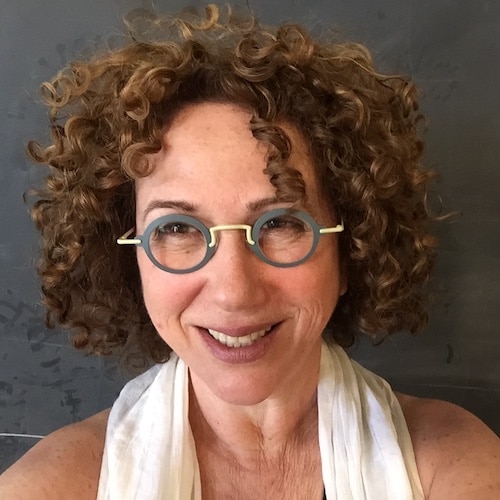
Eve Picker: [00:00:14] Hi there. Thanks so much for joining me today for the final episode of Rethink Real Estate. For Good, season 2.
My name is Eve Picker and I’m on a mission to make real estate work for everyone. Real estate can help to solve climate change, can house people affordably, can create beautiful streetscapes, unify neighborhoods and enliven cities.
You can learn more about me at my website, rethinkrealestateforgood.co, or visit my real estate crowdfunding platform, SmallChange.co. Our projects offer impact, solve housing problems, invest in neighborhoods and give everyone the opportunity to invest and build wealth for as little as $500.
[00:01:12] Today marks the second anniversary of this podcast. Two years ago, I didn’t know that our audience would grow as it has. In fact, two years ago I wasn’t sure we would have an audience at all. Now 10,000 people download episodes every month. That’s 10,000 people who care about thoughtful and impactful real estate solutions. Wow! I am humbled that all of you want to listen in.
This second year has been an opportunity to learn from yet another class of extraordinary leaders and innovators in real estate. My guests are working on housing solutions, policy issues, manufacturing, in fintech, on preservation, on developing new technologies and on providing real estate metrics, on mobility issues, as architects, on sustainable development, on community capital, on equity for women and equity for minorities and in many other niches, pushing the boundaries of the built environment to be better for everyone.
The range of work that is being accomplished is quite awe-inspiring.
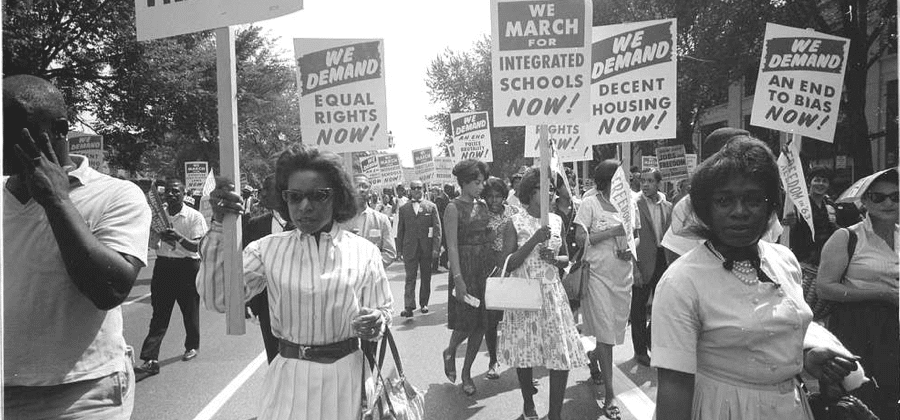
[00:02:25] Perhaps the most important theme this year was equity.
Cynthia Muller, director of Mission Driven Investments at the Kellogg Foundation. has been described as a “thought leader of the impact investing ecosystem and a trailblazer in the field.” In No guilt. Just Action. she reminds us that every time there has been an opportunity for black and brown people to build an asset, to build wealth, it’s been taken away from them. Let’s change that.
Richard Rothstein and Andre Perry have written about these inequities.In The Color of Law Richard argues for a national civil rights movement to ensure that we all get to reap the economic benefits of living in this rich and diverse country. And In Know your price, Andre share findings that homes are underpriced by 23 percent, or $48,000 per home, in majority black neighborhoods. That’s $156 billion in lost equity.
[00:03:31] Charmain Curtis, Lyneir Richardson and Darryl Scipio are a new breed of black developers. Charmain has built a successful career as a developer despite being a black woman. She didn’t realize what she was up against until she was in her 30s. In Spread the Wealth she ponders how wealth could be distributed equitably to everyone.
In Building Generational Wealth, Lyneir describes his plan to buy 100 community shopping centers with 100 community members, all focused in majority black neighborhoods. He provided the first opportunity to 140 investors on Small Change early this year.
[00:04:17] Justice runs deep with Darryl. In Turning renters into homeowners he describes his latest passion project, Savers Village. He aims to help every tenant save enough for a down payment on a home.
And Libby Seifel is focused on women. In Women building collective muscle, she describes the network of women leaders in real estate she has built. After more than 30 years in the industry, she is no longer the only woman in the room, and that some of the biggest new projects in the Bay Area are being driven by women.
[00:04:56] Housing solutions are importantly getting a lot of attention.
Perhaps the boldest of these is Beth Silverman’s Lotus Project. In Radical in its Simplicity she tells us how ,for just $800, her organization can successfully house a homeless family and change the trajectory of their lives forever.
We learn about accessory dwelling units as an affordable housing solution in Yes! In My Backyard! Patrick Quinton has developed a manufactured solution that drops a 32×14 foot ADU into a typical 50-by-100-foot lot in Portland, Oregon without hitting the setbacks and without requiring city design review. And he’s raising money for this project on Smallchange.co
[00:05:48] On the west coast, Daniel Parolek, architect, coined the phrase, The Missing Middle just as the critical absence of affordable housing was becoming a major planning issue for cities nationwide. He explains what the missing middle is, why it is important and how we can build more of it.
Charles Durrett brought co-housing from Copenhagen to the US many years ago and wrote a book about it. He explains why he’s spent a career in co-housing and how it can make people’s lives better in It takes a Village.
[00:06:27] In Northern California, Heather Hood oversees efforts for the Enterprise Community Partners that ensure low- and moderate-income residents have access to affordable, quality housing. We talk about the enormous size of this problem in The elephant in the region.
And Diana Lind wraps it up for us in Lets be Brave. She’s written a book called Brave New Home in which she argues that the single-family home is at least partly to blame for our current housing woes.
[00:07:01] Technology is rapidly transforming the real estate industry in many different ways as well.
Some of my guests, like Patrick Quinton and Scott Flynn in Manufacturing change, are focused on manufacturing affordable homes in factories. Scott’s company, IndieDwell, manufactures smaller, sustainable and affordable homes at the pace of 10 homes per week and growing.
But others are pursuing new ideas. Atticus LeBlanc tells us about PadSplit in One Room at a time.. He wants to dramatically change how we address affordable housing by using space that is now under-used in everyday homes.
[00:07:46] Or Sam Ruben in 3D-printing, robotics and automation, oh my! His company is printing buildings and hopes to create affordable and sustainable homes with their new technology.
And finally, Andrew Luoung who has deconstructed the often lengthy and confusing process of small scale real estate investment, making it accessible to everyone. In Andrew loves real estate he describes the online turnkey service that he has developed into Doorvest.
[00:08:20] Some guests are focused on fertilizing tranches of future impact investors and leaders.
None is more passionate than Dr. Stephanie Gripne. In The impact accelerator, she tells us about founding the Impact Finance Center with a mission to identify, train and activate philanthropists and investors to become impact investors. Her big, hairy audacious goal is to move a trillion dollars into impact investing.
Dr. Shannon Mudd is right behind her, teaching students how to invest $50,000 of real money for maximum social impact. His Young Angels are carrying this knowledge into their professional careers.
[00:09:09] Others want to pay it forward.
Like Ken Weinstein, a highly successful Philly developer whose career was inspired by his landlady in Germantown. He’s created a boot-camp for aspiring developers called Jumpstart Germantown and describes the program in Jumpstarting a community.
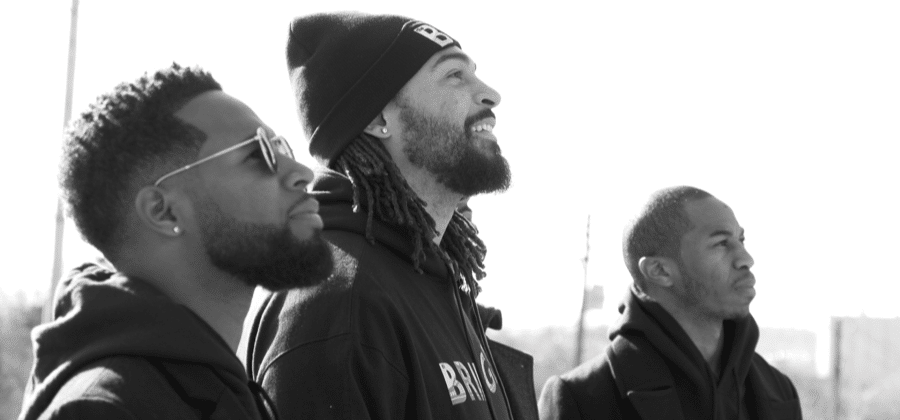
[00:09:32] Garry Gilliam may be best known for playing in the NFL. Today he has a second career as an impact real estate developer. He tells about his first project in The Bridge. It came about as a joint effort with Garry’s friends from the Hershey School, a philanthropic school for low-income children. That school gave them all a leg up and now they want to give back to their community.
Or Andy Williams, a former Marine who was determined to secure his future through real estate. He’s built a substantial portfolio of homes, a real estate development business focused on larger projects, and now, a program that seeks to turn veterans into entrepreneurs just like himself.
[00:10:23] Some guests, like Daniel Dus and Patrice Frey, are focused on building on what’s already there. Learn how Daniel is planning to redevelop the dramatically underutilized historic luxury estates of the Berkshires for the shared economy in Everything old is new again. And in Saving Places, Patrice explains the role of the National Main Street Center in servicing the revitalization of commercial main streets in big cities and small towns alike.
Bruce Katz moves the focus back to metro areas in Cities are networks. As a foremost policy expert, Bruce argues that cities must knit together solutions. It’s an imperative. And he calls this the new localism.
Christopher Leinberger is thinking along the same lines in Back to the Future. As a renowned urban strategist, teacher, developer, researcher and author Chris thinks “Back to the Future” got it right.
[00:11:30] While David Peter Alan enchanted me in I’ve been working on the railroad with his singular passion for the country’s railway system. He has ridden the entire Amtrak system and about 300 transit providers in the U.S. and in Canada.
Annie Donovan and Michael Shuman are focused on alternative finance. Michael thinks we have it Totally backwards. Local owned businesses make up 60 to 80 percent of the private marketplace in the average U.S. community. But economic developers and subsidies almost always overlook them. And Annie believes that disruptive capital is critical for solving thorny problems. She describes her pursuit of fairness in economics and finance in The world beyond banks.
[00:12:27] A handful of guests are diversely focussed on sustainability in the built environment. Perhaps the most interesting is Dan Miller, who has launched a platform that connects everyday investors with farmers who need loans. He’s Stewarding the Future of Farming with investments as low as $100.
Scott Ehlert and Katie Faulkner are mass timber experts. Katie as an architect with an eye on sustainability in From here to there. In Mass timber for the masses, Scott tells us about the installation and cost benefits of a proprietary hollow core mass timber system he is designing that uses 50% less wood fiber. And, as if that is not enough, Scott is also designing a robotic fabrication facility to anchor a new wood product innovation campus, in California.
While A-P Hurd remains focused on building Livable and delightful communities.
[00:13:28] This class of guests would not be complete without my colleagues in the crowdfunding industry.
Some like Max Levine and Brian Dally are focused on real estate.
In Hello, Neighbor we learn about Max’s Neighborhood Investment Company, which has a mission “to localize wealth creation and broaden access to neighborhood equity.” While in Get in on the ground floor, Brian describes the platform that he has built into the go-to funding platform if you want to fix’n flip property.
Jonny Price, previously with Kiva and now with Wefunder, is focused on Filling the “crazy” gap. There’s a common theme for Johnny – financially excluded and socially impactful businesses.And Michael Lee is Building Virtual Communities using blockchain. Instead of using blockchain for crypto, he’s using it as an organizing tool to democratize the power of data.
[00:14:31] Finally, what better way to end than with Kevin Cavenaugh a developer in a class of his own. In I do a bunch of weird stuff, you can tap into this unique developer. Left brain, right brain, head and heart all come to bear on his wildly creative buildings. “I’m tired of mocha-colored, vinyl-windowed boring. I can’t change the fact that the streets are gray, and the sky is gray. But the buildings?” says Kevin.
Phew. That’s a lot of podcasts. I’ve enjoyed every interview with every person. I’m in awe of them all. But it’s time to take some time off to recharge and get ready for Season Three. We’ll be back refreshed in September with many more amazing people for you to listen to and for me to learn from.
Thank you so much for joining me. Now go forth, invest a little in your community and make some change!