• Skip to main content
  • Skip to secondary menu
  • Skip to primary sidebar
  • Skip to footer
  • Home
  • About Us
  • Say hello
Rethink Real Estate. For Good.

Rethink Real Estate. For Good.

  • Podcast
  • Posts
  • In the news
  • Speaking and media
    • About Eve
    • Speaking requests
    • Speaking engagements
    • Press kit
  • Investment opportunities

Community

Choose your own rent.

July 1, 2020

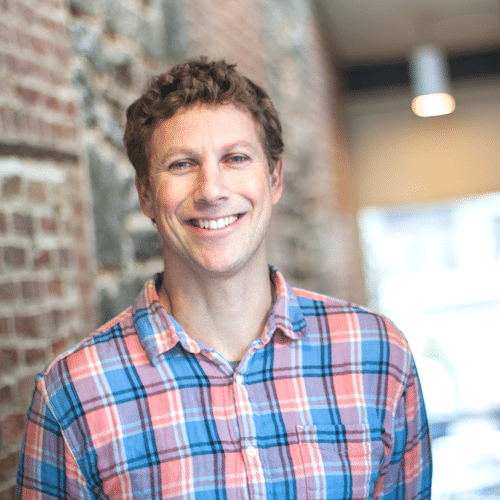
Born and raised in Baltimore, Thibault Manekin embodies a healthy idealism which has helped drive the choices he has made, and now, the career he has embraced. He describes his company Seawall Development, as a team of “social entrepreneurs who happen to be in real estate,” noting that real estate touches everyone. His goal, through Seawall, is to work against the division of communities by real estate. And to reimagine the power of the built environment to unite cities.

Thibault comes from a family long involved in real estate and development in Maryland. His grandfather started a real estate company in 1946, as a broker for commercial and industrial buildings. In 1975, Thibault’s father was drawn into the business when he saw that “the business was not about crunching numbers, but had everything to do with building relationships.” By 2000, when Thibault’s father retired, the firm had offices in Baltimore, Columbia and Frederick, and 144 employees.

Thibault, after graduating from college in 2001 worked with a friend on a non-profit, Playing for Peace (later called PeacePlayers International). They used basketball in Northern Ireland to bring children from divided backgrounds together. Thibault helped raise money for an expansion into South Africa, and then joined the team that helped launch the program there. They went on to replicate the model with Israeli and Palestinian children, and then in Cyprus with Greek and Turkish Cypriot children.

After five years, Thibault moved back to Baltimore, more confident in his abilities. He asked his father to help him start a real estate company, but one that “used buildings to create community and empower people.” When they co-founded Seawall, their initial focus was on creating affordable housing communities for teachers with centralized space for education nonprofits. Their first project was Miller’s Court (2009), a 100,000 sf former tin-can factory, abandoned for 30 years in a not-so-great neighborhood. Teachers were able to design their own apartments and amenities, and choose their own rent. Based on the rent the teachers said they could afford, Thibault and his father reverse-engineered the project to come up with a budget, which was $6 million, $14 million short of cost. So they assembled a team of ‘guardian angels’ made up of attorneys, accountants, banks and other lenders, and found creative financing solutions that included historic building tax credits, and local and federal assistance, finding that people wanted to help this project because it wasn’t a “real estate deal.”

For this project and the followup housing project, Union Mill (2011), Thibault was recognized by the White House as a Champion of Change. Since then Seawall has worked on a number of projects that are mixed use and geared to build community. Currently, they are working on the $40 million renovation of Lexington Market, the longest continuously operating public market in the country.

Insights and Inspirations

  • Seawall believes in re-imagining the real estate development industry so that the built environment empowers communities, unites our cities, and helps launch powerful ideas.
  • They strive to be neighbors, not guests, in the communities they work in.
  • Thibault just helped to launch Larger Than Yourself a collaborative space for brave people to share how they are helping small ideas become powerful movements.

Information and Links

  • Thibault loves watching how their R.House project has become one of the most diverse places to hang out in Baltimore.
  • Seawall transformed a Victorian-era dye factory into yet another teacher community, this time in Philadelphia.
  • Thibault is excited for the work they are doing to bring the Lexington Markets back to life.  
  • Thibault was honored by the White House in 2011 as a Champion of Change for developing affordable housing for teachers.
Read the podcast transcript here

Eve Picker: [00:00:13] Hi there, thanks so much for joining me today for the latest episode of Impact Real Estate Investing.

Eve: [00:00:19] My guest today is Thibault (Tee-bo) Manekin, the founder and CEO of Seawall Development. Seawall is rolling out the red carpet for teachers. They are building high quality, affordable housing, which in itself is a big task. Layer that with the inclusionary design process they employ and the fact that they are creating this housing by restoring large and stunning vacant buildings and seawall is altogether fantastic.

Eve: [00:00:55] Be sure to go to rethinkrealestateforgood.co to find out more about Thibault on the show notes page for this episode. And be sure to sign up for my newsletter so you can access information about impact real estate investing and get the latest news about the exciting projects on my crowdfunding platform, Small change.

Eve: [00:01:15] Hi Thibault, I’m really excited to talk to you today.

Thibault Manekin: [00:01:20] Hi Eve, I’m excited to talk to you, too. Thank you for having us.

Eve: [00:01:23] It’s a pleasure. So, you started your company by building quality, affordable housing for teachers, and that’s a really targeted mission and I’m wondering what led you to this work?

Thibault : [00:01:36] Yes, I probably have to go back a little further than that. When I first graduated from college at around 21 years old, I helped, with two buddies, we started an international non-profit organization called Playing for Peace. It’s called PeacePlayers Today. And the idea is that we would go to war-torn countries and we would use sports to get kids from two sides of a conflict, meet each other, finding common ground and eventually becoming friends. So, we raised about eight thousand dollars and was enough to get on a plane to Durban, South Africa, at the time, where we were going to try to get, use sports to get black kids and white kids post-apartheid meeting each other, finding common ground, becoming friends. And it had an amazing run with that organization, really grew it to be quite international. We had a program in Northern Ireland with Protestant and the Catholic kids, Cypress, the Middle East, with Israeli and Palestinian kids.

Thibault : [00:02:36] So in all of my travels with PeacePlayers, one of the reoccurring things that I continued to notice was that real estate had done more to tear us apart than bring us together, especially with my experience in South Africa, seeing what the apartheid government had done with townships and informal settlements. And then, as I would make trips back to my home city of Baltimore, seeing the negative effects of redlining. So I came back, I think it was around 2006 and I asked my dad, who’s a hero of mine, to go out to dinner and I pitched this idea of starting a company, a real estate company, but with the idea of really reimagining the real estate industry all together so that everything that we did used buildings and the built environment to empower communities, unite our cities and help to launch really powerful ideas. You know, I had seen the impact of reimagining the sports industry to bring people together, especially young people, and I wanted to do more with it. And if real estate was indeed the most powerful connected industry on the planet, then truly reimagined, there’d be the opportunity to bring people together in ways that possibly hadn’t been done before.

Thibault : [00:03:53] So, we launched this company. And, you know, we had an amazing dinner conversation around what we were going to focus on first. And my dad did spend a long time in real estate but was really passionate around education. And he had done a ton of listening to all of these new teachers and first year teachers that were showing up to Baltimore, maybe for the first time, and were having a really tough time figuring out the city. Figuring out where to live, figuring out who to live with, figuring out their classes and jumping into arguably what’s the hardest profession on the planet, educating the future generation. He basically was like, there’s a great opportunity to continue to listen to this community of educators and provide them what they’re asking for, which at the time was collaborative, affordable, well located, funky housing that would take the mystery for them out of where to live, provide them the ability to live some place special with like-minded people, which hopefully, over time, would translate to them agreeing to stay in the classroom for longer, falling in love with education, falling in love with our city of Baltimore, and maybe even making a permanent investment in buying their own home once they had a better lay of the land and been able to save some money as a result of staying in one of our projects.

Eve: [00:05:20] So, basically really supporting the pool of teachers who serve our city and, our cities, and really can’t afford to live in them anymore.

Thibault : [00:05:29] That was the idea behind it. And we coupled it with a similar thread that we’d been listening to, which was that there were all of these non-profits focused on kids and education and supporting the school system. Programs like Teach for America and Playworks and Wide-angle Youth Media and Baltimore Urban Debate League. They were spread out in dozens of buildings all over Baltimore all essentially doing the same kind of work around kids but with no ability to really deeply collaborate. And so, these non-profits who focused on kids and education and come to us and said it would be amazing if we could all be located under one roof, if we could share resources and have free conference rooms and training facilities that we don’t need all of the time but that we need throughout the day at different times. And so, our first project ended up becoming called the Center for Educational Excellence. We’ve always looked for a cooler name than that but that’s the one that’s kind of stuck. And it was a adaptive reuse of one hundred thousand square foot collapsing old factory building that got turned into about 40 apartments for teachers and thirty thousand square feet of collaborative office space for the non-profits underpinning the success of the school system.

Eve: [00:06:43] That’s a pretty big project to tackle for a first project.

Thibault : [00:06:46] It was funny. Yeah, we look back on it and, you know, when we first started the company, which is called Seawall, we weren’t sure if it was ever going to make it. And we had kind of said that we would, you know we’d been listening to teachers for so long, we’d probably buy a little four-unit row home and converted it into four apartments for teachers and that would be the first thing that we would do, which would probably cost four or five hundred thousand dollars. And our first project ended up costing 20 million dollars and we had no business taking on a project of that scale. And, you know, we can get into the movement that came as a result of it and what really propelled us forward. But that was, yes, that was our first project.

Eve: [00:07:31] How do you involve teachers in the process of creating these buildings? You’ve done three now, right? Three for teachers, is that correct?

Thibault : [00:07:39] We have, we have. So, everything that we’ve ever done has been built inside out. And what we mean by that is that we start with the end users, the people that are going to be living and working in our buildings. It’s important for us that they have a sense of pride, of authorship and ownership in what’s getting created. So, we start out by deeply listening to those people that are going to be occupying our spaces. And we let them drive the direction and the program of the space. We don’t ever pretend to have any of the answers. Our job’s to be quietly behind the scenes, asking the questions that held their thinking forward in a way that results in a finished product that makes them really proud and allows them to be more successful in whatever it is that they’re doing.

Thibault : [00:08:29] So in the case of the teachers, we assembled a group of, a focus group of about 10. We walked them through the collapsing building as we first bought it. They worked with our design team over the course of twelve months to design every square inch of their apartments. We let them pick their own amenities they needed like a resource center in the building that had access to copiers and laminating machines and staplers and hole punchers, so that they could plan their lessons within the building and not have to run out to Kinko’s in the middle of the night. We did the same thing with our non-profits. We let our teachers choose their own rents based on the salaries that they had and what felt like an affordable rent for them to be paying. And we really spent a ton of time with both the teachers and the non-profits from day one, letting them design what is their building.

Thibault : [00:09:19] I want to add something to that, because there are two other levels that we really focus on. As important as the teachers are, and whoever the end user is for any specific project we’re working on, equally as important is the community that we’re working with that. At the end of the day, they’re the ones that have been staring at these dilapidated, collapsing old buildings and it’s critical that they have a seat at the table in helping to shape what those new buildings are going to get turned into.

Thibault : [00:09:50] One of the things that developers are famous for, kind of going into a community and telling the community what they’re going to get, and we take the complete opposite approach. In the case of the first teacher housing project, we went to our first neighborhood association meeting, introduced ourselves and explained that a bunch of teachers and non-profits had this idea of creating the first Center for Educational Excellence and that the building that seemed to be a good fit for that was this one building in their neighborhood. And they loved the idea. And for the most part, everyone was thrilled.

Thibault : [00:10:24] And I remember this one young man stood up and raised his hand, kind of defiantly, at the end of the meeting as if he was going to oppose the project and he, he said look, as great as this is, what you’re missing is a little cafe or coffee shop on the corner of Howard and Twenty Sixth Street, which is where the project was. And there is no decent place to get a fresh sandwich or a good cup of coffee in this neighborhood and that would be an amazing thing if you guys could figure out a way to program a cafe into the corner there. And then he continued to say that if we brought in a Starbucks that they would throw rocks through the window at night when we weren’t there, that it was really important that it be locally owned.

Thibault : [00:11:06] So I’m sitting there, and I think that what this guy is suggesting is a terrible idea. The corner of Howard and Twenty Sixth Street is, at the time, was not a corner that anybody would feel safe walking to. We had programmed a two-bedroom apartment for a teacher to go in, for teachers to go in there. And that seemed way less risky than putting a coffee shop that we really had no control over and just didn’t feel like a retail type of location. But the community had spoken up and everybody kind of clapped and applauded and thought that it was a great idea. And so, we listened, and we took out the two-bedroom apartment, made space for a little thousand square foot coffee shop that ended up being one of the most powerful things that we did.

Thibault : [00:11:50] A local co-op started. They called themselves Charmington’s, and they opened up this rad little cafe that just was the place to meet in the community. It was the place to have a affordable cup of coffee, to come and chat, big communal tables and just a really beautiful vibe. So inspiring was this little cafe and the co-op and ownership behind it that, jeez, I guess, five or six years ago I was in it and unannounced, President Barack Obama showed up to speak with the owner and they had been working on something together and it was just such an inspiring moment. And it kind of goes to show the power of giving up control of the perceived ownership and authorship of a project to the end users in the community and the momentum that that can build in a project, especially a really complicated project coming to life.

Eve: [00:12:54] So, and I suspect it did more than just give something to the community. It probably added something pretty spectacular to the teacher community, having that.

Thibault : [00:13:03] Yeah, yeah. Charmington’s was amazing. You know, they committed to opening up at 6:00 a.m. so that the teachers on their way to school in the morning could stop and get a cup of coffee. One of the things that our management team is, we ended up setting up a property management company to manage every one of our properties because we’ve interviewed all these third-party property management groups and it felt like if you were about to have a baby, or had a baby, and you were going to give it to somebody else to raise. Like, nobody was going to love it as much as we would. And so, we set up this property management company. One of the things we did is, once a month at like five thirty in the morning, we would post up at the entrance and exit to the building and we’d be there with Charmington’s coffees and muffins and bagels and fruit. And we would, like, serve the teachers a cup of coffee and we’d walk them to their cars with their books if they had too much to carry and just kind of send them on their way with like a big hug and a warm smile and a fresh cup of Charmington’s coffee.

Eve: [00:14:03] That’s a very nice story. So, I have to ask, every developer has stories about putting in an amenity like a roof deck that everyone says they want and then no one uses them, right? So, did that, has that happened at all? The teachers who were involved and the amenities that were requested, have they been used?

Thibault : [00:14:26] Yeah, so look, so the amenities include like fitness centers and lounges and free gated parking. The one amenity that’s evolved is the idea of a resource center, right? The room where the teachers can make their, plan their lessons and photocopy. When we first built the building in 2008 or 2009, when it opened, teachers were still going to Kinko’s to make photocopies of their lessons. The evolution was that the classroom got more digital and people stopped making photocopies and printing hundreds of pages to hand out to students. And as that trend started, the need for the resource room, for the most part, went away entirely.

Eve: [00:15:19] So amenities evolve, right? And needs evolve it’s pretty fascinating. Going back to something you said earlier, which was that you allowed tenants to basically choose their own rent. How did you fill the inevitable financing gap? Because you can’t possibly restore a building like that and provide affordable housing without some sort of, I suppose, funny money, right?

Thibault : [00:15:44] Yes. This is a beautiful story and really a learning moment for us. You know, we had set off to do a project that would cost about five or six hundred thousand dollars to start. And we kept striking out. And eventually, a friend of ours pointed us to this collapsing old factory building that was way past our ability to wrap our heads around at the beginning. And we worked with the teachers and they told us what their rents needed to be. And the non-profits the same thing. And then we kind of backed into how much debt we could afford. And so, the number based on the net operating income was that we could afford about six million dollars’ worth of debt. And we went out and had a architect and contractor help us figure out what it would cost to build, this being our first project. And the price tag came back at 20 million dollars, all in for the project. So, we had a 14-million-dollar gap in our capital stack, which to most would have felt insurmountable but we were so driven by this, this movement of providing amazing space for the people doing the most important work in our cities that we were never going to give up on it.

[00:16:54] And we called a good friend of ours from Enterprise Community Partners, Bart Harvey. Enterprise was the brainchild of the late Jim Rouse, A total urban visionary. And we toured him through the building. Most of the people who we toured throughout the building told us we were crazy and that the idea would never work. And we toured Bart through the building and we went out for coffee afterwards and we told him about this fourteen-million-dollar gap and he said, Guys, I know just what to do. You’re in good hands now.

Thibault : [00:17:25] And I’ll never forget that moment. He started to tell us about Historic Tax Credits, which is a program that for every dollar you invest in keeping a historic building, rehabbing it, the federal and state government give you a tax credit for that which turns into actual equity into the project. There is also something called the New Market Tax Credits, which we knew nothing about, which encouraged commercial investment in low income census tracts. And so, Bart starts telling us about all this and he starts making introductions around the country. And before you know it, the phone’s ringing off, ringing off the hook with all these great community-driven lending institutions who want to be a part of the first Center for Educational Excellence. And with Bart’s help and Enterprise’s help we ended up closing that gap with all of those tax credits. We were still short about a million and a half dollars and we went to the city and state and just pled with them of the importance that this project had to the education community and to the neighborhood that it was going to be located in. And they collectively came up with that last million and a half dollars of, you know, fairly soft money. Certainly, we would owe it back at the end of the day, but the terms were super flexible. It allowed the building to, kind of, really ramp up and stabilize. So, when you kind of have the vision set for you, as hard as it’s going to be to get there, there’s always a way to push it forward. And it was an incredible learning opportunity for us around really not giving up when things got complicated and pushing forward. no matter how challenging the situation was.

Eve: [00:19:18] Yeah, I’ve done projects like that, they’re extremely challenging but very fulfilling. So, have you been able to stick to the choose your own rent mantra? Like, what happens now that the building, I suppose the first building, is stabilized?

Thibault : [00:19:30] Yeah. I mean, look, for sure, you know, the first building’s been a great success as a result of that and I’ll say, I will point out that when we started leasing the property, the entire building was fully leased nine months before we finished construction. And by the time we finished, there was a waiting list of over 300 teachers waiting to get in. There was clearly a demand for it. I mean, I think that was driven by all these teachers spreading the word and have it go viral organically.

Thibault : [00:20:03] You know, we’ve got this crazy developer that let us choose our own rent and pick our own amenities. He’s building this brand new building for us, it will probably never work, but if it does you’ve got to get in. And as a result of, kind of, the collective success of the first projects we got invited to do another one in Baltimore, and then we were asked to replicate the model in some other cities across the country. And yeah, across the board, we’ve held our rents low for teachers. They’ve certainly crept up. it’s been kind of maybe 12 or 13 years since the first project was completed. But we’ve actually had to artificially freeze the rents, even though expenses continue to go up, to remain committed to the teachers and what seems affordable to them.

Eve: [00:20:49] And so how many units have you built to date?

Thibault : [00:20:52] I think we’ve probably built around 400 apartments to date.

Eve: [00:21:01] OK, a hefty number.

Thibault : [00:21:02] Yeah, it’s a huge number considering where we started. You know, the original goal was to start off a little four-unit apartment buildings.

Eve: [00:21:11] Very different.

Thibault : [00:21:11] We’ve ended up doing about three hundred million dollars of really transformative, collaborative real estate projects over the last decade.

Eve: [00:21:20] So I have to ask, is there another group of needy tenants that you’d like to serve beyond teachers? It’s really interesting because I see that the very targeted mission has actually helped market the projects for you.

Thibault : [00:21:34] Yeah, look, we get a lot of requests to figure out a way to do some sort of similar housing for nurses, right. And first responders and police officers, many of whom can’t afford to live in the districts that they’re working in. And we’ve been evaluating that over the years. I think one of the things that’s been really fascinating to us is the impact of retail on communities and especially locally owned small businesses that reflect the demographics of the neighborhoods that they’re in, or not. Small retail, especially in today’s e-commerce world, is increasingly challenging. And finding really creative ways to provide space for these social entrepreneurs and small businesses to take real risk and to get their ideas out in the open is something that I think is really critical, a critical next step and something that we’re really studying very closely.

Thibault : [00:22:44] We’ve done a couple projects around that. And the more we learn and the more challenging we understand it to be, the more inspired we are to figure out ways to continue to push that forward.

Eve: [00:22:57] So what other projects are you working on right now? I think I read somewhere, a market building that you tackling?

Thibault : [00:23:04] We organically happened in to the food hall world. We don’t like to think of it as a food hall. About five years ago, a group of chefs in Baltimore approached us and asked us to do for them what we had done for teachers, which was to provide collaborative plug-and-play space at affordable rents where they could focus 100 percent of their energy and attention on what they do great – cooking, good food – and leave the, like, back-end side of running a restaurant to us. And we launched a project called R. House (R period House). It was incredibly successful, and we had 10 chefs open up. We had over 100 chefs apply for the 10 spots and we really looked at ourselves as a launchpad, not as a food hall but a launch pad for creating community and for helping chefs launch really inspiring ideas.

Thibault : [00:24:03] As a result of the work that we did with that, of the success of that project, we were invited to apply for RFP for the redevelopment and really the saving, of the oldest, longest continuously running public market in the country. A project called Lexington Market in Baltimore City that at one point was the place to be in Baltimore. My dad tells stories of taking the trolley down there on Saturdays with his father and literally, you didn’t start a weekend before showing up at some point at Lexington Market. That area where Lexington is in, has suffered from significant disinvestment and it’s really a shell of its former self and the market was at risk of closing. And so, we responded to the RFP with this idea of, on a citywide scale, doing the deepest listening that we’ve ever done and helping to breathe a new life back in, in essence, transforming Lexington Market into something that would work for the entire city of Baltimore. It’s the largest, most complicated, riskiest project that we’ve ever taken on. But it’s also the most soul fulfilling one that we’ve ever done. It literally checks every box of things that interest us as a company. And it’s pushed us so far out of our comfort zone that the amount of learning that we’re doing on a daily basis is so inspiring and I keep telling everybody that asks about it and I keep reminding our team that it’s impossible that we’re going to get this right the first time, even with the deepest listening that we’re doing. A project of this scale and magnitude is going to continue to grow organically. Our job and our role is to set it up, to evolve to be what all of Baltimore expects it to be and wants it to be as they close their eyes and dream of what this project should be.

Eve: [00:26:08] It sounds pretty fabulous. I cannot wait to visit it. When I travel, the local market is always the first place I go because I think it’s kind of the life and heart of every city. They’re always fascinating places, I think, so it’s really great to hear that it’s being revived. Have your plans for housing or housing amenities or the market changed at all with the pandemic? That’s a tough question, but I’m going ask – it’s a pretty tough time.

Thibault : [00:26:36] It’s a beautiful question. We think about it and we talk about it every single day. The challenge with the pandemic is that a plan you make one day is no good by the time you wake up the next morning just because, like, everything is changing so rapidly. I think we’re in a really fortunate place because all of the work that we’ve done has been around providing affordable, kind of, workforce, discounted apartments. And I think there will always be a need for that product.

Thibault : [00:27:11] We are watching it really closely. We’re trying to wrap our heads around how we can be even more helpful and supportive in these rapidly changing times, especially as it relates to how people live and interact with each other. But we don’t have any of the answers yet, and we’re just continuing to ask the questions that help us wrap our arms around what role we can play in that.

Eve: [00:27:35] Yeah, I worry very much about places like the little coffee shop surviving this and I have a number of tenants myself and I’ve been, sort of, we’ve been limping through this disaster trying to figure it out. So, it’s a big question but let’s move on to something happier and that is like, you know, what’s your big hairy goal. Where are you going with all of this?

Thibault : [00:28:00] Yeah, look, a lot of people ask us that question for me and for us it’s somewhat simple, right? Like, our goal and the work that we do is almost 100 percent driven by the communities that we work in. We want real estate to put the power back into the hands of the communities. So, this neighborhood where we did our first project for teachers, the neighborhood’s called Remington in Baltimore City. As a result of the relationship that we formed with the community associations that are there, they came up with this master plan of other things that they wanted to see happen in their community.

Thibault : [00:28:41] And we worked with them, we did a lot of listening and we’ve slowly but surely been chipping away at that master plan. We’ve helped to bring the first bank to the community. We’ve helped to bring the first pharmacy to the community. We’ve helped to bring the first dry cleaner to the community, the hair shops and hair places, the gyms. And all of it’s been done in an incredibly inclusive way where we’ve just, kind of, continued to ask what else, what else could serve you guys and what else do you guys think that you’re missing?

Thibault : [00:29:14] So in large part, our work’s been driven by the communities that we’re in and the cities that we’re in and what they collectively think that they’re missing. And what role real estate and what role our company Seawall can play in helping them realize their dreams.

Eve: [00:29:30] It sounds like you’re having fun. I have to ask; do you think socially responsible real estate is necessary in today’s development landscape?

Thibault : [00:29:40] I don’t know that necessary is the right word. I think mandatory should be the right word, especially with how quickly the conversation has been changing and especially with how aware we all must be around the inequalities that real estate has spread throughout our communities in our country. To sit on the sideline and pass blame on previous generations for how things are and hope that somebody else is going to fix it, is no longer an option. Now, more than ever, we are fully aware of it and we all have a responsibility to ask what role we can play in helping communities, especially disenfranchised communities, use real estate and buildings to help them achieve what it is their they’re after.

Eve: [00:30:35] Yes. So, are there any other current trends in real estate development that you think are most important for the future of our cities? Maybe things that you’re not working on?

Thibault : [00:30:48] Look, I think transportation is such an important part around the real estate and urban planning conversation and the cities that have gotten it right, and who are getting it right, are the ones that we all need to look to. Without adequate and exceptional public transportation, so much of this work that we’re all doing is just going to have its growth stunted. And I think that’s one of the most important things that cities and urban planners need to be thinking through, is exceptional public transportation.

Eve: [00:31:28] Of course, that’s shifting rapidly at the moment too, with the pandemic. So, we don’t even know really what that will look like. But perhaps the ideal is that, you know, the next time you build a building for teachers, they won’t need to have on-site parking. They’ll have transit that can get them to their jobs. So, whatever that looks like. Yeah, I totally agree with you. And what community engagement tools have you seen that have worked best? It’s always very difficult for most developers to contemplate how to engage a community.

Thibault : [00:32:09] Look for us, it’s been really important to come into a community as neighbors and not guests. And we’ve lived our entire professional career that way. And I think that’s really one of the differentiating factors around connecting with communities. Not just, kind of, coming in and being one and done, but spending real time there, sitting on people’s front porches and stoops and listening to what it is that they want. Those are the really important lessons that we’ve learned along the years, over the years, as we’ve worked in the communities where we have.

Eve: [00:32:52] Yeah, I can see that. It’s perhaps not part of the original job description for a developer, but it’s certainly a really important one. So, I have one final question, and that’s what’s next for you?

Thibault : [00:33:08] We’ve been asking ourselves what’s next for us for some time now, and I think that conversation has been amplified given what’s going on in the world around us. One of the things that we’re really aware of is the unintended consequences of successful development. You know, when we set out to do the first teacher housing project in that neighborhood of Remington, fully supported by the community, it was all high fives and hugs. And then when we worked with the community to start to chip away at their master plan to bring in all of these resources in retail and apartments and office space, all kind of things driven by the neighborhood, you know, hundreds of millions of dollars later, that little, somewhat forgotten community had become one of the premier destinations and places to be in the city. And as a result of that, the gentrification conversation became very real. And one thing that we’re really aware of is that we cannot run from it. We are responsible for it. And in hindsight, as well-intentioned as we were, we would have done more from the very beginning to make sure that if the neighborhood succeeded, people that had lived there for generations, the legacy residents, would never be displaced. And there’s been incredibly hard lessons learned along the way.

Thibault : [00:34:43] And so, our mandate, and one of the things that we think so much about today, is now that it is what it is. It’s not too late. And how can we creatively work with the community to continue to find ways for them to attain their development goals? But in a way that is going to really limit displacement and make sure that nobody’s ever kicked out of their store or their office or the home that they lived in for decades. And that’s really hard work.

Eve: [00:35:18] It is, it’s really hard to balance.

Thibault : [00:35:21] Yeah, it’s really hard to balance and it’s incredibly vulnerable. But it is something that we’re committed to and as we approach new communities and new projects, we’re even more aware of it going in at the early stage so that we can plan and get ahead of it if the development projects succeed.

Eve: [00:35:21] So, do you think, I mean I think about this a lot too, do you think government has a role in this?

Thibault : [00:35:44] Yeah, I’m hesitant to pass the blame on to…

Eve: [00:35:49] I’m just saying, you know, by the time a community is feeling the pain of gentrification, it’s too late. It’s over, right? So, I think a lot about what you could put in place decades before to encourage good development and investment in neighborhoods that need it, and safeguard people who are already there. It’s hard to think about. But I think you have to think about a long time before you show up.

Thibault : [00:36:19] You do. And you interviewed a friend of mine, Brian Murray, in Philadelphia that’s done things a little bit of the opposite way as us with Shift Capital. They went in and bought millions of square feet of projects with the idea of having gotten in early enough, bought it at the right price, and being able to have the community involved every step of the way as the neighborhood starts to meet its goals.

Eve: [00:36:47] And controlling real estate so they could control what happened to it, right?

Thibault : [00:36:51] Yep. You know, ours has been a little bit of the opposite. We’ve just been kind of, like, piecemealing things together totally unintentionally, just driven by what the neighborhoods wanted. But as a result of that, and it’d success, now other landlords are taking advantage of the rising tide and not doing it in an inclusive way that honors the people that have been there forever. So, it’s a little too late, it’s hard to buy anything in that community and invest in it in a way that would keep it affordable. And that’s the challenge.

Eve: [00:37:28] It’s a huge challenge. I’d love to know what strategy you come up with for your next community. I think it’s a really important challenge because not doing anything is bad too, right? These communities need investment because they’re disintegrating, and they haven’t been invested in for a long time and then when you invest, you become an unhappy player in the gentrification game, which is not what we intend, right Very difficult.

Eve: [00:38:00] Ok, well, thank you very much for this conversation. And I’d love to hear what you’re doing next. You’re tackling some really huge projects, and I really appreciate what you’re doing.

Thibault : [00:38:13] Yes, thank you so much. I’ve enjoyed listening to some of your past episodes, and it’s certainly a little bit of a niche market but you’re asking all the right questions. And I’ve enjoyed learning from your past guests over time so keep up the great work!

Eve: [00:38:29] OK, thanks, Thibault. You have a really great day. Bye.

Thibault : [00:38:32] You too. Thanks so much.

Eve: [00:38:45] That was Thibault Manekin, Seawall believes in reimagining the real estate development industry. They want the built environment to empower communities, unite our cities and help launch powerful ideas. Seawall’s projects tackle three things. First, they want to save large, historic and blighted buildings. Second, they want to create affordable communities with rents that are customized to pay checks. And finally, they strive to be inclusive in the communities they work in.

Eve: [00:39:19] You can find out more about impact, real estate investing and access to the show notes for today’s episode at my website rethinkrealestateforgood.co. While you’re there, sign up for my newsletter to find out more about how to make money in real estate while building better cities.

Eve: [00:39:36] Thank you so much for spending your time with me today. And thank you, Thibault, for sharing your thoughts with me. We’ll talk again soon but for now, this is Eve Picker signing off to go make some change.

Image courtesy of Thibault Manekin, Seawall Development.

Assemble communities.

June 17, 2020

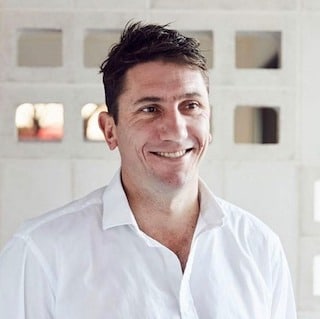
Kris Daff is a developer with two companies. The first, Make Ventures is a more traditional development company, focused on urban infill. It’s the second that Kris is wildly passionate about, and that passion is wildly contagious. Assemble Communities, a developer and “community manager,” is offering a housing model that sets out to solve the very many problems that low to moderate income folks are confronted with when looking for a stable, permanent housing solutions in Australia. And Kris plans to do that at scale.

Assemble is building communities, not just housing units, with a unique housing model that allows you to lease a property, and after five years, choose whether or not to buy it. Not unlike car-leasing models. The idea is that prospective buyers can ‘sample’ a community before committing. And Assemble, as a community manager, provides assorted services like dog-walking, dry cleaning, cleaners, parcel pickup and arranges assorted community events like yoga or exercise groups, dinners and more. They even have a culture ‘magazine’ called Assemble Papers. Kris describes Assemble as “an organization that provides end-to-end property development and management services”.

“We buy development sites, build ‘multi-family’ (long-term rental) properties, and enable communities to develop within and around them.”

Kris is the Managing Director of Assemble and is also Managing Director of Make Ventures. Originally trained as an engineer, Kris is an experienced property professional and, on the weekends, he can be found cycling around the bay – or swimming in it with his family.

Insights and Inspirations

  • “It’s not about being a megalomaniac,” says Kris. “It’s about saying this country [Australia] needs solutions at scale.”
  • Kris has become disenchanted with the standard approach to selling housing which ignores the worker market. He’s developing an approach that provides housing opportunities for those who need it the most.
  • Assemble’s model is a bit like leasing a car. Try your unit for a while and if you like it, you can buy it.

Information and Links

  • Kris’s first project under the Assemble Model, 393 Macaulay Road, Kensington is a partner project of Homes for Homes.
  • Kris is involved in Housing Hive by the Lord Mayor’s Charitable Foundation.
  • 15 Thompson Street, Kensington, is Assemble’s latest development project. 
Read the podcast transcript here

Eve Picker: [00:00:06] Hi there, thanks so much for joining me today for the latest episode of Impact Real Estate Investing.

Eve: [00:00:12] My guest today is Kris Daff, a fellow Australian. Kris is a developer with two companies. The first, Make Ventures, is a more traditional development company focused on urban infill. It’s the second, Assemble, that Kris is wildly passionate about, and that passion is wildly contagious. With Assemble Kris is building uniquely personal, affordable housing products and solving the very many problems that low to moderate income earners are confronted with when looking for a stable, permanent housing solution in Australia. And Kris plans to do that at scale.

Eve: [00:00:54] Be sure to go to rethinkrealestateforgood.co to find out more about Kris on the show notes page for this episode. And be sure to sign up for my newsletter so you can access information about impact real estate investing and get the latest news about the exciting projects on my crowdfunding platform, Small change.

Eve: [00:01:21] Hello, Kris, thanks so much for joining me today.

Kris: [00:01:24] Hi Eve, thanks so much for having me. Looking forward to having a chat.

Eve: [00:01:27] Nice to hear a similar accent. Anyway, so you’re a real estate developer and you have two companies Make Ventures and Assemble, which are both great names, by the way, and I’m wondering why you have those two companies and what each is focused on.

[00:01:46] Sure. So, I’ll start with Make, and Make’s a very traditional real estate development and investment company. I established Make about five or six years ago to focus on the acquisition of real estate for large scale urban renewal projects in Melbourne. And we were successful in that pursuit of those projects and they’ve sort of been the longer-term planning processes. And one of the things that came out of all of that was we ended up with a sort of forward pipeline of a lot of housing for that business, you know, sort of several thousand apartments across multiple locations.

Kris: [00:02:24] And one of the things that I’d sort of worked out for myself, personally, is I’ve become very disenfranchised with the traditional delivery mechanism of housing in this country, which is, housing which is delivered via an off-the-plan sales approach. So, and, so the typical approach is, you would go and set up a display suite, sales suite, appoint a real estate agent to come and do a whole bunch of marketing and spend a whole bunch of money on all of that and you’d get investors and essentially some owner occupiers and, sort of, whoever would turn up and pay a 10 percent down-payment and then sign a contract, would sort of have a, get a right to buy an apartment off you at the point at which the building was finished.

Kris: [00:03:11] And it was a very impersonal relationship between a developer and their clients, which then not the residents, because typically you would have all the investors, typically you’d have a real estate agent managing that transaction for you. And I could sort see, you know, that that sort of writing was on the wall a bit with that model. And I think that model will still be an important model moving forward in this country but it was obvious to me that with the emergence of our superannuation investment industry, so the fourth largest pension fund market in the world, so, a huge volume of capital available from those sources, that institutionally owned housing as we would typically see it in mainland Europe, North America and some other geographies internationally, would emerge as a very important asset class in Australia where it hadn’t really existed previously. And I think there’s a few reasons for that, is, one that, sort of, hadn’t needed to exist because whilst off-the-plan hadn’t been perfect as a delivery mechanism, it had done a reasonable job of keeping up the supply of housing this country needed.

Kris: [00:04:20] So what I then embarked on was a, sort of, international sort of approach, research thesis on saying how does housing get delivered internationally, and housing that’s of large scale but owned in one line then offered for, sort of, long term secure rental for residents for whom ownership may be difficult, what does that look like internationally? And I think the sort of lessons for me is, from North America I took commercial models and taxation settings and some other things that I think that market is super sophisticated in, and from Europe I took, and particularly locations in mainland Europe and particularly places like Netherlands and others, I took an approach to the development of long tenure housing, the development of community in that setting and, you know, the sort of housing co-operative type approach and the sort of self-curation of community by residents. There’s been, a sort, big lesson from that geography. So, all that got me to a point at which I understood the sort of secret sauce, if you like, to what is the approach to the management of large scale institutional housing projects, was really the key to their success and providing an infrastructure within a project in a future neighborhood to let your residents have a very good, productive, sort of wholesome life there.

Kris: [00:05:47] So, we basically acquired Assemble which was an existing development business that was doing a very good job of community occupant-centric type projects and transitioned that business and its approach to the development of contemporary and engaged neighborhoods to be our multi-family housing platform so, or will-to-rent platform, as we call it here. And now, you know, Assemble’s really the face of everything that we’re sort of doing and Assemble will be, sort of, partner, the housing partner for all our clients and future residents moving forward. So, it’s really exciting.

[00:06:27] So, we only do very low, low, and middle-income housing. So, we don’t do what I, sort of, call juiced-up multi-family, like I’ve, sort of, seen in New York. So, we don’t  have a pools and gyms and indoor driving ranges and saunas, and we don’t have someone that will do the dry cleaning for you and put it back in the closet upstairs and all that sort of embellished life. I don’t believe in any of that, which is I guess, more that reference back to the, sort of, a more sort of simple life. The people get a much deeper level of support in one of our buildings than they will in a traditional Owners Corporation type arrangements.

Eve: [00:07:02] You know, what I’ve learned about Australia is that it’s really a for-sale market and most developers build housing products for sale, and yet they’re so expensive. I don’t know how someone gets into that market when they’re a civil servant or they can’t afford, as you said, that sort of embellished lifestyle.

Kris: [00:07:24] Yeah, they can’t. And I guess the systemic problem that comes with that. There are some better value options around but traditionally that’s been found in the far reaches of outer suburban Melbourne, which is a sort of systemic problem with our housing market where you’ve got the people that can least afford to be located 40 kilometres from the CBD or place of work, at a hospital or whatever else, all the people that make our city run get dislocated to these areas and they need to have two motor cars and, you know, they’ve got to have access to public transport and don’t get to see their families as often. So,

[00:07:59] That’s a very American problem, too. Definitely.

[00:08:02] Yeah, yeah. So, we sort of researched again, so, home ownership, given how expensive housing is in Australia for some people it’s just going to be very difficult, if not impossible. What we started researching then is saying: well, if you can provide ten-year certainty, so long-tenure housing, across the spectrum of incomes, how would that make people feel about their housing future? Because one of the things that we identified is the thing that people really crave in Australia is, and need is, sort of longer-tenure housing options.

[00:08:40] And the issue that a lot of Australians are facing who are likely to be long-term renters is that they are stuck in a year-to-year leasing cycle and the fact that they’re only getting twelve months lease at any one time doesn’t allow them to put down roots in a location in the same way that you would if you were in a position to be able to purchase a property. And that lack of, sort of, tenure certainty results in significant levels of housing anxiety. So, people are just nervous about what their housing future looks like. And the extension of that is just, well, if you’re stuck in a year-to-year leasing situation and the landlord’s got the potential to just sell the property or kick you out so they can move their kids in or whatever, who are at university age, for example, might be a good example. So, how does that make you, sort of, feel about your housing future? What’s your propensity to really engage in that neighborhood, in that community? Are you as likely to volunteer or join the local gardening group or, you know, do you get nervous about this warming relationship with your neighbours and other people in the community for the fear that your landlord might kick you out at the end of the year and you’ve got to move three suburbs over? So, what’s the point? So, how do you get your children into school and make sure they don’t have to move schools halfway through their primary school education, for example? All those things together create a lot of nervousness in our housing market for people that are struggling to access ownership place.

Kris: [00:10:10] What we’ve done is, Assemble’s delivering multiple options to the lower/middle income Australians one of which is we give people a five-year lease and then the option to purchase their property at the conclusion of that lease. They’re not obliged to do so. And we provide them with a supportive program of financial coaching and cost-of-living savings initiatives. So, we do a lot of bulk-buying, for example, of sort of household cycles in the like and try and bring down their cost of living to put them in a better position to save for a down-payment on the property at the end of the lease and to just get people sort of more familiar with the concept of ownership. And that’s been the very popular program. So, we’ve got 10 or 12,000 people registered their interest in being in one of our buildings now, And then, so, we’ve got about a thousand apartments in the pipeline for that part of the business in Melbourne.

Kris: [00:11:05] And then separate to that, we’ve got about 2800 apartments which will be delivered as wholly owned communities in a sort of multi-family approach. So, they’ll stock properties that are only available for rental, and never an opportunity to buy your individual apartment. But that’s catering to a different part of the market. And in those projects, we’ll be able to deliver about 20 percent of the housing to very low-income Australians. So that’s social housing type rentals who would qualify for Commonwealth assistance and the like for their rent.

Eve: [00:11:38] So does the government provide you with any assistance in building these out, or do you just, do the only provide assistance to the renters?

Kris: [00:11:47] In our circumstance we’re not getting any direct financial assistance from government. Quite interesting, actually, so I’ve spent a lot of time with our different layers of government. The, sort of, State Government and parts of the Federal Government and I’ve always premised all our commercial models and investment models on not requiring significant taxation change, and the like, to affect our project outcomes. So, I’ll go and have a discussion with, say, a State treasurer about what we’re doing and say: “You know we’re building this, and we don’t really need your help financially” and they’re always trying to find an angle in. They’d say: “this is really fantastic. This is the sort of housing that we want. Are you sure we can’t be involved?” So, I think that’s important for us. And to be honest government’s got some very important roles to play and for us, mainly, it’s about planning consent, and the like, that we would sort of seek to lean on them to maybe get that happening a bit quicker than it might traditionally. But I think getting deep financial support from governments to deliver our projects is something that we’ve always tried to avoid because having government in there is a sort of as a counterparty can add complexity to the, unnecessary complexity to the transactions. So, we’ve focused on our sort of partners that we have – our community housing sector partners, for example, who do some extremely good work in very low-income housing. And then partnerships with our biggest superannuation investors to provide the capital required to build and own these assets long term.

Eve: [00:13:21] So, you said something that you glossed over, but I thought was really interesting, in that you help these tenants who might eventually own, you kind of teach them how to become homeowners. I’d love you to elaborate on that.

Kris: [00:13:34] With the option where people have got their half-a-decade lease and then the option to purchase a property at the conclusion of the lease. So, we allow those future residents to enter into those agreements in advance of construction starting. So, typically it would take us about two years to build one of our buildings from the point at which we start on site. So, they’ve got two years of construction plus a five year lease, so seven years in total, to be able to get themselves organized into a sort of regular savings pattern, to be able to be in a position to purchase their property at the conclusion of the five year lease. And the reason that seven-year period is being selected is, we did a lot of work with a couple of our large retail banks here on saying, assuming someone’s sort of started from scratch, how long would it take them to save a deposit to be able to purchase a property, based on different income bands, and the like? And about seven years is about the period that we arrived at. But what we did realize is, it’s very hard to change behavior without support. So, we employed an in-house financial coaching team to work with the residents from the day they sign up with us, so in advance of construction starting. So, we’ve got a multi-stage program that they can participate in adopting. So, some people are very comfortable with numbers and they understand savings and they know how to do a household budget and all those things. And some people just find that a bit more challenging. But at the moment, we’ve got about and 80 percent participation rate from households from our, sort of, future residents in the program. And it’s not, sort of, financial planning. We’re not doing, recommending investment options for them and those type of things, it’s more about how do you form a household budget? Tips and tricks about setting up a separate account to direct deposit some money into each month so that you can’t, sort of, access via a debit card or something that’s just sort of savings account. How to get better value on energy, data, these types of things.

Eve: [00:15:33] This is spectacular, ‘cause all that stuff is pretty overwhelming if you’re tackling it for the first time.

Kris: [00:15:39] I sit through all the sessions and I’ve learned a lot myself. So, I’ve got some better habits.

Eve: [00:15:47] I get bombarded by energy, data, and it’s like, oh no, how am I going to figure this out?

Kris: [00:15:52] And we’ll offer that too, so, through our buildings where people aren’t even on that homeownership pathway model, for people that are just long-term tenants of ours then they’ll have access to that program as well. So, it’s not just about supporting people ultimately, sort of, buying the property from us at the end of the five-year lease. But with other buildings that we’re doing, which are just long-term rental, we’ll also give them access to that team because we think the sort of lessons and, sort of, financial skills and things that Sarah and her team can give to people, just applicable whether you’re working towards ownership or whether you just sort of want to save for your grand holiday that you’ve been wanting to do for your whole life and you haven’t been in a position to save enough money to do, so.

Eve: [00:16:40] What’s the ultimate big, hairy, audacious goal for Assemble then?

Kris: [00:16:45] I think where we’re positioning ourselves, in terms of the businesses, what the team’s working towards is to be the pre-eminent affordable housing developer in this country. And we’ve got a very large pipeline of projects, as I said, now. And it’s not about, sort of, being a megalomaniac, it’s about saying this country needs solutions at scale. So, for me to sort of be mucking around and sort of doing 20 apartments here and thirty apartments there was never really consequential enough for me. So, we’re doing large neighborhoods of significant scale – you know most of our projects are between 100 and 1000 apartments in a single location. We don’t do towers and things but we’ve got some large sites that have the neighborhood of maybe a dozen buildings of eighty apartments each, for example – is to be able to demonstrate to government and other stakeholders that more affordable housing solutions are possible in this country and that we can deliver returns to institutional investors that are efficient, to sort of get them off the bench in housing. And we think that’s really important work.

Kris: [00:17:54] But, ultimately for me, I like the fact that we’re aligned with our future residents. So, when someone can sort of hand the keys back and say “oh thanks, Kris, you know you sort of told me this was going to be a super place to live and it was going to be, you know, warm in winter and cool in summer but, you know, it’s sort of not performing as well as I’d hoped it would.” It’s a sort of different type of alignment with your future community compared to a traditional development approach. So, you know, the things that I’m finding really enjoyable about the organization here is, we get a lot of people who want to work with us and be part of the team who wouldn’t otherwise be interested in participating in a development company. So that’s sort of purposely.

Eve: [00:18:40] You said you’ve got a thousand apartments in the pipeline, and one of the goals is to make sure these assembled living spaces are close to jobs. How do you select sites and are your tenants able to manage without a car? Because, of course, that makes housing more affordable, etc.

Kris: [00:19:01] Yeah, we select sites on a bunch of sort of different metrics so, typically access to heavy rail connections, strong public transport connections, putting them in locations where there’s an existing high level of sort of community and urban infrastructure in place, you know, retail, supermarkets, parks, community based infrastructure, sort of, health care services, employment services, those types of things.

Kris: [00:19:27] In terms of personal transport, we have a significant over provision of bicycle storage in our buildings, for example. We do have car parking available, but at a very much reduced rate to what you would traditionally see in a project in Melbourne. And we provide that to people on a needs-basis. So, you’ve got mobility issues, or you’ve got a dedicated work vehicle, or you’ve got young children, all those types of things then you would qualify for a car park in one of our buildings. If you’re otherwise sort of fit and well and just can’t be bothered walking 400 metres to get your groceries, then you wouldn’t get a spot. You wouldn’t get allocated a bay. Because we’re not strata titling most of our projects, we design those spaces to be – ’cause we get that car use will change over time and it already has, and the way that people get around will change – is we design those spaces to be able to be retrofitted to perhaps, if the buildings has got 50 car bays, for example, and in 10 years’ time the community is only using 30 of them, turn 10 into a music room that we can install into the basement or another workshop space, for example, for the residents to do little projects. So we design in to the inherent flexibility and the re-use of that space because there’s a lot of big buildings in Melbourne built 10, 20 years ago in the Southbank area, for example, where the recent City of Melbourne carpark survey says only about .4 of the bays that exist in those buildings are actually getting used, and it’s all being broken up into little chunks of building in strata titling and things and it’s really impossible to do anything meaningful with that space long term.

Eve: [00:21:11] So, like, what are your occupancy rates like compared to other buildings like this, or are there no other buildings like this?

Kris: [00:21:18] So we’ve got our first project under construction. So, we don’t have occupants yet, but it’s been fully allocated to future residents. So, we’re fully committed for the next project we’re doing, which is in Kensington, in Melbourne, in Thompson Street. There’s two buildings of 100 apartments each there and I think we’ve had 7800 people register their interest in that building. So, we’ve got, you know, a lot of demand, so but, that’s sort of saying you’re really interested in this. What that translates into, people that actually formally want to commit and sort of, you know, it might be sort of 10 or 20 percent of that number, but still a significant over subscriptions. There’s a lot of demand, I think, for housing and I don’t think it’s so much, obviously the access to the housing model is there and more affordable and everything else is, is something that people are very interested in and focused on in Australia where they feel like perhaps the housing market is not with within front of mind. But what’s more important, I think, is our approach to the development of the neighborhood within our buildings is just as important, if not more important to most people that interested in being in an Assemble building in the future.

Eve: [00:22:41] So what is the approach to the development in the neighborhood?

Kris: [00:22:44] Pretty organic. So we’ll have full-time on site staff at each location, but they’ll be,  so, in our hospitality space downstairs in each building, for example, like the cafeteria, the cafe space and grocer, is all the front-of-house staff there will be trained in our system so, you know, they’ll be able to log a maintenance request or let you know when the next yoga class is going to be happening in the communal spaces, but, is an approach to say, well we’ve got a much more personal interface with our staff. So, the stuff that I’ve seen in other locations internationally is very much like hotel type concierge services. So, there’s a few issues with that for me. Personally, I think that embellished lifestyle’s just not a particularly sort of Melbourne style of living.

Kris: [00:23:30] Then the second thing is that that’s an expensive way to sort of resource a building. That would put pressure on our ability to deliver affordable rents and prices. We have staff that provide a sort of infrastructure and an approach to living somewhere with organized walking groups, yoga classes, gardening groups. But the idea is that we’re more in the sort of European housing co-op style of living, trying to transition the residents to be more self-managers of their little neighborhood, their little communities. The idea, from my perspective is, I’d much rather give half a dozen residents 40 bucks a week off their rent each and they look after all our gardens, than paying some contract gardener to come and, Jim’s Gardening or whatever, to come and do the weeding and, you know, pick the vegies or whatever for me.

Kris: [00:24:22] So that approach is going to take a while to sort of transition into. And I think what we’ll find, in our neighborhoods of, say we’ve got a hundred homes, is there’ll be 20 homes of that are hyper-engaged in the building community and sort of wanting to sort of do everything with your neighbors and everything else. And then there’ll be 60 homes that are sort of in the middle somewhere who are happy to do it but they want to be doing the gardening every single Saturday morning with their neighbors, for example. And thern there’ll be 20 people, 20 homes that have residents that, you know, just want to sort of come home and sit on the couch and watch The Voice or something and aren’t that engaged. And that’s, each one of those groups is fine. That’s just society cross-section, right?

Eve: [00:25:05] Yeah, that is typical, yeah.

Kris: [00:25:07] So you don’t have to be a green thumb or be an expert in fixing bicycles or whatever else to sort of be in one of the buildings. So, we’re not trying to engineer a social outcome. You know, it’s a random ballot to get a spot and one of our buildings.

Eve: [00:25:20] Interesting. So, what’s your background and what path led you to all of this?

Kris: [00:25:26] So by trading I’m an engineer, a civil structural engineer and I’ve got a geology degree also. So, engineering and science background but moved out of that sort of consulting engineering space very early in my career into sort of project management and then into more traditional development businesses. So, delivering developments where, you know, section one of the report each month on how the project was performing was always about, sort of, how’s the profit looking? So, it was always about the shareholder return, our investor return, and never so much about the sort of long-term outcomes that we’re generating with our projects. So, working in a few businesses, and did some projects I’m still very proud of, in that part of my professional life but found myself, as I said earlier, checking out of that delivery mechanism for housing, you know, sort of four, five years because it bought up such a large portfolio of projects, started investigating other ways of deal with the housing that was more aligned with our residents.

Eve: [00:26:29] Interesting.

Kris: [00:26:31] Yeah, so look, I learned a lot of good skills and things over the journey that are definitely applicable to this space, but plenty I’m finding it a lot easier to sort of get out of bed and go to work in the morning.

Eve: [00:26:45] Well, that’s good. That’s important. So, are there any current trends in real estate development that interest you or you think are really important?

Kris: [00:26:54] In Australia, in housing, I think the biggest emerging trend is going to be in social affordable rental housing. And that’s institutionally owned whole residential real assets. So that’s buildings and of scale, buildings in between 100 or 200 and 300 apartments, of which a large proportion’s very low-income housing. So, social rental, and that’s analogous to the United States market of the low-income housing tax-credit type component within a mixed tenure, mixed socio-economic buildings. And I’ve seen some very good examples in L.A. and in New York of the sort of mixed tenure outcomes that you can generate. And there is a limit to the amount of ultra-low-income housing you can sort of integrate comfortably with a, within a sort of market scheme.

Kris: [00:27:41] But I think in Australia, that asset class, particularly focused at the affordable end is going to be a sort of huge focus for investors and developers by the lot. But we’re positioning ourselves, I guess, to be a bit of a leader in that space. And I think that’s…

Eve: [00:27:57] That’s exciting.

Kris: [00:27:58] …really important work because they’re the people that are finding housing the most difficult. We’re doing a project in Coburg where we’re going to do 50 homes for older women fleeing domestic crisis, for example, and it’s the fastest emerging group of homelessness. So, you know, there’s some pretty bad sort of societal issues and housing is at the front of a lot of that. And no one’s shying away from it. Everyone knows it’s a big issue and everyone knows we need industrial-scale solutions to housing, and we think we can’t do all that, but we think we’ve got a role to play in guiding industry on models that can deliver moderate returns for investors. And the upshot is they’re going to get on and deliver at scale some housing solutions for the people who are finding housing the most difficult.

Eve: [00:28:46] What is a moderate return for an investor in Australia? What are you shooting for there?

Kris: [00:28:50] So, for our long-term rental housing we’re in the sort of mid-single figures for an equity return. That’s a levered return. You know, up to maybe the sort of high single figures depending on the mix. And then for our homeownership part-way products, more sort of in the high single figures. In equity returns, you know, I’m very familiar with what sort of returns pension fund investors get in North America, sort of similar asset classes. And we think we outstrip any large industry sort of transitioning relatively rapidly to international return level expectations. But it’s very difficult for a Superannuation Fund investor who’s there to represent the interests of their members. So, we’ve got millions of working-class Australians who have charged them with the responsibility of managing their retirement savings. So, to move first in a new asset class that’s not established yet, and things, has a whole bunch of inherent riskiness. But I’ve been very proud of some of our Superannuation Fund partners in how brave they are being in capitalizing us, to allow us to deliver housing solutions that have not necessarily been included before in this country. Yeah, and that’s generally because they believe it’s important work. And, in a lot of cases to be fair, Industry funds, so union-based pension funds, is where it’s particularly applicable to their members who may be in that sort of lower middle income. Probably got good jobs, good stable employment, but just don’t earn lots of money.

Eve: [00:30:27] Right. So, what is the next five years look like for you?

Kris: [00:30:31] We’ve sort of been going for five years now and the next five years for us is really transitioning, starting from the first half of next year into a pretty flat-out delivery phase. So, next year, we’ll look to sites, so start construction of about fifteen hundred homes across around six locations. And, so the last sort of four or five years is been spent getting capital support, getting planning consents, piloting, doing a small project in Kensington, which is 73 apartments, which is under construction and due for completion in May next year, to a phase where we can start to move into that industrial sort of scale delivery phase where we’re delivering extremely large neighborhoods across multiple models and getting to the solutions that are at scale and projects that are at scale for our superannuation fund investors because they need this sort of certain level in scale to make a project investable for them.

Eve: [00:31:32] Right. Maybe thirty thousand units in the next five years? Fifty thousand units?

Kris: [00:31:38] Wow, I don’t know. I think we’re looking at a stabilized portfolio, at the end of five years, around five to six thousand units. I think it would be a sensible objective, to the extent it, sort of, grows beyond that then I’m not sure. My nervousness is, you know  scales useful for the provision of housing solutions, at scales extremely useful for Australians, but who are sort of seeking that tenure-certain housing at affordable rents but how do you hold onto the DNA of our offer and how do we make sure that our neighborhoods, you know if we’ve got forty of 50 of them, are being managed in a way that are sort of true to where we started? And that’s a good challenge, I guess, if you sort of get to that point and we become a very desirable housing partner for Australians. And then I’m sure I’ll be able to sort of find solutions to be able to keep the offer what we want it to be.

Eve: [00:32:36] It’s totally impressive and I can’t wait to see the outcome next year and the next time I’m in Melbourne I really love a tour, if you’ll give me one. You yourself have really impressive goal.

Kris: [00:32:48] Thanks, no worries. It’s been good. Doing new things is always challenging, particularly new things that are expensive, so like building buildings. But I’ve got a really great team here, we’ve got about 30 office staff now, we’ve had six new starters during the shutdown.

Eve: [00:33:06] Wow.

Kris: [00:33:06] Which has been challenging, but I’ve been extremely proud of the whole team. It’s interesting, actually, it’s a fascinating sort of study on ways of working and probably the majority, actually, of the team, I think, have sort of upped production for the same worked hours compared to what they’re doing in the office. So, not having the sort of distraction of the sort of coffee machine or overhearing conversations and whatever else. In the office environment, for some people that sort of focused work time’s really useful. So that’s been quite interesting. But on the other hand, the whole team are desperate to get back to the office because they’re sort of craving human connection.

Eve: [00:33:43] Yeah, we all are. You’ve had an easier time of it in Australia than we have over here. Thank you very much, Chris. And I really can’t wait to see what comes of all of this.

Kris: [00:33:55] Thanks Eve.

Eve: [00:33:56] Thanks for your time. Bye.

Kris: [00:33:57] Good on you, bye.

Eve: [00:34:11] That was Kris Daff. Wow. Chris is tackling an enormous housing problem in Australia head on, and he wants to do it at scale. His company Assemble is gearing up to build affordable neighborhoods that solve many of the problems low to moderate income earners have in Australia. But first and foremost, Assemble offers a long term and secure housing solution for those who need it most. You can secure a home in an incredibly expensive housing market by buying a unit after five years if you want to and Assemble will offer you all the support you need along the way.

Eve: [00:34:53] You can find out more about impact real estate investing and access the show notes for today’s episode at my website rethinkrealestateforgood.co. While you’re there, sign up for my newsletter to find out more about how to make money in real estate while building better cities.

Eve: [00:35:10] Thank you so much for spending your time with me today. And thank you, Kris, for sharing your thoughts. We’ll talk again soon but for now, this is Eve Picker signing off to go make some change.

Image courtesy of Kris Daff, Assemble Communities

Re-designing design.

June 15, 2020

Once upon a time design and architecture were quite discrete disciplines. But over the years as educational priorities have been re-defined, they have become more complex and collaborative. We’ve adopted an inter-disciplinary approach to skills and knowledge that requires creativity, innovation and the ability to solve problems. Teaching is steadily moving towards a more collaborative approach as well, with a learning process called STEAM (Science, Technology, Engineering, Arts and Mathematics) which integrates across all of these disciplines in order to develop critical thinking skills.

John Folan recognizes and embraces this approach. As head of the architecture department in the Fay Jones School of Architecture and Design at the University of Arkansas he is working to teach a new generation of architects who apply their knowledge to the world around us in a thoughtful and collaborative way.

While at Carnegie Mellon University in Pittsburgh, his previous job, John founded the Urban Design Build Studio (UDBS), “a collaborative of students, professors, and allied professionals who work with community residents on implementation of appropriate, affordable, replicable design solutions.” UDBS has followed John to Arkansas where it continues to focus on public interest design issues. UDBS tests the hypothesis that a collaboration of ideas, intelligence and expertise from a broad range of individuals and entities will benefit the outcome of the work. There architects, tradesmen, community participants and students together are working towards tangible outcomes and tangible impact, with projects quite often growing organically from conversations with community stakeholders and community leaders.

John also founded PROJECT RE_, as a way to expand the efforts of UDBS even further. Its mission is to reuse materials, rebuild communities and restore Lives.  Based in Allegheny County in Pennsylvania, PROJECT RE_ is a 10,000 square foot facility which holds a community meeting space, gallery, design studio and state-of the art industrial fabrication shop with CNC technology, a wood shop and welding training. Building materials are supplied to PROJECT RE_ from deconstruction of buildings in blighted areas around Pittsburgh and then used for job skill training and in the creation of projects. The facility is used by UDBS for its projects, by the Trade Institute of Pittsburgh for training, by Construction Junction for product construction and for workshops for community members.

Collaborative problem-solving, the panacea for our post-pandemic future. Listen to my interview with John Folan.

Image of RE_FAB courtesy of John Folan.

Co-creating.

June 10, 2020

Adam Sgrenci, a carpenter by trade with an education background in international development, founded The Center for Infrastructure and Society in 2019 with a mission to “accelerate social, economic and ecological transformation.”

As a startup the Center’s work has evolved over the last year into an organization focused primarily on human capital. While affordable housing is still at the top of their list, instead of just helping to build more affordable housing, Adam leads conversations on how to build human capital. Conversations that encourage communities to plan their own destinies – through co-design, co-creation, co-production and co-ownership.

With a day job that became a career, Adam started apprenticing in carpentry working on Victorian homes in San Francisco, rising from apprentice carpenter to journeyman, lead, foreman, project manager and then vice president of business development for a construction group in South Asia.

Assorted work opportunities placed him in Latin America (he is fluent in Spanish) to Africa, the Middle East and elsewhere, and what impacted him most over the years was the importance of building stewardship, or in other words, continued care and maintenance in the post-build phase of a project. From this perspective, a job is never complete and one creates a long-term relationship with client and structure.

Adam holds a B.A. in Development Economics and International Development from Bucknell University, and an M.S., in International Relations and Affairs from San Francisco State University.

Insights and Inspirations

  • Adam’s work focuses on accelerating positive impact through co-design.
  • Regenerative housing is at the forefront of the Center’s work. Adam believes there is a need for projects to “never end.”
  • The Center’s focus on human capital means encouraging communities to define their own future through co-design, co-creation, co-production and co-ownership.

Information and Links

  • Adam writes for HIVE for Housing. He likes the message they are delivering and the platform they are providing for out-of-the-box thinkers in the industry.
  • One of Adam’s favorite clients is Home Preservation. Check out the Home Preservation Manual.
Read the podcast transcript here

Eve Picker: [00:00:16] Hi there, thanks so much for joining me today for the latest episode of Impact Real Estate Investing.

Eve: [00:00:23] My guest today is Adam Sgrenci, the founder of the Center for Infrastructure and Society. As a start-up Center’s work has evolved over the last year into an organization focused primarily on human capital. While affordable housing is still at the top of the list, instead of just helping to build more affordable housing, Adam leads conversations on how to build human capital. Conversations that encourage communities to plan their own destinies through co-design, co-creation, co-production and co-ownership.

Eve: [00:01:10] Be sure to go to rethinkrealestateforgood.co to find out more about Adam on the show notes page for this episode. And be sure to sign up for my newsletter so you can access information about impact real estate investing and get the latest news about the exciting projects on my crowdfunding platform, Small change.

Eve: [00:01:42] Hello, Adam. Thanks so much for joining me today.

Adam Sgrenci: [00:01:45] Thanks, Eve. It’s a pleasure to be here with you.

Eve: [00:01:48] Oh, good. So, I was sniffing around on your website. I saw the following statement: We design and launch large scale housing projects that address the global housing shortage. And that’s the mission statement on the home page of your organization, Center for Infrastructure and Society. And I was wondering if you could just tell us a little about that mission statement.

Adam: [00:02:13] I’d love to. And of course, it’s going to come with a caveat, because in the world that we live in today, things move fast, and things continue to evolve. And so, for us, I might even add a, an updated version of that, which is still similar. So, what we’re sort of, kind of rebranding ourselves right now and saying that we’re essentially regenerative design and development organization, which means something similar. We accelerate the positive impact on local economy, local society and local environment through regenerative housing projects.

Eve: [00:02:56] OK, so slightly different, pretty much the same idea, though, still housing, right?

Adam: [00:03:01] Right, absolutely. It’s housing and just to be clear, you know, housing is a part of a large eco system of infrastructure. That’s where that the broader approach is starting to take shape. But, you know, as we as we talk today, I’ll be glad to share, you know, how we learned and how we’ve grown.

Eve: [00:03:19] Tell me a little bit about the Center for Infrastructure and Society. I think it’s a pretty new organization by the sound of it.

Adam: [00:03:26] Absolutely. Yeah, I know the sound is resonating well because as we continue to grow, we, you know, we start to learn more about all the opportunity that’s out there in the housing space. And this is something that I believe Small Change understands very well. This path essentially started for me 10, 15 years ago as a young carpenter coming up, building homes, as a contractor, then as a project manager. You know, you start to see some of the vulnerabilities that exist from the housing development real estate sector. And for me, one of the biggest things that was sort of a glaring vulnerability was the focus on human capital investment.

Adam: [00:04:08] So, I’m talking about workforce development. So, this has a direct relationship with skilled labor shortage and the global housing crisis. And so, my ascent here into trying to roll out with, which ultimately became the Center for Infrastructure and Society, was the need to bring this understanding of construction, of infrastructure and development to this place of, of empowerment. Those were sort of the two worlds throughout my career that I was always interested in. And so, that ultimately led me to creating a new organization that initially started by guiding mass housing builders in underbuilt environments on the things that, and by the way I’m am based in Silicon Valley, so here in Silicon Valley, it’s very common to hear conversations about you know workflow and KPI and, you know, career trajectory.

Eve: [00:05:09] Sure.

[00:05:10] So, where does that, yeah, and where does that sit and how is that situated within the context of the typical trades-person or the overall real estate space? That was the initial foray that that Center for Infrastructure and Society took into the world.

Eve: [00:05:27] Maybe you can explain a project that you’re currently working on.

Adam: [00:05:31] Sure, love to. For example, back in October, I took a series of trips. I was in Nigeria and I was in India and all I was really doing was taking that consultancy approach to working with builders to kind of help analyze training in the workforce and how all of these things can sort of be brought in-house. Well, we’ve seen the rise of the con tech in the prop tech companies over the last, say, five or six years especially, in the real estate space. And so, what they were sharing with the world was, look, we can vertically integrate all of this. Design, engineering, but everything down to manufacturing the product. So my kind of approach was to work with some people that I knew that were already working in mass housing in some of these places and start to inquire about what it is that they’re looking for and what the, you know, where are the vulnerabilities that they’ve identified to their own growth. And to solving their own local housing crisis. And so what that evolved into was digging in to KPIs and workflow and how you might be able to bring manufacturing in-house to vertically integrate, similar to some of the larger companies in the world.

Adam: [00:06:55] We actually started to take a step back and look at, like, what we call in regeneration, you know, the whole ecosystem. So, right now in Nigeria, for example, we’re working with a mass housing builder to help them, who already has some of these technologies in-house, so they’re not stick building or they’re not building with block, they are actually already using panel systems, which is great. So, they’re manufacturing that, so they’ve reduced some aspects of that supply chain. Though we are recognizing that one of the things that development tends to ignore, at least conventional development and I know in many of your projects, you guys do this as well, and it’s the partnerships with local community. It’s co-designing with people who are actually going to live in these places so that when the project is over, at least when it’s installed, now there’s a foundation for perhaps social enterprise for those folks that are living in the new community. There is, you know, maintenance programs to keep these projects standing strong and looking great. So, that’s one project that we’re doing in Nigeria. It’s advising a mass housing builder to…

Eve: [00:08:10] The co-designing thing. you know, I was at a co-creation conference last week and have to admit I found a pretty overwhelming because, you know, there’s a lot of people involved who had everything from absolutely no skill, no understanding of the real estate space to people who’ve had quite a lot of experience. That’s really difficult community engagement to do.

Adam: [00:08:37] Absolutely.

Eve: [00:08:37] So, when you’re in a place like Nigeria with a company that maybe wants to introduce co-designing, is what I thought I heard you say, how do you go about doing that?

Adam: [00:08:48] That’s a great question. Ultimately, for us, it comes down to having a model and a framework for the discussion because that helps guide everyone into at least a direction. We start out with workshops and you know, where you might consider a town hall as an opportunity to explore relationships in the community, town halls tend to be a kind of space that is just as, let’s say, conflict ridden as the typical fragmentation of our, of our industry, where everyone’s sort of protecting their own idea. And so, with a model in place, we’ve got a four-part model. And so, it’s broken down into benefit capital, regenerative technology, community engagement and strategic partnership. And so, we sort of give some context and background and we kind of set the stage for the conversation. If it’s initial conversation versus, even if it’s you know, we’ve been doing this now for two weeks or three weeks with a specific group, we’re at least all coming from a similar perspective and that helps keep us focused on what you very astutely observed, that it’s actually quite overwhelming. We’re talking about an ecosystem, right? Who’s in the ecosystem? It’s governments and it’s corporations and it’s labor unions and it’s non-profit organizations. And yeah, to your point, very correct.

Eve: [00:10:23] So you have a structure that you’ve thought through that can sort of help guide people and companies to some sort of commonality, by the sound of it.

Adam: [00:10:33] Absolutely. That has helped us at least get us to a point where we’re all able to, you know, align on next steps.

Eve: [00:10:43] Right, interesting. That’s a pretty difficult job you’re tackling there.

Adam: [00:10:49] Yeah, hence the sort of rethinking of how we work. You know it happened in Nigeria, honestly, when I was interviewing and, you know, just doing assessments and talking to different builders and, you know, the reason that I had traveled there was because there was an interest for this vertically integrated approach to running businesses and having business models that didn’t depend on too many suppliers, and, especially in other parts of the world, or even it happens here in the US, there’s always an opportunity for details to get lost and things to happen on development projects.

Eve: [00:11:28] That’s for sure.

Adam: [00:11:29] And so, what we realized early on was, our clients didn’t only want the advisory, but they also wanted access to finance. They wanted to be able to grow. They wanted access to stronger relationships. And so that also helped influence us on how we present a model. My partner, Peter Coughlan, has been working in the world of regeneration. Prior to working with me on infrastructure specifically, he had started to develop a similar model in regenerating oceans and regenerating the coral reef and in soils.

Adam: [00:12:11] And that, he found, was, while very interesting and obviously much needed, it was hard for investors to get behind that and understand where the return on investment was coming or how it was coming. So, we partnered up when he noticed how focused on infrastructure I was and recognizing that infrastructure is actually quite bankable. Why is it that we have such a mature real estate development system? Anywhere in the world, you can go and these, and this is something that you know probably much better than I, it’s because infrastructure is easy to see a return on. It’s what’s the next step after that right? How do we care for these properties that are built and how do we care for the lives of the people that are living within them?

Eve: [00:12:59] Yeah, how do you make sure the infrastructure that’s built is appropriate for them as well, right?

Adam: [00:13:04] Absolutely.

Eve: [00:13:05] Yeah. Interesting. So, you’re a start-up and you’re evolving quickly by the sounds of it, which is great. Start-ups need to be flexible or they’re doomed, I think.

Adam: [00:13:16] Yep, yep.

Eve: [00:13:18] I mean, if you were to talk about your big, hairy, audacious goals for the next five years, what would they be?

Adam: [00:13:24] That’s exciting, yeah. To go from working from the workforce development advocate role to now, where we want to be our own fund, has actually happened very quickly. But that’s ultimately where we’re going because we recognize that, and I think a lot of other organizations that are in the regeneration space and in the social impacts space, recognize how important it is to be able to fund the projects and the partners that you’re starting to work with.

Adam: [00:13:57] And so until we get there, we are advisors and we’re connecting great projects to great investors. But in order to do that and because it’s the world of regeneration and those are the funds that we’re targeting, so social impacting yes, regenerative impact funding. There’s not a lot of projects that are at least considered regenerative and so, there are a handful of organizations that are trying to help these projects become regenerative. And I say that from a collaborative perspective, right? So, I recognize that there is a competitive way of looking at this in a collaborative way and honestly, we’re talking about things like skilled labor shortage or the housing crisis. Rather than be competitive, we’d much rather be collaborative and so, we spoke to a fantastic organization called Metabolic based out of the Netherlands just earlier this week, and they’re much further along than we are, at least from the, you know, the regenerative acceleration perspective. And it was just great. Yeah, go ahead.

Eve: [00:15:08] Explain to me what regenerative means here, the way you’re using it.

Adam: [00:15:13] I’ve been using it and I’ve been writing some articles about it and trying to campaign these ideas, at least in a way that my clients, which were all like builders, so it would resonate with them. And so, I was using the term as regenerative housing. So, a regenerative housing project is a housing project that produces positive impact on local economy, environment and society. So, what does that mean? So that means that, let’s say we build a development and there are 60 homes in it. Maybe they’re multi use, maybe they’re multifamily but it’s the housing project. And so, one of the ways that we can have positive impact on the environment, and many of your listeners are probably very familiar with sustainable building practices, so essentially using materials that don’t hurt the Earth any more than it already has, right? So, using lighting that doesn’t use as much electricity or, you know, using insulation that doesn’t, you know, overuse energy as well. There are great technologies that can be used that actually rebuild. So, for example, there’s concrete that can be used that actually sequesters carbon from the air, right? You can have a micro-grid in a development that produces enough energy for the whole development. These are just examples. But that would be positive impact on the environment.

Adam: [00:16:45] In the same way, you’d have positive impact on society. So, you can have positive impact on society by using a housing project as a means of training local folks who had not known how to do any of these tasks to build this project prior to the project. Now this society walks away with a positive impact. Now they had training and they’ve been up skilled. And likewise, I had mentioned maintenance before. Maintenance is huge. And I think for a lot of builders and developers, it’s not always, or at least it hasn’t traditionally been, a part of the conversation. It was like, build as much as you can, build the best product you can, but then pass the keys over to the new tenant or the new owner and go after the next one.

Eve: [00:17:32] Or a property manager.

Adam: [00:17:33] Or a property manager. Absolutely. So, what we’re proposing is, for example, every housing project should also come with creating a new market. So, a new market for home maintenance, let’s say, or perhaps there is a social, you know, an incubator for social enterprise that was created for housing projects. Yeah.

Eve: [00:17:54] We can think of buildings and real estate as things that can just spawn all sorts of other good things if we just are thoughtful about it, right?

Adam: [00:18:05] Absolutely. Yeah, that’s the idea.

Eve: [00:18:07] I think I heard you say you want to build your own fund as well. Is that right?

Adam: [00:18:12] Yeah. And I am not a finance person. I’m not an investor. And so, for me to say something like that is pretty ambitious. Fortunately, I’m surrounding myself with some smart folks who understand that world. But I very much come from the, you know, the operations side of things and the strategy side for builders. You know, like I said, when I first met our current client who’s based in Nigeria now, they first said Adam, you know, one of the biggest things we need is, is access to money. And that was like, yeah, no, that makes sense. And so, who knows where that’ll take us?

Eve: [00:18:49] Well, it took me to Small Change because I was pretty much in the same. But maybe it’s not about access to money, it’s about access to the right money or money that understands these projects.

Adam: [00:18:59] Oh, yes. Very good point.

Eve: [00:19:01] That’s a little bit harder, right?

Adam: [00:19:03] Absolutely. You know, like I mentioned, I’m in the Silicon Valley and here the D.C. culture is pretty strong. It’s, it’s very pervasive and it is sort of how people just think in general, you know, what a successful investment is or what a smart investment is. How quickly can you grow your users? And when it comes to development, especially social impact, you can’t really take that lens. So, you’re right, you need a different category of investment or socially minded investors.

Eve: [00:19:38] That’s right. OK, so what’s your background? You touched on it. I’m wondering how you got to this place.

Adam: [00:19:47] You know, I was a student of economics and geology and local economic policy, economic development policy as an undergrad. After school, I taught English and traveled and got into construction much later. I did social service, you know, social, I did case management after 9/11 in New York.

Eve: [00:20:09] It’s all coming together now, right?

Adam: [00:20:13] Exactly. And so know, I grew up in a family of builders. My father’s and electrician, grandfather a carpenter, you know, there’d always been that understanding. And I, I missed out on it as a young person, although I was always around it. And so, yeah, after college and while I was in grad school, after I was doing social work, I took a job as a carpenter’s apprentice and it, it really took off. The Bay Area, as you must know, is a great place to be in the trades because there’s a huge demand for housing and construction and there’s actually quite a low supply of skilled workers here, at least skilled construction work.

Eve: [00:20:56] I think that’s true everywhere. So, you know, I’ve been a contractor myself and finding good anything is really difficult.

Adam: [00:21:04] Yeah, I actually had worked for a prop tech company just a couple years ago that was based in Toronto, and I helped them launch their San Francisco office. And what they had noticed right away, though, was still quite a difference between quality of responsiveness by contractors and subcontractors here in the Bay Area, you know, the demand is so high, people don’t even have to be that responsive. And yet the rates are so high that you don’t have to try that hard to, you know, report on the progress of your work or have any kind of budget update for people, because you there’s too much work.

Eve: [00:21:45] Wow. Yeah, that’s kind of a sad statement.

Adam: [00:21:48] It is a statement. And I certainly any local carpenters that are in the Bay Area listening to me don’t get offended. But I mean, it’s just a simple fact. There’s so much work.

Eve: [00:22:00] Do you think socially responsible real estate is necessary in today’s development landscape?

Adam: [00:22:06] I mean, I think so. If we’re hoping to reduce the kind of vulnerabilities that we’re all quite aware of now, you know, all being in shelter-in-place for the last couple of months, every one of the clients that I work with here in the Bay Area has been rethinking strategy. So, one of the assumptions, or one of the conclusions that people are coming to is that, the general like extractive approach of just producing as many products as possible and getting as much volume of work done as possible is not…you know, because once things shut down or, you know, once there’s another market shock, you know, if your only tool is to, is volume, well, then you’ve got, you’re little bit vulnerable. But if you are building relationships and are able to leverage those relationships to activities, you’re likely going to be in a just more resilient place. And that’s, that’s where the social impact piece really needs to be a part of people’s business models.

Eve: [00:23:08] Yeah, I do agree. So then, are there any current trends in housing development that interest you the most, or you think might have the most legs for rapidly filling the current affordable housing need?

Adam: [00:23:22] Well, there’s two I would say. I love seeing the new technologies and the companies that are bringing the vertically integrated solution to the market. It makes them more agile and they’re certainly able to bring a sense of client experience to the whole pipeline and the whole process. The other piece, though, is what I mentioned earlier about the need for projects to never really end. And so, you had mentioned property management and the more and more we see builders working with, or developing their own in-house property management, or even their own in-house development arms, that lifecycle really shouldn’t be ending when the project is done. And we’re starting to see that happening. There’s a great company out of San Mateo called VEEV. And, you know, they’re their own investor, they’re their own builder, and they’re their own clients. So, they’ll never not own these homes. Or if they do it, maybe it’s a co-ownership approach. They’re always going to be caring for these places.

Adam: [00:24:29] And so, there’s new models to ownership that are also happening. There’s a great organization called EBPREC, East Bay Permanent Residents, or Real Estate Collective, I think they’re called, and they’re trying to force the conversation about what homeownership means. And is it possible to have land without landlords? And so, these are signals, I think, that the trends towards long-term ownership of the project by, let’s say, a builder or a developer and real ownership by people as opposed to just affordable housing that is ultimately just cheaper housing, is certainly a healthier way. And the conversation around resiliency, that’s, those make me feel pretty positive.

Eve: [00:25:15] Yeah, I think I’m hearing a theme here. Everything co. Co-designing, co-creation, co-ownership. Yeah, that’s definitely a pretty strong trend at the moment. And then like, we touched on investment and I’m just wondering if you’ve had thoughts about how we might incentivize investors to invest first and foremost in impactful projects and housing.

Adam: [00:25:41] So I think that if we’re talking about encouraging traditional investors, conventional investors to consider social impact investment in housing, is that kind of where you’re going with your comment?

Eve: [00:25:56] There’s a difference between an investor just wanting a return and an investor who cares about the triple bottom line and impact and that their dollars are making a difference. I think the first group is still much larger than the second group, right? And for you, your fund to be successful, you need to find investors who care as much as you do.

Adam: [00:26:20] So, there are probably two ways that those kinds of investors might be motivated and encouraged. One is, unfortunately, scenarios like the current pandemic and other market shocks. But even prior to that, I’ve heard of investors who just say: Oh, you know what? We were going to invest this project when we thought the market was telling us this. But now the market is telling us something else. So, we’re actually not going to fund your company anymore or we’re not going to fund this initiative, which we’ve been guiding you on for so many years. And that’s traditional economics and I think the more and more they recognize that market shocks continue to present themselves, they should probably realize that these external forces are sending a message that maybe the quick return is not wise and it’s more about the long return. And so that’s one there’s the external influence of the market shock.

Adam: [00:27:19] And I think the other is campaigning and education and conversation. And I use the co word there so, I think you’ll probably recognize again with my trend here, but.

Eve: [00:27:32] A couple more co’s, right?

Adam: [00:27:33] It’s, it’s honestly, though, it forces us to recognize that there is an ecosystem where a lot of interdependencies exist. Everything from air to water to power to shelter to education and health and wellbeing. And how all of these depend on each other actually presents, I would think, great opportunities for investors because we no longer have to rely on the network effects of one product. Rather, you can rely on the natural interdependent effects of the larger ecosystem. But again, that comes through co-design and collaboration.

Eve: [00:28:18] Yeah, that’s right.

Adam: [00:28:19] How do you get an investor to, to be open to that. It will probably take some time.

Eve: [00:28:24] Yes, yeah. So, I’m going to go back to the beginning where we were talking about housing and just ask you a couple wrap-up questions. And one is, you know, the big one. Where do you think, I think I know the answer, but where do you think the future of affordable housing really lies? I mean, we have a huge problem to solve and I just got a lot bigger, unexpectedly.

Adam: [00:28:46] Yeah, I know. And I’m glad you mentioned that, because I’ve also seen people, you know, online kind of touting that the pandemic hasn’t affected housing and that, you know, where the strongest, most resilient industry. And so, I’m glad you brought that up. I think when we talk about affordable housing, what we often see in, Oakland is an example but there, I’m sure there are plenty of other examples out your way and in other parts of the country that you’re aware of, while, yes, affordable housing is important, the way in which affordable housing is happening in the mainstream tends to still be quite extractive. And so, that approach is, OK, I’m going to put out an RFP and I’m going to, you know, maybe as a city government, and I’m going to receive a bunch of proposals. I’m going to look for the cheapest or I’m going to look for the one with the best return and we’re going to go along with that project. And then you get a whole bunch of people protesting or you don’t get re-elected as mayor or city council because you backed a, you know, an affordable housing developer who ended up actually just building something for entry level tech professionals.

Adam: [00:30:02] And so, I guess that would be one of the key factors there for, you know, what’s to come. How open are some of the local governments to rethinking what affordable housing really means? It means accessibility to housing. And one suggestion is using a model similar to ours. There are other models out there that are great, but aligning the investor with the technology that’s being used, with the community that it’s supposed to be serving, with partners who are going to be involved and looking for, it’s not a zero sum game, you’re looking for a win-win all the way around.

Eve: [00:30:45] That’s had work but worthwhile, right?

Adam: [00:30:48] Right, that’s what makes it worthwhile, I think.

Eve: [00:30:50] So then, final question. What’s next for you and for the Center as things evolve.

Adam: [00:30:57] Gosh. Well, call me next week and you might get a different answer. No, I hope not, because I am getting a little bit of, there is some fatigue with the rethinking but it’s all a part of the process, I guess. I think over the next year, there are five projects that we’re on right now. India, Nepal, Nigeria, Venezuela and California. There are five projects that are in a very initial stage of building the model and bringing everybody together and looking at the investor relationships. And so, within the next year, you know, we would love to be actually moving forward with the introduction of the social enterprises, the locally informed and locally co-produced campaigning of education around the regenerative projects in these places. And obviously, the building of the. The building tends to be the shortest segment of a project in a regenerative project. And so, we certainly would love to see that.

Adam: [00:32:03] And at the same time, we’re exploring this idea of what we’re calling a regenerative core, or a re-gen core of a youth program that can be brought into universities, high schools, where we can spark this similar conversation about how might you be able to get involved in a social enterprise start-up in your community that helps bring more access to housing? You know, that’s on the agenda for this next year. And along the way, we’ll be gathering lots of data and hopefully using that data to influence great next steps along the way.

Eve: [00:32:48] Well, it sounds like you’ll be really busy. And thank you very much for joining me. I’ll be really interested to see some of the outcomes soon.

Adam:[00:32:57] I would love to, to keep in touch with you, Eve and the work that Small Change is doing, I’m so impressed with, seen some of your old videos and speaking in different places around the world and the projects that are coming up. So, I do hope to stay in touch with you guys as well.

Eve: [00:33:15] Well, that would be fabulous. Thank you so much.

Adam: [00:33:18] All right. My pleasure. Have a wonderful day.

Eve: [00:33:34] That was Adam Sgrenci. Adam is building a new organization focused on human capital. Instead of just figuring out how to build more affordable housing, the conversations he leads are meant to encourage communities to plan their own destinies through co-design, co-creation, co-production and co-ownership. You can find out more about impact real estate investing and access the show notes for today’s episode at my website rethinkrealestateforgood.co. While you’re there, sign up for my newsletter to find out more about how to make money in real estate while building better cities.

Eve: [00:34:18] Thank you so much for spending your time with me today. And thank you, Adam, for sharing your thoughts. We’ll talk again soon but for now, this is Eve Picker signing off to go make some change.

Image courtesy of Adam Sgrenci 

Of service. In Erie.

June 3, 2020

Christina Marsh is the Chief Community and Economic Development Officer at Erie Insurance.

Immersed in her organization’s community development work, much of it in their home base of Erie, in Pennsylvania, Chris works directly with CEO Timothy NeCastro to lead and plan targeted revitalization efforts. She helped create the Erie Downtown Development Corp (EDDC), also supported the creation of a related equity fund that has raised more than $27 million dollars towards downtown development. And now EDDC is tackling the redevelopment of four blocks in Downtown Erie, in large part because of her efforts.

“I love building new,” she says, “In my career, it’s all about building new. It’s about helping others build their own competence, their own capabilities, helping other women succeed in business and growing their own leadership. There is always that teacher in me.”

Having been at Erie Insurance since 1994, Chris has served as senior vice president of their Enterprise Portfolio Management Office, senior vice president of Human Resources, and led Erie Insurance’s implementation of Sarbanes-Oxley as vice president of Financial Reporting. Before that she worked at Ernst & Young, where she earned her CPA. Chris holds a bachelor’s degree in accounting from Mercyhurst University, where she now serves as a Board Trustee. She is on the executive committee of the Erie Regional Chamber and Growth Partnership Board of Directors, and was appointed to the PA Early Learning Investment Commission as a regional Commissioner, advocating for quality early learning in the community.

Insights and Inspirations

  • Erie Insurance believes in service, and so does Chris. They have a corps of volunteers ready to spring into action. And they have seeded a community emergency fund.
  • Chris and her team spent one and a half years studying Cincinnati Center City Development Corporation (3CDC) as a model for the Erie Downtown Development Corporation.
  • Erie is down on itself, so the work of building it back requires more than just dollars.
  • Bruce Katz thinks Erie’s downtown is a proxy for the nation during the Covid19 crisis.  

Information and Links

  • Take at peek at Erie’s comprehensive plan, Erie Refocused.
  • Learn more about the EDDC here, which Chris is very proud to have helped create. 
  • Chris admires the work of the Milton Hershey School because she believes in the power of education.
Read the podcast transcript here

Eve Picker: [00:00:13] Hi there, thanks so much for joining me today for the latest episode of Impact Real Estate Investing.

Eve: [00:00:20] My guest today is Christina Marsh, chief community and economic development officer at Erie Insurance. Erie insurance has played an unusually large role in their community. In her role, Christina has helped to create a community development corporation, an equity fund that is now at 27 million dollars and has also been involved in the purchase and development planning for four blocks of Erie’s lovely downtown. Christina, first and foremost, sees her role at Erie Insurance as one of service to the community they are located in.

Eve: [00:01:02] Be sure to go to rethinkrealestateforgood.co to find out more about Christina on the show notes page for this episode and be sure to sign up for my newsletter so you can access information about impact real estate investing and get the latest news about the exciting projects on my crowdfunding platform, Small change.

Eve: [00:01:26] Hello, Christina. Thank you so much for joining me today.

Christina Marsh: [00:01:29] Hi Eve, thank you. Thanks for having me.

Eve: [00:01:32] I’ve heard and wondered about Erie Insurance and the company’s role in economic development in a boom that’s really underway in Erie and I wondered who’s behind it? Is that you?

Christina: [00:01:46] There’s many of us actually behind it. And what I can say about Erie Insurance, I’ve actually worked with Erie Insurance for over 25 years now, and just a couple of weeks ago we celebrated our 95th year anniversary as an organization. Our founder, H.O. Hirt, always instilled in our core values and belief system in being, above all, in service and not just service to our agents and our customers and employee to employee, but certainly to the communities that were a part of. Erie is our namesake and our hometown and has been for 95 years so we have a very strong historian, civic leader, community advocate in our chairman of the board, Mr Tom Hagen, who’s certainly behind a lot of the visionary efforts that are happening here in Erie and certainly on behalf of Erie Insurance. And our CEO, Tim NeCastro, this is his hometown. He became our CEO a few years back as all of this new energy, this renaissance, was beginning. So really, the timing was right for Erie Insurance to come in and take a bit of a leadership role. We are now the largest employer in Erie County and the only Fortune 500 company that’s headquartered here so we take that responsibility very seriously.

Eve: [00:03:10] And so what’s, what’s your role at Erie Insurance?

Christina: [00:03:14] So, I am the community and economic development officer and when Tim came into the role as CEO, he and I had worked together over the years in all different capacities, even at Ernst & Young before we both joined the Erie Insurance many years ago. And he invited me in to help with all that was happening in the community. We do a lot of convening and coordinating, not just of our time, but of our resources with others so this way, as community leaders, are collaborating like never before, on public and private sector sides, that we’re also able to multiply the impact of all the investments that we’re making as well.

Eve: [00:03:54] Wow. So, just tell me a little bit about Erie. Actually, I’ve been there. I know a little bit about it, but not a lot. Anyone is listening may not have been there.

Christina: [00:04:02] Sure. You know, Erie, Pennsylvania, is the fourth largest city up in this north-western corner of Pennsylvania. We are the only port here in Pennsylvania with a beautiful lake and bay-front, which is one of our greatest assets that we’re leveraging. We’ve had quite a bit of investment, private investment, over the past several years, Erie Insurance being one. We are located right in the core, downtown. We have over 40 acres there. There’s a beautiful public square right in the core that we consider the beating heart of the region. It’s called Perry Square. It’s been beautified, lots of investment has been made there as well. So, it’s really centered on a strong core. We have two health systems that are strong, Allegheny Health and UPMC. UPMC is anchored right downtown as well with Erie Insurance, as well as Gannon University on the west side of the square. So, we have three strong anchors in our downtown. So, we have four universities and one of the largest medical schools, LECOM, here in Erie as well.

Christina: [00:05:08] So we have many rich assets, a mayor who took office in early 2018 that has a strong vision for Erie being a community of choice. So, he’s leading that effort with a strong balance of embracing the diverse cultures that are here. We have, in the city, we have about 20 percent that are new Americans, those that have resettled here. So, we’re embracing those communities that are, you know, starting their own rich cultural aspects, as well as ensuring that we create and continue to build upon a strong and healthy and vibrant downtown and bay-front. We do have a lot of rich assets and things to do here in the community that’s very generous and a lot of grit to it. We’ve certainly seen some of the decline, though, as many Rust Belt communities have over the years. We’ve lost, you know, 40,000 people in the city of Erie over the past six decades for various reasons and so some of the infrastructure over the past few decades has certainly declined. And we are working now to really reinvest in that infrastructure, whether it be our public schools or our streets or buildings that have really cool and unique architecture.

Eve: [00:06:30] So it’s a pretty typical Rust Belt story. Loss of jobs, loss of people, loss of tax base and declining infrastructure as a result.

Christina: [00:06:40] Absolutely.

Eve: [00:06:41] You didn’t mention one of my very favorite assets in Erie, and that is Presque Isle, which has to be one of the most beautiful state parks I’ve ever been to, one of my favorite places.

Christina: [00:06:51] You’re right, it is. I think sometimes, you know, I’m not from Erie originally, I grew up in Long Island and when I had family and friends come and visit, then we go to Presque Isle or look out over the lake there. They don’t imagine it to be as beautiful as it is. Of course, you know, it’s a free public park, which is also amazing.

Eve: [00:07:11] Yeah, it is amazing.

Christina: [00:07:12] And the traffic isn’t nearly what it is on the Long Island beaches so it’s a great surprise and certainly, yes, a beautiful asset.

Eve: [00:07:21] It is. I’ve enjoyed it for many, many years. I think the state parks in Pennsylvania are altogether gorgeous, but that has to be the most beautiful. What’s a typical project that you might become involved in, in Erie?

Christina: [00:07:34] The first one that we took a leadership role on was the creation of the Erie Downtown Development Corp. We had eight community leaders in late 2017. They really took the Erie Refocused plan to heart. We had a comprehensive plan at that time that the community had built together with a consultant, Charles Buki. There was something called a Metro 100 at our Jefferson Educational Society, it’s a think tank here in Erie. And our CEO was there, Tim NeCastro. Afterwards, he spoke to Buki and said, you know, here’s six hundred million dollars of, you know, work ahead of Erie and this comprehensive plan for the city, where do you even begin? And Buki recommended, of course, starting in an area of strength, which is our core downtown, and build out from there and stay focused. He also suggested that that group take a look at 3CDC in Cincinnati. And so, there was a small contingent called the Cincinnati 8 of our business and community leaders, our Erie Community Foundation leader’s been a strong partner in this, and off they went to Cincinnati to talk with Steve Leeper, who I believe you would know from Pittsburgh days.

Eve: [00:08:53] Yeah, I do and there is the Tom Murphy connection, right?

Christina: [00:08:58] Exactly. Steve Leeper’s been very generous with his time and resources so that we could accelerate creating a similar model here in Erie. Definitely a different scale and a different starting place from where Steve was at that time. That’s where, for the first year and a half, Eve, that’s where myself and my team spent most of our time in helping to bring leaders around the table, create the model for the Erie Downtown Development Corp., a non-profit, and then really began raising funds to help fill gaps, particularly in these early days as we patiently await the building and the return of the market. You know, we raised over 27 million dollars. We knew that we needed collaboration, Erie Insurance could not do this alone. We needed the support and buy-in from the community. We really needed to create new hope for Erie. Our mindsets, we’re still very down on ourselves. We had a lot of national press that was really taking advantage of the Rust Belt story in the negative sense and we really wanted to turn that around to create hope and optimism for our community and change the mindset around to: it’s not only okay to love Erie, we do love Erie and we’re ready to do something about it, and do something about it for everyone for generations to come. And that’s really a lot of what we did in those early years.

Eve: [00:10:20] So the Downtown Development Corp., if I’m correct, actually has purchased a block, maybe a block of property, to do a rather large development in the core of downtown, is that correct?

Christina: [00:10:32] That’s right, Eve. Actually, there is a block, it’s right on North Park Row. So, Perry Square that I referred to earlier, that is right on Perry Square. But they’ve also purchased properties in, actually, a four-block square in that downtown corridor right on our main thoroughfare of State Street, which is really key. So, yes, and that first project that you’re referring to is on North Park Row. It’s a beautiful, older, historic building, comes with some challenges because it does need a lot of work. At the same time, we are in one of the poorest zip codes in the state and in the country. It is in a designated census tract for Opportunity Zone. And so, we know that it’s also in a designated food desert. It’s intended to be first floor food hall, urban market to create food supply and resources for those that live and work right in the downtown area and become a destination, we hope, for those that want to come downtown and visit it and be a part of the revitalization effort.

Eve: [00:11:39] You have the buildings. You have the funding. What’s the timeline? What’s the plan for starting construction?

Christina: [00:11:46] Yep. So, construction has begun. The EDDC actually began really pulling out a lot of what was in those older buildings and starting to repair and ready them for the food hall on the first floor. Not much has been done on the upper floors yet, the apartments and so forth. But they invited an application process of having vendors apply to be a part of one of the vendors in the food hall.

Eve: [00:12:14] Oh wow.

Christina: [00:12:15] And they received over 20 applications and they’re interviewing now to narrow down to nine. They really wanted to be diverse. We’ve done many surveys and community meetings and trying to study what the residents that live there today and employees that work, you know, that come downtown and work every day, are most interested in and are really trying to meet the diverse needs of our community. So, yeah, by first or second quarter of next year, we should have an opening of our first food hall right downtown. So, we’re very excited about that.

Eve: [00:12:52] That is very exciting to see a dream, sort of, become reality, right?

Christina: [00:12:56] Absolutely.

Eve: [00:12:57] I think, what I’ve seen of the Erie plan, it’s a big plan and what are the hoped-for outcomes?

Christina: [00:13:04] One of the beautiful things about this role, community and economic development for Erie Insurance, is that we participate in many different aspects of creating a vibrant community. And, you know, some of the overall goals are ensuring that we have jobs and access to jobs ready in the next three to five years through the work that our Chamber of Commerce is doing under new leadership. That we are creating a ready pipeline for workforce so this way, those in the communities that might not be ready or have access to education or a hands-on training, can have that access and are ready when the jobs are ready. So, we’re matching the needs of the employers with those that are in our community today. You know, success for us looks like just an overall improvement in the quality of life. And that’s measured in so many different ways, not just the vibrancy of the downtown, the buildings are the tools to support that. What’s the human experience? What are our community members really experiencing? While we’re growing for the new and bringing in new businesses and the targeted industries to really leverage the assets that we were just talking about that are right here in Erie today.

Eve: [00:14:21] Well, this is not a small task that you’ve taken on. And I’m, I’m wondering what background led you here?

Christina: [00:14:30] Well, it’s been very interesting because it’s not one, you know, that my, you know, 20-year-old self would have imagined in any capacity, I’m certain. But, you know, all of the experiences that I’ve had in the past, whether it was through my finance role at Erie Insurance, Ernst Young or otherwise, through my people role, you know, leading H.R. for a Fortune 500 company, certainly teaches you a lot about appreciating that people aspect of what we do every day and, you know, our culture is built around being, above all, in service, and we only do that through the human touch. So that’s an important element of who we are as an organization. So, you take all of those experiences and learnings and, and I love learning and building new, that’s what I’ve done in my career. So, to give back to a community that I’ve been a part of and have raised three children in, my husband and I, I mean, it’s been such an exciting time for Erie and certainly personally in my career.

Eve: [00:15:32] I’m smiling over here because it sounds great. So, you know, what I’m most interested in is impact and socially responsible real estate. And I’m wondering what socially responsible means to you, and especially in this context.

Christina: [00:15:50] We actually, we talk quite a bit about that, Eve, because we’ve used the phrase that you hear a lot “the rising tide lifts all boats”. And we say that, and I think in the beginning it sounded like, you know, if we could redevelop the downtown core and have that ripple effect through other neighborhoods and certainly out throughout the region, that that would be great for all parts of our community. And that’s true. At the same time, when our mayor came on, Mayor Schember, he shone a light on where there were disparities and where there were deep-rooted strongholds within different minority communities. And he actually launched an initiative called the People’s Supper Initiative. And these types of suppers occur through, all throughout the country. We participated in that with himself and his administration. He was serious about understanding some of the root causes of some of the hurts and perceptions and realities of different communities, the African-American, Latino and new Americans, and really rallied behind let’s have suppers and understand, you know, where we are as a community and let’s build trust, so that as we move forward as a community and building the new, that no one gets left behind. And that’s been a serious attention spot for him and if you were to ask the mayor what his number one priority is, and we are hoping he has his 12 years in office as he would like, that he wants to eliminate prejudice and disparity in areas. And that’s a that’s a tall order, we understand.

Eve: [00:17:43] A very big goal, yeah.

Christina: [00:17:44] Very tall. But because we come at all of this development, whether it’s the chamber on the economic development side, whether it’s for the EDDC on the real estate development side or other organizations, including our own, we come at it with a balanced perspective of, yes, we know we want a world class downtown and bay-front. Yes, we want to create a community of choice for everyone. But we do it knowing that we also need to embrace our diverse cultures. And I think that balance point always has given us pause to think, do we have the right voices around the table? Do we have our traditional leaders? Where do we need more input from the neighborhood centers, from those civic leaders? How are we ensuring that we are bringing the entire community forward through all the efforts and all the investments that are being made? So, it’s something that’s important to us. I wouldn’t say we have it all figured out yet.

Eve: [00:18:47] Well, does anyone?

Christina: [00:18:48] But we are paying attention to it.

Eve: [00:18:52] Well, that’s great. That’s a difficult problem to solve anywhere in the world. Are there any current trends in economic or community development that you’re following or that you think are very important?

Christina: [00:19:04] One of the trends that we think for us is important is ensuring that we stay true to Erie Pennsylvania. Honoring our past and all the assets that we have to leverage, while building for the future. We hear a lot about, yes, you know, we have access to federal and state resources and, you know, look to those at the right time, but really taking a local approach. We follow Bruce Katz quite a bit. You know, he, of course, talks a lot about the New Localism. He also has been a strong partner the past few years. But really taking that local approach to: what assets do we have, where are our challenges, where are our opportunities and how can we move Erie forward with those assets in mind? And not trying to be something that we’re not. We expect that that will help us be more successful. We’ve learned a lot over the last several decades, certainly over the last several years. We continue to study other communities like Pittsburgh, like Cincinnati, Buffalo, others in our region. But we do think that that local approach and collaboration is going to be key for us.

Eve: [00:20:18] Do you think it’s a moral imperative that large companies like Erie Insurance get involved in building better communities where they are located?

Christina: [00:20:28] Yeah, absolutely. And, you know, it’s always been part of our DNA from our humble beginnings 95 years ago that we would be, above all, in service throughout the communities that we’re a part of. At the same time, the market is demanding it. So, we see that, even for employees now that are coming in, that they themselves want to be active citizens of the communities that they’re a part of and they expect that the organizations that they work for. So that purpose-driven, balanced with the profit-driven, is becoming more and more important but thankfully for us, that’s just the way we’ve always operated. So, it’s, it’s an easy way for us to think about it, quite honestly.

Eve: [00:21:14] And so, how do you think we need to think about our cities and neighborhoods overall, so that we build better places for everyone?

Christina: [00:21:23] For how we think about it, we think, you know, involving those that are in the community today is really important. You know, when I first came into this role, I thought, well, let’s study these other communities and that worked really well there, let’s bring that here, you know. But people live in neighborhoods today, and each neighborhood is very unique. And to talk with neighbors and understand their needs and build for, you know, a future for them and how that then ripples out to other parts of the community, I think that’s one of the better ways that we can do that and be sure that the resources are available to those that don’t typically have access to resources that they need to move their communities forward. At Erie Insurance we have what’s called the service corps. And we have volunteers at the ready. And non-profits and other organizations make requests for events or even just help in painting a library at a school. And we’ll send employees out. You know, employees are willing and ready, you know, to be sent out to help wherever the need is. So, we’ve really leveraged that as a strong platform.

Eve: [00:22:34] Yeah, that’s really lovely. I also think, sometimes when you look at best-case studies, it can derail you a little bit. I think looking at where your community is and how it should grow can be much more powerful.

Christina: [00:22:50] Yeah, yeah. That’s what we’re finding.

Eve: [00:22:52] Yes. So, I have to ask what’s happening in Erie during this horrible pandemic?

Christina: [00:23:01] For Erie, like many if not all other communities, our first priority was response. Response to those that have some basic needs, because of the loss of jobs or, you know, businesses stopping. And so, we actually participated with our Erie Community Foundation in seeding a Covid19 emergency response fund. To meet child-care needs, basic food needs, shelter for organizations that are on the front lines providing that to our community members. We ended up, in a very short time, being able to support 40 different non-profits with over $670,000 as a collective fund. So, that was our first priority, was certainly the response to those basic needs. Now we’re pivoting to, so what do we look like coming out of the recovery? You know, for all that’s been invested, we had this great and still have a great spirit of collaboration. And thankfully, the health systems, Erie Insurance, we’re weathering this. We’re being very thoughtful about the safety and stability and health of our community members and our employees. At the same time, we don’t want to lose sight that there’s much more ahead for us on the positive. And so, our Chamber is leading a Restart Task Force. We had our first meeting last week and we have, again, through a sense of collaboration, we have non-profit organizations, universities, manufacturers, other business groups at the table with working groups gathering data, baseline data, to figure out where our priorities need to be as we start emerging and recovering from the impacts of this pandemic. So, we’re not standing by. We’re not standing still and we’re working together through it.

Eve: [00:24:51] That’s pretty fabulous. So that, you know, none of us really know what the path forward will look like. I’m sure things will be different, but we’re not exactly sure how. So, I think that’s the best you can do. So, the big final question is, what’s next for you in Erie and Erie insurance?

Christina: [00:25:10] That’s a great question. We are paying attention to what our community is asking for through the work of our community foundation, our Chamber, all of the transformational efforts that are taking place. And we’re sort of taking the lead of the community and we’re the next big need may actually be. We created our 50-million-dollar Opportunity Zone Fund last year. So, we’ve been, actually, taking a look at deals related to start-ups that are another part of the engine of a vibrant community. We ourselves, at Erie Insurance, we were a start-up, you know. 95 years ago. H.O. started this insurance company and look at where we are today. So, we know that there are many examples like that across the country and we hope to be a part of restarting the economy for generations to come. So that’s, that’s where we will be.

Eve: [00:26:09] That’s pretty fabulous. Well, thank you very much for talking with me. It actually sounds like you’re having a lot of fun in amongst the challenges, because challenges are fun, right?

Christina: [00:26:18] Yeah.

Eve: [00:26:21] I really hope that continues and I, every time I go to Erie, I do see change and I’m looking forward to seeing more. Thank you very much.

Christina: [00:26:28] That’s great. Thank you, Eve. Appreciate the opportunity. Alright, take care.

Eve: [00:26:41] That was Christina Marsh. In a recent interview Christina said “I love building new. In my career it’s all about building new. It’s about helping others build their own competence, their own capabilities, helping other women succeed in business and growing their own leadership. There is always that teacher in me.” Christina’s skills, which are formidable, are cloaked in her humility. First and foremost, she sees her role as one of service to the community.

Eve: [00:27:14] You can find out more about impact real estate investing and access the show notes for today’s episode at my website, rethinkrealestateforgood.co. While you’re there, sign up for my newsletter to find out more about how to make money in real estate while building better cities.

Eve: [00:27:34] Thank you so much for spending your time with me today. And thank you, Christina, for sharing your thoughts. We’ll talk again soon but for now, this is Eve Picker signing off to go make some change.

Image courtesy of Christina Marsh

« Previous Page
Next Page »

Primary Sidebar

sign up here

APPLY TO BE A PODCAST GUEST

More to See

(no title)

February 22, 2025

Bellevue Montgomery

February 11, 2025

West Lombard

January 28, 2025

FOLLOW

  • LinkedIn
  • RSS

Tag Cloud

Affordable housing Climate Community Creative economy Crowdfunding Design Development Environment Equity Finance FinTech Gentrification Impact Investing Mobility Offering Opportunity zones PropTech Technology Visionary Zoning

Footer

©rethinkrealestateforgood.co. The information contained on this website is for general information purposes only. Nothing on this website is intended as investment, legal, tax or accounting strategy or advice, or constitutes an offer to sell, solicit or buy securities.
 
Any projections discussed or made may not be accurate and do not guarantee a specific outcome. All projections or investments are subject to risk due to uncertainty and change, including the risk of loss, and past performance is not indicative of future results. You should make independent decisions and seek independent advice regarding investments or strategies mentioned on this website.

Recent

  • The Mulberry
  • Mount Vernon Plaza
  • The Seven
  • Real estate and women.
  • Oculis Domes.

Search

Categories

Climate Community Crowdfunding Development Equity Fintech Investing Mobility Proptech Visionary


Copyright © 2026 · Magazine Pro on Genesis Framework · WordPress · Log in