• Skip to main content
  • Skip to secondary menu
  • Skip to primary sidebar
  • Skip to footer
  • Home
  • About Us
  • Say hello
Rethink Real Estate. For Good.

Rethink Real Estate. For Good.

  • Podcast
  • Posts
  • In the news
  • Speaking and media
    • About Eve
    • Speaking requests
    • Speaking engagements
    • Press kit
  • Investment opportunities

Affordable housing

Garage ADUs.

September 14, 2022

Want to know about project management? Meet Rebecca Möller, the founder and CEO of Symbihom, a company in the San Francisco Bay area that has designed unique, prefabricated garage to ADU conversion kit, hoping to aid the problem of affordable housing with units that take less than 4 weeks to install.

In 2008, prior to founding Symbihom, Rebecca founded R Möller & Associates, Inc.,a project and construction management company based in Pittsburgh, Philadelphia, and San Jose. At R Möller & Associates, she worked with many (very) large companies. A few projects include the development of data and call centers for IBM, Verizon and General Electric, the development of Hershey corporate headquarters, the Penn Medicine MRI Suite, and the Philadelphia College of Osteopathic Medicine, NBA Seventy-Sixers training facility and student activity center.

Previously, between 1997 and 2007, Rebecca was the owner and CEO of Probity, Inc – also a project management firm. Overall, Rebecca has overseen more than 22 million square feet of commercial real estate worth over $10 billion in construction projects nationally. That’s a lot.

Read the podcast transcript here

Eve Picker: [00:00:06] Hi there. Thanks for joining me on Rethink Real Estate. For Good. I’m Eve Picker and I’m on a mission to make real estate work for everyone. I love real estate. Real estate makes places good or bad, rich or poor, beautiful or not. In this show, I’m interviewing the disruptors, those creative thinkers and doers that are shrugging off the status quo, in order to build better for everyone.

Eve: [00:00:42] Rebecca Möller has managed very big construction projects for her entire career. In fact, she’s overseen more than 22 million square feet of commercial real estate, worth over $10 billion in construction projects nationally. That’s a lot. But now she’s tackling an even bigger problem, the housing crisis in California. Recognizing the need for a scalable solution, Rebecca has designed and is manufacturing and deploying a garage conversion kit. Buy the kit, and your contractor can convert your garage into an affordable and income producing accessory dwelling unit in a matter of weeks. You’ll want to hear more. If you’d like to join me in my quest to rethink real estate, there are two simple things you can do, share this podcast and go to rethinkrealestateforgood.co, where you can subscribe to be the first to hear about my podcasts, blog posts and other goodies.

Eve: [00:01:55] Hi, Rebecca. Thanks so much for joining me. This promises to be a very fun interview.

Rebecca Möller: [00:02:00] Yeah, it does. I’m glad to be here Eve.

Eve: [00:02:03] So, you’ve been in real estate project and construction management for quite a long time, one of a rare breed of women in the real estate industry. How did you become involved in real estate? What’s your background?

Rebecca: [00:02:18] Well, I come from a family of artists and I’m not one. My oldest sister became an architect. I had a dad who’s really doesn’t carry any or didn’t carry any gender bias. And I like math and science, so I decided to go to engineering. And so, that kind of put me in a realm of construction and I went to, I was in Dallas Fort Worth, I went to work for a global cost consulting firm, was my first stop, and I learned how to estimate in all trades, was certified as an estimator in quantity survey and we were tied to the UK, so when I went to work for the largest general contractor in Dallas, I knew how to do conceptual estimating. So, my early project, 55 story buildings, I was putting the whole projects together by the age of 22. And so, after Dallas, I went to Philadelphia and work for the largest construction there and was working on data centers and ops centers and hospitals. And then I started my own project management company to oversee the interests of Fortune 500 companies. So, I did that for 20 years.

Eve: [00:03:27] So you started with a boom.

Rebecca: [00:03:29] Yeah, I did. I have a modeling mind. And so, it’s really helpful because I understand costs and choices and most people in the design capacity don’t understand that correlation. And so, it’s made it very easy for me to model solutions. And I think with what I’m doing now, it was the ability to see a replicable, scalable model that got me excited about a solution.

Eve: [00:03:58] So, with this successful career behind you, you’ve launched a startup called Symbihom, which is a pretty interesting concept. What prompted you to launch, to start over again, really. It’s starting over again.

Rebecca: [00:04:12] Yeah, it’s a new career because it’s actually like home residential venue instead of large commercial construction. But I’ve been in charge of like Herculean tasks and done them successfully. And so, I’ve been in the market in Silicon Valley. I came to oversee a couple of high rise, actually four high rise residential projects. The Chinese developer had bought them. They bought pro formas were actually not true. So, I was one of the first people to explain to them what the real numbers were. And after two years of being in the marketplace and really for us to not be able to get anything to work, I realized that the billboards wouldn’t pencil because I’m a construction cost expert. And so, they’ve aggregated property re entitled it and is driving the land cost. And so, there’s tons of billboards, but there’s no housing being built, no shovels in the ground. And another aspect of this is when you have affordable, even though the city may make you have an inclusionary fee, a lot of times the fee will be paid because it’s less expensive to do that than build the affordable. But when they do build the affordable, the only way to access it is through lottery. So there are no waiting lists here for affordable housing.

Eve: [00:05:36] So hold on, back up a minute. You got involved with a developer who was doing residential housing, which gave you a window into the residential housing market.

Rebecca: [00:05:46] On the commercial front.

Eve: [00:05:48] Like large buildings multi. Yeah. Yeah. And that made you realize that nothing’s really penciling out.

Rebecca: [00:05:56] Nothing, I did a feasibility study for a college here, a university. The CFO hired me. The state had given them an office building a block away from their campus, and he said, Rebecca, what can I do with it? So, I modeled two scenarios. One was taking a garage next door so that I had a bigger footprint. I had three 25 story towers in one scenario and two 25 story towers. We had done a demand study on campus. We knew that 800 people would be interested in living in these towers, and the three towers came in at 1.2 billion, which equates to million dollars a unit. You can’t build affordable, there’s not enough market, like market rate in it. And we’re limited in San Jose because we have a flight pattern going into the airport. So, the stories is as tall as I could go, but it also gets down to the bonding of the college, and it was like $600 million under, so.

Eve: [00:06:56] Wow.

Rebecca: [00:06:56] I also was privy to, because we did the demand study, I was privy to all salaries. And I think that was the ‘aha’ moment for me, because I looked at the salaries and everybody but the executives are in the affordable housing range. The average median income here is 150,000. So, when you see they can only pay $85,000 to an incoming professor, how can you attract and retain talent? And that’s a real challenge systemically.

Eve: [00:07:23] So, the rule of thumb is for rent, like, if you have an income of 100,000, you shouldn’t spend more than a third of that on your housing costs, including utilities. Right. And what I’ve been reading is in California and many other places, it’s often over 50%.

Rebecca: [00:07:41] Correct. And it’s gotten worse since the pandemic. I saw some statistics from a low-income housing non-profit, and they were comparing how much the rents went up percent wise last year compared to this year, dollar wise. And it was like $32 last year and it was $137 this year. That’s a 500% increase.

Eve: [00:08:04] Wow.

Rebecca: [00:08:05] In the rent. And so, we all know that, well maybe we don’t all know, but real estate went out the ceiling to the low interest rates. And now the housing is slowing because builders aren’t getting asked to build at a higher interest rate. And so, we just continue to compound. Before the pandemic, when I started this company, it was in January of 2020. And at that point we were 3 million homes shy of what we needed in projections for California. And even though people have moved, people still come in. You go where opportunity resides. And then when people want to find a place to live that’s affordable, they have to drive 2 hours. And so, what I’m really pitching at an institutional level and a city level is really going to have to provide housing for these people if you want someone to come, especially young professionals, they can’t afford to live here and we need them.

Eve: [00:09:01] Right.

Rebecca: [00:09:02] And then we’ve got an aging out. So, we want people to age in place. And I think with my solution, it’s very, because a person could age in place if they need income. And I know in Santa Clara County, 50% of our seniors are not doing well and 50% are. And so, you have a population that would benefit from an income stream. So, if they wanted to build the unit, live in it fully accessible or live in their house and you rent the unit, it’s a means for an income and also solving a community problem.

Eve: [00:09:33] Then there’s kids who can’t afford to buy their own home yet. Right. There’s a lot of people with children who are residing with them unexpectedly.

Rebecca: [00:09:42] Yeah, exactly. So, this is a really multifaceted solution. You can have a caregiver because you want to age in place, and you can afford to have a caregiver and have a place for them to live. If your child needs to be at home, you can build something that makes them have privacy, and you have privacy. Which really you know, it makes it where you can maintain the relationship.

Eve: [00:10:06] Right.

Rebecca: [00:10:06] Or you have aging parents, and you want to have them live with you. I had one had one family. They sold their house in San Francisco and they moved to San Jose with their grandparents. Move with their son and their children, and they did a multigenerational solution, and the garage was the solution.

Eve: [00:10:27] So, let’s go back to that, because I’m realizing we skipped over that whole thing. So, Symbihom is, your company basically is working on a scale solution for converting garages into accessory dwelling units. Not everyone who’s listening even knows what an accessory dwelling unit is. But I think in the state of California now, every household is permitted to have an extra unit on their properties.

Rebecca: [00:10:56] Actually, a number of units. You can have a junior ADU, which I can make a junior ADU at the garage because the junior ADU communicates with the house. My junior 80 who has a full bath and kitchen. Most junior ADUS do not. An extra room in the house. And then I think we’re up to having two ADUs and one junior ADU. And then another law was passed, SB10, that allows you to bifurcate a residential property and build two units on each side, so you can build up to four units on one lot.

Eve: [00:11:28] Right. So, this is California’s answer to this problem is to play with zoning laws, to allow densification where there’s already infrastructure and buses and everything that people need to live and work comfortably. Right?

Rebecca: [00:11:44] Yeah. And also sustain a stable workforce. And whether they have kids going to school, those children in the community getting educated and having teachers that have time for them is important to you. It’s important to the health and well-being of community. I just want to step back too and tell you where the name came from, Symbihom. So, it came from the SEM, which is a, it’s a preface. It’s like the before, it’s the habitat and the biome, and it was a microbiome. You know, if the microbiome is not diverse, it’s not healthy. And so, it was really a play on that. So, that’s where the name Symbihom came from. It’s bringing health back and reconstituting our communities. So that we can live and breathe and not have to stress our force.

Eve: [00:12:37] So, let’s talk about what you actually produce, which is, you’re working on converting garages into ADUs, and what goes into that in terms of approvals or thinking about utilities or finishes. Because garages are pretty raw spaces. How do you make that conversion affordable to the homeowner?

Rebecca: [00:12:58] Well, I’ve made a replicable model. So, my unit will fit in any size garage. I mean, it probably wouldn’t in 12 feet with a full bath, but I might be able to work something out. Usually it’s at least 13 feet wide. Single car garage.

Eve: [00:13:13] This is the artist in you.

Rebecca: [00:13:14] You know, and it’s got to have at least a seven and a half foot ceiling. But what I’m experiencing here, actually, yesterday I saw close to a ten-foot ceiling in one garage, but it’s a recently built house. In my model, the video that is on the site, it’s shy of an eight-foot ceiling because I have to level the floor. But I want to step back and say, you know, I make the garage sexy, when people say garage they go, oh, ugly.

Eve: [00:13:43] You should have named it Sexy Garages instead of Symbihom.

Rebecca: [00:13:46] Yeah. But there’s no one that has walked in the model that hasn’t said, wow, this was a garage? So, it’s really a conversion of underutilized space. And with the garage, it’s really a lot more private than having an accessory dwelling unit in the middle of your backyard, which is what the backyard ADU is about. And I don’t do the backyard ADU, I am re utilizing existing space, and it means that my unit costs half of what the backyard costs. And it also is a secure investment for a homeowner. But because I go from a construction background, I know how to do the assessment, I know how to put numbers together, and I can make sure that owner the knows how much it is before they say yes. I’m aligned with, the State of California has included me in their preferred ADU provider list.

Eve: [00:14:36] So, what goes into converting a garage into an ADU? I’m sure there has to be a lot of approvals and consideration with utilities and finishes, just a whole lot of stuff to think about.

Rebecca: [00:14:50] You know, there is, and most people look at it as being daunting. What I’ve done is spent a whole lot of time with building inspectors and in the city of San Jose. And I actually have master permits there now, so that I just have to come in with the site-specific information. But you need to know, and this really starts with the assessment, you need to understand what the load capacity is of the house for electric. You need to understand where the sewer is connected and how large it is. Because here you can only put three water closets or toilets on a three-inch line, so you have to have a four-inch line. That’s changing in January. And, you know, the water source. And so, when I do the assessment, I do a load calc on the house, make sure that we have enough power. The unit can use gas because we’re conversion. All new construction here has to use electric. So, I don’t, it’s not mandatory for me, in most cases, to have to do anything with utility upgrade. And that saves a lot of time.

Eve: [00:15:56] So, you’re saying that these ADUs are actually extensions of the house, so they’re using the same electrical panel?

Rebecca: [00:16:03] Yes.

Eve: [00:16:04] I see.

Rebecca: [00:16:05] I don’t have to go do any connections in the street or get a new service coming in or anything. I can feed off of the house because it’s the conversion of the existing space. And so, what I’ve done is I’ve created a product that will fit in any size garage. So I’ll go in and I’ll assess, what’s the available space? My model had a laundry room in the garage, so I made a laundry room in the closet and lined it up. So, it made it where it was a little bit shallower, but it still worked. So, the available space dictates what it’s going to be and how wide the garage is going to dictate what it’s going to be. So, if it’s under 22 feet, generally, it’s going to be a studio. If it’s 22 feet or wider, it can be a one bedroom. When it gets to 26 feet, it turns into a two bedroom, but that’s predicated on it being at least 22 feet deep. So, there’s some magic with respect to the dimensions that kind of tell the story. And so, what I’ve done is I’ve got a fabricator. I’ve made it where all the electric is inside my kit, inside my panels and the plumbing. I have one wet wall that the kitchen and bath attach to. And so, I really just have to do the rough end. And I do that while we’re waiting for the permits, because I know I’m already code compliant, so it’s really more about getting the city comfortable with my product because it’s a hybrid between commercial, because I use light gauge steel studs, I don’t use wood. With the lumber market going crazy, I found somebody that actually stamps his own studs, and that’s the business he was in originally. So, this is not new it’s just adding to. And so, that’s pretty much it. So, I’m able to do the estimate on what it’s going to cost, go over it with homeowner, give them some options on what the layout would be. I have a couple of options for the front of the garage. It can have a series of windows if they’d like. What I’ve tried to do is make it more or less match the aesthetic it had before. So, it’s not going to look like an oddball in the neighborhood. And people come to the model, they hesitate because they don’t realize the garage is the ADU. They don’t recognize it. They want to go to the front door. So, that’s a good sign. But I’ve got an option that’s a series of pivot doors that mock a glass garage door. So, if you want to still, like a garage door, I can do that. And some people do. They like it to resemble what it was originally, and probably the neighbors do too.

Eve: [00:18:28] And what are they doing with their vehicles?

Rebecca: [00:18:31] They park in the driveway, which most people do. I mean, usually it’s full of junk.

Eve: [00:18:38] So, there they go home.

Rebecca: [00:18:39] And I actually have a video, another one that I don’t have published yet. So, the mayor said, you know, we just use our cars. We don’t park our cars there, we use them for junk. And so, one unit I’m working right now, we’re going to include in the cost a shed, so that she can call through what she wants. She still got a workshop. I can run some electric to it. She’s actually going to upgrade her service. So, eventually we can put some air in there. And they’re getting rid of the stuff they don’t need. That’s just really an exercise of, are you motivated?

Eve: [00:19:13] It really is really wasted space at the moment then, right?

Rebecca: [00:19:17] Oh yeah. It is.

Eve: [00:19:18] Interesting. And so, like what does it cost for the homeowner? Like, what’s the cost per square foot compared to like building in your backyard?

Rebecca: [00:19:28] Well, see, I don’t do cost per square foot because as you well know, the bathroom and kitchen are the biggest expense. And so, when you have a small unit, you have a bathroom, a kitchen, and it’s going to make the cost per square foot.

Eve: [00:19:41] That’s true. It’s true.

Rebecca: [00:19:44] It’s not really a teller. So, my studio is about 175,000. Now, keep in mind, homes here, I don’t know, they’re over $1000 a square foot. So, this is just a tiny thing. It’s a blip on the screen when you look at the whole cost of the house. So, I’m putting a unit in, and it might be 200,000 if I have to pump utilities and do some other stuff. But think about it. And the owner is putting 200,000 in a $2.2 million house. And that’s not a big house.

Eve: [00:20:16] Right. I’ve heard that one of the biggest issues for ADUs is for homeowners to come up with financing. So, what are their options?

Rebecca: [00:20:26] It has been in the past. Right now, the state has a program to, as an incentive program, it’s $40,000 for qualifying homeowners and there’s an income cap. But I think the income cap, I know the income cap in Santa Clara County is 300,000 a year. So, they’ve been reasonable. And so, in San Jose, I worked with the mayor’s office to be able to use some tax dollars to convert it, to be able to use it for ADUs. And they’re working through the mechanics of putting that in place. And when we were dialing it up, it was about $50,000. So, if you can combine those two, then you’re looking at 90,000 against what you’re building because they’re trying to incentivize.

Eve: [00:21:10] And how much rent would you get for that $90,000 unit?

Rebecca: [00:21:14] You could easily get $2,000 for a studio.

Eve: [00:21:17] Wow.

Rebecca: [00:21:18] Yeah. There’s actually a list that is published, and it tells you, like, what the income is for, and then what the rents that are allowed. So, I’ll give you an example. And our teachers are in low income, and I never use that terminology on my website because it’s a nomenclature misnomer. People think, oh, low income, or they’re homeless. But far from it. If you’re saying you can only pay a professor 85,000 a year, then that’s 80% AMI, that’s low income.

Eve: [00:21:52] Wow.

Rebecca: [00:21:53] So, with the rents that you can put on a studio for a low-income person, 80% AMI is $2061.

Eve: [00:22:04] Wow.

Rebecca: [00:22:05] A month. If you want to go to a one bedroom for somebody that’s 80% AMI, you’re at $2355. And all of these are published charts that you can look up.

Eve: [00:22:16] This is a good deal for the homeowner, and it creates more housing. So, tell me about your first models and where they were located and how many you’ve built.

Rebecca: [00:22:25] Yeah. So, my first model is in San Jose and it’s for a caregiver. It’s an 80-year-old couple. And, if you watch my vision video, you’ll see them at the end. The daughter and the mother. They were going to move into a facility before COVID happened. Then they decided, no, we’re not going to do this. So, this was a really great solution for them. And the daughters have since been using it to take their parents to hospital visits, doctor visits, the types of things they’re doing well now. And then I’ve got a second unit that’s in Burlingame, that’s in south part of San Francisco, and it’s a detached, large garage. If it had been a deeper garage, it could have been a two bedroom, but it’s a one bedroom, large one bedroom with nine foot ceilings. And it’ll probably rent for 3,000 a month easily.

Eve: [00:23:18] Wow.

Rebecca: [00:23:19] And I’ve got two more that are in play right now. It took forever to get the master permits in San Jose. I spent a whole lot of time on that. But what that does, because it’s one of the hardest cities to get permits in, is it gives me a seal of approval with every other municipality.

Eve: [00:23:35] Right.

Rebecca: [00:23:36] And I’m really just starting to ramp up my marketing and PR. To be able to protect my IP, I have a patent pending on my unit and the design and I’ve just really started to make myself known with different entities. The Casita Coalition is one that the two founders, two women, helped write the ADU laws, and they’re a real big advocate for what I’m doing.

Eve: [00:24:03] So, you’re not going to solve this problem one unit at a time? What’s the plan to scale your company?

Rebecca: [00:24:10] Well, it’s geographical scalability is what got me excited. And so, I have to train crews. And so, I have a certification program I’m putting in place so that I can train installation crews. And so, the start is in the Bay Area, but we have problems all through California. So, it’s really about being able to find those alliance partners that have high integrity that can be the builders to do the installation. And I can then teach them how to pre-qualify a house and they can start a business. So, it’s not going to be really a franchise, but it’s alliance partners. And that really could be anywhere. I just read recently that average rent in New York City is $5,000 a month. And I think, okay, northern New Jersey is a hotbed for this.

Eve: [00:25:02] Just wondering, how many garages there are in Pittsburgh I could tackle.

Rebecca: [00:25:06] Well, you’re welcome to. I’m Serious. Anything that’s underutilized, and it’s happened in every, Austin. The influx of people are, it’s a form of gentrification because the prices get so high that the average person can’t afford them, and institutions are coming up and buying up the real estate and making it a market. So, it’s not touchable for the average person to own a home, which is a real problem.

Eve: [00:25:35] It is really a big problem. What does a conversion kit look like? What do you give a contractor who comes to you and says, I want to start a business converting garages? What do they get?

Rebecca: [00:25:45] Well, first they get a background check. Because I come from construction, I don’t trust anybody in construction until they’ve been properly vetted. And gone around the block with me a couple of times. Because I know all the games. So, it’s really that’s really top of the list to me is the integrity and competency of the person, so that I can train them and make these units available for them to install. And so, it basically would be shipped to them. We’d put the orders in. I’ve got a transportation and warehouse company that is one of my investors. All of my materials go there that go inside the unit that are not the panelized system. And then it gets aggregated there. I put it in a pod in the order in which it’s needed at the job site, and the pod goes to the job site at the same time the panels do, all the panels are flat stacked, they’re prewired, they get clipped in place, they get connected, and of course all the home runs and it’s ready for those connections prior to the panels getting there. So that permit period is really a time to get all the rough ends ready and the unit ready.

Eve: [00:27:00] Wow.

Rebecca: [00:27:00] So, I’ve done everything I can to make it a kit, Eve. So, it’s like, took the construction piece out of it. This is, I need a plumber, electrician.

Eve: [00:27:11] So, it really doesn’t need to be a contractor who’s doing it at all, right?

Rebecca: [00:27:15] No, it does not. It can be somebody. I’d love, there’s a couple organizations, but I’ve seen them more in Canada and New York City. Women in construction. You know, it’s like, being able to mentor and bring people up into the trades. Because when you have to install the panels, there’s certain tools you have to use to do certain things. And I have all those scoped out and then you need to use the high level. You need to have some amount of muscle, so that you can bring these panels up and you can clip them in place. You’ve got to have a ladder in there, just basic things. And a chop saw so that you can do the trim. But eventually I’d probably have the trim cut to size, but there’s going to be variations. But to the extent that it’s…

Eve: [00:28:01] It could be my next job.

Rebecca: [00:28:03] Minimized what a person needs in the realm of tools, that it’s kind of like, when you have an assembly thing from IKEA. Mine doesn’t have as many parts as IKEA. The clips are on the panel, so you have the clips. There is a Hilti gun that you need to use to install them into the concrete. And there’s a certain hammer ratchet that you have to use to put anchors, tighten anchors, to make a stem wall. I mean, these are just, but, once you learn how to do it once, this is not a mystery, you know, it’s just a drill, a hammer.

Eve: [00:28:40] So, could the homeowner do it? Like, will you let the homeowner do it themselves or.

Rebecca: [00:28:45] You know, I think at one point I would. But it would be with stipulations and sign offs because, you know, you need to have a quality of person. These are drywall. You have to take bed pipes and get it prepped. Right. So, you need key people. But if they can line them up locally, then there’s no reason it can’t be shipped to the homeowner and the homeowner manage it. Part of my concern, if you’re a construction and construction your entire career, you know how things work. But homeowner, this is like a lot. And so, working with the city, permitting all of that stuff, I take care of that for.

Eve: [00:29:25] Yeah, that’s a lot.

Rebecca: [00:29:27] Because it was really important to me to insulate the homeowner from risk. And eventually I’d like to be able to lease the garage and have an institution pay for the installation of the unit and have the institution be able to have a place to rent for a period of time. There’s a lot of ways to play this, and I’m working with cities and institutions, working on a pilot with a major private university here. And just heard back from a board member for one of the major school districts to be able to do pilot. Let me prove to you that community can help you with your problem and you’ll be helping the community. And that really makes it where the institution being there is to help to the community rather than a pain in the butt because of the traffic or the whatever is brought to them.

Eve: [00:30:17] Right, right. Right. So, what are some of the biggest challenges you’ve been confronted with building this company from scratch?

Rebecca: [00:30:25] I’m a female founder. If I was 25, male…

Eve: [00:30:27] That was going to be my next question.

Rebecca: [00:30:32] I mean, I went out for Pre-seed round and I’ve done well, but it had not happened as fast as it would if I was a different profile.

Speaker1: [00:30:40] Well, under 3% of venture capital goes to women owned companies.

Rebecca: [00:30:47] Yeah, I’ve got one funder.

Eve: [00:30:50] That’s a pretty hard statistic to live with, right?

Rebecca: [00:30:53] If I weren’t in Silicon Valley, this wouldn’t have been possible. If I weren’t in San Jose and had done those high rises and known everybody at the city, this wouldn’t have been possible. There’s been a whole precursor of things that made it where a) I had the courage to do it. I knew I could do it, and I had the support of officials. And that’s been an interesting road because the building officials said you couldn’t use the garage, so there was a hill to get over. But I did it. And my investors are, I’ve got all men and one woman. But they get it because they’ve been in the realm of development. They understand the scalability and they get excited about it because they understand the validity of the venture. You know, I think right now getting the right PR and marketing company and the right articles and I’ve been resistant to writing articles about me. I want an article about this program and what it can do for the community, so that people can start to buy into it. And I think those are going to start to happen at a big level.

Eve: [00:31:59] So now you’re raising funds through crowdfunding?

Rebecca: [00:32:04] Mm hmm.

Eve: [00:32:05] Do you think the profile of investors might look a little different? It’ll be interesting to see.

Rebecca: [00:32:10] Yeah, I do. Just by my premise all along, there are people that care about their communities. And I was with the homeowner yesterday in Sunnyvale and by the time I was left, he goes, you know, that would be feel pretty good to be able to help a teacher. Their kids are in grade school, and it’s a community synergy because these are highly qualified people. They’re people that have been employed. They just don’t make tech dollars. And so, there’s two kinds of people and I’ve talked to both of them. Let’s just get as much rent as we can, and that’s why I’d invest. But my investors are there because they understand what I’m trying to accomplish. And so, with the crowdfund, I think it’s an opportunity for people that care about this issue to be able to help it accelerate and watch it go, you know, geographically viral.

Eve: [00:33:02] So, how big do you hope to grow?

Rebecca: [00:33:06] I think it could end up as an IPO.

Eve: [00:33:09] Well, good for you.

Rebecca: [00:33:11] Because I don’t see an end to it. California’s got some really strict environmental laws. We have seismic. There’s just things that have to be taken consideration. But I have two designs, and one of them just fastens to the slab. It’s a box on top of the box. And I ran into problems with a building official that said the garage couldn’t work. Telling me, oh, it’s a load bearing wall, now you have to put a footing in. Which was stupid because the garage floor is designed to a 3,000-pound point load and 40 pounds a square foot. And my unit uplift on a seismic event was less than 2,000 pounds. So, I know that it’ll work. And so, they’ve made here, they’ve made a lot of. My gosh, I want to say it’s SB eight, but I can’t be positive. That makes it ministerial for you to change zoning on office and retail. So, if you have under-utilized retail, you can convert it as well. And I think the boxes will be, the other design will make it even. But I could use either one.

Eve: [00:34:14] Interesting. So, do you have any words of advice for young women entering the construction industry?

Rebecca: [00:34:21] Yeah.

Eve: [00:34:23] Because it’s a fabulous, I mean, construction, building, architecture is a lot of fun. It’s a great industry to be in, but it shouldn’t be that hard for us, should it?

Rebecca: [00:34:33] No, it shouldn’t be. I think it starts with, you’ve got to find people that are not gender biased. They’re not looking at you as being a woman. They’re looking at you being a mind. And I had the benefit of growing up in that environment, and I also had aunts traveled around the world and they were, you know, single, educated, brought things back, gave us a thirst and a lust for diversity. That’s one of the reasons I love it here. But getting into construction, I think it’s finding your posse, for better term, of people, other women, that can give you a clear reflection of yourself and whatever issues you’re having, make sure they’re not like telescoping back to some other trauma and work on those things. I’m a testament to that. And persevere, I mean, perseverance.

Eve: [00:35:24] I agree.

Rebecca: [00:35:24] I just take it to the exponential. Because I’m just, because when I know that I know, then I can’t stop. I just know. And so, one way or another, I’m going to get around that problem. And ideation is a really big plus. It’s stay creative and curious, because no matter what, who says anything about you, if you’re solving problems and making things happen, they can’t dispute it. So just, it takes a while to get there, I think, because it can be. It’s different in every environment. I’ve had senior level people understand my talent and give me all kinds of responsibilities, but people are parallel or a little bit lethargic in what they’re doing. You know, I don’t make them happy because I’m raising the bar. But I just think, I think we need to teach little girls how to use tools and how to build things. So that we’re promoting that. There’s a group called Tools and Tiaras. It’s in New York City. And actually, the first gentleman was there with them, and they’ve been on the Drew Barrymore show. The woman is a plumber. She’s a person of color, and she teaches these girls how to use their tools. There’s another group that’s in Toronto that’s kick ass. And these are some young women that are kicking ass that are electricians and welders and plumbers. And, you know, they’re just owning it and being it. And I think we’re in an age where we just have to own our capability.

Eve: [00:37:00] Yeah, I agree. Well, on that note, thank you so much for joining me. I’m really excited to see where this goes. And I may be scouting out garages.

Rebecca: [00:37:10] You ought to.

Eve: [00:37:12] It’s a really fabulous idea.

Eve: [00:37:15] All you have to do is facetime with me and I can tell you.

Eve: [00:37:18] Thank you, Rebecca.

Rebecca: [00:37:20] Yeah, thank you, Eve. I appreciate it.

Eve: [00:37:31] I hope you enjoyed today’s guest and our deep dive together. You can find out more about this episode or others you might have missed on the show notes page at RethinkRealEstateforGood.co. There’s lots to listen to there. If you like what you heard, you can support this podcast by sharing it with others, posting about it on social media, or leaving a rating and review. To catch all the latest from me, you can follow me on LinkedIn. Even better, if you’re ready to dabble in some impact investing, head on over to smallchange.co, where I spend most of my time. A special thanks to David Allardice for his excellent editing of this podcast and original music. And a big thanks to you for spending your time with me today. We’ll talk again soon, but for now, this is Eve Picker signing off to go make some change.

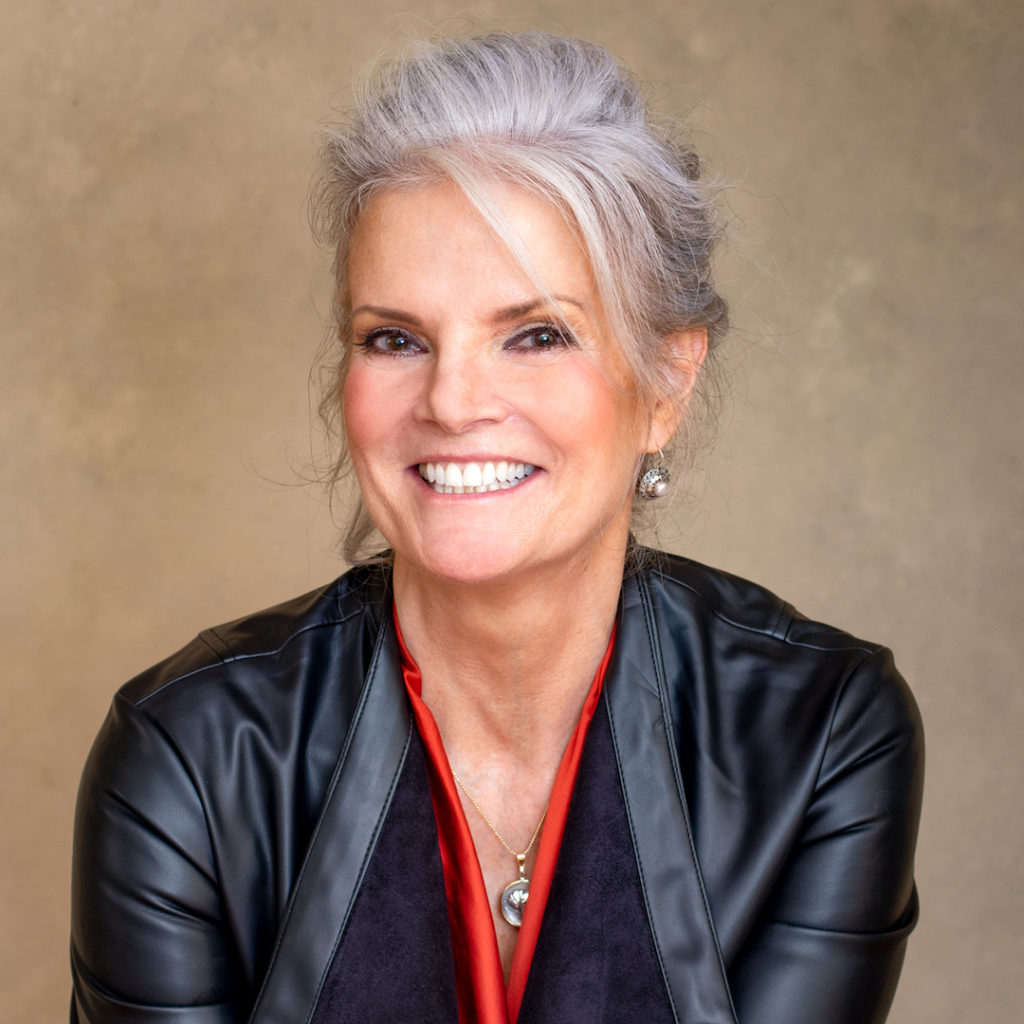
Image courtesy of Rebecca Möller
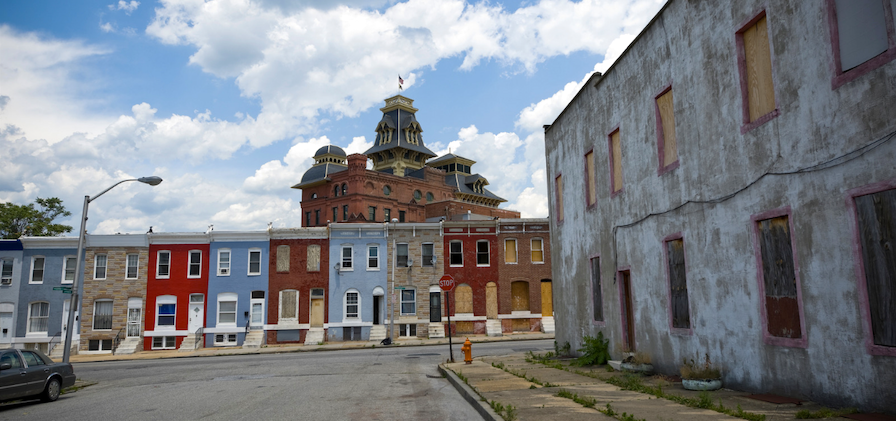
Hedge funds and the Housing Crisis.

August 8, 2022

“America’s housing crisis is a longstanding problem. But recent reports of private hedge funds buying up detached houses and townhouses is likely to make an already difficult situation even worse. When hedge funds purchase such properties, those homes are not likely to come back on the real estate market. They are gone for now—and probably for the long term.” writes R. John Anderson for Common Edge.

The housing supply shortage has been fuelled by a number of things:

  • House prices have been steadily rising but wages have remained the same. Saving for a down payment on a house has become less affordable.
  • A shortage of skilled construction labor has led to a slowdown in the construction sector. Housing supply just can’t keep up with demand. 
  • Although the housing crisis is a national problem, some areas are feeling the pain more than others.

Now private hedge funds are exacerbating the crisis by buying up housing in bulk. When the properties are bundled into a single package, it’s unlikely that they will become available again to individual buyers. Investors might hold the properties for 5-10 years and when they do sell, it’s likely to be to other investors. And because this new asset class of bundled properties has tax benefits, this can also push prices up in an already hot market.

These problems are likely to be with us for many years and hedge fund purchases only make things worse. Demand is not going away. What we need are developers and builders who are willing to make modest returns by buying in depressed, already established neighborhoods where prices are still cheap. And we need more missing middle housing – think small live/work, mixed-use, or rental apartment buildings.

Read the original article here.

Image by EyeJoy licensed by Canva

No more broken promises.

July 20, 2022

Brinda Devine has over 25 years of experience in real estate, beginning at age 29 with Acquest Development, where she earned her real estate broker license and served as their Vice President of Asset Management. She then joined Wayne State University, where she established a Real Estate Office which facilitates the purchase and sale of land and buildings for the University, and she became the university’s first Real Estate Officer.

Much of Brinda’s real estate career has been influenced by her race and gender – she notes that early on in her real estate career, Brinda was often the only woman and/or Black person in the office, in meetings, at events, and even in classes. 

In 2020 she decided to take the step to become a real estate developer, starting P8 Real Estate Solutions, to focus on developing neighborhood marketplaces within Detroit neighborhoods that lacked easy access to the daily necessities most of us take for granted. During the last two years, Brinda says she’s learned that the number one challenge of being a woman, particularly a Black woman developer, is getting access to capital. Her first project is the Kornr Store, and is a kind of development prototype that will provide what Brinda calls ‘life essentials’ – like coffee, healthy food and drink options, prepared food, home and personal goods, green space, internet access. She’s raising funds for this project on Small Change.

Brinda is an active member of Urban Land Institute, and a member of their Small Scale Local Product Development Council. She is a co-founding member and treasurer of Detroit’s Women’s Sustainable Development Initiative, and was also a member of the 2020 Cohort of the Equitable Development Initiative in Detroit, through Capital Impact Partners. Brinda is also an author of two books – Discover Your Value, Discover Your Purpose, and Authentication Process: Connecting the Dots of Being a Believer and Living a Life of Purpose.

Read the podcast transcript here

Eve Picker: [00:00:05] Hi there. Thanks for joining me on Rethink Real Estate. For Good. I’m Eve Picker and I’m on a mission to make real estate work for everyone. I love real estate. Real estate makes places good or bad, rich or poor, beautiful or not. In this show, I’m interviewing the disruptors, those creative thinkers and doers that are shrugging off the status quo, in order to build better for everyone. If you haven’t already, check out all of my podcasts at our website RethinkRealEstateForGood.co, or you can find them at your favorite podcast station. You’ll find lots worth listening to, I’m sure.

Eve: [00:00:56] Brinda Devine boasts of a 25-year career in real estate, working her way up to VP of Asset Management with Acquest Development. And then at Wayne State University, where she established a real estate office which facilitates the purchase and sale of land and buildings for the university. Much of Brinda’s real estate career has been influenced by her race and gender. She’s Black and she’s a woman. She notes that early on she was often the only woman and or Black person in the office, in meetings, at events, and even in classes. In 2020, Brenda decided to switch seats at the table by launching her own real estate company, P8 Real Estate Solutions. She is focusing on developing neighborhood marketplaces within Detroit neighborhoods. But now, being Black and a woman have become a challenge to her like never before. Brinda Devine has a big story to tell, so listen in.

Eve: [00:02:09] If you’d like to join me in my quest to rethink real estate, there are two simple things you can do, share this podcast and go to rethinkrealestateforgood.co, where you can subscribe to be the first to hear about my podcasts, blog posts and other goodies. Good morning, Brenda. Thanks so much for joining me today.

Brinda Devine: [00:02:32] Good morning. Thank you for inviting me.

Eve: [00:02:36] You’ve had a pretty interesting career in real estate, 25 years of it. How did real estate become your career path?

Brinda: [00:02:44] Well, that’s a little crazy. I actually didn’t know anything about commercial real estate. I was about 25, 27 years old, left a banking career, answered a wild ad in a newspaper, the Sunday newspaper. Went to an interview, just going to find out about things and ended up getting the job out of 300 applicants.

Eve: [00:03:08] Wow.

Brinda: [00:03:09] Yeah. Surprised me, too. And I actually work for a wonderful developer who trained me from the ground up of not knowing anything and he was a colorblind individual. He did not see color, race, he just wanted to make sure that you were on the team and that we all were working towards the same goal. So, a beautiful gentleman.

Eve: [00:03:37] And so, over 25 years you worked with him and then you were the first real estate officer for Wayne State University as well, is that correct?

Brinda: [00:03:46] Yep. So, I stayed with the developer about 12 years and then I ended up applying for a position at Wayne State. They created an officer of real estate and joined there in 2005 and started that office for the university. And at that time, and I think that’s still the case, the office was actually led by an African American woman of color. A person of color. The real estate office for the university. So that was, I don’t think really too many people think about it that way, but that’s, I thought it was significant, particularly with the impact with development in the city, particularly the the midtown area. So, it’s been interesting.

Eve: [00:04:37] Very good. So, you’ve spent 25 years in the real estate industry and only recently you decided to take the plunge and create your own development company. What made you do that?

Brinda: [00:04:50] So, I’ve been blessed to be on the opposite side of the table to do business with developers. And I’m going to say that every one of them that I’ve dealt with, they were Caucasian males. I’ve not had a project with. No, I take it back one one Black developer I did a project with. So, I was thinking I needed to get from behind a desk and see what the reality was for developers on the opposite side of the table. I decided at the beginning of 2020 that I wanted to be a developer and I sought out a class through Capital Impacts EDI program, which is essentially a development class for minority developers. And it was eye opening. Being on the opposite side of the table of getting a lot of feedback and information on how that process works and how it is so much different for Black developers than the developers that I had been working with.

Eve: [00:06:00] And on top of that, you’re a woman, which, you know, I was the only female developer in Pittsburgh for many years. So, I can only imagine you’re a rare breed. So, how has that impacted your career? And you said this was eye opening and in what way was it eye opening?

Brinda: [00:06:21] So, I’ve been in commercial real estate. I usually work with men, white males. And so, I can say that I’ve been sort of trained for that type of environment. It doesn’t bother me being the only person in the room. I have typically been the only woman in the room, the only Black in the room, and I adjusted to it because my personality is pretty direct and that’s just a different pace when you’re working with developers. So, that didn’t really bother me because I fit my personality. And so, I understood that world of real estate, of coming in, talking to someone about your project and that there would be funds available. One, two, three, easy. I wanted to see what it was like on opposite side. And what I found out is that it is full of challenges, it’s full of broken promises, it’s full of. And because I’m analytical and because I don’t come from that background, I have the ability to sort through information to go, okay, this is not really working. Why is this process not working? And be able to look into it a little deeper, because I’ve not been in that realm, and I could take a look at it from a first look. So, it was eye opening because I just saw processes that did not work and because the majority of the people who who many of them have, I would say for the not-for-profit side, they’re in this realm where they’ve committed themselves to do good and they are in these programs and they’re trying to help people. But the problem is they are not developers. They have absolutely no idea. They’re program managers. And it’s really hard to make something work when you don’t have any feedback on what that feels like or what that process is. And working, it’s all sort of like it’s just a process without actually having the experience, I put it that way.

Eve: [00:08:31] Right. So, it doesn’t sound like it’s impacted your career very much, but now that you’ve become a developer, what’s that like?

Brinda: [00:08:41] It’s been very frustrating because from my background, when I look at what, when I used to be an analyst and work for a developer and what was required to do a deal. But then when you’re a woman or a person of color and you’re reaching out to lenders for funding, there’s always something that’s missing. There’s this big cloud of a big veil of information that is uncertain. People are interested in your project. They love the idea. They want to meet and talk about it, they want to help. And then the day after you get a call that, well, you know, I went to the team, and we talked about it and we don’t really think your project fits. How does a marketplace within within a neighborhood not fit? There’s always some level of criteria that there’s something that astounds me, that they don’t have the expertise in the beginning to analyze that. So, it’s been very, very frustrating. And you have to have a huge level of resilience about yourself and determination to push through your project, irregardless of what someone says or what they say they’re going to do. And then it doesn’t happen. You have to have this resilience about you. So, it’s been frustrating, but I also find it fascinating, and I find it challenging to be able to figure it out and get it done.

Eve: [00:10:25] Well good for you because it makes me want to cry. Really. I mean. I don’t even know what to say. So, we are not at the point where an equal society. That’s for sure. Right.

Brinda: [00:10:40] Yeah. I have the opportunity to be associated with an organization that listens to me. A not for profit, the Urban Land Institute that listens. And I’ve shared my perspectives and experiences and I’ve had a good opportunity just a couple of weeks ago to pitch my project at a committee meeting, and I took the opportunity to make it a teachable moment. I would say you should expand your circle. You should expand your friends, the food you eat, where you drive, places you go. Developers are often embedded in one area, and with this set of friends that I grew up with to school with and da da da. And so, their perspectives are limited and so their environment is limited and the information that they receive is limited.

Brinda: [00:11:30] So, when you give someone an opportunity to share your experience and expand their circle, I can pose it in a way for them to understand what it would be like if they were in the same scenario. So, they can have an emotional attachment to the problem that I’m talking about. I’ve gotten a lot of feedback from people of I really had not thought about it like that. I really had not considered that. You know what, I really need to do more about that. And that could be as simple as referring someone for a job, hiring someone, adding someone to your team, and you’ll get a different perspective, a different understanding to expand your circle. So, that’s the approach that I’ve been going at, just being vocal about it. I think sometimes we don’t we don’t really talk about stuff. We try to be politically, too much being politically correct and not just speaking out and being direct in our conversation.

Eve: [00:12:29] I love the way you talk about it, so I’m going to ask you, with all of this experience wrapped up, what sort of projects have you decided to focus on with your real estate company?

Brinda: [00:12:39] Okay, so personally, I am solution and purpose driven in the capital impact classes for the minority developer program I mentioned, I was exposed to a lot of information, research, market data, demographics and the consistent stream through Detroit and a lot of urban areas like Detroit is that there is a lack of healthy food options within the neighborhoods and there’s a lack of personal and home goods. And I found that it’s a good percentage of people shop at their convenience stores, the dollar stores, the gas stations. Even though Detroit is a motor city, there is a huge percentage of adults that don’t have access to a car and during the pandemic, not necessarily access to public transportation as well. So, there is a need for a typical what you call a, what I grew up with, a corner store within the neighborhood. You can pick up your essential life, essential things, you know, some groceries, some healthy snacks, some healthy foods and things, some coffee, some prepared foods.

Brinda: [00:13:52] There’s a lack of that in the neighborhood. There’s a big gap for the small-scale developments. They’re more inclined to 1 million and up. And so my niche is to focus on developing small scale marketplaces within emerging Detroit neighborhoods. I don’t think that’s an insurmountable task. You know, I’ve heard someone say, Well, that’s a novelty. And I had to challenge him and say, it’s not a novelty to have a store to go to. You actually go to a grocery store, and you eat on a regular basis. That shouldn’t be something that you have to consider what you’re going to do. And they hadn’t thought about that, just like I had not thought about it before I took the class, and I expanded my circle. So, eating is not a novelty marketplace. A corner store is not a novelty in a neighborhood. So, just to get past that whole notion, but I try to make it funny but try to make it serious as well.

Eve: [00:14:57] So you’ve got a first project that you’re working on, Kornr store. How did you find it and what neighborhood is it in?

Brinda: [00:15:04] So, it’s in the Northwest Goldberg neighborhood of Detroit. It’s not far from some long-standing partners here before, Northwestern High School, Motown Museum. I’m actually, I have been working on a model for this type of store for probably about for over two years. And I happened to mention to someone that I have been looking for a building, and they happened to mention this neighborhood, which I was somewhat familiar with. And I walked through the neighborhood, and what’s interesting about the neighborhood, there’s not that many parcels that are zoned for commercial. So, there were two buildings that were vacant. I look them both up, I found out who owned them both. One of them, I was a Facebook friend. And then I saw that we had a mutual friend and I asked for an introduction, and we got along very well and we had a mutual interest in the building of what it is. The building is actually a 100-year-old building. The original owner in 1904 went down to the city of Detroit and had it zoned for that parcel to be a grocery store. So that grocery store has fed that neighborhood for years.

Eve: [00:16:16] That’s lovely.

Brinda: [00:16:17] And that’s what it’s been. And the person was initially purchased it to do the same thing, but it ended up being too small for their use. And so they had been waiting for someone who had the same type of mindset. So, we agreed on it and he sold it to me, and I actually felt as if he was passing a baton to me because it’s a long legacy of feeding a neighborhood. And I just was grateful, if someone had told me a year ago that I would be doing this, I would have said that you were crazy. But purpose leads you to places that you would not think that you would land. And I’m just grateful that he trusts me enough to sell me the building.

Eve: [00:17:11] So how big is it?

Brinda: [00:17:13] The building is about 1600 square feet. There’s commercial space on the first floor which where the corner store would be. And then above there’s a two bedroom, two bath. And oftentimes I get asked, what, don’t you think that’s too small? I’m like, no, it’s the perfect size because it fits within a neighborhood.

Eve: [00:17:33] Right. And how are you going to drag it into this century? Like what’s going to be different in your store versus the way it used to be?

Brinda: [00:17:41] Well, that’s a good question. So, what is going to be different? I have a small team. One of my team members is out of New York and she has a lot of good ideas. And I’ve done a lot of research on different marketplaces outside of Michigan. Actually, Michigan’s kind of slow in terms of advancement and technology for convenience stores. So, one of the things in this will have to be scaled and I have to start at square one and scale up. But one of the things that’s going to be different is we’re going to have, of course, a coffee bar, but we’re also going to have another type of bar. And I’m not going to say it because I don’t want anybody to take my idea. We’re going to have this other type of bar that has to do with food that I have found that people are so entrenched, and they love this type of food and to eat it all day and we’ll have that type. But we’ll also have some healthy food and drink options and some groceries and such and some artwork and some wine and some of the typical things you find in the convenience store. But the Kornr Store brand is also about being an amenity to the neighborhood, but also a neighbor.

Brinda: [00:18:58] So, during the weeks’ time when there is a lull, let’s say a Friday, nobody’s really thinking about going to the corner store on a Friday, late afternoon or Thursday. We’ll have some time to activate different activities that we’ve been planning for community engagement. The neighborhood has a huge percentage of senior residents and also young mothers and then older gentleman, and we’ll plan events around the neighborhood, different activities that they can do. So, we can engage and use the space and also engage with local pop ups, maybe have some wine tasting events, maybe have some tutoring events. I have a multitude of friends that have finance backgrounds, real estate, architecture, legal. They can do different tutoring sessions or just have different topics that would interest the neighborhood. A birthday month for different seniors just to connect and to say that we’re here. We’re a neighbor. Yeah, I want you to shop. I want you to come by. But the very first thing I want is that when you walk through that door that you feel like you belong here. I’ve gone into other places, and you feel like you don’t belong there. Like the neighbors, the residents who have held it down for so long won’t feel welcome. I want the people in Northwest Goldberg, those neighbors to feel like they can walk in, and I’ll have something for them and I’ll have something for other people. I have something for guests. I have something that will peak someone’s interest if they feel like when they walk in there, they feel like they’re welcome and they feel good.

Brinda: [00:20:44] That’s what I want to get out of this, that they feel good when they come in and then they stay for a while, then they leave. But that they feel good being in the Kornr Store that that brings back that emotional connection of the corner store that I grew up with. And I tell people all the time when I say corner store, this is emotional feeling of like, that’s the place where you used to go pick up something at the last minute. That’s the place where you actually went and found out what was going on in the neighborhood. That was the old school Internet of going in and finding out the news of what was going on. And I want that. I want people to feel like they can walk in and feel good about being there.

Eve: [00:21:23] You’ve talked about the challenge of financing a project like this and a project led by a Black woman. But you’ve added crowdfunding to the mix, which is an extra lift. Why investment crowdfunding. Who do you hope will invest?

Brinda: [00:21:40] Being the analytical person I am, I’ve placed applications for lenders, and we talked about that. And real estate, as you know, is about timing. And I needed another platform other than just the lender, I needed to have something that connected, that a person could read the story, they could understand, okay, this is a good idea. This is the right time. That’s why I reached out for the crowdfunding. One of the things I’m finding about with lenders, I mean, some of them seem to be in a small spot, a place, and they can’t really embrace the whole idea of Kornr Store because they have hundreds of loans going by. But when you have an opportunity to read the story, to read what I’m focused on, this isn’t for me. I didn’t pick this. It picked me. And in real estate, I truly believe that you should have a project that’s bigger than you. And this project is definitely bigger than me. It is totally out of my comfort zone, but it is much needed, and I am in at 100% so.

Eve: [00:22:55] So it’s really small but mighty, right?

Brinda: [00:22:58] It’s small but mighty and it has. And I tell people all the time, you don’t have to have huge projects to make an impact. You can have a small project and make an impact. Would a 200-unit apartment really impact the neighborhood? Or will you have an impact by putting in a smaller footprint that impacts the neighborhood and retains its personality? Smaller projects have big impacts as well.

Eve: [00:23:29] Talking about that, how have the neighbors welcomed you and this project?

Brinda: [00:23:34] They have welcomed me because I was respectful. I came in as a person. I came in as a human. I approached people as humans. I was respectful of the layers of history, the neighborhood clubs, the dynamics that go on under the surface. And because I was respectful and didn’t come in, like, I know everything, I’m this and that. You know, these demographics say this and that. I mean, demographics can be skewed as well. They can be biased. So, I came in as a human and approach my project as a human and the people that live there. That’s why the Kornr Store is an amenity, but we want to be a neighbor. So, planning a neighbor in a place. And so, I have been welcomed very well. I’ve been introduced to the person before the person I purchased the building from. The building has a crack of grocery store. It’s known in the neighborhood as that. And I met the owner who I believe he’s 83. We met online and he actually provided me with a story of how he actually came into acquiring the store, which I found fascinating. It was more information, more history. And I could tell when I first saw the building how it was respected because there was no graffiti. It wasn’t damaged. It’s 100-year-old building and it’s structurally sound. So, that told me a lot about how the neighborhood feels about that store.

Eve: [00:25:19] Yeah. One more question about it, and that fascinated me when I learned about this project. And you said that you will try to incorporate items to sell in the store that actually made by neighborhood residents. How has that come together?

Brinda: [00:25:34] So in Detroit, there are a lot of people who have small businesses, and we have a lot of incubators for small businesses that have been going on even before the pandemic. So, there are a lot of entrepreneurs here, a lot of artists, musicians and such, and I have it on my website that if anyone is interested in selling their items in the store, I have the opportunity to buy their products, even like authors. I have quite a few friends that are authors. I like to have a few books by local authors or have them pop up and do a pop up about their products or their books or their services. And I think that’s important because it gives them an opportunity to have access to a space without having to go and pay for a space. And they’re a start-up as well. I would definitely believe in spaces that have multiple uses.

Eve: [00:26:33] So once this one is put to bed, which I’m sure, yeah. What is the timeline, by the way? When are you hoping to get it finished?

Brinda: [00:26:41] I just had that phone call today. So, I could actually have the business open up by the end of this year. I’m ready to go with the permit and everything. The problem is the financing. I really need the financing to get this going. I’ve put in quite a significant amount of my own money, so it’s not like I’m sitting here going, okay, I want everybody else to put their money in but me. No, I’ve done that. We’re at the point where we are ready to start construction and as soon as we can start, that would be fantastic for me.

Eve: [00:27:16] You’d be underway. So, once it’s finished, what’s next? I’m sure you’re thinking about the next one.

Brinda: [00:27:22] Oh, yeah, I’ve already. I’m already looking for the second one. I’m already looking for another location for the second one. So that’s the idea behind the Kornr Store model is that it can fit in a residential lot. So, I am already looking at a second location, more than likely to lease that one. But this very first one, this one is the most important. It sets the tone for everything else. So yeah, the idea is to scale this model within Detroit and then elsewhere.

Eve: [00:27:57] So Brinda, I love the idea and I want to come visit as soon as it’s finished. I can’t wait to see it. And I wish you all the best of luck.

Brinda: [00:28:08] Thank you. I appreciate you. You know, I appreciate you. I do.

Eve: [00:28:12] Thank you so much for joining me.

Brinda: [00:28:14] No, thank you for inviting me. Thank you.

Eve: [00:28:23] Brinda Devine is a rare breed. She has spent most of her real estate career as the only Black and the only woman in the room. And she got used to it. Now she’s facing a different challenge with the first real estate project that she’s tackling on her own, access to capital.

Eve: [00:28:51] You can find out more about this episode or others you might have missed on the show notes page at our website RethinkRealEstateForGood.co. There’s lots to listen to there. A special thanks to David Allardice for his excellent editing of this podcast and original music, and thanks to you for spending your time with me today. We’ll talk again soon, but for now, this is Eve Picker signing off to go make some change.

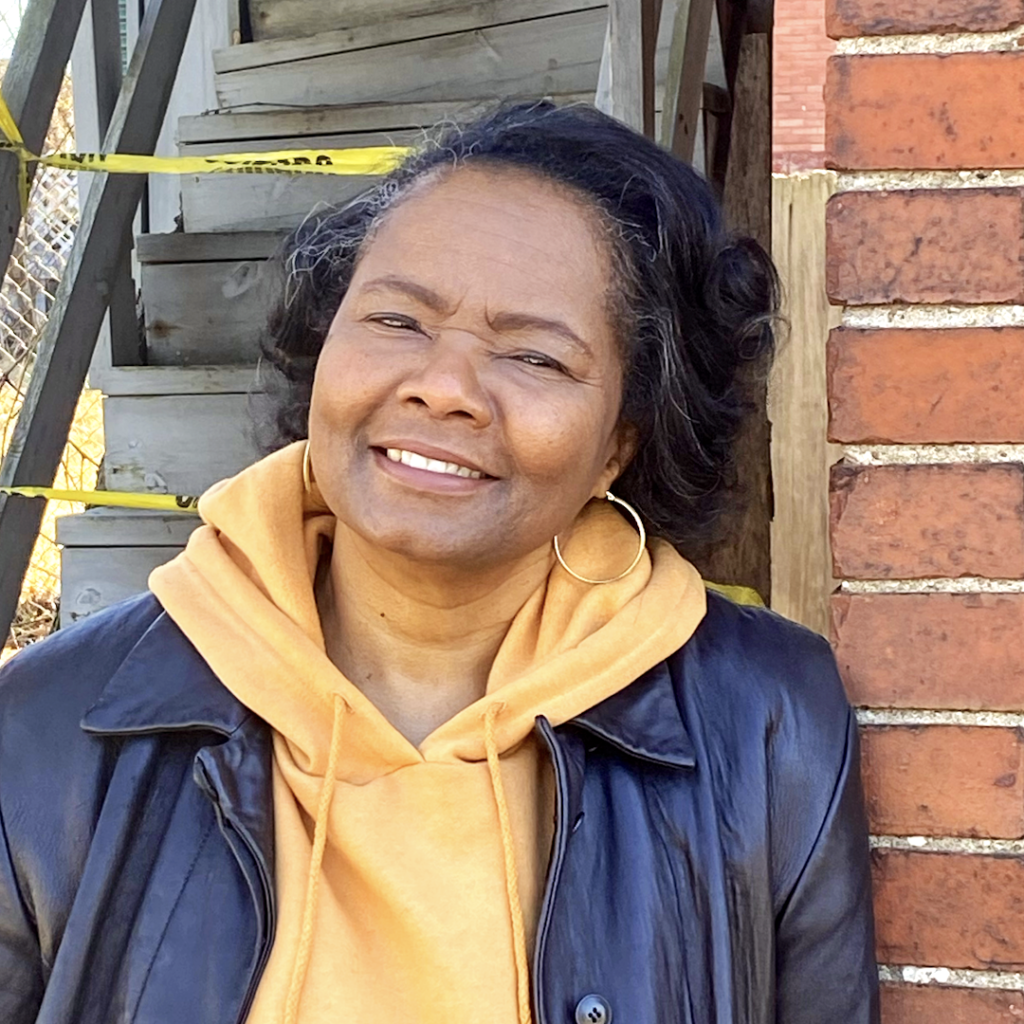
Image courtesy of Brinda Devine

Are investors to blame?

July 11, 2022

“About 2.5 million households shopping for a first home will be shut out of the market this year, estimates Nadia Evangelou, senior economist with the National Association of Realtors. That amounts to 15 percent of all first-time home buyers. In an already daunting market, investor purchasing is adding to the obstacles.” Writes Sophie Kasakove for The New York Times.

Large investment companies as well as smaller local owners are buying up homes all over the US, and their share of the housing market is growing. According to Redfin, the fourth quarter of 2021 saw investors buy an average of 18.4 percent of homes, a rise of 12.6 percent over the previous year. In the Sun Belt metro areas that share was greater than 30 percent. Significant rent increases have been a result of this buying frenzy by investors. Driven by inflation as well as pandemic demand median rents in some cities rose by 30% or more in 2021. Those rent increases have provided massive profits for landlords and pain for renters.

This growing trend brings many problems. As rents outstrip wages, people face the choice of paying a much larger portion of wages in rent than they can afford or simply having to move. There are other issues for renters too. Some studies have found that large corporate landlords are more likely to raise rents, poorly maintain properties or evict tenants. Renting just doesn’t provide the long-term stability or the opportunity to build wealth that home ownership does.

While some proposals have been made – like subsidizing housing or legislating to curtail corporate homeownership – nothing concrete has yet been set in motion. For now, home buyers can only hope that they will not be pushed to the brink.

Read the original article here.

Image by Erik Mclean from Pexels, modified

Slaying Gentrification.

June 29, 2022

David Kemper wanted to find a way to safeguard established renters against gentrification. His goal was to build a real-estate investment model that both stabilized existing rents and gave a voice to that community. Too many have suffered from racism and disinvestment in their neighborhoods. Across the country, communities are being torn apart because residents are being priced out of the neighborhoods they have called home for decades. Just as resources and new opportunities come to a community, its longtime inhabitants often get pushed out.

So David and his team are working towards an alternative: cities with inclusive, mixed-income neighborhoods. These diverse and dynamic neighborhoods will deliver better economic, social, and health outcomes, especially for lower-income residents. The model they have developed, MINT (or Mixed-Income Neighborhood Trust), is a sophisticated and replicable ownership model. Each MINT develops, owns, and operates a rental housing and retail portfolio. MINTs harness the money coming into communities to keep rent affordable for existing residents. Trust Neighborhoods, David’s non-profit, works with neighborhood-focused organizations to facilitate the formation of each MINT with the goal of a self-sustaining organization, run by the neighborhoods themselves. This gives neighborhoods equal footing with developers contributing to the gentrification taking place.

David and his co-founders started Trust Neighborhoods in 2019 and have since launched three MINT pilots in Kansas City, Missouri and in Tulsa, Oklahoma and Fresno, California. They have already shown to be beneficial. But they are just getting started. Neighborhood Trust is growing, and they hope to work with neighborhoods across the country, forming MINTs in each city and protecting community members who have too often been overlooked. 

Read the podcast transcript here

Eve Picker: [00:00:08] Hi there. Thanks for joining me on Rethink Real Estate. For Good. I’m Eve Picker and I’m on a mission to make real estate work for everyone. I love real estate. Real estate makes places good or bad, rich or poor, beautiful or not. In this show, I’m interviewing the disruptors, those creative thinkers and doers that are shrugging off the status quo, in order to build better for everyone. If you haven’t already, check out all of my podcasts at our website RethinkRealEstateForGood.co, or you can find them at your favorite podcast station. You’ll find lots worth listening to, I’m sure.

Eve: [00:01:00] David Kemper wanted to find a way to safeguard established renters against gentrification. His goal was to build a real estate investment model that both stabilized existing rents and gave a voice to that community. The model he landed on, MINT, or mixed income Neighborhood Trust, is a sophisticated and replicable ownership model. Each MINT develops, owns and operates a rental housing and retail portfolio. Trust Neighborhoods, David’s non-profit, works with neighborhood focused organizations to facilitate the formation of each MINT, with the goal of creating a self-sustaining organization run by the neighborhoods themselves. Trust Neighborhoods is still new, but David has said that they hope to expand their reach and work with neighborhoods around the country. Listen in to learn more.

Eve: [00:02:01] If you’d like to join me in my quest to rethink real estate, there are two simple things you can do, share this podcast and go torethinkrealestateforgood.co, where you can subscribe to be the first to hear about my podcasts, blog posts and other goodies.

Eve: [00:02:30] Hello, David. Thanks very much for joining me today.

David Kemper: [00:02:33] Thanks very much for having me on.

Eve: [00:02:35] You launched something called Trust Neighborhoods in 2019. And I wanted to ask you first, what problem are you trying to solve?

David: [00:02:45] Yeah. I’m one part of the three of us who are leadership at Trust Neighborhoods is Kavya Shankar and Jason Dehaemers, and the problem we’re trying to solve is that you have neighborhoods which have experienced disinvestment over decades, often from racist reasons, that now are finally having investment come into them and becoming a higher opportunity, both by public efforts, by private efforts and a lot of efforts on the part of current residents. But just as those neighborhoods are becoming higher opportunity, the very residents which are most deserving of participating in that and have often contributed so much to creating that experience a second injustice of being displaced from that neighborhood, not only denying them that experience of living in a higher opportunity neighborhood, but often even creating harm beyond that prevention of opportunity and around that problem is why we started working with neighborhoods through our nonprofit Trust Neighborhoods to help set up these mixed income neighborhood trusts.

Eve: [00:03:41] When did this need become clear to you? What’s the journey you took?

David: [00:03:46] We followed different paths in the leadership team. My particular path was through working at New York City government in affordable housing, and that was first in a department there called Housing Preservation Development, where I got to do a lot of refinancing of LI-tech which low-income housing tax credit deals and HUD multifamily deals, which is really the current meat and potatoes of American affordable housing finance. And you both saw how those worked at volume and the non-profits and neighborhood-based organizations that use them and also where it wasn’t working, which is especially around what real pinpoint anti-displacement looked like.

David: [00:04:22] The city of New York at the time was then interested with the arrival of de Blasio and really pinpointing neighborhoods where likely gentrification would create displacement. And a lot of the effort was around creating inclusionary zoning to prevent that displacement. And I had the good fortune to be part of the team who was working on that, and then a new team that was set up in capital planning in the city planning department and trying to work with neighborhoods facing that pressure to proactively prevent displacement. But there’s kind of this rhetoric in New York, which is wonderful, but, you know, New York is everywhere. And there’s this idea that they would build a model and it would work for the whole country. And I grew up in Kansas City and have stayed deeply appreciative and tuned into a lot of cities like it. And you see this phenomenon playing out across the country, including Pittsburgh, certainly very familiar with it.

Eve: [00:05:12] Oh, yeah.

David: [00:05:13] And the mechanism is not going to be that you’re going to prevent displacement by incentivizing what’s going to happen when a five-story building is torn down for a ten-story building. A lot of the displacement and change in ownership and lack of control is happening long before that. So, the same principles are playing out, but you really need to focus on building a different kind of set of tools. And fortunately, both found others who cared about, and we had the time to work on this, but most of all spent time with a lot of neighborhood based organizations in neighborhoods that had either undergone gentrification or facing it. And really sat down with them and said, what are your pain points? How are you spending your days? What are you looking at for tools? And almost consistently you had this need identified of saying, if we could just have our own ownership group, that could really do cross-subsidy in our neighborhood in a way that we could raise outside capital akin to the developers we’re competing against that can move at the speed of the market. It’s not applying for a grant for a house that gets receipt that that grant was received months after the house was sold and really do it at the scale at which we were experiencing displacement. And bit by bit, we worked with some neighborhood partners on honing that model, launching pilots, and now we’re working to get out across the country.

Eve: [00:06:31] And that model, you call it MINT, right?

David: [00:06:35] We call it MINT, a mixed income neighborhood trust.

Eve: [00:06:38] So tell me precisely how it works.

David: [00:06:40] In some ways, it’s very simple. Some ways a little more complex. We help the neighborhood set up this mixed income neighborhood trust. It is an LLC which has all of its voting shares controlled by something called a perpetual purpose trust that is somewhat distinctive from some uses of trust models where there’s not national trust, there’s a legal trust which is assigned to a purpose agreement which controls all the votes of this new entity. That trust then has a trustee group which has the existing neighbor based organization on there and resident representation and adheres to a purpose agreement which we work with residents, the neighborhood based organization, on writing when we’re setting this up, which really identifies what anti displacement means, what protect me belonging means what long term financial sustainability for this new institution looks like and then really build in also details and nuances, that are particular for each neighborhood. That serves as a long term constitution that then this operating company of the Mixed Income Neighborhood Trust has to adhere to as it buys, develops, and then long term owns a mixed income portfolio, which today we’re entirely focused on housing in a way that prevents the displacement of residents in that neighborhood.

Eve: [00:07:57] So the trust is actually a developer.

David: [00:08:00] In some ways. It’s a vehicle to allow a neighborhood to serve in a developer function for its neighborhood. And the way we’ve set up is that each mixed income neighborhood trust will have a general management function, which is essentially a budget line that goes back to the neighborhood-based organization. So you aren’t building duplicative new institutions. You’re really building the capacity of groups that have been on the ground, have legitimacy, have been doing the hard work, and too often are then excluded from actually having that level of control and autonomy within their neighborhood as it experiences this kind of pressure. So really important for us is not just hitting numbers on preservation of affordable units, but really also changing power structures in these neighborhoods where especially women and people of color have been precluded for so long.

Eve: [00:08:50] I’m trying to wrap my head around this. It sounds pretty powerful. So if a new developer comes to the neighborhood and purchases a property outright, what control does this Trust or MINT have?

David: [00:09:04] It is just in parallel with that. There’s no outright authority it has. It’s more putting the neighborhood on more equal footing with a lot of more conventional developers that may be participating in a neighborhood that is facing gentrification.

Eve: [00:09:17] I see, okay. And so, how is a MINT portfolio designed?

David: [00:09:23] So one of the one of the key things we begin with is really doing an analysis with the neighborhood-based organization of what does protecting displacement need, what is the real need in the neighborhood. An example of this is one of the first neighborhoods we worked with was in Kansas City, Missouri, in the northeast section of neighborhoods there, and the neighborhoods called Lykins. And from a parcel view of housing in that neighborhood, they have 1700 units of housing and 900 of those are rental housing with basically zero regulated within that. They are next to a neighborhood that has had some of the fastest rising rents in the city. They’re beginning to experience that same pressure coming on the side of them. So, the beginning was talking with residents saying, look, you have 900 households that are renting in this neighborhood at this average rate. What does it look like to make sure that those households, some of those will move into homeownership? Some of those will not be necessarily having their income rise as fast as the market is rising. What does it mean to protect them from displacement and then working with them to identify how can we maximize the preservation of those units? What does cross-subsidy look like from likely rising rents and unrestricted units we put under that same ownership group? So it self-finances affordability, which works for a subset of neighborhoods and then saying also what is feasible?

David: [00:10:40] In terms of what are rehab partners or construction partners you can work with and what kind of volume can they work with? What is the churn happening in a market? Is this a neighborhood where you’re seeing hundreds of units bought and sold every month or is this something where you’re seeing a dozen bought and sold every month and then putting together a capital stack that makes that feasible. We really do that whole hands-on diligence process with them and service a lot of the short term capacity which a lot of neighborhood based organizations just don’t have to set up that kind of vehicle. But then once it’s set up with that governance, with those partnerships in place for renovation, for property management, and that scope of of what they want to be building in as their own ownership, as much as possible we then build their own autonomy to be running that and attuned at the neighborhood level as they build that ownership and manage it in an accountable way long term.

Eve: [00:11:27] So tell me, how long does it take to go through this process, from thinking about it to actually forming a group that’s governing itself?

David: [00:11:36] Yeah, I mean, we’re kind of figuring it out. We did the two pilots. We are in the midst of a third one right now. We’re in the midst of a fourth one right now. So, we’re learning exactly what the long term process looks like. It’s probably about nine months to a year in terms of our experience, but it may be that right now, I think one of the bigger bottlenecks has been capital appetite, especially for more philanthropic sources. And we’re building it so that long term can take in non-philanthropic sources that are okay with low returns, which certainly can move faster. We don’t know what looks like if that bottleneck is not there for how fast it happens.

Eve: [00:12:12] Interesting. So, the pilots, where are your pilots and where’s the third one? Kansas City and.

David: [00:12:17] Our pilots are in Tulsa, Oklahoma. Certainly, a really meaningful place to get to work, especially in 2021 with the memorial of the race massacre there. And then in Kansas City, which is also where we’re based and very meaningful to work with a neighborhood in our own home in a way that is disciplining and really holds us to doing quality work. The third, which is currently in formation, is in Fresno, in central Fresno with some really great neighborhoods there as the downtown is experiencing growth and preserving a lot of housing stock as well as hopefully providing alternative to owners that have been in the neighborhood they would like to have purchased out.

Eve: [00:12:58] So how far are these experiments in? Like the the MINTs are formed? Have they purchased properties? What are they doing?

David: [00:13:08] Yeah. As noted, Trust Neighborhoods came together in 2019. We really worked with the neighborhoods and the pilots and on the whole scoping and 2020 and both those pilots launched in early 2021. So, they’re just over a year old right now. But both have really seen promising signs so far. They both control well over a dozen units of housing. I think the one can see is almost up to two dozen now.

Eve: [00:13:30] Wow.

David: [00:13:30] And out of that is some real glimmers of hope, both in terms of just operational efficacy, seeing the governance really have resonance in that governance. But most importantly, some of those of early glimmers of impact, like the Mixed Income Neighborhood Trust in Tulsa, which was set up with Growing Together, which is focused in the Kendall-Whittier neighborhood, is the Kendall-Whittier Neighborhood Trust and I was actually just out there last week as they did a celebratory open house for another one of the renovated units that’s open, and had both residents and contractors and funders and everyone all together having paletas really feeling the promise of the work. But alongside things like that were it’s a deep renovation project, they’ve had ones where they’ve just bought housing that was for sale in the neighborhood and been an alternative to a lot of what are kind of unsavory buyers and sellers in that neighborhood, and there was one that was selling and a they bought it and the seller told them, you know, every other buyer told us they were going to clear out the residents in these units in order to renovate them and re rent them at a higher rate.

David: [00:14:37] And instead the Kendall-Whittier Neighborhood Trust was able to own them and have all the residents stay in place along with the budget, to actually improve the quality of those units of housing discovered families that are in the school, which is a place based school that would have told you’re not able to come back to your school with your kids on a couple of months’ notice of a new school year. So, it was a real change to instead get a knock on the door from the Kendall-Whittier Neighborhood Trust saying, hey, look, you’re not only in a safe place versus this threat which is facing you, but we’re also here to make sure that you’re not displaced as this neighborhood continues to become a better place.

Eve: [00:15:17] That’s very powerful. So how do you plan to scale? I mean, how many neighborhoods will be successful?

David: [00:15:24] Yeah, that’s a lot of a lot of our focus is yeah. From the beginning which which may be distinctive in some ways is that we really have had an eye toward saying we are not content if this happens for a dozen units in one neighborhood, the scale of the need in just one neighbor is larger, that the scale of need across the country is hundreds of neighborhoods which are very rapidly changing. And we at this point get a lot of cold outreach from neighborhoods across the country that say, we’re interested using this model, we’ve heard about you, can we work together? Our biggest limit on that side is our own capacity of a team as we grow that team and grow our own operational ability.

David: [00:15:59] But we’re really focused on building our own team to be this short-term service, which is a big piece, is really being able to step in and work with neighborhoods across the country on setting it up. A big part is building long term capital supplies. We’ve had a generous supporter who has come in for funding the design of a fund that will be the national with ready capital, which we hope will solve that bottleneck issue and help build that overall market, which can bring in a lot of capital which is not usually participated in both community governance models and models focused on anti-displacement and changing power structures in this way. And then a big piece is just learning from each neighborhood trust and really powerfully having them start to build their own peer group in a way that is self-reinforcing, builds us as a better support partner, but also can build on their own experiences, lessons learned interpretations from those governance bodies of what anti displacement really looks like and very hard decision making moments. And then also step in as they discover things which are even more valuable to each neighborhood trust. And already the two pilots have met and compared notes. And we think it will only get stronger as you have more and more mixed income neighborhood trusts in the country working these neighborhoods for the residents.

Eve: [00:17:14] So that was one of the questions I have. Like, community engagement is really hard. Do you experience friction when you set up one of these? Like what does it take to get everyone on board?

David: [00:17:29] Community engagement is hard, but what we’ve been doing with the Mixed Income Neighborhood Trust is so different from a lot of what more conventional community engagement is. I think the place to pinpoint there is, we are helping the neighborhood-based organization set up these entities that have residents in long term governance. And that is very different from a typical project where there is a community engagement period, which then ends and residents never have another maybe not even another voice, much less any actual real power in that institution or project. And residents are smart, and they get it. And if they think they have a six-month engagement process to try to convey all the complexity of experience in a neighborhood and any possible thing in this, that will be a very hard process. And instead, with this both, I think we’ve worked with really great partners on designing community engagement, which both make for very productive sessions, where people come into it already with a sense of having had time to do one on ones with everyone and talk through their experience and have that as a, as a jumping off point. But then the most important thing is they then step into the actual governance long term. So, there’s a real ability to keep on iterating and having a voice in the model and in this new institution in their neighborhood. That’s actually something I think we thought was going to be a lot harder and has been really energizing to spend time with residents who just get this and are excited to have this kind of institution as a vehicle for creating this kind of change in their neighborhood.

Eve: [00:18:56] So how big is your team and what sort of skills are represented at the moment?

David: [00:19:01] Not very big. Five of us full time right now. We’re doing some hires right now.

Eve: [00:19:05] Small but mighty, right?

David: [00:19:07] Yeah. Part of the building up the capacity to actually take on the scale of problem and our skill set is mixed. Kavya had been out in the White House and had done organizing work as well as some amount of investment side work. And then Jason is utterly brilliant all things finance, governance and had really worked more in the investment banking, private equity world and then some corporate governance and just delights in building out an actual new financial structure which is solving for things that are more complex than just making money. And then my background was more in the affordable housing finance community development side. We’ve got two wonderful more junior members of the team, Natalie and Ben, who have both actually come through Venture for America, which has been a great source of team members and a delight to work with.

Eve: [00:19:55] So you’ve been working on this a little while. I’m sure you’re thinking about improvements. How could it be improved and why? It can’t be perfect, right?

David: [00:20:04] A big thing is the pilots in place as they grow. And I think then building out their own governance and being improved in that way.

Eve: [00:20:13] This is a pretty entrepreneurial idea. So, entrepreneurs never sit still for very long.

David: [00:20:18] Yeah, I think a big part of the improvement also is building that peer group in terms of having the neighborhood trusts speak to each other more. Building out just a lot of the capital familiarity. Right. There’s a risky moment at the beginning of saying, can you put money into a new vehicle that is creating this kind of impact, and will that really work? And as we start to see them work, that makes it so it’s a lot easier for the next one to say, yes, I want to see that happen too. I think as each neighborhood-based organization kind of learns what what means to be taking this on and building into their existing institution. And as you varied organizations right now, they’re, one is a neighbor association, one is one of the purpose-built communities, one is a CDC. So, as you start to have a peer group of different kinds of neighborhood focused organizations that are using this, that will make it even better.

Eve: [00:21:06] And do you think this is really unique? Is there anyone else doing similar work?

David: [00:21:11] There are aspects that are unique in their aspects that are very familiar. A lot of the land trust community and world, I think, is using community land trust towards similar spirit and functions. But I think unique here is the ability to use the outside capital, the outright control of the land versus separation, the focus on, there’s a lot of renters being displaced, There’s a big focus of this, versus a lot of CLTs tend to have more home ownership focus. We early on have met with a lot of peers across the country that we sort of think are doing relevant, familiar work. And a big part of ours is not having too much pride of authorship of really learning for others. A part of that early on is we were calling this a mixed income land trust and we spent time with the Kensington Corridor Trusts out in Philadelphia. And they said, hey, look, you know, we’re really trying to establish more the terminology of a neighborhood trust here. And we said, sure, great, we don’t we don’t have any pride of term here.

David: [00:22:04] We have a really great to actually be part of helping build on what you’re doing. So, we decided to call it a mixed income neighborhood trust. And so a noted MINT kind of sounded nice too. So, that was part of it. We’ve also liked a lot of the shared equity worlds and built out. The Kresge Foundation include us in the community of practice of several groups working on shared equity models, which certainly plays into a lot of what you in Small Change have also been building into and that’s been really great to be part of. And Elwood Hopkins, who’s led that has just been a great champion and convener. And then I think also on, if you see models and neighborhoods facing gentrification that have relatively succeeded in doing cross-subsidy to the benefit of their neighborhoods. Some of those have come out of almost less conventional models than necessarily a community developing corporation. Where if you look at what the Hasadim community has done in South Williamsburg, in New York, it’s experienced massive gentrification pressure, which, because of ownership and cross-subsidy, has in many ways actually made it more affordable for that community through their cross-subsidy and ownership of land. Likewise, you see some of that with some of the Chinatown family societies in New York, and you see a couple of clusters of that in different places in the world. And there are some community development corporations, I think, use their assets. We right now are working with the East Boston Development Corporation in Boston, which has been both an amazing partner to work with and also the way in which they’ve built out the organization ownership and building their own self-financing mechanisms is really in line with what we’d like to see this model enable for more neighborhoods. So, it’s been amazing to get to work with them as a partner in that.

Eve: [00:23:39] So, how many more neighborhoods do you think will have mint in one year or three years from now?

David: [00:23:46] One year. A few, but three years. We’d like to see actually getting up to really doing this at scale.

Eve: [00:23:55] And what does success look like to you?

David: [00:23:57] Success looks like living in a country where we have cities that have mixed income neighborhoods led by especially residents that had been excluded and discriminated against, especially black and brown leadership of institutions that are creating high opportunity neighborhoods that work for everyone. And not only does it hopefully make it so that those neighborhoods become very high opportunity neighborhoods in a way that works for a mix of incomes and identities there, particularly each neighborhood, but also it stops this phenomenon in America where we’ll see investment go into one geography. And there’s almost this assumption that you’ll end up not serving a large chunk of residents who will get displaced somewhere else. And then almost, then you’ll continue to see a cycle where you’re chasing poverty to different geographies, just as all these efforts to try to improve a place come to fruition. Instead, we stop that. I think with half a dozen MINTs in each American city, you could actually create a thing where at the core of each American city are these mixed income neighborhoods which are robust, wonderful, I think could be some of the best neighborhoods in the country. And you also have this window of opportunity, the United States, where we buy deep tragedy of racism and suburban investment. We’ve ended up with the cores of our cities being massively underinvested and undervalued. But, we in many ways are the anomaly in the world on that. And we’re seeing our appetite shift where the cores of our cities are becoming the most valuable places, which is much more akin to everywhere else in the world. It would be a tragedy, I think, to then see us also just have it where if you don’t have the money, you can’t afford to live anywhere near the middle of the city.

Eve: [00:25:39] I think that shift is already happening.

David: [00:25:40] Yeah, we have we have a window of opportunity, I think, for a crucial subset of neighborhoods to at least secure some place near the center of the city that especially carries such deep meaning and current social capital institutions in a way that could create a very different kind of city.

Eve: [00:25:58] I’ve been living in a downtown myself for quite a few years now and have gone from being one of the first residents to one of many who look very affluent to me now. And it’s disturbing. I really feel like the vitality of mixed people using a place is really being wiped out. So, I agree with your argument here. So, I have one more question for you, and that is what keeps you up at night?

David: [00:26:29] Oh, lots of things. At the very beginning, I really did not sleep that well. There’s a lot more stress and things, I think. As we built out a really quality team that’s helped with the sleep. Journaling helps the sleep. You know, you write down your worries.

Eve: [00:26:46] I’m so glad it’s not me alone.

David: [00:26:48] Then you don’t have them bouncing around your head in the middle of the night. I mean, you always you always kind of swing back and forth too, you have this thing where you go, there are moments where you go, oh yeah, this is doing great and we’re going to run with it. There are moments that you go, oh, is something going to hit us that we aren’t expecting and everything’s going to fall apart? And I feel fortunate that more and more of the days are the former.

Eve: [00:27:09] Yes, yeah. Or there are moments where it’s like, why am I doing this? It’s a very hard road.

David: [00:27:16] We’re up against a daunting scale of historical injustice, of momentums, of other forces in the world. So it’s understandable. It’s hard, but there’s also hope.

Eve: [00:27:27] I think you’re also up against greed, unfortunately. So, the gentrification of neighborhoods is going to continue. The question is, is how many can you catch and save? Right.

David: [00:27:39] Yeah. I think the hardest thing for us right now has been when we have neighborhoods that say we really want to work with you, now is the moment. And we’ve just had to say we just don’t have the capacity to work with you right now. And that’s been really hard.

Eve: [00:27:54] That’s heartbreaking.

David: [00:27:55] I remember one very early on going, well, you know, whether or not you work with us, we’re going to be here fighting displacement, our neighborhood. So, it’s not so much are we going to work together and find displacement more? They’re going to be there doing it regardless. It’s just really hard to not have the ability at this point to say yes to everyone and get these in place with the speed which with these words are changing.

Eve: [00:28:20] Is there any like white label option that you can create for do-it-yourselfers?

David: [00:28:26] We’ve occasionally sent along pieces. Unfortunately, it’s just, I think a big reason why we built the team is that a lot of people know all the principles, it’s just, don’t have the capacity in a team that actually will step in and run with it. So, that was, we have no pride of that. We’re happy if someone else wants to do it. Just a big part is building the team to be able to actually say yes to more places and run with it.

Eve: [00:28:52] Well, you’ve chewed off a huge problem, and I really hope you’re super successful and I can’t wait to see where you are in three years. Maybe we’ll have one in Pittsburgh or 2 MINTs.

David: [00:29:05] Yeah, we’d love that.

Eve: [00:29:07] That would be fantastic. Yes. Let me know if you need any introductions.

David: [00:29:12] Yeah, well, if they’re are neighborhood based organizations, this resonates with their priorities and what the neighborhoods are, then. .

Eve: [00:29:18] There’s tons. I feel like someone once told me that community development work started in Pittsburgh. It’s got an enormous number of neighborhood-based organizations. I helped found one myself, a CDC. So, every neighborhood has one. It’s a pretty active place that way.

David: [00:29:37] Well, we’ll follow up. Definitely.

Eve: [00:29:38] Yes, definitely. But thank you very much and congratulations and good luck.

David: [00:29:44] Eve thank you.

Eve: [00:30:01] You can find out more about this episode or others you might have missed on the show notes page at our website RethinkRealEstateForGood.co. There’s lots to listen to there. A special thanks to David Allardice for his excellent editing of this podcast and original music, and thanks to you for spending your time with me today. We’ll talk again soon, but for now, this is Eve Picker signing off to go make some change.

Image courtesy of David Kemper

« Previous Page
Next Page »

Primary Sidebar

sign up here

APPLY TO BE A PODCAST GUEST

More to See

(no title)

February 22, 2025

Bellevue Montgomery

February 11, 2025

West Lombard

January 28, 2025

FOLLOW

  • LinkedIn
  • RSS

Tag Cloud

Affordable housing Climate Community Creative economy Crowdfunding Design Development Environment Equity Finance FinTech Gentrification Impact Investing Mobility Offering Opportunity zones PropTech Technology Visionary Zoning

Footer

©rethinkrealestateforgood.co. The information contained on this website is for general information purposes only. Nothing on this website is intended as investment, legal, tax or accounting strategy or advice, or constitutes an offer to sell, solicit or buy securities.
 
Any projections discussed or made may not be accurate and do not guarantee a specific outcome. All projections or investments are subject to risk due to uncertainty and change, including the risk of loss, and past performance is not indicative of future results. You should make independent decisions and seek independent advice regarding investments or strategies mentioned on this website.

Recent

  • The Mulberry
  • Mount Vernon Plaza
  • The Seven
  • Real estate and women.
  • Oculis Domes.

Search

Categories

Climate Community Crowdfunding Development Equity Fintech Investing Mobility Proptech Visionary


Copyright © 2026 · Magazine Pro on Genesis Framework · WordPress · Log in