• Skip to main content
  • Skip to secondary menu
  • Skip to primary sidebar
  • Skip to footer
  • Home
  • About Us
  • Say hello
Rethink Real Estate. For Good.

Rethink Real Estate. For Good.

  • Podcast
  • Posts
  • In the news
  • Speaking and media
    • About Eve
    • Speaking requests
    • Speaking engagements
    • Press kit
  • Investment opportunities

Equity

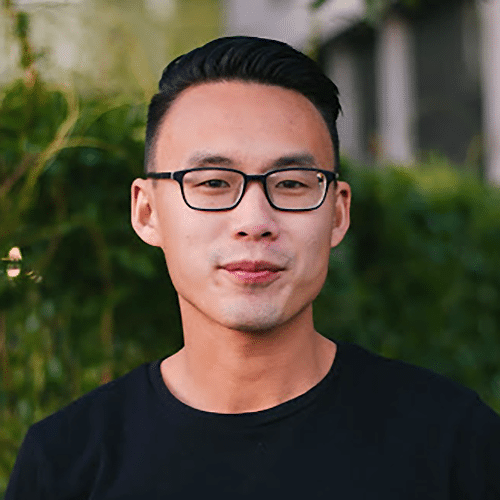
Andrew loves real estate.

April 21, 2021

Andrew Luong has deconstructed the often lengthy and confusing process of small scale real estate investment, making it accessible to everyone.  He and his partner, Justin, created Doorvest as a turnkey service built entirely online. They help their clients find a property, borrow the funds to renovate it and then sell the finished package to them. Keeping it as simple as possible, they have flat fees and even provide a rent guarantee for the first year. Their track record has allowed them to purchase and renovate properties in poor condition, or in neighborhoods that bankers might not normally like, thus opening the door for new real estate investors who might not have the wherewithal to take those first steps on their own.

Although Andrew began by working in the start-up world, his “squarely middle-class” upbringing led him to decide early on that real estate would be his path to financial security. In his early 20s he started buying and fixing up single-family homes in his spare time. Over just a few years his portfolio grew into the double digits, and he became not just a real estate investor, but a realtor and mortgage loan officer as well.

Over time it dawned on Andrew that the long laundry list of items that comes with purchasing a property, and keeps many people from considering investing in and managing a real estate portfolio, could be rebuilt into an almost frictionless service … bringing real estate investing to everyone. This is what ‘proptech’ is about, and Andrew’s bet is that within a few years most aspects of real estate will be transacted entirely online.

Insights and Inspirations

  • The bigger mission is to democratize access to financial security for all.
  • Andrew mainly sees two kinds of investors through Doorvest, neither of whom has invested in real estate directly before – those recently out of school, gradually building up their savings; and those mid- to late-career, looking towards retirement.
  • Doorvest serves as sort of training wheels for people to get their feet wet, get the exposure, learn about the processes along the way.
  • Andrew thinks most online real estate services are still a bit v1.0. Doorvest is looking towards aggregating far more data and streamlining services, all to empower people to invest in many kinds of real estate “within a matter of clicks.”

Information and Links

  • A quote Andrew lives by: “Your problems never go away, they just change.” It helps him put things into perspective, that no matter how much one “accomplishes,” that satisfaction can really only come from within.
  • Andrew is a fan of “The 4-Hour Workweek,” by Tim Ferriss, which shaped much of his views about work and how to live an optimal life.  (Disclaimer: He spends much more than four hours working per week 🙂 )
  • He is a big proponent of the concept of “work-life integration.”
Read the podcast transcript here

Eve Picker: [00:00:09] Hi there, thanks for joining me on Rethink Real Estate. I’m on a mission to make real estate work for everyone. Real estate can help to solve climate change, can house people affordably, can create beautiful streetscapes, unify neighborhoods and enliven cities. So I’m on a journey to find the most creative thinkers and doers out there. I’m not the only one who wants to rethink real estate. You can learn more about me at EvePicker.com or you can find me at SmallChange.co, a real estate crowdfunding platform with impact real estate investment opportunities open for investment right now. And if you want to support this podcast, join me at Patreon.com/rethinkrealestate, where there are special opportunities for my friends and followers.

Eve: [00:01:16] Today, I’m talking with Andrew Luong, the CEO and co-founder of Doorvest. Andrew loves real estate. Growing up in a lower middle-class family, he decided early on that real estate would be his path to financial security. So he started buying and fixing up single family homes in his spare time. While he honed his skills as an entrepreneur in a variety of start-ups, his portfolio grew into the double digits. He had honed his skills as a real estate investor as well. It dawned on Andrew and his co-founder, Justin, that the long laundry list of items that comes with purchasing a property could be deconstructed and rebuilt into a frictionless process to bring real estate investing to everyone. And so Doorvest was launched to provide a turnkey real estate investment service online. You’ll want to listen in to learn more. If you’d like to join me in my quest to rethink real estate, there are two simple things you can do. Share this podcast or go to Patreon.com/rethinkrealestate to learn about special opportunities for my friends and followers and subscribe if you can.

Eve: [00:02:46] Hello, Andrew, thanks so much for joining me today.

Andrew Luong: [00:02:50] Excited to be here. Thanks for including me.

Eve: [00:02:52] Yeah, I’d heard about your brand new start-up, Doorvest, and I was interested in knowing a little bit more about what you’re doing, what you’re trying to provide.

Andrew: [00:03:03] Right. Our mission as a company is to make, is to democratize access to financial security for all. Kind of where we’re at today is we make real estate investing easy, affordable and accessible to anyone, anywhere, sort of entirely online.

Eve: [00:03:21] So that’s your elevator pitch, right? Right.

Andrew: [00:03:25] Right.

Eve: [00:03:26] But what is the main mode to make? Because there’s so many different ways to make real estate investing easy for people nowadays. What does that mean, Doorvest?

Andrew: [00:03:36] Yeah, I guess to dig into a layer further, we’re essentially a tech enabled turnkey provider. So effectively we begin with our customers. What we’ll sort of learn more about our customers, often everyday individuals that have never participated and owned real estate directly before. We’ll learn more about the individual, kind of what they had earmarked as a down payment. So, what sort of returns or cap rates were they hoping for to what’s their general risk profile? And then with that, we’ll ask for deposits upfront. At that point, we’ll sort of get into what we call production. So, we’ll, based on customer objectives, we’ll then go out into the market. Identify, underwrite and acquire usually distressed, uninhabitable homes. We’ll purchase it. We’ll renovate it and we’ll lease it out. So, the home has sort of completed an income generating from day one. At which point we’ll kind of walk the customer through the mortgage and sort of the third-party transaction process. As the customer closes and takes title, we’ll take on operating. So, we’ll manage the homes for them once they close and take title. Where we position ourselves is that hopefully we will get our customers into again, oftentimes their first rental, hopefully if we perform. So they’re generating the returns that they expected and they like working with our team, hopefully that they come back as they sort of build out their nest egg and portfolio.

Eve: [00:05:09] So let’s back up a little bit. So, what you’re doing is actually helping people buy a piece of property that is going to be income producing for them. And you’re sort of getting rid of all the stress and anxiety of finding the property, renovating it, finding the mortgage. You kind of package all of that up front and turn over to them a fully renovated income producing property, is that correct?

Andrew: [00:05:38] Right. I didn’t think I could have said it better myself, but that’s absolutely correct. The goal is to make it really easy for them because oftentimes our customers are really busy people that have never done real estate before. So that’s sort of the three constraints that our customers see. And I think where we fit in nicely is being busy, being an experienced and oftentimes not having a lot of capital to begin with are kind of the three major points that I think we touch on.

Eve: [00:06:10] Oh, interesting. So, you’re taking the fix and flip out of fix and flip through them.

Andrew: [00:06:15] Right. And giving them the ability to kind of have and lean on a company that has some scale efficiencies. So generally, our appliances are cheaper, our flooring is cheaper, et cetera.

Eve: [00:06:29] Interesting. So what prompted you to launch this?

Andrew: [00:06:33] Right. I’d say it’s sort of my story and or the Doorvest story goes back roughly maybe seven or so years ago. At the time, I was in school studying chemistry and trying to be a doctor. Certainly, you could say that that didn’t work out. But I think I was fortunate and found my way to my first job at a start-up company, ultimately ended up doing okay. And I think I walked away with sort of two learnings. Number one sort of wanted to be spending my waking hours building companies from the ground up, but I really enjoyed the thrill of it, felt like I was okay at it. But secondly, I grew up squarely middle class and grateful that we never had to worry about where sort of dinner was coming from, for instance. But we were certainly by no means financially secure, so experienced firsthand financial security or maybe the lack thereof and its ability to sort of inhibit one from pursuing their dreams. Maybe for my parents, it was the dreams of having a happy family because you’re arguing over sort of the vacation plans. Maybe for others it’s to do something entrepreneurial or work at a non-profit or launch a podcast, what have you. And so, kind of found that that looked for an avenue to kind of generate some income security, build a long-term nest egg for myself. That’s where the two worlds collided. Found my way to real estate investing. Kind of did okay for myself. Built up a small double-digit portfolio for myself sort of nights and weekends while my day was sort of busy working person. And then along the way, through lots of organic conversations, coffees, dinners, what have you, saw others similar to me. And maybe these are folks that traded some stocks on Robinhood and maybe they had a 401k and brokerage account, high yield savings account, et cetera. And we’re thinking about sort of the next progression in assets. Real estate, it’s kind of natural there. But I think and you’ve been in the space arguably a lot longer than I have, but due to sort of the friction filled process along with sort of the capital barrier to entry, weren’t able to participate in sort of America’s number one source of wealth generation. One of those folks along the way was my good friend and now good friend and co-founder, Justin. But as we kind of went through the process together, it kind of dawned upon us that hopefully if we can build a sort of modern, easy way for anyone anywhere to buy and own income generating real estate entirely online, hopefully we could sort of bring this to the masses.

Eve: [00:09:20] Well, you know, you just said something really interesting and that was, you know, access to capital for people who normally can’t access capital. I mean, how does that work? How do you get them access to capital?

Andrew: [00:09:34] A part of it is investing in sort of affordable markets, encouraging our customers and giving them the resources and tools to be able to save and then sort of leveraging that into a market that’s affordable for them. That’s kind of one. I think the second component to that is sort of guiding them through and coaching them through sort of the mortgage financing process. That, in and of itself, is a pretty convoluted process. We hope, longer term to be able to impact sort of the financing process more more directly. But as of right now, we kind of see ourselves as a coach in that aspect.

Eve: [00:10:14] Do you go out and borrow money for the renovations or is that up to your customers at the moment?

Andrew: [00:10:19] We do it. So, we borrow debt as we acquire and manage the renovation.

Eve: [00:10:26] Does that make it easier for them because they are then borrowing or acquiring debt on an already renovated property that a bank can lay eyes on.

Andrew: [00:10:36] Exactly. So that’s one of the ancillary sort of value propositions for us is…

Eve: [00:10:43] That’s huge.

Andrew: [00:10:45] Right? Yeah. So, we’re doing pretty extensive reno. Like for context, we’re doing about 30 percent of the acquisition price as renovations to that number works itself out to roughly 40 or so thousand customers able to roll this into their conventional mortgage. And like you said, the banker is able to sort of have this finished product.

Eve: [00:11:07] Yeah, but I think what I mean by that’s huge is now, you are putting buildings back into circulation that most banks would not probably lend money on, especially not to a first-time fix and flipper. And so that really does expand opportunities for people in a pretty significant way.

Andrew: [00:11:31] Right.

Eve: [00:11:32] Oh, yeah, I was just putting it together because, you know, when we started, I wasn’t quite sure where the impact lies, but I can see the impact really lies here in the ability to help people build wealth. Because, you know, I’ve done this myself. I’ve gone to a bank with a property in a pretty rundown neighborhood and talked about my visions for the property and the bank, scratching their head, saying we definitely don’t want to lend money on this. And then I come back and show them the renovated property and they say, oh, now we get it. So, you are bridging that gap for people.

Andrew: [00:12:12] Right, and I think sort of the second letter to that is sort of the operational component to, again, sort of our target sort of customer and that we serve our folks that are busy, oftentimes with a demanding sort of day job and our folks that sort of haven’t done much real estate investing directly. So, we kind of serve as sort of training wheels for them to get their feet wet, get the exposure, learn about the processes along the way. And then the second component is that we do the heavy lifting for them to kind of have that finished product.

Eve: [00:12:51] So where are you doing this?

Andrew: [00:12:53] Right, we’re focused on Texas as of right now, it’s sort of an operating market.

Eve: [00:13:00] And how many times have you done this for customers so far? If you’ve been… you launched when, in the middle of the pandemic?

Andrew: [00:13:09] I’d say more or less we were born out of  Covid. So, I’d say Justin and I were sort of working out our best early last year kind of got started, maybe March or so. So that’s squarely at the beginning of the pandemic. And yeah, we’re at sort of low, sorry, mid double digits, sort of homes transacted. I don’t have the numbers top of mind, but we’ve been growing steadily. It seems like customers, kind of what we have to offer has been compelling to customers. It’s whether, the question then lies, how do we do this at sort of greater scale, serve more customers?

Eve: [00:13:52] Right. Right. Do you have repeat customers yet?

Andrew: [00:13:55] We’re soon to. Actually, we have a couple early ones, and we actually have a handful of them that are expected to buy their second home through us this month. So that’s sort of validation of our model and we’re really excited to have that and see that.

Eve: [00:14:14] That is exciting. So what do you, what do your customers generally look like? Are there any anomalies or is it pretty squarely one group of people?

Andrew: [00:14:25] Right. So as of right now, there’s two core groups of Doorvest customers. So, number one is busy working person, maybe call it five years or so out of college. They’ve been gradually building up their savings and are kind of thinking about real estate for the first time ever in their lives. That’s sort of one group. The second bucket is, I would call them mid to late career. So again, busy working person. Maybe they own their primary. Maybe they’ve got a couple of primaries over the course of their career or looking forward towards retirement and thinking about income streams and nest egg and what have you. They’ve never invested in real estate directly ever. They’ve always been sort of intrigued by the idea, but never had a vehicle or the time to do it themselves. And so Doorvest’s kind of serves as a retirement vehicle for them.

Eve: [00:15:26] Interesting and do you have a second market in mind already or you’ve got plenty to do in Texas?

Andrew: [00:15:34] We have plenty to do, but we are eying a number of other markets. I think market number two, whenever that, it’s a matter of time, don’t have sort of a concrete timeline. But at some point, we will expand into our next market. I think the way that we’re thinking through that, number one leads with customer demand. So, what are our customers asking of us? And what would sort of the early hypothesis being? It’ll be either a market similar to where we’re at in Texas or maybe a more yield focused market. Call it a Memphis, Tennessee or so, or maybe a sort of growth market, call it a Phoenix or so. Yet to be determined. Hopefully in the coming decades we end up in all of those markets and hopefully more. But we have plenty to do at this point.

Eve: [00:16:28] Yeah. So, you’re building a technology around all of this, right?

Andrew: [00:16:33] Right.

Eve: [00:16:34] And what does that look like? What do you have to build? What have you built so far?

Andrew: [00:16:38] Right. I think we have a long way to go. I think kind of where we’ve gone so far as customers are able to buy homes entirely online, leveraging the data sources that are either proprietary to us or data sources that we as an organization are able to access. Along with lots of sort of ways to analyze the home online, whether it be integrating Google Maps Street View, so they’re able to to do a brief walk around the neighborhood or whether it be having Mattermark reports, so they’re able to walk through the house. Whether it be crime or school data, et cetera. I see our work as sort of aggregating various data sources. I think that the first generation of sort of real estate companies, such as the Zillows and the Redfins of the world, brought a lot of real estate online. I think I see it as our sort of job is to organize that data, sort of make sense from it in a digestible, sort of actionable way. To kind of where we’re at. Today’s customers are able to buy a home entirely online. It takes many, many clicks, many emails, and many phone calls over time. Our sort of aspiration as a company is how do we get it to the point where an individual can be anywhere earning any amount of money and able to participate in America’s number one source of wealth within a matter of clicks. I think we have a long way to go, but excited about sort of the progress we’ve made so far.

Eve: [00:18:17] Yeah. So, I have to ask you, how many of your customers have gotten off the sofa and actually gone to look at the property they’re going to buy?

Andrew: [00:18:25] Right. Low single digits. Yeah. So, we’ve added a number…

Eve: [00:18:31] About 60, 50 percent, 40?

Andrew: [00:18:34] Sorry, sorry. I think it’s about five percent or so. So, the number is pretty low. The majority of the folks that we’ve served have sort of leaned on us, given sort of our business model and where we positioned ourselves to kind of do the heavy lifting for them.

Eve: [00:18:53] Interesting. So, then you’re also operating as a property manager and…

Andrew: [00:18:59] Right.

Eve: [00:18:59] So what does your team look like?

Andrew: [00:19:02] Right. So, I guess in terms of the entire team as of today, where we’re 17 folks, small but mighty, I think, and sort of gradually growing. Spread across sort of the many different facets of the business. About a third of our team is on what we call success, which is sort of property management, traditional property management. I think with the twist, yes.

Eve: [00:19:30] The traditional property management can be labor intensive and frustrating.

Andrew: [00:19:36] Right, right.

Eve: [00:19:37] Yeah. Yeah. So how do you hope to scale? Have you, must have thought about that as a start-up.

Andrew: [00:19:45] Oh yeah. Lots, lots of thoughts about that I think sort of beginning with our mission, but really to democratize access to financial security for all. As of right now, we’ve made it accessible to anyone, anywhere with roughly thirty thousand as a down-payment is able to participate in real estate directly, entirely online. I’m proud of that. But I think that still means that we have a long way to go to sort of make real estate accessible to anyone, which means sort of driving sort of the capital barrier to entry down. I think over time, our aspiration is to make it so anyone can participate in real estate with call it 30 thousand, maybe 20, maybe 10, maybe five, maybe 500, maybe 100. Again, I think we have a long way to go to get there.

Eve: [00:20:37] Oh, interesting. Yeah, yeah, yeah. So wow, that’s quite an enterprise, Andrew.

Andrew: [00:20:46] It’s a lot of work. And I’m fortunate that our team is really sort of thrilled and excited and cares deeply about sort of what what we’re hoping to build for the world. Again, I certainly see that we have a long road ahead, but I’m confident if we’re able to succeed, I hope we can impact the lives of many, many people for the better.

Eve: [00:21:10] Because it’s really three businesses in one. I mean, the property management business, you can have a fix and flip business, or you can have a technology start-up. Right?

Andrew: [00:21:19] Right. That it’s funny that you say that you mentioned the three businesses and one, this is something that I talk about with internal and external, whether it be our investors or our future investors or partners, et cetera. But effectively, we’re gluing three businesses into one and three very complex businesses. I think if we succeed, we offer our end users sort of the, a really nicely packaged, really nicely packaged experience.

Eve: [00:21:51] I could see you adding in the fourth, and that’s real estate brokerage. Your missing…

Andrew: [00:21:57] That. That’s right. We’ll get there, I think.

Eve: [00:22:00] You will. I’m pretty sure you will. So so what’s the biggest challenge you’ve had?

Andrew: [00:22:08] Right. I think it evolves. I remember I was talking to Justin a little bit back, and I was like Justin, it feels like things we’re encountering more challenges than ever before. Is this because we’re not good at kind of what we’re doing? And somehow ,we’re facing more challenges. And as we’re talking, I think it kind of surfaced that as a small business that’s trying to be a bigger and bigger, more impactful business, the way that we get there is by unlocking ourselves a new set of challenges. That’s a long-winded way of me saying I think the challenges evolve. If you ask me four weeks ago, maybe I would have said the ability for us to consistently raise the real estate debt to be able to fund these transactions. Thankfully, I think we’re kind of past that now. As of right now, I think I mean, this might be outside of our control to a certain degree, but sort of the macro, as we’re seeing in the real estate industry. So, lots of competition, which makes inventory really tough, lots of delays, supply chain delays. So it feels like every step along the way is adding two or three days, which amounts to really long delayed timelines for our customers, etc.

Eve: [00:23:31] We’re experiencing that ourselves. Supply chain delays seem to have gotten worse in the last, I think, in this year than they were last year somehow.

Andrew: [00:23:40] Right. I’d love to see some numbers behind it, but this is certainly what we’re feeling internally, too.

Eve: [00:23:45] Yeah, it’s almost like people are trying to build their businesses back up and they’ve got to start from scratch. They’ve got to be reborn. We can’t get contractors to perform, yet, but that will go away, surely.

Andrew: [00:24:00] That’s a hope. Yeah. And I want to be sort of intentional and careful about us sort of having this hope and hopefully it’s validated. It sounds like I mean, based on conversations like our conversation right now and others that I’ve had, it sounds like this is a matter of time, in which case I feel good about that. But everything from appraisal delays to appliances taking a week longer to flooring taking a little bit longer, etc. Like that kind of adds up for our business.

Eve: [00:24:31] What part of the business do you love most of?

Andrew: [00:24:36] There’s many areas. Honestly, I’d say number one is, so I came from sort of the sales and business development background. What that means for us is sort of working with our customers who are oftentimes folks that have never sort of participated in real estate, nor did they think that they were able to right now. So, seeing and hearing their stories, whether it be, hey, my wife and I have been thinking about how we’re going to supplement our retirement and our 401K based on our number crunching just isn’t enough. And we hope that if over the course of the next 10 or so years, if we buy a handful of rentals and kind of get that paid off through Doorvest. Like, we have this sort of extra layer to our income streams, et cetera, and you all make it so easy for us to do this while we could still focus on our busy lives, which is our jobs. We both have jobs and our children who we care deeply about. Like hearing those stories and spending time with sort of our customers, it never gets old. I, believe as we go from mid double-digit customers to hopefully triple and quadruple etc. customers, I believe this will stick with me. So that gets me really excited.

Eve: [00:26:01] So what’s your very big, hairy, audacious goal?

Andrew: [00:26:07] Right. Our hope is to impact the lives of, I mean, every American, given the fact that we’re interfacing with busy working people, we’re interfacing with our residents, et cetera. I think sort of in the nature of the space that we’re in, we impact and touch a lot of lives, even beyond sort of these direct folks that we’re working with day to day. We’re impacting the lives of our general contractors and our vendors and our partners, et cetera. The big audacious goal, I think, is to sort of be cognizant of the position that we’re in and driving sort of win-win solutions across the board.

Eve: [00:26:53] Well, this sounds some really amazingly exciting, and I can’t wait to see where you are in five years from now. You’re very young. You just starting out. It seems like you’ve made big strides already. So, congratulations. And I look forward to hearing more.

Andrew: [00:27:09] Thank you. Yeah, I appreciate it. Sometimes it feels like we’re just getting started. And I certainly think that’s the case. I think if we kind of all align ourselves about what we care the most about in this world, I hope and I think we can do sort of amazing things for the world. So, hoping to stay in touch as we rebuild away.

Eve: [00:27:36] That was Andrew Luong of Doorvest. Andrew and his partner, Justin, have deconstructed the often lengthy and confusing process of small-scale real estate investment, making it accessible to everyone. Their turnkey service is built entirely online. They try to keep it as simple as possible with flat fees and even providing a rent guarantee for that first year. They help their clients find a property, borrow the funds to renovate it and sell the finished package to them. Their track record allows them to purchase and renovate properties in poor condition or in neighborhoods that bankers might not like. Opening the door for retail investors who might not have the wherewithal on their own. We’ll be watching Doorvest as it grows.

Eve: [00:28:38] You can find out more about this episode on the Show Notes page at EvePicker.com or you can find other episodes you might have missed, or you can show your support at Patreon.com/rethinkrealestate, where you can learn about special opportunities for my friends and followers. A special thanks to David Allardice for his excellent editing of this podcast and original music. And thanks to you for spending your time with me today. We’ll talk again soon. But for now, this is Eve Picker signing off to go make some change.

Image courtesy of Andrew Luong/Doorvest
Women building collective muscle.

April 14, 2021

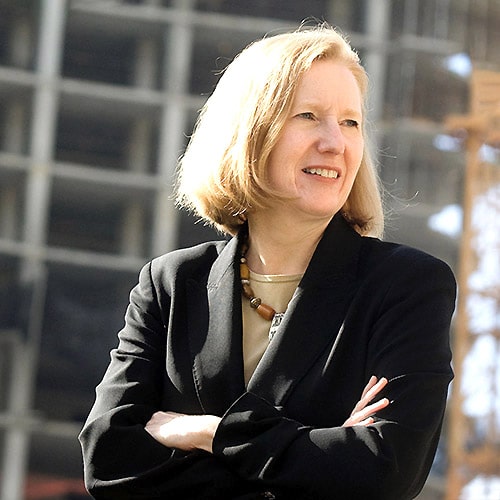
Libby Seifel‘s life is built around big causes. She has spent much of it professionally focused on affordable housing and much of it personally focused on women. Libby’s interest in housing came about when she lived through gentrification in her own neighborhood in Boston. There she saw her own godmother pushed out of her apartment into distressed public housing, and that convinced her that mixed-income housing was a far better solution. She went on to get degrees at MIT in Planning and Urban Studies and became the founding Executive Director of Tent City Corporation, a nonprofit developer of a ULI (Urban Land Institute) award winning, mixed-income housing development in downtown Boston.

Since the 1990s, Libby has run her own consulting firm, advising public and private clients on projects where sustainability and social equity are pursued in equal measure alongside strong financial returns. And she has worked in every part of the Bay Area: Transbay Transit District, Mission Bay, Mission Rock and Hunters Point Shipyard, as well as South San Francisco’s Oyster Point, Mountain View’s North Bayshore and Novato’s Hamilton Field.

When she started out in the 1980s, she says mixed-income housing and sustainable development were considered somewhat of an “oddball” concept. Now she says, they’re widely accepted as good planning. Libby is also the founder of the Women’s Development Collaborative – a network of women leaders doing transformative real estate developments. After more than 30 years in the industry, Libby notes that she is no longer the only woman in the room, and that some of the biggest new projects in the Bay Area are being driven by women.

Insights and Inspirations

  • Libby hopes that Women’s Development Collaborative will become a place where women build collective muscle.
  • If you want change, you need to become involved, or start the process yourself.
  • It can’t be said enough. Women need to support women in every field. Things have gotten better, but we are not there yet. And education and the sharing of our learned experiences with other women is critical.

Information and Links

  • The Women’s Development Collaborative is a network of women leaders who inspire, promote and support women who lead transformative real estate developments.
  • The ULI San Francisco Housing the Bay is a multi-year initiative to find new solutions to overcome the Bay Area’s housing challenges and ensure more people have access to housing that is safe, healthy, sustainable and affordable.
  • Two amazing projects Libby has worked on: The redevelopment of Mission Bay and the Transbay Transit Center District, which have both created mixed income, transit oriented neighborhoods in the heart of San Francisco.
Read the podcast transcript here

Eve Picker: [00:00:15] Hi there, thanks for joining me on Rethink Real Estate. I’m on a mission to make real estate work for everyone. Real estate can help to solve climate change, can house people affordably, can create beautiful streetscapes, unify neighborhoods and enliven cities. So I’m on a journey to find the most creative thinkers and doers out there. I’m not the only one who wants to rethink real estate. You can learn more about me at EvePicker.com or you can find me at SmallChange.co, a real estate crowdfunding platform with impact real estate investment opportunities open for investment right now. And if you want to support this podcast, join me at Patreon.com/rethinkrealestate, where there are special opportunities for my friends and followers.

Eve: [00:01:29] Today, I’m talking with Libby Seifel. Libby’s life is built around big causes. She has spent much of it professionally focused on affordable housing and much of it personally focused on women. Libby’s interest in housing came about when she lived through gentrification in her own neighborhood in Boston. There she saw her own godmother pushed out of her apartment into distressed public housing, and that convinced her that mixed income housing was a far better solution. She went on to get degrees at MIT in Planning and Urban Studies and became the founding Executive Director of Tent City Corporation, a non-profit developer of a ULI, award winning, mixed income housing development in downtown Boston. At that time, mixed income housing and sustainable development were considered somewhat of an oddball concept, says Libby. Now they’re widely accepted as good planning. And then she founded her own firm. She was the only woman in the room when she started her career. Today, that has changed a little, but not nearly enough for Libby, who has founded a quickly growing women’s development collaborative to support women developers. I’m a member of the Women’s Development Collaborative, so I’ve seen firsthand the strength of Libby’s focus. If you’d like to join me in my quest to rethink real estate, there are two simple things you can do. Share this podcast or go to Patreon.com/rethinkrealestate to learn about special opportunities for my friends and followers and subscribe, if you can.

Eve: [00:03:32] Libby, I’m really happy to talk with you today. Thanks for joining me.

Libby Seifel: [00:03:38] Thank you.

Eve: [00:03:39] So I’ve known you for quite some time. I was trying to remember how long that was, but I just couldn’t. It’s been a long time. But still, I was really surprised when I read your resume and you’ve done so much and there’s probably more that you haven’t talked about, which I’m hoping we’re going to talk about today. But I wanted to start with a quote I read that you were going to be a doctor and and I’m wondering what happened.

Libby: [00:04:07] That’s interesting story. So, I think what happened was that I got really, really interested in urban planning and I was actually talking with somebody about this recently that I had the great fortune of having Lewis Mumford as one of my professors, my freshman year in college. And I was coincidentally reading The City and History, which is his famous book. And he was such a wonderful storyteller and really conveyor of what was going on in the earlier part of the 20th century with respect to thinking about what cities could be and how they could be. And so he looked at it both historically and as a visionary, and he was very dedicated to sustainable development. About having development that was holistic, where people could walk to, walk in their communities to the grocery store where they could live together.

Eve: [00:05:16] And that was before this was the thing, right?

Libby: [00:05:18] This was before it was a thing. This was, yeah, it was. I mean, there’s, we can talk about the criticism and there are pieces about the movement that he was part of that was very white focused. So I want to just say that up front. And I understand and and that but this sort of it was kind of the city beautiful, but it was really more country beautiful movement. He lived for it pretty much his whole life after he moved out of New York City, in Amenia, New York, which is an absolutely beautiful part of New York. And if you’ve never driven up the Hudson Valley, it is absolutely exquisite. And Amenia is off the Hudson Valley inland. And it’s a beautiful farming community near the border of Connecticut and on, coincidentally, a rail line that goes into New York City.

Eve: [00:06:11] I’ve been on that train. It’s fabulous.

Libby: [00:06:13] You’ve been on that train. So you know what I’m what I’m talking about. So, and my uncle’s an architect, so my mother never wanted me to be an architect or an urban planner, which is what I am now. She wanted me to be a doctor and specifically she wanted me to be an ophthalmologist. So I was like, no, but I love visual arts and I love visual science. And I actually studied that. So alongside of studying urban planning, I studied neurophysiology and urban, just a lot of urban studies. And and I prepared to be a doctor. And I finally convinced my mom that if I got a master’s in urban planning alongside of my undergraduate degree, I’d be so much more competitive to be a doctor. So, so that’s the funny story. But on a more serious note, I was able to study with Dr. Land at Polaroid on visual art and visual science. And I have a very deep appreciation for the arts and colors in particular. And I like the idea of creating a colorful world where we all can participate and be part of this. You know, it’s the utopic view, but my life is really dedicated to making the world a better place. That’s what I try to do.

Eve: [00:07:41] That’s wonderful.

Libby: [00:07:41] And I think Lewis Mumford and people like him are just very inspirational to us in this field.

Eve: [00:07:50] You were lucky.

Libby: [00:07:50] And I wouldn’t really be here without him. And then actually the other clincher to all of this was that – it’s a story that kind of leads into my career – is that I moved to Boston, I went to school in Cambridge at MIT, and I moved to Boston with my college roommate, who’s now still a very good friend of mine and a real estate developer and investor. And we moved into the South End neighborhood of Boston, which is a really incredible neighborhood now. And then when we moved in there, it was a neighborhood very much in transition and it was a neighborhood very affected by urban renewal. And these were the times when wholesale displacement of people occurred, where they were moved out of their homes. Where a vibrant neighborhood that had been very colorful and dynamic, was changed through urban renewal, and the community had been promised development as part of their protests against urban renewal. They had formed a tent city in protest to say we did not want to be moved. And a group of folks reenacted this tent city event, this demonstration, and I was coincidentally in college at the time and was at a studio that was dedicated to working on studying this site called Tent City, which was the site where this protest had occurred. And so I took the studio and I was forever transformed. I got very involved with the community. I was living there. We really wanted to make this housing happen. We wanted it as mixed income housing. We wanted it to be a resource for the people who have been displaced in the community. And we wanted it to be a place where people of all income levels could live together in a great, absolutely great site in Boston, right next to that Back Bay Station, which ultimately got built. I mean, that’s part of my whole history, but ultimately got built with that vision and that dedication of that group of people totally transformed my life.

Eve: [00:10:14] And that also got a ULI award, right?

Libby: [00:10:17] It did. It did. It got a ULI award. And it is great to visit. It’s right next to Copley Place. There’s a whole story about Copley Place. We could talk about later if you wanted, but it’s next door to Copley Place. It’s next door to Back Bay Station, which is where the Amtrak station is and the light rail. And it’s also next door to the moved underground railway that used to be an elevated railway, a streetcar through Boston, through the South End in a southern part of the South End which was then put into an underground tunnel. And on top of it is the most amazing set of community gardens.

Eve: [00:10:57] Yes, I’ve been in them. They’re stunning.

Libby: [00:10:58] You’ve been in them. And the walkway…

Eve: [00:11:01] That was the Big Dig, right?

Libby: [00:11:02] Yeah, well, it’s not the Big Dig, but the Big Dig is amazing. The Big Dig is over by the waterfront of Boston. This is actually in the Back Bay, South End, part of Boston. It’s the orange line. And you wouldn’t know because you’re going underneath it if you’re riding it. But it is on top of it. There are these amazing community gardens.

Eve: [00:11:25] The gardens are gorgeous.

Libby: [00:11:27] Yeah.

Eve: [00:11:27] Including, you know, community vegetable gardens.

Libby: [00:11:31] Exactly and each neighborhood block actually participated in the design of each garden and walkway at the end of their block. Another mentor and person that got me into this was Ken Kirkmeyer, who lived in the South End, who was the President of Tent City Task Force. And he was actually the project manager that spearheaded this project and worked with the neighbors to create this marvelous place to walk the South End corridor.

Eve: [00:12:04] So Boston and all that really formed your professional path. And where did that lead you? Where are you now?

Libby: [00:12:12] So I now live in San Francisco, across the country.

Eve: [00:12:18] Very different.

Libby: [00:12:20] Yes. But I think sister cities. We’re on the water. We have a long history of progressive politics. Though, it’s quite different out here than it is in Boston and a very, very strong set of values when it comes to preserving history, to recognize the importance of neighborhoods and community and thoughtfulness about design. A lot of architects and designers. In fact, when I when I was making the decision to leave Boston and come out here, I can’t tell you how many people told me not to come because there’s way too many planners out here, urban planners and architects and real estate economists. And it was going to be very hard to move, unfortunately, chose the time to move, which was one of the recessionary times we had across the industry. But it all worked out and I love it here. It’s a beautiful city and the Bay Area is an absolutely lovely place to be. And there are so many challenges and I thrive on challenges. So there are so many urban challenges in the Bay Area to work on.

Eve: [00:13:34] What sort of challenges? What do you work on?

Libby: [00:13:36] Well, first, you know, like in Boston, but even worse, the cost of housing is just phenomenal out here and out of reach of so many people. And it exacerbates the haves and the have nots. So that’s a big challenge that I work on a lot, both as a volunteer and in my profession. It’s also that we have we have to be very conscious of sea level rise, much of the Bay area is on water, as it makes sense, we’re on the bay. We’re on the ocean, San Francisco straddles the Pacific Ocean and the San Francisco Bay. And so, we’re virtually surrounded by water on three sides. And we have the possibility of our downtown in San Francisco being underwater in the not-too-distant future. The history of San Francisco, like Boston, there’s a lot of the city is on fill. We have natural hills that we took down, many of them to build fill, and we filled in a lot of the areas that when you come to visit San Francisco and you’re walking around that land used to be either marshland or ocean, very deep ocean or bay. So actually bay, not ocean, but through the ocean, water intrudes. So that’s a big challenge. We also have earthquakes. Just to keep things interesting. So that shakes us up every once in a while. And we’re at risk of an earthquake, particularly in the East Bay, happening again. So we have to be very conscious of resilience in so many ways. So that makes our our life challenging. And we have we have it’s an absolute blessing and a curse. As many people say, we have the most amazing set of folks in technology. I mean, many of whom are M.I.T. alums and Stanford alums who have formed this tech corridor and biotech corridor that we have all through the through the Bay Area Peninsula and Silicon Valley, which is absolutely amazing and makes our economy incredibly strong and robust. And California’s incredibly strong and robust. But alongside of that, it ends up pushing up the price of land and the price of development so it can make it very hard for small businesses to be successful. Sometimes small retail businesses, the rents can get very expensive. That can make it more difficult for them. So, we have a lot of challenges.

Eve: [00:16:18] So how does that like, how does that color the work that you do? You now have your own company, right? And you do consulting work? And is it mostly around affordable housing or what challenges do you confront in that work?

Libby: [00:16:33] Great question. So, I do a lot more than affordable housing work, but my passion and heart is around affordable housing. I just want to say on one of my volunteer efforts, because I want people to know about this, I’m the co-chair of the Utilized San Francisco Housing the Bay Steering Committee, and we are dedicated to promoting and producing more housing in the Bay Area through our work. And we have an upcoming summit that’s happening June 2nd, 3rd and 4th. This will be our fourth summit that we’ve had where we bring together a very diverse group of speakers from around the world and the United States to talk about the Bay Area’s housing situation, but also more generally, the housing situation across the United States and what are great strategies and tools and best practices that we can use to improve our housing situation. Which includes building all types of housing for all types of people. It’s very invigorating to be part of the housing the Bay effort. And this summit always inspires me every year to do more. And in my practice, I work with a lot of cities and developers that are dedicated to building affordable housing and mixed income housing, which is even tougher to do. Tent City was able to hit the timing right with the funding and the commitment by the city to make that mixed income housing development happen. And it had a unique location, but it’s been it’s very difficult to get the funding together and the financing that is necessary to do mixed income housing at scale. We do have a strong inclusionary housing set of regulations, but here in many cities in the Bay Area, so we do a lot of work and inclusionary housing, which means that a portion of housing is restricted for occupancy or dedicated to occupancy by persons of usually very low, low and moderate income, which is HUD speak is federal housing agency speak for people that earn typically less than the rest of us or about the same.

Eve: [00:19:05] Critical for the function of the city, right?

Libby: [00:19:08]  Right.

Eve: [00:19:09] Often service workers and …

Libby: [00:19:11] Essential workers, yep.

Eve: [00:19:12] And people who keep places going.

Libby: [00:19:15] Yep, exactly.

Eve: [00:19:17] If they live too far out, then those places are not going to work anymore.

Libby: [00:19:20] Exactly. Exactly. And trying to figure out how to do this with the private market. So I work a lot on the private market side. I’m the number cruncher behind the scenes and the strategist trying to work on these projects. And so, we’re constantly trying to thread the needle to figure out how can we keep the private market still building housing while including housing for more people of a greater and more diverse set of backgrounds and incomes?

Eve: [00:19:54] Yeah, it’s a really big challenge.

Libby: [00:19:58] It’s really big.

Eve: [00:20:00] Well, I want to shift gears a little bit, because I also know about another one of your passions, which is also very close to my heart. And that is how to increase the visibility of women in the real estate industry, in particular real estate developers. And so I’ve kind of watched you over the years put together a little group that’s become the Women’s Development Collaborative, and it isn’t so little anymore. And I wanted to talk about that. Where did this come from? Why did you start it?

Libby: [00:20:35] That’s a great question. I guess I mentioned the Urban Land Institute or ULI earlier, and I’ve been a member of ULI now for, realizing it’s been three decades or more. It’s an organization that’s dedicated to advancing development across the world, globally, and since I’ve been involved for so many years. When I first got involved, I was often the youngest person in the room and many of these national conferences, and I was often the only woman or one of the few women. And it was very important to me to find, I guess, soul sisters or wise women in this industry. It had been a struggle in my career at different I know, right, to be the only woman. And it was definitely…

Eve: [00:21:31] I was the only woman developer in Pittsburgh for quite a while. So, I …

Libby: [00:21:35] Yeah. You were? Well, and Eve, I don’t know if you remember this, but how we met was we were at a conference for the Women Presidents Organization in San Francisco.

Eve: [00:21:47] Yes.

Libby: [00:21:47] Many, many years ago, and you and I both were involved in that. And that’s an organization that’s dedicated to women entrepreneurs and building capacity. It’s a peer-based group. It actually also inspired the Women’s Development Collaborative. So it’s worth talking about for a minute in case anybody on the line, a woman entrepreneur, it’s a great group.

Eve: [00:22:09] It’s a great group.

Libby: [00:22:09] But what was incredibly funny was there’s this entire ballroom, one of San Francisco’s largest ballrooms, with tables all across it on a Saturday morning with signs on it of like, you know, are you in consumer affairs? Are you in you know? I don’t know. Do you do retail product, apparel, whatever? But all across the room, everything. There was one table in real estate, and it was at the table. You and I, we were the only ones at the table.

Eve: [00:22:40] And it’s really not a whole lot different today, Libby. What really scares me.

Libby: [00:22:49] It’s true. It’s true. So, I mean, it’s better, we’re working very hard at ULI. So the origin story of the Women’s Development Collaborative goes back to these times. And ULI, which still often continue but have gotten better because a number of women that were part of this informal network of wise women, soul sisters that came together to meet on a regular basis at the spring and fall meetings of ULI, which are national meetings when we get together across the country. And we would meet, whether it was for dinner or breakfast or whatever, and we would share ideas about development and best practices and what we were doing. And one of my mentors, she said to me, well, you need to we need to do something more than this. Like these women’s receptions in these gatherings are fine, but we need to actually make a difference. We need to improve leadership. And so a number of us got together and helped form what’s now called the Women’s Leadership Initiative, or WLI within ULI, which is dedicated to advancing women’s leadership in the entire real estate industry. And that’s been phenomenal and that’s gone on since 2012. And again, anyone in the real estate industry should follow that because WLI is wonderful. But at the same time, there we had this niche group that was really focused on development and we recognize that development itself, which is part of the entire landscape of real estate, that you needed support and nurturing and showcasing. And so we started to alongside of the WLI activities, I continue to organize with a lot of other women, events around this spring and fall meetings where we would showcase women developers. We’d go tour their projects, we hear from them, we learn from them. And it’s just been so inspiring to see these projects.

Eve: [00:25:02] It really has been.

Libby: [00:25:03] And then we had to go virtual because there was no Toronto meeting. And so now we’re online. So, you can find us at the Women’s Development Collaborative online. And we are really trying to build our presence across the United States and Canada. We have a number of women involved from Canada to really promote and advance women’s success, leadership, innovation and collaboration and building transformative developments.

Eve: [00:25:35] I need to tell you, like I I was also a member of ULI for many years, and then I stopped my membership because I really didn’t feel like I belonged there, for a couple of reasons. One was the whole woman thing. But also, I was working on quirky, small interstitial urban projects. And when I was a member of ULI just there was there was nothing there was no one talking about that. So I stopped attending. And actually, when you started inviting me to the Women’s Development Collaborative meetings was when I decided to join again because I finally felt like there was sort of a space emerging for developers like myself. That and the small-scale development group, which has been also pretty wonderful to see emerge. But I think…

Libby: [00:26:28] Yes, yes.

Eve: [00:26:29] Times are very different, but it is incredibly inspiring what you’re doing and you have a lot of stick-to-it-ness. And it’s also very frustrating to see how slowly things have changed. I mean, what do you think about that, for women? It’s very slow.

Libby: [00:26:43] Yeah, it is really slow, but it is it is getting better bit by bit. You know, it is, I was looking at some data and it is it is improving, but it is very, very hard. And it’s I think that, you know, I, I think that a couple of things that we have to think about and think about deeply, which is that in addition particularly to the history of African-Americans in the United States and their inability to first secure and hold property or even keep property right after the civil war. Property was actually stolen away from them, it was often stolen away back from Native Americans as well. So, we have had a history in our country of not respecting and honoring property for persons of color. But at the same time, when we think about the history and it’s not just of the United States it’s of the world, women were not allowed to own property. And it also varied state by state. And I believe it still does. And a lot of states that there are different rules that make it very hard for women to hold property or to transact. So it’s not just discrimination in the sense of how you show up. Like if you’re a woman, you’re obviously different as you enter a room, but it’s also the rules by which we play. So getting through the those rules…

Eve: [00:28:21] Not just the rules, but the culture that those rules perpetuate,

Libby: [00:28:25] Yeah, and the culture.

Eve: [00:28:25] Because even if there are no rules there, you know, I have to say I, I own a small portfolio of buildings and I have two female bankers to thank for it. Without them, I would not own that portfolio of buildings, which is really an extraordinary thing to say, right?

Libby: [00:28:44] It is. It is. And, you know, that’s part of what WDC is trying to work on. I mean, we have we have a lot of ambitions and it’s and it’s hard to even figure out what to prioritize because there’s so many challenges. But alongside of really promoting women developers, we want to expand women in the workforce and the development supply chain for developments because of exactly what you said, that we need more women bankers. We need more women equity investors. I mean, that’s something we want to talk about, right? That that women just aren’t investing as much as men.

Eve: [00:29:24] Oh yeah, women investors. Why do women not invest? I don’t understand.

Libby: [00:29:32] Well, and I think it’s I think there’s a history of this. Like I think there’s an education process. I mean, that’s partly what WDC is a big part of our mission is to educate. But I’m now recognizing it’s not just educating and building up women developers like educating ourselves about each other or, you know, the service providers, introducing them to women developers. It’s also about educating the broader community. I was listening to your podcast with Stephanie Gripne and I absolutely loved the conversation that you had about the fact that in essence, you know, part of this is a perception issue that if we think about it, everyone is an investor, as Stephanie said. She said when we make a choice to buy, she used buy milk. That was her analogy. When we buy milk, we make a conscious choice whether we’re realizing that it’s conscious or not, that we’re using milk. We’re choosing a type of milk that’s sold by a certain company. And we may be choosing it based on price, but we may be choosing it based on the fact that we recognize the farms or the farms where it came from. Or in these days, we might be making a choice not to buy cow milk. We might be buying almond milk or soy milk, and we may be looking at how that was grown. So we have to, I think women are the biggest consumers in our country. So struck by this, after I listened to that podcast, that we are the ones that we lead the buying. If you look at all the consumer surveys, women are the buyers in our society. We are the retail shoppers. We love to shop. We do comparison shopping, et cetera, et cetera. We need to learn as women how to do the same thing with real estate investment. We need to get educated about it, it’s it’s a much different world than buying milk, but at the same time it is it is how the milk is, where the milk sits right in our society, these buildings.

Eve: [00:31:49] What’s interesting to me, if I think about researching where milk comes from, so I can make an informed decision, that makes my brain hurt compared to understanding a real estate project and what I might invest in. So I think it’s partly what you’re trained in, what you learn, how you’re educated. It’s not I don’t think it’s harder to do. It’s just different.

Libby: [00:32:12] Yeah, yeah, yeah. No, you’re absolutely right. It’s it’s not harder to do. It’s just different. But we’re not educated in it. I mean, I don’t know how you feel about this, but I never learned really what I do today. Like when I was in school, they didn’t teach me what I what I practice right now. I learned real estate by reading books, honestly.

Eve: [00:32:39] Oh. How did I learn Securities Law? Yes, yeah.

Libby: [00:32:46] Yeah, exactly. Like reading books so and getting educated in it. And now I mean I’m grateful. I’m able to teach, I’m teaching now at UC Berkeley. I’m a lecturer part time, but I just absolutely love being able to teach. And what I recognize is I teach public private partnerships, which is a lot of my work is how to get the public in the private sector to work together, whether it’s on a deal that the public sector is sponsoring or whether it’s just a deal a private developer wants to do. And they need the support of the public sector, which is pretty much every project ever.

Eve: [00:33:24] Yes, that’s right.

Libby: [00:33:26] Especially in the Bay Area. If you don’t have public support, you’re not going to get your project. And what I recognize is there are so there are so few classes that actually teach people how to do this and how to do it well or how to do real estate development and how to do it well. Luckily, ULI has offers a lot. And as you said, the you know, the small scale development council, that they focus on that and have some great trainings through ULI. But it is not something that is taught to the average person. It’s not like we go to school and we learn about how buildings are built.

Eve: [00:34:03] Right.

Libby: [00:34:03] And so I think we have to start to educate the general population and in our case with the women’s development, collaborative women in particular, and including women in our field, because what I’m even finding out is through the WDC, I’ve been asking women like, do you invest in real estate? And the answer is often is pretty much no, we don’t we don’t know. We don’t know how to do it. We don’t understand it. So that’s a mission for someone in our and where…

Eve: [00:34:39] I can sense a class coming along that you and I can conduct.

Libby: [00:34:43] Exactly. I’m so excited about this. I really want to do this, Eve this spring or summer. I want to do a class in how to invest in real estate and why. It’s like how to invest in real estate and why should we care and why should we do it. And I think it’s critical.

Eve: [00:35:01] Yeah, it’s also something else about real estate, you know, that I think over the last few decades, everyone’s been trained to think about quick returns. And real estate isn’t that. You just have to think about the long haul.

Libby: [00:35:19] Right.

Eve: [00:35:20] And I’m always stunned when I hear from people saying I invested there and they’re going to give me my money back in six months. Can I do that in real estate? And I’m like, no, what can you do in six months in real estate? It’s, it’s a different thought process.

Libby: [00:35:38] It’s absolutely a different thought process. And I also think that the real estate is much more long term in the investment horizon that many capital providers, meaning institutional and private investment capital, which is what fuels a lot of real estate development in the United States and across the world. It is usually focused on five-to-seven-year time horizons. And in terms of equity investment, a lot of the money that is coming in. So, their preference is that they can make their money back, they can get their money back and a return within a five-to-seven-year horizon. And that puts you on the one hand, it puts a certain discipline in the market, but it also means that it goes at counter purposes for, you know, the idea of patient capital, because buildings are they’re going to I mean, if we build them well, they should last for a very long time, if not forever, like they do in Europe. And some buildings have a lifetime. Kind of you think at a minimum of 50 years, if we’re doing a good job, that should be the minimum life and hopefully it’s much longer than that. So the time horizons have to be much longer. But as you said, you know, in many consumer markets, it’s a much shorter time horizon, six months or a year. It is just not it’s not realistic in real estate.

Eve: [00:37:15] Tell me, how much has WDC grown since you started it? How many members how many of your meetings and what do you do now that it’s covid-19.

Libby: [00:37:28] Right. Right. So so first of all, we are very much still a start-up organization. We’re reaching out to anyone that’s interested in joining, please Google Women’s Development Collaborative and reach out. Our organization has about I guess we have 400 to 500 women on our email list and our LinkedIn group now I think it’s around 300 people. So it’s still very much a growing group. Our meetings are intentionally intimate and small, usually 30 to 40, maybe 50 people, 50 women. We are intentionally keeping this focused on women. We are trying to think about how do we bring in men as allies, because that’s critical, particularly as we start to think about some of our next goals of what we want to do as an organization. But the goal of WDC is to really build our capacity and to create a safe space for us to as women, to be able to provide advice and guidance to other women and to be open about our deals and what we’re what we’re experiencing and to provide advice. So that’s the scale we’re at. And I think to myself, how big do we really want to be? Do we want to be another ULI? What is the scale that we really want to be at, and I and I think it’s a, it’s a question that we have to ponder as the group of us, because I think we cherish having the ability to know one another and to get to know one another. So, we want to keep that part of WDC alive because it’s so important to all of us.

Eve: [00:39:22] So this year, programming is changed because of the, at least last year, because of the pandemic.

Libby: [00:39:27] Yes.

Eve: [00:39:28] And I thought as I watched it, it was sort of an amazing opportunity. To move this group along a bit fast and not be reliant on ULI meetings twice a year and the people who can afford to show up there.

Libby: [00:39:42] Yes, yes, that’s true. It is. That is one thing about being online that we can provide better access to, just across the country and people can access it. We will definitely keep an online program, even if we could hopefully go back to meeting in person, maybe even as early as this fall in Chicago at ULI. But what we what we have right now are a series of programs that we’ve been evolving. You do such an amazing job at Small Change in branding. I’ve learned so much from you about this.

Eve: [00:40:23] Thank you.

Libby: [00:40:24] And really, it’s incredible. And one of the programs that we have very much inspired by you and this podcast, though I didn’t even know when I when I was first thinking about it, I didn’t even realize you were on this podcast quest. And then when I started talking with you, you actually agreed to be the first person to participate. And it’s called In Conversation with Developer. So, it was in conversation with the developer, Eve Picker. And we’ve done a series of these. And each conversation is just so fascinating like this. Your podcast about how did the women make the decisions they did to be developers, who has provided them support along their way, etc. So those have been really, really inspiring. We also have these project forums that are dedicated to helping women developer and emerging developer present the challenges that she’s facing regarding her development project and receive advice from a panel of seasoned professionals to help her overcome these challenges. And thankfully, Eve, you also participated on one of those project forums as well, were you able to be part of a panel to provide advice? We call it kind of instead of a shark tank. It’s a guppy tank. It’s a place it’s a safe space where people can feel comfortable and really get honest advice about how to move forward. So, we’ve had several of those. We’ve we’re doing three this year. We’ve had three already last year in the year before. So, we’re building our program there. So, if anyone out there is an emerging developer, that’s an option for you to consider. And then I’m just going to do one other program. We have a number of others. But the other one I want to talk about is the investment forum, because this is where tying to our discussion earlier, we are really trying to build our collective muscle to invest in and advance successful development partnerships. And that investment forum is featuring conversations with women developers and investors about how deals are done. And it’s actually a learning experience for developers and potential investors. So that’s what we’re dedicated on. And that’s the program where I really want us to collaborate on thinking about how. How can we get more women in the investment world?

Eve: [00:43:03] Yes, that’s critical. So what are some potential strategies you’re thinking about for promoting investment or encouraging women to invest?

Libby: [00:43:16] So we’ve been working on an investment framework that’s a gender lens framework for how we could evaluate investments in women led developments. And that’s been a process. We’ve been very informed by the Small Change metrics and thinking about how crowdfunding could be a potential tool to encourage investment in women led developments. But we also realized that we needed to define what we meant by women led development, and we needed to think about the whole ecosystem, like I talked about earlier, about all the women that could contribute to it. So we’re focusing right now on WDC taking on four dimensions of activities to empower women developers to expand economic opportunity, which means expanding women in the workforce and the development supply chain, as we talked about earlier, expanding access to capital. So building on the same theme. So, both getting women, individual women investors to invest in real estate, but also just to promote investment more broadly from men and women and institutional corporations in development. And then we want to make sure that these developments benefit women and communities, and so we’ve come up with a set of principles and you and I speak. There’s a lot of 10 principles books. So, we have 10 principles of transformative development that benefit women and communities. And we’re using these four criteria, these four activities, as a way to measure women developers and their development to provide recommendations. So the screening process to provide recommendations to women and to men about developments that they may invest in. So, four lenses are women in leadership in development, women in the supply chain and workforce, women capital providers and benefiting women and communities. And out of these criteria, we developed 10 questions. We spent a long time actually refining these 10 questions that really it was more like 15. We refined it went through a number of rounds. And what’s really been great is we had this whole community of women developers who’ve beta tested this scoring process a lot. And you were one of them. So, thank you so much, Eve.

Eve: [00:45:53] It’s great.

Libby: [00:45:54] Women from around the country and we learned a lot through this beta testing. And we think we have an investment framework that can work alongside of the Small Change index and other crowdfunding platform.

Eve: [00:46:09] And other ESG indices, right? Like…

Libby: [00:46:13] Yes.

Eve: [00:46:13] It’s a very particular woman-centric real estate lens. It’s great.

Libby: [00:46:20] Yeah. And so what we’re hoping to do, our next step is that we are really trying to work on the strategies that are going to enable us as a small organization, you know, where can we make impact first and how can we make impact first? But our hope is to actually encourage some individual investment and crowdfunding investment in specific real estate developments that will be placed through this investment framework lens. That’s our first goal.

Eve: [00:46:52] It’s pretty big.

Libby: [00:46:54] It’s a big goal. It’s a really big goal.

Eve: [00:46:56] It’s a very big goal. So, I have to wrap up and I just have one final question for you, and that is, what are you most excited about right now?

Libby: [00:47:08] It’s so many things that I’m working on, but I think what I’m most excited about with WDC and my work generally is just the number of wonderful young and emerging women developers and and women who want to be developers. There is this community of women that are both really younger and older. It’s women who’ve been in their careers in real estate for a number of years. For example, a woman architect who’s decided that she wants to be a developer after having been leading her practice for a number of years and is actually her first project, is going to be building a building for herself and her community of professionals that she works with. So the building will be bigger than just her architectural practice. It will include others in it as well. And then younger women developers who are starting out, who are really interested in changing the world and in leading development companies. And it’s very exciting to talk to them and hear what they’re doing and how they’re going about it and trying to support them. We have another colleague that you and I know who is developing is working on a mixed use project in her community that is going to be transformative for that community, be a place where people can gather. And whereas she says one plus one can equal much more than that. And that’s Molly McCabe, who you’ve also interviewed here in your podcast.

Eve: [00:48:50] Yes.

Libby: [00:48:51] So I just thought that constantly inspires me to have to just have that sense that there is this community and this future of women in development that we can encourage and build upon, which is fabulous.

Eve: [00:49:06] Well, thank you so much for your time, Libby. I have really enjoyed our conversation and I’m going to be seeing a lot more of you.

Libby: [00:49:14] Yes, I’m looking forward to it. Thank you so much, Eve.

Eve: [00:49:32] That was Libby Seifel, Libby’s career has been one built from her heart. First, she worked on affordable housing concepts that were ground-breaking at the time, having witnessed firsthand how crushing gentrification and displacement can be. And now she is focused on the small number of women in the room. She has puzzled over the years, as have many of us, why there are so few women who take the leap into real estate investment and development. She intends for the Women’s Development Collaborative to be a safe place for women who are testing the waters to land. A place where they will be supported by their peers as they emerge as women developers. Please share this podcast so that more women learn about Libby and the Women’s Development Collaborative. You can find out more about this episode on the show notes page at EvePicker.com or you can find other episodes you might have missed or you can show your support at Patreon.com/rethinkrealestate, where you can learn about special opportunities for my friends and followers. A special thanks to David Allardice for his excellent editing of this podcast and original music. And thanks to you for spending your time with me today. We’ll talk again soon. But for now, this is Eve Picker signing off to go make some change.

Image courtesy of Seifel Consulting/Libby Seifel

Housing in the middle.

April 12, 2021

Zoning in America. It’s a vast set of regulations which determines where and what you can build, how high and how close to your property line your building can be, how much of your land you can occupy, how much parking you need to provide and what type of tenant can occupy your property.

Once upon a time nuisance laws were the only way to regulate building disputes, with a judge deciding the outcome. In the early 20th century as cities grew and buildings became larger and taller, this process became unwieldy. The Equitable Building in New York changed all that. Completed in 1915 it was said to cast a 7-acre shadow over surrounding buildings and became the catalyst for the first comprehensive zoning code passed by the city of New York in 1916.

Skip forward one hundred years and we might just be back to where we were in the early 20th century. Zoning has become a behemoth. Many cities are using 50-year-old zoning codes which have had many bandaids applied to them over time, making them out-dated, complicated and far too long. Most importantly, over the last 50 years for the most part zoning has not changed sufficiently to reflect the sometimes rapid changes in our cities. There’s a shift in how people want to live. Sprawling suburbs no longer offer the kind of lifestyle that many Americans are looking for. They want a more sustainable lifestyle in a walkable urban context. And what’s missing is the housing typology, in between single-family detached and large apartment complexes, that’s required to fulfil this need. 

The idea of this ‘missing middle housing’ was framed by Daniel Parolek, architect, urbanist and the founder of Opticos Design. Missing middle housing was born just as the critical absence of affordable housing was becoming a major planning issue for cities nationwide. As a result, Daniel has become a high-profile advocate for zoning reforms that would allow for ‘the right kind of density.’ More people, less parking, walkable neighborhoods and broader demographics.

Listen in to my conversation with Daniel.

Image from Pixabay

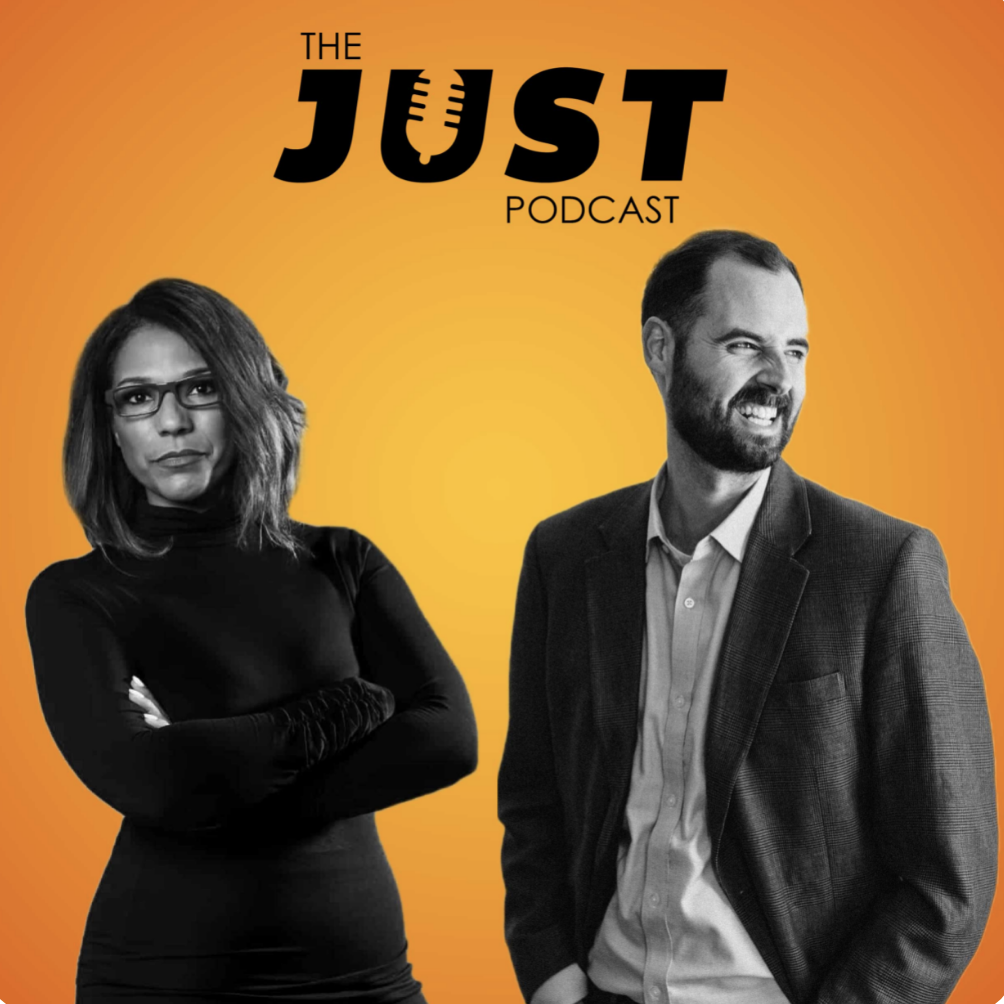
The JUST Podcast.

April 5, 2021

The JUST Podcast tells the stories of the people working to build thriving communities rooted in justice.

In this episode, Derigging the Real Estate Game (Season 3, Episode 3), Eve Picker, founder and CEO of Small Change, is interviewed by JUST co-hosts Jes and Rob. Eve shares insights on the nature of exclusivity in real estate, and what led her to pursue Small Change.

You can listen here or wherever you stream your podcasts! 

Image from The JUST Podcast.

Just is powered by Coastal Credit Union & the Cap

Between renting and home ownership.

March 29, 2021

Home ownership has traditionally been considered a part of the American dream, providing economic benefits such as wealth accumulation, access to credit and a built-in saving system. Home ownership also provides housing security and a connection to place. But many Americans may never own a home. The challenges for first-time home buyers, skewed worse for minorities, include coming up with a down-payment, overcoming regulatory burdens and obtaining adequate credit.

The alternative to home ownership is renting a house or apartment, which has a lower barrier to entry. Renting provides more flexibility by allowing tenants to move without penalty at the end of a lease. On the flip side, it decreases housing security. A landlord might suddenly decide to sell, causing tenants to have to vacate. Or gentrification could cause rents to increase until they become unaffordable. And saving money without the advantage of a mortgage can be daunting.

Max Levine’s organization, NICO (Neighborhood Investment Company), wants to create a new housing typology – something halfway between renting and home ownership. Modeled as a B-Corp, NICO has launched what they believe is the world’s first neighborhood REIT (real estate investment trust) in Echo Park, Los Angeles.

Echo Park, like many other neighborhoods today, has experienced a significant amount of gentrification. This means that many members of the community are excluded from home ownership. NICO wants to help them to build wealth and belonging and let them participate as primary financial stakeholders. Using a REIT structure and applying it at the local level allows every day people to have a financial stake in their own neighbourhood.

Shares in NICO sell for as little as $100 and stakeholders can choose to make either a one-time investment or a long-term commitment through monthly payments. Open to both locals and non-locals, the REIT offers two classes of shares with some additional benefits attached to those for local shareholders. In addition, each of the tenants in the buildings owned by NICO have been given $1,000 worth of shares. 

Listen in to my conversation with Max Levine as we unpack this interesting new model.

Image courtesy of Max Levine/NICO Benefit Corp.

« Previous Page
Next Page »

Primary Sidebar

sign up here

APPLY TO BE A PODCAST GUEST

More to See

(no title)

February 22, 2025

Bellevue Montgomery

February 11, 2025

West Lombard

January 28, 2025

FOLLOW

  • LinkedIn
  • RSS

Tag Cloud

Affordable housing Climate Community Creative economy Crowdfunding Design Development Environment Equity Finance FinTech Gentrification Impact Investing Mobility Offering Opportunity zones PropTech Technology Visionary Zoning

Footer

©rethinkrealestateforgood.co. The information contained on this website is for general information purposes only. Nothing on this website is intended as investment, legal, tax or accounting strategy or advice, or constitutes an offer to sell, solicit or buy securities.
 
Any projections discussed or made may not be accurate and do not guarantee a specific outcome. All projections or investments are subject to risk due to uncertainty and change, including the risk of loss, and past performance is not indicative of future results. You should make independent decisions and seek independent advice regarding investments or strategies mentioned on this website.

Recent

  • The Mulberry
  • Mount Vernon Plaza
  • The Seven
  • Real estate and women.
  • Oculis Domes.

Search

Categories

Climate Community Crowdfunding Development Equity Fintech Investing Mobility Proptech Visionary


Copyright © 2026 · Magazine Pro on Genesis Framework · WordPress · Log in