• Skip to main content
  • Skip to secondary menu
  • Skip to primary sidebar
  • Skip to footer
  • Home
  • About Us
  • Say hello
Rethink Real Estate. For Good.

Rethink Real Estate. For Good.

  • Podcast
  • Posts
  • In the news
  • Speaking and media
    • About Eve
    • Speaking requests
    • Speaking engagements
    • Press kit
  • Investment opportunities

Development

Housing in the middle.

April 12, 2021

Zoning in America. It’s a vast set of regulations which determines where and what you can build, how high and how close to your property line your building can be, how much of your land you can occupy, how much parking you need to provide and what type of tenant can occupy your property.

Once upon a time nuisance laws were the only way to regulate building disputes, with a judge deciding the outcome. In the early 20th century as cities grew and buildings became larger and taller, this process became unwieldy. The Equitable Building in New York changed all that. Completed in 1915 it was said to cast a 7-acre shadow over surrounding buildings and became the catalyst for the first comprehensive zoning code passed by the city of New York in 1916.

Skip forward one hundred years and we might just be back to where we were in the early 20th century. Zoning has become a behemoth. Many cities are using 50-year-old zoning codes which have had many bandaids applied to them over time, making them out-dated, complicated and far too long. Most importantly, over the last 50 years for the most part zoning has not changed sufficiently to reflect the sometimes rapid changes in our cities. There’s a shift in how people want to live. Sprawling suburbs no longer offer the kind of lifestyle that many Americans are looking for. They want a more sustainable lifestyle in a walkable urban context. And what’s missing is the housing typology, in between single-family detached and large apartment complexes, that’s required to fulfil this need. 

The idea of this ‘missing middle housing’ was framed by Daniel Parolek, architect, urbanist and the founder of Opticos Design. Missing middle housing was born just as the critical absence of affordable housing was becoming a major planning issue for cities nationwide. As a result, Daniel has become a high-profile advocate for zoning reforms that would allow for ‘the right kind of density.’ More people, less parking, walkable neighborhoods and broader demographics.

Listen in to my conversation with Daniel.

Image from Pixabay
Mass timber for the masses.

April 7, 2021

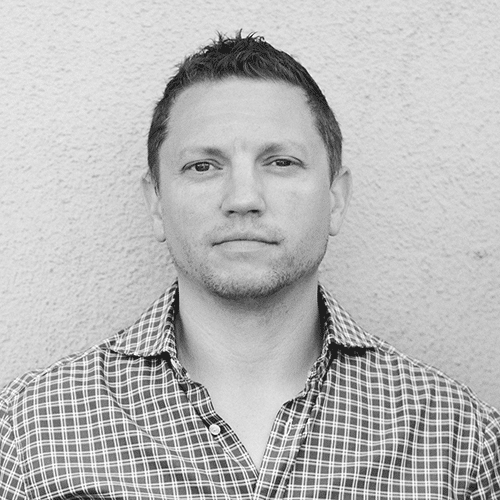
Scott Ehlert is the co-founder of Fabric Workshop, a company focused on low carbon, mass timber building technologies for California’s livable future. Scott is designing a proprietary hollow core mass timber plate, column, and wall system that uses 50% less wood fiber and will cost 10-35% less overall than for a CLT (cross laminated timber) structure. The system will also provide installation benefits like integrated MEP (mechanical, electrical, plumbing), acoustic insulation and fire performance. And, as if that is not enough, Scott is also designing a robotic fabrication facility to anchor a new wood product innovation campus, in California.

Scott’s background is an unlikely one for an entrepreneur in mass timber. He spent years in the  production and logistics management of concerts, private and corporate events, and national experiential marketing campaigns before pivoting to system design strategies that leveraged research, data and design to meet high-level business objectives.

While consulting for some of the largest companies in the real estate and construction space, Scott recognized a massive need for desirable middle-income housing that wasn’t being met by the market. So, he left his agency and started on the journey of what would become Fabric Workshop.

This is a story of sheer stick-to-itness!

Insights and Inspirations

  • The mass timber industry is actually being accelerated by forest fires. The neglected undergrowth throughout 32 million square miles of forest in California, has became the perfect kindling for infernos. California (and Scott) are determined to turn that kindling into an industry.
  • Scott is focused on the “next generation” of mass timber products. This is a “cassette system” – a hollow-core system of wood housing building systems, insulation and more. These systems are already being used in Japan and Europe with great success.
  • Kick-starting an industry around this model could both reduce building costs and potentially aid in filling the huge deficit of housing in California.
  • And if this is not enough of a challenge to solve, Scott is also designing and building an automated and robotic manufacturing facility to build his cassette systems.

Information and Links

  • The Nature Conservancy: Let’s stop megafires before they start!
  • Scott also wanted to point to this New York Times article about leaps forward in construction and design using engineered wood.
  • And this piece from ProPublica, on ways to keep people and homes safer from wildfires.
Read the podcast transcript here

Eve Picker: [00:00:14] Hi there, thanks for joining me on Rethink Real Estate. I’m on a mission to make real estate work for everyone. Real estate can help to solve climate change, can house people affordably, can create beautiful streetscapes, unify neighborhoods and enliven cities. So I’m on a journey to find the most creative thinkers and doers out there. I’m not the only one who wants to rethink real estate. You can learn more about me at EvePicker.com or you can find me at SmallChange.co, a real estate crowdfunding platform with impact real estate investment opportunities open for investment right now. And if you want to support this podcast, join me at Patreon.com/rethinkrealestate, where there are special opportunities for my friends and followers.

Eve: [00:01:18] Today, I’m talking with Scott Ehlert, co-founder of Fabric Workshop, a company focused on low carbon, mass timber building technologies for California’s livable future. Scott is designing a proprietary hollow core mass timber plate column and wall system that uses 50 percent less wood fiber and will cost ten to 35 percent less overall than for a CLT structure. His system will also provide installation benefits like integrated MEP, acoustic and fire performance. And as if that is not enough, Scott is also designing a robotic fabrication facility to anchor a new wood product innovation campus in California to help in the state’s wildfire efforts. Scott’s background is an unlikely one for an entrepreneur in mass timber. He spent years in the production and logistics management of concerts, private and corporate events, and national experiential marketing campaigns before pivoting to system design strategies that leveraged research, data and design to meet high level business objectives. While consulting for some of the largest companies in the real estate and construction space, Scott recognized a massive need for desirable middle-income housing that wasn’t being met by the market. So, he left his agency and started on the journey of what would become Fabric Workshop. This is a story of sheer stick-to-it-ness.

Eve: [00:03:04] If you’d like to join me in my quest to rethink real estate, there are two simple things you can do. Share this podcast or go to Patreon.com/rethinkrealestate to learn about special opportunities for my friends and followers and subscribe if you can.

Eve: [00:03:33] Hello Scott, I’m so pleased to have you on my show.

Scott Ehlert: [00:03:37] Thank you. Yeah, good to be here.

Eve: [00:03:39] So you’ve had a fascinating and pretty astounding career, from concert and event management to design and strategic consulting, to property technology. So, I wanted to start with what you’re doing right now. What are you doing right now?

Scott: [00:03:57] Yeah, great question. Yeah. So we are, I’ve created a company called Fabric Workshop and we are pioneering a new next generation mass timber manufacturer. We manufacture in California and a fabrication, a digital and robotic fabrication facility to bring those next generation Messmer panels to life.

Eve: [00:04:20] So what does the next generation mass timber panel mean?

Scott: [00:04:26] Yeah, so, you know, we kind of started our journey looking at the cost of housing. And, you know, as you mentioned, I worked as a design strategy consultant for many years and I kind of had run my course in that in that career and was looking for something new and something for, you know, a bit more impactful. And really started looking at housing, which was the most kinda pressing thing in my life as I was starting a family and seeing how so many of my friends and peers in California were leaving the state because of the cost of housing or were in a constant state of financial and mental pressure due to housing. And I also consulted with quite a few really large companies, just by chance in my design consulting days, worked with some of the largest companies in the housing and real estate space in the United States and just saw this, you know, kind of looming existential crisis around housing affordability. And, you know, when the housing affordability comes up, we love to kind of cut out the perennial teachers and firefighters, as you know, our benchmarks for who can afford housing. But what we were seeing was that housing was really kind of impacting bankers and doctors. We were you were talking to doctors who were having to have roommates in the Bay Area because they couldn’t afford the housing.

Eve: [00:05:54] Wow.

Scott: [00:05:54] And so there was this kind of big, big question of like, how do we make housing? How do we create housing in California that’s affordable to middle income folks we traditionally call the middle-class. And so that started us down a really long journey and looking at just a year long process of just listening and asking questions and sitting in the back of rooms and talking with as many folks in the in the industry as possible. And it became really clear that how we build and the type of projects we build were really kind of fundamental to, this seems kind of obvious, the kind of fundamental to the cost of housing. And so, you know, we really started to look at how we can build things differently and what with the technologies available out there to help them offset these costs.

Eve: [00:06:53] So let’s back up a bit. Like for some people listening, they may not know what mass timber is, which is kind of all the rage in the architecture building industry, but perhaps not something that most people know about.

Scott: [00:07:06] Yes, so mass timber is kind of the catchall phrase for what is a range of engineered wood products similar to glulam beams. The most prominent is cross-laminated timber or CLT. And that’s, the that’s the type that you’ll see turning up most often. And what CLT is, is just that, it’s cross-thatched, and kind of cross-threaded dimensional lumber, 2x6s and 2x4s, laid out in a giant press with glue. And then that press puts extreme pressure on those panels and that glue and turns it into essentially a giant butcher block. It turns it into a more or less a solid piece of wood. And those panels can be 12 feet tall and 12 inches wide and 40 feet long or larger, in some cases.

Eve: [00:08:00] Smaller, non-structural pieces of wood, glued together and engineered in such a way that they become much larger structural elements.

Scott: [00:08:09] Yes. And then they take on some really incredible structural properties. So, you know, they are stronger and lighter than steel. Stronger and lighter than concrete. You know, it’s an incredible product. It has been widely adopted in Europe and into East Asia and Japan. And it’s just starting to kind of trickle up in the United States. And as you said, it’s kind of all the rage right now. Everybody’s talking about CLT and there’s a lot of hopes and prayers being put on CLT as the, you know, the silver bullet that’s going to save us from our cost of housing.

Eve: [00:08:46] So it’s cheaper than steel and other structural elements. Is that what you’re saying?

Scott: [00:08:52] Um, no, that’s kind of the problem, that’s the that’s the challenge with it, is that while it does have these incredible attributes, you know, speed of construction is one of them. You know, these are essentially printed building panels. You know, you can get an entire wall or, you know, five, half a dozen panels to make an entire floor plate of a large building. And so you’re seeing buildings, you know, eight story buildings go up in two weeks. Right. It’s all crammed in. It’s all kind of flat packed like, an IKEA footer. Pre-cut, pre-manufactured, there’s no saws on site, no hammers. You know, nobody’s doing anything manual on site. They’re just essentially cramming these giant plates into place and a small crew catching the plates and then screwing them into place with some really advanced metal connectors to hold this together.

Eve: [00:09:51] But the materials themselves are expensive…

Scott: [00:09:54] Right.

Eve: [00:09:55] But you’re saving, you’re saving time on the site. You’re saving uncertainties like weather. Because they are factory built.

Scott: [00:10:03] Yes, exactly.

Eve: [00:10:05]  Insurance you’re saving.

Scott: [00:10:09] Yeah. Insurance is still kind of a question mark. It’s still very new in the US. So, the insurance has not quite caught up yet, but it is completely a completely safe product that has to go through a very rigorous testing process called PRG 320. And that is the fire certification process. And it’s also been the new international building codes updates around mass timber and CLT. So they’re able to build much larger buildings now. So, you know, 18 plus stories, large warehouse facilities, distribution centers, you know, these very large type two, type four type structures can now be built with mass timber.

Eve: [00:10:47] So, in balance then, if you can save all of these site costs, will it provide a less expensive solution? And especially for, you know, what you’re focused on, which is what I understand, the missing middle housing, those smaller infill lots that maybe are not as efficient as a huge 800-unit building, but certainly helped to kind of just stitch cities together, right?

Scott: [00:11:17] Yeah, exactly. So, when we were looking at CLT, we want to have all of the benefits of CLT, but without the biggest drawback and the biggest drawback of CLT, or there’s a couple of other variants like DLT, which is dowel laminated timber, which is they use wooden dowels to connect the boards together, or NLT, which is nail laminated timber, which is just that the boards are stuck together with nails. The biggest drawback with them is, with those technologies, is they just use a lot of wood. There’s just no way around it. It’s a giant butcher block and so, you know, and it uses dimensional lumber, the same lumber that stick frame builders use and modular builders use. You know, when you go to Home Depot and buy, you know, Doug fir for your deck, that’s the same stuff that goes into CLT. And so, you know, it’s a commodity product and they’re using a lot of commodity product. It’s susceptible to high prices and that there’s just no way around that. And so, you know, I don’t know how anybody that started a CLT project a year ago is going to make those projects pencil today. What, the cost of dimensional lumber up to, what, two hundred percent or something like that over year over year. Right?

Eve: [00:12:34] Why is it up so high?

Scott: [00:12:36] Yeah, so…

Eve: [00:12:37] I’m sorry. I’m completely new to this so I’m learning.

Scott: [00:12:40] Absolutely. Yeah. Yeah. No, this is you know, we are we are incredibly focused on the forestry and supply side. You know, we are kind of a hybrid between a housing prefab re-manufacturer and a forestry company, in particular the wildfire side, so I can definitely share more on that. And so, yes, you know, the implications on the lumber costs are, have a big, big impact. And lumber prices were already going up, right, there was just limited supply. There’s limited companies involved in the forestry space. And everybody’s going out to the same suppliers, like, you know, in the US. Dimensional lumber on the West Coast comes primarily from British Columbia, Washington and Oregon. And Idaho and Montana to a lesser extent. But those are the three kind of major producing markets and everybody’s buying it. Right. And even if you’re on the East Coast, a lot of people want that, like the aesthetic and material qualities of West Coast feedstock. And it’s primarily Doug fir. That’s what everybody wants. And so there’s just high demand, it’s just a supply and demand, and then Covid came and just threw a giant wrench into all of that. The mills shut down, the logging shut down, and everybody thought the housing and construction industry would collapse with Covid. But just the opposite happened. There was a huge remodel boom, a huge push for new homes in the suburbs. People were trying to get more space. And so the macron effects of that are that an industry that was already under high demand pressures is now under extreme demand pressures. And then they took their capacity offline for a period of time with Covid. And now they’re just trying to play catch up. And the industry in 2019 is already at record highs. And now we are just, it’s just through the roof, you know, OSB board, plywood of all that down the stack is all impacted by this. And so, when prices are just really high so CLT or DLT, NLT that’s just going to be less price competitive now than they were before.

Eve: [00:15:00] Interesting. So let’s go back to what you’re trying to solve and what your solution looks like. And then we can talk about how the last year has impacted that.

Scott: [00:15:11] Yeah, absolutely. Yeah. So, you know, that use of material is kind of fundamental to our approach. And, you know, we were really pursuing a CLT based product initially. But when we, when that reality of the the material cost, the fiber cost, just was the 100 pound gorilla in the room, there’s no way around it. It’s going to just do more research. Kind of went back to the table and some to look at those more mature markets in Europe and Japan and started to see this kind of, as I was saying, the next generation of mass timber products coming out where they’ve already kind of gone through that and recognize that, you know, a CFT panel is not necessarily the ideal product for a lot of building types, particularly smaller and faster buildings. And so what they’re using now is what are kind of known as cassette systems. They, these are a panelized approach, just like CLT, but they’re taking the fiber out. And so, what they’re doing is, they’ll be more or less there’s like two kind of sandwich layers, a top and a bottom and then a structure on the inside of those two sandwich pieces that give it the structural integrity. So you get a box-like panel with a hollow core and that removes a substantial amount you know 50, 60 percent of the fiber, from those panels, driving the cost down while still maintaining the structural integrity of a full kind of solid wood panel.

Eve: [00:16:47] Like a hollow core door, but not as flimsy?

Scott: [00:16:53] Exactly. A hollow core door that you could build an eight-story building out of.

Eve: [00:16:58] Yeah, yeah.

Scott: [00:16:58] There’s a membrane, a structure on the inside of that hollow core that gives it its strength. Ingenuity at play here. Companies are now taking advantage of that cavity to include things that would normally be exposed in a CLT building. So, CLT with the solid wood in place, all of your MEP systems, your electrical, your plumbing, your lighting, all of that can’t run in the middle of the plate. It’s solid wood. Right. And so it has to be hung underneath or run in interior walls or both in most cases. But with these hollow core cassette systems, you can actually run those MEP systems inside the cavity of the floor plate. So, it gives it a much cleaner and tight aesthetic.

Eve: [00:17:46] Yeah, yeah.

Scott: [00:17:48] And then you can also add additional elements to those cavities. So you can add acoustic materials, you can add insulating materials to increase the R value. You can add seismic and fire safety materials in there. And so you can actually get a much thinner for floor plate overall than CLT, where you have to then just have any piece stuff hanging beneath it. With CLT, a lot of that insulating and acoustic and dampening performance has to be laid on top. And it’s generally a really thick concrete layer that’s poured on top of the wood panel. So, a lot of people with CLT they think that you get to see all the wood, but in most cases you don’t. Actually, on the floor plate it’s kind of covered in five inches of concrete and gypsum and all that stuff. So, the cassette systems are a really genius kind of approach to a lot of those challenges with CLT.

Eve: [00:18:44] And it means less time on site, by the sounds of it.

Scott: [00:18:48] It does, yes. But the flip side of all of this is that it does add complexity and you do have to be in much deeper coordination with your trades very early in the process to coordinate where all of those runs are going through those plates so that the connection points on site are all, you know, when you when you’re doing a small prefabricated, a lot of it’s going to be automated. And so, the tolerances are down to the millimeter. So things have to be tight. There’s no change orders, I guess. So there’s no saws, there’s no handsaws or circular saws on site to fix problems. Everything has to be really, really tight. So that really, kind of, front loads the design and the engineering process. And all of the trades have to be at the table very early. And so, it’s a very different process than a standard site build construction. You know, that’s the trade-off. Is that the process that has to adapt to the material.

Eve: [00:19:47] Just listening to you speak of it sounds to me like you might be enjoying that process.

Scott: [00:19:53] Yes, very much so. Yes. As somebody that that worked in design and system design and customer experience design, you know, all of that thinking is really, you know, and you can see the outcomes, right?

Eve: [00:20:07] Yes.

Scott: [00:20:08] You know, you can go and tour these sites in in Europe and parts of Australia, where they’re being, you know the sophisticated approaches, is happening in Japan and particularly Central Europe, where this market is very mature. I mean, you’re seeing build costs in major urban markets, you know, down to 140-150 dollars a square foot.

Eve: [00:20:29] Oh, that’s extraordinary.

Scott: [00:20:31] Whereas in San Francisco, you’re at, what, 750-850 a square foot for a poor-quality building.

Eve: [00:20:39] Yeah.

Scott: [00:20:39] That’s what we’re kind of chasing. Right. Like that’s the that’s the end goal is to build out the system that can drive towards those better pricing outcomes and make housing more affordable.

Eve: [00:20:50] Where are you in your process right now? You’ve been at this for how long?

Scott: [00:20:56] We’re now officially into year three, so it’s a long and winding road. As I mentioned, with our company, with Fabric Workshop, there’s this really big wildfire and forestry component to it. So, we are focused very much on the California market. We’re based in California. We by no means will turn clients away, that’s in a neighboring state. But the challenge in California is so enormous that we feel like that so many other housing starts to take on like a national approach. And we feel that we just need to be very specific to California and the codes and the and the challenges and the crisis that that’s at hand here and that it’s a big enough opportunity that it can justify that. The new housing element numbers are coming in across the state. And, you know, we’re going to need two million units of housing in the next, within the next 10 years. You know, it’s just a staggering number of housing. And so that that volume actually presents a really powerful opportunity to impact another, maybe bigger crisis at hand in the state of California. And that’s the wildfire situation here. And so, I don’t know, I’m sure you’ve seen that on the news.

Eve: [00:22:21] Oh, yeah. I mean, I’m Australian, I don’t know if you realize from my accent, so I’ve lived with it.

Scott: [00:22:27] Yes, that’s right. Right. So, yeah, in California, you know, five of California’s six largest fires in modern history were all, all happened last year. And they were all burning at the same time. Right. When four million acres of forest burned across the state last year, which was double the previous record, which was just in the previous couple of years. You know, it’s just really staggering, right? There was nearly ten thousand separate fires across California last year. And the fire season is growing, right? Climate change, drought is driving more extreme fire seasons. And so, we’re now seeing fire season in 2020 is 75 days longer than it was 20 years ago, just 20 years ago. And that’s two months longer, two and a half months longer. And so there’s this overarching kind of pressing need to fix that. And one of the best things that we can do is to get this excess unnatural growth out of our forests and turn it into wood products. So our forests in California are completely overgrown, grossly overgrown, naturally overgrown. We have, for the last hundred years, we’ve taken a policy of complete fire suppression.

Eve: [00:23:52] That’s really interesting. Yeah, because fire is an actual regeneration of forests and that’s what was brought up on me.

Scott: [00:24:02] Exactly.

Scott: [00:24:02] They happen for a reason. So, you have to just control them.

Scott: [00:24:07] Yes. Yes. And so we actually have to go back to a natural fire cycle where we’re not stopping fires. We’re actually letting fires happen. But in order for that to take place without being so destructive, like they are now, is we have to get all of that overgrowth that was the result of stopping fires in the forests.

Eve: [00:24:26] That’s really interesting, though.

Scott: [00:24:28] Yeah.

Eve: [00:24:29] But my question is, is why were they stopped? I’ve always thought that the push of, you know, the spread of cities into forests. I mean, I’ve seen it in Australia, you know, as housing popped up in amongst the forests. Of course, you want to stop fires there. And that also exacerbated the problem because, you know, you have this push and pull between people who want to live in those places and the natural the natural forest. It’s a mess.

Scott: [00:24:58] Yeah, right it is. Yeah. That’s a huge, huge driver to it that that growth is called the WUI. It’s the WUI and that’s the wilderness urban interface. And that that growth, particularly since the 90s, has just been exponential as we’ve continued to sprawl ever farther outward in California. We’ve pushed our towns and cities, the perimeter, more and more into that WUI. And so that’s been a big, big driver as well as the, you know, the agricultural, livestock and forestry industries in the 20th century. They didn’t want fires. And you combine that with just a…

Eve: [00:25:44] Yeah

Scott: [00:25:44] Very. What’s the term? I mean, what’s the word? How do you describe it?

Eve: [00:25:48] It’s a manmade problem.

Scott: [00:25:51] Yeah, yeah. And just a desire to control nature, you know, is man’s desire , the man emphasis there to control nature and dictate, basically saying fires are evil and treating them as a as an enemy that needed to be defeated.

Eve: [00:26:07] When I was young in Sydney, Australia. I mean, I remember bush fires. Like Sydney’s a huge….

Scott: [00:26:12] Bush fires. Yeah.

Eve: [00:26:12] I remember in the middle of the city, seeing just red and grey sky all around me. But there wasn’t the pain and misery of today because not, there was not nearly as much suburban housing – it pushed into the wilderness.

Scott: [00:26:31] Yeah. Yep. Yep. And that’s the same here. That’s just an overarching problem that needs to be solved. And there’s really no easy solution to it. The state now has about 33 million acres of forest, which is bigger than Oregon, and 13 million of them are considered very high risk. These are drought affected, beetle infected, because of lots of dead trees, and they have just this extreme level of overgrowth and that overgrowth are small and medium diameter trees. Those are the trees that normally would have been cleaned out by natural wildfires. And because there was no natural wildfires, they just exploded. And what they do, the small and medium diameter trees, they’re much more susceptible to fire, but they’re also tall enough to carry the fire into the canopies of the healthy, strong trees. And that’s where we get these infernos that then get the wind picks up in the canopy and carries it from tree to tree. And it just creates these, this tinder box. So, we have to get those small and medium diameter trees out of the forest. And right now, they have no value. They’re used for livestock, mulch, woodchips in your yard. And that’s not a valuable enough product to justify the cost of thinning, mechanical thinning. And mechanical thinning is a laborious, hard job. You have to, you know, carry chainsaws and particularly if we want to take a much more ecological approach to forestry thinning and not clear cut and carve up all of these fire roads that cause horrible erosion. The state’s trying to avoid the forestry problems of the past. So, it’s all done, a lot of that has to be done by hand, much more mechanical.

Eve: [00:28:20] 32 million acres, manually cleared.

Scott: [00:28:24] It’s staggering.

Eve: [00:28:25] It’s really staggering. How long does it take?

Scott: [00:28:28] Yeah, the goal of the California Forest Management Task Force, which is kind of the broad extra agency group that’s trying to address this challenge, their goal is a million acres per year by 2025. And right now – in 2019, we had 114 thousand acres – so we’re off by a factor of ten.

Eve: [00:28:47] Wow. That’s like one hundred years we’re looking at and more.

Scott: [00:28:52] That’s right. And what’s going to be left in California in 100 years of we’re burning four million acres a year. And it’s not just, this is not an abstract any more. Our water, for all of those cities comes from these forests and with these forest fires that you can grossly impact our water supply. The carbon impact of this. Right, 2020, there was 112 million metric tons of carbon were released by the 2020 wildfires. Which is 30 percent more than all the power plants that generated power that year. So, the health and that’s how you get into the asthma and respiratory issues of all that wildfire smoke. I mean, the implications of our society are bleak. And so, we have to figure out ways to get those small and medium diameter trees out of the forests. And that’s why we really kind of looked at, you know, not only these cassette systems, but getting away from dimensional lumber and really kind of focusing on veneer-based products. So, there’s another sub product of mass timber known as laminated veneer lumber or mass plywood panels, mass plywood. MPP is a brand from an Oregon company called Freres Brothers. And what they do is instead of cutting the log into 2x4s and having a bunch of scraps left over, is they put the log on a peeler and they peel the log and turn it into a big, long sheet. And then they glue those sheets together versus gluing 2x4s together. And that’s something that you can do, that’s, a that’s a vehicle for these small and medium diameter trees, whereas 2×4 dimensional lumber is not really feasible. And so they can peel logs, you know, down to six to eight inches and turn them into veneers. And so that’s what we’re really focused on, is these veneer-based structural products. Both floor plates, floor and ceiling plates and wall plates as well. That’s where we see our role in the forestry and the wildfire piece is creating market side demand for these small and medium diameter trees and putting them into really advanced, these really advanced cassette-based plate systems.

Eve: [00:31:14] Interesting. So I’m going to back up one more time. I sense a two-parter is coming on here. This is fascinating because…

Scott: [00:31:24] Yeah.

Eve: [00:31:24] I heard somewhere in amongst all the impact finance center information that there is a company out focusing on small diameter timber products. I can’t remember the name of the company, in California.

Scott: [00:31:38] So, we pitched at that event. So you might have, is that our pitch that you’re referring to?

Eve: [00:31:44] No, I think there’s another company I talked to so, we can come back to that.

Scott: [00:31:50] Yeah, yeah.

Eve: [00:31:51] But I’ve heard of people focusing on specifically that product and now it’s all falling into place for me. Personally, I didn’t know all of this. It’s really fascinating. But the importance of using that small diameter timber is becoming pretty clear.

Scott: [00:32:07] Uh huh. The great thing is that it could actually go into a very valuable product for the construction industry, the building industry. Incredibly green product, right? Very, very high embedded carbon in the veneer-based products, much lower travel times if we’re sourcing our wood from our local forest and putting it into buildings in Los Angeles and Sacramento and San Jose. Think of all the truckloads from British Columbia and northern British Columbia that we’re saving, right. And all that diesel fuel that gets burned. So, this really big upstream and downstream and benefits to sourcing this wood from California.

Eve: [00:32:51] Sounds like a whole new industry can emerge.

Scott: [00:32:54] That’s the goal, right. And that’s what the state is trying to incentivize is a re-ignition. I hate to use fire related terminology when talking about this stuff, but like, we kind of rekindling, that’s another one, restarting a forestry industry in California, which is really kind of on its last breath. Like, in the last 45 years, 70 percent of wood processing facilities in California closed. So, there’s really no eco system to actually process this. There’s no LBL manufacturers in California. There’s no plywood manufacturers in California. There’s very few mills left in California. There’s very few loggers left in California. And so we’re kind of having to start from scratch. And what the state is working on is incentivizing and creating these wood products, wood innovation campuses, across the state to bring this industry back. And to bring it back with a much greater kind of technological focus and an environmental and ecological focus. And so that things are done right. And so we’re at very early days of that. You know, we are not going to try to get into the manufacturing side of the LBL panels. It’s a very capital heavy side and there’s a reason why most of the companies that get into that, you know, they have three or four family generations that have been in the logging industry or they’ve been around for 150 years. You know, there are companies that just know how to do that and to manage those supply chains and to manage that production. And so we’re focused on it being a remanufacture of those products. And so, if we can help, you know, kind of show that there’s demand for this for this LBL and MPP type panels in California, hopefully we can then lure a manufacturer to the state, with our some of our demand, and get them active in the state and thinning our forests.

Eve: [00:34:58] So, Scott, you’ve bitten off a huge project, like where are you? You said you’re in the third year.

Scott: [00:35:04] Yes.

Eve: [00:35:06] I mean, where are you in the process of building a company?

Scott: [00:35:09] Yeah, yep. So, it is a very meaty challenge and myself and everybody that’s on our team is up for that challenge. That’s why we’re all here. We all understand the enormity of it and the, and the urgency of it. And that’s what motivates us every day. And the fact is, there’s not a lot of other companies doing this is yes, it’s an opportunity, but it’s also drives us to lead and to show that it can be done. And so, you know, we have to take advantage of the resources that we have. This is all bootstrapped at this point and self-funded, as you said, this is a big, meaty challenge. So, it’s really hard for investors to kind of wrap their head around it or see an exit to liquidity event in the near term. So fundraising has been a challenge, but that’s really not a deterrent to us in the slightest bit. And so, we have to focus on what we can sell for.

Eve: [00:36:08] Well, you have to eat. It’s going to be a little bit of a deterrent, right?

Scott: [00:36:13] Well, you know, the spouses of entrepreneurs do a lot of the heavy lifting. Right? And so, I have a really, my wife is an incredible partner and she’s also an entrepreneur, though a much more successful one. And she’s able to carry us through this kind of start-up period. But what’s great is that our story and our kind of mission is bringing a lot of really amazing people to the table. We are working with a company, for example, called Hacker Architects up in Portland, and they are an incredibly experienced, one of the most experienced architecture firms in North America working with mass timber. And they are becoming friends. Right. Like they they’ve really been a key supporter of our mission. And it really kind of backed us up and provided a lot of design assist and are really helping the design of our building system, because we have to think of this as a holistic building where we can put these different wood materials throughout the building. And so that’s just one example. We’ve got a whole network, whole ecosystem of companies that all share our same values and recognize the enormity of the problems that we’re solving. And so, we’ve built this great network of aligned allies that are helping us drive this forward. So, like I said, we’re a small kind of bootstrap team, but we’ve got some really great friends. And, you know, we are in the R&D phase and getting closer to a first prototypes. We originally had our first building construction project penciled as supposed to break ground this year, as a single-family home in the Tahoe region. Unfortunately, that project kind of fell through, just wasn’t the right application. And so, we decided to kind of shift focus. But ideally, we’d like to get a project off the ground here sometime this year with our investor pool that we do have and get a proof of concept project on paper this year and breaking ground next year. So that’s really what we’re what we’re driving for at this point.

Eve: [00:38:22] What is good proof of concept look like at this point?

Scott: [00:38:25] Yes. So, we’re looking at a small multi-family project and that’s the market that we’re going after is a unique market in the industry. Most of the construction industry and the prefab industry is really kind of set up to focus on how we build in the United States today, which is sprawl or tall. Right? Like it’s single-family homes on the peripheral cities, or it’s a big giant two hundred unit podium structures or towers in the urban core. And Fabric, we see the opportunity, especially considering the sheer scale of the housing need and how fast that housing needs to be produced and brought to market. We really see the opportunity in that missing middle upper missing middle range, small to medium lot, three to eight story buildings. So that’s really our key focus and really kind of unique, a bit more unique in the marketplace. And so we want to, we want to get a proof of concept project of at least four units. It doesn’t have to be huge. It just needs to show how the systems kind of work together and kind of bring that to life in an infill type application.

Eve: [00:39:42] I’m excited to see it.

Scott: [00:39:44] Yeah.

Eve: [00:39:44] Are you going to act as your own developer or are you looking for a developer who will use your system?

Scott: [00:39:51] Yeah, it’s kind of like yes and…

Eve: [00:39:55] Yes, I know.

Scott: [00:39:56] If we yes, either, you know, we are talking to more and more developers. We are finding that network of of young kind of independent developers, baby developers, I’ve heard that kind of term kind of thrown around, you know, the folks that are producing like the 20-unit buildings and the odd 16-plex. Right. Like those small buildings. And we’re building that network. And hopefully we can bring a developer partner to the table sooner rather than later. But we’re also kind of setting ourselves up for self-developing our first project. And that’s what we were going to do on that single family home. We were going to develop that through our, through one of our investors, but we kind of shifted and would like to ideally bring on a development partner that knows that process better than we do. You know, we’re not developers.

Eve: [00:40:47] And so you might stretch yourself very thin during trying to do both.

Scott: [00:40:52] Yes, exactly. And we have to kind of kind of focus on what our value add is. And the development side is not it today, who knows down the road where this goes. But as of now, ideally, we have a partner that can, that can really kind of drive this through that to the development process.

Eve: [00:41:11] So you’ve talked about these materials looking very sleek. What does that first project going to look like?

Scott: [00:41:18] Yeah, I wish I could show you some of the renderings, the absolutely beautiful renderings that Hacker put together for us. One of the advantages of focusing on this smaller type three, type five building typology is that the fire code and the fire ratings aren’t as strict with the CLT. So we can leave a lot more of that with the mass timber, we can leave a lot more of that exposed. So, you’ll see a lot of exposed natural wood elements. So wooden ceilings, heavy timber beams, well it will have the aesthetic about heavy timber beams, but it’s actually LDM. A lot of the columns in the beams will be exposed and even wall panels can be of exposed wood to them. So, a very natural and a minimal, what’s the term a soft minimal kind of aesthetics to them and and very high precision tolerances on that minimalism, right, like that’s kind of what separates good minimalism from bad minimalism is the execution and the precision of it. And because everything is cut in a factory, the aesthetic is just really tight and really clean. And so we’re really looking forward to bringing that to life.

Eve: [00:42:37] Do you have the renderings on the website you’d like to share?

Scott: [00:42:40] Yeah, on our website we have a few renderings on there. So you can kind of get a sense out of the real aesthetic and that that would be our proof of concept project. Each developer will have that choice that they want to drywall over those exposed wood elements they can. But our preference would be to leave them exposed. And there’s a lot of really interesting data back to that benefits of mass timber. There’s a lot of really interesting data around the biophilia benefits of mass timber, where people get that sense of serenity and calm. Like being in a forest.

Eve: [00:43:16] Yes.

Scott: [00:43:17] In a mass timber house, they are really cool buildings. I don’t know if you’ve had a chance to spend time in one. But they do have a a dampness to them, not not wet, damp, but just materially damp. And so sound travels differently. And you do get the sense that you’re in the forest. It’s really, it’s a really cool experience.

Eve: [00:43:37] So I’m going to go back.  You’re in Truckee. Right. And I’m wondering…

Scott: [00:43:41] That’s correct. Yes.

Eve: [00:43:42] Why are you in Truckee?

Scott: [00:43:44] I asked myself that question sometimes, too. I love Truckee, but I’m definitely a city kid. So, Truckee is more or less a one road town. And so, I do feel a little stir crazy here sometimes, but it is a great place. And I have two young kids, four and six years old, and just this is a big playground for them. So, we ended up in Truckee a long time, a decade and a half in San Francisco, three years down in Los Angeles, and then had to get out of L.A. and Truckee was supposed to be a one year stopover on the way back to the bay. But, shocker, the cost of housing was so high in the bay that we couldn’t afford anything there so we could afford something in Truckee, Truckee at the time. So we were able to…

Eve: [00:44:34] You’re living the Californian dream.

Scott: [00:44:36] Yeah. More or less trying to.

Eve: [00:44:40] Okay. So tell me, I’m going to move to shift gears a little bit and just ask you, are there any other current trends out there or innovations in real estate development or construction that you believe are really important for our future?

Scott: [00:44:54] Yeah, and so a couple, yeah, so one thing that we are bringing in house we have, this is a capability that we are, as we speak, kind of building out a facility is the fabrication side of construction and particularly automated and robotic fabrication. That is the piece that’s going to have prefab construction kind of realize the benefits that it kind of promised the world when it came out a few decades ago. You know, from pricing to quality control, robotic fabrication is going to be a huge piece of this. And we are actively building that capacity out in California, will be a leader in that space here in the state. And particularly as more and more construction will go towards wood-based construction to offset the carbon and environmental impacts of concrete and steel. You know, we firmly believe that wood construction is the future of construction. And so, to make that a reality, you have to have a much more advanced fabrication capabilities like you see across Switzerland and Austria and Germany and Sweden, for example.

Eve: [00:46:10] Right. Right.

Scott: [00:46:11] And so that’s going to be a big piece. Right. And then, you know, I do believe fundamentally that we are seeing the cracks in the dam when it comes to planning and zoning in particular. I think that the sea change and our laws and regulations on what gets built and where is going to happen very quickly, much faster than I think a lot of people give it credit for. You know, we are slowly starting to see the end of single family only zoning. When I first really started thinking about creating the housing company in 2014, most of them really talk about like, oh, yeah, houses are expensive in nice parts of the city. But that was kind of the attitude. And now fast forward seven years and it’s a topic in our presidential campaigns. It’s just becoming a fundamental issue in this country. And I think that the 20th century experiment of highly segregated neighborhoods, housing over here, business over there, commerce over here. Single family based, car based, an entirely car-based society, car exclusive society. I really fundamentally believe that that is coming to an end in California and that those changes are going to happen. It’s going to build and then is going to happen really rapidly.

Eve: [00:47:36] Wow. I have one final question for you, and that is, what is your big, hairy, audacious goal?

Scott: [00:47:43] Yeah, I and I would say, you know, not as ambitious to say we want to build a new city out of wood, but definitely, you know, a neighborhood out of wood. That’s kind of our big goal is to build a five 600-unit community, all sustainably sourced, locally sourced, sustainably sourced timber neighborhood. And we’re seeing those neighborhoods pop up in Europe and Japan and they are incredibly inspiring. They are walkable, human scaled, car free, no carbon passive house technology. And I would love to just get my hands on a decrepit shopping mall in central Sacramento and convert that into the neighborhood. A vibrant, diverse, mixed income neighborhood in in Sacramento, for example. And that’s our big, big goal that we’re driving towards.

Eve: [00:48:41] Oh, I’m really excited for you. It sounds amazing. And I hope sometime in the future we’ll get to host one of your projects on Small Change.

Scott: [00:48:51] Would absolutely love that. Yes.

Eve: [00:48:53] Thank you so much, Scott.

Scott: [00:48:55] Yes, thank you, Eve. Really appreciate the time. And I’m honored to be on your podcast and be part of this group. So thank you.

Eve: [00:49:11] That was Scott Ehlert of Fabric Workshop. Scott pivoted his life and career in a way that most people do not dare. He is making all bets on an industry that doesn’t quite exist yet and technology that he needs to design. While other housing developers try to crack the construction affordability code using the same old building systems, Scott has spent years planning how to become a housing developer using a brand new building system, one that he has designed and one that he will manufacture. We’ll be hearing more about Scott. I’m sure.Eve: [00:49:58] You can find out more about this episode on the show notes page at EvePicker.com, or you can find other episodes you might have missed, or you can show your support at Patreon.com/rethinkrealestate, where you can learn about special opportunities for my friends and followers. A special thanks to David Allardice for his excellent editing of this podcast and original music. And thanks to you for spending your time with me today. We’ll talk again soon. But for now, this is Eve Picker signing off to go make some change.

Image courtesy of Fabric Workshop/Scott Ehlert

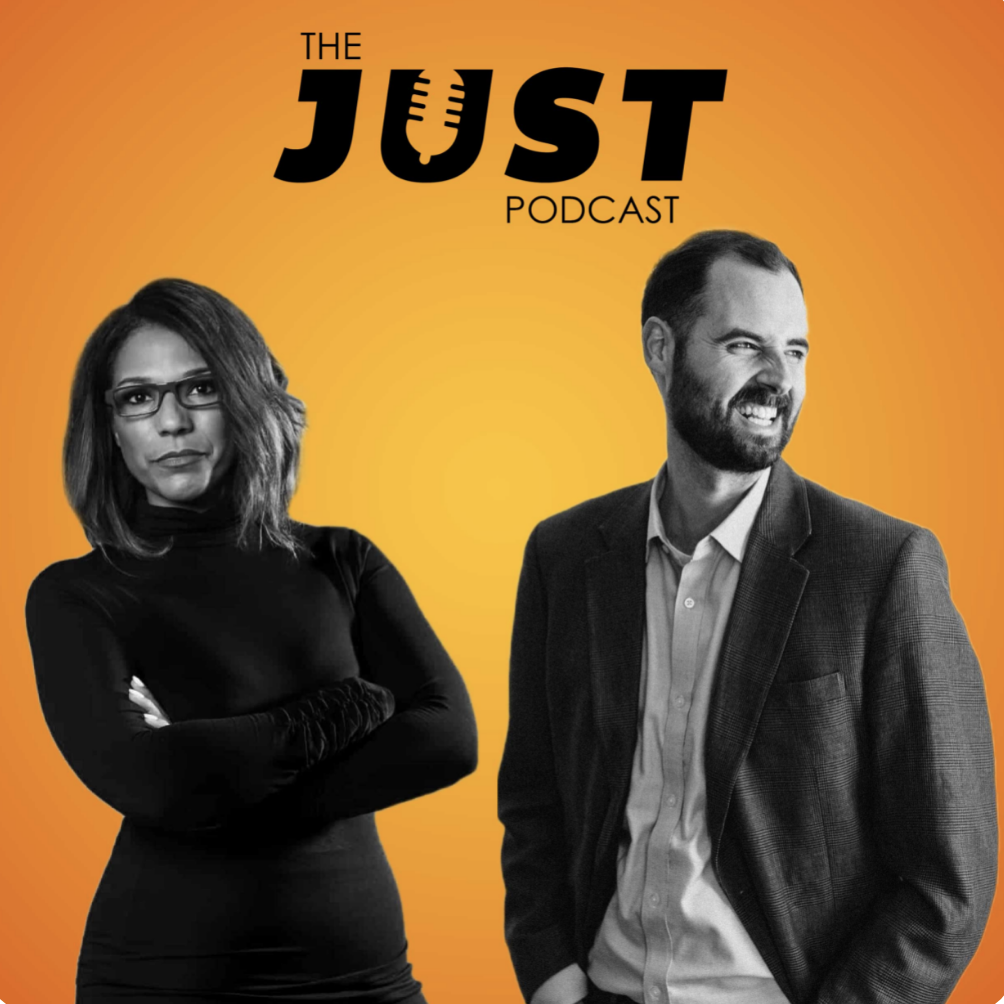
The JUST Podcast.

April 5, 2021

The JUST Podcast tells the stories of the people working to build thriving communities rooted in justice.

In this episode, Derigging the Real Estate Game (Season 3, Episode 3), Eve Picker, founder and CEO of Small Change, is interviewed by JUST co-hosts Jes and Rob. Eve shares insights on the nature of exclusivity in real estate, and what led her to pursue Small Change.

You can listen here or wherever you stream your podcasts! 

Image from The JUST Podcast.

Just is powered by Coastal Credit Union & the Cap

Veterans Buy America.

March 24, 2021

Andy Williams is a former Marine who was determined to better his life (and secure his future) through real estate. In a fairly short period of time he built a substantial portfolio of homes, a real estate development business focused on larger projects, and now, a program that seeks to turn veterans into entrepreneurs just like himself.  While his organization, Recon Realty, is focused on making a profit, Andy’s heart is in the impact he can make (Recon Realty is also a B-Corps).

As Andy describes it, “Real estate was a safe haven [from the war] for me and [his wife] Ashley. It was a safe investment vehicle that allowed for us to serve our community in a small way as we built a portfolio of rental properties. After a few projects, we realized that impact investing was our calling. We used it as a bridge to get back home from Iraq, to start a family, and ultimately build a business.” And with that experience, they aim to help make it easier for other veterans to do the same.

In 2018, Recon ran a pilot program where a dozen veterans were guided through the process of buying, flipping and renting income properties, and this coalesced as Veterans Buy America. They call it a “residential developer accelerator,” and their goal is to now grow it nationally. “It doesn’t matter how much money you have. It’s whether you’re solving a problem,” Andy has said. “I want to show the world that entrepreneurs like me can exist.”

Insights and Inspirations

  • Andy went from military veteran to owning a portfolio of homes to becoming a developer of much larger projects.
  • Andy’s head is focused on profit. But his heart is focused on impact. He wants to teach vets just like him how to “own a piece of America.”
  • So far, Andy’s program has successfully helped 100 vets become RE developers. His BHAG is to help 100,000.
Read the podcast transcript here

Eve Picker: [00:00:11] Hi there, thanks for joining me on Rethink Real Estate. I’m on a mission to make real estate work for everyone. Real estate can help to solve climate change, can house people affordably, can create beautiful streetscapes, unify neighborhoods and enliven cities. So, I’m on a journey to find the most creative thinkers and doers out there. I’m not the only one who wants to rethink real estate. You can learn more about me at EvePicker.com or you can find me at SmallChange.co, a real estate crowdfunding platform with impact real estate investment opportunities open for investment right now. And if you want to support this podcast, join me at Patreon.com/rethinkrealestate, where there are special opportunities for my friends and followers.

Eve: [00:01:10] Today, I’m talking with Andy Williams, the founder of Recon Realty, amongst other things. Andy was a Marine determined to better his life through real estate. In a fairly short period of time, he built a substantial portfolio of homes, a real estate development business focused on larger projects, and a program that seeks to turn veterans into entrepreneurs just like Andy. While Recon Realty is focused on making a profit, Andy’s heart is in the impact. The question for him is, how can he use real estate to turn transitioning veterans into entrepreneurs so that they too can turn a profit? Patriots need to start buying up America, he says. I’m going to learn a lot from Andy and so might you. So listen in. If you’d like to join me in my quest to rethink real estate, there are two simple things you can do. Share this podcast or go to Patreon.com/rethinkrealestate to learn about special opportunities for my friends and followers and subscribe if you can.

Eve: [00:02:42] Hello, Andy, thanks so much for joining me today.

Andy Williams: [00:02:46] Oh, it’s a pleasure to be here. Thanks for having me.

Eve: [00:02:49] So you’ve gone from being a U.S. Marine to a real estate developer to impact entrepreneur, in a pretty short period of time. And I wanted to start by asking you how you got involved in real estate.

Andy: [00:03:03] Real estate really was a transition from private security contracting to civilian life. I was trying to build a bridge back home, so I bought my first rental property in 2006. And it was a safe investment, an easy investment and made sense. And I just kept doing it for about six years, buying rental properties in my hometown with the intent to build enough cash flow to replace my income that I was making overseas.

Eve: [00:03:38] And where is your hometown?

Andy: [00:03:41] It’s in central Texas.

Eve: [00:03:42] Okay.

Andy: [00:03:42] So I’m 5th generation Texan. So…

Eve: [00:03:45] Okay.

Andy: [00:03:46] After getting back from the Marines, I made Texas my home.

Eve: [00:03:50] What did it take to purchase your first time? I mean, that’s a pretty big leap from Marine to buying a house.

Andy: [00:03:58] Yeah, actually, my first house was around 50,000-dollar rental property. So it took me, I think I put 20 percent down, so it was about 8,000 dollars. And after I got out of the Marines, I’d actually save some money while I was in. And then I was making, you know, very good pay, working with the State Department, under private security contract. So, I I’d basically reinvest my my monthly salary into rental properties for about six years.

Eve: [00:04:33] Wow. So. And did you need to make these properties tenant ready? Like, I suppose I’m wondering what skills you had to learn in that transition and how you identified the right sort of properties to buy. And you know, what your plan was. What was your big strategy?

Andy: [00:04:50] I didn’t have one of that time. I grew up in in this in this community that was segregated. It was there was good houses, bad houses, you know, people that were rich and there was people that was poor. There was really not a middle class. And so when I started making money, I wanted to buy properties for the underserved and provide sustainable housing. So, my dad was a concrete foreman when I was growing up. And around that time, he was he was aging out, wasn’t able to do the do the work that that he had in his trade. And he was kind of out of work. So, he was kind of my eyes on the ground, and I would buy properties and he would be my project manager and he would make them ready and then we would lease them out. It was very mom and pop.

Eve: [00:05:45] That’s fabulous. Yeah. Were your first houses a success or did you have any failures, any moments where you regretted what you were doing?

Andy: [00:05:57] No.  I’m very conservative and I was always I’ve always been an investor for the long haul. So, you know, I think I just sold last year a property that was in my portfolio for 15 years. I think some of the the fifth house I ever bought was a duplex. It’s still in my portfolio. I’ve always looked at real estate as a as a way to kind of build wealth, but also solve a problem. And I think that’s what attracted me to the affordable housing market. Because I grew up understanding that real estate and safe housing, quality housing was really a privilege that was afforded to few.

Eve: [00:06:43] Yes.

Andy: [00:06:43] And when I was in a position to, you know, do well, I wanted to do good. And so it became a safe return. It wasn’t until I started trying to build an operation around it, was there risk really being assessed because I was buying really cheap properties in a market that I felt that I understood. I actually felt that it was misaligned and I wanted to play on the long haul and being well traveled as a as a veteran and seeing kind of the simplicity of being able to buy a home, you know, fix it up and rent it out and looked at the rate in the rents and the cash flow, it just made sense. But when you started to, it was it wasn’t until 2012 when I came back from Iraq. At that point, I had about 50 rentals and I wanted to kind of start a business. And so I started looking at trying to integrate construction component and I started flipping houses. And that’s when I started realizing that there was a different dynamic. Most of that had to do with the characters. When I started investing in the in the city, the Dallas Fort Worth area. I ran into some bad actors and not everyone did what they said. And you had to kind of have protocols in place. And so, I spent a better part of three years building some infrastructure. But I was able to kind of make some mistakes and build through those those challenges because I always held a decent sized rental portfolio, that in my mind was kind of a baseline. It was a cushion, in case you ever ran into some problems you could dump a rental and if you needed to leverage, you had cash flow coming from your rental portfolio. So, you never really was too overexposed.

Eve: [00:08:56] So how big is that portfolio? I mean, what do you think the baseline should be for people who are listening?

Andy: [00:09:03] That really depends on your goals. I mean, mine was, you know, about a five-million-dollar portfolio. And, you know, I was thinking I got it up to about 100 houses. I’ve scaled it down over the last three years because I hit that threshold where I didn’t want to deal in that housing stock. And then also I didn’t want to reinvest in the communities where I had properties. I ran into some some infrastructure challenges. My dad passed away in 2014. My mom started managing the properties and that that original portfolio really was just kind of a mom-and-pop operation and meant to be mom and pop. And once, you know, it kind of served its purpose, I divested it. And then I moved my operation to the major market and then I started building teams. And the projects I’m doing now, they’re more, you know, leveraged on teams. I’m good at I’m good at certain things, certain things. You know, I’m not as strong at or passionate about. And so I leveraged my my military background to kind of build teams and into medium to large size projects that are basically what I’ve learned over the last five years is that, you know, good projects are are really executed with good teams and a solid project is is really effective if you can assemble the right team around it. And so I focus on team building around projects at this point. And entrepreneurially, I have a focus on, you know, capacity building and training that I actually do what I’ve already done. And that’s more more where I’m headed in the future. We’re actually rebuilding our portfolio now, but we’re doing build to rent and we’re we’re playing in and into areas and we’re focused on distressed communities that have been redlined or segregated or socially deprived of capital because of its demographic. And we’re trying to get ahead of gentrification and build capacity…

Eve: [00:11:15] Right, right.

Andy: [00:11:15] And then trying to hold some properties there as we we have an input.

Eve: [00:11:19] But what a great story. Those small properties really helped you build a much, much bigger career. And that’s, that’s pretty valuable, right?

Andy: [00:11:31] Yeah, I think the sense is, is, you know, you make your mistakes and you learn. But I think the biggest thing that I’ve learned over the last three years, maybe five, is that, you know, I got started early and I was lucky because I was you know, I was advised to invest for the long haul and I wasn’t looking for, you know, a quick buck. And once I figured out something that made sense and it made money and kept doing the same thing.

Eve: [00:12:01] Yeah.

Andy: [00:12:02] It’s like in the military, you know, in the Special Forces community, you don’t you don’t really add a magic style or systems. You just kind of focus on mastering the basics. And that’s that’s what I did. So when I look at, you know, buying, you know, single family homes to to do renovate to rent, it’s very simple. You do it once you figure out what your kind of your cost is, you know, you take a wood frame home 1950s. You got to figure out what it’s going to be to get that renovated and get it turn what it’s going to rent for, what your leverage is going to be. And you just rinse and repeat once you figure out how to get in there. Right. You you get it gutted. You put it back together and you throw a tenant in there. It’s really should be, you know, an operation, a management issue. And you just scale up to what your capacity is. And, you know, there’s a lot of liquidity in the market now, too. And so, you know, the finance vehicles that are present today weren’t present 10, 15 years ago. So it’s a lot easier to to really execute the scale. You know, an operation and you just got to find the right markets and the right product.

Eve: [00:13:18] Right, right, right.

Andy: [00:13:18] So you can go that down.

Eve: [00:13:20] But I’ve also read that you want to use real estate to turn transitioning vets into entrepreneurs. And so, you know, to help people like you do the same thing in some way. And how do you do that?

Andy: [00:13:37] A couple of years ago, I got to a point where, you know, I had some national exposure and I was able to create a conversation with the right people. So, I’ve always thought that and believed in the idea that America runs on capitalism and veterans were not necessarily being positioned to build sustainable businesses. We were kind of being, you know, reintegrated into corporate America. And, you know, a lot of veterans just aren’t cut out, nor that they need to just go right to work. They need to figure out a passion that they can pour their energy into. And it can be project based.

Eve: [00:14:22] You know, my son is a vet, so I witnessed that firsthand. Takes away the transition. Yeah.

Andy: [00:14:29] Yeah, so funny story. There’s a Marine that got me in the real estate. He was a World War II Bronze Star recipient. He fought at the Battle of Iwo Jima. And I still have some of the properties that he sold to me. But when I when I was in Iraq, I was on leave and I have seen this old frail man pulling some carpet out of this duplex. And I stopped and I asked him what he was doing and if it was his property and if he’d be willing to sell it. And, you know, gave me his number. When I got back overseas, I called, and we talked for about a month and a half and end up selling me the property. I didn’t know him until he sold me actually about 30 properties, which helped me scale, but I never got to know him. He came back from World War II and he started a fencing company, and he was moving houses from Fort Stockton down to central Texas. And he he kind of had a retirement built on free and clear properties. And so I kind of followed his blueprint. But when I when I seen myself, you know, fast forward 2012, 2013, 2014. And then I get some national exposure. I just was frustrated that my peers, my friends, my fellow veterans weren’t positioned right. And I just always felt America needed to do better, but I just didn’t think they understood. So, I went to the Department of Labor and I sat down with them and I worked with them to create a programatic that, you know, I believe was a transition platform. And we tested it and we brought it to market. And we’re now in the process of expanding that that mission. Rehab Warriors does exactly that. We teach veterans to be the average home builders and developers. The big difference is we’re not telling them to come work for me or they’re not vertically integrated and we’re a construction company. We actually don’t have them picking up tools and hammers and we don’t teach them trades to work for DR Horton or Lennar. We we actually give them the principles. We show them how to model financial projects and we give them access to capital and we have them go access properties in their market.

Andy: [00:16:42] And we’ve got a lot of success. And that’s more my passion. You know, I could flip 1000 homes in the next ten years. I could, you know, build a large rental portfolio, but that’s not success for me. Success is if I can train 10,000 veterans to do what I’ve already done and find peace at home. Because I think the war fighter really does deserve to own part of the country by which it served. And the other way, I think that we’re going to be able to to be able to do that, you know, truthfully is to buy at a discount, create the value and rebuild the infrastructure. And that’s why we have a huge emphasis on affordable housing in distress zones. We teach these veterans, and we redirect their energies and efforts into their communities. And they’re finding properties and they’re having a lot of success. And naturally, they’re building teams. But more importantly, they’re local to their community and they’re solving problems in their local community and they’re finding their passion. And America’s better for it, you know, I’m better for it. And and America is getting a new breed of developer that I believe it deserves.

Eve: [00:17:53] So tell me about some of these success stories. Like it sounds like you’re sort of starting out on this journey. How many vets have you trained? How many have been successful? What does it look like so far?

Andy: [00:18:05] So we have 100 percent success rate. And, you know, we we probably supported about 100 veterans. So far through the training, we have about 50 on the platform we’re going to roll out, which we’re still early stage because I focused on making sure that we had 100 percent success and then tooling it down to where the veterans wanted to be. But we had a military veteran perfect case study. Female veteran, you know, started a minority owned business right inside the community that she was discharged from. And you know, she she got into, you know, our community back in June 2020. We helped source and identify the right property by August, matched her up with a local banker. She was able to access, you know, very competitive financing. We try not to play in the hard money space. We don’t play in the private money space. We really have a position. We want proper capital to execute these projects. And so access to capital was something that I emphasized the last year and a half, two years. But she just finished her project, took her 90 days, bought a working home, took it apart, put it together. And, you know, she she ran into some some contractor issues, which is mostly…

Eve: [00:19:24] Pretty normal.

Andy: [00:19:26] Yeah. And that’s where we really emphasize the support is we, anyone can show you how to find a property, anyone can show you how to model, and anyone can show you where the money is. What we do is we build a community where we help walk you through it. Because we want you to be successful, because if you get you get through one property, you’re going to continue on the journey. So, we help navigate the contractor issues. And she ended up completing a beautiful rehab and set on the market. She got a full price offer and she closed and she made, she made money. She made a lot of money.

Eve: [00:20:04] Good for her.

Andy: [00:20:06] It wasn’t the money, though, that that was motivating. It was the fact that she she got through it and she was able to, you know, less than one mile from the gate that she left and discharged. She was able to reintegrate successfully. And she chose our program over any of the any of the programs that the military had. And so we have a waiting list. So, you know, there’s a lot of veterans that that are on the waiting list. We’re building out the infrastructure. But right now, as a founder, I’m kind of putting the culture in place.

Eve: [00:20:36] Yeah, yeah.

Andy: [00:20:37] The market, it’s really, it’s really hot right now. And I don’t want to send a bunch of veterans into the communities right now to go buy, because really, you shouldn’t be flipping houses in markets that are kind of peaking. And most of the market shifted to new construction. We do teach home building. And then as for myself, I shifted to developments. And I think, you know, we’re being disciplined right, and we’re trying to, we’re waiting for the dip and then we’re going to assemble and deploy. But in the meantime, we’re putting the training wheels on and we’re putting them, the people through the program so that they can execute. And more importantly, we we’re building the culture where we want to we want to put the community first, yield second and we want to serve.

Eve: [00:21:22] Right. So, like, just generally, what are some of the challenges you’ve been confronted with? Because you’ve come a long way from your roots. There must have been financing challenges and, you know, neighborhood complaints. And I don’t know what else. You know, aside from the contractor challenges which are always there.

Andy: [00:21:44] Yeah. I mean, I think, you know, let’s take it down because, you know, my my smallest project we just put on the market, you know, 150,000-dollar rehab that we threw up. We bought it for 60, put 70 into it and you know, turned the market to a little affordable house that we could have tore down and rebuilt. But we wanted to connect with the community. But in that same neighborhood, we got 13 acres and a contract where we’re going to throw up a tax credit investment. Low-income housing tax credit, portable housing, you know, three story corner unit, garden style apartment. And really, it’s the challenges we’ve navigated, you know, so far has been just understanding what, while we’re there and what we’re doing. I don’t really see real estate as complex as some people. I mean, the financing is is very intricate to the project. And I’ve been very, you know, focused on going downstream. You know, there’s a lot of private capital out there, financial institutions, you know, there’s crowdfunding platforms. But my focus has been really I want the federal allocation. You know, there’s trillions of dollars spent on affordable housing. So, you know, I’m going to go get the money that, you know, is best suited and effective at modeling out.

Eve: [00:23:09] Um hmm.

Andy: [00:23:09]  I’m on the State Board of Affordable Housing. And so, I have some some initiatives and I’m pushing at the state level here in Texas. And we’re executing beautifully the model and we’re navigating the challenges. But what’s happened with the approach for the overall mission is that I’m allowing organizations to align, that they really see the big picture, going to help me move the needle forward. And that’s how we’re creating progress. Because it’s, we’re solving the real problem.

Eve: [00:23:45] Um hmm. So one final question. What’s what’s next for you? It doesn’t sound like you stay in one place too long.

Andy: [00:23:53] Yeah, I think what’s next is just keep doing what I’m doing. I’m really focused on Rehab Warriors. We just got done redeveloping and rezoning a large tract that we’re going to we’re going. To have a seven-year commitment to the city where we’re going to end up building 500 single family homes.

Eve: [00:24:16] Wow.

Andy: [00:24:16] Over 100 build to rent single family homes and town homes. And we got a multi-family affordable housing project, a single-family affordable housing project and some retail. So that was kind of my case study. We picked up some land, brought it to an RP from HUD and my development team and I’m a I’m a I’m a small part of the development team, but a big part of the mission. We’re able to work with the city and this small community that didn’t really have the right developers supporting them. And we came in and we put together this master plan.

Eve: [00:24:54] Um hmm.

Andy: [00:24:54] And, you know, the by-product of it is we’re going to continue to serve the community. And my goal is to just close the loop between the size of projects I’m doing in the in the single-family homes that actually have a passion for capacity building for the veterans. Because I really believe that the veterans have, in my mind, the ability to not just reintegrate, but safely land inside America’s housing market and solve a real critical problem. Because we have an affordable housing crisis across the country. We have a lot of skilled trades and unskilled trades gap, but everyone sees that as the problem. Right. But it’s the opportunity for me because I see the problem is I got 250,000 more fighters coming home every year and they’re trying to figure out what’s next. And I’m just going to give them a very focused target. That just go and do this and you’ll find not just peace of mind but purpose. And if you do it right, you execute and you end up economically mobile, which is the end state. Because if we can, you know, help our war fighters come back home and have economic mobility in America, we’re better off. And so that’s my mission to improve America’s housing stock by, you know, reintegrating veterans, but doing it in a way where we’re winning and we’re ushering them into a conscious capitalist community.

Eve: [00:26:27] It’s an honorable goal and a really big one. And I really hope you’ll be incredibly successful at it and I thank you very much for taking the time to talk to me today.

Andy: [00:26:38] Yeah, it’s a pleasure. And you’ve done some great work. And, you know, I think your platform is also, you know, an option. And I think I love what you’re doing because, you know, you’re democratizing access to great projects with great operators.

Eve: [00:26:55] Yeah.

Andy: [00:26:56] It’s needed. I think everyone wants to be a part of, you know, the change. And I think that this is just one area. You know, my goal is just to capacity build, build operators so they see this is a focus. So, it was a pleasure. And I keep doing the good work.

Eve: [00:27:14] Yeah. Yeah. No, Andy, I want to say I think I mean, I think, you know, I’ve always been horrified at how vets have been treated when they leave the military and having seen the sort of support that they get inside before they leave. It’s it’s not it doesn’t seem to be the right sort of support. So, I think what you’re doing is fantastic. Just keep going.

Andy: [00:27:38] Yes. I appreciate it and you as well. Thank you for having me.

Eve: [00:27:42] Okay, bye.

Andy: [00:27:50] Bye, bye.

Eve: [00:27:50] That was Andy Williams. He’s a self-made real estate mogul with a heart. He’s passing on what he’s learned to other vets just like him, so that they, too, can participate in the wealth this country has to offer. It doesn’t matter how much money you have, it’s whether you’re solving a problem. Andy says, I want to show the world that entrepreneurs like me can exist. You can find out more about this episode on the show notes page at EvePicker.com, or you can find other episodes you might have missed. Or you can show your support at Patreon.com/RethinkRealEstate, where you can learn about special opportunities for my friends and followers. A special thanks to David Allardice for his excellent editing of this podcast and original music. And thanks to you for spending your time with me today. We’ll talk again soon. But for now, this is Eve Picker signing off to go make some change.

Image courtesy of Andy Williams/Recon Realty

Get in on the GROUNDFLOOR.

March 10, 2021

In 2013, Brian Dally co-founded GROUNDFLOOR with the seed of an idea born out of the Jobs ACT of 2012.  From humble beginnings, funding their first $50,000 loan with just 50 investors, Brian and his partner have built GROUNDFLOOR into the go-to funding platform if you want to fix’n flip property.  And now they’ve added in Accessory Dwelling Units as well. Last year, with the pandemic looming over their heads, 90,000 investors invested $145 million into fix’n flips through GROUNDFLOOR.

Brian has a diverse educational background, from political theory to business to law. He worked as an entrepreneur back in the dot-com boom of the 1990s, and for communications companies in product management and VC strategy. In starting GROUNDFLOOR, based in Atlanta, he and his team broke new ground as the first company approved by the SEC to offer real estate debt investment, via Reg A, to accredited and non-accredited investors alike.

But Brian isn’t planning to stop at fix’n flips or ADUs. He thinks the GROUNDFLOOR model can be used on a much bigger scale, and on a much more varied asset class. He is optimistic about where they are headed, and after successfully weathering a pandemic year, which included reducing fees and interest rates for borrowers to reduce the financial burdens, he says, “‘We emerged from it stronger and better.”

Insights and Inspirations

  • With GROUNDFLOOR, Brian has opened the door to investors of all types, truly democratizing investment. You just need $10 to invest in a GROUNDFLOOR loan.
  • GROUNDFLOOR was an early adopter of one of 2012 Jobs Act regulations that seeded the investment crowdfunding industry – Regulation A.
  • Last year GROUNDFLOOR raised $145 million in tiny fractional amounts, and made 90 loans to developers fixing and flipping properties. And this with the pandemic raging.
Read the podcast transcript here

Eve Picker: [00:00:16] Hi there, thanks for joining me on Rethink Real Estate. I’m on a mission to make real estate work for everyone. Real estate can help to solve climate change, can house people affordably, can create beautiful streetscapes, unify neighborhoods and enliven cities. So I’m on a journey to find the most creative thinkers and doers out there. I’m not the only one who wants to rethink real estate. You can learn more about me at EvePicker.com or you can find me at SmallChange.co, a real estate crowdfunding platform with impact real estate investment opportunities open for investment right now. And if you want to support this podcast, join me at Patreon.com/rethinkrealestate where there are special opportunities for my friends and followers.

Eve: [00:01:24] Today, I’m talking with Brian Dally of GROUNDFLOOR. GROUNDFLOOR started with the seed of an idea born out of the Jobs Act of 2012. From humble beginnings, funding their first 50,000 dollar loan with just 50 investors, Brian and his partner have built GROUNDFLOOR into the go to funding platform if you want to fix and flip property. And now they’ve added in accessory dwelling units as well. Last year, with the pandemic looming over their heads, 90,000 investors invested 145 million dollars into ‘fix-n-flips’ through GROUNDFLOOR. You might learn how to fund your next ADU. It’s an unusual model and worth listening in. If you’d like to join me in my quest to rethink real estate, there are two simple things you can do. Share this podcast or go to Patreon.com/rethinkrealestate to learn about special opportunities for my friends and followers and subscribe if you can.

Eve: [00:02:44] Hi, Brian, it’s a real pleasure to have you on my show today.

Brian Dally: [00:02:48] Great to be with you, Eve.

Eve: [00:02:50] Yes, so you and I are kind of in the same business, we both founded companies based on the 2012 Jobs Act and we both care about democratizing investment in real estate. So I want to just start talking about what you do first today and that is GROUNDFLOOR.  Why don’t you just explain what GROUNDFLOOR is.

Brian: [00:03:13] Well, as you said, we realized back in 2012-2013, you and I didn’t know each other back then, but you were tracking the same trend. You know, the world of investment and capital formation was undergoing some very early change back then, and it continues to go through change, even today. But what started back then is Congress and the SEC put rules in place that for the first time allowed everybody, regardless of your income or wealth, to participate in a whole class of securities offerings that haven’t been open to people who don’t meet the definition of an accredited investor.

Eve: [00:04:00] Let me jump in.

Brian: [00:04:01] Sure.

Eve: [00:04:01] Because people don’t know what an accredited investor is. It’s probably about three percent of the adult population in the state, which in itself is pretty shocking and it’s anyone who has income of 200,000 dollars a year and has had for three years. Or has net worth of a million dollars, at least a million dollars without their primary residence. That’s right. Right?

Brian: [00:04:26] Yeah, exactly. And that’s a very small slice of the American population. And if you meet that definition, if you’re in that club for a long time, you have had access to investments that the other 97 percent of us haven’t had. And which started to change in 2012 is Congress and the SEC put forward rules that would start to open that up. Now, since then, they’ve continued to improve those rules, spell them out a little bit more. Companies like Small Change and GROUNDFLOOR have been built. Republic is another one that allows you to invest in startups, for example, or StartEngine or SeedInvest, there are a bunch of portals now where you can go invest in a wide variety of securities offerings that weren’t open to us all before. We saw that coming, we started a company to help open up that market and we’re still going. Now, we’ve got about 90,000 investors who are investing. Last year put in about 150 million in aggregate into our investments. We’re funding 70 or 80 different real estate projects per month now using this model. And I mean, we’re really just getting started. I think you would agree, right, with Small Change we’re just in the early innings even still.

Eve: [00:05:43] So what is your model? Because we both have real estate platforms, but they’re pretty wildly different, right?

Brian: [00:05:49] Yeah, we looked at the market for investments and we said, look, what’s missing out there is sort of a short term high yield secured investment that people could get their hands around. You know, so many times you invest in real estate or you invest in a startup or something, and your capital is locked up for a very long period of time. Typically, the terms of those investments don’t give you a lot of control over it. Like, for example, if you put money in any of the eREITs like Fundrise or RealtyMogul, any of these new kind of funds that have launched, you weren’t able to access your capital when you probably wanted it. And you’re in Covid. Because they shut down redemptions out of those funds. And we looked at the landscape of investments and realized what was really missing was for all of us to invest the same way that hedge funds and banks do, which is on a per deal basis, on a short term, a short term loan that that has a high yield. So where we started with GROUNDFLOOR was with value added renovation to single family houses that were being basically built by independent entrepreneurs. Right, so you have somebody who had a real estate project that they wanted to fix and flip, for example, or fix up and rent out and create rental housing out of it. We make a loan to them and then we turn around and allow individual investors to participate in that loan, ten dollars at a time. So, most people invest about an average of two or three hundred dollars. But you can start with a minimum of just ten. And what that means is if you have 1,000 dollars to invest, you can invest in 100 loans, which is a very nicely diversified portfolio. You’re as diversified as a lot of small private equity funds or hedge funds. So you get the same benefits of diversification and the loans repay on an average of about nine to ten months. And the average rate that people are earning ranged between 10 and 11 percent. So it’s a very high rate of return on short holding period in an asset that if you watch any house flipping show, you can understand what’s going on there.

Eve: [00:08:01] Sure.

Brian: [00:08:01] And I think that’s why it’s been so popular, is those factors.

Eve: [00:08:04] So, a couple of things. One is I get what you’re offering investors. Opportunity to invest in a way they’ve never had before. What does this do for developers who do ‘fix-n-flips?’                             ?

Brian: [00:08:17] So developers who do ‘fix-n-flips’ or who are trading rental housing or we also finance independent builders who are doing new construction. There are a couple of problems with the capital markets, the way that they’ve been built, so far, on the legacy infrastructure. The legacy infrastructure is financed by some kind, what used to be banks. But when banks stopped funding this category of real estate development or or this type of small business, if you will, these types of projects, really who stepped in were sort of wealthy people with checkbooks. In any town, there are probably a couple dozen people who will finance these types of real estate projects. The problem is that the form of lending was not very professional. It was hard to find these lenders. The terms were all over the map, sometimes very lopsided terms for these agreements.

Eve: [00:09:12] Yeah.

Brian: [00:09:12] And I think the problem is if you’re just getting started out as real estate investor, a house flipper, a builder, it’s pretty hard to find your way in those capital markets. And I think the other problem is that a lot of the real estate development that’s getting done in residential real estate, in places where housing stock is aging, for example, when Wall Street steps in, they just buy up blocks of a neighborhood and they bulldoze everything and they build up McMansions or they build up some kind of mass market product. And that doesn’t leave a lot of room for the independent builder or the independent real estate investor. So they’ve been playing at a disadvantage over the last 10 or 15 years. And GROUNDFLOOR’s approach solves that problem because we’re not lending out tens of millions of dollars at a time to one company that’s going to go bulldoze a neighborhood. We’re working with independent real estate developers who know these neighborhoods. They probably live in the neighborhoods. They care about the neighborhoods. And I think that’s a good counterweight to gentrification. Right. I think it’s a way to to renovate the residential real estate stock in a way that is more community friendly. Right. It also allows people in the community to participate in the financing of it, which I think is a novel idea.

Eve: [00:10:32] And so where are you lending now?

Brian: [00:10:35] We lend in about 30 states. Our lending is heavily concentrated in the southeastern U.S. We dabbled quite a bit in the mid-Atlantic and the midwest and we’re starting to expand out west now. We started to finance projects in Colorado. We’ve done a couple in Washington state. We’re not in California, but we’re in about 30 states for lending and then investors nationwide.

Eve: [00:10:59] Yeah, yeah, obviously. And then how do you vet the the developers and the deals.

Brian: [00:11:05] We’re frankly looking at developers on these deals the same way that anybody who’s lending money or investing money in an entrepreneur would look at an entrepreneur. We’re asking ourselves, can this entrepreneur with this plan create the result that they’re hoping to create? And a lot of times we use this expertise to help entrepreneurs realize maybe the deal wasn’t as good as they thought it was going to be. Right. Maybe their plan, they didn’t have a big enough budget. Right. We really look very closely at the budgets for the projects and we look a lot at the valuation at the end. Do we believe I mean, every entrepreneur, myself included, we always believe what we’re doing is super valuable. Right. So GROUNDFLOOR will serve as a little bit of a reality check for those situations where maybe their expectations are a little inflated. We need to make sure that the properties can sell for enough in the end…

Eve: [00:12:00] That investors get their money back, right?

Brian: [00:12:02] Yeah, I mean that and they get it back in a timely manner. Right? I mean, that’s that’s really important to the model that investors can trust the projects that we put up. It’s not that things don’t go wrong. Things do go wrong. You know, when you’re renovating something, you know this well. You’ve dealt with so many interesting projects in Pittsburgh and beyond that, you know, you’ve seen it firsthand. I mean, you can’t plan for every contingency, right?

Eve: [00:12:27] For sure.

Brian: [00:12:27] Things take longer, things cost more money. And so in our vetting, we make sure that the plan covers those major contingencies. And that’s why we’ve had such a low loss ratio. Over time, we’ve lost less than one percent of the money that we’ve loaned out. And the returns of 10.5 percent are net of those losses. So, it’s a pretty low volatility and investment where you really know what to expect.

Eve: [00:12:54] Right.

Brian: [00:12:54] That’s why it works for the investor. Why it works for the borrower, for the entrepreneurs, they get a professional outfit that’s actually looking at the merits of what they’re trying to do. And we’re providing some advice to them and a perspective. And if everything lines up, we’re happy to fund it. We’re doing like I said, we’re doing about 70 to 80 fundings a month right now.

Eve: [00:13:14] Wow. A few years back when I met you, we talked about how hard it was to find your crowd of investors.

Brian: [00:13:23] Yes.

Eve: [00:13:23] And what you have to go through at the beginning. And I’d love to talk about what that was like and how that compares to today and what you think made a difference.

Brian: [00:13:33] Well, I realized early on that, and I think you felt this too, you and I are creating, you know, an unknown product in an unknown category from an unknown company. Right? So it kind of just amazed me in the early days that anybody would, you know…

Eve: [00:13:52] That’s absolutely true.

Brian: [00:13:54] Isn’t that the feeling, though? It’s kind of just amazing.

Eve: [00:13:57] Yeah. And by the way, we just closed an offering today for 890,000 dollars.

Brian: [00:14:02] I saw that. Congratulations. That’s huge!

Eve: [00:14:06] Yeah.

Brian: [00:14:06] That’s huge! Congratulations. That’s got to be one of the bigger ones, I would think.

Eve: [00:14:11] Yes.

Brian: [00:14:12] Yeah, I would think so. That’s that’s a huge success. And that’s a testament to just continuing to persist because I think what I was about to say is, I think you’re probably feeling this too, is that people now are more comfortable with the idea that this exists, you know, this category exists, that they, too, can get access to these deals. And there’s a little less of what I used to call the Groucho Marx problem, which is like I wouldn’t want to invest in any investment that would allow me to. Right? It’s a problem of investor psychology. And I think the category has advanced now enough that people are interested. I also think we’re seeing the rise of the retail investor more generally. I mean, look no further than what happened last month with Robinhood and GameStop.

Eve: [00:14:59] Yep.

Brian: [00:15:00] The retail investor is waking up and as they wake up, they’re also realizing that public markets for a lot of people feel like it’s a rigged casino. And they’re now open to the idea that they can invest, that they should invest, that they can band together to put their capital to work and cause a change. And I think some of these traders are going to become investors. And that’s part of what’s happening, too. And then the third factor that has started to change the game and bring in a lot more growth. And we had a record Q2 and record Q3 last year because of some of those other factors, you know, the retail investor waking up and opting out of public markets. But I think the future growth that’s to come and that we’re starting to see lift off from now is the track record that we’ve all built. Right.

Eve: [00:15:49] Yes.

Brian: [00:15:49] Now that we’re repaying, you know, we have over 1,500 loans that we’ve repaid.

Eve: [00:15:54] Yes.

Brian: [00:15:55] You know, and people now can see what the empirical data tells them about what they can expect. You can go on our website and see a scatterplot of, I think 9,000 portfolios that have returned capital on at least one loan over the years and you can see what returns that portfolio has earned on average based on how many loans they’ve invested in. What you learn is the more you invest, the more you can predict the return. And I think that’s giving people more confidence in the category, in the companies and in the products, right, that we’re building here.

Eve: [00:16:29] Right right right. So along with all of this, but I want to go back to what I originally asked. Sorry. And that was like I remember you telling me a story about what it took to get one person to invest in the beginning. And how many did you have last year?

Brian: [00:16:45] Gosh, we now have 80,000 investors.

Eve: [00:16:47] That’s amazing and really what is a fairly short time to kind of scratching your head over why you can’t even find one investor to…

Brian: [00:16:56] Well, the first loan we funded was a 50,000 dollar loan for a house flip in Adair Park in Atlanta, which is a neighborhood, transitional neighborhood near the beltline. I think we put, it was a 40,000 dollar loan. We put 39 investors in it, you know, a thousand dollars each. And it was a lot of work.

Eve: [00:17:16] A lot of work.

Brian: [00:17:18] A loan that small won’t last a day or two on the platform.

Eve: [00:17:22] Yes.

Brian: [00:17:22] And, you know, people are investing smaller amounts in many more loans. So there might be 500 people in that loan. Three or four…

Eve: [00:17:31] It’s pretty amazing that you can invest just ten dollars.

Brian: [00:17:33] I think just yesterday we hit a new record for I think 1.2 million dollars was invested on the platform just yesterday alone.

Eve: [00:17:41] Oh, wow. That’s that’s amazing. Congratulations.

Brian: [00:17:44] We’ve come a long way. But I’ll tell you one thing that’s exciting to me about that is that now that we have those basics in place is we recently started piloting an ADU financing program.

Eve: [00:17:57] That was my next…

Brian: [00:17:59] Oh, oh good.

Eve: [00:18:00] Question. Yeah. I want to know about your ADU program because that’s a little bit different for you. And I wanted to ask why you are piloting that.

Brian: [00:18:09] I’m psyched to talk about that, because when we started off, yes, we wanted to build a financial product, but more than that, we wanted to build a platform that could be used for good. You know, we wanted to open up this asset class. We wanted to make a great investment product. But we also hoped that people would come to the platform as borrowers or sponsors and investors in order to have a positive impact on the world as well. I feel very strongly that the source of capital really matters to the result that we actually see in the world. And I think real estate plays an important role in shaping our communities. I mean, it’s where people live and shop and work. And I think that who is financing that work really matters. And I think this ADU program is exciting to me because as an entrepreneur, when you build a platform, you have ideas about how people will use the platform. You can’t predict it. If it goes well, people use your platform to create even more value for themselves in the world around you. Then you even get. Right. I mean, that’s the whole idea of a platform. And still with this ADU pilot, we were actually approached by some people in that community who are having trouble finding financing because of the particular borrower situation that sometimes exists where you have somebody who doesn’t want to move out of their house, out of their neighborhood. Home values are changing over. They like to participate in the growth of the neighborhood and they see ADUs as a way to do that because we’re increasing density. I mean, there are two ways of dealing with increasing lot values and housing stock values. Right. One is you can knock everything down and just rebuild it all with mcmansions and more valuable real estate. I think most of us in the impact community would agree that sucks. Right? The other way is to increase density by changing the zoning rules and you change the zoning rules, but then you still need financing.

Eve: [00:20:11] Right.

Brian: [00:20:11] So to support that increased density. And I know you’ve talked with PadSplit, for example. That’s one way to increase density. This ADU sort of approach is another way…

Eve: [00:20:21] PadSplit doesn’t really increase density. They find unused spaces.

Brian: [00:20:26] Right.

Eve: [00:20:27] A little bit different. And by the way, I feel bad, because we we haven’t told everyone what ADU stands for. It’s accessory dwelling unit. And it’s also what we know as a granny flat. It’s just an additional unit on your property, on your piece of land.

Brian: [00:20:44] I think the reason we were excited about it is we saw it right away as a valuable approach to urban development in certain situations, especially with gentrifying neighborhoods where homeowners don’t need to be displaced, but they can participate in what’s happening around them as owners and grow their equity value without having to be displaced.

Eve: [00:21:06] Yeah.

Brian: [00:21:07] Right. So, selling their property and taking that money and moving elsewhere, we think is a suboptimal outcome for many people who would rather stay right where they are. You know, stay in their neighborhood, retain the character of the neighborhood, but open up some more housing opportunity in that neighborhood, too.

Eve: [00:21:24] Yeah.

Brian: [00:21:26] We’ve got excited about it, mostly because we saw a place where, you know, the traditional financing sources weren’t going to step in. We thought that investors on our platform would like it. And we were right. The first two ADU deals that we’ve put out there have sold very quickly. Had a really enthusiastic reaction. And so, you know, we we have a little ways to go to kind of build up the pilot. But I’ll tell you, we piloted new construction two years ago, and it’s already, I think it’s on track to be about a third or maybe even 40 percent of our volume this year. And I mean, the same thing could happen with ADUs.

Eve: [00:22:01] The most difficult thing might be that the person who wants to build an ADU, accessory dwelling unit, the homeowner may have absolutely no experience building anything.

Brian: [00:22:13] Right.

Eve: [00:22:13] What do they do? And this is probably one of the most difficult things to crack about accessory dwelling units. How do people who have no development, no real estate experience, go about adding that value to that property?

Brian: [00:22:28] Happily, there’s an ecosystem of builders, contractors, architects who are ready to meet the needs of the people who want to do that. The problem is that those people cost money. The projects cost money.

Eve: [00:22:44] Yes.

Brian: [00:22:44] And a lot of people don’t have the money. So even if you know about the idea, you know, first of all, you have to get connected into the ecosystem of people who work on these things and do them right. Right. Do them within the zoning standards, you know, do them in a way that will be good for long term value. People who are inexperienced that I think have to tap into that network. But then even if they tap into that network, what’s been missing is the money. Where do you get the money to do it?

Eve: [00:23:12] Right. And, you know, the whole business of financing something as complicated as well.

Brian: [00:23:19] Agreed.

Eve: [00:23:19] You know, provide something consistent and easy to understand, that would be really helpful.

Brian: [00:23:25] And that’s the goal, right. So we’re we’re looking to partner with contractors and architects who know how to get these projects off the ground. And so, when someone has an interest, there’s already a network of providers that know how to plan it out, design it, and, of course, finance it, because we’re we’re out there offering that fund.

Eve: [00:23:51] That’s fabulous. Yeah, yeah, yeah. You know, I was on a panel with a CDFI a few months ago and was horrified when they explained with great pride how they had spent the last three or four years developing a program which looked like it would, you know, finance a couple ADUs, maybe four a year. And I was just like, how do we even get this to work if there’s no financing out there?

Brian: [00:24:14] Right.

Eve: [00:24:15] Yeah.

Brian: [00:24:16] Yeah. I think people on our platform, investors on our platform have a lot of appetite for it. I think it’s a it’s a really attractive investment. I think it’s a really attractive initiative for homeowners in certain situations where they want to stay put and they want to grow their equity value in concert with the neighborhood around them. And I like it because we think that one of the benefits of crowdfunding for financing as a way to finance real estate is that people should be involved, directly involved in deciding what gets financed and how. This is a way that that can happen. Right?

Eve: [00:24:56] I like ADUs because I think they build on infrastructure and community that’s already there, which is a great thing. You know, the bus stop that’s right out there on the street or grocery shop or a school or anything like that is already there in that community. And we’re adding density around those really important pieces. So it’s a fabulous idea. So I want to go to your background now. Your background is very diverse. Communication technology, gaming, political theory, business and law, but not real estate. So I wonder how you came to this real estate platform from your background?

Brian: [00:25:36] Well, I have been an investor since about age 15. And one category that I had never really invested in was real estate. You know, you always hear it’s it’s almost like a trope in American life, right? Like, well, the way to build cash flow is through owning real estate. Right. And so there’s there are no shortage of real estate investing seminars and whatever out there. So I feel like real estate investing is kind of in the air, you know, in America, more or less. I mean, it’s amazing to me that we still have house flipping shows that are watched. You know, people people are interested in it. And I think that drove me as an entrepreneur because what I was looking for after leaving the wireless industry in my previous startup, by agreement, I could no longer work in the wireless industry. But we had built this wireless company that was structured in a way that allowed people to route around, you know, the cell phone network, except when they absolutely had to have it. And then they could, you know, the calls would switch from the Wi-Fi network to the cell phone network. And the company that we built, it’s called the Republic Wireless it’s still around today. One of the things I noticed and I think this is true in politics, in philanthropy, I know it’s true in finance, people when you give them a platform where they can band together, I mean, this happened on Reddit, right? You give them a platform where they can band together and cause some change by voting with their dollars, by buying differently, by investing differently. They will do it because we can all debate whether people are smart enough to make their own decisions or whether they know what they’re doing or not. The truth is, regardless of whether they are or not, they’re going to behave as though they are. And that’s what can drive a lot of change in the world. And I think we start to get a closed loop feedback system where people do get a lot smarter. And so, you know, as an entrepreneur, I was very attracted to that. I didn’t quite know what sort of financial product we could build and what would be underneath it. But pretty quickly, Nick and I realized that if you’re building this new type of product and you’re trying to open up this type of investing, you should probably do it in a space like residential real estate that’s tangible, that people can understand, that people are excited about. And I think that’s what really led us there. Now, once we got there, you know, also as an entrepreneur, you need to have something as a beachhead that, you know, makes up for the perceived risk, like, for example, at Republic Wireless, we’re launching phones, we said, look, this is an unlimited plan that’s going to cost you 20 bucks a month instead of 150 bucks a month. And you’re not going to be locked into a contract. Well, people really like that. They saw some advantage in that. So they were willing to try the technology. With GROUNDFLOOR, we said, look, you know, you’re not going to lock up your money, you know, for years. You’re going to lock it up for months. You’re going to get a really high rate of return. If this thing works, over ten percent and you’re going to get to control it, you’re not turning your money over to a fund manager.

Eve: [00:28:46] Um-hm.

Brian: [00:28:46] You get to make the decision. And I think because it was residential real estate, they believed it. Right? It was tangible and they could buy into it. If we had done it in some exotic category that nobody understood, like financing receivables or something, I don’t think it would have been as successful. So I had to learn about real estate. I’ve spent a lot of time with people with many decades of experience in real estate. And now very shortly as an operator will have made a billion dollars worth of loans in this category.

Eve: [00:29:16] I think that’s fantastic.

Brian: [00:29:16] You know, which is not an insignificant number. So I had to climb the learning curve. We have a lot of advisors and executives around the company with deep experience in this. And as an entrepreneur, you know, a lot of us want to learn something. This was an exciting area for me to to learn. And now I guess I don’t get to claim that I’m not experienced in real estate anymore.

Eve: [00:29:36] I think that would be true. What do you love doing the most about this?

Brian: [00:29:41] I love working with people who are putting themselves out there and taking a chance. So the people who I’ve most enjoyed interacting with are the entrepreneurs who are financing projects on our platform. I can really identify with them and equally the investors who are venturing off into this unknown. I really identify with those people. You know, we started raising money from our customer base to finance the growth of the company. So we have a crowdfunded equity offering that’s still live today on SeedInvest. I love talking to people about getting involved in angel investing. So I really like engaging with the people who are drawn to these platforms because I admire them for being intrepid enough to take the risk and vote with their dollars to change the way that we finance, in this case, real estate. And we’re startup. I think that’s that’s what I love about it.

Eve: [00:30:41] I think that’s great. And actually, there’s still a relatively small number, because one of the reasons this is hard is there’s still a pretty big group of people out there who don’t trust online investing and…

Brian: [00:30:54] It’s still the early innings, it really is. 

Eve: [00:30:56] Early innings. Yeah. So what is your big, hairy, audacious goal for GROUNDFLOOR?

Brian: [00:31:04] The big, hairy, audacious goal is to take the model that we’ve pioneered for these private capital markets and to show that what we’ve done in these first couple of sub asset classes in real estate can be done at a bigger scale across a broader scope. You know, the big, hairy, audacious goal would be to infect other asset classes with this model. You know, it’s a very disruptive model. It’s easy for people to look down on it and say, oh, it’s underpowered, but that always happens with disruptive technology. So my big, hairy, audacious goal for this is to see how many asset classes at what level of scale this model can produce, the kind of results that it’s producing in this market. And I don’t know where the endpoint for that is. I think it can go very, very far. So I don’t have a specific quantification of that. But that’s the idea, is I’d like to take what I think we’ve proven in this one market and see how many more markets we can extend it into.

Eve: [00:32:08] And I have another question for you that may be a little bit difficult, but is there anything else that you’re noticing out there that really excites you about the way we might do things differently, live a lot differently, what we what we can change?

Brian: [00:32:22] I look at our own market and I think it’s true in digital assets, I think it’s true in the securities that we’re offering online, I think it’s true and how we transact in real estate. I see a lot of opportunity to remove friction from the system. I mean, you look at something like title and how much time and money.

Eve: [00:32:44] Oh yeah.

Brian: [00:32:45] Is put into clearing title and then battling the insurance company when there’s a defect in title that comes up later. I think this is the bane of real estate investors everywhere. And I think it’s true in private market transactions with illiquid assets generally. And I think it’s something I’m excited to see change because I feel like it’s a very difficult change to effectuate. But I think as a community, we’re going to keep chipping away at it and eventually we’re going to have to knock down the barriers to I mean, title is a great example. But I would just say in general, these kind of transactions in illiquid securities need to, the friction needs to come down.

Eve: [00:33:28] Yeah, I totally agree with you. Well, thank you really so much for talking with me. I really enjoyed it. And I’m really wondering what’s going to happen this year if you did so well last year as well, too. Right.

Brian: [00:33:42] I think things are looking up, you know, in 2021. And and I hope we get to work together.

Eve: [00:33:48] Yes.

Brian: [00:33:49] Eve, I really admire the work that you’ve been doing and been persistent enough to keep doing over the years. And I hope we get to join forces someday and do some work together.

Eve: [00:33:59] That would be fantastic. Thank you so much, Brian. Bye.

Brian: [00:34:02] Yeah, you too.

Eve: [00:34:06] That was Brian Dally. Brian isn’t planning to stop at ‘fix-n-flips’ or accessory dwelling units. He thinks the GROUNDFLOOR model can be used on a much bigger scale. And on a much more varied asset class with 145 million raised in 2020, I can’t wait to see where he takes the company in 2021. You can find out more about this episode on the show notes page at EvePicker.com. Or you can find other episodes you might have missed. Or you can show your support at Patreon.com/RethinkRealEstate, where you can learn about special opportunities for my friends and followers. A special thanks to David Allardice for his excellent editing of this podcast and original music. And thanks to you for spending your time with me today. We’ll talk again soon. But for now, this is Eve Picker signing off to go make some change.

Image courtesy of GROUNDFLOOR/Brian Dally

« Previous Page
Next Page »

Primary Sidebar

sign up here

APPLY TO BE A PODCAST GUEST

More to See

(no title)

February 22, 2025

Bellevue Montgomery

February 11, 2025

West Lombard

January 28, 2025

FOLLOW

  • LinkedIn
  • RSS

Tag Cloud

Affordable housing Climate Community Creative economy Crowdfunding Design Development Environment Equity Finance FinTech Gentrification Impact Investing Mobility Offering Opportunity zones PropTech Technology Visionary Zoning

Footer

©rethinkrealestateforgood.co. The information contained on this website is for general information purposes only. Nothing on this website is intended as investment, legal, tax or accounting strategy or advice, or constitutes an offer to sell, solicit or buy securities.
 
Any projections discussed or made may not be accurate and do not guarantee a specific outcome. All projections or investments are subject to risk due to uncertainty and change, including the risk of loss, and past performance is not indicative of future results. You should make independent decisions and seek independent advice regarding investments or strategies mentioned on this website.

Recent

  • The Mulberry
  • Mount Vernon Plaza
  • The Seven
  • Real estate and women.
  • Oculis Domes.

Search

Categories

Climate Community Crowdfunding Development Equity Fintech Investing Mobility Proptech Visionary


Copyright © 2026 · Magazine Pro on Genesis Framework · WordPress · Log in