• Skip to main content
  • Skip to secondary menu
  • Skip to primary sidebar
  • Skip to footer
  • Home
  • About Us
  • Say hello
Rethink Real Estate. For Good.

Rethink Real Estate. For Good.

  • Podcast
  • Posts
  • In the news
  • Speaking and media
    • About Eve
    • Speaking requests
    • Speaking engagements
    • Press kit
  • Investment opportunities

Impact

Catalytic in Appalachia.

May 4, 2020

Generational poverty is a complex problem with no single, easy-to-apply solution. Unlike circumstantial poverty, resulting from a specific event, like an illness or temporary loss of a job, generational poverty involves multiple generations of family and community lacking either the accumulated assets, education or resources on which to build. And in Appalachia, this condition pervades a region long-dominated by the mono-economy of coal extraction, an industry which has been shrinking dramatically for decades.

Brandon Dennison, the founder of Coalfield Development, grew up in southern West Virginia, and saw firsthand many of the issues that both his local community and the larger region faced. Always drawn to service and the idea of social entrepreneurship, Brandon saw that there were many people who wanted to work, but who simply couldn’t find jobs. And outside solutions, such as retraining people in technology skills like coding, were a long shot at best and certainly did not guarantee employment. To create lasting change in communities hit hard by poverty and unemployment, Brandon believed that change can be most effective when it is driven and fostered by the impacted community itself.

The vision

Coalfield Development was built upon three interlinked goals: job training, education and personal development – all geared to breaking that generational cycle and helping to rebuild local communities. Called the 33-6-3 model, it guarantees 33 hours a week of on-the-job training in construction, six hours of community college a week towards a technical associates degree, and three hours a week focused on personal development.

Coalfield started small, using locally hired construction crews to demo or renovate older buildings that were vacant or rundown, often in smaller towns and communities, and often overlooked. Blight was cleared away, and employees were given both job training and free educational opportunities. Next, they became developers, renovating a couple of large structures and seeding those with small, entrepreneurial businesses, which led to some small economic growth and a few more jobs. In addition to the development and construction company, they experimented with a family of social enterprises – selling local produce grown on former mining lands, exploring forestry as a way to reclaim abandoned coal tailing dumps, and starting two wood shops to create artisan furniture and local products. They even helped start the area’s first solar installation company.

In addition to the community-based real estate projects they have worked on, Coalfield Development works with entrepreneurs to innovate and create local jobs. Brandon hopes this will lead to a more sustainable economy for West Virginia. So far, they have helped start 11 businesses from scratch and invested through seed-funding in more than 50 different entrepreneurial projects. The result has been the creation of over 250 jobs and the training of over 1,000 people.

Listen to my interview with Brandon Dennison to learn more.

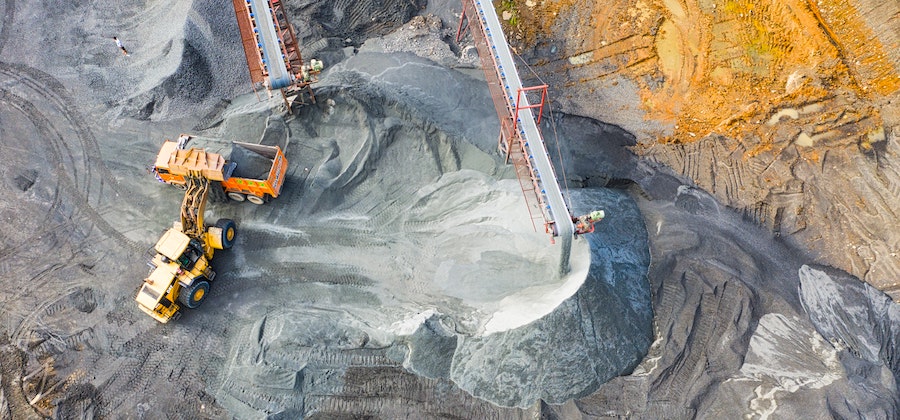
Image by Tom Fisk from Pexels
The lost art of small-scale development.

April 29, 2020

Jim Kumon co-founded and leads the Incremental Development Alliance, launched in 2015 as a collaboration between two small scale developers who found that people kept asking them the same question: how do I build a small building in the place I love? They joined with Jim to create an organization with the goal of “resurrecting the small developer.” They built a suite of classroom-based coaching tools and scaled them across the region and the country. In their first year, they did bootcamps in Portland, Dallas, Providence, Fayetteville, Washington DC and Detroit.

Jim’s goal is to help locals strengthen their neighborhoods through small-scale real estate projects. The Alliance provides training and technical assistance to anyone interested in tackling projects that you are probably all familiar with – housing, retail and mixed use projects on main streets and in neighborhoods. Projects typically range from 1 to 20 units. These were once every day development exercises, but have been pushed aside in favor of large, more efficient projects of scale. Today it’s a challenge navigating zoning codes and financial institutions to get projects like this built and that’s what the Alliance focuses on solving.

Over the past five years, the Alliance has grown into a national team of implementers from a myriad of allied real estate industries to create training classes for individuals and provide tactical coaching guidance to cities and community organizations across the country. Having conducted training and technical assistance projects in over 50 cities and with more than 4000 alumni, the Alliance is on the front lines of democratizing access to knowledge about real estate development and help governments, banks and foundations retool the ecosytems to make small scale projects possible.

With over fifteen years experience in the design, transportation and real estate industries, Jim’s career began working in construction management and architecture companies, learning how to deliver multi-family housing, mixed use and institutional buildings in Michigan, California, and Colorado. He transitioned to the non-profit sector in 2013 to become the Executive Director at Strong Towns to follow his long term professional and volunteer efforts in encouraging economically viable, human scaled communities.

In Minneapolis, Jim and his wife, Faith, are also small developers with their company, Heirloom Properties. They focus on backyard cottages, duplexes and small multiplexes. Born and raised in southeastern Michigan, Jim is an alumnus of the University of Michigan with a degree in Architecture.

Read the podcast transcript here

Eve: [00:00:08] Thanks so much for joining me today for the latest episode of Impact Real Estate Investing.

Eve: [00:00:14] My guest today is Jim Kumon who heads the Incremental Development Alliance, which is based in Minneapolis. The Alliance began in 2015 as a collaboration between two small-scale developers who found that people kept asking them the same question: how do I build a small building in the place I love? They joined with Jim to create an organization with the goal of resurrecting the small developer. And they built a suite of classroom-based coaching tools and scaled them across the region and the country. In the first year they did big camps in Portland, Dallas, Providence, Fayetteville, Washington, D.C. and Detroit.

Eve: [00:01:12] Be sure to go to rethinkrealestateforgood.co to find out more about Jim Kumon on the show notes page for this episode. And be sure to sign up for my newsletter so you can access information about impact real estate investing and get the latest news about the exciting projects on my crowdfunding platform, Small Change.

Eve: [00:01:42] Hello, Jim. I’m really happy to have you on my show today.

Jim: [00:01:45] It’s great to be here and actually to see a little bit of Spring coming around the corner here in Minnesota, so it’s actually where I’m at, so it’s good to actually get out to the world and see some things. So, glad we can connect here and talk about stuff since I haven’t been able to leave the house much currently.

Eve: [00:02:04] Right, we’re all kind of stuck. But, you know, I’ve been really fascinated by your organization, the Incremental Development Alliance for a few years now and your work is pretty squarely focused on small-scale projects and small-scale developers, which I really love. So I wanted you to start by telling me a little about why the Incremental Development Alliance exists.

Jim: [00:02:29] Yeah, well, we’re coming up in about five years now of our work as a nonprofit organization. We work nationally to support implementers of small-scale real estate development projects and the ability for local places to have those kind of real estate projects happening in their communities. And so we exist in large part to be able to essentially re-enable and re-share the information that we used to have as a society. All real estate development was largely small-scale development for, you know, really centuries up until really post-World War 2, for the most part, and we did some things in the skyscraper era, you know, the early nineteen hundreds, but for the most part, small-scale, small-lot development was the traditional development pattern. And so, one of the major reasons we exist is essentially trying to re-learn and re-share information that we used to know across a broad spectrum of our society. And it’s now been complicated by the fact that we have had 50 or 70 years of real estate development that has largely become specialized and become highly, highly tuned to scale and largely to scale finance. The kinds of developments that we see in this country are in large part due to the financial mechanisms we have. We see the things we have because they’re easy to finance. And so the traditional pattern that we’ve had up until that point in time in the mid century nineteen hundreds is, is actually the unusual thing now. We can build big box stores and subdivisions and office parks and industrial parks, but the idea of putting a duplex on a 50 foot wide lot is actually pretty foreign in most places. And so we’re trying to help put the knowledge back together within the 2020 framework and not the 1920 framework of what you have to do to follow rules and to get things financed, to make real estate transactions happen. And so we do so.

Eve: [00:04:38] Why is it important?

Jim: [00:04:40] It’s important largely because it’s a lost art. People think it’s, especially when we first started out, in large part people think it’s almost impossible. Like, well, how can we not do this? How can we not be able to do this for so long now? Large part is a) people really hadn’t tried or if they looked into it, they gave up because there were so many barriers. And secondarily, there are places that really want to see this kind of development happen, but they’re missing the know-how within their human resource, their human capacity of a community that’s both public, private and nonprofit sectors. And so really, our organization started as a network of doers who were comparing notes and a couple of my co-founders in particular who were essentially mentoring people on the side. And it got to the point where you couldn’t have that many one-on-one phone calls and still do your job, to make major money. And so, you know, we essentially bound together to help essentially take that wisdom that’s sort of hard earned from the field, in-practice wisdom, and put it into a format that can be shared more widely and both in sort of beginners terms, as well as more advanced work that we have to do, either in markets that are disinvested or in markets that are too hot, they’re over-invested. And so we see the conditions across the US in one or the other. And how you get real estate products done differs greatly, obviously, depending on if you’re in a hotter market or a colder market.

Eve: [00:06:16] How do you help like small-scale developers or places that want to introduce interstitial small projects into their urban fabric?

Jim: [00:06:26] When we started the training work out, we realized that the two biggest issues were: one, the process. Being a small developer was sort of unknown. You had lots of people who are involved in the development industry, people who are contractors or real estate agents or architects. People, sort of, a known kind of related industries to real estate. And so those folks who were in an industry, you know, largely had a sense of the process, but really just knew they’re one stop along the way. And so, many people may have some of the skill sets to put a real estate transaction together, but didn’t have a complete working set, right. And no-one knows everything about each aspect of a development project, there’s too much to know. But you have to know a little bit about each part of the process and know how to find other people who can help you with the things you’re weak at. And so, the ability for us to help, essentially teach people, what is the process and how does it work and particularly how does it work for small scale projects? And we define those projects, you know, 1 to 20 units of housing – they could be mixed use residential or commercial and usually under 15,000 square feet, that’s sort of the max-sized project and really…

Eve: [00:07:40] I fit squarely into that group.

Jim: [00:07:42] Yeah, and we’re usually more talking about buildings between, you know, 500 and 5000 square feet, you know in reality. And so, those buildings are the ones that are overlooked and kind of caught in the the seams, in the cracks and crevices of our regulatory system and our financial system, because the rules change. So one of the things that we teach people is how to line up the financial regulatory system and banking system, how to line up the land use system that actually controls what you can put where and the building codes. And so, the thing is, is for larger projects, most projects fall under the same set of rules. Like there’s certain zones of a city, there’s the international building code, which is basically everything over three units of housing and largely commercial buildings. And the, you know, the financial mechanism of the commercial mortgage, right. The rules are largely the same for big buildings. And what makes it hard for small projects is they straddle an intersection of all three of those elements where the rules shift, right? One in two family zones are different from three and up in zoning land. There’s a completely different building code that regulates one to two family buildings from from how you build a building in its construction. And then we have a financial mechanism for residential buildings that allows for one to four unit buildings. And you have to make sure that you know how those pieces intersect, because otherwise you find out, usually at the most inopportune time, that you’ve got a discongruent operating requirements, right. Hey, I didn’t know that when I went from a duplex to a triplex I need a sprinkler system now. And that’s not the kind of thing you want to find out on accident because sprinkler systems are not cheap. And so that’s kind of how we got people.

Eve: [00:09:40] I’ve had this sort of experience myself when I built a small, it was supposed to be a four residential unit building in downtown Pittsburgh, and I got all the approvals, everything, permits, everything, started building. And one day on-site, the building inspector said, hold on a second, you can’t do four units without an elevator. Because one has to be handicapped accessible. So we had to really on the fly completely redesign a couple of the units because it’s a tiny little site and we could not put an elevator in. So, it seems to me that not even the city kind of really understands how difficult they are for small buildings.

Jim: [00:10:23] Well, and the question, in large part, probably was who is the last person before you tried to build a new construction four unit building? Probably a long time. Yeah. And a lot of folks who are alumni are exactly that person that you were. Right. They’re the first person broaching these subjects within their building departments and zoning departments and with their local officials and their neighbors.

Eve: [00:10:47] This could be my entire career in development that you describing.

Jim: [00:10:54] Right, you did it all the hard way, didn’t you Eve, yeah?

Eve: [00:10:55] Damn, it was fun.

Jim: [00:10:57] Yeah, well, and that’s a part of this shared wisdom that we’re trying to…We don’t have enough time with, especially in the housing sector, we’ve got a lot of housing to build in this country and we don’t really have time for everyone to make the mistakes and to to go through the vagaries that that you went through yourself and others who are faculty members went through, right, to find all this stuff out the hard way.

Eve: [00:11:21] Small-scale development could be perfectly efficient and make developers money except for all of this. Like when you have a banker telling you, oh no one’s going to live downtown and they just won’t give you a loan because you happen to be the first to the loft development in a downtown, that’s a problem even beyond the written regulations that we’re talking about. That’s now a cultural issue that you’ve got to also break through, right?

Jim: [00:11:47] It’s much harder, actually, the part between the between the ears is a way more difficult issue, especially given that even though if we were talking about the US, while we’re one country we’re many subcultures. And so, the way that different parts of this country and different real estate markets in different parts of the country behave, and the way that people believe that their communities should be, is vastly different. Tinkering with your zoning code is pretty straightforward, it’s mostly numbers and a couple of pictures, if you’re lucky, I can sit down with someone’s zoning code and help them remove things that are barriers fairly quickly. But, you know, banks, neighbors, even people in the construction industry. I was, we were, there were some small houses that one of our faculty was looking at some small houses with one of our alumni in, in Tennessee. And the local building culture in that city basically was like: two by six construction, well, we don’t do that. That’s gonna cost more, I mean, if we gottta take this one stud off the truck and it’s a different size than what used to, that’s just gonna cost way more than putting in a two by four, I mean, obviously, you know. And you’re just like, what?

Eve: [00:13:04] I had a really bizarre issue in Pittsburgh, when I was building a tiny house here and, when a lot of people left and houses were abandoned, people just sort of collapsed them into the basements, so you end up with land that’s pretty unbuildable. And I was talking to Jonathan Tate in New Orleans and he said, well, we just have these little trucks with pile drivers that drive around and drive piles past all of this stuff, right, which is brilliant. But not in Pittsburgh. I couldn’t find a small pile driver. It would have been a very large rig that would have been deployed for a tiny little project. So, from region to region you have like these weird issues popping up.

Jim: [00:13:48] Basements, no basements, right. You don’t put a basement in Louisiana, right, cause you’d be…

Eve: [00:13:53] You had to do something with the ground, so it was like…

Jim: [00:13:58] Years ago I worked in, in a city in, outside of New Orleans, it’s further out, further afield in the state and so a little bit swampier land of the states. And so, there was a local joke about some infrastructure projects was, you know, “my daddy used it to fish for crawfish in your basement” which, of course, there was no basement. Which is to say you built your house in the low ground. You shouldn’t wonder why it’s flooded over and over and over again.And so these, these kind of, you know, climate and regional issues is what is another thing that kind of makes our approach different than most real estate training and technical assistance is that our our commitment to urbanism, our commitment to neighborhoods, and that’s really where we operate, the neighborhood scale, all of our cities and towns in this country are really just increments of neighborhoods.

Jim: [00:14:54] And so what’s important from our perspective is there’s both small scale as well as incrementalism. Those two things go hand-in-hand, but they’re really separate. And one of the things that ties them together is the idea of time and scale. And so, you can be thinking through how something, a process, works in a place for how you build a building. But you have to think through the ways that those technical elements fit together and what’s, how it’s really going to work when you, when you set out. So for us, thinking through a housing project for a small building, you have to really take it into its parts and you can’t strip out the financial piece from the physical piece. And so, most of the real estate training that I took and other people took that are involved with our organization, they were so strictly focused on the financial pro forma. If you can make the numbers work, somebody else would figure out how to make a vertical three-dimensional building out of that spreadsheet later, right. If we could just get these rents and the costs isn’t over this, it’ll be fine. And it’s like, no, actually, you know, what goes in that building matters. If you build the building, that, as you found out, unfortunately requires an elevator, that’s not, that’s not an inconsequential thought process. So our belief that the built environment and its regulatory framework has to be front and center and iterative in the process, along with the financials, along with the the most usually forgotten part, which is the humans, right? Who is the occupant of this building and how is this building achieving needs of humans? And, as I was an architecture student as an undergrad, I always kind of thought that, and in my time when I was in school, I was looking at inspirations like the rural studio. People who were actually going out there and trying to build things and think about the humans, you know, part and parcel and the economic conditions that they were a part of, in that part of the country. And so, to be able to actually look at these things and say, know what? we can’t separate this idea of the financial part of this building from the people and the actual built edifice, we have to think of them together.

Jim: [00:17:23] And small scale buildings are so critical because it’s not, it’s a jewel-box, right. I mean, our buildings, our built environment, is largely an aggregation of many, many, many small buildings. The big building is actually the outlier, the exception in the built environment we have. And so, one of the challenges we have in this country today is that we forgot how to build neighborhoods. We know how to build complexes. We know how to build parks right, of.. the office parks and industrial parks. But the idea that fine-grained elements that differ in use and size can fit together, that’s a skill we lost post-World War Two, in planning, design and construction. And so, being able to teach people how to use that part of their brain, how to use that part of the thought process, is the critical missing piece in implementation, right. We have the ideas, we have desire. We were missing the actual how to. And that’s why we created the Alliance was to sort of fill in that void.

Eve: [00:18:23] Really, what I’m hearing is, and I know this to be true, that small-scale is incredibly challenging, is, you’re sort of up against, you know, the same issues as a large scale development, but maybe even more because of cultural beliefs, because of the way the banks like to lend, because of zoning codes that aren’t really geared towards small. So it can be a lot more challenging than something large and efficient.

Jim: [00:18:51] Yeah. And we like to say and this is one of the, one of the old analogies by one of my co-founders, John Anderson, who said that small developers operate on the economy of means, as opposed to large developments, which really are, as you say, the economy of scale and efficiency. And the economy of means is largely about relationships and time. There’s a finite amount of people and resources that a small-scale developer has. And so, what is important to understand is that small-scale development isn’t inherently hard, it’s only hard within the context that our American society has built its habits and practices about how we finance, value and built. And so what is important and what were some of the ideas that we hang our had on about, you know, what can you do with a 30 year mortgage? That was a question that came out of the last recession, as I’m making the broad assumption here that we are already in a new recession. With the last recession,  is, was a question of what if commercial finance, as we know it doesn’t come back? And so, John was one of the people who was staring, looking at this and saying, gosh, what could I do with a federally backed mortgage product? What does that allow for?

Jim: [00:20:15] And so being able to look at something very basic and very simple really shows what the power of that is. Because if you think about the millions upon millions of 30 year mortgages we have in this country today, it’s a ubiquitous tool, except that there were features of that tool that were underutilized. And so really we were exploring and trying to cross-pollinate what could you do with 1 to 4 units if that was your framework? And so, one of the things that we’ve developed over the last three to four years and my colleague, Grayson Johnson, and co-founder, this is one of her big pieces and contributions to our work, is helping us catalog. And my background comes out of the built environment in architecture and I did housing in California in the boom years and saw all kinds of crazy things that were going on when you could build a courtyard apartment building, which has got 42 units, which is like 42 custom homes like stacked on top of each other and beside each other, all selling for, you know, six hundred thousand dollars. This is sort of the the rarified air of Southern California real estate in 2007, right? And you get down to this, you know, like, wow, this is an amazing building type that no one’s done in 40 years, 50 years. And you realize, gosh, these are all these different ways we could do this. And so that idea of a building type from something very complex, like a courtyard apartment building, multifamily house to something as simple as a duplex or a triple decker as we have in the Northeast or all the various kinds of cottages you find in the south where you’re trying to spread out and keep air between buildings, right, and battle humidity. All these different building types that are from a climate perspective and a local culture perspective akin to a place.

Jim: [00:22:11] And really because we’re a national organization, we gathered up all these different types that largely had a start in a local place and have, you know, regional sort of preferences or regional sort of ability to, you find them often, right. And we said, look, well, how can we use these building types in many places? And so we created this idea called Step Buildings, which would be a way to help people organize through these important thresholds of finance, building code and zoning code and Step Buildings is an important idea, largely because we’re having to reintroduce things that are in plain sight in many places in this country, but we don’t recognize what they are. And the term STEP is also an acronym. It stands for Small-scale, Time-enhanced, Entrepreneurial and Purposeful. And really, the ability for us to understand what these buildings are, and having spent time in Pittsburgh, I love, especially in the working class neighborhoods, the just sheer variety of sizes of building, right, and attachments and additions and that incrementalism of, before we had the 30 year mortgage, we only built as much housing as we could afford, which was not very much. And if we have kids or a family or parents, you know, we made these little additions and, you know, cultivated up a structure. And so as humans, we had all kinds of ways to house ourselves. They just didn’t fit into the model we started doing after World War 2, which was a single family house stamped out in great scale and volume in, sort of, cookie cutter tranches of financial thresholds, right? Like, well, this subdivision is going to be for houses that will cost between two hundred and ten and two hundred twenty five thousand dollars and we’ll build a hundred of them. And then get another plot of land next door and build one hundred that are between three hundred and three hundred ten thousand dollars, right. Somehow we went from this fine-grained ability to house people at different points of their life cycle to, you have to pick up and move yourself to a new hunk of land every 10 years in order for, you know, your housing type, that need that you have, to happen. And so, we’re trying to catalog all the different ways that you can mix and match buildings together and be able to explain them to people who may not realize that they live in a place that has all these things.

Eve: [00:24:44] Can you share an example of a project or a place or a developer that you helped through the alliance that you are proud of, or you think is particularly interesting?

Jim: [00:24:55] Well, there’s a couple different conditions by which we end up coming to a place, Now, first of all, we don’t just show up in a town and do a training class. We only go places that invite us and our sponsoring spills through their hustle and through their financial support. So we go to places that want us and want this type of work. If you don’t want this type of work, it doesn’t get anywhere. And we’ve been to a couple of places who said they really wanted this and then when we got there, they weren’t really all that serious, right. They were checking a box, they were, you know, throwing something, throwing a bone to a neighborhood that’s been overlooked. And they weren’t really serious. There were some people on the ground there who really cared about their place. But the people who brought us, or maybe who paid the bill, not so serious. And so people ask me a different version of the question you just asked me, which is, you know, who’s, what is success or what happens when someone makes it? And the challenges right now is that there’s a lot of people who want to get something going, and for some of things I’ve already mentioned, can’t, right. There are some deal-breaking issues that stop people from getting going. And so, one of the things that’s important, and why we do work that’s both for the individual as well as for the city, is that they need each other. right. Cities, we talk to people in government all the time like, gosh, I would love to make sure that we can legalize cottage courts and then sometimes they go off and do it. And then, like Jim, so we went changed our zoning code and tinkered with a couple of local practices for our infrastructure and, gosh, you know, cottage courts should just be no problem. And I’m like, does anyone know how to build them? And so. Like, has anybody had the idea of putting five small single-family houses together in one lot? Does anyone understand how that fits? Don’t like hah, no, I guess not. Well, that could be why no one’s building them.

Jim: [00:26:43] So, we’re at an interesting point in time where there is now, you know, especially compared to five years ago, a much larger acceptance of a lot of great ideas that could happen and could happen in your place. And so, we’re working through trying to figure out what’s the path of least resistance. And so I can describe a couple of those examples of people who are are finding that first step in their place.And we have a couple of longer-term relationships with places, which I think is where our best examples come from, from alumni. We have a bunch of, up on our Web site, we have incrementaldevelopment.org, we have a bunch of little alumni stories about people and projects. So I’ll just cherry-pick a few of those. But it is a project, a couple places that we’re working that we have some really exciting products going on, one of which is South Bend, Indiana. And we’ve been working on and off there now for a little over two years, specifically on the northwestern and western parts of the city. We are brought in typically for two reasons to a place. One, because there is uncontrolled or unhealthy growth, right, which is to say the place is a little too hot, that the real estate market is too hot. People are being either displaced or threatened to be displaced. Or we have the opposite. The place maybe got the wrong end of a bulldozer for a few decades. And the question is now what? How do we piece this back together? And so, interestingly enough, the tools by which we bring to the table are the same, but the the math in many cases is the part that’s really different.

Jim: [00:28:25] So in South Bend, you’ve been brought there by, we were originally brought there by the private sector, a gentleman who really used, he’s a retired professor and really just cared about the area adjacent to where he lived. And he was kind of right a the cusp between two neighborhoods and, sort of, a typical, especially Mid-western legacy of segregation, you know, the white neighborhood and the black neighborhood, he lived kind of right on the edge of it and was like, why is it that right across the, sort of, main street here that I live next to, there are, you know, half the houses are torn down and gone. And on my side of the street, you know, largely the neighborhood’s intact. And so, when you have a neighborhood that is, you know, economically in a down cycle, you know, the first thing you have to do is start the rehab project. And so he came to one of our early training classes and began to understand that, well, rehab is where I have to start.

Jim: [00:29:19] But he originally said, well, I don’t really want to own and lease buildings. I just want to fix some things up and sell it off to somebody else and have them be able to gain wealth. But then he realized that the math problem of when you fix up a building, sometimes it doesn’t appraise for the amount that you’ve now put into it, to buy it and to fix it up. And he realized he couldn’t sell it and couldn’t finance it. You know, he had to kind of hold it for a while and lease it and try to kind of nurse it back into financial health. And this is true of both a couple of residential products and a couple of commercial buildings that he and a few partners bought. And so, the thing that was different about him and is different about the approach that we espouse, was that, while there are a lot of really difficult physical things to overcome – most of the houses in this neighborhood were over 100 years old, many of them were beset with typical issues of neighborhoods of that age where you have a lot of lead paint or other environmental things – and so, you know, these are definite headwinds to doing even rehabilitation of buildings, you know, cheap ones. Not even getting too fancy, but just enough to make it a decent place to to live. And so, I think the story there was that he began to build friends, not only people who were doing work alongside him, but folks who might want to move to that neighborhood, who might want to rent in that neighborhood, people who want to start businesses in cheap commercial spaces that have been largely left vacant.

Jim: [00:30:42] And so, when all else fails with math and with the physical rules, relationships are the thing that bind us together, that helps us overcome when we have issues with rules. And so he’s been slowly building a group of people in the neighborhood to begin to help him. He didn’t want to be the hero. I don’t want to buy up every lot in the neighborhood. And then I have to be responsible for everything that happens. He wanted to have many people share in that work and to support each other. And so, I think His name’s Mike Keane. Mike is one of the success stories, not only of getting a couple of projects off the ground, rehabbing a few things and now he’s working on, probably will be one of the first few non-subsidized, deeply-subsidized new construction buildings in the neighborhood in probably 50 years. And so, you know, but none of that work would be possible unless he’d started with picking up trash in the neighborhood and building relationships with his neighbors and buying a couple of buildings for cheap and fixing them up and finding a few people who would be in them to bring life to those buildings. That’s, that’s one of the places that we are starting to see that the compounding effects of many people like Mike, who are now working there, both in the private and nonprofit sectors.

Eve: [00:32:03] So just generally, how do you, how do you think we need to think about our cities and neighborhoods so that we build better places for everyone?

Jim: [00:32:12] Well, first of all, neighborhoods are living organisms. They’re not static things. And that’s one of the key aha moments that we have to have with government officials and particularly planning and economic development and housing department folks. They’re largely in place to disperse funds and make sure people follow the rules. We like to reframe their job descriptions as: you are stewards of resources and you’re responsible for creating a productive tax base because, you know, that’s really what our public sector has to do for us. Our public sector has to create a ability for services we want to provide as a place and we have to have a tax base for that,  we have to have a productive economy and a local productive economy, not one that’s relying on state or federal subsidies to make it’s ends meet. And so, one of the ways that we need to do that is that we have to make sure that our place is constantly evolving and it’s wherever it’s at now, there’s another place that it can go to to be either economically or socially more welcoming and more accessible. And so, the building types and the Step Building thought process is we actually have little cards we’ve built that essentially have a picture on the front and on the back explain, hey, this building is in the, this building code type and, is largely found in these kinds of zoning codes or have these kind of attributes. These buildings require sprinklers, these ones don’t. These buildings are financeable by a 30 year mortgage or they, or they’re not. And it gives people a sense also for what’s possible, right. An owner-occupied duplex is like one of the most accessible building types you can put in any neighborhood. And yet, you know, most of those types you’re going to find are buildings that are over 100 years old. We don’t have a mechanism that is widespread in this country that takes advantage of the fact that you can build a building that has someone living into it through the wall for maybe you as the owner that’s helping pay the mortgage and also allows us to have a finer-grain control over what rents are charged in a neighborhood. And, because we’re not looking, you know, you, as an owner occupant probably have a day job. And, you know, you’re using this as income or maybe as a long term retirement strategy, right. And so, you don’t need the top-level rents over time. Now, you probably need decent rents upfront, though, because our financial system, unless you’re independently wealthy and can build a duplex out of your own pocket via cash, requires certain amounts of money upfront and requires a certain amount of, of conservative cost estimating.

Eve: [00:34:57] Well, this is something that you and I need to talk about because you’ve been fixing on a 30 year mortgage. But while you’ve been building the Incremental Development Alliance, equity crowdfunding has been [indeed] gathering steam. I really believe that we’re going to see different types of financing available more readily for projects like this. And I don’t know if you’ve been thinking about that at all.

Jim: [00:35:24] Well, I think there is a fantastic role to get into a little bit of of wonkishness for folks who maybe have not, don’t have any background in how a general real estate transaction works but typically, whether you’re building a new building or an old one, you have two components, right? You have debts, right, if you are going to buy a building and finance it, you have the loan, you’re doing it from the bank and you have what we call equity, which is essentially your skin in the game that you or someone who is investing with you provide to basically have a stake in the game. And that is sort of, you know, that the bank security, that somebody has the financial wherewithal to be supporting this project.

Jim: [00:36:09] And so I think where there is a great opportunity for crowdfunding and small dollar funding in terms of aggregation, isn’t that equity piece because, you know, people typically show up and when they come to our class before they go through it and we disabuse them, this idea is that, gosh, I don’t have enough money to be a developer.Well, do you have enough plywood to become a developer and build a building? Well, what do you mean? Well, you say you don’t have enough money. Well, do you have enough plywood? Do you have enough screws? Do you have enough, you know, do you have all the things necessary upfront? No, you don’t go out and buy a truckload of plywood just to have it on hand, right. When you need plywood, you go to a lumber yard and you buy it. That’s the same way loans work. The trick is to get a loan, you need to bring money with you. And so that is the case, right? You do need to have some money, but people have money.

Jim: [00:37:07] What we lack in small development, and this is what our one day workshop, which is sort of our flagship training is focusing on, is actually teaching people A, there’s a process B, this is how the process works and C, one of the biggest things that we lack to make small scale products happen is someone who knows how to put together the “if I could, would you?” proposition, largely in writing? If I had 20 percent down of whatever cost it would take to build or to buy a building, could I get a loan at this rate at this..so much. And so, what we lack is people who actually know how to put the transaction together. We can find people who have money and it may come through one deep-pocketed investor. But it also may come through 10 or 20 neighbors pitching in, you know, five hundred or fifty or five thousand dollars a piece. Now, what’s tricky about that is this little thing called a loan guarantee. This is, this is a tip I can, listen to, leave with your listeners today. If this is the first time you’re hearing about real estate transactions and how they work and why we don’t see the things that we think you should see, one of the tricks about figuring out good ways for us to be able to use small dollar capital is this problem we have that banks want somebody on the hook if something goes wrong, just want a kind of a loan guarantee. And so somebody who has enough net worth to functionally backstop, you know, all of a sudden all your tenants not paying rent or something else going out bad financially. And so, small-dollar capital, while we might be able to amass the capital necessary, unless you are the person who has the balance sheet necessary to backstop a large loan, we need other mechanisms to be able to make that loan guarantee work.

Eve: [00:38:52] Yes, but small-dollar equity can help a developer like Mike Keen do, want a project or another. He may have the balance sheet. He just may not enough to get it going.

Jim: [00:39:01] Indeed. Yes. Absolutely. Yeah, it is, it is absolutely way more accessible to normal people with normal jobs. My wife and I, we know we have two incomes. We don’t either of us make a ton of money, you know, we just, you know, we have a regular, you know, two regular, you know, white collar jobs. But yet, you know, we would be, we would have enough, between some retirement savings that we have, we don’t have very much debt, which is important, especially for qualifying for a 30 year mortgage out the backside is having a low amount of debt and we don’t really have any but the house we own. And so, you know, that’s enough to get a fourplex going, you know? So for most of these buildings you would finance for a 30 year mortgage, you don’t need really that much and there are people you can find who have it if you don’t. And you can just pay for that purpose as well.

Jim: [00:39:52] We’re also finding if you, if you’re working in a neighborhood that is maybe disinvested, though, that’s one of the great places that we’re working to try to get local governments, foundations and institutions, whether they’re hospitals, universities or corporations who are civically minded, to be a part of that because if, and we’re working on a project in Memphis that is sort of structured this way, we’re essentially creating a consortium, kind of an umbrella for, as sort of a master developer who sort of say, hey, you know what, we’re gonna create an ecosystem by which many small developers, of which we’ve trained through the Alliance, can actually have the backstop where they don’t need to go get, you know, a huge loan guarantee, right, where, there’s going to be capital and we’re going to be able to know that when we’re going to build five or 10 or 20 buildings at a small area, because there’s a bunch of empty lots and they’re controlled by property owners, we can use one at a time, help each other build up the value in those buildings so that they do regain their value. The first one’s going to be difficult to get the right appraisal for. The second one, less difficult. The third one less. And hopefully by the fourth or fifth or sixth that are all on the same block or nearby to each other, we overcome some of those structural problems that we have in disinvested neighborhoods.

Jim: [00:41:09] And so, I think the biggest thing that we stress when we come to a place and we talk to people in both public, private and then sometimes nonprofit sectors, is that you’re all gonna have to come to the table and think a little bit differently, right. We can band together as neighborhoods and as neighbors and put together enough capital to have the downpayment to buy that house on the corner that Miss Mary used to live in but, you know, she passed and the house got boarded up because people were breaking into it and now it’s sitting vacant but what a great house that was. But, there’s a couple of things we have to overcome and so, being able to have a have a community dialogue about how do we help a bank make a loan in a neighborhood it’s supposed to be making a loan in anyways, but banks are regulated. We have to make sure that banks can check their boxes, too. Well, how do we do that? So community resources being able to bring together different aspects. Governments don’t want to be responsible for buildings, right. But they can provide balance sheets. They can provide downpayment assistance. They can provide facade grants. So if everybody comes together and understands the process, they can figure out how to work it out.

Eve: [00:42:20] Yeah, they could provide relationships with banks and banks to the table. They could provide a lot of things. This has been really fascinating but I want to ask you one wrap-up question before we finish for today. Or actually two, I have to say, and that’s what’s next for you and what’s next for the Alliance?

Jim: [00:42:37] Well, two things. Myself, personally, my wife and I have a small development company called Heirloom Properties. So, we have been evaluating both opportunities we have on our own lot, we have a single family house on a lot that at one point in time, in the past before we bought it, had a garage on it. And so as rules in Minneapolis have changed over the past couple of years, you know, we were looking into an accessory dwelling unit, a backyard cottage. And then, and now with the new rules we’re contemplating, hey, why just stop with a backyard college? Why not a backyard duplex? And so we started thinking about that. But in the meantime, as that happened, we were saving some money up to work on a project like that. There was another vacant lot in our neighborhood that we are pursuing to build a small multiplex. And so, my wife works in affordable housing and so she does project management for big projects. But even, even affordable housing these days is not what it used to be. And so she’s spending a lot of her time trying to figure out how to provide housing for folks who are not at the lowest of low income levels, because at this point, most of our federal and state subsidies are going toward the lowest of low income levels. And that’s great. And that’s desperately needed. But the challenge is, is that’s not enough to house the rest of the folks need to house. And so both her projects at her day job, they’re a bit larger, maybe 60, 70, 80 unit buildings and then some of the products that we’re looking at that are 2 or 6 or 12 units that we’re looking at personally in our in our neighborhood are kind of getting at that in-between scale that we luckily now, as a city, have come to a conclusion that we’re actually going to allow again, we’re actually going to make sure that it’s possible to put more than a single family house on, you know, 60 or 70 percent of the land in our city that was previously allowed to only have one unit on it.

Jim: [00:44:31] So we’re seeing in the last five years that the Alliance has been around, we’re seeing places start to get some of those pieces of the puzzle right. And we’re happy to have been a part both politically as well as from a technical perspective of some of those changes here in Minneapolis. But the work is is large. There are a lot of lot of places that need both cultural and technical changes to the way that they look at real estate, especially at the small scale of buildings, and so the Alliance is kind of doing a couple of things moving forward. We are expanding our services to support governments and non-profits and institutions, many of which have neighborhoods directly, either target neighborhoods if they’re a city or if they are an institution where they have a neighborhood adjacent to the place that they maybe have their campus or facilities. And so, largely those places are trying to help jumpstart a real estate process and/or if you’re, if they’re in a hotter market, provide housing. If you’re a hospital and you employ a massive cross-section of humanity in terms of income levels and household sizes and you’re trying to make sure your workforce is nearby and doesn’t have to commute an hour one way, there’s probably a lack of housing of some type. And so we’re trying to help those places create or recreate a viable housing market in the neighborhood. We’re also helping to make sure that there are neighborhood services. So just because you have housing doesn’t mean you have all the services you need that make it desirable to live there. And so, we’re doing mixed use buildings, especially older ones that you can rehab, which is its own sort of trick in itself. How do you help those pieces come together and in assisting in that way? So, sort of, master developers as well as we continue to expand our services both electronically as well as in person to help cities get their rules right and get their processes to re-legalize, in many cases, the developments they already have, the neighborhoods they already have which have 30 and 40 and 50 foot wide lots and small buildings that don’t quite conform to the rules that were created after those buildings were built. And so we’re unwinding a lot of things, but we’re also starting to create really fun new things. And one of the projects that we’re gonna be working on here this Spring, especially as we have a little downtime, as many of our in-person events have been postponed, is working on getting some of these technical tools to all line up, to have the right financing tool box, to have the right building and zoning recommendations and policies, to be able to use the tool Step Buildings to help people envision the kinds of buildings they want, not just the buildings that someone has figured out maybe they can make some money at doing and we’ll just keep doing it over and over and over. But to say, hey, you know, we want these kind of buildings in our neighborhood. How do we make those happen, and how do we join together as neighbors to maybe do it ourselves if no-one’s going to come for us to do it? And that’s largely the case. No one’s coming to your neighborhood to do the real estate development you want to see, most likely. If they were, they’d be there already. And so we’re trying to help democratize the information so that people can use their relationships and create the local systems to encourage the kind of things and to make them happen, actually just to make them happen. You know, we’re here. We can run around the country and as an organization and just train people all day or give them advice. That’s not what we’re here to do. Our goal is really here to actually help people learn the skills, but to use those skills to actually make the buildings happen, to rehab them, to make, to build them new. That’s that’s what we’re here to do. We’re not here just to talk about this. We got plenty of advocacy and policy organizations. And so we hope that those of you who may be listening to this hearing about us for the first time. If you’re waiting for someone to come, that person you’re waiting for might be you and your neighbor. And so, think about what your role could be as a small developer and even if that’s not your role, we need champions for many of the changes we need to re-legalize our places, to make them vibrant, to make them, and especially in the wake of our current crisis, ant-fragile. To be able to grow in strength through adversity, not just survive. So we think small-scale development is probably the way forward, once we get over the near-term humanitarian crisis of warding off a virus. We’re still going to have the very same housing challenges, the very same economic challenges that we did six weeks ago. And so how do we deal with that as a country and as our neighborhoods?

Eve: [00:49:11] Well, this has been really, really fabulous. And I think that in the next five years, we’re going to see a whole lot more incremental developments. So thank you very much for your time. and I’m sure we’re gonna be talking again.

Jim: [00:49:22] Appreciate the opportunity, Eve. Thank you so much.

Eve: [00:49:27] Bye.

Eve: [00:49:27] That was Jim Kumon who leads the Incremental Development Alliance. The alliance is focused on helping locals strengthen their neighborhoods through small-scale real estate projects. They provide training and technical assistance to anyone interested in tackling projects that you are probably all familiar with. Housing, retail and mixed uses projects on main streets and in neighborhoods. Projects typically range from one to 20 units. These were once everyday development exercises, but have been pushed aside in favor of larger, more efficient projects of scale. Today, it’s a challenge navigating zoning codes and financial institutions to get projects like this built. And that’s what the alliance focuses on.

Eve: [00:50:34] You can find out more about impact real estate investing and access the show notes for today’s episode at my website rethinkrealestateforgood.co. While you’re there, sign up for my newsletter to find out more about how to make money in real estate while building better cities.

Eve: [00:50:51] Thank you so much for spending your time with me today. And thank you, Jim, for sharing your thoughts. We’ll talk again soon. But for now, this is Eve Picker signing off to go make some change.

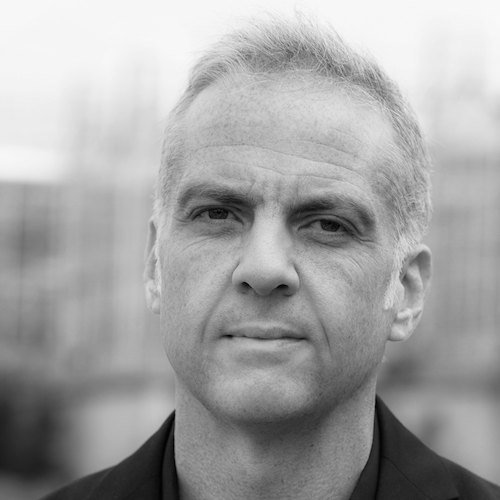
Image courtesy of Jim Kumon

Smart money is on impact.

April 27, 2020

Simply put, impact investing is the practice of using investment dollars to generate positive social or environmental impacts in addition to offering a competitive financial return. The idea that we can do far more with our money than merely reap monetary dividends is important, and has grown popular recently, steadily gaining traction with investors, whether small or large. As we increasingly wrestle with broad and difficult societal issues like affordable housing and climate change, issues that will impact the lives of millions of people, so too are we learning that impact investing can be an essential part of the solution.

Impact investing does not mean giving up on a good financial return. We’ve long known that what’s good for people and the environment is ultimately good for businesses and economic growth as well. And the competitive returns that investors are getting through impact investing only serves to reinforce this. This reality is highlighted by the fact that every day more institutional investors are committing an ever-growing pool of their funds to impact investing. As an example, one of the largest financial companies in the U.S., Prudential, has an Impact Investment division that should serve as a model of impact investing at the institutional level.

Catalytic and creative

In their Impact division, Prudential Financial has built a distinct portfolio of investments with the goal of both making money and having a social impact through each of those investments. The focus of this portfolio is specifically on projects that can lead to catalytic change. These investments can be higher risk and are often declined by their traditional portfolios.

Prudential has invested about $1 billion dollars into impact investments. Typically, when an institutional investor reaches a milestone like this, they’ll aspire to the goal of growing that portfolio, to say $10 million. Ommeed Sathe, the Vice President of Impact Investing at Prudential and engineer of their impact portfolio, thinks that’s the easy option to take. Instead, he’d like to push the envelope and focus on growing impact by seeking ever more catalytic and creative projects. These might include minority developers, in neighborhoods that have seen little investment or building-types that defy the norm. This is an encouraging and unusual goal for a large investment fund that hopefully will inspire other institutional funds to follow suit.

The portfolio overseen by Ommeed and his team is currently focused on both real estate and business investments, all of which would be considered socially conscious or beneficial. On the business side, companies have a social purpose, are financially inclusive, do work to retrain and reskill our workforce, and are working on sustainability. For example, in Washington D.C., they helped fund improvements to green infrastructure and create the first tradable stormwater credits, not unlike carbon tax and trade mechanisms, but done at the local level. Real estate investments include affordable housing, redevelopment and brand-new development projects that have the potential to transform the communities in which they are based.

While impact is critical, the driving goal for Prudential is to invest to make a return. These investments are meant to be competitive. But still, the focus of their impact investments portfolio is to invest in assets that more traditional portfolios would normally not invest in, not normally take a risk on.

The takeaway

It is groundbreaking for a large company to invest in this way, and further, to want to expand their reach even more. There is something to be said for the scale of change that institutional dollars can make. If investment funds push more capital into large and necessary projects such as affordable housing and mixed-use developments, especially in communities that need it most, there will be enormous benefit to everyone. And as these funds become more comfortable taking part in catalytic projects, they will discover a wide swath of investment opportunities that they may have previously overlooked. Investing for impact at this scale can have an impact we haven’t imagined before.

Listen to my full interview with Ommeed or go ahead and make your own impact investment.

Image by Rajkiran Pericherla / CC BY-SA 4.0

Equity is the thread.

April 22, 2020

John Folan is an architect and teacher like no other I know. He frames his work around issues of the environment, social justice and equity. Not only is his own body of work significant, but he is dedicated to teaching students to be the next generation of thoughtful architects, makers and citizens.

John is probably best known for his work in Pittsburgh, as founder of the Urban Design Build Studio. He has used design processes to work with under-represented communities on the development and implementation of a variety of interesting projects for most of his professional career. In 2011, he co-founded PROJECT RE_ also in Pittsburgh, geared towards creating entrepreneurial opportunities for local communities with a three-part mission: “Reuse materials. Rebuild communities and Restore lives by teaching trade skills to help people secure a living wage.”

In 2019 John was appointed architecture department head in the Fay Jones School of Architecture and Design at the University of Arkansas. Previously he was the T. David Fitz-Gibbon Professor of Architecture at Carnegie Mellon University’s School of Design. His work has been recognized by the American Institute of Architects (AIA), the Association of Collegiate Schools of Architecture (ASCA), and Design Corps SEED Awards. Before joining Carnegie Mellon University, John was a tenured faculty member at the University of Arizona, and the co-founder of Drachman Design Build Coalition (DDBC), a university-affiliated, non-profit corporation dedicated to the design and construction of environmentally specific, energy-efficient, affordable housing prototypes. He has been registered as an architect since 1995 and a LEED Accredited Professional since 2008.

Insights and Inspirations

  • Successful design projects can emerge organically out of conversations with communities and stakeholders long before any building or idea is imagined.
  • Design training has increasingly become important to fields outside of architecture, because of the ability to think critically and across disciplines.
  • Design education should help students to understand opportunities, while learning an agility that allows them to adapt and grow and change.
  • Cities have actually been improving, making strides towards being much more inclusive in terms of both social and economic platforms, although we have to move the meter much further.

Information and Links

  • John founded and leads the The Urban Design Build Studio (UDBS), a collaborative of students, professors, and allied professionals who work with community residents on implementation of appropriate, affordable, replicable design solutions.
  • John also founded PROJECT RE_, with a mission to reuse materials and facilitate landfill diversion; rebuild communities by strengthening capacity of local residents; and restore lives by teaching people trade skills to secure a living wage. The 10,000 SF Project RE_ space includes a community room, design studio, gallery and workshops for wood, metal, masonry, and digital fabrication.
  • And here’s an example. Re_Fab is a mobile fabrication lab that brings digital tools and educational activities to your front door.
Read the podcast transcript here

Eve Picker: [00:00:17] Hi there. Thanks so much for joining me today for the latest episode of Impact Real Estate Investing.

Eve: [00:00:23] My guest today is John Folan, head of the Department of Architecture and Design at the University of Arkansas. John is probably best known for his recent work in Pittsburgh. As founder of the Urban Design Build Studio, he has used design processes to work with underrepresented communities on the development and implementation of a variety of interesting projects. And in 2011, he co-founded PROJECT RE_, also in Pittsburgh, which was geared towards creating entrepreneurial opportunities for local communities with a three part mission: re-use materials, rebuild communities and restore lives by teaching trade skills to help people secure a living wage.

Eve: [00:01:16] Be sure to go to EvePicker.com to find out more about John on the show notes page for this episode, and be sure to sign up for my newsletter so you can access information about impact real estate investing and get the latest news about the exciting projects on my crowdfunding platform, Small Change.

Eve: [00:01:40] Hello, John. It’s just lovely to be able to chat with you today.

John Folan: [00:01:45] It’s great to speak with you, too.

Eve: [00:01:46] Yeah, it’s been way too long.

John: [00:01:48] Yeah.

Eve: [00:01:49] So, you are now the head of the School of Architecture at the University of Arkansas. But I’ve known you, I knew you through your tenure at Carnegie Mellon University and saw you launch the Urban Design Build Studio there. It’s pretty rare to meet an architect and teacher who is so squarely focused on public interest and equity. And I wanted you to tell me a little bit about the Urban Design Build Studio and the goals you have there.

John: [00:02:19] Well, the Urban Design Build Studio is still alive and well, actually, I’ve carried it with me to the University of Arkansas and it’s now at the Fay Jones School of Architecture. We’re on the initial phases of the first project down here, with promises of many more to come, even in the context of the changes that we’re experiencing with the pandemic. The focus of the Urban Design Build Studio is really to focus on public interest design issues. The clear objective is to use collective intelligence so that the work benefits from the perspectives of multiple entities, multiple individuals, people of multiple expertise. And what we’re trying to do is develop work … tangible outcomes, tangible impact that is replicable and appropriate for the circumstances being addressed. So, it’s quite often that Urban Design Build Studio projects start without having an idea of what the project is, but they emerge more organically out of conversations with community stakeholders and community leaders.

Eve: [00:03:41] So, tell us a little bit about the first project that you’re doing there. Or, maybe a past project that you did in Pittsburgh, but one that you think is really a good example of what you’re trying to do.

John: [00:03:51] I think probably the best example of the one in Pittsburgh, and then I can talk about what we’re starting to do here. The projects in Pittsburgh have ranged in scope from a fabrication facility to a cafe to housing proposals and all sorts of projects in between. Mobile advocacy projects, as well. Probably the one that demonstrates the underpinnings of the Urban Design Build Studio best would be Cafe 524, which is now the Everyday Cafe in Homewood. That project was initiated with …

Eve: [00:04:34] Everyday Cafe?

John: [00:04:36] Yeah, Everyday Cafe, which is right there on North Homewood Avenue, in Homewood, and that project emerged out of a chance introduction to Dr. John Wallace at the University of Pittsburgh and is a native of the Homewood neighborhood, and working with students. By virtue of the suggestion of the Urban Redevelopment Authority, we started working in Homewood and and started with some community engagement, met Dr. Wallace and really focused on this notion of a “third place.” And he had put together a group of people who were interested in establishing a third place and a business opportunity for local residents, and put together a team with Operation Better Block and obtained a license agreement for the property, and then ultimately stuck with that project. And Dr. Wallace has now run that facility for about three years. So, that’s the type of project that probably best exemplifies an organic path to coming up with something that’s meaningful and sustainable for a community.

Eve: [00:05:53] A little bit of background for our listeners. So, Homewood is one of the neighborhoods that kind of suffered most, I think, when Pittsburgh lost half its population, and really hasn’t come back. I don’t know about, I don’t know the demographic numbers there, maybe you do, but it’s very poor …

John: [00:06:12] Yeah, it’s one of the most economically challenged neighborhoods in the city, if not the most, depending on the sector of the neighborhood that you look at. It is, it demonstrates the most challenged characteristics in terms of median income levels. So, there are a number of factors that the significance of that project and the significance of having stakeholders who are really invested in the community, and want to sustain something. So, you know, the work of the Urban Design Build Studio, we’re bringing design services to a group of individuals who may not have had access to those services otherwise. And to achieve something that they might not achieve otherwise. By virtue of affiliations with a research university, there’s an opportunity to spend longer periods of time and working on the projects with those stakeholders than might be possible in a traditional market rate scenario.

Eve: [00:07:13] So, your projects are then in pretty underserved neighborhoods where people are in serious need economically, or affordable homes, or any variety of those options, right?

John: [00:07:27] Yes.

Eve: [00:07:29] Okay. And so you also launched PROJECT RE _ in Pittsburgh. And I don’t know if you took that with you as well. But what was that about?

John: [00:07:37] PROJECT RE_ was a way to expand the efforts of the Urban Design Build Studio. I’m still the executive director of PROJECT RE_. PROJECT RE_ was focused to address regional issues in Allegheny County and Pittsburgh, focusing on restoring community, rebuilding lives and re-use of materials. So, it was a transactional entity and a physical space that has been put together to bring design expertise … You submit materials that are extracted from building deconstruction associated with blight that exists, in Pittsburgh, and then involve efforts of job skill training in the creation of the projects. So, it’s a, the space is about 20,000 square feet in size. There’s a large community meeting center. There’s a gallery in there. There’s a small studio. There’s an industrial fabrication shop that has CNC technology as well as a wood shop. And then there’s an assembly area, and welding training centers.

Eve: [00:08:49] Wow.

John: [00:08:50] Since 2012 that’s been the main working space for the Urban Design Build Studio in Pittsburgh. And we plan to use that space, now that I’m in Arkansas as the head of the Fay Jones School, the intention is to use that space in the summers for design build projects with a number of universities around the country and potentially around the globe, to work on projects that are more targeted in nature, and bring people to Pittsburgh. And then during the year, we’re planning on moving forward to have a series of fabricators and artists and residents who work on projects and initiatives that they’re interested in.

Eve: [00:09:41] That’s pretty extensive. So, how do you hope these initiatives will impact architecture, and architects as citizens, in general? This is not what most architecture schools do, right?

John: [00:09:54] No, it’s not, but I think that there’s been a growing awareness of it. I would say it’s become much more common now. There’s a much greater awareness of the benefit that people can have. I think that, you know, when we talk statistically, if you reference the Cooper-Hewitt Museum exhibition from a number of years ago, you know, they always talk about the other 98 percent, that two percent of the population can afford to use the services of an architect. That statistic is not really correct. The language, more precisely, should be to two percent of population elect to use the services of an architect. And so if we take a look at that, that 98 percent sector is enormous. There is a large portion of that sector that simply don’t value design. And so there needs to be greater awareness.

Eve: [00:10:53] I used to always say that people would spend more time picking the sneakers they buy then choosing an architect, right?

John: [00:11:00] True. Yeah, they will. And so there’s a culture that has to be cultivated around that and and an appreciation for that. So, the intent here is not that every student emerges wanting to be a contractor, or wanting to build their own work, or that they pursue public interest design as a full-time endeavor. But it’s more that we’re elevating their awareness, more that we are helping them to become better citizens, helping them to understand opportunities and how to navigate the context of projects to help them be innovative in ways that are appropriate and have impact to broader communities.

Eve: [00:11:41] You know, I’ve always thought that architectural training is really unique because it teaches these kids to take nothing and turn it into something in a very creative way. And it’s a training and problem solving that I don’t think, I don’t think you can really match in another profession, but maybe in engineering, but perhaps not so creatively there.

John: [00:12:04] No, I agree entirely. I think that it’s an enormous skill set. And most of the students who are successful in migrating the whole way through a curriculum possess a great deal of passion, and a great deal of persistence, as well. And I think those sensibilities and those attributes become so important. And I think that we undervalue ourselves …

Eve: [00:12:30] Yeah, I agree.

John: [00:12:31]  … quite clearly. And, you know, and it’s interesting, too, this trend towards project-based learning that has been adopted across academic circles. You know, it’s really interesting, that’s been embedded in architectural education since its inception. We never seemed to value it. But now other academic units find enormous value in it. And it’s something that’s always been inherent, what we do.

Eve: [00:12:57] So, you know, I’m an architect by training and I’ve morphed over the years into now … I’m a fintech expert! And who knew? But I would say that, you know, early on when I was young, I had a very hard time thinking about leaving architecture because it felt like a waste of training. But I’ve realized over the years that’s absolutely not true, and that training has helped me in innumerable ways. So, I wonder whether architecture schools are getting better at showing young architecture students the possibilities of what they can do with this training. They don’t need to just go work for a, you know, a starchitect somewhere, but there’s sort of endless possibilities for what they can do.

John: [00:13:45] No, I think that students emerging today are so much more aware. I do think that schools are being far more successful in terms of providing opportunities  to students that suggest the full spectrum of things, that they might branch out and might explore professionally after they leave the academic setting. It’s really interesting. I’ve always been amazed at what you’ve accomplished. And I think in a way you’re sort of the poster child for …

Eve: [00:14:19] The wayward architect, right?

John: [00:14:20] Well, yeah. I mean, but not really. You’ve always come back and you’ve been an advocate for design. And I think that, I think where there’s now greater awareness of what architectural education can do is evidenced by programs that are not necessarily professional programs. Like four year programs that are really elevating the awareness of young individuals about the potency of design, what design has to offer. And what happens is those people who graduate, say, with a bachelor of science that will not position them for professional licensure, they’re merging and entering other disciplines, allied disciplines and allied fields. Allied fields are as important, as you know, to the implementation of innovative work as design. I mean, so, yes, I think that the schools are much better now at getting students away from navel-gazing. You know, where you just sit in isolation and try to develop things in isolation. I think that there’s much more emphasis placed on collaboration, team building. I think you see that across the board.

Eve: [00:15:37] Yeah, that’s pretty fabulous. So, as head of the architecture school there, what do you think is the most vital now for the next generation of architecture students, then?

John: [00:15:49] Well, I think it’s probably the same thing that it’s always been, is agility. And I think that’s probably a lot of what we’ve been discussing today, is the the ability of somebody to adapt to a situation, to understand a situation, to bring different levels of expertise and to orchestrate that expertise in a positive way. It’s also knowing when to be a soldier and when to be a leader. And I think that those are important things, important sensibilities. And of course, with climate change being such a significant factor, I mean, that has been part of the conversation. We’re starting to see much greater awareness in the area of social justice and equity. That will need to continue as well. So, I think, again, this training is a problem solver. It’s really just the critical thinking skills and being agile that you really want to have somebody emerge with. They don’t feel that they’re indoctrinated, in a way that they’re equipped with a series of tools that will allow them to adapt and grow and change …

Eve: [00:17:01] Yeah.

John: [00:17:01] … as they move through their career.

Eve: [00:17:03] I’m jealous that they’re learning that so young. Because it really wasn’t a possibility when I went through school.

John: [00:17:08] Yeah, no. Same for me. There was one way to do it. And you kind of had to find your way after you got out.

Eve: [00:17:16] We had to butt our heads against it, right?

John: [00:17:18] Yeah.

Eve: [00:17:19] So, what’s your background and what … You’ve spent a life kind of fascinated with equity in architecture and in the physical environment. And I’m just wondering how you got there.

John: [00:17:29] Well, I’m always proud to tell people that I’m from Chicago, if they’re willing to ask and if they can’t discern from my accent. So, I had, you know, I’m also old enough that when I was young, there were a number of significant buildings that were being constructed at the time. And I was fortunate enough to have the opportunity to see those buildings being built and was just fascinated by construction and the physical environment. And so I really can’t remember a time where I did not want to be involved in architecture, professionally. It was always a an interest of mine and something that I thought would be a great privilege to be involved with. I think as I got older I started to develop an interest in affordable housing and equity, just by virtue of circumstance that I had growing up. Then my career took me about as far away from that and as you can get and I went to work for a couple of starchitects and worked on large projects, significant projects. And then I was principal for a large, well-known firm. And when … I hit a point in my career where I was not addressing things necessarily related to equity and not related to issues in neighborhoods that I felt needed help and made it a sea change in my career and focused on nonprofit work … an extension of that. So that’s kind of the path I took.

Eve: [00:19:07] Yes. We know that you care about socially responsible real estate, but are there any current trends in real estate development that interest you the most? And perhaps the second question is, given what’s going on with the coronavirus right now, how might an architecture change to address things like pandemics and keeping people safe?

[00:19:33] Those are really interesting questions. And, you know, it’s interesting that you’re asking it because the answer, probably .. well, it might have been same a few weeks ago, but it’s … you know, given the perspective that we all have at this time. Of course, it’s changed all of our perspectives. Things that are interesting in terms of real estate; I think that there’s much greater awareness of how market rate development can be leveraged to advantage mixed-income development and provide an opportunity for communities where fixed income residents can be part of a successful neighborhood. I think that there’s an enormous amount of advocacy that is still needed with regard to that. Issues around gentrification. I think people are very keenly aware of some of those issues, but a lot of what’s perceived as gentrification, it is byproduct, in fact, of misinformation many times. That there’s a perception that somebody will be pushed out rather than understanding that there’s a mechanism for long-term residents to stay in an area. So, I think advocacy there becomes really important. The things that Small Change is doing by allowing people to invest through crowdsourced funding is incredibly important. I know the range of projects that you have that are demonstrated through the website really illustrate the potency of groups of people coming together to impact change in areas where it would probably be risk averse in terms of taking on opportunities. So, those are probably the areas in development. In terms of response to the pandemic, I really am at a loss on that.

Eve: [00:21:28] I am a little bit, too. But I’ve been thinking a lot about Small Change. And first and foremost, I have this tool that lets everyday people invest. And yet, you know how many people filed for unemployment in one week, this …

John: [00:21:43] Yeah.

Eve: [00:21:43] … last week? You know, and I can’t really kind of reconcile the two at the moment. I think we’re going to have to wait and see.

John: [00:21:53] Yeah. Yeah, no, I, You know when I think, with the pandemic, I think I probably, I haven’t been thinking about it in terms of the investment side. But the point that you raise is really important. My mind tends to shift more towards the practicalities of one’s physical health. And then, of course, I   of the work of MASS, things that they’ve done with Dr. Farmer, and just simple things.

Eve: [00:22:21] We’re going to see a sea of technological changes as to how you open doors for example.

John: [00:22:28] Oh yeah. No, that’s right. Yes, it will it will transform those things that we take for granted. So, fundamentally. Yes.

Eve: [00:22:35] Yeah, it’s a bit crazy. And of course it’s having an impact on your school because the teamwork that is clearly really part of what you’re doing is sort of being shut down at the moment, right? With the students and how they work together. Or has it? Or are you finding other ways to do that?

John: [00:22:53] Well, we’re still in the first weeks. I think unfortunately … what struck me … You know, it’s interesting if I just relay a story. When we made, when they first made the announcement they were going to distance learning, and anybody who knows architects knows how, understands the intensity of the educational process and studio culture. The younger students in the school happened to be outside my office and I heard this eruption of laughter. And, you know, they’re quite happy that they might gain relief from the demands of the curriculum. And then, when I went up to visit my studio, because I work with students who are further along in the program the kids were in tears. And it was at that time that I really realized the impact that it’s having on those who are emerging into the profession. They understood the gravity of the situation at that time by virtue of the fact that they understood that was probably gonna be the last time they were going to see their classmates as a large group. That was, you know, the celebrations of graduation were clearly going to be suspended, at least for a while. And then, immediate concerns over what it meant for viability of their professional future … the immediate viability. So, I think your perspective, depending on your age …

Eve: [00:24:30] Yes. Definitely.

John: [00:24:30] … changes and your understanding of the impact.

Eve: [00:24:39] Yeah, and then, I asked the current terms question in other interviews and a month ago, you know, people are talking about co-working. And this month, I have to wonder if co-working is dead. You know, it’s very, very difficult …

John: [00:24:57] Yeah.

Eve: [00:24:57] … It’s difficult to imagine. Anyway, now we’re down this depressing path, so.

John: [00:25:01] Yeah. Well, I think to think about it optimistically, you know, going back to what we said. This is a wicked problem. And it’s not a wicked problem. It is illuminating thousands of wicked problems. And I think that the opportunities will emerge out of what we understand. And I think right now it’s so early in the process, as we start to come out of this, as the virus is controlled and contained, and we start to plan for the future. I think that will open up all sorts of avenues. But what those are I don’t know, and I really haven’t had time to speculate.

Eve: [00:25:47] But, you know, I think architects might be at the center of some solutions, I’m sure. So.

John: [00:25:52] Yes. Yeah.

Eve: [00:25:53] So, it’s actually a very interesting thought. How do you think we need to think about our cities and neighborhoods to build better places for everyone?

John: [00:26:04] Well, I think we’ve been on a rather positive trajectory. When I was a, you know, again, going back to when I was a child, when I was a child cities were horrible places. You didn’t want to be in cities, you know, unless you were really serious about urbanism. We avoided cities. And I think that the perceptions of cities really didn’t start shifting until the early 90s. And it really hasn’t been until, I would say, the last decade that we’ve seen the benefits of positive urban thinking, and consideration of new models of development. Yeah, I think that the cities are making strides towards being much more inclusive in terms of both social and economic platforms. And so, we still have to move the meter a lot further in terms of that. You still have, you know, there’s still issues of segregation. There’s still issues of economic disparity and concentrated poverty. So, I think that where urban environments need to start moving is towards deep concentration of those negative attributes. I think that it has gotten significantly better in recent history and I think we are on a path forward. And again, I think crowdfunding in support of developments is a significant component to that continued success in the future. I do think it’s interesting, we always talk about density being … and then, of course, in cities like Pittsburgh, where there been a population loss, you know, the term that was developed was “right sizing.” I don’t know if the pandemic is is going to lead us to start thinking about what appropriate levels of density are or how that ties into the general health and well-being that’s to be determined in the future.

Eve: [00:28:16] Well, I really enjoyed this conversation, and I’m excited to see how you and your students put some thought to the post-pandemic problems and the future that we’re all looking at. It’s going to be really interesting to see.

John: [00:28:31] Well, thank you. I really enjoyed the conversation. This has been a great conversation.

Eve: [00:28:37] Ok, bye John. Bye.

John: [00:28:37] All right. Bye Eve. Thanks.

Eve: [00:28:44] That was John Folan, head of the Department of Architecture and Design at the University of Arkansas. John is an architect and teacher like no other I know. He frames his work around issues of the environment, social justice and equity. Not only is his own body of work significant, but he is dedicated to teaching students to be the next generation of thoughtful architects, makers and citizens.

Eve: [00:29:21] You can find out more about impact real estate investing and access, the show notes for today’s episode at my website, EvePicker.com. While you’re there, sign up for my newsletter to find out more about how to make money in real estate while building better cities.

Eve: [00:29:38] Thank you so much for spending your time with me today. And thank you, John, for sharing your thoughts. We’ll talk again soon. But for now, this is Eve Picker, signing off to go make some change.

Image courtesy of John Folan.

The power of modular building.

April 20, 2020

As builders, architects, urban planners all look for innovative ways to create both affordable and sustainable housing, some new homeowners have been looking to the efficiencies of modular construction as one potential solution. While pre-fab (for pre-fabrication) is a general term for building components that are created in a factory to be assembled on site, modular construction refers to pre-finished volumes, about 70 percent complete. In other words, entire rooms or floors – modules that can be set down on a property virtually ready to go except for hookups and exterior finish work.

One such example is Module, based in Pittsburgh. Module was co-founded by a trio of young entrepreneurs who were inspired by the idea that everyone should have access to good design. But as opposed to the typical design-build company that gives clients the options of picking from only a few template plans, Module’s team offers turnkey design-build-develop services. They do not build the homes but work with a third-party manufacturer and a third-party contractor, managing the whole process for clients from start to finish, from design to permitting to construction.

Why build this way?

Basic modular, or even pre-fab, construction offers a variety of benefits for the homebuyer. On the one hand, as opposed to designing a home from scratch, which is time-consuming and adds additional cost, a developer or builder can offer a new homebuyer templates based on their needs and budget.

There is also the benefit of a large reduction in construction time, and when done at large scale, construction costs. Modular projects also offer high-quality, factory-based construction, often using eco-friendly materials and energy-efficient, customized designs, all with rapid on-site assembly. Already familiar in countries like Japan, this way of building housing is starting to become popular in the U.S., and most exciting, offers innovative methods for providing affordable and sustainable housing on a large scale. 

One reason for the trend towards pre-fab and modular construction is a shortage of skilled labor in many housing markets. Another is a supply shortage in boom markets, where existing developers cannot build things fast enough. In both cases, components of a building can be constructed anywhere and shipped to the site. This has long been the case, for example, with pre-fabricated roof trusses one often sees being trucked along on the highways.

Module

Brian Gaudio, the CEO of Module, created his company differently. He describes the vision of Module as more of a tech startup company than a design firm, offering their product first and foremost as a service, or process that you can literally order online. “We’re trying to redesign the customer experience,” he says, “and redesign homeownership from the ground up.”

First, Module works to understand the clients’ current needs, learning what they want in a home – everything from space and light, to aesthetics and utility. Second, for clients who already own land, Module evaluates the site location and determines what’s possible based on topography and local zoning rules. If a client needs to purchase a lot, Module offers a curated selection of available lots they know will work with their designs.

Third, the team works to design the client’s home and create a budget. Fourth, Module handles all of the permitting and manages every aspect of the building process. Because they partner with manufacturers and contractors, he says, “we don’t own those parts of the supply chain. But what we do own is the customer experience.”

Finally, and perhaps most importantly, Module plans to grow with their clients, offering the flexibility to add more space as needed with additions that are made to grow a home to order.

The future

Modular construction offers exciting solutions for both affordable and sustainable housing. There are a number of innovative options available now, and while some companies offer services nationwide, it’s also worth exploring local companies to learn about options in your area.

Listen to our interview with Module founder, Brian Gaudio, to learn more about how Module is bringing their unique modular process to the Pittsburgh area. 

Image courtesy of Module Housing

« Previous Page
Next Page »

Primary Sidebar

sign up here

APPLY TO BE A PODCAST GUEST

More to See

(no title)

February 22, 2025

Bellevue Montgomery

February 11, 2025

West Lombard

January 28, 2025

FOLLOW

  • LinkedIn
  • RSS

Tag Cloud

Affordable housing Climate Community Creative economy Crowdfunding Design Development Environment Equity Finance FinTech Gentrification Impact Investing Mobility Offering Opportunity zones PropTech Technology Visionary Zoning

Footer

©rethinkrealestateforgood.co. The information contained on this website is for general information purposes only. Nothing on this website is intended as investment, legal, tax or accounting strategy or advice, or constitutes an offer to sell, solicit or buy securities.
 
Any projections discussed or made may not be accurate and do not guarantee a specific outcome. All projections or investments are subject to risk due to uncertainty and change, including the risk of loss, and past performance is not indicative of future results. You should make independent decisions and seek independent advice regarding investments or strategies mentioned on this website.

Recent

  • The Mulberry
  • Mount Vernon Plaza
  • The Seven
  • Real estate and women.
  • Oculis Domes.

Search

Categories

Climate Community Crowdfunding Development Equity Fintech Investing Mobility Proptech Visionary


Copyright © 2026 · Magazine Pro on Genesis Framework · WordPress · Log in