• Skip to main content
  • Skip to secondary menu
  • Skip to primary sidebar
  • Skip to footer
  • Home
  • About Us
  • Say hello
Rethink Real Estate. For Good.

Rethink Real Estate. For Good.

  • Podcast
  • Posts
  • In the news
  • Speaking and media
    • About Eve
    • Speaking requests
    • Speaking engagements
    • Press kit
  • Investment opportunities

FinTech

First in. Towards growth.

April 1, 2020

Lance Chimka, who became Director of Allegheny County Economic Development (ACED) in 2018, oversees an agency responsible for business expansion, planning, community and real estate development, and affordable housing projects for the second most populous county in Pennsylvania.  

Born and bred in Pittsburgh, Lance has long been familiar with the changes the region has gone through in its shift from a deeply embedded, industrial economy to one grounded in medical research, higher education and technologies such as robotics and cybersecurity. Soon after taking over at ACED, he noted that the local economy is hitting an important juncture, one in which Pittsburgh and local municipalities need to think beyond “eds and meds,” adding that a decade after the 2008 financial crisis “we’re in an economic expansion, but we’re not seeing some of the growth that other benchmark cities are seeing.”

Lance previously worked within the Pennsylvania Department of Community and Economic Development where he was Regional Director of the Governor’s Action Team, focusing on removing barriers to development, investment and job growth in the 11-county southwestern Pennsylvania region. And prior to working for the state, Lance led community development programs, commercial lending, business attraction and expansion activities for the ACED for a number of years.

Lance is certified as an Economic Development Finance Professional and he served in the U.S. Peace Corps, in Turkmenistan.

Information and Links

  • Lance is really proud of ACED’s partnership with RIDC to help the startup, Fifth Season, build a vertical farm in Braddock, PA. The project was profiled by Fast Company and won a NAIOP light industrial project of the year award.
  • Lance loves Pittsburgh International Airport’s microgrid project – he thinks it is both important and under-rated. Forbes loves it too.
  • And he’s inspired by the tech entrepreneurs that have led Pittsburgh into the forefront of the innovation economy, like Duolingo, MeeterFeeder or Thread.
Read the podcast transcript here

Eve Picker: [00:00:18] Hi there. Thanks so much for joining me today for the latest episode of Impact Real Estate Investing.

[00:00:24] My guest today is Lance Chimka. Lance is the relatively new and extremely energetic director of Allegheny County’s Economic Development Department, in Pittsburgh, Pennsylvania. He has a very contemporary take on what government ought to be doing, and that includes investing in real estate to advance the economy. Lance is building a collaborative team environment, working with developers throughout the county, lending where banks dare not go, always with his eye on economic development growth, and always with the thought of how our region can do better. Learn how Lance and his team are supporting development in a not-quite-market rate environment.

[00:01:11] Be sure to go to EvePicker.com to find out more about Lance on the show notes page for this episode. And be sure to sign up for my newsletter so you can access information about impact real estate investing and get the latest news about the exciting projects on my crowdfunding platform, Small Change.

Eve: [00:01:37] Hi, Lance. I’m really excited for the opportunity to talk to you today.

Lance Chimka: [00:01:41] Pleasure’s all mine, Eve. Thank you. I’m honored that you would have me on.

Eve: [00:01:45] We’re gonna have a great time.

Lance: [00:01:46] Absolutely. We usually do.

Eve: [00:01:48] In a not a lot of time, you’ve gone from being an intern at Allegheny County Economic Development to the organization’s director. And then you did a few odd jobs in-between. And that’s a pretty meteoric rise, wouldn’t you say?

Lance: [00:02:06] Ah, yeah. I mean, I guess it has been pretty quick. It sometimes didn’t feel that way. But I think the cool thing about that is that whole progression is absolutely vital to some of the stuff I want to get done, now. I wouldn’t have changed that course, at all. Like, understanding kind of the daily struggles of interns in my office absolutely directly informs how I work on efficiency measures here, for example. It’s been incredible and I’ve been really lucky to have incredible mentors along the way that have taught me a lot. That was one of my favorite things about public sector work, is it touches so much, that you’re able to, you’re able to learn.

Eve: [00:02:45] What led you to pursue a life in government service? Was it that first internship that you just liked so much?

Lance: [00:02:52] When I was pursuing an undergrad degree in finance, it was kind of in the boom times, the 2000s, and I didn’t want to take that route. Kinda always been a volunteer at heart, and so I joined the Peace Corps, and that was kind of the start of my real public service. And I just kind of knew, I came back to go to CMU and get a policy degree and just kind of always knew, in my heart of hearts, I would always be in some kind of public servant role. Not necessarily in government work, but that’s the path that I’ve chosen to this day, and it’s been incredibly rewarding.

Eve: [00:03:27] So, that what drives you, yeah. So, for listeners who haven’t connected the dots yet, Lance and I share a hometown, Pittsburgh, and a few decades ago, Pittsburgh was pretty well all but written off. You can listen to my podcast interview with Tom Murphy that I think just went live and you’ll get to hear the turnaround mayor talk about where we were then and what it took to shake that image. And that brings me to a statement that I read, that you made, Lance, which was, “we’re in economic expansion, but we’re not seeing some of the other growth that other benchmark cities are seeing.” And I’m just wondering what you meant by that?

Lance: [00:04:09] Not to, not to recap what you probably talked with Mayor Murphy about, but to get from the doldrums of 1983, which is really the trough of our local economy.

Eve: [00:04:19] It was the bottom, right? Yeah.

Lance: [00:04:21] Yeah. To where we’re at now, has been an amazing transformation, right? It’s been all about diversification and it’s, of a regional economy. And then we, now we have these five primary industry sectors: in financial services, IT, energy, advanced manufacturing and healthcare. And that’s really, really important because in recessionary periods, that diversified economy is very robust, and makes us the darling, and outperform benchmark cities in recessionary periods. However, the problem is that in expansionary economies we lack the kind of exponential growth that some of our other cities experience. It’s just kind of the nature of our economy currently, is slow and steady wins the race, which is fine. I think my goal is on the macro economic end, is to not throw the baby out with the bathwater, keep the diversification, keep the slow, steady growth, but then really experience some of the upside of expansionary times, which we’re in now. And I think the key to that is, and I’m really optimistic about the future of our economy, is across those five industry sectors. You have artificial intelligence, which we are an absolute worldwide hub of, cuts across all of those. And robotics, cuts across three of those, in advanced manufacturing, health care and energy. So, those eight intersection points that I think are the key to experiencing upside growth, and that’s some of the stuff I’m excited to work on.

Eve: [00:05:56] How do you work on that? How do you improve that?

Lance: [00:05:59] Great question. Especially like, how does government do that? The risk profiles associated with investments in startups are probably too, you know, too risky of an investment for governments to be making. And not to mention, we don’t have that skill set. But I think there are a lot of other ways we can invest in the city in a way to encourage that kind of growth. One of those ways is in real estate development, right? If you take something like biotech, right? A lot of times you’ve got companies that need wet lab space. You have extremely long periods to get through clinical trials. You have really expensive buildings that, you know, because of the nature of the beast, you have your non-credit tenants. So, I think when we’re making investments in real estate, we need to incentivize those kind of assets in buildings that aren’t going to happen in the open market. That’s just one example. We lack high-bay space for robotics. Some other specialty real estate that I think the public sector can play a role in: mitigating the risks for developers who have non-credit tenants, and making sure that building stock is available. Speculative development is another thing we’ve classically underperformed on. And in the kind of pace of the current economy, like, people are not waiting around 18 months to build a building, they want turnkey space ready to go. So, we’re working on a number of things to make sure that those types of building stock in speculative development is allowed for. And a lot of that is investment through tax abatements, and direct investment, and site assembly that I do here in this office. So, that’s just one example in real estate. I think you can find other examples in public infrastructure, amenities, recreational space, and being really intentional about how we connect our tech hubs through infrastructure work. Whether that’s public transit, or whether that’s, you know, really compelling a multi-modal streetscape design. Things like that.

Eve: [00:08:03] Quite a lot to think about, isn’t there?

Lance: [00:08:04] Yeah. Yeah. Keeps ’em busy.

Eve: [00:08:06] So, you also served as an advisor on Pittsburgh’s Amazon HQ2 proposal. And I’m wondering in retrospect how you feel about making it to the top 20 list, but not as an Amazon final city pick.

Lance: [00:08:20] Yeah, I mean, I feel great about it, because I think we extracted all the marketing benefit from it without any of the really, really, really painful stuff that might have been associated with it. I am proud of our approach to that. I think it was, hey, here’s a suite of stuff that we, as every Pittsburgher, there’s wide agreement that we need to invest in. And we don’t have a revenue stream to do that. So, let’s take that suite of things we need to invest in and treat this gargantuan investment coming our way as the revenue stream. You know, and I think it helped kind of distill that suite of, that wish list, if you will, for us. And now, ok, we might not have the revenue stream, but at least it helped distill what we want to be as a city, forcing us to go through that process. And I think it was overwhelming positive experience.

Eve: [00:09:13] What’s the top of the list that we should become?

Lance: [00:09:16] I think the two things that kind of rose to the top, given the time in our city and the way things are trending, are people want a really robust public transit network. I think that was clear. People want and are concerned about rapidly appreciating real estate values in some of our residential markets. And that would be exacerbated by a huge investment like that. And so I think it really rallied people around public transit, and around affordable housing. Which I think is a positive thing, you know?

Eve: [00:09:48] Yeah, no, I agree.

Lance: [00:09:50] It’s great that affordable housing is suddenly cool again. You know?

Eve: [00:09:53] Yeah.

Lance: [00:09:54] This is fantastic. People working in this field are like, wow, this great sea change, like, in a really short period of time.

Eve: [00:10:01] Yeah, that’s true. Affordable housing is a really hot button issue now, isn’t it? Everywhere.

Lance: [00:10:06] Yeah, no doubt. And it’s great. And I think ultimately, you know, we did not land that investment. I think predominately it was a numbers game, right? A population numbers game. You’re talking about …

Eve: [00:10:18] Yes.

Lance: [00:10:18] … a gigantic pool of workers, and being a small middle market city was tough for us to absorb that, A., and, you know, the facts that matters are we have zero population growth and a two million metro area, and it went to a place with a 20 million metro area and five percent growth. And a, what a, maybe a 12 million metro area, and like 10 percent growth down in D.C., right?

Eve: [00:10:42] Right.

Lance: [00:10:42] At the end of the day it was all about …

Eve: [00:10:45] The numbers.

Lance: [00:10:46] … you know, the numbers, demographics, bodies, population. And that put a fine point that we need to work on that as well, right? That’s a huge Achilles heel for us is a lack of population growth.

Eve: [00:10:56] It is and it isn’t. I mean, that part of Pittsburgh’s charm is its size. When you talk about what should Pittsburgh become, I think you should also think about what it shouldn’t become, right?

Lance: [00:11:07] Sure.

Eve: [00:11:07] It’s a pretty beautiful and rather unique city. And each city has its own strengths. I don’t know. For me, cities go beyond numbers, but perhaps not for Amazon.

Lance: [00:11:17] Yeah, well, exactly. I think, despite what they would tell you, I think they had to take a very analytic approach to that.

Eve: [00:11:23] Yes.

Lance: [00:11:24] And it’s something that like charm and culture and beauty were probably not heavily weighted …

Eve: [00:11:31] No.

Lance: [00:11:31] … on that algorithm scale, right? So. But I agree with you.

Eve: [00:11:35] Probably mobility and housing stock were right up there.

Lance: [00:11:38] Mm hmm. I imagine.

Eve: [00:11:39] You’ve barely started, but what would you like to accomplish at ACED?

Lance: [00:11:44] Oh, boy, I mean, a lot. So, our two-fold mission is this: one, is the work on the macro economic health of the city, which is really about building a diverse and growing regional economy that’s opportunity rich for everyone to tap into, right? And we addressed some of that already. The other part of our mission is much more neighborhood-based. And that’s, you know, we want to create healthy and vibrant communities. So, all of our investments, and we make those investments in the areas of housing, and industrial and commercial development, infrastructure development, parks and rec, things of that nature, all of our investments are done with that two-fold mission. So, there’s certainly a lot of things I think we can do and be more creative with the tools we have. You know, I’m a big proponent of good government, too, and I think there’s a lot we can do to make the public sector meet the needs of our citizens in a more efficient and customer-friendly way. So, that’s the other kind of side of this that I will work on is, not only mission delivery, but just, you know, government efficiency is a twisted hobby of mine that I like, I like working on.

Eve: [00:12:55] Ha! That’s a really great hobby.

Lance: [00:12:57] Yeah. I mean, everyone needs a hobby.

Eve: [00:12:59] Yeah.

Lance: [00:13:00] And to be more specific, again, I talked about the real estate assets that I think we need to incentivize. A big concern of mine is if you put communities, you can kind of classify them broadly in three buckets. And that’s, there are tons of communities that are thriving, and we need to support them. There are a number of communities that are revitalizing that need special attention. There are a lot of communities, they need stabilization. We need triage. And a lot of that is direct fallout from the 1983 exodus of people with any sort of social mobility leaving the city.

Eve: [00:13:37] Yeah. Yeah.

Lance: [00:13:37] And we have certain areas that, they have zero market. Land value is negative, right? And that presents a whole slew of economic and social problems that go along with that. And we really need to support those communities. At the same time, kind of leaving the development breadcrumbs from areas of high opportunity to establish markets, and you kind of need to string those investments along. It’s going to be a while until I can take the strength of the market that is the Strip District, for now, and pool it across the Allegheny Valley, right? And pool it down into the Mon Valley.

Eve: [00:14:14] Yeah.

Lance: [00:14:14] And in the process establish beachheads in Etna. And I need to establish that beachhead in Etna before I can really get to Tarentum and New Kensington, right? Same thing goes for the Mon Valley. I really need to establish a strong beachhead in Wilkinsburg and Braddock until I can really talk about strength of market in places like Clairton. In the meantime, we need to make sure that we are treating those communities with the respect that they deserve in addressing the blight and disinvestment they’re struggling with, and doing that in a really smart and strategic way.

Eve: [00:14:46] Well, it must be really tough making decisions because you can’t have endless resources, I’m sure. And then you have to decide where to direct those resources. And for people who don’t know who are listening, Pittsburgh was around 700,000 people strong and really lost more than half of its population in the 1980s. And it’s now still hovering just over 300,000. Although family units are smaller now.

Lance: [00:15:16] Yes.

Eve: [00:15:16] It’s still a lot of vacancy, right?

Lance: [00:15:18] Yeah, absolutely. And so, you know, there’s some opportunity there. You know, to some extent, affordable housing price per square foot is a supply demand calculation, right?

Eve: [00:15:27] Yes.

Lance: [00:15:28] The problem is the areas that are close to job centers, well-served by public transit, and have amenities like grocery stores. We’re seeing rapid appreciation there, and obviously, because they’re more desirable places to live. So, we need to make investments to ensure that those are mixed-income communities. And we also have the opportunity, though, that a lot of other cities don’t, to make proactive preservation investments in areas that have naturally occurring affordable housing. And we’re doing both of those things on the housing investment side.

Eve: [00:16:00] Real estate development is a major component of your work.

Lance: [00:16:04] Oh, yeah. I would say most of what we do has a real estate component to it. Now, one of the things we’re trying to get more engaged in, that we traditionally have not, is the workforce development arena. You know, I think one of the big transitions we talked about, like the change in public opinion around affordable housing … the innovation economy has forced site selection to go from a predominately site- and building-centric approach to predominately talent-based approach. And we, I think in the past, in the economic development community, have taken a very hands-off approach saying, hey, there are specialists in workforce development, we’re going to let them do their thing, and we’ll just, we’ll build the stuff, invest in those tangible building products. I don’t think that model works anymore. I think the workforce challenge and the future of work is such an acute need that we really need an all-hands-on-deck approach. And the more resources everyone can leverage, that and, the better. I’m just finalizing my budgets for next year and we’re probably making close to a million dollars in investments in workforce development, which doesn’t have a land and building component to it. And I’m proud of that. And I think that’s something we’ll continue to invest more heavily in. And that’s everything from workforce readiness of teens, to adults with barriers to employment, getting re-educated and prepared for the workforce. You know, we need to attack this from all angles.

Eve: [00:17:33] I was going to ask, is there a rhyme or reason to the projects you become involved in. But I think I’m hearing that your organization, you really play the role as almost a pioneer investor early on when perhaps it’s a little bit uncomfortable for private money to be involved?

Lance: [00:17:51] Oh, no doubt.

Eve: [00:17:52] Yeah.

Lance: [00:17:52] Yeah, absolutely. Our investments, I think, are predominately … well, one, we take first mover investments in site assembly. Right? For example. So, one of my big hypotheses was that people say there is no market, no real estate market in Braddock, right?

Eve: [00:18:14] Mmm Hmm.

Lance: [00:18:14] And I challenge that. I think it’s the fact that the available real estate is not the right kind of real estate. So, for example, we assembled 60 tax-delinquent, single-family structures, demolished them, consolidated them into one five-acre parcel, and worked with a very creative developer on a take-down period that worked for the finances of that kind of constrained market. And they built a 60,000 square foot high-bay light industrial building. It’s probably the first new industrial development in Braddock in, I couldn’t even tell you how long. This is a place that suffered 90 percent of population loss.

Eve: [00:18:52] Yes.

Lance: [00:18:52] Those are the type of things, in that case, we were a first mover and then worked on aggressive land conveyance strategy with the developer. And now the great thing is we have new tax base in Braddock, we new job base in Braddock, and almost more importantly, I have a comp now, I have established that land has value in Braddock.

Eve: [00:19:12] Oh yes, that’s very important.

Lance: [00:19:14] And previously that didn’t exist. So, that’s something we did in 2019. They’re going to take occupancy first quarter of 2020, and, yeah, we’re really proud of that kind of work. So, sometimes our investments are in that realm. Other times were physical investments, either through tax leverage finance or direct investment, and yes, we assume a much higher risk profile than our private sector partners.

Eve: [00:19:35] And have you been able to convince some banks to come along on the ride with you?

Lance: [00:19:39] Yeah. And I think as long as you understand their underwriting criteria, and their approach, they’re great partners. You just have to understand what their sweet spot is and work around it. We underwrite our investments in a very similar way that banks do, on the risk end. The difference being, one, we’re willing to assume more risk. And two, on the return end we think much more broadly about returns. It’s not just about debt coverage ratio. It’s about tax base expansion. It isn’t necessarily going to pay us, but is a return to the project because it’s a mission-based return.

Eve: [00:20:16] It’s a return to the region, right? As well.

Lance: [00:20:17] Exactly. We love working with banks and traditional funders. And we have the ability to be more flexible to allow them to meet their underwriting goals and and still participate in the project.

Eve: [00:20:28] What sort of projects do you hope to see more of? I mean, if things go really well and your investments pay off in the way you want them to. What sort of projects are you hoping to see arise independently in the next five years, let’s say?

Lance: [00:20:42] Yeah, I think if we do a couple of projects like that, that light industrial building in Braddock then … that’s the goal, is that you would then establish a market and I can then start making similar investments in Duquesne and McKeesport. And like I said, you just pull that market down to maybe less centrally located areas. So, yeah, more spec buildings, more high-bay light industrial for robotics industry, more wet lab for biotech and life sciences. You know, hopefully, some of our development community starts to realize that you can stand in Lawrenceville in 40 dollar square foot space and look across the river at 15 dollar square foot space. And …

Eve: [00:21:19] Yes.

Lance: [00:21:21] … start to recognize that arbitrage opportunity. Because these communities, they’re fantastic, unique, beautiful places. They are open to development. They are, you know, they’re wonderful places to do work. And they’re right adjacent to the urban core. So, you know, rethink your idea of proximity and let’s do some great projects in some of these communities that are maybe overlooked in a lot of cases.

Eve: [00:21:47] And then most importantly, it’s pretty fun to be at the leading edge, right?

Lance: [00:21:51] I think so! Sometimes, you know, that’s when you don’t have a comp and the bank starts to get real nervous …

Eve: [00:21:58] I know, I know.

Lance: [00:21:58] … that’s when, you know, they don’t find it as much fun as I do. But yeah. I mean, that’s part of the fun, is there’s additional challenge there, but it can be really, really rewarding if you pull something off.

Eve: [00:22:08] I agree. Totally agree. Yeah. We’ve also talked about how to empower people in these communities to be part of the change, the rapid change that’s occurring in cities like Pittsburgh. And I am wondering why you think that’s important?

Lance: [00:22:23] One of the big challenges we face as a society is disproportionate allocation of not only income, if you look at wealth, right? It becomes even more staggeringly problematic. So, we’re not trying to establish markets for, just because, just for tax base, right? Hopefully, the idea is then, by establishing market you can assist in families building wealth, right? And we want people to be able to participate in the benefits of these hopefully catalytic investments we’re making. How best to do that is a challenge. You know, obviously, it’s easy when you have homeownership, high levels of homeownership, because that’s, you know, your biggest asset that appreciates with change in real estate market.

Eve: [00:23:17] Yeah.

Lance: [00:23:17] If people have that asset and they want to cash out and participate in that upside return, well, great. You know, that’s building equity, that’s building wealth. And hopefully that’s life changing for the family that chooses to do that. I think the problem, because when people are very culturally, emotionally and kind of societally invested, but don’t have that asset to participate in the appreciation, how to plug those people in to our changing communities and make sure that they participate. And that’s where, you know, lots of novel ideas that I think we’ve been talking about, about microlending, and, you know, equity returns back to neighborhoods, start to become really, really compelling for that kind of segment of society and something that I really want to learn more about, and try and institute some really progressive things on that front.

Eve: [00:24:10] I’ve been talking to some people over the last year who also believe that making a space for those people, like a physical space, is really important. And they do that in different ways. Like maybe a community space or … there’s a developer that I know who very purposefully will create retail space and then look for someone in the neighborhood to fill it and really help them build their business into that space. And that, I suppose that’s another very concrete way to involve community and make them feel like they belong, right?

Lance: [00:24:47] Yeah. No, absolutely. Absolutely. And, you know, maybe that’s a, you know, a silver lining on the challenges to retail real estate now is that mixed-use buildings are kind of hoping that’s a break even spot? Right?

Eve: [00:25:01] Yeah.

Lance: [00:25:02] And so what you have is then, is a really affordable commercial …

Eve: [00:25:05] Right.

Lance: [00:25:05] … property for people to move into. You know, locally-owned, sole proprietorship businesses that provide a higher return back to the, to the owner.

Eve: [00:25:17] Yeah, yeah.

Lance: [00:25:17] Hopefully we can continue that.

Eve: [00:25:19] Yeah. And so, like, I have to ask, what’s, you know, your background? You mentioned a little bit about it, but what did you study? What got you to this place?

Lance: [00:25:29] Yeah. I grew up in Pittsburgh, to a … I was the youngest of four.

Eve: [00:25:35] You were the baby.

Lance: [00:25:36] I was the baby and I probably act like it too much. But, you know, my first education was growing up in incredibly hilarious and brilliant family. So, you know, my parents were really hardworking, great people. I went to a mix of public and Catholic schools when I was a kid. I studied finance in Washington, D.C., The Catholic University of America. Went overseas and lived in Turkmenistan for three years, which was arguably the most educative of all of my educational experience. And I came back to CMU to get a policy degree with the intention of going back to do more international development work, because I found it just fascinating. But really fell back in love with my hometown, recognized that there were parts of my city that were in as much need or possibly greater need than what we consider to be some of the, you know, the most poverty stricken places on earth. And that didn’t sit great with me. Yeah, all of those different educational life experiences, it kind of like, let me down this path. And, you know, people, like I said I have had great work mentors that have given me chances to work on stuff. I’ve just been incredibly lucky.

Eve: [00:26:51] I have a feeling it’s not just luck, but we can go with that.

Lance: [00:26:53] I think it’s mostly luck. It’s mostly luck. But yeah, like I say, it goes back to my parents. I do work hard at it because I love it. It never quite feels like work, you know. Some days it does.

Eve: [00:27:04] Yes.

Lance: [00:27:05] Most of the time it doesn’t.

Eve: [00:27:06] That’s great. And do you think on the whole, socially responsible real estate is necessary in today’s development landscape. Outside of the work you do, like everyday developers? What do you think that should look like?

Lance: [00:27:20] There’s crappy real estate development and there’s good real estate development, right?

Eve: [00:27:23] Yes.

Lance: [00:27:24] I think good real estate development is about placemaking, and placemaking is about integration into the community. Not just, you know, from a contextual design standpoint, but from a ‘community needs’ standpoint. And I think enlightened developers get that. Enlightened developers know that incorporating that kind of philosophy in the development usually leads to higher returns, too. So, I think it can be done well and it can be done profitably, right?

Eve: [00:27:52] Right.

Lance: [00:27:52] It just requires a kind of a philosophy, a mindset, and the ability to listen to people a little bit more. But in the end, they have a much better project to show for it.

Eve: [00:28:03] Creating something that’s responsible isn’t really swallowing a bitter pill, right?

Lance: [00:28:09] No, definitely not. Especially when you have your friendly local government economic development person to help you along the way and hopefully chip in where necessary.

Eve: [00:28:20] And are there any current trends in real estate that you think are interesting or most important to the future of our cities?

Lance: [00:28:28] Well, I mean, I think it’s interesting, you know, being the hub of technology that we are. I think the design considerations around places like parking garages, for example, I think are really interesting. Because the rate of technological change is forcing people to consider the fact that this structure could achieve obsolescence in five, 10 years.

Eve: [00:28:52] Yeah.

Lance: [00:28:52] Which, what previously was considered a 50 year asset. So, I find that inherently fascinating.

Eve: [00:28:58] It is fascinating, isn’t it? I just start thinking about, well, what could you do with a parking garage?

Lance: [00:29:04] Yeah, right.

Eve: [00:29:04] How many housing units could you put into those little slots?

Lance: [00:29:08] Precisely. And are they going to be livable, you know?

Eve: [00:29:10] Yeah.

Lance: [00:29:10] And how do you remediate the oil afterward? You know?

Eve: [00:29:12] That’s right.

Lance: [00:29:12] It’s a … it’s a really interesting thing. So, you see people spec-ing in higher ceiling heights than they would have previously. Flat floor plates. All these different design considerations that I find fascinating. And even more fascinating because we’re on the bleeding edge of all of the autonomous vehicle technology that is going to lead to obsolescence of those buildings. So, yeah, I mean, that’s one that I find fascinating. What else?

Eve: [00:29:39] I’m watching zoning changes across the country, and across the world. I’m pretty fascinated to see how quickly that’s going to move along. When you have cities, you know, basically outlawing single family homes. That’s quite a statement.

Lance: [00:29:53] Yes. I think Pittsburgh in particular is being very progressive in some ways with, you know, allowing for accessory dwelling units, which I know you’re probably an advocate for, and …

Eve: [00:30:05] Yeah.

Lance: [00:30:06] … and, you know, what they’ve done with the RIV district, for example, and ensuring access to the waterfront, I think is some really good things. However, in some city neighborhoods, and this gets even more acutely problematic when you move out to maybe smaller municipal governments that haven’t updated their zoning and code in a while. The thing that I find problematic is if you ask the average 10 people on the street what the vision for new development their community would look like? And then you show them what current zoning allows for, they would be horrified, right?

Eve: [00:30:40] Yes, yeah, I think that’s true in most places.

Lance: [00:30:43] It’s a huge disconnect and it’s worrisome to me.

Eve: [00:30:47] Yeah, I mean, how do, you know, it’s really expensive updating a zoning code. I’ve been involved in that. It’s a really big deal.

Lance: [00:30:53] It is. And when you multiply that by 130 municipalities with wide, varying levels of, kind of, capacity. It’s … yeah, it’s really a daunting task.

Eve: [00:31:05] Yeah. And one sign-off question, then. Given all of the possibilities, what comes next for ACED, and for you?

Lance: [00:31:14] I am very project focused. And I believe that markets are built one great project at a time and I try not to let the enormity of the challenges, you know, get me down, right? It’s just one good project at a time. We’re focused on that every day, and we’re focused on being innovative and creative every day. And there are a ton of innovative and creative people in Pittsburgh that we need to partner with and work with to solve these problems. Like I said, it’s all hands on deck.

Eve: [00:31:48] Well, thank you very much. I really enjoyed that conversation. I can’t wait to see what you do next.

Lance: [00:31:52] Awesome. Thank you so much, Eve.

Eve: [00:31:54] That was Lance Chimka. Lance is embracing his role as the head of an economic development department with energy. Our conversation reflects the way that Lance thinks. Broad and diverse ideas to get at very particular economic problems. Lance is focused on growth, first and foremost. Making sure that Pittsburgh’s growth matches other cities. But at the same time, he wants to make sure that no one is left behind. So, he thinks a lot about how to empower communities in the path of rapid change, and how to change the disproportionate allocation of wealth. I’ll be interested to see the impact that Lance’s leadership will have.

Eve: [00:32:46] You can find out more about impact real estate investing and access the show notes for today’s episode at my website, EvePicker.com. While you’re there, sign up for my newsletter to find out more about how to make money in real estate while building better cities.

[00:33:12] Thank you so much for spending your time with me today. And thank you, Lance, for sharing your thoughts with me. We’ll talk again soon. But for now, this is Eve Picker signing off to go make some change.

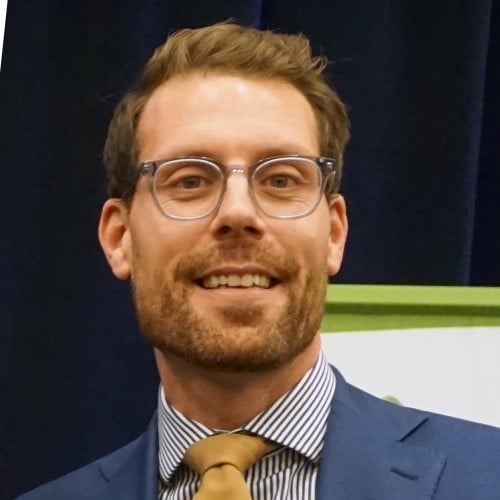
Image courtesy of Lance Chimka
Democratizing investment. A huge step forward.

March 25, 2020

Mark Roderick describes himself as a very “boring” corporate and securities lawyer, but he’s not. Since the JOBS Act of 2012, Mark has spent all of his time in the investment crowdfunding space. Today he is one of the leading crowdfunding and fintech lawyers in the United States. Mark writes a widely-read blog, which offers a wealth of legal and practical information for portals and issuers. He also speaks at crowdfunding events across the country, and represents industry participants across the country and around the world.

Most recently Mark launched a new firm, Lex Nova Law, a boutique corporate law firm representing crowdfunding, fintech, startups, blockchain and cryptocurrency along with more traditional legal sectors.

Along with the rest of us in the crowdfunding industry, Mark applauds the SEC for its proposed upgrades to all of the online offerings: Rule 504, Rule 506(b), Rule 506(c), Regulation A, and Regulation CF. In this podcast we focussed on Regulation CF, which promises to turn into the little engine that could when these changes take effect.

“These proposals are great for the Crowdfunding industry and for American capitalism. They’re not about Wall Street. They’re about small companies and ordinary American investors, where jobs and ideas come from” says Mark.

The proposals and the reasoning behind them take up 351 pages. You can find an SEC summary here, or the full text here. Some of the key highlights for Regulation CF include much expanded investment limits for both accredited and non-accredited investors, and an increase in the maximum amount an issuer can raise in any one year from $1.07 to $5 million.

Insights and Inspirations

  • Mark believes the latest round of changes to the crowdfunding rules will bring some fundamental changes to the industry including higher quality deals.
  • As the deals get better, so will the industry grow, and more investors join in.
  • He expects to see changes in the physical landscape in just 5 years as these rules begin to have a far-reaching effect.

Information and Links

  • Read the entire 351 pages of proposed changes to the online crowdfunding rules here and a more digestible summary here.
  • Mark’s investment crowdfunding blog provides a wealth of information for those in the industry.
Read the podcast transcript here

Eve Picker: [00:00:08] Hi there. Thanks so much for joining me today for the latest episode of Impact Real Estate Investing.

[00:00:14] My guest today is Mark Roderick, founder of Lex Nova Law and one of the top online crowdfunding experts in the country. I asked Mark to join me today to discuss the very exciting changes proposed by the Securities and Exchange Commission to regulation crowdfunding. In case you haven’t heard of it, regulation crowdfunding, or Reg CF, is the securities regulation that is really the first step taken by the S.E.C. towards democratizing investment. The additional changes proposed will give this regulation real legs.

[00:00:57] Be sure to go to EvePicker.com to find out more about Mark on the show notes page for this episode. And be sure to sign up for my newsletter, so you can access information about impact real estate investing and get the latest news about the exciting projects on my crowdfunding platform, Small Change.

Eve: [00:01:18] Hello, Mark, it’s delightful having you on my show.

Mark Roderick: [00:01:21] Well, thank you very much. It is delightful sort of being there.

Eve: [00:01:25] Very good.

Mark: [00:01:26] Virtually.

Eve: [00:01:25] Just sort of. Yeah. Okay. Today, we’re going to talk about raising equity online, which is a pretty wonky subject, but you and I like it. And raising equity online is also known as equity or investment crowdfunding. You said these proposals are great for the crowdfunding industry and for American capitalism. They’re not about Wall Street. They’re about small companies and ordinary American investors, where jobs and ideas come from. And you were referring to some proposed changes to equity online raising funds. And according to the S.E.C., a majority of entrepreneurs and emerging businesses raise capital using an exempt offering framework under the Securities Act. And they raise everything from seed capital for new businesses, to funding growth on the path to an initial public offering, and, also, raise equity for real estate. So, I wanted to talk about the rule changes and why you think they’re so great.

Mark: [00:02:35] Well, okay. Big question and a big, big topic. I mean, maybe I’ll just start at the granular level and then kind of work backwards. If you are in or around the existing industry, And I’m going to call it the Title 3 industry or the Reg CF industry, as opposed to what we might call the Rule 506(c) accredited investor industry. The accredited investor industry in real estate is super-healthy. People are raising a lot of money and platforms are profitable and all kinds of wonderful things are going on. In contrast, the Reg CF world, the industry, it’s sort of, you know, like when you cross the railroad tracks and crossed into the less affluent part of town. It’s a very, almost, I don’t want to get too hyperbolic, but, you know, it’s a little bit of a desolate landscape.

Eve: [00:03:41] Oh yes.

Mark: [00:03:41] It’s very difficult to make money for funding portals, and it’s a vicious cycle as opposed to a virtuous cycle. So, it’s hard to make money. Very small companies with very limited resources are applying because of the limits – we can only raise up to a million dollars a year, and in real estate, in particular, that’s not very much money. And that leads the portals, the funding portals, too many of them, not yours, I should say, but too many of them have adapted to that situation. You know, you’re trying to squeeze money out of people who don’t have any money and have led to a lot of shortcuts, and what I called gimmicks, and that is a vicious cycle because investors, who are not dumb, see that, they see that’s what’s going on. You know, they just ignore the entire industry. And that means that high quality companies are that much less likely to try to use Reg CF. And it has been a vicious cycle.

Eve: [00:04:46] Just backing up one minute. I think some of our listeners maybe not familiar with Reg CF or regulation crowd-funding. So, I just feel like I need to fill in a little bit. Regulation crowdfunding and other online crowdfunding rules grew out of the Jobs Act of 2012, and the intent was really to move online crowdfunding for donations to crowdfunding for investment, right? And so regulation crowdfunding is the rule that lets anyone over the age of 18 invest, but really kind of limits how much they can invest, and how much the company raising money can raise. Those limits, I think, have been the real stumbling block, right?

Mark: [00:05:31] Yeah.

Eve: [00:05:32] So, this has translated into smaller offerings, just like you said, which these funding platforms, which are very heavily regulated to use that rule, it means that they can’t make a lot of money. And that’s kind of where you left off, right?

Mark: [00:05:50] That is exactly right.

Eve: [00:05:52] The new rules, which you seemed very excited about last week, I think, will make some big changes in that landscape.

Mark: [00:06:01] Yeah. They will make a couple changes that are, I think, taken together, just gonna be very, very important and are really going to, to continue that bad metaphor I was using, really revitalize the Regulation CF neighborhood. These are the two most significant changes. As you said in your overview, Regulation CF or Title 3 – those are interchangeable names for the same set of rules – limit very severely how much each investor can invest. And the idea here was to protect widows and orphans from all the shady entrepreneurs out there. But even if the widow or orphan wants to invest his or her entire net worth into a questionable company, the Reg CF rules won’t allow that. To the contrary, they allow only very small investments. And that means that when you’re trying to raise money in Regulation CF, you have to find lots of investors, because each of them can only contribute a very small amount. And, you know, that’s hard. Marketing is hard.

Eve: [00:07:21] It’s very hard.

Mark: [00:07:22] It is also inconsistent with other S.E.C. rules, which in general allow accredited investors to invest as much as they want. One of the fundamental concepts in U.S. securities laws since the 1930s has been that rich people can take care of themselves. They don’t need the government to protect them. And so the term ‘accredited investor’ is sort of a stand-in for rich people. All of the other S.E.C. rules, really, allow accredited investors to make bad decisions, you know. An accredited investor can invest his or her entire network in a single deal. And people have noted, since the outset of regulation crowdfunding, that the regulation crowdfunding restrictions are inconsistent with that general concept. So, one of the changes just made by the S.E.C., or proposed, is that, what do you know, accredited investors will no longer be subject to those severe limits. In fact, they won’t be subject to any limits. So, now if you can attract some accredited investors, you know, you can get people to write big checks. So, that’s an important change. Really important change.

Eve: [00:08:40] Yeah. Yeah. I mean, I’ll give one example that has impacted us. We have quite a few account holders or investors who are accredited by definition based on their net worth. And they have very healthy networks, but they’re retired and they own their houses and their income is maybe below 100,000. And under the regulation crowdfunding Reg CF rules, one of these investors was limited to investing 4,000 a year under Reg CF. But as an accredited investor, she can invest however much she wants. That’s how weirdly bad the rule is right now.

Mark: [00:09:20] Yeah. And just to take that one person, I don’t know how much of a check that person might write, but let’s say it’s, you know, 25 or 50,000 dollars, which is not an unusual investment in the Rule 506(c) world. So ..

Eve: [00:09:34]  Yeah.

Mark: [00:09:35] … she goes from even conservatively …

Eve: [00:09:38] She couldn’t be bothered investing 4,000. She might be interested in 15,000 or 20 or 25 but not …

Mark: [00:09:44] Yeah.

Eve: [00:09:44] Yeah.

Mark: [00:09:45] So, it doesn’t take many of her, you know, the difference between four and say, even conservatively, 25. Those numbers add up quickly. That change in itself was significant. But, in addition, the second change is they’ve raised the limit from a million dollars to five million dollars. And that means bigger companies, companies with more revenue, more products, more services, more scale. Bigger companies can now start using Reg CF. Yeah, I mean, you know, Eve, that a million dollars is not very much in the real estate world. Five million dollars really is a lot. Lots and lots and lots of deals are done with equity of two or three or four million dollars. So, it vastly expands the number of ticket holders who are allowed to attend this event. And then, when you put those two together, you know, now we can do a three million dollar raise where we can raise as much as we want from accredited investors. That, suddenly, becomes an extremely viable business. And that’s the point that funding portals will now be able to make money. In fact, they’ll be able to make significant amounts of money. You know, that’s like, again, going back to that metaphor, that is pouring a lot of money into that neighborhood. And you’re going to see, in my view, just a fundamental change. You’re going to walk through the streets and say, oh, that used to be a dilapidated building. It looks nice now. And so on and so forth. And you’re going to see better business practices from the portals. I believe you’re going to see much higher quality offerings on those portals. In fact, you’re going to see websites that were formerly only in the Rule 506(c) world who had shunned Regulation CF. You’re going to see those companies getting their portal licenses and saying, hey, we can now expand our investor clientele at very little cost. You know, we’ve been marketing only to Rule 506(c) accredited investors. Now we can market to everyone. Why not?

Eve: [00:12:10] Maybe the answer, response to why not, is the regulation that is attached to, being a funding portal, and not to 506(c).

Mark: [00:12:20] Yes. I mean, it’s certainly an impediment. I mean, you’ve been living in this world for the last five years and the regulation can make you pull your hair out. But the business opportunity, it seems to me, is … the landscape just changed completely in my view, you know, I … within the last three weeks before these proposals came out someone called me, a company, you know, we want to be a funding portal. And I tell them, because I try to be very straightforward with anyone, you know, you’re not going to make any money. It’s a funding portal.

Eve: [00:12:55] Right.

Mark: [00:12:55] You know, you want to go, have to expand, vertically integrate. But it’s a very, very difficult business. And that was advice I’ve given in the last two weeks. You know, I’ve had people contact me since the proposals, and it’s totally different advice. This is a real opportunity.

Eve: [00:13:13] Yeah, yeah, yeah. Interesting.

Mark: [00:13:14] I mean, how do you see it affecting your business? You’re in the business.

Eve: [00:13:19] The thing you haven’t touched on yet is, there’s a couple of things that really matter to me. And one is, yes, the fact that accredited investors can invest whatever they want really matters, because I no longer have to offer side-by-side offerings which are very complicated and time-consuming. So, by a side-by-side offering, I mean a Reg CF plus a 506(c), at the same time. So, that can go away. I think the fact that the investor limits have been turned upside down is huge. The fact that now an investor can invest the greater of their net worth or income is absolutely enormous for my crowd. And then I think the single purpose entity rule, which we haven’t talked about yet, is huge. Until now, if you’re going to use a regulation crowdfunding offering type, your investors must invest into the actual deal, which is often not the way that real estate deals work. So, being able to collect a group of investors in a single purpose entity to invest into a project, or a series of projects, is a very big deal. And I’ve been talking to one institutional developer who was really pulling his hair out and trying to figure out how to make Reg CF work for the community he’s interested in using it for, and that particular change makes the whole thing possible. There’s more, I’m sure, testing the waters. I mean, we haven’t talked about all these things, Mark. So, the marketing rules around Reg CF are stifling. And so I want to learn more about what does it mean now to be permitted to have a demo day or to test the waters to, you know, just show the deal before you actually register it with the S.E.C.? I think all of those things really matter.

Mark: [00:15:13] Yeah. There are some other important changes, including, as you say, this so-called testing the waters. We used to have this ridiculous rule, really, that subjected, you know, these tiny Title 3 issuers to more stringent rules, you know, then the largest companies. It was crazy.

Eve: [00:15:35] Yeah.

Mark: [00:15:36] If you were talking, some developer was trying to create this little project, you know, you had to tell that person, you can’t even whisper that you are considering a Title 3 [offering] … You can’t tell anyone, you know, don’t tell your wife. And it was just this ridiculously restrictive rule. So, that is now going to be swept away. And basically, for all intents and purposes, Title 3 companies, issuers are going to be like everyone else. Yeah, you can talk to people about it. You can’t take their money. But that’s an important change for sure. The demo days. Meaning when you’re local science center has a demo day you are now actually allowed to … to attend. It was crazy that you couldn’t attend before. We should mention that they’ve taken some things away. Many Title 3 issuers, the security that they were offering, as you know, were called SAFEs – Simple Agreement for Future Equity. Very popular. The S.E.C. has been convinced by someone that that is not an appropriate instrument for a small company to issue. So, they’re going to absolutely get rid of them. Another very popular instrument – revenue sharing notes. It isn’t clear from the proposals, but it sure looks like they’re getting rid of revenue sharing notes or at least want to.

Eve: [00:17:04] Interesting.

Mark: [00:17:05] You know what the lord giveth, the lord taketh away. I know there’s going to be, during the public comment period, there’s going to be a lot of people complaining about those two things. We did take a couple steps backward, but I think we took about 10 steps forward, so, on the whole, they have made the market much more robust. Yeah, I think it’s very exciting, I, you know this is a world that, you know, you and I have both drank the Kool-Aid a long time ago. This is about providing capital for lots of people whose access to capital has hitherto been restricted. And it’s also about providing investment opportunities to ordinary Americans that have hitherto been reserved for the ultra-wealthy.

Eve: [00:17:55] Yeah.

Mark: [00:17:55] And that’s why my blog post said, you know, this is not about Wall Street. It is actually about undermining Wall Street. It is about a sort of direct to the people, democratic American capitalism. And I think this is a really good step in the right direction. I don’t see any down side personally.

Eve: [00:18:17] Yeah, so you think the number of funding portals is going to explode?

Mark: [00:18:20] I do.

Eve: [00:18:21] It’s about 50 now, right?

Mark: [00:18:23] Something like that, yeah.

Eve: [00:18:24] And in real estate?

Mark: [00:18:26] I do. I think you’re going to have some competitors, which is good. Yeah, I think there are going to be real estate funding portals, I even think, Eve, I think that the big real estate, the Rule 506(c) sites, I think they’re going to consider very seriously having subsidiaries that are funding portals.

Eve: [00:18:47] Interesting.

Mark: [00:18:48] I think it’s a natural to expand their customer base. You know, I’ve always said that portals are like retail stores. And I read a blog post once, saying a portal is like DSW. And DSW doesn’t limit the kinds of shoes that it sells, and it wants every kind of customer to walk in the door, right? And even, you know, a brand like Mercedes Benz, they don’t sell only a 100,000 dollar cars, you know, they sell a 35,000 dollars car. Why? Why do they do that? It’s not to make money from selling a 35,000 dollar car. It’s to get people into the showroom.

Eve: [00:19:33] Yes.

Mark: [00:19:33] And expand their demographic customer base. And I think that’s the natural route for portals as well. We want to accredited investors. We want non-accredited investors. We want everyone, right? I mean, that’s always make sense to me.

Eve: [00:19:46] Right. Right right, right. So, can you think of some examples of projects that you saw in the past that if they went live now, would do so much better? Or is that too hard a question?

Mark: [00:19:57] You’re, I mean, you’re the one who would know that.

Eve: [00:19:58] We have an offering live right now, which was just so complicated to put together, a side-by-side offering. And, you know, an opportunity zone fund offering. They really needed a single-purpose entity for the opportunity zone fund investors. And, of course, we couldn’t use it for Reg CF, so the Reg CF investors missed out on the opportunity zone, tax discounts. And, you know, thinking about how that would be put together under the new rules, it would be so easy.

Mark: [00:20:31] Yeah.

Eve: [00:20:31] I spent months putting it together.

Mark: [00:20:35] I mean, probably every project you’ve ever had on your platform.

Eve: [00:20:38] Yes.

Mark: [00:20:39] You would’ve had the ability to pitch it to accredited investors. Simultaneously. And you would have been legally been earning commissions on all of those transactions.

Eve: [00:20:50] Yes. Yeah. That’s a really big problem.

Mark: [00:20:53] I mean, your life would have been very different.

Eve: [00:20:54] Well, I can’t go back five years, can I?

Mark: [00:20:57] No.

Eve: [00:20:58] So, what about the whole ‘not being able to talk about the terms of the deal’? Like that’s been another really huge stumbling block when you do advertise Reg CF offering, you’re not permitted to talk about the teems. You can’t say, you know, the offering is nine percent preferred return. You’re not permitted to say that. You’re not even permitted to say the minimum investment amount. Whereas with a 506(c) offering, you can say all of that. Is that going to change?

Mark: [00:21:27] Not yet. It wouldn’t surprise me if it changed in the future. So, yeah, you’re gonna be stuck with those same advertising limitations. Now, I will just say that you can say those things.

Eve: [00:21:41] Yes, but that’s all you can say, right?

Mark: [00:21:42] But that’s all you can say.

Eve: [00:21:44] Yeah.

Mark: [00:21:45] And you can say a lot. You know, you can say come invest in this fabulous multi-family project in Downtown Pittsburgh, and it’s 72-percent leased and it’s gorgeous and it’s environmentally friendly. You can go on and on and on and say all those things.

Eve: [00:22:04] You can’t say “it’s gorgeous” because it’s in adjective, right?

Mark: [00:22:07] Ok, well, now I think, I can, I think you can say “gorgeous.”

Eve: [00:22:11] No, I can’t.

Mark: [00:22:13] The only thing you can’t say is …

Eve: [00:22:15] I got my knuckles rapped for saying “bold.” Yeah.

Mark: [00:22:20] You just can’t say, and by the way, we’re raising two million dollars for that project. You know? You can talk about the project until you’re blue in the face.

Eve: [00:22:29] Yeah. Well, that’s been pretty good for us because we want to talk about the projects, but still it is a stumbling block. I think people sit up and pay attention when you say you can invest as little as 1,000 dollars and they’re looking at an ad talking about a great project, but they don’t really know. It’s a question of will they click through? Right? It’s definitely a stumbling block.

Mark: [00:22:50] Yes. And it will continue to be.

Eve: [00:22:53] Yes. Ok. So, I want to just shift gears a little bit. We’re doing this a bit backwards. But how did you become an S.E.C. crowdfunding expert, and why?

Mark: [00:23:04] Actually, Eve, I think our stories are in some ways, similar. So, I mean, I’ve always been a boring corporate lawyer. And in being a boring corporate lawyer, I’ve represented entrepreneurs my whole career. And when you represent entrepreneurs, one of the things you spend a lot of time doing is helping them raise capital. Entrepreneurs are always looking for capital, and raising capital used to be, you know, really, really hard. It’s still really hard, but it used to be, before the crowdfunding rules, a lot harder, as as you know. And when I saw the Jobs Act on the horizon, this must happen back in like 2011, which is amazing, of course, how quickly time flies.

Eve: [00:23:50] Yes.

Mark: [00:23:51] But I said, wow, you mean you’re going to be able to use the Internet to raise money? This is huge. It’s transformative. It’s disruptive. It’s fantastic. And I drank the Kool-Aid right away and thought this would just be a great thing for the American economy. And I said, it’s going to be fun and I want to be involved with it. So, I immediately decided that that’s what I was going to do. So, I learned all about it and started writing this blog and started speaking about it in public. And I’m so enthusiastic about it, and the rest is history. So, that’s my story, which in some ways is probably similar to yours, right?

Eve: [00:24:33] Yes.

Mark: [00:24:34] You saw it and you said, aha!

Eve: [00:24:36] Yes. But not enough of us yet. Right. Still a pretty small industry.

Mark: [00:24:41] Still a pretty small industry, but it is growing, you know. People are raising, we talked about five million being a pretty good real estate deal, you know, people are raising 15 million now. And that, when, you know, when you and I got into this industry, the concept of being able to raise 15 million dollars for a deal online was unthinkable.

Eve: [00:25:06] Yes.

Mark: [00:25:06] You know, people were raising 250,000 dollars to do a fix and flip. The industry is now funding from very significant deals. And because entrepreneurs are always looking for capital, you know, the entrepreneurs of the world are really paying attention.

Eve: [00:25:26] Yes. Yeah.

Mark: [00:25:27] I’m a pretty good barometer because I am pretty well-known in the industry and I will, so when I say my phone has sort of been ringing off the hook, that’s a pretty good industry barometer.

Eve: [00:25:40] It is. Yeah.

Mark: [00:25:41] You know, it probably means lots of peoples’ phones have been ringing off the hook. And this latest change really has gotten people’s attention.

Eve: [00:25:49] Yes. Well, it should.

Mark: [00:25:52] So, I think in 2020, I really think the industry, those of us who survive the coronavirus, anyway …

Eve: [00:26:01] Oh, that’s depressing.

Mark: [00:26:02] Yeh, and I … then are going to, you know, really see a significant uptick.

Eve: [00:26:10] Yes. So, I have to ask the next round of improvements that the S.E.C. makes, what do you want to see on that list?

Mark: [00:26:17] So, I get asked that question a lot and I never have a ready answer because I’ve been doing this, you know, I’ve been practicing law for so long. I have learned not to think about possible legislative or regulatory changes because they are so rare and so unpredictable, you know. There are two things you never want to see being made. One is sausage and the other is law. I just focus on the world that I have, that I’m in, rather than on how it might be improved.

Eve: [00:26:57] I get it. The thing I think about is of regulatory burden, which is enormous for small companies. Really enormous.

Mark: [00:27:05] And how would you address that?

Eve: [00:27:08] For a small company that’s never done something like this before. As a member of FINRA, not only are you following, you know, the regulation crowdfunding rules, but you’re also following FINRA’s rules, which require many, many, many things, like WURM compliance of emails and evidencing and things I never knew existed. It’s very time consuming to learn at all, and it’s time consuming to keep it up and to do it properly. And I have a feeling that many platforms are not doing it properly because it’s just too hard. So, I think that really needs to be addressed in one way or another. You know, I don’t know what a full-blown broker/dealer compliance book looks like. I’m sure it’s worse. But in some ways I feel like FINRA wasn’t ready to handle these smaller companies, they’ve never done anything like it before. The compliance is … huge. And, you know, we’re surveilled every quarter, and they said, well, every word. And that that’s their job. So they have to, I’m not saying they shouldn’t, but it’s all required, and it’s a lot.

Mark: [00:28:19] Yeah. And I mean, maybe I would say the next significant change maybe should be from FINRA rather than from the S.E.C..

Eve: [00:28:31] Yes, possibly.

Mark: [00:28:32] I completely agree with you that FINRA didn’t know how to deal with this and they started off with a light touch, you know. The first funding portals that I represented that, they were easy to get approved. And then FINRA just didn’t know what to do. And, you know, the easy answer is from a regulatory point of view was always to make it more difficult. And so we’ve ended up in this kind of crazy situation where funding portals, small, small organizations, are subject to the same regulatory treatment as, you know, as Morgan Stanley. And it it is clearly not a good fit.

Eve: [00:29:16] That’s right. Although I have to say that they’re trying, and in their communications with Small Change, at least, the tone is more about helping us be aware of what we’re supposed to do. So, it’s not a bad tone, but still, the regulatory burden is there. In a sense, I think FINRA got lumped with this without anyone much thinking about the consequences. Does that make sense?

Mark: [00:29:39] Yes. I mean, I’m not attacking FINRA, because, as you say, they’re just doing their job. No one told them, you know, you should act differently with the respect that this particular species of FINRA member, as you know, I mean, these days we’re submitting policies and procedures to FINRA that are, you know, 75 pages long …

Eve: [00:30:03] Oh, wow.

Mark: [00:30:03] … could be a two person company where, you know.

Eve: [00:30:07] Yeah.

Mark: [00:30:07] The policies and procedures amount to the two people saying this is how we’re going to regulate ourselves. You know, there’s no one else to regulate. There’s no one to supervise.

Eve: [00:30:17] Yeah, no, no. I know. It’s a shame.

Mark: [00:30:21] It’s almost been an absurdity, but there you go.

Eve: [00:30:25] So, yeah. Let’s root for FINRA making the next change or, something happening that permits for FINRA to make the next change, because I’m not sure they’re fully in control of that themselves. I don’t really, I don’t really know. But, you know, we we pay a lot of money to a company called Smarsh to archive all our emails, all our websites, everything, so that they’re all WURM compliant. That’s a big burden for a tiny company.

Mark: [00:30:52] Well, there you go.

Eve: [00:30:52] We also pay a lot for insurance, which is crazy expensive. I have a feeling that many funding portals don’t …

Mark: [00:31:00] Just don’t do it. Yeah.

Eve: [00:31:01]  … pay for insurance, because they can’t afford it. I like to sleep at night.

Mark: [00:31:05] I guess, what from the FCC, you know, rule 204, which is that burdensome advertising rule that you were alluding to earlier. That does seem a little too harsh. The idea of it, the theory of regulation crowdfunding is that every investor should have access to exactly the same information at all time.

Eve: [00:31:29] That’s right. Yep.

Mark: [00:31:31] And so that’s why they don’t let you freely advertise. They want all attention to get focused back to the funding portal.

Eve: [00:31:39] Right.

Mark: [00:31:40] Which is supposed to be the sole source of the information. And so, yeah, I totally understand that. I’m not going to say there’s no reason for the rule. I think maybe this is an example of ideology, sort of, getting the better of practicality. The rule is just impractical. And …

Eve: [00:32:02] Yes. Yeah.

Mark: [00:32:04] The ideological purity of it I think is outweighed by the burden that it places on, again, on very, very small companies.

Eve: [00:32:13] We’ve ended this on a bad note.

Mark: [00:32:15] Yeah, but well we’re sort of searching for ways that maybe in five years from now, maybe the S.E.C. will make the rules even better.

Eve: [00:32:26] Yeah.

Mark: [00:32:26] But these little rules, you know, again, we’re dealing with tiny companies and you know, big companies have the resources to hire lawyers, like me, or even have their own in-house lawyers. But these are tiny companies. So, a lot of these rules, as you know, in your position as a funding portal end up just being tripping points, you know, traps for the unwary.

Eve: [00:32:50] Yes.

Mark: [00:32:51] Yes, we could do with fewer of them. But on a positive note, again, 2020 is going to be a very, very good year.

Eve: [00:33:00] Yes, it is. And final question, what’s next for you?

Mark: [00:33:06] What’s next for me is, you know, I’ve just started a new law firm, Lex Nova Law. Super exciting, fun, high tech, really cool, hiring more people, training more people to learn about these rules. And part of my job in the crowdfunding industry is to educate people. So, I love being on the forefront of education. And another part of my job, I think, is to make the industry better. And that means more compliant, but also more efficient. The Internet, which is what crowdfunding is all about, it requires efficiency, right? It is …

Eve: [00:33:54] Yes.

Mark: [00:33:55] It is a tough taskmaster. You know, Amazon. You try to compete with Amazon in retail, man, you find out how efficient they are. So, lawyers, the key kind of friction points in the syndication world, in the capital formation world. You know, lawyers have to become more efficient. And I work on that all the time and try to work with industry leaders to make the crowdfunding industry better for investors, in part by making it more efficient. So, that’s the answer your question

Eve: [00:33:55] Great. Well, I’ve had the privilege of working with you on that. And I agree. Efficiency really matters. Thank you so much for joining me. And I also can’t wait to see what the year holds.

Mark: [00:34:42] Thank you so much.

Eve: [00:34:44] Okay.

Mark: [00:34:44] Have a great day out in sunny Pittsburgh.

Eve: [00:34:51] That was Mark Roderick. We got into the weeds together about the proposed improvements to regulation crowdfunding. He and I both understand what these changes will mean to capital formation. As Mark said, these proposals are great for the crowdfunding industry and for American capitalism. They’re not about Wall Street. They’re about small companies and ordinary American investors, where jobs and ideas come from. You can find out more about impact real estate investing and access to the show notes for today’s episode at my website, EvePicker.com. While you’re there, sign up for my newsletter to find out more about how to make money in real estate while building better cities. Thank you so much for spending your time with me today. And thank you, Mark, for sharing your thoughts with me. We’ll talk again soon. But for now, this is Eve Picker signing off to go make some change.

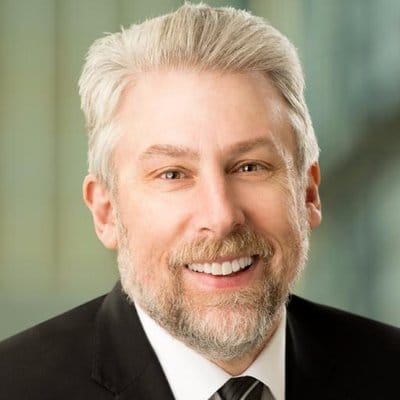
Image courtesy of Mark Roderick

She’s all in.

February 12, 2020

Janine Firpo is a writer, values-aligned investor, and entrepreneur. She left a career in the tech world many years ago to pursue a more meaningful work experience. This led her into the world of micro-finance and philanthropy. And now, for the last ten years she has been on a personal mission to invest all of her assets so they create a positive impact. It’s a bold move and she is all in.  

A pioneer in Digital Financial Services (DFS), in 2002, Janine initiated and led a consortium of micro-finance leaders to explore the role technology could play in dramatically increasing the scale of financial services to the poor. In 2008, she became one of the first mobile money experts and advisors to mobile network operators, financial institutions, and other early DFS entrants. In her role at the Bill & Melinda Gates Foundation, where she served as a Deputy Director on the Financial Services for the Poor team, Janine and her team designed philanthropic and impact investments to bring poor people out of poverty by leveraging DFS to bring them into the formal economy.

In 2017 Janine left her position at the Bill & Melinda Gates Foundation to focus on bringing more female investors into the impact space.

She is currently one of the lead investors in the Next Wave Impact Fund an impact angel fund designed to help more women become angel investors, and she sits on the board of Zebras Unite, an organization developing the capital structures, community, and culture that non-unicorn start-up businesses need to thrive.

During her career, Janine worked for Apple Computer, Hewlett-Packard, and a number of technology start-ups. She also ran a non-profit that she spun out of her role at HP. Janine has consulted to corporations, government agencies, start-ups, and non-profits around the world.

You can email Janine at [email protected] if you want to know more.

Insights and Inspirations

  • Figuring out what “impact” means in real estate investing is difficult for someone starting out. It’s impossible to find consistent metrics.
  • According to Janine, not only can you expect financial return when you make a socially responsible investment, you can meet or beat the market! 
  • Only 5% of the US population is a millionaire. That means that 95% of the population does not have access to investment opportunities that are largely available to millionaires. 

Information and Links

  • Some of Janine’s cash is invested in CNote, which offers a 2.75% return with great liquidity after 3 months. Janine loves that their updates track how her money is helping women entrepreneurs
  • Being part of the Next Wave Impact has been a great way for Janine to learn about angel investing in the company of other women, all of them committed to making an impact by supporting women-led companies.
  • Janine is also investing Nia Global Solutions a female-led public equity fund. This fund investing in companies that promote sustainable agriculture, good health, quality education, affordable housing, and sustainable life, all the while beating market returns!  
Read the podcast transcript here

Eve Picker: [00:00:03] Hi there! Thanks so much for joining me today for the latest episode of Impact Real Estate Investing.

My guest today is Janine Firpo. Janine is a writer, values-aligned investor and entrepreneur. Janine’s background is fascinating. She left a career in the tech world many years ago to pursue a more meaningful work experience. This led her into the world of microfinance and philanthropy. She has consulted and lived all over the world. And now for almost 10 years, she has been on a personal mission to invest all of her assets so they create a positive impact. It’s a bold move and she is all in.

Be sure to go to EvePicker.com to find out more about Janine on the show notes page for this episode. And be sure to sign up for my newsletter so you can access information about impact real estate investing and get the latest news about the exciting projects on my crowdfunding platform, Small Change.

Eve: [00:01:21] Hello Janine, thanks so much for joining me today.

Janine Firpo: [00:01:24] It’s my pleasure, Eve. Thank you so much for asking me and for being interested in what I’m doing.

Eve: [00:01:30] Yeah, well, you’ve had a really fascinating career, starting with technology companies when they were startups, and are household names now. And you left that path to follow a very different one. But I wanted to ask you how you started your career?

Janine: [00:01:45] I’d be happy to tell you. So, I actually started my career very early in 1981. It’s a long time ago for many people. And I sort of fell into the computer industry, first in Louisiana, and then when I really got into it, I moved back to the Silicon Valley where I was originally from and I’m still here. And I worked in high tech for about 15 years, worked at Apple Computer in the 80s, and then also did some startup work. And then in 1995 I left a job and I did a solo backpacking trip through sub-Saharan Africa. And what was really interesting about that is when I left on my trip, I was in something called the CD-ROM and multimedia industry. And when I came back, everyone I knew was in the Internet industry. So the internet literally turned on in the four months that I was away.

Eve: [00:02:37] Wow.

Janine: [00:02:38] And I was perfectly positioned to get on that ride, that dot com ride. But when I was in Africa, I saw poverty like I had never seen it before. And I decided that I wanted to use my life in a way that had meaning. And so I set out on a track to figure out how could I use the skills I had, technology and business knowledge, to bring change to the levels of poverty that I was seeing in Africa. And so that launched me on then what became a twenty-year career in international development and bringing technology into Africa, Southeast Asia and other parts of the world. And while I was on that trajectory, I got involved in something called microfinance, which is making loans to poor women, primarily in developing countries around the world. And in looking at what is the role that tech could play in really scaling microfinance, it was reaching 100 million people in the world when I started, and the need was to reach two and a half billion people. That inquiry, other people were involved in it as well, led to something called ‘mobile money,’ which is using the cell phone as a bank for the poor.

Eve: [00:03:50] I was at the Bellagio Foundation in Italy, a few years back, with someone who was writing a book about the M-Pesa.

Janine: [00:03:58] Exactly! M-Pesa, which was one of the first incidences of this, it actually started in the Philippines, but M-Pesa was the example that just shot off the charts within the first year. It came out in 2007, and within its first year it had a million people using the service. And in the second year it was many more millions. And it’s now serving, over 85 percent of the population of Kenya uses M-Pesa now, and it has become a de facto way to move money. And now people are getting loans over it. It’s being used as a financial mechanism for all sorts of things. So, it became an amazing industry. There are now over 250 incidences in more than 90 countries around the world.

Eve: [00:04:44] But it really started because people had cell phones. Right? And they needed to move money.

Janine: [00:04:51] They had cell phones, well, actually the way it really started was  the people behind M-Pesa was Vodacom, and they were trying to apply the cell phone technology to microfinance. And they started in 2004 with a microfinance institution in Kenya. And it just didn’t work for a lot of reasons that I won’t go into. But what they found that was really interesting when they were trying to help this microfinance industry scale its business was that people were using the phone just to move money back and forth. And they saw a real opportunity. So, they retrenched. They rethought everything. They set up all the infrastructure that they needed. And then in … February of 2007, they launched M-Pesa as we know it today, which was a money transfer service. Now, super-fascinating the way it all unfolded.

Eve: [00:05:40] Yeah.

Janine: [00:05:41] Yeah. And then so I had this great career for 20 years. I traveled all over the world. I’ve been to more than 80 countries. I worked all over the world. It was amazing. I loved it, but I was also traveling 50 to 70 percent of the time for 20 years. And the industry became huge. And I was always more interested in startups and new things. And so it just became time, a couple years ago, for me to leave that. And so I retired from that career. And along with being involved in all of that, so, I was sort of a social entrepreneur before that kind of word became a thing. And because I was in the Bay Area I was involved in all of these conversations around what has ultimately become known as impact investing. I was working at Hewlett Packard in the corporate social responsibility world. So, part of just that entire conversation about the new philanthropy and different ways of using our money. And about 10 years ago, even though I am not a high net wealth individual myself, I realized I’d made the choices in my life to live and lead from a life of value, and something where I was making a difference in the world, and I realized my money was working against me. And so I decided I was going to figure out how to invest all of my own money, from my cash to my public stocks to private stuff. If I could do that to real estate, all of it, how do I invest all of that in a way that lines with my values and is supporting the world I want to see.

Eve: [00:07:18] That’s a pretty powerful step to take, Janine.

Janine: [00:07:19] Well, it just was really in alignment with who I was. And it was because I was watching, I was going to these conferences and I was seeing these ultra-rich people and financial, you know, foundations and institutional investors doing this. And I thought, well, why can’t, why can’t the rest of us do this? Why is this yet another thing that’s just being left to the very rich? And so I decided to try on my own. And in the 10 years I was working super hard, so I had financial advisors. They didn’t get me where I wanted to go. And so when I retired a couple of years ago, I took a lot of my assets back. And I’ve been working on this myself.

Eve: [00:08:01] Wow.

Janine: [00:08:03] And I have realized that in the 20 years that I was, have been sort of watching this space, it’s really evolved. And I now think we’ve gotten to a point where the goal of investing your money in alignment with your values is becoming mainstream. At this point, one of four dollars that are invested by institutional investors are invested in socially responsible ways. It just hasn’t trickled down enough to those of us who aren’t wealthy. And it shouldn’t be that way, because there are now products across virtually all asset classes that you can invest in a values-aligned way, even if you’re a non-accredited investor, which means even if you don’t have a million dollars in net worth, you can invest this way. And so I have corralled a bunch of the brilliant women I know who are now helping me develop a book, helping people, primarily women, because we have been really left out of the financial services conversation in a lot of ways, to help them think about how to be smarter about their investing overall and how to do this in a way that aligns with their values, too.

Eve: [00:09:12] That’s pretty fabulous. So, just shifting gears a bit, when we talked awhile back, you mentioned that you were interested in investing in impactful real estate, the next step in this process for you. And …

Janine: [00:09:25] Yes.

Eve: [00:09:25] First of all, I’m wondering why that’s an interest now?

Janine: [00:09:28] Because, well, I currently own real estate. So, when I was a kid, I actually learned a lot about money from my mom, and my mom when I was a really young kid, we didn’t have very much money. In fact, we were kind of poor. We didn’t always know where we were going to get food. We were wearing secondhand clothes. My mom was a coupon shopper. And at some point along the way, she decided that she needed to find a way to make more money. And so she got herself into real estate. She became a real estate professional. And she started learning about buying property, buying and selling property. And so she, we’re talking like back in the 60s, I think, she started going to the courthouse steps and buying foreclosed property and sometimes sight unseen. She would buy them and then she would turn my sisters and I into her crew and we would go … we were, like, this is how I spent my summers, my teen years. Ripping up carpets, refinishing carpets, painting interiors, painting exteriors, cleaning, you know, all of that. We were her crew. And then she would rent these properties out. Sometimes she’d sell them. So, I learned about real estate and I’m in the Bay Area. This is a really hot real estate market. And so I’ve, you know, I’ve learned something along the way. And … I bought my first house when I was 30, and have purchased real estate. So, I have those assets. Now, if I am truly aligning all of my money with my values, then that has to include my real estate. And so I’ve gotten to the point where I’ve pretty much figured out a strategy for all of my other asset classes. My cash has all been moved in alignment with my values. I’m working on doing that with my public equity stuff. My fixed income is moving that way. I’m an angel investor. I only invest in socially responsible businesses and I primarily am investing in companies that are started by female CEOs, because women get less than two percent of the private equity capital in this country. So, we need to support more women founders. So, I’m doing that with a lot of my money already. It’s time for me now to start shifting my focus to the real estate. So how do I get out of, so I’m starting to think about, how do I get out of single family residences, and what might have more values aligned real estate set of opportunities look like.

Eve: [00:12:02] That’s really interesting. I have the reverse problem, so I’m going to probably ask for your help in dealing with my other assets.

Janine: [00:12:11] Happy to do that.

Eve: [00:12:12] So, you’ve been looking. And what does real estate impact investing look like to you? What does that mean?

Janine: [00:12:19] Well, that’s a really good question. And I have to be honest that I’m in the early days of this journey. And so I’m just starting to learn and that’s how I found you. Actually, I was out on the Web and I was kind of searching around and thinking, well, who’s doing anything out there in real estate? And that’s how I found you. So, I know a little bit. So, and I’ve invested in a little bit. So, my last job was up in Seattle working through the Bill and Melinda Gates Foundation. And when I was up there, I heard about a company, that basically what they were doing was they were buying distressed property in Seattle, and they were single family, and they were gutting a lot of these places and then rebuilding them green. And could actually tell the buyer this is what you’re energy saving is as the result of buying this house. So, green is one way of thinking about this. I’m also somewhat familiar with affordable housing. And my current financial advisor actually has me in an affordable housing fund. I forget the name right now. I apologize for that. But they had me in that kind of fund. I’ve been aware of the whole opportunity zone set of things that are cropping up around the country. Although I’ve heard varied things about those opportunities. And, you know, those are basically things that I know. I also am invested, a very small amount of money, this particular deal could only take a thousand dollars from each investor. But it’s a woman here in Oakland, the city that I live in, who is basically raising down payments through gathering money from many, many investors. And then she’s getting loans and she’s buying multi-unit properties that already have tenants, low-income tenants, and what she’s doing is, she’s setting up structures where these tenants, as they’re paying rent, are actually in basically a buy-to-own situation. And she’s turning these buildings into cooperatives that are owned by the people that live in them. So, I think there’s some interesting models out there. I just don’t, I only have seen a smattering of them so far.

Eve: [00:14:40] Yeah, actually, I think, I just interviewed Rebecca Foster, who is also in the Bay Area on the Housing Accelerator Fund, which is a different model, they are working on raising money to preserve existing affordable housing in San Francisco. Yeah, I think there’s lots of ways to make impact and you’re just really scratching the surface. Right?

Janine: [00:14:59] Exactly. And there’s a, yeah, there’s a man that I met recently through something I’m involved in who’s in the real estate business out here. And he’s starting to think about building his career around socially responsible real estate. So, he and I have had a couple of conversations. And one of the things that he sort of suggested to me, although I don’t know that I have enough assets to do this, but he talked about wouldn’t it be cool to like have a building where you could have businesses in it and and tenants in it, residential and office space combined. But really determine that you want a certain kind of business. Like create a space where these are all businesses that are run by women, or these are, you know, so … or these are all businesses that are in this kind of vertical and they’re helping each other and that particular vertical is good for the world. That was kind of an interesting thought.

Eve: [00:16:02] I think a lot of people are thinking about this in many very different ways. Like, I built a portfolio of what I believe are socially responsible projects, but really starting before green was the theme. And I focused on underserved neighborhoods and blighted architecture …

Janine: [00:16:26] Right.

Eve: [00:16:27] And so what I think is interesting about the real estate impact investing world is there’s really 1001 ways to make an impact. You just really need to figure out what matters the most for you.

Janine: [00:16:41] I totally agree. In fact, that’s one of the things that I’m talking about in this book I mentioned is I am moving away from the words impact investing and socially responsible investing and all of that, because I think so many people use those words and they mean different things by them. And what I and it’s, so it’s hard to get a clear definition on it. And what I’ve found is when push comes to shove and you talk to people who are thinking about impact investing, they’re usually talking about private deal flow, private debt and private equity. And I’m really interested in looking across all of your assets. So, what I’ve come to realize is even though I believe that if enough of us move our money this way, we can change the economy. At the end of the day this is really about our individual choices and who we think we are as people and how we want our money to reflect who we are in the world.

Eve: [00:17:35] Yes.

Janine: [00:17:36] Right?

Eve: [00:17:37] When you take money, you use it, you spend time on it as well. So, for me, it’s even more than money. It’s how I spend the time around it.

Janine: [00:17:47] Exactly. In fact, I realized the other day, it’s, for me … so much of this conversation about values align or impact investing, it’s always the extra thing that people have to talk about. It’s, like, here’s your financial issues and how you invest in all of that. Oh, and then there’s this impact investing thing. And I realized, particularly for women and millennials, who the vast majority of us want to invest our money this way, it’s not the extra thing. It’s sort of like the icing on the cake. Yeah, you can go out and you can invest your money to maximize return or whatever. But it’s really kind of boring, in a way, to do, at least to me, it’s like, yeh, so my money is out there and it’s doing whatever and I don’t even know what it’s doing, and all I really care about is the return? No, I want more from my money than that. I’ve worked hard to get it. I care about everything I do in my life. Why wouldn’t I care about what my money is doing? And when I get feedback from the people that I invest in about how my money is being used and what it’s doing in the world, that makes me so insanely happy. And it’s really fun to be able to talk to people about the cool stuff that my money is doing. I love it. It changes the game.

Eve: [00:19:08] Are you still getting your return?

Janine: [00:19:10] Oh, my God, yes! This is not about giving up return. This has never been about giving up returns. I can meet or beat the return that you that any other investment is giving. So, for example, if you look at public equities markets, so, one of the things that I’m invested in is the Vanguard Total Stock Market Index. This is like one of the things that people talk about all the time. Go into an index fund, Vanguard is really cheap, blah, blah, blah. Right? Great thing to be invested in.

Eve: [00:19:41] Right.

Janine: [00:19:41] But if you actually look at that from the perspective of environmental sustainability, there is a website out there called As You Sow that ranks, if you look up As You Sow ‘Invest Your Values,’ you will go to a page that you can say, “I care about fossil free stuff” or “I care about gender diversity” or whatever. And you can put your stock tickers into this tool and it will tell you, it’ll show you a grade that that particular holding gets across all of these different variables. And it will show you how much of that fund is invested in the things you don’t want it to be in it. What are those holdings? And so that stock gets a D on As You Sow. Now, I did some homework on As You Sow and I actually found another Vanguard Fund, an FTSE Social Index Fund, and other funds that not only are getting a better grade like A’s and B’s, but they also get better returns over a 10 to 15 year time horizon than what I’m in, that’s getting a D.

Eve: [00:20:54] Wow.

Janine: [00:20:55] So why am I in that?

Eve: [00:20:57] Yes.

Janine: [00:20:57] I’m going to get out.

Eve: [00:20:59] Well, I have to ask, you spent a lot of time on this, right?

Janine: [00:21:02] Yes.

Eve: [00:21:03] What about those who are just trying to find time in between the cracks to figure out where to put our money?

Janine: [00:21:12] Right. Well, that’s why I’m writing a book, because I realized that this shouldn’t be this hard, and people shouldn’t have to do the level of work that I’ve had to do to figure this out. So, the book is going to tell you how to do it. It’s going to basically, what it’s going to do, it’s going to have three different sections, and the mid-section goes asset class by asset class and tells you this is what this asset class is, here’s how it works, here’s how it’s generally thought about, and here’s all the ways you can invest in this asset class in a values aligned way.

Eve: [00:21:42] Wow. Let’s go back to real estate. So, on your journey to find impact impactful real estate … Now I’m feeling very self-conscious about the word … What information haven’t you been able to find? What’s missing out there for someone who wants to figure this out?

Janine: [00:22:00] There is no place that really says these, this is what this space looks like, and here’s all the different kinds of deals that are available. And, you know, this is what’s going on, these are the cool things that people are doing. I mean, I think that you’re trying to do that through your podcast, and I applaud you. And that’s it. I mean, I realize in order to figure this out, I’m going to have to go do serious homework and talk to a lot of people and see what other people are doing and then start to piece together what feels like an interesting way for me to move forward. Finding the information is super, super hard.

Eve: [00:22:46] Yup, it’s very hard. There’s a lot of high level information that I’m aware of that I, that is really for sophisticated investors. I find it difficult to follow myself and, there is sort of an … exclusiveness around it … investing that I agree with use a little bit disappointing.

Janine: [00:23:10] So, there are financial advisers out there who are socially focused, but they don’t share information about the things that they invest their clients in.

Eve: [00:23:21] Oh.

Janine: [00:23:21] Because that knowledge is sort of their intellectual property. Right? So, there has been an opaqueness around this for a long time. And I feel like it’s time to blow that up, too, and just make this stuff completely transparent. There’s no reason why this information shouldn’t be easily available and easily accessible.

Eve: [00:23:43] Well that’s very exciting. So, have you found anything you want to invest in real estate?

Janine: [00:23:48] Not yet, because I haven’t gone far enough down the path. But I will say the other thing that has intrigued me is the idea of co-living or shared housing kinds of situations. I’ve been intrigued by some of the things that you’ve had on your show and, you know, have added them to my list of possibilities. But I’ve been so focused on the other asset classes and just trying to get this book, bringing this book to life, that I haven’t had the time to do the real homework on real estate.

Eve: [00:24:24] I mean, I think if I was starting out now, I’d be making a list for myself and not expecting to check every box, you know? Certainly if I think about moving other assets, top of my list would be women-owned businesses. You know, it’s just things that you, that I care about, that really matter to me that the next person, you’re about something else more.

Janine: [00:24:48] That’s exactly right. And there is there will be a chapter on this book, in this book about private debt and revenue-based financing and private equity and how women can get involved in that. Angel groups that are women-based angel groups, and some new innovative models that are coming out to bring women in, even at relatively small value points, and online platforms that are available now if you’re not accredited investors. So, there’s actually tons of ways to start investing in women, in businesses and things like that for anyone.

Eve: [00:25:24] So, I’m in the early, right at the beginning stage of talking to a group about a women’s development fund, a fund, not a huge one, a small one that would invest in women-led real estate projects.

Janine: [00:25:36] Oh, interesting.

Eve: [00:25:38] It’s going to take a little while to develop, but I’m very excited about that. I think it’s a, you know, a very strong purpose, right?

Janine: [00:25:47] Yeah, no, it’s great. So, I actually have a question for you. Because I seem to remember and I may have gotten this wrong, but I seem to remember in listening to one of your podcasts at one point that you talked about the fact that people who do impact real estate investing aren’t necessarily going to see the same kind of returns as people would in regular real estate deals. So, first of all, did I hear that right? And if I did, could you say more about that and why that’s the case? And also, what do you think is a good return?

Eve: [00:26:21] I think that’s not necessarily true across all types of real estate; affordable housing is the most difficult.

Janine: [00:26:30] Ah.

Eve: [00:26:30] And that’s because the more you return to an investor or a bank, the higher rents are going to be for the tenants.

Janine: [00:26:38] Right. I get it.

Eve: [00:26:39] So, if subsidy goes away as it has been, and we get a bigger and bigger and bigger need for affordable housing, which we have, this gap, ok? And if investors continue to want to be, quite frankly, a little bit greedy and expect 20 percent internal rate of return, I don’t know how you build those projects and keep housing affordable if that continues. So …

Janine: [00:27:09] Yeah.

Eve: [00:27:09] There are many examples of affordable housing projects we’ve done on Small Change that are offering quite generous returns. But they can do that because they have, they are a mixed-use project, they have new market tax credits, they have a grant from the city, they have, you know, historic tax, they do public-private financing, maxxed to be able to squeeze out the best return they can for investors. Very difficult. And so I think that’s not true for all real estate, but definitely for that class of real estate. I think a lot has to happen for it to be kind of a normal market driven …

Janine: [00:27:55] That actually makes a ton of sense. I totally hear what you’re saying. And I think those kinds of things in real estate and other verticals like health and education, perhaps. That not everything is going to deliver market rate returns. I mean, I think one of the fallacies and the problems that have come out of the impact investing movement, if you want to call it that, is the belief, or that’s come out of our very, the way we think about capitalism, is that everything has a market … everything can be done through the market. And that’s just totally not true. There’s a, there are brilliant things that can happen, like what you’re talking about with affordable housing that can deliver a good return to an investor. If there is a subsidy brought in, or if there is a recognition that, you know, this business model is not going to completely wash its face, it’s not going to completely be able to return what it needs to return. But there’s lots of ways that you can bring in guarantees or you can bring in first tranches of money that are willing to take a greater loss. Or very interesting things you can do with a financial stack.

Eve: [00:29:23] But ultimately is it right for a private investor to get a 15 to 20 percent return on a project that will only move forward if there’s tons of subsidy. Kind of wrong.

Janine: [00:29:37] I’m not sure it is because, look at the alternative. The alternative, and this is kind of what happened in the microfinance world. So, in microfinance, it was reaching 100 million people. It definitely was shown to help bring people out of poverty. It was completely driven by grants. And there was, when I got involved in it in 2002, there was this huge battle going on between proponents of, like, the Grameen Bank, of keeping it completely the way it had always been and fully driven by grants, and a new group of players who were saying, yes, but we can actually commercialize these microfinance institutions and turn them into commercially viable institutions. And there was this huge battle between those two. They hated each other, actually. And what ended up happening is the commercial play actually got proven out. It was shown that you can, in fact, commercialize microfinance and you can reach a lot more, and the whole technology piece that I talked about came out of that as well. And now you’ve got, from the time I got started, so that two and a half, in a basically a 10 year span in that two and a half billion people who were previously unbanked. It’s now gone below two billion. So, by bringing capital that was seeking a return into the mix, that whole thing was able to scale in a way that it would never have scaled just on grants. Right?

Eve: [00:31:18] But I think when I’m talking about is, we had an offering on Small Change that was an homeless housing project in L.A., just a small offering. But the developers were determined to open it up to the community. And the funds they get, the rent they get is actually from the government. So, it’s going to be affordable housing in perpetuity. It’s not going to, you know, increase in value and be sold at a profit. So …

Janine: [00:31:48] Right.

Eve: [00:31:49] … was a fixed return, OK, return over years, which was a nine percent return, which I thought was pretty generous. And that offering actually filled up faster than any we’ve had.

Janine: [00:32:01] Yeah. I’m not surprised.

Eve: [00:32:03] So that question to me was, do you think we could offer a little less and still raise money, because that’s hard, to add in a nine percent return to a project like that? And I don’t know the answer.

Janine: [00:32:14] Well, you try. I mean, I’m … I think the thing is, you know, people are going to look at this like anything else. They’re going to look at it from a risk returns scenario. So in my own personal portfolio, I have money in bonds that are returning me three or four percent. Right. So that’s OK, because I know that those are pretty secure and chances are I’m not going to lose my principal.

Eve: [00:32:42] Right.

Janine: [00:32:42] So getting three or four percent is OK. But if I’m going to put money into a private business where in five years, 50 percent of private businesses will be out of business, then my risk is a lot higher because I don’t know that that business is actually going to succeed and I could lose everything. Right? So I’m looking for a better return in a three to four percent. The same thing is going to be true in a real estate deal. I mean, if you’re asking me to invest in something and I’m going to get a five percent return on it, then I’m going to need to feel pretty dang confident that I’m going to get that five percent return and I’m going to get my principal back. And that’s not always possible in a real estate deal.

Eve: [00:33:27] And you get to feel good because you’ll be housing most people, right?

Janine: [00:33:34] Yes. Yes, I get that. And I also get that people need to make enough return on their money to be able to retire and have the things that they want, too. And they’re not going to put that at risk. So, I think there’s a, but I, you know, I talked to a woman yesterday who’s on the other side of this discussion, and I really liked her a ton. She was great. She’s very committed. She is very, you know, in integrity with herself. And she really believes that people should be willing to make investments and get no return if they’re doing good stuff in the world. And that that is the way the world should go and that we should stop even thinking about return at all. So, she’s got a very different perspective on it.

Eve: [00:34:19] I think if you have enough wealth that you can do that with some of your money, that’s fantastic. But you’re right, most people can’t,.

Janine: [00:34:26] No, they can’t.

Eve: [00:34:27] They need to live, too.

Janine: [00:34:29] So, yeah, in fact, in doing the research on this book, I found that in the United States, there are 14 million people who are millionaires, about 14, 15 million people. Right? Five percent of this, five, six percent of the country. So, if that’s true and if 95 percent of us aren’t millionaires, then, you know, asking people to not get a return on their money is a pretty big ask.

Janine: [00:35:03] Yeah. An I don’t think, and I don’t think that one percent of us who really have wealth are sufficient to solve this problem.

Eve: [00:35:15] Yes.

Janine: [00:35:17] So, we have to find ways that the majority of us can participate in solving this problem. And that means that we need to do this in a way that they can feel comfortable with the return they’re getting. And I think subsidizing to help them do that is not necessarily a bad thing. And I actually think that’s where the really rich people could come in, is that they could provide some of those subsidies, so they can take lower return to help other people’s money come in at a higher level of return.

Eve: [00:35:51] So do you think that these new crowdfunding rules, like my platform, Small Change, where we use regulation crowdfunding to let anyone invest? Do you think that is a path towards a solution?

Janine: [00:36:02] I think it’s one of them, and I think it’s, Yes, I do. I think it’s a really interesting path. And I think that people who are non-accredited, it’s been kind of fascinating to me as well how differently wealthy people invest than people who aren’t. And it’s not right that people who aren’t wealthy shouldn’t be allowed to invest in vehicles that can provide them with more direct opportunities to have impact with their money and to provide them with greater return. I mean, there is way more risk, for sure. And some people could make bad decisions. You need to do your homework with this. But there are a lot of really smart people out there who are non-accredited who would put in the time and effort to make the right decisions and they should be allowed to.

Eve: [00:36:56] No, you and I agree about that. And I also, I really don’t like the idea of classes of investors. So that, you know, I’ve had discussions with developers who think that accredited investors want more, deserve more, and I …

Janine: [00:37:14] Yeah.

Eve: [00:37:14] … can’t agree with that. I think money should be given the same opportunity. And unaccredited investors who had absolutely zero opportunity to get, you know, a half a percent return from your bank account if you’re lucky.

Janine: [00:37:26] Right.

Eve: [00:37:26] That’s just not OK. So …

Janine: [00:37:29] No, it’s not. And you know, the truth is, there’s a great book I read a long time ago by a guy named Nocera about sort of the evolution of money. And, you know, actually even before him, if you go back, San Francisco history. So, this is a story I absolutely adore. The Bank of America. Do you know the origin story of the Bank of America? It’s sort of incredible.

Eve: [00:37:53] No, I don’t.

Janine: [00:37:55] So, quick version. So, it started in before 1906. There was an Italian immigrant in the San Francisco, in San Francisco itself, actually, who decided that, at that time, the only people who could have bank accounts were extraordinarily wealthy people. J.P. Morgan, you know, that kind of ilk of person. And so he decided, you know what, I think the average man and woman should have bank accounts and be able to get loans. And so he started this bank. It was called the Bank of Italy. And nobody used him because nobody trusted banks. And so then came 1906, the famous earthquake of San Francisco. And he rushed to his bank. He took all the cash out of his safe. He put it in a wheelbarrow. He put, you know, fruit and vegetables over this thing that he had all his money in. And he carted it out of San Francisco. And then he met with the other bankers and they were talking about what they were going to do for the city. And the other bankers were saying, well, we’ve got to wait six months before we can open our banks. It’s too dangerous. You know, bad stuff is going to happen. And so this man, his name is A.P. Giannini. He took that cart or whatever he had of money and he brought it to Fisherman’s Wharf and he set up a little table using barrels and a log, and he started giving out money.

Eve: [00:39:30] Wow.

Janine: [00:39:30] People came to him and he gave them loans. And all he asked was their signature. He trusted them. And the people were so responsive to that,  they had so much gratitude, that his bank grew and the Bank of Italy became the Bank of America.

Eve: [00:39:50] That’s a great story. Yeah.

Janine: [00:39:51] Right? So, and if you look at the history of money and you look at, what you find is that time and time again, there was some innovator like him who said, “You know what? This shouldn’t only be for the rich.” That’s how we got money, mutual funds, and that’s how we got invested in, that’s how anyone can invest in the stock market. It wasn’t always that way either. That was also just something for the rich. So, time and time again, we have seen these things come online for wealthy people. And then some innovator says, you know what? It doesn’t have to be this way.

Eve: [00:40:32] Yes.

Janine: [00:40:34] And then the rest of us can participate.

Eve: [00:40:35] Fascinating. So given all of that, what do you think the future of real estate impact investing lies?

Janine: [00:40:43] I’m going to take a step back first and say, where does the future of impact or values aligned investing lie first, and I believe it is going to become ubiquitous. I believe that ultimately this is the way people are going to invest writ large, that their values are going to matter to them as much as their return. And they’re going to realize they don’t have to give up both. And I think that the real estate piece of this, because it’s more complicated for people, is going to be a little longer to come online. But I think there will ultimately be a lot of really interesting opportunities, for all of us, to invest in real estate, too, because it is a great diversifier.

Eve: [00:41:23] Yes.

Janine: [00:41:25] And I’m a huge fan. When I was a young girl, my favorite movie of all time was Gone With the Wind. And, you know, I totally love that she always goes back to the land and she realizes that regardless of what’s happening around her, the land is something tangible and real. And it’s something that she can hold on to. And I think that’s still true today.

Eve: [00:41:49] Well, that was some really fascinating conversation. Thank you so much for joining me, Janine. I’m sure we’re going to be talking again soon.

Janine: [00:41:58] My pleasure. Thank you so much. I enjoyed it, too.

Eve: [00:42:03] That was Janine Firpo. Here are some of the things I learned during our fascinating conversation. First, not only can you expect financial return when you make a socially responsible investment, you can meet or even beat the market. Second, only five percent of the U.S. population is a millionaire. That means that 95 percent of the population does not have access to investment opportunities that are largely available for the wealthy. Finally, figuring out what impact means in real estate investing is difficult for someone starting out. It’s impossible to find consistent metrics. You can find out more about impact real estate investing, and access the show notes for today’s episode at my website, EvePicker.com. While you’re there, sign up for my newsletter to find out more about how to make money in real estate while building better cities. Thank you so much for spending your time with me today. And thank you, Janine, for sharing your thoughts with me. We’ll talk again soon. But for now, this is Eve Picker signing off to go make some change.

Image courtesy of Janine Firpo

Investing for good.

January 24, 2020

More and more, investors want to do more than make money. They want to invest in triple bottom line projects that are socially responsible as well. Environment, Social and Governance (“ESG”) investing is a rapidly expanding investment category and already offers a wide array of opportunities, many of which produce competitive returns. Unfortunately, many investors still fear that investing in an impactful project means sacrificing returns.

It’s time to get over that. There are lots of opportunities for investment in projects that do good as well as provide a competitive or even above-market return. Just like any other investment, there are some basics to keep in mind when looking for and making socially conscious real estate investments.

How can I make sure a project offers impact?

What exactly is Socially Responsible Investing (SRI)? It means investing in companies or projects that have ethical practices and positive social impacts. Simply put, this means investing in ventures and companies that work to have a positive impact in their community.

Just because a company or a project claims to have a positive social impact doesn’t necessarily mean that it does. You’ll need to evaluate that impact for yourself. You can do that in any number of ways that make sense to you. In real estate you might be interested in affordable housing, energy efficiency, elimination of blight or supporting a neighborhood project. Everyone has their passion project and you will have yours too.

At Small Change we’ve developed our own set of measures called the Small Change Index. These measures are built around three impact pillars – mobility, economic vitality and community. Any project that lists an offering on the Small Change platform must score at lease 60% on our proprietary Change Index survey. This provides some flexibility and quite a variety of impactful projects to choose from.

How should I evaluate return?

When you consider investing in an SRI, you’ll be thinking about two things – the social impact that the project makes and the potential for a return on your investment. These two goals are not always compatible. It’s a balancing act. One may be more important than the other to you. It’s important to consider them independently, weigh each carefully and make your investment decision accordingly. Sometimes the scale may tip towards doing good, and sometimes the scale may tip towards doing well. If you’re lucky, you’ll find projects with perfect balance.

What are some examples?

For example, you may want to invest in a project in your neighborhood. Perhaps it’s a building that fills a lot that has been vacant for many years and has been a neighborhood eyesore. The return on this investment is most likely to be much greater than just a financial return to you. This building promises to improve your neighborhood, and along with that perhaps improve the value of your house. Or maybe you want to invest in an affordable housing project, because you care about housing security for everyone. Affordable housing is an especially difficult socially responsible investment class. The greater the return on equity invested, the higher the end rent the tenant will pay. High returns and supporting housing security may not go hand in hand. You’ll need to decide which matters more to you with an affordable housing investment opportunity.

At Small Change we’ve had first-hand experience with high impact projects that have provided competitive financial returns to investors as well. To date the balance has been pretty well perfect, with not one project that has returned less than 10% per annum to date, and the most successful returning an extraordinary 21%+ IRR. These are competitive returns even for projects that don’t provide any social returns. And take a look as well at the creative ways that Jorge Newberry and his team at American Homeowner Preservation are working to help thousands of Americans stay in their homes, all the while providing handsome returns to their investors.

All that to say, there are plenty of investment options that are socially conscious and that offer investors a good return on investment as well.

Why should I care?

There are plenty of social issues that plague our planet. Climate change and the affordable housing crisis, to name just two, are on everyone’s mind today. When you invest in an affordable housing project, you are taking action to help solve the problem. When you invest in a net zero or a transit-oriented building project, you are taking action to help solve climate change. Similarly, when you invest in your community, you’ll reap the benefits and so will your neighbors. And so on.

_

Socially responsible investment is not rocket science. It’s common sense. Go ahead. Invest in something you care about.

Image of building in San Anonio, Texas, by Eve Picker

The impact of Reg A+.

December 16, 2019

Historically, investing in startups and real estate has only been available to accredited investors. Accredited investors are those that, due to income, net worth, assets, or professional experience, have special privileges when it comes to financial regulations. Recent legislation, however, has aimed to make investing more accessible to all potential investors.

The 2012 Jumpstart Our Business Startups Act, the JOBS Act, aimed to make it easier for startups and small businesses to raise capital while also providing opportunities for both investors and entrepreneurs. Included in this legislation were Regulation Crowdfunding (Reg CF) and Regulation A (Reg A+), both of which finally made it possible for non-accredited investors to participate in investment activity. While only $1.07 million can be raised by entrepreneurs under Reg CF, Reg A permits these entrepreneurs to raise up to $50 million in a year from accredited and non-accredited investors alike. Obviously, this changes the landscape for both investors and entrepreneurs.

What is Reg A+?

Signed into life on May of 2015, Reg A+ allows both accredited and non-accredited investors to invest in businesses or real estate. Under this legislation, up to $50 million dollars of equity can be raised per year. Each Reg A+ offering must be qualified by the SEC, but this process is substantially less complicated than that of an initial public offering (IPO). As a result, some refer to it as a “mini-IPO.”

There are two tiers of Reg A+: Tier I, which permits raising up to $20 million in capital in a year, and Tier 2, which permits raising up to $50 million in capital in a year. While Tier 2 limits the amount that can be contributed by non-accredited investors, it is generally preferred to Tier 1. In large part this is due to the fact that it preempts blue sky laws, meaning that the offering doesn’t have to qualify and be registered in every state. As you can imagine, having to comply with blue sky laws can be time consuming, complicated, expensive and very frustrating.

What are the benefits of Reg A+?

While Reg A+ clearly has some benefits for investors, especially those that don’t meet the wealth criteria to qualify as an accredited investor, it also has benefits for entrepreneurs, startups, and small businesses. First, it provides an efficient and effective way to raise money. It is often much faster to raise capital through Reg A+ than to deal with venture capitalists or angel investors. Additionally, it’s much simpler and less expensive than an IPO. Second, it gives businesses an immediate base of customers, advocates, clients, and supporters that have a vested interest in the success of the business. Third, because ownership shares are spread across so many people, it enables entrepreneurs to maintain control.

Reg A+ has proven to open up opportunities for small businesses, entrepreneurs, real estate developers and investors alike. It gives investors of all levels an opportunity to participate in a wide range of projects while still having plenty of protections. For many smaller investors, it’s changed the landscape of investing and enables unprecedented opportunities. Similarly, it’s given entrepreneurs new ways to structure, fund, and complete projects. 

_

One company that has used Reg A+ very successfully to raise funds for real estate is American Homeowner Preservation (AHP), an innovative and impactful business. To learn more, listen to Jorge Newbery talk about the fascinating, lucrative and socially conscious work he is spearheading across the country.

Image from pxfuel, royalty free

« Previous Page
Next Page »

Primary Sidebar

sign up here

APPLY TO BE A PODCAST GUEST

More to See

(no title)

February 22, 2025

Bellevue Montgomery

February 11, 2025

West Lombard

January 28, 2025

FOLLOW

  • LinkedIn
  • RSS

Tag Cloud

Affordable housing Climate Community Creative economy Crowdfunding Design Development Environment Equity Finance FinTech Gentrification Impact Investing Mobility Offering Opportunity zones PropTech Technology Visionary Zoning

Footer

©rethinkrealestateforgood.co. The information contained on this website is for general information purposes only. Nothing on this website is intended as investment, legal, tax or accounting strategy or advice, or constitutes an offer to sell, solicit or buy securities.
 
Any projections discussed or made may not be accurate and do not guarantee a specific outcome. All projections or investments are subject to risk due to uncertainty and change, including the risk of loss, and past performance is not indicative of future results. You should make independent decisions and seek independent advice regarding investments or strategies mentioned on this website.

Recent

  • The Mulberry
  • Mount Vernon Plaza
  • The Seven
  • Real estate and women.
  • Oculis Domes.

Search

Categories

Climate Community Crowdfunding Development Equity Fintech Investing Mobility Proptech Visionary


Copyright © 2026 · Magazine Pro on Genesis Framework · WordPress · Log in