• Skip to main content
  • Skip to secondary menu
  • Skip to primary sidebar
  • Skip to footer
  • Home
  • About Us
  • Say hello
Rethink Real Estate. For Good.

Rethink Real Estate. For Good.

  • Podcast
  • Posts
  • In the news
  • Speaking and media
    • About Eve
    • Speaking requests
    • Speaking engagements
    • Press kit
  • Investment opportunities

Equity

Mobility, real estate and equity.

February 3, 2020

The connection between access to transportation, whether public transit or freeways, and the value of real estate has long been understood. Build a subway station or a highway on-ramp, and development rapidly grows up around it. However, the connection between mobility, a far broader and contemporary concept of transportation and access, and equity, has never been as widely acknowledged or well-understood.

What is mobility?

It’s first worth taking a moment to talk about what we mean when we use the word ‘mobility’ today. Historically, government departments that dealt with the movement of people and creation of infrastructure had names like Department of Transportation or Department of Highways. And these titles reflect how narrowly we used to think about these issues, namely, as a solution to more people, more cars, or to a desire to bring development and jobs to a region. Build it and they will come.

In 2015, researchers from Harvard University were able to show that time of travel and reliability of travel are the single strongest factors in determining a family or household’s ability to change their economic status for the better. But they didn’t define access to transportation as simply being on an interstate or near a bus or train route. Instead, they thought of it in terms of the goals of that access. In other words, the ability of people to get from where they live to where they need to go for jobs, services, and goods. This is, in part, what we think of when we talk about mobility, and why we increasingly tie access to equity.

Mobility objectives for citizens

A new department in Pittsburgh, the Department of Mobility and Infrastructure, helps to highlight this connection and shows how mobility, real estate, and equity are inextricably intertwined. The director, Karina Ricks, oversees a team that has a singular focus on mobility, which they define as both helping people get from place to place, as well as finding ways to improve people’s lives through better and more thoughtfully planned transportation options.

Their objectives are to ensure that in Pittsburgh:

  • No one dies or is seriously injured traveling on city streets
  • Every household in Pittsburgh can access fresh fruit and vegetables within 20 minutes travel of home without a private vehicle
  • All trips less than one mile can be easily enjoyed by non-vehicle travel
  • Streets and intersections can be intuitively navigated by adolescents
  • The combined cost of transportation, housing, and energy does not exceed 45% of household income for any income group

While these goals may seem straightforward, it’s actually quite revolutionary. Ricks and her team are looking at housing, transportation, infrastructure, planning and design through a new lens in an effort to better meet the needs of members of the community. Hopefully, their efforts will help to develop a model that can be replicated in other places.

To learn more about these issues and about the connection between mobility, equity and real estate, listen to Ricks talk in detail about her department and the work it’s doing.
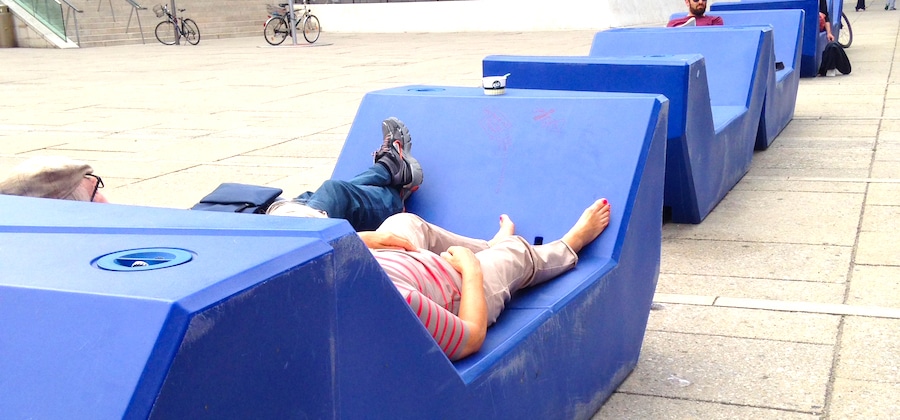
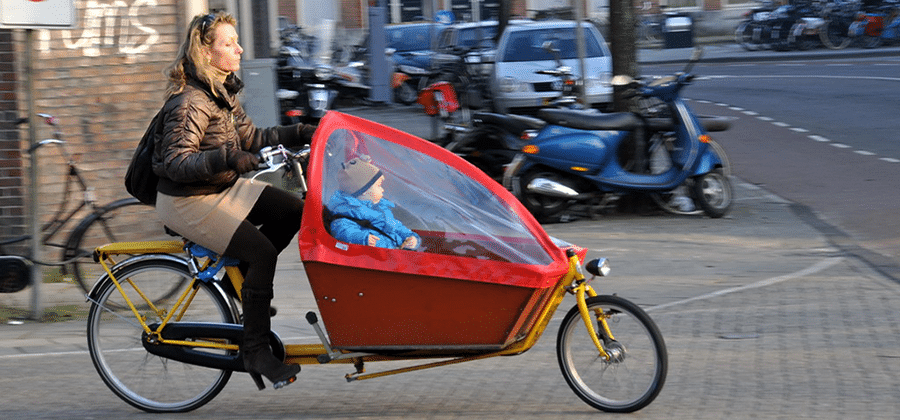
Image by FaceMePLS licensed CC BY-2.0

The power of public design.

January 31, 2020

Public design is for everyone. This is the design of spaces within communities, neighborhoods and cities that all of us get to enjoy. Public buildings, civic spaces and parks, green boulevards and even infrastructure such as sidewalks, roads, bridges and transit stations that we all access on a daily basis.

The idea of public design in the United States dates back to the late 1800s, when New York developed a committee, the Art Commission, responsible for civic design and common infrastructure. Other major cities across the country also developed rules and committees for developing public spaces as a way to make their regions both more competitive and attractive.

Over the last few decades, however, there has been a shift in this approach. Once a very much top-down movement reserved for prominent public figures or well-known architects and civic leaders, the design and development of the public realm has increasingly engaged individuals from diverse backgrounds, industries and communities who use those spaces. This shift has been the result of people who want to be involved in how their cities, and their own neighborhoods, thrive, develop and grow.

Public design as a movement

This grassroots movement has led to some major shifts in how these spaces are being created. The most significant change may seem obvious, but is worth focusing on – more people, from divergent backgrounds, and representing different industries and viewpoints are now participating in the public design process. This, by itself, is having an impact on how both new and existing public spaces and buildings are being used, improved and also reimagined. In cities across the country, a broad movement of people is now thinking about their public spaces, committed to improving conditions in diverse communities, and focusing on creating quality, usable public spaces for everyone.

With this shift has also come an increase in the innovation and testing of new ideas, a natural development due to the increased importance placed on the economic and social value of public spaces. This critical attention, paid to exploring what works and what doesn’t, has led to positive and replicable impacts on the development of public space.

What does this mean for communities?

Public design has long been focused on creating spaces that provide a natural or artistic beauty and delight. However, underlying these priorities is a need to create places that engage and function for the users. First and foremost, public design is for the people, but different people find different objects and places beautiful (and useful). This means that there will be no one generic idea, vision or plan that will meet all needs. To be successful, public design must tap into the ideas of those individuals living within the community, and it must work to realize their vision of what’s beautiful, functional and responsive.

In recent decades, the shifts in public design have made it increasingly possible for this to happen. Rather than famous architects or powerful developers being sole arbitrators of what public spaces should be, a multitude of individuals and local groups, across the country, are stepping in to provide a unique and local vision on how public spaces are imagined and developed.

_

To learn more about what this movement has looked like, listen to Justin Moore talk about his work with the Public Design Commission in New York, and take a look at some of the projects offered on Small Change. Each is working to respond to the needs voiced by communities.

Image by Eve Picker

Accelerating affordable housing in San Francisco.

January 29, 2020

Rebecca Foster is the CEO of the San Francisco Housing Accelerator Fund.  The Accelerator Fund is a public private partnership that helps to finance affordable housing in San Francisco — in particular the many buildings currently being occupied affordably that are in danger of being purchased, and of their occupants being displaced.

The Accelerator Fund has set itself the challenging goal of preserving one-third of the existing 45,000 affordable housing units in San Francisco over the next 20 years. They plan to do that with a variety of powerful financial tools and subsidies to make sure that rents remain affordable. And Rebecca is working hard to educate and bring new investors into the Fund. In just three years they have saved 319 homes and raised $183 million in capital.

Prior to leading the Accelerator Fund, Rebecca was Director of Social Impact Investment for Mayor Lee, where she led the City’s exploration of results driven contracting and social impact finance, and developed capital tools to address the City’s housing shortage. She started her tenure in local government as a Fuse Fellow in the Mayor’s Office of Civic Innovation in 2012-13. Before that she worked in public sector and infrastructure investment banking at Goldman Sachs for eight years, where she raised capital for local governments, universities, non-profits, and utilities around the country.

Insights and Inspirations

  • The average cost of an affordable housing unit in San Francisco is $500 – $800,000. That’s not affordable.
  • “The number of affordable housing units needed is staggering,” says Rebecca.
  • Rebecca’s team is tackling reducing the cost of housing from many angles — such as lower returns to investors and the use of modular construction to reduce costs.
  • Bridge loans are the key to Accelerator Fund’s financing arsenal. By providing bridge loans to projects that cannot get traditional financing, they ensure a much more rapid preservation of housing stock. When the buildings stabilize after a few years, banks will step in.
Read the podcast transcript here

Eve Picker:  Hi there, thanks so much for joining me today for the latest episode of Impact Real Estate Investing. My guest today is Rebecca Foster, the CEO of the San Francisco Housing Accelerator Fund. The accelerator fund is a public private partnership that helps to finance affordable housing in San Francisco, in particular, the many buildings currently being occupied affordably that are in danger of being purchased and of their occupants being displaced. Be sure to go to rethinkrealestateforgood.co to find out more about Rebecca on the show notes page for this episode and be sure to sign up for my newsletter so you can access information about impact real estate investing and get the latest news about the exciting projects on my crowdfunding platform, Small change.

Eve: [00:00:00] Hi, Rebecca. Thanks for joining me.

Rebecca Foster: [00:00:02] Thank you so much for having me, yes.

Eve: [00:00:04] It’s really great. So I wanted to dive right in and find out all about the San Francisco housing accelerator, which you lead, and I saw that the headline on the accelerator site says, “Innovative financial tools to preserve and expand affordable housing.” And I wanted to ask you, what are innovative financial tools? What do you employ?

Rebecca: [00:00:27] Sure. So, what our goal was in … creating the accelerator fund and I think a key piece in our origin story is actually we were created and incubated out of the mayor’s office in San Francisco. And so we are truly a public-private partnership, and I think, especially in the world of affordable housing, that’s a fundamental component of what makes it effective. So, we bring together private, philanthropic and public sector funds to address gaps in … that the public sector can’t address with its sources of capital alone to achieve its affordable housing goals and so on. And in terms of innovative financial products, what that really means is that, for example, the … you can’t really finance permanently affordable housing, especially in a high-cost city like San Francisco, but really in most places around the country, without permanent subsidy funds from the public sector. Because the amounts that … of rent that are lower, extremely low-income or in the case of the Bay Area, even middle-income person can afford to pay just isn’t enough to cover the cost of building or acquiring a building, let alone some of the operating and services costs if they are extremely low-income and need services support. So you really need the power of the public sector and the tax base, essentially, to cover those long-term permanent costs.

Rebecca: [00:02:06] But it would … it’s probably no surprise that government does not move very quickly and it’s hard for government to deliver on capital, deliver their capital really quickly and to take risk with it. And so that’s where we come in, is with private and philanthropic capital we are able to be the first money in that can, for example, in the acquisition of a building where residents are at risk of displacement, we can help a nonprofit compete with all cash buyers and foreign buyers and close on a loan in less than 60 days, get to approval for a loan in less than 45 days, and that’s really hard for a government to be able to do. So we essentially can provide that bridge. And then once the property … the building is controlled and in nonprofit hands, the city can come in, 12 to 24 months later, with permanent funding. And then we can do something similar with new construction and just really use our capital to be much more innovative and allow the nonprofit housing, affordable housing developer to move faster, be creative, try construction innovation that it’s harder for the public sector to do so.

Eve: [00:03:21] Do you … like, I’ve worked enough in these types of projects to know that the gap can be really substantial, even in Pittsburgh. I think a few years back, it was really a 40 percent financing gap between what it costs to build an affordable unit and what return you would get for that unit. So, 40 percent in government subsidies, I can’t imagine there isn’t a bigger gap in San Francisco in the Bay Area.

Rebecca: [00:03:49] Yes, I mean, it is. You’re absolutely right. It is. Just for order of magnitude, the average cost of a new construction affordable housing unit in San Francisco ranges between 500 and 800 thousand dollars. And depending on the income level of the residents in that unit, the subsidy required can be, if you include the low income housing tax credit, so federal and state subsidies and local subsidies, it can be nearly all of that cost. The local government generally bears, in the case of San Francisco, about 200 to 300 thousand of that total cost. So, a similar percentage, but I think the total costs are … a similar percentage on the local level, but the total costs are probably much higher.

Eve: [00:04:41] And that means the traditional banks don’t want to be involved at some lower level?

Rebecca: [00:04:48] Yes. So they … so, basically in our … so we have many banks actually invested in the accelerator fund as senior lenders and so they are involved in our fund, in the bridging, at a senior level. And then we have below them funds from foundations and from the city of San Francisco itself. But in the permanent financing, yes, banks will both provide a construction loan, but they provide a construction loan when there is clarity on what the permanent, stabilized funding source is, which will include a significant amount of subsidies and often low-income housing tax credit. And then if the project is supportive housing for individuals who’ve been experiencing homelessness, generally there isn’t much revenue that can support a senior mortgage on the permanent. But if it’s a 50 or 60 percent median income project or, you know, workforce housing, if there is enough in rent, then there often will be a bank providing a senior mortgage. It’s just a small, relatively small percentage often of the entire capital stack.

Eve: [00:05:58] So you must get frustrated listening to some of the rhetoric about building affordable housing. And who’s to blame for where we are. It’s a really big problem.

Rebecca: [00:06:12] It is a tremendous problem. But I guess I also … it can be frustrating, but I also, like, part of why I love my job every day is that we are on the ground in a real blocking and tackling transactional way, and in a way where we see the impact on families. We are producing and preserving affordable housing every month with projects. And so that is a counterpoint to the feeling sometimes of how overwhelming the level of systems changes that’s necessary to actually address the hole that we have dug ourselves into, particularly in California, with so many decades of undersupply of housing, especially in urban infill housing, not enough density tax codes that don’t really encourage rental housing and affordable housing. I mean, we have a lot to dig our way out of. And I think we can do it.

Eve: [00:07:12] Yeah. I mean, I just made a little time in Australia talking to an architect who is working on affordable and sustainable housing there. And it was really fascinating to hear the story of what got them to this place where essentially there’s no government subsidy at all. And, you know, the cities, the major cities in Australia are some of the most expensive in the world. So, I think the problem is huge in many places. We, you know, we know it’s huge in San Francisco, but I think people are attacking this in many different ways, which we’ll talk, you know, about later. But I wanted to first know what’s your impact been to date? How long have you been in business, actually?

Rebecca: [00:07:53] Yes, so we are just about at our three-year mark. So, we are still very much a startup. But we have we’ve done a lot and the need has been great in the last three years. So, we have really two primary programs, I guess three primary programs, to date. And the one that we really started with, and then I would say it’s our most significant, is the bridge loans that I mentioned where we help nonprofit or affordable housing developers buy buildings, often, or land that is on the market, on the open market. And in the case of the buildings where the residents are at a very high risk of displacement, and just for a little context there, it is … we have rent control in San Francisco, but there’s no vacancy control. And so, basically when a unit becomes vacant, the rent can go from, if there has been a long-time rent-controlled resident living there, can go from, say, you know, 1500 dollars a month up to market, to 4500 dollars a month, depending on the size of the unit. So, that, in a market like this, means that there are a lot of buyers that are looking to buy five to 25-plus unit buildings and either very aggressively push the existing residents out who are low-income or wait them out. And, so, we are just experiencing tremendous displacement. So, we have with, our bridge loan fund has funded the preservation of 319 affordable homes since we started and that’s across 15 projects, and we have committed across those projects 183 million dollars of capital, across those projects plus an additional vacant land acquisition for the production of new affordable housing.

Rebecca: [00:09:50] And we have also, separately, so that’s our bridge loan fund and we basically raise capital, deploy it for non-profit, to go buy these buildings; also to rehab them, do the structural upgrades so they’re seismically safe; in any instances where it’s possible add new accessory dwelling units, so, turn the garages or the carriage houses in these buildings into new, permanently affordable units. So, we’ve also financed the first permanently affordable accessory dwelling units in San Francisco, in a couple of our buildings that we funded in the Mission. And then we separately have another fund, the homes for the homeless fund, that’s in partnership with a great local organization, Tipping Point Communities, and that is funded with 50 million dollars entirely of philanthropic capital. So, our other capital is impact that basically, but it is not … we have to repay it. And in this case, this month of a 50 million dollar restricted grant and the entire goal for those dollars is to significantly cut the cost and time for the production of supportive housing for individuals who’ve been experiencing homelessness. And we are halfway into the development of a 146-unit building in the Fillmore neighborhood in San Francisco that has 145 supportive housing units and a manager’s unit, and it will, knock on wood, the total development costs for it is going towards under 400 thousand dollars a unit, including land, which is, as I mentioned before, a really significant reduction from the status quo. And our whole schedule is two years and nine months from the time we bought the parking lot until when we should have individuals be able to move in. And that is …

Eve: [00:11:44] Yeh.

Rebecca: [00:11:45] … there are many factors there, but, I say, in both cases, really what we are … you know, we have we’ve deployed a lot of capital and we are, what we’re really focused on is like what can we do with every single project to help our partners, both just get it done and make sure the building isn’t lost and the homes aren’t lost in the case of the empty displacement work and preservation. But also to do it better, every time, and figure out how … we can do the next one a little bit faster at, you know, at a lower cost or with different capital sources that make it more sustainable for the government to support this work over the long term.

Eve: [00:12:28] What about construction in the equation? Are you sort of looking at different construction methods as a way of becoming more efficient?

Rebecca: [00:12:38] Yes. So, for the project that we are working on, that … the new construction supportive housing project, we are using modular construction, and this will be the first permanently affordable modular project in San Francisco. We are working with Factory OS, a modular manufacturer in Vallejo, and that is one of the many factors that is helping us cut the time and the cost for the project.

Eve: [00:13:07] It’s interesting. And so what’s the long term goal for the housing accelerator?

Rebecca: [00:13:12] I mean, I’d say, so when I mentioned that we really focus on three things; we have the bridge lending program, which really is about just helping the, you know, the government, the city, achieve its goals with much more flexible capital and faster, and problem solve. And then, we have a supportive housing work, which is really a more flexible investment focused on bringing down the cost and time of the production of housing. And then, the other big area that we’re focused on increasingly as well is innovation in how capital can be used to really help push the envelope in getting more affordable housing done and getting it done faster. Kind of more of those systems change elements. I mean, I’d say within the circle of the delivery of capital in dollars, which is really are, I think where we’re focused. And so, for a long term goal, we have really ambitious goals about getting to one-third of our existing multifamily building stock in San Francisco, where there are low-income and extremely low-income tenants. We have a 20-year goal, along with our nonprofit developer partners, of getting to one-third of those units being permanently affordable. So, like building more of a social housing stock or preserving more of a social housing stock. On the preservation side, we’re also starting to work with other partners in the Bay Area about how they can build out similar preservation programs in their cities, because unfortunately San Francisco has been at the tip of the spear with displacement.

Rebecca: [00:14:51] And I think it’s rippling out to, you know, a number of other places as well now. And then, I think on the partnership and, you know, that investment and construction side, I mean, we are … we’re looking at any way, as I said, that we can be really creative, and problem solving focus and capital delivery that can cut costs and time so that the long term permanent gap that the government puts for affordable housing can be reduced and that we can get more housing done faster. So, to your question about innovations in construction, we’re looking at are there ways we could support construction innovation where traditional banks and governments aren’t yet comfortable with taking on risks in this industry by, you know, so we’re looking at creating some insurance or backstop products for modular housing.

Eve: [00:15:46] Yeh, interesting.

Rebecca: [00:15:47] We’re also looking at other public-private partnerships, which I think is another key part of our model. So, we’re looking at working with the school district on educator housing and philanthropic partners and, you know, trying to in some ways, you know, and then just getting more done in San Francisco in the work that we’re doing and continuing to improve upon that.

Eve: [00:16:10] So, it’s great hearing you talk about all of this, because I think most people think, you know, an affordable housing unit is just the structure, but there’s so much more to it. There is how do you finance it, and how do you build it, and how do you insure it and all of this, all of those things. Have you estimated, I’m sure you have, how many affordable housing units are needed in San Francisco?

Rebecca: [00:16:34] That is a great question that everyone has. Yes, everyone has different numbers. So, I think on the preservation side, we are focused on preserving through … the lending program 15,000 units in San Francisco. And that’s our, based on the data that’s available, getting it about a third of what seems to be the at-risk, you know, generally rent control, the lower income, extremely low-income units, and on the new construction side, I don’t have the number at my fingertips, but when we started the accelerator fund, the goal was, this was in 2014, 2015, when the initial ideas … for the fund were getting incubated in the mayor’s office, we had set out at the city to to build 30,000 new units of housing by 2020. So, by the end of this year. Which now we’re here, with half of them being permanently affordable. And I think the city will be close to meeting that goal by the end of the year, knock on wood.

Eve: [00:17:41] That’s pretty great.

Rebecca: [00:17:41] And it is clear that it is not nearly enough. I mean, … in the last study I saw, regionally, is that we need about 250 thousand more units of affordable housing in the nine county Bay Area just to make up for what we haven’t produced over the last decade.

Eve: [00:18:00] Wow.

Rebecca: [00:18:01] And so, I mean, the numbers are staggering. And so, we can’t do it if, we have to be reducing the cost and the permanent gap from the government in every possible way we can. And I think, I mean, another piece here to focus on is the revenue side. We also have to, you know, we need to also be addressing how extremely low-income individuals and low-income in our workforce, what kind of opportunities they have to actually be earning enough or be supplementing their income in other ways so that they can afford rent.

Eve: [00:18:42] Right. It’s a huge problem. So, it’s really big, and it sounds like you’re attacking it from all sides. So, what’s your background and how did you get to this position?

Rebecca: [00:18:55] It’s been a meandering path. I’m sure like many people, but … I have always really, have always really loved communities and particularly the way that people interact with their environment and, like, the built environment. And I grew up in a very rural place on the river. My parents had a campground. And although that’s a far cry from the urban landscape, I think that threadbare as it is, in that case, the campground and the river were really a physical gathering place and like a hub of community. And I think similarly, in a place like San Francisco, I mean, this work we’re doing on preservation, you just see, although a building might have five units in it, five families, one of them is the, you know, marine biologist who tends the local community garden. And another family moved here from Central America 27 years ago and have built their live here. And I mean, you just the ripple impact of everybody’s story … in these buildings and what it does to community when they are displaced. We actually, we just helped our partner close on a building in, north of the panhandle of Golden Gate Park on December 23rd that has sick senior citizen African-American couples in the building. And I mean, that’s exactly the kind of situation where they have built their lives here, their friends are here, their communities here. And they are an integral part of what makes the fabric of San Francisco the place that everybody loves. And we, so I think there is that connection, I mean, it’s like the connection of people to place, not just the big fancy architecture, which also is really cool. But the, you know, the homes that make up these communities and how that all ripples out and, you know, makes a place a really unique special place it is, I think that, that is a common thread.

Rebecca: [00:21:12] And then, from a otherwise from a background expertise perspective, after I went to business school, I had an … I went to business school because I had zero background in finance and felt like, I started to realize in my work in urban development that I needed that. And then decided at the end of that to go really try to solidify what I had started to get at graduate school, with real world experience. And I spent eight years at Goldman Sachs as a public sector infrastructure banker in New York, and then in San Francisco, … and then left there to go to the mayor’s office in San Francisco. And so I really feel like now I am in the best professional opportunity of a lifetime to be able to be entrepreneurial and creating something that connects capital to solutions in communities. And it’s been really, it’s been really fun and challenging.

Eve: [00:22:17] It sounds like it. So, you know, I wonder … So we kind of heard what real estate impact investing is happening around the accelerator. But I’m wondering what difficulties you see with it and whether you think people still need to be better educated about what sort of returns to expect, and, you know, what it means to invest in something that isn’t just a commodity. Right?

Rebecca: [00:22:46] Yes. I mean, that is an excellent question and I think one that’s very top of mind right now, because we have had fortunately more of the largest employers in the Bay Area have started to focus on the tremendous need, locally, even though these are global companies and I think often in many ways had not really been focused as much on their local communities. And and are now, I think, both because it’s a real, that the lack of affordability and the housing challenges are a real issue for their workforce across the spectrum of their workforce. And because it’s just, you know, the extent of homelessness is really painful and you can’t exist in the Bay Area and not be feeling every day the impact of the level of poverty. And I think also of the dissonance between being at the center of wealth and innovation, arguably in the world, and the level of poverty.

Eve: [00:23:55] I was going to say that’s the most shocking part. You know, the fact that it’s one of the wealthiest places in the world and has this incredible homeless problem.

Rebecca: [00:24:04] Yes. I mean, and it is that, I mean, we all have to take so much responsibility … like, we got to fix it. And, I think, you know, when we started our fundraising, we talked to a lot of national foundations and it was frustrating at that time. But I get it. Many of them said to us, we’re sorry, we’re not going to invest in San Francisco. You have so much money there. You’ve got to solve your own problems. And, I think, it’s to some extent that’s true. Like we have to address this in the Bay Area. And, I think, that that is becoming more front and center for folks. And that being said, from an, to your point about the kinds of returns you can expect and the education question, we still have some work to do on that front. Because you can’t really, you can’t make money off of extremely low-income people.

Eve: [00:24:57] Yeh.

Rebecca: [00:24:57] Yes. There is the potential to have some, you know, high risk appetite. You get your principal back and get a one or two percent return type funding. We certainly have that sort of capital in our bridge loan fund, but that’s only as valuable as the amount of permanent gap dollars that the public sector has and that are available to address the needs of permanent affordability. And so I think the power of what you can do with flexible philanthropic and private impact-focused capital is take a lot of risk. Try new things. Innovate on construction. Parallel track on your design work before you have your entitlements, like, allow your, like those types of things. And that means you might not always get repaid. It is more risk. And, I think, though, that is, that’s a hard, that’s a hard balance to sort of figure out.

Eve: [00:25:55] It is. And it’s actually something I struggle with. I don’t know if you got a chance to look at my crowdfunding platform, small change, but I get asked all the time how the platform might help affordable housing projects. It’s a very difficult thing to answer for exactly the reason you said. The more return you provide to investors, the more rent you have to charge.

Rebecca: [00:26:15] Right.

Eve: [00:26:17] It’s very problematic. That’s not really the goal of affordable housing. But I’ve seen people tackle it and still manage to get some investment in just some different ways. But it’s really, it’s difficult to watch. I wish I knew with certainty that if we put affordable housing projects on the platform with a two percent return, people would invest.

Rebecca: [00:26:41] Right.

Eve: [00:26:41] But … I just, I don’t really believe that yet. You know?

Rebecca: [00:26:45] Yeah, I think it is a hard, we have talked, we’ve had many brainstorming sessions with various partners about, you know, well, what about like affordable housing and workforce housing? Your risk of turnover is minimal. And so the risk is significantly lower, and so, we have, you know, talked through before, well, could we get, you know, pension funds and larger institutional investors to really look at this more like infrastructure, than like, you know, real estate, market rate real estate returns. So, that’s one angle that we’ve talked about with folks. The challenge still is it’s very low. It’s one to two percent. And it’s long term. And, you know, until there is just …

Eve: [00:27:32] It’s got to be people in institutions with enough wealth that that particular investment isn’t going to impact them too much.

Rebecca: [00:27:40] Right. And where there is, I mean, I think there … and it’s a very true double bottom line. I mean … and where I’ve seen it work, you know, in some cases with crowdfunding, one of our partners, Mission Economic Development Agency, did a crowdfunding raise for a building acquisition that had a beloved mural in Mission Bernal neighborhood, the Precita Eyes Mural. And when there’s some, I think there is a benefit, especially because it’s so local. You know, engaging people who care about a place, and investing in something that makes that place vibrant and diverse, and the community that they, that they love and want to be in. Although, that may be in many cases, I guess, I think the other challenge with crowdfunding is the cost is so significant, of housing, that raising $20,000, which could be a lot of people with a lot of small contributions, is probably more meaningful in terms of engaging people in the work than it is in terms of actually moving the needle financially for the project.

Eve: [00:28:54] Yeah. Although I think of crowdfunding as a couple of different securities rules and you can crowdfund or advertise regulation D, as well, which lets you raise as much as you want. So, but only through accredited investors. So, but I think, you know, the small crowdfunding, retail crowdfunding that everyone can invest in is useful from a community building, asset building point of view. It’s not a way to raise a lot of money, that’s for sure.

Rebecca: [00:29:24] Right, right. Yeah, there’s a … one area we’re looking at where there could be overlap a little bit with the crowdfunding ideas, how we could create a product for investing in affordable housing that’s coming through donor-advised funds.

Eve: [00:29:42] Yes.

Rebecca: [00:29:42] There really is already the dollars that people have allocated to philanthropy and generally there is a lower desired return threshold, or they’re just not as focused on it. And so, and there are there are a lot of dollars in donor-advised funds, nationally, of course. So, that’s an area that we started to look at more, that it would be great to, for us to continue the conversation on.

Eve: [00:30:08] Absolutely. Absolutely. So do you think socially responsible real estate is necessary in today’s development landscape? I know you’re focused on housing, but in general?

Rebecca: [00:30:16] I mean … to the extent, and you can help me with the definition of socially responsible real estate …

Eve: [00:30:25] Oh, I don’t even really know it myself. I mean, I think there are a bunch of different definitions out there. Mine is, you know, something that makes life better for people. It might be a building that houses services that they need, or it could be a building that, or a space that is created that they can use. I mean, I think there’s many ways to define it, in real estate. For me.

Rebecca: [00:30:52] Yes, I mean, absolutely. I think especially in these, I mean, the trends toward urbanization. And we just, there are so many more people and I think probably will continue to be so many more people that are living in an urban environment. And it is, I think as we, everyone feels like, viscerally yourself, what your day to day interaction is with the space that is your home, and your community, and your walk to transportation, or your commute to work, and your interaction and your place of work with the space that you’re in. I mean, those that’s what makes up a big portion of people’s lives. And so I think it is totally fundamental that we are, that we, you know, are all thinking about making that positive and thinking about it in all of the ripple impact ways, from a sustainability and climate perspective and, you know, how people interact and as an affordability perspective. I mean, there’s so many elements in addition to affordable housing that improve the quality of someone’s life versus their rent cost …

Eve: [00:32:11] Right.

Rebecca: [00:32:11] … that also are very much tied to space, their commute, their job environment, the quality of their schools. And these are all tied to urban design, and the use of space, and the buildings that fill the space.

Eve: [00:32:27] And I think the ability to live somewhere and not have to have a car is like absolutely critical. Transit …

Rebecca: [00:32:34] Yes.

Eve: [00:32:35] … being able to walk to amenities, walk to work, walk to school. It’s really critical for living affordably. Actually, I wonder how successful you’ve been, where you’ve been sort of making your numbers extremely lean in, in getting the units to be very energy efficient. Has that been hard?

Rebecca: [00:32:57] So, a lot of the work we do is, as I said, is helping … developers buy existing buildings. And part of the upgrades are focused, whenever there’s enough, you know, capital budget for it on window upgrades and kind of those types of weatherization, and other things that will improve energy efficiency. And then in the new construction buildings, I mean, our, we are not a developer, but our developers are definitely focused on those things. And I think just by nature of, I mean, there’s no parking in affordable housing … There’s always bike storage. There is, you know, they’re generally, luckily, in San Francisco, like near and have great access to transit options. And, I mean, you know, one thing that is, we are doing to bring down costs in the, our new construction project is the individual unit sizes are smaller than most supportive housing studios are. Yes.

Eve: [00:34:05] Yeah. Interesting. Okay. Yeah, it’s a little bit harder when you have older buildings, you have to retrofit them because … you just can’t seal them as well.

Rebecca: [00:34:17] Yeh.

Eve: [00:34:17] You can’t really get as much energy efficiency as in, you know, a modular box that you’re thinking about that from day one. They just weren’t built that way. Yeah.

Rebecca: [00:34:26] Yeh. Right.

Eve: [00:34:27] So. Wrap up question. Where do you think the future of real estate impact investing lies?

Rebecca: [00:34:35] I mean, I think, definitely, as I said, where I think that private capital can be, from an affordable … from my lens, an affordable housing can be the most impactful, is in really coordinating closely, working with somebody like us, or others, that coordinate their dollars and the repayment of their dollars very closely with public sector dollars that are the permanent financing, which is a huge risk mitigation for their investment. And so, you know, I think in the case of San Francisco, it had the triple-A credit rating. So, investors really should feel comfortable as bridge lenders with taking on a fair amount of risk if they know that the city is a partner of ours. And so, and that can then allow us to help the, you know, the nonprofits move much faster and have one single funding source that could be extremely high loan to value ratio, for example, and not have to pull together many different funding sources, just anything that we can do with bringing in that private capital. And then really understanding how mitigated their risk is by the existence of the permanent capital at the back end. I think then can, you know, can help us deliver on greater efficiency and get them their goals of repayment and also get moved towards our goal, bringing down the permanent gap and getting more housing done faster and more cost effectively.

Eve: [00:36:11] So you’ve you’ve really bitten off a huge project. And I’m really, I’m really impressed and very grateful that you took the time to talk to me.

Rebecca: [00:36:22] Well, I love the work you’re doing, and it’s so great to be able to lift my head up sometimes and hear about what others are doing, innovating in this space around the world. So, with your, much appreciate the … documenting and sharing you are doing with the project.

Eve: [00:36:40] Well, thank you very much. And we’ll sign off. Thanks a lot. Bye.

Rebecca: [00:36:44] All right. Thank you. Bye.

Eve: That was Rebecca Foster, CEO of the San Francisco Housing Accelerator. What a huge challenge she has set herself. The accelerator wants to save one third of the existing 45,000 affordable housing units in San Francisco over the next 20 years. And they’re using a variety of financial tools to make sure that rents remain affordable. In just three years, the accelerator has saved 319 homes and raised $183 million in capital. You can find out more about impact real estate investing and access the show notes for today’s episode at my website rethinkrealestateforgood.co. While you’re there, sign up for my newsletter to find out more about how to make money in real estate while building better cities. Thank you so much for spending your time with me today. And thank you, Rebecca, for sharing your thoughts with me. We’ll talk again soon. But for now, this is Eve Picker signing off to go make some change. 

Image courtesy of Rebecca Foster, San Francisco Housing Accelerator

Investing for good.

January 24, 2020

More and more, investors want to do more than make money. They want to invest in triple bottom line projects that are socially responsible as well. Environment, Social and Governance (“ESG”) investing is a rapidly expanding investment category and already offers a wide array of opportunities, many of which produce competitive returns. Unfortunately, many investors still fear that investing in an impactful project means sacrificing returns.

It’s time to get over that. There are lots of opportunities for investment in projects that do good as well as provide a competitive or even above-market return. Just like any other investment, there are some basics to keep in mind when looking for and making socially conscious real estate investments.

How can I make sure a project offers impact?

What exactly is Socially Responsible Investing (SRI)? It means investing in companies or projects that have ethical practices and positive social impacts. Simply put, this means investing in ventures and companies that work to have a positive impact in their community.

Just because a company or a project claims to have a positive social impact doesn’t necessarily mean that it does. You’ll need to evaluate that impact for yourself. You can do that in any number of ways that make sense to you. In real estate you might be interested in affordable housing, energy efficiency, elimination of blight or supporting a neighborhood project. Everyone has their passion project and you will have yours too.

At Small Change we’ve developed our own set of measures called the Small Change Index. These measures are built around three impact pillars – mobility, economic vitality and community. Any project that lists an offering on the Small Change platform must score at lease 60% on our proprietary Change Index survey. This provides some flexibility and quite a variety of impactful projects to choose from.

How should I evaluate return?

When you consider investing in an SRI, you’ll be thinking about two things – the social impact that the project makes and the potential for a return on your investment. These two goals are not always compatible. It’s a balancing act. One may be more important than the other to you. It’s important to consider them independently, weigh each carefully and make your investment decision accordingly. Sometimes the scale may tip towards doing good, and sometimes the scale may tip towards doing well. If you’re lucky, you’ll find projects with perfect balance.

What are some examples?

For example, you may want to invest in a project in your neighborhood. Perhaps it’s a building that fills a lot that has been vacant for many years and has been a neighborhood eyesore. The return on this investment is most likely to be much greater than just a financial return to you. This building promises to improve your neighborhood, and along with that perhaps improve the value of your house. Or maybe you want to invest in an affordable housing project, because you care about housing security for everyone. Affordable housing is an especially difficult socially responsible investment class. The greater the return on equity invested, the higher the end rent the tenant will pay. High returns and supporting housing security may not go hand in hand. You’ll need to decide which matters more to you with an affordable housing investment opportunity.

At Small Change we’ve had first-hand experience with high impact projects that have provided competitive financial returns to investors as well. To date the balance has been pretty well perfect, with not one project that has returned less than 10% per annum to date, and the most successful returning an extraordinary 21%+ IRR. These are competitive returns even for projects that don’t provide any social returns. And take a look as well at the creative ways that Jorge Newberry and his team at American Homeowner Preservation are working to help thousands of Americans stay in their homes, all the while providing handsome returns to their investors.

All that to say, there are plenty of investment options that are socially conscious and that offer investors a good return on investment as well.

Why should I care?

There are plenty of social issues that plague our planet. Climate change and the affordable housing crisis, to name just two, are on everyone’s mind today. When you invest in an affordable housing project, you are taking action to help solve the problem. When you invest in a net zero or a transit-oriented building project, you are taking action to help solve climate change. Similarly, when you invest in your community, you’ll reap the benefits and so will your neighbors. And so on.

_

Socially responsible investment is not rocket science. It’s common sense. Go ahead. Invest in something you care about.

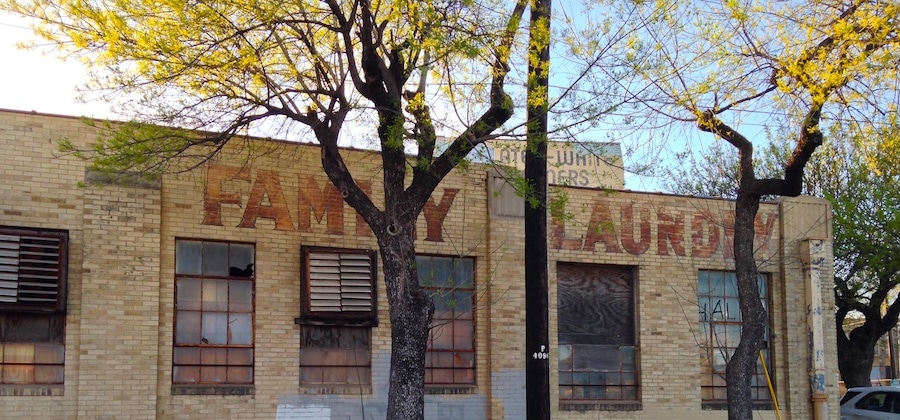
Image of building in San Anonio, Texas, by Eve Picker

Mobility, real estate and equity.

January 15, 2020

There is a nexus between mobility, real estate and equity – how much one must spend on transport directly relates to how little they have left for real estate and housing.

This is the relationship that Karina Ricks explores as the inaugural director of the City of Pittsburgh’s Department of Mobility and Infrastructure. Mobility’s role is the design and implementation of a complete transportation network, policies and programs to manage emerging transportation including shared services and autonomous vehicles and strategies to address long term sustainability.

This new city department has very clear goals to serve its citizens:

  • That every household in Pittsburgh can access fresh fruits and vegetables within 20 minutes travel of home, without the requirement of a private vehicle;
  • That all trips that are less than one mile are easily and enjoyably achieved by non-vehicle travel;
  • That the combined cost of transportation, housing and energy does not exceed 45% of household income for any income group;
  • That streets and intersections can be intuitively navigated by an adolescent; and
  • That no one dies or is seriously injured traveling on city streets.

That might sound simple but it’s really quite a revolutionary way for a city department to be thinking about transportation infrastructure – it’s all about the relationship of mobility to the economic health and well-being of the city and its residents.

Karina formally served as the Director of Transportation Planning for the District of Columbia before becoming the inaugural director of the City of Pittsburgh’s Department of Mobility and Infrastructure. She is a graduate of Cornell University, Michigan State University, and a Fulbright Scholar.

Insights and Inspirations

  • Learn about Karina’s Pittsburgh Micro-Mobility Collective.
  • You can follow the department’s progress on twitter or facebook, or follow Karina’s mobility thoughts here.
  • Take five minutes with Karina to hear what she thinks about the future of mobility and transit in Pittsburgh.
  • One year in, Karina reflects on creating an accessible and inclusive city.
Read the podcast transcript here

Eve Picker: [00:00:05] Hi there. Thanks so much for joining me today for the latest episode of Impact Real Estate Investing. My guest today is Karina Ricks, the inaugural director of the City of Pittsburgh’s Department of Mobility and Infrastructure. This new department has very clear goals to serve its citizens. Karina wants to ensure that no one dies or is seriously injured traveling on city streets, that every household in Pittsburgh can access fresh fruits and vegetables within 20 minutes travel of home without the requirement of a private vehicle, that all trips less than one mile are easily and enjoyably achieved by non-vehicle travel, that streets and intersections can be intuitively navigated by an adolescent, and that the combined cost of transportation, housing and energy does not exceed 45 percent of household income for any income group.

Eve Picker: [00:01:11] These goals sound simple, but are really quite a revolutionary way for a city department to be thinking about transportation infrastructure. Be sure to go to rethinkrealestateforgood.co to find out more about Karina on the show notes page for this episode. And be sure to sign up for my newsletter so you can access information about impact real estate investing and get the latest news about the exciting projects on my crowdfunding platform, Small Change.

Eve Picker: [00:01:50] Hi, Karina. Thanks very much for joining me.

Karina Ricks: [00:01:53] Great to be here. Thanks.

Eve Picker: [00:01:54] So you’re the first director of a brand new department in Pittsburgh, the Department of Mobility and Infrastructure. And I’m wondering how that department came to be.

Karina Ricks: [00:02:05] So the department came the way that many of them have emerged in recent years in the US, which is that the city had a department of public works, which really was primarily responsible for maintenance of the transportation assets that we have in the city. So clearing snow from streets, patching potholes, generally replacing in kind. We also had a Department of City Planning which was tasked with sort of longer term, longer range objectives of communities. But there was this missing middle that was sort of thinking about this tremendous infrastructure that we have. We’re responsible for about one fifth of the land area of the city, which are the public rights of way. And rather than just replace in kind, replace in kind really starting to think about how is this asset contributing to the sustainability of the city, the ability to thrive of our local neighborhoods? What are the policies for management and operations that need to be put in place to really get to those objectives? And so the Department of Mobility and Infrastructure was created to fill that gap. And it drew staff from both the Department of Public Works and the Department of City planning to bring together, in a way this transportation land use, economic development objectives, and think about think very proactively about the design of our infrastructure, the use of our infrastructure. And if I can go just from a minute to talk about. I had nothing to do with the name of the department. It was, I’m the first director but the the creation of the department was something that was a product of mayor. But I’m thrilled at the name. So in the US, you know, initially these kinds of departments were called the Departments of Highways, which really sort of informs their priorities right where we were thinking about things in the time that was back in the 50s and 60s. They were departments of highways. Then they sort of morphed and changed their names to be departments of transportation. Well, that’s fine as well. But what we’ve learned – Recent research that was done at Harvard University found that the time that it takes to commute, so that the the time of travel and the reliability of travel is the single most important factor in families and households being able to change their economic status. So beyond the quality of their neighborhoods, public safety issues or other kinds of elements, their access to transportation, their ability to move from where they lived to where they were going to get the different kinds of goods and services and jobs that they had was the single most important factor in escaping poverty, in changing their economic status. And so, in essence, it said that physical mobility was the most important factor in economic mobility. And so I think that really sums up what this department is about. It’s about mobility, not just moving around, but it’s about mobility of changing lives. And that’s really some of the emphasis that I’m trying to bring to my staff and to the work that we do.

Eve Picker: [00:05:26] So, you know, this is really fascinating because as I do these interviews, all the threads sort of come together for me. I’m learning a lot. And I I just interviewed an architect in Australia who’s really built an entire sort of new affordable housing model around exactly that thesis – that cities don’t run with essential without essential people who serve it and those people are generally being pushed out. Well, this was in Melbourne, Australia, which is a very, very wealthy and sprawling city. But those people are going to being pushed out further and further and further. And so we have to find a way to have them be able to afford to live closer in and be mobile in in different ways without having a car. So there in Australia, he’s developed an entire new housing model kind of based on that thesis.

Karina Ricks: [00:06:18] Right. Well, we we we also refer often to the H plus T index. We talk about the housing plus transportation index. And we have a measurable goal for my department and for the city, which is that no household in the city of Pittsburgh should need to spend more than forty five percent of their income on housing and transportation, which are the two largest household expenses. At any income quintile, so you really need to look at it across income rates, and we know just like any other city, that housing prices are increasing. But what’s interesting is in Pittsburgh today, households spend about 21 percent of their income on housing, which is which is fairly low. Go to other places. But they spend 20 percent of their income on transportation, which is quite high. So if housing prices increase, we can keep people in our city if we’re able to work on the other side of that equation, which is driving transportation costs down so that we can stay at that affordable net net affordable threshold.

Eve Picker: [00:07:37] So your department is really a whole lot more than about transportation. You’re really an economic development department, too.

Karina Ricks: [00:07:43] We like to think of ourselves that way. Absolutely.

Eve Picker: [00:07:46] Yeah how interesting. Yeah. And so you talked about broad … Well, let me just ask you about you. How did you come to be in this position? What’s your background?

Karina Ricks: [00:07:57] I took the scenic route. I would say to my boss.  So my original career objectives were in environmental sustainability. And so really focusing on those issues around climate change and overall sustainability and efficiency there through some some different twists and turns, I ended up working, doing a fair amount of work in economic development, actually in Tonga, I was in the Peace Corps, and did economic development there. And then I continued to work in other communities of the global south. And and then from there, it actually morphed into some democracy work in the several countries in Eastern Europe. And I came back to the U.S. and got my master’s degree after having all of this experience. And it and it sort of, you know, these different threads came together in city building, the ways that cities are situated, the ways that that relates to economic prosperity, democracy, inclusion, equality. And those threads immediately led to transportation, because if you really can’t access these markets, you can’t access these forums where these decisions are being made, you are by definition being left out. And this is what leads to a lot of the social isolation that we have, a lot of cultural segregation that we have certainly in this country and other countries as well, where people are really just not engaging with one another. They’re not being exposed to two persons of different persuasions and different opinions. And it’s leading into a lot of a lot of strife. So, you know, oddly, it really is mobility, transportation, access, you know, that has this tremendous impact, the climate that has this enormous impact on economic prosperity, that has a huge influence over social cohesion. And and, you know, sort of political peacemaking. And so that sort of led me to this place that I’m at now.

Eve Picker: [00:10:22] Interesting. Interesting. So, you know, I connected with you through an article that I read in City Lab about the mobility conference that was held here in Pittsburgh last year, which sounded really fascinating to me. Tell me a little bit about that and the purpose of it.

Karina Ricks: [00:10:39] It was a tremendous experience. It was really one of the most inspiring things that I’ve had the privilege to be a part of. So it it was prompted from there was a very exclusive conference that was held here in Pittsburgh a couple of years ago that was really contemplating what the rise of autonomy and autonomous vehicles and new urban mobility, how what the consequences of that might be for city form and urban design and architecture and disciplines like that. And it was a it was an invite only convening. It had all of the greatest brains from around the world. As part of it. I was privileged to be included in that group, which was wonderful. And all of these good people throughout this two day meeting were consistently coming back to the themes of equity and inclusion. And then and then one individual that was there kind of approached me in the course of the meeting and they said, you know, isn’t this odd? Here are all of these people, all of whom are making, you know, very comfortable livings, have high educational attainments and they’re all talking about equity and inclusion and all of these good things. But where are the real experts in that area? Meaning where are the people who live it day in and day out who are really constrained by the situation of their lives and the things that they face and the problems that they need to solve each and every day. Those are the experts. Why are they not in this room? All of us, the privileged few, are talking as if we know.

Karina Ricks: [00:12:23] And so from that kind of discussion, he and I, he and I kept up the conversation going for the next year or so. And from that came this mobility conference, which was a conference, a workshop, co-creation kind of event, where we again, by invite only. But we brought these tremendous subject matter luminaries, experts, top of their class innovators in in mobility and technology and operations. And a third of the conference were those those folks leading into the city and the nation. But a third of the people we paid a living wage and we provided mobility supplement to them were people who are on the margins, on the edges. They’re the people that were formerly incarcerated, people that are single mothers with minimum wage jobs, trying to kind of just get their kids to all the places they need to go to and, you know, scrape by their own lives. They were people who face a host of other social and economic challenges that we we paid them to be the experts in the room. And so a third of the people of the conference were that representation. And the last third were governments and nonprofits and enablers that could be a part of it. And we really workshopped what are the challenges that you face, the mobility challenges that you face? What are the things that we can do that would make a real difference, which some of them were as small as providing better lighting at bus stops at night or being able to hail, you know, make sure that the bus driver can see that you’re you’re waiting there in the bus shelter so that the bus doesn’t the one bus that comes every 40 minutes doesn’t pass you by because they didn’t see you, to creating whole new services that would address these third shift working needs – the hotel and restaurant hospitality workers that oftentimes face certain challenges in the level of service that is provided at the time that they leave work, but also concerned for personal safety as they’re carrying, you know, tips or cash or something like that. To, you know, school age, children, mobility so that their parents can do that. So we really workshopped through what is the problem, what is the set of solutions, how can we create new services, new applications, just new improvements that are actionable, that there is actually a timeline and a you know, a funding means. And we came out of there with, you know, six or eight things that we’re continuing to really work through. But the solutions and stories that we never would have heard in that very intimate, tangible way, if those people if those experts hadn’t been there saying, this is what I do to get by. This is what I’m forced to do to make these things happen. Yes, that would make a difference in my, you know, in a way that I was traveling. So that it was a tremendous event. It was really inspiring.

Eve Picker: [00:15:44] It sounds inspiring. And what were the outcomes like? I know the one thing that cityLAB talked about was the micro ability, but I’m sure there were more.

Karina Ricks: [00:15:53] Yeah. So micro mobility was one of the bigger lifts that came out of there.

Eve Picker: [00:15:58] Let’s start with that first and then we can because I think that people would be interested in hearing what that is.

Karina Ricks: [00:16:05] So the micro mobility micro transit solution was one where it was particularly aimed at the workers who work at our hotels and night time restaurants, night time economy kinds of workers who are transit services do very, very well for the daytime office based workers. But transit service diminishes greatly in those evening hours. We have many employers in the city who operate shuttles for their daytime office employees to get them from various remote parking spaces to their campuses. And those shuttles that are just parked and silent in the nighttime. And so this was an opportunity using technology to actually map where workers were to allow a hailing application so that they could indicate when they were in need of a ride optimized route so that planning could be very highly efficient so that we could we could give kind of on demand in a way  on demand mobility or at least scheduled service to pick up these night time economy workers and bring them to their places of employment and back again. And using vehicles that already exist in the city, but are but are basically idled during the time that they are needed there so we can get that greater efficiency from them. And then talking with their employers who immediately saw the value of doing this because someone needs to obviously subsidize a service like this.

Karina Ricks: [00:17:50] And they immediately saw the value because of the high turnover rates that they experienced when their employees. If you need to have your your your cook, your chef there at a particular time, because you’ve got a dining room full of patrons that you need to attend to, if you need to have your room cleaning people there so that you can turn over the keys in your hotel, if you need to have trusted staff that you have trained and that you feel good about so that your customers and your clients have a great experience too. But that person is, you know, habitually 30 minutes late, you know, may not show up at all because of the mobility challenges they have. You can’t keep that person around as an employer. You you you’re going to have to dismiss them for failure and performance. But that has a cost to you to to find that next person, to train that next person to to to feel trusted with them. And so all they needed was to get their employees there on time. And all their employees really wanted was to get to work on time. So this was a this was a natural matching that we could do. So that was the micro mobility. And we called it the safe shift service and partnered with a company called Move It to help develop that application that would identify where those workers were, how to optimize the routes. We’re still working with employers to really bring that into operation. But the research has completed and so we’re continuing to advance on that one.

Karina Ricks: [00:19:35] Some of the other things that came out, as I said, were just just simple improvements, like could there be a a switch of sorts on the shelter that could illuminate, you know, something to make sure that the driver of a bus knew that there was a transit rider there in the shelter and they wouldn’t just blast by because, you know, there there’s not so many people in those late night hours. But if that bus passes them by, there’s a huge impact on the potential rider. I’m trying to remember some of the other things. But there is there is some really, really great, not necessarily deeply costly solutions that could be implemented that would have real benefits, too, so that we could do something more than just talk about how much we wanted to address equity and inclusion. But there were some things that we could really do that we knew would be welcomed and useful because they were co-designed by the people who who require them themselves.

Eve Picker: [00:20:39] Fabulous. And then there was also a description of these hubs that you have been building, and the partners. I was kind of really interested in them, the partners and and why they care and how you brought them to the table.

Karina Ricks: [00:20:55] Right. So so that’s a bit of a different initiative that came. It was, you know, maybe had some of its birth in the mobility conference. But through other inputs, we understood that there’s there’s a whole host of micro mobility, new mobility that’s coming to cities across the globe. And many cities, as is too typical for us, are caught flat footed with these new technologies. We really don’t know how to use them, how to manage them. We end up with our cities, you know, somewhat littered with e-scooters or know previously it was dockless bikes. And, you know, they’re there and we’re all excited about it, but we’re not quite sure exactly who they’re serving. The management of the public space could obviously be better in many cases. And they’re not really integrated together into a singular system. The onus is really on the user to figure out what are the what is the range of services available in the city, they need to setup a separate profile for each and every service that’s there. They need to kind of do their own comparison and cobble together their own services where they might take a ride share from this point to this point, but then a scooter share from here to here and then a transit there to there. But they need to open up three different apps and do their own planning to do that. And it’s really a very difficult and challenging arrangement for the user. We said we can do better than that. We can work with the private sector. Maybe just one provider in order to see what works, do some experimentation with them to develop our own policies, to figure out how we can really get toward this elusive mobility as a service concept where, you know, the users can have the whole buffet of mobility options available to them, presented to them in a single way so that they can choose based on what is motivating them, whether it’s time or price or environmental performance or fund factor or whatever it is that they want to do. So we put out a solicitation for a mobility collective and we said, you know, we want you to self-organize your industry, please self-organize and bring together different kinds of services. We don’t just want the walled garden, as it’s called, where it’s Uber that says, well, we’ve got scooters and bikes and car share and you only need work with us. Thank you very much. That’s wonderful. But we might see some downsides to having that much control in one place. So we said you need to have multiple companies, multiple services, and you need to be prepared to experiment with us to figure out how we best manage our public space, how we best really get to this notion of inclusion and inclusivity, and run some pilots and run some demonstrations to do that. And so we got great response. We were excited at the number of responses that we got. We selected a partnership that’s led by Spin, which is a subsidiary of Ford Motor Company, and they brought with them ZipCar and Swift Mile and Wayz Carpool and Transit App and a number of different independent ( they’re not all owned or even have an ownership stake with one another), so they’re an independent collection of companies, each bringing a different kind of service together. And they proposed to us that they would like to come to the city and establish mobility hubs where we would have this range of different services, all sort of co-located together in some of our different centers and critical destination areas that we would formulate a platform that would allow the user to tap into all of these different services so the user would really be in control that we would really use as the backbone of this system, our public transit system, so that it is additive rather than competitive to transit. That it would preserve our public bike share, which was very important to us as well. That we love micro mobility and all of the private companies that are popping up, but they’re also dispersing as quickly as they’re popping up.

Karina Ricks: [00:25:21] We don’t want that to happen that we’re we totally do away with our public bike share. That is as much a critical public transit option as buses and trains are. So that was one of the requirements as well. And it’s been great so far. We really applaud Spin for their willingness to kind of go into the unknown with us, to be really true partners, to be open and vulnerable. You know, and they’re able to do that because we’ve said we’re going to not allow any other entrance into our city while you’re going through this sort of experimentation phase with us. So we’re going to give you a safe space to be vulnerable as long as you’re willing to do that with us and to really figure this out in a very, very much of a partnership way. And I really applaud them. I couldn’t have asked for a better partner so far. They and all of the other companies that they brought along with them are really very authentically and truly working with us. And we’re figuring it out. And I’m excited to see where this is going to go.

Eve Picker: [00:26:34] It’s making me_____. It’s pretty fabulous initiative. So then there really are no results so far?

Karina Ricks: [00:26:41] It’s not not well that I would say that there have been some results so far. So we’ve talked a lot more about these mobility hubs. And so those are progressing to really ensure that we have, in particular, electric charging that can be multipurpose so that these charging stations so the recharging micro mobility vehicles is is a major limiting factor to them.

Eve Picker: [00:27:08] So that’s a core for these stations to have to be able to pull something up and charge it right.

Karina Ricks: [00:27:20] So that you can you can pull a bike up, you can point a scooter up, you can pull whatever the next generation of these things are up that the car share can be electrified. That ride hailing curbside can be managed for efficient drop off and pick up at the curb side. So a whole host of different things. And again, to the convenience of the user.

Eve Picker: [00:27:42] None of these hubs actually live yet?

Karina Ricks: [00:27:46] We’re doing the location selection right now. And then there’s there’s some like a fair bit of infrastructure that needs to go into again because it involves electrifying them.

Eve Picker: [00:27:57] And how many hubs do you are you shooting?

Karina Ricks: [00:27:59] Well, initially there’s 50, which is given the size of our city. That’s pretty good.

Eve Picker: [00:28:05] That’s pretty. And then I’m going to root for location near me, Karina. So it’s a really, really fabulous. And it really does. It’s really nice to hear that those companies care and want to think this through. It’s pretty fabulous.

Eve Picker: [00:28:26] Ok, so let me finish up by just saying I’m very excited that Pittsburgh, as you and I’m I can’t wait to see how this turns out.

Karina Ricks: [00:28:36] I’m really excited. And this is a great city to do these kinds of things. And it’s a city that values its neighbors. It’s a city that values the environment. It’s a fantastic urban and natural experience. So the people of Pittsburgh are just wonderful and they’re as much a part of the secret sauce of the city as anything else.

Eve Picker: [00:28:57] Okay. Well, thank you very much.

Karina Ricks: [00:28:59] Sure. Thank you. So great to talk to you. Bye.Eve Picker: [00:29:07] That was Karina Ricks the inaugural director of Pittsburgh’s brand new Department of Mobility and Infrastructure. Karina believes that there is a nexus between mobility, real estate and equity. How much one must spend on transport directly relates to how little they have left for real estate and housing. You can find out more about impact real estate investing and access, the show notes for today’s episode at my web site rethinkrealestateforgood.co. While you’re there, sign up for my newsletter to find out more about how to make money in real estate while building better cities. Thank you so much for spending your time with me today. And thank you, Karina, for sharing your thoughts. We’ll talk again soon. But for now, this is Eve Picker signing off to go make some change.

Image courtesy of Karina Ricks

« Previous Page
Next Page »

Primary Sidebar

sign up here

APPLY TO BE A PODCAST GUEST

More to See

(no title)

February 22, 2025

Bellevue Montgomery

February 11, 2025

West Lombard

January 28, 2025

FOLLOW

  • LinkedIn
  • RSS

Tag Cloud

Affordable housing Climate Community Creative economy Crowdfunding Design Development Environment Equity Finance FinTech Gentrification Impact Investing Mobility Offering Opportunity zones PropTech Technology Visionary Zoning

Footer

©rethinkrealestateforgood.co. The information contained on this website is for general information purposes only. Nothing on this website is intended as investment, legal, tax or accounting strategy or advice, or constitutes an offer to sell, solicit or buy securities.
 
Any projections discussed or made may not be accurate and do not guarantee a specific outcome. All projections or investments are subject to risk due to uncertainty and change, including the risk of loss, and past performance is not indicative of future results. You should make independent decisions and seek independent advice regarding investments or strategies mentioned on this website.

Recent

  • The Mulberry
  • Mount Vernon Plaza
  • The Seven
  • Real estate and women.
  • Oculis Domes.

Search

Categories

Climate Community Crowdfunding Development Equity Fintech Investing Mobility Proptech Visionary


Copyright © 2026 · Magazine Pro on Genesis Framework · WordPress · Log in