• Skip to main content
  • Skip to secondary menu
  • Skip to primary sidebar
  • Skip to footer
  • Home
  • About Us
  • Say hello
Rethink Real Estate. For Good.

Rethink Real Estate. For Good.

  • Podcast
  • Posts
  • In the news
  • Speaking and media
    • About Eve
    • Speaking requests
    • Speaking engagements
    • Press kit
  • Investment opportunities

Equity

Parking not required.

June 24, 2020

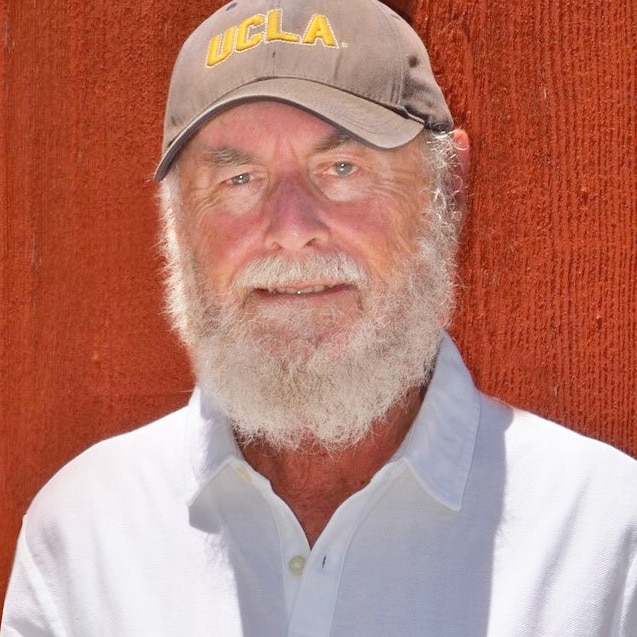
Donald Shoup’s large body of work centers on the connected urban issues of parking, transportation, public finance and land economics. A Distinguished Research Professor at UCLA, he is perhaps best known for two books: The High Cost of Free Parking (2005), which turned an otherwise academic topic into a significant policy issue; and as the editor of Parking and the City (2018), which makes the case that parking reforms can improve urban metro areas both economically and environmentally. This book has become widely cited as cities debate how to reduce parking to make room for other new modes of transportation, or other land uses.

Donald initially became interested in the impact of parking years ago when he came across data suggesting that free parking in Los Angeles led to commuters often driving twice as much. He became known for popularizing the idea that an 85 percent occupancy rate of on-street parking is the most efficient use of public parking, and for advocating for the idea of “parking cash out,” where employees are offered either a parking space at work or a cash payment to give it up. He has also written about how to promote higher density infill projects through new zoning ideas, such as ‘graduated density zoning.’

Donald is a Fellow of the American Institute of Certified Planners and an Honorary Professor at the Beijing Transportation Research Center. He has received the American Planning Association’s National Excellence Award for a Planning Pioneer and the American Collegiate Schools of Planning’s Distinguished Educator Award.

Insights and Inspirations

  • There are 3 million on street parking spaces in New York and 95% of them are free.
  • Donald advocates for demand parking rates. If there are always a couple of empty parking spaces available, the right price is being charged.
  • Parking spaces are cash registers at the curb, says Donald. Municipalities should charge for parking everywhere and use those funds to beautify the streets they were collected from.

Information and Links

  • In his 2005 book, The High Cost of Free Parking, Donald recommended that cities should charge fair market prices for on-street parking, spend the revenue to benefit the metered areas, and remove off-street parking requirements.
  • In his 2018 edited book, Parking and the City, Donald and 45 other academic and practicing planners examined the results in cities that have adopted these three policies.
  • Parking is sexy now, thanks to Donald Shoup.
Read the podcast transcript here

Eve Picker: [00:00:00] Hi there, thanks so much for joining me today for the latest episode of Impact Real Estate Investing.

Eve: [00:00:06] My guest today is Donald Shoup. Dr. Shoup is a distinguished research professor with a focus on economics in the Department of Urban Planning at UCLA. He began studying parking as a key link between transportation and land use with important consequences for cities, the economy and the environment. His book, The High Cost of Free Parking, turned an otherwise academic topic into a significant policy issue. A second book, Parking in the City showed that parking reforms can improve urban metro areas, both economically and environmentally.

Eve: [00:00:47] Be sure to go to rethinkrealestateforgood.co to find out more about Donald Shoup on the show notes page for this episode. And be sure to sign up for my newsletter so you can access information about impact real estate investing and get the latest news about the exciting projects on my crowdfunding platform, Small change.

Eve: [00:01:08] Hello, Donald. I’m really delighted that you’ve been able to join me today.

Donald Shoup: [00:01:13] Well, thanks for inviting me to Dallas.

Eve: [00:01:15] Yes. You’ve spent your career deeply immersed in parking and land economic issues, both of which are really hot button subjects right now. So, I’m wondering, first of all, how did you get interested in the economics of parking and why?

Donald: [00:01:33] Well, like everybody in parking, I think I backed in. Nobody wants to grow up to be in the parking business. They say, well, I was doing my PEC Dissertation in economics. I was working on land economics. So, I came to it from that angle looking at development and the value of land. And later on, I noticed that the market is the single biggest user of land of American citizens, the curb parking and the off-street parking. But it had almost no interest from any academic or even a lot of other professionals of the parking industry. But they were looking at it from the view of land economics. So, I had the field to myself for a long time.

Donald: [00:02:29] Universities always strongly advocate equality and equity, but they are very rigidly hierarchical in their own operations. Everybody has different titles like Chancellor or the Vice Chancellor or the Deans and the Professors, and the Associate and Assistant Professors and lecturers and even the students, you know, the seniors and juniors and sophomores and freshmen. So, I think it’s not just that we’re hierarchal, but the things we study are also hierarchical, like international affairs are very important and national affairs are too. But state affairs are very, a big step down and local affairs are parochial. And then I think the lowest status topic, you know, even in local government would be parking. So, I was a bottom feeder for about 30 years, but there was a lot of food at the bar. And that’s, that’s how I got into parking. It was so easy to discover new things that nobody, well not many people, have been paying attention. But now there’s almost a feeding frenzy. A lot of people are getting to study, at least among academics, or just studying parking and its effects. I think that’s what you’re interested in, not parking itself but how it affects the real estate of the city and the economy.

Eve: [00:03:58] Yes, and housing, right? So, you said it takes up a lot of land in American cities. How much land does parking take up on average?

Donald: [00:04:08] Well, nobody knows. It’s highly regulated but the, no city, except San Francisco, has any census of parking that… You couldn’t go to your city council or city planning department and say, how much parking is there in Dallas? They don’t know. Although they regulate it very heavily on every site, there’s no aggregate number that applies to all cities. But people who have looked at it in various ways think that, oh, maybe about 30 percent of the land is used for parking.

Eve: [00:04:48] Which is a lot of land. One of the statistics I read was that New York City, which has really high housing costs, actually is the eighth most affordable city out of 20 because the land is used really economically and there’s less parking. The two certainly go hand in hand, don’t they?

Donald: [00:05:10] Well, New York is a very special case, but most cities are like it. Several, the Department of Urban Planning’s estimated there are about three billion on-the-street parking spaces in New York and nobody knows how many off-street parking spaces. But of those three million…

Eve: [00:05:29] That’s a lot.

Donald: [00:05:29] …on-street spaces, only three percent have parking meters. So, 97 percent of all the car parking in Manhattan, in all of New York City, is free to the driver. So, of course, a terrific competition for it and it’s a nightmare trying to find a parking space in Manhattan because it’s free and lots of other people want it. So, there’s an incredible amount of cruising around, hunting for parking. Seinfeld often talked about it. I think one time in an episode, George is coming to Jerry’s apartment and Elaine is in the drivers, is in the passenger seat, and they can’t find a parking space. And she said, well, let’s park underground at the building. And he said, no, I never pay for parking. Paying for parking is like going to a prostitute. Why should I pay if, when I apply myself, maybe I can get it for free?

Donald: [00:06:31] So, I think that we’ve all been trying to get it for free for as long as we’ve had cars. And everybody wants to park free through to you and me, but we have twisted our cities is totally out of shape and real estate development totally out of shape with parking requirements that ensure that every new development has to have plenty of parking. So that won’t overcrowd the free curb parking. So, I think that I’ve seen studies. I think, yes, the Department of Commerce did one study saying that: What is the biggest impediment to real estate development? Is it property taxes? Is it leverage issues? And almost everybody says it was required parking.

Eve: [00:07:17] Yeah. And have you seen a shift at all, over time in the last decade or two, the attitude towards parking?

Donald: [00:07:25] Oh, I think so. I’ve recommended three basic things. One is to charge the right price for curb parking, which is the lowest price that cities can charge and still have one or two open spaces vacant. So, nobody can say there’s a shortage of parking because everywhere they go, they’ll see one or two open spaces. But like real estate that’s valuable, it won’t be free. And then to make this politically popular, because drivers don’t want to pay, is that the cities dedicate the meter revenue to pay added public services on the metered streets. You know, fix the sidewalks, plant street trees, clean the sidewalks, extra, well I shouldn’t say police patrol right now, but, extra security. And some say to give free Wi-Fi to everybody on the block that has market-priced curb parking. So that people can see the benefits of charging for parking. Instead of having the money disappear into the general fund. So that’s one policy to charge the right price and the second is to spend the revenue on added public services. And then the third one is to remove off-street parking requirements.

Donald: [00:08:39] And you’ve seen, all three of these happening in various cities. Houston just recently increased the share of the city that has no parking requirements. Houston is famous for having no zoning, but it has very elaborate parking requirements, just like any other city. Except for downtown, that they recently increased the area of Houston that doesn’t have any parking requirements. And some cities have removed parking requirements entirely. San Francisco removed all its parking, off-street parking requirements, and Buffalo did, Hartford and London and Mexico City. It’s spreading. I think that I and other peoples have preached the gospel that parking requirements do a lot of damage, that they raise the price of housing, they increase traffic congestion, they increase air pollution, they even contribute to global warming.

Donald: [00:09:43] So, I’ve never heard anybody, planners say: no, minimum parking requirements do not have these effects. The opponents of parking requirements are proving with study after study saying how it reduces the available land for development because so much of the space has to go for required parking. And it does increase housing prices at, and the prices of everything, because the cost of parking is hidden in the prices of everything else. Parking requirements make parking better, but they make everything else worse. And, as I said, I’ve never heard any urban planner say: no, parking requirements do not have these bad effects. I don’t think you could find any professional in the planning industry or development industry who would say: no, parking requirements do not have these effects.

Donald: [00:10:39] So, I think some cities have begun to remove their off-street parking requirements. Others have begun charging, you know, what I call the right price or demand-based price, based on the demand for this scarce land. And they’re spending it all on the, spending the revenue in the immediate district. So, I think all these three things are happening. So, I think the future of parking’s here is just not evenly spread.

Eve: [00:11:08] Right. So, you know, Covid19, the pandemic, has probably accelerated a bit of this thinking. I’ve been watching news about cities like Milan in Italy, grabbing street back for pedestrians before they’re fully occupied by cars again. And I’m wondering if you believe any of that will sort of help accelerate a move towards less parking, more purposeful use of valuable land.

Donald: [00:11:40] I’m sure it will. Covid19 has opened our eyes to a lot of things and one of them is a transportation. People are saying cities with very few cars, but a lot of pedestrians, and a lot of cyclists, and people eating at outdoor restaurants on the curb lanes, they could see that this is a lot better looking than having all the curbs completely jammed with cars and other cars hunting for, to find spaces being vacated. So, I think that it will lead to big reforms and it already is. Many cities have suspended the requirements of parking that the required parking lots have to be used for parking. They say, oh, you could use them for restaurants, outdoor restaurants with widely separated tables.

Donald: [00:12:34] But now in Dallas and every other city, they would say, if you want to have more outdoor city, you have to have extra parking for it. Most cities don’t allow parking to be converted into outdoor restaurants. Everybody wants to eat outdoors. But you can’t allow the required parking spaces to be used for a restaurant because that’s against the parking requirements. So, I think that cities are experimenting. I have no idea if Dallas has done it, but a lot of cities have allowed restaurants to expand into their parking lots for outdoor dining. It will show people that there are better uses for land than storing empty cars. And, even if they’re used for storing empty cars, they’re still vacant most of the time.

Eve: [00:13:21] They are, they’re vacant.

Donald: [00:13:22] If there’s all those building where the parking spaces are empty during the evening, schools — the average car as parked ninety five percent of the time so there have to be an awful lot of parking spaces wherever you go, because how can you drive somewhere, where there isn’t plenty of parking? But if we think, we thought of parking as free parking and, even in downtowns like in Dallas, a lot of the people who drive to work get free parking. Is it paid for by the employer? You get free parking where you work?

Eve: [00:13:57] I don’t park. I live downtown and my office is two floors below where I live. So my commute is very short, and I rarely, rarely drive.

Donald: [00:14:08] But in your apartment, are there a parking space or two available to you?

Eve: [00:14:13] Well, I have a tiny little building that has two spaces for the entire building. It’s a building I built so it’s a bit unusual, it’s probably not a fair comparison.

Donald: [00:14:23] How did you build it without a lot of parking?

Eve: [00:14:26] Because it’s downtown and in downtown Pittsburgh there’s no parking requirement for residential.

Donald: [00:14:32] Oh, you’re in Pittsburgh?

Eve: [00:14:33] Yes, I am in Pittsburgh.

Donald: [00:14:35] Oh, I thought you were in Dallas.

Eve: [00:14:37] No, I’m in Pittsburgh. So, downtown Pittsburgh for quite a while has had a zero parking requirement for downtown residential.

Donald: [00:14:45] Yes, yes.

Eve: [00:14:46] Not that the market didn’t demand parking, right? That was when the market, the downtown market started here for residential. It was very hard to get going because people wanted to park their cars downtown. But I think in the last 10 years, that’s really shifted. But I can’t say that’s extended to other neighborhoods. Somehow people feel entitled to have a car and a parking space.

Donald: [00:15:11] Pittsburgh does a lot of things right. The director of your parking authority is very famous in the industry, David Onorato, and I think they have some very good ideas. Say around Carnegie Mellon University, the university is the one who pioneered the policy of charging demand-based prices for curb parking. You know, they monitor the occupancy rate and they recommend the price that should be charged. So the best spaces have higher prices, than the distant spaces. I don’t know if it was in Pittsburgh, whether it was just an idea or whether it happened, but, in some city, say, a grocery store will have a meters by the, spaces near the front door.

Eve: [00:16:00] Oh, interesting. That’s interesting.

Donald: [00:16:01] You pay for, at a meter. The rest of the lot is free, and the meter money goes to pay, to charity. So, when you put your money into the meter you know that it isn’t going to programs, but it’s going to a local charity and they say what it’s going to. So, I think that’s another way to slowly bring prices into managing and parking.

Eve: [00:16:26] Yeah, that’s really interesting. You know, you see a lot of strip malls where, you know, you have a sea of parking out the front or even in small main streets where there are parking requirements that really, kind of, force architecture that’s overwhelmed by vehicles. And I worked at the planning department for a while, and I know what it takes to change a code, you know, a zoning code with the requirements, it’s a mammoth and expensive exercise. And so, we have many smaller boroughs all over the country that have pretty old zoning codes now that require parking, and I really wonder how they’re going to shift into, sort of, this new thinking.

Donald: [00:17:14] Well, it is very difficult to reform zoning for parking piecemeal that often on individual developments the developer will ask for a variance and say that “I don’t need so much parking as you should require” and they to get a consultant show that this is true. There’s so much study goes in to say, “If we if we reduce the parking requirement, well what should the new parking requirement be?” because it’s all pulled out of thin air, there’s no science at all. I mean students learn nothing about parking in their graduate studies because the professors have nothing to teach them. But they do learn that whenever they have a development project of their studios, the thing they have to worry about most is the parking requirement.

Donald: [00:18:02] So I recommend that cities should just remove off-street parking requirements. As I say, in Buffalo they had pages, like Pittsburgh does, pages of parking requirements, and it was replaced by one sentence and the zone goes: there’s no work parking required for any use. That was so much easier than saying, well, let’s have a study and say should they be cut by 20 percent or 30 percent or maybe the parking for a nail salon is too high, or something like that? That it’s better to, to just say there are no parking requirements except for handicap spaces and specially what they should look like – the landscaping of them, and the water run-off and the location. The quality of the parking is what planners should regulate, not the quality. But in the U.S. we have a huge quantity of very low quality urban designed parking.

Eve: [00:19:05] Why do you think there’s so much resistance to that? I think it’s a brilliant idea because a real estate developer who has financial risk in building a building is going to think very hard about how much parking they need to market their building.

Donald: [00:19:19] Of course, and they know how much a parking space costs. The ramp parking space will easily cost fifty thousand dollars. And whether we talk about the need for parking, they’re not talking about how much, whether people are willing to pay that much. I don’t want to get into today’s particular issue about Black Lives Matter. One of the things that I did through the years, I pointed out the fact that parking requirements strongly discriminated against low income people. Now we have measures of the net wealth of the population, you know, all your assets, minus all your liabilities. And of course, many young people have a negative net worth because they have student debts and no assets. Maybe a car or a cell phone. But I have looked at the median net wealth of Black families is about seventeen thousand dollars. Where for white families another hundred and sixty thousand, I think now. But cities are requiring for apartments for low income people and for Black people, two parking spaces per residence. That makes, the parking spaces could easily cost more than 17,000 dollars each. And then there has to be parking at all the restaurants, and all the theaters and all the grocery stores and every place else. So, planners are willy-nilly requiring wildly expensive parking spaces that low income people cannot afford.

Eve: [00:20:53] Yeah.

Donald: [00:20:54] Can you think that one parking space is worth more than the median net wealth of the Black population in this country? And yet it is. You’re saying oh, well, you need 10 spaces per thousand square feet for a fast food restaurant. They have no knowledge of how much parking spaces cost or what it does to the looks of the building or who can eat there and things like that. So, I think that everybody probably looks at systemic racism through their own lens but I think in planning for parking there is a bias against low-income people in general and because Blacks are a lower income, it’s a it’s a bias against Black.

Eve: [00:21:33] Yeah, I think you’re probably right. So, I’ve been working with an architect in Australia who has been developing workforce housing for service workers like schoolteachers and firemen and policemen. I mean, the cost of housing is so high there they’ve been driven further and further away, which means there is a bigger and bigger requirement for them to own a vehicle, right? Which is expensive. So, they actually built a building with 30 units and every person who was going to buy a unit signed a petition, because this building was right next to a train station and a bike, and a bikeway right into downtown. And every person signed the petition saying they weren’t going to have a car. They were going to give up their car. And all they wanted was a bicycle. So, and the town planning, you know the town council there agreed that they could just build a small bike garage, which saved them a lot of money because they didn’t have to build those 20,000 or 30,000….

Donald: [00:22:33] As you point out, that if we have parking requirements everywhere, it’d be hard for low-income people to get an apartment close to where they’re going to work because the whole city is spread apart, because, to make room for the parking.

Eve: [00:22:50] That’s right.

Donald: [00:22:51] And I think that if a low-income person has to buy a car to get a job, which is mostly the case, that they have to support the car. They have to pay insurance, for repairs and everything else. So, I think we have systematically favored the car through parking requirements. It’s something that more cities are beginning to look at and maybe, I hope, some of your listeners will think hard and say, well, yes, it’s a house of cars, these parking requirements. What you asked a planner say, well, how was this parking requirement set? They can never tell you. They can tell you what it is when you go to the planning desk and say, I want to build a nail, you know, open up a new nail salon, they’ll tell you how many parking spaces you have to have. But they have no idea where that number came from.

Eve: [00:23:42] Interesting.

Donald: [00:23:43] Or how it was derived. How would you set the parking requirement for a nail salon? And you probably know much more about real estate than most urban planners.

Eve: [00:23:53] Yeah, it’s really tough and so, now with this pandemic, you know, we kind of got to take another look at mass transit as well. You know, how are people going to get around when they’re worried about catching a virus?

Donald: [00:24:07] Well exactly? I think so. I think that well, that’s a slightly different policy that I’m recommending but as related to it, that, at least in L.A. and I suppose, in Pittsburgh, that we were amazed at how little traffic there is during Covid when people are staying at home. You could drive anywhere in Los Angeles.

Eve: [00:24:30] Yes. Here too.

Donald: [00:24:32] You never would have gone there before because you’d know that the traffic congestion was so terrible. Say, we have a city of Long Beach, which is south of Los Angeles and adjacent to it, has express buses to UCLA, it’s about a 30 mile trip. And the schedule before Covid it was, it took about, I think, 90 minutes or something like that, at an average of 15 miles an hour on the freeway. And now, during Covid it was a twenty-seven-minute trip. And so, how are you going to maintain that? And one of the things I recommend is, what we already have is called hot lanes. Do you have these?

Eve: [00:25:19] Yeah, yeah. We actually have a dedicated busway which is fantastic.

Donald: [00:25:24] That’s what we need more of.

Eve: [00:25:26] Yeah, I know. I can get from downtown to the airport faster on the bus for $2.50 than I can possibly drive, and it drops me right out the front door and it’s really pretty fabulous.

Donald: [00:25:39] Well we have, we have these high occupancy vehicle tollways. There’s HOV lanes that solo drivers can buy into it, if they pay a toll. But there’s an incredible amount of fraud on them. Because we have to have a transponder if you use the lane and if you say that you have three people in your car, you don’t pay any toll. I’ve seen the estimates that 30 percent of all the solo drivers in the tollways are saying that they’re a three-person carpool. So, they pay nothing and that bogs down the HOV lanes because they don’t perform the way they should. So what L.A. is just about to try is to say we’re going to change it that everybody pays on the tollways except vehicles that have five or more passengers. So, if you’re a two-person carpool or a three-person carpool or four-person carpool, you still have to pay. Of course, you get a discount on a per-rider basis – four people in the car, each person only pays 25 percent of the toll. It would be very easy to police the requirements that there be five people in the car. It’s very hard for the authorities to put cameras to look and see, to check whether you actually have two or three people in the car. So, but if it’s HOV5, as they’re calling it, I think our freeways will begin to work really well and that buses will be able to go at high speed. If you could have an express bus from Long Beach to UCLA, and it might take half an hour instead of an hour and a half now.

Eve: [00:27:20] Isn’t that great?

Donald: [00:27:21] So that it’s more land economics. The streets, your very valuable land and we’re giving it away free. And any, any time something’s very valuable and you’re giving it away free there’ll be a lot of competition for it. That’s why there’s this terrible congestion. And that leads to air pollution, fuel waste, global warming. I think I’ve been invited to Pittsburgh maybe only once.

Eve: [00:27:47] Oh, we’ll have to invite you again.

Donald: [00:27:51] I really enjoyed it. It’s a wonderful town, of course, and I think a lot of people are moving there, from New York… I remember one time there was and interviewer from New York and I had a nice event with him and then later I wanted to get in touch with him. It turned out he had moved to Pittsburgh because it was so expensive in New York and he thought he got a much better lifestyle for the price in Pittsburgh.

Eve: [00:28:17] Yeah, it’s nice city. It’s small, but there’s one of everything. But listen, I have another question for you, because if I were an economist ,I’d be figuring this out and you probably already have. So, with all that extra toll money and meter money, what would you do with it? And what could you do with it? How much extra money? I mean, how could that make other people’s lives better, or people who walk or bike or?

Donald: [00:28:44] You mean how could removing parking requirements?

Eve: [00:28:46] No, no just increasing the cost of those valuable spaces and the freeways, like charging more in tolls and charging more at meters and..

Donald: [00:28:58] Well, I think the key to it is to tell people that if we install, you don’t have to install meters because you could pay for parking now with your cell phones. And some people, some new cars have that app right in the dashboard of the car, that will be much more common in the future that your car knows what is the price of parking, if it’s a new one, knows from the web how much parking costs, off-street and on-street, and it guides you to a good parking space. And so, I think it’ll be cashless for paying for parking in the future and frictionless and when you find a parking space you just touch a button on your dashboard and you’re paying for parking because the car knows where it is and what the price of parking is and then when you leave it automatically stops paying for parking. It’ll be more like making a long-distance telephone call in the old days when you just paid for how long you’ve talked, where you called. So it will be like charging just the market price, the lowest price that you could, the city could charge for one or two open spaces. When they do that, if they spend the money in the metered area, the people will understand the meters are really helping because, say in a business center, because many people from outside the district who are paying for parking. It’s not, it’s not a tax on the merchants. It’s like putting a cash register out at the curb and the neighborhood gets the revenue.

Donald: [00:30:38] I think there was one place in Pittsburgh they were thinking of running the meters in the evening and people said no, and the city offered to run an express bus to downtown for free if…with the revenue. And they, that persuaded people, well, maybe we should run the meters in the evening if it gives us a free shuttle bus to where we want to go. I think that people ought to think of parking like, on-street and off-street, like real estate and you ought to allocate it. Why do we have expensive housing and free parking? We’ve got our priorities the wrong way around. We’ve just been doing the wrong thing for 100 years. And I think that it’s catching up with us now and we have different issues. We have global warming to worry about and clearly, requiring ample free parking everywhere is not going to slow global warming. And I think that when you remove all street parking requirements, it’ll mean there’ll be a lot of land available for development.

Donald: [00:31:43] The New Urbanists recommend liner builders, I don’t know if you’ve seen them in Pittsburgh but it would, it’s an important issue here in California where there will be an office building in the center of a giant parking lot, or a mall in the center of a giant parking lot, and if you built housing or even offices around the perimeter and turned some of the required parking into the housing, the land is already assembled, there’s no assembly problem. There’s no remediation needed, and you wouldn’t have to build underground parking. So, I think that some of these giant parking lots, when there’s liner buildings built around the parking lot, as you walk down the sidewalk, it will look like a real city. It’s only about 25 feet deep but behind it is what’s left of the parking lot. But people will have to start paying for parking both on-street out off-street for this to work. I think there is a lot of land right where we want to have it, ready for development, especially for work-adjacent housing. I think if you want housing / job balance, having the, building housing right on the parking lot of an office building is a great way to get it.

Eve: [00:33:04] And so, what’s next for you? What are you working on? More parking or something different?

Donald: [00:33:12] Well, a couple of things. There is a thing I think I sent you. It was a new kind of zoning, zoning for land assembly. There was a problem in older areas, yes well, Pittsburgh is a good example, but L.A. has a lot of old development but there are a lot of very small parcels. Very small businesses, or small houses and now they’re near a rail transit stop and it’s very hard to assemble that land to build high density housing because of the hold-out problem. Everybody thinks that I’m going to be the key parcel that, if I’ll hold out for a high price to get my share of the of the gain when they build a 10-storey building on this land. But if everybody thinks that way, everybody holds out and it’s very hard to assemble land. Well, there was a new idea that was pioneered here in Southern California, that there was an area that had in Simi Valley that had very narrow lots but very deep because it had been an equestrian subdivision from the 1920s. So, each lot was about an acre or two but they were fairly narrower along the street.

Eve: [00:34:35] Interesting.

Donald: [00:34:36] They wanted to redevelop it but it was very hard to assemble the land because it had been with various families since the 1920s. And I think it was the mayor who thought of it, he said, well, let’s say if you have more than five acres, we’ll double the allowed density. And everybody began to think, well, you mean if I’m part of a land assembly the zoning will go up? And if I hold out it won’t? And so, people began talking to each other, saying should we participate in a land assembly? And then people began to fear them being left out. That if some of the neighbors were beginning to agree to sell their land, some of which was vacant, there were no housing on it, some of which were vacant, if they sell their land and I can’t be part of a new five-acre development I’ll not be able to get this high density. And within a year after developers, maybe like you, real estate dealers had tried to organize land assembly that had never happened, within a year they’d assembled all but about three pieces of property. And within two years later, they have two hundred and seventy single-family houses at very high density over this county where there had been 13 before. So, I think this is, it’s called graduated density zoning. The larger your parcel, the higher the density that’s allowed so that people will begin to cooperate. Should we cooperate? And that means that the landowners will get a good deal for selling the land. They know they’re selling for a higher-density developer. So, the people bidding for the land will have to offer them a price which is appropriate for land that will be rezoned as soon as the assembly happens. So that’s, it’s been spreading. Not as fast as I had hoped. But I think for older areas, for where the city wants land assembly, for more housing and certainly for more tax revenue, I think this graduated density zoning, as it’s called, is a good idea. So that’s one of the ways that’s really not parking oriented. But also, it’s easier to provide the required parking on a big piece of land, say, that any older buildings, like the one you’re in, couldn’t have been developed with a parking requirement because you can’t get the parking and the building onto the same small site.

Eve: [00:37:18] Yes, you can’t.

Donald: [00:37:20] So I think that this land assembly is, where the city wants it and where were the neighbors agree to it and they realize that, well, this is, what is the term, under-improved is that a term that’s used in real estate? You know where there’s just a shack on valuable land, but that shack is somebody’s home. And if they have to move, they’ll have to get something else unless they can sell their under-improved land for, to make way for a higher, higher density. And if the city provides, you know, requires some affordable housing and I guess they’re giving away an increase in density they can then require affordable housing in some of the units. So, I think there are some good ideas out there.

Eve: [00:38:12] Yes, definitely. So, I especially like the no parking requirement idea. And I hope it takes hold really soon. And thank you very much for chatting with me.

Donald: [00:38:24] Ok, it was fun talking to you and I’m happy to be reminded of my happy visit to Carnegie Mellon.

Eve: [00:38:32] Ok. Thank you so much.

Donald: [00:38:34] You’re welcome.

Eve: [00:38:35] Bye.

Eve: [00:38:36] That was Donald Shoup. He has a simple fix for the chaotic and varied parking requirements in U.S. cities. Remove the many, many pages of complicated parking regulations and replace them with one short sentence instead. No parking required. In the end, developers know best how much parking, if any, is needed. Parking, as Dr. Shoup points out, is an expensive use of our land. New York City, for example, has three million on-street parking spaces and 95 percent of them are free. If people paid for parking, those funds could be put towards making streets and sidewalks more attractive with more amenities for everyone. That sounds like a great plan to me.

Eve: [00:39:26] You can find out more about impact real estate investing and access the show notes for today’s episode at my website rethinkrealestateforgood.co. While you’re there, sign up for my newsletter to find out more about how to make money in real estate while building better cities.

Eve: [00:39:44] Thank you so much for spending your time with me today. And thank you, Donald, for sharing your thoughts. We’ll talk again soon but for now, this is Eve Picker signing off to go make some change.

Image courtesy of Donald Shoup
Re-designing design.

June 15, 2020

Once upon a time design and architecture were quite discrete disciplines. But over the years as educational priorities have been re-defined, they have become more complex and collaborative. We’ve adopted an inter-disciplinary approach to skills and knowledge that requires creativity, innovation and the ability to solve problems. Teaching is steadily moving towards a more collaborative approach as well, with a learning process called STEAM (Science, Technology, Engineering, Arts and Mathematics) which integrates across all of these disciplines in order to develop critical thinking skills.

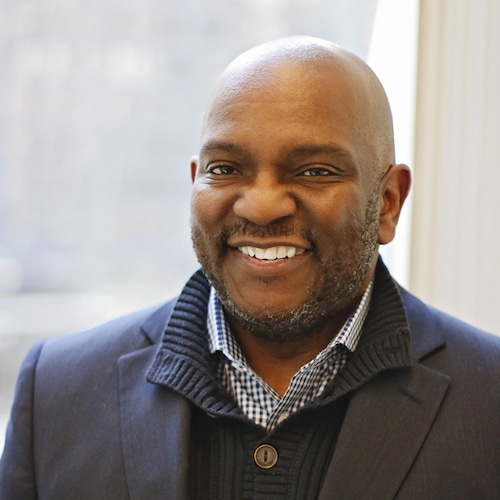
John Folan recognizes and embraces this approach. As head of the architecture department in the Fay Jones School of Architecture and Design at the University of Arkansas he is working to teach a new generation of architects who apply their knowledge to the world around us in a thoughtful and collaborative way.

While at Carnegie Mellon University in Pittsburgh, his previous job, John founded the Urban Design Build Studio (UDBS), “a collaborative of students, professors, and allied professionals who work with community residents on implementation of appropriate, affordable, replicable design solutions.” UDBS has followed John to Arkansas where it continues to focus on public interest design issues. UDBS tests the hypothesis that a collaboration of ideas, intelligence and expertise from a broad range of individuals and entities will benefit the outcome of the work. There architects, tradesmen, community participants and students together are working towards tangible outcomes and tangible impact, with projects quite often growing organically from conversations with community stakeholders and community leaders.

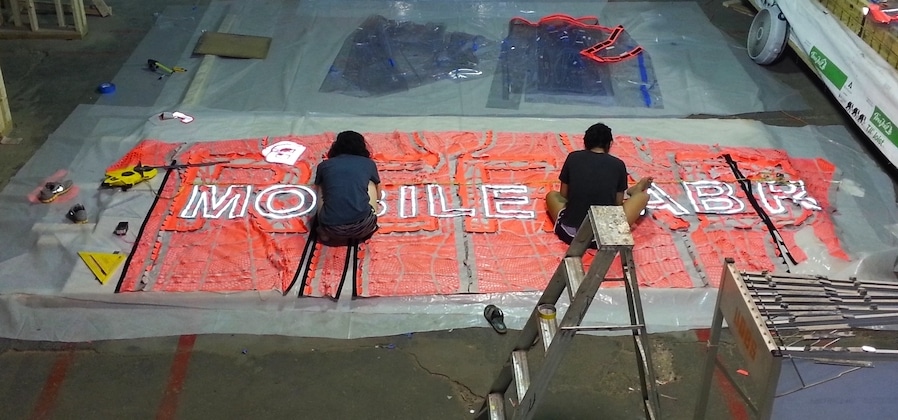
John also founded PROJECT RE_, as a way to expand the efforts of UDBS even further. Its mission is to reuse materials, rebuild communities and restore Lives.  Based in Allegheny County in Pennsylvania, PROJECT RE_ is a 10,000 square foot facility which holds a community meeting space, gallery, design studio and state-of the art industrial fabrication shop with CNC technology, a wood shop and welding training. Building materials are supplied to PROJECT RE_ from deconstruction of buildings in blighted areas around Pittsburgh and then used for job skill training and in the creation of projects. The facility is used by UDBS for its projects, by the Trade Institute of Pittsburgh for training, by Construction Junction for product construction and for workshops for community members.

Collaborative problem-solving, the panacea for our post-pandemic future. Listen to my interview with John Folan.

Image of RE_FAB courtesy of John Folan.

Of service. In Erie.

June 3, 2020

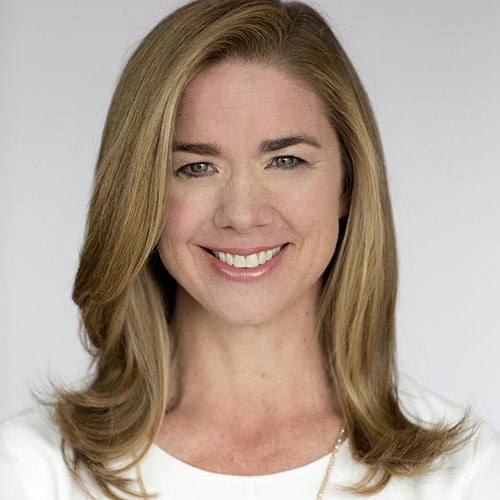
Christina Marsh is the Chief Community and Economic Development Officer at Erie Insurance.

Immersed in her organization’s community development work, much of it in their home base of Erie, in Pennsylvania, Chris works directly with CEO Timothy NeCastro to lead and plan targeted revitalization efforts. She helped create the Erie Downtown Development Corp (EDDC), also supported the creation of a related equity fund that has raised more than $27 million dollars towards downtown development. And now EDDC is tackling the redevelopment of four blocks in Downtown Erie, in large part because of her efforts.

“I love building new,” she says, “In my career, it’s all about building new. It’s about helping others build their own competence, their own capabilities, helping other women succeed in business and growing their own leadership. There is always that teacher in me.”

Having been at Erie Insurance since 1994, Chris has served as senior vice president of their Enterprise Portfolio Management Office, senior vice president of Human Resources, and led Erie Insurance’s implementation of Sarbanes-Oxley as vice president of Financial Reporting. Before that she worked at Ernst & Young, where she earned her CPA. Chris holds a bachelor’s degree in accounting from Mercyhurst University, where she now serves as a Board Trustee. She is on the executive committee of the Erie Regional Chamber and Growth Partnership Board of Directors, and was appointed to the PA Early Learning Investment Commission as a regional Commissioner, advocating for quality early learning in the community.

Insights and Inspirations

  • Erie Insurance believes in service, and so does Chris. They have a corps of volunteers ready to spring into action. And they have seeded a community emergency fund.
  • Chris and her team spent one and a half years studying Cincinnati Center City Development Corporation (3CDC) as a model for the Erie Downtown Development Corporation.
  • Erie is down on itself, so the work of building it back requires more than just dollars.
  • Bruce Katz thinks Erie’s downtown is a proxy for the nation during the Covid19 crisis.  

Information and Links

  • Take at peek at Erie’s comprehensive plan, Erie Refocused.
  • Learn more about the EDDC here, which Chris is very proud to have helped create. 
  • Chris admires the work of the Milton Hershey School because she believes in the power of education.
Read the podcast transcript here

Eve Picker: [00:00:13] Hi there, thanks so much for joining me today for the latest episode of Impact Real Estate Investing.

Eve: [00:00:20] My guest today is Christina Marsh, chief community and economic development officer at Erie Insurance. Erie insurance has played an unusually large role in their community. In her role, Christina has helped to create a community development corporation, an equity fund that is now at 27 million dollars and has also been involved in the purchase and development planning for four blocks of Erie’s lovely downtown. Christina, first and foremost, sees her role at Erie Insurance as one of service to the community they are located in.

Eve: [00:01:02] Be sure to go to rethinkrealestateforgood.co to find out more about Christina on the show notes page for this episode and be sure to sign up for my newsletter so you can access information about impact real estate investing and get the latest news about the exciting projects on my crowdfunding platform, Small change.

Eve: [00:01:26] Hello, Christina. Thank you so much for joining me today.

Christina Marsh: [00:01:29] Hi Eve, thank you. Thanks for having me.

Eve: [00:01:32] I’ve heard and wondered about Erie Insurance and the company’s role in economic development in a boom that’s really underway in Erie and I wondered who’s behind it? Is that you?

Christina: [00:01:46] There’s many of us actually behind it. And what I can say about Erie Insurance, I’ve actually worked with Erie Insurance for over 25 years now, and just a couple of weeks ago we celebrated our 95th year anniversary as an organization. Our founder, H.O. Hirt, always instilled in our core values and belief system in being, above all, in service and not just service to our agents and our customers and employee to employee, but certainly to the communities that were a part of. Erie is our namesake and our hometown and has been for 95 years so we have a very strong historian, civic leader, community advocate in our chairman of the board, Mr Tom Hagen, who’s certainly behind a lot of the visionary efforts that are happening here in Erie and certainly on behalf of Erie Insurance. And our CEO, Tim NeCastro, this is his hometown. He became our CEO a few years back as all of this new energy, this renaissance, was beginning. So really, the timing was right for Erie Insurance to come in and take a bit of a leadership role. We are now the largest employer in Erie County and the only Fortune 500 company that’s headquartered here so we take that responsibility very seriously.

Eve: [00:03:10] And so what’s, what’s your role at Erie Insurance?

Christina: [00:03:14] So, I am the community and economic development officer and when Tim came into the role as CEO, he and I had worked together over the years in all different capacities, even at Ernst & Young before we both joined the Erie Insurance many years ago. And he invited me in to help with all that was happening in the community. We do a lot of convening and coordinating, not just of our time, but of our resources with others so this way, as community leaders, are collaborating like never before, on public and private sector sides, that we’re also able to multiply the impact of all the investments that we’re making as well.

Eve: [00:03:54] Wow. So, just tell me a little bit about Erie. Actually, I’ve been there. I know a little bit about it, but not a lot. Anyone is listening may not have been there.

Christina: [00:04:02] Sure. You know, Erie, Pennsylvania, is the fourth largest city up in this north-western corner of Pennsylvania. We are the only port here in Pennsylvania with a beautiful lake and bay-front, which is one of our greatest assets that we’re leveraging. We’ve had quite a bit of investment, private investment, over the past several years, Erie Insurance being one. We are located right in the core, downtown. We have over 40 acres there. There’s a beautiful public square right in the core that we consider the beating heart of the region. It’s called Perry Square. It’s been beautified, lots of investment has been made there as well. So, it’s really centered on a strong core. We have two health systems that are strong, Allegheny Health and UPMC. UPMC is anchored right downtown as well with Erie Insurance, as well as Gannon University on the west side of the square. So, we have three strong anchors in our downtown. So, we have four universities and one of the largest medical schools, LECOM, here in Erie as well.

Christina: [00:05:08] So we have many rich assets, a mayor who took office in early 2018 that has a strong vision for Erie being a community of choice. So, he’s leading that effort with a strong balance of embracing the diverse cultures that are here. We have, in the city, we have about 20 percent that are new Americans, those that have resettled here. So, we’re embracing those communities that are, you know, starting their own rich cultural aspects, as well as ensuring that we create and continue to build upon a strong and healthy and vibrant downtown and bay-front. We do have a lot of rich assets and things to do here in the community that’s very generous and a lot of grit to it. We’ve certainly seen some of the decline, though, as many Rust Belt communities have over the years. We’ve lost, you know, 40,000 people in the city of Erie over the past six decades for various reasons and so some of the infrastructure over the past few decades has certainly declined. And we are working now to really reinvest in that infrastructure, whether it be our public schools or our streets or buildings that have really cool and unique architecture.

Eve: [00:06:30] So it’s a pretty typical Rust Belt story. Loss of jobs, loss of people, loss of tax base and declining infrastructure as a result.

Christina: [00:06:40] Absolutely.

Eve: [00:06:41] You didn’t mention one of my very favorite assets in Erie, and that is Presque Isle, which has to be one of the most beautiful state parks I’ve ever been to, one of my favorite places.

Christina: [00:06:51] You’re right, it is. I think sometimes, you know, I’m not from Erie originally, I grew up in Long Island and when I had family and friends come and visit, then we go to Presque Isle or look out over the lake there. They don’t imagine it to be as beautiful as it is. Of course, you know, it’s a free public park, which is also amazing.

Eve: [00:07:11] Yeah, it is amazing.

Christina: [00:07:12] And the traffic isn’t nearly what it is on the Long Island beaches so it’s a great surprise and certainly, yes, a beautiful asset.

Eve: [00:07:21] It is. I’ve enjoyed it for many, many years. I think the state parks in Pennsylvania are altogether gorgeous, but that has to be the most beautiful. What’s a typical project that you might become involved in, in Erie?

Christina: [00:07:34] The first one that we took a leadership role on was the creation of the Erie Downtown Development Corp. We had eight community leaders in late 2017. They really took the Erie Refocused plan to heart. We had a comprehensive plan at that time that the community had built together with a consultant, Charles Buki. There was something called a Metro 100 at our Jefferson Educational Society, it’s a think tank here in Erie. And our CEO was there, Tim NeCastro. Afterwards, he spoke to Buki and said, you know, here’s six hundred million dollars of, you know, work ahead of Erie and this comprehensive plan for the city, where do you even begin? And Buki recommended, of course, starting in an area of strength, which is our core downtown, and build out from there and stay focused. He also suggested that that group take a look at 3CDC in Cincinnati. And so, there was a small contingent called the Cincinnati 8 of our business and community leaders, our Erie Community Foundation leader’s been a strong partner in this, and off they went to Cincinnati to talk with Steve Leeper, who I believe you would know from Pittsburgh days.

Eve: [00:08:53] Yeah, I do and there is the Tom Murphy connection, right?

Christina: [00:08:58] Exactly. Steve Leeper’s been very generous with his time and resources so that we could accelerate creating a similar model here in Erie. Definitely a different scale and a different starting place from where Steve was at that time. That’s where, for the first year and a half, Eve, that’s where myself and my team spent most of our time in helping to bring leaders around the table, create the model for the Erie Downtown Development Corp., a non-profit, and then really began raising funds to help fill gaps, particularly in these early days as we patiently await the building and the return of the market. You know, we raised over 27 million dollars. We knew that we needed collaboration, Erie Insurance could not do this alone. We needed the support and buy-in from the community. We really needed to create new hope for Erie. Our mindsets, we’re still very down on ourselves. We had a lot of national press that was really taking advantage of the Rust Belt story in the negative sense and we really wanted to turn that around to create hope and optimism for our community and change the mindset around to: it’s not only okay to love Erie, we do love Erie and we’re ready to do something about it, and do something about it for everyone for generations to come. And that’s really a lot of what we did in those early years.

Eve: [00:10:20] So the Downtown Development Corp., if I’m correct, actually has purchased a block, maybe a block of property, to do a rather large development in the core of downtown, is that correct?

Christina: [00:10:32] That’s right, Eve. Actually, there is a block, it’s right on North Park Row. So, Perry Square that I referred to earlier, that is right on Perry Square. But they’ve also purchased properties in, actually, a four-block square in that downtown corridor right on our main thoroughfare of State Street, which is really key. So, yes, and that first project that you’re referring to is on North Park Row. It’s a beautiful, older, historic building, comes with some challenges because it does need a lot of work. At the same time, we are in one of the poorest zip codes in the state and in the country. It is in a designated census tract for Opportunity Zone. And so, we know that it’s also in a designated food desert. It’s intended to be first floor food hall, urban market to create food supply and resources for those that live and work right in the downtown area and become a destination, we hope, for those that want to come downtown and visit it and be a part of the revitalization effort.

Eve: [00:11:39] You have the buildings. You have the funding. What’s the timeline? What’s the plan for starting construction?

Christina: [00:11:46] Yep. So, construction has begun. The EDDC actually began really pulling out a lot of what was in those older buildings and starting to repair and ready them for the food hall on the first floor. Not much has been done on the upper floors yet, the apartments and so forth. But they invited an application process of having vendors apply to be a part of one of the vendors in the food hall.

Eve: [00:12:14] Oh wow.

Christina: [00:12:15] And they received over 20 applications and they’re interviewing now to narrow down to nine. They really wanted to be diverse. We’ve done many surveys and community meetings and trying to study what the residents that live there today and employees that work, you know, that come downtown and work every day, are most interested in and are really trying to meet the diverse needs of our community. So, yeah, by first or second quarter of next year, we should have an opening of our first food hall right downtown. So, we’re very excited about that.

Eve: [00:12:52] That is very exciting to see a dream, sort of, become reality, right?

Christina: [00:12:56] Absolutely.

Eve: [00:12:57] I think, what I’ve seen of the Erie plan, it’s a big plan and what are the hoped-for outcomes?

Christina: [00:13:04] One of the beautiful things about this role, community and economic development for Erie Insurance, is that we participate in many different aspects of creating a vibrant community. And, you know, some of the overall goals are ensuring that we have jobs and access to jobs ready in the next three to five years through the work that our Chamber of Commerce is doing under new leadership. That we are creating a ready pipeline for workforce so this way, those in the communities that might not be ready or have access to education or a hands-on training, can have that access and are ready when the jobs are ready. So, we’re matching the needs of the employers with those that are in our community today. You know, success for us looks like just an overall improvement in the quality of life. And that’s measured in so many different ways, not just the vibrancy of the downtown, the buildings are the tools to support that. What’s the human experience? What are our community members really experiencing? While we’re growing for the new and bringing in new businesses and the targeted industries to really leverage the assets that we were just talking about that are right here in Erie today.

Eve: [00:14:21] Well, this is not a small task that you’ve taken on. And I’m, I’m wondering what background led you here?

Christina: [00:14:30] Well, it’s been very interesting because it’s not one, you know, that my, you know, 20-year-old self would have imagined in any capacity, I’m certain. But, you know, all of the experiences that I’ve had in the past, whether it was through my finance role at Erie Insurance, Ernst Young or otherwise, through my people role, you know, leading H.R. for a Fortune 500 company, certainly teaches you a lot about appreciating that people aspect of what we do every day and, you know, our culture is built around being, above all, in service, and we only do that through the human touch. So that’s an important element of who we are as an organization. So, you take all of those experiences and learnings and, and I love learning and building new, that’s what I’ve done in my career. So, to give back to a community that I’ve been a part of and have raised three children in, my husband and I, I mean, it’s been such an exciting time for Erie and certainly personally in my career.

Eve: [00:15:32] I’m smiling over here because it sounds great. So, you know, what I’m most interested in is impact and socially responsible real estate. And I’m wondering what socially responsible means to you, and especially in this context.

Christina: [00:15:50] We actually, we talk quite a bit about that, Eve, because we’ve used the phrase that you hear a lot “the rising tide lifts all boats”. And we say that, and I think in the beginning it sounded like, you know, if we could redevelop the downtown core and have that ripple effect through other neighborhoods and certainly out throughout the region, that that would be great for all parts of our community. And that’s true. At the same time, when our mayor came on, Mayor Schember, he shone a light on where there were disparities and where there were deep-rooted strongholds within different minority communities. And he actually launched an initiative called the People’s Supper Initiative. And these types of suppers occur through, all throughout the country. We participated in that with himself and his administration. He was serious about understanding some of the root causes of some of the hurts and perceptions and realities of different communities, the African-American, Latino and new Americans, and really rallied behind let’s have suppers and understand, you know, where we are as a community and let’s build trust, so that as we move forward as a community and building the new, that no one gets left behind. And that’s been a serious attention spot for him and if you were to ask the mayor what his number one priority is, and we are hoping he has his 12 years in office as he would like, that he wants to eliminate prejudice and disparity in areas. And that’s a that’s a tall order, we understand.

Eve: [00:17:43] A very big goal, yeah.

Christina: [00:17:44] Very tall. But because we come at all of this development, whether it’s the chamber on the economic development side, whether it’s for the EDDC on the real estate development side or other organizations, including our own, we come at it with a balanced perspective of, yes, we know we want a world class downtown and bay-front. Yes, we want to create a community of choice for everyone. But we do it knowing that we also need to embrace our diverse cultures. And I think that balance point always has given us pause to think, do we have the right voices around the table? Do we have our traditional leaders? Where do we need more input from the neighborhood centers, from those civic leaders? How are we ensuring that we are bringing the entire community forward through all the efforts and all the investments that are being made? So, it’s something that’s important to us. I wouldn’t say we have it all figured out yet.

Eve: [00:18:47] Well, does anyone?

Christina: [00:18:48] But we are paying attention to it.

Eve: [00:18:52] Well, that’s great. That’s a difficult problem to solve anywhere in the world. Are there any current trends in economic or community development that you’re following or that you think are very important?

Christina: [00:19:04] One of the trends that we think for us is important is ensuring that we stay true to Erie Pennsylvania. Honoring our past and all the assets that we have to leverage, while building for the future. We hear a lot about, yes, you know, we have access to federal and state resources and, you know, look to those at the right time, but really taking a local approach. We follow Bruce Katz quite a bit. You know, he, of course, talks a lot about the New Localism. He also has been a strong partner the past few years. But really taking that local approach to: what assets do we have, where are our challenges, where are our opportunities and how can we move Erie forward with those assets in mind? And not trying to be something that we’re not. We expect that that will help us be more successful. We’ve learned a lot over the last several decades, certainly over the last several years. We continue to study other communities like Pittsburgh, like Cincinnati, Buffalo, others in our region. But we do think that that local approach and collaboration is going to be key for us.

Eve: [00:20:18] Do you think it’s a moral imperative that large companies like Erie Insurance get involved in building better communities where they are located?

Christina: [00:20:28] Yeah, absolutely. And, you know, it’s always been part of our DNA from our humble beginnings 95 years ago that we would be, above all, in service throughout the communities that we’re a part of. At the same time, the market is demanding it. So, we see that, even for employees now that are coming in, that they themselves want to be active citizens of the communities that they’re a part of and they expect that the organizations that they work for. So that purpose-driven, balanced with the profit-driven, is becoming more and more important but thankfully for us, that’s just the way we’ve always operated. So, it’s, it’s an easy way for us to think about it, quite honestly.

Eve: [00:21:14] And so, how do you think we need to think about our cities and neighborhoods overall, so that we build better places for everyone?

Christina: [00:21:23] For how we think about it, we think, you know, involving those that are in the community today is really important. You know, when I first came into this role, I thought, well, let’s study these other communities and that worked really well there, let’s bring that here, you know. But people live in neighborhoods today, and each neighborhood is very unique. And to talk with neighbors and understand their needs and build for, you know, a future for them and how that then ripples out to other parts of the community, I think that’s one of the better ways that we can do that and be sure that the resources are available to those that don’t typically have access to resources that they need to move their communities forward. At Erie Insurance we have what’s called the service corps. And we have volunteers at the ready. And non-profits and other organizations make requests for events or even just help in painting a library at a school. And we’ll send employees out. You know, employees are willing and ready, you know, to be sent out to help wherever the need is. So, we’ve really leveraged that as a strong platform.

Eve: [00:22:34] Yeah, that’s really lovely. I also think, sometimes when you look at best-case studies, it can derail you a little bit. I think looking at where your community is and how it should grow can be much more powerful.

Christina: [00:22:50] Yeah, yeah. That’s what we’re finding.

Eve: [00:22:52] Yes. So, I have to ask what’s happening in Erie during this horrible pandemic?

Christina: [00:23:01] For Erie, like many if not all other communities, our first priority was response. Response to those that have some basic needs, because of the loss of jobs or, you know, businesses stopping. And so, we actually participated with our Erie Community Foundation in seeding a Covid19 emergency response fund. To meet child-care needs, basic food needs, shelter for organizations that are on the front lines providing that to our community members. We ended up, in a very short time, being able to support 40 different non-profits with over $670,000 as a collective fund. So, that was our first priority, was certainly the response to those basic needs. Now we’re pivoting to, so what do we look like coming out of the recovery? You know, for all that’s been invested, we had this great and still have a great spirit of collaboration. And thankfully, the health systems, Erie Insurance, we’re weathering this. We’re being very thoughtful about the safety and stability and health of our community members and our employees. At the same time, we don’t want to lose sight that there’s much more ahead for us on the positive. And so, our Chamber is leading a Restart Task Force. We had our first meeting last week and we have, again, through a sense of collaboration, we have non-profit organizations, universities, manufacturers, other business groups at the table with working groups gathering data, baseline data, to figure out where our priorities need to be as we start emerging and recovering from the impacts of this pandemic. So, we’re not standing by. We’re not standing still and we’re working together through it.

Eve: [00:24:51] That’s pretty fabulous. So that, you know, none of us really know what the path forward will look like. I’m sure things will be different, but we’re not exactly sure how. So, I think that’s the best you can do. So, the big final question is, what’s next for you in Erie and Erie insurance?

Christina: [00:25:10] That’s a great question. We are paying attention to what our community is asking for through the work of our community foundation, our Chamber, all of the transformational efforts that are taking place. And we’re sort of taking the lead of the community and we’re the next big need may actually be. We created our 50-million-dollar Opportunity Zone Fund last year. So, we’ve been, actually, taking a look at deals related to start-ups that are another part of the engine of a vibrant community. We ourselves, at Erie Insurance, we were a start-up, you know. 95 years ago. H.O. started this insurance company and look at where we are today. So, we know that there are many examples like that across the country and we hope to be a part of restarting the economy for generations to come. So that’s, that’s where we will be.

Eve: [00:26:09] That’s pretty fabulous. Well, thank you very much for talking with me. It actually sounds like you’re having a lot of fun in amongst the challenges, because challenges are fun, right?

Christina: [00:26:18] Yeah.

Eve: [00:26:21] I really hope that continues and I, every time I go to Erie, I do see change and I’m looking forward to seeing more. Thank you very much.

Christina: [00:26:28] That’s great. Thank you, Eve. Appreciate the opportunity. Alright, take care.

Eve: [00:26:41] That was Christina Marsh. In a recent interview Christina said “I love building new. In my career it’s all about building new. It’s about helping others build their own competence, their own capabilities, helping other women succeed in business and growing their own leadership. There is always that teacher in me.” Christina’s skills, which are formidable, are cloaked in her humility. First and foremost, she sees her role as one of service to the community.

Eve: [00:27:14] You can find out more about impact real estate investing and access the show notes for today’s episode at my website, rethinkrealestateforgood.co. While you’re there, sign up for my newsletter to find out more about how to make money in real estate while building better cities.

Eve: [00:27:34] Thank you so much for spending your time with me today. And thank you, Christina, for sharing your thoughts. We’ll talk again soon but for now, this is Eve Picker signing off to go make some change.

Image courtesy of Christina Marsh

Home.

May 27, 2020

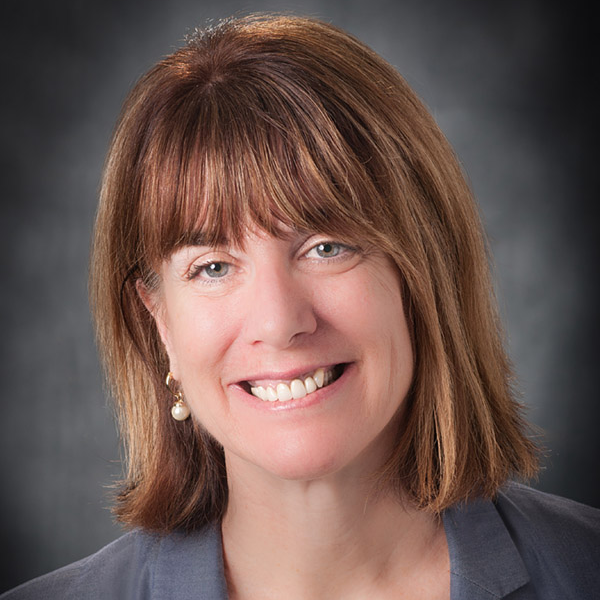
Katie Swenson is a Senior Principal at MASS Design. She joined Mass in 2020 after having worked for many years on affordable housing with Enterprise Community Partners on issues of design and sustainability. Her role at MASS, which has built a reputation as a design practice that embraces issues of economic and social equity, is to help them to define MASS version 2.0.

With a career that has spanned both arts and design, Katie grew up in Washington, D.C. and Boston, and studied comparative literature at Berkeley. Then, for six years she immersed herself in the modern dance community in New York City. When she finally decided to attend graduate school, she chose architecture as her discipline.

After graduating from the University of Virginia, she received an Enterprise Rose Fellowship to help initiate the 10th and Page Street Neighborhood Revitalization Project, working with the local Piedmont Housing Alliance. And that’s when the magic started to happen.

“It allowed me to become a community-based architect,” she says, “one who brings big ideas to the local level and works with the city and community to make things happen.” She founded the Charlottesville Community Design Center soon afterwards, leading it for the next two years, during which time she co-authored Growing Urban Habitats: Seeking a New Housing Development Model, with William Morrish and Susanne Schindler.

In 2007, Katie was asked to head the Rose Fellowship program itself, and went on to spend over a decade at the parent organization, Enterprise Community Partners. She has taught at the Boston Architectural College and Parsons School of Design, and in 2018-19, she was a Loeb Fellow at Harvard’s Graduate Design School.

Listen to Katie talk about the importance of ‘community’ for impactful development.

Insights and Inspirations

  • Diversity is not an abstract word.
  • Katie’s mom was her architectural mentor.
  • Home can mean so many different things.

Information and Links

  • Katie stays tuned to designvanguard.org for the creative edge in design and technology in the social sector.
  • Katie loves listening to Eric Cesal’s social-design-insights conversations with social justice designers.
  • Mia Scharphie is one of the greatest champions of women in design and Katie loves following her buildyourselfworkshop.com and highly recommends taking a Build Yourself workshop.
Read the podcast transcript here

Eve Picker: [00:00:17] Hi there, thanks so much for joining me today for the latest episode of Impact Real Estate Investing.

Eve: [00:00:24] My guest today is Katie Swenson. Katie joined MASS Design in 2020 as a senior principal after having worked for many years on affordable housing with enterprise community partners. There she was, a vice president of Design and Sustainability. Her role at MASS, a design practice that embraces issues of economic and social equity, is to help them to define Mass Version 2.0.

Eve: [00:01:06] Katie’s career has spanned both arts and design, from comparative literature to modern dance. When she finally decided to attend graduate school, she chose architecture as her discipline. And that’s when the magic really started to happen. “It allowed me to become a community-based architect,” she says, “one who brings ideas to the local level and works with the city and community to make things happen.”

Eve: [00:01:37] Be sure to go to rethinkrealestateforgood.co to find out more about Katie on the show notes page for this episode. And be sure to sign up for my newsletter so you can access information about impact real estate investing and get the latest news about the exciting projects on my crowdfunding platform, Small change.

Eve: [00:02:00] So hello, Katie. Thank you so much for spending some time with me today.

Katie Swenson: [00:02:04] So glad to be here. Thank you, Eve.

Eve: [00:02:07] I’m really fascinated. You’ve built a career around this question: How do we create an equitable, sustainable, affordable city? And I’m just wondering how you would answer that very big question.

Katie: [00:02:20] Yes. Thank you for that question. How do we create an equitable, affordable, sustainable city and communities, I would say, as well.

Eve: [00:02:30] Yes.

Katie: [00:02:30] You know, my work has taken me into communities mostly across the United States, both large cities and small cities, rural communities and tribal communities. And I think at the base of everything that we’ve been trying to do is to understand how people can create lives for themselves and their families that give them the opportunity to become and be the people that they want to be, to live lives with purpose and dignity and have the resources and abilities to contribute to the world at large and to their families. So I think that has to happen and in all kinds of environments, certainly so much of the focus of both the sort of economic engines as well as a lot of the environmental work has been around densifying cities and creating cities as urban centers where so much of our work and life can happen. But I think it’s also important to understand the broad spectrum of communities that we have throughout the United States and understand that we need to address critical issues around housing and jobs and health and education resources for everybody in the country.

Eve: [00:04:01] Basically, one one size does not fit all, right?

Katie: [00:04:04] You know, America is much more diverse, I think, than we necessarily give it credit. I’ve had the incredible opportunity over the last dozen years to really travel quite a lot throughout the United States. And last year, I partnered with a photographer named Harry Connolly and the two of us have been working on a book that we called ‘Design with Love at Home in America’. And we went and revisited 10 of the communities where we’ve been working in partnership for many years with local community development corporations. And the experience kind of re-revealed for me how diverse America really is, from border communities to very rural tribal communities. We worked in geographic diverse locations from the Mississippi Delta through Yakima, Washington, which is sort of the breadbasket of America for produce and fruit production, through inner cities in Baltimore and elsewhere. So, I think one size does not fit all in some ways and in other ways, of course, there are so many common themes that unite best efforts throughout the country.

Eve: [00:05:33] Yes, I think about one size does not fit all, I immediately think about, you know, the very typical residential project that developers will build, which really seems to be one size for all. And what you’re describing is something very much more diverse.

Katie: [00:05:53] Yeah, I think that communities need to grow to reflect themselves. That’s the essence of place-based attitude towards building MASS Design. We have talked too often about the provenence of a building. You think of, let’s say, wine that comes from a certain region and is grown from a certain type of soil. And buildings and communities also have the opportunity to be grown from their place and to be designed, really, in concert with the values and ambitions and aesthetics and goals of the people who both are responsible for creating them and then will live and grow their own communities. So, yes, I think it’s really important to understand that diversity is not an abstract goal, but is the result of, sort of, expression of an environment and that of people and community values that create something that’s unique and individual to a place.

Eve: [00:07:09] Yeah, I love that thought that a building has a provenance. I think that’s great. So, the question of the architect’s role within community has sort of continued to grow and change in recent years, but I don’t think it’s fully formed yet. And how would you like to see that role continue to evolve?

Katie: [00:07:28] You know, through our work with the Enterprise Rose Fellowship program, we’ve learned a lot about a role that an architect can play in local communities. So, just to give a little bit of context, I worked for almost 15 years at Enterprise Community Partners. Back in 2001 to 2004 I participated in a program called the Enterprise Rose Fellowship Program and as an aspiring architect, I was partnered with a community-based development corporation. And the goal was to bring an architect or designer on to the development team of a community development group. The Community Development Group could use the resources of a dedicated designer, and the designer would be able to learn the ins and outs of not only affordable housing development, but also community engagement processes and the regulatory processes that contribute to the creation for affordable housing. So, over these past nearly 20 years, Enterprise has partnered 85 Rose Fellows with community-based groups, and it’s been an incredible privilege to be able to witness the growth that has happened through these partnerships. Each one has looked very different. In all cases, there are definitely some sort of underlying values. The architects who are attracted to this work and who succeed at it are generally very humble people who approach the work with the desire to uplift, first and foremost, the goals of the community, but also have to be able to be both brave enough and resourceful to bring the best resources from the architectural and design communities to sort of bear in the local work. So, it’s been wonderful to watch these relationships and partnerships grow over time, and each one has resulted in very different kinds of outcomes.

Eve: [00:09:49] Do you want to give me some examples? What should a community architect be thinking about that’s perhaps different than a rock star architect might be thinking about?

Katie: [00:09:58] Absolutely, I’d be happy to share a few examples. I think I would start back in the early days, maybe in 2001, when David Flores was partnered with a community group in San Ysidro, California, called Casa Familiar. A local non-profit that is now about 50 years old and has been working as a kind of community organizer in San Ysidro for many years, helping families navigate life on both sides of the border and provide affordable housing and other community development resources in San Ysidro. And David Flores was a member of my class of fellows, so we both started work in 2001. At the beginning, David started building what he called Casitas, small houses along some of the alleys in the historic part of San Ysidro. But I think he quickly started to realize what the larger challenges that families were facing at the border, including, of course, the border itself. And as the San Ysidro land port of entry has expanded and increased its, I guess, militarization of the border process for crossing, it also took up more space and land space in the community, more energy and also, because of the long wait times to cross the border, was creating environmental effects from stalled vehicles. So David, not only has been working as the design director at Casa Familiar, he was there for almost 20 years working to oversee the development of affordable housing in the neighborhood, but he also joined, for a time, he led the Planning Commission efforts and he got involved in the design and planning of the border control station so that it would be more receptive and welcoming to pedestrians and people crossing each way. And he got involved in environmental studies and testing air quality in the region.

Katie: [00:12:16] So I think that architects and designers like David show that an architect’s job is not only on distinct projects, that, absolutely he’s been involved in helping to realize some very beautiful pieces of architecture including a project which just opened recently that Teddy Cruz and Fonna Forman designed for Casa Familiar, a longtime project in development. But that these building blocks of housing and libraries and parks also need to be knitted together into a larger point of view and larger ability to help a community, as a whole, feel supported and able to grow a family’s life and capabilities in some of the most stressful, you know, environments that we have here in the country.

Eve: [00:13:16] That’s a lovely story. So, I’d really love to hear about how you came to be such a powerful advocate for equitable cities and communities and where did that passion come from? I think you started life academically in a very different place by the sounds of it.

Katie: [00:13:32] Yes, I was asked recently who one of my architectural mentors was and, as a child, and I said my mom and the response was one of surprise, actually, and I thought it was so interesting because my mom was a professional, but she was also a home maker. And I’ve been thinking about these words, not homemaker, one word, but home maker, maybe two words. And I think in many ways, I grew up with a very strong attachment to home, the idea of home, the physical reality of home, how both the design and feeling of your home as well as the stability and platform that your home kind of provides you is just a critical piece of this formation of who you are. And I think in high school, while I had a very stable and wonderful home, I also had the chance to volunteer for what started as a month engagement and ended up being a little over a year and a half at a homeless shelter in Boston. And I think that in the mid-eighties, when homelessness was starting to, kind of, take hold of America and we had, kind of, a high point in the mid-80s, I realize now that actually has not dissipated much. So for me, as a high school student, sort of understanding this dichotomy, not just the power of my own home and what it meant for me, but what happens when you don’t have a home and how slippery a slope it becomes and how quickly life can fall apart without a stable home. So I think that this has guided so much of my passion for my work and while it hasn’t necessarily been a linear path in terms of my career, I studied comparative literature as an undergrad and I have spent time as a modern dancer and I’ve done a lot of different things throughout my life, but some core essence around the importance of home and making homes, making my own home and making homes for others has been something that has driven me as long as I can remember and to this day.

Eve: [00:16:12] You also sound like you’ve had a lot of fun. And, you know, I think people have this idea that your life should be linear. But I think, you know, all of those interesting things that you’ve done must surely feed into what you do now and the way you look at the world and I love that idea. I wanted to talk a little bit about the pandemic as well. It’s taken me a while to get my brain around it, but I’m starting to think about what does it mean? And what does our world look like when and if it comes to an end? And if it wasn’t already bad enough, the affordable housing crisis just got a lot worse with the onset of the pandemic and many people losing their jobs. And I don’t even know how to begin to think about how the U.S. can tackle this monster problem and I’m wondering if you have any thoughts about that.

Katie: [00:17:04] Oh boy. Well, I wish I could say that I was able to get my mind around what this is going to mean for all of us. I think we’re still in this period of profound uncertainty. And I am really grateful for the wide-spread activism that I’ve seen from the housing community, first and foremost, on protecting renters and working to stop evictions and understand that that’s one critical base of all of this is, again, I guess, the importance of having a home right now. We talk about stay at home, right? Stay at home.

Eve: [00:17:43] If you don’t have a home, how do you stay at home, right? Yeah.

Katie: [00:17:47] Oh, my goodness. I mean, that means very different things for different people. And the importance of home has maybe never been so, kind of, revealed, right? I heard Governor Cuomo talking about the subways in New York, ridership is down 92 percent and they were going to start to close the subways in the mid-morning hours because many people were in many ways taking up residence on the subways.

Eve: [00:18:16] Oh wow.

Katie: [00:18:16] So this kind of crisis around home, whether it’s becoming increasingly unaffordable because you’re out of work, whether it’s a place that is not safe, perhaps. I mean, not everybody is living at home in a safe environment or you have no home. So, we think this moment, certainly we all want to, kind of, understand what is the future of, you know, our public transit system, what is the future of our work spaces, what’s the future of the restaurant and food industry? There’s so many questions, but I think one of the most elemental questions is going to have to be what is the future of our housing policy and are we going to use this moment when it could not be more clear how important it is, both for each of us as individuals and for all of us as a society, to be able to safely house every member of our community?

Eve: [00:19:26] Yeah, and more, you know, you can’t really say that home is just a roof over your head because there’s so much inequity around who has a computer and who has broadband, and if you even have a place to work in your home. And I think all of that, surely, has to come into play as well. If we’re really looking at schools being closed, and I know my husband’s a teacher and his university is already talking about online classes only in the fall, all of that is going to really matter quickly. I mean, as an architect, I’m grappling with, you know, what does that mean in the way we even design homes and cities?

Katie: [00:20:07] You know, in some ways, you’re right in that this is sort of exciting time to think about home, right? I think everybody’s looking around and going like, oh, my goodness I have to sort of expect so much more of this space. And I hope that that notion of expecting more from our buildings and our spaces is one of the things that will come out of this time. You know, the idea that our buildings need to keep us healthy is an idea that really attracted me originally to MASS Design Group who started during a tuberculosis epidemic and designing hospitals with the goal of having the hospital itself, the building itself, participate in enhancing the health of the staff and patients and visitors who experienced it. That the buildings have such a role to play. Buildings shape us, they shape our experience. They shape our health outcomes. And so, I hope that this will be a moment where we are understanding that we need to ask more of our buildings and participate in a greater spatial awareness and spatial literacy to understand the profound effects that the built environment in general, and the buildings that we occupy in specific, have on our health outcomes and our quality of life and productivity outcomes and that we gain a sort of awareness and capabilities around our ambitions for the built environment.

Eve: [00:21:59] Yeah, and that, you know, the buildings shape cities. And I think cities, too, will need to be re-thought in terms of how do you make them safe places for larger groups of people? You know, some cities in other countries are starting to think about changes to their transportation patterns or, in Lithuania they’ve given over all public spaces to outdoor restaurants so restaurants can operate again. I mean, these are kind of baby steps but in amongst the misery of all of this, it’s interesting to watch how creative people can be. That’s encouraging, I think.

Katie: [00:22:37] It’s hard to talk about silver linings at this moment. I mean, I think people are going to be experiencing so much grief of all kinds from lost loved ones to lost, you know, hopes or experiences. So, there’s going to be just a wide swath of, kind of, having to recover from this moment but, as you say, there’s also a lot of opportunities that are being revealed. Like in New York City, where they’re coming up with strategies to re-occupy the city streets in a different way, I think that’s so exciting. And I think it’s really important, I mean, if home is important, though is. I guess, you know, the old words home and garden, right? Home is as equally reflected in the sort of outdoor space. and I think our ability to kind of get more creative about understanding how we can use our outdoor spaces more effectively is really important.

Katie: [00:23:39] I also think that different kinds of projects. We have just been involved in a project in a community in West Baltimore where neighborhood leaders started leading the charge to create a park where there had been three homes which, over time in a disinvested area of Baltimore, had been first made vacant and then started to deteriorate and eventually were taken down and the lots that were left had become a dumping grounds. And one of the local neighbors, so a block leader, a block captain on his block, his name is Donald Quarles, started working with one of our Rose Fellows and his neighborhood group and the Bon Secours Community Development Group to clean up first this lot and now turn it into what has become this incredibly beautiful small pocket park that they call Kirby Lane Park. And the process has taken about two years and we figure that in the end, it’s been mostly volunteer labor, but the hard costs have been less than one unit of housing costs to create in that community. And it’s provided this outdoor space, a kind of backyard or a front porch, whatever you want to call it, for this community at large. So I think from big ideas to how do we re-occupy city streets and city parks and beaches, to small ideas of how to prioritize and re-integrate smaller outdoor spaces into our day-to-day lives, there are lots of models and ideas that we need to be working on simultaneously at different scales.

Eve: [00:25:41] I think what excites me is the people I talk to who are incredibly creative and they’re all going to put the brainpower to this. I can’t wait to see how they make things better. It’s fascinating to me. But, in the meantime, I would just like to ask you one final question, and that is what’s next for you? You have a brand, new job with MASS Design Group and where’s that going to lead you?

Katie: [00:26:06] Oh yes, it is so exciting. I started at MASS Design on February 3rd. I’ve been a friend and sort of champion and cheerleader to the organization since 2010 when I first met them and then had joined their board. So, I came on full-time in February, thank goodness, really just in time to be able to participate in this moment with this incredible group.

Katie: [00:26:34] So, the very first morning that we, sort of were all getting on our first Zoom call with one hundred and twenty five people from around the world at nine a.m. Eastern Time on Monday morning, one of our design directors, Chris Scovel, had gotten a call from one of our partners at Boston Health Care for the Homeless, saying that were going to be putting up some makeshift tents to be able to test and treat people without homes in Boston and would we look at the plans? And so, Chris and a team got on to making really makeshift design recommendations. We’re not calling them designs because it’s not about designing a tent or creating something ideal in any way, it’s about trying to apply our experience and design for infection control that we’ve learned over many years through, not only tuberculosis, but also Ebola and cholera, and to understand with our medical partners how Covid19 is manifesting itself and what can we do from a spatial guidance to help limit contagion and keep health care workers and patients healthier. So we started in on this immediately and realized that if one group needed it, as one partner needed it, probably so did others. So, we set off on this kind of larger understanding about, how can we use our spatial cues, spatial literacy, to help respond in this crisis? You know, I think that obviously architects are not on the frontlines of this crisis. Health care workers are on the frontlines of this crisis and make no mistake about it, but the rub is that our buildings are on the front lines. And so, we need to be there, showing up to understand how do we need to adapt? What are the retrofits that we need to do? How can we learn from this experience so that our buildings are able to support health care workers, to be able to support our communities, getting back into our lives in so many ways, but to do it safely?

Katie: [00:29:04] It’s been an incredible process and I feel very, very lucky to work not only with an incredible team at MASS, but also such a robust network of amazing partners both in the medical fields and in all of the sort of social service fields.

Eve: [00:29:22] Well, I really can’t wait to see what comes next. And thank you very much for spending this time with me today.

Katie: [00:29:30] Thank you. Really a pleasure to join you and we’ll look forward to having this conversation evolve and thanks for highlighting all the creative efforts. Appreciate it.

Eve: [00:29:41] Thank you.

Eve: [00:29:56] That was Katie Swenson. I loved that her early professional years meandered through the arts from comparative literature to dance before she landed on architecture. Her trajectory shows that climbing the ladder is not necessarily the path to success. Her career as a community architect started later than most but that didn’t stop her from becoming a star in the field. And she brought with her creativity and a human passion for making better places for everyone.

Eve: [00:30:27] You can find out more about impact real estate investing and access the show notes for today’s episode at my web site, rethinkrealestateforgood.co. While you’re there, sign up for my newsletter to find out more about how to make money in real estate while building better cities.Eve: [00:30:44] Thank you so much for spending your time with me today and thank you, Katie, for sharing your thoughts. We’ll talk again soon but for now, this is EVe Picker signing off to go make some change.

Image courtesy of Katie Swenson

1,000 urban entrepreneurs.

May 20, 2020

Lyneir Richardson is a man with a mission. His goal is to help 1,000 urban entrepreneurs grow their businesses, through a nine-month program run by the Center for Urban Entrepreneurship & Economic Development (CUEED) at Rutgers University in Newark, NJ. The program, where diversity abounds, has enrolled about 400 entrepreneurs so far.

As executive director of CUEED, Lyneir leads capacity-building programs, teaches an M.B.A. course in Urban Entrepreneurship and Economic Development and serves as faculty advisor to students consulting with small business owners. About 70 percent of the entrepreneurs within CUEED are African American and Latino, and 62 percent are women. Most have no connection to Rutgers. About 60 percent of the businesses employ fewer than five people but have potential to grow.

Lyneir is also co-founder and CEO of The Chicago TREND Corporation, a social enterprise initially funded by the John D. and Catherine T. MacArthur Foundation and Chicago Community Trust. It acts as a centralized resource for real estate developers, retailers and community development organizations wanting to invest in and understand Chicago’s neighborhoods, that can drive transformative change.

Lyneir was formerly the CEO of Brick City Development Corporation, where he had responsibility for real estate development, small business services and business attraction in Newark, N.J. He is an experienced commercial and residential real estate developer with over 17 years of experience in urban retail development.

Describing himself as an urban entrepreneur who is interested in strengthening economic conditions in underserved areas, Lyneir says he likes to work on bringing together private, public and philanthropic funds to support these kinds of projects. And he does that with incredible energy.

Information and Links

  • CUEED designed their rigorous nine-month program, Entrepreneurship Pioneers Initiative, exclusively for first-generation entrepreneurs.
  • CUEED’s Black and Latino Tech Initiative offers a unique pre-accelerator program for brand-new entrepreneurs that includes educational training, coaching, mentorship, networking and exposure to funding for new businesses.
  • Entrepreneurial thinking, hand-in-hand with data, can be a powerful tool when applied to community investment in disadvantaged neighborhoods.
Read the podcast transcript here

Eve Picker: [00:00:12] Hi there, thanks so much for joining me today for the latest episode of Impact Real Estate Investing.

Eve: [00:00:18] My guest today is the energetic Lyneir Richardson. In all that he does, Lyneir is razor-focused on helping urban entrepreneurs. He straddles two roles in two cities, Newark and Chicago. At Rutgers University in Newark, he is the executive director of the Center for Urban Entrepreneurship and Economic Development. There he is intent on helping 1000 diverse urban entrepreneurs grow their companies. And he’s also an entrepreneur himself. He co-founded and is CEO of the Chicago Trend, a social enterprise providing resources to real estate developers and retailers to promote investment in Chicago neighborhoods.

Eve: [00:01:05] Be sure to go to rethinkrealestateforgood.co to find out more about Lyneir on the show notes page for this episode. And be sure to sign up for my newsletter so you can access information about impact real estate investing and get the latest news about the exciting projects on my crowdfunding platform, Small change.

Eve: [00:01:38] Hello Lyneir, I’m really excited to have you here today.

Lyneir Richardson: [00:01:42] Thank you for inviting me. I’m looking forward to our conversation.

Eve: [00:01:45] Yeah. So, you’re a man with a mission and I’d really love to talk about that today. And like, firstly, in your role as the director of the Center for Urban Entrepreneurship and Economic Development at Rutgers University, and that’s quite a mouthful, you’ve set a goal there of helping 1000 urban entrepreneurs grow their businesses. And I’d really like to hear more about that.

Lyneir: [00:02:09] Great. Well, I have been at Rutgers Business School for six years. In October of 2019 we celebrated the 10th anniversary of the Rutgers Center for Urban Entrepreneurship and Economic Development. During that 10-year period, we really focused on helping a diverse set of entrepreneurs get to, quote unquote, the next level, and that’s how we always talked about, and then made the connection between entrepreneurship and economic development. Let me tell you a little bit about what I mean. We can point to the fact that we directly assisted over 400, now probably almost 500 entrepreneurs, 70 percent are entrepreneurs of color, African American or Latino largely, over 62 percent are women. 40 percent are right in the city of Newark, New Jersey which is an urban city that’s been really revitalizing through local municipal leadership and corporate support. And of those firms we’ve taken now a little over 160 above a million dollars a year in revenue. So we’re really excited about.

Eve: [00:03:22] Fabulous, yeah.

Lyneir: [00:03:23] That was really my, you know, first 10 years of work. And so the next, as we thought about it, all right, we’ve completed our 10 years, what do you want to do next? We really focused on this initiative we’re calling a thousand million. And as you mentioned, the focus is, can we help, you know, a thousand diverse entrepreneurs get to and exceed a million dollars a year of annual recurring revenue? The reason why that’s important for us is, you know, the million-dollar revenue mark is not the end all be all, but it’s an important threshold, it’s when an entrepreneur typically can start to think about either borrowing money or taking on investors. It’s at that point where they have some employees beyond themselves. It’s at that point where they hopefully will start to be able to consistently have some owner’s compensation or some profit to share. You know, they have customer validations and that type of stuff.

Eve: [00:04:21] They’re at the beginning of growth mode, right?

Lyneir: [00:04:24] The beginning of growth mode. And so, while we work with, you know, micro-entrepreneurs, you know, initially doing a hundred or two hundred thousand dollars of revenue, as long as they were in business for two years and we won’t, you know, discontinue working with them, we sort of turn to an intentional effort to take firms who are in the two to three, six hundred thousand dollar range and try to focus on getting them to the next level. That’s been fun.

Lyneir: [00:04:49] That’s our Rutgers Center for Urban…, and Rutgers has been a really supportive university environment because typically entrepreneurship centers at universities are, you know, internally focused. Helping students pursue entrepreneurial activity and helping alumni. Rutgers here, because we have this Chancellor, Nancy Cantor, who’s really made publicly engaged scholarship a strategic priority and a mission, she’s a national spokesperson for it, as well as the dean of our business school who made social impact, you know, one of her top initiatives and priorities we are able to open the doors of the business school to a community of entrepreneurs, many or most of which are not Rutgers students, and they’re not Rutgers alumni, you know. It’s just a community around us, the local coffee shop or the professional service provider in the area, in our state or region that we really are helping to accelerate and grow.

Eve: [00:05:53] Cool. How long is it going to get to a thousand of them?

Lyneir: [00:05:56] You know, it’s interesting. So, if you think about it, it took us 10 years to get 400 entrepreneurs in our program 160, I think by, you know, intentionally focusing, we’re hoping that over the next five years you will start to reach that goal. So we’re talking to a number of corporate partners, we’ve talked to some of the big philanthropy about both making, you know, our in-person courses, expanding them out some, but obviously not just because of the pandemic, but even in advance of it, using online tools so that we can expand our reach. So, yeah, we’re hoping that over the next five years, you know, we’ll start to see more, you know, more entrepreneurs across the threshold. We’re going to research it and track it and celebrate it as well.

Eve: [00:06:43] So what does an urban entrepreneur look like and where are they located? What sort of businesses are they?

Lyneir: [00:06:49] Yep. So it’s interesting. So, you know, urban entrepreneur is, it’s an interesting term. Urban is an interesting term, right? So, you know, what’s urban? Is it, in most instances place? Is it about density of place? I’ve been most passionate about urban with a racial lens. Racially diverse, economically, you know, challenged ethnic and underserved areas. So, in a lot of respects, my urban is really focused on here in the US, who have not been able to realize the full promise of our American dream, right? They have been subjected by, you know, systemic racism and that kind of stuff. So the question is, can I help them get resources and opportunity, you know to folks who have been overlooked and undervalued, right? So that’s really the focus of the urban we do. Distressed urban neighborhoods where we’ll create jobs and create wealth in communities. And then the economic development impact’s all-around quality of life, right? You know, will crime decrease? Will there be better educational outcomes, you know, more amenities and neighborhoods, you know, that type of work, right? And that’s the things that we measure, right? And so, our view is these urban entrepreneurs, as they become more successful, will be community anchors. They support the Little League team, you know, and civically active and employ locally and, you know, that’s the big dream and the vision for it all.

Eve: [00:08:20] Can you give us some examples of the sorts of businesses you’ve helped?

Lyneir: [00:08:24] So, a wide variety. I’ll talk about a few that we’re proud of.

Eve: [00:08:29] Surely, you’re proud of them all, right?

Lyneir: [00:08:33] Right, we’re proud of them all. I just did it off the top of my head, You’re right about that.

Eve: [00:08:35] It’s like your children.

Lyneir: [00:08:37] Well thank you for that, you’re right.

Lyneir: [00:08:38] We have four categories or signature program, sort of, lanes. One we call, which is our bedrock program, the Entrepreneurs Pioneers Initiative. It’s for first generation entrepreneurs. We have a program for media and art in entertainment industry entrepreneurs. We have a program that focuses on helping retail and restaurant entrepreneurs. And we have done a lot of work recently with people of color forming technology ventures and accelerating, you know, those ideas. And typically, after school and on the summer, we will do some youth entrepreneurship programs.

Lyneir: [00:09:17] You know, we have a really cool – I’ll just go walk back up the ladder – so we have a really cool technology firm called WearWorks that have started to raise capital into a number of strategic partnerships. This product is a haptics, sort of a navigation device for people with visual disabilities. Their recent accomplishment is using their product – a blind individual ran the New York Marathon for the first time without any type of seeing eye dog or, you know, used that tool to do it. We hope that they’re going to continue to grow and get resources and use their tools for training and for all types of health outcomes as well. We have put the local right down the street from our business school. We have a number of restaurants and coffee shops. Black Swan coffee, Green Chickpea is a restaurant. These are local businesses that we’ve either helped get contracts with the university, you know, one is soon to announce a second location. You know, the coffee shop I love because the donuts are so great, right? So, you know, I would I should be avoiding the donut shop, it’s really cool right down the street. A lot of professional services firms, PR firms, accounting firms.

Eve: [00:10:33] That’s a really wide variety.

Lyneir: [00:10:35] Yeah, very exciting.

Eve: [00:10:36] So, I wonder, how do you identify these entrepreneurs? What’s the bar they have to reach to be able to get into a program?

Lyneir: [00:10:43] Our initial requirement was in business at least two years, and one hundred thousand dollars of revenue is the threshold for most of our programs. The technology ventures, you know, we knew they were start-ups and, you know, it was, do we believe they could have some type of traction? Either they’ve gotten some other investment or been admitted into some other accelerator programs or, you know, have some indication of probability of success. But the goal really is, is to take people on, you know, a rung of the ladder and help them get to the next rung of the ladder. You know, at the state university where we view ourselves as an anchor, that’s going to be here. And so, we provide resources over many years. The entrepreneurs is not just in a program. You know, we give people student consulting teams over multiple years. We invite them back to universities over multiple years. So, you know, we’re in it for the long haul with the entrepreneurs in our funds.

Eve: [00:11:40] That sounds fabulous. What’s your background and how did you get here?

Lyneir: [00:11:45] Well, I started as a lawyer. I grew up in a family of entrepreneurs. My dad owned a restaurant and bar. We owned popcorn stores., we owned five popcorn stores. So, you know, like, our dinnertime conversations were around, you know, we got a new location or lease, or a truck broke down, or someone didn’t show up. You know, what are you going to do? And I, growing up as a teen, I was a D.J., a clean-up person, a delivery person, so I had all of those roles and saw business firsthand. I went to law school and practiced law initially as a bank lawyer.

Eve: [00:12:19] I have to ask, a family that owns popcorn stores begets a lawyer? How did that happen?

Lyneir: [00:12:25] Well, you know what? Yeah, our parents believed in education, right? And they believed, you know, in the value of education to continue to advance the family. What was interesting in being a bank lawyer was to de-mystify banking. I remember as a child, we’d always talk about how difficult it was to get a bank loan or, you know, and the narrative is, I was probably drawn to be a bank lawyer, and 90 lawyers in the law department there. But I remember every afternoon around 2:00 p.m., I’d start to fall asleep on the bank loan documents. It wasn’t until I got an opportunity to do a community pro bono project of loaning, instead of loaning one hundred million dollars to an airlines or a public utility, I got a project to loan one hundred thousand dollars to a little entrepreneur, a local entrepreneur who was buying the building that I think he was operating his barbershop from. And it was the same documents, promissory note, loan agreement, guarantee, minus three zeros. Instead of one hundred million it was one hundred thousand.

Eve: [00:13:27] Right, I’m very familiar.

Lyneir: [00:13:29] But I loved it, right? It was, all of a sudden, I could see the connection to the work. And, you know, being on that court or in a struggling neighborhood not far from where we initially grew up. Then that community development work became my passion, right. Getting resources to those type of entrepreneurs into the communities, that became my passion.

[00:13:50] I worked as a bank lawyer. I became an entrepreneur myself in Chicago. I developed, built and sold well over 300 single family homes and town homes, mostly in underserved areas, was Young Entrepreneur of the Year in SBA many years ago, right 25, almost 30 years ago. But then I had all the highs and all the lows of entrepreneurship from, you know, the cover of the Crain’s Magazine and the awards to the doors of bankruptcy court. I ended up selling my company in a fire sale after a tough period. I lost, got fired on the job, we over-extended ourself on a contract, you know, I had, you know personal, you know, the mother died, you know, I had this period of just needing to restructure. But I was able to get a job doing the same work, heading a national initiative with a publicly traded company that was focused on doing retail development in urban neighborhoods.

Lyneir: [00:14:45] And so by now, I start to see this pattern. I was a bank lawyer and found passion and lending in urban neighborhoods. I then started as an entrepreneur building homes in urban neighborhoods. Then I found this big corporate position that had a national focus on getting retail to urban neighborhoods. And then, when the recession hit in 2007, I got this opportunity to work with Cory Booker and head the Economic Development Organization in Newark, New Jersey. Cory Booker, as you may know, very charismatic mayor of Newark, New Jersey, ultimately became Senator Booker. And because of his charisma, we had this opportunity to position Newark as a city that would be a national model of urban transformation and started to do projects. So, we did grocery stores and office buildings and new restaurants in the city – it became a lot of fun. And when he became Senator Booker is when I moved to Rutgers. So that’s the long sort of career journey.

Eve: [00:15:45] I mean, there seems to be a lot happening in Newark. I keep running into people doing…

Lyneir: [00:15:49] Very good. I mean, even now, phenomenal current leadership. Senator Booker is working more at the national level, but we have a phenomenal local mayor who’s galvanized both the business community, the residential community, and really done phenomenal work here. So, a lot’s going on. The last thing I just want to mention is, what initially started out as a research project in my first year at Rutgers has now morphed into a social enterprise that we’re. you know, really excited about. I’m also CEO of a social enterprise called Chicago Trend. It’s a real estate focused social enterprise that now has about 15 million dollars of capital investing in the same neighborhoods, trying to determine when commercial real estate development and retail amenities and services and performing arts, and we’ve been investing two hundred thousand, two million dollars into various projects with the mission of strengthening the commercial corridors that will ultimately strengthen the neighborhoods. And again, Rutgers has been very good in allowing this research work to be in synergy with the entrepreneurial activity in Chicago. So, for me, I am at a high point in my career, both sides of the brain. One side is teaching entrepreneurs and being a champion and cheerleader of entrepreneurs in Rutgers. The other side is, I actually get to put money into ventures and, and trying to make an investment return. So, it really is a fun time. A fun career.

Eve: [00:17:24] Exciting. It sounds like you’re very busy.

Lyneir: [00:17:27] Absolutely. But, when it’s passion work, even though it’s busy, you know, it doesn’t hurt.

Eve: [00:17:32] No, I totally agree with you. So then, what, you know, what does socially responsible real estate look like to you?

Lyneir: [00:17:39] So, again, my focus has been getting resources to people in places that other people overlook and undervalue. And for me, that is, every city has a part of town, again I headed economic development in Newark, so there was a part of town where crime is higher, where there’s more blight, where, you know, educational achievement is not as great, where there’s adverse health indicators. That’s the part of town that I believe, a focus on real estate development and a focus on commercial corridor, inclusive ownership of property, getting amenities, day-care, dry cleaner, urgent care center, grocery store is what people often talk about, sit down restaurant. Those type of investments can change and strengthen a neighborhood. And people also will change, I’m concerned about gentrification. It’s always not bringing Neiman Marcus in, it’s bringing the amenities and services that improve the quality of life for the residents who have decided this is where I want to live, but to also continue to add economic diversity to a neighborhood as well. Additional income so that middle income families and, you know, people with additional educational achievements can say: I grew up here, I have some connection to this neighborhood and I can make this a place where I choose to live because of its conveniences and its history  and, you know, be a part of its continued progression.

Eve: [00:19:22] Yeah, I mean, I think the gentrification line is very difficult because we can’t leave places like that without investment. So, you have to find a way to invest respectfully, I suppose it’s the way.

Lyneir: [00:19:35] Exactly right. And doing it inclusively. So this is, you know, the capital we’ve invested. It’s with people of color who have some connection to that neighborhood. It’s helping residents open a national franchise in a neighborhood. Again, it’s getting capital to help residents and local entrepreneurs own and drive the revitalization, own and drive the economic growth. That’s what’s fun for me.

Eve: [00:20:05] So the fund, the fifteen-million-dollar fund that you’re using, how did you raise that?

Lyneir: [00:20:11] It initially philanthropically motivated impact investors. It is, the MacArthur Foundation in Chicago provided the initial five million dollars of what they call the program related investment, a very flexible, patient capital which allows us to invest it into projects in a patient and flexible way as well. We’ve had a second investor, five million dollars of venture called Benefit Chicago, which was, includes the Coward Foundation. And then most recently we announced a five-million-dollar investment from Fifth Third Bank, you know, again a flexible capital. And we have, some of the religious organizations have also made some. The American Baptist Home Mission Society has provided some equity capital that we’re using also, so really excited about it.

Eve: [00:21:04] So, you know, my next comment is going to be, you know, what about crowdfunding? Letting everyday people invest?

Lyneir: [00:21:11] Again, when I read about your work, it’s something that I would love to figure out how to do. We haven’t and it’s certainly, we want crowdfunding to be a part of our menu. And again, now that we have made investments, have a track record, you know, this thought of can I create vehicles that will allow more local ownership alongside of our investment would be phenomenal. So,

Eve: [00:21:37] Well, we should talk ’cause you don’t need to figure it out ’cause I have.

Lyneir: [00:21:40] Great. We should do something together. I love it.

Eve: [00:21:43] Yeah, it really is an impact fund with impact investors who care about what you’re doing. It’s pretty great stuff. Yeah. So, I have to ask, we’re in the middle of a pandemic and we’re both at home doing this interview, how are you supporting your entrepreneurs through this pandemic?

Lyneir: [00:22:05] Phenomenal question. You know, we have done a few webinars initially asking people, how is the pandemic affecting you? How are you thinking about your business model? How can we be supportive? So, you know, first thing was, instead of just responding, we started to talk to the entrepreneurs and try to understand from our customers how we could best support them. We’ve done a number of webinars and servers around applying for the available resources, as well as thinking about how to innovate business model to a more aligned and my favorite was, one of the entrepreneurs in our program operates a dance studio. But, you know, they’re doing their jazz dance programs via Zoom now. And the one question she wanted us to help her figure out was, you know, do I have legal liability? And, you know, how do I, you know, either get some consents because they’re not in my spaces, if someone gets hurt? So, you know, that those type of strategic questions, right?

Eve: [00:23:05] That’s interesting, yeah.

Lyneir: [00:23:06] That’s really been the nature of the work. Where I am spending a lot of time is on a program that goes deep, right? So, I think right now, everybody is having, rightfully so and thankfully so, there’s a lot of announcements about new programs and small grants, local, municipal, federal, corporate, even philanthropic, to help entrepreneurs sort of survive. I really am spending a lot of time thinking about, and we’ve designed a sort of, I call it entrepreneurial management consulting to help entrepreneurs really think beyond the first three months of opening. But to think about, you know, the economic reality over the next year and two, you know. How do you change your model? How do you create new revenue streams? Is this the time to reposition? Can you raise new capital in addition to, you know, accessing all of the survival and recovery capital and strategies that are out there? How do you really think about this as a moment to become stronger?

Eve: [00:24:16] Yes. The interesting thing is, like, entrepreneurs are wired that way, right? They’re people who think things up and work through challenges and are flexible and figure out how to get through unexpected challenges and it could be a really good opportunity to make a business stronger or different or add some programming to it or whatever. And I have noticed amongst people in general, there seems to be a clear divide between people who say, well, we’re just gonna get back to normal and others who say, well, what’s normal going to be? It’s going to be different. It’s very interesting to me. And you’re clearly one of the people thinking about a different normal, right?

Lyneir: [00:24:58] Absolutely. And again, I think entrepreneurs are thinking about that as well. I guess there’s two categories. There are some folks who say this is the time for me to reposition or to do entrepreneurship, either in a different way or to think about that this is not fun, right. And then again, there’s a lot of parts of entrepreneurship that are not fun. And, you know there’s late nights and there’s accounts payable and, you know, and chasing, you know, opportunity. And so, I think there’ll be some folks who will say, this may be my time to exit or to leave, right? But there’s another subset of entrepreneurs that I believe are, even right now, thinking where’s the new opportunity? How do I get new capital to pursue that opportunity? They’re sitting back at home and thinking about what do I need to do to create a stronger business, additional wealth, you know, when we all are back outside again in the new norm?

Eve: [00:26:03] Yeah, interesting. So, a final question is, what do you think that the Center will look like in a year? Have you thought about that?

Lyneir: [00:26:14] Yeah, so I mean, again, we have already pivoted to all of our capacity building programs now are virtual. And the thought of being able to have a broader reach. You know, we won three of four awards for the effectiveness of our programs. And to be able to have a broader reach because of technology, and it being accepted, that’s the cool thing about using all of the Zoom and WebEx and other tools is before, it always was sort of, well it was a second option, the technology was always sort of clunky. You would never make that even part of the first consideration. I think now our Center’s going to have a whole lot more reach and impact by using, and leaning into, and the acceptance of the virtual tools. And we’re also, you know, embarking on a campaign to endow our Center which will allow us to be, you know, not raising money program by program, to name the Center and to be able to continue to impact entrepreneurs along the scale. From youth to technology to the coffee shop down the street.

Eve: [00:27:30] Well, I really can’t wait to hear, see what happens next and you and I are going to have some coffee on Zoom sometime very soon. Thank you very much.

Lyneir: [00:27:42] What a phenomenal opportunity and thank you.

Eve: [00:27:46] OK, bye.

Eve: [00:28:02] That was Lyneir Richardson, while Lyneir’s work straddles two cities the goal is the same in both places. He’s searching for ways to level the playing field for entrepreneurs and real estate developers in economically disadvantaged neighborhoods. In Newark he’s helped 400 diverse entrepreneurs, growing to a thousand, grow their businesses. And in Chicago he provides resources to real estate developers and retailers to promote investment in disadvantaged Chicago neighborhoods.

Eve: [00:28:35] You can find out more about impact real estate investing and access the show notes for today’s episode at my web site, rethinkrealestateforgood.co. While you’re there, sign up for my newsletter to find out more about how to make money in real estate while building better cities.

[00:28:52] Thank you so much for spending your time with me today and thank you Lyneir for sharing your thoughts with me. We’ll talk again soon but for now, this is Eve Picker signing off to go make some change.

Image courtesy of Lyneir Richardson

« Previous Page
Next Page »

Primary Sidebar

sign up here

APPLY TO BE A PODCAST GUEST

More to See

(no title)

February 22, 2025

Bellevue Montgomery

February 11, 2025

West Lombard

January 28, 2025

FOLLOW

  • LinkedIn
  • RSS

Tag Cloud

Affordable housing Climate Community Creative economy Crowdfunding Design Development Environment Equity Finance FinTech Gentrification Impact Investing Mobility Offering Opportunity zones PropTech Technology Visionary Zoning

Footer

©rethinkrealestateforgood.co. The information contained on this website is for general information purposes only. Nothing on this website is intended as investment, legal, tax or accounting strategy or advice, or constitutes an offer to sell, solicit or buy securities.
 
Any projections discussed or made may not be accurate and do not guarantee a specific outcome. All projections or investments are subject to risk due to uncertainty and change, including the risk of loss, and past performance is not indicative of future results. You should make independent decisions and seek independent advice regarding investments or strategies mentioned on this website.

Recent

  • The Mulberry
  • Mount Vernon Plaza
  • The Seven
  • Real estate and women.
  • Oculis Domes.

Search

Categories

Climate Community Crowdfunding Development Equity Fintech Investing Mobility Proptech Visionary


Copyright © 2026 · Magazine Pro on Genesis Framework · WordPress · Log in