• Skip to main content
  • Skip to secondary menu
  • Skip to primary sidebar
  • Skip to footer
  • Home
  • About Us
  • Say hello
Rethink Real Estate. For Good.

Rethink Real Estate. For Good.

  • Podcast
  • Posts
  • In the news
  • Speaking and media
    • About Eve
    • Speaking requests
    • Speaking engagements
    • Press kit
  • Investment opportunities

Equity

Turnkey goes online.

November 22, 2021

The internet is bringing a fundamental transformation to the real estate industry. It’s a digital revolution, democratizing and streamlining activities that were once quite complicated and time-consuming, putting them out of the reach of most people. Many investors have wanted the stability of a real estate investment, but do not have the time or wherewithal to purchase, redevelop or manage a property. Or they might be interested in investing in a market that is geographically out of their reach. The internet is providing solutions for many of these problems.

Turnkey properties remain a popular first-time real estate investment. A turnkey property is one where no work is required – you can literally turn the key in the door and it’s liveable. The advantages of turnkey properties are attractive to new investors and to those who have busy lives. There’s no heavy lifting to get the finished product, and the property produces income from day one. Acquiring debt on an already renovated property is also much easier for investors – the banker can see the finished product and is more likely to make a loan.

Many investors use turnkey providers. Turnkey providers buy properties that need renovation, invest their own money into renovating, install a property manager and a quality tenant and then sell to an investor. The provider has a vested interest in finding good tenants who pay rent on time and take care of the property because they want to offer quality properties and tenants to investor clients and make a reasonable profit as well. For the investor the quality of renovations, the location of the property and the quality of tenant are all important factors.

Andrew Luong has taken the model of turnkey provider one step further. He, and partner Justin, founded Doorvest, an online turnkey property service, in March 2020, right at the beginning of the pandemic. They have not only made the process of small-scale real estate investment accessible to everyone, but their track record allows them to purchase and renovate properties in affordable markets, in neighborhoods that bankers don’t traditionally like. Doorvest is just a startup but they are confident that they will be successful. They want to level the playing field for wealth building so that everyone can participate in America’s number one source of wealth within a matter of clicks.

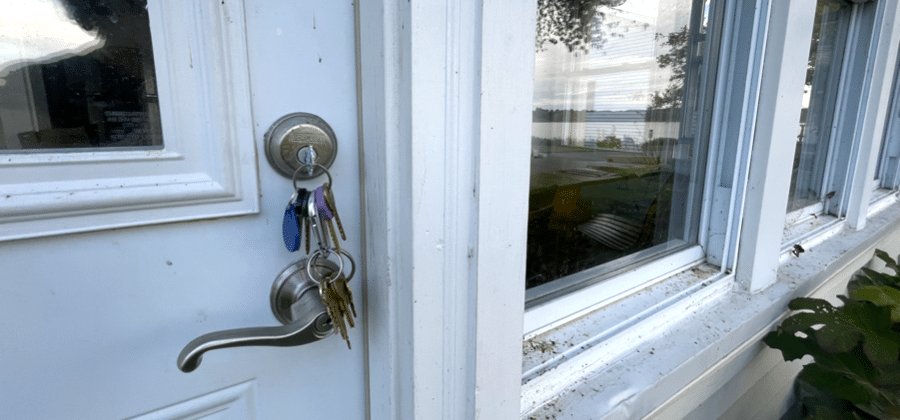
Image by Eve Picker
Permanently affordable.

November 3, 2021

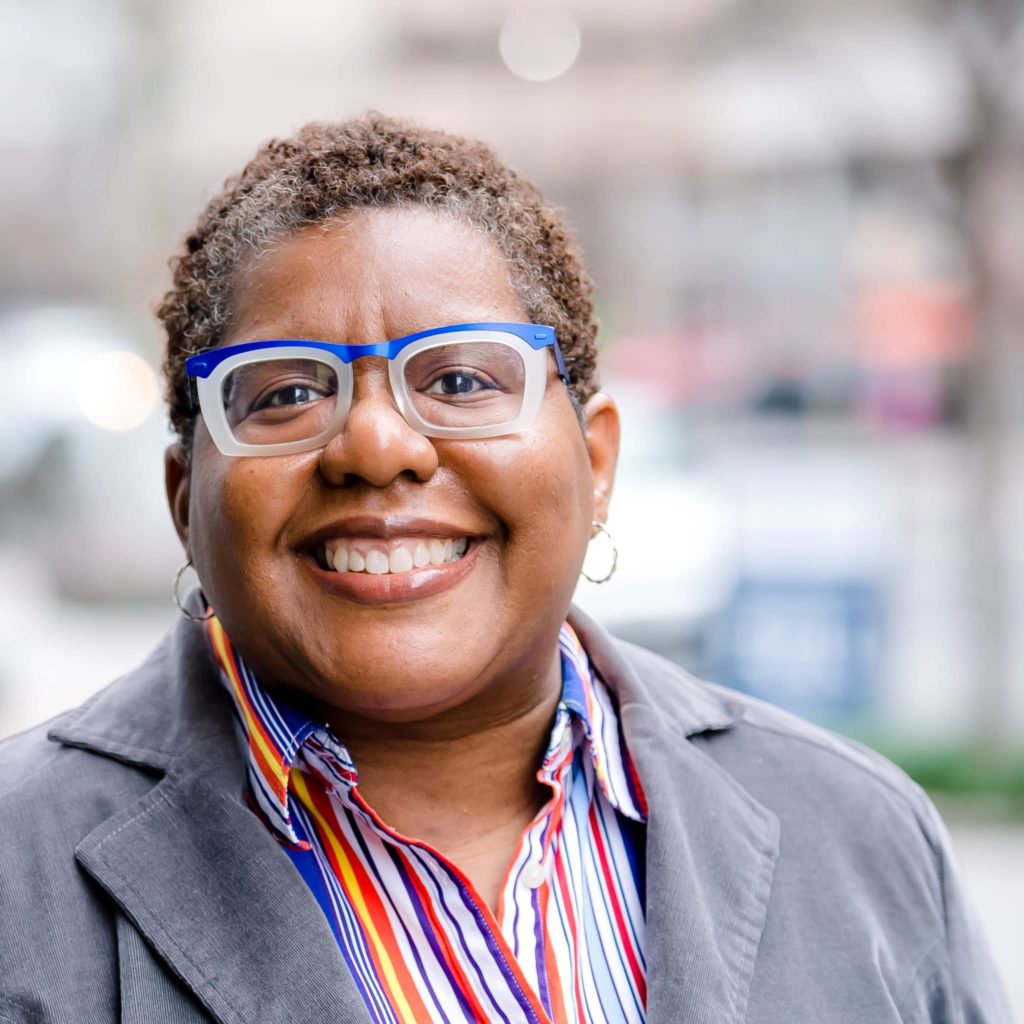
Kimberly Driggins is executive director of the newly created Washington Housing Conservancy. The nonprofit’s mission is aimed at ensuring that moderate to low-income residents are not priced out of their homes. DC is a city where rents are running rampant and this only promises to get worse once Amazon’s HQ2 opens. The Housing Conservancy plans to acquire and own 3,000 units of affordable housing helping to stabilize rents, prevent displacement, create communities and promote opportunity and wealth building.

For Kimberly, this is a challenge worth taking on. She has had a remarkable career in urban planning and public policy, working on and in the cities she loves. And now she is turning her passion and energy to the challenging crisis that is touching so many people – housing. While she has only just begun to craft a fresh approach to this overwhelming problem, it’s clear that she plans to be spectacularly successful. Just two years into the job and Kimberly is making strong progress with her sights on some big milestones.

Kimberly was a Loeb Fellow at the Harvard GSD, a White House Fellow, and a recipient of Woodrow Wilson National Fellowship in Public Policy and International Affairs. Her early career as an analyst played out at Enterprise Community Partners, International Economic Development Council, and Ernst and Young. This was followed by roles in city government and as associate director in DC’s office of planning. She also worked for D.C. Public Schools facilitating public-private funding partnerships. Before joining the Housing Conservancy Kimberly worked for the City of Detroit as their director of strategic planning for arts and culture, while also serving as chair of the Gehl Institute’s board of directors (based in NYC).

Insights and Inspirations

  • The Housing Conservancy is working to purchase 3,000 units in high-impact neighborhoods, which are relatively affordable today but in the path of redevelopment.
  • Their goal is $150 million of flexible private capital to preserve apartments with affordable rents. With investor returns capped at 7%.
  • The Housing Conservancy is not just about affordable housing. It’s about community building as well.
  • Kimberly got into being a DJ, Kool Like Dat, in Detroit. She has impressed people with her seamless performances and her ability to read the room.
Read the podcast transcript here

Eve Picker: [00:00:12] Hi there. Thanks for joining me on Re-Think Real Estate for good. I’m Eve Picker and I’m on a mission to make real estate work for everyone I love real estate. Real estate makes places good or bad. Rich or poor. Beautiful or not. In this show, I’m interviewing the disruptors, those creative thinkers and doers that are shrugging off the status quo in order to build better for everyone. If you haven’t already, check out all of my podcasts at our website Rethinkrealestateforgood.Co or you can find them at your favorite podcast station. You’ll find lots worth listening to, I’m sure.

Eve: [00:01:05] Today, I’m talking with Kimberly Driggins. She’s Executive Director of the newly created Washington Housing Conservancy, tackling the affordable housing crisis with a fresh model. This one is aimed at ensuring that middle income teachers and firefighters are not priced out of their homes. D.C. is a city where rents are running rampant, and this only promises to get worse once Amazon’s HQ2 opens. For Kimberly, this is a challenge worth taking on. And just two years into the job and she’s making strong progress, she has her sights set on some big milestones. If you’d like to join me in my quest to rethink real estate, there are two simple things you can do. Share this podcast and go to rethinkrealestateforgood.co, where you can subscribe to be the first to hear about my podcasts, blog posts and other goodies.

Eve: [00:02:13] Hello, Kimberly. I’m really honored to have you with me today and excited to hear about your work.

Kimberly Driggins: [00:02:20] Thank you for having me, Eve. It’s a pleasure to be here today.

Eve: [00:02:24] So you head up a fairly new organization in Washington D.C., the Washington Housing Conservancy. Can you tell us a little bit about it? Why was it formed and how does it work?

Kimberly: [00:02:39] Sure, yes. The Washington Housing Conservancy, we are relatively new, not for profit organization 501c3. And we were created in 2018. And we were created because we saw a gap in the market really refocus on the market rate affordable, also known as NOAH, Naturally Occurring Affordable Housing. We’re focused on preventing residential displacement, stabilizing rents and promoting opportunity for moderate to low-income Washington area residents. Really, the focus of our work, we really work to mitigate displacement and to promote economic mobility. That’s really what we do. And we really felt that in our hot real estate market like D.C., where affordable housing is becoming a scarce resource, thinking about how we can preserve what we already have. This housing stock is the housing stock that is being lost to the market, no matter where you are in the country at the greatest rate. And for, you know, and it’s not the easiest to preserve, but it’s always easier to preserve existing housing as opposed to creating new housing. You need both. We certainly think that you need everything at your disposal, but we’re really focused on this, this product, multifamily housing.

Eve: [00:04:21] Yeah, I think you have, there’s an organization in San Francisco that does something a little bit similar if I’m remembering correctly.

Kimberly: [00:04:30] It’s quite possible, I mean, in hot markets like San Francisco, New York, Boston, I mean, we’ve been fighting this for several years, decades, I would say. I think a lot of listeners that are outside of the DMV don’t really understand how expensive D.C. has gotten over the last 20 – 25 years. And we really are. When you look outside of New York and California and possibly Boston, we’re really in the top five, maybe top three in terms of most expensive markets to live in, especially in the rental market. We’re very much akin to Manhattan, parts of Brooklyn and Brooklyn, New York and the Bay Area in terms of our housing costs. We’re not as high, but we’re trying to really solve a problem before it becomes out of control. With respect to mixed income communities. In those areas that I just named you in Manhattan, you really have a situation where you have unless you’re in a subsidized unit, it’s really the very wealthy, very affluent or low to no income. Because you have the housing subsidy or government subsidized housing, you don’t have a lot of this market rate affordable. I think probably none in the Bay Area, San Francisco specifically. So that’s what we are focused on, and we’re really focused on workforce housing, which is a term that I don’t love. It’s an industry term, but it’s really, it’s people who are, you know, working such as your first responders, your teachers, your lab technicians, hospitality workers, folks that make a “decent living.” You can be making 60 – 75,000. Yet you are extremely rent burdened. That’s not enough to be not rent burdened here in the D.C. area.

Eve: [00:06:42] Just talking about rent burden, so the typical calculation that you do with a tenant is one third of your income should go to rent and utilities, right? So, if you earn $60,000, then you shouldn’t really spend more than $20,000 on rent and utilities. How is that playing out in Washington? Where can someone find rent at $20,000 for a year? At the moment?

Kimberly: [00:07:08] It’s increasingly hard to do, Eve. I mean, that’s the reality. You know, on average and I’m trying to find some statistics, but you know, this is a region where you know, people are severely rent burdened. A cost for, you know, a two-bedroom apartment is well north of 2,000 maybe 2,500 dollars. And I think about 35 percent or so of folks are rent burdened. And you know, I can get you the specifics.

Eve: [00:07:43] I read some really high numbers. Something like 40 percent are paying half their income in rent, some really large number like that.

Kimberly: [00:07:51] It’s actually, yeah, I’m pulling up some of the stats. It’s 50 percent of households are spending more than 30 percent of their earnings on housing in the D.C. region.

Eve: [00:08:00] Wow!

Kimberly: [00:08:02] That’s a lot, that’s half the population.

Eve: [00:08:05] So these are everyday people who really can’t afford to live in the places they’re living in. What happens when Amazon’s HQ2 headquarters opens? Does that get worse?

Kimberly: [00:08:17] Well, you know, I do. I think that it’s known when you have tech companies and organizations like Amazon, when they move into town, the impact. It can be great for the economy, but it definitely creates housing pressure. And you know, to Amazon’s credit, I think that they have looked at what happened in Seattle. Looking at what’s happened in California with Google and Apple and all the others, and really try to do things differently here in the DMV and Nashville. I think that was a main motivation for their housing equity fund, which we were one of their first marquee investments. So, I think overall, the tech sector has actually responded in a way that I wish other corporations and employers would. I think that they’re recognizing their impact on place. Mainly because of what has happened in California and what has happened in Seattle. And so they all have initiatives around housing, affordable housing, housing affordability. You don’t see that. D.C., you know, there’s a lot of other employers and hospitals and universities are your largest employers in D.C. You also have a lot of defense contractors that are based in D.C. So, we don’t actually, tech doesn’t drive industry here. But I hope that the other sectors are listening and thinking and looking at what Amazon and Microsoft and others are doing because we really need the corporate sector to do their part around thinking about solving for the challenges of housing affordability. Because I think it’s everyone’s issue and I think it becomes a workforce issue for many of these companies. If we don’t do something collectively. It can’t just be government. Can’t just be the not-for-profit sector. We all have to be rowing in the same direction. And I haven’t seen that, and I’m hoping that Amazon and Google and others can inspire other corporations to do similar type of investments.

Eve: [00:10:33] So then that brings me to the Washington Housing Initiative. How does that tie into what you’re doing? Why was it formed? What does it do?

Kimberly: [00:10:44] Washington Housing Conservancy, we sit in a larger, broader initiative called the Washington Housing Initiative. Think of it as a three-legged stool. So, the Washington Housing Initiative has three main components. The Washington Housing Conservancy, or WHC, which is what I run. I’m the Executive Director and we are the not-for-profit owner and operator of the real estate that we acquire. In addition to WHC, we have an impact pool. That impact pool provides mezzanine or second debt financing. It’s a social impact investing arm and that’s managed by JBG Smith. And then we have a stakeholder council that we’re establishing this year and that really is looking at policy and advocacy in this NOAH space. There are very few tools in the toolkit to preserve this type of housing stock, and we are really hoping to change the system and really create more mechanisms to allow this to occur. We are disrupting the real estate market. We’re trying to do something that doesn’t want to happen. And we’ve realized that. We compete with the for-profit sector with these properties. In the NOAH space, by and large, the majority of these properties go to value-add investors or developers that are looking to make double digit returns on their investment, as well as add to displacement. They often acquire these properties. There’s a lot of up-side. The rents are low, but the growth trajectory is high, and they often know that, and they will either make substantial improvements that raise rents or just raise rents gradually because there are no affordability covenants on these properties. And so that’s what we’re doing that’s so different is that we’re buying the property. We’re putting affordability covenants, sometimes up to 99 years. Our first project with the Amazon money, it’s a 99-year deal. But more realistic of our typical profile is 20 – 25 years. Sometimes it’s 30 or beyond. It really depends on where we are in the financing terms, but we’re putting affordability covenants on properties that currently don’t have it and maintaining the asset for the long term. We’re not interested in reselling. We refinanced the property. That’s how our investors get paid in the impact pool, not through sell.

Eve: [00:13:28] Mm hmm.

Kimberly: [00:13:29] So did I answer your question there, Eve?

Eve: [00:13:31] Yeah, yeah. So, I think, you know, probably most of us are thinking, you know, to keep something affordable is very difficult with the way finances are structured these days. The capital stack and you’re a nonprofit, which makes it possible for you. But how about that impact pool that you talked about? How does that work? I mean, where does the money come from and what sort of return and how big is that going to grow?

Kimberly: [00:13:58] Sure. So, the impact pool, again, that’s it provides mezzanine financing. I’ll talk about who invests in that in a second, but to give you an example of our capital stack. So, our typical capital stack, it’s a first mortgage from a GSE like a Fannie Freddie. That’s 70 percent. On average, these are averages. The impact pool comes in to provide the mezz debt, and that’s up to 20 percent. And then the conservancy, WHC, what I run, the organization that I run. We provide up to 10 percent equity, so we have real skin in the game. We put money into our deals that’s separate and apart from the mezz debt, from the impact pool. And I think that that’s something that most people don’t really know or fully understand. But what makes us competitive is that mezz debt, because it is below market rate debt. That debt is so the investors, we have, it’s 115 million for the first round for the pool. The fund has closed. We raised that money over the last two years. We started deploying that money early or late last year. And that impact pool, the investors are primarily banks. And banks know, this is impact investing. So, it’s a single digit return to investors. It’s a total of nine percent. It’s seven percent to the investors. There’s a two percent fee that goes to the administrators of the pool. In this case, it’s JBG Smith, so it’s nine percent money.

Eve: [00:15:40] Not bad. It’s not bad.

Kimberly: [00:15:42] It’s not bad. You know, when we structured the fund several years ago, that was what it needed to be. I think if we do a second round, it could be lower in terms of the return. It’s not bad. I know in the social impact world you’re looking typically around five six percent return, so it’s above average for social impact investing and we recognize that. And so again, banks are primarily the investor in that fund, and they have many reasons to invest. Mainly, it fulfills their CRA credits, and it advances the mission around affordable housing. All of them have affordable housing, social impact, economic mobility goals. And you know, the biggies are all in. Bank of America, Wells Fargo, you know, you name it, Trust, which used to be SunTrust, BB&T. So, they are national banks, local banks. We have high net worth individuals that are also in the fund now, you know, as opposed to our money WHC, you know, ours are philanthropic dollars. So, you know, that’s the difference. Banks are rarely donating to us. If they are, it’s really a very small amount, typically. But our biggest donors, we have donors, we have some foundations locally, Marriott, Shatner Foundation, others that are based here. We’re looking to grow. We have a $30 million fundraising goal, the Conservancy does. And we’ve raised over half of what we need to date. We have raised 18.5. So, we’re looking to close that gap in the next 12 to 18 months to be… We feel like that is the number it’ll take to get us to scale and to get us towards self-sufficiency. That’s another key aspect of our model, Eve, is that we are designed to be self-sustaining. We will not always be in a fundraising mode once we get critical mass in terms of the number of units, which is 3,000 for us. You know, our properties do generate some revenue that goes back to the Conservancy to help with our operations. Not a lot, but some because we have market rate units in the portfolio. I mean, that’s part of our criteria selection.

Eve: [00:18:18] Interesting. So you, to sort of break even, 8,000 units…

Kimberly: [00:18:23] 3,000 units

Eve: [00:18:25] 3,000. Okay. That’s a lot.

Kimberly: [00:18:28] Yes, it is.

Eve: [00:18:29] What is scale mean to you then? What sort of the big, hairy, audacious goal?

Kimberly: [00:18:37] I mean. For me, you know, that’s a great question, I don’t think I’ve ever been asked that. You know, we want to go as far as we can. I mean, you know, we’re proving the model. We’ve had a breakthrough year this year. I mean, you know, I’ve been on the job two years and this year we’ve acquired our first properties. We have two more that we’re closing on and we have a strong pipeline. And I think that we’ve moved from this is a nice idea and it sounds cool to knowing that it can work. So, we’re past proof of concept, but we’re pre scale. And for me, you know, 3,000 is a starting place. It’s not the endgame. I mean, I definitely think we want to do more. I don’t know what that means, but I do know that we want to keep going. And I also think that as we prove the model, if we can do more in the low-income space, I get this question all the time. You guys are focused on workforce. What about low income? There’s pressure there and it’s the hardest housing to create because of the amount of subsidy that it requires. That’s really true. I mean, I would hope that, you know, if we’re successful beyond my wildest imagination, that we are able to do more at the 30 percent or less AMI. I mean, that’s where the challenges, I mean, are really, really great.

Eve: [00:20:03] Yeah.

Kimberly: [00:20:03] But there’s also a lot of government resources that work to produce housing at that level. Of course, it’s never enough. But you know, we, as I said earlier, all need to all sectors need to step up to solve this crisis, and we are one solution. We’re not the only solution. And I think that if we can make a dent and workforce, we chose this because no one is really, not as many people are paying attention to this demographic. And there’s actually no resources for folks. I mean, and this is personal. I mean, this was me, you know, I chose to live in Washington because it was affordable over 20 years ago. If I was just starting out in my career, I’m not sure if I could afford Washington. I went in, I started my career in the not-for-profit space. I wasn’t making a lot of money and I didn’t have a lot of debt from college and graduate school. So, I was able to follow and work on what I’m passionate about and live in a city that was affordable, and I want more people to be able to do what I was able to do. And you know, right now, it’s really tough in D.C. to be able to do that. You have two and three roommates, or you have two or three jobs to be able to come out of school.

Eve: [00:21:33] Right, right. So where do you find your tenants then? Are they typically the buildings are full, and you keep tenants in place?

Kimberly: [00:21:41] Yes, absolutely. I mean, you know, the great thing about our model is when we buy a building, it’s about keeping residents there. We want residents to stay. We don’t need people to move. The mix is what we need for our model to work. The one exception is the Amazon project and Crystal House. Crystal House is a market rate luxury building, right? It wasn’t mixed income, you know, typically, our building profile is Class B Class C buildings that are in very good shape. They don’t require substantial rehab, but they’ve got great bones. They’ve been well cared for. There’s not a lot of deferred maintenance, but it’s just not the, you know, the buildings. And you know, that’s most of the NOAH housing stock is what I’m describing. And so that’s typically our building profile with the Crystal House. That’s market rate luxury. We’re transitioning that building to 75 percent affordable over the next five years. So it’s 20 percent a year and we’re doing that through natural attrition. We don’t need to displace current residents. We want residents to stay. Many of the residents that live in Crystal House qualify for the workforce program, so when their leases are up, we’re asking them if they want to participate. Now, participation in the workforce program, having your rent reduced, you have to we have to income certify. So, this deal was written to LIHTC standards and so we income certify at all of our properties to make sure that you’re qualifying for the workforce units. There’s about 20 percent of those units are 50 percent or less of AMI, but it’s 75 percent. So let me do the math. 825 units, that’s 619 units that will be made affordable for moderate to low-income workers and residents at Crystal House over the next five years. And we were keeping that affordable for 99 years. There’s a 99-year affordability covenant. It’s quite possibly one of the largest NOAH projects in the country, so we’ve been told by some of our national advisors.

Eve: [00:24:05] So, you know, when I listen to this, you know, I also interviewed an architect, who I think is amazing in Australia, who’s tackling this in a completely different way, but exactly the same demographic. The firefighters and teachers who could no longer afford to live in the city. And he found a piece of land next to a railway station with a bike trail that goes all the way into the central business district and built this building, just chipping away at all the cost to make it affordable for that group of people without any marketing. He has a waiting list of 8,000 people.

Kimberly: [00:24:42] Wow.

Eve: [00:24:42] So there’s a part of me that thinks like, this is a global problem, and we’re just like scratching at the surface of it. What is it really going to take to correct this housing crisis that we’re in? Are we ever going to be able to correct it?

Kimberly: [00:25:00] Yeah, that’s the million-dollar question, Eve. I do think it’s a global phenomenon. I have some experience in Europe and Denmark. Copenhagen specifically, I sat on a board there. Europe tends to have social housing, which, you know, they have a larger sort of definition that I think includes sort of this workforce. But I’ve gotten some interest outside of the country. I know that Canada, Toronto. You know, again, another hot market real estate market. And you know, the project that you discussed in Australia. Jennifer Keesmaat, the former Planning Director, she’s now head of a company called Markee Developments. They’re doing exactly the same thing, but they’re doing new construction. And, you know, we talk often. I recommend her. If she hasn’t been on your podcast, she probably has.

Eve: [00:25:54] I love that. I would love that. No.

Kimberly: [00:25:56] I think that what we’re doing is so similar. But her scale is actually larger than mine because it is new construction that they’re doing. But the goal around creating and or preserving workforce housing is is exactly the same and also the ambition around. We have a dual mission. It’s preserving rents and service of promoting economic mobility, and we haven’t even scratched the surface on what that looks like. So we are a mission driven, not for profit. We focus on, you know, how can we promote economic mobility for our residents? And we have a full strategy that we developed last year that we are implementing with all the properties that we acquire. And it’s really exciting. I think that that piece is part of the solution to the question that you raised. Because it’s it’s not just about rents, but it’s also how do you ensure that people have enough income? How do you raise people’s incomes? That’s really the equalizer. And, you know, you know, minimum wage, I mean, it’s going up to 15 hours and I mean, $15 an hour. It was stagnant for I don’t know how many years in the U.S.

Eve: [00:27:19] Yeah.

Kimberly: [00:27:19] So you know, there’s definitely like an income stagnation issue in the U.S. and how do you promote economic mobility, whether that’s, you know, for our residents thinking about what are the resources that our residents need to help them build wealth? Is it, you know, financial literacy? Is it thinking about how do you mitigate the second highest expense, which is daycare in the DMV? Is it thinking about how do we promote entrepreneurship if that’s something that you’re interested in? Is it thinking about workforce development? So, we really have a focus on human capacity and wealth building, and we’re partnering with best-in-class service providers for that. We were very clear about what we do and what we don’t do, but we are very collaborative. We will make the partnerships that we need to, to advance our mission.

Eve: [00:28:20] So you’ve had a really big background, including pretty significant honors like the Loeb Fellowship at Harvard and White House Fellow. And I wonder how you ended up here. You’re clearly very passionate about this. What led you, kind of down this path to equitable housing for everyone?

Kimberly: [00:28:42] You know, it’s something I’ve thought a lot about. You know, I’ve had an amazing career and, you know, I’ve been in urban planning and development my entire career. I started out working at Enterprise. Enterprise Community Partners now, but it was Enterprise Foundation in the mid 90s. And so, this is a bit of a full circle moment for me. I’ve always been someone who was interested in cities. I grew up in the suburbs, so it was very much, you know, I was attracted to cities. But I grew up in the 80s and I saw, you know, cities weren’t the hot places to be that they are now. And there’s a lot of homelessness. There’s a lot of violence, gang violence. There was a lot of drugs. I saw a lot of that when I would go into to New York. When I go into to Philadelphia, when I go down to D.C. And I always wondered why, and I saw it disproportionately impact people of color, African Americans in particular. And I was living a very different life. You know, my parents were first generation. They moved from the city to the suburbs to give my sisters and I a better life. You know, this is really, you know, zip code matters. Where you grow up is a strong determinant of your life outcomes. This is Raj Chetty. But even before he came along, this was the case and my parents understood this and they moved us out. You know, my mom grew up in the toughest part of Baltimore. My dad grew up in Chester, Pennsylvania, in the poorest area. And so, you know, they were, you know, they defied expectations and, you know, they instilled in us, you know, the will to give back. Like, you know, do whatever you are passionate about. But make sure that whether it’s in your career or in your personal life, around service, around this world is bigger than you. And too much is given, much is required. And that ethos has driven me and my entire life. My love of cities. I love everything about cities. I love the density. I love the diversity. I love the messiness actually of cities. Cities are complicated and it’s something as an adult, I’ve always chosen to live in a city. I went to graduate school in Chicago, and I’ve made my career in Washington, and I worked in Detroit for three years. So, I like big, messy challenges and problems. But I also look at the entire ecosystem. So, I would say that I’m an urbanist and I’m a city builder. Right now, I’m focused on the challenge of housing and creating equitable housing. But, you know, throughout my career, I’ve gone deep. I’ve thought about how arts and culture, you know, it can be a catalyst for neighborhood change that informs my view on placemaking and making sure residents feel a deep sense of belonging. So, you know, the route, you know, it’s not a dotted line per say, but there is a through line in my career and this it all comes together in this job. And there’s a sense of urgency. I mean, I love working on issues that are of the moment, and there’s nothing more urgent right now in the DMV than really trying to figure this out. And I like innovation. You know, I worked for government for 15 years. I loved local government. I served with honor and duty with local government. But they’re not out of the box.

Eve: [00:32:34] No, no.

Kimberly: [00:32:35] We did some. We did some innovative things. You know, I tried my best. But that’s also what draws me to this job and this role is that we’re not quite sure that it works. We are proving out the model and I think that we are going to be successful. But there is a level of risk and I think that innovation requires risk taking. You really do have to push the envelope. You have to be uncomfortable. You have to move out of your comfort zone. And these are things that I live my life by. I certainly, my career has been defined by taking some level of risk because I think that that’s when you really learn, and I think that you have to fail. I think, you know, innovation part of innovation is failing, but you want to make sure that you course correct, that you’re constantly willing to look at what you’re doing to evaluate, is this working and be able to innovate and move as you go?

Eve: [00:33:47] I love every word you said. So, you have a start-up, it’s pretty, that’s pretty fabulous. That’s a pretty great way to live your life.

Kimberly: [00:33:59] You know, for me, you know, it is, you know, I, you know, I get really excited, I love being the first person to do something. Even when I was in government. Many of the jobs that I had I was the first person to have it. I like startup culture. I like building something from the ground up. You know, it’s deeply rewarding. And I also think I have the personality to think about the next steps. What’s needed, the unknown. You know, this is not work that if you need to know what you’re doing every day, and you need a roadmap, this is not for you. You know, I’m interviewing now to bring on staff and you know, I’m looking for personality traits as well as skills. But this entrepreneurial, out-of-the-box thinker, you know, that’s where I live, and I try to surround myself around people who have that as well, because you need that in startup culture.

Eve: [00:35:06] Yes, you do. Well, thank you so much. I’ve really enjoyed this, and I hope I get to talk more to you some other time because there’s a lot of energy there, and that’s pretty wonderful.

Kimberly: [00:35:18] Well, thank you, Eve. I really appreciate you inviting me on to your podcast, and I would love to come back because I feel like I didn’t do justice talking about the social impact work that we’re doing. And I think that your viewers, as well as you would be really interested to kind of get into the details of that work. And I would love to share it with you. You know, at an appropriate time.

Eve: [00:35:43] Awesome. Thank you. That was Kimberly Driggins. Kimberly is a woman of great passion and generosity. She’s had a remarkable career in urban planning and public policy, working on and in the cities she loves. And now she’s turning her passion and energy to the challenging crisis that is touching so many people. Housing. While Kimberly has only just begun to craft a fresh approach to this overwhelming problem, it’s clear that she plans to be spectacularly successful and we’re sure she will be.

Eve: [00:36:44] You can find out more about this episode or others you might have missed on the show notes page at our website, Rethinkrealestateforgood.co. There’s lots to listen to there. A special thanks to David Allardice for his excellent editing of this podcast and original music, and thanks to you for spending your time with me today. We’ll talk again soon, but for now, this is Eve Picker signing off to go make some change.

Image courtesy of Kimberly Driggins and Washington Housing Conservancy

The Housing Lab.

October 27, 2021

Michelle Boyd runs the Housing Lab at the Terner Center for Housing Innovation.

The Terner Center itself was created in 2015, with a mission “to formulate bold strategies to house families from all walks of life in vibrant, sustainable, and affordable homes and communities.” The Housing Lab program was developed in response to the void of knowledge accessible to entrepreneurs who were trying to solve core problems in the housing market, primarily policy and funding. The hope was that investigating (read: accelerating) new housing ideas could help to advance innovative practices.

Today, the Housing Lab is an independent nonprofit organization, a sister organization of the Terner Center, that identifies and accelerates early-stage ventures which might help to make housing more affordable and fair. The lab has a team of experienced ‘coaches’ that work with entrepreneurs such as Dweller and PadSplit. They also work with Graduate Student Fellows from across UC Berkeley, including students from the Masters of Business Administration, Masters of City and Regional Planning, Masters of Real Estate Development + Design, and Masters of Public Policy (MPP) programs.

Michelle brings nearly a decade of experience in community and startup finance, organizational design, and urban policy research to the Housing Lab. Previously, she worked as a strategy consultant for the Bridgespan Group on issues of community development, housing, and education. Michelle has also worked at a Chicago-based CDFI, as a Kivi Fellow in India and even, back in the day, as a Senate page in Washington, D.C. She also serves as a Chamberlin Fellow with the Urban Land Institute.

Insights and Inspirations

  • The Housing Lab at the Terner Center is a startup accelerator with a heart. Cohort businesses are chosen because they are developing a solution that will hopefully help the housing crisis.
  • The Lab’s startups are diverse and tackling how to build, how to appraise, and how to engage community in their businesses.
  • The Lab is funded by the Chan Zuckerberg Initiative amongst others.
  • Michelle thinks of the Lab as a startup too, in growth mode.
Read the podcast transcript here

Eve Picker: [00:00:10] Hi there. Thanks for joining me on Re-Think Real Estate. For Good. I’m Eve Picker and I’m on a mission to make real estate work for everyone. I love real estate. Real estate makes places good or bad, rich or poor, beautiful or not. In this show, I’m interviewing the disruptors, those creative thinkers and doers that are shrugging off the status quo, in order to build better for everyone. If you haven’t already, check out all of my podcasts at our website RethinkRealEstateForGood.co or you can find them at your favorite podcast station. You’ll find lot’s worth listening to, I’m sure.

Eve: [00:00:56] Today, I’m talking to Michelle Boyd, who runs the Housing Lab at the Terner Center for Housing Innovation. The Terner Center’s mission is to formulate bold strategies to house families from all walks of life in vibrant, sustainable and affordable homes and communities. And in turn, the Housing Lab program was developed to support entrepreneurs trying to solve core problems in the housing market. The result is a business accelerator which hosts a widely varied group of developing businesses. These are early stage ventures with a powerful mission to help solve some segment of the housing crisis. Michelle’s background brought her full circle back to housing after a decade in community and start up finance, organizational design and urban policy research, I’m going to learn a lot from Michelle and so will you. So listen in. If you’d like to join me in my quest to rethink real estate, there are two simple things you can do. Share this podcast or go to patron.com/rethinkrealrstate to learn about special opportunities for my friends and followers and subscribe if you can.

Eve: [00:02:31] Hi, Michelle, I’m really delighted to have this opportunity to talk to you.

Michelle Boyd: [00:02:36] Thank you, Eve. I’m really excited to be here. I’ve enjoyed listening to your podcast and I’m honored to be able to participate.

Eve: [00:02:43] So you’ve been working on perhaps one of the most difficult challenges of our time, affordable and accessible housing for everyone. I wanted to start by just talking about how our real estate industry has failed everyday people. Why is there such a huge gap between housing availability and the need?

Michelle: [00:03:06] Yeah. I mean, it’s a big question, we talk about it in our work at the Terner Center as a myriad of factors that’s contributing to it. There’s no single bullet there. I’d say if we think about the real estate industry as the mortgage industry that is financing home ownership and financing the construction of housing, the construction industry that is building housing and the broader investment markets that influence warehousing is built, as well as the policy elements at the local, state and federal level that regulate real estate. Each of those sectors has contributed to the great inequality that we see in our housing market.

Eve: [00:03:53] Yeah, and zoning is a big part of that. And then

Michelle: [00:03:57] Absolutely,

Eve: [00:03:58] Along with that is NIMBYism, right? Once people get used to having a half acre lot, they don’t want to give up on it. So.

Michelle: [00:04:07] And we have this fundamental assumption in the United States, particularly in California, where we do a large share of our work, that someone has the right to dictate what gets built a few houses a few blocks down from them or even across the city for them. And I think the way that power is allocated in the U.S. really favors homeowners.

Eve: [00:04:31] And I that’s right.

Michelle: [00:04:33] Yeah, and takes, doesn’t allow for power for decisions really to be made at a regional level, for example, as we think about how housing markets are regional because our job markets are regional. There are very few, if any, ways for policy leaders, government leaders to make regionally minded housing decisions. And so instead, they’re left up to small municipalities and neighbor by neighbor. Just saying that we don’t want the housing here. We want it elsewhere.

Eve: [00:05:02] That’s right? That’s probably the most insidious part of this. So, you know, that really struck me. As you can hear, I’m not an American, I’m Australian. Well, I’m a U.S. citizen now, but this is my accent. And that was one of, probably the only culture shock I really had. In Australia, local municipalities really do have much more control. So if you know, if there’s a beautiful tree in your yard, you, you need to get permission to hack a branch off it. Or, you know, if you’re going to build an addition to your house, you have to show some diagrams to make sure that you’re not casting a shadow on your neighbor’s house. I mean, there’s things in place there that just would never fly here.

Michelle: [00:05:50] Yeah, I think we have both a norm that you, as someone who lives in a certain neighborhood, has the right to dictate how and where housing gets built. But however, that power is inequitably distributed.

Eve: [00:06:12] Yes.

Michelle: [00:06:12] It’s most likely, it’s most often allocated to the people who have the time to show up to planning meetings.

Eve: [00:06:19] Yes.

Michelle: [00:06:19] Who have trust in the political system to think that they will be listened to. And that means it to predominantly older white homeowners who really want to keep things the status quo. I mean, I spent, there is this misconception that we can continue to have…

Eve: [00:06:41] Keep things the same.

Michelle: [00:06:41] Yeah, keep things the same and have cities that aren’t dense and still address our housing equity and environmental goals. Like those things are intention to each other and we and requires a compromise.

Eve: [00:06:53] Yes. Someone else I interviewed said that the most difficult thing for people is understanding and envisioning change. And, even if keeping things the same may not be better for them, you know, changing things may actually work out very well for them. But it’s very hard for people to visualize that, I think.

Michelle: [00:07:14] Right. There was a study I saw recently about how that upzoning in the city of Los Angeles, so allowing for more density, more dense housing, actually raise the property values of the single-family home parcels that didn’t were upzoned because they were seen as more valuable now that they were proximate to higher density housing. That runs in contrast to how people perceive the influence of apartments in the neighborhood. They think that they’ll destroy their home value or destroy their quote unquote.

Eve: [00:07:43] Yeah, interesting. So how do we begin? I mean, how do you think we begin to tackle these issues as so many of them?

Michelle: [00:07:51] Yeah, yeah. Well, I think it you know, it’s in part disentangling where the zoning decisions should lie and where the incentive structure should lie. Like, are there certain types of programs and agencies that can be put in place at a regional level in order to make more regionally focused housing decisions? And then also, I think there are creative solutions about how we can. Right now, it’s really, really difficult to add in what is often called the missing middle housing. So, this is housing, that’s three stories or four stories that can accommodate between two and 20 families. It’s really, it’s economically infeasible to build that type of housing in many areas, and that type of housing would be more amenable to some of the people who don’t want to see their neighborhoods change so fast. And so then we kind of get into this other complex problem, which is the extremely quickly escalate, extreme escalation of housing construction costs and everything that’s contributing to that. And it starts to kind of, you know, you continue to peel layers of the onion to understand where that’s the status quo. I think some of the things that we see as opportunity are both thinking about policy change and then also thinking about how to support more creative proposals and creative thinkers within the housing industry. And this is a large part of my work. There, as we think about the housing industry as a whole, it’s been one of the slowest to innovate in the United States. It’s one of the most inefficient industries compared to other industries and its ability to reduce the cost over time or increase the efficiency of labor, for example. And so I think there and that has to do with a lot of reasons, but one of them is the way the real estate industry is financed and the way it is regulated that make it really hard to support more creative approaches to doing things differently.

Eve: [00:10:05] Absolutely. I think you and I see eye on that. So, you run a non-profit called the Housing Lab, which is a closely affiliated with the Terner Housing Lab, right? And I want to know what is the Housing Lab’s role in changing the game?

Michelle: [00:10:22] Yeah, so just to take a step back and contextualize the Housing Lab that, so we have a close affiliation with the Terner Center for Housing Innovation at UC Berkeley, where our sister organization, we were incubated by the Terner Center and we now live in a sister non-profit that’s called Terner Labs, which is a we’re using as a platform to grow the Housing Lab, the program I run, and then other creative initiatives that use technology and business innovation to address housing inequity and housing affordability. And so the Housing Lab specifically is a program that supports entrepreneurs with creative approaches to reducing housing costs and increasing housing equity in the United States. And so, the way we see it is that entrepreneurs that are trying to, as you mentioned, have creative ideas and housing or face a number of barriers specific to innovating in the real estate environment. So, one of them is the complex regulatory environment that is regulated at the local, at the state, at the federal level. And it’s regulated for really strictly, for good reason. Once you build a house, it’s always there. It’s important that the house is safe. It’s important that house is built to a certain standard. We have, after the global financial crisis, we saw a great need to more highly regulate our mortgage market. So, there’s a reason these regulations exist, but they also stymie innovation. So we support entrepreneurs and figuring out how to best develop their company strategy and their relationships with government in order to effectively navigate that environment. The second main area is thinking about capital. Raising capital and structuring their company. There is not a lot of money to invest in innovative and risky projects in real estate.

Eve: [00:12:07] That’s for sure.

Michelle: [00:12:08] Yeah, that’s right. And for a number of reasons.

Eve: [00:12:12] Yeah, because banks are really made to keep, you know, they want to invest in the same.

Michelle: [00:12:18] They want to invest in the same. The way that real estate is underwritten is evaluated is by looking at a financial model of a prior investment. And if you don’t have a prior investment, an example of what you’ve done, it’s almost impossible to get money from a bank.

Eve: [00:12:31] Yes.

Michelle: [00:12:32] And in order to do real estate innovation, it’s not like you can take $20,000 and code something in your basement and come up with the next great solution to real estate. You often need to buy an asset or buy land or buy a home and use that as a testing ground for your product, and that costs a lot of money. And it’s really hard to raise that capital. And so, when you work with entrepreneurs about both connecting them to creative and innovative capital providers and helping them think through how they can structure their companies to attract certain types of investors who will help them accomplish both their impact goals and understand the level of risk that they’re taking. And so, and that’s, I think, something that it’s not completely unique to housing, but the environment of innovating in housing requires a different approach. The third, the third main area that we support them with is thinking about all the entrepreneurs we work with have a strong social mission to increase racial equity and or housing affordability and thinking about that intention and how they actually design their business to follow through on that intention in the long term. There is a real risk, particularly with technology and the financial services environment, for example, to unintentionally cause more harm than good. Like placing an innovation that, on top of a really inequitable and messed up system, can sometimes not accomplish those impact goals that the individual entrepreneurs are seeking. And so, we help them think about how to build their business model for long term accountability to keep them towards the impact goals that they have set out.

Eve: [00:14:17] So you host a cohort, you have a program every year, I don’t know how many years have you been doing this?

Michelle: [00:14:24] Yeah, so we’re in our second cohort now. We launched our first cohort in. So we run a cohort program, it’s a six months of intensive advising for a small group of entrepreneurs. We work with four to six organizations each year. We’re in our second cohort now. Our first one was, ran from 2019 to 2020. We graduated our first entrepreneurs on April 7, 2020, which is not the environment we were anticipating graduating to.

Eve: [00:14:52] Yeah, it sounds like you took a break pretty purposefully.

Michelle: [00:14:56] Well, we took a break purposefully to redirect our program. I also had a baby, and it took a bit of time off in between the two cohorts. So we’re now deep into our second cohort.

Eve: [00:15:06] Congratulations! Yes. And how does it work? You know, you select four to six entrepreneurs in one cohort and what is the selection process look like? How many people apply? What do they have to go through?

Michelle: [00:15:21] Yes, we look at about 150 applications each year. We have close to 160 this year and it’s a four-month application and diligence process. So how that works is we have a pretty what we intend to be an accessible application for the entrepreneurs. It’s ten short, intermediate or medium answer questions. And if we’re interested, we do an internal review, a little bit of looking around the website, looking at materials that sent us. And then if we’re interested, we invite them to a second application, or they provide more information on their financials and under upcoming plans for growth. At that point, if we choose to advance them, then we go through multiple rounds of interviews. So, we have we work with a team of graduate students from across the graduate programs at UC Berkeley who help interview the entrepreneurs. We also have an external selection committee that has a range of investors from impact investors, philanthropy, venture capital investors, traditional real estate investors who and experts in construction innovation. And so we work our selection committee to work with the entrepreneurs do these series of interviews. Once we get down to maybe our final 10 to 15, we start working with the companies to look at what type of work we may do together, since our program is, involves a significant investment of one on one advising, and we want to make sure there’s a good match between the needs of the organization and the advising we can provide.

Eve: [00:16:58] Um hmm.

Michelle: [00:16:58] So we spend the last month of our diligence process working with the companies on this. Throughout the whole process we are using a specific set of selection criteria that we’re evaluating the organizations against, that primarily looks at the quality of the idea they’re working on. Like, how creative is it and how likely is it to accomplish the equity and affordability goals that the organization has? We look at the strength of their business model as a product market fit and are they well suited to the capital environment that they’ve targeted themselves towards? Because we look at non-profits for profits, we don’t care we’re agnostic as to what type of company structure it is that we just care that it’s well suited to the capital environment, that it’s in the business structure, that it’s chosen. We can also just kind of look at the standard stuff at any early stage investor would look at around the team skills that they have in the leadership as well. And then the last part is really, well, how they fit with our program.

Eve: [00:18:02] So pretty rigorous. You must also be thinking about the cohort blend, or aren’t you? I mean,

Michelle: [00:18:09] Yeah, absolutely. I’d say we’re looking for entrepreneurs that will be one, like good participants in our program. Like active members of our cohort that will strengthen the community of entrepreneurs, and then we are looking for a certain amount of diversity of the types of problems that they’re working on. So, our 2021 cohort that we’re working with now, each of them is trying to address a pretty different gnarly challenge within the housing market. We think there’s some overlap and we’ve already seen this as opportunities the entrepreneurs need to work with each other. But we are intentionally selecting to pursue types of solutions that are different than one another and can build off one another.

Eve: [00:18:59] Tell me about the 2021 cohort. Actually, I know a couple of have interviewed a couple of the earlier cohort, but I’d love to hear about the new cohort and who they are and what they’re trying to accomplish.

Michelle: [00:19:13] Yeah, I am thrilled to talk about what they are doing and I’m excited. They’re really cool. So, we have two that are in the homeownership space. And so the first one is an organization called Black Star Stability. What they’re doing is to help restructure homes, restructure the financing on homes that right now are encumbered by predatory financing. And so they have built a business structure where they purchase homes that currently have land contracts on them or predatory lease to own agreements. So these are agreements where a family is paying a certain payment each month like a mortgage, but they don’t actually own title to the house, as you would on a traditional mortgage. And they’re often have been paying for 20 years, but have barely paid down any of their ownership stake. There’s really predatory fees and other things that hold them back. And so Black Star purchases these homes, usually in pools of these homes and then restructures them into traditional 30, 10, 15 or 30-year mortgages that end up saving the families. Both give title of the house to the families and save them hundreds, if not more than a thousand dollars a month. And so, the other home finance company that we’re working with is a group called True Footage. They have a new strategy for how to manage the home appraisal process that involves technology and addressing the labor structure of the home appraisal industry.

Eve: [00:20:49] That’s interesting.

Michelle: [00:20:50] Their primary goal is to increase the speed of appraisals and to reduce racial bias.

Eve: [00:20:55] That’s really interesting. We’ll see if it works.

Michelle: [00:21:01] Yeah, we’ll see if it works, I mean, we there’s a lot of things that are contributing to the racial bias we’re currently seeing in the home appraisal industry and a lot of that is baked into the history of racial segregation and ongoing racial bias. But we do see an opportunity for technology to support at least reducing the bias on the margin that is caused by the current appraisal industry, which is incredibly subjective. And I’m going to get these numbers wrong. But I think the current appraisal industry is over 85 percent white men right now…

Eve: [00:21:38] I would say that’s exactly what I imagined. It’s crazy.

Michelle: [00:21:42] And they are over 65 and no shade to throw to the white sixty-five-year-old men, including my father and my father in law, but that is not representative of the sample of the people who are currently seeking home appraisals.

Eve: [00:21:57] Right? Interesting. And then you have a couple more.

Michelle: [00:22:02] Yeah, we’ve got two models that are working with creative like shared housing type solutions. And so, one of those is called the Homecoming Project. It’s a project of an organization called Impact Justice in Oakland, California, and they are placing people coming out of long prison sentences. So, 10 plus years into homes, into renting rooms of homes in the communities that they would like to come back to after they’re released from prison. And it’s a, they’ve worked with 50 individuals so far and have incredible outcomes in helping the people through their program, secure long term housing and get a good start on the ground. So, we’re helping them think through their scaling strategy and seeing if they can access some federal resources into the program. And then the second organization in that category is a group called L.A. Room and Board, and they are using underutilized housing that’s adjacent to college campuses to house community college students that are struggling with homelessness and housing insecurity. And both those models combine the provision of stable housing with also a provision of services and wraparound services to support the individuals while they’re there.

Eve: [00:23:24] So these are these five companies, entrepreneurs, some of them, you know, there’s really only one really high tech one, right? True Footage.

Michelle: [00:23:33] Yeah, True Footage is the only high tech one. And also, there’s one more that I haven’t mentioned, which is a group called Trust Me that is building a new AI financial product and governance structure for community-based organizations to purchase and manage mixed income neighborhood trusts. And so these are trusts of rental property in neighborhoods, and they particularly are trying to serve community based organizations in neighborhoods at risk of gentrification to really purchase a large share of rental property in their neighborhood and maintain stabilized rental prices in that neighborhood. While that neighborhood may see increased rates of rental, increased rents and gentrification. But to your other question about technology? Yeah, True Footage is the only organization working with us this year that is pure tech model that’s seeking traditional venture capital. That’s flexibility has a technology angle to what they’re doing as well around how to communicate to the homeowners that they’re working with and streamline communications and streamline their mortgage processes. And there is everyone in the organizations working with some portion of technology in what they’re doing.

Eve: [00:24:56] That’s a requirement these days, right? It’s not the core of what they’re doing, which is really interesting because I think most people think of entrepreneurs and incubators as places that are all about high tech solutions. So that’s not what you’re doing here.

Michelle: [00:25:16] I will say it’s something that we we knew that going into this, we wouldn’t work exclusively with technology entrepreneurs. Because, as we often say, on our team, you don’t live in a virtual house. Like there’s a real physical nature to housing and to this year’s cohort, in particular, has less of a technology bent. But that really came from our focus this year on trying to find entrepreneurs who are solving racial equity concerns coming out of COVID 19. Like the areas of inequity that were exacerbated by the COVID 19 pandemic. And just the organizations we’ve ultimately chosen are working on really gnarly problems. We think the innovation that they’re working on is scalable despite not having a pure software platform, and it has a significant opportunity to impact individuals on a deep level. I think as we’ve seen, a lot of the technology and innovations tend to be more on the surface and the impacts that they’re able to have.

Eve: [00:26:22] It’s really interesting. So, tell me about like some success stories from the first cohort.

Michelle: [00:26:30] Yeah, happily. So, a couple of the organizations we’ve worked with, so and one of them that had a more pure technology angle and where I think technology is really suited to the problem they were trying to solve as an organization called Esusu. And so, they provide data and analytics to tenants and property owners that improve tenant credit and financial well-being. And their hallmark platform product is a rent reporting platform that has overall allows tenants to record past and current rental payments to the credit bureaus, in order to positively influence their credit scores. And overall, across all of the individuals on their platform they have increased credit scores on an average of 50 points over the past year, with many of the individuals on their platform having credit score increases that far exceed that. And they have grown exceptionally over the past couple of years, and they now have at least 30 percent of the largest landlords that are on the National Multifamily Housing Council list. 30 percent of those landlords are now using Esusu’s rent reporting platform. And so, they’ve been able to scale pretty quickly and actually just raised a large round of financing that’s going to help them grow to the next phase.

Eve: [00:27:54] Wow.

Michelle: [00:27:56] So we’re, yeah, they’ve been really successful and we think it’s an all star team that’s working on that. And we looked at a lot of rent reporting platforms and when we were doing diligence for our last cohort and found that Esusu had, for us, the perfect combination of scalability and strong impact focus in what they were trying to do. And strong racial equity angle to the work.

Eve: [00:28:18] So who’s who’s on your team and how do they help move these ideas? Or, you know, early start ups to a functional business model like this that might scale?

Michelle: [00:28:31] Yeah. So we, I, we do work with organizations that already have a core business model in place because the advising that we help them with is really an accelerant. Like we’ll help them with their business model around the edges. And then with their policy strategy, their capital fundraising, what supports it and that and their long-term accountability, and then also open up our network to them. And so in order to really open up our network to them, they have to be at a stage where they’re ready for those conversations and partnerships. And so, our internal program team is small. It’s really me and Carol Galante, the faculty advisor at the Terner Center and the founder of the Turner Center. And then we have a wide network of coaches who some of them we pay, some of them have donated their time pro-bono, who are leaders in the real estate innovation industry, and they spend time with their companies as much as two hours a week, helping them identify and sort through their priorities during the program and really help them get in front of key people in government that can help them secure certain partnerships. Get them in front of industry experts that other industry experts that can just take them to the next stage in their organizations analysis about how they fit into the regulatory environment. For example, how to structure a partnership with a large bank. So, it’s really through this kind of intensive work where we sit down with the entrepreneur and get a full list of all their biggest challenges and what they want to do. We pick out like three or four of them and really help them with and we get on the phone weekly and talk through them with that mix of like advising, structure that helps with their decision making if they want that and really, really network connections. And so, an example of a couple of our coaches. One of them is, they kind of range in experience. So, we have a woman named Molly Turner, who helps start the policy team at Airbnb and now works on faculty at the Haas School of Business and advises start-ups, both on scale strategy and how to work with city governments. We also have a coach, Brad Blackwell, who used to run homeownership growth and policy at Wells Fargo and is now retired, and he supports our companies that are working in the mortgage environment. And so that’s just two examples of some of our other coaches work professionally as real estate investors and for a mix of non-profit, affordable housing and traditional real estate and are helping organizations on that type of work. And then we have in addition to those coaches that get on the phone for a couple of hours a week. We also have a wide network of other advisors that we can connect our companies to for specific projects or goals. And those often have a strong real estate expertise, but not always. Some of them bring their expertise and non-profit scaling strategies specifically, which is important to some of the organizations, and they just know how to apply that to specific companies.

Eve: [00:31:57] Ok, so, you know, it’s not always smooth going when you build something like this, you must have also had some failures. What have you learned that you might do better?

Michelle: [00:32:08] Oh so much, Eve. We’re constantly innovating ourselves. I mean, we’re you know, well, we’re a program that was established at an established university. We tend to view ourselves as a little start-up ourselves in constantly getting information and feedback from our companies and from our advisors and innovating as we go. I think some of the biggest changes we’ve had over the past were just in our first two years. Our first year, we had a heavy in-person component. And before COVID hit, we had already realized that we needed to reduce the in-person requirements and in-person time for our companies. Our founders are all over the country. They are already working.

Eve: [00:32:54] Yeah, that’s really hard.

Michelle: [00:32:54] Some of them are parents. And so, we were already transitioning our model to be more virtual, especially for the advising and kind of like monthly cadence check ins and then just kind of more targeted in-person community building. More retreat type space for our founders when that was needed. So that’s one big thing that we learned over the past year. Another was that we switched that part that I mentioned that the last month of our diligence process is about figuring out how we work together. That’s in addition to our diligence processes this year. We found that allows both to make sure that our partnership with the company, that we’re coming in with really clear expectations on how we’re going to work with each other. And it also lends itself to our intensive one on one advising model. We’ve invested more resources in that one on one advising this year. So, it’s just really important to us that the coaches we’re working with are getting to know the companies and really feel like there’s a mutual match there. And so, as we’ve transitioned from these kind of bigger in-person events to more of this kind of an intensive one, that’s the biggest change. We also have revised our selection process and criteria as we continue to learn about the information that we need. I think we’ve, we’re really happy with the selection process this year and imagine keeping that mostly intact in the next couple of years.

Eve: [00:34:25] And then, I have to ask this question. You’re a non-profit, someone has to pay for this. So who funds you and why?

Michelle: [00:34:35] Yeah, so our largest funders to date are foundation funded. So, our major founding partner was the Chan Zuckerberg Initiative. And we’ve also brought in money from the we also partner with the James Irvine Foundation here in California and a couple other West Coast foundations that we have a tech angle to their work or come from families like family offices that have that do real estate work. And the main reason that most of our funders have at some point worked or received pitches from some of these start-up innovative housing ideas, and they see the same need we see to one, provide specific type of coaching to these entities to navigate the regulatory and finance environment. They see the same challenges we see that these companies face, and so they see the need for advising and two is they honestly want help and understanding which organizations they should support and work with. They see value in the diligence process that we do in order to select the companies that we work with.

Eve: [00:35:47] Interesting. Yes.

Michelle: [00:35:47] The kind of the housing expertise that we bring to that diligence process is of value to them.

Eve: [00:35:54] It sounds like you have good partners.

Michelle: [00:35:57] We do have good partners and they’ve also been great partners in helping us improve both our program and our selection process as we’ve grown.

Eve: [00:36:05] And then I just want to switch to you. How did you find your way to this role? What’s your background and how did you land here?

Michelle: [00:36:14] Well, I’ll say it. It’ll maybe sound like it makes sense perfectly, but you think everybody knows it? That’s not always, always how it feels. So I’m originally from the Detroit region, I grew up in the suburbs of Detroit, and both sides of my family have been from Detroit for almost a hundred years. And I really, I grew up, my father worked in real estate, and I grew up understanding the physical nature of the divide in Detroit, primarily racial divide. My suburb was overwhelmingly white upper middle class. And you would drive six miles down and cross that Detroit line. And the change in the quality of housing stock was incredible across that boundary, from a well strewn sidewalk to one that was completely broken. And so I started my career educational path studying urban policy to try and understand the forces that shaped the inequity that I saw that was so clear to me when I was growing up. And my first few jobs were in economic development. So I worked in the non-profit sector for Workforce Development Organization for an organization that invested in small businesses that were operating in low income communities. I then had the opportunity to spend several years with the Bridgespan Group, which is a non-profit philanthropy advisory firm. And while I was there, I really got to take a step back and think about the myriad of factors affecting urban development in the U.S. and somehow just kept finding my way back to housing. I had the opportunity to work with a couple of housing focused clients and just kept finding that housing was this nexus of social equity around issues of race and financial markets and in place that just became more and more interesting to me. And I frankly became frustrated at the limited tools available to philanthropy and even non-profits that wanted to make a real change in housing. I was working in San Francisco, and at that point it was almost already about half a million dollars to build one new apartment subsidized apartment in San Francisco, and that number is continuing to rise. And I had a full philanthropic client who are trying to advise to work in housing and say that they felt like investing in housing was a big black hole that was going to suck up all of their money. And part of them wasn’t wrong.

Eve: [00:38:47] Yeah.

Michelle: [00:38:47] And so I took that point and I went back and got an MBA at UC Berkeley and really wanted to understand the real estate financial markets. Like what was governing the investment markets within housing and what were some creative solutions that could help push us forward in this egregious policy. And I was at UC Berkeley while the Terner Center was thinking about expanding. I had just had this initial partnership with Chan Zuckerberg Initiative and thinking about expanding its innovation work. And so I got to help build out the housing program and then step in to lead it when I graduated. So, at this point, I feel like I get to draw on both my experience and philanthropy investing in non-profit advising, but also draw on my strong interest in working on solutions that are interacting with the traditional capital markets in ways that can influence at a more significant scale.

Eve: [00:39:44] It sounds like a perfect landing place for you. So tell me one more question, and that is how do you plan to grow the Housing Lab? You have small cohorts. This is the second one. What do you think it’s going to look like in five or 10 years?

Michelle: [00:40:00] Yeah, well, we’ve clearly seen through our application process the past few years that there are way more highly qualified companies that want the services that we offer, then we have the capacity to serve. And so we are thinking over the next few years about both how we can grow our program to serve a larger cohort and then also how we can think about serving the broader ecosystem of innovators out there. Like, what type of network can we build light or touch advising to serve a broader group? So, I can imagine us growing to have kind of a second tier to the work that we do that can serve a broader number of innovators. And I, we also are in conversations with several partner organizations to explore establishing more financial vehicles that can fund innovation. Specifically, there is a gap for many of the organizations that we see, and I’m sure you’ve seen this too. Through the innovative financing that you do is that sometimes companies can find that money for that first pilot, but then they may need five or 10 million dollars for the next version of their pilot. They can’t get that from the traditional bank.

Eve: [00:41:20] Yeah, yeah.

Michelle: [00:41:21] But then they can’t go back to their philanthropic investors because that’s too much money concentrated in one project. And so, yeah, we’re working with several of our partners to explore what our different creative ways we can have to fund some of these more innovative models. And so, whether that’s something that we build into our Housing Lab growth or something we do in partnership that’s housed at one of our partner organizations, but I definitely see that something that we want to make progress on in the next couple years.

Eve: [00:41:47] Well, I can’t wait to see where this takes you. I think the ten companies so far are pretty fabulous. So, I’m really excited to see what happens the year after and the year after and count me in if you build something bigger. I think that networks around creativity in the housing market don’t seem to exist and they’re critical.

Michelle: [00:42:13] Yeah, I mean, you’re coming back to one of the main reasons we started this program is we were just hearing from entrepreneurs that they didn’t feel like they had peers. And so, building a peer support network where people can bounce ideas off each other and get feedback and input and share each other’s networks are really important.

Eve: [00:42:32] Yes, it’s pretty fabulous. Thanks so much. Thanks so much, Michelle. I really enjoyed talking to you. Can’t wait to see what happens next.

Michelle: [00:42:40] Thank you, Eve. Thank you for your time.

Eve: [00:42:47] That was Michelle Boyd, who runs the Housing Lab at the Terner Center for Housing Innovation. Just like the businesses she serves, Michelle is growing a business too. The Housing Lab is a mere start-up, having hosted two cohorts, a total of 11 companies to date. To make a significant difference, Michelle knows that she must expand the Lab’s offerings. I can’t wait to see where that takes her. You can find out more about this episode, or others you might have missed, on the show notes page at our website RethinkRealEstateForGood.co. There’s lots to listen to there. A special thanks to David Allardice for his excellent editing of this podcast and original music. And thanks to you for spending your time with me today. We’ll talk again soon, but for now, this is Eve Picker signing off to go make some change.

Image courtesy of Michelle Boyd and the Housing Lab

Buckle up!

September 29, 2021

Samson Williams isn’t one to think small.

While studying for a Ph.D. in emergency management, he dropped out of school to build an Enterprise Incident Management Center out in the real world. He then spent over five years at Fannie Mae developing strategies to prevent emergencies and crises.

A vocal advocate of blockchain, Samson holds a certificate in Blockchain and Cryptocurrency Law from UNH, and worked in Dubai for two years at the cutting edge of financial technologies. This grew into Axes and Eggs, an international consultancy. Oh yeah, and he wrote two books on the space economy.

Samson has worked in various roles as an advisor and strategist, serial entrepreneur, ‘accidental investor’ and teacher, but since January of last year Samson has been serving as president of, and evangelist for, the Crowdfunding Professional Association. As he says, “Crowdfunding ain’t your grandfather’s capital formation. It’s probably more appropriate for your great-granddaughters, as crowdfunding will continue to evolve not only from a regulatory and compliance perspective, but also from a technology and business perspective. RegCF is now 5, which makes it just old enough to go to Kindergarten. Buckle up!”

Insights and Inspirations

  • Samson Williams is watching the crowdfunding industry evolve from the front seat, as president of the Crowdfunding Professional Association.
  • Media companies will drive investment in the future.
  • All eyes will be on crowdfunding platforms with a niche.
  • Content will be king!
Read the podcast transcript here

Eve Picker: [00:00:10] Hi there. Thanks for joining me on Rethink Real Estate. I’m Eve Picker and I’m on a mission to make real estate work for everyone. I love real estate. Real estate makes places good or bad, rich or poor, beautiful or not. In this show, I’m interviewing the disruptors. Those creative thinkers and doers that are shrugging off the status quo in order to build better for everyone.

Eve: [00:00:45] Samson Williams isn’t one to think small. He traded in working on a Ph.D. to build an enterprise incident management center out in the real world. And then he spent over five years at Fannie Mae developing strategies to prevent, well, emergencies and crises. I’ve come to know Samson as the very vocal advocate for regulation crowdfunding, in his role as president of the Crowdfunding Professional Association. However, his interest in the new doesn’t stop there. He also has a certificate in block chain and cryptocurrency law from UNH. And he worked in Dubai for two years on cutting edge financial technologies. This grew into Axes and Eggs. His international consulting firm. And, oh yeah, Samson has also written two books on the space economy.

Eve: [00:01:45] If you’d like to join me in my quest to rethink real estate, there are two simple things you can do. Share this podcast or go to patreon.com/rethinkrealestate to support this podcast for the price of a cup of coffee.

Eve: [00:02:13] Hello Samson, I’m really happy to talk to you today.

Samson Williams: [00:02:17] Awesome Eve, I’m excited to be here too and we can have a real conversation. I’m excited about that as well.

Eve: [00:02:23] Yeah. So, you know, I’ve been watching you make your mark on the Crowdfunding Professional Association over the last year. You’re tackling what was rather, dare I say it, a lackluster organization that I was barely conscious of, into one really exploding with energy. And I’m wondering, you know, how and why you’re the president of the Crowdfunding Professional Association?

Samson: [00:02:50] I’m going to say why is because I missed the board meeting,s and I wasn’t there to vote against me being president. That’s the reason why.

Eve: [00:02:56] That’s always a reason.

Samson: [00:03:00] Yes. But most of my success is built on the shoulders of Scott McIntyre, Brian Belley and Devin, who were at the board, who were at the Crowdfunding Professional Association before me and the other board members, there’s about 11 or 12 of them. And so they really put in the legwork to get the organization up and running so that when I had the privilege of taking over the rounds in February of 2020, you know, most of the infrastructure was in place and we’re just now, so we just need to push down the pedal. And fortunately, or rather unfortunately, depending how you look at it, the pandemic hit and I was like, oh, I guess we should really push down this pedal fast.

Eve: [00:03:43] Oh, yeah. And I’ve been watching it go pretty fast. But what is the crowdfunding professional association? And, I mean, even if you didn’t agree, why are you president of it?

Samson: [00:03:56] Well, Crowdfunding Professional Association, it’s a trade association. It’s for crowdfunding portal owners. One of the big revelations is that if you’re a portal owner, you know, portals are what FINRA calls those platforms and entities that help entrepreneurs raise money. But portal owners themselves are small business owners. And so, on one hand, the portal owners, the platform owners, they’re busy trying to, you know, engage their customers, solicit new customers and help entrepreneurs and startups raise money on their platform. And because of that, they don’t always have the time or the bandwidth to go and advocate for certain policy changes that the Crowdfunding Professional Association does on behalf of all portal owners. So, it’s an important need. I came from the field of Fannie Mae. We’ll talk about real estate later, maybe. And so, when I was at Fannie Mae, we had the MBA, the Mortgage Bankers Association. We have the National Association of Realtors. You have these large associations that advocate on behalf of all realtors, all mortgage bankers, et cetera. And so, the crowdfunding field, let’s say it’s June 2021. In June of 2020 there were only, I’m going to go with 46 platforms, of which maybe there were only 15 that were actually active. Right now, fast forward to June 30th, 2021. I know I’m putting a time stamp to this, but that’s OK. It’s going to make a lot of sense. There’s about 67 right now. There’s 67 funding portals that are licensed by FINRA. Over half of those are currently active. When I say currently active…

Eve: [00:05:38] That’s a big change.

Samson: [00:05:39] Oh, it’s a monumental change. And because, by currently active meaning they have one or more deals on their platform at the moment.

Eve: [00:05:47] That’s a really big change, yeah.

Samson: [00:05:48] Yes. We have a friendly bet going on inside of the Crowdfunding Professional board whether we’ll have more than a hundred or less than 100 by the end of the year. When I say 100, I mean crowdfunding portals.

Eve: [00:06:01] Yeah, I think that’s possible. So, you know, I appreciate the advocacy because, you know, I have a crowdfunding portal, Small Change, and I’m a member of the association. And I really became aware of it when you guys drafted a letter to President Biden in January when his administration, let me see if I get this right, froze the regulations that were ready to be approved. And one of those, was pretty major changes to the crowdfunding rules, Regulation Crowdfunding, that really make it a lot better. And you guys stepped in with a letter that apparently President Biden read.

Samson: [00:06:41] Yes. And so, so when the administration transitioned from POTUS 45, to POTUS 46, President Biden, in the last days of President Trump’s administration, he pushed through a variety of changes. And so when the new president took over, Biden, he was like, hey, we’re going to call time out on all of these changes. And one of those changes were the rule change, rule updates rather, to the Jobs Act, in regards to raising the limit from one million to five million for Reg CF and from 50 million to 75 million for Reg A+. Those are like the two big things that people tend to focus on. But the details, down further in the details were the other rule changes for testing the waters, blue sky rules, special purpose vehicles, SPVs and so,

Eve: [00:07:32] And self-verification of accredited investors. That’s one I really like.

Samson: [00:07:35] Yes.

Samson: [00:07:36] Yes. Because there’s a slew of rules.

Eve: [00:07:38] There’s a slew of rules, yeah.

Samson: [00:07:40] And so the Crowdfunding Professional Association, we’ve been advocating for those rule changes for quite some time. Again, just to make it, as, you as a small business owner, as a portal owner, your job, your business gets a little bit easier. If you have bright line rules you know how to operate in. And then it’s just easier, particularly for, if it’s easier for you to onboard investors, because it’s great to onboard issuers, but it’s even better to onboard investors. So, this is where the CfPA is always advocating to, how do we remove some of the speed bumps from that process?

Eve: [00:08:15] Yeah, that’s great. I certainly don’t have time for it, so it’s really fantastic. But I want to go back to you. I mean, Samson, what is it you actually do for a day job? I’ve read marine space economist, professor, crisis management expert and podcast host for the space economy. So tell us all.

Samson: [00:08:37] By training I’m an anthropologist. I’m a cultural anthropologist, which led me by a very roundabout, not linear, path into crisis management at a small startup called Fannie Mae. You may recall in 2008, Fannie Mae had a little, small, tiny crisis, and so I showed up as their crisis manager in 2008.

Eve: [00:09:02] Oh, wow!

Samson: [00:09:03] Fortunately, I mean, I didn’t know what they did at the time, but it turns out neither did they. So, we figured it out together. And that’s the benefit of having someone who’s not entrenched in your business. Meaning, I’m there to put out the fire. I don’t necessarily know how to your business works, but I do know how to put out a fire. And then how do we recover? And my first day was March 24th, 2008. It was a 90-day contract because is a little emergency. And so, eight years later, I left.

Eve: [00:09:32] Wow.

Samson: [00:09:34] I went to Ireland in 2016 to work for a peer-to-peer lending platform, which was super cool. And then I was the Irish ambassador for alternative finance for a year from 2017 and 2018. And I’m Blexican, from Texas, so I’m not very Irish but I had a phenomenal time being the Irish ambassador and traveling around the EU and giving the keynote in Athens, Greece, about the wild, wild west of cryptocurrencies. So, this was in 2017 where, when the ICOs, the initial coin offerings were taking off, and I was trying to explain to everyone that initial coin offerings are just unregulated crowdfunding.

Eve: [00:10:20] Yes.

Samson: [00:10:21] So, on one hand, it’s, hey, they’re unregulated, but on the other hand, it shows that there’s power in retail investor, that retail investors are hungry for investment opportunities. And so that led me back, there was there is a brief two-year stint in Dubai doing some fintech stuff, but that led me back to here, to America. And so when I came back in December of 2019, I was like I should probably figure out what I’m going to do here for the CfPA because in my head, the future of capital markets is, one, content driven, meaning if you’re listening to this podcast, that’s part of the content and, two, it’s also crowdfunded. And so, when we think about that, the reason so many people download your podcast, I think you’re up to eight thousand downloads now you said, is that…

Eve: [00:11:15] Per month.

Samson: [00:11:16] Yeah, per month. That’s how people consume their information. And so now if they’re listening to this, like, oh, yeah, crowdfunding is super interesting. What does that mean? And so, when issuers also come on your platform, you’ll see that in the future crowdfunding platforms, they’re going to be media companies first and then part of the entertainment being crowding the engagement of the audiences, now that you’ve listened to this great, wonderful issuer, click here to invest with your, you know, invest not only your time in listening, but also your dollars in the company itself.

Eve: [00:11:50] So, yeah, I wanted to explore that a bit, because recently you wrote a post which really caught my eye called Crowdfunding Isn’t Static. I’m going to post that on my website if anyone wants to find it. And I wanted to explore what that post is about. You said a whole bunch of things that I thought were fascinating. One was that no funding portals are profitable. What’s that about?

Samson: [00:12:14] Oh, that’s just a recognition of the state of the business at the moment. I think I said, in my next bullet point, that some will be profitable by the end of 2021. So, when you look at the legacy platforms, those who came out in 2012, when the Jobs Act first got signed into law, even before the Reg CF portion got signed in 2016, those platforms, they paid the iron price to gain that market share. But, just based upon their deal flow, again, this is all you pull it out of Edgar, off the SEC, It’s all public information, based upon their overhead and their deal flow, you can like, oh, you actually have not made a dollar. Then fast forward. You have the innovations that are occurring in the crowdfunding space and those innovations, I love small change, not just because Eve is the founder and CEO, but because you have a specific vertical, you’ve got great content, your messaging is crystal clear, your on-boarding process is very streamlined. And so, there’s a lot of operational efficiencies that go into that in addition to what is the user experience. So, I like to tell people that, particularly on the Reg CF side, Reg CF just turned five on May 16th of 2021. It’s now old enough to go to kindergarten. And this kindergartner that is Reg CF, by the time it hits third grade it’s going to look completely different. And so, part of it is, for the legacy platforms that came out early on in 2012, 2014, they paid the iron price to gain that market share. They’re currently not profitable, but neither is Uber, by the way. So just take that with a grain of salt.

Eve: [00:13:56] Oh, yeah. Do I know it.

Samson: [00:13:58] Now, again, last year there was only about 40 platforms, now there’s about 65. By the end of the year, we might have another 35 platforms that are FINRA licensed. There’s just a level of innovation that comes from different entrepreneurs seeing the market, seeing the industry, and saying, that’s a pain point, that’s a pain point, that’s a pain point, let’s improve the process. And I’m really excited about some of the mobile applications, the mobile apps that are coming out for crowdfunding because they’re working a level of widgetry that is stellar.

Eve: [00:14:33] So lots of change going on. It’s an innovative space. You know, some of the non-regulation crowdfunding platforms, I think about this a lot, that are legacy platforms, like Fundrise, just have done really well not in that space. I wonder why. And I think probably it’s because they’re, how can I say this, I don’t want to say they’re more traditional, but they but they do reach a more traditional educated audience. I’m really thinking about the real estate platforms like Fundrise and RealtyMogul and Patch of Land. All of those came out really early on, before Reg CF was finalized and they’ve done very, very well. But they don’t have the burden of FINRA and the SEC looking over their shoulders, which is really pretty expensive for funding portals, tiny little businesses that almost have to run a compliance shop as well, right?

Samson: [00:15:29] No, you’re 100 percent correct. And so part of it is that investing, rather investing as a learned behavior, as is wealth management. And so if you’re engaging retail investors, rather, if you’re engaging customers, they might not know that they can be investors. So while they’re accustomed to buying a good product or service, they don’t know that they can invest in that. And in the real estate game, renters understand renting. And at some point, everyone is a renter. But it’s hard to explain to someone, oh, you cannot only rent this place, but you can also purchase this equity or contribute to the construction of this building. And so that’s a different level of education and just awareness that people that are already accredited, it’s not that they’re sophisticated, they just have been taught. It’s been passed down. You know, investing is a learned behavior. They’ve learned how to become investors. And so, when you’re looking at Fundrise and Patch of Land and RealtyMogul, they’re crowdfunding in the sense of their community are creating investors. And so, they’re going out to their community, having creating investors, and then using their platforms as a very smooth Excel spreadsheet to say we have this building. Here are the number of people who invested in this building, here’s their names, here’s the amount of money that they invested. Here’s the cap rate or the imputa for this building. Here’s the dividend or share we’re going to pay for that. So crowdfunding platforms in the Reg A+ plus world, they’re really just used as a tool. They’re a shovel. They help organize who’s on your, who’s in the deal?

Eve: [00:17:14] Mm hmm. You know, the other thing I’ve struggled with a lot is insurance. And I don’t know if the Crowdfunding Professional Association’s ever going to tackle that, but insurance for funding portals is really expensive. Have you come across that?

Samson: [00:17:30] No., tell me more so I can take this up. We love having new issues.

Eve: [00:17:35] Oh, forty thousand a year. To get decent insurance coverage. My suspicion is that there are quite a few funding portals that don’t have insurance because they can’t afford it. But, you know, insurance against, liability insurance in case you’re dragged into a lawsuit by an investor, even if they don’t understand and it’s a wrongful lawsuit you still have to pay the legal fees. Insurance is very expensive. It’s a brand new industry and we’re all paying the price for that. So, yeah, I’d love to take it up.

Samson: [00:18:06] That’s a super good point that you bring up. We haven’t had anyone discuss it. And now that you bring it up, I’m like, hmm, how many of them don’t have, you know, areas and emission insurance and liability insurance? So I’m going to definitely follow up on you, because some of them, as they operate as broker dealers, rather part of the innovation in the crowdfunding space is a number of broker dealers or BDs who, they sometimes they take offense when I call it poaching. It’s not that they’re poaching Reg CF deals, but they see the opportunity of engaging startups, early on in the process, so that when they’re at a level where they need to raise more than five million dollars now, it’s like, OK, now they’re already in that sales funnel for the BD, and BDs they have better insurance.

Eve: [00:18:54] It’s deal flow for them. Funding platforms are deal flow for them.

Samson: [00:18:59] 100 percent deal flow.

Eve: [00:19:01] It’s interesting. It’s like the McDonald’s and Burger King story. I’ve always wondered if it’s true that McDonald’s does all the market research about where they should be located. And Burger just tries to locate next to McDonald’s.

Samson: [00:19:17] I mean, I’m assuming, I sometimes live in Fort Lauderdale, and so there is a Chick-fil-A and directly next to the Chick-fil-A is a Sonic and I’m assuming Sonic’s like, yeah, we’re just going to put our place next to Chick-fil-A.

Eve: [00:19:31] You can save a lot of money doing that, right? It’s pretty smart, actually.

Samson: [00:19:36] That is pretty smart. And so, what broker dealers are doing in the Reg CF space, it’s a f0rm system. You know, it’s like if you’re following a sports team, they have the G League or the forum system so that it develops a talent, so that they can go to the pros. And so, in the broker dealer world, they didn’t have that before. It was just, you know, just a hot mess of startups and entrepreneurs were like, yeah, we’re worth a trillion dollars on our Excel spreadsheet. And you’re like, really? And so now, this is where, sometimes I’ll give it a little bit of shade to the VCs and the sharks, but at the end of the day, Reg CF crowdfunding, it makes for a healthier ecosystem, because issuer’s, startups, entrepreneurs and founders, they have greater awareness of here’s what’s required by the SEC, by the funding portal, these objective criteria to be business ready. So now that a startup is business ready, then depending on the platform they select, they go to Small Change. Small change says here’s our process to be platform ready. And then they can go on to test to see, whether or not they’re investor ready. And of course, the only people who can really define if you’re, really tell you if you’re investor ready are the investors who write checks.

Eve: [00:20:55] Right. Yeah, well in real estate, it’s a little bit different because eventually they won’t go on to broker dealers, but they’ll get bigger and bigger bank loans, and they’ll start to interest bigger and bigger investors. So I think we’re trying to give a leg up in the real estate industry. It’s slightly different, but same idea, right? So what do you think the potential is that Reg CF holds?

Samson: [00:21:21] So one of the reasons I left Fannie Mae was actually to explore the mortgage market for Reg CF, because, you know, if you’re a school teacher or a firefighter, you should be able to crowdfund a mortgage. That should be technically possible. Right now for a variety of reasons we’re not there yet, but, you know, again, Reg CF is only in kindergarten. Wait till it hits middle school. And so, where I see there’s a whole new class of investor called an ‘investermer’, meaning a customer that’s now an investor. And it’s creating a generation, particularly of digital natives who have the expectation that if they are a customer, or a client of a business, they should also be an investor in that business. And that’s where we’re going to be in 2030. And sometimes people say, Samson we’re not there. I’m like, yes, when I’m talking about this, I’m talking about the future state of regulation crowdfunding, where you get on your phone, you’re able to … during the pandemic I bought a house in Texas for my mom, sight unseen, because they give you a great virtual tour. You can look at it. You can look all throughout the house. And so, we clicked buy, went to, oh it’s called Rocket Mortgages by Quicken Loans. Everything was online. Signing was online and it’s like, oh, why haven’t we been doing this the whole time?

Eve: [00:22:46] Yeah, it’s only about, ten years ago we didn’t have any of this, right?

Samson: [00:22:49] Correct.

Eve: [00:22:50] We barely had our iPhones.

Samson: [00:22:53] And so now when you’re asking about the future, it’s, and sometimes reporter owners they hate to hear this, the future of crowdfunding is there’s going to be three different levels of crowdfunding. On the one hand, you’re going to have the media companies, you know, when your podcast is downloaded, 80,000 times a month I’m like, Eve runs a media company who also happens to offer real estate crowdfunding as a service on the side. Where you’ll have the media companies who attract the eyeballs, who attract the interest. And once they get those eyeballs and interest, then it’s like, hey, if you want to invest in this deal we just talked about here, you know, click here. And so now it becomes less about a Small Change or the platform per se, and more about the content that you push out. That’s the future. We see this with Dan Marvel over with going public, where he took the premise of Shark Tank but now through going public, everyone will be able to invest. And so that’s where one hand will be, where, hey, they’re real media companies. They have a funding portal on the back end of it. That way they can give their audience clear, specific direction. At the end of the, either the podcast or the video, to click here to invest now. And then on the bottom end, you’re going to have the invest now button, meaning you’re going to have many platforms who, they’re a utility. So, to make this a little bit simpler to understand, Eve has someone ever asked you who your ISP is?

Eve: [00:24:33] No.

Samson: [00:24:34] No one cares who your internet service provider is, right? You have Comcast or Verizon, no-one, like, cares.

Eve: [00:24:40] Right, right.

Eve: [00:24:40] Because that’s not your business. You’re not in the quote unquote Internet business and so on the other end of the spectrum is, you have an, maybe John Long Lasalle, CBRE, or other small real estate developers who want to keep all the traffic on their website. And so, you’re going to have, right now we’re calling them private labels or black labels, so you have white label crowdfunding platforms, black label crowdfunding platforms or private label crowdfunding platforms is, they go to rethinkrealestateforgood.co and she’s like, hey, rethinkrealestateforgood.co, here’s the deal we’re offering. And it looks from the user’s experience, they never leave that website. However, on the back end is Small Change, is one of the platform providers where they just provide a button so that you get all of, the issuer gets all of the benefit of the organic traffic, the potential customers and investors stay on the issuer’s website. And what this will enable is so that, one, during your crowdfunding campaign, it’s really just a marketing campaign for your good product or service. Let’s just, I’m drinking tea this morning so I’m just going to use this. You know, I’m selling this tea on my tea website. And so, you have the opportunity to either purchase my tea product or invest x into this business all on the same site. Where those are private label. And at that juncture, the platforms, they’re charging very nominal fees. They’re going to be charging somewhere between one to three percent to do that. Because it’s a utility at that at that juncture. Not too unlike Square, which does credit card processing. So, it’s like on one end you have media companies. On the other end you have, we’re just going to call them the credit card process platforms, meaning they’re a utility on the back end. You never, you won’t even know their name. Because in that instance, it’s all about the founder, it’s all about the founder’s business. But there is a button there. And then it’s, well, no-one cares who actually provides that button. And this is part of the innovation because, right now, the emphasis is on, hey, we’re Wefunder, hey, we’re StartEngine, hey we’re Fundrise. It’s the brand. The platform is selling you the brand. But the future, it’s not brand based. Because that brand base of, hey, we’re this fancy brand, that’s going, that market is going to shrink a little bit, because…

Eve: [00:27:28] Interesting. That’s a really interesting way to think about it.

Samson: [00:27:31] Well, yeah, when you think of crowdfunding as a shovel, as they say, a utility, a tool, because you have to look at it, we were talking about compliance earlier, particularly for portals, portals can’t do marketing, direct marketing for issuers. They can’t provide a lot of services that broker dealers can provide. But broker dealers have different insurance requirements.

Eve: [00:27:57] You mean they can’t, they can’t do, they have limited marketing. We can certainly do marketing, but it’s pretty constrained.

Samson: [00:28:04] Yes, it is very, and so that’s one of the things we’re trying to work out with the SEC. It is super constrained to the point, it’s like, oh, my goodness.

Eve: [00:28:13] Yes, let’s say nothing.

Samson: [00:28:15] Yeah, and so right now when you go on a brand name funding portal, the funding portal is telling you this is the brand. They’re saying we have thousands of investors who come to this portal. But the data is telling us that when issuers go to raise money, they’re raising money from, they’re using portals as a way to organize their friends and family round, number one, which is why last year the average raise was $266,000. That’s friends and family. RC round. I’m sorry, you have a question?

Eve: [00:28:52] And that was the average for successful offerings, right?

Samson: [00:28:55] Correct.

Eve: [00:28:57] Yeah, I think the average I read on the SEC was 100,000 if you include the unsuccessful offerings.

Samson: [00:29:05] 100 percent correct. And this is where you have to have that moment of, oh, Reg CF portals? They’re a utility. But there’s ways to make money off of utilities, off of being utility servers, but you have to really be thinking what does the next, you know, what does 2030 to look like? And so, there’s going to be some folks, some portals, who have a brand, like Small Change, because you provide a very distinct service in a specific niche. So, part of the reason that George Pullen and I, we focus on the space economy is that, there are issuers, there are founders, who want to raise money, who are in the space economy, who don’t want to run and don’t want to go through the process of, you know, having a invest now button on their button. They want to come to someone who they can trust and be like, hey, we have a satellite company, we have this data company, we’re a materials manufacturer, we’re trying to get Nasa, we’re trying to get our product on the moon, help us. So, there’ll be a couple of brand names that people turn to because they offer a specific specialization.

Eve: [00:30:21] And what’s in the middle?

Samson: [00:30:23] That is the middle. That is the middle.

Eve: [00:30:25] That is the middle, OK.

Samson: [00:30:26] The specialization where, so, for instance, for Small Change, what kind of offerings does Small Change offer?

Eve: [00:30:35] Are you asking me?

Samson: [00:30:36] I am asking you.

Eve: [00:30:37] Ok, well, we have real estate offerings, but we actually don’t raise money unless a real estate project scores at least 60 percent on our Change Index. And that means that they must be making some sort of impact, whether it’s job creation, an incubator, filling a vacant site, energy issues, it could be a whole variety of things, it’s not all of them. Affordable housing, obviously, but, you know, a fix and flip in the middle of a Texas suburb or a Dunkin Donuts is not the sort of real estate that we’re going to raise money for. So, we’re trying to, with our platform, provide not only a financial return, but a triple bottom line return to anyone who wants to invest. That’s very specific.

Samson: [00:31:29] And you’re super specific because you’re very clear to your, to the potential issuers. That, one, needs to be a real estate deal, first and foremost. It needs to have some kind of change index or social impact that aligns to your ethos. So, you’re already, you’ve got two inches wide and you’re about to go a mile deep. That’s the middle. At the top, you have the media companies who have crowdfunding portals attached to them. At the bottom, you have just the utilities who, there’s a button that says invest now, no one actually knows who owns that button. In the middle, it’s, hey, we want to raise money for a real estate project that has a social impact that hits these 60 percent of this change index? Oh, that’s a Small Change deal, because you’re building up that ecosystem. It’s a niche. Niche isn’t the right word, you’re specialized. And so, this is where, for us, why we focus on space and the space economy. There’s a Southern gentleman named Aaron. He’s from Spaced Ventures, S.P.A.C.E.D. Ventures. They’re technically our competitors and I love the fact that they exist, because when it’s just me and George talking about, hey, we’re trying to raise money for space businesses, they’re like, you two are lunatics, but when there’s Spaced Ventures out there, who’s right now going through the process, they just got their FINRA license in May, I want to say like May 20th of 2021.

Speaker2: [00:33:03] And they’re going through their BD process, because now I tell people absolutely, this is Aaron, he’s in Spaced Ventures. You should check them out if you’re looking to raise money for your space-based business, because it’s the specialization where the future is. So, it’s at three parts. Media companies at the top. They’re doing the big 50 to 75 million-dollar Reg As, baby IPOs. Then you have this specialization, meaning, if you want to do real estate with social impact in it, that hits this change index, you’re going to Small Change, it’s not a discussion. And then it’s, if you want to do space, it’s, you know, Spaced Ventures, Brite.us, and then it’s the utility guys who are, they’re just the ISP providers, no one knows who they are.

Eve: [00:33:48] Interesting. I’m going to have another conversation with you about this offline. There’s one more topic to cover and that’s blockchain. You teach blockchain, FinTech and more as a professor, and I want to know why and how you became a blockchain expert.

Samson: [00:34:08] So in 2014, was that Fanny, I was talking to, it was like eight or nine o’clock at night, I was talking to our, the chief information security officer, a guy by the name of Anthony Johnson, he’s wicked smart. So, he’s like, hey, you should buy some Bitcoin. I don’t know what that is, Anthony. So, he explained it to me and I was like, OK. And then I was sitting in a meeting for operations and technology. My last two years, I was the deputy chief of staff for the Operation Technology Executive Office. And so, I was sitting in a meeting and we do this thing called the now, the new and the next. So, now is what technology are we currently dealing with? New is what technology will be new in 24 months, 24 to 36 months, and then the next is five years over the horizon. What is the technology that we’ll be engaging? So, in 2014, the next technology was blockchain. So, I was like, I don’t know what that is. And so, when we talk about blockchain or distributed ledger technology, there’s going to be a tipping point in the mortgage industry where you, right now, you can sort of fractionalize, or tokenize, deals but the real game changer will be when we finally get rid of title companies. Because it’s like, why am I paying this stupid title fee for every transaction?

Eve: [00:35:33] And why are these transactions so complicated? That’s the other one, right?

Samson: [00:35:37] Correct. Correct. It’s like, we should know who owns this piece of paper. We learned this in 2008. And so with distributed ledger technology, it’s a great way of tracking records. And so we should be able to track title, who owns the commercial paper, who owns the mortgage backed security, who has the right to foreclose, our redemption on this piece of paper. There are a lot of really smart people working on that. It’s not quite yet there. There’s some infrastructure changes that have to take place. But again, put on your time travel hat. I can see in the future where you walk up to a house and you just scan the little QR code, the house of lets you and by yourself, you walk around, you make an offer and you hit buy now. Amazon could probably roll this out today if they wanted to.

[00:36:32] That would be great.

[00:36:33] Yeah. So this is where I came into contact with blockchain. And what’s very important for people to understand is, you know, blockchain is not going to save the world. The easiest application of blockchain are cryptocurrencies. Right now you can make a cryptocurrency in about six minutes. Cryptocurrencies are really just a marketing campaign. And so, if you ignore the ‘we’re going to overthrow the government and get rid of the banks’, blockchain is just a really good way of encrypting records of data. And so…

Eve: [00:37:07] That was always my thought. I’ve always thought blockchain holds really serious possibilities because I’ve done plenty of real estate transactions, which have really looked ridiculous in the paperwork and the data and how to store it. But I’m not convinced about cryptocurrency. And I want someone to convince me.

Samson: [00:37:30] That’s not going to happen here because the challenge is money, and this is the anthropologist in me, is you have a social contract and so the social contract is we’re going to follow these sets of rules, and that’s what sets governments up. And so, right now the biggest thing that I caution people with cryptocurrencies, is so long as you have to work to earn said cryptocurrency, it doesn’t matter if you get paid in pesos, rubles, dollars, bitcoin or doge, you still have to work for it. And so, in which case, now we have to have a larger conversation about what is a living wage, because I don’t care what your wage is denominated in, you still have to work for it. Does your wage include health insurance, childcare, affordable housing? What is affordable housing? And then, when you have that conversation with crypto, with bitcoin maxis, bitcoin maximalists, or cryptocurrency enthusiasts, they’re like, oh, I’m like, yes, that digital thingamajiggy you’re referring to as currency, it doesn’t actually solve any of the social issues with, you know, our modern society and how a largely unchecked capitalism has shaped our world around us.

Eve: [00:38:48] Well, said, Samson. Yeah.

Samson: [00:38:49] This is why that doesn’t work out so well, at least in my opinion.

Eve: [00:38:53] And in fact, it’s creating a problem because we have an energy crisis and bitcoin consumes a huge amount of energy. And I’m sort of really stunned that people don’t pay more attention to that. Where is that going?

Samson: [00:39:11] Part of it is we never had a, this isn’t in defense of Bitcoin, but we never looked at the carbon footprint of our banking infrastructure or our credit card processing.

Eve: [00:39:21] Oh, that’s an interesting thought.

Samson: [00:39:23] Because we just never, was like, oh, yeah, it’s a point-of-sale machine. Like, I have no idea what the carbon footprint of all the point-of-sale machines are. But now there’s that conversation. And so it’s not that cryptocurrencies don’t have a role because we have so much money going … if you, quote unquote, invested in an ICO between 2016 and 2018, you really funded 26.2 billion dollars of research and design. That’s what you did, because that money that flooded into the cryptocurrency market, it went for faster processing, for chips, for Nvidia. And when you got people interested in cryptology and math, people who had to actually learn about what is money. And so this is where the benefit of Bitcoin and cryptocurrency is. It’s brought a whole new class of education, a whole new interest for people to figure out. This system, I call Bitcoin a flashlight. This system, does it work? Now, we have highlighted, pointed out, its inefficient, it doesn’t work. What’s the solution? Ninety nine percent of the time, the solution is not Bitcoin or blockchain. But now that we know it’s broke, or now that we can publicly acknowledge it doesn’t work as it should, how can we fix this? And so, this is where blockchain and Bitcoin, it’s not all bad because it has spurred some innovation, and I will put an asterisk into this to say that when we talk about the space economy, when we talk about machine to machine payments, micro payments, we are talking about some type of digital currency. It won’t be bitcoin. It won’t be a cryptocurrency. It will be a government issued. But then we have to have a larger conversation about, oh man, Eve, you’ve got me on this rant, because it ends up with when we have to talk about the universal basic income and privacy rights. In the sense that, if you have a central banked, issued, digital currency, the challenge with programmable money is, I can say that any product that has more than x percent of sugar or fructose in it, you can’t purchase it with this product. So that creates an immediate black market. You might not care about that until you think about, hey, if we have these digital currencies that are issued by the Fed, or it might be that the currencies pay themselves, pay taxes automatically. It might be that you can’t make end-of-life decisions because you can’t pay for your particular medical procedures because that’s not authorized. Because, again, this is programmable money. So, it opens up an ethical debate, not necessarily a technological one, because if you ask me, right, yeah, we can build it for you, you know, it might take about 20 minutes to do. But just because you can do it, it doesn’t mean that you should do it.

Eve: [00:42:25] Sounds like you need a philosopher on your team, next.

Samson: [00:42:27] 100 percent. Yeah.

Eve: [00:42:29] I’ve got one of those in-house. Samson, I have one more question for you, and that is, what’s next for you?

Samson: [00:42:39] So I didn’t actually answer your question at the beginning of this podcast. You said, why are you president of the Crowdfunding Professional Association? So, one, I don’t mind being president. I actually love it because I have a bias for action coming from crisis management. We’re going to have a discussion, we’re going to make a decision then we’re going to execute. Often enough, people, they discuss something then they get stuck in analysis paralysis. And I’m like, we’re not doing that. And so, with the Crowdfunding Professional Association I liken it, very similar to when David Stern took over the NBA in the early 80s. The NBA was bankrupt, and it had no viewership. The games were rowdy. And he transitioned that league into the NBA we know now. And so, when I’m thinking about the Crowdfunding Professional Association, I’m really thinking about, we are going to have, by 2022, we’re going to have between 150 and 200 funding portals. We’re going to have between 150 and 200 small business owners who don’t have the bandwidth to advocate on the Hill, to advocate at the local level for intrastate crowdfunding. And they need a voice. And so, when I look at where the Crowdfunding Professional Association is going in the future, it’s on par with the National Association of Realtors. It’s on par with the Mortgage Bankers Association, because what we do, what the Crowdfunding Professional Association does, what Small Change does, you create jobs. When you have a real estate project that hits your social change index, you not only change society you also create hyper local jobs.

Samson: [00:44:27] And so, this is why I’m super passionate about crowdfunding, because I do want to live in a better society. I want to live in a better world. And we achieve that when we invest locally, when we invest in people who we know, when we invest in our community. And so last year, crowdfunding raised, Reg CF, raised 214 million, which is a lot, total, but it was 105 percent increase over 2019. This year, already in 2021, you have to double check this with Woody Neiss, we’re on track to do a little over 450 million dollars raised as an industry. Next year, we’re going to blow past a billion. And so, when you fast forward to 2030 and you say, alright Samson what’s a reasonable amount a number that the Reg CF industry raises every year by 2030? Conservatively, I’m putting that number around 12 and a half billion dollars a year. And it’s like, how is that possible, right? It’s a change, it’s a fundamental change and something I will fight on this field forever, customers have more money than VCs. And so, it’s like, VCs use entrepreneurs and founders to tap into customer pockets. And so, when we’re talking about crowdfunding, particularly the retail revolution, we’re saying technology is going to provide greater transparency and access to early stage investing that has traditionally been held by the one percent, by the elite. And so this is where I see crowdfunding going as a whole. And this is why I get so excited about it.

Eve: [00:46:07] Well, Samson, I really appreciate you taking the time to talk to me today. You are a great leader. And I’m going to be a forever member of the Crowdfunding Professional Association, at least as long as you’re leading it.

Samson: [00:46:20] No, no, there’s, trust me, I am just the loudest one. All the brain power, it comes from Sara Hanks, it comes Maureen Murat, it comes from Jenny Kassan, it comes from Devin Thorpe. I just happen to be the loud one because they’re out executing. They’re out building relationships. And so, I just happened to have the pom poms out. So, I encourage everyone, if you’re listening, join the CfPA, because part of it is, if you’re a small business owner who happens to run a funding portal, tell us what your pain points are. We’re that’s what we’re there for. We’re going to go try to figure them out. It can be like, hey, what’s up with the insurance? Is like, that’s a good point. Let’s go find that out. Or it could be like, hey, we want to change, right now, we’re working with the Florida Office of Financial Regulations to improve the intrastate rules for Florida. Again, for me, it’s how do we create local jobs? People need jobs. And so that’s what we’re doing.

Eve: [00:47:21] Thank you so much, Samson.

Samson: [00:47:23] Awesome. Thank you very much Eve.

Eve: [00:47:41] That was Samson Williams, an altogether energetic person. He’s watching the crowdfunding industry evolve from the front seat as president of the Crowdfunding Professional Association. And here’s what he’s seeing. Media companies will drive investment in the future. All eyes will be on crowdfunding platforms with a niche, like Small Change. And finally, content will be king.

Eve: [00:48:16] You can find out more about this episode or others you might have missed on the show notes page at rethinkrealestateforgood.co or you can support us at patreon.com/rethinkrealestate for the price of a cup of coffee. A special thanks to David Allardice for his excellent editing of this podcast and original music. And thanks to you for spending your time with me today. We’ll talk again soon. But for now, this is Eve Picker signing off to go make some change.

Image courtesy of Samson Williams

From Wall Street to Main Street.

September 22, 2021

Daniel Dus, founder of Shared Estates, has forged a career taking him to the top of his class in the solar industry. But his heart is someplace else –  in the Berkshires.  That’s where he grew up and that’s where he’s building his next act. 

The Berkshires, Massachusetts is rich with travel destinations, and has an amazing inventory of luxury estates dating back to the 1800s. As industry collapsed, so did the use of these estates. Many of them stand dramatically under-utilized today.  And that’s where Daniel and his team come in. They are purchasing, renovating and repositioning the Great Estates of Massachusetts for the sharing economy.

Daniel wants to take luxury estates out of the hands of the 0.1% and into the hands of … well … everyone!. The luxury estates that he and his team restore will still be luxurious, but sustainably carbon neutral and available for middle class families to enjoy. And Daniel is  taking the democratization of these estates one step further by offering the community an opportunity to invest in them through equity crowdfunding. These estates won’t just be owned by the wealthy any longer.

Insights and Inspirations

  • There’s an amazing inventory of luxury estates in the Berkshires. We call them estates, but the Vanderbilts called them weekend cottages.
  • Daniel’s time is repurposing these historic estates in a meaningful way, taking them out of the hands of the 0.1% and into the hands of, well, everyone!
  • You can rent one of Daniel’s shared estates, with luxurious interiors and spectacular grounds, for your next small event – for about the same price as a Holiday Inn.
  • Daniel’s audacious goal is democratize the ownership of these estates as well. Anyone can invest through an equity crowdfunding campaign and be treated just like the 0.1%!.
Read the podcast transcript here

Eve Picker: [00:00:06] Hi there, thanks for joining me on Re-Think Real Estate. I’m Eve Picker and I’m on a mission to make real estate work for everyone. I love real estate. Real estate makes places good or bad. Rich or poor. Beautiful or not. In this show, I’m interviewing the disruptors, those creative thinkers and doers that are shrugging off the status quo, in order to build better for everyone.

Eve: [00:00:40] Today, I’m talking to Daniel Dus, founder of Shared Estates. While Daniel has forged a career taking him to the top of the solar industry, his heart is someplace else, in the Berkshires. That’s where he grew up, and that’s where he’s building his next act. The Berkshires, Massachusetts, is rich with travel destinations and has an amazing inventory of luxury estates dating back to the 1800s. As industry collapsed, so did the use of these estates. Many of them stand dramatically underutilized today, and that’s where Daniel and his team come in. They are purchasing, renovating and repositioning the great estates of Massachusetts for the sharing economy. I’m going to learn a lot from Daniel, and so will you. So listen in.

Eve: [00:01:37] If you’d like to join me in my quest to rethink real estate, there are two simple things you can do. Share this podcast or go to Patreon.com/rethinkrealestate to learn about special opportunities for my friends and followers and subscribe if you can. Hello, Daniel, thanks for joining me today.

Daniel Dus: [00:02:06] Eve, thank you for having me.

Eve: [00:02:08] So you’re the president of a solar company, but now you’ve moved onto quite a different area as well. I want to hear about your plan for the historic great estates of Massachusetts.

Daniel: [00:02:21] Yes, and I’m still in solar. So the real estate business is nights and weekends and has been since at least 2014. My plan for the historic estates of the beautiful Berkshire Hills in western Massachusetts, and frankly nationally, is to take them often out of the hands of the .1 Percent and bring them to the middle class group travel markets and to make them investment vehicles that anyone can participate in rather than just the .1 percent.

Eve: [00:02:59] That’s a pretty big plan.

Daniel: [00:03:00] Yes, and it has been really, I would say it’s an honor to really shepherd these historic properties. Our first property in this category was built by George Westinghouse, who was actually the first place in the world ever powered by AC electricity. And so, to be the custodian of a property like that and to renovate it, rehabilitate it, that property was actually structurally failed, required hundreds of thousands of pounds of structural materials to preserve it. And it’s really an honor to be able to do that and help play a role in preserving what is, really, just a fascinating part of American history.

Eve: [00:03:38] That is exciting. So like in the Berkshires, you’re starting there. Like, how many great estates are there?

Daniel: [00:03:45] It happened during the Gilded Age, America’s Gilded Age post and pre-war. The wealthiest families, really in the world established what they called Berkshire Cottages in western Massachusetts. And I think Cottage is a bit of a misnomer. These were often 15 plus thousand square foot mansion houses on 40 to 200 plus acres. And these families included JP Morgan, the Chases, the Vanderbilts, of course, Westinghouse, and the list is long. And there were dozens and dozens of these properties. And then in addition to those, sort of, truly great estates, of course, the social circles of the time followed, and many other wealthy families built smaller but still very impressive. And now I would still consider historic properties in the late eighteen early nineteen-hundreds.

Eve: [00:04:44] So what led you to the idea to take them and renovate them, really, for the sharing economy?

Daniel: [00:04:51] Oh, it was just total mistake. It was just all a series of mistakes,Eve, is really, truly what happened. I had bought the George Westinghouse property to use personally for nights, and I was working in Manhattan, and I wanted to spend long weekends in the Berkshires. And so I undertook that renovation with that plan. Unfortunately, I took another role based outside of Philadelphia during renovation, and I just couldn’t use it. It was too far and too expensive for me to maintain. And so I put it into the vacation rental market VRBO, Airbnb, etc.. With the initial hope that it would book at an average of 300, 350 a night, and it would book maybe 20 percent of the time and cover its own mortgage. I thought that would be a huge win. Well, it booked so much in the first four or five days that I had to increase the price three or four times, and it ended up very quickly rising to number one on VRBO, the most booked and most reviewed and most highly reviewed property in Berkshire County out of over 600 properties and was subsequently featured on Netflix’s world’s most amazing vacation rentals. I think it was really a combination of sort of a high-end luxury finish with this amazing history to the property and a focus on small to midsize group travel groups of 10,15 often multigenerational family events. We have lots of 80th birthday parties and 50th wedding anniversaries where grandparents and children and grandchildren and sometimes great grandchildren can enjoy some time together. And so, really just completely fell into the market and then realized that it’s a really compelling market segment.

Eve: [00:06:38] So since then, how many of these estates have you renovated?

Daniel: [00:06:43] After we sold the George Westinghouse property, we acquired it for 340,000. We put roughly 500 K into it. We sold it for 1.3 million. It was cash flowing over 200,000 dollars per year. And when we exited that, I acquired what was originally developed by actor Christopher Reeve, a childhood icon of mine, had an estate in Williamstown, Massachusetts, that hadn’t really been touched since the 80s early 90s and just finished a total renovation of that property. I listed that on VRBO sixty five ish days ago now, and it booked over a quarter million dollars of fully prepaid no cancellation rentals and its first 60 days. So just another testament to the model. We also acquired what was previously senior executive at Mercedes-Benz Estate in the Berkshires, 11,300 square feet on 40 acres. We call that project the Freeman Berkshires, which we listed on Small Change and raised about 890,000 dollars across 141 investors from Wall Street to Main Street. And that property is currently wrapping up renovations, right now. We have deliveries in process to begin rentals here in the next 30 days, which we’re extremely excited about. And then we have under contract the Kemble, which was built for a U.S. Secretary of State in the 1880s and is just a phenomenal roughly 15,000 square foot estate in downtown Lenox, Mass, which is truly the heart of the Berkshires, walking distance to some of the Berkshires’ best arts and restaurant locations, so we’re absolutely excited about the project.

Eve: [00:08:31] So the Kemble Berkshires, tell me a little bit about that building. That’s your current one.

Daniel: [00:08:35] Yes, the Kemble, the current, the owner of the Kemble, he had some rough times in the early days of COVID. The property exceeded 960,000 dollars of revenue pre-COVID, 2019. He really poured his heart and soul into the renovation of two of the four floors of the Kemble to bring them back to just a phenomenal finish. Rooms, their individual rooms often book 350, I think 400 plus dollars per night, and we will focus our renovations on the third floor, which is unfinished. There are four more bedrooms there which would increase the finished room count by 40 percent, and we’ll focus on some upgrades to the basement and also the outside of the property, the grounds. There’s not much or anything in the way of outside amenities. We will add pickle ball court, a pool, pergola, grill area, large patios, sculpture garden, small vineyard, in order for guests to enjoy some of the best views that the Berkshires has to offer off the back patio of the Kemble property. So we’re really excited it’s a short term, I think, raise here, we’re moving pretty quickly, but we’re looking forward to closing and starting renovations and continue the success that the property’s had historically.

Eve: [00:09:57] So can you describe the look and feel of the property when you when you’ll be finished? Because, you know, when I think about great estates, I was thinking about kind of a cloying, dark, gloomy atmosphere which was, you know, popular in the 1800s. But, you know, we’re not there anymore. So what’s it going to look and feel like?

Daniel: [00:10:17] Yeah, absolutely. Great point. And we think that this is actually a key point of differentiation in our finishes. It is currently finished with some dark purples and dark wood stains, and we will dramatically change that. We’re going to do 100 percent interior and exterior paint, and we will significantly lighten up the interior with Scandinavian lime wash floors in public areas to brighten the spaces and really help center on the views through the windows on the back side of the property. And we will finish in a more modern, minimalist manner. We’ll take and really clean up spaces. We will hang very high-end fine art so that folks get a gallery feel while they stay in the property as well. Our other properties have hung artists, including John Lennon, signed by Yoko Ono, Maurice Sendak originals, Jared Pinkney, Caldecott winners, originals. And so we really do like to bring those name brand artists and a mix of local artists, leading artists such as Camille Peters and Amherst Mass, to do sculpture and art to hang as well. And so we definitely want our properties. One of the things we really want is for them to be very accessible. So, in the Freeman Berkshires renovation, we removed all of the very nice and very fancy chandeliers, crystal chandeliers, and we replaced those with hand-blown glass. And we actually toned down many of the finishes because the finishes were so high-end. In fact, some of the floors look like they were a plastic laminate, but they were just factory finished flooring. And so, by actually bringing the finish down, it actually makes them more comfortable and more accessible, I think, to more people. And it makes folks feel comfortable versus feeling intimidated by this sort of historic regal finish that a lot of these properties still have today. So we do aim to bring these to a broader market.

Eve: [00:12:27] When will this one be ready for use?

Daniel: [00:12:29] We will continue booking immediately after closing. The seller has already booked, I think, over $50,000 of rentals post-closing. What we will keep and honor those. I think he’s booked at an average of over 3,500 dollars a night or so, post-closing. And we will work around those scheduled and booked rentals and probably complete renovations in the slowest time of year, which is usually January, February and into March. Our objective will be to have them completed in advance of the summer season next year so that we can change that aesthetic, bring those additional amenities to the property for folks to enjoy in advance of the 2022 season in the Berkshires, which extends really from April all the way into October with the foliage and the change of leaves, etc. So we can’t wait to get it planned and started.

Eve: [00:13:25] Yes. Yeah. So, if I want to stay there, how much is it going to cost and how does it compare to a local hotel?

Daniel: [00:13:33] So that’s really another reason that we feel we’ve been so successful is because the small and medium sized groups that we target end up paying less for these high-end properties with leading amenities than they would for a standard holiday and hotel room in terms of cost per person per night. Because if you’re going to stay in a standard hotel, you for a large family of 15, you may have to book six or seven rooms. And so, we were regularly significantly less than a traditional hotel stay. So we think that it’s that macroeconomic advantage combined with the superiority of the product that results in our properties, regularly booking 250, 270 plus nights a year. So that’s really our focus is to make these properties accessible to investors that otherwise never would have had an opportunity to participate in real estate like this. Make them accessible for rental. And we have to do that by keeping our pricing quite modest.

Eve: [00:14:38] And what are the locals think in Lenox?

Daniel: [00:14:41] Lenox is a long-time hospitality town, and it is the home of Tanglewood, which is the home of the Boston Symphony Orchestra in the summer. It’s home to a number of other cultural centers. The largest yoga center in North America, Kripalu is there. Shakespeare and company, a variety of leading cultural institutions. And so the Berkshires, I think, has some three million visitors per year, roughly tourist visitors per year, and is, I believe, a majority second homeowners. And so it’s no stranger to the hospitality industry and business. The Kemble is a registered Great Estate Inn which is one of the things that really attracts us to it. And so it has the right to book these rooms and for this use specifically by right, and that’s very important to us. We aim always aim to be extraordinarily good neighbors, so, all of our current properties disallow outside amplified music. We have property managers on call accessible to the public if there are any issues, 24/7 and we have since 2014 had only one incident where someone had a band with amplified outside music against the terms of the lease agreement they’d signed, and we had to shut it down. And the neighbor was not extremely happy with that, but it was shut down within 30 minutes. And so we take it very seriously being a good neighbor and again, our groups, there’s a limit to 30 plus years old for renters. We spend a lot of time and effort targeting and aiming for family renters. And that’s, I think, a really important part of our being a good neighbor too.

Eve: [00:16:29] And what about community programming? Are you planning anything like that?

Daniel: [00:16:35] Yes, every one of our properties donates one percent of net income to a local charity. So, the Freeman Berkshires project will donate one percent to the Freeman Center, which fights to end the cycle of domestic violence and the Kemble Inn will provide one percent of net income to the Lenox Library system, in order to support its various community programs, which are among the best in Lenox. And so that’s also a big part of what we do. We, on our properties often install large gardens, fruits, vegetable gardens and provide a property to table ingredients for dining experience. Whatever is left over in terms of production is donated to local charities. So, we participate in the local community in a variety of ways. We also are developing a proprietary software application specifically to connect the local community to our renters, the local community, businesses, and service providers. So if our renters want to book a massage, they can go directly to the property app and find sort of hand-selected massage therapists to come to property. Photographers, wedding planners. There’s a whole laundry list of phenomenal services available in the Berkshires. Leadership, programming can all be done at our properties in order to have just a phenomenal experience base stay if that’s what guests are looking for and they often are. And that’s also really important to us to drive value to the local economy.

Eve: [00:18:11] Ok, well, now I’m going to get back to the actual project because I’ve seen a photo of this building and it is big and fancy. So how much do you expect this project to cost?

Daniel: [00:18:22] The renovation plan is just under a million dollars. We are acquiring this property out of a foreclosure process. And so the prior owner, I forget, I think he had about 4.5 million invested in this property in the extensive renovations he’s already conducted, so the bones of the property are phenomenal. The mechanical systems are phenomenal. Two of the four floors are beautifully finished and require only aesthetic updates. And then the third floor is where we’ll do some limited structural new bathrooms, tile, glass, and hardwood floors and refinish those floors. The majority of our renovation is in aesthetics and amenities, adding the pool, pergola, grill areas, et cetera. Delivering games, delivering a library, delivering other things that guests can experience while they’re there. Virtual reality headsets and gaming rooms so the renovation is just under a million dollars, is what we have planned right now. And again, really, we’re especially excited about this because that is really focused entirely almost entirely on aesthetic updates.

Eve: [00:19:38] But it has to be tough financing the whole project because, you know, this is not a very traditional project. So how do banks view it and how are you? I know a piece of this is crowdfunding, but how do you finance the rest of it?

Daniel: [00:19:52] That’s exactly right. And when I said that Shared Estates was based on a series of sort of happenstance and in some cases, mistakes. Our plan for our original project was to use traditional bank financing, which we then found was not available for this segment of vacation rentals, which is to be fair to traditional banks, quite a new segment. Airbnb, VRBO and similar platforms have taken around a third of the global hotel industry over the past just five to ten years. And so it’s still a new segment when you look at things in terms of a traditional bank. And so, we ended up turning to Small Change to help solve this problem and to raise a significant portion of the capital through equity crowdfunding. And then what we found happened on our first raise was that many of our historic renters invested because they really understood the value of these properties and what we were bringing to them. And we had a lot of investors then become renters and asked to book the property. We have some families who have requested to book properties year after year. We’ve had families stay with us for four or five plus years in a row, and we found that the equity crowdfunding process, it allowed us to expand on our mission to bring these estates to the middle class and in a new way for them to actually participate in our last project, the Freeman Berkshires, investors actually owned membership interest in the LLC, which fully owns the property. And you can imagine we’ve had the local town librarian invest. I think local truck drivers invest. We’ve had folks from Wall Street, major banks invest. It completely levels the playing field, and everyone’s investment is treated on the exact same terms. And so it’s now become very core to our plan DNA to really help finance these projects by acting through real estate syndication to acquire them and for the benefits of the cash flow from these properties to go to an investor base that is really a new option.

Eve: [00:22:13] So you’re democratizing the use of the building and you’re also democratizing the ownership.

Daniel: [00:22:19] Yes, exactly. Yep.

Eve: [00:22:21] Pretty fabulous. Yeah. Do you think you’ll have different investors this time around?

Daniel: [00:22:25] Yeah. Every property, I think, will speak differently to different folks. We already have, I think a different investor set teed up for the current offering. We will have some, quite a few larger check sizes in this raise. The total raised value is larger than our our past one and so lends itself well to larger family offices and some more institutional investors. But we do have multiple smaller investors as well. And so I think this property is going to speak to relatively wide range of folks. Folks that are interested in its history and preserving its history, folks who are interested purely for economic reasons and the cash flow potential. The passive past cash flow potential from real estate investing. And I think there are folks who are very compelled by the model, generally both Small Change’s model as well as Shared Estates’ model. And so I think it’s going to be a pretty diverse set. Certainly, we’ve had national, international investors invest in our projects. The broader the better, as far as we’re concerned and also a lot of local community folks, we’ve got a huge focus on telling the story of the local community, the folks who really drive the economic engine in the towns where we operate. We have a series on our website called In Their Own Words, where we interview local business leaders and professional service providers that really help our guests have extraordinary experiences in the Berkshires. This leading cultural destination, so it’s a key part now of what we do.

Eve: [00:24:12] So then shifting to the big picture, what are your goals for the company? Shared Estates, on the whole.

Daniel: [00:24:18] The initial goal was to establish one hundred bedrooms in the Berkshires in these historic properties in the vacation rental market. And as we’ve worked through that goal, there’s been an increasing amount of interest from the financing community, from our partners and from the public in expanding our offering. And so our thesis is and has always been that rural real estate was undervalued vis-a-vis urban real estate. And we launched remember pre-COVID, and we believed pre-COVID that the work from home revolution was real and that it would bring folks out of the cities into beautiful rural American locations and that those locations were underserved in terms of development, developer’s investment, et cetera. And so we have a real focus on any property that can be developed to provide extraordinary experiences within a two hour drive of a major metropolitan area. Because if you want to get a group of 15 or 20 folks together in downtown Manhattan, your only option is a hotel. Or if you can find a rental where you can all sleep, then it’s going to be, I don’t know, 10,000 plus dollars a night. It’s going to be economically prohibitive because those properties would be so expensive. On average, Manhattan real estate can easily be 2,000 plus dollars a square foot. In the Berkshires we acquired a luxury estate for 126, I think dollars per square foot, so the talking less than 10 percent. So we believe that the macroeconomic potential of that arbitrage will continue to drive a lot of vacationers to these properties. And now with COVID, everything just dramatically accelerated. And that’s why our vision has expanded is because COVID accelerated the work from home revolution. Real estate properties are up significantly. Our last property, the Freeman Berkshires, we acquired for 1.6 million. Zillow’s estimated value today without it being refinished, is 3 million dollars, I believe. So, just the market has already sort of risen…

Eve: [00:26:36] Changed a lot. Yeah, interesting.

Daniel: [00:26:37] We believe it continues. There’s very little inventory of sort of gorgeous rural. And when we say rural, we’re still in towns that to me, feel somewhat suburban ish. But are, you know, within rural communities, very bucolic.

Eve: [00:26:52] Yes, yeah. So, I’ve got to ask this question because I’ve gotten to know you and I know you don’t sit still for long, but do you have the next building in sight yet?

Daniel: [00:27:01] We certainly do. We have our hearts set on another historic property. And, you know, we can’t talk about it yet. We actually did have it under agreement briefly. And so we were very excited to sort of work through this process. And I think in addition to that, we do have offers prepared for land acquisition and to execute some new construction because what we find is that folks really enjoy massive open floor plans, with very wide open spaces and that there’s very little inventory like that in rural America. The Westinghouse property kind of felt sort of like a massive open barn, right? And people really loved it. So we’ll likely do some new construction with this market focus in mind as well here in the near term.

Eve: [00:27:55] Ok, so one more question I’d like to know what your big, hairy, audacious goal is?

Daniel: [00:28:01] Well, in solar. Right now, I’m president of a company with a utility focus that is number three in commercial and industrial solar and my goal and our goal here is to be number one in that space. In real estate? My goal is actually to be a phenomenal fiduciary for the investor base that we kind of curate through these processes. Being a fiduciary is also an honor, right? So, when you’re investing other people’s money and acting in that capacity, it’s a lot of responsibility, right?

Eve: [00:28:01] It is, yes.

Daniel: [00:28:49] My audacious goal is really to deliver returns that the market historically has never delivered, right? S&P 500, I forget if it’s seven or eight percent or something historic returns, or maybe even a little less. You know, we want to consistently deliver returns. Honestly, my personal goal is over 30 percent. You know, we often state goals lower than that and investing, you never know. Things happen. Issues arise. You know, we are doing a lot of construction and permitting and other things. But yeah, audacious goal is to smoke the S&P 500, year after year and deliver over 25 percent. Really, over 30 percent returns to our investors, which I think is just would be phenomenal from what I consider a low-risk asset class like real estate.

Eve: [00:29:38] Well, thank you very much, Daniel. It’s been a pleasure talking to you. I don’t have a big enough family here to come and rent one of your estates. I wish I did. I’m going to have to think about how to get 15 to 20 people together to enjoy one of them soon.

Daniel: [00:29:51] Oh, we have tons of friend groups too. We have knitting groups. We’ve had a lot of yoga groups. We’ve had all kinds of groups of friends, college friends, industry friends. So you can keep that in mind.

Eve: [00:30:08] I will, thank you so much. I’m looking forward to seeing more.

Daniel: [00:30:12] Thanks, Eve. Keep it up.

Eve: [00:30:20] That was Daniel Dus. He wants to take luxury estates out of the hands of the 0.1 percent and into the hands of, well, everyone. The luxury estates that he restores will still be luxurious, but carbon neutral and available for middle class families to enjoy. And Daniel is taking the democratization of these estates one step further by offering the community an opportunity to invest in them. These estates won’t just be owned by the wealthy any longer.

Eve: [00:31:06] You can find out more about this episode or others you might have missed on the show notes page at EvePicker.com or you can support us at Patreon.com/rethinkrealestate for the price of a cup of coffee. A special thanks to David Allardice for his excellent editing of this podcast and original music. And thanks to you for spending your time with me today. We’ll talk again soon, but for now, this is Eve Picker signing off to go make some change.

Images courtesy of Daniel Dus, Shared Estates

« Previous Page
Next Page »

Primary Sidebar

sign up here

APPLY TO BE A PODCAST GUEST

More to See

(no title)

February 22, 2025

Bellevue Montgomery

February 11, 2025

West Lombard

January 28, 2025

FOLLOW

  • LinkedIn
  • RSS

Tag Cloud

Affordable housing Climate Community Creative economy Crowdfunding Design Development Environment Equity Finance FinTech Gentrification Impact Investing Mobility Offering Opportunity zones PropTech Technology Visionary Zoning

Footer

©rethinkrealestateforgood.co. The information contained on this website is for general information purposes only. Nothing on this website is intended as investment, legal, tax or accounting strategy or advice, or constitutes an offer to sell, solicit or buy securities.
 
Any projections discussed or made may not be accurate and do not guarantee a specific outcome. All projections or investments are subject to risk due to uncertainty and change, including the risk of loss, and past performance is not indicative of future results. You should make independent decisions and seek independent advice regarding investments or strategies mentioned on this website.

Recent

  • The Mulberry
  • Mount Vernon Plaza
  • The Seven
  • Real estate and women.
  • Oculis Domes.

Search

Categories

Climate Community Crowdfunding Development Equity Fintech Investing Mobility Proptech Visionary


Copyright © 2026 · Magazine Pro on Genesis Framework · WordPress · Log in