• Skip to main content
  • Skip to secondary menu
  • Skip to primary sidebar
  • Skip to footer
  • Home
  • About Us
  • Say hello
Rethink Real Estate. For Good.

Rethink Real Estate. For Good.

  • Podcast
  • Posts
  • In the news
  • Speaking and media
    • About Eve
    • Speaking requests
    • Speaking engagements
    • Press kit
  • Investment opportunities

Development

Wall Street capital.

October 25, 2023

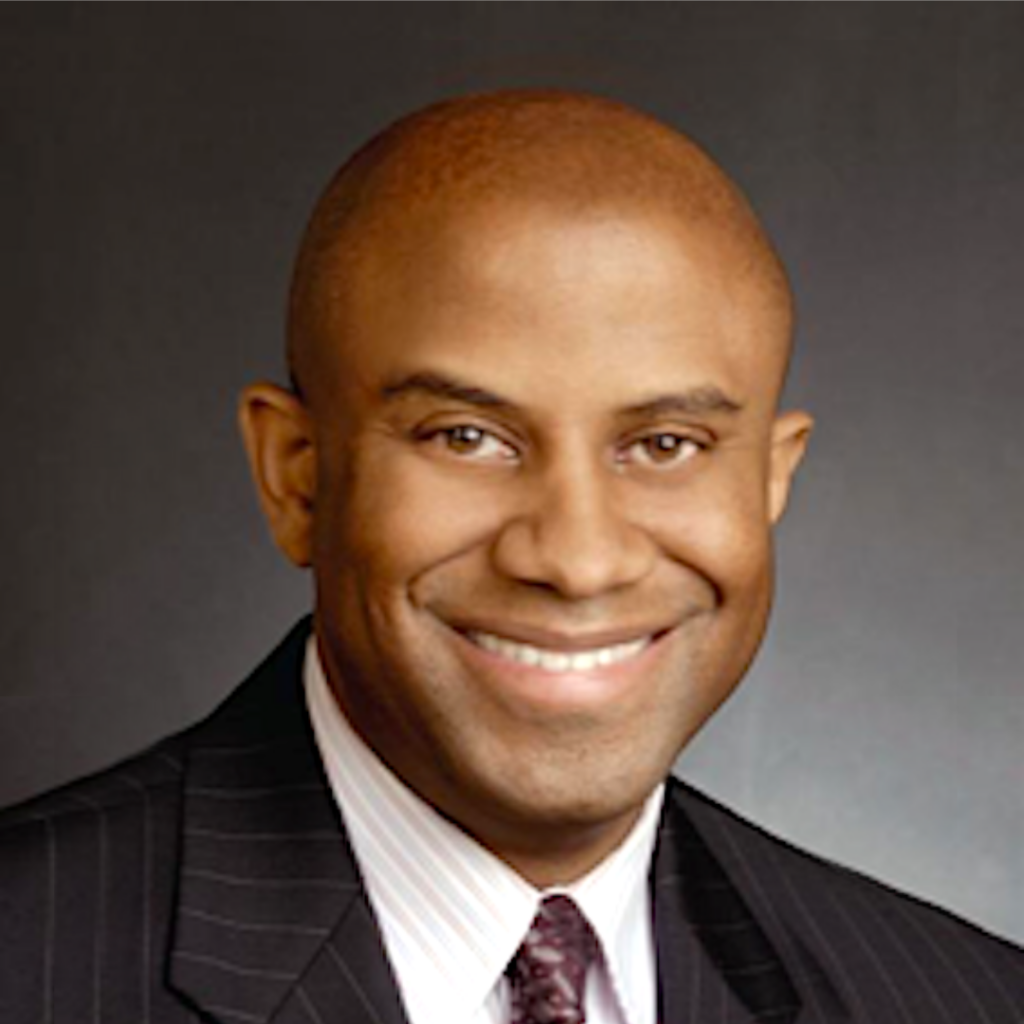
Joel Miller serves as CEO of Wall Street Capital Partners (Advisors), a Real Estate Syndication firm based out of Atlanta GA,  specializing in sourcing and arranging debt and equity for acquisitions, development and recapitalization of Commercial Real Estate. The firm also invests its own acquisition and development projects as a GP investor. Current pipeline includes over 1,100 of Multifamily units primarily in Atlanta and the mid – Atlantic region. Joel has also been responsible for the intrinsic planning of site development for the execution of conservation strategies. He formerly served as head of Private Equity Fund Management & Investor relations related to Real Estate tax mitigation strategies for Cambridge Capital Partners (CCP). A boutique international investment bank focused on tax mitigation, capital markets, conservation easement strategies, and management advisory services. CCP was built on a platform of delivering tax efficiency with global business solutions. CCP’s clients include numerous banks, investors, and Fortune 500 companies throughout the Americas and Europe.

Joel began his career in New York City at U.S. Trust Co., After strengthening his acumen under some of Wall Street’s most influential financial strategists, he founded what would become Wall Street Capital Funding. Under the tutelage of Prudential Securities executives, at 28, he became one of the youngest CEO mortgage bankers in the history of the United States. The firm was ranked as one of the Top 10 Most Dependable Mortgage Companies in the SE. He has served as strategic adviser to one of the nation’s top ten wholesale mortgage banks and has served as a consultant on financial institution mergers. He has served as an adjunct Professor of Economics at the Clayton State University – Management School of Business. In late 2008, he received the privilege of being a tertiary adviser to President Barack Obama’s Transition Team on the topics of housing and the economy related to the residential Real Estate crisis of 2008. The Atlanta Business Journal named Joel one of the Top 40 under 40. He was also the host and producer of the “Mortgage Minute” and “The Joel Miller Show” on Business Radio 1160 AM The CFO, as well as a regular contributor to CNBC.

Currently, Joel also produces and hosts the Morning’s w/ Joel Commercial Real Estate Podcast which interviews and highlights the achievements of minorities in the CRE space. He also teaches the Capital Markets class for Project REAP. This fulfilled a commitment he made to stay accessible and to open his “Rolodex” to expose and encourage the next generation of CRE minorities to opportunities in the CRE space.

Read the podcast transcript here

Eve Picker: [00:00:03] Hi there. Thanks for joining me on Rethink Real Estate. For Good. I’m Eve Picker and I’m on a mission to make real estate work for everyone. I love real estate. Real estate makes places good or bad, rich or poor, beautiful or not. In this show, I’m interviewing the disruptors, those creative thinkers and doers that are shrugging off the status quo in order to build better for everyone.

Eve: [00:00:37] From Wall Street to mortgage banking to real estate developer, Joel Miller has focused his career with clarity and purpose. And now he’s taking it one step further by raising money for his next real estate project through crowdfunding. Joel wants to bring others up behind him. He wants to give others the opportunities he’s been given, and one small way to do that is to provide an opportunity for everyone to invest in his latest project. Early on in his career, Joel realized that his goal to lead an organization might not happen if he waited for an opportunity. So he made his own. He started his own company, Wall Street Capital Partners, specializing in sourcing and arranging debt and equity for acquisitions and development of real estate. And of course, over time, he started to build his own real estate portfolio. I enjoyed every moment of this conversation and so will you. Please listen in to hear more.

Eve: [00:01:56] Hi, Joel. I’m really delighted to have you join me today.

Joel Miller: [00:02:00] Hey, how are you, Eve? Good to be here. I’m happy to be here.

Eve: [00:02:04] Very good. So, I wanted to ask you about your journey from Wall Street to Wall Street Capital Partners. What led you to launch your own company?

Joel: [00:02:14] Well, you know, it’s very funny that you would ask that question because that was the thing that was running around in my mind when I was a young guy back on Wall Street, and I had this really ambitious dream of how I was going to be this top executive and do this and do that. And one thing I realized once I got to Wall Street was that there were other guys that were already ahead of me that were 20, 30 years older than me, and they were still trying to climb that ladder to get to where I wanted to be. And I didn’t want to wait 20 to 30 to 40 years to get there. And these guys were basically willing to kick me down the ladder to make sure I don’t pass them on the way up. So, I just simply had to decide, was I going to continue to play the Wall Street game? Or would I look for other opportunities where I might be able to shortcut that if I had the willingness to work very hard and the due diligence and the determination in order to make it happen. So that’s the short version for you older folks out there, the Reader’s Digest version of, you know, how this all came about.

Eve: [00:03:18] And when did you launch your company? And…

Joel: [00:03:21] Well, we actually started, believe it or not, in the early 90s. So this was some time ago, and we’ve had reiterations of the firm as we’ve grown as a company, adapted our focus over time. And, but that’s really when we got started back in those days.

Eve: [00:03:36] And I know you’re in Atlanta. So, you went from New York City to Atlanta. Why that move?

Joel: [00:03:44] Well, it’s very interesting you mentioned that. At the time I viewed Atlanta as New York 70 years ago. And what I mean by that is, if you look at New York City and you roll the carpet back 70 years, it was a new city, not necessarily new, but there was a lot of people coming into the city and creating what it is today. A lot of immigration, a lot of people coming in from the outside. And it opened up the opportunity for a lot of people that may not have been major players years ago to now be major players in the marketplace because there were no major players. Everybody was kind of trying to get their footing. And so, Atlanta back at that time was kind of the same type of place. This was before the Olympics. There were a lot of people migrating down there. It was wide open, and there was a lot of opportunity to really make your impression on the city without trying to, you know, knock off a lot of the older, established players that were there, like you saw in New York back at that time. So, it was an opportunity. It’s almost like, why did people decide to go west many years ago?

Eve: [00:04:50] That’s what I was thinking, like the gold rush.

Joel: [00:04:52] It was the same type of thing, yeah.

Eve: [00:04:53] How has that played out in Atlanta, do you think?

Joel: [00:04:57] Well, you know, I always ask that question, you know, where would I be today if I was still up in New York? So, I don’t know. But I think it’s worked out well. You know, one thing that’s good about Atlanta is you don’t have a lot of the, just the stresses of living. You know, New York is a very intense, compact city with people all over you. You know, everywhere you go, you walk right out to your building, there’s people all over the street. And, you know, to be in a more relaxed environment gives you more time, I think, to mentally kind of focus on what you’re trying to achieve. So, it’s worked out well for me. You know, I exchange the back yard of buildings and concrete to one of deer and trees.

Eve: [00:05:37] Nice! That’s nice. So tell me what services like Wall Street Capital Partner provides.

Joel: [00:05:44] Yeah. So, our core business over the years has been financing real estate, you know, so we’re the firm that many individuals come to in order to acquire real estate, refinance real estate, develop real estate, rehab real estate. We’re involved in that space. And as you can imagine, over time of making, you know, quite a few of our clients very wealthy, you know, we turned around and we said, you know, it’s time for us to step over to the other side of the table. So, years ago, we started investing in our own deals. And also, we decided to bring capital and resources to developers that maybe had deficiencies in their capital stack. Maybe they didn’t have experience, maybe they didn’t have all the capital, maybe they didn’t have the knowhow, maybe they didn’t understand the numbers, you know? So, we brought all that skill set to the table. And as a result of doing that, you know, we became equity players in other people’s deals and then started working on our own projects as well.

Eve: [00:06:45] So how big is your own portfolio now?

Joel: [00:06:49] Well our portfolio. I don’t really want to quote numbers here on online, but we’ve got quite a few projects that we’re more than happy to share with any investors that might be interested in investing in our projects.

Eve: [00:07:01] Okay. Fair enough. And are your projects primarily residential or commercial, for sale or for rent? What do you focus on?

Joel: [00:07:10] Yeah. So, our primary investments are, they might be for rent properties but we’re developing them for sale. You know now some of our acquisitions like in Atlanta, for an example, we’re looking at keeping those properties in the portfolio. Our development projects in the D.C. market we’re looking to sell. So, it really just depends on the market strategy, depending on where the property sits, as to what we plan to do with it. So, it’s kind of…

Eve: [00:07:41] Well that leads me to ask, you know, where are your buildings located? Where are these investments? Not just Atlanta, by the sounds of it.

Joel: [00:07:48] Yeah, not just Atlanta. Right now, we’re focused on acquisitions in Atlanta. We have other assets in New Orleans right now, and we have development projects that we’re working on up in the DC metro area.

Eve: [00:08:02] Okay. So, you’re in Atlanta. What’s the biggest need in real estate in Atlanta right now? What’s the biggest challenge?

Joel: [00:08:14] Uh, you know, that’s a multifaceted question. You know, it’s amazing because when I first got down here, it was rare to find a property that was, that cost $1 million to buy. You know, now it’s very common to find million-dollar homes. And yes, this is many years later, but just like many other markets, the cost of housing is an issue, especially in the urban core. The periphery of the city has got expensive as well. So, the demand for quality housing, even in those areas is a need. We have a issue with office space where there’s a lot of it available right now and what is that going to become? So that’s a need that has to be addressed. And you know traffic’s a big thing down here in Atlanta. Most people aren’t aware of that, but it is. And as a result, you know, many people want to live in urban core so that they don’t have to commute from outside the city. So affordable housing is something that’s needed as well. So I would say all of the issues associated with a major city is an issue here. One deficiency that Atlanta does have, though, is the mass transit is not as extensive as in New York or Washington, D.C. It’s more like a Los Angeles or Dallas or, you know, a city like that. And as a result, that presents its own challenges.

Eve: [00:09:35] So commute times can be long if you can’t live close in.

Joel: [00:09:39] Yeah.

Eve: [00:09:40] Okay. So, what’s your favorite success story? What’s a favorite project and why?

Joel: [00:09:50] Well, I think one of the favorite projects is one that we did in unison with a client of ours. They’ve kind of been the person. I don’t want to tell you how they get their real estate deals, because that’s kind of their secret sauce.

Eve: [00:10:04] It’s like their secret sauce.

Joel: [00:10:06] Yeah, so don’t want to disclose that.

Eve: [00:10:07] I know so many people who say that. I have to tell you.

Joel: [00:10:11] I know a lot of secret sauce out there, right? But, you know, this was a situation where the property was it was office. It was roughly about 30% occupied. It was in an area where, area wasn’t bad, but the property could have been doing a lot better, and everyone just kind of turned their nose up to it. It had an absentee owner from California, but it was down here in Atlanta in a very good market. And, you know, we got together and put together a strategy in unison with one of our clients to take over this property. It was about 400,000ft².

Eve: [00:10:49] Oh, that’s big.

Joel: [00:10:50] Yeah, and convert it to a very, very profitable office environment, right now. Even with offices beat up as it is and that sector being decimated as it is, this property is running north of 90% occupancy. Actually, last I checked it was 100% occupancy and it’s doing quite well. So that’s a huge success story and we would love to do that for more clients, especially minorities that are looking to get into commercial real estate. We started off with this particular client when they were buying. I think the first deal we did for them was, it was like a little dinky office building for like $147,000, you know? And now their portfolio is, I mean, eight figures, you know, high eight figures.

Eve: [00:11:37] Wow.

Joel: [00:11:38] So it’s, uh, it’s something that can be done, you know, in a short period of time. This particular client actually used to be a substitute schoolteacher of all things. So, it can be done. It can be done if you get the right team with you to work with you. And hopefully, you know, we view ourselves as that right team to help you get to the next level.

Eve: [00:11:58] So let’s talk about the King Henry. It’s a name I love, and that’s one of your current projects. And, full disclosure, you are listing this as an offering to raise funds on Small Change, my real estate crowdfunding platform. But it’s a really fascinating project. So where is it located and what is it?

Joel: [00:12:19] Yeah, absolutely. So this particular project is in Alexandria, Virginia. It is at the intersection of, well it’s sort of the King Henry corridor. I’ll just mention that if you know where that is. That’s the main artery that runs through Alexandria. It runs from the metro station at the Alexandria stop, all the way to the waterfront, where you could actually catch the water taxi to Washington, D.C., right to downtown. And it’s a tremendous location that I got excited about, just simply because of all of the traffic and the vibrance of the city. You know, one thing that’s very unique about Alexandria, and I know you have some other questions for me on it, but one thing that I really like about it is it’s one of those few areas in the country where you have a lot of mom-and-pop shops. You know, you’re not going to walk down the street, and there’s a Walmart on every corner and a Target and a this and a that. Nothing wrong with those guys. So let me, they might want to sponsor us one day, so let me not throw them under the bus. But the idea of being able to support local businesses, the local coffee shop, the local bakery, the local, you know, jazz club, you know, all these things is available in Alexandria, Virginia, where you can really feel a part of the community. And with the cobblestone streets and everything, it’s just a wonderful area. Specifically, what we’re doing there, we’re replacing surface parking that is there currently with structured parking. We’re using an automated mechanical parking system, which will take roughly 40 spots and turn it into 140.

Eve: [00:13:56] Isn’t that insane?

Joel: [00:13:57] I know, it’s impossible.

Eve: [00:13:57] I love that, I love that.

Joel: [00:13:59] Yeah, it looks impossible, but we’ve got it all structured and built out in the architectural drawings. And we’re also putting up 50 units of multifamily housing with retail on the ground floor.

Eve: [00:14:12] So all of that replaces how many surface parking spaces right now?

Joel: [00:14:17] Yeah, roughly about 40 spots.

Eve: [00:14:19] Total.

Eve: [00:14:20] Yeah.

Eve: [00:14:21] On all the. That’s crazy.

Joel: [00:14:23] Yeah, it is crazy.

Eve: [00:14:24] Not the highest and best use. Right.

Joel: [00:14:27] Yeah. Well, that’s the point. The city realized that this wasn’t the highest and best use for that space, and that you certainly can increase the tax base by doing what we proposed. And they’ve signed off on it. And, you know, it’s a permit ready site. We’re doing it.

Eve: [00:14:42] So, how does this compare to your other past projects? Is this unusual or standard?

Joel: [00:14:51] No. Well, you know, it’s unusual from the standpoint that, you know, generally you have, you know, 150, 200, 300, 400 projects. The one that we’re working on in a city very close to that is actually 600 units, you know, and that’s a skyscraper. So, you know, generally we do get involved in much larger projects. This one I really like because of the barriers to entry. You know, you’re not going to have everybody building a similar product right next to you because it’s [inaudible].

Eve: [00:15:24] It’s very unique

Joel: [00:15:25] Yeah, it’s very unique. It’s a historic city. And you can’t just go in there and tear stuff down, which is why we’re having to do it where surface parking is, right? Where something was already torn down.

Eve: [00:15:34] Interesting.

Joel: [00:15:35] Yeah.

Eve: [00:15:35] And so what’s the total development cost for that project?

Joel: [00:15:39] Approximately total development cost is roughly $42 million.

Eve: [00:15:43] And what does the financing look like for a project like that? Roughly.

Joel: [00:15:48] Yeah, roughly, we’ll do 60% of that debt. We will raise the rest in equity, which will be roughly about $16 million. And then we’re cutting off a slice of that for participation by some smaller investors that may want to get involved. Usually projects like this, it’s all people with deep pockets that get involved, and they make all the returns and all the money. And, you know, the average working-class person is generally relegated to getting in real estate by means of doing fix and flips, you know, and trying their hand at that. And they’ll, you’re never going to get to where you want to be just doing little small fix and flips. You can do okay, but you’re not going to get to that million, multi-million-dollar threshold. But participating in much bigger deals you can eventually get there. So, you know we think this is a great opportunity.

Eve: [00:16:39] So that opportunity is listed on our platform smallchange.co if anyone is interested. But I’m just wondering why, I mean this is probably a little bit more work for you than just going out and raising the money from one institutional investor, right? So, why?

Joel: [00:16:58] Yeah, well, you know, you asked the reason why. And just to give you a little background, you know, I have teenage boys and obviously I want them to come up and hopefully be in the industry and learn the commercial side of it from day one and grow and become major players in the space as opposed to just becoming maybe just a realtor with a real estate license, selling single family homes or, you know, doing fix and flips their whole life. So, in addition to that, I also teach the capital markets class for some institutions. One is called REAP, the project REAP program, where individuals that are looking to get into commercial real estate can actually participate and learn the business from people that are already in the business and learn how they can participate in deals. So, long story short Eve, I have a passion about helping those that are behind me because there’s people in front of me that have helped me get to where I am today. I have mentors, right? So why wouldn’t I pay that forward and help the next generation of folks coming along to be able to get in deals? Yeah, also, you know, growing up in New York City, I’ve seen how people seem to never get out of the rut.

Joel: [00:18:13] You know, when I was a kid, I thought the only way I could get to the next level was, everybody in the neighborhood it was either drugs or sports. That was the only way you were going to get a get out, you know, and get to that next level. And so, the idea of of being able to get other people into these deals at this level where they can say, yes, I was an investor in a $42 million deal, opens the door for them to do much bigger deals and become the part of the investor pool in much bigger things and much bigger opportunities. And it even exposes them if they want to do some bigger stuff on their own down the road. So, I think it’s great just to open up the door and let, at least let a slice of that $16 million go to some smaller investors so that they can participate and be part of the action. And it’s a passion that I have. I’ve been doing it for free, you know, even on my podcast and doing these shows and everything else, you know, it’s just a passion that I have to give back. And I think this is another way I can do it.

Eve: [00:19:14] So just dialing back a little bit, what are some of the challenges you’ve been confronted with personally as a Black man in real estate, which we know is a, really a white man’s industry still, very much so.

Joel: [00:19:29] Yeah. I mean, realistically, I can’t give you hard facts, but I do know that Blacks represent about 3% of the commercial real estate space across the board, 3%. But they make up 16% of the population. So, you kind of wonder why is that dichotomy there where you have so little that are in these type of deals? You know, and it’s mainly a white male dominated business, as you know. So, one of the challenges has always been access to capital for minorities. It’s a really, really big thing. My business partner on this deal has developed over 14,000 apartment units. So, you know, his experience obviously goes a long way toward getting this thing done. But just being a minority in the space, you know, people tend to gravitate toward folks that they have some type of camaraderie or some type of relationship to. And if you’re never used to seeing a minority do deals like this, it’s almost like, well, are they for real? Because I’ve never seen this before. Can they really pull this off, do they have the smarts? Remember, it wasn’t too long ago where it was said that Blacks weren’t smart enough to be a professional football coach or be the quarterback of a professional football team. That was in my lifespan. So, you know, those are the challenges and they’re not written down anywhere. But, you know, the fact that it’s a 3% penetrated industry, you know, I mean, kind of tells the tale of the tape. That doesn’t mean that there’s not a whole bunch of other people that would like to be players in commercial real estate. They just haven’t had the chance. And it always boils down to access to capital, 99% of the time, because they don’t have a daddy or somebody else that might be able to walk them into a into a bank or into an investment firm to get that capital.

Eve: [00:21:24] So what advice would you give to someone starting out a career in commercial real estate who has, who’s not a white man?

Joel: [00:21:38] Yeah, well.

Eve: [00:21:38] Anyone who, you know is from an underrepresented background or yeah, even a female, because I think the numbers look about the same for women. It’s pretty bad, yeah.

Joel: [00:21:50] Yeah. Yeah, exactly. And, you know, I want to be clear also that I’m not beating up on white males. And I want to say that because if it wasn’t for white men, the civil rights movement wouldn’t have got as far as it did. You wouldn’t even have HBCUs in Black or southern parts of the country if it wasn’t for white men that got behind trying to help these initiatives go forward. So, you know, again, it’s not a race of people, it’s just the way the numbers shake out. Right?

Eve: [00:22:24] It’s who has, I suppose, who has control right now. And we have to figure out how to shift that a little bit, right? That’s what we’re trying to do here.

Joel: [00:22:33] Exactly. Exactly. So, and even as I mentioned, my partner on this deal is a white male. So, you know, I’m certainly not beating up on white men. But I will say this when you ask about how does that change? I would say one of the things is to get involved in a deal like this one. The reason why is because then you can put on your resume of deals that you’ve invested in, hey, I was one of the investors in a $42 million deal. You know, that goes on your resume and, you know, participate at that level. Also, getting in with other individuals that have, you know, been involved in commercial real estate and deals like that. And part of it is just getting out there and meeting key folks that are in the space. You know, as I mentioned briefly, we have a podcast that doesn’t compete with you Eve, but it’s more so.

Eve: [00:23:22] I’m sure it does.

Joel: [00:23:24] No, no, it doesn’t. Because we’re not raising, you know, we’re not doing anything there, but we are introducing folks to others that have been highly successful in commercial real estate, and they can learn from them as to what they did in order to be so successful in commercial real estate. So, I would say exposure, you know, and then there’s trade organizations that are out there like, you know, A-REP and REAP and some of the others where you can get involved and meet the people that are making inroads in commercial real estate. So those are the things I would say. But getting a deal, I mean, because once you’re in the deal, then you can start reviewing the deal from the inside out and really learning this business.

Eve: [00:24:04] Yeah, yeah. There’s also a lot of meetups and clubs now. More and more of them are merging, which I think are a great way to start learning because it’s a lot to learn. And also, actually ULI, Urban Land Institute, can be a great source of information. So, lots out there. But what are you proudest of?

Joel: [00:24:24] What am I proudest of?

Eve: [00:24:26] In your career, not just your boys.

Joel: [00:24:31] Yeah, everybody says what they’re proudest of is, you know, being a great dad. Right? All that stuff aside, I mean, if you’re acting professionally. You know, Eve, it’s hard for me to answer that because I’m always focused on the future. I’m not focused on the past. So, while I’m happy about the things that I’ve accomplished and, you know, even being involved in the deal sizes that we’re talking about is, you know, something that often just the 1% of the population in commercial real estate get to participate in. So, I’m very happy and I’m proud about that, to even be having this conversation. So, I think that would be the answer to your question. But for me, I still got a lot of few things that I want to do before they write my obituary.

Eve: [00:25:18] Well, what is that? What’s your big hairy audacious goal?

Joel: [00:25:22] You know, I want to get these, these deals done. And we’re looking to grow our portfolio. We’re looking to have a balanced portfolio between acquisitions, where we’re providing affordable housing and, you know, blended housing in a lot of different areas. And we also are looking to develop projects in other key markets around the country. So that’s really our focus. And you know, with your help, Eve, I think we’ll get there.

Eve: [00:25:51] That would be wonderful. Okay. It’s been a pleasure talking to you. And everyone, take a look at smallchange.co. It’s an interesting project and I just love the automated parking. By the way, where was that developed? Where is that company from that’s providing the automated parking solution?

Joel: [00:26:12] You know, that’s a good question. I don’t know where they’re headquartered, so I can’t answer that. But if you go to smallchange.co, you will be able to get information on the project. You’ll be able to watch a video that actually shows you exactly how it works, and it will give you the information on the company so you can do your research on them there if you want to as well. And you’ll also get a chance to see where these products are already operating in other parts of the country.

Eve: [00:26:36] Well, thank you so much for joining me today. It’s been a pleasure.

Joel: [00:26:40] Thank you Eve, certainly appreciate being here and happy to come back in any other time you want me.

Eve: [00:26:51] I hope you enjoyed today’s guest and our deep dive. You can find out more about this episode or others you might have missed on the show notes page at RethinkRealEstateforGood.co. There’s lots to listen to there. Please support this podcast and all the great work my guests do by sharing it with others, posting about it on social media, or leaving a rating and a review. To catch all the latest from me, you can follow me on LinkedIn. Even better, if you’re ready to dabble in some impact investing, head on over to smallchange.co where I spend most of my time. A special thanks to David Allardice for his excellent editing of this podcast and original music. And a big thanks to you for spending your time with me today. We’ll talk again soon. But for now, this is Eve Picker signing off to go make some change.

Image courtesy of Joel Miller
Joyous disruption.

October 18, 2023

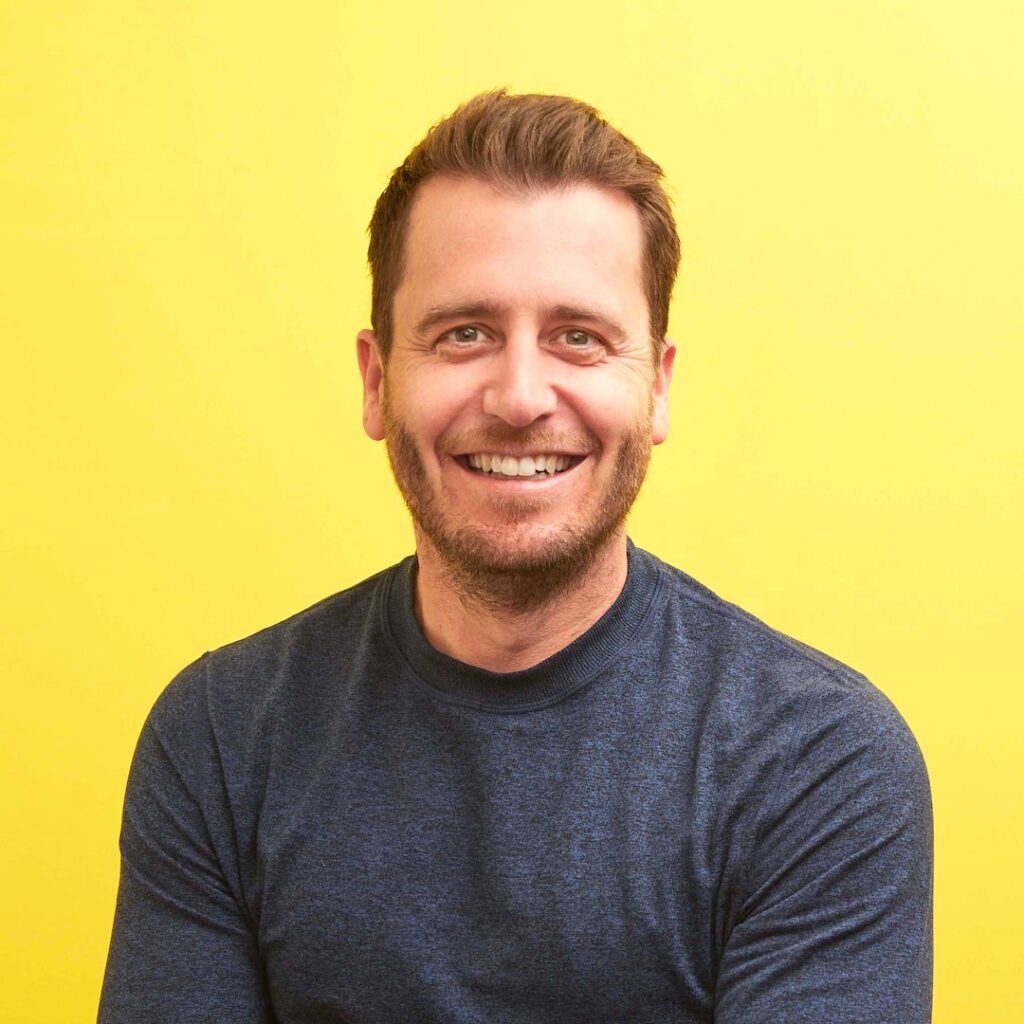
A former banker turned Oklahoma City developer, Jonathan Dodson is passionate about creating value through new partnerships and projects.

Jonathan’s financial background, paired with his experience as one of the initial members of the ULI Oklahoma, fostered an interest in urban neighborhoods and re-development initiatives. He co-founded Pivot in 2014 — his creative vision and constant encouragement allow him to approach challenging projects from a different angle. Jonathan leads the Pivot team, navigating tough conversations and decisions to create the best outcomes for his teammates, partners, and tenants.

When he is not developing, Jonathan can be found running, hiking, or hanging out with his wife and four kids.

Read the podcast transcript here

Eve Picker: [00:00:11] Hi there. Thanks for joining me on Rethink Real Estate. For Good. I’m Eve Picker and I’m on a mission to make real estate work for everyone. I love real estate. Real estate makes places good or bad, rich or poor, beautiful or not. In this show, I’m interviewing the disruptors, those creative thinkers and doers that are shrugging off the status quo in order to build better for everyone.

Eve: [00:00:43] Joyous disruption. This is Jonathan Dodson’s goal with each and every real estate project he develops. Jonathan pivoted from an early career as a banker to real estate developer, aptly calling the firm he co-founded, Pivot Projects. He had developed an interest in urban neighborhoods and redevelopment initiatives, and when given an opportunity to co-partner on a project, he grabbed it. Now he leads the Pivot Team, navigating tough conversations and decisions to create the best outcomes for his teammates, partners and tenants. And for Jonathan, the best outcomes are not traditional ones. I enjoyed every moment of this conversation, and so will you.

Eve: [00:01:35] Hi Jonathan. I’m really delighted to have you join me today.

Jonathan Dodson: [00:01:38] Thanks for letting me be on. I’m honored and excited. So…

Eve: [00:01:42] Good. So, on your website it says, ‘We work alongside communities addressing their unique context to create collaborative developments.’ How does a banker become interested in building community like this? Can you tell me about your journey?

Jonathan: [00:01:59] Yeah, there’s several seminal moments for me, but the first one started in 2006, the winter I had just become a loan officer, and I went to an event that was held, it was the inaugural ULI Oklahoma event, and there was a young guy who had kind of started the whole thing and he was actually getting ready to leave to go to MIT and he kicked it off. And his dad was the former mayor of Oklahoma City. And I asked if I could get coffee with him. And he recommended just a bevy of books on urbanism and development and so, as I read those and I got into lending, I was actually drawn towards trying to figure out how can I lend to people who are doing these kind of things. So, when the housing crash happened in ’08 and ’09, what I found as a lender was that all of the stuff within the urban core held up remarkably well within Oklahoma City market. And so that furthered, kind of, an interest of saying there’s stuff going on here that seems to be a little bit more resilient to some of the market constraints that are happening. And so really, I stuck with that and in 2013, I left a bank that I had been at for 7 or 8 years and went to go to another bank that I thought I would be at for a while.

Jonathan: [00:03:21] And long story short, my boss told my assistant if she wanted to keep her job, she needed to have sex with him. And I was in the room where it happened and so, long story short, they gave her, like, four weeks to find a new job. They didn’t fire him, and I put my two week notice in and left. That’s why I left banking was really, you know, kind of this super gross thing that happens that I happened to overhear and reported up and they didn’t respond the right way. And so, I liquidated everything I had. So, 401Ks, pulled that out of the market Roth. 401K, pulled that out of the market and ended up selling my car. And so, I had four kids and rode my bike all over town. Started off sitting at a coffee shop and really just started figuring out what can I do to actually make money. And so, I realized that I knew how to help people find debt, and I knew how to connect people with capital. And so that was kind of…

Eve: [00:04:28] Which is a hugely important skill, right?

Jonathan: [00:04:32] It is. It is. And especially when you’re doing incremental development and finding tenants that aren’t national credit tenants or local tenants. So that’s going against you. You typically don’t have a big pocketbook, so you’re having to be creative on the capital stack and that’s going against you. So being able to find money both from the bank side and equity was helpful. And so really, I started scrambling doing that for other developers and it was on my 34th birthday that my current business partner and one of the co-founders as well, David Wanser, he left my birthday, came back and said, Hey, I got this 30,000-square-foot theater that is completely vacant under contract. Would you be an equal partner with me and go try to redevelop it? And so that was the genesis of Pivot, was really coming out of an act of generosity by him. He could have taken way more ownership in the deal. He could have done a lot of things. But he grounded our company in a sense of generosity and equality. And so that really was what started Pivot in 2014.

Eve: [00:05:35] Wow. So, you know, I had a similar experience to you in 2010 when everyone was saying the sky is falling in. I only had urban properties and I barely felt it. It was really, it was very interesting.

Jonathan: [00:05:48] That’s interesting.

Eve: [00:05:49] Yeah. So, did you fall in love with real estate development then?

Jonathan: [00:05:55] Yeah. You know, I think one of the things that, the thing, there’s several things that I like about real estate development, but one of the things that I’ve said before is real estate developers are really only creating covers to books, and so anyone will pick up a book because of the cover, right? But people read the book because of the story. And so, the idea that as a developer, I got to partner with the city’s best storytellers and actually have them, you know, basically be able to facilitate a space where they could tell the stories of both our past and our future and who we’re becoming as a city to me became such a fun thing to do. And so whether it was trying to transform the city through food and beverage or through music or through thinking through areas that have been forgotten or working alongside communities that have been speaking, but no one’s been listening to them and being able to advocate. Those were things, I didn’t have another role that I could do that would allow me to be able to touch those kind of stories and those kind of things.

Eve: [00:06:53] So it sounds like Oklahoma City is a really important part of this story, too.

Jonathan: [00:07:00] Yeah, there’s this, uh, this old, saint from, like, fourth century. And he said, even if your mother is a whore, you love her. And I think about Oklahoma City because living in Oklahoma City, you see all the flaws. Our city was half of it was in Mexico at one point. We were founded, the city was, the state was formed overnight with the land run. We had minorities who formed it. We had females who were starting towns in the Panhandle, and we’ve forgotten a lot of our history, right? And we’ve become a place that isn’t as welcoming as it should be. So, you see flaws like that, and it’s easy to get mad and upset. But she still is, you know, in a sense, my mother. And so, like, I love her, and I see the opportunity for change, and I see the goodness in people that are here. And so there is a sense of. I love this city and all of its flaws and all of the things. It’s still a city that I want to be a part of and be a part of its story.

Eve: [00:08:02] So you founded Pivot Project after that first project or with the first project.

Jonathan: [00:08:07] Yeah, it was kind of there was one other partner that was involved from day one, and we really just liked working together and our idea was that we were going to chase asset appreciation and cash flow for the 20-year look ahead, right? We weren’t going to go build, fill and flip or be merchant developers. And so really after the Tower Theatre formed, it was, or we built that out, which became basically 3 or 4 restaurants and office space and then a thousand-capacity music venue, um, we realized, man, we all kind of think about the city the same way. Let’s actually do this more often and do it together as a team.

Eve: [00:08:44] What is Pivot Project’s mission and vision? Like, what keeps you focused?

Jonathan: [00:08:49] You know, I think there’s this idea of human flourishing and human flourishing can mean a lot of things, but it’s this idea of allowing all of the different touch points that we have to allow for human flourishing. So, we view, we create one way to say, well, how do you create value? We create value through our financing and the way we put together the deal, right? We create value through our tenanting and the people we partner with. We self-tenant 95% of our space. And then through the property management side, we create value. But what we realized was that in order for us to do those things, we needed to allow for flourishing to occur for not just our tenants, but our investors, the community that sits around the development, the stakeholders at large. And so that forced us, one of our values is joyous disruption. And so, what we mean by that is that typically when someone gets really passionate about something or gets excited about making a change, they use shame and guilt as a methodology to get people to line up right. And we’ve been in, whether work environments or we see city officials do it or whatever, but, you know, you try to shame someone into reacting and that’s not it’s not human to do that, and it’s not healthy to do that. But that’s a tool. The other is paternalism. And so, we see that primarily when groups that have power or access to wealth, they’ll go into communities and say, Hey, you guys are really lucky to have us. Come under our wing and let us take care of you, right? And that paternalism is really not healthy. And we’ve all been in situations where someone has tried to, they think they’re helping you, but your skin’s crawling, right?

Eve: [00:10:38] So from the president down, right?

Jonathan: [00:10:40] Yes. Yeah, absolutely right. And so, what most people are, if someone becomes passionate, it’s like they’re giving one round of shame and guilt or one round of paternalism. And what we’ve said is we have all tried those different things at different times in our lives. We know that none of them work, and we know that we hate them when they’re used on us. And so we said, Hey, we’re going to be joyous in how we try to disrupt systems. And so, we’re going to be really passionate about what we do. And if you’re already leading the way, let us be a part of what you’re doing. If you like what we’re doing and you haven’t been doing it, come join on. And if it’s not for you, that’s cool. We’re not going to try to force you into seeing the world the way that we see it. And so, empathy is one of our values. Thoughtfulness is one of our values. Excellence is one of our values. Resilience and then joyous disruption. But joyous disruption is the one that for me sits at the top because it’s, we want to be passionate and we want to be excited about what we’re doing, but we’re not going to use the typical tools that people use to try to get other people involved.

Eve: [00:11:39] Well, that one’s making me smile. So, give me an example of something you joyously disrupted.

Jonathan: [00:11:47] Yeah. No. Great. So, one way to look at that is our project on the east side. And this is what I think connected us to a lot of great people. We won an ULI international award of excellence. And so, Oklahoma is a state has had three award winners. One is $1 billion tower, another one is a half-billion-dollar park, and then our $10 million development on the east side of Oklahoma City. And so, what we did in that project, very briefly, is we were asked to go redevelop in an area that hadn’t been developed in in 35 years, and it was the historic kind of black community. And so, we said, we’re going to take six things. We’re going to do it, basically, this process will be broken up into six pieces, and we’re going to do the opposite of what we’ve seen done. So, the first was to say that just because people have access to power and money, it doesn’t mean they’re a blessing to the community to go in. So philosophically, we said we are going to leverage access to those things if the community would be willing to take us in, because what we really value is resilience. What we really value is community. What we really value is seeing the world a little bit differently, and they had that in abundance. So, we said, okay, we’ll go leverage this if you’ll let us in. The second thing we did was we said we’re going to flip the script. So power, with developers, power’s like the one thing we don’t want to give up. We don’t mind bringing in partners, but we don’t want to give up power. And so, what we said is we will actually bring in a community member and give them authority over us. So, Sandino Thompson, who is a friend, he actually had authority to veto anything we did. We brought him in as an equity partner, and he received development fees.

Eve: [00:13:30] But why him? Did he live, does he live in the community? or…

Jonathan: [00:13:33] He lived in the community. He’d been at it for 20 years and he had a vision that we felt like was something we wanted to be a part of, right? And so, we had some development skills that he didn’t have. He had been dreaming and eating and sleeping this stuff.

Eve: [00:13:49] He was really a part of the community and understood what thriving yeah, and okay, so you chose someone who was really a representative for the community.

Jonathan: [00:13:59] Absolutely. And so, and then we said we’re going to give you authority over us and then we’re going to pay you like one of us, right? The third thing we did was we said, we are going to pay the community to tenant the buildings. So, what typically happens is a developer calls all of their buddies and says, hey, you want to move over here? And we could have brought some really great white developers to the east side of town. But that’s not what’s needed, right? When we did all of these different charrettes, they said, hey, we want to walk it, we want representative retail, we want to be able to walk into a building and it feels like it’s a part of the community. The ownership is Black, all of those things.

Eve: [00:14:33] And what is the demographic of that community?

Jonathan: [00:14:35] It’s mostly African American and Black. And so it needed to feel like one guy actually was really passionate and he said it needs to feel Black, but we need white people’s money. And, you know, because that area had been so decimated by redlining and all of this, right? And so, what we told the community was, if you bring us a tenant and they sign a lease, we’re going to pay you a consulting fee that’s commensurate to a brokerage fee. And so the idea being that we don’t know what’s best for that community, but they all know if someone was going to open up a bar, who should that be? If someone’s going to open up a restaurant or a pizza joint, who’s that going to be? So that was the next thing we did is we said, we’re going to pay the community to help fill the building. The fourth thing we did was we said we were going to take funds from the city that we get through TIF and we’re actually going to pass those on to our tenants. So instead of protecting our bottom line, we’re going to pass those on to the tenant. So, the tenants got six times the amount of build out dollars that they would get right down the street. And then they got a 35%, or 30% reduction in rent. That was important.

Eve: [00:15:36] I got to butt in because there’s a lot here. Are you allowed to do that with TIF funds?

Jonathan: [00:15:43] Uh, the city actually asked us not to do that, but we felt like it was critical to the project, right? So, the two things that were hard for the city to see was allocation of TIF, how we pass that through. That was going to improve the project, right? But we were trying to make it financially feasible because there had been no development over there in 35 years.

Eve: [00:16:10] So TIF is really meant to improve public places, right?

Jonathan: [00:16:14] Yeah. So, the TIF in Oklahoma City is a little bit different. It’s more project specific.

Eve: [00:16:18] Oh, okay.

Jonathan: [00:16:20] So there is, you can allocate it to the project itself to try, you know, it’s the whole but for. Could the project happen But for TIF and the answer here was obviously no.

Eve: [00:16:32] But essentially you used funds that permitted you to, you know, offer spaces at a rent commensurate to the skills and abilities of the local people, but still let you pay your mortgage and keep the building maintained, etcetera. And that, as I know really well, there’s usually is a very difficult thing to do in a soft market, in a disinvested neighborhood. You need funds like that.

Jonathan: [00:17:01] We probably needed more, and we can talk about lessons learned on this later. But our spaces were, some of our spaces were too big. So regardless of the 30% reduction in rent or 40% reduction in rent, the square footage itself just made the leasing hard, right?

Eve: [00:17:15] Really wrong. Yeah, because someone wants to pay $1,000, not $1500 or $2000. Right.

Jonathan: [00:17:20] Exactly, yeah. So, the next thing we did, which I feel like is one of the most important things, was we said, gentrification can be good and bad. In some areas it can be a good thing, in some areas it’s not a good thing. In underserved communities, it’s almost always a bad thing because it can lead to displacement. And so, in an underserved community and, you know, all this stuff, but in an underserved community, the community ends up taking and filling the resource gap that exists because the city or other services haven’t been funding that or taking care of that, right? So, if that person gets this place, they not only have to move, you know, they’re moving not just down the block, but they’re moving nine miles away to the suburbs. They’ve not only lost their community, but they’ve lost all the community resources that existed there, right? And in our development, I think we’re like at 92% single parent households. So, the need for people to be close to these things is really important.

Eve: [00:18:16] Yeah, it’s a support system, right? When you’re a single parent. Yeah.

Jonathan: [00:18:20] And so what we did was we said we going to allocate 15% of the capital stack for our tenants. And the idea being that if you sign up and you sign a lease with us, and as long as you don’t have a payment default, you become a partner in the real estate from day one. And if there’s capital calls, you don’t get diluted and you don’t have to put in money. But the idea being that the value, there’s two things that that does, if the value that they help create over a period of time is good, they should be compensated for, especially in a project like this. The second thing is, is it ties our hands that if we became greedy or we found out that, hey, we got Starbucks that now wants to come in, we don’t get, like they’re our partners now, right? They’re just not tenants that we can cast aside. And so that was a really important part of us to say is we want to actually have partners and not just tenants in this process. And so we were able to do that. And I think we’re at, I think of the spaces we have, it’s 90% Black-owned businesses, 50% female Black-owned or minority owned businesses in this development. And so, and then the final piece was to say, this was a really hard project for us to do. Phase one was healthcare related. We were told that what the community wanted through our meetings with the community was access to healthcare, access to food and then representative retail. And so, phase one was access to food and health care. And we had our first tenant that came in signed a ten-year lease. They were 100-year-old health care company, their rent alone debt serviced the project. And we went out to 25 banks and couldn’t get a term sheet.

Eve: [00:19:57] Oh, why not? Why not, ’cause of the neighborhood?

Jonathan: [00:19:59] And what we were told, we don’t lend money to that side of town.

Eve: [00:20:03] Oh, God.

Jonathan: [00:20:05] So, and now the honest bank said that, right? Now what I would say is what I’ve seen in this process and just to highlight to how hard it is, we actually had a bank who said, hey, if you bring in someone really wealthy, you give them more ownership than you guys have, they guarantee the debt will then finance the project. And so we got a guy who had more single malt scotch than debt. So that’s how rich he was, was like, you know, he had more single malt scotch in his cellar than we needed in debt. And he said, I’m in. I’ll guarantee the debt. And so, he went back to the bank and the bank came back and said. That guy’s not, like, he’s not rich enough. And so, what hit me at this time was when me, Ben and David did our first project at the Tower Theater, it was 100% vacant, we had no development experience, really. We were able to go in and get a bank to lend us construction money with no plan in place. And we leveraged tax credits so that we didn’t actually put any money in the project. So, I had no money to put in, right? Like I didn’t have a job. So, two miles from this Tower Theater building, five years later, after we’ve developed all this stuff, we have 100-year-old health care tenant who signed a ten-year lease and we have another guarantor on top of it and we can’t get a bank to say yes. And so, what, when you talk about systems, so joyous disruption, there’s something that happens. So, in the 50s, if you were a Black male or female and you came to me and asked me for a loan and I was a banker, I would just say no, because of the color of your skin, I’m not going to give you money. And I would do that in the 60s and I would do that.

Eve: [00:21:43] If you were a white woman, that would be true, too.

Jonathan: [00:21:45] Yeah, that would be true too. Yeah. But they would do that in the 50s, do it in the 60s, do it in the 70s. But by the time 2000s roll around, a banker is no longer even forced to think that way. What he sees is he says, hey, you have not invested in your community in 40 years. Why would I risk my job to lend money in an area that, obviously this community doesn’t even care about itself, right? The system has so well baked-in the decisions that it’s hard for people to say, oh, there’s a system in place that’s prevented these people from being able to redevelop in their own community and you’re part of the problem, right? And so, my first reaction to that was to be super pissed and to get really angry at all of the banks and, you know, want to take them all down, right? Shame and guilt were very much the methodology that I wanted to use there. But what we realized is that that was not going to win anyone’s heart and so white culture in general is anemic, I think. It’s a deceptive, anemic, because we think we have everything we need. We have access to power. We have access to money. We have access to what we think is culture. You know, when an anemic person gets exposed to iron for the first time it’s like the grinch’s heart gets bigger. It’s like, oh my gosh, you know, I have more energy. And when we get exposed to cultures that are different, our hearts become bigger, too, right? And so trying to say, okay, if you didn’t lend me money. Now what’s cool is they come to Kindred, which is a really awesome bar on the east side, or Scrambled, which is an awesome breakfast spot or East Side Pizza and they’re seeing people that don’t look like them. They’re experiencing great food and they’re calling me going like, Holy crap, this is like really cool.

Eve: [00:23:30] And they realized they missed out, you know?

Jonathan: [00:23:32] Yeah, yeah. And my job isn’t to tell them that they missed out, but if they start to see the world a little differently, then how cool is it that I got to be a part of that? You know? And my role is very limited. Really my role was to fight long enough to find a bank, to say yes and then find storytellers through the community’s help to go put them in buildings so that they can tell their own stories, right? So, I have a very limited scope of influence, but we’re committed to use that scope of influence we have to be a part of these kind of stories.

Eve: [00:24:03] Oh, I think your influence is enormous if you’re providing a way for the community to generate wealth and have ownership as well, that’s a pretty big influence, I think.

Jonathan: [00:24:14] Well, we’re having fun. And it’s again, it’s having friends that, what we’ve realized is, a story that I’ve told before, but we talk about if you were going to come to Oklahoma City and open up, build an office building and you’re new to town, I’d be like, Eve, okay, I got to connect you with some of the other office brokers in town. I got to connect you with these people, so, you know, right. And I would play the relationship game, right? So that you came in and you’d be accepted. And no one’s going to try to, like, stop you from doing what you’re doing, right? Financially or, you know, making phone calls or whatever. So, I get a call from a friend of mine who’s a part of the project as a tenant and a partner, because he’s a tenant, and he calls me and says, I need you to come meet me at 2:00 today. And so, I drive over there and to the East Point project and he’s like, we need to go for a walk. And so, we go for a walk, and we go to this nondescript door that just says Barber. And he says, we need to go inside. And so, I’m like, Dude, what’s going on? He’s like, just go inside. So, we walk inside and there’s three dudes playing NBA 2K smoking weed, there’s a dude getting a haircut, and then there’s this guy that’s probably like six foot four has no body fat and he’s got one picture on the wall and the picture of the wall is of my buddy. And he and the buddy start talking and then, Mailman this this barber starts asking me questions. He asks me, what am I doing next door? He asked me, why am I doing it? He asked me what kind of food am I going to try to bring in? He asked me what my intentions are. And so, we go through like a 20-minute, and I know I’m being interrogated.

Eve: [00:25:50] You’re being interrogated?

Jonathan: [00:25:53] Yeah, yeah. I know something is happening. I am not smart enough to figure out what’s going on. And so, we, he’s like, he finally says, Man, you’re cool. Like, you’re good to go. Uh, and so I say thank you. And I walk back out and I tell JB, I’m like, what the hell just happened? And he said, I needed you to meet the Mailman. And he’s, uh, he’s an OG. And I was like, all right, I know from like, 90s rap what an OG is, but like, what does that mean? He’s like, well, he’s made. And I said, well what does it mean to be made? And he said he’s untouchable. All of the gangs respect what he does and who he is, and I needed you to come in. And actually, I leveraged my reputation so you could have a meeting with him because now your project is safe. Like, it won’t get tagged. People aren’t going to do anything to it. And I needed you to have that kind of protection for your building, since this is the first building over here in 35 years. And it was a super humbling moment for me because as a, just a white dude who’s trying to figure things out for my friend to leverage his whole reputation to give me access to a meeting, to make sure that this development would be successful, you leave and you feel like how little I’ve done for other people and how much he’s done for me and like, just again, your heart gets bigger, right? And you start realizing how important these things are. And so those are the kind of stories when you say like, what’s joyous disruption look like? It looks like all of those things. And when we get to be a part of that, I really do think we become better humans.

Eve: [00:27:25] Yes. How large is your portfolio now and what’s the end goal?

Jonathan: [00:27:30] Yeah, great question. So, we, over the last seven years, we’ve developed about $100 million worth of real estate, all within kind of the Oklahoma City urban core. Over the next 3 to 4 years, we’re growing and we’re doing some bigger projects. So, we’ve probably got about 350 million over the next 3 to 4 years that will be taking on. And it’s Oklahoma City and Tulsa, which are, you know, if you’re not familiar with Oklahoma, they’re about an hour and a half drive from each other. And so, they’re the two largest cities within Oklahoma. And so really what we’ve said is we want to continue to grow what we do. We have added a brokerage wing to our team. And so, for me, one of the things that I realized was that another way to form joyous disruption and to like do things differently, is just to do different. And so, brokerage is one of the industries where if you’re a really hard worker, you pick up the phone, you call, and then you’re willing to not take shortcuts. I mean, brokerage by default is transactional, right? Because it’s like you’re trying to close. And so, if we could maintain a level of our values and how we do things and incorporate and integrate a brokerage firm into that, we could hire differently. And so, our brokerage community in Oklahoma looks like a lot of brokerage communities where it’s 90% white male, and there’s some females scattered and some minorities. But our intention was what if we actually hire differently and we hired primarily females or minorities? And that’s really all we hired.

Jonathan: [00:29:02] We got a gentleman who’s really trained almost every broker in the city who’s 70 years old, and he was at the most preeminent firm in town. And he said, I will come start your brokerage company and I will try to replace myself as quickly as possible, but I will commit myself to do that. And so, the brokerage company is another way just by hiring differently, right? You’re able to disrupt systems. And so, we started a brokerage company. We have a property management company, and then it’s trying to expand our development scope not because bigger is better, but really as we’re trying to use the company, I believe, Pivot when it uses itself to create wealth for its employees and for the community and for all the people who touch it, if we can do some larger projects, that gives us larger runways to actually put capital into smaller projects where we don’t have to go try to raise capital, you know, $500,000 or $750,000 to do that. We can do that ourselves. And so really, we’ve got a, you know, a ten-year plan. I’m currently the CEO at Pivot, and I talk to my team all the time but at some point, I won’t be the best CEO for Pivot. And so, when that happens, I’ll step down. But until then, I’m passionate about building this company and what’s a little weird about Oklahoma City is we really don’t have development companies in Oklahoma City. We have developers, we have development companies. And so, we’re really kind of forging our own path in terms of what we’re doing and how we see it. And we don’t have a lot of groups that we can say like, hey, we’re going to do it just like them. We have people we respect, but they’re not really building development companies.

Eve: [00:30:30] I was going to ask you that. Has anyone influenced your work?

Jonathan: [00:30:34] Yeah. And I would say I think one of the most influential groups for us has been the group that Jim Hyde has put together through the Small Developers Conference. Having Lorenzo and having Hector and so many of these people, Michael Lander, that I get to talk to and see how they’ve done stuff and how they’ve put a project together. And what we do can be really lonely, right? Because you’re going against the grain at every single avenue. Nothing is easy, right? We always laugh like there is. We’re the most inefficient development company because we haven’t just done just one thing, right? We have this portfolio of all sorts of stuff. And so…

Eve: [00:31:13] But damn, it’s so much fun.

Jonathan: [00:31:16] Yeah. No, it is. It absolutely is. But at times you’re like, Man, am I crazy? You know? And so, to be able to call or to be able to have a conversation with somebody and then go see what they’re doing, I mean, the affirmation that they give us when they come to town and are able to encourage us, and then what we’re able to see when we go to their towns, it’s so much fun and it really is. So, I really think what he’s done has been super important for us. And then we just have individuals here in town that we see them doing really great work and excellence is one of our values. And so, we’re, when we decided to grow, we said we have some very large gaps within our company that we can’t be excellent. One was, we were doing property management in-house, and we weren’t good at it. And we didn’t have anyone who had like a skill set in it. So, we hired someone who had property management experience, right? We didn’t really have a high level, what I would call financial mind. All of us have finance degrees and we could put together but there’s a huge difference between having a finance degree and then actually knowing what you’re doing. And so, we brought in a lady named Megan Bruner, who had been at Grant Thornton for 15 years, and she came in to help us with that. And then we didn’t have anyone in the construction world. And so, as a developer, we felt like we kind of getting taken advantage of, whether it was intentional or not. But once we got the process going between the architect and the GC, there’s was a game being played that we just didn’t know well enough how to play it right. And it’s like…

Eve: [00:32:42] Absolutely.

Jonathan: [00:32:43] You could see it happening, but we couldn’t stop it, right? And so, we were able to hire another female who had been at one of our largest general contracting companies for 15 years, and she came on board to help us. And so, it’s like we’re starting to fill these gaps that we have, which has been really fun.

Eve: [00:33:01] Little gaps of knowledge, yep.

Jonathan: [00:33:03] Yeah, and it allows us to, I mean, empathy is one of our core values, but excellence as well. So, we don’t want to just be a nice company, we want to be a nice company that does it really, really well. And so, we’re hopefully headed in that direction.

Eve: [00:33:18] So who gives you pushback and why?

Jonathan: [00:33:22] What kind of pushback?

Eve: [00:33:24] Whatever you want to talk about.

Jonathan: [00:33:28] So, what I will say one is that David Wanser, who was a co-founder with me, he is a voice of reason for me in regard to, there’s been a lot of times we talk through things, and he’ll say we’re moving too fast. We need to rethink this. Do we really know what we’re doing here? So, I would say he’s been a great voice. He’s a friend and he’s been a great voice of wisdom for me. All that we’re doing, we get pushback. I mean, I can’t think of a single thing that we’ve done where someone says, you know, this makes perfect sense.

Eve: [00:34:07] This is a great idea. Go, right?

Jonathan: [00:34:10] Yeah, yeah. Everything is like a fight, you know? And so we’ve got we’ve got some really big projects that we’re working on. And some people are saying this is the worst time in modern history to develop. You shouldn’t develop. Don’t do it now. And we’re saying because you say that we actually think it is the best time, you know. So, but it’s obviously, development is hard right now because you’ve got inflation.

Eve: [00:34:33] The price differentials are ridiculous. It’s very insane.

Jonathan: [00:34:36] And your cost to borrow is increased. And then banks…

Eve: [00:34:39] But if you can get through that, you have some asset at the end of it. Yeah. I’m trying to finish a project in Australia and that’s exactly what I’m confronting. It’s just every moment is another problem. But you know, no is an interesting word because the impact that Nno has on me means, oh, I’m just going to try harder.

Jonathan: [00:35:00] So, I have this great example of, there’s this, someone that I really respect, and I was really lucky to meet, a guy named Sam Hinkie, and he was the GM for the 76ers and he worked at Bain & Company as like a 20 year old. And now he teaches at Stanford. And I got two hours in the car with him, and he said, go show me your projects. So, I drove him around and told him the stories of all of our projects, right? And he all he did was ask questions the entire time. And so, at the very end, he said, well, do you want to know what I think of you guys? And I was like, no, I don’t want to know what you think of us.

Jonathan: [00:35:36] And he said, You guys don’t give up. He said, every single asset that we’ve gone through there has been, you know, our first project, our music operating company, defaulted on their lease within three months of signing a ten year lease. And we had to form an, overnight a music operating company with no experience and go raise $1 million, which meant we borrowed $1 million to go build out the space. And we learned how to run a music operating company, right? Those are things that he said on the West Coast you just walk away from, right? You just, that just didn’t work out like we thought, we’re going to leave. He said, I know that if I give you money or someone does, you’ll never treat that lightly and you will work to make that project happen. And so to your point, no is not no, no is like we got to be more creative. We got to work harder. We got to figure out another way around it, right? And so, I think that’s in the DNA of anyone who’s doing what we’re doing.

Eve: [00:36:38] Yes. Wow. So just any big disappointments?

Jonathan: [00:36:45] Yeah, I journal a lot. And so it’s funny to go back and look at the things that are disappointing, right? That you look back and you go, at the time, it feels like it’s soul crushing. We had a tenant that we wanted so bad it would have been the first location, it was our first project at Tower Theater, we knew they were going to say yes. The CEO said he was going to say yes, and then he changed his mind on the day of the vote to bring this tenant to Oklahoma City. And for us, it was like we were so, one, we were naive, but two, we were so excited. We felt like, you know, we just hit a home run. And so, you look at whether it’s tenants saying no, it’s bankers saying no, it’s working your butt off on a project and then losing it because it doesn’t make financial sense anymore and you have to walk away from it. Those are all things that I think you take. I look at how much we’ve had to grow as a company. And when you take other people’s capital and you bring it in, they’re entrusting you to not just get their money back, but to make a return on that, right? And, you know, Covid was so difficult, right, to try to figure out how do you. We were…

Eve: [00:37:53] Crushing.

Jonathan: [00:37:55] 40% of our portfolio was food and beverage at that time. And so, trying to figure out how do you handle that? And so, those are things where I think we’ve said if we are forthright, honest and we’re communicative and we problem solve, even in the midst of disappointments, we’ll be able to find a way out. And whenever you have a plan to not flip, but your goal is to hold, it gives you some runway, right? To be able to weather things that otherwise would’ve been, if you were trying to sell during this time, you would have been totally screwed.

Eve: [00:38:29] Yes, I agree.

Jonathan: [00:38:30] I posted this the other day on LinkedIn because I’ve been thinking about this a lot and some of this is from Jim Hyde’s stuff that he did, but that an entrepreneur is, by definition, optimistic about the future. Right?

Eve: [00:38:41] Yes.

Jonathan: [00:38:42] We can make a difference. We’re going to figure this out. But I find for myself in most that we’re also like the hardest on ourselves and our companies. And we like, you live within disappointment because you’re like, I thought we would be past this by now, or why are we dealing with this issue again? Or, you know, like what’s going on? And because entrepreneurs have to be future looking, we very rarely measure how far we’ve come. And so, one of the things I’ve been trying to do is, look, I did a five-year, three year and six month look back to say like, what has Pivot done during that time period? And I think that’s where you can start to find, oh, we’re actually like, we’re growing. Sometimes it’s more painful and slow than you want but look at how much farther we were now than we were five years ago. And so there is stuff that is like, okay, I need to be more kind to how far we’ve come and not be so disappointed that we’re not where I wish we were right now.

Eve: [00:39:36] Well, this has been completely delightful. And I’m going to wait for an invitation to come and see all your projects in Oklahoma City. I have to figure out how to get there.

Jonathan: [00:39:45] We’re great hosts. As long as you like to eat and drink. Yeah, no, just come. Just come.

Eve: [00:39:49] Yeah, yeah. Okay. This has been great, Jonathan. And I hope I see you at the next Small Scale Developer Forum. And I hope everyone who’s listening checks it out because it’s really a pretty amazing group of people. It’s wonderful.

Jonathan: [00:40:04] I’m already booked, so you’ll see me for sure. So, I can’t wait to see you.

Eve: [00:40:08] Yes. And thanks very much for joining me.

Jonathan: [00:40:11] Thank you, Eve. Really appreciate it.

Eve: [00:40:16] I hope you enjoyed today’s guest and our deep dive. You can find out more about this episode or others you might have missed on the show notes page at RethinkRealEstateforGood.co. There’s lots to listen to there. Please support this podcast and all the great work my guests do by sharing it with others, posting about it on social media, or leaving a rating and a review. To catch all the latest from me, you can follow me on LinkedIn. Even better, if you’re ready to dabble in some impact investing, head on over to smallchange.co where I spend most of my time. A special thanks to David Allardice for his excellent editing of this podcast and original music. And a big thanks to you for spending your time with me today. We’ll talk again soon. But for now, this is Eve Picker signing off to go make some change.

Image courtesy of Jonathan Dodson

Lindsey is a scout.

October 4, 2023

Lindsey Scannapieco leads Scout, an urban design and development practice that focuses on the activation of underutilized space. Scout’s largest project to date is the redevelopment of Bok into an innovative space for makers, artisans and entrepreneurs. The project has been recently recognized with the Charter Award for Transformational Development by CNU (2021) and long listed in adaptive reuse by Dezeen (2022).

Lindsey has been recognized with the 40 Under 40 by the Philadelphia Business Journal (2023), Girls Inc Community Impact Award (2022), the Rising Star Award in Real Estate (2018) by the Philadelphia Inquirer. Outside of work, she is the co-President of the Friends of FDR Park and an active board member of Fleischer Arts Memorial and the Knight Foundation Advisory Council. Lindsey holds a B.S. from the University of Southern California and a MSc from the London School of Economics in City Design and Social Science.

Read the podcast transcript here

Eve Picker: [00:00:05] Hi there. Thanks for joining me on Rethink Real Estate. For Good. I’m Eve Picker and I’m on a mission to make real estate work for everyone. I love real estate. Real estate makes places good or bad, rich or poor, beautiful or not. In this show, I’m interviewing the disruptors, those creative thinkers and doers that are shrugging off the status quo in order to build better for everyone.

Eve: [00:00:36] Lindsey Scannapieco is an urbanist and an artist in every sense of the word. While living and studying in the UK, Lindsey worked on projects such as activating an underutilized subterranean crossing alongside Westminster Council, supporting Tech Shop in their global expansion, and developing a community led design project that reconsiders traditional construction hoardings in South Kilburn. All of this led her to found Scout, an urban design and development practice that focuses on the activation of underutilized space. Not one to think little, Lindsey submitted a proposal to purchase a 340,000 square foot vocational school building from the city of Philadelphia. Much to her surprise, she won the bid. Eight years later, BOK, as it is called, is a thriving and creative mix of makers, small businesses, and nonprofits, and 100% full. The building is a testament to Lindsey’s staying power. You’ll want to listen in to learn more.

Eve: [00:02:03] Hi, Lindsey. Thank you so much for joining me today.

Lindsey Scannapieco: [00:02:07] Thank you so much for having me, Eve. It’s a pleasure to be here.

Eve: [00:02:10] Yeah, well, I had the pleasure of visiting BOK a few weeks ago. That was, that’s a monster project. I can’t wait to hear how you pulled it off. But first, I wanted you to tell me about your company Scout. When did it all begin and where did it all begin?

Lindsey: [00:02:28] Yeah. I’m so glad you were able to see BOK in person. It’s been a great project, but a little bit about how we got started. So, started Scout in 2011. We are an urban design and development practice, and in the early years we were really working on consulting projects, really about underutilized spaces, primarily for planning agencies in the UK. That’s where Scout was founded in 2011. We did our first kind of big public project that year, which was a pop-up cinema called Films on Fridges. And although a pop-up cinema might seem pretty different from large scale development, actually there was a lot of shared characteristics in both of those projects, which I think are kind of a common thread throughout our work, which is trying to reimagine histories of space and place. I think playfulness is a big piece of our practice and I think inviting people in to have an experience is another part that we think is a really strong tool in any project. And so, we started Scout with this idea of looking at underutilized space in different ways. And in the beginning that started off as cinemas, community engagement projects, public realm work and evolved into development many years onwards.

Lindsey: [00:03:58] And we got the name because when we were talking about it, we were thinking about this idea of both scouting for space, so actually being a scout in that way, but also kind of a Boy Scout or Girl Scout sash in that we were accumulating skills and we didn’t know where they would take us. And so, I remember after we did this pop-up cinema, we got calls from a bunch of people who said, oh, can you do a pop-up cinema here? And we said, actually we don’t want to become known as the pop-up cinema company. For us, the cinema was a tool to bring people to a space that they otherwise would not go to because people are willing to travel for experiences. And so, we kind of put that on our sash or on our badge and turns out that was kind of a skill set or an approach to space that came in handy when we were tackling much larger projects down the line. So, this kind of idea of a tool kit or different badges of different types of skills for how to reimagine vacant space.

Eve: [00:05:03] But let’s go back a little bit even further. So, what sort of training did you have that made you even want to think about scout? There’s surely a lot of story before that, right?

Lindsey: [00:05:17] So my background in undergraduate, I studied real estate finance with a minor in classics and art history. And at that time in my life, I thought I would go into art business because I really enjoyed the arts and that made sense to me, arts and business. I actually think that what I’m doing today is I get to work with way more artists than I ever would have had I kind of gone down that track further. And so I guess after I graduated, I became really interested in urban planning and development and then pursued a master’s in City design and social Science at the London School of Economics. And through that work focused my studio on an area adjacent to what was then the 2012 Olympic site called Hackney Wick. And from there started to work for the London Legacy Development Corporation, where I led interim uses, which was looking at kind of the opportunity of spaces before the long-term development plan comes to fruition, but is kind of a better alternative to just fencing or hoarding a site. And I think through that work was really the impetus to starting Scout and started Scout a little bit because of that role. I was encouraged to start my own company and to be able to kind of work for them as a consultant. And then through that we took on more clients and grew a team and grew projects and that was over a decade ago now, which feels pretty wild to say today.

Eve: [00:06:57] So how would you say your approach differs from a traditional real estate practice?

Lindsey: [00:07:03] I think one of the first things that we do is I think often times in development, people bring ideas for a project into a space. And so, they’re saying, I know what I want to do and I’m trying to force this building to do that thing. I think what we’re interested in is really looking at the infrastructure, the assets, the physicality of a building as it exists and finding value and usefulness in that and almost listening to the building, letting the building tell you what it should be and how it should be used. And I think, you know, we can be quite precious, I think, about development sometimes and sometimes actually there’s a real practical piece of what a good building can be or can provide, particularly in our cities. And so, we’re really interested in that. I say oftentimes I’m really interested in dirty work and that kind of means to say the work that doesn’t happen at kind of our clean desks. That unfortunately is often very fragile. It’s usually moved to, you know, the edges of our city. It’s at risk, it’s sometimes happening in buildings without proper heating or roof systems or it’s just, you know, warehouses we see, every single day, being converted into residential or kind of, quote, higher and better uses. And so, I think we’re really interested in the preservation of those spaces, and I think how we can allow spaces of experimentation and growth in cities, I think that’s really something that we’re very passionate about.

Eve: [00:08:49] Yeah. So, you moved out to Philly? That’s right. What was your first project there?

Lindsey: [00:08:55] So we moved Scout to Philly for BOK.

Eve: [00:08:58] Oh, okay. Okay, I didn’t realize that. So BOK came first and Philly came second.

Lindsey: [00:09:05] A bit, I’m from Philadelphia, so for me, it was a bit of a homecoming personally, but we had submitted to an RFP for this big old school. It’s a 340,000 square foot school. It occupies an entire city block. It’s nine stories high. It has a very commanding presence over its surrounding neighborhood. And so, we submitted a response to the RFP. And to be quite frank, we never thought that we would get it. I just thought we would learn something about what that process was like in the US. And we had been looking at buildings, but at the time in London we couldn’t afford a building in London, so it made sense to go to another place that I had familiarity. And to be honest, we were shocked when we found out that we were the highest bidder. I was also the youngest bidder, I was obviously the only female bidder and so said, uh oh, we’ve either done something really right or really, really, really wrong. And so we jumped in and built a team in Philadelphia to start to take on that project. We had a year about of due diligence before we actually closed on the property from the school district. And over that period of time, we realized that the building is not flexible. It was built as a bomb shelter. It was extremely resilient, and it has, you know, incredible floor cores and floor strengths. It was built as a vocational school. And so I think most people had said to the city, and I don’t know this, I’m just, you know, speculating that they said, I’ll give you a dollar because to convert the building into residential or something that was more market driven would have required a ton of money and they would have said there’s no way that they could tackle that.

Eve: [00:10:58] Yeah, I’ve been to the building. I’m not even sure it’s possible. It’s really, really tough. Very inflexible, as you said.

Lindsey: [00:11:07] And so we embrace that. And so, we said, you know, how do we take spaces that aren’t flexible and how do we actually allow them to stay that way, allow them to stay what they want to be? You know, that means that, you know, an old woodworking shop became a home to a woodworker, an old culinary arts classroom, became home to a catering company. And so, you know, it really was about looking at the infrastructure and matching that to people who could use the space.

Eve: [00:11:35] You saw the existing infrastructure as an asset rather than something that needed to be like swept away and replaced.

Lindsey: [00:11:43] That’s exactly right.

Eve: [00:11:45] Yeah. So, when you submitted your RFP, what did you tell the city you were going to do with it?

Lindsey: [00:11:50] We told the city our vision was exactly as it is being used today. We said that our goal was to create affordable workspaces and they were not just going to be for artists or nonprofits. It was a yes and, so art spaces, nonprofits, community services, small businesses, people who just need access to spaces to be able to work. We had a theory that South Philly, which is an extremely dense part of Philadelphia, is a neighborhood with a typology of kind of the 12- to 14-foot-wide row home so that, you know, people didn’t really have access to larger, wider open spaces. And so, you know, we had a theory that people would be seeking that space and seeking that space in proximity to where they live. And I think when we talk about local impact and community led development, I think the ability to walk to work has such an incredible impact not only on your mental and physical health, but also the health and wealth of your community and your neighborhood at all and attracts all different types of people to support the small businesses and operations that are happening in the building. So today we have over 260 businesses based out of BOK.

Eve: [00:13:14] A lot of businesses.

Lindsey: [00:13:15] And 72% of them are owned by somebody who lives in South Philadelphia. So very much locally driven.

Eve: [00:13:25] That’s amazing. How many residents in South Philadelphia like how big is the neighborhood?

Lindsey: [00:13:30] Oh, that’s a great question.

Eve: [00:13:33] It’s got to be big to draw that many people.

Lindsey: [00:13:36] Yeah, I’m just, hold on, I feel like I have this number somewhere, but I’ll have to look it up. I don’t have it off the top of my head.

Eve: [00:13:44] Nevertheless, it’s got to be a big neighborhood to have that many people wanting small business space. How long had the building been vacant?

Lindsey: [00:13:52] So the last graduating class at Bok was in 2013.

Eve: [00:13:58] Oh, not so long.

Lindsey: [00:14:00] So not so long. Although the top two floors of the building had been closed before we took it on. The building was a high or is a high rise, I should say, by its height. But the school district, in order to not comply with high rise building code, cut off the top two floors and said, see, it’s not a high rise so we don’t have to sprinkler the building. And so that was one of the big pieces of work that we undertook was the sprinkling of the entire building. But essentially it really wasn’t vacant for long. And crazily, the school district thought that out of all the schools that they put on the market, and they put over 30 schools onto the market in that year, that BOK would be the last to sell. So, they actually moved all of the stuff, all of the chairs, all the tables, everything from all the other schools to Bok. And people could essentially come and kind of find the furniture that they needed. And that was that was fine and good and when we went to actually go close on the property, obviously we wanted the building empty because there was rooms just filled with stuff up to the ceilings. Plus, it was practical stuff. And we all know that our schools need equipment, they need supplies, they need furniture. Unfortunately, approaching the end of the process of moving towards closing, they started to throw out things and we said, all right, that’s it we’ll keep the rest. So, if you go to BOK today, sometimes you’ll see, for example, children’s chairs and a lot of people will say, well, wait, wasn’t this a high school? And it’s because they thought that BOK would be the last building to sell, and I actually think it was one of the first.

Eve: [00:15:39] That’s interesting. So, when you tackle a project like this, 340,000ft², most people would feel overwhelmed. You had some really huge challenges like code compliance and financing. Where did you begin? What was your strategy and how full is it today, by the way? Is it 100% occupied?

Lindsey: [00:16:02] It is. Today, BOK is 100% leased. We have no available space in the building, Unfortunately, I know I’m supposed to say that’s a good thing, but I actually think it’s a bad thing because for so many years we’ve prided ourselves on being able to expand and grow with people as their business changes. And it’s actually been, it’s hard now when you actually are full. But I think we also feel very grateful to be at 100% occupancy. So how did we start this? I always kind of say, you know, how do you eat an elephant one bite at a time? But our first bite was a decision to open up a pop-up bar on the roof of the building. And I think kind of going back to the beginning of this conversation, that’s because that’s something that we had done before. And I think that people are willing to travel for food and drink in a way that we’re not willing to travel for other things. We talk about traveling for other things. I talk about going, you know, maybe to a neighborhood I don’t go to frequently for an art exhibit or a shop, but most of the time it actually takes a lot for me to actually get there. I can think about it. But to actually get there and food and drink and I don’t know if it’s because it’s a shared activity or because there’s actually kind of a sweet adventure at the end but we kind of really knew that that was a strong tool and had seen that in the past.

Lindsey: [00:17:33] And so we opened up a pop-up bar and the joke is that I invited a bank every single night for a drink until I closed on our big construction loan, which I did. And, you know, we were open for 22 nights that first year and we had over 30,000 visitors. And so.

Eve: [00:17:54] Oh, wow.

Lindsey: [00:17:55] You know, I think a lot of people were saying, who’s going to come? How’s this going to work? How are people going to find out about this building? How are you going to deal with the parking needs? Who wants to be in a big old school? And I think for a lot of people, whether that was neighbors, future tenants, partners, bankers, politicians, coming upstairs to a very full and vibrant bar allowed them to say, wow, there’s something here. And people are willing to come here to find it and be a part of this place. And so, I think actually that was helpful in convincing people that, A, we could pull things off and make things happen. And we did that within 30 days of closing on the building, mind you, because I really feel strongly that oftentimes in development we wait years, we talk about grand visions, we undertake the large scale, you know, development, construction, and then we have a ribbon cutting and we’ve actually never had a ribbon cutting for BOK and never will, obviously at this point.

Lindsey: [00:19:07] But the idea of kind of incremental growth, I really believe that slow is really healthy actually, when we’re talking about large scale projects in a city. I don’t think it’s natural, normal or good to just open up the doors and add 350,000ft² of activity to a neighborhood. It’s much better to have that be an iterative process where people get to know you, you build trust. You also learn what works and what doesn’t work. There were mistakes along the way, you know, where should the trash sit, for example? You know, we moved that around a few times before we got it to the right place where trash trucks could access it and it wouldn’t disturb neighbors. And so, you know, I really believe in kind of iterative and slow development, but I always kind of say the bar is the thing that started it all. And that really allowed us to gain the momentum and the confidence of our team, even our neighbors, all of our collaborators and partners in that something was possible here.

Eve: [00:20:15] So as you built this thing, what other major challenges did you face during the project? Because you built it slowly with 200 tenants. It’s a lot of space.

Lindsey: [00:20:28] So it’s funny because I think sometimes your greatest strength is also your biggest challenge. And so, I say, I really like the idea of slow development, of iterative development, of the idea of the building kind of taking and evolving over time. And it really has. It took seven years to essentially finish all the construction pieces. And I’d actually argue that there still are pieces of the building that we still want to tackle or want to go back to or kind of take further. But I say that, at the same time one of the biggest challenges is that that meant that we were doing construction while we were an occupied building. And so that was also a challenge. There’s no other way to say it. We installed the sprinkler system actually when we were probably at 40% occupancy, something like that. We had outlined a scope of work with the fire board where we would basically install major infrastructure every six months with a kind of timeline of completion. So new standpipes, for example, went into all stairwells, I think for the first year. And then the second year we sprinklered a part of the building and then the next part and the next part. And so, I feel very grateful for the creative minds in the fire board and the city who kind of allowed us to create a safe building together, knowing that that was a huge piece of infrastructure and a huge cost item. But also, it was just a real operational challenge in terms of we did that work overnight in occupied spaces. So, I think, you know, to every strength also sometimes has its drawbacks too.

Eve: [00:22:14] I mean, financing is something that you fill slowly, is got to be really difficult as well because you need revenue to pay the loans. And how on earth do you manage that?

Lindsey: [00:22:25] Yeah. So, a similar approach in that how do you eat an elephant that one bite at a time and that our first loan was actually really just based on an appraisal of the building. We had had a zoning change and so kind of was able to argue to the bank that, you know, it was now worth three times more than essentially it was purchased for and it was purchased very cheaply, I think that should be acknowledged. We purchased the building for 1.75 million, although as I said, we were the highest bidder by a lot apparently.

Eve: [00:23:00] You could say that was a huge liability when you purchased it.

Lindsey: [00:23:03] Oh, 100%. But I actually think that that kind of that low entry per square foot is actually really essential in terms of allowing you to take a more creative approach. And I think, you know, Jane Jacobs says this best when she says, you know, new ideas must use old buildings. And I think it’s really because, in that when you’re getting a building for cheaper, that’s kind of been considered less valuable, it actually has more opportunities for experimentation in it and less pressures on it. And so I actually think that’s a really important piece of the puzzle. But essentially, we first got our first piece of funding just based on the kind of increase in value from a zoning change. And then once we signed kind of our first couple of leases, we kind of showed them that this was working. We were able to increase that by, I don’t know, 2 million or something like that, and then we increased it again, then we increased it again, and then we brought in new market tax credits and historic tax credits. And I had to condo out the buildings that I could kind of apply different financing pieces to different pieces of the puzzle as they came online. And that’s how we got it done.

Eve: [00:24:18] A little bit at a time. So, what about the community in the neighborhood? What role have they played in this revitalization of this, it’s a huge building sitting in the middle of a very dense neighborhood, as you said. It’s very, very large.

Lindsey: [00:24:32] Yeah. So, one of the first things we did when we started the project is we did a community asset mapping and I would encourage everyone to do that before you start anything kind of on your on your own turf, which is to look around you and see what’s already working and what already exists. Because I really think, although, you know there are certain characteristics of our neighborhood that we wanted to speak to, we started off by saying, how can we help the existing agencies, communities, organizations and people that are already are, you know, symbols of strength or kind of have agency or have organizing efforts within the neighborhood? And I think one of the best examples of that is a group called SEAMAC, which is the Southeast Asian Mutual Aid Coalition. And we invited them in to use this space for their elder’s breakfast on Tuesday morning. And so, they did that for 3 or 4 years. And through that partnership, which was pretty loose, you know, we were just giving them free space to be able to have their elders breakfast, they were able to work with Jefferson Hospital System to bring in a health clinic called the Wyss Wellness Center, which is a primary care health clinic. So, anybody can go and see a doctor there for primary care, but they’re specifically trained in the immigrant and refugee needs of our neighborhood, both language and cultural sensitivities. And that has just been an incredible resource for our community. Not just South Philadelphia but think of Philadelphia at large. A lot of the refugees recently who have been kind of bused into the city, that’s actually their first port of call in Philadelphia. And so, it’s really become an incredible space and anchor for that community. But that took almost six years to make happen. And so, I do think it really is about building trust and understanding how you can enable and support the growth of organizations that are already A, doing the work and B, very trusted within the community itself.

Eve: [00:26:52] I’m just fascinated about who the tenants are. Tell us a little bit about the mix of people in the building. I was lucky enough to walk through it, so I some of it’s burned into my brain, but I think you need to describe it a little.

Lindsey: [00:27:06] Yeah. So, we have over 260 businesses based in the building today. And of those, 52% are women owned businesses, 25% are minority owned businesses. And think about 15% of the building is nonprofits. And so, what that means is that we have everything from a glassblower who’s also doing glass recycling, to a daycare, to a tattoo parlor, to architects, jewelry designers, fabric printers, a tufting workshop, photographers, graphic designers, an accredited art school that focuses on contemporary realist painting, so a lot of work on the nude form and portrait work. We have a bakery called Machine Shop Bakery, which was just nominated for a James Beard Award in the pastry category. We’ve got a restaurant, Irwin’s, which has been rated one of the top ten best new restaurants in America. We’ve got a fabric recycling center, we have Girls Inc, which is a national nonprofit supporting young women, we have ballet classes, we’ve got a catering company, we have ceramic makers. It’s all types of people doing all types of things. And I think that’s actually really, really important, is that it’s not just a building for one type of person or one type of use. It’s a building for a lot of different uses to happen side by side.

Lindsey: [00:28:41] And I think one of the questions we always get asked is, oh, is there kind of a jeweler’s row or wing? Is there kind of the carpenter’s wing? Is there the band wing? And, you know, how much do you kind of curate this building and this space? And the answer is that we really don’t curate the building. We allow people to find spaces that suit their needs and their budgets. So, if somebody has a budget of $500, we’re trying to find a space that fits that budget and has the infrastructure that they need, that’s a sink or a lot of power. But the thing that we are really conscious about is sounds and smells. So, the people who make a lot of sounds and aren’t sensitive to sounds, they do go together. But beyond that, there’s not a ton of curation. On the first floor, obviously, we very much focused on things that are more public facing and want to interact with the public, because ultimately a lot of the building is just a workspace, not just but is a workspace. And so, people don’t necessarily want people knocking on their door saying, can I buy a, you know, a product that you’re making right there? They’re really there to focus.

Eve: [00:29:53] And how big is the team that manages all of this?

Lindsey: [00:29:56] Yeah. So, we’re about ten people, 10 to 12 people. And this, none of this would be possible without the team. I have an exceptional team. We have a facilities director who is just wonderful, is constantly, as an old building, it’s constantly moaning and groaning and he’s kind of there to oversee it with a great facilities crew. We’ve got a director of operations, we have an events team that does a variety of different events in the building we do around, we do weddings, we do community events, we do self-initiated events like Open Studios, for example, is one of them. Alumni Day, where we invite people to come back who are alumni of the school and so just have a great team. And I think that’s just so, so, so important for the project to be able to get to where it is today.

Eve: [00:30:53] But it’s not a traditional leasing and maintenance team, right?

Lindsey: [00:30:59] No, I mean, most of our leasing is done in house. I think over 50% of the people that we’ve leased to this is their first commercial lease. So, a part of our process has been trying to break down some of the jargon and lease terminology that really people aren’t familiar with outside of the leasing world, to help people to feel comfortable making that first big jump into a space. And in our work, we’re not working with a lot of large credit tenants. I think in the most more recent years we’ve had a few, but generally, and particularly the early years, we had no credit tenants. And so the idea of trying to lock somebody into a long term lease really doesn’t make sense for us or for them. And so really, it’s about allowing people to test and experiment and see what works and see what doesn’t work. And at the end of the day, if it doesn’t work for them, we’re lucky enough that there’s been enough demand and the scale of the space is kind of a very, I think, attractive size that that’s okay. It’s okay for us to have, you know, people move on and move out if it’s not the right fit. And we’re not locking people into leases that are longer than they can really take on.

Eve: [00:32:19] I think you and I see eye to eye on that. I’ve always been very disturbed at the real estate industry that rewards leasing agents based by commission, because of course, that means that they’re going to focus more time on larger leases. And so I have a couple of buildings where I took pretty much the same attitude. You know, shorter leases were fine. And if they could only renew for a short time, that was fine too. And what’s happened is I’ve had some tenants in some of my spaces for 15 years just renewing one year at a time or expanding and eventually moving on. But yeah, there’s just there’s something really broken with the industry that doesn’t allow for that to happen more freely. I think unfortunately, you know, real estate agents have to make money like they’ve got to live, right? But if they’re going to make $200 on a small lease, of course they’re going to spend more time on renting a big space where they can make $10,000, right?

Lindsey: [00:33:21] You know, I wonder if Covid has made anybody rethink that, because I always joke that in the beginning of Covid, I think I was my first bank call. They were like that building with all of those non-credit tenants. It’s, how are they going to fare through Covid? And the reality is that we fared better than any other building, a commercial building and my bank’s portfolio or any bank’s portfolio.

Eve: [00:33:47] Dare I say that’s because it’s 50% women owned businesses?

Lindsey: [00:33:51] I mean, I also think, you know, listen, it’s small scale. I think, you know, a third of our building is under 800ft². And so, you know, when somebody decides to close their business or move to Maine or move to Mexico or wherever it was that, you know, whatever they decided to do kind of in the pandemic.

Eve: [00:34:12] It’s a tiny percentage of the whole building, right?

Lindsey: [00:34:15] It’s a tiny percentage. And so we were able to kind of, you know, stay flexible, stay nimble. I think we also created a really incredible program around rent relief and deferment for our tenants, where we gave over $300,000 of rent relief and support. And that meant that we basically had, I think it was under 10% turnover during Covid. And so, you know, I hope that the industry as a whole looks at buildings like ours and says, oh, these buildings that we’ve always thought are more risky because they don’t have large anchor tenants, they don’t have the credit tenants, actually, there’s strength in the small and that there’s something very strong about our ability to be nimble. But at the same time, you know, I think it’ll always be interesting to see how that grows and goes. But I hope that maybe it’s made some of the industry just rethink a little bit about kind of who we think are dependable.

Eve: [00:35:13] You know, I’ve had a similar experience. I’ve got a building that has these, it’s much smaller, but it has these 13 little studios that range from 400 to 800ft². And I keep telling people I wish I had four buildings like that because it really never lost steam during Covid. And the people who are looking for space now want space like that. And I’m thinking about how to subdivide larger spaces to turn them into these little spaces because, yeah, I totally agree with you. If it’s a, it’s much easier for a landlord to manage than losing an entire floor plate of a building.

Lindsey: [00:35:51] Yeah, I mean, it’s a lot of work. I think like, you know, doing 260 leases versus doing, you know, ten or something would have, you know, but we think it’s also more interesting. It’s the type of people we want to work with and…

Eve: [00:36:03] Much more interesting.

Lindsey: [00:36:04] I would take it every day. So.

Eve: [00:36:06] So what other projects is Scout working on today, or is this just keeping you busy full time?

Lindsey: [00:36:13] No. So, we’re starting to work on other projects, which is very exciting. So, we actually are working on two projects up in Providence. One is called 50 Sims, which is a manufacturing building that will be workspace. We have some great workforce development tenants in there today. We’ve got a great brewery; we’ve got people doing CNC training and forklift training and we have a boat builder and an artist studio and a preservation society that’s teaching people how to repair historic windows. So, we’re really, really excited about that project and excited to be also working in a new city. It’s been wonderful. I think Providence has a lot of similarities to Philadelphia and we’ve really enjoyed being a part of that community.

Eve: [00:37:11] And how big is that project?

Lindsey: [00:37:13] It’s around 110,000ft².

Eve: [00:37:17] Oh just weeny. Weeny Scale.

Lindsey: [00:37:20] I think for better or for worse, once you do big buildings, everybody calls you about big buildings. So, I think we have to get comfortable in this space.

Eve: [00:37:29] Yes. Yes. One other question. Is collaboration important in your projects? I know that’s what you started out doing with Scout, but how is that morphed into BOK? Who do you collaborate with? What does that look like?

Lindsey: [00:37:44] So yeah, Eve, there’s a few different things that come to mind there. I think we collaborate a lot with artists on site specific pieces. So, if we are looking for furniture, for example, for a space, we’re typically commissioning and working with local artists, oftentimes people in the building. In the last couple years, we’ve also done two amazing projects that are pretty different than our kind of real estate development practice side. So, we’ve done two projects for the flower show in Philadelphia, which were both incredible collaborations with a whole host of different creatives and makers in the city. The first year we did a Risograph printing house where we printed aspirational posters, or inspirational I’m sorry, inspirational posters to give people hope in 2021, kind of following the year of 2020 that we had all been through. Three of those posters were in a language other than English to speak to the population of South Philadelphia who previously really didn’t have any materials in their languages at the flower show. And then last year, I guess in 2022, we did an installation called The Smelly Tunnel, which was essentially just a piece that you would walk through, and it would mist scents on you. And the idea of kind of flowers in terms of our mental health and kind of the ability to just step back and breathe. And so pretty different from our kind of management and development of a large building. But I actually think are great examples of things that A, make our team really excited and B, kind of that that collaboration. And so, I think we like working at a lot of different scales and find that kind of continuing to keep our hand in some of those small scale installation work that makes our kind of our long term development practice also stronger.

Eve: [00:39:43] And one more question for you, and that is I’m wondering how your time in the UK influenced your perspective on the built environment.

Lindsey: [00:39:53] I think there’s so many examples in Europe, I think, of how adaptive reuse is encouraged and I think just really done well. I think that’s certainly something I think that the value of both the creative community, but also of the cultural community, of cultural institutions, cultural organizations, has a different value in Europe and a different, I think, support system in terms of actually how those entities are funded compared to here in the US. So, certainly drew inspiration from many projects that I had seen and worked on there in Hackney Wick. There were some great examples, The White Building being one of them, and Amsterdam and DSM, I think was a, is an incredible example of kind of a building where the government really allowed people to experiment with what was possible and has now become kind of a center, a cultural center in Amsterdam. So, certainly it was a was a huge inspiration, is a huge inspiration and certainly informs my work. And I think, you know, this idea of kind of allowing things to stay a bit unpolished, unruly, but also surprising, I think is just certainly something that continues to inspire me, and I certainly travel to get to see projects like that, that continue to just be an inspiration for our work here.

Eve: [00:41:27] Yeah, it’s pretty amazing when you can say government did something so fantastic. We should be able to say that all the time, right?

Lindsey: [00:41:37] It would be nice.

Eve: [00:41:38] I have one more question for you. What keeps you up at night?

Lindsey: [00:41:41] Oh, so many things, to be honest.

Eve: [00:41:44] Maybe nothing. Maybe nothing.

Lindsey: [00:41:47] Oh, no, I wish I could say it was nothing. I mean I think to be honest, um, maybe I’ll start with where I think the kind of the opportunities are in that I think we are seeing cities shift. We are seeing obviously a lot of office space come online and I think there’s an opportunity there. And just thinking about what types of workspaces we need. I think, again, that kind of dirty workspace is something that doesn’t actually work well in our homes. And I think particularly for creative individuals, I think collaborative and creative environments are really key as sources of inspiration. And you know, people work better in those communities than perhaps they would in a basement or a, you know, a guest room or whatever it is that they might otherwise be working. So, I’m excited to see how that evolves. I think I am always just, I think, I don’t know if you feel this way, but it always feels still very fragile, and I always feel like I’m, it’s hard to enjoy the successes because I’m always fearful of the next hit.

Eve: [00:42:58] Well, that means you’re prepared, right? I mean, I think, yeah, it’s scary, but it’s probably healthy too. If you don’t have any fear, then you’re probably being too cavalier because there will always be a next hit, right? There will always be something else.

Lindsey: [00:43:16] There will. And particularly in old buildings, there’s always the next hit. I think that’s the reality. And so, I think that certainly always keeps me up. And, you know, I think just also as we’re in this next phase, I think of trying to figure out, you know, what’s next for Scout as we’ve kind of gone to the city of Providence and I think we’re looking elsewhere, I think that’s something that’s certainly keeps me, kind of, keeps my brain thinking at night about all the possibilities and projects that we might take on. So…

Eve: [00:43:50] Well, it’s been a pleasure talking to you, and I can’t wait to see what you do next. You have to stay in touch. It’s very, very exciting work. I really appreciate it.

Lindsey: [00:44:00] Thank you. I would love to. I’d love to show you our next projects and the next ones after that. And I know many years ago when we were starting back, we came out to Pittsburgh to visit you.

Eve: [00:44:11] Yes, that was a long time ago. A long, long time ago, yeah,

Lindsey: [00:44:14] Long time ago. So, you’ve certainly been an inspiration and a part of this process.

Eve: [00:44:19] And maybe, sometime you want to even crowdfund one of your projects.

Lindsey: [00:44:23] I would love to explore.

Eve: [00:44:24] Can’t mention which one.

Lindsey: [00:44:30] That would be great.

Eve: [00:44:31] Thanks very much, Lindsey.

Lindsey: [00:44:32] Thank you, Eve.

Eve: [00:44:43] I hope you enjoyed today’s guest and our deep dive. You can find out more about this episode or others you might have missed on the show notes page at RethinkRealEstateforGood.co. There’s lots to listen to there. Please support this podcast and all the great work my guests do by sharing it with others, posting about it on social media, or leaving a rating and a review. To catch all the latest from me, you can follow me on LinkedIn. Even better, if you’re ready to dabble in some impact investing, head on over to smallchange.co where I spend most of my time. A special thanks to David Allardice for his excellent editing of this podcast and original music. And a big thanks to you for spending your time with me today. We’ll talk again soon. But for now, this is Eve Picker signing off to go make some change.

Image courtesy of Lindsey Scannapieco

Retrofits.

September 28, 2023

Converting vacant office buildings to housing is not an easy fix for our ailing downtowns.  Not by a long shot.

Over the years experience has shown that they are never straightforward. There is no magic sauce. The unhappy truth is that retrofits are hard, expensive and sometimes make no sense at all. Here’s why …

Large floor plate office buildings generally have one central core, with elevators, bathrooms and utility runs in the middle  of a very large open space. Natural light only reaches the middle because there are no walls. A multi-family residential building requires the reverse.  Lots of bathrooms and kitchens stacked on top of each other, with utility runs spread throughout the building. And once you add demising walls for bedrooms and living spaces, there is precious little natural light for living in.  In many instances it might be more efficient (and less expensive) to start from scratch. Historic office buildings are perhaps the exception – their  smaller floor plates can more easily be converted into housing, if you can find one.

Of course this means that vacancies in downtowns will persist for some time. No-one knows yet what will happen to all of those office towers.  But I’ll bet some real estate innovators are already testing new ideas. Some other building use will bubble up.  Something that accepts the configuration of these buildings as an asset and doesn’t try to squeeze them into a use they were never meant for.

Image courtesy of The New York Times

Real Estate Artist.

September 20, 2023

Liz Dunn is the owner of Dunn & Hobbes LLC, a Seattle-based real estate development and property management company.  Her focus is on repurposing older buildings and constructing new “skinny infill” mixed use projects.  These include the 1310 east union lofts, the Piston & Ring Building, Agnes Lofts, Melrose Market and Chophouse Row.  Liz also works as a consultant on urban design, retail curation and policy initiatives around building reuse and neighborhood fabric.  Affiliate companies of Dunn & Hobbes include the Cloud Room, a membership-based shared office and social club, and Cloud Studios LLC, a podcast recording and band practice rental studio facility.

Liz is passionate about supporting other entrepreneurs. Most of her retail and restaurant tenants are women-owned, BIPOC-owned, or both, and she is an active angel investor in tech, alternative energy, cannabis and consumer-facing companies. Liz currently participates in a board or steering member capacity for the Bumbershoot Arts & Music Festival, the Downtown Seattle Association, Capitol Hill Housing, the Pike-Pine Urban Neighborhood Coalition, and Lid I-5 and is a long-time member of the national Small Scale Developers Forum.  She is an affiliate fellow at the University of Washington’s Runstad Center for Real Estate Studies and a regular guest lecturer in the real estate program at UW’s Foster School of Business.

Read the podcast transcript here

0:00:08 – Eve Picker
Hi there. Thanks for joining me on Rethink Real Estate. For Good. I’m Eve Picker and I’m on a mission to make real estate work for everyone. I love real estate. Real estate makes places good or bad, rich or poor, beautiful or not. In this show, I’m interviewing the disruptors, those creative thinkers and doers that are shrugging off the status quo in order to build better for everyone.

0:00:43 – Eve
Liz Dunn is a real estate artist. After spending the early years of her career as a software developer at Microsoft, Liz made a hard pivot and launched her own Seattle company in a completely different field: real estate. The last 20+ years have been filled with people and buildings for Liz. Of her 35 or so retail tenants, all are local and over half are minorities or women. Fascinating names like Chophouse Row, the Agnes Lofts and Melrose Market label even more fascinating spaces. And then there is the Cloud Room. It’s a Culture club, lounge and bar packaged as a coworking space and located inside one of her buildings. Liz runs two affiliated businesses as well: Cloud Studios, a practice facility for musicians; and the Overcast Room, a podcast-recording studio. These businesses add a vibrant dimension to already fascinating buildings. With an organic but masterful style, there’s lots to learn from Liz, so listen in!

0:02:01 – Eve
Hi Liz, I’m so excited to chat with you today.

0:02:07 – Liz Dunn
Hi Eve, I’m excited to be here.

0:02:10 – Eve
So, you’re 20 years into life as a real estate developer now and I’ve been to your projects, and they are just completely inspired places that I really, I really can’t get enough of them. I mean really. With destinations with fabulous names like Chophouse Row and Agnes Lofts and Melrose Market. They just inspire me thinking about them. So, tell me about your company and when it began and where and why.

0:02:44 – Liz
Okay. Well, I fell into real estate development a bit accidentally. I did a major career pivot at about 35. I left tech and I really was going to go back to architecture school, try and get into the Masters of Architecture program somewhere. But of course, I didn’t have a portfolio and my skills were all tech and project management and I’d done an MBA, so I knew a little bit about finance and so I enrolled in a couple courses at UW to try and get a foundation while I worked on a portfolio.

And the portfolio just didn’t go very well because I got sucked into my first project, which was this tiny piece of property 3200 square feet, so 40 by 80, like that’s smaller than most single family home lots in Seattle, and, but it was zoned commercial six story and some friends who were also sort of interested in real estate development, it was in a good neighborhood, it was a weird property in a good neighborhood, they said let’s come, let’s go do this, let’s go do this together.

And so, you know, I was taking my courses and we were sort of trying to figure out this property and, long story short, the portfolio never happened and the application to architecture school never happened because they then decided to leave Seattle and move to another city and left me with this weird property. And in some ways, that’s good because, you know, none of us really knew what we were doing. So, three people who don’t know what they’re doing can just be chaotic. And, of course, I did everything wrong on my first project, and I think it’s really important to talk about that, because I know a lot of developers who feel like they did everything wrong on their first project.

0:04:37 – Eve
I did everything wrong on my first project. It took me about three times as long as the second one.

0:04:43 – Liz
Well, it’s funny, like how much you learn, and both good and bad. We used a great, fantastic architect who also had never done a multi-story building. He did beautiful AIA award-winning residential and institutional projects but had never done a multi-story mixed-use building. And we decided to do condos. So, like, I’ve never done for-sale products since then. But for some reason I thought it would be a great idea we were going to do these industrial lofts. They would be for sale.

0:05:13 – Eve
Liz, that was my first project too.

0:05:17 – Liz
Right? I mean it’s a great idea.

0:05:18 – Eve
I’m serious. Condos downtown. Eight of them.

0:05:20 – Liz
Condos downtown. Eight of them! That’s exactly right. Eight of them. Steel and concrete buildings. Spare no expense. And I’ll tell you, I want to, I don’t want to belabor this story too much, but fast forward to 911. Okay, so, as we’re building the project, the tech market melts down. You know, the dot com bubble burst. So, all my buyers, theoretical buyers have been eviscerated. And then 911 happens, two days before we got our certificate of occupancy. And the people may not remember who are younger than you and I but the real estate market came to a standstill and I had already taken deposits from two buyers who literally walked away from their deposits, they were so freaked out by 911. So, long story short, this is also pre internet, so you couldn’t do this fabulous instant guerilla marketing campaign to show people how fantastic the units were.

You had to, I had to wait a year until the Metropolitan Home article finally came out and the architectural record article finally came out, and in the meantime my partner at the time and I had to move out of our house and rent it to make the mortgage payments and move in. We ended up living in three different units of those eight units. We just moved, we just moved from unit to unit for two years. So, that was my first project. But the bank got paid and that’s an important lesson, right? Everybody got paid except me. I lost all my equity, but I did live to fight another day because, well, with that project was under construction, with the same bank, I purchased a much bigger property down the street and because I got such a fantastic deal on it, they lent me both a 90% loan-to-value long-term loan and they lent me the other 10%, my down payment. They lent me my down payment on a one-year line of credit.

0:7:29 – Eve
Those were the years!

0:07:30 – Liz
Those were the years. That does not happen anymore.

0:7:32 – Eve
No, it doesn’t happen anymore. No, it’s like 50%. You gotta go find the other 50%, right?

0:07:39 – Liz
Exactly, exactly. And I don’t recommend it. It did, it was why I lived to fight another day, because then I had this fantastic property and then the rent paid off that line of credit in the first year. So it was, it was structured to work, and the property was worth a great deal more than I paid for it. That’s a long story that I won’t bore you with today, but that’s what actually got me back on my feet as a developer, and that was five buildings and two empty lots in a package that I’ve been incrementally developing for the last 20 years, 23 years because I bought it in 2000, and one by one by one, so that’s Chophouse Row in the end. But I did it one building at a time, and each time I did a building I carved out a piece of that courtyard in the middle of the block to make it bigger. So, you’re familiar with that project.

0:08:36 – Eve

Oh, it’s just beautiful. It’s an organic piece of art. It’s lovely.

0:08:41 – Liz
It’s very eclectic because I did it one piece at a time, so some of it’s very old, old for Seattle. Some of it’s over 100 years old, pieces of it and other pieces are brand new. And I picked up one more piece along the way much later, and so there’s an alley that I carved out of one old building and a courtyard that I carved out of three others. So that’s what I love to do, and I’ve had some really great friends along the way that have helped me. Like I don’t want to pretend all the creative vision was mine, I have one architect friend, Jim Graham, who I met when he was working at Olson Kundig for Tom Kundig, who’s become very well known. But Jim peeled out of there pretty early and started his own firm and has helped me with a lot of these commercial projects and he’s got creativity coming out of eyeballs and he’s very good at the things that you see and touch, you know, at the ground level of these projects. And he helped us with Melrose Market as well.

That’s one that we did, I think we… oh well, I do remember the timing on Melrose Market. I had had an option on that property for many years, but the seller needed to figure out a 1031 exchange. He was an old guy who owned these three auto body shop buildings. He needed to figure out a 1031 exchange. He ended up buying a cattle ranch in Montana, which I thought was an interesting proposition to the IRS, but in any case, he did it and at that point it was time to close on the property, but it was 2008. So, I think we closed, no kidding, the last commercial loan in Seattle, which is an uncomfortable feeling. September 30th, we closed the loan 2008 and, joking aside, that’s literally the week that Lehman Brothers melted down and bankers were jumping out of windows. Like, it was not, it was terrifying, in fact. And we would have left a quarter million-dollar earnest money on the table, and we seriously talked about walking away, but we didn’t. The bank that lent us the money did go under but got the loan got picked up by another bank. We kind of toiled through that 2008 to 2010 timeframe and by the time the project opened in 2011, actually, things were sort of looking up. But what was interesting, and this goes, I know you wanted to ask me about tenant curation…

0:11:16 – Eve
It’s okay, it’s good.

0:11:18 – Liz
Yeah, well, I’ll hit on that tenant curation piece of it with Melrose, because we had two buildings that were pretty big for us, like, this, including this odd shaped one, that Trapezoid shaped one.

0:11:37 – Eve

And they were all auto body shops, right?

0:11:40 – Liz
Auto body shops.

0:11:41 – Eve

They’re very beautiful auto body shops, but it’s…

0:11:44 – Liz
It’s funny because they were pretty ugly on the outside, because they’ve been all sort of boarded up. They’re pretty on the outside now but they were ugly ducklings on the outside. But when you walked inside, you know, you couldn’t believe… the one building that’s now the market hall was clear span, but it was this weird trapezoid with a hanging mezzanine. It had this weird mezzanine hanging from steel rods, but it was stunningly beautiful with exposed brick, and we didn’t know what to do with it. And this is the only project I’ve ever really had a partner on, which was, you know, had its upsides and downsides. I don’t want to say anything. It’s I just do better, I do better rowing my own boat. I think it’s I just have a different outlook about how to deal with tenants than a lot of developers do.

So, I don’t mean to make that personal, but we did quite well together during the design and development phase and he, it was his idea to, well, it was originally my idea. I had had this micro-Retail idea for the next phase of Chophouse, which at that point wasn’t built and I’d put on hold. And he said what about that micro-Retail thing that you wanted to do along the alley up on your 11th Avenue project? He said I think that would be a great way to divide up this 6500 square foot weird trapezoidal space. And so that’s what we did, and so we put in these tiny tenants who actually paid really quite healthy dollar per square foot rents because we weren’t asking each of them to take very much space. And this is going to seem obvious now, but don’t forget, in 2008, when we started designing this, it was before this whole market hall renaissance had happened across the US, and so we were kind of out on a limb. But so, we put in the bathrooms, and we put in the heating systems and I do that a lot in my projects for all the same reasons, which is that you just want these small tenants to come in and be able to do their little thing, but make the rest of it turn.

0:13:45 – Eve
How small is small?

0:13:47 – Liz
Well, some of these spaces are 300 to 400 square feet, some of them are bigger.

0:13:53 – Eve
Could you do this in a 1750 square foot space?

0:13:57 – Liz
I think it just depends on if you can carve out a common area that feels generous and spacious. And we charge for the common area, like, like that’s part of what each tenant is paying for. So, someone in a 300 square foot stall, 300 square foot usable net square foot stall, is probably paying for 500 square feet. Like it’s quite, the common area plays quite a role, but then the common area is where the customers are standing and sitting and milling around and oohing and aahing over the building. So, the common area is part of the deal, you know, and if those tenants were in their own building, they’d have to build their own bathrooms and they didn’t have to do that. So, we provide all that.

0:14:48 – Eve
They have to get their own heating and cooling and everything else, yeah.

0:14:50 – Liz
Yeah. So, most of my experience over the years is with these smaller tenants who, you know, they’re often, and this goes back to how we were able to pull Melrose together during like what was, to that point, the biggest economic downturn we’d had in decades. The regular banks stopped lending money, especially to small tenants like that, like they couldn’t go to regular credit sources, but friends and family still had money, and so that’s how these small tenants were able to do their buildouts is, they raised their startup money from friends and family. SBA was still lending money, if I remember correctly, and so there was that as well. And so, in the end, we cobbled together I want to say three, four, six, ten, twelve tenants in the two buildings. And they cobbled together, just to repeat, you know, their money from friends and family and SBA loans, and a couple of them had other locations that had cash flow. But they’re all local. That’s just another defining thing about what I do. I don’t deal with national chains. They’re just not interesting. I mean, I’d hate to sound like a snob, but they’re not interesting and they don’t need my help getting established.

0:16:13 – Eve
And they may not have a soul, right?

0:16:16 – Liz

Yeah, and also, you know, there’s been some good research done on the fact that local business has way much more powerful knock-on effect in the local economy than a national business does, because national business is sending all their profit back to a headquarters somewhere else. In a local business, by definition, that money is getting spent in the local economy. And also just who they hire in terms of lawyers, and accountants, and so it’s all a local economy thing. So, it’s good for the city.  

0:16:48 – Eve
So, I was gonna ask you what gets you juices flowing, but I think it’s this huge, challenging jigsaw puzzle, right?

0:16:54 – Liz
Yeah definitely, definitely. I use the word, the term jigsaw puzzle, a lot. And it’s actually interesting, and you probably know this, but when you’re trying to put together a collection of six tenants, at Chophouse Row it’s actually, I want to say, 12 or 13 or 14 at ground level, you’re constantly, during those couple of years that you’re trying to get the tenant roster filled out, constantly running around in a circle saying, well, I think so-and-so is really gonna do it. You know and they’re really cool, so you should really be in here.

0:17:30 – Eve
Oh, yeah, yeah, yeah. Who’s going to be the first to bit, you know.

0:17:33 – Liz
Yeah, yeah. And so you run around in a circle for a long time, sort of getting them gradually closer to commitment and telling them who else is gonna be in with them, so they feel like they’re in good company when they all hold hands. But of course one question I get asked a lot is oh, isn’t the failure rate of these tiny local startups higher than national? And it’s actually not, because if you look at what happened, say, during the Great Recession or during COVID, I’m willing to bet I know this based on data from the Great Recession and I speculate that it’s true during COVID, the nationals will just shut down a hundred stores overnight and think nothing of it. They’ll just go poof. My little tenants work their asses off. Like you see them, they’re trying to preserve their livelihood and if it’s not working, they’re still working to the bitter end, they’re trying to save the business.

0:18:29 – Eve
I have a lot of small tenants too. They’re different, but I don’t think any of them shut down because of COVID. I mean, certainly some of them needed help with rent and free rent and all of those things to get through it, but they didn’t disappear because of COVID. Interesting.

0:18:46 – Liz
Yeah, it’s really interesting. I didn’t lose a single tenant during COVID, but I did give them quite a bit of help. And that was an interesting discussion because there were a lot of bigger players in Seattle who were quite harsh with their tenants.

0:19:03 – Eve
Same here.

0:19:03 – Liz
Yeah, and people would say to me, well, how can you afford to give them a break on their rent? And it’s because right at the beginning I went straight to my banks and said would you rather have an empty building, when all is said and done, or would you rather have tenants who are ready to pay rent again when the time comes? So, I did, definitely had to do it with the cooperation of my banks.

0:19:29 – Eve
I was pretty much the same. I mean, for me it was look, I’ll have the space empty when COVID’s over, or I will have helped these tenants survive, and I know which I prefer. So, it really varied from building to building how much I had to talk to my banks, but some buildings had tenants that, sort of, made it easier for the building to survive on a whole and others not. So, you know. But I heard the same thing from large landlords, like why would I give them a break if they owe me the rent? But maybe when you have millions of square feet of space it doesn’t matter so much. I don’t know.

0:20:04 – Liz
Maybe, maybe. But you see all these lawsuits going on in big markets, like, you know, New York and Chicago, where the landlords are insisting that the tenants pay all this back rent. The tenants don’t have that additional income to pay it. So you know what the end of the story is going to be, the tenants going to go bankrupt and get sued, or move out and get sued.

0:20:26 – Eve
And what can you get from a bankrupt tenant? Nothing.

0:20:29 – Liz
It’s nothing,

0:20:30 – Eve
Really pointless.

0:20:32 – Liz
Yeah, it is quite pointless, it doesn’t make any business sense, so anyway. So, but that’s the world of small tenants, and I think what goes hand in hand with working with local small tenants is working with local banks, because, even though, and this is kind of become a more maybe controversial or less certain statement than it might have been a few years ago because local, regional banks are looking shaky in certain ways, but I still would prefer to work with local and regional lenders because they actually give a shit and I know where they office and I can walk in if I have to and make eye contact with them.

0:21:23 – Eve
Yes.

0:21:25 – Liz
And they’re not going to. They’re not, you know, Unlike the CMBS loans.

0:21:29 – Eve
They know your market.

0:21:31 – Liz
And they know your market.

0:21:32 – Eve
They get what you’re doing so it’s not somewhere out there in the nether nether, yeah.

0:21:38 – Liz
Yeah, so that’s why I think that’s why I was able to have conversations during COVID with my lenders that others who bank with nationals might not have been able to have. It really worked out for me, and that was a lesson that I learned.

Going back to the Great Recession, I had one property financed, well not name names, but a big national bank based in Charlotte, anyway, who, almost who, basically turned out the lights for two years and didn’t pick up the phone at a time when they were supposed to be extending my mini perm into a perm loan on a project that was working beautifully, completely full, cash-flowing like crazy. But they wouldn’t pick up the phone and so I was just literally going to fall into default, and it was a terrible time to go find a new lender. Just because nobody wanted to lend. Nobody wanted to lend, right? But these guys were going to make my loan a perfectly good loan go bad and I thought never again. They came through at the 11th and a half hour just as I had found another bank and was about to move the loan. But well, never again.

0:22:57 – Eve
So, you’re a resilient woman, Liz.

0:23:01 – Liz
Aren’t we both, Eve?

0:23:04 – Eve
Don’t we have to be, right? Well, what is, out of all of this, what would you say is the biggest challenge you’ve ever had to face?

0:23:11 – Liz
Well, I mean, that’s a really good question. So, what I, when I talk to young real estate students, because I occasionally lecture on stuff like this and get that question, I’ve been through three massive financial crises, and you could call work from home a fourth if you’re in the office space.

0:23:32 – Eve
That’s my problem building, absolutely. I wish they were all tiny little offices.

0:23:40 – Liz
So, it’s interesting because each one of those crises felt literally existential, like each one could have easily wiped me out. So, I have to realize sometimes that I’ve been quite lucky and be grateful, because I could have gotten wiped out completely by that condo project and I hung on with my fingernails. I could have gotten wiped out in the Great Recession because there was a project that I was literally ready to well, Chophouse, I was literally ready to break ground on and wisely put on the shelf just the year prior, like, not knowing that there was going to be a meltdown. I just wasn’t quite ready to go raise the money and do the things I needed to do. And then, of course, COVID felt pretty existential. And then, you know, I remember the first months of COVID where we all thought this was like a three-month thing, you know, not a three-year thing. And so that really wore me down, I mean personally, physically, mentally, because it felt like a race that didn’t have a finish line.

0:24:51 – Eve
It did not have a finish line. Still doesn’t, actually, I think.

0:24:53 – Liz
Still doesn’t.

0:24:55 – Eve
Still really dealing, those of us in the physical world, are really dealing with the consequences of that little fuzzy virus.

0:25:05 – Liz
Yes, I’m still swimming around in a big black hole, not knowing what’s actually going to happen. Things have stabilized. I’ve just rented my office spaces for appallingly low rents, but I’ve decided that it’s going to take a couple of years to even get any visibility into the office market long term. And I just decided to take these horrible leases because some cash is better than no cash.

0:25:30 – Eve
So, what percentage of market rate are you talking about?

0:25:34 – Liz
Like two thirds, no, but that’s a good question. I’d say like I’m, I’ve just done a lease at a rate that is probably less than two thirds of what I where I thought we were headed in 2020.

0:25:48 – Eve
Yeah, I’m in pretty much the same space, yeah.

0:25:53 – Liz
Yeah, and so, you know, first of all you’ve got to cover your expenses, your triple nets, and second of all you’ve got to pay your, so I’m covering my bank debt and all my properties are covering their bank debt. I’m still sort of in what you might call special servicing, but just in the local, more personal sense, with one bank that is giving me two more years to kind of pull up my s and get back to sort of normal for them to agree to extend the loan.

But that’s one where if, even if at these horrible office leases, as long as these tenants do well and decide in two years they want to extend, I’ll actually cover the debt service coverage on it. So that’s one where I just need these tenants, or tenants like them, to keep leasing space, even at these horrible rates, I would be okay. And then there’s another one that switches from non-amortizing to amortizing in two years. That one’s actually trickier because, even though it’s a great property in a full building, I did a cash out refi I shouldn’t have done so I’ve leveraged myself too much on that one. So, when it starts to amortize, I’m not actually sure I will meet the debt service coverage ratio.

0:27:15 – Eve
So, anyone who’s listening might be wondering why we wouldn’t call this ‘If you do, you want to be a real estate developer, don’t’.

0:27:24 – Liz
Yeah, don’t. Well, and then, I don’t know, tell me, Eve, if I’m getting too arcane if that’s(unknown)

0:27:31 – Eve
No, I love listening to this, but what I would say to people listening is you know these have been real problems during these economically disastrous times, but the job of being a real estate developer is so immensely rewarding. It just surpasses these incredibly awful, challenging moments, don’t you think Liz?

0:27:55 – Liz
Well, it must, but I think there’s a certain personality, addictive personality type, that does it. I’m not sure it’s a completely rational trade off, but yes, I get, I obviously must get enormous joy from my completed properties, or I wouldn’t do it. And also, let’s talk about design, because I love the design process.

0:28:18 – Eve
Oh yes, I call myself a design slut.

0:28:21 – Liz
Yes, so I am, absolutely. I’m hovering over the architect’s shoulder trying to grab the pencil and they don’t seem to mind, so it’s OK. But I do think design matters and I really think I fundamentally got into this business and love it, because every building should not stand alone but can contribute enormously to its block. I’m profoundly passionate about blocks made up of buildings. I wrote my Master’s thesis about blocks made up of buildings, about the granularity of blocks and the composition of blocks and how older cities are so much more beautiful and functional and active because of the composition of multiple buildings on a block, which is unfortunately not what we tend to do anymore. I’d still do it, so I still will buy up properties on blocks where there are missing teeth and just fill in the missing teeth, and the result is stunningly more beautiful and interesting than tearing it down.

 
0:29:29 – Eve
Yes, I agree.
0:29:31 – Liz

And, as I like to point out to my, when I’m lecturing my MBA students who are all about the dollar signs, I get higher rent. I get higher rent because these are more interesting blocks and more interesting neighborhoods, because of these decisions, because it’s special. Because it’s special. And I get calls every day from brokers saying, Liz, do you have any character spaces? I’ve got a restaurant. They want an old building. Because in Seattle we’ve torn a lot of that down. So, I know this isn’t true in other cities and especially East Coast cities, where there’s much, much more original building stock, but in Seattle we have stupidly torn most of it down. Now it’s in really high demand.

But it’s funny, you still get these developers who don’t want to deal with it. They just want to assemble a bigger site to get economies of scale. And I think the economies of scale argument in construction is not complete bullshit. But I think the other end of it is you can afford to do things in a more granular way if you’re going to get more rent on the other end. And the other piece of it is, my buildings look good 10 years later. I mean they had character to begin with. Like, that doesn’t go away. Old buildings just get more beautiful and interesting as each year ticks by, by definition. And even the new skinny infill stuff I do I try to make really architecturally interesting in a way that I think will age gracefully, like my eight-unit condo building still has Instagrammers who take photos of it.

0:31:23 – Eve
Yeah, I live in a four-unit building. That was maybe even more foolish. It’s on a lot that’s maybe 16 feet wide and 100 feet deep and I had to purchase it from the city, get through historic review to build a new building with a sculpture at the front. 5,000 square feet took me 5,000… 5 years to build.

0:31:44 – Liz

But it felt like 5,000 years.

0:31:45 – Eve
But we have an Instagram site because every day, flash, flash, flash, there are like thousands of photos being taken. And once I got into a cab and I gave the address to the cab driver and he’s puzzling over where it is and he says, oh, you mean the building with the sculptures downtown and off he went, yeah.

0:32:05 – Liz
No, I mean, that’s why we do it too, right? That’s the reward, is to feel like you made a little piece of city that contributed. And so, I talk to the students about don’t build something that doesn’t add to its content. You’re making a piece of city, you’re building a building, sure, and I also say don’t let your architects go on an ego trip and do something that doesn’t, it have to match, that’s not what I’m saying.

0:32:37 – Eve
It isn’t the contextual, it’s got to feel right.

0:32:41 – Liz
It’s got to feel right, even if it actually is a huge contrast. I mean, just use your judgment, but you’re making a piece of city, to figure out if it works as a piece of city.

0:32:50 – Eve
You’re not making a money-making machine, you’re making a piece of city, right?

0:32:55 – Liz
Yeah, so that’s one of my favorite taglines.

0:32:58 – Eve
So, tell me, like, after doing all of this, what possessed you to also start a co-working space? You have the cloud room, and it’s not a chain.
And you also have something really tantalizing called Cloud Studios and the Overcast Room. I need to know what those are.

0:33:29 – Liz
Well, the Overcast Room is our podcast recording studio, which is booked this morning by another podcaster, which is why I’m not sitting in it. So, the overcast room is a podcast recording studio. The larger answer of how I got into the… oh, so Cloud Studios is a band practice rehearsal facility. So, it’s got 10 rooms. And the larger story of how I got into any of those businesses is sometimes, as a developer, you have to start a business to fill one of your spaces, to get your bank loan. I mean, it really is a practical thing that small developers often do. In Melrose we started a event catering wedding venue in one large sort of downstairs space that we couldn’t get at lease so suddenly we were in the wedding business. So that’s, it happens.

But I do enjoy the co-working business. I will say it’s not for the faint of heart. Our mutual friend Jim Hyde had me participate on a panel about it a couple years ago at the Small-Scale Developers Forum and we had three co-working owners up there, all of whom told the audience not to get sucked in, because you don’t do the math correctly unless you really know the business. You think, oh, there’s this great space and I can just throw some desks in there and if I charge this much for the desks, wow, that’s more than I have to pay the base rent on this space and what you’re missing is enormous costs around actually properly fitting it out and furnishing it and, on an ongoing operating basis, staffing it and marketing it and maintaining it and cleaning it and paying for your high-speed internet, and that often is far more than the rent. So, it is not a get rich scheme, but…

0:35:35 – Eve
But it can get your building full, and at the moment.

0:35:35 – Liz

It can get your building full and what it can do is spin out other tenants into other spaces as they grow.

0:35:44 – Eve
And also, at the moment, it is definitely more desirable space than larger, you know, floor plates, even if those larger floor plates are not that large, I mean. I have a building that’s an accidental co-working space. It’s a little bit like a schoolhouse and it’s got 13 small rooms, studio spaces, that, it’s very historic building. We didn’t set it up as a co-working space. But you know, electricity and heat and cooling are included, so someone can just move in and put a desk in there and start their business, right? I wish I had five of those things right now, you know, and I have other buildings which have two thousand, three thousand square foot floor plates. There are just no tenants for them, so that you know it’s four hundred square feet is an amazing place to have in your arsenal right now, I think.

0:36:44 – Liz
In Seattle the market is similar, but we can rent the two thousand square foot spaces. What we can’t rent are the four thousand and up square foot spaces. So, the co-working space, which is open plan, so it’s not private offices, is full, coming out of COVID. There’s so many freelancers and people working partly remote and people working remote to another city but who don’t want to be in their bedroom or their kitchen. So, we’re full of individual co-workers and all our small private offices scattered around our various buildings are full up to about Two thousand square feet and that’s where it falls off for us. So, you know, again, we’re very lucky to have filled our last Large office spaces, but at quite depressed rents. But we’ll see, we’ll see.

I think the pendulum on work from home for large, well, medium to large companies is yet to swing back and forth a couple more times before it settles, I think. I Think demand for office space will come back but before that happens, a lot more may leases may get terminated and not renewed, so a lot more space may get shed. I think the next couple years are going to be quite painful.

0:38:03 – Eve
I agree, I agree. So, and what about the bands? How often do they practice?

0:38:14 – Liz
They practice mostly at night. So, thank God, they are in a building, the basement of a building, that is below a restaurant and a furniture store and a bunch of office space. So, when they’re down there banging away at night, right? Because they all, they all have day jobs, these local bands they all have day jobs, so they’re practicing late into the night. I’ve been in that business for a long time, and I’ll tell you why. Not in this building that I that they’re in now, because I bought a building in 2000 that had a thriving band practice business in it, 35 rooms with 50 bands because sometimes they share, sometimes they share. And so the operator, the couple that was operating the business, decided to just up and leave to LA in about 2010 and I took it over. So, then I was a band practice space operator, having never done that.

0:39:12 – Eve
What haven’t you done?

0:39:13 – Liz
But it’s always out of necessity, right, Eve? It’s always out of necessity.

0:39:19 – Eve
It is. Yes, it is. So, tell me, what role does Seattle play in your work and the projects you undertake?

0:39:25 – Liz
Well, you know that’s such a such a tough question to answer because I’ve never done anything not in Seattle, you know and so I don’t really know. I don’t have a basis for comparison.

I will say, if I roll all the way back to the beginning, really, I started the company 25 years ago and there weren’t very many women in development. Even in staff roles at bigger development companies, there weren’t that many women doing developer type work. And I feel like Seattle was a place where I could do that, because it’s, one, it’s very squeaky clean. It didn’t matter that I didn’t have an old boy’s network. People were quite generous with their advice. I mean, Seattle is a nice town, let’s be honest, and the people are helpful, and the city is squeaky clean.

I will also say the woman that ran the entire department at the City of Seattle for buildings planning construction was in her job for decades and she was a gem. So that was helpful, right? Because when I started in the business 25 years ago, I could literally call her up or send her an email and say, Diane, I think the code, there’s a mistake in the code in this, in this particular way that affects my property. Like, if you read through it, it doesn’t… and she would look at, read it, you know, while we were on the phone and say, oh no, you’re right, we got to fix that. That’s not meant to do that. And you know, a week later one of her staff would have written a director’s rule fixing it because it just needed to be fixed, right. Now in Seattle that would be a year’s long process of red tape because you know she’s gone and it’s a much more bureaucratic,
I don’t know that the, the kludge is the informal, I don’t know if you’ve heard that term. The kludge of city regulations around development, just the layers and layers and layers of zoning and building code that have…

0:41:23 – Eve
It’s become impossible.

0:41:35 – Liz

Yeah, and it’s like, it gets layered on without anyone sort of going back to the, and so it’s actually this sludgey mess that needs to be cleaned up. You know, someone needs to start over. It doesn’t serve us in any way and it, Seattle’s particularly prone to Nimbyism and process and that kludge, that kloodge,kludge, I don’t even know, but I just read an article about it and it was very funny. All that layers and layers of gunk just serves people who don’t really want us to become a more dense, city and it doesn’t serve those of us who see an incredible affordable housing crisis that could quite easily be solved.

0:42:28 – Eve
Without the sludge. I think of Seattle as a creative talent magnet and so the projects that you do kind of fit perfectly there because it’s very vibrant and young and creative in feel. So, I think you got really lucky.

0:42:50 – Liz
I think so too, and that’s not something I could have foreseen 25 years ago. Seattle did have an energy, don’t get me wrong, and I had spent 10 years as a young kid at Microsoft and that was really early in that feeling like Seattle was gonna be a tech place. But we had a great indie art scene back then that we’re actually trying to figure out how to bring back because it kind of got lost in the sort of Amazons and others sort of washing over our city. The indie art scene and the indie music scene kind of got washed away along the way. But there’s a big effort now. We’re bringing back our music festival, which is called Bumbershoot, and I’m very involved in that. Yeah, it’s Labor Day weekend and it’s gonna be local and fantastically weird. There’s a huge visual and performance art component to it this time around and a great but obviously a great music festival line-up and we’re gonna see if we can turn it into a year-round brand and have parades downtown at different times of year and performance artists doing weird things on street corners. Yeah.  

0:44:02 – Eve
That sounds like fun. So, what are you working on next? You and I have talked about what that means right now, post COVID, but what is the next project?

0:44:13 – Liz
Well, I’ve got to be honest, like, I’m not doing as much next as I’d like because I’m a bit capital constrained because of everything we’ve talked about. What I would love to do more of, and I don’t think this will happen until I actually can figure out how to exit from some of my larger properties, but what I would love to do more of is these tiny neighborhood interventions. So, I just did one that was very satisfying with my own money. Like, so I do have a lender, but I didn’t need to bring in investors.

It’s a tap room for a brewer that I’ve been very good friends with for 20 years. He was the only African American brewer in Washington state, but there’s now a couple more, which is fantastic. But he and I always wanted to do something together and he left Starbucks. He was an executive at Starbucks, and he left to start this brewery. And then we were like, let’s do a tap room in the central district, which is traditionally our African American neighborhood. It’s been horribly sort of gentrified and lots of people have been pushed out, but there’s a really great energetic cadre of young black professionals that are trying to reclaim it.

It’s easier to do in the commercial corridors than it is, obviously, in the residential streets that have been sort of bought up by wealthier people, tech people. I mean that’s a little bit the yin and the yang of all this tech money, right? But we’re trying to reclaim the commercial corridors. I feel like I have learned a lot over the years and continue to believe I have a lot more to learn about what it truly means to be anti-racist and try and get property ownership back in the hands of the African American community. Like, this is a neighborhood that was redlined until the 1980s, like just before I moved to Seattle. Like it’s as a Canadian, this has just been also just such a, my trajectory in Seattle, like it’s just been an eye-opener and I’ve just learned so much along the way and it’s a little bit shocking that this neighborhood was redlined literally until just a handful of years before I landed in Seattle.

So my approach to these little projects is not to tell people what I’m gonna do, but for them to tell me what they want me to do. And to set them up so that eventually they can be owned by the people who are gonna occupy them. So, it’s a two-step process in a lot of cases, because I have the privilege of having bank relationships and investor relationships, so I can bring the money and be the platform and I can get people set up in their spaces and then over time they can buy those spaces from me, and so I wanna do more little projects like that.

0:46:48 – Eve
Oh, that sounds fabulous. You’re going to have to give me your formula. It really sounds like a fabulous…

0:47:03 – Liz
Well, I don’t know if I have one yet, Eve. I’ve done one, but…

0:47:06 – Eve
When you do, I would love you to share it with me.

0:47:08 – Liz
When I figure it out.

0:47:10 – Eve
Okay, well, this has been delightful. As delightful as your projects. I’ve really enjoyed every moment of it. Thank you so much for joining me.

0:47:17 – Liz
Welcome. I love talking to you always, and so it was a pleasure and I’m flattered, and I hope I get to see you in person soon.

0:47:24 – Eve
I hope we go to Savannah, is that? Are you going to, Savannah? Small Scale Developer Forum, everyone. If you’re a Small Scale developer, you really must go, so it’s really the only conference I like. What’s there to say? Thank you so much.

0:47:39 – Liz
Absolutely, so I will see you in Savannah in November. Okay bye, Eve.

0:47:45 – Eve
Bye.

0:48:06 – Eve
I hope you enjoyed today’s guest and our deep dive. You can find out more about this episode or others you might have missed on the show notes page at RethinkRealEstateforGood.co. There’s lots to listen to there. Please support this podcast and all the great work my guests do by sharing it with others, posting about it on social media, or leaving a rating and a review. To catch all the latest from me, you can follow me on LinkedIn. Even better, if you’re ready to dabble in some impact investing, head on over to smallchange.co where I spend most of my time. A special thanks to David Allardice for his excellent editing of this podcast and original music. And a big thanks to you for spending your time with me today. We’ll talk again soon. But for now, this is Eve Picker signing off to go make some change

Image courtesy of Liz Dunn

« Previous Page
Next Page »

Primary Sidebar

sign up here

APPLY TO BE A PODCAST GUEST

More to See

(no title)

February 22, 2025

Bellevue Montgomery

February 11, 2025

West Lombard

January 28, 2025

FOLLOW

  • LinkedIn
  • RSS

Tag Cloud

Affordable housing Climate Community Creative economy Crowdfunding Design Development Environment Equity Finance FinTech Gentrification Impact Investing Mobility Offering Opportunity zones PropTech Technology Visionary Zoning

Footer

©rethinkrealestateforgood.co. The information contained on this website is for general information purposes only. Nothing on this website is intended as investment, legal, tax or accounting strategy or advice, or constitutes an offer to sell, solicit or buy securities.
 
Any projections discussed or made may not be accurate and do not guarantee a specific outcome. All projections or investments are subject to risk due to uncertainty and change, including the risk of loss, and past performance is not indicative of future results. You should make independent decisions and seek independent advice regarding investments or strategies mentioned on this website.

Recent

  • The Mulberry
  • Mount Vernon Plaza
  • The Seven
  • Real estate and women.
  • Oculis Domes.

Search

Categories

Climate Community Crowdfunding Development Equity Fintech Investing Mobility Proptech Visionary


Copyright © 2026 · Magazine Pro on Genesis Framework · WordPress · Log in