• Skip to main content
  • Skip to secondary menu
  • Skip to primary sidebar
  • Skip to footer
  • Home
  • About Us
  • Say hello
Rethink Real Estate. For Good.

Rethink Real Estate. For Good.

  • Podcast
  • Posts
  • In the news
  • Speaking and media
    • About Eve
    • Speaking requests
    • Speaking engagements
    • Press kit
  • Investment opportunities

Design

How to transform a city.

February 26, 2020

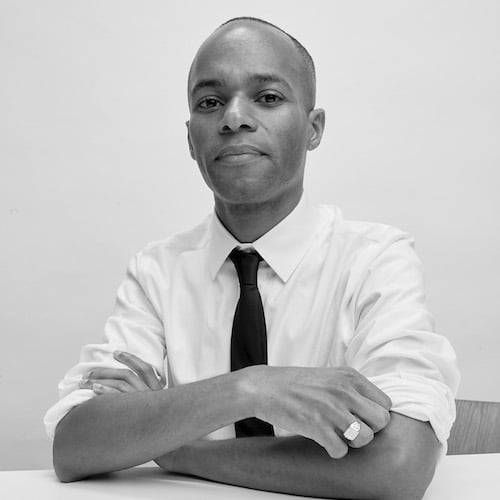
Tom Murphy is the second-longest serving mayor of Pittsburgh (after David Lawrence).

He is noted for overseeing the difficult, but transformative transition of the city from the mid-1990s to mid-2000s during turbulent Downtown development cycles, an initially unpopular funding bid for two new waterfront stadiums, a new convention center (then the largest ‘green’ building in the U.S.) and investment in and development of 1,500 acres of land from abandoned steel mill sites to vacant houses. He built many miles of river trails and ran on them religiously.

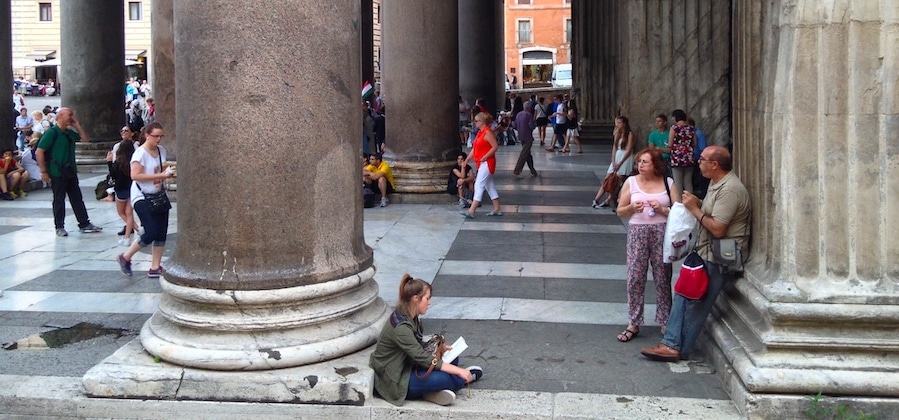
“Public space can be the most democratic space in the city”

Mayor Murphy’s administration took a market-driven approach and downsized governmental departments. With the savings from downsizing, Tom created the visionary Pittsburgh Development Fund, a $60 million fund which he employed to leverage private real estate projects and investment all over the city. Public/private partnerships were key to this strategy. He was looking towards a future that not many others saw.

Struggling with outdated taxing structure regulated by the state, as well as state resistance to city growth through annexation, Mayor Murphy made hard decisions such as declaring a budget crisis and pushing through alternative funding sources such as a parking tax for commuters.

By the end of his tenure he had shepherded the city, kicking and screaming, onto a new track which led to it being held up as the model for urban transformation – a former industrial city reinvented as a biotech, medical, university and robotics hub. In 2008, the G-20 was staged in Pittsburgh, highlighting its transformation. 

Mayor Murphy, who studied urban studies in college, also previously served as a state representative for the North Side, as a neighborhood organizer there, and between college and graduate school, in the Peace Corps.

Insights and Inspirations

  • Tom focused on five things as mayor. Finding money for projects that would change the city. Taking control of vacant land. Building a really great team. Creating a vision. And building excellent public/private partnerships.
  • Since ending his tenure as mayor, Tom has come to believe that public spaces matter more than anything else in building better cities.
  • He believes that the interface between buildings and community is critical to the making of a place.

Information and Links

  • Mayor Murphy Gets Key to City (Pittsburgh Post-Gazette, Jan. 3, 2020)
  • Reaching for the Future: Creative Finance for Smaller Communities (A 2016 report for the Urban Land Institute)
  • Adapting Cities for the Future (A 2011 article for the Urban Land Institute)
Read the podcast transcript here

Eve Picker: [00:00:14] Hi there. Thanks so much for joining me today for the latest episode of Impact Real Estate Investing.

[00:00:23] My guest today is Tom Murphy, Pittsburgh’s turnaround mayor. He oversaw the difficult, but transformative transition of the city from the mid-1990s to mid-2000s. Those were turbulent times and included many highlights and many struggles. During his tenure, he declared a budget crisis, built two stadiums, created a $60 million development fund and built many miles of river trails. Tom Murphy is an authentic city expert.

Eve: [00:01:03] Be sure to go to EvePicker.com to find out more about Tom on the show notes page for this episode, and be sure to sign up for my newsletter so you can access information about impact real estate investing and get the latest news about the exciting projects on my crowdfunding platform, Small Change.

Eve: [00:01:38] Hello, Tom, I’m so delighted that you found time to join me today.

Tom Murphy: [00:01:42] I’m always honored to be with you. You were one of the pioneers in many developments in Pittsburgh when very few people saw the opportunity.

Eve: [00:01:50] You were the second longest serving mayor in the history of Pittsburgh. And in 1994, when Pittsburgh wasn’t sure what it was going to become, was really on the verge of collapse. And you shepherded the city through a very turbulent transition from a place that had emptied out with the closing of steel mills and suburban flight, to a city transformed almost every respect. And I was in Pittsburgh for every moment of it. So, you reshaped Pittsburgh, kicking and screaming all the way.

Tom: [00:02:22] Underlining kicking and screaming, Eve. As you remember, every time we tried to do something, there were, there was controversy. I mean, it just, it was amazing to me.

Eve: [00:02:34] Well, this is slightly conservative city, so maybe that was part of it, but people couldn’t imagine what you imagined. When you begin with a city that has lost its industry and half its people?

Tom: [00:02:47] Well, I’m a product of that, I mean, my father worked for 51 years at Jones & Laughlin Steel steel mill on the South Side. So, my whole life was defined by the shifts he worked there, I mean … you know, he was, he worked in the mill. I mean, he wasn’t a boss or anything, he just worked in the mill and our lives were shaped by that and … and sort of everybody I knew pretty much, their lives were tied to the mill. And so I grew up with that. And to watch that disappear in the, really the 70s and the 80s, I was a state legislator on the North Side, and I don’t think people appreciate how incredibly destructive it is for families. You know, where you had very traditional families where the husband went to work in the mill, you can make a good living, buy a house, buy a car, take a vacation and now all of a sudden that disappeared. You know, the wives went to work, kids who had thought about going to college deferred that, you know, we lost a whole generation from Western Pennsylvania – 500,000 people left and they were overwhelmingly are our kids, young people who were leaving, because they didn’t see a future in Pittsburgh. And so having come through that, having lived it, you know, on the North Side, where we’ve lived for almost 50 years now, and how destructive it was, never thinking I would be mayor. When I became mayor, I mean, my focus was how do we stabilize this situation? And to do that, we needed to re-imagine Pittsburgh in lots of different ways. In how we educate kids, because you didn’t need a high school education, let alone a college education to work in a steel mill. And you know, what we did with all this land, all of these industrial, thousands of acres of industrial property. And the culture of Pittsburgh, which, you know, was almost opposed in the technology industry because they were seen as non-union.

Tom: [00:04:40] And so we went through huge controversies in talking about re-imagining Pittsburgh. And now we’ve come out the other side and, you know, it looks very different.

Eve: [00:04:51] It does. Did you have a strategy from day one?

Tom: [00:04:57] Well, I laugh at that. I mean, hindsight always gives you the strategy. But we did in the sense that we felt we needed five things, right? We needed money. We were a flat broke city and … you know, essentially, as you said, I mean, close to bankruptcy. And we needed to figure out how we will get money so we could invest in Pittsburgh and entice developers. Two, we wanted land control. A lot of this land was tied up in bankruptcies and it was, you know, uncertain titles. And so, a developer who has a choice of buying a 100-acre greenfield site or 100-acre steel mill site, they’re going to buy the greenfield site. It’s safer. And the third was that we needed a really good team of people who were going to be public entrepreneurs, in effect, that were willing to take risk. And the fourth thing we needed, we needed a vision. We needed to be, to sort of know where we wanted to go. And the fifth thing is we needed good public-private partnerships. We needed people who believed that Pittsburgh could be a different place. And you remember back then, Eve, you were one of the few people that …

Eve: [00:06:08] Yeh.

Tom: [00:06:08] … were willing to invest in places like East Liberty. It was very hard to get local developers to re-imagine Pittsburgh. They had their little niche. They were comfortable in it. They’ve been through 30 years of decline. And so all those ingredients, you know, we talked about them when I ran for mayor. And people obviously voted for me. But when we started to do this stuff, they said we didn’t know you meant that. So where do we get money? And the first month or so I was Mayor we reduced the city’s workforce, reduced the number of police officers we had, then shifted six million dollars of that money annually to finance a $60 million bond issue, which we called the Pittsburgh Development Fund, which gave us money to invest in the future. In every city, I mean, I talk, I meet with cities a lot and talk to them and that’s one of the challenges they face is, your demands for the day-to-day. Just ‘today’ is huge in a city. I mean, everybody wants more police. Nobody’s streets are getting salted enough, and potholes, and if you just spend the stuff on all your resources on today, nothing changes. I mean, you’re Pittsburgh and in Pittsburgh we were still declining, so the challenge was how do we get some of those resources and use it to invest in the future, which entails risk.

Tom: [00:07:27] The second thing we did, Eve, we went out and bought, as you know, Mulugetta Birru was head of the Urban Redevelopment Authority, and we had him go out and buy almost 1500 acres of land. You know, we bought what was then the South Side works of Jones & Laughlin. We bought the slag dump in Squirrel Hill. We bought the old Sears site in East Liberty. And then, you know, we looked at each other and said, what do we do with this stuff? And that’s when we began to form great partnerships with developers. Somebody like you who was willing to invest in that old building in East Liberty and, you know, and others. And the $60 million gave us the ability to create really creative and effective public-private partnerships that share the risk with developers who believe that Pittsburgh could be a different place. That’s what we did.

Eve: [00:08:17] I was going to ask the question that, do you believe developers played an important role in the transformation of the city? Obviously you do.

Tom: [00:08:24] I do. I think place is everything. I think it has huge impact on how people live, I think, like crime rates, a whole host of other things. How they, what they think about themselves. I mean, if I live in a neighborhood that has, half the buildings are vacant and there’s a lot of litter and everything, you know, I come out my door every morning, I probably have a different reaction than if I live in a neighborhood that has lots of gardens and clean. And so I think that, it has huge impact. And so developers, from our point of view, as you know, were really important partners. And this is, I tell this story all the time, is when we started to see things happen, developers would come and say, Mayor, I have a great idea for you. And we’d say, with all due respect, tell us why it’s a great idea for you. And we’ll decide whether it’s a great idea for us, and if our self interests come together, we’ll figure out how to be a good partner and share the risk with you. But that assumed we knew what we wanted and so that was one of the really big challenges. As you remember early in my administration, I had a really great planning director, Eloise Hirsh, who really helped shape that vision, as well as Tom Cox and Mulu and Steve Leaper, really helped shape that whole vision of what Pittsburgh could be. It was really reimagining, you know, old steel mills in the South Side and a slag dump in Squirrel Hill. And so we were looking at, not to ignore other things, but we were looking for things that could be catalytic, that could change people’s image of Pittsburgh. And the ballparks obviously help with that, too. I mean that when I was running for mayor, I wasn’t planning to be, have anything to do with sports stadiums. And that sort of was one of the challenges of running the city, as you know, I didn’t think about it. And then all of a sudden, it’s the number-one topic.

Eve: [00:10:17] Well, it’s always the number one topic in Pittsburgh. Sports, so.

[00:10:20] Well, unfortunately, I mean, I don’t know if you know the story, Eve. As I, when I ran for mayor, I was elected mayor in November. In early December, the then-owners of the Pirates gave me a letter that said they intended to sell the team. I don’t even know this, that Dick Caligiuri many years ago had signed an agreement with the team that if ever they were going to sell it, that the city would in affect own the team for nine months in which they would be required to find a buyer. And if we couldn’t in nine months find a buyer, then the team could be sold to another city. And so there I was, having run on crimes, jobs and taxes, now owning a baseball team. It really, literally when I was running in November, I had no idea that the first year of my time as mayor, two years, would be dominated by trying to figure out how to build a baseball park and a football stadium and a convention center. So, that’s life, right? So, we had to figure it out, right?

Eve: [00:11:20] When the sun goes down, with Downtown as a backdrop, it’s a very special place.

Tom: [00:11:27] Well, it’s a, my favorite seat in PNC Park, regardless of what the team is doing, is that, at the very highest point in the left field stands, and because the view of the city at dusk like that is incredible.

Eve: [00:11:41] Was the Pittsburgh Development Fund the most important thing that you implemented? Were there the other programs or policies with very big impact?

Tom: [00:11:49] Well, what’s the Development Fund gave us is, it gave us the ability to be, to be flexible. When I go to lots of cities, they would say, we’d love to do this, but we don’t have any money. The money, for better, for worse, becomes a really important part of being able to pursue your dreams. And so the Development Fund was our money in the sense that we didn’t have to look to the state or the federal government, you know, to wait for months or a year before you figure out whether you’re going to get the money or not. We also, as you know, in the URA, people at the URA led by Mulu and Steve, were very entrepreneurial in understanding how they used tax increment financing and other federal and state sources, so it … it was fairly typical, it might be true in your deal, your deals that you were doing, is that you were getting sources of money from 10 or 12 different sources. And what I have found is that’s unusual in a lot of cities, that cities are not entrepreneurial like that, of understanding how you mix and match money to make a deal work. So, what I say, Eve, is it’s really, it’s really a market driven approach, is that basically you as a developer come and say, you know, I want to do this building, but this is what the bank is going to lend me, and there’s this gap in financing, and if it’s something we want to see happen, we being the city in this case, then we become your partner and figure out how to help finance it, whether it’s our Development Fund or other sources.

Eve: [00:13:30] My experience with the Liberty Bank Building was very typical. I think I had 12 sources of financing.

Tom: [00:13:36] Yeh.

Eve: [00:13:36] Most of the URA money, which I’m really glad gets to be recycled. But Mulu was extremely entrepreneurial. He, first of all, he didn’t quite trust me when we started …

Tom: [00:13:36] Well, but you were a small developer at the time, right? With not a long track record. But with great ideas.

Eve: [00:14:05] There were really interesting meetings. I really became very fond of Mulu. So, but he, you know, his approach was, look, we have this amount of money. 300,000 dollars out of this pot of money, or whatever it was. And you need two million. Go away and think about how it might work. And so I would come back and I’d say, look, I could make it work if you took little interest payments for two years or, you know, whatever, whatever it was that made it to some sort of stabilized scenario. I learned a lot. And then, you know, things shifted very much, and I think the URA lost a lot of its funding in the mid-2000s and the banks got more skittish and it all changed, right?

Tom: [00:14:49] Well, it did and it didn’t. I mean, I think the philosophy in the city changed and maybe … so I was saying this about being market driven. Mulu met with you and you convinced him that the market was what it was, that without flexible public money that could defer interest or payments even for a few years, that that this deal was not going to happen, and we wanted it to happen, and so we would make the loan. The market has become much better in Pittsburgh, though. You were, you know, in my view, the early bird gets the worm in this case, in the case of your building, you were, you were the early bird. Is that you got better financing then maybe after the market’s healthy. So, we tried to be market sensitive in that sense. And at the same time, recognize that we wanted these deals to happen, so we were willing to put, risk public money. I think the key to it, what I learned about myself in this, Eve, as I was, I am not a good day-to-day manager, but I understood how to hire good people and just give them room. And if a deal blew up, you know, that’s what’s going to get reported on the news. But I need to be willing to support the people if they did the deal for the right reasons and it just didn’t work. And we had some of those done, you know, Fifth and Forbes Downtown was one of those examples. But we were willing to take those risks, whether it was with you or other developers, that we didn’t know with the market, we didn’t know if people would move and live on a slag dump in Squirrel Hill or, you know, live in apartments in South Side. We didn’t know what the market was. We were way out there and that was the risk involved in this, and using public money.

Eve: [00:16:33] I moved to Pittsburgh accidentally and was kind of involved in all of this on the periphery, and it really shaped my life. The way I think about cities is very different now. So, thank you for that. The plan that did not work out was the redevelopment plan to reshape Downtown which…

Tom: [00:16:49] Actually it worked though didn’t it? I mean, four of the five blocks that we were going to acquire have been redeveloped.

Eve: [00:16:57] Yes, it did work. But my question was, yeah, it just took time, didn’t it? Took time for people to get used to the idea.

Tom: [00:17:04] Well, it looks differently than what we would have, I mean, we were more focused on a retail strategy and it might or might not have worked. I don’t know.

Eve: [00:17:12] Well, today with Amazon, it might have backfired again.

Tom: [00:17:15] And that’s where you don’t, I don’t know with today’s retailing whether it would have worked or not. If we would have been able to put together sort of what we were thinking. But, in any case, all five blocks have now been redeveloped, that we focused on. And it’s a much more vibrant place. We could see the decline there. I mean, we could look at the sales numbers of businesses that were there and just see the decline of what was going on, and I think felt the need to try to intervene, you know, and maybe did it really in a clumsy kind of way. And but, you know, at the end of the day, it was a necessary intervention that ended up working. PNC played a big part, was a big partner in that with their new building

Eve: [00:17:59] Yes. It was really difficult, I remember. What would you do differently today? A different city.

Tom: [00:18:06] When I’ve come to really love is the public spaces. So, in East Liberty, I think we would have had, we had the opportunity, which we didn’t do, to create a sort of a central plaza somewhere there. That we could have really recreated a much more, you know, in a public space, it can be the most democratic place in the city. And so, I mean and so with Home Depot, we were looking to make a democratic place where people, wealthy people and poor people would all shop. If I had done East Liberty thoughtfully more, maybe we would have created a public space like that, too. And Market Square, in many ways, plays that role Downtown now. There’s a public space where people of, with all incomes and all backgrounds show up. And so even in smaller neighborhoods like Lawrenceville and other places, because there were such, you know, abandonment of property, we had opportunities to really create better public spaces, little town squares. Because one of the strengths of Pittsburgh is with its 90 neighborhoods is, is that we have this real sense of communities and I’ve come to appreciate that much more. And we really would have focused more on creating places where that community can play out in neighborhoods like Lawrenceville and other places. I go to China a fair amount. Not recently. thank goodness. And when I, I get up early in the morning to go for a run and one of the things I see there, and China has done a very bad job of creating public spaces, but where there is public spaces like at six, seven o’clock in the morning, there are hundreds of people there in the plaza doing tai chi or dancing to a boombox. It’s this great sense of community. There’s lots of older people or people running. And you can see feel this community, I mean, people talking and laughing. Every morning they’re there. And we don’t have that tradition in America. But it would be wonderful. We did, but but we ought to create places where that happens. You know, the Blue Slide Playground is a place like that in Squirrel Hill. I mean, famous now because of Mac Miller.

Eve: [00:20:24] I visited Beijing three years ago, and the photo I loved the most from there is a small urban park which had exercise equipment in it. And in fact, I saw this several times …

Tom: [00:20:34] Right.

Eve: [00:20:35] … exercise equipment, really basic. And you could see people all congregating, and doing their little exercises in the park, open to everyone, It was fabulous.

Tom: [00:20:46] Right. We did a half step under Eloise’s leadership in public works. We made a decision to rebuild all of our 100 and some neighborhood parks, like the Blue Slide Playground or the Schenley Park, and also many of the smaller ones. And we would have community meetings and we would hire landscape architects who would meet with the community and, you know, with the playbooks. And then they would work to design the kind of playground they wanted. They would given a budget, 100, 150 thousand dollars, and they could pick from the play equipment books, the playground they wanted. But the instinct we had was right, but we should have expanded it. And in many neighborhoods where, like Homewood. I mean, you have an opportunity in Homewood, still today, I think, to create a really great plaza that would become the center of Homewood, and how you would do that. And East Liberty represented that opportunity. I mean, there were, as you remember, lots of vacant land there that was tax, you know, essentially abandoned. So that’s probably one of my bigger regrets, was not creating places where that sense of community can play out.

Eve: [00:21:58] What do you love most about Pittsburgh? I know you still live here.

Tom: [00:22:01] Our strength and our weakness is our parochialism and that’s what I love most … is that we’re an unusually friendly city. I’m in Washington four days a week, right? And my habit in Pittsburgh is pretty much everybody you see, even before I was mayor, but when I’m mayor I don’t know whether I know them or not, or they know me. So you say hello to people, right? You get on an elevator, you say good morning, right? People, you do that in Washington, D.C. people look at you like you’re … going to rob them. You know, it’s a weird feeling for me. I see that in lots of cities. I would just did Orlando for a couple of days that I felt it there. Same thing, is that, sort of people don’t make eye contact, don’t acknowledge. I mean, if there was just two of you in a place, that you don’t, they don’t acknowledge you.

Eve: [00:22:50] You know, that’s interesting. There are other cities like, I think Atlanta and Detroit are very friendly. I always notice it when I go there.

Tom: [00:22:56] Yeah. So it’s, and I hear that. It’s funny, I mean, when I speak, and I was in 50 cities last year, so I end up engaging with thousands of people. One, is the numbers of people that have lived in Pittsburgh. You know, I mean, that’s sort of the legacy. I always say you’re our failures. We couldn’t give you a reason to stay, you know, there’s so many people that left in the 70s and the 80s. And the other is inevitably people who are not from Pittsburgh. I just was talking to a guy in Orlando yesterday who, his daughter and he, and they’ve never had any connection with Pittsburgh, but she loves the Pittsburgh Penguins. And they go to Pittsburgh every year to see a couple of Penguins game, and he was telling me he’s going in March and, you know, he said, I’ve never been to a friendlier place in my life. Everybody talks to you and it’s just, it’s a great place, right? We don’t even think of that. And that’s partly what I like. And I think that’s the strength of Pittsburgh. When I say parochial is that we are really, those of us who are from Pittsburgh or who moved there, you become really rooted in your neighborhood, and in the city. I think in places like Orlando, that is, you know, a lot of Florida cities in California and even Texas cities. You know, there’s lots of new residents. And so they don’t have that kind of history. And so I, that’s part of the challenge of Pittsburgh. How to keep that, and at the same time not have it be a deterrent to making Pittsburgh a competitive city.

Eve: [00:24:28] But you know, I think what’s most interestingly Pittsburgh, about Pittsburgh to me, is again, I’ve always thought it’s topography saved it from becoming what Detroit has become.

Tom: [00:24:40] Oh, I think definitely, I mean, the hills and valleys and how Pittsburgh is defined, I think is a large part because of its topography. You know, I learned that running for office when I was in the legislature, when I first ran for the legislature. If you confuse people from Spring Garden with people from Spring Hill, they will never vote for you. I mean, they’re very rooted in their neighborhoods, right? And so there’s that whole hierarchy like that around Pittsburgh. When I meet somebody, when they say they’re from Pittsburgh, I typically say, where did you go to school? And that tells me a lot about them.

Eve: [00:25:19] Interesting. Yeah, I think the topography also, it kind of contains each neighborhood. So, I think that that sense of being in a neighborhood is going to stay.  I can’t, I can’t see it disappearing in the city.

Tom: [00:25:33] No, and that’s what, when I was talking about the public space, I mean that’s, that’s what I have a big regret it was around that idea of how do you build even a stronger sense community using public space, whether it’s playgrounds or a park, a community. How do you in a very thoughtful way connect people in that neighborhood so they feel a sense of place? And there’s a purpose for that, because I think if people feel rooted in their neighborhood, I think they’re willing to put up with a lot of problems if they see themselves and others committed to wanting to making it better. I mean, if I can see a light at the end of the tunnel, I’m willing to stay on the journey, right? A lot of people are not willing if they don’t see any end to it. And I think of a neighborhood like Allentown that’s been through a lot of problems. And yet, there’s a strong core of people in Allentown who have really stayed with that neighborhood. And, you know, it has gone up and done and now I think it’s back, going back up again. I know we used say, Eve, you know, that houses in the North Side up in Fineview at the time, I mean, you could buy for 30 or 40 thousand dollars. And we said if Pittsburgh’s population were like any other city and it was growing, those houses would be worth a million dollars with the views. And that was part of the problem, is that we weren’t growing as a city. And it’s still part of the challenge of Pittsburgh, is that we’re doing much better, but we’re still not growing compared to, certainly the region is not, compared to a lot of other cities and communities.

Eve: [00:27:19] Today you work, you’re a senior fellow at the Urban Land Institute, which some of my listeners may not know about. What do you do in your role there?

Tom: [00:27:32] So the Urban Land Institute is an organization founded about 75 years ago by a group of developers concerned about the quality of development beginning to happen in America. And fast forward, the Urban Land Institute now has about 50,000 members worldwide. And it really, it’s focus is how do you create thriving communities? And ULI had participated in several programs in Pittsburgh when I was mayor, and then I got recruited to speak at different ULI events. And when I was leaving as mayor, it was right after Katrina in New Orleans and along the Mississippi coast. And they asked me whether I would go down and work with the mayor of New Orleans and with other public officials across the Mississippi coast. And so I did that for about a year and a half after leaving as mayor. And it was fascinating. I mean, it was really a fascinating experience. And, you know, in New Orleans, their mayor ended up going to jail for 15 years. And the political structure was really fairly inept back then. It’s gotten better. And so I watched, really, New Orleans return in large part because of grassroots decisions and leadership, through churches and nonprofit groups and neighborhood groups, and a lot of outside help. Foundations and movie stars like Brad Pitt. But people, but ultimately, the up-swelling was really, really bottom up. It wasn’t top down. And so it was a fascinating experience to work in, there. And I still am, I was on the board for many years of a community development corporation there. So it’s been an experience. Since then I got to about 50 cities a year and speak at ULI events or other events, and then often end up working with cities for a while. And I’ve written several papers – working on one now for ULI.

Tom: [00:29:40] It’s been a good, a good experience, really a great experience after being a mayor. And part of what I get asked to do all over the world is, in part I get asked to talk about Pittsburgh. How we went from this failing industrial city  to what we’re becoming. And the reason I get asked by, about that is, wheat I’ve come to realize, Eve, is virtually every city in the world, whether it’s Hong Kong or London or Dublin, or are all struggling with some of the same issues that we went through in Pittsburgh, of sort of what what is our place in the world? We were forced to have that conversation because of the collapse of the steel industry. Other cities have not had that kind of dramatic change, but they are seeing the world change and they are trying to figure out how to  stay current and get in front of those changes and manage them.

Eve: [00:30:34] Are there any current trends in real estate development that interest you the most?

[00:30:39] Well,every city, every place I’ve been, and this is, I mean, last month I was in Dublin and London, right. And I was supposed to go, I go to China about four times a year. I was supposed to be going in March. My plane trips are now all being canceled, but I was going to cancel anyhow. But so whether it’s cities in China or European cities, affordability is a huge issue. Of how do people, where do people live? And how do they afford to live? And so how cities develop affordable housing is a big, big issue. Where am I going to work? Because of the impact of technology and we see it in Pittsburgh up close every day as we see a whole litany of driverless cars on the streets of Pittsburgh or autonomous vehicles with attendants in them. But, you know, pretty soon the attendance won’t be there. As I mentioned, I was in Orlando yesterday, just east of Downtown Orlando but still in Orlando is a place called Lake Nona. And they now have, I don’t know, a half a dozen driverless autonomous buses that drive people around this very large development. Nobody driving. Nobody in, no driver. And no attendant. It is just on its own already on a sort of a, sort of private street where bikes and others places can go, but not cars. So we’re seeing this happen and what does that mean? I mean, if you think of 50 percent of the land use of a typical city is for cars, between roads and parking and everything like that, what does that do to how we think about cities. And not it’s not even that kind of technology. It’s why do young people want to come places? Part of what I say is what does General Electric and McDonald’s and Marriott and Fifth Third Bank and Heinz Kraft Foods and what they have in common is over the last five years they’ve all moved their headquarters from suburban office parks into cities. And why are they doing that? They’re doing it because … they’re having a hard time recruiting talent, young people, to move to the suburban office park. Where you need a car to get to. You know, if you do a survey of the Google employees in East Liberty, I’m betting that 25, 30 percent of them either walk or ride a bike to work. So that has huge implications on cities. You know, do you spend your money building more highways or do you build a transit system. That’s part of Orlando’s challenge. They don’t have a good transit system and now they’re  strangling, you know, because of the congestion.

Eve: [00:33:33] Yeah. It’s changing.

[00:33:34] So it’s those debates that I’m watching all over. Mobility is a huge conversation. The equity conversation, I mean, one of the things I see really fascinating, The New York Times did this, I thought, very cruelly. A few months ago they did an article about cities and they talked about winners and losers.

Eve: [00:33:56] Yes.

Tom: [00:33:56] And they talked, and they compared Nashville and Birmingham. And they said Nashville is a winner, they both start at the same place 25 years ago. Nashville is now a hot city, booming, and Birmingham is not. And they talk about, why, how that happens is really a lot to do with leadership. And then within, so we’re seeing cities sort of separate themselves, if you understand, those that are, where Amazon is going to consider locating, and those that are not. And what are the ingredients that make that cut? And then the other, within cities we are watching a huge divide with lower income people and the people that are sort of part of the new economy. And so, I think that equity issue is a huge challenge for cities also.

Eve: [00:34:43] Yes. You know, I have always thought that one of the things that’s most overlooked in discussions about cities and how to grow them is their connection to other cities. And, you know, I think that’s probably Pittsburgh’s growth problem. It takes a really long time go by train.

Tom: [00:35:00] Well, we lost a whole generation of people that would normally be having babies.

Eve: [00:35:07] If you want to get to New York by train, it’s a day. There’s no easy, fast way to get to work hubs. We’re sort of a little bit stranded. And I was always puzzled by the fact that we, you know, people would talk about better transit in the city, but I wanted better transit to other places, nearby, to open up opportunities. If I wanted to do a development project in a city, I wanted to be able to get there in a day in and back. Right?

Tom: [00:35:37] Right.

Eve: [00:35:37] So I, you know, I wonder if you plot out those connections, you know, where the, you know, the cities done well, will land.

[00:35:49] I think it’s a mix. I think mobility is one piece of the conversation of how easy it is to move around a city. Our son, for example, is now 29 years old, does not even have a driver’s license. He lives in Pittsburgh. On the North Side right now with us, he’s moving, though. You know, he is, has been able to manage fine living in Pittsburgh, using Uber and using public transit and, you know, walking a host of other things and abusing his friends every once while they’re able to, you know, he’s able to sort of manage living in a city pretty well. But I think mobility is part of the conversation. And that’s what, when I was becoming mayor, Eve, our focus was we need to figure out how to create a diversity of jobs. And we needed to make Pittsburgh a place where people wanted to live. You know, we’re never going to be, maybe we will someday, we’re never going to be a warm city. Like I was just in Orlando yesterday. It was 90 degrees. We’re not going to be near the ocean, but we had other assets. And so, as you might remember, I was very focused on building riverfront trails for that reason is that was an underutilized asset. You know, we watched, you know, a great music and bar scene sort of, and that happened organically. It’s funny, I watch the, I read the media in Pittsburgh now about the Strip District and we made a very intentional decision not to do anything in the Strip District. We, you know, people would come and why don’t we do this and why don’t we do that in the Strip District.tAnd we really said The place is working really well. Why do we want to get involved in it? Let it, it’s just happening on its own. So. You know, that it’s interesting that that’s the big, big debate right now in Pittsburgh, I guess about, are we killing the Strip District. So I think that you make decisions, you know, some of them are going to be right. Some of them were wrong. Hindsight will tell you whether it works or not.

Eve: [00:37:56] You know, this show is about real estate impact investing. And I want to know what you think a key factor is that makes a real estate development project impactful.

Tom: [00:38:06] You know, I think it’s the public space. Is the building itself attractive, but it’s the space around it, how it engages people that work in that building, and even people walking by, how they might use it. I think that, how it all connects. And you can get senses of it, right? When it works well? I think, you know, there are places in Pittsburgh that I think of that are just great places to be. People like to be there, right? I look at Mellon Park, you know, going back many, many years, long before I was mayor. Still a very iconic place on a nice summer day. It’s packed with people, having lunch. And I think how that happens, and that’s where the public private interface is so importantA and where the public needs to have, to be put money in the game, to say to a developer, you know, we want to get this quality in, and a developer might say, but I can’t afford to do that. And if you look at the books and the market is going to be make it hard for the developer to do that, then there’s a public role for that. I think another good example is that is Schenley Plaza, which for for 40 years or 50 years was a parking lot. I mean, think about that. I mean, I, you know, on one side is Schenley Park, on the other side are the museums, on the other side is the Pitt law school. And then on the other side, the Cathedral of Learning. And what is the highest and best use of that land for 50 years? It was surface parking. And Mark, this chancellor at Pitt and I got together and said we should be, we should do better than that. And so we work with the Parks Conservancy and came up with an idea to put a park there, to take the parking. And I got all this hate mail, but I’m never going to vote for you again. You’re taking away my parking place. And I said, you know, you’ll get over it. There’ll be other places to park it. But this is, this, we can do better than that is the interest of a great university. To a great park. To a great museum. We can do better than that. And you look at that on a nice summer day, it’s filled with people. So creating those kinds of places, I think is is that there’s a responsibility of both the developer and the community. You know, you did something quirky Downtown with those statues. And I bet lots of people walk over, who maybe have never been in Pittsburgh, walk over just to look at them.

Eve: [00:40:58] Yes. In fact, I think the taxi drivers use it for directions when someone says, I want to go Downtown.

Tom: [00:41:05] Yeah. So that’s what I mean. And look at Randyland on the North side.

Eve: [00:41:10] It’s fabulous. Yeah.

Tom: [00:41:12] You know, I mean, it’s just things like that make a cityS so the other word that we use a lot in ULI is authenticity, right? Pittsburgh has a great history. It has a great story. And we could still do better at telling that story. The South Side Works, when we started to develop that we put, had a competition for, and we brought artists and old steel workers who worked there together for like a morning of talking. And then we had a competition for artists. And there’s, at the end of Hot Metal Bridge is a little monument that we established for the steelworkers. But Pittsburgh is an incredible story.

Eve: [00:41:56] So I’m going to ask one last question, because I’ve taken up a lot of your time.

Tom: [00:42:00] It’s fine, I’ve enjoyed it. It’s fun to talk to somebody who actually knows Pittsburgh, Eve.

Eve: [00:42:05] So is there something that you think could really change real estate development in the U.S., for the better?

Tom: [00:42:14] I think it is, is the idea, the partnership idea. I’m amazed that the cities I go to, many developers attitude is I want a minimize my involvement with the city. Maybe there’s a reason for it. I want to get in and get out. I want to get the entitlements, whatever I may need and do what I want to do. So the challenge is the developer has a piece of property. The developer needs to figure out how to make money from that property. I accept that. I want the developer to make money from the property. On the other hand, the city, the city has the responsibility to build a great city. That it will never be a great city if these developers see their development as sort of an island disconnected from what’s next to it. And so the city’s responsibility is to figure out how that all fits together. Give you two examples that drive me nuts. I can drive on pretty much any suburban shopping street. I can go into a gas station. Maybe I want to go to the store next door. And I have to drive back out onto the highway. Or maybe I want to go to a store across the street, I have to go out on the highway. Maybe I have to drive a half a mile to get over there to the other side. So I can’t, there’s no sense of connection between any of that. And the other is, I watch in suburban areas like Cranberry Township subdivisions being developed of 100 acres or so. What would it take for those subdivisions that, maybe there’s five different developers doing one hundred acres each, if they would, then the city’s role would be to say we want to connect all this with a bike trail at the edge of your property so that every, so now instead of having a couple little playgrounds, you might have a five or ten mile bike ride, safe, off road. You don’t have to worry about traffic with your little children. And there is examples of where the public fails. Both the public and private developers fail. Because you create great, great amenities if you begin to think in a bigger way rather than individual pieces of property. That’s what’s destroying development, and quality in America today.

Eve: [00:44:33] Yeah, I agree, I think we both believe that real estate development, just as a financial tool, as a way to make money, isn’t making our cities better.

Tom: [00:44:43] Well, I think you make more money if you build quality. In the long run I think your development is more valuable. I mean, we didn’t get into all the other sustainability and all that which a lot of cities are facing.

Eve: [00:44:54] Thank you very much.

Tom: [00:44:55] Look forward to see you sometime. Bye bye.

Eve: [00:45:04] That was Tom Murphy, past mayor of Pittsburgh. Tom thinks place is everything, so place is what he invested in during his long term as mayor. He did that by reducing operational costs and creating the Pittsburgh Development Fund, a $60 million fund focused on helping developers who were willing to work in places and on projects that made the city better and better. It was a very bold, and unpopular move, but paid off in ways that no one imagined, as did many other moves that Mayor Murphy made.

You can find out more about impact real estate investing and access the show notes for today’s episode at my website, EvePicker.com. While you’re there, sign up for my newsletter to find out more about how to make money in real estate while building better cities. Thank you so much for spending your time with me today. And thank you, Tom, for sharing your thoughts. We’ll talk again soon. But for now, this is Eve Picker signing off to go make some change.

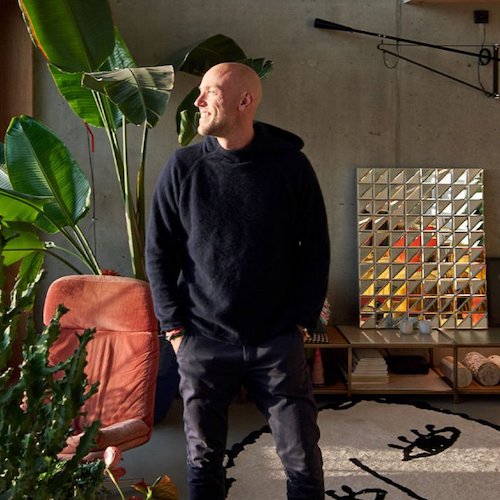
Image courtesy of Tom Murphy
Superlofts. Super fantastic.

February 5, 2020

Marc Koehler is the founder of Marc Koehler Architects (MKA) and the creator of the fabulous Superlofts project. The studio is located in Amsterdam, the Netherlands. While his firm works on many architectural projects, with Superlofts, Marc is stretching his role as an architect.

For 15 years, MKA has developed an analytically innovative, research-by-doing approach to ambitious, original ideas directed at the future of sustainable urban living.

The Superlofts project pursues the idea of community first, building second. Rather than design and build a condominium project in the hope that the market will follow, MKA are creating curated living experiences and providing highly-flexible living spaces set in urban sites, all the while building with carbon neutrality in the foreground. Superlofts accomplishes this through a customizable co-living and development model which allows people to design their own living spaces from scratch and lets new homeowners co-create their shared spaces, all in service of building a sustainable co-living community. Every aspect of each project is thoughtfully designed – from the exterior facade, to the number of families in each “pod”, to the shared amenities that will encourage community, to the extreme flexibility of the living arrangements.

Having started as a local project, Superlofts is growing into an international movement. Five Superlofts have been completed in Amsterdam and Utrecht, and projects in Groningen, Amsterdam and Delft are under construction. Sites in other international cities are also being researched.

Marc’s studio, MKA, practices a full range of design disciplines from start to finish: concept, architecture & urban design. with a team that includes four core associates and 29 architects, designers and engineers. Their work has been recognized with the World Architecture Festival Housing Award (Completed Buildings) and Director’s Special Award in 2017, World Architecture News Award for Best Housing Project in Europe 2017, Best Dutch Building of the Year (Housing) in 2018, architectenweb award in 2018 and Dutch Building Award in 2015. Recently, MKA won design bids for ambitious new developments such as Poppies, Bosrijk, KBF-Dock, Peak and commissions such as Republica Circular City and MARK that promote the transition towards a circular economy and inclusively built environment.

Marc Koehler (1977) grew up in a Dutch Portuguese family in the northern Dutch town of Naarden. He holds a Masters in Architecture from the Technical University of Delft (TU Delft). Since 2017 he has an advisory role at the municipality of Amsterdam as a member of the Spatial Quality Committee. The committee reviews planning permits in light of the city’s urban design ambitions across themes such as densification, urban renewal, sustainability and cooperative developments.

I can’t wait to visit a Superloft.

Insights and Inspirations

  • We already live in the future if successful urban housing can be modular, co-living villages, co-created by their inhabitants.
  • Building community should be the primary goal of any urban design process.
  • Sustainability is just as much about people as it is about resources.

Information and Links

  • On the Superlofts website you can explore the tools that MKA uses to help home owners, real estate pioneers and architectural partners create buildings for the future.
  • MKA has also launched the Superliving community. Here you can see residents in their dream home and meet MKA’s interior design partners.
  • Open Building is an emerging group of Dutch architects and engineers who are devoted to radically changing the building industry and the built environment to enable a sustainable and personalized way of living.
Read the podcast transcript here

Eve Picker: [00:00:00] Hi there. Thanks so much for joining me today for the latest episode of Impact Real Estate Investing.

My guest today is Marc Koehler, the founder of Marc Koehler Architects and the fabulous Superlofts. His studio is located in Amsterdam, the Netherlands. While the studio works on many architectural projects, Superlofts is perhaps the most exciting project that you will want to hear more about. With Superlofts, Marc is tapping the desire for city living and combining it artfully with flexible living opportunities, carbon-neutral living and community consciousness.

Be sure to go to EvePicker.com to find out more about Marc Koehler on the show notes page for this episode, and be sure to sign up for my newsletter so you can access information about impact real estate investing and get the latest news about the exciting projects on my crowdfunding platform, Small Change.

Marc Koehler: [00:01:09] Hi, Eve.

Eve: [00:01:10] Hi, Mark. Thank you very much for joining me today.

Marc: [00:01:13] Yeah. Nice to be here. Thank you.

Eve: [00:01:15] Yes. So, you know, I wanted to talk to you today about the very fascinating work that you’re doing in your studio, Marc Koehler Architects. And, you know, I was especially fascinated by a statement on your web site that says you are in the business of bringing people together and that you build the new ways that people want to live. And that’s a pretty unusual set of statements for an architect. Architects usually focus on buildings, not people. So, I’d love you to tell me what you mean by “the business of bringing people together.”

Marc: [00:01:51] Yeah. Well, our company started 15 years ago. Small architects, boutique design agency, doing private houses, transformations of apartments and so on. And we really had to listen to what people wanted, and how they would like to live. So, what we developed is a methodology which we called ‘The Ideal Day,’ in which we ask people to write down their ideal dream day in their ideal future home … as a film script, starting in the morning, ending in the evening. And then, it’s about how do you want to wake up, or how do you want to come home after work? So, it’s not about how big is this? How many square meters do you need in your bedroom, or in your entrance hallway, but what is coming home for you? What do, what is the routine, the ritual of coming home or going to bed or waking up or cooking or showering? And by describing this as scenes, as, let’s say, scripted scenes of a movie of your ideal future life, people start to imagine the power of change, of possibility. And that’s the real quality of architecture and interior design, is that it can really change your life if you take the opportunity and really think of what you want to achieve with your new space.

Marc: [00:03:13] This is something that grew out into several projects, beautiful houses we did for different people. And then in the middle of the financial crisis, when nobody wanted to invest into, let’s say, apartment buildings in the Netherlands, the only sector of the building industry that continued was private housing. So, townhouses, family houses in the suburbs. And there was a lot of land available around the city center of Amsterdam that wasn’t developed. Banks wouldn’t give anyone a loan because it was a very, very deep financial and real estate crisis, from 2008 to 2015. We, though, had this network of private individuals that did want to develop their dream home. They didn’t want to live in the suburbs, though. So what we created was a framework. Basically an apartment building existing out of concrete frame, with double-high spaces of five or six meters tall, and invited people to design their dream house within that framework. And this is what became Superlofts.

Marc: [00:04:22] And Superlofts basically allows private individuals to design with us their dream home in a vertical kind of village, in the sense that we have multiple floors on top of each other, with collective facilities and a strong community that actually then is the result of this. Because people become engaged, in the process of design and also in the process of, let’s say, co-owning a project with other neighbors. And we manage this whole process. And this is when we discovered that the sense of community, something that was really missing in the city. So, we started to also select people for these projects that actually match with each other, and organized, let’s say … co-creation sessions, in which these future homeowners decided together upon what kind of parking situation they wanted for their cars? Did they want electrical charging points? Did they want a shared car? Or maybe they wanted a roof terrace with a barbecue pit or a shared garden for the kids to play. And we really became real estate developers focusing on how people want to live together in the future. And this is what made us stand out to other real estate and architectural concepts in housing. Superloft is really based on individual freedom and, let’s say, the power of doing things together with your co-owners in the building, and developing shared spaces. And it creates very successful building complexes with a lot of happy people that have a very strong social cohesion, do things together, take care of each other, like in a village, but then in the middle of the city.

Eve: [00:06:21] Wow, so that’s a pretty powerful concept, and it must be very different from, you know, where you started 15 years ago. I’m wondering what sort of shifts in lifestyle you’re responding to.

Marc: [00:06:36] Ah, well, there’s many global trends that also resonate in the Netherlands, which is the shift from suburbs towards living in the city centers, or around the city centers, so people are moving back into town. People are moving closer to the facilities that the city offers. They don’t want to sit in their cars, in traffic jams, bringing their children to horse-riding classes and ballet classes and football class the whole day. So, they choose to move back into the areas where they can have everything close by. So, they don’t lose valuable time in the car.

Marc: [00:07:14] So, that’s one thing. So, in Holland, you see that, all this in … also in London and many other cities. Also in the U.S., you see that former industrial areas are gentrificating into mixed-use residential zones close to the city hubs. And this is kind of, let’s say, a potential area for a new kind of mixed and diverse city where working and living and leisure and mobility – all these aspects are kind of like combined in a new way, a lot of potential for new experiments. The old city centers are, of course, overprotected and with all kind of building codes and historic preservation codes, but especially these zones in this transition zones like called old harbor districts and light industrial areas. They are potentially the new cities where the middle class moves too. And, yeah, Superlofts is often used as a catalyst in these kind of areas. So, we are hired to bring an area that is now underused and mono-functional into movement with maybe 20- to 100-apartment building with shared facilities. This attracts pioneers that … often creators, designers, makers, thinkers and marketers, real estate developers that think, hey, I have an idea of how I want to live, and I think I can develop my ideal home within this Superlofts framework.

Eve: [00:08:49] Well, I want to move in.

Marc: [00:08:52] And then you see that these pioneers are often rewarded with a very strong increase of value of the property over the years, and then surrounding properties profit from that Superlofts has had … let’s say, a function of putting the area on the map, showing as a proven concept that it’s a nice place to live. And this is then where more commercial housing projects are being developed around it. So that’s one an important trend.

Marc: [00:09:22] But I think the second one is that we are moving towards more compact and smart living so that the apartments are becoming smaller but more smartly designed with less space for owning things, more for sharing space, collective sharing services. So, we don’t need our CD collection anymore in the house. We have it on our phone. So, we don’t need all this space to own things. And you see that also in Superlofts. They are becoming more and more compact and therefore also more affordable to broader groups of people.

Marc: [00:09:57] And the third trend, I would say, is sustainability. Climate, positive approach in which we use all these different aspects from water retention to natural cooling in nature, inclusive façades, smart energy and heating concepts to make a real circular approach to how we deal with energy and materials. In the sense that we tried to create closed cycles and loops in which energy is not being used for … spoiled, or wasted. And the same in terms of net nature and water. And yeah, that’s how … we achieve, to make, let’s say, projects with this positive climate, positive footprint in which we we store CO2 in the buildings rather than that the buildings produce CO2.

Marc: [00:10:48] And yeah, and the fourth trend is the one that I described in the beginning, the search for community. People are looking for a sense of belonging, of social interaction.

Eve: [00:11:02] You know what I’m hearing is that you must have a lot of people who are interested in what you’re doing. I’m hearing first you curate the people that are going to live in the next building, whether it’s 20 or 30 or 40 people. And you essentially address the way they want to live rather than create an apartment building with two bedrooms and two bathrooms and some of them with a den, and hoping that you can find people who want to live like that.

Marc: [00:11:26] Exactly.

Eve: [00:11:28] Wow.

Marc: [00:11:28] Yeah. So, what we do is we propose through social media and a website, a proposition for a building that is still very open in terms of offer. So we provide a menu of housing types, very diverse, from apartments on one level to duplex apartments, to work/home combinations, to apartments for seniors with everything on one level with all kinds of facilities or with a little elevator connecting two floors. And then we see how the market responds. So, we do market research and see how, what people’s interests are. And then we make the, based on that, the ideal mix of apartments. And allow people to get an option, like, to take an option, or, how to call that, to reserve an apartment for an amount of money so that we are sure that they are serious in wanting to join the community. And then we kind of puzzle with these people so that everyone gets their ideal type of apartment on the floor they want. And then we’ll have a second round to fill up, let’s say, the empty spaces within the building. And we do this all based on online communication, but as well through interactive meetings, live meetings, let’s say, group meetings in … we rent a place where we invite future homeowners to come together so they can get to know each other and see if they really like each other. And then you still see that people are still moving to the building, because they see, oh, there are these other two families with kids. Well, that would be nice to live together on one floor and share this large roof terrace together, for instance. So, you … meetups create all kinds of social interaction that leads then to a strong community.

Eve: [00:13:34] How fascinating. And then how long does this whole process take from when you sort of make the offer online and start to organize people until when they move in?

Marc: [00:13:45] Well, I mean, the last project we’re now doing … within Hoorn, in the north of the Netherlands. It has 45 apartments, large ones, a tower of 50 meters. And we started six months ago. Now we are offering the website of going live within a month and we will start construction in one year. And then it’s about a year to build it.

Eve: [00:14:12] About two and a half years.

Marc: [00:14:13] So, let’s see. That is one, two and a half years. Yeah, it’s about two and a half years from beginning to end.

Eve: [00:14:20] And do you find that a lot of people drop out if they commit like the half year point and they have to wait two years. Are they happy to wait?

Marc: [00:14:29] No, because this is almost common in The Netherlands, because the difference between how we built in the Netherlands or develop in the U.S., is that people … we don’t we don’t start to build before the apartments are sold. So, the project first needs to be designed. Then it’s, 70 percent needs to be sold before the developer and construction company will actually start constructing the building. So, people are used to have, to wait two years before they are actually moving in. If they are first buyers, in the beginning of the process, of course, you start later. The last 30 percent of the project is always sold in the latest stage.

Eve: [00:15:15] Right. It’s not that different because for condominium projects, which this would be in the States, you would have to have pre-sales in order to get financing. For an apartment rental building, you would build it before …

Marc: [00:15:31] Ah.

Eve: [00:15:31] … but if, yeah, but condominiums are a little bit riskier and I think banks on the whole want to see pre-sales. I am not sure they want to see 70 percent, but it’s a similar process.

Marc: [00:15:42] Ok. And that will also then take about two and a half years?

Eve: [00:15:46] Well, I don’t know. It depends on the project. You know, it depends on what sort of permits you get. It could take a lot longer in a place like San Francisco with, where permitting is really, really slow …

Marc: [00:15:55] Yeah.

Eve: [00:15:55] … versus a smaller place where permitting is faster. So, it depends.

Marc: [00:16:01] Right.

Eve: [00:16:03] So, yeah.

Marc: [00:16:04] Here, by the way, we had our buildings also can be larger than just 20 to 40 apartments. We are now also working on, like, complexes with hundreds of apartments. I don’t think that this way of developing is just possible only in a niche market, tailor-made situation. I think it actually can be done better, when you have a larger scale and more apartments. So, we are, in this sense, also talking to developers abroad, like in London and in Bremen, in Germany, for really large-scale projects. Because the return on the investment is more interesting in terms of software development that is tailor-made for this project. And you can make a much more smooth process really working on, let’s say, online customer journey that done with an interface that is really allowing the future homeowners to customize their homes on their iPad. But the investment of this is so large that it actually pays back only on a larger scale.

Eve: [00:17:11] But how do you keep community in a very big scale project? I know I talked to Jeremy in Australia about, sort of, the ideal size of a community. And I think when you have hundreds of units …

Marc: [00:17:23] I think ideal would be 20 people. 20 apartments, for me, is an ideal size of, let’s say, a basic cell. And then if you do hundreds of houses, you build it up with several cells. So, every entrance and elevator is then one unit of about 20 apartments. And it has its own homeowner association, so they can make decisions with a small, trusted group of people. They share their roof terrace and they make their choices together. It can also be 30 apartments. It’s not, or even more. But, ideally, let’s say, between 20 and 30. And then in a neighborhood development, you just built several of these blocks and then they again communicate on a higher level about how do we deal with the street?What do we want the municipality to offer in terms of bicycle parking in the street, garbage and waste recycling facilities? What do we do in terms of architectural co-ordination so that different blocks actually create a nice ensemble? How do we deal with sun and shading and wind and sound issues that … we can discuss that on a larger neighborhood scale with different communities.

Eve: [00:18:49] Right. So what does a Superloft actually look like?

Marc: [00:18:53] Well, that is very diverse, but we like to see it in the basis as a stripped down core and cell building in which we expose the concrete structure that has a very beautiful, deep facade made out of timber on the inside. I think it’s important that this is something that is very beautifully designed, like we are using like a very deep 40 centimeter, deep timber frame on the inside that allows you to sit in it and to put books or plants in it. And then the rest of the space is very stripped to concrete. And then people are able to customize that space with interior design elements. It can be a mezzanine floor, can be staircases, kitchens, bathrooms, walls, etc. And, in that way, can give their own expression to the space. The facade zone is something we like to control because it’s very important how the building looks to the outside. The building should stand there for hundreds of years and we don’t want to make something that looks cheap or unattractive over time. So we spend a lot of quality time on how the facades are designed.

Eve: [00:20:15] And the building facade is, you know, the wall of an open space that’s shared by everyone. So that’s really appropriate.

Marc: [00:20:22] Each unit, its apartment is then sold as as an open space, but then filled in … with a specific layout of the inner walls, and so on, by each client. They can then choose to do this themselves as a do-it-yourself project. But most of them, they choose from a palette of standard options that we are offering, and we still offer them all kind of finishing options that to customize the space in the way that they really like. Everyone has the feeling that they are part of a creative process, even if you don’t have much time for it. And you choose a basic layout. There is still a lot of nice decisions you can make about how to give expression to your space, and not everyone has time and the creativity to do so. So we offer a whole spectrum of, let’s say, paths, routes more or less intense to make your ideal home. Then, in terms of rental apartments, which we also do, we give these choices to the developer and the real estate agent to together customize the building in the way they think would work best. And then we still try to make the layouts in a way that people have several options in how to place their furniture in this space so that they can decide to put the sofa in at least three positions. So that there is really a choice to make even if you cannot design the layout of the apartment, you can design the layout in a way that you can customize the seating area, and even the kitchen that we’re designing now – a hotel co-living brand with a kitchen that is kitchen island on wheels, so that you can really customize the space to your taste, even if you don’t own the space.

Eve: [00:22:12] Very nice. So, you know, the world has a huge affordable housing crisis. And I’m wondering, I don’t know if the Netherlands has an affordable housing crisis.

Marc: [00:22:23] Yes. Yes.

Eve: [00:22:24] What … who is addressing that in any way?

Marc: [00:22:27] Definitely. And Dezeen maand Business Insider and The Independent newspaper have written all about Superlofts in the light of housing crisis and affordability. And basically what they were analyzing is that Superlofts allows starters, first buyers, an affordable home, because, let’s say, 20 to 30 percent of the value or price of an apartment is in the finishing of the apartment. And often this is too expensive for first-time buyers. And this is what makes them move to rental. However, if you buy the apartment in a core/shell way and it’s already attractive to start living there just with minimum investments, which is basically what Superlofts does, because the basic quality of the empty, open space is already does, so nice that you can just put a bed, kitchen and a bathtub and you can live there in a very nice way. And then in that way, phase your investment over time. So, then you don’t need to invest that 30 percent upfront. But you can wait until you find a better job or your fixed contract. So, it allows younger people to enter the housing market and save their investment in the apartment.

Eve: [00:23:53] And shared amenities also must reduce the cost. I mean, do you have shared laundry rooms? Are you able to limit parking areas?

Marc: [00:24:02] Exactly. And then also the larger apartments are actually a solution to the housing crisis, because what happens is that they are built in a way that they have multiple front doors, they have two front doors. So, you can split each larger apartment into two smaller ones, which results in, people rent out part of their house as a unit, as a rental unit. So, they buy an apartment and rent out part of it to two young people that need a 30 square meter studio, or something. And so it also, in this way, contributes to at least a diversity of housing types in an area, and also affordable rental apartments within a condominium.

Eve: [00:24:47] Interesting. So how Superlofts evolving, then? What do you see in five or 10 years?

Marc: [00:24:53] Well, I think that, several things. One is that we are really moving to timber construction and we are developing our first timber project at the moment in the Netherlands, which is six stories, mass timber. Still, there are smaller units that you can connect into larger ones on top of each other or next to each other. That creates kind of infinite possibilities to make floorplans and adapt them over time to changing lifestyles or market demands. So, when this mid-segment rental project, in 20 years, is released by the government, because there is a 20-year, let’s say, deal on the land-lease that needs to be respected before you can alter the configuration. In 20 years, the owner of the building can reconfigure it without, with minimal costs, because it’s already built in a very flexible, adaptable way. The timber construction is helping a lot. If you make things in concrete, it is more hard to connect units on top or next to each other. You have flexibility within the unit, but not between them. When we move to timber we can make this kind of Tetris game much more flexible and allow in 20 years from now a much higher, let’s say, rest value or repurpose value for the owner of the building. And he can then or she can then transform it into another second market segment. Maybe make smaller units, maybe sell part of it without having to demolish anything. So it actually allows a much more healthy and sustainable way of building if you build in a flexible, adaptable way in timber, because you don’t produce waste. And secondly, you store CO2 in the building because each tree that you, let’s say, take out of the forest and put into your building is a lot of CO2 that you take out of the air and store in the building – as long as you replant the tree, of course …

Eve: [00:24:53] Yes.

Marc: [00:27:09] … which is the case in Europe, in all the forests that you are allowed to take wood from. So, we are really believing that this is going to be a huge solution, or help, a contribution to solving climate crisis, is to mass build, massively in timber. Secondly, we are moving into diversifying our products, into rental, into co-living. And we’d like to partner with developers and real estate pioneers to, let’s say, create a global brand for Superlofts that connects all these different projects both in condominiums and rental into one strong brand that the Superloft members identify with, that activates the community, that offers all kinds of services, such as if you want to rent or sell your apartment, you can do that through our platform. If you want to share services or start a community event, we will allow that. And we offer all kinds of inspiration, creative inspiration on how to decorate your home or a platform of preferred suppliers where you can get design advice or buy really cool stuff for your house. So, there’s a lot of opportunity still to activate a community and to develop Superlofts further into a global brand. And we are looking for partners in different countries at the moment to produce to do so.

Eve: [00:28:42] Fabulous. That’s pretty exciting.

Marc: [00:28:44] Yeah … I don’t know if it’s gonna work, but it isn’t really … my dream already for five years is to actually connect now to different buildings. We have built eight in the Netherlands. I know these people are super-excited to tell about what they are, about their lives and how they are using the building and how they decorated their homes. And we have photographed twenty five of them, interviewed to them, and we are now starting to post that on the website, on what’s called Superlofts.co with ‘co.’ And then there is the Superliving page. And that’s the blog where we are kind of like starting to share this inspiration.

Eve: [00:29:27] That’s wonderful. Are real estate investors in the Netherlands interested in your work?

[00:29:32] Yeah, in general. Well, it’s … In MKA, definitely, in our architect firm, for sure. So, there’s a lot of spin-off for my architect firm because of Superlofts. So, we being hired, as I said, to to design a new co-living hospitality brand that is going to operate globally. So, these kind of people see that energy and creativity that we put in Superlofts can also be put into new housing concepts, that we are being approached by different investors and developers to start new specific concepts for their own properties or investments. And about Superlofts to find partners. It is. Yeah. Actually, when I am thinking, yeah, actually it is going quite well.

Marc: [00:30:19] So, there are there is different developers in both the Netherlands and abroad that would like to do Superlofts projects with us, and I think that in a couple of years from now we will we have projects in London and Germany and maybe the U.S.

Eve: [00:30:37] That’s pretty fabulous. Do you know where in the U.S.?

Marc: [00:30:41] Well, we’ve been looking in Newark. We’ve been looking in Brooklyn, in San Francisco. And the thing is that all these developments, they kind of stalled because of the complexity of legal issues in condominiums. So, this kind of development of Superlofts in the States that, where we were like one and a half years ago, which was really still focusing on condominiums, not so much on rental and co-living, but in that phase when we were in the U.S., we discovered that there was a lot of fear of people suing each other in condominiums …

Eve: [00:31:25] Yes.

[00:31:28] … and that this is what stalled the developments and what made it more difficult to pull it off. But I think that in terms of rental, when we customize the building, not with the end users, but just with the developer and the local design team, that this is actually going to be a much more interesting approach for the U.S., which means we’ll make rental buildings with shared facilities with a lot of diversity and types of lofts, in which the people can actually still belong, become a member of the Superlofts community, and enjoy the creative energy that that we are spreading. But then not in co-designing their building, but more in, let’s say, customizing their apartment decoration or, let’s say, configuring their, the furniture settings of their apartments, the types of furnishings that they choose. This is something we are now looking into, but our focus is really now in London and Germany.

Eve: [00:32:41] Okay, cool. So, I have some final questions for you. And I want to know whether you think socially responsible real estate is necessary in today’s development landscape. Because not everyone thinks about it the way you do, right?

Marc: [00:32:56] Yeah, I think it’s it’s just it’s crucial for two reasons. One, is that we are having a climate crisis that really demands for people that have power to change things, to really step up. And I think real estate pioneers are having a great responsibility and potential to show that we can do things in a radically different way. It doesn’t cost much more. It’s not so much more complicated. It just needs a little bit more time to do the right thing. You need more attention. Slow down a little bit the process so that we have time to really think things through in a more original and sustainable way than just choosing for the standard options. But I think we all know that the world deserves this attention. Right? This is just there would be a kind of crazy not to take the time to really do the right thing at the moment. And secondly, I think in terms of social sustainability, we see that our societies are polarizing a lot. Societies are falling apart in different groups that are standing more and more opposite to each other, even within families. Well, this is partly the result of that we have created cities with a huge segregation between different groups and that we allow ourselves to just go from place to place with our car or on public transport with our headphones on, not talking to the so-called other. We’re not meeting others really anymore. And we’re meeting the same kind of people in this, in the gym as in the offices and in the members club. And that’s, and so on.

[00:34:45] So what is really important is that we create communities around the home so that the home sphere, let’s say that what we in Germany called the meinschaft sphere is, let’s say, a local area network around your home includes maybe the school for your children, your local shops, but also places where you meet your neighbors, that we really start to revalue the neighborhood and the street and the building block as a social structure that allows you to get to know people from your own kind and tribe, but also from others. And that your children, our children aren’t that they become used to the fact that the world is very diverse and that there is diverse ideas and diverse kind of people, and that that is actually enriching our lives and our potential as open societies to survive in this competitive world against other continents in which there is much less freedom and much less diversity. I think the strong potential of the United States, of Europe, is that we can be proud of having these open societies that are diverse and inclusive, and that we really need to revalue the position of the home and the neighborhood in this city as important social catalysts. And I think that community-based residential developments that are not gated communities, but that are designed to interact with their surroundings and that are diverse socially and economically. Small and large, rich and poor apartments, everything mixed. That is the responsibility we have as real estate pioneers to create, let’s say, a better world.

Eve: [00:36:40] So, in a sense, I think, I feel like we’re going backwards. When I first moved to Pittsburgh, I lived in a neighborhood of houses built around 1900 and they all had front porches, and that’s where people congregated in the evening …

Marc: [00:36:55] Exactly.

Eve: [00:36:56] … talked to their neighbors. And then, you know, TV came along and everyone went inside. And the front porch was no longer used in that way. And I think it was sort of replaced all the time in apartment buildings with individual small balconies, but without really sort of understanding the …

Marc: [00:37:14] Yeah.

Eve: [00:37:14] … the loss of that place. Right?

[00:37:16] I so agree. And, you know, it’s so simple to solve this. If you look at an entrance lobby of an apartment building or a condominium, maybe it’s three meters wide. That’s 30 feet wide, a hundred feet long and you just have mailboxes. But if you would make it a little bit bigger and you put a large table there for where you can sit with 10 people, you put the newspaper, you put some flowers. You have Internet. Then suddenly you have an office space or flex-office place in your apartment building. People will start to use it as a place to work. Of course, you need to have a little bit nice design of the space and of the facade and good light and a nice carpet and so on. But it’s a little bit of effort, and then suddenly people that have that are independent workers that work from their home or their apartment can use that space as their meeting room as their, you know? It doesn’t cost anything extra and you have a fantastic social interaction space where you meet your neighbors, where you talk to each other. The same for children. You can they can do their homework with one parent together in that space rather than that every parent has to do their homework with their children separately in their homes. What we see in our buildings is that parents share this responsibility, and say, ok, one of us stays at home every afternoon to take care of the kids coming home after school, because they’re playing in the street around the house. And then at least one parent is there working in the space for something when something happens or if they need some guidance with their homework. This is what my ideal world looks like. Basically, you know, where people choose to live together because they see the advantage of sharing things.

Eve: [00:39:08] What wonderful ideals. Thank you very, very much for joining me. I thoroughly enjoyed the conversation. And I want to come and look at your Superlofts sometime very soon.

Marc: [00:39:17] You’re very welcome. And let’s find a nice spot in the U.S. to do a Superlofts U.S. prototype with a very nice lobby space where people can work on the ground floor. And with all these dreams that we have just discussed, maybe we all we can find an interesting opportunity in the future. I’m sure that there is a lot of interesting developments in American cities at the moment, like in Europe, that really are very interesting to work within. And when you come to the Netherlands, I would love to show you around. We have another website that I would like to tell you about, which has an audio tour along all these kind of community buildings in Amsterdam. So it’s nice for you and for any of the listeners. It’s called the Open Building Audio Tour. And you’ll find it on openbuilding.co, ‘co’ again, which is a platform that I’ve created with 15 Dutch architects with all kind of, everyone showcasing buildings similar to Superlofts which the architect has created, let’s say, community buildings, flexible and adaptable over time, often very sustainably built and, that’s really worth doing when you come to visit Amsterdam.

Eve: [00:40:47] Absolutely. I’m going to, I’m going to get there. Thank you very much, Marc, and enjoy the rest of the day.

Marc: [00:40:53] Thank you. Bye bye.

Eve: [00:40:55] That was Marc Koehler of Marc Koehler Architects and Superlofts. This architect is thoughtfully pursuing the idea of community first, building second, rather than design and build a project and hope the market will come. Instead, his team design their Superlofts around a curated community of people. Every aspect of each Superloft project is thoughtfully designed, from the exterior facades to the number of families in each pod, to the shared amenities to encourage community, to the extreme flexibility of the housing units. I can’t wait to visit a Superloft. You can find out more about impact real estate investing and access the show notes for today’s episode at my web site, EvePicker.com. While you’re there, sign up for my newsletter to find out more about how to make money in real estate while building better cities. Thank you so much for spending your time with me today. And thank you, Marc, for sharing your thoughts with me. We’ll talk again soon. But for now, this is Eve Picker signing off to go make some change.

Image of Marc Koehler by Jordi Huisman.

The power of public design.

January 31, 2020

Public design is for everyone. This is the design of spaces within communities, neighborhoods and cities that all of us get to enjoy. Public buildings, civic spaces and parks, green boulevards and even infrastructure such as sidewalks, roads, bridges and transit stations that we all access on a daily basis.

The idea of public design in the United States dates back to the late 1800s, when New York developed a committee, the Art Commission, responsible for civic design and common infrastructure. Other major cities across the country also developed rules and committees for developing public spaces as a way to make their regions both more competitive and attractive.

Over the last few decades, however, there has been a shift in this approach. Once a very much top-down movement reserved for prominent public figures or well-known architects and civic leaders, the design and development of the public realm has increasingly engaged individuals from diverse backgrounds, industries and communities who use those spaces. This shift has been the result of people who want to be involved in how their cities, and their own neighborhoods, thrive, develop and grow.

Public design as a movement

This grassroots movement has led to some major shifts in how these spaces are being created. The most significant change may seem obvious, but is worth focusing on – more people, from divergent backgrounds, and representing different industries and viewpoints are now participating in the public design process. This, by itself, is having an impact on how both new and existing public spaces and buildings are being used, improved and also reimagined. In cities across the country, a broad movement of people is now thinking about their public spaces, committed to improving conditions in diverse communities, and focusing on creating quality, usable public spaces for everyone.

With this shift has also come an increase in the innovation and testing of new ideas, a natural development due to the increased importance placed on the economic and social value of public spaces. This critical attention, paid to exploring what works and what doesn’t, has led to positive and replicable impacts on the development of public space.

What does this mean for communities?

Public design has long been focused on creating spaces that provide a natural or artistic beauty and delight. However, underlying these priorities is a need to create places that engage and function for the users. First and foremost, public design is for the people, but different people find different objects and places beautiful (and useful). This means that there will be no one generic idea, vision or plan that will meet all needs. To be successful, public design must tap into the ideas of those individuals living within the community, and it must work to realize their vision of what’s beautiful, functional and responsive.

In recent decades, the shifts in public design have made it increasingly possible for this to happen. Rather than famous architects or powerful developers being sole arbitrators of what public spaces should be, a multitude of individuals and local groups, across the country, are stepping in to provide a unique and local vision on how public spaces are imagined and developed.

_

To learn more about what this movement has looked like, listen to Justin Moore talk about his work with the Public Design Commission in New York, and take a look at some of the projects offered on Small Change. Each is working to respond to the needs voiced by communities.

Image by Eve Picker

Black, white and red(lining).

January 8, 2020

Justin Garrett Moore leads a double life that all comes together in one amazing package. In his day job he is executive director of the New York City Public Design Commission. There he helps to guard quality and excellence in public space design – from large-scale urban systems, policies, and projects to grassroots and community-focused planning, design, and arts initiatives. In this role he reviews 800 – 1,000 place-making projects every year, from streetscapes, to mammoth development projects.

Justin has also co-founded Urban Patch with his parents in Indianapolis, where he grew up. Urban Patch is a social enterprise focused on community design and development. There they have deployed an incremental development strategy that he learned in Baltimore called patch dynamics – many layers of smaller actions that altogether add up to a big one. And in the process he’s making his home-town a stronger, more beautiful and more inclusive community.   

Justin comes to all of this with extensive experience in urban design and city planning—from large-scale urban systems, policies, and projects to grassroots and community-focused planning, design, and arts initiatives. Previously he was Senior Urban Designer for the NYC Department of City Planning for over a decade. There he was responsible for conducting complex urban design plans and studies of the physical design and utilization of sites including infrastructure, public spaces, land use patterns, and neighborhood character. His projects included the Greenpoint and Williamsburg Waterfront, Hunter’s Point South, and the Brooklyn Cultural District. He received degrees in both architecture and urban design from Columbia University, where he is now an Adjunct Associate Professor of Architecture, Planning, and Preservation.

Justin is a founding member of the Black urbanist collective BlackSpace. His professional affiliations include the American Planning Association, the Urban Design Forum, and Next City’s Vanguard. He also serves as a member of the American Planning Association’s AICP Commission, on the boards of ioby.org and Made in Brownsville, and on advisory boards for the Van Alen Institute, MoMA, and Dumbarton Oaks. 

Insights and Inspirations

  • Community reinvestment legislation made redlining illegal in the 1970s. But according to Justin it’s alive and kicking in Indianapolis.
  •  I love that Justin talks about the need for beauty, commodity and delight in urban design. 
  • I love the idea of “patch dynamics”- change growing incrementally from little patches.
  • And I love that Justin is developing an affordable housing project in Rwanda.

Information and Links

  • Urban Patch is currently working on a much larger housing project in partnership with the Majora Carter group and Community Builders. You can read about it here. Their goal is to ensure long-term, sustainable, quality affordable housing.
  • Check out the Peninsula Mixed-Use development in the South Bronx, one of Justin’s favorite projects and winner of an Award for Excellence in Design.
Read the podcast transcript here

Eve Picker: [00:00:06] Hi there. Thanks so much for joining me today for the latest episode of Impact Real Estate Investing.

Eve Picker: [00:00:12] My guest today is Justin Garrett Moore. Justin leads a double life that all comes together in one amazing package. He’s an urban designer and his day job is executive director of the New York City Public Design Commission. There he hopes to guard quality and excellence in public space design from large scale urban systems, policies and projects to grassroots and community focused planning, design and arts initiatives.

Eve Picker: [00:00:44] But Justin also founded Urban Patch in Indianapolis, where he grew up. There, with his parents he’s deployed an incremental strategy, many layers of smaller actions that altogether add up to a big one, making his hometown a stronger, more beautiful and more inclusive community.

Eve Picker: [00:01:05] Be sure to go to rethinkrealestateforgood.co to find out more about Justin on the show notes page for this episode. And be sure to sign up to my newsletter so that you can access information about impact real estate investing and get the latest news about the exciting projects on my crowdfunding platform, Small change.

Eve Picker: [00:01:31] Hello, Justin, welcome to my show. You know, I didn’t realize until I read your resumé how much we share in common because we both have architecture degrees, we both have a master’s in urban design from Columbia.

Justin Moore: [00:01:44] Oh, I didn’t realize. That’s wonderful.

Eve Picker: [00:01:47] And I was also a senior urban designer in the planning department for a few years. So. But then. Oh, wonderful. But then I drifted and went to the dark side and became a developer. And you became the executive director of the New York City Public Design Commission. So different paths. Right?

Justin Moore: [00:02:07] Yes. Yes. Thank you. I enjoy the urban design field because there are so many different things that you can do, whether it’s developer, public, private, non-profit. So it’s a great field.

Eve Picker: [00:02:20] Executive director of the New York City Public Design Commission is a pretty hefty title. I’d love to know a little bit about what you do there in your job.

Justin Moore: [00:02:30] Mm hmm. Sure. So here in New York, we’re very lucky in that since 1898, the city has had a part of its city government, part of the bureaucracy of the city, an agency that is responsible for the oversight of the design of our public realm are sort of common infrastructure. The city was originally called the Art Commission. This comes out of the city beautiful movement kind of during that time period where you had a lot of new parks and boulevards and public buildings that were being done not only in New York, but really all across the country or even world to make cities competitive and these sort of places of investment and an activity. In New York, there’s an entity that was created to help make sure that this was being done well, that there was some oversight and thought into how the city was being designed.

Justin Moore: [00:03:31] So fast forward to today. The name is sort of updated from Art Commission to Public Design Commission. And so what we do is we review all the different projects that are happening in the city that are the kind of constant rebuilding and new building of our public amenities. So we review somewhere between eight hundred and a thousand projects every year. And that can be Street design … Yeah. It’s a lot of work. It could be park design. It could be as simple as a building rehab or it can be a whole new development, whether, you know, buildings or even neighborhood scale redevelopment. So it’s really fun. It’s diverse. We get to work on projects all over the city and even upstate. So city owned land upstate, we review those as well. That’s something. Yeah. Yeah, it’s a lot. So I’m the kind of the head of the agency, but kind of the main force of the commission is that we have 11 volunteer members who have different backgrounds architecture, landscape, architecture, development, art, etc. who come in once a month and we review all of these projects and are our goal is to be sort of the quality control department to make sure that, you know, the billions of dollars of development kind of construction that’s happening for public projects that it’s being done.

Eve Picker: [00:04:56] Well, that’s really fascinating. So, you know, in your time, I think you’ve been in this job to three years, but before then you were at planning department for quite a while. So I’m wondering if you’ve noticed a shift in attitude to the design of place during that time.

Justin Moore: [00:05:14] Yes, absolutely. Going further back. So I started in the planning department straight out of grad school, and I worked in the Amanda Burton version of the New York City Planning Department.

Justin Moore: [00:05:27] But for those who don’t know, Amanda Burton was the planning commissioner for a long time. And she had an incredible focus and interest on public space and the role of design in the changing of the city. And so I did see early in my career and just over that’s now, you know, sort of 15 years that there is a much greater interest in the importance and role of public space and public realm and the design of those spaces in being really in a central need for for a well-functioning place, whether that’s, you know, a particular building or site or whether that’s at a scale of a neighborhood or at the scale of the city. And so you’ve seen a lot of advancements in innovation and testing. You know, some things work, some things don’t. But it’s really great to see how it’s almost like a movement of people that are interested and focused on making good places in cities and its coming from different sectors, it’s not only coming from, you know, the kind of the hero architect, the big firm, you know, the I say like those the white guys just deciding how everything is going to be there. There is a much broader coalition of people that are thinking about and operating with how we design our spaces.

Eve Picker: [00:06:51] That must be incredibly gratifying to you. I think it’s really wonderful to hear that’s happening.

Justin Moore: [00:06:58] So, yeah, we’re working with the government a long time, right? Things take a long time as you work on things for years and years and you don’t see it in reality until later. But it’s it’s sort of like my favorite thing to go around to different projects in the city. I worked for a long time on kind of big waterfront redevelopment and those projects take a very long time. But, you know, eventually you go to a place and there’s this new park or place or building or development that’s in the city. And you know that you had kind of a direct role in helping to make that place happen and seeing that it’s well used and enjoyed and is kind of performing environmentally, socially, economically, et cetera. And it’s always incredibly gratifying to see and you know, I tell people, OK, the gray hair is worth it for the stress to get some of these things done.

Eve Picker: [00:07:49] Yeah, yeah, yeah. So, you know, I was interested to hear you mentioned the city beautiful movement, which had, quite frankly, forgotten about. But, you know, beautiful is not a word that’s used often to describe places and buildings, at least in this country. I often wonder why it’s I think it’s really important, but it’s been struck from our lexicon. What’s your experience with that? You know, we talk about excellence and words like that.

Justin Moore: [00:08:16] Right. Right. Yeah. So I mean that it’s like the architect in me. Right. So, you know, we talk about the design and how should we be building and doing things and talk about excellence. We kind of break it down into the old architect ingredients of, you know, beauty, commodity and delight. Right. That, you know, that there’s multiple things that has to function to be excellent. It has to kind of be responsible in terms of environmental cost measures. But it also has to be, you know, of of interest to people. I mean, ultimately, people are building it. So, you know, giving some form of delight is important and beauty is absolutely ingredient there. I think the reduction of the uses that obviously that’s incredibly subjective, especially in places that are fairly diverse like New York. So, you know, you may go and have a project in a community that has one kind of major demographic group and kind of their cultural reference points for what constitutes beauty may be very different from another group or even kind of the amalgamation of all of our mutual agreement on something that that’s valued is as beautiful.And so it’s it’s difficult to kind of have one idea or one word right during city beautiful movement.There is all these projects happening in and of course, their value is as beautiful, but they came out of a very particular progeny, right, so European. I mean, again, I hate to keep harping on it, but like there is a clear power structure that was communicated through that way of designing the city. Right. And then during the modern movement, we had another version of that. So, you know, kind of the modern plaza. You know, there’s no people or no earnings, clean space and, you know, the building and all of that, maybe some kind of modernist artwork like that. That that was a different generation. But it left out what we call the multitude of people. Right. And their values of of what’s beautiful. So it’s something that we have a challenge with. And frankly, every project that we look at and do in the city is that, you know, we’re not here to kind of be the arbiter of what is beauty and what is excellence. We have to have this sort of broader understanding of what that is and how you accomplish it.

Eve Picker: [00:10:47] Right. That’s pretty difficult. I wish we could all celebrate old beauty because it’s so important in cities. You know, the other thing that you work on, that your second role, which I personally find extremely intriguing and pretty wonderful, is as founder of the Urban Patch. And I’d love I’d love to chat about what you’ve accomplished with that organization in Indianapolis. And why the Urban Patch?

Justin Moore: [00:11:16] Sure. So the origin story I tell people that it kind of comes from two threads. I mentioned earlier that I went to Graduate school at Columbia in the urban design program, and one of the studios I took during the program was working in Baltimore and St. Anton Winchester, kind of West Baltimore neighborhoods, working with something called the Urban eco- Baltimore Ecosystems Study, where it was ecologists working together with social scientists and designers to talk about how urban environments were changing through an environmental lens. One of the kind of foundational concepts of that work was something called urban patch dynamics. And so patch dynamics comes from the kind of ecology field where you talk about how, for example, a certain species of tree may promulgate through a forest over time in this kind of incremental way or, you know, different kind of pattern of change that happen. And at those kinds of patterns that we see in in those kind of environmental contexts also happen in urban contexts. And so the basis of this is that change happens in these kind of patches or incremental ways, not only through kind of the big policy or project or top-down kind of thing.

[00:12:45] So that was something that very much informed kind of how I think about urban projects and urban change. And it’s sort of been sitting there for a while. So that’s one kind of thread. And then the other was that I started along with my dad doing some kind of family history and research and learned that my grandfather was involved in this organization called Flanner House. And back in the 1940s and 1950s, this organization did this really incredible work around community development and many different aspects of that, from food access and health through to jobs and skills to even housing construction and neighborhood planning and design.

Justin Moore: [00:13:35] So it was this kind of moment of inspiration like, wow, you know, kind of black people in Indianapolis and in that time period were able to kind of advance these really incredible projects that that spoke to many of the needs and challenges that we do today. And so kind of inspired by that. But then thinking about how do I adapt it for today and the context now, I sort of borrowed from what I learned in that urban ecology studio working in Baltimore and found a way through doing our own projects, kind of incremental scale work that we could find a way to have positive change in our community. So it started very simply. My parents and I, we just said, OK, in our neighborhood where I grew up, which, you know, it’s a lot of vacant buildings and disinvestment. They were kind of a standard in our community, unfortunately. But we started with the idea we were going to take a vacant house and a vacant lot and we were going to purchase them and fix them up and make them better. And if that worked, that we would just keep do it again and again until our own little urban patch kind of grows and has a tangible and legible way of making our community better. So that was how it started.

Eve Picker: [00:15:03] That’s a pretty fabulous story. It’s really fun. And what does it become?

Justin Moore: [00:15:09] Yes. So it’s it’s it’s there’s so many different layers to it. So this is where more of the kind of the urban ecology side comes through. But the idea is that you have a lot of many different kinds of actions that add up together. So we’ve done a number of different projects. We’re up to eight homes and nine, maybe 10 lots that we’ve done in this kind of, you know, one by one incremental approach. But we’ve also done a number of different scales of operation. So we’ve done tree planting campaigns. So the neighborhood where we are, there’s the issue with urban tree canopy, and so we raised some funds and we’re able to provide free trees to people that live in the community to help with the revitalization of the tree canopy across the, you know, the entire neighborhood. And thinking about the many different kinds of people that live in the neighborhood in that meant it was important to have this kind of long term kind of connection to the neighborhood, but also some kind of a connection and similarity with with one another. Right you have, kind of the old timers, people have lived in the neighborhood for decades, if not generations, and then you have the newcomers that you know or along with gentrification and other things are coming new to the community and may not have kind of a strong link to the place or even to their their neighbors who have been there a long time.

Justin Moore: [00:16:44] We’ve done more of the placemaking type work, the idea that as our neighborhood is changing, that we’re a part of the authorship and the impetus for that change. So we’ve done community gardens and kind of community scale artwork, murals and and sculpture, things of that nature that we do in our our neighborhood within our own patch, right within our geography that we can say, yes, this neighborhood is changing, but we are the ones who are changing it. And so it it kind of brings in a different level of agency and conversation to development.

Eve Picker: [00:17:23] It’s pretty fabulous. And are your parents enjoying themselves?

Justin Moore: [00:17:26] Yes, my parents are, you know, they’re retirement age. So it’s you know, they’ve always been very, very active people. I tell people I didn’t fall far from the tree. I do a lot. My parents also do a lot. And so, yeah, they’re, you know, kind of the lifeblood of so much of this work. And, you know, the idea of kind of community development and key word being community, so you have to know people, talk with people, kind of listen to people as you’re doing this work. And so having that, you know, I’m in New York while my parents are still home in the neighborhood. You know, they really are connected with these kind of changes that are happening. And we can do our work in a way that is navigating that and still being connected to to the people.

Eve Picker: [00:18:16] So what’s what’s the current project that you’re working on? In both places.

Justin Moore: [00:18:24] So the other thing is it’s really three places. So in Indianapolis, it’s incredibly exciting that we’ve worked with a local Neighborhood Development Corporation called the Mapleton Fall Creek Neighborhood Corporation Development Corporation. And so there is a big three block where we’re two and a half block site, vacant site that’s been in the neighborhood for a very long time. And we’re working with a developer called the Community Builders out of Boston.

Eve Picker: [00:18:52] No, I know them, yeah

Justin Moore: [00:18:54] Majora Carter Group here in New York and Urban Patch to redevelop that site. So we’re incredibly excited that the first phase of that is is getting underway in its planning process. We received our kind of zoning and planning approvals, are waiting for the July tax credit allocation time, time period to get some things lined up on funding. But that project has kind of the city and local support to move forward. And so that will be an incredibly transformative and frankly, larger scale of development that we’ve been able to frankly bring some outside thought and outside people to our community. Like we want the best for our community and so, you know, finding new players and actors to think about how development can happen in our neighborhood in a new way. And the Majora Carter piece is that it’s not just the kind of standard affordable housing tax credit project, but there’s a component that will be around creating a local employment and food related business hub as a part of that development. So that we’re not just bringing housing, but also access to some some much needed jobs.

Eve Picker: [00:20:15] So that is pretty, pretty exciting. Did you know I interviewed Majora a few weeks ago? She’s amazing.

Justin Moore: [00:20:25] Yes, I do know, in fact

Eve Picker: [00:20:28] I’m jealous. So I want to do that project with you. It sounds sounds absolutely terrific. So, yeah. What about in New York? What’s your favorite thing you’re working on now? Or something that you are excited about.

Justin Moore: [00:20:40] Yes. So, yeah, here in New York, I think especially at the design commission, we’ve been I mentioned we looked at a lot of different projects. So it’s sort of crazy nonstop work. But the kind of favorite thread that I have is that we have been doing a lot of work on affordable housing. And the idea that this conversation we had earlier about beauty and what makes excellence that we did this whole research effort to actually talk about that. So often affordable housing is sort of discussed with the pragmatics. Right. We need a number unit, needs to be affordable, we need to get construction costs low. But we wanted to elevate the conversation about how do we get excellent affordable housing and that looks like different things. It’s not necessarily that an architect designed it. It’s – is it accomplishing the many different layers of of how you have a well designed building, whether that’s aesthetic or functional or about how it fits in with its context or community. And so we developed something called designing anti-work quality affordable housing. So it’s a free guide. Anybody can download it. There’s even an app. Yeah, there is even an app. So you can go download our our app and you can find good examples of affordable housing, not only in New York but all across the country.

Justin Moore: [00:22:10] So with this sort of research project that we’ve shown and demonstrated the many different ways that you can accomplish good design for affordable housing while still meeting, you know, your cost of construction and the different programmatic needs, whether it’s on financing or kind of policy side, no,.

Eve Picker: [00:22:27] That sounds fabulous.

Justin Moore: [00:22:30] And so it’s been sort of great tool. And my favorite kind of project that came out of that work is something called the peninsula, which is in the South Bronx. And this was at a former juvenile detention facility that had been a place of violence and terror for that community in terms of its young people being put into this unjust facility. They’ve been closed and the city redeveloped the site, and we were able to kind of have an early design conversation about what is going to make this re-imagination, this site, you know, positive for this community, not only, you know, when the thing opens, but in the long term. And so we’ve got, you know, a really great project that looks at design for many different angles, whether it’s from the public space view or the building design view or the urban design scale view. It’s been a great result. And the project has, you know, gone through all the approvals and broken ground and we’re excited to see it moving forward.

Eve Picker: [00:23:34] It sounds pretty fabulous. So I’m sort of in awe.  It’s really great! Amazing work.

Justin Moore: [00:23:43] So there is one I was going to say there is one more thread, which a kind of a branch of urban patch where we’re also designing, building and developing affordable housing in Kigali, Rwanda. And so that’s kind of our our next phase of work is sort of how these conversations about the need for good quality design and housing go to even some of these global contexts where there’s truly an incredible need, you know, rapid urbanization happening in in the sub-Saharan African context. And so we’ve started doing work there and are nearing completion by the end of this year of our first eight unit mixed-income housing development that will have some market rate and some affordable housing, which is a pretty unique sort of proposition in that context.

Eve Picker: [00:24:42] Who are you partnering with there?

Justin Moore: [00:24:45] So we’re the kind of the designer developer on the project, but we’re working with, there’s an NGO called Scat Consulting. And so they do essentially technical assistance around everything related to building. Right. They look at the whole pipeline for everything from construction materials and the training needed to build through to addressing some of the policy issues that are necessary to get certain types of development to happen. So they’re an NGO, or connected to an NGO, the Swiss Development Corporation. And so they’re providing this technical assistance, procuring those pliers and laborers and all of that is work that they’ve been doing on the ground. And so we’re coming in as kind of the designer and kind of combo designer and developer who’s funding the project and sourcing from, you know, kind of the suppliers and people that they’ve developed over time and working of course with a local architect of record for filing and construction management and all of that. So it’s been it’s been a really exciting project.

Eve Picker: [00:25:57] And so how do you fund that? Like you said, you’ll acting as the developer?

Justin Moore: [00:26:00] Bootstrapped.

Justin Moore: [00:26:01] Yes. So Urban Patch, the the business model of Urban Patch is that we you know, we started with these projects. We don’t ever like flip them, we don’t sell them. We keep the asset. And as I mentioned, the neighborhood has been gentrifying. And so there was a significant amount of equity that has built up in those projects, and so we were able to access some of our equity from our holdings in Indianapolis to completely self-fund the project in Rwanda.

Eve Picker: [00:26:34] I mean, that’s a stunning example of how some gentrification can actually help a neighborhood. Right.

Justin Moore: [00:26:44] Right. Yeah. So that’s the kind of the other thread. It’s not the origin story, but something that happened with Urban Patch was that very early we sort of came in full conflict with like the realities of the world of real estate and urban development in America. So I mentioned oh bought the first house, bought the first lot. We went to go buy that first house but I was not able to get financing to buy that first house, even though I had, you know, six figure income, had the downpayment needed, had a near perfect credit score, and no one would loan me money to develop in my own neighborhood. Right. But I’m looking and it’s like, well, we see, frankly, all these white people coming in and they don’t have this problem. You know, they do it all the time. And, you know, you can let mortgages, you can look that stuff up. You could see they’re getting a mortgage for a house two doors down. And so the racism in the whole system still exists. And so the project became this sort of – It ended up becoming this anti-gentrification project and not necessarily anti-gentrification in general, but like, how do we get a different kind of result out of these processes that that are radically changing our our communities? So the first project I actually had to –  I was like, I’m going to do this. And so I maxed out all my credit cards and I bought the house in cash. That’s how I got that first deal done because no one would give me a mortgage, even though I met every criteria that you’re supposed to have.

Eve Picker: [00:28:25] And how much was how much was the mortgage?

Justin Moore: [00:28:29] It was one hundred and twenty two thousand.

Eve Picker: [00:28:33] Not a lot of money, nonetheless. No, not a lot. Not like you were asking for two million dollar loan.

Justin Moore: [00:28:39] No, no, no, no. And it was in a completely absurd. It was completely absurd. And it happens to this day. So like that, you know, people talk about, you know, redlining as if it’s a thing of the past. Redlining still exists. It happens in a very surreptitious way, but it absolutely still exists. And, you know, the kind of the work that we ended up doing was to kind of subvert that. And so we ended up finding like, it’s great – The Farmer’s Bank of Indiana is kind of a small community bank that they will loan money to us now. Right. It’s insane, but you had to kind of find ways around to get the work done. And we’ve been able to kind of scale and continue our model in this incremental way. But frankly, the way that we’re able to do that is that the prices in the neighborhood are going up. And so we’re able to use equity to fund our our next stages of of projects and do it in a way that doesn’t require us to charge our tenants a lot of rent. So essentially the we’re able to charge rents that are essentially kind of the cost of the transaction rate, the mortgage tax, insurance, maintenance management. Right. So there’s no profit that we’re taking. Right. As a part of that, our profit is the fact that there is value growing. Right. Both the value of the tenants paying down the debt, but also the fact that the prices are going up in the neighborhood.

Eve Picker: [00:30:24] But let’s let’s be clear about this. It’s not just your asset value because by doing this you’ve added value to the neighborhood.

Justin Moore: [00:30:32] Exactly. Yeah. The neighborhood and the city. We pay a lot of taxes. These are vacant buildings and vacant lots that we’re now paying for it. It’s there. Multiple benefit.

Eve Picker: [00:30:46] Yes. Yeah. Wow. So, you know, there’s always small change.

Justin Moore: [00:30:55] Yeah, I’m a fan of so small change. I forget how many projects of yours. I mean, I don’t put a lot in, but I put a little bit. They’re all interesting to me. So I’m like, oh, like to see that. I love it. I love the platform.

Eve Picker: [00:31:07] Love to help urban passion. Think. You guys are amazing. So thank you. Thank you. Yeah, it’s really it’s pretty wonderful stuff. And, you know, I know this is red lining, but but it’s also not just about you. If I try and go into a neighborhood that hasn’t had any investment as a white woman I can’t I can’t get a loan. Right. Right. Right. There’s no value there to get a loan against against it. It’s the entire neighborhood. It’s like. I think maybe someone who’s buying a house to live in it is treated as a different category by the bank. They’re homeowners.

Justin Moore: [00:31:44] Oh no, these were homeowners. These were flippers that were coming into our neighborhood. No, this is the sort of thing. The flippers. They come in, they they get the little lady and they scam her to get her house and they know what the house can sell for. And they don’t even they don’t even fix it up. They just get in there. And yeah, it’s it’s it is a pervasive problem in black communities across the country. It happens in Brooklyn. It happens. And it’s it is a thing. But they’ve got they’re doing it at large scale. Right. So they’re they’ve gotten an established relationship with the bank. That’s it. And the bank says, you know, oh, appraisal, whatever they wink-wink, they send their appraiser out there it goes and tells them the house is worth whatever they say it’s worth. You know, appraiser comes out and they see, oh, there’s too many black people around. And it’s not worth that. Is this have the appraisal industry is it is all a part of it?

Justin Moore: [00:32:39] It is. It is to this day a racist system.

Eve Picker: [00:32:45] It’s shocking.

Justin Moore: [00:32:45] And, you know, Wells Fargo was I mean, there there are many ways to to that part, which is why, you know, things like crowd-funding and, you know, other mechanisms are gonna be more and more important because, you know, these systems by regulation and, you know, there’s a lot that, you know, they’re not supposed to be doing these things, but they still do. And so sometimes you just have to find a different way.

Eve Picker: [00:33:12] So I hope that there’s some bankers listening to this podcast and they’ll come knocking on your door. That would be really a great outcome. Right.

Justin Moore: [00:33:22] Yeah. I mean, yeah, we’re we’ve been. You know, 2012 was the first one. And so we’ve been growing, you know, and it’s sustainable. And, you know, we don’t lose money. We don’t make money. Right. I got a cash flow basis, as I mentioned, that we keep our rents low. So it’s not like we’re earning a bunch of money that way. But all of our assets are sort of growing. As you know, the longer we hold the debt goes down, the equity goes up, etc. And you know, and it’s designed in a way, you know, frankly, the real estate markets are probably going to soften or if not crash at some point soon. But our math is designed that, you know, we’re holding significantly below market rents. And so something crashes. It’s not like, oh, we can’t command that rent. We still will be able to hold our our property.

Eve Picker: [00:34:13] You know, the crash of 2008, 2009, I had properties in in Pittsburgh that were in neighborhoods that were really underserved, but really beautiful buildings. And I didn’t even notice the crash.

Justin Moore: [00:34:29] Right. Because the value was there.

Eve Picker: [00:34:31] Right now, the value was there. And here is where the word beauty becomes important. The units were really interesting and unique and and lovely and people wanted to live in them and ,,

Justin Moore: [00:34:44] And so most of our homes are in a historic district. And so they are very they are these that embodied beauty and values is definitely a really key piece and kind of on the historic preservation and asset side.

Eve Picker: [00:34:56] So hopefully that plays out again anyway. Really fascinating. So. Given everything you do, do you think socially responsible real estate is necessary in today’s development landscape?

Justin Moore: [00:35:14] Yeah. I mean, I feel very strongly that the idea of connecting social responsibility and in real estate is, I think, one of the best tools that we have for advancing social and economic equity. You know, there is a lot of work being done on this. So, you know, kind of community land trust movement and things of that nature, I think are getting this. But the reality in the US at least is that the biggest kind of asset base that people have is still their homes and real estate and property, because, you know, the financial markets aren’t necessarily accessible and advantageous for for everyone or as many people as the real estate markets have been. And probably because they’re tangible in some way, they’re they’re direct. You live in a neighborhood. There is a shop you go to. There’s a house you live in. You know, you you literally experience it every day. And so I think people can naturally connect to and value that in a very direct way. Unfortunately, we hear mostly about the other side of it. Right. The market forces and the big investors come in and buy up or even gentrification forces, but really thinking about how you can create business models and new models to use it as a tool to create stability, to grow wealth, to have some degree of self-determination, for yourself or your family, for your community. You know, however you define the scale, responsibility can happen through real estate. And, you know, we need to address some of the inequalities and unfairness that still exists that we were talking about before. But there’s also the opportunity to talk about kind of the new tools and and the kind of models that we want to see that that this can be done differently.

Eve Picker: [00:37:23] Yeah, well, this has been a great conversation. So I have three sign-off questions I’m going to ask you. And the first is, what is the key factor that makes a real estate project impactful to you?

Justin Moore: [00:37:38] Key factor? So for me, the key factor would be the kind of long term sustainability. Right. The main issue I have with real estate is the kind of the transactional piece. Right. So and when things are kind of flipped and exchanged in this kind of quick way, you know, somebody has to make money. And it’s not necessarily sustainable to do that over the long term. And so people that people or projects or initiatives that have kind of a longer view, and that could be, you know, from a financial standpoint, like does it pencil out kind of a thing, but it can also be social, right. You know, my my model in urban patch, you know, it’s not dependent on us charging money or amounts that, you know, people from our neighborhood cannot afford. Right. There are models that do rely on that and there are models that don’t. It could even be you know, there’s a lot of conversations about sustainable development goals and climate and green new deal. Right. Long term like the environmental prospects of a project. Right. So that sustainability, peace has socio economic and environmental dimensions.

Eve Picker: [00:38:54] So the second question, I actually think you ask an incredibly interesting way. I’m going to ask it again. Do you think crowdfunding can benefit and impact real estate development in more ways than just raising money?

Justin Moore: [00:39:10] Oh, yes, for sure. I think crowd funding has the potential, but not totally there yet, but definitely the potential to increase and broaden access, to having more people be able to participate in real estate and to have some kind of ownership of change that may be happening in their communities. And I think that the existing models for access to capital and access to resources, you know, it takes a lot for people to to get into those systems and to be able to operate. Crowdfunding does have the potential to sort of make that not such a high bar for people, both on people wanting to invest and to have ownership, but also people that are, you know, just trying to get and get a deal together to do, you know, to get their idea out there. Right. And that, you know, you can kind of have benefit to to both of those kind of players.

Eve Picker: [00:40:19] Yes. Yes. And then finally and this is a really hard thing, but if you could fix one thing or improve one thing about real estate development in the U.S., what would that be?

Justin Moore: [00:40:31] I I. The racism, it still exists. And you have to acknowledge it. It still exists to do anything about it.

Eve Picker: [00:40:40] Yes, I acknowledge it. It’s that’s a pretty chilling story.

Justin Moore: [00:40:45] So, yeah, it’s interesting. Elizabeth Warren and Julian Castro, a lot of the current Democratic candidates in some of their policy papers and things have been pointing to recent scholarship. So the Richard Rothstein, “The color of Law”, I forget the author, “The color of money”. So there’s a lot of kind of research and scholarship coming out on this where people are identifying these things and and noting that kind of the present day effects. And so I’m really happy to see that conversation happening more and more.

Eve Picker: [00:41:23] Well, this has been a really wonderful conversation, and I wish you all the best with your next projects. I’m sure there’s going to be many of them. Thanks.

Justin Moore: [00:41:32] Thank you. Happy to do it.

Eve Picker: [00:41:38] That was Justin Garrett Moore. I thoroughly enjoyed our conversation. And there are just too many takeaways to share them all, but here are my top three. I love the Justin talked about the need for beauty, commodity and delight in urban design. I love the idea of patch dynamics – change growing incrementally from little patches. And I love that Justin is developing an affordable housing project in Rwanda.

Eve Picker: [00:42:08] You can find out more about impact real estate investing and access the show notes for today’s episode at my Web site, rethinkrealestateforgood.co. While you’re there, sign up for my newsletter to find out more about how to make money in real estate while building better cities. Thank you so much for spending time with me today. And thank you, Justin, for sharing your thoughts with me. We’ll talk again soon. But for now, this is Eve Picker signing off to go make some change.

Image courtesy of Justin Garrett Moore

Elected officials and place-making.

December 6, 2019

Most elected officials have no background in real estate development, architecture, design or place-making. Their knowledge extends no further than the home mortgage process. It should come as no surprise then that elected officials have little if no civic skills. Politicians are elected based on their charm and popularity – not on their ability to understand every issue affecting their constituents. And certainly not on their place-making skills.

This lack of knowledge has had some unfortunate consequences. But if we were to educate local leaders and focus on helping them to develop civic skill sets, perhaps we’d remedy many place-based issues. New development opportunities for investors and developers alike may even emerge.

The following are some mission-critical study items which would turn politicians into place-making ninjas.

Placemaking

Place-making is to study and deploy strategies that relate to designing, planning, and managing our shared public spaces. Place-making draws upon social, cultural and financial capital to better the health, life satisfaction and general well-being of a city’s residents. A basic understanding of place-making can help local authorities to plan long-term improvements for their citizens. Many wildly successful redevelopments have embraced this holistic approach, including edge cities like the Rosslyn–Ballston Corridor in Arlington or Walnut Creek, both of which transformed from sleepy suburbs to among the region’s premier shopping, retail, and residential areas.

Zoning

Zoning refers to rules and regulations enacted to ensure the general welfare of residents through control of the built environment. Zoning should also ensure the most efficient and equitable use of the land resources in a city or town. It can have tremendous impact on the quality, type and accessibility of housing, commercial and industrial businesses, and of course, the character of a place. For instance, a 2016 Presidential Report found that a major contributing factor to the urban affordability crisis is onerous and overzealous zoning laws. Zoning changes have the potential to dramatically reshape and improve an area, and vice versa.

Architecture

The physical structure of the built environment can have a profound effect on the physical and mental well-being of residents. Architectural design elements can alter air quality, physical activity, sunlight and even opportunities available to residents. An embrace of participatory design practices can help create more inclusive communities and bridge the substantial gaps between the quality of housing for lower-income and disadvantaged groups and those with better economic circumstances.

Financing

An in-depth understanding of public and private financial housing resources is an essential piece of the puzzle when it comes to solving housing affordability and sustainability. Alternative methods of generating revenue for new projects, or new ways to incentivize development using bonds, taxes, or federal funds can give municipalities and other governing entities a significant advantage when planning and promoting new development.


It isn’t easy to create fantastic places, inclusive communities and the next generation of comfortable and affordable housing. But there are plenty of educated professionals with the knowledge to make it happen. Let’s make sure we equip elected officials as well, giving them the very best resources and knowledge to tackle today’s challenging urban issues.

Image of Rome, by Eve Picker

« Previous Page
Next Page »

Primary Sidebar

sign up here

APPLY TO BE A PODCAST GUEST

More to See

(no title)

February 22, 2025

Bellevue Montgomery

February 11, 2025

West Lombard

January 28, 2025

FOLLOW

  • LinkedIn
  • RSS

Tag Cloud

Affordable housing Climate Community Creative economy Crowdfunding Design Development Environment Equity Finance FinTech Gentrification Impact Investing Mobility Offering Opportunity zones PropTech Technology Visionary Zoning

Footer

©rethinkrealestateforgood.co. The information contained on this website is for general information purposes only. Nothing on this website is intended as investment, legal, tax or accounting strategy or advice, or constitutes an offer to sell, solicit or buy securities.
 
Any projections discussed or made may not be accurate and do not guarantee a specific outcome. All projections or investments are subject to risk due to uncertainty and change, including the risk of loss, and past performance is not indicative of future results. You should make independent decisions and seek independent advice regarding investments or strategies mentioned on this website.

Recent

  • The Mulberry
  • Mount Vernon Plaza
  • The Seven
  • Real estate and women.
  • Oculis Domes.

Search

Categories

Climate Community Crowdfunding Development Equity Fintech Investing Mobility Proptech Visionary


Copyright © 2026 · Magazine Pro on Genesis Framework · WordPress · Log in