• Skip to main content
  • Skip to secondary menu
  • Skip to primary sidebar
  • Skip to footer
  • Home
  • About Us
  • Say hello
Rethink Real Estate. For Good.

Rethink Real Estate. For Good.

  • Podcast
  • Posts
  • In the news
  • Speaking and media
    • About Eve
    • Speaking requests
    • Speaking engagements
    • Press kit
  • Investment opportunities

Creative economy

Building virtual communities.

September 9, 2020

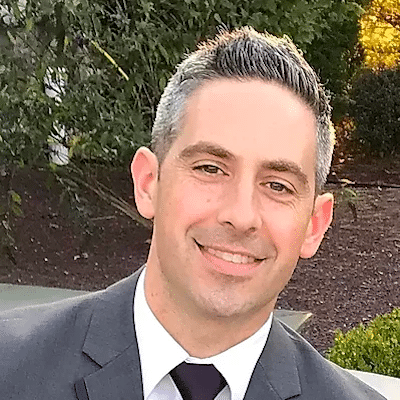
Michael Lee, a cultural planner and designer with an architectural background, co-founded SNDBOX in 2017. A design studio working to create tools to integrate communities, businesses and creative projects, they are relying on the new tools of the blockchain world.

In 2019, Michael and his team launched the BLDGBLOX app, which they describe as “the end-game project for SNDBOX.” It leverages blockchain technologies to “facilitate seamless social-investment in civic institutions, real estate projects, and cultural programming.” During these first early years of development, Michael’s team has

  • Distributed $438,000 USD in project development funds to 13 built projects and programs;
  • Built a global community (28 countries) with hundreds of designers, non-profit organizations, program leaders, and more;
  • Developed the world’s first public development using blockchain governance and cryptocurrency, Steem Park.
  • Organized workshops, exhibitions, and public events that highlight public utility with blockchain.

Previously, Michael was a resident entrepreneur at the Harvard Innovation Labs, a member of the group called Base 15 Studio which focused on public design advocacy, or “creative consultancy.” Before starting graduate school he participated in a design collective founded by Cornell University architecture graduates, Hither Yon, based in Berlin, Rome and New York. And while still at Cornell he did art outreach in Johannesburg, as well as a year in Rome working on a film installation project. Michael also has a proficiency in Korean, Italian, German and Spanish.

Insights and Inspirations

  • BLDGBLOX is a place where new projects can be born.
  • We’ve always thought that blockchain = crypto. Here’s an amazing example of blockchain being used as an organizing tool.
  • Michael wants to democratize the power of data.

Information and Links

  • Michael checks in on on IOBY (In Our Backyard) frequently to see what new high impact neighborhood projects are being crowdfunded.
  • He’s proud of Steem Park, his first attempt at democratized city-building. 
Read the podcast transcript here

Eve Picker: [00:00:11] Hi there. Thanks so much for joining me today for the latest episode of Impact Real Estate Investing.

Eve: [00:00:18] My guest today is Michael Lee of BLDG BLOX a civic technology company dedicated to empowering neighborhood stakeholdership. Their goal is to help shape better, more resilient and inclusive cities. In this podcast, we’re diving into Michael’s current primary focus, an online platform called BLDG. It’s a platform for neighborhood collaboration and it’s picking up steam. So, listen in to learn more.

Eve: [00:00:57] Be sure to go to rethinkrealestateforgood.co to find out more about Michael on the show notes page for this episode. And be sure to sign up for my newsletter so you can access information about impact real estate investing and get the latest news about the exciting projects on my crowdfunding platform, Small Change.

Eve: [00:01:21] Hello, Michael, I’m excited to have you here today.

Michael Lee: [00:01:25] Hi Eve, thanks for having me on. I’m very excited to be here.

Eve: [00:01:26] It’s a pleasure. So, you’re a wayward architect, much like me, and you’ve built a very cool app, which I’d like you to tell me a little bit about.

Michael: [00:01:36] Absolutely. So, you mentioned the background in architecture. Just a little back story. I was trained as an architect. I moved towards public art and cultural consulting. And back in 2016, my co-founder introduced me to a lot of developments that were happening in the blockchain space. And so blockchain can be very complicated with cryptocurrency and things like that but for the sake our app and this conversation, essentially, we were looking at decentralized technologies. Ways that we could create and distribute more value, track it and, with our background in architecture and urban design, we saw an opportunity for that to impact the way we do real estate, the way we deal with communities and community growth. And so, we created a company called BLDG BLOX and for the past few years we’ve been developing this app. We just launched it at the beginning of this year before everything happened with covid. It’s called the BLDG app, it’s live and the app is a online bulletin board to manage projects with your community. So, these are real estate projects, these are coworking spaces, mutual aid groups, non-profits. Any organization or new initiative that is looking to build alongside, build consensus, build value with the communities that are involved.

Eve: [00:02:53] Okay. So, you use blockchain and do you use other technologies on this app? I’d love to know a little bit more about the technology.

Michael: [00:03:02] Sure. It’s a web application, so you don’t have to download anything. You go to bldg.app, BLDG app and it’s all online. Similar to how you use Kickstarter, Instagram. So the front end is fairly user friendly, you can use Google or Facebook to log in and on the back end we’re starting to implement and integrate everything that goes on in the app. Typically with a lot of social media apps, web applications, you don’t really know where the data is going and what’s being tracked. On ours we are starting to link it to the blockchain. So, all the activity is very transparent. And our goal is to be able to make all that data transparent, compile it in a way that other organizations, whether it’s, it can be investors as well, can start to see how a project, in this case a real estate project, is acting, what kind of value it’s distributing, how people engage it and start to value, again, in this case, social impacts in a way that can be measured more dynamically. So, we’re starting to use this transparent ledger system as a way to create a new foundation for impact. That’s kind of the way we’re seeing it.

Eve: [00:04:12] How interesting. And who will have access to that ledger and all that information?

Michael: [00:04:17]  When the blockchain information becomes live, when all these transactions become live, anyone can see the information. And on the application, itself, when those metrics are up, we’ll have a much more user-friendly UI for people to understand: OK, this project is involving this amount of people this is not a value transferred, these are the number of community members involved in a project. This information will all be tracked holistically in the app as people use it, and we’ll present it to different project owners, so they know how much impact. however they define impact, is going into the project.

Eve: [00:04:55] Well, that’s really interesting. So, I’m going to change some of the questions I was going to ask you. I was going to ask you, how is this different than other social media apps like Facebook or perhaps Nextdoor or Meetup? But, you know, the data collection that you’re doing is pretty radically different than any of those, right?

Michael: [00:05:16] Right. That’s generally the ethos of a lot of people who work with this new technology, with blockchain. And what you see with a lot of applications is you don’t really know what data is being collected and how it’s being used. We generally know that it’s monetized privately with adverts and things like that. We want to be able to open up, democratize, the power of data and open it up so that people can use it in all different ways. In this case, and this is really the long term vision of this first app and other functionalities or apps that we produce under the umbrella of BLDG and BLDG BLOX, is that we can start to track data dynamically and then use that for, for example, driving certain people to invest in certain projects or to decide which projects they think are really impactful for their community and be involved in those. Data can be used in a lot of different ways that I think we just haven’t gotten to that point yet. And this new infrastructure really motivates us to expand and explore those possibilities of data and make more informed decisions, more empowering decisions.

Eve: [00:06:24] I did play around with the app a little bit, and I see when you go to some of the communities, they have sort of slightly different functions. So, when you create a new page, what are your options? How do you set up a community? What sort of communities can you set up?

Michael: [00:06:40] So you can log onto the app right now and create a project page. It’s fairly straightforward, takes about a minute or two to create one. And then the idea is you would send that page just like an Instagram page to anybody that you think is part of the community or wants to be part of that community. They can sign up and join right away and then everybody involved can start to post questions or polls or ideas or different things that they want to offer. There’s different tags for events, for polls, for ideation. And the idea, again, is to allow anyone to bring to the table whatever they want to and start discussions or start voting or start to see if they can gather the resources, they need to push that particular project forward. And so we’re already starting to see projects that are more university-based or socially-based with mutual aid groups, especially now during Covid under the quarantine, and the projects are fairly diverse and everyone is on there basically to try to pool resources, help one another and make decisions together. And that’s really what the app is geared towards.

Eve: [00:07:48] Interesting. So, could you use this as a community engagement tool if you’re a real estate developer?

Michael: [00:07:55] That’s definitely the goal. We’ve already started to work with co-working spaces where the owner of the coworking space is the real estate developer or the one that developed it. And the idea, and our thesis here, and we want to get deeper with the real estate industry and with prop tech and people that are looking at more of these impactful ways to do real estate, is integrate this application with their development process and allow, and we’re starting to see real estate firms do this more and more, allow people who are maybe the tenants of the building or people who live nearby where the community board that is involved with the decision making of that building to be involved and help make further decisions, help maintain the project, help gain equity in the project, whatever that might be in both financial and non-financial ways, and generally nurture this idea of community buying and stakeholdership with the people that are involved, which I generally believe, my thesis behind all of this is that the more people that are involved, the more doors that are open for a community to have buy-in and participate, the more successful a real estate project will be in the long term. And so that’s really our ethos when it comes to how this impacts the real estate sector.

Eve: [00:09:11] You know, I have Small Change, which is a crowdfunding platform. And because we are members of FINRA and use a crowdfunding regulation that permits anyone to invest, we’re highly regulated and we can’t really host discussions on our website. So, what sort of page would you create for Small Change that might help people educate themselves and talk to other people? What would that look like?

Michael: [00:09:38] So, Small Change is a great example because you can look at it as an organization that houses projects under it. And so, with Small Change itself, you can use the page to interact with the people who are crowdfunding on the page, host more evergreen information. So, tutorials or tips that will help anyone that wants to engage with Small Change. And then, on a secondary level, all of the projects, because presumably any project that is crowdfunding on your platform wants to have meaningful impact not just in this crowdfunding process, but also likely once the project is erected and live, and people are occupying it. They want to make sure that their project lives on in an impactful way and impactful stakeholders are part of it and it continues to have that kind of general consequence with the neighborhood that it’s being built in. And so, each one of the projects could have its own page and then people can continue to support the project financially and non-financially, which is a big emphasis on our platform. If certain projects need help with physical aspects of the building, with the architectural design, with the construction documents, that’s one thing they can solicit, and members could offer. If they need help with programming or maintenance or they need help with integration with local organizations and institutions to be involved in their project. That’s the type of, sort of playground, as some of our users have put it, that these types of projects could create so that their constituents can come together and contribute things that typically have been very difficult to contribute in the past beyond the financial aspect. And we’re already working with some crowdfunding platforms to see if we can expand the initial financial support that has been opened up to a larger audience and then see if they can continue, that audience can continue to support those projects in non-financial ways as well, with their expertise, with their network, with their in kind donations and categories like that.

Eve: [00:11:34] Interesting. You know, there’s always sort of a push pull with real estate developers who are, that’s kind of an evil would at the moment isn’t it, developer? How they communicate with the community. It can be very difficult and there can be a lot of friction so it sounds like this might help bond some relationships.

Michael: [00:11:57] That’s precisely what we want to hit on. We understand the friction there. I myself, I go to community board meetings and I see, I live in Bushwick and Backstein, New York City and Brooklyn and there’s development happening all the time. And when you go to these meetings with developers and the community, it’s very palpable, the tension there. And our approach to this and our understanding is, because there isn’t a good way for communities to collaborate with developers, for that communication to actually scale and take place, the resulting situation is one of great tension and opposition. And we’re seeing that. We’re seeing a rise in NIMBYism, a rising neighborhood opposition. Just last year, we had the whole fiasco around Amazon’s HQ2, in Long Island City. And so, we’re looking at projects like this. And we see that not just at the highest, at the very top with Amazon, Google, Facebook, where their campuses have been consistently opposed, but also at a much smaller scale. So, with mixed use housing in New York, that’s a big point of tension. And there’s always this negotiation, which tends to be very tense, tends to be not so good-willed, or at least get to that point.

Eve: [00:13:10] Right, very confrontational.

Michael: [00:13:12] Very confrontational. And we want to transform that environment. And I really believe that if we had the right tools, that environment would be different. And if we can transform that environment to one where people feel like their voice is being heard, they’re participating in it, we can turn it into a from a lose-lose situation, into a win-win. Because currently there’s so much risk on the side of real estate developers because they understand that, with all these tools of social media and the way communities are mobilizing, it’s very easy to oppose projects. And on the other side, communities are struggling with the idea because they want to see meaningful and impactful development, but because they’re not able to come to the table with developers in a meaningful way, those tend to become very risky for them and it’s easier to oppose. And so, it’s currently a very lose-lose situation. But if we can insert the kind of right tools and the ways for people to communicate, we’re hoping we can flip that on its head.

Eve: [00:14:05] Have you thought at all about, and this is a really difficult question so I apologize in advance, but have you thought at all about communities that poorer, have less investment, may not have access to computers and, you know, an online app and how this would fit into those communities, how you would make it accessible?

Michael: [00:14:27] That is definitely a difficult challenge that we’re struggling with on an ongoing way. And part of our answer, at this point, goes into design of the app. So, we didn’t want to have a downloadable mobile app. We think that creates another point of friction. It’s just a website you go into, you can sign in with any email. And so, we definitely want to make it technologically as accessible as possible. The other way that we’re trying to get over that is working very closely with the organizations that sign up for the app. And so, presumably anybody that creates a project page, there’re a real person or real organization. They have a physical presence wherever they are, and their projects are mostly physical. So, spaces and buildings and such. And so, we constantly communicate with them to make sure that we can bring in even constituents that don’t use a computer or device very often. We can bring in their input, we can have a way to capture that data, that advice, those comments, different ways that people who aren’t on the computer all the time can contribute. And so, this is a way that we’re dealing with the issue. But we definitely see that as an ongoing hurdle. We want every demographic to be involved. This is even more sensitive in places that people don’t have access to those resources. And this is what makes the Covid19 situation so unfortunate. Before everything happened, we were constantly holding workshops, we were showing people how it was done, we were pairing people who do use the computer fairly often with people who weren’t, trying to make this engagement as digital as it was physical. And now we’re trying to adapt to the situation and make sure that even, you know, if you aren’t as technologically fluent or don’t have access to those resources, your information and your voice can make its way to the application. That’s definitely a very sensitive and difficult point and we’re always working on that.

Eve: [00:16:18] Unfortunately, that pandemic has disenfranchised those communities even further. It’s really pretty sad. So, tell me again how you arrived at this app. Your background, you’re an architect. You’ve gone to a pretty unusual route.

Michael: [00:16:36] We have gone an unusual route. And the one thing we’ve always interested in is the process. Even when I was studying architecture and practicing architecture, the process in which buildings were designed and created seemed very linear, depending on what was being created. It didn’t take into account the community that was being impacted the most. And this, of course, is a common theme in real estate as well. And so, the concern is how do we bring as many people into the process as possible? And when we looked at the current tools, at the time around 2015 and 16, we just came to the conclusion that no matter what you did with things like Facebook pages, or on Slack, it’s very difficult to scale decision making, engagement, to exchange resources and distribute resources. And that’s how we came to this idea of creating a new digital tool. And again, we were lucky because it timed well with the emergence of blockchain and decentralized technologies to explore this. And if you look at the blockchain sector, we see a lot of people with real estate backgrounds actually exploring this as well. So, you have groups like Elevated Returns and HARBOR, RealBlocks. These are real estate firms that are introducing ideas of fractionalized, equity. And starting to use real estate equity more like corporate stocks of shares, making them more liquid accessible. And my ultimate goal is to introduce this idea of sweat equity into the real estate market and any general organizational market. And that’s kind of how we got to this idea of the application and starting off with one that brings communities and organizations together.

Eve: [00:18:22] Interesting. So what other projects are you thinking about? You said this is one of, you know, one of a number.

Michael: [00:18:30] Well, so, we want to start, and we are starting with the BLDG app as the first step. And within the app and around the app we want to create more functions and more components. For example, right now on the app you can create a project page and start to engage with the community, distribute responsibility, you can see what backgrounds your community members have, whether they’re an engineer or a marketing person and so forth, and start to bring those resources together to try to drive and motivate those project further. We’re going to implement more of that blockchain data system that I just explained and have it so that other companies, other investors, can look at these projects and make decisions on their own behalf based on this data and what’s going on. And whether that’s in another app or in this one, we want to continue to grow out more functions where people have more opportunity to engage in their local real estate projects, to contribute to them, to help make decisions and then eventually get to the point where people can earn sweat equity in those real estate projects based on their contributions to those projects, not just the financial contributions, but also, like you see in start-ups or in general any corporation, people can earn equity based on their commitment or how long they’ve been there or their general value to that company. We want to get to that point. And so, we are constantly going to expand on the tools that real estate companies that investors that community stakeholders can use to determine that value for any given local project.

Eve: [00:20:04] Interesting. So, then I have to ask you, what’s the big, hairy, audacious goal for this app? Like, where would you like it to be in five years or in 10 years?

Michael: [00:20:13] In five or 10 years I would like it to be a place where new products are born or existing ones are continued and everyone involved is, quote unquote, rewarded for their contributions. That’s the type of economy that myself and my team are really working towards, that no matter how small scale the project, no matter how new or no matter how big and burdensome, like a large mixed-use project for example, people’s contributions allow them a level of equity or a level of buy-in to those projects. And people who are involved are constantly discovering new opportunities as they commit themselves to those projects. Because we all understand, to a certain degree, that the success of a real estate project is based on so many multi valuable factors. The environments, the general safety of it, the vibrancy, the culture that’s there, the diverse community that’s there and we want to be able to quantify that value in a way that’s constantly evolving and anyone that helps contribute to those forms of value are rewarded with something that allows it to have buy-in to those projects.

Eve: [00:21:22] So has that happened yet at all, in any form?

Michael: [00:21:26] To my knowledge, we have not seen that happen financially in the real estate sector. There are social impact, real estate firms that are experimenting with, for example, reduced rent based on if you help maintain the property that you own. We’re seeing different kinds of economic deals being put into place that are trying to incentivize people who actually have equity to maintain it and they can get some value back with its reduced rent or other opportunities like that. I would like to see that pushed and evolved even further where, you know, you’re the doorman that lives in your building, or maybe the person who, the tenant that has a educational business in your building, these people can continue and are incentivized to contribute and earn an actual financial stake in the project in the long term. We understand that these are the types of people and programs and activities that give a building or a city the value that it has. And we should be able to recursively reward the people who are actively contributing to that value, not just see it as a mutually exclusive thing that happens within our buildings.

Eve: [00:22:34] Yeah, yeah. Interesting. So final question for you. What’s next for you? You sound super busy and I know what it’s like working on something like this, it’s all consuming. Covid19 has shifted things a bit, so what’s next?

Michael: [00:22:50] So definitely. Bringing up Covid19, you know, we are all struggling with this transition to a more remote environment. And I think, like you mentioned before, the disenfranchised communities are suffering even more now. They don’t have access to all of these tools. That’s another reason why we wanted to create this space. We didn’t want to create another just hammer or tool for the digital environment we wanted to place where people can bring their Zoom conversations together or they are resource sharing on Google Drive to one place. Our goal for the near future is just to help these communities, one by one, transition to the site, make use of all the tools and try to get their community together, because this is a time when communities are kind of just being torn apart naturally because we are physically distinct from each other and distanced. We want to help rebuild this community, or these communities, by transitioning them to these online tools. We’re very excited and very hopeful. We’re already getting a lot of feedback from people saying that, you know, the current tools are very unscalable. There are 10 or 20 different tools that they have to manage all at once. And it’s very difficult to scale on that promise to their constituents that they’ll stay involved, that they’ll keep them involved in their process.

Eve: [00:24:04] Very difficult. Very difficult.

Michael: [00:24:07] Right. And we want to be able to push a bit of that momentum and help support these communities. Anyone that signs up to the site organically, we reach out to and we say, hey, can we help? You know, tell us about your organization, what are the challenges you’re struggling with? Is there any way we can help any features you think we could implement? Because the app is constantly evolving. And we’re also constantly reaching out to organizations that we think we can help. We’re seeing everywhere, you know, people who are less active on Facebook or their own websites and media channels because we know that internally they’re struggling with how to transition into this new environment, especially now. And we are constantly trying to outreach to them and say, look, we know you’re struggling. We know you need different kinds of support and these tools were doing OK when you were meeting in person or working in person but now that we’ve transitioned, it’s very difficult to keep things in order and keep everyone involved. So, at this point, we just really want to help as many organizations as possible transition and make use of the resources available. And we want to be one of those stable resources.

Eve: [00:25:15] Well, I think it’s a terrific idea and I’m going to start by suggesting it to a couple of developers who raised funds on Small Change and are perpetually struggling with how to relay progress to the investors. So, I think it would be a great way to create a little community of investors. So that’s a starting point for us and you and I will be talking more about how it might work for Small Change, I’m sure.

Michael: [00:25:39] Absolutely. That would be fantastic. I mean, anyone that’s raised on Small Change or is hearing this and thinks that this might be interesting, social impacts, real estate investing is, is definitely interesting because when I speak to a lot of real estate developers, they are all interested in this idea or already committed to this idea. And yet it’s difficult to find places where you can communicate with other like-minded people, share those resources  and in terms of impact real estate investing, we definitely want to help foster that type of conversation and that resource sharing.

Eve: [00:26:11] Maybe that’s the first page to start?

Michael: [00:26:13] It might be. That might very well be.

Eve: [00:26:15] Something around this podcast page. And I just did a retrospective for the year and in the first year I recorded forty-nine podcasts, which is probably why I’m so tired.

Michael: [00:26:27] Well you’re doing something incredible for the community and we definitely want to build on that momentum. I mean, there’s so much experience and lessons to be had.

Eve: [00:26:37] That’s what I was going to say. The people I interviewed are, each and every one of them, a rock star doing their own thing. And that’s a that’s a lot of experience, too, corral. It’s really interesting. So, I’ll definitely be in touch. And thank you very much for taking the time to talk to me today.

Michael: [00:26:53] Thank you Eve. Thank you for having me on.

Eve: [00:26:59] That was Michael Lee of BLDG BLOX, a civic technology company dedicated to empowering neighborhood stakeholdership. His online platform bldg.app is currently in its beta phase. Michael’s goal is to help civic organizations, communities and companies build community and scale decision making. The app is designed to support community building in a myriad of ways. It can be a tool for organized public engagement for new projects, it can support initiatives with campaigns that mobilize their communities or local causes, or it can even serve as a shared workspace. I’m excited to see it unfold.

Eve: [00:27:45] You can find out more about impact real estate investing and access to the show notes for today’s episode at my website rethinkrealestateforgood.co While you’re there, sign up for my newsletter to find out more about how to make money in real estate while building better cities.

Eve: [00:28:04] Thank you so much for spending your time with me today. And thank you, Michael, for sharing your thoughts. We’ll talk again soon. But for now, this is Eve Picker signing off to go make some change.

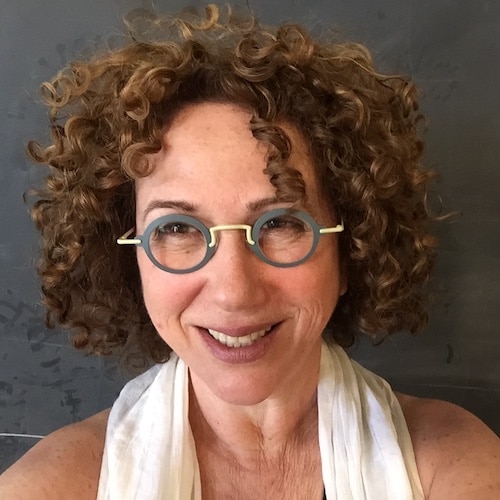
Image courtesy of Michael Lee, BLDG BLOX
One year. 49 conversations.

July 15, 2020

49 amazing people. 49 inspiring conversations.

Josh McManus. Tom Murphy. Avra Jain. Liz Faletta. Eric Kronberg. Christine Mondor. Lorenzo Perez. John Perfitt. Jason Neville. Molly McCabe. Jonathan Tate. Scott Choppin. Matt Hoffman. Rebecca Foster. Brian Gaudio. Thibault Manekin. Jeremy McLeod. Kris Daff. Marc Koehler. Brian Murray. Josh Lavrinc. Emerick Paul Patterson. Brandon Dennison. John Folan. Majora Carter. Sadie McKeown. Justin Garrett Moore. Adam Sgrenci. Adrian Washington. Katie Swenson. Kimber Lanning. Brian Beckon. Jorge Newbery. Ommeed Sathe. Lance Chimka. Christina Marsh. Melissa Koide. Lyneir Richardson. Karina Ricks. Gabe Klein. Harriet Tregoning. Donald Shoup. Janine Firpo. Laura Callanan. Mark Roderick. Jennifer Castenson. Sandy Selman. Sandy Wiggins. Jim Kumon.

These are the rockstars of my show.

Next year? Bruce Katz. Michael Lee. Cynthia Muller. Patrice Frey and …

Read the podcast transcript here

Eve Picker: [00:00:12] Hi there. Thanks so much for joining me today for the latest episode of Impact Real Estate Investing.

Today marks the first anniversary of this podcast, something I am immensely proud of.  

[00:00:36] A year ago, I didn’t know that our audience would grow as it has. In fact, a year ago I wasn’t sure we would have an audience at all.  And I certainly never imagined that I would have the opportunity to talk with so many extraordinary individuals, leaders and movers in their respective fields, all doing remarkable things. 

When we started the podcast, I thought we would focus on real estate and the impact it makes.  But I’ve discovered that “real estate” is a very broad industry. I’ve found a horde of people working in fascinating niches around this one big central theme – the built environment we all occupy.

[00:01:26] These people work in city planning, on affordable housing, in impact investing, on mobility issues, in fintech, as architects, on sustainable development, on community capital, on equity in communities and in many other niches, pushing the boundaries of the built environment to be better for everyone. 

The range of work that is being accomplished, is quite frankly, astounding.

[00:01:59] I learned how big, visionary thinkers make cities better. Like Josh MacManus in How to leave places better than you find them. He’s spent quite a lot of time rebuilding downtown Detroit. 

Or Tom Murphy, past mayor of Pittsburgh, who showed incredible fortitude in shepherding Pittsburgh from abandoned to reinvented in How to transform a city.

And most recently, Avra Jain, who tells us all to look past the working girl on the corner in Beyond the Vagabond. When she looked she saw the future of Biscayne Boulevard.

[00:02:45] Other guests have reminded me of the power of zoning, architecture and design starting with Liz Faletta in By right, by design. Her in depth research on the impact of zoning on housing in Los Angeles provides unexpected insight.  

In Atlanta, Eric Kronberg convinced me yet again of the importance of salvaging architecture in The zoning whisperer.  

Christine Mondor reinforces the idea that architects can influence the future of cities in The power of design.  

And Lorenzo Perez’s creativity as a real estate developer in Phoenix caught me off guard in Real estate artist. His approach to transforming ugly desert architecture into beautiful community spaces is wildly creative.

[00:03:44] Let’s not forget the housing crisis. Lots of my guests are all in looking for big solutions. John Perfitt and Jason Neville are tackling homeless housing in Los Angeles by re-introducing iconic architecture, in Hungry for disruption;

Molly McCabe describes the unusual approach of the Lotus Campaign in Capital is just a tool.

Jonathan Tate takes an architect’s approach by focusing on the value of odd lots and the houses you can build on them in Lead by example.

Scott Choppin is tackling multi-generational workforce housing in The contrarian developer, an important niche that has gone unnoticed by other housing developers.

[00:04:31] Matt Hoffman is focusing instead on how technology might solve the crisis in 7.4 million short.

Rebecca Foster, in San Francisco, is busy saving existing affordable housing through financial tools on Accelerating affordable housing.

Brian Gaudio has a modular housing solutionin Scaling up.

And Thibault Manekin (T-bo) of Seawall Development is focusing on specific communities, affordability and astounding preservation efforts in Choose your own rent.

[00:05:22] Across the Pacific Ocean, Australian architect Jeremy McCleod has figured out how to deliver Sustainable, affordable and beautiful housing in a market that most people can’t afford.

Fellow Australian, Kris Daff, is tackling the same problem in a different way. He’s Assembling communities and offering them a path to home ownership.  

And across the Atlantic Ocean Marc Koehler is turning the architectural design process upside down by first curating communities and then designing a building around them in his Superlofts project.  It’s super fantastic! 

[00:06:08] Community development and social equity have moved into the foreground this year, and I expect will even more so next.  

Brian Murray is Embedded in community in Philadelphia, working on projects that provide equitable opportunity for everyone.

Josh Lavrinc has spent his career squarely focused on Advancing community development, through capital raising and real estate development

Emerick Paul Patterson is busy experimenting with inclusionary community tactics in New York. Listen to his love of diversity in Delicious Urban Soup.

[00:06:47] In West Virginia, Brandon Dennison is experimenting as only an entrepreneur can, on how to end generational poverty in A bold experiment in coal country.

John Folan, who heads a department of architecture, wants to make sure that the next generation of architects understand the meaning of equity. For John, Equity is the thread.

Majora Carter has gone from Revitalization strategist to barista in her efforts to bring equity to the South Bronx, one of the poorest zip codes in the country, and where she lives. “Nobody should have to move out of their neighborhood to live in a better one,” says Majora.

Sadie McKeown, in Political will and community, has seen firsthand the influence of good and steady political leadership in building better communities.

[00:07:43] Justin Garrett Moore has a day job ensuring the quality of public space in New York City.  But on the weekends, he’s knee-deep in redeveloping the community he grew up in. Hear what he’s up against as a black man in Black, white and red(lining).

Adam Sgrenci is showing communities how they can control their own destinies, andn educating developers on how to Co-create.

Adrian Washington has been developing in Opportunity Zones before they were a thing. He decided a long time ago that Greenfields are boring.

And Katie Swenson is the quintessential community architect. Home is the most important community development concept for her.

[00:08:43] For insights into economic development and financial inclusion hear Kimber Lanning who is Striving for justice in Arizona or Brian Beckon explain how to raise community capital in Share the wealth.

Jorge Newbery is using Fintech to keep people in their homes. He’s saved 10,000 and counting, while Ommeed Sathe sees Big Change in his role at Prudential, helping them to build a billion-dollar impact fund.

Lance Chimka who leads an Economic Development Department believes their role should always be First in. Towards growth.

Christina Marsh has given herself over to the remaking of Erie in Of service. In Erie.

Melissa Koide is researching and advancing ideas on financial inclusion. With Fintech.

And Lyneir Richardson, wants to help 1,000 urban entrepreneurs grow their business.

[00:09:55] I’ve learned about mobility in cities, and how it touches real estate and equity, from Karina Ricks, who heads a newly energized Department of Mobility, and from Gabe Klein, a mobility rock star, who convinced me that the future of mobility will be enhanced by data in Mobility is pretty pedestrian.

Harriet Tregoning is taking on a leadership role with NUMO, the New Urban Mobility Alliance, and explains why in The reluctant planner. And let’s not forget Donald Shoup, parking czar, who believes that parking is over-rated and under-compensated in Parking not required. 

[00:10:38] Others think about investment in ways I never imagined. Janine Firpo is on a personal journey to ensure that every dollar she invests does good. Listen to her explain why in She’s all in.

Laura Callanan is squarely focused on Connecting impact and creativity.

And Mark Roderick, a crowdfunding attorney, explains how the Securities and Exchange commissions are opening the doors for Democratizing investment. And why its a huge step forward;

[00:11:12] For innovation in the building industry listen to Jennifer Castenson, who surely has her finger on the pulse of new trends, in Living the Jetson life;  

Or maybe you want to learn about blockchain? Listen to Sandy Selman explain how it might be applied to real estate in Digital twins; and if you are ready to embrace sustainability and saving our planet in the most wholistic way, Sandy Wiggins may just be the one to listen to in Let’s change our mindset.

And if you think we need to get back to a former time, listen to Jim Kumon of the Incremental Development Alliance talk about The lost art of small-scale development.  He’s teaching small-scale developers how to get back there all over the country.

[00:12:01]Phew. That’s a lot of podcasts.  I’ve enjoyed every interview with every person.  I’m in awe of them all.   But it’s time to take some time off to rest, enjoy the weather and just step back from the extraordinary last few months that has rearranged all of our lives.

We’ll be back refreshed in September with many more amazing people for you to listen to and me to learn from.

Thank you so much for joining me.  Now go forth, invest a little in your community and make some change!

Nurturing urban entrepreneurs.

July 6, 2020

Entrepreneurs will shape our future.

They have problem-solving coded into their DNA. They are innovative, embrace challenges and change, are critical thinkers, questioning and always forward-thinking. Entrepreneurs see the bigger picture, think outside the box, are creative risk-takers and have the tenacity to follow through on their ideas.

Entrepreneurs are enormously important. They have the potential to help address societal challenges not only by creating jobs that contribute to our economy but by re-shaping the way we work and live.

But just how do you become a successful entrepreneur? While an entrepreneur might be innovative, creative and a big thinker, she may not have a natural aptitude for business strategy or an ability to keep control of finances. Young companies require versatile skills to be successful and these skills need nurturing. Entrepreneurs need an environment that fosters innovation and inspires new ideas and universities are a great match for them. They encourage innovation and are not afraid to navigate the unknown.

One such university is Rutgers, in Newark, New Jersey, where Lyneir Richardson has been cultivating such a relationship with entrepreneurs in the Center for Urban Entrepreneurship & Economic Development (CUEED). The CUEED’s nine-month program for urban entrepreneurs has so far seen 400 enrol. Executive director Lyneir, an entrepreneur himself, plans to make it a 1,000.

The CUEED program isn’t just for Rutgers students or alumni. Its focus is on racially diverse, distressed urban neighborhoods and businesses like the local coffee shop or professional service provider. They want to accelerate and grow each and every one of them into a sustainable company. This will not only bring economic development to distressed neighborhoods, but also better neighborhood amenities, better educational outcomes and just altogether a better quality of life. And the entrepreneurs, as they become more successful, will become community anchors who employ locally and are active in their own community expanding the outcomes even further.

Listen to my interview with the passionate and energetic Lyneir Richardson.

Image by Jonathan Greene

Re-designing design.

June 15, 2020

Once upon a time design and architecture were quite discrete disciplines. But over the years as educational priorities have been re-defined, they have become more complex and collaborative. We’ve adopted an inter-disciplinary approach to skills and knowledge that requires creativity, innovation and the ability to solve problems. Teaching is steadily moving towards a more collaborative approach as well, with a learning process called STEAM (Science, Technology, Engineering, Arts and Mathematics) which integrates across all of these disciplines in order to develop critical thinking skills.

John Folan recognizes and embraces this approach. As head of the architecture department in the Fay Jones School of Architecture and Design at the University of Arkansas he is working to teach a new generation of architects who apply their knowledge to the world around us in a thoughtful and collaborative way.

While at Carnegie Mellon University in Pittsburgh, his previous job, John founded the Urban Design Build Studio (UDBS), “a collaborative of students, professors, and allied professionals who work with community residents on implementation of appropriate, affordable, replicable design solutions.” UDBS has followed John to Arkansas where it continues to focus on public interest design issues. UDBS tests the hypothesis that a collaboration of ideas, intelligence and expertise from a broad range of individuals and entities will benefit the outcome of the work. There architects, tradesmen, community participants and students together are working towards tangible outcomes and tangible impact, with projects quite often growing organically from conversations with community stakeholders and community leaders.

John also founded PROJECT RE_, as a way to expand the efforts of UDBS even further. Its mission is to reuse materials, rebuild communities and restore Lives.  Based in Allegheny County in Pennsylvania, PROJECT RE_ is a 10,000 square foot facility which holds a community meeting space, gallery, design studio and state-of the art industrial fabrication shop with CNC technology, a wood shop and welding training. Building materials are supplied to PROJECT RE_ from deconstruction of buildings in blighted areas around Pittsburgh and then used for job skill training and in the creation of projects. The facility is used by UDBS for its projects, by the Trade Institute of Pittsburgh for training, by Construction Junction for product construction and for workshops for community members.

Collaborative problem-solving, the panacea for our post-pandemic future. Listen to my interview with John Folan.

Image of RE_FAB courtesy of John Folan.

Co-creating.

June 10, 2020

Adam Sgrenci, a carpenter by trade with an education background in international development, founded The Center for Infrastructure and Society in 2019 with a mission to “accelerate social, economic and ecological transformation.”

As a startup the Center’s work has evolved over the last year into an organization focused primarily on human capital. While affordable housing is still at the top of their list, instead of just helping to build more affordable housing, Adam leads conversations on how to build human capital. Conversations that encourage communities to plan their own destinies – through co-design, co-creation, co-production and co-ownership.

With a day job that became a career, Adam started apprenticing in carpentry working on Victorian homes in San Francisco, rising from apprentice carpenter to journeyman, lead, foreman, project manager and then vice president of business development for a construction group in South Asia.

Assorted work opportunities placed him in Latin America (he is fluent in Spanish) to Africa, the Middle East and elsewhere, and what impacted him most over the years was the importance of building stewardship, or in other words, continued care and maintenance in the post-build phase of a project. From this perspective, a job is never complete and one creates a long-term relationship with client and structure.

Adam holds a B.A. in Development Economics and International Development from Bucknell University, and an M.S., in International Relations and Affairs from San Francisco State University.

Insights and Inspirations

  • Adam’s work focuses on accelerating positive impact through co-design.
  • Regenerative housing is at the forefront of the Center’s work. Adam believes there is a need for projects to “never end.”
  • The Center’s focus on human capital means encouraging communities to define their own future through co-design, co-creation, co-production and co-ownership.

Information and Links

  • Adam writes for HIVE for Housing. He likes the message they are delivering and the platform they are providing for out-of-the-box thinkers in the industry.
  • One of Adam’s favorite clients is Home Preservation. Check out the Home Preservation Manual.
Read the podcast transcript here

Eve Picker: [00:00:16] Hi there, thanks so much for joining me today for the latest episode of Impact Real Estate Investing.

Eve: [00:00:23] My guest today is Adam Sgrenci, the founder of the Center for Infrastructure and Society. As a start-up Center’s work has evolved over the last year into an organization focused primarily on human capital. While affordable housing is still at the top of the list, instead of just helping to build more affordable housing, Adam leads conversations on how to build human capital. Conversations that encourage communities to plan their own destinies through co-design, co-creation, co-production and co-ownership.

Eve: [00:01:10] Be sure to go to rethinkrealestateforgood.co to find out more about Adam on the show notes page for this episode. And be sure to sign up for my newsletter so you can access information about impact real estate investing and get the latest news about the exciting projects on my crowdfunding platform, Small change.

Eve: [00:01:42] Hello, Adam. Thanks so much for joining me today.

Adam Sgrenci: [00:01:45] Thanks, Eve. It’s a pleasure to be here with you.

Eve: [00:01:48] Oh, good. So, I was sniffing around on your website. I saw the following statement: We design and launch large scale housing projects that address the global housing shortage. And that’s the mission statement on the home page of your organization, Center for Infrastructure and Society. And I was wondering if you could just tell us a little about that mission statement.

Adam: [00:02:13] I’d love to. And of course, it’s going to come with a caveat, because in the world that we live in today, things move fast, and things continue to evolve. And so, for us, I might even add a, an updated version of that, which is still similar. So, what we’re sort of, kind of rebranding ourselves right now and saying that we’re essentially regenerative design and development organization, which means something similar. We accelerate the positive impact on local economy, local society and local environment through regenerative housing projects.

Eve: [00:02:56] OK, so slightly different, pretty much the same idea, though, still housing, right?

Adam: [00:03:01] Right, absolutely. It’s housing and just to be clear, you know, housing is a part of a large eco system of infrastructure. That’s where that the broader approach is starting to take shape. But, you know, as we as we talk today, I’ll be glad to share, you know, how we learned and how we’ve grown.

Eve: [00:03:19] Tell me a little bit about the Center for Infrastructure and Society. I think it’s a pretty new organization by the sound of it.

Adam: [00:03:26] Absolutely. Yeah, I know the sound is resonating well because as we continue to grow, we, you know, we start to learn more about all the opportunity that’s out there in the housing space. And this is something that I believe Small Change understands very well. This path essentially started for me 10, 15 years ago as a young carpenter coming up, building homes, as a contractor, then as a project manager. You know, you start to see some of the vulnerabilities that exist from the housing development real estate sector. And for me, one of the biggest things that was sort of a glaring vulnerability was the focus on human capital investment.

Adam: [00:04:08] So, I’m talking about workforce development. So, this has a direct relationship with skilled labor shortage and the global housing crisis. And so, my ascent here into trying to roll out with, which ultimately became the Center for Infrastructure and Society, was the need to bring this understanding of construction, of infrastructure and development to this place of, of empowerment. Those were sort of the two worlds throughout my career that I was always interested in. And so, that ultimately led me to creating a new organization that initially started by guiding mass housing builders in underbuilt environments on the things that, and by the way I’m am based in Silicon Valley, so here in Silicon Valley, it’s very common to hear conversations about you know workflow and KPI and, you know, career trajectory.

Eve: [00:05:09] Sure.

[00:05:10] So, where does that, yeah, and where does that sit and how is that situated within the context of the typical trades-person or the overall real estate space? That was the initial foray that that Center for Infrastructure and Society took into the world.

Eve: [00:05:27] Maybe you can explain a project that you’re currently working on.

Adam: [00:05:31] Sure, love to. For example, back in October, I took a series of trips. I was in Nigeria and I was in India and all I was really doing was taking that consultancy approach to working with builders to kind of help analyze training in the workforce and how all of these things can sort of be brought in-house. Well, we’ve seen the rise of the con tech in the prop tech companies over the last, say, five or six years especially, in the real estate space. And so, what they were sharing with the world was, look, we can vertically integrate all of this. Design, engineering, but everything down to manufacturing the product. So my kind of approach was to work with some people that I knew that were already working in mass housing in some of these places and start to inquire about what it is that they’re looking for and what the, you know, where are the vulnerabilities that they’ve identified to their own growth. And to solving their own local housing crisis. And so what that evolved into was digging in to KPIs and workflow and how you might be able to bring manufacturing in-house to vertically integrate, similar to some of the larger companies in the world.

Adam: [00:06:55] We actually started to take a step back and look at, like, what we call in regeneration, you know, the whole ecosystem. So, right now in Nigeria, for example, we’re working with a mass housing builder to help them, who already has some of these technologies in-house, so they’re not stick building or they’re not building with block, they are actually already using panel systems, which is great. So, they’re manufacturing that, so they’ve reduced some aspects of that supply chain. Though we are recognizing that one of the things that development tends to ignore, at least conventional development and I know in many of your projects, you guys do this as well, and it’s the partnerships with local community. It’s co-designing with people who are actually going to live in these places so that when the project is over, at least when it’s installed, now there’s a foundation for perhaps social enterprise for those folks that are living in the new community. There is, you know, maintenance programs to keep these projects standing strong and looking great. So, that’s one project that we’re doing in Nigeria. It’s advising a mass housing builder to…

Eve: [00:08:10] The co-designing thing. you know, I was at a co-creation conference last week and have to admit I found a pretty overwhelming because, you know, there’s a lot of people involved who had everything from absolutely no skill, no understanding of the real estate space to people who’ve had quite a lot of experience. That’s really difficult community engagement to do.

Adam: [00:08:37] Absolutely.

Eve: [00:08:37] So, when you’re in a place like Nigeria with a company that maybe wants to introduce co-designing, is what I thought I heard you say, how do you go about doing that?

Adam: [00:08:48] That’s a great question. Ultimately, for us, it comes down to having a model and a framework for the discussion because that helps guide everyone into at least a direction. We start out with workshops and you know, where you might consider a town hall as an opportunity to explore relationships in the community, town halls tend to be a kind of space that is just as, let’s say, conflict ridden as the typical fragmentation of our, of our industry, where everyone’s sort of protecting their own idea. And so, with a model in place, we’ve got a four-part model. And so, it’s broken down into benefit capital, regenerative technology, community engagement and strategic partnership. And so, we sort of give some context and background and we kind of set the stage for the conversation. If it’s initial conversation versus, even if it’s you know, we’ve been doing this now for two weeks or three weeks with a specific group, we’re at least all coming from a similar perspective and that helps keep us focused on what you very astutely observed, that it’s actually quite overwhelming. We’re talking about an ecosystem, right? Who’s in the ecosystem? It’s governments and it’s corporations and it’s labor unions and it’s non-profit organizations. And yeah, to your point, very correct.

Eve: [00:10:23] So you have a structure that you’ve thought through that can sort of help guide people and companies to some sort of commonality, by the sound of it.

Adam: [00:10:33] Absolutely. That has helped us at least get us to a point where we’re all able to, you know, align on next steps.

Eve: [00:10:43] Right, interesting. That’s a pretty difficult job you’re tackling there.

Adam: [00:10:49] Yeah, hence the sort of rethinking of how we work. You know it happened in Nigeria, honestly, when I was interviewing and, you know, just doing assessments and talking to different builders and, you know, the reason that I had traveled there was because there was an interest for this vertically integrated approach to running businesses and having business models that didn’t depend on too many suppliers, and, especially in other parts of the world, or even it happens here in the US, there’s always an opportunity for details to get lost and things to happen on development projects.

Eve: [00:11:28] That’s for sure.

Adam: [00:11:29] And so, what we realized early on was, our clients didn’t only want the advisory, but they also wanted access to finance. They wanted to be able to grow. They wanted access to stronger relationships. And so that also helped influence us on how we present a model. My partner, Peter Coughlan, has been working in the world of regeneration. Prior to working with me on infrastructure specifically, he had started to develop a similar model in regenerating oceans and regenerating the coral reef and in soils.

Adam: [00:12:11] And that, he found, was, while very interesting and obviously much needed, it was hard for investors to get behind that and understand where the return on investment was coming or how it was coming. So, we partnered up when he noticed how focused on infrastructure I was and recognizing that infrastructure is actually quite bankable. Why is it that we have such a mature real estate development system? Anywhere in the world, you can go and these, and this is something that you know probably much better than I, it’s because infrastructure is easy to see a return on. It’s what’s the next step after that right? How do we care for these properties that are built and how do we care for the lives of the people that are living within them?

Eve: [00:12:59] Yeah, how do you make sure the infrastructure that’s built is appropriate for them as well, right?

Adam: [00:13:04] Absolutely.

Eve: [00:13:05] Yeah. Interesting. So, you’re a start-up and you’re evolving quickly by the sounds of it, which is great. Start-ups need to be flexible or they’re doomed, I think.

Adam: [00:13:16] Yep, yep.

Eve: [00:13:18] I mean, if you were to talk about your big, hairy, audacious goals for the next five years, what would they be?

Adam: [00:13:24] That’s exciting, yeah. To go from working from the workforce development advocate role to now, where we want to be our own fund, has actually happened very quickly. But that’s ultimately where we’re going because we recognize that, and I think a lot of other organizations that are in the regeneration space and in the social impacts space, recognize how important it is to be able to fund the projects and the partners that you’re starting to work with.

Adam: [00:13:57] And so until we get there, we are advisors and we’re connecting great projects to great investors. But in order to do that and because it’s the world of regeneration and those are the funds that we’re targeting, so social impacting yes, regenerative impact funding. There’s not a lot of projects that are at least considered regenerative and so, there are a handful of organizations that are trying to help these projects become regenerative. And I say that from a collaborative perspective, right? So, I recognize that there is a competitive way of looking at this in a collaborative way and honestly, we’re talking about things like skilled labor shortage or the housing crisis. Rather than be competitive, we’d much rather be collaborative and so, we spoke to a fantastic organization called Metabolic based out of the Netherlands just earlier this week, and they’re much further along than we are, at least from the, you know, the regenerative acceleration perspective. And it was just great. Yeah, go ahead.

Eve: [00:15:08] Explain to me what regenerative means here, the way you’re using it.

Adam: [00:15:13] I’ve been using it and I’ve been writing some articles about it and trying to campaign these ideas, at least in a way that my clients, which were all like builders, so it would resonate with them. And so, I was using the term as regenerative housing. So, a regenerative housing project is a housing project that produces positive impact on local economy, environment and society. So, what does that mean? So that means that, let’s say we build a development and there are 60 homes in it. Maybe they’re multi use, maybe they’re multifamily but it’s the housing project. And so, one of the ways that we can have positive impact on the environment, and many of your listeners are probably very familiar with sustainable building practices, so essentially using materials that don’t hurt the Earth any more than it already has, right? So, using lighting that doesn’t use as much electricity or, you know, using insulation that doesn’t, you know, overuse energy as well. There are great technologies that can be used that actually rebuild. So, for example, there’s concrete that can be used that actually sequesters carbon from the air, right? You can have a micro-grid in a development that produces enough energy for the whole development. These are just examples. But that would be positive impact on the environment.

Adam: [00:16:45] In the same way, you’d have positive impact on society. So, you can have positive impact on society by using a housing project as a means of training local folks who had not known how to do any of these tasks to build this project prior to the project. Now this society walks away with a positive impact. Now they had training and they’ve been up skilled. And likewise, I had mentioned maintenance before. Maintenance is huge. And I think for a lot of builders and developers, it’s not always, or at least it hasn’t traditionally been, a part of the conversation. It was like, build as much as you can, build the best product you can, but then pass the keys over to the new tenant or the new owner and go after the next one.

Eve: [00:17:32] Or a property manager.

Adam: [00:17:33] Or a property manager. Absolutely. So, what we’re proposing is, for example, every housing project should also come with creating a new market. So, a new market for home maintenance, let’s say, or perhaps there is a social, you know, an incubator for social enterprise that was created for housing projects. Yeah.

Eve: [00:17:54] We can think of buildings and real estate as things that can just spawn all sorts of other good things if we just are thoughtful about it, right?

Adam: [00:18:05] Absolutely. Yeah, that’s the idea.

Eve: [00:18:07] I think I heard you say you want to build your own fund as well. Is that right?

Adam: [00:18:12] Yeah. And I am not a finance person. I’m not an investor. And so, for me to say something like that is pretty ambitious. Fortunately, I’m surrounding myself with some smart folks who understand that world. But I very much come from the, you know, the operations side of things and the strategy side for builders. You know, like I said, when I first met our current client who’s based in Nigeria now, they first said Adam, you know, one of the biggest things we need is, is access to money. And that was like, yeah, no, that makes sense. And so, who knows where that’ll take us?

Eve: [00:18:49] Well, it took me to Small Change because I was pretty much in the same. But maybe it’s not about access to money, it’s about access to the right money or money that understands these projects.

Adam: [00:18:59] Oh, yes. Very good point.

Eve: [00:19:01] That’s a little bit harder, right?

Adam: [00:19:03] Absolutely. You know, like I mentioned, I’m in the Silicon Valley and here the D.C. culture is pretty strong. It’s, it’s very pervasive and it is sort of how people just think in general, you know, what a successful investment is or what a smart investment is. How quickly can you grow your users? And when it comes to development, especially social impact, you can’t really take that lens. So, you’re right, you need a different category of investment or socially minded investors.

Eve: [00:19:38] That’s right. OK, so what’s your background? You touched on it. I’m wondering how you got to this place.

Adam: [00:19:47] You know, I was a student of economics and geology and local economic policy, economic development policy as an undergrad. After school, I taught English and traveled and got into construction much later. I did social service, you know, social, I did case management after 9/11 in New York.

Eve: [00:20:09] It’s all coming together now, right?

Adam: [00:20:13] Exactly. And so know, I grew up in a family of builders. My father’s and electrician, grandfather a carpenter, you know, there’d always been that understanding. And I, I missed out on it as a young person, although I was always around it. And so, yeah, after college and while I was in grad school, after I was doing social work, I took a job as a carpenter’s apprentice and it, it really took off. The Bay Area, as you must know, is a great place to be in the trades because there’s a huge demand for housing and construction and there’s actually quite a low supply of skilled workers here, at least skilled construction work.

Eve: [00:20:56] I think that’s true everywhere. So, you know, I’ve been a contractor myself and finding good anything is really difficult.

Adam: [00:21:04] Yeah, I actually had worked for a prop tech company just a couple years ago that was based in Toronto, and I helped them launch their San Francisco office. And what they had noticed right away, though, was still quite a difference between quality of responsiveness by contractors and subcontractors here in the Bay Area, you know, the demand is so high, people don’t even have to be that responsive. And yet the rates are so high that you don’t have to try that hard to, you know, report on the progress of your work or have any kind of budget update for people, because you there’s too much work.

Eve: [00:21:45] Wow. Yeah, that’s kind of a sad statement.

Adam: [00:21:48] It is a statement. And I certainly any local carpenters that are in the Bay Area listening to me don’t get offended. But I mean, it’s just a simple fact. There’s so much work.

Eve: [00:22:00] Do you think socially responsible real estate is necessary in today’s development landscape?

Adam: [00:22:06] I mean, I think so. If we’re hoping to reduce the kind of vulnerabilities that we’re all quite aware of now, you know, all being in shelter-in-place for the last couple of months, every one of the clients that I work with here in the Bay Area has been rethinking strategy. So, one of the assumptions, or one of the conclusions that people are coming to is that, the general like extractive approach of just producing as many products as possible and getting as much volume of work done as possible is not…you know, because once things shut down or, you know, once there’s another market shock, you know, if your only tool is to, is volume, well, then you’ve got, you’re little bit vulnerable. But if you are building relationships and are able to leverage those relationships to activities, you’re likely going to be in a just more resilient place. And that’s, that’s where the social impact piece really needs to be a part of people’s business models.

Eve: [00:23:08] Yeah, I do agree. So then, are there any current trends in housing development that interest you the most, or you think might have the most legs for rapidly filling the current affordable housing need?

Adam: [00:23:22] Well, there’s two I would say. I love seeing the new technologies and the companies that are bringing the vertically integrated solution to the market. It makes them more agile and they’re certainly able to bring a sense of client experience to the whole pipeline and the whole process. The other piece, though, is what I mentioned earlier about the need for projects to never really end. And so, you had mentioned property management and the more and more we see builders working with, or developing their own in-house property management, or even their own in-house development arms, that lifecycle really shouldn’t be ending when the project is done. And we’re starting to see that happening. There’s a great company out of San Mateo called VEEV. And, you know, they’re their own investor, they’re their own builder, and they’re their own clients. So, they’ll never not own these homes. Or if they do it, maybe it’s a co-ownership approach. They’re always going to be caring for these places.

Adam: [00:24:29] And so, there’s new models to ownership that are also happening. There’s a great organization called EBPREC, East Bay Permanent Residents, or Real Estate Collective, I think they’re called, and they’re trying to force the conversation about what homeownership means. And is it possible to have land without landlords? And so, these are signals, I think, that the trends towards long-term ownership of the project by, let’s say, a builder or a developer and real ownership by people as opposed to just affordable housing that is ultimately just cheaper housing, is certainly a healthier way. And the conversation around resiliency, that’s, those make me feel pretty positive.

Eve: [00:25:15] Yeah, I think I’m hearing a theme here. Everything co. Co-designing, co-creation, co-ownership. Yeah, that’s definitely a pretty strong trend at the moment. And then like, we touched on investment and I’m just wondering if you’ve had thoughts about how we might incentivize investors to invest first and foremost in impactful projects and housing.

Adam: [00:25:41] So I think that if we’re talking about encouraging traditional investors, conventional investors to consider social impact investment in housing, is that kind of where you’re going with your comment?

Eve: [00:25:56] There’s a difference between an investor just wanting a return and an investor who cares about the triple bottom line and impact and that their dollars are making a difference. I think the first group is still much larger than the second group, right? And for you, your fund to be successful, you need to find investors who care as much as you do.

Adam: [00:26:20] So, there are probably two ways that those kinds of investors might be motivated and encouraged. One is, unfortunately, scenarios like the current pandemic and other market shocks. But even prior to that, I’ve heard of investors who just say: Oh, you know what? We were going to invest this project when we thought the market was telling us this. But now the market is telling us something else. So, we’re actually not going to fund your company anymore or we’re not going to fund this initiative, which we’ve been guiding you on for so many years. And that’s traditional economics and I think the more and more they recognize that market shocks continue to present themselves, they should probably realize that these external forces are sending a message that maybe the quick return is not wise and it’s more about the long return. And so that’s one there’s the external influence of the market shock.

Adam: [00:27:19] And I think the other is campaigning and education and conversation. And I use the co word there so, I think you’ll probably recognize again with my trend here, but.

Eve: [00:27:32] A couple more co’s, right?

Adam: [00:27:33] It’s, it’s honestly, though, it forces us to recognize that there is an ecosystem where a lot of interdependencies exist. Everything from air to water to power to shelter to education and health and wellbeing. And how all of these depend on each other actually presents, I would think, great opportunities for investors because we no longer have to rely on the network effects of one product. Rather, you can rely on the natural interdependent effects of the larger ecosystem. But again, that comes through co-design and collaboration.

Eve: [00:28:18] Yeah, that’s right.

Adam: [00:28:19] How do you get an investor to, to be open to that. It will probably take some time.

Eve: [00:28:24] Yes, yeah. So, I’m going to go back to the beginning where we were talking about housing and just ask you a couple wrap-up questions. And one is, you know, the big one. Where do you think, I think I know the answer, but where do you think the future of affordable housing really lies? I mean, we have a huge problem to solve and I just got a lot bigger, unexpectedly.

Adam: [00:28:46] Yeah, I know. And I’m glad you mentioned that, because I’ve also seen people, you know, online kind of touting that the pandemic hasn’t affected housing and that, you know, where the strongest, most resilient industry. And so, I’m glad you brought that up. I think when we talk about affordable housing, what we often see in, Oakland is an example but there, I’m sure there are plenty of other examples out your way and in other parts of the country that you’re aware of, while, yes, affordable housing is important, the way in which affordable housing is happening in the mainstream tends to still be quite extractive. And so, that approach is, OK, I’m going to put out an RFP and I’m going to, you know, maybe as a city government, and I’m going to receive a bunch of proposals. I’m going to look for the cheapest or I’m going to look for the one with the best return and we’re going to go along with that project. And then you get a whole bunch of people protesting or you don’t get re-elected as mayor or city council because you backed a, you know, an affordable housing developer who ended up actually just building something for entry level tech professionals.

Adam: [00:30:02] And so, I guess that would be one of the key factors there for, you know, what’s to come. How open are some of the local governments to rethinking what affordable housing really means? It means accessibility to housing. And one suggestion is using a model similar to ours. There are other models out there that are great, but aligning the investor with the technology that’s being used, with the community that it’s supposed to be serving, with partners who are going to be involved and looking for, it’s not a zero sum game, you’re looking for a win-win all the way around.

Eve: [00:30:45] That’s had work but worthwhile, right?

Adam: [00:30:48] Right, that’s what makes it worthwhile, I think.

Eve: [00:30:50] So then, final question. What’s next for you and for the Center as things evolve.

Adam: [00:30:57] Gosh. Well, call me next week and you might get a different answer. No, I hope not, because I am getting a little bit of, there is some fatigue with the rethinking but it’s all a part of the process, I guess. I think over the next year, there are five projects that we’re on right now. India, Nepal, Nigeria, Venezuela and California. There are five projects that are in a very initial stage of building the model and bringing everybody together and looking at the investor relationships. And so, within the next year, you know, we would love to be actually moving forward with the introduction of the social enterprises, the locally informed and locally co-produced campaigning of education around the regenerative projects in these places. And obviously, the building of the. The building tends to be the shortest segment of a project in a regenerative project. And so, we certainly would love to see that.

Adam: [00:32:03] And at the same time, we’re exploring this idea of what we’re calling a regenerative core, or a re-gen core of a youth program that can be brought into universities, high schools, where we can spark this similar conversation about how might you be able to get involved in a social enterprise start-up in your community that helps bring more access to housing? You know, that’s on the agenda for this next year. And along the way, we’ll be gathering lots of data and hopefully using that data to influence great next steps along the way.

Eve: [00:32:48] Well, it sounds like you’ll be really busy. And thank you very much for joining me. I’ll be really interested to see some of the outcomes soon.

Adam:[00:32:57] I would love to, to keep in touch with you, Eve and the work that Small Change is doing, I’m so impressed with, seen some of your old videos and speaking in different places around the world and the projects that are coming up. So, I do hope to stay in touch with you guys as well.

Eve: [00:33:15] Well, that would be fabulous. Thank you so much.

Adam: [00:33:18] All right. My pleasure. Have a wonderful day.

Eve: [00:33:34] That was Adam Sgrenci. Adam is building a new organization focused on human capital. Instead of just figuring out how to build more affordable housing, the conversations he leads are meant to encourage communities to plan their own destinies through co-design, co-creation, co-production and co-ownership. You can find out more about impact real estate investing and access the show notes for today’s episode at my website rethinkrealestateforgood.co. While you’re there, sign up for my newsletter to find out more about how to make money in real estate while building better cities.

Eve: [00:34:18] Thank you so much for spending your time with me today. And thank you, Adam, for sharing your thoughts. We’ll talk again soon but for now, this is Eve Picker signing off to go make some change.

Image courtesy of Adam Sgrenci 

« Previous Page
Next Page »

Primary Sidebar

sign up here

APPLY TO BE A PODCAST GUEST

More to See

(no title)

February 22, 2025

Bellevue Montgomery

February 11, 2025

West Lombard

January 28, 2025

FOLLOW

  • LinkedIn
  • RSS

Tag Cloud

Affordable housing Climate Community Creative economy Crowdfunding Design Development Environment Equity Finance FinTech Gentrification Impact Investing Mobility Offering Opportunity zones PropTech Technology Visionary Zoning

Footer

©rethinkrealestateforgood.co. The information contained on this website is for general information purposes only. Nothing on this website is intended as investment, legal, tax or accounting strategy or advice, or constitutes an offer to sell, solicit or buy securities.
 
Any projections discussed or made may not be accurate and do not guarantee a specific outcome. All projections or investments are subject to risk due to uncertainty and change, including the risk of loss, and past performance is not indicative of future results. You should make independent decisions and seek independent advice regarding investments or strategies mentioned on this website.

Recent

  • The Mulberry
  • Mount Vernon Plaza
  • The Seven
  • Real estate and women.
  • Oculis Domes.

Search

Categories

Climate Community Crowdfunding Development Equity Fintech Investing Mobility Proptech Visionary


Copyright © 2026 · Magazine Pro on Genesis Framework · WordPress · Log in