• Skip to main content
  • Skip to secondary menu
  • Skip to primary sidebar
  • Skip to footer
  • Home
  • About Us
  • Say hello
Rethink Real Estate. For Good.

Rethink Real Estate. For Good.

  • Podcast
  • Posts
  • In the news
  • Speaking and media
    • About Eve
    • Speaking requests
    • Speaking engagements
    • Press kit
  • Investment opportunities

Community

Magic in the details.

December 13, 2023

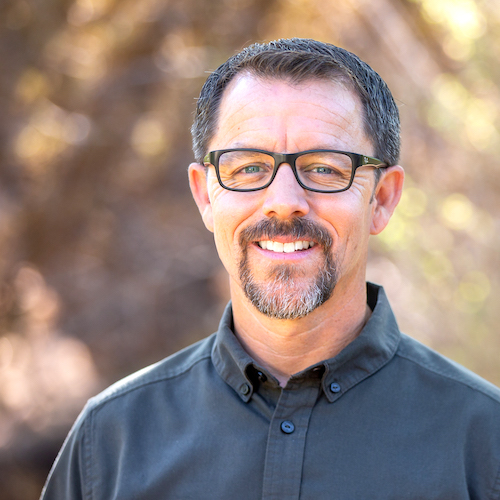
Lorenzo Perez is co-founder and directing principal of Venue Projects, an inspired redevelopment practice based in Phoenix, Arizona. Advocates for LOCAL community, culture and commerce, Venue crafts one-of-a-kind environments and experiences throughout the Metro Phoenix market.

A native Phoenician, Lorenzo holds a bachelor’s degree in architecture from Arizona State University, an active Arizona real estate license, and has been working in the Valley real estate development industry for over 25 years. A nostalgic storyteller who finds magic in the details, Lorenzo likes to say he talks fast, plenty and daydreams often.

A long-time member of the Urban Land Institute, a sincere believer in design and context sensitive development, Lorenzo is often invited to share his passionate perspective on Venue’s artistic approach to developing human centric places. Notable redevelopment projects include The Newton (formerly The Beefeater); The Orchard, The Windsor, The Alhambra (Mesa, AZ) and Arrive Hotel.

Read the podcast transcript here

Eve Picker: [00:00:05] Hi there. Thanks for joining me on Rethink Real Estate. For Good. I’m Eve Picker and I’m on a mission to make real estate work for everyone. I love real estate. Real estate makes places good or bad, rich or poor, beautiful or not. In this show, I’m interviewing the disruptors, those creative thinkers and doers that are shrugging off the status quo in order to build better for everyone.

Eve: [00:00:38] It’s been four years since I first interviewed Lorenzo Perez, and I love his work every bit as much as I did then. Lorenzo advocates for local community, culture and commerce in his real estate projects and for crafting artistic, one-of-a-kind environments and experiences. He and his company, Venue, put that passion to work throughout the metro Phoenix area. This approach helped them to weather the last four years, pandemic, and all. Lorenzo was about to open his first hotel project right after everyone was sent home. And yet, well, I’m not going to say more because that would make me a spoiler. You’ll have to listen in.

Eve: [00:01:27] Hello, Lorenzo. It’s totally wonderful to have you back on my show.

Lorenzo Perez: [00:01:32] Hi, Eve. Good to have you here. Thanks for giving me the opportunity to be back.

Eve: [00:01:37] Oh, yes. So, on your website: ‘Create, Inspire, Serve’. That’s what you and your company, Venue Projects aspire to do. And I just want you to tell me about that.

Lorenzo: [00:01:49] Sure. When we first started our company, my business partner said opportunities were going to be abundant but staying on track with our ‘why’ is super critical if we’re going to be successful. He had had other businesses that he had owned long term, and so we sort of settled, why are we doing this? And for us, we distilled it down to ‘Create, Inspire, Serve’. And both of us were just itching to do creative work and to do innovative work and to experiment with new ideas. The idea of creating beauty, creating value, creating goodwill, new models, new product, new services was just exhilarating. So that was our first item is we want to create. We’re both just natural creators. Inspire. We had done the corporate thing. Big company, grew it, you know, and it was just the higher up we got and the more we got into that world, the more soulless it was and the less inspired, you know, it became about managing departments and divisions and it was just transactional. So, I just wanted to, I’m like, man, if we’re going to work and life’s not promised, I want to spend my days doing stuff that fire me up. I wanted to be fired up with the work I was doing. I wanted to be inspired. I wanted to do work that raised my vibration, but also gave me the opportunity to raise other people’s vibration and do work that inspired others to do fun, creative work that made a difference. So meaningful work.

Lorenzo: [00:03:27] And so that sort of led to the third item is serve. You know, the motivation was to I my career was doing really exclusive, high end, unconventional projects in my former life. Like, real high-end homes for billionaire clients in California and Arizona and it was interesting for a while. But, you know, no one got to see the stuff we got to do. We were always tied to non-disclosures. We couldn’t take photos. Privacy was super big, and I just wanted to do something that was meaningful. I wanted to take what we learned, use our talent, and use our creativity to do stuff for everyday people. And so there was this service thing. I wanted to serve my community. I wanted to serve myself, my family, our team, our investors. I just was like, we wanted to do it not just for us, but for some, make, I guess, a greater impact beyond ourselves. So that’s where we settled on create, inspire, serve. And we use it as a metric in, underwrite all our projects, both quantitatively, so we do proformas and we look at that, but we also do it qualitatively and we try to balance, you know, okay this makes sense but then the qualitative piece is, you know, are we achieving our ‘Create, Inspire, Serve’ with this. You know and we number it 1 to 3 and we rank it. And sometimes we have competing projects that we’re excited about all of them. And we want to do all of them. But we can’t. Right? We only have so much capacity. We’re only a nine-person firm. So, we break out the create, inspire, serve 1 to 3. We each grade it, my business partner and I, and we see which ones stand out. And sometimes it’s incremental.

Eve: [00:05:21] Do you keep yourself honest, yeah?

Lorenzo: [00:05:23] Yeah. And you know I’ve had lenders and even investors say wow, you actually do ‘create, inspire, serve’ in your underwriting. I said yeah, and I go we also do this thing we call holistic ROI, which is one of our guiding principles with our projects is we’re always seeking holistic ROI, which is emotional, social, cultural, environmental, and economic return on investment. And so, we do the same with that. If we’re if we’re not getting, you know, emotional return on investment, if we’re not excited about it, it goes out the door. Social, you know, is this something we can do for the community? Is it going to be fun? Fun is huge for us, right? And then the other stuff cultural are we you know, we preserving old buildings? Are we, you know, helping to create culture in our city and our state? And the environmental piece is huge. You know, we’re big adaptive re users both with buildings but also the materials. We like to reuse materials creatively. And then obviously we’re in this to be for profit. A lot of people say, well, are you a nonprofit?

Eve: [00:06:32] That came at the bottom of your list, Lorenzo.

Lorenzo: [00:06:35] You know, it did. It did intentionally. I read a great book written by Danny Meyer called Setting the Table. He’s a super famous restaurateur and entrepreneur and he said something about his restaurants, that he made his economic return, sort of the last. And I loved the philosophy behind it because he said, if you have good people, you treat good people. You put out good experiences, good work, you know, it’s not verbatim, but that’s essentially his message. The money’s going to take care of itself. And that’s been our experience. If we do what we say we’re going to do, if we put out great projects and create places that human beings feel nurtured and excited to be in, then they’re going to want to rent from you. They’re going to want to visit, they’re going to want to patronize our businesses, and they’re going to be strong. Which is a great segue to Covid because, you know, want to talk about an opportunity to test that thesis. Covid was really eye-opening and validating for us in many ways.

Eve: [00:07:39] Right. Interesting. Yeah, you should tell us more about that. But I was going to ask you first. I was going to just say your work is really stunning, and I hope that everyone goes to your website, but you pick pretty abandoned and ugly buildings.

Lorenzo: [00:07:53] We do.

Eve: [00:07:55] That no one else seems to see value in and then transform them into these really stunning places.

Lorenzo: [00:08:03] Well thank you. Yeah, that’s intentionally intentional. We started our company in 2008 going right face-first into the deep recession in Phoenix, Arizona, of all places. We were like ground zero for the major implosion in real estate. And for many years we were on the blacklist, right? A lot of people couldn’t invest capital here and all kinds of stuff. So, the opportunity was great to buy distressed assets and to experiment. And Phoenix, you know, definitely has its share of architectural gems. We’re a young city in American standards. You know, we didn’t become a state till early 1900s, 1912.

Eve: [00:08:47] Very hot city.

Lorenzo: [00:08:49] And a very hot city, especially right now.

Eve: [00:08:51] Yeah. it’s bad.

Lorenzo: [00:08:51] You know, our building stock isn’t like the East Coast or the Midwest, you know. God, I’m always so jealous of the building stock from the 1800s and early 1900s. Our stuff is early 1900s. You know, occasionally we have some late 1800s that were old territorial buildings. But most of our stuff in Phoenix is mid-century. You know, we’re a 1950s, post-World War II city. And so that, in itself, is unique in America. And so we just decided, you know, let’s show value in what we got. We got to work with what we got. You know, we don’t have those other gems that the other coasts have. And let’s see what we can do with what we got.

Eve: [00:09:33] That’s liberating because you…

Lorenzo: [00:09:35] It was very liberating.

Eve: [00:09:36] You’re starting with something so awful that you can just go wild, right?

Lorenzo: [00:09:40] Totally. Yeah. And, you know, we have a lot of masonry boxes here and wood frame boxes and, you know, boxes are the easiest thing to manipulate. And so, you know, I studied architecture too and went to architecture school. So, it’s, I’ve designed my company around being basically an active architectural studio where we figure out, okay, we have a building, it’s our project. And then it’s like, what do we do with this? People always say, well, what kind of developer are you? And I’m like, you know, we’re just entrepreneurial and opportunistic and we’re not pigeonholed into any sector. We’re not a retail. We’re not a hospitality. We’re not multifamily or office. We look at projects, we evaluate the neighborhood and the context, and then we try to bring something that adds value to that neighborhood. And it’s a very liberating designer approach to development. And it’s just kind of what we’ve done. And it’s been fun. It’s our philosophy is create, don’t compete, right? And a close second is, deliver the unexpected, right? So, let’s take something that has been an eyesore or a problem in a community, and let’s turn this thing inside out and let it become an asset. Let’s transform it into something that adds value, but also becomes a catalyst for reinvestment and redevelopment. And that’s been our model since 2008, and it continues to be a driving force in our company.

Eve: [00:11:02] So talk us through some of your favorite projects and why they’re your favorite.

Lorenzo: [00:11:06] Oh man, they are all…

Eve: [00:11:09] They’re all your babies, right?

Lorenzo: [00:11:11] They are. You know, God I look back on them and you mentioned our website. We’re going to go through an overhaul because we’ve got probably 3 or 4 projects that aren’t even on our website that are really strong candidates for my favorite. But, you know, it’s like you build on each one. Our very first one. I loved them all for very different reasons. Our first one is like our first-born child, you know, it just was so exciting, so challenging, so rewarding. It’s been the best returning in the history of all the projects we’ve done. But man, let me think about that. I just love them all for different reasons. What I loved about all of them is that they educated us and opened our eyes and tested us, and I think every other project that followed, we were able to apply those lessons learned, and I think it continues to do so.

Eve: [00:12:04] Tell me about the one you know that I was worried about all through Covid because you opened a hotel. Actually, you were still finishing it when Covid hit.

Lorenzo: [00:12:12] Yeah, yeah.

[00:12:13] That was your first hotel project, right?

Lorenzo: [00:12:16] First hotel project. I had worked on hotels in my former life as purely a general contractor, where we did an adaptive, pretty deep adaptive renovation of a mid-century hotel here in Scottsdale called Hotel Valley Ho. So very kind of similar, but this was my first one where we were principals, and we were the developer. We were leading the charge.

Eve: [00:12:41] You had a lot to lose.

Lorenzo: [00:12:42] Yeah, we had a lot to lose. And we were co-developing this with a joint venture partner, much bigger developer, much stronger balance sheet, thank God. We had their savvy and talk about, you know, those project opportunities really throw you in the test. And you test people’s values and how they lead through problems. And we have great partners. I mean, we knew we were with true battle-hardened veterans. They just didn’t even bat an eye, you know, and they were a calming force. And we’re like, hey, we’ll get through this. Been through all kinds of stuff. We got to just figure it out. So, um, yeah, the hotel, my gosh, we started it in 2018, in a very hot hospitality market here in Phoenix. Man, bookings ramping up for all kinds of events. And I remember being excited and literally in early February of 2020 going, oh my God, we’ve never timed a project so well in a market cycle. Not… Lesson learned. Don’t ever get ahead of yourself.

Eve: [00:13:53] Four weeks later, right?

Lorenzo: [00:13:55] Literally, literally four weeks later, the world completely changed. I mean, we were on track to open April of 2020 to a really strong, you know, we had our, we were bringing on people. We were starting to work through our punch list and, but our hotel operator is out of LA and Palm Springs. At the time that co-developed the hotel with us, they had East Coast hotels, and they also were monitoring hospitality, and they started raising the flag. Hey, there’s some serious stuff going on in Asia and Europe right now that, you know, if it does get to the States, it’s going to be real interesting. And that sort of was presented to us towards the end of February and man, talk about. But you know, by May, was it March 16th I think, remember?

Eve: [00:14:53] Oh, March 15th, I came down with Covid.

Lorenzo: [00:14:56] Yeah, March 15th. I mean, I want to say it was the weekend before that they called us and said, we’re shutting down all our East Coast hotels. It’s going to happen in California. It’s going to happen. This is going to happen. And we were like, wow, really? We think we were kind of in shock and kind of like, what do we do? We have a hotel that’s about to be finished and opened. And we had people being trained. We were hiring. We’re making contractual agreements, big time financial decisions. And it was stressful. It was stressful, you know, and I think that month, March, and April were pretty crazy. We had to figure out, how are we going to finish this? Are we going to be shut down? You know, we’re almost to the finish line. God, where we could see the light at the end of the tunnel. After a really long, complicated, intense buildout. We were all exhausted and here we were going into, we thought we were going to get into revenue and change the the energy from pouring money out of our pockets into pouring money into our pockets. And it was a scary time. It was it was crazy. But I would say that project, we called it Arrive Hotel at the time we’ve since rebranded, which is another part of the Covid story we can talk about. But yeah, what a what a deal. We actually had to sit on an empty hotel, fully finished for an entire summer.

Lorenzo: [00:16:25] And you know, we’re burning overhead dollars like you couldn’t imagine. Utilities, we had to have everything, air conditioning through the summer. We had to have people living on property. So, it wasn’t vandalized because, you know, we fenced it. We had security, we just were, you know, the streets were empty here, too. Everything was on shut down lockdown and only essential workers, and Arizona was one of the states that allowed construction projects to continue. But we also dealt with a lot of the early breakouts. I got Covid in June of 20. I was a asymptomatic carrier. I had no idea I had it but brought it home to my wife and she was on total lockdown as the only way she got it. And it was just crazy. You know, we had the entire crew, crews, we had to do the whole early quarantining where we had to shut the entire job site down, so it was just, it was chaotic at best. But on top of that, you know we have a lot of restaurant-anchored retail properties that were operating assets. And so simultaneously I’m dealing with the hotel, but I’m having to speak with five different lenders because all our government shut down restaurants. So, I’m sitting there going, oh my God, you know, if they can’t open, they can’t pay rent.

Eve: [00:17:41] That must have felt really surreal.

Lorenzo: [00:17:43] It was crazy. It was really surreal. And I remember having, talk about sleepless nights, sitting there, really having to kind of just breathe, stop, and breathe and just go, okay, this is so out of your control, so don’t make yourself sick over it, right? Like it’s important you stay healthy right now and not stress out so that you’re, you know, I’m thinking about what’s in the air, you know, is this something that’s going to kill me? Is the whole company going to implode? I mean, it’s the world falling apart. What’s going on here? Is this going to financially just be a disaster?

Eve: [00:18:15] I was negotiating rent abatements with all my tenants while I had Covid, with a fever of over 100. I don’t even know what I said to them.

Lorenzo: [00:18:27] Oh, God. What an experience, right? I mean, I just sat there some days and laughed and said, what? This is one heck of an adventure. I mean, who could have ever saw this coming. It was an interesting experience. I mean, I’ll tell you what.

Eve: [00:18:44] I don’t want to have it again. Put it that way.

Lorenzo: [00:18:46] Me either. But I’ll tell you, it was the most diverse mix of emotions, from extreme fear, nervousness to, elated gratitude for just the, the little things, you know. Banks working with you, reassuring you that, hey, we’re in it together. You’re good. You know, we have a great relationship. We value relationship. Do what you got to do, you know, just keep us posted. And I was just like, God, I’m so grateful for the choices and the decisions we made with our partners, with our lenders, with our tenants. Top to bottom, grateful for the neighborhood relationships we had, our staff, our team. Grateful for the US government throwing us PPP and an EIDL loan so could keep our team employed and keep us functioning. I mean, in many cases, it was extremely just so devastatingly sad and scary. But in many cases, it was just a wonderful experience in terms of just seeing how people can put aside differences to come together and make things happen. So, I’m with you, I don’t ever want to go through that again. But I’m grateful that I did and I’m grateful that I survived it. You know, we knew people who didn’t survive illness. And a lot of companies didn’t survive financially. Some people were devastated by bankruptcies and foreclosures. And I’m just so grateful, you know, it was one heck of an experience.

Eve: [00:20:25] So what happened with the hotel? How what, like, where is it now?

Lorenzo: [00:20:29] Oh my God. So, the hotel is doing really well right now. Thank you. And and I’m so grateful. And surprisingly, we started pretty dang strong. That hotel project was going to be the death of me, though. My God, we hit every frickin’ curveball obstacle that you can imagine.

Eve: [00:20:50] I shouldn’t be laughing.

Lorenzo: [00:20:52] Oh my God, no, but it’s just, you know, I look back now and I’m just like, how the heck did we survive that? We were a year late. We were $4 million over budget. We went through a pandemic. We had a really tough experience with a general contractor. We went through five superintendents. We were in the early stages of serious market escalation. Phoenix is a hot market still. I mean, it was hot through the pandemic. It was hot before the pandemic. We have so much going on here in construction, semiconductor industry, a lot of infrastructure, work, office, industrial, logistics, just name it. And so the demands on our workforce and resource spaces, concrete, stuff like that, I mean, we just, we hit it all. We also went through two of the wettest El Nino years during construction. And of course, it’s when we were doing site excavation and grading and underground utilities and foundation work. So, we literally had to shut our site down like 4 to 6 weeks sometimes because we were so saturated. And, you know, this desert soil doesn’t absorb like, it’s just so hard. So, we get runoff and it just takes forever for sites to dry out. And then the dry heat comes. It didn’t help that we were actually kind of humid during that time. So, it was very just uncharacteristic experience for Phoenix.

Lorenzo: [00:22:25] And then we get open, finally get open in the late summer, just out of necessity. I think we opened half the property in August of 2020 and to our surprise, booked, like crazy because people wanted, we had a lot of people coming from California escaping the lockdowns there. We were pretty open in Arizona, so people were literally coming for getaways to Phoenix, and they were staying at our hotel. A lot of people were kind of living there, renewing, coming back every other weekend. We had a lot of staycationers, people that were locked up in small apartments or whatever, they wanted to be… If you haven’t seen our hotel and it’s not on our website yet, but you can look it up. It’s been rebranded as Rise Uptown, in Phoenix, Arizona, and it’s a boutique hotel. We took two 1950s office buildings and created a boutique hotel out of it, and it’s very indoor/outdoor oriented. So, we actually had, I forget the hotel group, Conde Nast did a write up with Arrive Hotels, and we had some other group come out and interview us, but they actually walked through the property late 2020 and was like, oh my God, this is a poster child of a post-pandemic hotel because it was so indoor/outdoor oriented. It was basically like a 50s hotel, like you didn’t have to go in any corridors to get to your room. You could walk upstairs or take an elevator. You had choices. And out of 79 rooms, 59 of them have private, dedicated outdoor space.

Eve Picker: [00:24:07] Oh, perfect.

Lorenzo: [00:24:07] Very roomy balconies with views and private courtyards on the ground level rooms. And so, people could socially distance, easy at our hotel. So, I mean, our appraiser actually did a post certificate of occupancy walk with me. And he was very critical. He used to drive me nuts actually and this was very rewarding and validating because I got the last laugh. But he was very kind of critical about the hotel. He just couldn’t see the vision for it because it was just such an old beat-up building. And he saw the pre-construction estimate. He did a mid-construction estimate, and then he came and did the final appraisal. And when I walked up to him, he’s just snapping photos like crazy on his phone, and he’s just got the biggest grin on his face. And I walk up to him and I said, hey, how are you? And he goes, oh my God. He goes, I am just speechless. I cannot believe what you guys pulled off here. The transformation was just incredible to him. And he said the same thing. He goes, man, I thought you would be at a disadvantage having to get to your rooms in outdoor corridors and walk upstairs or take an elevator like you were so outdoor oriented, it just seemed like it was going to be a disadvantage to you. But he goes, I actually think this is going to be such a differentiating element to you, and it’s such a differentiator in the market, and it really proved that. It does to this day, we are a very hot location for not only out-of-town visitors, but a lot of inner-city interstate staycationers. We offer day passes at our pool, and that’s become just such a huge revenue driver for us, for people who want to come to a cool hotel and hang out. And so, it’s just, it was such a tough journey but man, I’m so grateful to say.

Eve: [00:26:00] That’s really good to get at the end of it.

Lorenzo: [00:26:02] Yeah, we’re doing really well.

Eve: [00:26:04] So I wonder if, you know, if you’ve been thinking about like, a world full of other viruses and climate change and how does that impact the way you think about design, or do your designs fit right in, you know/

Lorenzo: [00:26:19] So our properties, if you look across our portfolio and I’ve had lenders and appraisers say this, I’ve had brokers say this, they’re like, man, your properties were so resilient during Covid because we always approached our projects with a balance of indoor/outdoor. You know, people always characterize Phoenix as hot, but nine out of the 12 year, nine out of the 12 months here, I mean, we live indoor/outdoor all year long. It’s just really that. And even in the summer, I’d say we’re outdoors a lot because it’s a dry heat. And then when the sun’s down, or if you’re in shade and you get some air movement and a little bit of moisture or humidity, it’s actually somewhat tolerable. But I would say 8 to 9 months out of the year, people want to be outdoors. And the most successful retail and now residential now hospitality environments offer an indoor/outdoor experience. So, in Covid, our projects were really pretty resilient. Our retail restaurant, because we have expansive patios and outdoor space, so that really proved to be, I mean, some of our restaurant tenants had multiple locations, and the only ones they kept open were on our properties.

Eve: [00:27:37] That’s interesting.

Lorenzo: [00:27:38] Because they just were set up for takeout and outdoor lingering. And so that was just really validating for us. And our lenders actually were like, God, you know, they’re asking their other developers these questions, how are you designing to be more resilient in an environment where we may need to be more indoor/outdoor? And our buildings also open up, they breathe. So, we have a lot of multi-slide doors, flip up windows. They become basically pavilions in spring and fall. And so, a lot of the buildings were able to just open up and people felt safer in them. And so, our restaurants, all with the exception of one, are pre-pandemic. They’re killing it. They’re doing really well. They’re struggling because the lack of workforce in the back of house and kitchen. But we’re seeing that in any industry, we just we don’t have the workforce that we used to, but revenue wise they’re doing really well. We have one restaurant on a property that just hasn’t made it back. They’re more of a fine dining concept, and it just didn’t lend itself well to take out, and it didn’t lend itself well in a post-Covid world. It’s more expensive, it’s labour intensive, and they’ve decided that they are going to concentrate on a smaller restaurant and put all their energy. They’re going to close their second one in the spring.

Eve Picker: [00:29:08] Interesting.

Lorenzo: [00:29:08] We’re helping them with that transition. And, but we’ve got a lot of suitors for that space because they saw how resilient it was. And so, we’re grateful that we’ll hopefully be able to transition into a new operator here soon.

Eve: [00:29:23] So after all of this, what’s next for you?

Lorenzo: [00:29:27] We’re in transition. We’re in our 15th year of business. I’ve got a business partner who turned 75 earlier this year, and he’s starting to eye working less, grinding less and traveling with his wife and want to go spend some time with their grandkids up in Oregon. So, we are thinking about, you know, a strategic transition plan where they’re working themselves. Both of them, him and his wife fill very big roles here. He pretty much watches over our construction field guys and execution of projects because we’re a design build, develop, own, and operate practice. And his wife is my right-hand person. All things in the business, HR, risk management, finances, managing our accountants and entity management for our partnerships. So, we’re working through succession. We’re also trying to think about, we’ve sold off some stuff to just make us a little more liquid in that transition. And, but we acquired a bunch of properties during the days when we could find distressed assets here. And so, they’ve been sort of just income properties for us. But now we’re in entitlement on many of them. We’ve decided a few years ago to shy away.

Lorenzo: [00:30:41] Actually, we decided pre-pandemic to shy away from a lot of the restaurant anchored retail, just because there’s a lot of players in that space now. And we wanted to really get back into innovative housing and experiment there and different concepts we have in mind. So, we’re working on that. There’s a need for housing big time in Phoenix, a diversity of product. So, we’re shifting our attention into some really interesting housing projects, multifamily rentals, some infill pocket community stuff. And we’ve loved the hospitality. I mean, the hotel, as difficult as it was, it’s, you know, hospitality is weaving its way into every sector, you know, I mean, every sector. Medical, office, I’d even say industrial, like, you know, wherever humans are, there’s a hospitality bent. So, we love playing in that space. We’re still focusing on urban infill and adaptive reuse as a core business. However, most of our housing projects are going to be new construction because they’re on big lots with vacant, small vacant buildings that really didn’t lend themselves to be repurposed. And so, we’re getting into that space. We’re venturing into more joint ventures.

Eve: [00:31:58] This doesn’t sound like winding down, Lorenzo.

Lorenzo: [00:32:02] Well, it’s not winding down.

Eve: [00:32:04] It’s moving on to the next thing.

Lorenzo: [00:32:06] It’s moving on. Well, it is. This has been the delicate dance in our evolution as a company. We’ve got a really young team that’s just inspired and fired up to keep doing what we do. And so, in one hand, I’m looking forward to working with this just energetic bunch of just talent that we’ve been able to groom and cultivate over the years and find a stable financial future and fun future for them in their career development. On the other hand, I’m trying to manage this transition with my partners. So, they’re just very supportive. And I think they are thinking, yeah, we want to help you get to the future, but how do we do that? So, they have less risk, but they also get to play a role in continuing to co-invest alongside us and stuff. So, it’s been exciting.

Lorenzo: [00:32:56] The last few years, I’d say the last 3 to 5 years, we’ve done more joint venture work with other, bigger developers where they’ve had stronger balance sheets or more experience, but they’ve been attracted to working with us for our creativity. And, you know, we came from big, corporate, very disciplined companies so we’re sort of an outlier in the sense that we’re small, but we’re very disciplined and we’re extremely dreamy and creative, but we’re very, we’re counterbalanced in reality. And, you know, we’ve always had to bank and underwrite our projects, and none of us want to lose everything we worked so hard to create. So, we’re kind of this interesting piece that can plug into a bigger company, into a bigger development arm and play with a bigger canvas, I’ll say. So, I see more of that kind of work in the future. We’re working on a great project right now I told you about. It’s a public/private partnership with the city of Tempe. We were invited by the city to take a look at their five-acre site. It’s an old historic flour mill that sits right in the middle of Mill Avenue.

Eve: [00:34:06] Oh, fabulous.

Lorenzo: [00:34:07] It’s tied to the founding of the city. It’s on light rail. It’s serviced by, it’s in a walkable, dense urban area. But it’s an industrial eyesore, but it’s right in the middle of the best location. And so, we’re excited to do it. We’ve never done a public/private partnership, but we’ve partnered with probably one of the largest local developers, if not the largest local developers in Arizona. He’s very accomplished. He’s been a mentor of mine, and we never thought we’d find an opportunity to work together. But when he heard, he actually threw my name out there and said, these guys got to do this project, they’re perfect for it. When I turned him down and said, I would love it, I’m not even scared to tackle it, but I know nothing about public/private partnerships, or it has to be on a land lease structure. I don’t even know how you would capitalize it. It’s so unconventional and that’s what this guy excels at. He’s a land lease expert. He’s done tons of PPPs, he’s a finance genius. And he says, hey, why don’t we team up? Let me take that piece, and you do what you do. And together we actually might get this thing done. I think there’s been 7 or 8 attempts by other developers over decades to try and redo this site. It’s very nuanced, it’s t’s very complicated. It’s a culturally and historically significant site for Arizona tribal communities. It’s a tough site. It’s a hillside. Geotechnically it’s tough. It’s historically protected. It’s just got a lot going on and a lot of political and civic emotion behind it. So, it’s, we’re in the fishbowl. It’s going to be one heck of a challenge.

Eve: [00:35:46] When you get a little further on with that one, I’d love to talk to you about that again.

Lorenzo: [00:35:49] Absolutely.

Eve: [00:35:50] And I’m going to threaten what I’ve been threatening a lot of people. I just have to come and look at all your buildings.

Lorenzo: [00:35:56] Oh, you’ve got to come out.

Eve: [00:35:57] Not in the Summer. Not in the summer.

Lorenzo: [00:35:58] No, come in the spring or fall, and we’ll put you up in our hotel and we’ll have a fun time. We’ll take you out to some fun restaurants.

Eve: [00:36:05] I was planning to do that in 2020.

Lorenzo: [00:36:09] Well, you’re going to need to unplug in late 23 or early 24, so give me a ring.

Eve: [00:36:16] This is fabulous, Lorenzo. It’s really exciting to hear about your work and…

Lorenzo: [00:36:21] Thank you.

Eve: [00:36:21] … I’m just hoping it gets better for you. Better and better and better.

Lorenzo: [00:36:24] Thank you. So do we.

Eve: [00:36:26] Okay.

Eve: [00:36:41] I hope you enjoyed today’s guest and our deep dive. You can find out more about this episode or others you might have missed on the show notes page at RethinkRealEstateforGood.co. There’s lots to listen to there. Please support this podcast and all the great work my guests do by sharing it with others, posting about it on social media, or leaving a rating and a review. To catch all the latest from me, you can follow me on LinkedIn. Even better, if you’re ready to dabble in some impact investing, head on over to smallchange.co where I spend most of my time. A special thanks to David Allardice for his excellent editing of this podcast and original music. And a big thanks to you for spending your time with me today. We’ll talk again soon. But for now, this is Eve Picker signing off to go make some change.

Image courtesy of Lorenzo Perez

The Aux Evanston

December 12, 2023

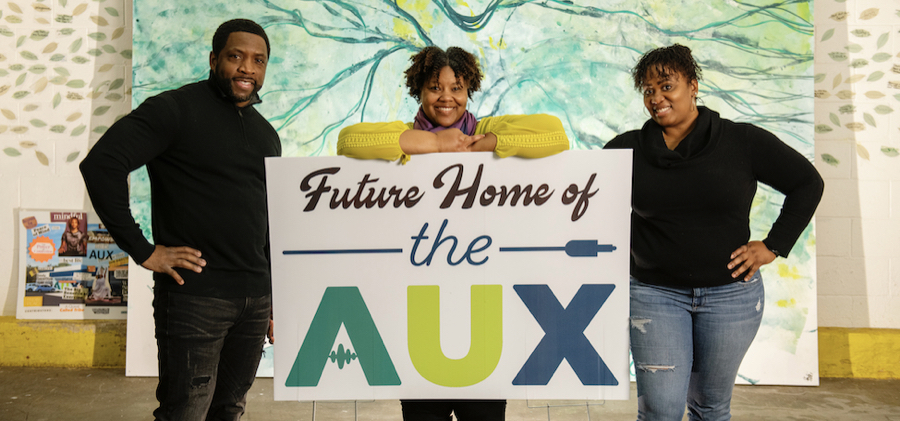
There’s a real estate project underway in Evanston, Illinois, and it’s called The Aux. Led by a diverse team, it represents much more than just the revamping of a 16,500 square foot vacant factory building. It represents the aspirational hope of a community.

Not only does the community plan to fully renovate the building into a wellness hub, they plan to populate the space with local, black-owned businesses including an award-winning chef, a laundry cafe, private offices and co-working space to name a few. Space is also planned for pop-up businesses coupled with entrepreneurial training programs in order to provide accessible marketplace options for growing new businesses.

The instigator, a non-profit, assembled a co-developer team of local leaders. They’ve decided to take on an even bigger challenge than this renovation.  They are planning real community ownership. Every investor will become an owner with voting rights.  

If you’re interested in supporting real estate projects that make a difference, look no further than Small Change, where The Aux is raising funds through a crowdfunded community round. Anyone who is 18 years old or older can invest here.


This is not a solicitation of an offer to buy or sell any securities. All investing is risky and involves the risk of total loss as well as liquidity risk. Past returns do not guarantee future returns. If you are interested in investing, please visit Small Change to obtain the relevant offering documents.


Image courtesy of The Aux Evanston

The King Henry

November 28, 2023

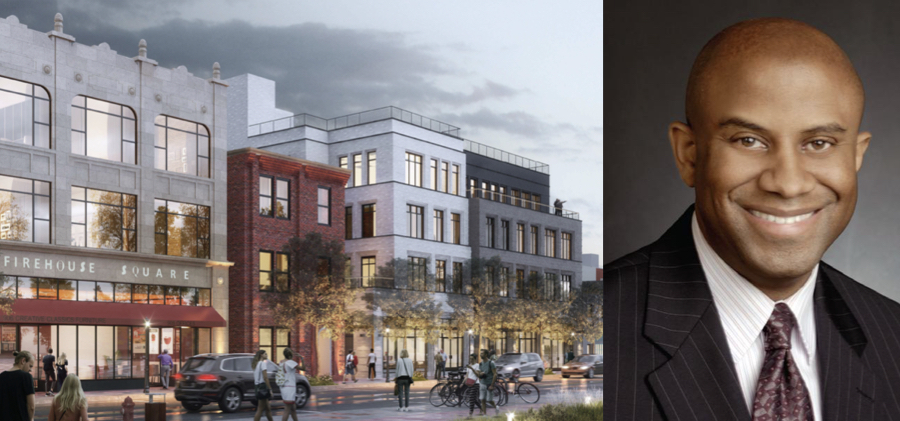
When developers recognize the value of place, exciting projects emerge. One such project is The King Henry in Alexandria, Virginia. 

Historic Alexandria in Virginia is just five miles south of Washington DC, a water taxi ride away from the National Harbor and a bike ride from Mount Vernon. The city is nationally recognized for its rich history and beautifully preserved 18th- and 19th-century architecture. Voted one of Travel + Leisure’s best places to travel in 2021 and a Condé Nast Traveler top five best small city in the US, 2022, Alexandria has a cosmopolitan feel and a walkable lifestyle. On Old Town Alexandria’s King Street mile you’ll find more than 200 independent restaurants and boutiques, intimate historic museums and new happenings at the waterfront.

Joel Miller realized  that surface parking was not the highest and best for the surface parking lots on King Street, and set about designing a more appropriate plan.  Four distinct buildings are planned to be built on two sites, replacing the surface parking with a brand new  parking deck and automated parking system, and adding 52 residential units to the dense and desirable neighborhood.

Joel’s taking it one step further.  He’s opened up a community raise on Small Change, inviting anyone who is at least 18 years old to invest. You can view the listing here. It’s open for investment right now.


This is not a solicitation of an offer to buy or sell any securities. All investing is risky and involves the risk of total loss as well as liquidity risk. Past returns do not guarantee future returns. If you are interested in investing, please visit Small Change to obtain the relevant offering documents.


Image courtesy of The King Henry

Shift capital.

November 8, 2023

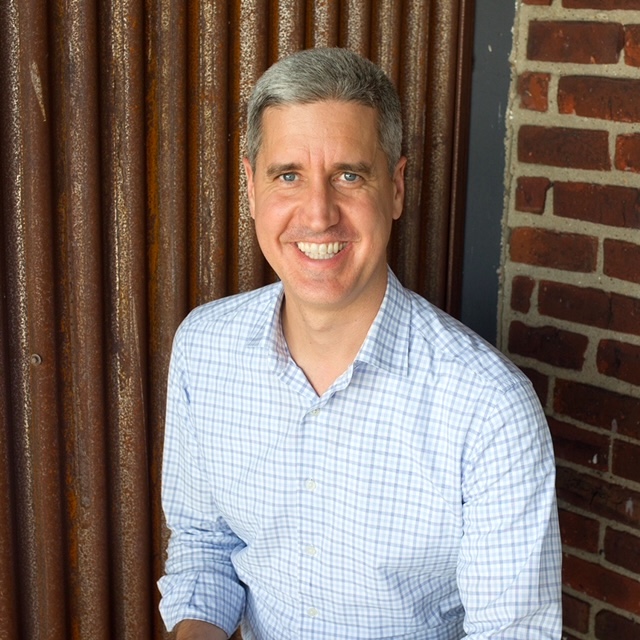
Brian Murray is the co-founder of Shift Capital, an impact urban real estate group driving mission-oriented capital, collaborative resources and inclusive strategies into underserved communities. Through his work at Shift, Brian is focused on finding better solutions at the intersection of society’s most difficult urban challenges – intergenerational poverty, urban revitalization, access to opportunity, and community displacement. Brian led the capital raise for SHIFT’s Neighborhood Fund and manages the deployment of over $330 million of investments throughout SHIFT’s portfolio in Philadelphia, Newark NJ, Washington DC, and Upstate New York.

Brian spent the majority of his career outside of the real estate space, starting his career at PricewaterhouseCoopers as an auditor. He moved into the technology space where he helped found two start-ups, before joining the Peace Corps and heading back to get his MBA. While in graduate school, Brian observed the growing interest in impact investing – investing with a purpose. It was at this time he made his first real estate investment and discovered the importance of socially-minded development. He hasn’t looked back since.

Brian is a graduate of The College of New Jersey and received his MBA from Yale School of Management. He is the co-founder of Arete Youth Foundation, focused on youth development in the Roma communities of Bulgaria. He has two daughters that keep him young at heart and on his toes.

Read the podcast transcript here

Eve Picker: [00:00:08] Hi there. Thanks for joining me on Rethink Real Estate. For Good. I’m Eve Picker and I’m on a mission to make real estate work for everyone. I love real estate. Real estate makes places good or bad, rich or poor, beautiful or not. In this show, I’m interviewing the disruptors, those creative thinkers and doers that are shrugging off the status quo in order to build better for everyone.

Eve: [00:00:43] This is my second podcast interview with Bryan Murray. But time has passed, and his business and expertise have grown. Brian came to real estate as a non real estate guy. Always interested in impact, he wanted to find a way to address poverty and real estate presented a tangible path. And so, he launched Shift Capital, an impact urban real estate group focused on mission oriented real estate strategies in underserved communities. And so, he launched Shift Capital and Impact Urban Real Estate group focused on mission oriented real estate strategies in underserved communities. Simply put at Shift, Brian works on uncovering better solutions to society’s most difficult urban challenges – intergenerational poverty, urban revitalization, and access to opportunity and community displacement. There’s a lot to unpack here, so take a few minutes and listen in.

Eve: [00:01:56] Hey, Brian, I’m really happy to have you join me today.

Brian Murray: [00:01:59] I’m super excited to be here.

Eve: [00:02:01] We are real estate developers who do things differently. That’s what your website announces really boldly. So, tell me what that means.

Brian: [00:02:10] Sure. For us, what that means is that we are focused on building equitable neighborhoods, and we are focused in doing it in untraditional ways to the typical real estate development cycle. We focus on a hyperlocal approach. We focus on scale through that hyperlocal approach, and we focus on doing it holistically and really trying to dig deeper with the community beyond just participation, but equity building as well.

Eve: [00:02:43] We’re going to unpack that a little bit later. Right? So…

Brian: [00:02:45] That’s alright.

Eve: [00:02:46] And like, how did Shift happen? What are its origins and how did it come about?

Brian: [00:02:52] Yeah. By the way, in preparing to talk to you again, I went back and I looked through all your old podcasts, and I just want to say that the amazing people that you have interviewed over the years, I’m probably going to now make your podcast a requirement for anybody that we hire just so many good friends and great people and a lot of people that I admire that I haven’t met before.

Eve: [00:03:18] It’s been an enormous learning experience for me. I’ve enjoyed, like, I’ve really enjoyed talking to people and figuring out what’s going on.

Brian: [00:03:27] Yeah, I think you’ve really unpacked so many aspects of this, quote, non-traditional part of the real estate cycle. But I think people who are focused on all aspects of it, which is amazing. Sorry. What was your question? Your question was Shift origins. Yeah.

Eve: [00:03:44] How did Shift happen?

Brian: [00:03:46] Yeah. So, I’m not a traditional real estate person. I didn’t come up through the institutional real estate world and then come into development. I came into development with a goal to make an impact on poverty. My background was a mix of entrepreneurship, nonprofit work, Peace Corps, business school, etcetera. And I knew I wanted to combine all those things in a way that was creating effective impact. And what I mean by effective impact was I was struggling with the impact that the nonprofit sector was making. I was struggling with the idea of entrepreneurially just chasing money. And I knew I didn’t have the personality for the government sector and policy. Although I’m a, you know, a huge believer that that policy really drives a lot of this change. And so, that ended up being a, you know, an investment during business school and a small real estate deal in Philadelphia. And then realizing and really connecting meet with me personally that impact of real estate in people’s lives. The physicality of it, how these things get financed, who’s benefiting from this. And you know, as you’ve talked about and we share, you know, real estate surrounds our lives. We live in it. We breathe in it, we work in it, we walk by it. And in low-income communities and communities that have been left out of investment, I think it’s even more profoundly negatively impacting. And that’s what I wanted to build. I wanted to build a company that was really digging deep into that challenge and thinking about how is what we’re doing connecting with making people’s lives better.

Eve: [00:05:38] So how do you approach that with each building project? What’s the process like from beginning to end? Can you talk about that?

Brian: [00:05:46] Well, we’ve evolved. We’ve been doing this for about 12 years. And in the beginning, I will share that, you know, I don’t think we really had this worked out. I think we made a lot of mistakes, and we were making investments without an overarching strategy, and we were making construction mistakes and other things that were challenging. But ultimately, we have evolved into really two core philosophies. One, is that we believe in investing in place. So, place-based strategies, concentrating our investments. So, it’s really not just about investing in one building. It’s about investing in a group of buildings so that we are maximizing that impact. That has shown up in our shift neighborhood fund, in our work in Philadelphia, where we’ve really gone deep in, now, three neighborhoods in Philadelphia. The other way that it has evolved for us is realizing that our work can connect the dots between other challenges in the real estate sector. So, specifically going through our own journey, and I’m a, you know, a white male, which, and carry a lot of privilege, but I found getting into the real estate sector to be the most harrowing and crazy and unbelievably risky thing that I’ve done. And I’ve been an entrepreneur my whole life,

Eve: [00:07:10] Really?

Brian: [00:07:12] It’s set up to keep people out, and we combine that with, you know, redlining and access to information and bank practices that are still happening today, to insurance practices that are now hitting our industry again in low-income communities. And there’s no wonder that there are not a lot of women-led black and brown led developers. And working in the neighborhoods that we’re working in, we knew we wanted to do something, so we created a platform and a program to focus on that as well. So, we do our own work and we also try to uplift others through partnership as well.

Eve: [00:07:49] Yeah, access to capital, really that’s what it’s all about, right?

Brian: [00:07:53] Access to capital. But not just capital. Right? So, for those of us who work in places where the numbers and the math don’t work in a traditional sense, we also have to be experts at tax credits and subsidy sources. And with all of those additional items in the capital stack, the skill set needed is exponentially more than someone who’s just doing a simple office product or what have you.

Eve: [00:08:24] Oh yeah, and I think appraisals are absolutely key as well. Early on in my career, I would have appraisers calling me just bewildered about what I was doing and not sure what comps to look at. And that’s another skill set you have to develop, I think. Yeah.

Brian: [00:08:43] It’s a combination of factors. But you know, and one of them is a spiral  effect of, you know, of groupthink that happens. Right? I think the statistic is 95% of appraisers are white, male, and in all likelihood not from the communities that they’re appraising. And as Andre Perry and many others have pointed out, you know, just a devaluation of urban black and brown neighborhoods as a result. And so, you combine that with institutional and, you know, capital staying out of those neighborhoods, afraid of being termed gentrifiers or afraid of the perception of safety. All these things combine to make real estate in the places we want to invest in much harder. And I only bring that up to say that it’s not just about access to capital. It is truly challenging on all levels. And for someone who is, wants to do good and, you know, and maybe does have some of the skill set, the team that you need to hire to be able to do a larger project, it’s an awful lot of money just to get a project off the ground. You know, you can’t make any mistakes because the numbers and the math are very difficult. And then you’re you’re not going to see a dollar yourself for maybe three, 4 or 5 years and then…

Eve: [00:10:06] Or longer.

Brian: [00:10:07] Or longer. What we have experienced ourselves and, you know, I have been really pushing against this is, whether it’s banks or investors and even mission investors believing that we need to continue to stick things in the same box. So, what I mean by that is that when a project is, we’re two weeks away from closing, we’ve been working on a project for two and a half years and interest rates change. Well, you know, everybody comes back to the developer and says, okay, well, now you need to contribute your developer fee, or you need to defer your developer fee, or you need to get rid of your, the only dollars you’re ever going to have to put food on your plate. Guess what? You can’t have that either. And at that point, when someone’s been working on something for two and a half years, what are they supposed to say? They’re going to get it done. And they give up the only way that they can provide for their families. That’s just not fair.

Eve: [00:11:04] Well, I wouldn’t agree, but still. Yeah, it’s really a very difficult business, I have to say. I’m a developer and I have a portfolio thanks to my husband. I don’t know, because he supported us through all those years of waiting for something, now we have a very nice retirement fund, so it’s payback time. But I just don’t know who someone on their own can do this. They have to be getting an income. You have to be. And the problem with it is, Brian, for some reason, developers are painted as evil, money-grubbing people across the board.

Brian: [00:11:45] Yeah.

Eve: [00:11:46] Maybe some of them are, but a lot of them aren’t. So how did that happen? When you talk, you talk about, you know, giving up fees and just scraping by.

Brian: [00:11:56] When we talk about, it’s funny because I bring this full circle to the Small Change platform. And one of the incredible benefits of participating and being a part of, and we have now our second project on the platform, but one of the massive benefits is not that we’re necessarily going to get thousands of people in the community to invest, is that we are going to expose thousands of people to the community, to what happens behind the curtain. And, you know, I do believe that the evil developer has been used as a tool that has negatively impacted a lot of the neighborhoods that need good developers and good development and good investment, because it has filtered down from watching maybe 30 years of center cities getting gobbled up for dollars, and then the truly evil developers of the world who have exploited opportunities when in reality most developers you know, are not and are working within a system and just trying to put together things. This is not a business for someone to run in and make a ton of money quickly, you know, and blood, sweat, tears, you know, in 30 years, yeah, I think, you know, it’s a great business. But that’s a lot, it’s a misconception, both actually of young developers and a lot of our work is helping to demystify and make sure that people understand the risk.

Eve: [00:13:28] Yeah.

Brian: [00:13:28] Because a lot of people get into the business without understanding that they might be putting their home up. But I do think that that translates down into communities. And this you know, I think the gentrification conversation is in that, I think the fear of change is in that, but using the Small Change platform to educate people like, hey, wait a minute, you know, look behind the curtain, you know, this school project that we’re doing, you know, there is not a lot of money that we make, and there’s a lot of risks that we’re taking to get this thing done, has been really valuable. And I think we need to continue to educate communities on the positive side of inviting developers into their communities as well.

Eve: [00:14:08] There’s also the issue that investors, maybe goes back to Sesame Street. They want immediate gratification. I actually had one investor say to me, I’ve been investing in, I don’t know, something that she was getting returns every six months. You know, I’d like a short-term investment in real estate. I’d like to move into real estate. Can I get my money back in a year? And I was like, dumbfounded. A year is no time at all in the real estate world. Like, you know, you’ll have to wait a little longer. And I think that’s also an educational mountain to climb because everyone talks about portfolios, right? And yes, some people need to have a return immediately. But I think the value of real estate is that you can have something that will grow over time, in value, in time. It’s not about that immediate cash flow. But most people don’t understand that there’s a big educational gap.

Brian: [00:15:06] Yeah, and I think that’s not just individuals. I mean, I think that the other factor that I didn’t mention yet is just institutional capital. So, when we raised our first fund, we were pre opportunity zone, pre you know a lot of stuff. And we were asking investors to invest in a neighborhood that had an average median income of $22,000 but we believed in, for a variety of reasons. And you know I wanted to do a ten-year fund. And I just said, you know, this is not going to be an overnight thing. It’s going to be a long-term investment. That’s actually how we seek to be more aligned with community if we’re longer term. And, you know, my advisors at the time said, you know, the marketplace isn’t, you’re not going to raise any anything. No one does ten-year deals and funds and you’ve got to be five years. So, five years is impossible.

Eve: [00:15:59] It’s impossible. It’s impossible.

Brian: [00:16:01] So I ended up doing a seven-year fund with three one year extensions is what I was able to pull off. And then of course, the marketplace changed with the Opportunity Zone legislation, which changed mindsets to ten years. But I believe that the real work is actually with the generational investment groups, the groups that can think generationally or think at least on ten, 15, 20-year time horizons. That’s where the real value opportunity is. There’s still so much capital chasing the five-year cycle, and that is detrimental to investments in cities, which I think you have to inherently believe long term in cities. But if you do, there’s a lot of opportunity.

Eve: [00:16:50] Because the hard stuff that really provides a return, it’s just going to take a longer time.

Brian: [00:16:56] Yeah.

Eve: [00:16:57] Anyway.

Brian: [00:16:58] Yeah. So, you know, I think you combine that with, and I’ll just make one last comment on this that I think is important, especially for those out in your audience who are, you know, are talking to institutional equity and thinking about that source. The impact investing world has evolved and has really grown. You know, 12 years ago at Socap, which is the premier impact, I felt like we were the only real estate person there. And now, you know, it really is revolving around investment and community. But I have found that institutional capital still is on the 80 over 20 and 2 mold, you know, which is to simplify that down to basically 2% asset management fee and then a 20% promote over a certain equity hurdle.

Eve: [00:17:47] A promote for those who don’t know what it is, is what goes to the person who’s putting the fund together or the project together. Yeah.

Brian: [00:17:55] It’s your pod at the end of the rainbow. But obviously if your project doesn’t work out, you don’t have any of it. And so, I think in the impact space, there needs to be a reckoning on incentive structures that properly reward the amount of time and effort. Because an impact project, I mean, I’ll put it toe to toe with any, you know, equity real estate group out there, is infinitely harder than, you know. If I’m buying triple net industrial across the country, you know, I can have a team of two and do that. If I’m doing, you know, the type of projects that we do, the neighborhood investments that we do, I have to have a team of ten plus and the expertise is hard. And so we don’t get paid for that, nor do we get, you know, even, you know, the 2%. Now we have to also report on impact metrics. But guess what? We have to do all this additional work in this model that was never set up to, it was set up for a different world, honestly.

Eve: [00:18:59] Yes. Yeah. Well, tell me about a favorite project and why it’s favorite and how it met your goals.

Brian: [00:19:08] Yeah, I’m going to get to my favorite project by just talking briefly about this next gen platform that we were doing.

Eve: [00:19:16] Okay.

Brian: [00:19:16] It started with actually a group in Philadelphia, Mosaic Development Partners, where a Sharswood Ridge project that we did on Small Change that created the framework for us to create this next gen platform. And our next gen platform is a platform where we are investing in and with what we call the next generation of impact developers. And it’s the belief that we are seeking to help raise the game for developers who are trying to break into that next level of their business. And the majority, you know, with a strong emphasis on women led development groups, Black and Brown led development groups. And right now, we’re working with 11 different sponsors across the country from Rochester, Ithaca, Newark, Baltimore, D.C., Southern California.

Eve: [00:20:09] And again, for our listeners who don’t know what a sponsor is, that’s really the developer, right?

Brian: [00:20:14] A development partner. So instead of, you know, in our world, a lot of times developers have to look for allocators. So, people who are allocating capital and we’re trying to come up alongside as a practitioner, as a developer ourselves and recognize that it’s not just about the money, it’s also about, you know, providing and buttressing, you know, development groups who are, you know, on their growth path that might not have exposure to new market tax credits, for example. And we’re able to help lean in on that on a particular deal. So, through this platform, about two and a half years ago, we were approached by a Latino owned housing group in Philadelphia called Voyage Investments. And Voyage was started by two gentlemen, Alex Robles and Juan Saenz, who went to undergrad together. Alex, both, you know, incredibly incredible pedigrees. Alex, many years in the real estate space and went to Wharton from the neighborhood of Kensington, where our offices are. Juan, you know, deep institutional finance experience. And they went off to start their own business. And I’d known them and, you know, we would talk every once in a while, and, you know, I’d relay some advice. And they went maybe two plus years trying to put deals together and make things work. And of course, this was, you know, ’18, ’19, ’20 and the marketplace was very hot and it was very difficult.

Eve: [00:21:52] I’ve got to add, I’ve worked with Alex. He’s got to be one of the smartest, most responsive thinkers I’ve ever worked with. Really super impressive.

Brian: [00:22:02] Yeah, they’re both impressive. They’re both incredible. But, you know, in this space, you need more than that. You need a little bit of luck. You need the right people to help you out and they were just losing out on deals. And at the time, I had needed support, I needed help. And so, I approached them in the conversation and said, you know, would you guys be interested in embedding yourself within Shift for a couple of years? We’ll, you know, I’ve come from the venture world or had experience in the venture world where they have these entrepreneurs and residents at the VCs. And I hadn’t seen that happen in real estate. And I said, would you guys be a developer in residence? And, you know, let’s do a three-year program and you guys come on and for the first year, you’ll spend, you know, a lot of time on our projects. And over the course of a three-year period, we’ll JV together and we’ll look for opportunities to to help you guys out. But the goal is at the end of three years that you guys are back out on your own. But now, you know, you’ve got a track record, you’ve got relationships that we help build up, etcetera. So, Alex and Juan have been on our team for two years. We’ve done a project in West Philadelphia, which was a housing preservation a deal. And then we found a deal locally in Kensington, which was a 40,000 square foot warehouse space. Alex is from Kensington. This is right around the street from our offices. And we said, hey, how about we partner on this one together? So, we partnered up with Voyage and we had this warehouse and we said, and we actually at the time had a tenant who was going to take the whole thing.

Brian: [00:23:49] The tenant was a ceramic company that was part of our ecosystem. So we are, one of our bases of philosophy is really investing in the creative economy. I know you’ve had, you know, my good friend Lindsay Scannapieco on recently. And, you know, we share a lot of similarities in terms of things that we’ve done in the Philadelphia area. But one of our companies was a ceramic building business that was growing out of its space. And so we partnered up with them to buy this building. This was going to be their future home. They were going to grow into it, and we bought it together. We started moving down that pathway. And the construction cost to build out their space was more than they anticipated, and so they decided they wanted to back out of the deal. They wanted to stay as partners in the deal, but they no longer wanted that to be their future home. So maybe about 3 or 4 months later, we ended up getting approached by a school, a school called Big Picture El Centro, which is a opportunity youth school in Philadelphia for those you know, and this is education for me as well, an opportunity youth school that’s focused on youth who are struggling in the traditional system, and this provides them an alternative pathway to graduation by focusing on skill set education, on putting these kids into businesses earlier in apprenticeship programs across the spectrum, from culinary to trades, etcetera.

Brian: [00:25:28] And they were looking for a permanent home in Kensington and their timeline was really tight. They were they could only move in half of the building at first, but they did want to go into the whole building. And so, Alex, Juan and the Shift team, we put our hats on, we put together that lease and we are building the future home of El Centro. And for me, it’s probably one of the more rewarding projects that we’ve ever done. It checks all the boxes of impact for me. You know, we’re, I think, making a healthy return for the risk, but not an egregious return for, to make sure that we are providing the most economical space we can for the school. We are building a high-quality school. You know, I say that because, you know, Philadelphia is marred with a education licensing system that is really problematic for building good schools. The charter school system is on a five-year program, and the and schools are really not able to pay a whole lot. And that combination means that the private sector is not really able to step in very often and build higher quality schools. But we feel we’ve been able to thread the needle on this one. And so, the plan is for them to move in in January. We’re about 60% through the construction. We are partnering with Small Change on this project to provide opportunities for people in the neighborhood. And again, going back to this importance of education and involvement and access, you know, we couldn’t be more thrilled to be bringing this project on there as well.

Eve: [00:27:22] But just about the finances, you’re actually raising quite a lot of money through on Small Change. So, what’s the financing been like for you on this project? Because it’s an odd start construction and try and figure out the financing as you go strategy, right?

Brian: [00:27:38] Yeah. This is one, you know, I’ll look back and say, you know, man, this was this was a tough one. We knew the school needed to move fast. We knew they didn’t have a lot of options, and they were getting a lot of pressure from the district to move to Kensington. And so, we pulled the trigger, and I’ll say this, we actually started construction, you know, earmuffs here, before we got the lease signed. Just to give you a sense of…

Eve: [00:28:12] I’ve done that.

[00:28:13] How much we’ve leaned into this. By the way, no one do this. Do not do this. But, you know, we had a lot of confidence that, you know, we were going to get the lease done. You know, we had built a very strong, very, you know, relationship with the board, with the leadership team. And we knew that the pressure was on for them. And so, we wanted to, you know, we really wanted to get them in earlier. But you know, construction, you know, has pushed us to moving them in in January. But to close on a project, to sign a lease where, you know, not all of the equity and the debt is together is certainly a terrifying place to be. We’re in a much stronger place now. We do have and we’re closing on our construction debt, about $3.9 million of construction debt, maybe as early as next week, which, we’re in October right now. We are raising 2.4 million, and we’ve put in $800,000 ourselves. We’ve also bridged a lot of this construction during this time. And we are seeking both accredited and non-accredited. So, we’re doing a side-by-side raise. And, you know, we’re out there talking to a lot of groups right now on the accredited side. But, you know, and meeting with community groups on the non-accredited, you know, looking to raise awareness.

Eve: [00:29:36] I have a question about that. How do the community groups respond to this. It’s an unusual opportunity for them, right?

Brian: [00:29:45] Uh, it’s been fantastic, and I will say that, you know, the Voyage team, especially Alex as a native person from Kensington, you know, has really been on the front end of this, has been excited to be able to talk about this. And, you know, I would say that a lot of this is really it’s a very soft sell, right? I mean, we’re using this as an opportunity to educate as much as possible in addition to saying, hey, this opportunity is here, but not, you know, but be realistic in terms of what where people are.

Eve: [00:30:18] It’s more about like, this is your neighborhood.

Brian: [00:30:22] That’s right.

Eve: [00:30:22] This is the value it’s going to add to your neighborhood, there’s value here besides a return you might get on the dollars you invest. And that’s actually a lot to think about, I think.

Brian: [00:30:33] Yeah. And, you know, I think this neighborhood, for those unfamiliar, Kensington was on the Republican national debate stage as the, you know, worst place in America. You know, we were the center of the opioid crisis. You know, we are dealing with $1 billion drug trade, you know, just blocks away from here. This community is resilient. You know, it’s a big second-generation Latino community. It’s a very mixed community. Old generation, new generation, lots of kids. And, you know, to take a building that has been vacant for 25 years and to put it into productive use like this positively, and for them to be able to see how and, you know, pull back the curtain and allow them to see that happen, you know, is just very rewarding for us.

Eve: [00:31:28] I have to ask; how did you end up in Kensington and why the worst neighborhood in America?

Brian: [00:31:35] Well, a little bit happenstance, but Kensington was the workshop of the world for the textile business at the turn of the century. And so, it has two really incredible things going for it from a real estate perspective. One, it’s on public transportation. There’s only two subway lines in Philadelphia. And so, we had a long-term belief that Philadelphia was going to turn from a car city into a public transportation city. So, everything we purchased within a five minute walk to a subway station when we got involved in the neighborhood. Two, as a result of being the workshop of the world, there’s a lot of larger real estate and older buildings that we could adaptively reuse, and we could purchase at a low basis at the time. And that low basis for those interested in impact, I cannot emphasize enough how important low basis is to doing the work of impact. It gives you flexibility that if you buy in, you know, later, you don’t have as much flexibility without a lot of subsidy. And so those two, three things really were what brought us to Kensington. You know, the reason for it being a challenge neighborhood is very complicated. It is just north of some of the hottest neighborhoods in the country with Fishtown and Lower Kensington. But this neighborhood has been ring-fenced by the city, and drug trade has been allowed to happen. And that has, you know, and again, I don’t want to get too deep into the politics of it, but I would say, you know, it is largely so that it doesn’t spread to other neighborhoods in Philadelphia. This neighborhood has pretty much been sacrificed, in my opinion. It’s an incredible tragedy but within that tragedy is this incredible story of a phoenix rising that, you know, we’re proud to be a part of and proud to work through with the community that’s there, that’s, you know, continuing to want to live there and want to see this neighborhood come back.

Eve: [00:33:53] I’m going to shift a little bit because that’s a pretty incredible story. But I just want to know, how big is your portfolio now? And do you have an end goal in mind? And are you working anywhere other than Philadelphia?

Brian: [00:34:05] Yeah. So, our Philadelphia portfolio is probably about 1,000,000ft². We have a number of projects in development right now. Outside of Philadelphia is through our next gen platform. This is where we are working in Rochester, Ithaca, Newark, Baltimore, DC. Our portfolio as a whole is probably about 3 to 4,000,000ft² which, you know, is, that’s pretty remarkable to say that out loud now that I think about it. But it’s largely been through sharing, partnering, joint venturing in a way that feels, you know, very appropriate. We’re about 30 people, so we’re vertically integrated within the Philadelphia marketplace. And we’d like to lend ourselves into other marketplaces where needed. I would say that, you know, we’ve been at the forefront of thinking long term. How do you create mixed income communities? So, from the day we started our work, we were thinking about our exit strategy. We helped put together the first neighborhood trust in the country, which is the Kensington Corridor Trust. I know you’ve had David Kemper and Trust Neighborhoods, which is a corollary group that started about the same time. Adriana Abizadeh, who leads the Kensington Corridor Trust, should absolutely be a someone you interview.

Eve: [00:35:46] Oh, send me the information. I was just writing this down.

Brian: [00:35:50] So the Kensington Corridor Trust, and I can’t speak for them. I got kicked off the board, which is a wonderful feeling. But they own probably a couple of blocks now in the Kensington neighborhood. They’ve been buying their own real estate on behalf of a mission for the community, and that mission is to preserve affordable workspaces on the corridor. And that model, I’m excited to say, is now starting to spread across the country. And so, we are constantly thinking about exit, you know, how do you preserve in advance? I’m a big believer that while I think the LIHTC, the low-income housing tax credit tool, is probably one of the greatest tools ever created at the same time, it’s a reactionary tool. And the mindset should be when we have that low basis of real estate in a lot of places, now’s the time to think about preservation. We need to think about preservation on a 20- 30-year scale. And we need more tools. We need more financing groups. We need philanthropy. We need investors to think more strategically about how do we think about capital long term. You know, if you told an investor they could make, you know, 8% returns over a 30-year period, you know, that’s a great return.

Eve: [00:37:12] It’s a great return.

Brian: [00:37:13] Unfortunately, when you have short term investors who are oh, I need 15, 20% returns on a five year schedule, and then you compound that, compound that over 30 years, you’re at a much different place. And that is a detriment to neighborhoods and cities. And it’s a problem we have to solve.

Eve: [00:37:33] Yeah, I agree, and I think that impact investors I’ve talked to have been an enormous disappointment to me, because I think that that longevity is definitely part of the equation. But what I get is what’s your exit strategy and how soon? They’ll talk about impact and then it’s what’s your exit strategy and how soon? And I just want to build the best platform I can that will serve the most people.

Brian: [00:38:00] I am, I’m gonna give you a little…

Eve: [00:38:01] I don’t know what, I don’t…

Brian: [00:38:02] And I have been in the doldrums with you. I have seen the slow march forward and, you know, having been there when the only investing impact investors were doing was, was in CDFIs and affordable housing, to this, you know, a place-based mindset. I believe that although it’s taking a lot more time, that we are seeing more and more investors getting that message. And I do think it’s these podcasts, Eve. I think it’s, you know, the cadre, the community that’s gotten created over the last ten years of people saying these things. And I believe it, I really believe it needs to come from family offices in particular, who have the ability to think long term as opposed to the, you know, the black rocks of the world, so to speak, getting into impact investing is not where it’s going to come from. It’s going to come from the next generation of families who, there’s a big transition of wealth. And if you look at things like the Durst Organization, right? I mean, they invest generationally. And I do think that more and more families are going to start getting this message and understanding that they can be part of the solution. It’s already happening. We’re having some conversations, and I feel like the message is getting through, even though you know, it’s not fast enough and it’s not enough yet. I mean, certainly not enough. Yeah.

Eve: [00:39:31] It’s not fast enough. No, I mean, we have thousands of users as well who must have an interest in impact because that’s all we offer investment in, right, So but it’s still, it’s not enough. It’s not enough. When you compare it to the hundreds of thousands who are investing on platforms in ways that have absolutely no impact. They just, yeah. Depressing. Okay. So, last question. What’s been your biggest challenge and biggest disappointment?

Brian: [00:40:03] Um.

Eve: [00:40:04] Maybe that’s not an uplifting question to end on, but I’ll ask you that and then.

Brian: [00:40:09] No, that’s okay. I mean, yeah, I think it’s the right question when we’re talking about development, because there isn’t a day that is not challenging that we go through. You know, sometimes I feel like I’m, you know, whether it’s whack-a-mole or whatever, the right metaphor, whack-a-mole, or you’re plugging the dyke over here, and then a leak happens over here.

Eve: [00:40:32] Oh yeah.

Brian: [00:40:33] And, you know, one of the challenges is keeping positive through that and recognizing that the small incremental movements forward are going to be part of the big movements later. You know, it’s been very difficult to grow the team that we’ve grown. We’ve taken a lot of risks. My team has dealt with a lot of stress. You know, we’ve gone through periods and, you know, where payroll is an issue. And I’ve you know, I’ve had during Covid asked the team to not take payroll for, you know, more than a month to just help us get through and try to keep everybody together, you know. I have a goal, maybe one day in life to write, you know, the developer confidential book that needs to be written based off of the Kitchen Confidential book that Anthony Bourdain wrote. But, you know, there is so much behind the scenes that’s challenging. I would just say, you know, keeping people positive in the wake of what feels like insurmountable challenges and push-back and, you know, is definitely our biggest challenge.

Eve: [00:41:50] So I’m going to ask you if it’s so challenging, why do you do it?

Brian: [00:41:54] Oh, why do we do it?

Eve: [00:41:56] What’s the reward? Why do we do it.

Brian: [00:42:00] It Depends on what day you ask me that question. You know, some days I’ll say, well, if I knew then what I know now. But most days I really feel that real estate is the most impactful and important thing to combat the challenges and the ills of today’s world. Whether that’s the idea that real estate spaces can bring people together, whether it’s about financing and how do we bring positive dollars into low-income communities and bridge an equity gap, wealth building. I mean, it touches so many things that for me, you know, that I can wake up every day and say, we’re, you know, we’re doing something positive for society, and that’s why we do it. Yes. I love the building and I love the physicality side of it, and that is important. But I would say arguably the people side of buildings is probably more, is the most important for us.

Eve: [00:43:12] Well, thank you very much for joining me. And I can’t wait to see what you do next. This current project is fabulous, so I’ll be watching.

Brian: [00:43:22] Well, you’re, I mean this, you’re a gem to this whole world and this movement. And, you know, I’m just so happy to see how much you’ve grown and how much you’ve built this thing and think I’m just really excited to be back on the podcast. So, thanks for having me again.

Eve: [00:43:39] Thank you.

Eve: [00:43:46] I hope you enjoyed today’s guest and our deep dive. You can find out more about this episode or others you might have missed on the show notes page at RethinkRealEstateforGood.co. There’s lots to listen to there. Please support this podcast and all the great work my guests do by sharing it with others, posting about it on social media, or leaving a rating and a review. To catch all the latest from me, you can follow me on LinkedIn. Even better, if you’re ready to dabble in some impact investing, head on over to smallchange.co where I spend most of my time. A special thanks to David Allardice for his excellent editing of this podcast and original music. And a big thanks to you for spending your time with me today. We’ll talk again soon. But for now, this is Eve Picker signing off to go make some change.

Image courtesy of Brian Murray

Joyous disruption.

October 18, 2023

A former banker turned Oklahoma City developer, Jonathan Dodson is passionate about creating value through new partnerships and projects.

Jonathan’s financial background, paired with his experience as one of the initial members of the ULI Oklahoma, fostered an interest in urban neighborhoods and re-development initiatives. He co-founded Pivot in 2014 — his creative vision and constant encouragement allow him to approach challenging projects from a different angle. Jonathan leads the Pivot team, navigating tough conversations and decisions to create the best outcomes for his teammates, partners, and tenants.

When he is not developing, Jonathan can be found running, hiking, or hanging out with his wife and four kids.

Read the podcast transcript here

Eve Picker: [00:00:11] Hi there. Thanks for joining me on Rethink Real Estate. For Good. I’m Eve Picker and I’m on a mission to make real estate work for everyone. I love real estate. Real estate makes places good or bad, rich or poor, beautiful or not. In this show, I’m interviewing the disruptors, those creative thinkers and doers that are shrugging off the status quo in order to build better for everyone.

Eve: [00:00:43] Joyous disruption. This is Jonathan Dodson’s goal with each and every real estate project he develops. Jonathan pivoted from an early career as a banker to real estate developer, aptly calling the firm he co-founded, Pivot Projects. He had developed an interest in urban neighborhoods and redevelopment initiatives, and when given an opportunity to co-partner on a project, he grabbed it. Now he leads the Pivot Team, navigating tough conversations and decisions to create the best outcomes for his teammates, partners and tenants. And for Jonathan, the best outcomes are not traditional ones. I enjoyed every moment of this conversation, and so will you.

Eve: [00:01:35] Hi Jonathan. I’m really delighted to have you join me today.

Jonathan Dodson: [00:01:38] Thanks for letting me be on. I’m honored and excited. So…

Eve: [00:01:42] Good. So, on your website it says, ‘We work alongside communities addressing their unique context to create collaborative developments.’ How does a banker become interested in building community like this? Can you tell me about your journey?

Jonathan: [00:01:59] Yeah, there’s several seminal moments for me, but the first one started in 2006, the winter I had just become a loan officer, and I went to an event that was held, it was the inaugural ULI Oklahoma event, and there was a young guy who had kind of started the whole thing and he was actually getting ready to leave to go to MIT and he kicked it off. And his dad was the former mayor of Oklahoma City. And I asked if I could get coffee with him. And he recommended just a bevy of books on urbanism and development and so, as I read those and I got into lending, I was actually drawn towards trying to figure out how can I lend to people who are doing these kind of things. So, when the housing crash happened in ’08 and ’09, what I found as a lender was that all of the stuff within the urban core held up remarkably well within Oklahoma City market. And so that furthered, kind of, an interest of saying there’s stuff going on here that seems to be a little bit more resilient to some of the market constraints that are happening. And so really, I stuck with that and in 2013, I left a bank that I had been at for 7 or 8 years and went to go to another bank that I thought I would be at for a while.

Jonathan: [00:03:21] And long story short, my boss told my assistant if she wanted to keep her job, she needed to have sex with him. And I was in the room where it happened and so, long story short, they gave her, like, four weeks to find a new job. They didn’t fire him, and I put my two week notice in and left. That’s why I left banking was really, you know, kind of this super gross thing that happens that I happened to overhear and reported up and they didn’t respond the right way. And so, I liquidated everything I had. So, 401Ks, pulled that out of the market Roth. 401K, pulled that out of the market and ended up selling my car. And so, I had four kids and rode my bike all over town. Started off sitting at a coffee shop and really just started figuring out what can I do to actually make money. And so, I realized that I knew how to help people find debt, and I knew how to connect people with capital. And so that was kind of…

Eve: [00:04:28] Which is a hugely important skill, right?

Jonathan: [00:04:32] It is. It is. And especially when you’re doing incremental development and finding tenants that aren’t national credit tenants or local tenants. So that’s going against you. You typically don’t have a big pocketbook, so you’re having to be creative on the capital stack and that’s going against you. So being able to find money both from the bank side and equity was helpful. And so really, I started scrambling doing that for other developers and it was on my 34th birthday that my current business partner and one of the co-founders as well, David Wanser, he left my birthday, came back and said, Hey, I got this 30,000-square-foot theater that is completely vacant under contract. Would you be an equal partner with me and go try to redevelop it? And so that was the genesis of Pivot, was really coming out of an act of generosity by him. He could have taken way more ownership in the deal. He could have done a lot of things. But he grounded our company in a sense of generosity and equality. And so that really was what started Pivot in 2014.

Eve: [00:05:35] Wow. So, you know, I had a similar experience to you in 2010 when everyone was saying the sky is falling in. I only had urban properties and I barely felt it. It was really, it was very interesting.

Jonathan: [00:05:48] That’s interesting.

Eve: [00:05:49] Yeah. So, did you fall in love with real estate development then?

Jonathan: [00:05:55] Yeah. You know, I think one of the things that, the thing, there’s several things that I like about real estate development, but one of the things that I’ve said before is real estate developers are really only creating covers to books, and so anyone will pick up a book because of the cover, right? But people read the book because of the story. And so, the idea that as a developer, I got to partner with the city’s best storytellers and actually have them, you know, basically be able to facilitate a space where they could tell the stories of both our past and our future and who we’re becoming as a city to me became such a fun thing to do. And so whether it was trying to transform the city through food and beverage or through music or through thinking through areas that have been forgotten or working alongside communities that have been speaking, but no one’s been listening to them and being able to advocate. Those were things, I didn’t have another role that I could do that would allow me to be able to touch those kind of stories and those kind of things.

Eve: [00:06:53] So it sounds like Oklahoma City is a really important part of this story, too.

Jonathan: [00:07:00] Yeah, there’s this, uh, this old, saint from, like, fourth century. And he said, even if your mother is a whore, you love her. And I think about Oklahoma City because living in Oklahoma City, you see all the flaws. Our city was half of it was in Mexico at one point. We were founded, the city was, the state was formed overnight with the land run. We had minorities who formed it. We had females who were starting towns in the Panhandle, and we’ve forgotten a lot of our history, right? And we’ve become a place that isn’t as welcoming as it should be. So, you see flaws like that, and it’s easy to get mad and upset. But she still is, you know, in a sense, my mother. And so, like, I love her, and I see the opportunity for change, and I see the goodness in people that are here. And so there is a sense of. I love this city and all of its flaws and all of the things. It’s still a city that I want to be a part of and be a part of its story.

Eve: [00:08:02] So you founded Pivot Project after that first project or with the first project.

Jonathan: [00:08:07] Yeah, it was kind of there was one other partner that was involved from day one, and we really just liked working together and our idea was that we were going to chase asset appreciation and cash flow for the 20-year look ahead, right? We weren’t going to go build, fill and flip or be merchant developers. And so really after the Tower Theatre formed, it was, or we built that out, which became basically 3 or 4 restaurants and office space and then a thousand-capacity music venue, um, we realized, man, we all kind of think about the city the same way. Let’s actually do this more often and do it together as a team.

Eve: [00:08:44] What is Pivot Project’s mission and vision? Like, what keeps you focused?

Jonathan: [00:08:49] You know, I think there’s this idea of human flourishing and human flourishing can mean a lot of things, but it’s this idea of allowing all of the different touch points that we have to allow for human flourishing. So, we view, we create one way to say, well, how do you create value? We create value through our financing and the way we put together the deal, right? We create value through our tenanting and the people we partner with. We self-tenant 95% of our space. And then through the property management side, we create value. But what we realized was that in order for us to do those things, we needed to allow for flourishing to occur for not just our tenants, but our investors, the community that sits around the development, the stakeholders at large. And so that forced us, one of our values is joyous disruption. And so, what we mean by that is that typically when someone gets really passionate about something or gets excited about making a change, they use shame and guilt as a methodology to get people to line up right. And we’ve been in, whether work environments or we see city officials do it or whatever, but, you know, you try to shame someone into reacting and that’s not it’s not human to do that, and it’s not healthy to do that. But that’s a tool. The other is paternalism. And so, we see that primarily when groups that have power or access to wealth, they’ll go into communities and say, Hey, you guys are really lucky to have us. Come under our wing and let us take care of you, right? And that paternalism is really not healthy. And we’ve all been in situations where someone has tried to, they think they’re helping you, but your skin’s crawling, right?

Eve: [00:10:38] So from the president down, right?

Jonathan: [00:10:40] Yes. Yeah, absolutely right. And so, what most people are, if someone becomes passionate, it’s like they’re giving one round of shame and guilt or one round of paternalism. And what we’ve said is we have all tried those different things at different times in our lives. We know that none of them work, and we know that we hate them when they’re used on us. And so we said, Hey, we’re going to be joyous in how we try to disrupt systems. And so, we’re going to be really passionate about what we do. And if you’re already leading the way, let us be a part of what you’re doing. If you like what we’re doing and you haven’t been doing it, come join on. And if it’s not for you, that’s cool. We’re not going to try to force you into seeing the world the way that we see it. And so, empathy is one of our values. Thoughtfulness is one of our values. Excellence is one of our values. Resilience and then joyous disruption. But joyous disruption is the one that for me sits at the top because it’s, we want to be passionate and we want to be excited about what we’re doing, but we’re not going to use the typical tools that people use to try to get other people involved.

Eve: [00:11:39] Well, that one’s making me smile. So, give me an example of something you joyously disrupted.

Jonathan: [00:11:47] Yeah. No. Great. So, one way to look at that is our project on the east side. And this is what I think connected us to a lot of great people. We won an ULI international award of excellence. And so, Oklahoma is a state has had three award winners. One is $1 billion tower, another one is a half-billion-dollar park, and then our $10 million development on the east side of Oklahoma City. And so, what we did in that project, very briefly, is we were asked to go redevelop in an area that hadn’t been developed in in 35 years, and it was the historic kind of black community. And so, we said, we’re going to take six things. We’re going to do it, basically, this process will be broken up into six pieces, and we’re going to do the opposite of what we’ve seen done. So, the first was to say that just because people have access to power and money, it doesn’t mean they’re a blessing to the community to go in. So philosophically, we said we are going to leverage access to those things if the community would be willing to take us in, because what we really value is resilience. What we really value is community. What we really value is seeing the world a little bit differently, and they had that in abundance. So, we said, okay, we’ll go leverage this if you’ll let us in. The second thing we did was we said we’re going to flip the script. So power, with developers, power’s like the one thing we don’t want to give up. We don’t mind bringing in partners, but we don’t want to give up power. And so, what we said is we will actually bring in a community member and give them authority over us. So, Sandino Thompson, who is a friend, he actually had authority to veto anything we did. We brought him in as an equity partner, and he received development fees.

Eve: [00:13:30] But why him? Did he live, does he live in the community? or…

Jonathan: [00:13:33] He lived in the community. He’d been at it for 20 years and he had a vision that we felt like was something we wanted to be a part of, right? And so, we had some development skills that he didn’t have. He had been dreaming and eating and sleeping this stuff.

Eve: [00:13:49] He was really a part of the community and understood what thriving yeah, and okay, so you chose someone who was really a representative for the community.

Jonathan: [00:13:59] Absolutely. And so, and then we said we’re going to give you authority over us and then we’re going to pay you like one of us, right? The third thing we did was we said, we are going to pay the community to tenant the buildings. So, what typically happens is a developer calls all of their buddies and says, hey, you want to move over here? And we could have brought some really great white developers to the east side of town. But that’s not what’s needed, right? When we did all of these different charrettes, they said, hey, we want to walk it, we want representative retail, we want to be able to walk into a building and it feels like it’s a part of the community. The ownership is Black, all of those things.

Eve: [00:14:33] And what is the demographic of that community?

Jonathan: [00:14:35] It’s mostly African American and Black. And so it needed to feel like one guy actually was really passionate and he said it needs to feel Black, but we need white people’s money. And, you know, because that area had been so decimated by redlining and all of this, right? And so, what we told the community was, if you bring us a tenant and they sign a lease, we’re going to pay you a consulting fee that’s commensurate to a brokerage fee. And so the idea being that we don’t know what’s best for that community, but they all know if someone was going to open up a bar, who should that be? If someone’s going to open up a restaurant or a pizza joint, who’s that going to be? So that was the next thing we did is we said, we’re going to pay the community to help fill the building. The fourth thing we did was we said we were going to take funds from the city that we get through TIF and we’re actually going to pass those on to our tenants. So instead of protecting our bottom line, we’re going to pass those on to the tenant. So, the tenants got six times the amount of build out dollars that they would get right down the street. And then they got a 35%, or 30% reduction in rent. That was important.

Eve: [00:15:36] I got to butt in because there’s a lot here. Are you allowed to do that with TIF funds?

Jonathan: [00:15:43] Uh, the city actually asked us not to do that, but we felt like it was critical to the project, right? So, the two things that were hard for the city to see was allocation of TIF, how we pass that through. That was going to improve the project, right? But we were trying to make it financially feasible because there had been no development over there in 35 years.

Eve: [00:16:10] So TIF is really meant to improve public places, right?

Jonathan: [00:16:14] Yeah. So, the TIF in Oklahoma City is a little bit different. It’s more project specific.

Eve: [00:16:18] Oh, okay.

Jonathan: [00:16:20] So there is, you can allocate it to the project itself to try, you know, it’s the whole but for. Could the project happen But for TIF and the answer here was obviously no.

Eve: [00:16:32] But essentially you used funds that permitted you to, you know, offer spaces at a rent commensurate to the skills and abilities of the local people, but still let you pay your mortgage and keep the building maintained, etcetera. And that, as I know really well, there’s usually is a very difficult thing to do in a soft market, in a disinvested neighborhood. You need funds like that.

Jonathan: [00:17:01] We probably needed more, and we can talk about lessons learned on this later. But our spaces were, some of our spaces were too big. So regardless of the 30% reduction in rent or 40% reduction in rent, the square footage itself just made the leasing hard, right?

Eve: [00:17:15] Really wrong. Yeah, because someone wants to pay $1,000, not $1500 or $2000. Right.

Jonathan: [00:17:20] Exactly, yeah. So, the next thing we did, which I feel like is one of the most important things, was we said, gentrification can be good and bad. In some areas it can be a good thing, in some areas it’s not a good thing. In underserved communities, it’s almost always a bad thing because it can lead to displacement. And so, in an underserved community and, you know, all this stuff, but in an underserved community, the community ends up taking and filling the resource gap that exists because the city or other services haven’t been funding that or taking care of that, right? So, if that person gets this place, they not only have to move, you know, they’re moving not just down the block, but they’re moving nine miles away to the suburbs. They’ve not only lost their community, but they’ve lost all the community resources that existed there, right? And in our development, I think we’re like at 92% single parent households. So, the need for people to be close to these things is really important.

Eve: [00:18:16] Yeah, it’s a support system, right? When you’re a single parent. Yeah.

Jonathan: [00:18:20] And so what we did was we said we going to allocate 15% of the capital stack for our tenants. And the idea being that if you sign up and you sign a lease with us, and as long as you don’t have a payment default, you become a partner in the real estate from day one. And if there’s capital calls, you don’t get diluted and you don’t have to put in money. But the idea being that the value, there’s two things that that does, if the value that they help create over a period of time is good, they should be compensated for, especially in a project like this. The second thing is, is it ties our hands that if we became greedy or we found out that, hey, we got Starbucks that now wants to come in, we don’t get, like they’re our partners now, right? They’re just not tenants that we can cast aside. And so that was a really important part of us to say is we want to actually have partners and not just tenants in this process. And so we were able to do that. And I think we’re at, I think of the spaces we have, it’s 90% Black-owned businesses, 50% female Black-owned or minority owned businesses in this development. And so, and then the final piece was to say, this was a really hard project for us to do. Phase one was healthcare related. We were told that what the community wanted through our meetings with the community was access to healthcare, access to food and then representative retail. And so, phase one was access to food and health care. And we had our first tenant that came in signed a ten-year lease. They were 100-year-old health care company, their rent alone debt serviced the project. And we went out to 25 banks and couldn’t get a term sheet.

Eve: [00:19:57] Oh, why not? Why not, ’cause of the neighborhood?

Jonathan: [00:19:59] And what we were told, we don’t lend money to that side of town.

Eve: [00:20:03] Oh, God.

Jonathan: [00:20:05] So, and now the honest bank said that, right? Now what I would say is what I’ve seen in this process and just to highlight to how hard it is, we actually had a bank who said, hey, if you bring in someone really wealthy, you give them more ownership than you guys have, they guarantee the debt will then finance the project. And so we got a guy who had more single malt scotch than debt. So that’s how rich he was, was like, you know, he had more single malt scotch in his cellar than we needed in debt. And he said, I’m in. I’ll guarantee the debt. And so, he went back to the bank and the bank came back and said. That guy’s not, like, he’s not rich enough. And so, what hit me at this time was when me, Ben and David did our first project at the Tower Theater, it was 100% vacant, we had no development experience, really. We were able to go in and get a bank to lend us construction money with no plan in place. And we leveraged tax credits so that we didn’t actually put any money in the project. So, I had no money to put in, right? Like I didn’t have a job. So, two miles from this Tower Theater building, five years later, after we’ve developed all this stuff, we have 100-year-old health care tenant who signed a ten-year lease and we have another guarantor on top of it and we can’t get a bank to say yes. And so, what, when you talk about systems, so joyous disruption, there’s something that happens. So, in the 50s, if you were a Black male or female and you came to me and asked me for a loan and I was a banker, I would just say no, because of the color of your skin, I’m not going to give you money. And I would do that in the 60s and I would do that.

Eve: [00:21:43] If you were a white woman, that would be true, too.

Jonathan: [00:21:45] Yeah, that would be true too. Yeah. But they would do that in the 50s, do it in the 60s, do it in the 70s. But by the time 2000s roll around, a banker is no longer even forced to think that way. What he sees is he says, hey, you have not invested in your community in 40 years. Why would I risk my job to lend money in an area that, obviously this community doesn’t even care about itself, right? The system has so well baked-in the decisions that it’s hard for people to say, oh, there’s a system in place that’s prevented these people from being able to redevelop in their own community and you’re part of the problem, right? And so, my first reaction to that was to be super pissed and to get really angry at all of the banks and, you know, want to take them all down, right? Shame and guilt were very much the methodology that I wanted to use there. But what we realized is that that was not going to win anyone’s heart and so white culture in general is anemic, I think. It’s a deceptive, anemic, because we think we have everything we need. We have access to power. We have access to money. We have access to what we think is culture. You know, when an anemic person gets exposed to iron for the first time it’s like the grinch’s heart gets bigger. It’s like, oh my gosh, you know, I have more energy. And when we get exposed to cultures that are different, our hearts become bigger, too, right? And so trying to say, okay, if you didn’t lend me money. Now what’s cool is they come to Kindred, which is a really awesome bar on the east side, or Scrambled, which is an awesome breakfast spot or East Side Pizza and they’re seeing people that don’t look like them. They’re experiencing great food and they’re calling me going like, Holy crap, this is like really cool.

Eve: [00:23:30] And they realized they missed out, you know?

Jonathan: [00:23:32] Yeah, yeah. And my job isn’t to tell them that they missed out, but if they start to see the world a little differently, then how cool is it that I got to be a part of that? You know? And my role is very limited. Really my role was to fight long enough to find a bank, to say yes and then find storytellers through the community’s help to go put them in buildings so that they can tell their own stories, right? So, I have a very limited scope of influence, but we’re committed to use that scope of influence we have to be a part of these kind of stories.

Eve: [00:24:03] Oh, I think your influence is enormous if you’re providing a way for the community to generate wealth and have ownership as well, that’s a pretty big influence, I think.

Jonathan: [00:24:14] Well, we’re having fun. And it’s again, it’s having friends that, what we’ve realized is, a story that I’ve told before, but we talk about if you were going to come to Oklahoma City and open up, build an office building and you’re new to town, I’d be like, Eve, okay, I got to connect you with some of the other office brokers in town. I got to connect you with these people, so, you know, right. And I would play the relationship game, right? So that you came in and you’d be accepted. And no one’s going to try to, like, stop you from doing what you’re doing, right? Financially or, you know, making phone calls or whatever. So, I get a call from a friend of mine who’s a part of the project as a tenant and a partner, because he’s a tenant, and he calls me and says, I need you to come meet me at 2:00 today. And so, I drive over there and to the East Point project and he’s like, we need to go for a walk. And so, we go for a walk, and we go to this nondescript door that just says Barber. And he says, we need to go inside. And so, I’m like, Dude, what’s going on? He’s like, just go inside. So, we walk inside and there’s three dudes playing NBA 2K smoking weed, there’s a dude getting a haircut, and then there’s this guy that’s probably like six foot four has no body fat and he’s got one picture on the wall and the picture of the wall is of my buddy. And he and the buddy start talking and then, Mailman this this barber starts asking me questions. He asks me, what am I doing next door? He asked me, why am I doing it? He asked me what kind of food am I going to try to bring in? He asked me what my intentions are. And so, we go through like a 20-minute, and I know I’m being interrogated.

Eve: [00:25:50] You’re being interrogated?

Jonathan: [00:25:53] Yeah, yeah. I know something is happening. I am not smart enough to figure out what’s going on. And so, we, he’s like, he finally says, Man, you’re cool. Like, you’re good to go. Uh, and so I say thank you. And I walk back out and I tell JB, I’m like, what the hell just happened? And he said, I needed you to meet the Mailman. And he’s, uh, he’s an OG. And I was like, all right, I know from like, 90s rap what an OG is, but like, what does that mean? He’s like, well, he’s made. And I said, well what does it mean to be made? And he said he’s untouchable. All of the gangs respect what he does and who he is, and I needed you to come in. And actually, I leveraged my reputation so you could have a meeting with him because now your project is safe. Like, it won’t get tagged. People aren’t going to do anything to it. And I needed you to have that kind of protection for your building, since this is the first building over here in 35 years. And it was a super humbling moment for me because as a, just a white dude who’s trying to figure things out for my friend to leverage his whole reputation to give me access to a meeting, to make sure that this development would be successful, you leave and you feel like how little I’ve done for other people and how much he’s done for me and like, just again, your heart gets bigger, right? And you start realizing how important these things are. And so those are the kind of stories when you say like, what’s joyous disruption look like? It looks like all of those things. And when we get to be a part of that, I really do think we become better humans.

Eve: [00:27:25] Yes. How large is your portfolio now and what’s the end goal?

Jonathan: [00:27:30] Yeah, great question. So, we, over the last seven years, we’ve developed about $100 million worth of real estate, all within kind of the Oklahoma City urban core. Over the next 3 to 4 years, we’re growing and we’re doing some bigger projects. So, we’ve probably got about 350 million over the next 3 to 4 years that will be taking on. And it’s Oklahoma City and Tulsa, which are, you know, if you’re not familiar with Oklahoma, they’re about an hour and a half drive from each other. And so, they’re the two largest cities within Oklahoma. And so really what we’ve said is we want to continue to grow what we do. We have added a brokerage wing to our team. And so, for me, one of the things that I realized was that another way to form joyous disruption and to like do things differently, is just to do different. And so, brokerage is one of the industries where if you’re a really hard worker, you pick up the phone, you call, and then you’re willing to not take shortcuts. I mean, brokerage by default is transactional, right? Because it’s like you’re trying to close. And so, if we could maintain a level of our values and how we do things and incorporate and integrate a brokerage firm into that, we could hire differently. And so, our brokerage community in Oklahoma looks like a lot of brokerage communities where it’s 90% white male, and there’s some females scattered and some minorities. But our intention was what if we actually hire differently and we hired primarily females or minorities? And that’s really all we hired.

Jonathan: [00:29:02] We got a gentleman who’s really trained almost every broker in the city who’s 70 years old, and he was at the most preeminent firm in town. And he said, I will come start your brokerage company and I will try to replace myself as quickly as possible, but I will commit myself to do that. And so, the brokerage company is another way just by hiring differently, right? You’re able to disrupt systems. And so, we started a brokerage company. We have a property management company, and then it’s trying to expand our development scope not because bigger is better, but really as we’re trying to use the company, I believe, Pivot when it uses itself to create wealth for its employees and for the community and for all the people who touch it, if we can do some larger projects, that gives us larger runways to actually put capital into smaller projects where we don’t have to go try to raise capital, you know, $500,000 or $750,000 to do that. We can do that ourselves. And so really, we’ve got a, you know, a ten-year plan. I’m currently the CEO at Pivot, and I talk to my team all the time but at some point, I won’t be the best CEO for Pivot. And so, when that happens, I’ll step down. But until then, I’m passionate about building this company and what’s a little weird about Oklahoma City is we really don’t have development companies in Oklahoma City. We have developers, we have development companies. And so, we’re really kind of forging our own path in terms of what we’re doing and how we see it. And we don’t have a lot of groups that we can say like, hey, we’re going to do it just like them. We have people we respect, but they’re not really building development companies.

Eve: [00:30:30] I was going to ask you that. Has anyone influenced your work?

Jonathan: [00:30:34] Yeah. And I would say I think one of the most influential groups for us has been the group that Jim Hyde has put together through the Small Developers Conference. Having Lorenzo and having Hector and so many of these people, Michael Lander, that I get to talk to and see how they’ve done stuff and how they’ve put a project together. And what we do can be really lonely, right? Because you’re going against the grain at every single avenue. Nothing is easy, right? We always laugh like there is. We’re the most inefficient development company because we haven’t just done just one thing, right? We have this portfolio of all sorts of stuff. And so…

Eve: [00:31:13] But damn, it’s so much fun.

Jonathan: [00:31:16] Yeah. No, it is. It absolutely is. But at times you’re like, Man, am I crazy? You know? And so, to be able to call or to be able to have a conversation with somebody and then go see what they’re doing, I mean, the affirmation that they give us when they come to town and are able to encourage us, and then what we’re able to see when we go to their towns, it’s so much fun and it really is. So, I really think what he’s done has been super important for us. And then we just have individuals here in town that we see them doing really great work and excellence is one of our values. And so, we’re, when we decided to grow, we said we have some very large gaps within our company that we can’t be excellent. One was, we were doing property management in-house, and we weren’t good at it. And we didn’t have anyone who had like a skill set in it. So, we hired someone who had property management experience, right? We didn’t really have a high level, what I would call financial mind. All of us have finance degrees and we could put together but there’s a huge difference between having a finance degree and then actually knowing what you’re doing. And so, we brought in a lady named Megan Bruner, who had been at Grant Thornton for 15 years, and she came in to help us with that. And then we didn’t have anyone in the construction world. And so, as a developer, we felt like we kind of getting taken advantage of, whether it was intentional or not. But once we got the process going between the architect and the GC, there’s was a game being played that we just didn’t know well enough how to play it right. And it’s like…

Eve: [00:32:42] Absolutely.

Jonathan: [00:32:43] You could see it happening, but we couldn’t stop it, right? And so, we were able to hire another female who had been at one of our largest general contracting companies for 15 years, and she came on board to help us. And so, it’s like we’re starting to fill these gaps that we have, which has been really fun.

Eve: [00:33:01] Little gaps of knowledge, yep.

Jonathan: [00:33:03] Yeah, and it allows us to, I mean, empathy is one of our core values, but excellence as well. So, we don’t want to just be a nice company, we want to be a nice company that does it really, really well. And so, we’re hopefully headed in that direction.

Eve: [00:33:18] So who gives you pushback and why?

Jonathan: [00:33:22] What kind of pushback?

Eve: [00:33:24] Whatever you want to talk about.

Jonathan: [00:33:28] So, what I will say one is that David Wanser, who was a co-founder with me, he is a voice of reason for me in regard to, there’s been a lot of times we talk through things, and he’ll say we’re moving too fast. We need to rethink this. Do we really know what we’re doing here? So, I would say he’s been a great voice. He’s a friend and he’s been a great voice of wisdom for me. All that we’re doing, we get pushback. I mean, I can’t think of a single thing that we’ve done where someone says, you know, this makes perfect sense.

Eve: [00:34:07] This is a great idea. Go, right?

Jonathan: [00:34:10] Yeah, yeah. Everything is like a fight, you know? And so we’ve got we’ve got some really big projects that we’re working on. And some people are saying this is the worst time in modern history to develop. You shouldn’t develop. Don’t do it now. And we’re saying because you say that we actually think it is the best time, you know. So, but it’s obviously, development is hard right now because you’ve got inflation.

Eve: [00:34:33] The price differentials are ridiculous. It’s very insane.

Jonathan: [00:34:36] And your cost to borrow is increased. And then banks…

Eve: [00:34:39] But if you can get through that, you have some asset at the end of it. Yeah. I’m trying to finish a project in Australia and that’s exactly what I’m confronting. It’s just every moment is another problem. But you know, no is an interesting word because the impact that Nno has on me means, oh, I’m just going to try harder.

Jonathan: [00:35:00] So, I have this great example of, there’s this, someone that I really respect, and I was really lucky to meet, a guy named Sam Hinkie, and he was the GM for the 76ers and he worked at Bain & Company as like a 20 year old. And now he teaches at Stanford. And I got two hours in the car with him, and he said, go show me your projects. So, I drove him around and told him the stories of all of our projects, right? And he all he did was ask questions the entire time. And so, at the very end, he said, well, do you want to know what I think of you guys? And I was like, no, I don’t want to know what you think of us.

Jonathan: [00:35:36] And he said, You guys don’t give up. He said, every single asset that we’ve gone through there has been, you know, our first project, our music operating company, defaulted on their lease within three months of signing a ten year lease. And we had to form an, overnight a music operating company with no experience and go raise $1 million, which meant we borrowed $1 million to go build out the space. And we learned how to run a music operating company, right? Those are things that he said on the West Coast you just walk away from, right? You just, that just didn’t work out like we thought, we’re going to leave. He said, I know that if I give you money or someone does, you’ll never treat that lightly and you will work to make that project happen. And so to your point, no is not no, no is like we got to be more creative. We got to work harder. We got to figure out another way around it, right? And so, I think that’s in the DNA of anyone who’s doing what we’re doing.

Eve: [00:36:38] Yes. Wow. So just any big disappointments?

Jonathan: [00:36:45] Yeah, I journal a lot. And so it’s funny to go back and look at the things that are disappointing, right? That you look back and you go, at the time, it feels like it’s soul crushing. We had a tenant that we wanted so bad it would have been the first location, it was our first project at Tower Theater, we knew they were going to say yes. The CEO said he was going to say yes, and then he changed his mind on the day of the vote to bring this tenant to Oklahoma City. And for us, it was like we were so, one, we were naive, but two, we were so excited. We felt like, you know, we just hit a home run. And so, you look at whether it’s tenants saying no, it’s bankers saying no, it’s working your butt off on a project and then losing it because it doesn’t make financial sense anymore and you have to walk away from it. Those are all things that I think you take. I look at how much we’ve had to grow as a company. And when you take other people’s capital and you bring it in, they’re entrusting you to not just get their money back, but to make a return on that, right? And, you know, Covid was so difficult, right, to try to figure out how do you. We were…

Eve: [00:37:53] Crushing.

Jonathan: [00:37:55] 40% of our portfolio was food and beverage at that time. And so, trying to figure out how do you handle that? And so, those are things where I think we’ve said if we are forthright, honest and we’re communicative and we problem solve, even in the midst of disappointments, we’ll be able to find a way out. And whenever you have a plan to not flip, but your goal is to hold, it gives you some runway, right? To be able to weather things that otherwise would’ve been, if you were trying to sell during this time, you would have been totally screwed.

Eve: [00:38:29] Yes, I agree.

Jonathan: [00:38:30] I posted this the other day on LinkedIn because I’ve been thinking about this a lot and some of this is from Jim Hyde’s stuff that he did, but that an entrepreneur is, by definition, optimistic about the future. Right?

Eve: [00:38:41] Yes.

Jonathan: [00:38:42] We can make a difference. We’re going to figure this out. But I find for myself in most that we’re also like the hardest on ourselves and our companies. And we like, you live within disappointment because you’re like, I thought we would be past this by now, or why are we dealing with this issue again? Or, you know, like what’s going on? And because entrepreneurs have to be future looking, we very rarely measure how far we’ve come. And so, one of the things I’ve been trying to do is, look, I did a five-year, three year and six month look back to say like, what has Pivot done during that time period? And I think that’s where you can start to find, oh, we’re actually like, we’re growing. Sometimes it’s more painful and slow than you want but look at how much farther we were now than we were five years ago. And so there is stuff that is like, okay, I need to be more kind to how far we’ve come and not be so disappointed that we’re not where I wish we were right now.

Eve: [00:39:36] Well, this has been completely delightful. And I’m going to wait for an invitation to come and see all your projects in Oklahoma City. I have to figure out how to get there.

Jonathan: [00:39:45] We’re great hosts. As long as you like to eat and drink. Yeah, no, just come. Just come.

Eve: [00:39:49] Yeah, yeah. Okay. This has been great, Jonathan. And I hope I see you at the next Small Scale Developer Forum. And I hope everyone who’s listening checks it out because it’s really a pretty amazing group of people. It’s wonderful.

Jonathan: [00:40:04] I’m already booked, so you’ll see me for sure. So, I can’t wait to see you.

Eve: [00:40:08] Yes. And thanks very much for joining me.

Jonathan: [00:40:11] Thank you, Eve. Really appreciate it.

Eve: [00:40:16] I hope you enjoyed today’s guest and our deep dive. You can find out more about this episode or others you might have missed on the show notes page at RethinkRealEstateforGood.co. There’s lots to listen to there. Please support this podcast and all the great work my guests do by sharing it with others, posting about it on social media, or leaving a rating and a review. To catch all the latest from me, you can follow me on LinkedIn. Even better, if you’re ready to dabble in some impact investing, head on over to smallchange.co where I spend most of my time. A special thanks to David Allardice for his excellent editing of this podcast and original music. And a big thanks to you for spending your time with me today. We’ll talk again soon. But for now, this is Eve Picker signing off to go make some change.

Image courtesy of Jonathan Dodson

« Previous Page
Next Page »

Primary Sidebar

sign up here

APPLY TO BE A PODCAST GUEST

More to See

(no title)

February 22, 2025

Bellevue Montgomery

February 11, 2025

West Lombard

January 28, 2025

FOLLOW

  • LinkedIn
  • RSS

Tag Cloud

Affordable housing Climate Community Creative economy Crowdfunding Design Development Environment Equity Finance FinTech Gentrification Impact Investing Mobility Offering Opportunity zones PropTech Technology Visionary Zoning

Footer

©rethinkrealestateforgood.co. The information contained on this website is for general information purposes only. Nothing on this website is intended as investment, legal, tax or accounting strategy or advice, or constitutes an offer to sell, solicit or buy securities.
 
Any projections discussed or made may not be accurate and do not guarantee a specific outcome. All projections or investments are subject to risk due to uncertainty and change, including the risk of loss, and past performance is not indicative of future results. You should make independent decisions and seek independent advice regarding investments or strategies mentioned on this website.

Recent

  • The Mulberry
  • Mount Vernon Plaza
  • The Seven
  • Real estate and women.
  • Oculis Domes.

Search

Categories

Climate Community Crowdfunding Development Equity Fintech Investing Mobility Proptech Visionary


Copyright © 2026 · Magazine Pro on Genesis Framework · WordPress · Log in