• Skip to main content
  • Skip to secondary menu
  • Skip to primary sidebar
  • Skip to footer
  • Home
  • About Us
  • Say hello
Rethink Real Estate. For Good.

Rethink Real Estate. For Good.

  • Podcast
  • Posts
  • In the news
  • Speaking and media
    • About Eve
    • Speaking requests
    • Speaking engagements
    • Press kit
  • Investment opportunities

Community

A bold experiment in coal country.

March 18, 2020

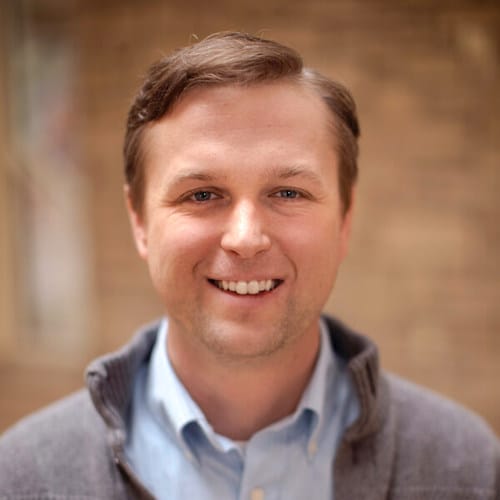
Brandon Dennison founded Coalfield Development in 2011 to offer a unique workforce approach focused on transforming communities – a bold experiment in tackling the generational poverty West Virginia has long wrestled with.

This experiment grew out of his early memories while growing up in a comfortable middle-class family in West Virginia. Others were not so fortunate. West Virginia’s jobless rate is high. But Brandon noticed that people wanted to find work, even if only through odd jobs, and this memory stayed with him. While still at school, Brandon developed a business plan for Coalfield Development, the first step towards launching the nonprofit which is focused on countering the generational poverty and lack of economic opportunities in West Virginia.

Coalfield’s workforce model is called 33-6-3: 33 hours a week are spent in on-the-job training, along with participation in training workshops; six hours a week are devoted to community college and business classes for an associate degree in applied sciences; and three hours a week are committed to personal development coaching and life skills. 

Coalfield has since expanded into a family of small, social enterprises. Revitalize Appalachia is developing a green-collar workforce deployed on projects that include rejuvenating empty buildings, and which was pivotal to starting Solar Holler, southern West Virginia’s first solar installation company. Refresh Appalachia produces fresh, healthy, local food. Reintegrate Appalachia is part of a region-wide coalition to support people in recovery from drug addiction on the path to finding employment. And Reclaiming Appalachia Coalition is a multi-state network exploring more innovative, sustainable approaches to mine-land reclamation.

On the development side, since 2013, Coalfield Development has incubated two wood shops, a coffee shop and an antique mall. In addition to a 2019 Heinz Award, Coalfield was recognized in 2018 with a $1 million grant from the Rockefeller Foundation/Chan Zuckerberg Initiative to replicate their model in Appalachia. 

Insights and Inspirations

  • Brandon believes that the American small town is poised for a comeback.
  • He is most proud of the deep human development his programs deliver, where participants move from hopelessness to optimism and confidence.
  • Real estate projects tackled by Coalfield Development do much more than deliver a building. They house new enterprises, create jobs, and train people in a multitude of skills.

Information and Links

  • Refresh Appalachia is turning coal mines into farms.
  • Solar Holler is pursuing innovative approaches to bring solar within reach of people and places who have always been left out.
  • Revitalize Appalachia builds community-based construction projects along with on-the-job training. Crews are local and projects are green.
Read the podcast transcript here

Eve Picker: [00:00:08] Hi there. Thanks so much for joining me today for the latest episode of Impact Real Estate Investing.

[00:00:15] My guest today is Brandon Dennison, a young creative powerhouse working to bring an economy to mid-Appalachia. As a young adult, Brandon noticed the poverty and lack of jobs in the town he grew up in. That early memory stayed with him through his college years. While still at school, he launched Coalfield Development, which is focused on workforce development to counter the generational poverty and lack of economic opportunities in Western Virginia. While workforce development is the center of Brandon’s focus, that has also spilled over into creative, sustainable and community-centric real estate development. Brandon’s work has been recognized with a Heinz Award, and a $1 million grant from the Rockefeller Foundation/Chan Zuckerberg Initiative. You are going to want to hear all about it.

[00:01:24] Be sure to go to EvePicker.com to find out more about Brandon on the show notes page for this episode. And be sure to sign up for my newsletter so you can access information about impact real estate investing and get the latest news about the exciting projects on my crowdfunding platform, Small Change.

Eve: [00:01:58] Thanks so much for joining me today, Brandon.

Brandon Dennison: [00:02:01] Happy to be here. Thanks for having me.

Eve: [00:02:03] So, we are rebuilding the Appalachian economy from the ground up. That statement is front and center on the home page of Coalfield Development, the organization you founded and lead. Well, I’d love you to tell me exactly what that means.

Brandon: [00:02:20] Well, it is a bold statement. There’s no doubt about that. And we are trying to model and pioneer what a whole new and better and fairer and more sustainable economy can look like for our region. This is a region that’s been overdependent on coal for far too long and that overdependence has left us economically vulnerable. It’s also left our environment in a difficult situation, not as clean as it should be and it’s hurt, it’s ultimately hurt the fabric of our societies and our communities, as you can see with the growing opioid and addiction crisis that we’re in. So, at Coalfield, we know that we can’t re-employ every single unemployed person that’s out there in Appalachia, but we can model what a newer and better way of doing things can look like.

Eve: [00:03:13] So, you know, what does that modeling look like? Have you developed programs? What are you working on?

Brandon: [00:03:18] Yeah. So, we incubate, mostly from scratch, but also in partnership with other entrepreneurs, we incubate what we call social enterprises. These are business models that blend the compassion of the nonprofit world with the efficiencies of the for-profit world. And the enterprises are in new sectors of the economy where we can innovate and show what a more sustainable economy can look like. So, for example, we’ve helped start the first solar installation company in southern West Virginia. We have an organic agriculture company. We make t-shirts out of recycled plastics. We make wood furniture out of reclaimed lumber from dilapidated buildings, some very innovative businesses. And we use those businesses to put people back to work, and then to support their lifelong learning and development.

Eve: [00:04:06] And so how many businesses like that have you developed to date?

Brandon: [00:04:09] From scratch, we’ve helped start 11 new social enterprises that we own and operate. And then we’ve also invested in more than 50 other social enterprises throughout the region.

Eve: [00:04:21] That’s a lot. That’s over 60, already.

Brandon: [00:04:25] Yeah.

Eve: [00:04:26] And so that creates a lot of jobs. How many jobs have those enterprises created?

Brandon: [00:04:32] We’ve created more than 250 new jobs. And those are permanent positions. And we’ve trained over 1,000 people through our training programs.

Eve: [00:04:41] That’s that’s pretty amazing. So, tell me a little bit about the programs that you’ve developed, as well.

Brandon: [00:04:47] When we hire a person onto these social enterprises, we hire them according to what we call our 33, 6 and 3 model. This is how we organize the work week, 33 hours of paid work each week, six hours of classroom time. All of our crew members are working towards an associates degree at the local community college. And three hours a week of personal development, which is, essentially, it’s life stuff …

Eve: [00:05:15] Yeh.

Brandon: [00:05:15] … to help our people overcome the challenges that are getting in the way of their quality of life. So, it’s a very holistic model. And what we found is, whether it’s in agriculture or construction or manufacturing, the model’s replicable across different sectors of the economy.

Eve: [00:05:31] So, you’re also providing, I think, a lot of support services in a variety of programs, like you, you say you train people. How do you do that? What resources you provide them with?

Brandon: [00:05:43] So, this is a paid experience. The 33 hours, it’s paid work, it’s a real job. And then we do a scholarship for the “6” and the “3,” so none of our college students have student debt. And then we layer on some additional life support. We have a zero interest emergency loan program that folks can tap if they have an unexpected emergency. And we facilitate a personal development program, which is really its reflection, where part of those three hours we’re creating time for folks to really evaluate where they’re at in life, and sometimes for the first time, assess a future and how to attain that future.

Eve: [00:06:22] So, it sounds like you have a huge amount of support, I think you’re just probably telling me little pieces of it, for a lot of people. And what impact has that had? I mean, how are you measuring success? What does that look like to you?

Brandon: [00:06:40] Well, there are some easy ways to do that. And then there are some deeper ways to do that. What excites us is really the deep human development. When we see a person who’s been able to calm chaos in their life, and they’re now able to develop a life plan and goals and start to achieve those goals, and start to have a quality of life they never thought attainable. That’s why this organization really exists. So, we measure our success by jobs created, and businesses created, and people trained. But then we also, internally, every crew member has a monthly evaluation by which we track their professional development. And then every week we also have a personal reflection which actually monitors and tracks the improvements in the well-being of the person themselves. So, we can measure this through peer-reviewed surveys on things such as optimism and self-confidence and sense of self-agency and self-worth. And that’s harder to measure. but that’s really the magic of this organization, I think, are those deeper human, really, transformation is not too strong a word for what we see happen in people’s lives. We’ve seen people go from struggling with addiction to, all the way to becoming entrepreneurs. Folks who have been couch surfing and homeless to first time homeowners and opening savings accounts. So, I don’t think transformation would be too dramatic a word.

Eve: [00:08:10] No, absolutely not. That’s pretty remarkable. Tell me, how does real estate development fit into your model?

Brandon: [00:08:19] Yep. So, we have a niche with real estate where we take on older historic buildings. We use our locally hired construction crews to revitalize those buildings into mixed use, mixed income hubs for economic development. So, what I mean by mixed use, there’s usually an affordable housing component. We do the housing green and sustainable upstairs, and then downstairs there’s usually a small business component where we’re creating new space for new businesses to come into the communities. New social enterprises to open up shop. And then by mixed income, you know, we’re creating assets that are really accessible for people of all different incomes. And so, the real estate component really supports the personal development and the enterprise development strategies that we’ve already talked about. And it’s important for gaining community trust because it’s so tangible. I think sometimes there is a lot of cynicism down in southern West Virginia. There’ve been so many government programs and mission trips and charitable efforts that folks have become really skeptical about what it actually means for their lives. I think part of the reason our real estate component is so popular is it’s tangible. People see an empty building coming back to life. They see their neighbors moving in there, having a great place to live. They see new businesses opening and putting people to work. And it’s hard to deny that positive momentum.

Eve: [00:09:44] Yeah, that’s true. I think real estate is pretty fabulous that way. It’s sort of visible proof of change, right?

Brandon: [00:09:50] Yup, exactly.

Eve: [00:09:51] Yeah. How many projects have you completed?

Brandon: [00:09:55] I would have to add that up, exactly, but I’d say at least about a dozen. We have another three or four in our in our pipeline, right now.

Eve: [00:10:03] And your role in these projects, are you the developer, or do you help someone else who’s developing the project?

Brandon: [00:10:11] We are almost always the developer. So, we have the competency as an organization to put the finances together, to lead the community engagement, the community visioning. We’re usually the contractor. We’re a licensed general contractor. So, that creates local jobs through which we can use that 33, 6 and 3 model that I referenced earlier. Sometimes we’re the owner and manager, but not always.

Eve: [00:10:35] So, I have to ask if there’s something you don’t do?

Brandon: [00:10:40] (Laughter) That’s a fair question.

Eve: [00:10:41] Because you’re rattling off, like, an extraordinary number of accomplishments, and I’m sure there’s more tucked away that you’re not talking about.

Brandon: [00:10:48] So, I studied nonprofit management in graduate school, so I know the term “mission drift” and it’s always a concern. But kind of our theory of change for southern West Virginia is that things had gotten so stagnant and so, sometimes hopeless feeling, that what was needed were really were some bold experiments. And that it wasn’t enough to just pick one area and say, this is what we do and this is all we do. And so, we are into a lot of different things, but it’s actually kind of on purpose.

Eve: [00:11:19] Yeah, it sounds like you’re pretty happy about it, too, Brandon.

Brandon: [00:11:23] Yes. Because of those transformations, that I realize, it’s hard not to wake up excited about what we’re doing. This is where I’m born and raised. So, I love this place. I’m committed to this place. And to get to see people transform their lives and communities transform, you know, literally empty buildings transformed into new places of business. It’s inspiring to be a part of it.

Eve: [00:11:46] So, let me let me ask you, are you working in one town, city, or are you working all over the state?

Brandon: [00:11:55] We have partnerships all over the state now, and even a few outside of our state borders. But most of our work is focused in southern West Virginia, kind of near the Kentucky border.

Eve: [00:12:07] Okay. And tell me again what sort of problems? You, I know, there’s an opioid crisis, I mean, what sort of unemployment are you dealing with there? What’s happening economically in that part of the state?

Brandon: [00:12:21] Well, I’ve had to learn the hard way the difference between generational poverty and circumstantial poverty.

Eve: [00:12:28] Yeh.

Brandon: [00:12:28] Circumstantial poverty, you have folks who have had stable income, have had good jobs and lose those jobs, and it is very scary. But there’s kind of a base or a foundation for them to rebuild off of. Whereas, with generational poverty, you’ve got several generations gone by without wealth and assets accumulating. And it’s just a deeper, more complex sort of challenge. And that’s the kind of challenge we’re facing in Central Appalachia and have been for generations. And so, that’s why our work goes so deep and long. You know, we’re creating actual jobs. These are two and a half year contracts. We’re sticking with people all the way through the end of their associates degree, which is, usually takes two and a half years. So, it’s more expensive, it takes longer, but it’s what’s required, given the complex generational challenges we’re staring down.

Eve: [00:13:20] What is unemployment like there?

Brandon: [00:13:23] Unemployment is, it’s always above the national average. But what actually stresses me out even more is the labor participation rate. Unemployment measures people who are out of the workforce, but are actively trying to get back into it.

Eve: [00:13:36] Right.

Brandon: [00:13:36] Whereas labor participation, that measures the number of folks who are trying to be in the workforce versus those who have totally given up. And we have a lot of counties where less than 50 percent of the working age population is in, actively in the workforce. And that, frightening. You can’t build a modern, healthy economy with a number like that.

Eve: [00:13:56] No. So, then what is your and your organization’s long term goal? What do you hope things will look like in 10 years?

Brandon: [00:14:03] This is why we’re so committed to starting new businesses ourselves. It’s not enough to just train a workforce for the businesses that exist because there’s just not enough economic activity happening right now to really build an economy for the future. And so, this is why the startup component of our work is so important.

Eve: [00:14:24] Yes. So, out of everything you’ve done, what do you think’s been most successful and perhaps what’s been least successful?

Brandon: [00:14:32] Well, one of our social enterprises was a coffee shop in a small town in southern West Virginia that we were very proud of. It was in a formerly vacant building. It was a beautiful project. It filled a need and a gap that wasn’t being met in the community. The idea for the coffee shop came out of community charrettes, But ultimately the coffee shop, it just didn’t make it financially. And I think what that reinforced for me, you know, retail businesses are going to struggle until we’ve rebuilt that economy to have outside investment coming in, to have businesses, like manufacturers or construction companies that really generate a multiplier effect, it’s gonna be tough for a retailer-type businesses to take hold. So, it was so sad to close the coffee shop, but we learned so much from that. And on the success side, I mean, I think of the human beings whose lives have transformed, the 250 new jobs that we’ve created. And ultimately, what those people as part of social enterprises have achieved, is they’ve modeled what a whole new and better economy can look like, especially when you think about that solar company.

Eve: [00:15:41] Yes.

Brandon: [00:15:41] To think that we’ve grown a solar installation company. It’s totally for-profit now. No grant money needed. We did that right in the heart of coal country. That’s a pretty bold accomplishment.

Eve: [00:15:51] That’s pretty bold. Yeah. Just going back to real estate a little bit.

Brandon: [00:15:56] Sure.

Eve: [00:15:57] I’ve done this sort of real estate project myself, and I’m wondering how you fund your projects.

Brandon: [00:16:03] It’s always a mix. We never like to do a project that can’t sustain at least some debt. You know, we feel like if it has to be 100 percent grant-funded, that’s probably not a good sign that it’s viable. And yet in our distressed communities, to expect a property to handle 100 percent debt service is not fair either.

Eve: [00:16:23] I don’t think you can expect that in too many places anymore, so, especially if you’re trying to build affordable housing where, you know, affordability depends on keeping debt down. So, it’s very tough. Yeah.

Brandon: [00:16:36] So, we almost always have a bank loan that, anywhere between 10 to 20 percent of the projects, sometimes more. And then we fundraise. And for the housing piece, the Federal Home Loan Bank of Pittsburgh has been a fantastic funding partner for us. And on the commercial side, we’ve had some good luck with the United States Economic Development Administration.

Eve: [00:16:59] Ok, creeping up to 40 percent would be a good thing, right?

Brandon: [00:17:03] Yeah.

Eve: [00:17:04] Yeah. I think given in Pittsburgh, projects that are in underserved neighborhoods typically need, maybe 40 percent of subsidy, and the market’s gotten pretty strong here. So, it’s very difficult. What you’re doing is very, very difficult. And what role does the community around you play in the funding of these projects?

Brandon: [00:17:24] Part of the problem with the generational breakdowns that I was referencing earlier, that means there’s not been an accumulation of wealth over the generations. And so we do not have a philanthropic base like what many urban areas have.

Eve: [00:17:40] Right.

Brandon: [00:17:41] Our local community foundation can really only do grants of five to ten thousand a pop. One in Charleston that can do a little bit better. So, we are really forced to look to the public sector for funding help and we’re forced to look outside of our region for folks who understand the oppression and the divestment that’s happened here, and are willing to help us try and rebuild a stronger base.

Eve: [00:18:06] Yes. So, that brings me to the question. You know, I have an equity crowdfunding platform. Do you think that could play a role in building communities for everyone where you work?

Brandon: [00:18:16] I think so. I think it’s a brilliant model. And I think, you know, to answer your question more directly from before, about the role of the community, what makes our projects really go is this the sense of community ownership. So, we start every project with multiple community town halls, and charrettes, and the community members actually sit down with the architects and help design these projects. So, we often times, even though Coalfield is technically the owner and the developer, there is a wide sense of connection and ownership to these buildings from community members themselves. And so I think that sort of approach that we take might very well make us a good fit for your crowdfunding approach.

Eve: [00:19:00] What community engagement tools have you use that have worked best?

Brandon: [00:19:05] We used to start with a charrette right out of the gate. We realized the charrettes go better when there’s more knowledge built up of the history of the building, and what’s possible and what’s not, given the funding source. And so, we start with the town hall, sometimes two or three, just to build the awareness of the history of the building and the funding sources at play.

Brandon: [00:19:26] Then we have a charrette, and sometimes more than one charrette, to actually let the community members sit down with the architects and have their fingerprints on the actual blueprints for these projects. And then we continue to engage the community once the properties are up and running. We hire local community members to staff these facilities. And we continue to lead community engagement efforts well into the future operations of the buildings.

Eve: [00:19:52] So, community engagement from beginning to end, right?

Brandon: [00:19:56] Yeah, absolutely.

Eve: [00:19:58] Going back to you. I’m just wondering what your background has been that’s led you down this path, creating this pretty amazing organization.

Brandon: [00:20:06] I was born and raised in southern West Virginia. I had a happy middle-class upbringing, but I knew all around me there was a lot of pain and suffering. I went away to school about six hours east of here, and I got very involved with a progressive Presbyterian church. I loved the youth group and I would take the group on service trips, all over, mainly to learn and to do a little bit of service. And I had some amazing experiences, but everywhere I went, I felt like, where I belong was back home in my own backyard because I knew that’s where I could probably have the biggest impact. I understood that place the most. And then the very last service trip I led was to Mingo County right back in southern West Virginia. And we had this experience where we were doing service work on a house. And these two young guys approached us and they had tool belts slung over their shoulders, and they asked us if we have work available. And I explained we were volunteers, and they went on their way, and it was just a brief, brief interaction. But I felt like that brief moment really summed up the situation in southern West Virginia, which is, we have people who want to work and want to learn and want to be a part of something, but our economies stagnated so badly that there’s nowhere for that gumption to really be applied. So, that was the seed that really started me thinking about Coalfield Development.

Eve: [00:21:30] And then after that, how did you get it off the ground?

Brandon: [00:21:33] I went to graduate school to study nonprofit management with the Indiana University. I knew that I wanted to move back home but Indiana had a great program. And while I was there, the business school actually was helping start this new program in social entrepreneurship. And that was a phrase I’d never heard before, but it really caught my attention. The more I learned, the more I felt like, here was something different, and new and potentially more effective than some of the other public and nonprofit programs that have been tried back home. I had an internship in the summer of 2010 to kind of listen and learn. And then I took the whole second year of graduate school and just threw myself into the business plan for Coalfield Development. And then I, when I was done with school, I moved back in with Mom and Dad and they gave me financial cover and shelter to make a try at this thing.

Eve: [00:22:26] (Laughter) Very good. Have you moved out? I have to ask.

Brandon: [00:22:30] (Laughter) I did finally make it out. I’m married and we have two boys now.

Eve: [00:22:34] Thank goodness. Your parents are probably saying thank goodness too. Right?

Brandon: [00:22:38] Yeah, probably so. It’s kind of, like, the millennial thing to do, you know. (Laughter)

Eve: [00:22:42] It’s a very millennial thing to do. Really. It’s been a tough 10 years, right?

Brandon: [00:22:49] It has been.

Eve: [00:22:49] So, then, do you think socially responsible real estate is necessary in today’s development landscape?

Brandon: [00:22:56] I think it’s critical and I think it’s too often overlooked. You know, we organize our organization by what we call three core capabilities. It’s the personal professional development. It’s the incubating of the social enterprises. And then it’s the community based real estate. And the community based real estate in many instances is what’s making the first two possible. You know, it can be complex. There’s many different funding sources. It takes years for these projects to get pulled off. And so sometimes it’s not the easiest … kind of sexiest piece of our work to talk about. But it’s a critical component.

Eve: [00:23:31] Yes. Yep. And are there any current trends in real estate development that interest you the most that you think could be relevant, too?

Brandon: [00:23:39] Well, I think the American small town is poised for a comeback. Rural has challenges, but I think more and more, people are looking for a good quality of life. They’re looking for outdoor recreation opportunities and clean air and clean water and peace and quiet. And with some historic buildings. When you think about sustainability, I think, historic preservation gets overlooked. But one of the best things we can do to build new housing in a sustainable manner is to preserve our current building stock rather than knock it over and put it all in a landfill. So, I think there, the future of the market might be good for rural small towns. I hope so.

Eve: [00:24:18] Yeah, I think you’re probably right. I was in Australia recently and I travelled to Hobart, which is in Tasmania, to the south of it. And it was fascinating because Melbourne is the closest city to the north and it’s one of the most expensive cities in the world and growing really, really quickly. But it was this tiny little city. I hesitate to call it a city, it’s very small. And it had really had a huge influx of young people who were experimenting, and building businesses in exactly the way you’ve described. Just trying to, kind of, build up a new place for themselves where they could afford it. It was pretty dramatic.

Brandon: [00:24:59] Very cool.

Eve: [00:24:59] Yeah, very cool. Yeah.

Brandon: [00:25:00] I think that’s the future.

Eve: [00:25:01] Yeah. I think, you know, people have to find their way out of some of our cities which have become just too expensive for most people. How do we think about our cities, towns and neighborhoods so that we can build better places for everyone?

Brandon: [00:25:17] I think historic preservation, again, is a key part of that conversation. I think that mixed use, mixed income projects are important. The reason the mixed income, you know, if you look at affordable housing development in years past, it’s often, it’s taken low-income people and shoved them in a corner of the city and kind of consolidated all the challenges that come with poverty. It really cut people out of pathways and avenues and access to opportunity. The mixed income is important, and the mixed use is important as well, so that we’re not just creating affordable housing, but really, we’re building up communities that include small businesses and recreation opportunities and community engagement opportunities that contribute to a whole quality of life.

Eve: [00:26:07] So, I think basically you’re saying we should just keep mixing it up, right?

Brandon: [00:26:11] I think so.

Eve: [00:26:12] Just mix it up. Well, thank you very, very much for your time. I really enjoyed talking with you and all the best for this pretty fabulous organization that you’ve built.

Brandon: [00:26:22] This was a great conversation. I love the work that you’re doing as well. And I hope we can find a way to work together.

Eve: [00:26:28] Absolutely.

That was Brandon Dennison of Coalfield Development. Brandon measures success in the lives he helps to transform, from poverty stricken and jobless to optimistic and confident. Each participant in the 33-6-3 program that he developed works for 33 hours, studies towards an educational degree for six hours, and works on personal development for three hours, each and every week. While workforce development is the center of Brandon’s focus, that has spilled over into creative, sustainable and community-centric real estate development as well. Historic preservation, community engagement and job creation all come together in a very holistic real estate development program.

Eve: [00:27:30] You can find out more about impact real estate investing and access the show notes for today’s episode at my website, Eve.Picker.com. While you’re there, sign up for my newsletter to find out more about how to make money in real estate while building better cities. Thank you so much for spending your time with me today. And thank you, Brandon, for sharing your thoughts with me. We’ll talk again soon, but for now, this is Eve Picker signing off to go make some change.

Images courtesy Brandon Dennison, Coalfield Development.

Back to wood construction.

March 16, 2020

As the creation of affordable and sustainable housing becomes increasingly urgent, focus has shifted to innovative ways to meet these goals. I found one such example in Amsterdam where Marc Koehler and his design team develop creative solutions for urban living through their Superlofts Project. Broadly speaking, a Superlofts project starts with the bare structural frame of the building. Each future resident designs her own home, which is then inserted into that framework, making a vertical village. This interactive process is a rather wonderful flexible and community-centric model for the creation of urban co-living.

Not satisfied with creating just a flexible living model, Marc’s team also strives to improve the sustainability of each of their projects. One way they are considering this it to move towards heavy timber construction. Their first timber project is already under development – a six-story building in the Netherlands. This push highlights the growing awareness of the benefits of engineered wood materials even for large-scale projects.

The benefit of using timber

For Marc, the two primary benefits of building with timber are flexibility and sustainability. The Superlofts vision is intended to offer flexibility in the design and configurations of buildings. Using timber adds to that goal, since timber construction makes it far easier to alter the configuration of a building. Wood is easily adaptable and can be reconfigured with minimal costs.

By contrast, concrete structures limit changes in unit and building configurations, making it more difficult to offer changes to living arrangements as families grow (or contract). By transitioning from concrete to timber, Marc believes his projects will become more like a Tetris game, with living spaces that can easily be connected and reconnected in a multitude of ways. This flexibility reduces waste and makes future adjustments far more efficient.

Simply put, building with timber is a sustainable practice. First, unlike many building materials, wood is organic – a natural material. This means that it is non-toxic and ages naturally. Second, it’s a renewable building material. As long as more trees are planted to replace those that are used, it serves as a renewable resource. Third, wood stores carbon dioxide, which otherwise would be released into the atmosphere. This means that as long as the timber is being used, it’s retaining that carbon dioxide, stopping it from being added to the atmosphere. Lastly, because wood is a good insulator, using it leads to more energy efficient buildings.

How tall can timber buildings be?

It has long been imagined that wood construction was limited to just a few stories. It’s so light and flexible that it’s generally not considered for taller buildings, which are more typically constructed of steel and concrete. However, engineering innovations are quickly producing wood products that have greater structural integrity, leading to a wave of new, tall heavy timber designs.

On the other side of the world, in Toronto, Sidewalk Labs has developed a digital proof-of-concept for a 35-story all-wood building. The design incorporates cross-brace frames, a technique often used in high-rise construction, along with cross-laminated timber beams. By using structural, diamond-shaped supports on the exterior, additional space is freed up on the interior. To keep the building from rocking, the design does have a steel mass damper, but this is the only non-wood component used in the structure.

Superlofts’ vision for mass timber is all-embracing.  Marc and his team realize that timber today not only has the structural integrity needed to build larger structures along with its important sustainability features, but it also provides the potential to easily adapt a building during its lifetime.  And that is something they are interested in exploring.

To learn more about why and how Marc is using timber in his new project, listen to our podcast interview here.

Image by PIRO4D from Pixabay

The importance of community.

March 9, 2020

When we think about housing, especially in urban areas, we’re not just thinking about a place to rest our head. Instead, housing must include some broader amenities, such as access to transportation, services and jobs. And even more importantly, as more and more people move back from the suburbs to urban neighborhoods, there is an increased focus on finding community. Today, city planners, developers and architects are paying attention to the role of community in the planning and building of urban spaces.

One notable example which goes even further, by creating spaces fully centered on the people who will occupy them, is the Superlofts project.

Background

Superlofts was founded and grew out of the architectural studio Marc Koehler Architects by Marc Koehler. Superlofts combine some extraordinary features to create amazing and unique buildings, with flexible housing layouts, carbon neutral living and curated communities.

The vision behind Superlofts is rooted in a process that Marc and his team developed in Amsterdam. Fifteen years ago, the studio was a boutique design agency, primarily focused on designing houses and renovating apartments. They learned the importance of listening to what people wanted in a home.

The ideal day

Over time Marc’s team developed methodology known as “The Ideal Day.” Rather than asking clients what about their physical space needs, they asked them to describe their daily routine. Their clients scripted out an ideal day in their life, how they imagined an ideal day, from waking until bedtime. Using these scripts, Marc and his team designed spaces that responded to the way their clients wanted to live, not to the spaces they thought they should have.

This exercise helped people to imagine the possibilities for themselves, and for change and improvement in their lives. Marc believes this is the fundamental purpose of his work – to find ways that architecture and design “can really change your life if you take the opportunity and really think of what you want to achieve in your new space.”

The business of bringing people together

Marc describes Marc Koehler Architects as being “in the business of bringing people together.”  This is a unique role for an architect to assume. They are generally focused on buildings and spaces, not on people. Superlofts is the culmination of this idea. Superlofts is “a system for living that puts people in control with a flexible, modular, co-creation approach to the ultimate urban space: the loft.”

The first Superlofts project began with a simple concrete frame structure. Future homeowners were able to build their dream space in a “vertical village.” The process involved co-creation sessions which brought together the future residents of the building and provided them with the opportunity to plan how they wanted to live together. This filled an important need for many people by introducing them to the community of people they would be living with and providing them with the powerful opportunity of developing shared spaces. Ultimately, Superlofts aims to create urban villages with buildings where people’s daily lives intersect, allowing them to be responsible for one another.

The Superlofts concept flips the normal planning and design process on its head. Rather than starting with the building, planning and design starts with the people. The resulting spaces are functional and sustainable, communities with happy people that are well-connected and supported. This a new way of thinking about how to create ideal living environments in cities.

Listen to the full interview with Marc Koehler to learn more about Superlofts and the business he has built himself, bringing people together.

Image courtesy of John D Norton

Big change.

March 4, 2020

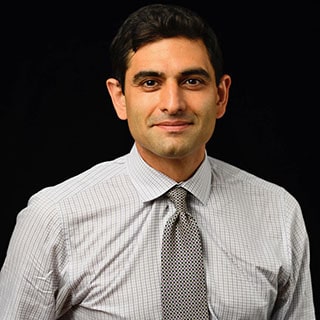
Ommeed Sathe is a Vice President and head of the Impact Investment unit in the Office of Corporate Social Responsibility at Prudential. He grew up in a family who felt public service, through work or volunteerism, “was fundamental.” And that rubbed off.

Just out of Harvard Law School, Ommeed was in New Orleans after Katrina and decided to put his background in urban planning to use to help the city recover. For four years he worked with the New Orleans Redevelopment Authority (NORA), working on properties around the city. It was with NORA that he began working with Prudential, and became impressed with their willingness to stay working in the community for more than twice as long as other corporations. 

Ommeed joined Prudential’s Office of Corporate Social Responsibility in 2011. His unit manages a portfolio of over $1 billion in impact investments.

The investment work he oversees at Prudential is about 80 percent stable, predictable credits with established sponsors, while 20 percent “are far more risky and untested but have the potential to create significant social impact and to pioneer new markets.” Much of their recent work has been in Newark, such as with the 1901 Hahne & Company department store, and as of 2016, his portfolio had supported the creation of over 1,000 housing units, 250 hotel rooms and 300,000 s.f of retail space in the city, where Prudential is based.

Previously Ommeed was director of real estate development for the New Orleans Redevelopment Authority, and a real estate and land use attorney with Fried, Frank, Harris, Shriver & Jacobson in NYC.

Insights and Inspirations

  • For Ommeed, investing is more than a way to make money.
  • For Ommeed, three key things define impact – the physical characteristics of a project, community engagement and whether or not the project is catalytic in nature.
  • Is bigger better? While other funds aspire to reach 10 billion dollars when the 1 billion dollar hurdle has passed, Ommeed’s aspirations differ. Rather than go bigger he’d like go riskier – with untested developers and untested ideas in untested neighborhoods.

Information and Links

  • Read about Ommeed and the business of doing good at Prudential.
  • Prudential has focused some of their impact investing in Newark, a city that has suffered through 140 years of disinvestment. They helped to restore the iconic Hahne’s Department Store in Newark. Now it’s a vibrant mixed-use center.
Read the podcast transcript here

Eve: [00:00:14] Hi there, thanks so much for joining me today for the latest episode of Impact Real Estate Investing. 

My guest today is Ommeed Sathe. Ommeed is Vice President of Impact Investments in Prudential Financial’s Office of Corporate Social Responsibility.  His unit manages a portfolio of $1 billion in impact investments.

That’s a big number and it doesn’t seem like Ommeed is slowing down.

Ommeed grew up in a family who felt public service, through work or volunteerism, “was fundamental.” And that has clearly rubbed off.

Be sure to go to rethinkrealestateforgood.co to find out more about Ommeed on the show notes page for this episode. And be sure to sign up for my newsletter so you can access information about impact real estate investing and get the latest news about the exciting projects on my crowdfunding platform, SmallChange.

Eve: [00:01:42] Well hello Ommeed, thanks for taking the time to talk to me today.

Ommeed Sathe: Absolutely, Eve, it’s a real pleasure to be with you.

Eve: Well, that’s great. So I wanted to start with your title, Vice President of Impact Investments at Prudential. What does that mean?

Ommeed: [00:01:59] Yeah, so I head up the company’s impact investing activities, and that’s obviously one of those terms that kind of sounds OK, but it doesn’t really necessarily clearly translate. But what it is, for us, is it’s a portfolio of investments we’ve made that are trying to have both a financial and a social impact. And so they are genuine investments that try to make money, but we invest them exclusively in projects that we think have outsize social investments and in particular in the types of projects that our company and traditional capital markets wouldn’t do otherwise.

So, they’re really meant not to be sort of a subset of what the company was doing already, but to be a portfolio, to be used to be catalytic and differentiated and to invest in places we wouldn’t be investing otherwise and in projects we wouldn’t be looking at otherwise.

Eve: [00:02:51] So how big is the portfolio?

Ommeed: [00:02:53] At the moment, it’s, it’s about a billion dollars.

Eve: [00:02:57] Wow, that’s pretty big. Can you give us some examples of the things you’ve invested in?

Ommeed: [00:03:02] We have sort of two halves of the portfolio. One is around very physical types of projects, affordable housing. We’ve made a lot of investments in our hometown of Newark in big transformative developments and redevelopments. And then we also do some interesting work around new ways of doing agriculture, new ways of sort of growing and feeding the planet. And that’s sort of on the physical side of the work. And on the other side of the portfolio is investments in really interesting social purpose businesses. And those have been largely focused on financial inclusion. And then on education and how do we re-skill and retrain the labor force?

Eve: [00:03:42] That’s pretty great. How would you define impact in real estate? How does Prudential define it? Like, both of you?

Ommeed: [00:03:50] Yes. So, this is actually a really fascinating question. So, I think there’s probably three ways to think about it. You can think about it just sort of on the the most, I’d say, straightforward which is, you know, units of affordable housing, square feet of redevelopment, square feet of the building, and if it’s a LEED platinum. Your, sort of, the physical characteristics of the development very much sort of very clear outputs of sort of what the real estate is. I think the second way to think about it is what’s sort of the community level and at the residents’ level. And so how are residents’ lives being impacted and living in certain places? How are services? What’s the quality and satisfaction of tenants? So very sort of a consumer impact as well as in looking at sort of the communities in which this real estate is. So, are these places where investment wasn’t being made and after you make these investments, does more investment come in? Are those investments leading to good outcomes or is it just catalyzing sort of unhealthy gentrification? Those are a couple of dimensions. And then I think the third and both, sort of, most qualitative and trickiest maybe to sort of measure, but something that really drives us is, is this work in any way catalytic? Does it change the trajectory of what a market is going towards? Does it prove that a new way or a new type of housing or new type of sort of investment strategy that could work thing be replicated in other places?

Eve: [00:05:18] That last one must be more of a hope than a metric that you can measure.

Ommeed: [00:05:23] That’s right, it’s true that it’s nothing than more of a hope. But I’ll give you some examples, maybe that last one, because I think it kind of brings it to life.

So, you know, one of the things that we’ve been looking at and I think we’ve done with the great sort of sort of architectural firms is how do you say we take lots that have been deemed substandard, often sort of ineligible even for development and develop really creative structures and housing and building models that can sort of create value on land that is otherwise essentially worthless. And are there ways to sort of replicate that and make that go to other places? Because it’s interesting, right? Like, you know, with land getting so expensive and all the prime development sites gone. If you’re trying to get more affordable housing into sort of affluent markets, sometimes figuring out really creative design solutions for substandard or non-standard lots is one way to do that. Another thing that we’ve done sort of I think has been really catalytic. We worked with some colleagues down in Washington, D.C. They had recently passed a new ordinance that required much higher levels of stormwater retention. And a lot of our city’s stormwater is actually a sort of surprisingly under-appreciated problem. Enormous source of pollution, flooding. And so, cities are starting to try to grapple with how they do this better.

[00:06:37] And so D.C. passed this ordinance requiring much higher levels of stormwater capture. You know, one of the few ways you can do that on a development is you can either sort of build in essentially bladders in the basement to capture water or green roofs on the roof. But what DC did that was really interesting was they permitted people to fill some of their obligation by making improvements to green infrastructure in other parts of the city. And so we helped fund a bunch of improvements to green infrastructure and you got essentially tradeable stormwater credits. And so this was a version of sort of what people talk about wanting to try to do with carbon by creating tax and trade mechanisms and, but done at the local level around a whole novel problem with stormwater. And so that’s sort of an example of something that I think we helped build the first green infrastructure products and create the first tradable stormwater credits. And we think that solution is really interesting. And we also think other cities will see that, and potentially try re-create a similar solution.

Eve: [00:07:35] That is catalytic. So, you know, when you were talking about unusable lots, I was thinking about an article I read recently about the downsizing of some freeways and the land that that might free up. For, you know, development use. I think that’s a really interesting thesis in this time when we’re starting to see autonomous vehicles and a lot of people who don’t want to own cars. It’s really interesting to think about where land is available, right?

Ommeed: [00:08:04] I think it is. And it’s still strange to me, actually, because there’s a sort of funny meme, right, that what will happen in Silicon Valley finally invents a technology that allows us to build the second story. And, you know, I think that spirit is kind of true even in New York City. You go around and see so many easy and obvious potential sites that you could build on. Sites that are being used for car dealerships, parking lots, abandoned, your public assets, you know, right of ways. And it’s amazing just how much of that land is there when you start to look. And it does feel like some of the lowest hanging fruit, in terms of how do we find opportunities to create more affordable products. Again, it may not be the best location in the city, but it’s certainly habitable and buildable and safe. And I think it’s been really interesting. We worked with this great architecture firm down in New Orleans the Office of John Tate, and they’ve done really interesting stuff thinking about how to do that.

Eve: [00:09:02] Yes. Yeah, I know Jonathan really well. He was, he actually did the first crowdfunding offering with us.

Ommeed: Oh, there you go, it’s a small world.

Eve: It was one of his Starter Homes on an odd lot. Pretty fascinating times. Do you have metrics that you’ve developed to test against projects that come to you?

Ommeed: [00:09:23] We do. There’s a couple of ways, and I think goes back to sort of thinking about the different impacts, you’re capturing metrics for things like the number of affordable housing units, the square feet of, extra, square feet of Y that’s fairly straightforward to capture. You know, I heard this quote the other day. I thought it sort of kind of interesting. We can grind to a fine dust that we can easily ascertain. And yet sometimes in doing that, we don’t really measure what’s most important. And I think the things that are most important are somewhat, by their nature, more ambiguous. And so some of this is actually the process of asking those questions. So, I’ll give you an example with affordable housing. You know, we know it’s desperately needed and in many affluent communities. And yet a lot of times where affordable housing gets built isn’t necessarily the, you know, the most affluent areas. Is that a good or a bad thing? Right. You know, it’s not a question that can be answered with a single metric, because it matters in terms of looking at the public education system and saying, OK, you know, are there good education resources or are there community resources? You know, there’s research by Raj Chetty that sort of speaks to just how relevant place really is the social and economic mobility.

[00:10:27] And that data is not. It’s really interesting and compelling, but it’s certainly not black or white, in terms of its implications. And so one of the things I do think we’re trying to do a better job and actually think is something that’s so under-appreciated in real estate is really to survey tenant residents and try to get data from the people who live in buildings,  about their lives getting better, what’s happening actually as a result of being in this complex here, because I think some of these questions are important questions, but they’re not solvable with the data we have. And yet, you know, every other sector of our economy, it’s you know, if you could buy shoes from Zappos, every one of those companies is has a net promoter score and wonders what it is and as careful about it and uses that as a leading indicator of telling you whether something’s working. And yet in real estate and I don’t know about you, but no landlord has ever, no only one I should say, has ever asked me, like, was I happy.

Eve: Yeah, yeah, interesting.

Ommeed: And it’s striking, the one landlord that did ask me that question was absolutely, no surprise, the single best landlord I ever had.

Eve: Often landlords are pretty scared of the tenants.

Ommeed: [00:11:32] And it’s funny, I do think one of the trends we’re seeing that I think is a really interesting trend, is that as far as people I see and real estate are really moving in this direction, that so much of real estate development used to be about the physical development of the assets, actually getting the things built and getting it through entitlements and through reviews and all of that. And so, the field really focused on the physical construction and not the management and hospitality.

But you just look at sort of food halls or even kind of we-work and co-working spaces. All of those models are fundamental, about taking spaces that exist and thinking about how do we manage them better, how do we program them better? How do we get more stuff out of the same space? More and more, I think real estate is actually moving to hospitality. That if you think about hotels, right, with hotels, you think about brands and you think about your experience. You don’t really think about hotels and associate them with the physical structure. To some extent, everything you see and experience is on the inside.

Eve: [00:12:31] Yes. So, you know, I interviewed someone a couple of weeks ago you might be interested in them in Amsterdam. He has a spin-off, an architect who spun off a company called Superlofts. You can find it on my website.

And it’s very interesting because he creates a community before he, before they even start designing the building. They start meeting with groups of people who want to buy these little condominiums and talk to them about the needs, the dreams. Almost, he said like a video – what would you like a day in your life to look like? And when they have a group of like-minded people together they will start to kind of design the physical space around them. It was fascinating.

Ommeed: That sounds amazing.

Eve: Really fascinating, beautiful architecture as well. So I think there’s a lot of really interesting innovation going on. So, why Prudential? That might be surprising to some people.

Ommeed: [00:13:25] Yeah, it is, I mean, it’s sometimes surprising to me as well. My connection to Prudential’s at a couple of levels. One, before I joined the company, I was in New Orleans working after Hurricane Katrina. And in that role, I led redevelopment for the New Orleans Redevelopment Authority. And we were tasked with trying to really catalyze neighborhood-based redevelopment in the wake of the storm. And in doing that, in that role, got to work with just about every kind of capital source around the country, philanthropic, government, private sector. And we were trying to coalesce all of that capital around really important, really transformative projects. And Pru is just one of the best people we worked with. And in that experience, and it really shaped for me how different the access to capital is by place. So I’d come from working in New York largely in the boom times ahead of the financial crisis, working on often quite foolish projects with unimaginably easy access to capital. And even if they’d worked, relatively low returns and then going to New Orleans and having really vital projects with great returns, but just in a place where there was almost no capital available. And seeing how important it was to have sort of, you know, investments and capital to try to move away from a very limited set of places which have kind of capital they need for reinvestment.

[00:14:45] You know, I think a lot of people who are urbanists, I’m sure this will sort of resonate, you know they’ve grown up in New York, San Francisco, D.C., Boston, you know real estate we call the sexy 7, right, The 7 kind of big, urban markets where capital is unbelievably plentiful. And that’s not really reflective of what it’s like to work in most urban communities around this country. You know, in most urban communities, even good projects have a hard time finding financing. And it’s even harder for projects that are really sort of aspirational at a social level because a lot of those projects are often coming from entrepreneurs or untested, who have limited ability to manage pre-development. The work that you described in terms of sort of crowdfunding and some of that I think is a really interesting angle to bringing capital into those markets. But another is sort of getting institutional money like Prudential to have dedicated programs that really start to look in these non-traditional markets and opportunities.

Eve: [00:15:41] Right. So I’ve done a lot of real estate development like that in Pittsburgh, which is a city that was in pretty bad shape when I started doing the work I did and I relied heavily on public funds and the mayor’s office and the Urban Redevelopment Authority to fill that role. But I imagine that many cities don’t have those sorts of resources for developers. And I also think those funds have dried up a little. So that makes Prudential’s role perhaps even more important.

[00:16:07] Yeah. No, it does. And I think we’re trying to push ourselves to get even more early stage with our investments. You know, I think some of the stuff we’ve done in Newark has actually been very large projects and in some other markets we’ve been able to do projects which are 50 to 100 million dollar kind of projects where we’ll be investing 10 or 20 million at a time. But where I think the real need is to have, you know, institutions like us really push to do more in pre-development to do more with sort of, you know, young and minority development firms and to really try to continue to push earlier, because the earlier you get, the more you see that acute lack of capital. You know, when you really get into the machinery of real estate, you see why and how access to capital is such a profound differentiator. It’s not really the project economics that blow things up. You know, what we see is people get stuck in pre-development.

Eve: Yes.

Ommeed: [00:16:57] You know, they get stuck having, you know, bought land and thinking it would take them a year to get permits. And now it’s two years and they don’t have money to make the payment on an acquisition loan or they’ve got to pay for another X, Y, Z of permitting or entitlement costs. And they just can’t get the project to the finish line. Typically, you know, the most underserved markets are often also the ones that are actually most difficult to operate in because they don’t have some of the robust public sectors like you saw, even saw in Pittsburgh, right, and so you couple those challenges and we really do see it as being a pretty acute need to solve.

Eve: [00:17:32] Prudential would actually go in at such an early stage of pre-development stage? That’s pretty unusual.

Ommeed: [00:17:38] I want to be clear we haven’t done it yet, and I think it’s sort of where we want to get to. You know, as we see it, adding a part of this is just the evolution of the real estate market. When we started this program seven or eight years ago, I’d say, it was really just not a lot of capital flowing in. Like, take a town like Newark, there was almost no equity capital to support redevelopment. And it really felt like even our financing at the project level was pretty transformative. Fast forward to where we are today, I’d say, if you can get a project to being at a closing even in Newark, there’s a lot of sources that’ll provide equity capital now, but it’s the money to support the pre-development and planning, entitlement, that stage of the work that’s really very, very scarce. Because that money’s so scarce, it means that the people who do big projects are going to look can be and have a certain set of values and approaches and people with new ideas and real creativity won’t be able to be even having a seat at the table.

Eve: [00:18:36] So a billion dollars now. What’s what’s the goal for this portfolio?

Ommeed: [00:18:40] There’s a couple of ways you can go, right? Like most people in financial services, you get to a billion and then you want to get to 10 billion. And bigger is just better. Actually, I think given sort of our mandate to be catalytic and creative, we’re trying to actually push to some extent to the opposite. So, not to necessarily get the portfolio bigger, but actually try to push earlier down the risk spectrum and really push ourselves to be more catalytic and more transformative and more creative rather than build to be bigger. Because I actually think this is sort of in my experience, once something gets bigger, it actually gets more vanilla, more predictable and usually if it makes sense, there will be lots of people who’d be willing to invest.

Eve: [00:19:23] Got it. That’s really fascinating. What percentage of the total Prudential portfolio is the impact portfolio?

Ommeed: [00:19:32] Good question. I’d say there’s two ways to think about that. Right, so when you’re an insurance company, you have a tremendous amount of assets. But somewhere in the neighborhood for Prudential, you know, five hundred billion dollars of assets, let’s say. But that’s not really a very accurate measure because the way insurance companies are regulated, ninety five percent of what they do has to be in very safe, predictable bonds and rated kind of loans. And so, the portfolio we manage is essentially 5 percent of the company’s risk appetite.

Eve: [00:20:06] OK. Well, I know a little bit about the work in Newark through Jonathan Tate. I’d love to hear a little bit more about that. I think what you’re doing there is tackling quite a big problem and quite a big project by the sounds of it.

Ommeed: [00:20:19] Yes. You know, so Prudential’s been headquartered here in Newark for the better part of a hundred and forty years, and obviously, the city of Newark has gone through many, sort of evolutions during that time. I think what’s interesting, right, is that you can sort of contrast what we’re doing now with maybe what people did 30 or 40 years ago. There was obviously a fairly disruptive and difficult period of urban unrest, and the riots and a lot of people fled the city, a lot of companies left the city and there was sort of a cycle of disinvestment for many, many years. And we’ve done this really interesting research, actually, you know, Newark, pre the civil unrest had more urban renewal than anywhere in the country.

[00:20:58] And you can watch these videos and they are just heart wrenching because the helicopter shots of the city. And it looks like Berlin after World War Two. And yet the voice-over on the video is so proud of what they’ve done.

Eve: Ooh.

[00:21:14] They state literally there’s been more, you know, more of urban renewal per person in New York than anywhere else in the country. And this was Newark 1950, and you see actually sort of the devastating impact of that cycle in the community. But you can really see some of that and that’s sort of just a random aside. But in the sort of reaction after the civil unrest, a lot of the investment that was made, was made and things like if you’ve ever been to Newark there’s something called the Gateway Center, which is like the Renaissance Center in Detroit. Towers, skybridges connected to transit, you know, kind of fortress style orientation to the urban environment. Instead of doing that, what we decided to try to do sort in this most recent cycle and look, you know, Pru had a role in building those gateway complexes in the 70s and so this is by no means, you know, a story that doesn’t sort of involve us.

[00:23:02] But in the most recent sort of time when a company had a choice around building a new tower, rather than build it near any of the train stations or in any of the sort of locations that would have been most accessible to commuters, we built that tower literally in sort of the heart of the city. Now it’s on Broad Street, which was aptly named, it’s the broadest street in downtown. It’s on the side of what used to be a sort of a former shopping strip. So, it’s a center where all the department stores and movie theaters used to be in downtown. In building that tower, we also made, I think, a really critical decision with the team I run, to not only just build something for ourselves but to start to invest in all of the sort of transformative developments in and around that location. And the most important of those was an old department store called the Hanes Department Store, which during its heyday was a department store that would have competed with Saks. It had a four-story grand atrium like the Grand Magasin in Paris. People would come up and have these amazing memories of putting on white gloves and dressing up and going to this department store.

[00:23:08] There was the Maple Room and the Pine Room and, you know, we just, it was this incredible legacy experience and actually even had a really interesting role as one of the first places where integration happened in the city. Shopping was actually one of those areas where integration was sort of, one of the first places to happen. So, really a pretty legendary history, but had been closed for 25 years and the building itself had completely fallen apart and we made it sort of our passion project to redevelop that building. And we were able to do it in this incredibly complicated, mixed use way. So, the first floor is retail, which is both big box retail and neighborhood retail. The second floor is offices. Third and fourth floors are housing. 40 percent of the housing was set aside for affordable housing. The retail mix is everything from fintech companies and co-working to really cutting-edge nonprofits. And then, maybe the sort of cherry that made it both the most difficult project I’ve ever worked on but also the best, was Rutgers University brought in all of their arts and design program into that building and did it in this way that I think is really unprecedented where, first of all there’s no separate entrance for the university, the public can go into those spaces. But even intermixed in the Rutgers space are private galleries and a rotating space, right in the front of their space for, you know, kind of community serviing arts nonprofits. They essentially have like six month displays where they can come in and sort of gain visibility and access to resources. And so it’s been a real labor of love. And it’s physically, that building, plus the Prudential Tower plus Military Park, plus some other things we were doing, started to re-knit together parts of the downtown. So we followed that up with another half a dozen investments that I think are sort of all, again trying to sort of replicate that playbook of mixed income, mixed use development with a mix of both sort of national needed amenities and community serving retail and office tenants that both sort of try to draw exciting new things, but also, you know, cater to some of our legacy businesses.

Eve: [00:25:13] Yeah, so common theme I’m hearing from a lot of people now is that part of the process of keeping a community whole is to provide space, a community hub, space in some way or another for a community to feel that it belongs while improvements are going on around them. Does that make sense?

Ommeed: [00:25:32] Yeah, absolutely. One of the things that we had in that building is we, we sort of restored this grand atrium and the grand atrium is actually sort of open to the public year around. And so it becomes this place where you see people, especially in winter here right like, it serves almost like, you know, the function of a town town commons and we sort of made it kind of connect both sides of the building so this is a really kind of interesting passageway.

Eve: [00:25:56] That sounds lovely, I’d love to see it. Perhaps this question is redundant, but I’m going to ask it anyway. Do you think socially responsible real estate is necessary in today’s development landscape?

Ommeed: [00:26:07] I do. And it’s got a place to play at a lot of different levels. So I think if you look at sort of the institutional level, I think given some interesting things where people are starting to sort of demand that portfolios be LEED certified and have certain environmental obligations, and I think that’s something that sort of very both important and do-able at the very sort of macro level for real estate. But then I also think, with what we’re facing as a country between the challenges around affordable housing, just radical inequity, and then honestly, we haven’t built a lot of housing in this current boom. It’s one of the most sort of striking things that’s happened is that we haven’t built enough housing, we haven’t created enough units, and that’s driving up the price for everyone. And I do think we, we need capital to be creative and thoughtful about how do you get more going on in places where it’s not and get it to a density in a scale that actually starts to bend the cost curve?

Eve: Yes.

Ommeed: [00:26:59] You know, one of the things that, you know, we get asked a lot is sort of, you know, this gentrification question.

Eve: That’s a big one.

Ommeed: [00:27:06] And again, I think that that question, it’s so much shaped by people’s experience in cities like D.C., Boston, New York, cities that are going through these incredible economic booms but have also hardly permitted any housing. If you look at New York, New York City I think last year permitted as much housing as Jersey City. That’s one city of eight million people, another three hundred thousand during, you know, year 10 of an economic boom. And so, you know, historically, when we’ve had economic booms, we’ve been able to produce a lot of housing. And the thing that’s really striking right now, we’re just not doing that as a country. And so what’s happening is because there’s no real housing production and because we’ve really reduced, for reasons that no one really quite fully understands, geographic mobility, so people aren’t moving like they used to, the jobs that are being created and the wealth that’s being created in certain places in many cases is all being swallowed back up by people’s rent.

Eve: [00:27:59] Interesting.

Ommeed: [00:28:00] The cost of living. And so, you know, I think we are really as a society, not doing what we need to do in terms of connecting people to economic growth.

Eve: [00:28:09] Do you have any ideas about that? I talked to an architect in Australia who’s kind of plugging away building affordable, sustainable buildings and making sure that the first buyers are city-serving civil servants who need to be close in. People are taking it from every angle.

Ommeed: [00:28:29] There’s no silver bullet. Sure, I do think one of the things that we have to rethink from a design perspective is density.

You go to a city like Vancouver, I mean, I think there’s really different ways in which density can be expressed at the street level. And people’s experience, you know, people are very poor at actually gauging how dense something is. So, one of those things is I think actually becoming comfortable saying like, you know, we do want to sort of start to think about infill and densification and how do we do that? I do think some of the stuff that’s happening on the West Coast about accessory dwelling units and trying to come up not with sort of solutions that, you know, are project solutions, but are actually these kind of decentralized solutions, making it much more easy for people to add a unit, or what Minneapolis did with eliminating single family zoning.

Eve: Yeah.

[00:29:19] I think it’s really, really interesting. A few other things we’ve seen that we’re really excited by – in Texas and Colorado and a few other places, we’ve seen this interesting move to take assets that were built in say the 1970s and 80s as large market-rate rental and kind of reverse convert those to affordable housing. And the way that works is that basically in exchange for really substantial tax abatements, buyers go ahead and dedicate a portion of those units to being affordable and they end up working out roughly the same to what it would be if they bought those buildings and invested lots into to aesthetic renovations and tried to remarket them as luxury. So, these are essentially perfectly lovely units built except with carpet and cherry wood that rather than ripping all that out and trying to convert them into luxury housing, you leave them like they are and convert them into good quality, you know, mixed income developments.

Eve: Yeah, yeah, yeah.

Ommeed: [00:30:16] I think some of the reverse conversions are really interesting too, as another theme as to how we can get affordability on scale.

Eve: [00:30:22] You know, in Melbourne, Australia, years ago, I was really fascinated, there was, the zoning department implemented densification along major roads where there was infrastructure. It’s actually a really sprawly city. And so, what they permitted was much higher density buildings, housing, along roads that had bus and train tram. It’s been really interesting watching it unfold, you know you can really see the physical spaces changing. But it’s a really smart move to take existing infrastructure in a very big city, which is going to be very expensive to increase, and find a way to create density around it. I thought that was pretty smart.

Ommeed: [00:31:06] Yeah, it does sound like a really elegant solution.

Eve: [00:31:09] There’s another neighborhood there that I know has now put an overlay district in place where they are not permitting anymore parking spaces moving forward. They’re really trying to eliminate them completely. It’s a very dense, mixed-use neighborhood, very close to the central business district. So, they’re making some pretty bold moves with zoning to try and handle what is sort of a rapid sprawl.

And of course, that means if you can live close in and you can have a smaller unit and you don’t need a car because you’ve got access to infrastructure and it’s more affordable. Right.

Ommeed: [00:31:42] Right. You know, it’s interesting, I question required parking. Most of the development we’ve done has has either had minimal or no parking associated with it because the zoning codes here were permissive and it’s a real driver of, as you said, you know, you can create more units, you can reduce the cost. Parking minimums are, I think, a hidden and really destructive part of many zoning codes.

Eve: [00:32:05] They’ve been very destructive, not just for housing, but even when you think about retail strip malls with seas of parking in front of them which are really all about parking minimums.

So are there any other current trends in real estate development that you think are important?

Ommeed: [00:32:19] We’ve talked about a lot and it’s not so much a real estate trend, but this decline in human mobility and our declining mobility rates, I think is just one of those fascinating social trends that I think has implications for place and how we do things that I don’t think we fully quite grapple with. I do also think that, you know, we’re entering an increasingly dark age for retail.

Eve: Yes, we are.

Ommeed: [00:32:44] You know, there’s aesthetic implications to that but it’s hard to imagine true vibrant urban places without vibrant retail corridors. And so trying to figure out sort of what else can we do on ground floors? We see this problem in Newark, almost every square foot of retail we’ve had has had to be filled by a food and beverages. And even then, after a while, you reach saturation. So, what can you do with spaces that actually are interesting and inviting, and, you know, if you are pessimistic on the future retail?

Eve: [00:33:14] This is a dilemma, because other countries we’re not really, not really seeing the demise of retail in the same way. It’s really a shame for us. Right. It’s very difficult.

Ommeed: Very difficult.

Eve: You also engage the community, right, in your work in Newark?

Ommeed: [00:33:30] We do. One of the things that’s been interesting in Newark is that I think there’s this big cadre of, you know, of what people would call sort of anchor institutions, and that have been a nice kind of vehicle to sort of get all of those different institutions to really try to, sort of, really think differently about this community engagement and not sort of recreate what happened in the 1950s and 60s in terms of just sort of having this kind of urban renewal from the top down.I think part of what we’ve tried to do in insurance in the beginning is, in finding a way to sort of help smaller infill neighborhood based projects, you actually get to interact with people in community and get just an insight, at a much more human level, into what’s sort of driving people and what needs there are felt. I think wherever you can, trying to sort of really, I think encourage transparency.

[00:34:21] We’ve, you know, we’ve been really fortunate, I think, to have good leadership at the Mayoral level in Newark and I think they have really forced and encouraged that same kind of community convening, but also done it in a way that, I think, you know, too often those meetings are either sort of lip service or not willing to sort of push back on these issues, let’s say, around gentrification. And what I think the Mayor has done a really good job of here is both coming up with good policies around inclusion and local hiring, but also signing up for the fact that, look, inclusive growth also means we have to be able to grow and do things the right way and that if you look at a city like Newark, almost everything we’ve built has been vacant buildings are vacant lots.

[00:35:04] You know, there’s still a long arch before you get into displacement. And actually, if you’re adding units of affordability and doing that, you can be constructive in taking the edge off of those pressures.And so I think there’s been a really good set of conversations that aren’t trying to sort of demonize either side, but trying to get to a pretty reasonable resolution. So, we’ve been fortunate here.

Eve: [00:35:28] So I’m going to just ask a wrap-up question. Where do you think the future of real estate impact investing lies for the country? It’s really just a little blip right now. Right?

Ommeed: [00:35:39] Hmm. I think it can be two things at the same time. I do think there’s a real role for institutional capital in pushing more investment into things like affordable housing preservation and sustainable large scale development and I think that’s largely about sort of preserving existing assets and upgrading existing assets and I think that’s one scenario that impact real estate can do. And then I think there’s a need for the kind of catalytic capital that we have to really push money into the places where there’s just very little capital availability. I think you could see two, sort of very different approaches, depending on sort of the type of capital of the scale and the places they go, but both are needed.

Eve: [00:36:23] Well, it sounds like a fascinating job you have and probably most people listening to this, are very surprised that Prudential is kind of taking a lead in this and I’m looking forward to seeing what else you invest in. It sounds pretty fabulous.

Ommeed: [00:37:37] Well, thank you. I’m so excited to go look at sort of some of the examples you mentioned.

Eve: Ok, we’ll talk again soon, OK?

Ommeed: Thanks.

Eve: That was Ommeed Sathe. For Ommeed, investing is more than a way to make money. It’s a way to make a difference. His portfolio at Prudential has already supported the creation of well over 1,000 housing, 250 hotel rooms and plenty of retail space in Newark.  But most importantly while other funds aspire to reach 10 billion dollars once the 1 billion hurdle has passed, Ommeed’s aspirations differ. Rather than go bigger he’d like go riskier – with untested developers and untested ideas in untested neighborhoods.

You can find out more about impact real estate investing and access the show notes for today’s episode at my website, rethinkrealestateforgood.co.  While you’re there sign up for my newsletter to find out more about how to make money in real estate and while building better cities.

Thank you so much for spending your time with me today, and thank you Ommeed, for sharing your thoughts with me.

We’ll talk again soon, but for now, this is Eve Picker signing off to go make some change.

Image courtesy of Ommeed Sathe

Learning by doing.

March 2, 2020

With any project, learning from success and failure is important. In real estate, paying attention to and making adjustments based on what works and what doesn’t can have a major impact on the success of both current and future projects. This is especially true for projects that involve unique problems or complex issues that lack clear solutions. In these cases, the ability to learn by doing, and to effectively and quickly implement new knowledge, is crucial.

The affordable housing crisis is an example of one such problem. It is becoming an increasingly urgent issue in urban areas throughout the country. It has put millions at risk of losing their homes and their quality of life. Many different factors have had an impact on the current housing crisis over the last few decades and as a result it’s become an increasingly complicated issue with no simple answers.

Innovative financial tools

The good news is that many people are working to find ways to address it. As different communities, organizations and individuals work to preserve and create affordable housing in their own unique neighborhood, we can learn from their experiences. Leveraging the successes (and failures) of different affordable housing solutions is one of the most effective ways for communities to learn multiple and comprehensive solutions to this crisis.

One solution is to address financial issues in building affordable housing.  Rebecca Foster, the CEO of the San Francisco Housing Accelerator Fund, is a great example of this. Her fund focuses on this specific issue – how to innovate financial tools to ensure that affordable housing is produced in the face of a competitive real estate market.

The Accelerator Fund has two primary programs: bridge loans and providing homeless housing.

Bridge programs are supported through a mix of private, public and philanthropic funds. Rebecca’s team understands that public funding is necessary to fund affordable housing in the long-term. At the same time, they appreciate the fact that the private sector’s speed, flexibility and comfort level with risk is needed for the acquisition and development of those projects. By combining private and public funds they can act quickly in order to more effectively preserve and create affordable housing in the Bay Area. Private funds go in first, to acquire properties quickly, and once stabilized public funds provide long term loans so that private investors can be repaid.

Just as with bridge loans, Homes for the Homeless, uses philanthropic capital to create housing for the homeless community. The Accelerator Fund is currently working on a 146-unit project in San Francisco’s Fillmore neighborhood. The project aims to build each unit well-below the market costs in the neighborhood, and on a tight timeline.

Always learning and getting better

At the heart of all of their work, the Accelerator Fund’s focus is first and foremost on how they can help their partners. They have some big hairy goals which include how they can help to get a project completed, how to make sure that a building isn’t lost, and how to make sure that homes aren’t left vacant.

At the same time as they see project success, they remain laser-focused on how they can do better on the next one. They must remain vigilant about lowering costs, reducing the amount of time that it takes to build or rehab housing, and finding better ways to use capital to complete projects. Foster and her team understand that small differences can make a big impact on their ability to fund and complete projects. Thus, learning from successes and failures is a critical part of their process.

The Accelerator Fund’s current goal is to preserve 15,000 units in the Bay Area and to build 30,000 new ones. As Foster and others work to close the gap on affordable housing in the Bay Area, their constant progress and improvement in both funding and building techniques is something that others can learn from and build off of. Listen to our full interview with Rebecca Foster to learn more about what the Accelerator Fund is doing in San Francisco and how this model can be applied to other communities.

Image courtesy of Jonathan Greene

« Previous Page
Next Page »

Primary Sidebar

sign up here

APPLY TO BE A PODCAST GUEST

More to See

(no title)

February 22, 2025

Bellevue Montgomery

February 11, 2025

West Lombard

January 28, 2025

FOLLOW

  • LinkedIn
  • RSS

Tag Cloud

Affordable housing Climate Community Creative economy Crowdfunding Design Development Environment Equity Finance FinTech Gentrification Impact Investing Mobility Offering Opportunity zones PropTech Technology Visionary Zoning

Footer

©rethinkrealestateforgood.co. The information contained on this website is for general information purposes only. Nothing on this website is intended as investment, legal, tax or accounting strategy or advice, or constitutes an offer to sell, solicit or buy securities.
 
Any projections discussed or made may not be accurate and do not guarantee a specific outcome. All projections or investments are subject to risk due to uncertainty and change, including the risk of loss, and past performance is not indicative of future results. You should make independent decisions and seek independent advice regarding investments or strategies mentioned on this website.

Recent

  • The Mulberry
  • Mount Vernon Plaza
  • The Seven
  • Real estate and women.
  • Oculis Domes.

Search

Categories

Climate Community Crowdfunding Development Equity Fintech Investing Mobility Proptech Visionary


Copyright © 2026 · Magazine Pro on Genesis Framework · WordPress · Log in