• Skip to main content
  • Skip to secondary menu
  • Skip to primary sidebar
  • Skip to footer
  • Home
  • About Us
  • Say hello
Rethink Real Estate. For Good.

Rethink Real Estate. For Good.

  • Podcast
  • Posts
  • In the news
  • Speaking and media
    • About Eve
    • Speaking requests
    • Speaking engagements
    • Press kit
  • Investment opportunities

Affordable housing

Lead by example.

August 14, 2019

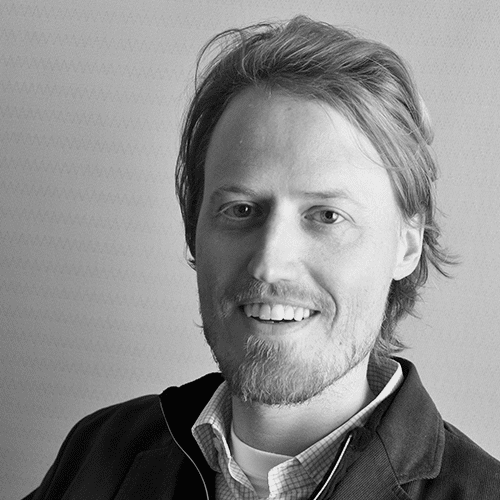
Jonathan Tate leads by example. I met Jonathan through my crowdfunding platform Small Change, where he raised funds for several of his project in New Orleans. With his New Orleans architectural practice, Jonathan focuses on architecture, planning and odd opportunities such as what to do with odd-shaped lots that no-one knows what to do with. I find that immensely appealing and so do lots of others. Jonathan has received awards and press ranging from Curbed to Fast Company. He’s a rising star.

Jonathan is a graduate of Auburn University, where he was a multi-year participant in the Rural Studio, and Harvard University Graduate School of Design. He has been recognized by Emerging Voices 2017 of the Architectural League of New York.

Together, on this podcast, Eve and Jonathan geek out a little on odd buildings, odd lots, odd clients, crowdfunding and the role of creativity in building better cities.

Insights and Inspirations

  • Lead by example.
  • Dig in to non-formulaic, non-cookie-cutter solutions.
  • Odd-shaped and forgotten lots can lead to a new genre of housing.
  • A homeless person can build a house with the right set of drawings.
  • Equity crowdfunding could equalize a neighborhood around development.

Information and Links

  • Jonathan owns an architectural studio called Office of Jonathan Tate
  • He’s building Starter Homes Two, an affordable housing project that he raised money for from a crowd of people on Small Change.
  • He designed and is developing 1476 Magazine Street an artist owned bed and breakfast co-operative in New Orleans.

Read the podcast transcript here

Eve Picker: Hey, everyone, this is Eve Picker, and if you listen to this podcast series, you’re going to learn how to make some change. Thanks so much for joining us on this podcast. I’m Eve Picker, and my life revolves around cities, real estate, and crowdfunding. In this podcast series, we’ll be digging deep to discover how we can build better cities by building better buildings.

Eve Picker: Jonathan Tate is my guest today. I met Jonathan through my crowdfunding platform, Small Change, where he’s listed a couple of his projects in New Orleans. Jonathan’s architectural practice focuses on architecture, planning, and odd opportunities, such as what to do with odd-shaped lots that no one knows what to do with in New Orleans. I find that immensely appealing, and so do lots of other people.

Eve Picker: Jonathan has received awards, and press, ranging from Curbed to Fast Company. He’s a rising star. If you want to know more about Jonathan, after you’ve listened to this podcast, please visit EvePicker.com, where you’ll find links, and other goodies on the show notes page, and where you can subscribe to my newsletter on all things real-estate impact.

Eve Picker: Jonathan, what’s your background, and what path led you to where you are today, with your practice in New Orleans?

Jonathan Tate: Well, first, I want to say thank you for having me on, and it’s good to talk to you today. Let’s see if I can answer the question in terms of background.

Jonathan Tate: I don’t know how far to go back, but it might help just to say that I just started off, actually, in architecture in what I would say is a world-class practice, but a very conventional practice. We were located in Memphis, Tennessee. Then, in 2005, after Katrina in New Orleans, we relocated to the city. Roughly speaking, it was more like 2008, for me, to move down here.

Jonathan Tate: Through that process, and then, additionally, with the recession, and then, additionally, I was teaching at the time, it just … I don’t know. That’s sort of the origins of how our practice became our practice is what I’d say. At least those are some of the pieces that all added up to our multifaceted focus as an office.

Jonathan Tate: The lineage being exposure to New Orleans, in a recovery standpoint; trying to assist in that recovery, but also in academia, where research, and engagement in topics that were sort of extra-architecture, in a way, all led to the establishment of our practice, today, which tries to focus both on architecture – making buildings – but also, all the other things surrounding what it takes to put together a building, or a city, or [inaudible]. That’s kind of where we came from.

Eve Picker: What prompted you to move to New Orleans? I know we had Katrina, but why move your office there? What were you hoping that would accomplish?

Jonathan Tate: Well, the thing is, we were … Memphis is close, but really far away at the same time. We were in a state with a practice, where we were busy … Again, it’s ’05, and it’s rolled into ’06-’07; we were busy, but not that busy, and we were trying to re-calibrate, and stand up a little bit, just to drive in … Anyway, focus on things that we cared more about, and less about just staying busy.

Jonathan Tate: Then comes Katrina, and we just wanted to help. There’s a kinship with the city. We were both along the river. We spent- A lot of us in the office had sort of grown up coming down here. We really got wrapped up in what was happening, and wanted to help, basically.

Jonathan Tate: We were invited by a number of different people to speculate on what we thought the future of the city was. Again, we were doing this from afar, and an opportunity arose for my partner at the time to be able to move down to New Orleans, and do a sort of visiting-teaching position at the university here, Tulane.

Jonathan Tate: That was kind of our segue to making a decision just to move everything down. We, through this process, recognized that there was only so much we could do in this environment. being, again, away in another city. I haven’t had a chance to kind of be on the ground, and see if we could really have an impact. That was important to us. We were able to act on that; then, eventually, we moved the … He came down, and eventually, we decided to move the entire office down.

Eve Picker: Has it played out that way? Do you think the work that you’re doing intersects with impact, and socially responsible work in New Orleans? How do you think you’re, in your little practice, helping the city?

Jonathan Tate: Well, yeah, actually I do believe that it does, but in different ways is what I’d say. I wouldn’t say it’s more nuanced; it’s just that we don’t … It’s not always … Frankly, it’s over 10 years, now; the city’s kind of passed the recovery mode. Forgive me for saying, but there’s still things that need to be resolved that were consequences of the storm.

Jonathan Tate: What I would say, more importantly, and back to the original question, is there’s an ethos about how you engage in urbanization in the city, and how an architect can participate in that discussion, and contribute. That ethos is what’s really in the office, whether what we’re doing specifically relates to recovery, or whatever.

Jonathan Tate: It’s, I’d say, more the spirit of that, and being here at that time, shortly after the storm, and just seeing the energy in the architectural, and planning community, and how there was a lot of ideas, and vitality, and just a real commitment to try to make this place survive, and be greater than it was.

Jonathan Tate: That spirit … Again, sorry for using these terms, but I’d say that spirit sort of has infused the office in a lot of ways, and it’s still – as a lot of people in New Orleans connect, and resonate on that level – but we’re- it’s definitely a part of, and been embodied in our office, for sure.

Eve Picker: Be sure to go to EvePicker.com, and sign up for my free educational newsletter about impact real-estate investing. You’ll be among the first to hear about new projects you can invest in. That’s EvePicker.com. Thanks so much.

Eve Picker: Do you want to just tell us quickly about a couple of projects that you think kind of embody impactful real-estate projects that you’re working on? I know about them, but our listeners don’t, so I’m hoping you’ll explain a couple of things you’re working on.

Jonathan Tate: Sure, sure. There’s actually two- a couple of projects, and I should say, as an office, we had plenty of, like, “Here, we just do work for people,” and I love all the work that we do for people, and I love all our clients. It’s fantastic.

Jonathan Tate: Running parallel to that, we have projects that are self-starters, let’s say; projects that we initiated, either through partnerships with people, or on our own. Those are the ones that I generally talk about, when we’re having this kind of conversation. I’ll sort of start it there.

Jonathan Tate: The one would certainly be our housing program, which we’ve dubbed the Starter Home*, with an asterisk, which is a infill … You  mentioned in your intro, it’s an infill-housing-development agenda, if you will; a strategy, a Project sort of with a capital P.

Jonathan Tate: What we’ve done was formulate a position about a need for a particular type of housing in New Orleans, and this is topical, by the way. I think, as we framed it, it’s applicable in any city in the US, or at least from an American context, I think it’s applicable anywhere.

Jonathan Tate: In effect, we were looking for housing opportunities that were leveraging what we saw as unrealized property, or land in urban, or strictly city environments; then trying to locate, and design housing on these sites that were focused on either first-time home buyers, or last-time home buyers, or anywhere really in between.

Jonathan Tate: The idea about the housing was is that it’s sort of right-sized. It’s resisting the sort of bloat that we’re seeing in the housing industry, in general, and, as a consequence, was driving down some of the costs of the housing. It’s by no means affordable, but it’s certainly mid-market housing.

Jonathan Tate: In that, we’re trying to interject design, and offer to the speculative buyer what we think is all the contemporary work, versus most speculative housing you’re going to see; A tend, or a trend towards traditionalist, at least in single-family housing.

Jonathan Tate: That one- that project, again, the Starter Home* project is something we’re really proud of, and that we worked on for the last year … It’s gone on five years now, basically, and we’ve managed to build  … I think collectively we’re at our 16th home. The last ones were ones that we ran through Small Change. It was the first project that we worked with you on there.

Jonathan Tate: Along the way, we’ve done a number of different houses. One that I’m starting to kind of look back on, and think of, more deeply, anyways, is a project that we categorized under Starter Home*, but it was something that we did for an individual, who was formerly homeless. He had purchased himself a small lot; basically one of these little remnant parcels that … I think, in total, it was about 800 square feet of land. I forget the exact number, but it’s small.

Jonathan Tate: We, with his help, designed a home for him. It’s basically a micro house. It was, at the time, the smallest; I think it still is the smallest permitted home in the city of New Orleans. It was under 200 square feet.

Jonathan Tate: We did it in a way that he could self-build it. We sort of helped him with the construction; we created a set of documents that were permittable, but also something that he could actually go out, and build by it. We helped him in that process, and with pulling that together.

Jonathan Tate: Now, weirdly enough, we don’t promote it a lot, but it’s one that has a lot of meaning for us, and it’s getting a little bit of traction here in the city, just with people that are interested in looking at other housing; other ways to provide housing for people that aren’t just building homes; it may be  looking at a micro home, and looking at, again, these small parcels. That one’s really interesting. Again, it’s under that framework of the starter housing. I can keep going. There’s another project that we’re- or I can stop there.

Eve Picker: No, no, no, go ahead. One more project.

Jonathan Tate: Yeah. The other one I’d say is another project that has been hosted on the Small Change site, and another self-initiated project. It’s actually, at least in theory, again, that we’ve come up with an idea, and then formulated a building around the idea.

Jonathan Tate: The idea being a cooperatively owned B&B that … Basically a hotel, or a small hotel, in this case, where the operations are provided by the co-operative. The co-operative is made up of artists, and other creative individuals that need time to do their work, but don’t often have that time, because they’re too busy making money at a job, basically..

Jonathan Tate: The thought being is that we would create a co-operative. The co-operative would do the operations for the hotel, and then,  in return for your work at the hotel, you actually get room and board.

Jonathan Tate: Then, depending on how much you decided to work in the hotel, the theory goes that you work one day a week – you may work a little bit more; you may work less – but the rest of that time, because you’re not worried about where you have to live, or where you’re going to get your next meal, you’re able to focus on, and concentrate on your work.

Jonathan Tate: That one’s underway now, the one here, but we’ve already done one in Clarksdale, Mississippi. That one’s up, and operational, and it’s sort of our model that we’re translating down here. Those are two projects that I think that-

Eve Picker: Obviously, you think socially responsible real estate is necessary. Do you see any current trends that interest you the most, that might propel that type of real estate further [cross talk] Maybe another question I want to ask you, also, or maybe this one comes first is, in your practice, now, which do you prefer? Do you prefer doing these self-starter projects, or working for your client?

Jonathan Tate: That’s a good question. I’d rather answer that one, rather than the trend. I’m terrible at trends [cross talk] all I get asked is … I’m no good at predicting that, I should say. In terms of  working with things, the truth is that I go back and forth. It depends on what day of the week, or what process, or phase that it’s in.

Jonathan Tate: I think what I enjoy most is that they both exist simultaneously, because it’s … Again, it can be a headache sometimes. I really do enjoy working with clients, and other people, and helping them with their vision, and I also really enjoy, and appreciate the opportunity to kind of make some pivotal, and essential decisions around the things that we do. It’s not that I would say I prefer one or the other. What I prefer is that they both exist.

Eve Picker: Right. Okay, I’m going to retract the trend question, and I’m going to ask you if there’s any anything in the world of real estate that you’ll particularly interested in that’s new that you’re following? Let’s not call it a trend.

Jonathan Tate: What we are moving in to, and what we’re trying to think about more … There’s nothing new about this, in some ways; it’s just I’m not sure that people have been critical about it, in certain ways. It’s all this mid-rise housing, and the typology around multifamily housing …

Jonathan Tate: It’s what we would sort of colloquially call a four-over-two, or a three-over-one, or whatever, but where you have a base that’s not constructed non-combustible, which means it could be retail; it could be parking; it could be whatever. On top of that, you’ve got the obligatory three-four floors of housing that sit on top of it, which is the kind of building block of what we’re seeing here in cities, now, and have, historically.

Jonathan Tate: It is also, in our mind, leading to the homogenization of urban environments, because it’s become formulaic. It’s what we’re really digging into now, and again, this isn’t a trend; this isn’t necessarily anything new. It’s just we’re starting to question what that is, and how we can engage in that conversation, and maybe turn it a little bit, and see if there’s a way to make a richer- or get a richer project out of it.

Eve Picker: I think the other question I had is do you think there are some trends, and I know you don’t like that word, in real-estate development that are really important for the future of our cities?

Jonathan Tate: In my world … It’s funny; this is a question, again, it’s hard for me to really answer in some ways, because, believe it or not, and I often say this, I don’t see myself as a developer, at least not by definition.

Jonathan Tate: What I mean by that is we’re not really set up as a development practice, per se. We do development, but we’re not organized around development as a business model. Consequently, weirdly enough, I don’t really follow development as much. I don’t pay attention to it probably the way that I should but …

Jonathan Tate: That’s not to say we don’t interact with it in interesting ways. Obviously, we’ve got clients that are developers, aside from ourselves … There’s things that are floating around now that … Actually, honestly, a lot of people come to us to talk about, or a fair amount of people come to us with interest in, and want to discuss crowdfunding, the world that you’re in. It certainly has a lot of interest, and I think people are trying to figure out how to utilize that as a tool.

Jonathan Tate: Lately, Opportunity Zone seems to be the thing that everyone wants to hear about. Those are financial trends, and what people are starting to focus on. I think your earlier question about any sort of social-minded real-estate development … In our world, we don’t see- you see a little bit of it, but you don’t see a lot of it, and it certainly doesn’t feel like a trend, unfortunately [cross talk]

Eve Picker: If you think about it, crowdfunding is fast – raising equity through a crowd, but co-working has had a meteoric rise, where people share office space, and share amenities, because it’s flexible, and it allows them to move around; it allows them not to put down a lot of money on a space they may not need. The same is going to happen with housing, right? We’re seeing [cross talk] housing, and we’re seeing all sorts of new versions of living, and working together that didn’t exist maybe 10 years ago.

Jonathan Tate: Something we’re starting to get … On that same track, something that we’ve started to engage with a little bit, in a couple of different cities now, is the role of the food market as an incubator, and a jumping-off point for restaurant entrepreneurs. That’s a whole ‘nother model that seems to be proliferating wherever we go these days.

Jonathan Tate: That’s right. I think, for me, what’s interesting about that is that it allows places that don’t have much activity, or that someone may not go to, to open an office, because it’s a neighborhood that they’re not sure about, but it allows that neighborhood to kind of gather people who are doing things. That may begin invigoration of that neighborhood.

Eve Picker: If a nonprofit opens a co-working space, they’re able to offer space to small businesses in the neighborhood, and they really have nowhere else to go, now, all of a sudden, you have some sort of expression of what’s actually happening in the neighborhood. That’s really interesting, I think [cross talk]

Jonathan Tate: Yeah, I totally agree, and we’re certainly seeing that. I guess what I like about it, in addition to what you’ve described already, is the forefront of revitalization of a portion of a city, or at least that’s one component of it.

Jonathan Tate: It also involves, often, non-developer types that are working towards these goals. I think by the time these kind of ideas make their way up, and they become, again, formulaic in some ways, that’s when developers feel like it’s safe to take it on, and implement different-.

Eve Picker: That’s right, and that’s why bankers feel it’s safe to take it on..

Jonathan Tate: That’s right.

Eve Picker: We’re sort of stuck in this circle of traditional financial institutions not wanting to fund the things that will eventually make the places we live better. Someone has to kick that off, right? That’s you, with your odd lots, or me, with my crowdfunding.

Eve Picker: There have to be those early starters, which I think brings me to my next question – how can we improve on that? It is so hard, as you know, to do those little startup projects, and they really don’t provide much financial return. Clearly, we like doing them because they provide us some other sort of satisfaction. How can we get better at incubating those sorts of ideas for cities?

Jonathan Tate: I think, one, you have to lead by example, in a lot of ways, and that’s certainly what we were trying to do. We had no … With the housing in particular, there’s no expectation that we were going to build thousands of units of housing, which we certainly need, like most cities [inaudible] help with a lot of issues, just availability, but also affordability. There’s that.

Jonathan Tate: I think providing some evidence that this is a thing that one can do … Then you see the adaptation of that, and the adoption of that, and how it can sort of roll through … When I fortunately find myself in these kind of conversations, a lot, are people that are interested in it, that just need some encouragement, and some support.

Jonathan Tate: That said, as a way to make sure this continues to happen, or at least facilitate this happening, I think creating networks, collaborative networks, where people can call on one another for expertise, or just general encouragement, as we’re saying, I think that’s an important thing. That’s the community, right?

Eve Picker: Right.

Jonathan Tate: That’s what it takes for this to happen.

Eve Picker: Yeah. I wish every city had a Department of Big Ideas, and a little bit of money set aside for the projects, which they maybe turn their noses up at, because they’re small, and they don’t think they’re important enough; those little projects can sometimes have an enormous impact in an unintended way.

Jonathan Tate: Yeah.

Eve Picker: One of the stories I like about you, Jonathan, is you’ve created this whole thesis around odd-shaped, forgotten, and abandoned lots in New Orleans. Recently, didn’t New York City run a little competition on odd-shaped lots [cross talk] took from you. How did that competition end up, and why did they do that?

Jonathan Tate: Well, definitely don’t want to take credit for the idea there, but they … Actually, I followed it. We did not compete in it. We didn’t submit anything for it, but have certainly followed it. I think it ended up they selected some winners, and we’ll see if they’re interested, and want to actually construct the housing that’s on there, or that they’ve proposed, let’s say.

Jonathan Tate: Weirdly enough, I was having a conversation with a New York region developer early on … When I say early on in our process of building this housing … They said to me, “That’s really fascinating, but it only works where you are, or in similar-sized cities. It doesn’t make any sense in New York, at all.” Then, three years later, the city is saying, “No, this is exactly what we should be doing with these lots.” [cross talk]

Eve Picker: -another really great example of that is the Ciclovía that’s in Bogota, Colombia. I talked to the Mayor Peñalosa, who started that. He said they had no operational funds, and it was really a question of whether they created the Ciclovía, which is an open street once a week for the residents of the city, who are very poor, and the city had many problems, or whether they paved the roads.

Eve Picker: They chose to do this open street for the people, instead. The last time I looked, I think it was 100-miles long. Every Sunday, they close the streets, and people go out there, and run, and bicycle, and do lots of other learn things. That idea has spread to practically every city in the world.

Jonathan Tate: Yeah.

Eve Picker: It’s had an astounding impact , just that idea, so, those little ideas [cross talk]

Jonathan Tate: I think you’re right. Look at something  the High Line in New York, as well. I feel like every city is clamoring for their own version of that, now, too, because they just see how impactful, and how it’s making use of an abandoned resource, right?

Eve Picker: Right, so maybe … Go ahead.

Jonathan Tate: I was going to say, that’s part of this ethos, as well, when we when we talk about the development, or redevelopment of cities. It’s like looking at things not as, I don’t know, refuse, or eyesore, or junk, or waste, or whatever you want to call it.

Jonathan Tate: It’s just like there are opportunities all around us, and just understanding how to capitalize on those spaces, on those buildings, on those structures, it really takes imagination. That’s really, I think, what we should be supporting, and trying to cultivate. Back to your idea of the Department of Big Ideas, I think that’s a great idea.

Eve Picker: In other words, use every corner of the city, and don’t waste it, because we’ve built the infrastructure, and we paid for it, and there are people there. Anyway …

Jonathan Tate: Yeah, yeah.

Eve Picker: Well, I have to ask you, you’ve crowdfunded a couple of projects on our site, and I’m wondering what role you think that equity crowdfunding can play in building communities, or building better communities?

Jonathan Tate: Yeah, it is … Well, I’m going to have to say I’m absolutely enamored with it, as a process, and as a platform, and as a tool to help with development. The thing that I think it can do more of, and frankly, I haven’t done a great job with our own raises is how it might galvanize neighborhoods around development.

Jonathan Tate: I think that’s the one of the principal aspirations of this is that you can- that everyone should be able to participate, and be involved with the redevelopment of their own neighborhoods, or their own community, or their own city. They should be able to support that in some way.

Jonathan Tate: Again, here’s a tool for us to use that would enable people to support, and basically cast a vote for what they felt like were strong investments in their city, and that they see a benefit of that.

Jonathan Tate: That’s where, actually, if, or as the next raise comes, that’s the thing that would be … At least for us, on the crowdfunding raise, it’d be the thing that I’d want to try to focus on more of is just how do we pull people into it that are directly impacted by it?

Jonathan Tate: That’s where, again, that’s what I would see as one of the great advantages of this; just leveraging it, and making people aware of it. Then sort of pulling them into the process. I think that’s an important tool.

Eve Picker: Yeah, so, I think other than raising money, as you said, it can galvanize a neighborhood, and it could provide- even could provide proof to a zoning department that a project could go … I think there are maybe other things that we haven’t thought out about that it could help with kind of the crowd [inaudible], right?

Jonathan Tate: Yeah, and there again, it becomes emblematic, and you see it is  here’s a test case, and it proves that it’s right. It doesn’t have to be grandiose. You don’t need to raise $10 million. I think if it was a small project that a lot of people were able to participate in, then that’s … They have an ownership in that, [inaudible] people around it have ownership, and that’s great.

Eve Picker: Right. I suppose I have one wrap-up question; it’s a big one. That is how do you think real-estate development, or architecture, or thinking about cities could be improved in the US?

Jonathan Tate: Whoa, that’s a big one. Let me think … Let me think about that. Going back to the comment that I made about mid-sized housing, if you asked me that question today, I’m, again, increasingly interested, but also frustrated with the built environments that we’re seeing kind of rapidly expanding in most cities that reflect a lack of imagination, or better yet, the propensity for developers to sort of follow known models.

Jonathan Tate: In this case, it’s like we understand a certain kind of housing type, or you just kind of build that, because it’s known, and it’s comfortable, and we can rely on it. I don’t particularly care for the consequences of that in our cities. As things are popping up, it’s just- we’re losing characteristics, and qualities of our urban environments that I think make going to Pittsburgh different than coming to New Orleans, right?

Eve Picker: Right.

Jonathan Tate: I’d say that’s the piece. If we can start challenging the development community to think about things a little bit differently, or to try to localize a little bit more … I understand the economics around all of this, and why it is what it is, but it’s just revealing what’s happening now, just acknowledge it, so that, as we move forward, we could challenge some of those preconditions a little bit, and come up with work that feels like it was born out of the location that it belonged, right?

Eve Picker: Yes, yes, absolutely. Maybe the most important thing you said is lead by example, because if you do some terrific projects, others will follow, as we saw you do … You tackled odd-shaped lots, and New York City followed.  Perhaps, the timeline’s too long? I think having creative people working on cities, like you, is absolutely essential, and I want to thank you for that.

Jonathan Tate: Well, thank you.

Eve Picker: With that, let’s wrap up. I thank you very much for joining us, and I’m sure we’re going to talk again.

Jonathan Tate: Yeah, great. Thank you.

Eve Picker: That was the amazing Jonathan Tate. Today, Jonathan gave me three great takeaways. First, to always lead by example. Second, that I’d forgotten things can have great value, and third, that it’s worth looking beyond formulaic answers to solve tricky urban issues. What did you learn?

Eve Picker: You can read more about Jonathan on the show notes page for this podcast, at EvePicker.com. While you’re there, please consider signing up for my newsletter to find out more about how to make money in real estate, while making some change.

Eve Picker: Thanks so much for spending your time with Jonathan, and I today. We’ll talk again soon, but for now, this is Eve Picker signing off to go make some change.

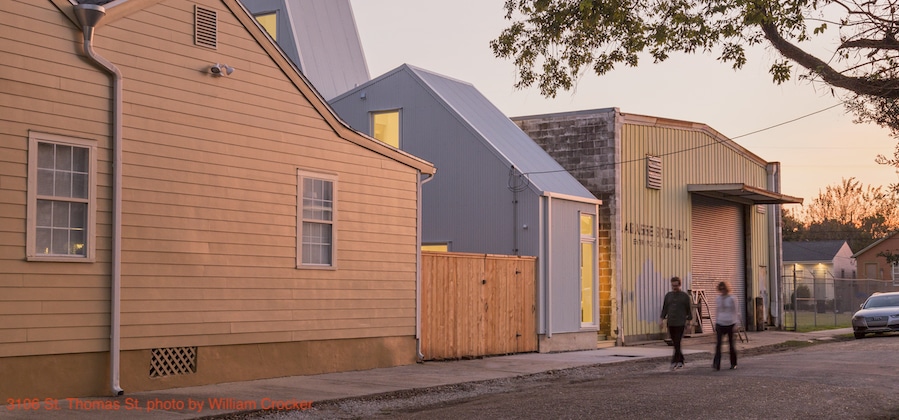
Image courtesy of OJT (Office of Jonathan Tate)
Reinventing housing.

August 5, 2019

Market conditions necessitate a radical shift in the way we think about housing as investors. While creeping housing bloat has afflicted the broader market for decades, the trend towards urbanism and millennial-driven demand for centrally located, affordable living spaces has led to the rise of alternative housing developments– and alternative financing and investment paths.

The rise of formulaic development

The market embrace of mid-rise housing and the typology surrounding multi-family housing has led to a situation where the homogenization of urban environments is of growing concern to urban designers and other city and real estate professionals. Put another way- every development is starting to look the same.

Most new developments fit a similar pattern of a four-over-two, or a three-over-one, where the base is not constructed non-combustible. That bottom floor may be a parking lot, a lobby, or retail shops. Above that, you have three to four levels of housing. This model has always been present in urban areas, and it continues to grow in popularity to meet changing tenant needs.

Urban areas out of reach

Across the United States, urbanization is a significant driver of property values in cities. Metro areas like New York, San Francisco and Atlanta have benefited from explosive growth for almost a decade now. This has left a considerable segment of first time (and other) home buyers without the ability to purchase homes due to financial constraints. This challenge presents an opportunity for developers who take advantage of nontraditional lots and properties.

The value in unrealized urban property and land

Investors in cities from New Orleans to New York City, are taking a second look at unrealized urban property and land that has gone unnoticed until now. Often located on small and oddly shaped plots, unrealized land presents an opportunity for developing properties that appeals to buyers in the market for starter homes, retirement cottages, and everything in between. This is supported by a growing awareness that cities are the most sustainable places to live making these formerly discarded lots look ever more attractive. Micro-homes are particularly well-suited for construction on these properties.

Small lots as a framework for starter homes

To meet the challenge of the affordability crisis, developers need to find ways to make starter homes more attainable. This benefits new homeowners who may otherwise be priced out of a neighborhood or city. It also helps investors and developers. The ability to place micro-homes on small lots opens up an entirely new, previously underserved market with a scalable development model that you can use from Austin, Texas to Portland, Oregon.

Distinct ways of living

Developers and investors need to keep pace with how Americans choose to live, work, and play. New housing models and other work-live cooperatives or co-living arrangements are gaining popularity, particularly in urban areas. These projects differ in scale, goals and methodology, but all aim to change the way we think about housing.

Crowdfunding to finance new housing models

Lenders and institutional real estate investors tend to follow predictable models. They have to set and hit financial targets to remain solvent, and there is little room for error. This is partially the reason we see so many of the same buildings in city after city. Those buildings work for their financial goals. Trying something new may rock the boat. But we need creative new ideas to solve this growing problem. We need creative new ideas to innovate in cities.

Crowdfunding offers alternative financing to help get nascent micro-home and co-living spaces out of the planning stages and into construction. These platforms could give developers, architects and other real estate experts the ability to source capital to develop projects that would have otherwise fallen by the wayside. A micro-home community in downtown Cleveland might not be profitable for a mega-developer, but it may be a viable opportunity for a smaller investor using a crowdfunding site.

_

The housing market is changing. As investors, we need to change as well. Embracing alternatives to traditional housing exposes you to opportunities to generate profit from previously underserved market niches in cities across the country.

Image courtesy of OJT (Office of Jonathan Tate)
On the periphery.

August 2, 2019

Finding value-driven real estate investments on the periphery

In real estate, there is no risk without reward. The traditional view is that developing in high-end commercial and residential markets, like Manhattan in New York City or the Financial District in San Francisco, is less risky than developing in a community with less financial resources. However, this may not be entirely accurate. In many parts of the country we now have an oversupply of high-end, luxury housing, particularly in districts that are very similar to Manhattan or other urban cores.

Lower-income communities are currently underserved, and there are strong demand drivers at play in those areas. Land and property acquisition costs are also much more manageable in neighborhoods on the periphery- those that are in the process of growing economically. While the big-name firms get all of the media attention with gleaming towers in city centers, investors across the country are making money by serving the needs of the 99%, not the 1%.

The need for community building in low-income areas

The housing affordability crisis is in full effect. Hundreds of thousands or even millions of people across the United States are having to choose to relocate due to encroaching gentrification. When investors and developers view projects in those communities as risky, rightly or wrongly, it prevents much-needed capital from filtering into the area and more importantly prevents capital from reaching the people that need it the most.

While there are a multitude of federal, state, and local programs dedicated to solving this issue, the public sector alone will not be able to solve it. Socially-minded investors and entrepreneurs already have the tools to alleviate this crisis- and they can generate stable, long-term returns while doing so.

Bringing locals along

The first step to helping someone is to ask what they need. Community collaboration is essential when it comes to creating a viable, self-sustaining community. Developers can foster these relationships through meetings with locals, educational programs for residents, and other forms of outreach that take their concerns into account.

Remember that a dialogue goes two ways, and you can learn a thing or two while working with community members. There is nothing more valuable for a business than understanding customer needs, and an honest conversation with your prospective neighbors, buyers, or stakeholders can go a long way towards that.

And bring investors along

Educating the community is an important first step, but you have to educate investors too. There is no development without investors, and part of the reason we are in this mess is that investors have not been incentivized to help build sustainable communities in low-income areas. Contrary to popular belief, not all investors are heartless monsters who only care about the bottom line. There are millions of investors that want to invest in socially responsible developments- and there will be millions more if developers can adequately educate them on the financial opportunities that lie in low-income community development.

Raise capital differently

Education is excellent, but at the end of the day, you need to be able to finance your projects. Big lenders and banks may not share your passion for socially responsible investing, but luckily, the world of real estate finance has expanded quite a bit in the past decade. You can now source capital from individual investors through crowdfunding, work with community trusts, or partner with local governments to create neighborhoods that are built for people, not just for profit.

_

The most important thing to remember is that successful developments take into account the needs of a community first. By treating local stakeholders as partners, you might avoid many of the problems that plague real estate projects- and this saves you time and money. The fact that you can make the lives of all stakeholders a little brighter is just icing on the cake.

Image by Eve Picker

Capital is just a tool.

July 31, 2019

In this podcast Molly McCabe and I explore housing the homeless, real estate projects that make community, and the future of impact investing. Her Lotus Campaign is yielding astonishing results quite early on, having placed 150 homeless people in its first year of existence, so listen in to learn more.

Molly is a veteran of the Real Estate Industry, Molly describes herself as a Scout, MapMaker and BridgeBuilder. She founded HaydenTanner after spending many years in commercial real estate finance, capital markets and development. She has spent her career cultivating practical solutions and strategies to accelerate the emergence of resilient buildings and vibrant, sustainable cities. Now she works with clients to channel investment capital to optimize asset and portfolio level returns, enhance resiliency, community vibrancy and livability while meeting economic objectives.

Molly is the immediate past Chair of the Urban Land Institute’s (ULI) Responsible Property Investment Council and sits on the Board of The Freshwater Trust. She is also the author of the book: Practical Greening: The Bottom Line On Sustainable Property Development, Investment and Financing and “Driving value: Responsible and Resilient Property Investing in the New Millennium” for Institutional Real Estate Investor. She has taught at the Boston Architectural College and has lectured at Pinchot University. Previously she founded VC funded, commercial mortgage backed securities firm, Bridger Commercial Funding, ran Bank of America’s Real Estate Capital Markets group and was a commercial construction lender with Wells Fargo Bank. She is a trained mediator, professional business coach and LEED AP.

Insights and Inspirations

  • We need to think of capital as just a tool. That’s all it is. It can be used beneficially, or not.
  • Molly’s Lotus Campaign has housed over 150 homeless people in it’s first year at the extraordinarily low cost of $1,000 per person.
  • ESG (Environmental, Social and Governance) plays a factor in investors decisions every day now.
  • Equity crowdfunding is the pebble that creates the ripples.
  • Molly is exploring building techniques that might help to lower the cost of housing for those who really need it.

Information and Links

  • Molly’s inspired by women who make her giddy, make her laugh and call her forth to do more, do better and to stand tall in my own strength and authenticity. Like Brene’ Brown and her most recent book Dare to Lead,  Emma McIlroy and her team at WildFang, Georgia Lee Hussey of Modernist Financial and so many more.
  • This year Molly is most proud of all she’s accomplished with The Lotus Campaign to help get people into housing.  
  • Who knows what will her inspire next week! 

Read the podcast transcript here

Eve Picker: Hey, everyone, this is Eve Picker, and if you listen to this podcast series, you’re going to learn how to make some change.

Eve Picker: Hi there. Thanks so much for joining me today for the latest episode of Impact Real Estate Investing. My guest today is Molly McCabe. I met Molly in her role as chair of the Urban Land Institute’s Responsible Property Investment Council.

Eve Picker: After many years spent in commercial real estate, Molly founded in HaydenTanner. There she works on cultivating practical solutions and strategies to accelerate the emergence of resilient buildings and vibrant sustainable cities. Molly has shown her true colors with her latest astounding project, The Lotus Campaign.

Eve Picker: Be sure to go to EvePicker.com to find out more about Molly on the show notes page for this episode and be sure to sign up for my newsletter so you can access information about impact real-estate investing and get the latest news about the exciting projects on my crowdfunding platform, Small Change.

Eve Picker: Molly, it’s really nice to have you here today. Would you just tell us a little bit about yourself, and what you do?

Molly McCabe: Oh, sure. Thanks, Eve. Appreciate it. I run a firm called HaydenTanner, which is a strategic real-estate-advisory firm focused on increasing or bringing social equity and sustainability into the built environment. I work with developers and investors on their projects to create healthy, vibrant communities. I also have recently co-founded a non-profit with some colleagues called The Lotus Campaign, which is focused on increasing the availability of housing for people experiencing homelessness.

Eve Picker: That last one is a really big lift. Can you tell us a little bit more about that, The Lotus Campaign? I know a little bit about it, but I’d love to know more.

Molly McCabe: I’m delighted to do that. We started The Lotus Campaign- we’re coming up on our one-year birthday mid-July. What we realized maybe about 18 months ago in looking at a number of things is that the private sector really has not been engaged directly in to how do you solve some of these challenges around homelessness. Really got to thinking about how can we bring the private sector, the private real-estate development, and landlords, and investors into the mix and really start to solve the problem?

Molly McCabe: The Lotus Campaign looks at it from a continuum. We have a program called the Landlord Participation Program, which is really focused on increasing housing availability today for people experiencing homelessness by taking away all the impediments that a current landlord might have in bringing someone into housing, such as credit history, rental history, things like that; making sure that they have some immediate support. Then we also incentivize those landlords to open up the units.

Molly McCabe: Then, on the continuum, we also recognize that just increasing housing today with existing units is not enough, because we just don’t have enough housing units available period. The second piece is we are buying and rehabbing existing naturally occurring affordable housing. Doing major rehabs and putting aside about 20 percent of those units for people experiencing homelessness. The balance, about 80 percent, is primarily workforce housing.

Molly McCabe: The third piece on the continuum is actually increasing the total number of housing. We are piloting- or we’ll be piloting this year, hopefully, some new construction technologies which will reduce the total cost per unit of housing. Through that, we’ll be partnering with cities and other communities to increase the actual total housing stock. It’s a continuum, and it’s, again, been pretty successful. So far, we’ve helped facilitate in the first year about 155 people into housing at an average cost of about $1,000 per person.

Eve Picker: Wow, that’s a lot that you have on your plate. That’s a really lot to manage. I want to go back to something you said about removing impediments for formerly homeless people to be able to rent a space. What exactly do you mean by that? How do you help remove those impediments?

Molly McCabe: Well The Lotus Campaign, if you take a quick step back, and we look at the clients that we- our people that we’re currently looking at serving, we’re looking at serving sort of highly functioning, chronically homeless all the way up to people who are on the verge of experiencing homelessness.

Molly McCabe: Because what you find today is that, in comparison to what we thought were the people who are experiencing homelessness – typically people who were drug users and things like that –  really, it’s so many people who are falling into poverty . Right now, housing prices across the country are just dramatically rising, and there’s …  People who are wealthy can certainly go into housing, but then there’s that point where you lose a job, you have a health problem, something happens, and you can’t make the rent the next month. We sort of serve that whole sector, that whole segment of the population.

Molly McCabe: What we’re finding is that landlords have consistently been concerned about things like, as I said, rental history, credit history. Then there’s a whole stigma attached to being homeless. The reality is, as I said, many of it’s economic in nature. When we talk to the landlords, what we’re doing is we’re providing … We, Lotus, come in and we provide a rent guarantee.

Molly McCabe: We provide tenant insurance. We work with social-services organizations who have an ongoing responsibility to 1) identify a resident who is able to go into scattered-site housing and then provide ongoing services to them during the entire period of time that they are in that housing; including, for example … They come in once a month, and they walk the unit; check in with the tenant, but they make sure it’s- from the landlord’s perspective, it gets somebody in the unit to make sure that things are still going okay, and if there’s any problems, it gets you ahead of that.

Molly McCabe: We will provide …. We’ve asked the landlord to postpone eviction processing for a month – 30 days – and we ask them to partner with us to see if we can work out whatever the problem is. If, at the end of that month, we are unable to do that, we will go with the landlord to court. We will pay their court costs, their attorney’s fees to help process that eviction, if necessary. Hopefully- that hasn’t happened so far with any of the tenants that we’ve had, but we have offered that.

Molly McCabe: The last piece is we provide the landlord with an incentive payment to open up units. What we’re finding is that it’s about, again, $1,000 per person.

Eve Picker: That’s not a lot of money.

Molly McCabe: No, it’s a great way to … If you think about leveraging your capital, it’s not a lot of money. We’ve been really, really successful with that. So far, as I said, we have 155 people in housing.

Molly McCabe: We’ve had one person leave; lose their housing. That wasn’t because they were doing anything wrong at the building, at the apartments. It was because they weren’t actually following through on what the social-services organization had expected them to do. They weren’t making meetings. The social- services organization actually came in, and said, “You need to leave.”

Molly McCabe: That person’s gotten back on the waiting list because they’ve shown back up, but it’s really a matter of bridging that gap between what the landlords are- their expectations [inaudible] making them feel comfortable that they have support, and that they have a reason to open up those units and feel confident.

Eve Picker: Be sure to go to EvePicker.com and sign up for my free educational newsletter about impact real-estate investing. You’ll be among the first to hear about new projects you can invest in. That’s EvePicker.com. Thanks so much.

Eve Picker: What locations are you in, so far?

Molly McCabe: We’re currently piloting in Charlotte, North Carolina. In Charlotte, again, we have four landlords; four different landlord organizations that we’re working with, and we have four different social-services organizations that we’re working with who have identified people.

Molly McCabe: We hadn’t expected to do this, but the opportunity came along in November to actually purchase- acquire a building. We acquired the building in November. It’s 144 units; 30 of which have been set aside for Lotus clients, and the balance are workforce housing – tenants, residents.

Molly McCabe: In that case, we brought in an impact investor as a partner. Our returns are very strong as compared to anything else in the market.

Eve Picker: What are the returns? Can you share?

Molly McCabe: Sure, I’d be happy to share on that. On that particular project- again, we’re targeting market-rate returns, so we’re looking at a current of about six percent on that deal, and we’re looking at, over a seven-year period, a 12-percent IRR.

Eve Picker: That’s pretty good.

Molly McCabe: Yep, and [cross talk] It’s a very traditional … Of course, any real-estate deal is different-  all real-estate deals are different. You go into any one; you figure out what works. But it’s a very traditional model. There’s no tax credits. It’s a 65-percent loan to value. We’re doing some rehab on it.

Eve Picker: You have guaranteed clients-

Molly McCabe: Exactly, guaranteed clients.

Eve Picker: It’s a pretty low-risk project by the sounds of it.

Molly McCabe: Yes, exactly.  What we think- our goal over the course of the next three years is to be in 10 different cities and-

Eve Picker: That was going to be my next question. What’s your goal?

Molly McCabe: Perfect segue-

Eve Picker: 10 cities. That’s a pretty- that’s pretty fast.

Molly McCabe: Yeah, so 10 cities in 36 months, that’s our objective. Again, it really- people ask us, “Where are you going to be? Have you identified the cities?” We do certainly have criteria. Number one, I think we’re going to  …

Molly McCabe: The two most important criteria are who do we know in that city from a landlord-development perspective? Who controls the real-estate side? Then, are there solid social-services organizations who can 1) identify clients who can go into scattered-site housing, and 2) have the capacity to provide that ongoing support to those tenants?

Eve Picker: Interesting.

Molly McCabe: I suspect it’ll probably be secondary cities. We’re probably not going to go into major-major cities, just because the cost of housing is so expensive in places like New York, or Los Angeles, San Francisco.

Eve Picker: Well, let me know if you need any help in Pittsburgh, because, as you know, I’m connected here.

Molly McCabe: You are, very connected. I would love to get into Pittsburgh. There’s some really interesting cities. I think we can have some good impact.

Eve Picker: We need to talk more about that. It sounds like this project takes up a fair amount of your time, but you were also talking about another more local one. Do you want to tell us a little bit more about your involvement in that?

Molly McCabe: One of the things that, as I said, I’ve been really involved with in the last 18 months is this roll-out of Opportunity Zones. Originally, I got involved in it from more of a national perspective in looking at how the real-estate sector might … It’s funny looking at it now, of course, because real estate is the easiest piece to apply Opportunity Zones, but, when it first started, we really didn’t know how it would play out.

Molly McCabe: I got involved more on a national basis and looking at how real estate might utilize it for distressed communities. It turns out I have … There’s an Opportunity Zone in my local small community, where I’ve not done any development or investment at all.

Molly McCabe: The project that I’m particularly looking at now is one where the library is looking at moving into a particular location on a new trail that’s being built. Rail lines are coming out, and the trail is going through the center of town. It’s a great place to create a community hub. There’s such a need for creating that vibrant place where people come together – that third place.

Molly McCabe: We’re looking at the library; some mixed-income housing. It’s akin to what we were talking about earlier for The Lotus Campaign. We’ll have some sort of workforce housing, some higher-end housing, as well as some lower-income housing. Maker space, retail, coffee shops, all added in this one location.

Eve Picker: It sounds like fun. That sounds like a really fun project. You’re working on some really great things. I’ve been personally a little bit disappointed at what has emerged around real-estate opportunities in Opportunity Zones. I’m just wondering, because I know you’ve been a bit- on the speaker circuit, you’ve been pretty heavily immersed in this. I’m just wondering what you think about what’s going on. I’d love to hear your thoughts.

Molly McCabe: I think it’s a great point, Eve. The reality is the projects that are coming first out of the gate are the ones that were already shovel-ready, and, in many cases, already penciled. I had a question on a webinar I did not that long ago from somebody who said, “Well, how is that hotel project really supporting that community, and did they go about involving the community in discussions about what the community actually wanted?”

Molly McCabe: It’s not my project, so I can’t say whether or not they did in order to get it approved, but I think we have to recognize that the early projects that are coming out of the gate are ones that were already vetted; already ready to go.  Water under the bridge. That’s already done.

Molly McCabe: Let’s figure out how do we move forward today, and identify how do we bring the communities in? What kind of impact do we want to have? How do we make sure that gentrification does not displace people? How do we make sure that what we’re doing in these communities actually benefits the people who are currently living there, and what kind of impacts do we want to have?

Molly McCabe: I think many, many cities are finally getting their hands around, and their head around what that actually means. What do we want to have here? What does that look like? I think community members are starting to recognize that.

Molly McCabe: One of the things I think you’re doing, which is so awesome, is this concept of using crowdfunding as part of an Opportunity Zone. How do you take the people who live there, who maybe have small investments and only can do small investments into it, but if they invest in their own community, they have … They are able to help design and create what they really want.

Eve Picker: Yeah.

Molly McCabe: There’s potential, I recognize, because I know you’re doing this, and I haven’t even attempted crowdfunding. Huge complexity to it, so, I don’t say that it’s easy.

Eve Picker: Well, I actually think that’s not the most difficult part. I think, for me, the most difficult part is – when you layer impact on to Opportunity Zones – finding a project that can stand on its own two feet [cross talk] that is investor-ready, that has some experienced developer behind it.

Eve Picker: It’s very rare, because now you have a project that the developer is going to have to track carefully for 10 years to ensure that the investors get their tax benefit, so they can’t just be trying this for the first time. It’s a really difficult formula. I think it’s a really difficult formula to find a project that sort of checks all the boxes. Very difficult.

Molly McCabe: Yep. I think the good news is that … The recent regs that came out in April, one of the things that it did allow is it allows you to sell an asset in the middle of that 10 years and reinvest it, as long as you keep the money in the Opportunity Fund.

Molly McCabe: Theoretically, we will see new capital coming in over time, so I think you’ll see some recycling of capital and see the ability, too, so maybe it doesn’t have to be a 10-year project. I also like the potential to take real estate and layer it with businesses in the Opportunity Fund-

Eve Picker: I agree. I think it has great potential.

Molly McCabe: I think it remains to be seen and-

Eve Picker: It’s really not a long enough ramp-up time, is it?

Molly McCabe: No, no.

Eve Picker: The 10 years is ticking away fast, and people are really only getting themselves organized in thinking about it. Yeah, there are a few projects that were ready to go that just happened to be in Opportunity Zones, or, perhaps they were there because they petitioned for them politically. I don’t know, but it’s really only just coming together now, I think. How far into it are we?

Molly McCabe: Yeah, what are we at? Well, we’re more than a year … We’re basically 18 months into it, and I think that has been … I have a client that bought a project in April of last year. Huge project. Opportunity Zone. They are definitely putting in enough money to make it work, but they bought it, and they had no idea that it was in an Opportunity Zone. It was just too new. That backward looking, going, “Oh, well, we should have done it this way …” [cross talk]

Eve Picker: -that’s tough, too.

Molly McCabe: Right. We’ll see. I think it has great potential. There is no doubt it also has potential for abuse. I think we just have to, for those of us who are really focused on impact and really looking at how can we develop communities in ways that make a difference for the people that live there, both on a social perspective, as well as an environmental perspective.

Molly McCabe: I think we just have to keep pushing for those impact measurements and making sure that we are tracking those in a way that are meaningful, whether that’s on an Opportunity Zone project, or really any project. Really, that’s, to me, how do we create thriving, healthy communities that are- we reduce our carbon footprint. We are focusing on going as close to net zero as we can, but also providing jobs and equity and all of those things [cross talk]

Eve Picker: Molly, I love talking to you because you answered my next question before I asked it. My next question was going to be do you think socially responsible real estate is necessary in today’s development landscape? I think I know the answer to that.

Molly McCabe: Oh, yes. Oh, my gosh, absolutely. I’m so fascinated by people … When I look back and I think about developments that I did, oh, my goodness, 25 years ago, I go, “What was I thinking? That was so bad!” We’re in a place where the planet- we have so many people on the planet. You look at … It’s just increasing. Climate change is an issue; water resources are an issue;  energy is an issue; social equity … We have this increasing economic divide of the haves and have-nots.

Molly McCabe: If you don’t think that responsible property investing or responsible investing, in general, is crucial, I don’t know [cross talk]

Eve Picker: Where have you been?

Molly McCabe: Right. The other piece that I think is so important is recognizing … Some people think that capital money is bad. If you recognize that capital is just a tool – it’s just a tool … Money is just a tool; it’s just something that we’ve created to trade energy, and goods, and services. If you recognize that it’s a tool, then you can use it in any way that is beneficial.

Molly McCabe: You have a choice. You can say, “Well, I’m going to make an investment, and it’s going to make money and do something good and positive for the community,” which makes it a more sustainable community, which means it’s thriving, which means it’s healthy, which gives it a long-term value, as opposed to, “I’m just gonna do something and get out in two years,” why wouldn’t you do something that actually benefits the community that you live in; benefits the people that are around you, because you can … I do believe in the goodness of people, so I always have hope for that.

Eve Picker: Yeah, I’m not sure about the goodness of all of them yet.

Molly McCabe: Well, you and my husband would be in the same category. He feels the same way. He always says that I’m disappointed because I expect people to do the right thing, and they’re going to be good, and they’re going to do their best work. When it doesn’t happen, I’m disappointed. He says he doesn’t believe that, so he’s never disappointed.

Eve Picker: I want to believe it, but I’m not sure. I think there’s still a lot of greed, and that may be the primary reason, or the thoughtless reason for not picking one project that does something good, over another that does nothing good – an extra-percent return or whatever it … I’m not yet completely convinced. I wish I were.

Molly McCabe: Right, right. Well, I’m not saying everybody’s there, and we certainly have plenty of examples of people who are not and who are very much out just for their own benefit, but-

Eve Picker: I feel like investing for impact is this tidal wave heading towards us, and we’re early adopters. Eventually … Eventually,  if you think about a graph with Walmart at the top, eventually that crowd will follow, because it’s the thing to do, right? I don’t think we’re there yet. We’re all battling against a crowd that doesn’t know it’s the right thing to do. That’s the way I think about it.

Molly McCabe: It’s always hard to be an early adopter, right?

Eve Picker: It’s also fun.

Molly McCabe: You’re always on the edge … Now, I think about this, and I go, “I said that 10 years ago, and it’s finally coming to fruition.”

Eve Picker: I know, and then … Yeah, if we did it now, we’d be making money. But look, I didn’t know what an early adopter was until a few years ago. Apparently, that’s what I am, but [cross talk]

Molly McCabe: All these years, you’ve been an-

Eve Picker: Yes.

Molly McCabe: I know.

Eve Picker: This is the way we’re wired. We can’t think differently, right, Molly?

Molly McCabe: Exactly. Really, if you think about what does it take to be not just an early adopter, but really somebody who is a leader … I mean, people who are leaders are those that kind of are always … You don’t always- you don’t have the answers. You don’t pretend you have the answers, but you’re always curious, and you’re always looking at what’s next, and how can you solve that problem, and, “Wow, that’s interesting!”

Molly McCabe: I think what I appreciate about spending time with you, Eve, is that you’re always asking questions, and you’re always going, “Huh, well, how might that work? What about this? If we try it this way …” and sometimes it doesn’t work, right?

Eve Picker: Yes, usually it doesn’t work.

Molly McCabe: But then, one time in 10, or one time in a hundred, it does work, and you go, “Wow, that is  cool!”

Eve Picker: Yeah, actually, that’s a really interesting point, because in the tech world, failure is a little bit glorified, right?

Molly McCabe: Mm-hmm. Yeah.

Eve Picker: You’ve tried three companies, and they’ve failed, and finally, you have a winner. In the rest of the world, not so much. Failure is pointed at, and derided, and yet, I think failure is kind of an indication that you were willing to try something. Anyway, that’s my little speech for today.

Molly McCabe: Well, I agree, and I think anytime we’re … I think we are in a culture that’s wired around avoiding any sort of looking foolish, or any sort of uncertainty. We always want to have some sort of certainty around things and some guarantee that it’s going to work out.

Molly McCabe: Tech is a really interesting anomaly to that, and I think being able to take that same mindset and apply it elsewhere in our lives and stepping into that fear, and uncertainty and stepping into the risk is an important component to moving things forward. Going back to our conversation just around impact, sometimes you just have to try stuff and go, “Wow, how might this work?” and “Wow, this is better!”

Eve Picker: I agree. We strayed a little bit there, but I’m also wondering if there are any current trends in real estate that you’ve noticed that are of particular interest to you or that might be important for the future of cities?

Molly McCabe: One thing I do want to- well, two things I’ll comment on. 1) Absolutely, I think this concept of responsible property investing, environmental/social-governance factors … What we are absolutely seeing is a rise of that. It shows up, and admittedly, it might be self-determining, based on what I follow, but it shows up every single day in my inbox. There’s always something on ESG, and how investors are looking at that, and how investors are looking at that risk profile.

Molly McCabe: I think there is a clear recognition on the horizon … Understanding the risk and the opportunities that go along with climate change, social equity, transparency, and things like that. Whether or not you have stranded assets because you didn’t notice that this tidal wave was coming, or that whatever … I think that’s a huge issue.

Molly McCabe: I think we’re seeing … On the sustainability side, we’re seeing some really interesting regulation coming down. You look at what just happened in New York City, what’s happening in California, Washington D.C.; what’s happening in the UK and elsewhere in Europe around net-zero and carbon emissions. I think that’s going to [add to] the built environment, something we need to get ahead of. We need to be looking at what does that mean for our portfolios; what does it mean for our investments, and how do you reduce the risk? Because, if you don’t figure it out until the regulations hit, you’re screwed.

Molly McCabe: The last piece that I think is really interesting, particularly in our cities, is some of the new building techniques. We’ve had some, particularly through our Lotus work, in trying to figure out how do we reduce the total cost of building. Looking at componentized-building projects, which are different than necessarily modular, but just componentized.

Molly McCabe: How do you do a plug-and-play system? What does that look like? How can you make it simple and easy so that it’s kind of off-the-shelf, fully designed, and you can pop it in anywhere? I think that’s interesting. I think zoning issues – what happened in Minneapolis around getting rid of single-family zoning, very interesting; around density and how that’s going to impact cities. There’s a lot out there right now.

Eve Picker: There’s a lot , that’s right. What community engagement tools have you seen that you think have worked?

Molly McCabe: That’s a great question. I think communities are different, so that’s one thing that I am really getting to understand more skillfully, I guess, now that I’m working on this local project, and, because I live in a rural area. That’s different than in a city.

Molly McCabe: Then you, of course, have all your social-media platforms. Obviously, social media is one platform, but I think, in many ways, on the ground- your typical canvassing and going out and meeting people where they’re at still continues to be, in many ways, the best way for people to understand what’s going on [cross talk] engagement.

Eve Picker: I think some of the communities I’ve worked in, they really don’t have access to the internet, and they’re working two jobs, and it’s unlikely that they’re going to show up at a meeting. You have to find a way to [cross talk]

Molly McCabe: Yeah, you have to go- you go to the coffee shop, or you go to the soccer game, or you go to the … One thing, going back to the comment I made earlier about a third place, and creating a place where people can meet, I think creating those sort of hands-on experiences, so people can show up, whether it’s just at a social event; an ice cream social or something where people come together. Again, it’s kind of old-fashioned, but in many ways, in many communities, that’s really the best way to get people out and get them engaged in what the vision for the community looks like.

Eve Picker: Yeah, I think that’s right. Then there’s equity crowdfunding, which I think can play a role in building communities, but what do you think of that?

Molly McCabe: Well, I love equity … I do. I love the concept of equity crowdfunding. I love being able to look at the neighborhood and say, “Well, who are the people here who really care?” I look at-  if you look at your own investment dollars, and you make a choice … I can put them with some large investment firm, and they would go put them in a mutual fund somewhere and invest in some thing that I have no connection to; or I can invest in my community; spend my dollars in my community to support those local businesses. That, to me, feels good, and it feels very connected and engaged.

Eve Picker: Yes. Where do you think the future of real-estate impact investing lies globally? Locally? Anywhere?

Molly McCabe: Oh, wow … I think it lies in both, certainly. I think impact- Local is exciting to me, and probably that’s because I’m working on this project locally, because I see the opportunities there, and the opportunity to engage the community in a positive way.

Molly McCabe: But I think larger things on impact will happen at the institutional-global level. If you look at- institutional investors are definitely going to push different building techniques, technologies, energy efficiency, carbon reduction, net-zero water resources. I think that will probably push from the more global side.

Eve Picker: I think you’re probably right. Okay, I have three sign-off questions I’m going to ask, Molly. The first is what’s the key factor that makes a real-estate project impactful to you?

Molly McCabe: To me, if it creates a place where people can engage and connect. If I look at my core values, connection and relationship is one of my core values. Creating that space in a way that is healthy and vibrant … It’s that connection in a way that is not looking down at your screen; it’s a connection of people, bringing people together where they actually … One and one doesn’t make two, one and one makes something n one doesn’t make to one and one makes something multiple.

Eve Picker: It’s a community, yeah [cross talk] then, other than by raising money, in what ways do you think involving investors through crowdfunding could benefit and impact real-estate development?

Molly McCabe: To your point on engagement, I think that once you bring them in on a crowdfunding platform, they get … You’re continually communicating with them. “Here’s what’s going on; here’s where we’re at. Here’s what we see down in the future; here are the challenges that we have.” I think what it does, in that sort of crowdfunding way, it gives them the ability to say, “I’m part of this, and it’s meaningful to me, and I’m going to engage further.”

Molly McCabe: Yes, the crowdfunding is important to bring in money, but I also think it actually engages people in a proactive way. It actually pulls them in, in a way that they want to be engaged, and they want to participate. They want to, whether it’s showing up at the city council meeting, or writing a letter to the editor, or-.

Eve Picker: It becomes their project, as well as the developer, right?

Molly McCabe: Exactly. I also think it helps them think about how they can impact their communities in different ways. If you think of that, if you just look at it like you drop a pebble in the pond, and you see the ripples go out. If that crowdfunding is just the pebble that’s dropped, it’s all the ripples that go out. Not just that project, but in other projects, and in other … Whether it’s working in a nonprofit, or it’s working in so many different ways in a community. I think it makes [cross talk]

Eve Picker: I like that analogy. This last question is completely unfair, but I’m going to ask it.

Molly McCabe: Okay.

Eve Picker: How do you think real-estate development in the US can be improved?

Molly McCabe: You mean how can real estate in the US be improved? Our industry has, for so long, done the same thing over, and over, and over again, the same way. We really are not an industry that is too focused on innovation, so I think … How can it be improved on the development side?

Eve Picker: Maybe that’s unfair. I’ve traveled a lot, and I see what other countries do. I know it’s wrapped up in zoning laws, and legal issues, and property rights issues. Then I see a McDonald’s on the edge of a historic market district, where they-

Molly McCabe: That makes you want to cry?

Eve Picker: -they’re not being permitted to put the M, the arches up, that are any bigger than 12-inches tall, and they’ve gone with it,  because they really want to be there. That’s just a little thought, but I …

Molly McCabe: It’s an interesting question, because I do think … I was just reading this morning, one of my colleagues … Sydney, Australia had put out an international competition to increase- to get proposals to increase housing, and affordability, and such. They had over 200 submissions, and they’ve narrowed the shortlist down to seven.

Molly McCabe: Some of the ideas are really interesting, whether it’s micro homes, or some of it is micro homes and some of it is community land trusts, and different types of ownership models. It’s not really development, but I’m curious to this- to your point about how do we bring in different concepts from different parts of the world into what’s happening here?

Molly McCabe: I think I would expand that to not merely development, but how do we learn from technology, for example? How do we learn from different industries? One of the things I’ve always done, when I was chairman of the Responsible Property Investment Council for the Urban Land Institute is every meeting, we’d bring in …

Molly McCabe: We’d have a session called Conversations with Great Minds, and my goal was to always bring in somebody from another industry,  whether that’s the banking industry, who is looking at how they – for their human resources – how they really make people who are LGBTQ feel comfortable, and how they go out of their way to make an expansive and culturally supportive environment, to the chief storyteller from Patagonia coming in and talking about how Patagonia has created a whole culture and brand around sustainability, and connection, and the environment. Understanding how can we use what retail is doing, what tech is doing that we aren’t currently doing.

Eve Picker: Yeah, or actually, Sydney Australia is a really good example. That’s where I grew up. I’ve been watching Australia for years become one of the most expensive housing markets in the world, by far, and wondering how anyone can possibly buy a starter home there. It’s so expensive.

Eve Picker: Now, they’re all of a sudden hit with the problem of affordable housing. I don’t think there is government assistance at all. We’ve done that actually much better here. While they’ve done some things well, we’ve done other things better, and I think there’s a lot to learn from everyone.

Molly McCabe: Yeah.

Eve Picker: That was a little bit unfair, so, I’m sorry.

Molly McCabe: Well, I think your plan zoning is really crucial, and what you’re finding is, even in many of these progressive cities, if you look at how … Right now, I’m  focused on housing with Lotus, but you look at housing, and, to your point, Vancouver, for example, is also hugely expensive.

Molly McCabe: We need to look at zoning laws. In these progressive cities, we’re finding, even in those locations, that we don’t want people to move into our backyard. If we are doing that, we are naturally just causing a shift in population, and we’re not providing the kind of housing we need to provide. We have NIMBYism.

Molly McCabe: We have to- people who are progressive have to look themselves in the eye, and go, “Am I really, really marching … Am I actually espousing one thing and doing something else?” Because I think, in many ways, we are. We say one thing, but we’re doing something else.

Eve Picker:  I think that’s right. I think that’s right. Well, I think that was a really wonderful chat, and I thank you very much for joining me. I’m going to be talking to you soon about Pittsburgh and other ideas for sure.

Molly McCabe: I’m excited about that. Thank you so much, Eve, [cross talk] it was really, as always, a delight.

Eve Picker: Okay, thank you. That was Molly McCabe of HaydenTanner, and The Lotus Campaign. Here are some of the takeaways that Molly shared with us today. First that we need to think of capital as just a tool; it can be used beneficially or not. Second that her Lotus Campaign has housed over 150 homeless people in its first year at the extraordinarily low cost of just $1,000 per person. Third that, along with everything else she does, Molly is exploring building techniques in order to lower the cost of housing for those who really need it.

Eve Picker: You can find out more about impact real-estate investing and access the show notes for today’s episode at my website, EvePicker.com. While you’re there, sign up for my newsletter to find out more about how to make money in real estate while building better cities.

Eve Picker: Thank you so much for spending your time with me today and thank you Molly for sharing your thoughts. We’ll talk again soon, but for now, this Eve Picker signing off to go make some change.

Image courtesy of Molly McCabe, The Lotus Campaign

Confronting NIMBY-ism.

July 29, 2019

Confronting NIMBY-ism with community-oriented development strategies

If you’ve been paying even the slightest attention to the housing market, you know that we are in the midst of a housing crisis. Cities across the country are experiencing heightened levels of homelessness and housing insecurity, with the problem being most severe in West Coast cities like Los Angeles, Seattle, Portland, and San Francisco. There is no single reason for the housing crisis, but a major contributing factor is the rampant NIMBY-ism that affects our communities, from the soaring heights of Billionaire’s Row in San Francisco to suburban bedroom communities outside of Tampa.

How can developers avoid the roadblocks created by “Not in My Backyard” local stakeholders?

Share your vision

It is critical that you show local stakeholders how your vision can improve their neighborhood and their lives. For example, in many housing crisis-afflicted cities, there is a push to rezone neighborhoods to permit ADUs or accessory dwelling units. ADUs allow for the construction of additional residences on lots zoned for single-family residences. Think a small home on a lot that already has an existing structure.

For many years these developments were opposed by neighborhood groups and other interested parties. Concerns about traffic, quality of new residents and overcrowding prevented any serious headway from being made. However, housing pressures, alongside coordinated education and outreach efforts with local communities, allowed developers, many of them socially-conscious, to begin constructing ADUs. This has led to an increase in ADU construction in LA County from about 150 a year, to 5,000 a year in 2018, with expectations to hit 10,000 or more in 2019.

Embrace alternative transportation

Even ten years ago, building a new urban development without a designated parking area, or resident-available on-street parking, would have been unthinkable in most of the country. Many projects were and still are built for the car economy. Many of the concerns local groups have with new development are in some way related to cars, traffic and not enough parking. By building in ways that minimize the impact of cars on local neighborhoods, developers can alleviate residents’ concerns about the project in question.

Work with local businesses whenever possible

A study by the private thinktank Civic Economics found that for every 100 dollars spent at local businesses, 48% of that money stayed within the community, compared to 14% for chain stores. This study, and countless other pieces of research, show what most of us have known for a while- keeping capital within a community leads to more sustainable, healthier, economic growth in that region. You can help the local community and build goodwill with existing stakeholders by patronizing or pledging to patronize local businesses. Fewer people will oppose your project if they see a direct financial incentive to them and their community.

Involve locals in the process

People need to be seen and heard. Much of the opposition to development projects comes from a place of fear. People are afraid they are being left behind or that their lives will change for the worse. If you clearly outline your plans, involve the current residents in decisions, and keep your word, people will feel included and be much less likely to oppose your project. You can set up community outreach meetings, maintain an information email letter about the project, or work with nonprofits and other groups to connect with the local community.

_

You won’t be able to alleviate every NIMBY neighbor concern- particularly if those concerns are driven by concrete financial factors, like property values. However, if you use your head and consider how your project will impact others, you will be able to reduce their numbers or the vociferousness of their demands.

Image from pxhere / CC0

« Previous Page
Next Page »

Primary Sidebar

sign up here

APPLY TO BE A PODCAST GUEST

More to See

(no title)

February 22, 2025

Bellevue Montgomery

February 11, 2025

West Lombard

January 28, 2025

FOLLOW

  • LinkedIn
  • RSS

Tag Cloud

Affordable housing Climate Community Creative economy Crowdfunding Design Development Environment Equity Finance FinTech Gentrification Impact Investing Mobility Offering Opportunity zones PropTech Technology Visionary Zoning

Footer

©rethinkrealestateforgood.co. The information contained on this website is for general information purposes only. Nothing on this website is intended as investment, legal, tax or accounting strategy or advice, or constitutes an offer to sell, solicit or buy securities.
 
Any projections discussed or made may not be accurate and do not guarantee a specific outcome. All projections or investments are subject to risk due to uncertainty and change, including the risk of loss, and past performance is not indicative of future results. You should make independent decisions and seek independent advice regarding investments or strategies mentioned on this website.

Recent

  • The Mulberry
  • Mount Vernon Plaza
  • The Seven
  • Real estate and women.
  • Oculis Domes.

Search

Categories

Climate Community Crowdfunding Development Equity Fintech Investing Mobility Proptech Visionary


Copyright © 2026 · Magazine Pro on Genesis Framework · WordPress · Log in