• Skip to main content
  • Skip to secondary menu
  • Skip to primary sidebar
  • Skip to footer
  • Home
  • About Us
  • Say hello
Rethink Real Estate. For Good.

Rethink Real Estate. For Good.

  • Podcast
  • Posts
  • In the news
  • Speaking and media
    • About Eve
    • Speaking requests
    • Speaking engagements
    • Press kit
  • Investment opportunities

Affordable housing

The third way.

January 25, 2021

Many people may be familiar with the broader concepts of real estate development, but what effect does the way in which a project is financed have on the final outcome?

For profit

Property development has long been a business enterprise. Like all investment, it’s all about risk and reward. For-profit developers take all the risks in order to obtain the greatest reward. Typically, developers, as individuals or companies, coordinate the buying of land, designing a project, marketing it, obtaining approvals, financing, building, managing and ultimately selling. The entire process is aimed at maximising profit, but it requires very deep pockets as a project may take years to complete and the developer will only see their profit when the project is sold.

Unfortunately, not all private developers do the right thing. Some developers, either unethically or unwittingly, cause gentrification and displacement in communities by building apartments and condominiums out of the price range of local residents. Even projects pitched to provide revitalization for underserved neighborhoods have sometimes driven long-term residents from their communities and homes.

Non-profit

Non-profit developers have a vastly different purpose of existence. Their mission is to build affordable housing for the underserved sectors of the community. Non-profit housing organizations and community development corporations (CDC) make up the bulk of the non-profit development sector and have so far produced approximately one-third of the social housing stock. Unlike their private counterparts, non-profit developers generally do not have deep pockets and need to access capital through a variety of sources for both development and management as these properties are not built to be sold.

Another major difference is that unlike for-profit organizations, non-profits are exempt from paying income tax – a government reward for their investment in community.

The third way

What if there were a third way to develop? Charmaine Curtis believes there just might be.

Charmaine, the CEO of her own development and consulting firm in the San Francisco Bay Area since 2004, believes that the middle ground should be occupied by developers like her – those who want to use their talents to develop in a more equitable way. Developers who know how to drive a deal to financial viability, while at the same time building a project to be proud of that adds value to the community.

Projects would be market-driven, but always with community-first principles in mind. A developer might make a fee, or a reasonable profit commensurate with the level of risk, but that profit would also benefit the people who the development is built for. This may be the perfect meshing of the non-profit and for-profit development world, and ultimately a nobler role that developers might play in shaping more equitable cities.

Listen to my conversation with Charmaine.

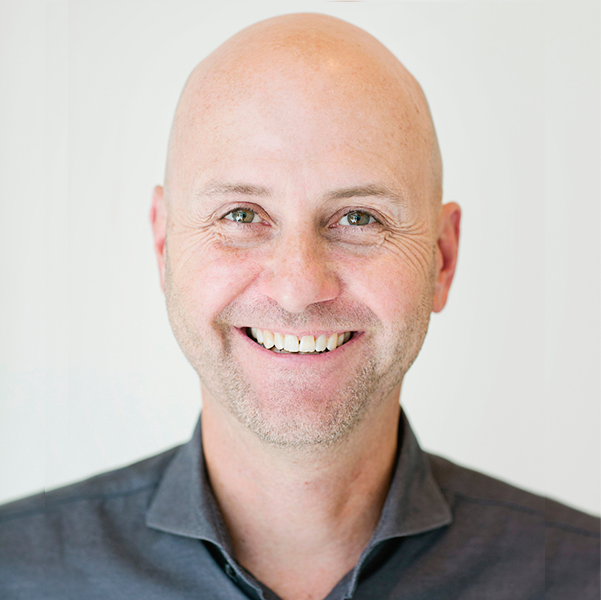
Image by J D Norton

The Color of Law.

January 13, 2021

Richard Rothstein is a distinguished fellow of the Economic Policy Institute and a senior fellow (emeritus) at the Thurgood Marshall Institute of the NAACP Legal Defense Fund. He is today widely lauded as the author of The Color of Law: A Forgotten History of How Our Government Segregated America (2017), which excavates a history of how federal and state policies were created to explicitly segregate metropolitan areas, creating racially homogenous neighborhoods. Richard feels the damage done by these policies is so systemic that a very big step is needed – a new civil rights movement – one that is focused on housing segregation and its economic fallout.

Both an economic analyst and journalist whose career primarily focused on issues of race and education, Richard has also published Grading Education: Getting Accountability Right (2008), and Class and Schools: Using Social, Economic and Educational Reform to Close the Black–White Achievement Gap (2004). From 1999 until 2002, he also served as the national education columnist for The New York Times.

Richard was a senior fellow at the Chief Justice Earl Warren Institute on Law and Social Policy at the University of California, Berkeley, a Tisch Visiting Professor at Teachers College, Columbia University, and adjunct professor at Occidental College in Los Angeles. He also worked as a senior correspondent for The American Prospect. He lectures widely on issues of equity, race, and education.

Insights and Inspirations

  • Richards argues that federal, state, and local policy explicitly segregated metropolitan areas nationwide and that these policies violated the Constitution.  
  • Activists must rise up to insist on change. To propel change forward quickly. A national civil rights movement to ensure that we all get to reap the economic benefits of living in this rich and diverse country.

Information and Links

  • Read the book. It’s a good primer for those interested in development and zoning history, as well as how to think about what equitable housing means.
  • Richard talks to Ta-Nehisi Coates on C-Span.
  • And is interviewed on Fresh Air!
Read the podcast transcript here

Eve Picker: [00:00:12] Hi there. Thanks so much for joining me today for the latest episode of Impact Real Estate Investing. My guest today is Richard Rothstein, a journalist and researcher at the Economic Policy Institute. He is widely lauded as the author of ‘The Color of Law: A Forgotten History of How Our Government Segregated America.’ In this book, he explores how federal, state and local policy explicitly segregated metropolitan areas nationwide. And he argues that these policies violated the Constitution. Richard recognizes that many small steps are being taken today to remedy this, but the damage done by these housing segregation policies is so overwhelming that he believes a very big step is needed to jumpstart desegregation in a meaningful way – a new civil rights movement, one focused on housing segregation. Be sure to go to EvePicker.com to find out more about Richard on the show notes page for this episode. And be sure to sign up for my newsletter so you can access information about impact real estate investing and get the latest news about the exciting projects on my crowdfunding platform, Small Change.

Eve: [00:01:46] Hello, Richard, I’m really delighted to have this opportunity to talk to you today.

Richard Rothstein: [00:01:51] Well, thank you very much for engaging with me on this topic.

Eve: [00:01:54] Oh, yes, it’s an important one. You’re perhaps best known today for the research you’ve done on the history of housing segregation in the United States, and the really important book that you’ve written that’s called ‘The Color of Law.’ And I’ve heard you say every metropolitan area in this country is residentially segregated. I’m wondering how we ended up in this very racially segregated landscape.

Richard: [00:02:23] Well, we have a national myth about how we ended up. That myth is flawed. The myth is that what we’ve got is something we call ‘de facto segregation’ that just have sort of happened by accident. It happened because of private bigotry on the part of homeowners and landlords and white neighborhoods who wouldn’t sell or rent to African Americans. Or because of businesses in the private economy, purely private economic actors like real estate agents, banks or insurance companies that discriminated. Or maybe we tell ourselves it’s because people just like to live with each other of the same race. It’s all natural that way. You feel more comfortable if we do it. Or maybe we say it’s because of income differences. African Americans on average have lower incomes than whites, not all, but on average, and so can’t frequently afford to live in higher opportunity. White neighborhoods, all of these individual bigoted but personal decisions, not governmental actions, is what created residential segregation. And we tell ourselves that what happened naturally can only happen naturally. It’s other nonsense. The reason we have residential segregation in this country is because of a network of racially explicit federal, state and local policies that were designed to ensure that African Americans and whites could not live near one another. In any metropolitan area, we have a totally unconstitutional system of residential boundaries. They were established in the mid 20th century in such a powerful way that they still determine where we live today.

Eve: [00:04:06] Wow. So what what are some of these policies? Can you be a little more explicit?

Richard: [00:04:13] Sure. I could go on for hours, but I’ll mention just a couple of them. In the post-World War II period, the Federal Housing Administration and Veterans Administrations determined upon a policy to move the entire white working-class and lower middle-class population out of the urban areas where they were then living, into single family homes in all white suburbs that came to ring American cities. At the time, in the post-World War II period, low- and middle-class, working-class and even middle-class families were all living in urban areas. We hadn’t suburbanized at that point. They were living there because we were a manufacturing economy and factories had to be located near deep water ports or railroad terminals. So did banks and other service industries that were servicing those factories, because they needed to be able to get their parts and ship their final products, in that way. And so, we had an urban population, both African Americans and whites, living in urban areas. But the federal government determined to move the whites, not the African Americans, but the whites only, out of those urban areas of the single family homes into all-white suburbs. Perhaps the most famous of these is Levittown, east of New York City. 17,000 homes in one place, single family homes. The developer, William Levitt, could never have assembled the capital to build a subdivision that enormous on his own. No bank would be crazy enough to lend him the money to do that. To be worth, as I said, the suburban country, at that time. The banks thought that it was a crazy idea that nobody would want to move there. The only way that Levitt could assemble the capital is by going to the Federal Housing Administration and Veterans Administration, submitting his plans for the development, the architectural design of the homes, the construction materials, he was going to use, the layout of the streets, and a commitment that the Federal Housing Administration, the Veterans Administration required, that he never sell a home to an African American. The Federal Housing Administration and Veterans Administration even required that Levitt place a clause in the deed of every home prohibiting resale to African Americans or rental to African Americans. But this was a racially explicit policy. It wasn’t the action of rogue bureaucrats working in federal agencies. It was written policy. The Federal Housing Administration had an underwriting manual that was distributed to appraisers throughout the country whose job it was to evaluate the applications of builders to create new subdivisions or even smaller projects. The manual said you could not recommend, for a federal bank guarantee, a loan to a developer who was going to sell to African Americans. And the manual went so far as to say you couldn’t even recommend for a federal bank guarantee an all white project that was going to be located near where African-Americans were living, because in the words of the manual, that would run the risk of infiltration by inharmonious racial groups. This was, I say, an explicit racial policy. Levitt, with that kind of a guarantee, built this large subdivision and builders all over the country did the same. They were inexpensive homes. These were returning World War II veterans, mostly who bought these homes. They sold at the time for eight, nine thousand dollars, perhaps. Today’s money, inflation adjusted, that’s about 100,000 dollars. Well, as you know, those homes not in Levittown, not in any suburb in this country, no longer sell for 100,000 dollars.

Eve: [00:08:09] Right.

Richard: [00:08:10] The value of those homes appreciated. The families who bought them gained wealth from the equity they now had in their homes. And as a result, today, African American incomes are about 60 percent of white incomes. You’d expect African American wealth to be similar. But in fact, while African American incomes are 60 percent of white incomes, African American wealth is only five percent of white wealth. And that enormous difference between the 60 percent income ratio and the five percent wealth ratio is entirely attributable to unconstitutional, federal housing policy that was practiced in the mid 20th century. I’m sorry. Go on.

Eve: [00:08:53] Now, that’s OK. So, One of the biggest consequences of this housing segregation is just the loss of generational wealth that we’re struggling with today.

Richard: [00:09:04] Yes, absolutely. Those, the white families who bought those homes and gained this wealth use the wealth to send their children to college. They used it to perhaps take care of emergencies, medical emergencies or temporary unemployment. You know, if you have wealth and you lose a job, you can weather the temporary unemployment. If you don’t have wealth, and you lose a job, you’re pushed further down the social and economic scale. And the white families also use it to subsidize their retirements, and most importantly, to bequeath wealth to their children and grandchildren …

Eve: [00:09:39] Yes.

Richard: [00:09:40] … who then down payments for their own homes. So, that’s why I say that these policies are so powerful that they still determine the racial landscape of today.

Eve: [00:09:50] So, how many years did it take us to get where we are today because of those policies?

Richard: [00:09:57] Well, you know, the policies began, the federal government wasn’t involved in housing at all until the New Deal of Franklin Roosevelt and the Depression, the federal government’s first entry into the civilian housing market was at the beginning of the New Dealm the Roosevelt administration. When the Public Works Administration, one of the first New Deal agencies, beginning in 1933, built the first public housing in this country for civilians and everywhere it built it, it segregated it. Frequently, again, creating segregated patterns where they hadn’t previously existed. In many of these downtown urban areas, that I described earlier, that, where both blacks and whites lived. You know, the great African American poet, novelist, playwright Langston Hughes describes how he grew up in an integrated downtown Cleveland neighborhood in the early 20th century. That’s not how we think of downtown Cleveland today. But, as I said, we had the factory districts. The jobs were located in a central location, so the black and white workers had to live in roughly the same areas. But so, Langston Hughes describes how he grew up in an integrated downtown Cleveland neighborhood. He said his best friend in high school was Polish. He said he dated a Jewish girl in high school. It was an integrated high school in an integrated neighborhood. The Public Works Administration went into that neighborhood, demolished housing to build two separate projects, one for whites, one for African Americans, creating a pattern of segregation there that hadn’t previously existed. And it did this everywhere it went as did subsequent successor federal housing agencies and local housing agencies. So, I’ve mentioned now two big policies that the federal government followed. One was its public housing program. The other was its subsidization of suburbanization for whites only.

Eve: [00:11:58] Um hmm.

Richard: [00:11:58] And there were many, many other policies as well, followed by federal, state, local governments, all racially explicit, all of which interacted to create the segregated landscape that we now have in this country.

Eve: [00:12:11] So, are we trying to fix this now?

Richard: [00:12:16] No, we’re not. We’re not. There’s …

Eve: [00:12:19] Oh, that’s awful.

Richard: [00:12:19] Well, no, we’re not. We, to the extent that there’s any attention to this issue, it’s the attention to the condition of the low-income, segregated neighborhoods in which African-Americans are concentrated. Not all of them, but many of them. I’m not in any way suggesting we shouldn’t be paying attention to that and focusing on things like evictions and rent control and inadequate housing supply. But we are not paying any attention yet to the segregated nature of those communities or to the segregated nature of communities outside those low-income downtown areas where they’re segregated on an all white basis. But we need to pay attention to it. Our democracy, I think, is under great threat because of the extreme polarization we have in this country, political polarization that largely tracks racial lines. And I don’t think it’s conceivable that we can preserve this democracy in a healthy way if so many African Americans and whites live so far from each other that they can’t empathize with each other or understand each other’s life experiences. So, I think it’s urgent that we do pay attention to these racial boundaries, but we are not yet doing so.

Eve: [00:13:43] So, A couple of things that have been attempted have been like the Fair Housing Act and eradicating redlining. Have they have any impact at all on this polarization of the landscape?

Richard: [00:13:58] Well, of course, they’ve had a small impact. I mentioned Levittown earlier in our conversation, created as an all white suburb by the Federal Housing Administration in the post-World War II period. That community of 17,000 homes is now about one to two percent African American. The homes there now sell for 400, 500,000 dollars. There are African Americans who can afford to buy those homes at those prices. But the, Levittown is located in a neighborhood that is about 15 percent African American. So, the difference between that, the two percent that the Fair Housing Act, you know, was able to address and the 15 percent that you would expect if it were not for these policies of segregation, is the difference that the Fair Housing Act cannot address. Those homes, as I say, are now unaffordable to working class families of either race.

Eve: [00:14:58] What do you think it will take to correct this?

Richard: [00:15:01] Well, the policies to correct this are well known. No mystery about them. What’s missing is a new civil rights movement that’s going to be as aggressive in addressing residential segregation as the civil rights movement of the 1960s was in addressing public accommodations and interstate transportation and employment segregation. We don’t have that yet. We are, I will say, having a more accurate and passionate discussion in this country now about the legacies of slavery and Jim Crow than we ever have had before in American history. We had Black Lives Matter demonstrations this past summer and spring that engaged 25 million Americans, demonstrating for police reform, for community policing, for the demilitarization of the police. They didn’t address housing issues, neighborhood segregation, but out of that consciousness, it’s possible that a new civil rights movement will emerge that addresses the underlying causes of police abuse of African Americans, which are largely the fact that African Americans are so segregated in low-income neighborhoods and concentrated there. So, I’m hopeful, not confident, but I’m hopeful that such a new civil rights movement will emerge.

Eve: [00:16:28] And do you, do you know any organizations really actively working to correct the housing segregation issues, in particular?

Richard: [00:16:40] Well, there are many, many organizations doing, taking small steps, and being successful in taking small steps. It’s not that we’re not doing anything at all. But we don’t have a systematic attack on segregation. There are some communities that are beginning to look at their zoning ordinances and the way in which they function …

Eve: [00:17:08] Yeah.

Richard: [00:17:08] … to perpetuate this unconstitutional system of segregation. There are organizations that are sponsoring mobility programs for African Americans, giving African Americans who have housing subsidies, we call them Section Eight vouchers, giving them more opportunities to find rental units in the higher opportunity communities. There is some work being done, but we don’t have a systematic effort. I am involved now with a group of national civil rights leaders who are creating something they call the National Committee to Redress Racial Segregation. And it’s hoped that they will be able to launch that national committee in the near future. And the purpose of that National Committee would be to support and create local civil rights groups that will take the kind of action that’s necessary to make it uncomfortable to maintain these segregated patterns. But we’re not there yet.

Eve: [00:18:16] Yeah, I think for me, I mean, this is a lot to absorb and pretty shocking. How do you educate so many people? There’s this trickle down effect, right? So, every bank, every local community bank, that lends money to developers or home buyers or anyone like that has to really examine their practices very carefully. I know enough about what goes on in racially segregated neighborhoods and banking to know that that in itself is an enormous task to just educate everyone to behave differently.

Richard: [00:18:57] My perspective is that our focus should not be on educating banks and developers and insurance companies. Our goal should be to create local activists who will put pressure on those banks and insurance companies and developers, realtors, to behave differently. If this is not something that can happen from the top down any more than the civil rights victories of the 1960s came about because we educated restaurant owners or bus companies to behave differently. It happened because we have an activist civil rights movement to force them to act differently. And I think if we think of that as a model, we’ll be on a better path to understanding how we can have these changes. As I said, we’re having a more accurate and passionate discussion now about this in this country than we ever have had before. So, there’s the potential for creating such civil rights groups, but they haven’t emerged as of yet.

Eve: [00:20:05] Yeh, it’s a really big task. And one of the question for you. How do you deal with pushback, like that was only in past, or there are a few bad apples, or arguments like that in the face of what you’ve uncovered and what’s the truth?

Richard: [00:20:22] Well, we don’t have unlimited time today, but I did describe two big policies that the federal government followed, both in creating the suburbanization and in its public housing program to create the segregation. That wasn’t just a few bad apples. If we had more time, I could go through dozens and dozens of these policies at the federal, state and local level, all of which networked together to create this segregation. So, it was not a, it was not a few bad apples that that this. This was a systematic government policy. As I said, the segregation we have today is unconstitutional because it violated the Fifth and the Fourteenth Amendments to the Constitution when government enacted these policies.

Eve: [00:21:11] This is really fascinating, and I do hope that this new civil rights movement emerges, and I’d love to hear more. I’m going to be reading your book in great detail, and I hope all our listeners do as well. Thank you very much for your time.

Richard: [00:21:27] Thank you very much.

Eve: [00:21:36] That was Richard Rothstein. A history of housing segregation in the United States is a shocking one, and we will be grappling with the damage done for many decades to come. There is a glimmer of hope this year as more open and concrete dialogue emerges between blacks and whites. Richard’s hope is that activists will rise up to insist on change to propel change forward quickly, a national civil rights movement to ensure that we all get to reap the economic benefits of living in this rich and diverse country. You can find out more about impact real estate investing and access. The show notes for today’s episode at my website, EvePicker.com. While you’re there, sign up for my newsletter to find out more about how to make money in real estate while building better cities. Thank you so much for spending your time with me today. And thank you, Richard, for sharing your thoughts. We’ll talk again soon. But for now, this is Eve Picker signing off to go make some change.

Image courtesy of Richard Rothstein, EPI

The Missing Middle.

January 6, 2021

Daniel Parolek is an architect, urbanist and the founder of Opticos Design, which has been working in urban placemaking and master planning for two decades. Daniel is best known for framing the idea of ‘missing middle housing’ just as the critical absence of affordable housing was becoming a major planning issue for cities nationwide.

The ‘missing middle’ can be broadly defined as those housing types in between single-family detached and large apartment complexes. This means multi-unit housing types, such as duplexes and fourplexes, bungalow courts and mansion apartments, all of which were typically mixed in with single-family homes in pre-war city neighborhoods. Daniel has thus become a high-profile advocate for zoning reforms that would allow ‘the right kind of density.’ More people, less parking, walkable neighborhoods, broader demographics.

Daniel’s new book, Missing Middle Housing – Thinking Big and Building Small to Respond to Today’s Housing Crisis, is a how-to book exploring these issues, just came out this year. Daniel also co-authored the book, Form Based Codes (2007), and is a member of the founding team of the Form-Based Code Institute (2004), a nonprofit think tank working to bring back traditional urbanism through zoning reform. His firm, Opticos Design, has been a triple bottom line B-Corp since 2007.

Insights and Inspirations

  • There are some serious barriers to building the ‘missing middle housing’ types.
  • Antiquated zoning systems need to be reformed and NIMBY-ism needs to be controlled.
  • Communication is key in terms of over-coming misconceptions about up-zoning and increased density.

Information and Links

  • Opticos is currently working on the master plan and architecture for Culdesac Tempe (yes, it’s ironic), which will be the largest car free community in the United States when built next year.
  • Missingmiddlehousing.com is the web portal for all subjects on missing middle housing.
  • Daniel wanted to highlight B-Corp/B-Lab as a great community of triple-bottom line companies of which his firm is a part.
  • He also wanted to sing praise for Richard Rothstein’s, The Color of Law (stay tuned on this one, by the way), on real estate, segregation add government policy.
Read the podcast transcript here

Eve Picker: [00:00:12] Hi there. Thanks so much for joining me today for the latest episode of Impact Real Estate Investing. My guest today is Daniel Parolek. Daniel’s an architect and rising star urbanist. His firm, Opticos Design, has been working in urban placemaking and master planning for two decades now. But Daniel is best known for framing the idea of “missing middle housing.” Just delivering more housing is not enough, says Daniel. We need to think about how this housing reinforces a high quality built environment, and how to provide a range of housing for all segments of the market, including moderate- and low-income households. Daniel’s new book, “Missing Middle Housing: Thinking Big and Building Small to Respond to Today’s Housing Crisis,” is a how-to book exploring these issues. Please listen in to our fascinating conversation, and if that’s not enough, be sure to go to EvePicker.com to find out more about Daniel on the show notes page for this episode. You can sign up for my newsletter to access information about impact real estate investing and get the latest news about the exciting projects on my crowdfunding platform, Small Change.

Eve: [00:01:44] Hello, Daniel. I’m really excited to have you on my show.

Daniel Parolek: [00:01:48] Thank you, Eve. I’m really excited to be here.

Daniel: [00:01:50] Good. I wanted to dive right in and talk about what’s wrong with housing and housing choice in the U.S. today. And you coined a phrase that’s really widely used now, and that is “missing middle housing.” And I’d love to know what  that is. What is missing middle housing?

Daniel: [00:02:10] Yeah, it’s a great starting point. So, it’s a topic I’m obviously very passionate about. And the reason that I decided to emphasize, and and I coined this term back in 2011, is I wanted to help emphasize and frame a conversation about the broad range of housing choices that the market is wanting and needing, that the development industry is not delivering, in any market across the United States. And historically, right, we’ve done a really great job of defining policy, creating zoning, and creating development industries that can deliver single-family homes in large quantities. So, we’ve done a really great job with that over a series of five or six decades. I’d say over the course of the last couple of decades, starting in the early 2000s, really, in the United States, cities started figuring out how to plan for, and zone for, in the development industries and financial industries. Figured out how to deliver, the larger, you know, five, six, seven-plus story condos, a mixed-use or apartment buildings. What the missing middle is, is it’s all of these housing types in between those single-family homes, such as a duplex, a fourplex, a cottage court, a small courtyard apartment, that existed in neighborhoods prior to the 1940s and delivered a broad range of price points and types of housing. And, really since the 1940s, put barrier after barrier in place for the delivery of these. So, starting in the 1970s, based on some research we, I did for my book, an American Housing Survey, there has been a steady decline in the percentage of overall housing that is missing middle since the late 1970s. And I think, in 2013, the missing middle housing, which I define, and it sort of ties into the categories of an American Housing Survey, as 19 units or less per building. But typically it’s really kind of that eight-unit or less. Less than three percent of housing delivered in 2013 was missing middle housing. And so, what we’re seeing is that there’s a shift in demand in the markets and people want walkability. They want mobility choices. They want more compact living. They want access to goods and services around the corner from their households. But that sort of lifestyle in home is being delivered less and less.

Eve: [00:04:44] So, the question I have really is why is that? I mean, we, you know, I suspect some of it is financing, but …

Daniel: [00:04:53] Yeah.

Eve: [00:04:54] … why has it, you know, why has it declined so much?

Daniel: [00:04:57] One of the things I really enjoyed about writing my book is I got to actually sit down and do some research and write a chapter on the many barriers that are in place for the delivery of missing middle. And, you know, we could talk for a couple of hours just about those barriers. But I think the real starting point for a good conversation about why they’re not being delivered really starts with antiquated zoning. We’re utilizing a zoning system that was created over, as an operating system, that was created over 100 years ago.

Eve: [00:05:29] You know, the more I do these podcasts, the more zoning seems to be the root of all evil.

Daniel: [00:05:37] Yeah. I sort of often ask the question when I’m talking to an audience of like how many operating systems that are 100 years old are we still using? And there’s very, very few of them. But zoning is one of them. So, actually, starting 20 years ago when I started my firm Opticos Design, one of our real focuses was pushing for zoning reform, because both with our developer clients as well with our clients that were cities, we were finding that everybody wanted the right kind of projects, but the zoning was in the way. Now, that’s just one of many barriers, as I mentioned before, right? That’s, there’s everything from, right, there’s construction defect liability that makes it really hard in many states, or risky, I will say, in many states for developers to build condos at the missing middle scale, just too much risk to sort of warrant taking that type of condo project on, right? It’s really hard for developers to finance condos, and for households to purchase condos. It’s just not an easy system that’s set up …

Eve: [00:06:45] Right.

Daniel: [00:06:45] … in the same way as you can buy a single-family detached house.

Eve: [00:06:49]  Yeh, I built a built an eight unit condo building years ago. And it was pretty miserable.

Daniel: [00:06:55] Yeah. And obviously there is, you know, community pushback from, you know, this whole NIMBY conversation that’s happening, that there’s just a lot of communities that are kind of afraid of anything that’s not in single-family detached. I think a big part of why the missing middle concept has spread so broadly is that it’s giving communities a way to talk about the need for a broader range of housing choices without using these intimidating and scary terms like density or multifamily or upzoning, but rather talking about a cottage court. Like how can a college court be that intimidating to somebody, and personalizing those stories. Because most people, when we’re talking about this in communities to try to build support, have either lived in one of these types, they have kids that have lived, or are living in these types, or a relative or a good friend. Or maybe there’s a duplex right around the corner on their block that some of their friends live in. So, that, we find that sort of shifting that conversation away from some of this terminology like density that brings really negative perceptions to people’s minds is a really important way to kind of remove that community pushback barrier.

Eve: [00:08:11] Right. So, you talked about a decline since the 1970s, but I mean, these zoning systems were already in place. So, what prompted that moment in time for people to stop building that way? Because zoning had already been pushing against it for a while, right?

Daniel: [00:08:31] Yes. Zoning in the United States really started in the late 20s, sort of through the 30s and early 40s in terms of its initial application. And what I would say is I don’t actually know and I don’t know of anybody that’s done the research to understand why there was such a specific threshold or turning point in the 70s to shift this. I mean, it must have had to do with federal funding or federal programs. But I don’t, I don’t actually know the answer to that. But it would be really, it’s a good sort of research project for a graduate student to take on for sure.

Eve: [00:09:06] It does align with, you know, suburban flight, which was happening around then. Certainly, the city I’m in, and many others, 70s and the 80s were kind of that moment in time where people left inner cities and went to the suburbs where there are many more single-family homes. And so, maybe the demand just increased then.

Daniel: [00:09:29] Yeh.

Eve: [00:09:29] They left the inner cities, which probably had more of the housing types that you’re talking about, the missing middle, right?

Daniel: [00:09:35] Yeah, absolutely. Many American cities by the, sort of, 1970s were in a pretty large state of decline or had seen several decades of decline and disinvestment. So, I’m sure that was part of that. And so, it was just a much more rational or easier choice for households to buy that single-family detached house in the suburbs. One of the things I like to talk about is that I feel that it’s really time, just based on the affordable housing crisis that we’re having across the country, this shift in demand and what households are looking for. Chris Nelson did a, some great research for my book and he wrote a chapter – he’s a, he teaches at the University of Arizona – that found that 60 percent of all housing built between now and 2040 would need to be missing middle in walkable urban context to meet the demand.

Eve: [00:10:34] That was my next question for you, actually …

Daniel: [00:10:36] Yeh.

Eve: [00:10:36] … that was actually, you know, how much can that address the deficit? That’s interesting.

Daniel: [00:10:41] Yeah. And we, you know, I think we can all acknowledge that the industry isn’t just going to all of a sudden shift and sort of shift in delivering 60 percent of housing and missing middle and in walkable urban context. But that’s what it would take. So, it’s a pretty, pretty dramatic number. And I think it’s just a really strong call to action for planners, for city decision makers, for federal housing policymakers, development industry, to just think very carefully and play their role in sort of this shift, this dramatic shift, that needs to happen. And really delivering what households across America want as home in the 21st century, which is very different than what households wanted in the 50s, 60s or 70s. And we’re still kind of hanging on to that single-family detached home mantra, which is not what households are looking for these days.

Eve: [00:11:41] So, I’m wondering, like, what’s the big fix? How does this shift really happen? I mean, you have a number of things that need to be addressed. How do you take that on so that you can start building these types of products again?

Daniel: [00:11:55] Yeah, I think that it’s a little bit intimidating. There is a tremendous amount of change that needs to happen, right? It’s not just a change in the development industry. It’s change in city policy, city zoning, development industry, financial industries, federal housing policy. But what I would say is that there has been some tremendous progress in the last year and a half, that because cities have failed to make the changes in their policy and zoning that are necessary, so, like the state of Oregon last year passed statewide legislation, it’s called HB2001, that allows up to three or four units on any lot, statewide, even those that are zoned for single-family. So, that was really a major milestone in sort of removing those barriers.

Eve: [00:12:45] Yeh, and I have been offering on my website that actually went live today that takes advantage of that zoning law.

Daniel: [00:12:53] Yeah, I think that’s a tremendous opportunity. The city of Minneapolis did something similar city-wide, allow up to three units …

Eve: [00:12:59] Yeah.

Daniel: [00:13:00] … per lot. And state of Nebraska, even, my home state, recently passed the Missing Middle Housing Act, which will allow multiple units on all lots, across the country. So, that’s happening, I would say that from the development industry standpoint, I see the most change from outside of kind of the typical players. I think it’s new players coming into the real estate industry, a lot of it tech-influenced. I guess this whole prop tech influence, I think is likely what’s going to have the most impact, because I see an inability or reluctance to change in a lot of the major development players, the reluctance or inability to change at a pace that is actually necessary. And, you know, there’s a lot of innovation happening on alternative construction delivery systems, whether it’s prefab or modular or, you know, like how do you deliver housing quicker, more cost effectively? And I think there’s a lot of change happening. It’s just a lot of it hasn’t been proven yet, and is kind of having a hard time to scale up. So, I think all of those are interesting shifts that are happening.

Eve: [00:14:09] Yes. So, I want to go back to the statewide legislation.

Daniel: [00:14:13] Um hmm.

Eve: [00:14:13] So, when the state legislates you can now put up to four units on a lot …

Daniel: [00:14:18] Um hmm.

Eve: [00:14:18] … but zoning doesn’t change. What does that look like? When you have typical single-family house setbacks and statewide legislation that now says you can squeeze more into the site? How does everyone manage that?

Daniel: [00:14:35] Yeh. So, as part of that legislation, as it requires the local jurisdictions to change their zoning by a specific time, in a specific time period. And so, like the state of Oregon right now is going through a large process where they’re providing grants to local jurisdictions to change that zoning and they’re creating a model code.

Eve: [00:14:54] That’s expensive.

Daniel: [00:14:56] Yeah, and it’s not simple.

Eve: [00:14:58] No.

Daniel: [00:14:58] It’s not simple. And what I see is, and I noticed that there was, I think it was a podcast or blog post on your site about the barriers of parking requirements …

[00:15:10] Yes.

[00:15:10] … you can have on housing and the cost of housing. And I think it’s going to be really interesting to see, because I don’t think it was specifically part of the legislation that local jurisdictions had to remove or reduce parking requirements, and based on our work, both with cities and with developers, we found that it’s absolutely necessary for cities to, ideally, remove and at least dramatically reduce their parking requirements to really make missing middle feasible.

Eve: [00:15:39] You know, I interviewed Donald Shoup.

Daniel: [00:15:41] Oh, yeah.

Eve: [00:15:42] Who basically says, you know, those thousands of pages of parking requirements and zoning laws should be replaced with one line. Parking not required.

Daniel: [00:15:52] Yes. Yes. Yeah. And I know you you focus and talk a lot about sort of mobility choices. And I like that your change index, that you use to score projects, really focuses on sort of these walkable, urban mobility-rich contexts, which is fantastic. And I feel like the demand for that walkable urban living, and I think that’s a term Chris Leinberger coined, and I know he, you interviewed him …

Eve: [00:16:20] Yes.

Daniel: [00:16:20] … is, it’s like a third of baby boomers, which is the largest market segment, and two thirds of millennial households, want this walkable urban living and, right, it’s a really simple supply and demand equation that you have a really high demand and a low supply that’s not really growing. Like it’s a really, I’m not an economist, but it’s a pretty easy, basic economic equation that sort of is going to, the response, or the result is going to be really unaffordable, high-cost housing in those areas that are delivering that walkable urban living. And we’re working on a project right now called Culdesac Tempe, which will be the largest car-free community in the country when it’s built next year. And it’s in Tempe, Arizona. And the developers, our clients, their name is Culdesac, it’s obviously an ironic name.

Eve: [00:17:14] Yes, it is.

Daniel: [00:17:14] They believe very strongly that there is a demand for this car-free living and they have more deposits from interested renters than they have units in the first phase. And they have, I think …

Eve: [00:17:30] Wow.

Daniel: [00:17:30] … something like 3,000 interested renters signed up to lease future phases. And so, it’s proving that there’s a really strong demand for choice. I think it’s really about …

Eve: [00:17:43] Yes.

Daniel: [00:17:43] … providing a choice. And even in the Phoenix Metro, the one of the most auto-centric places in the country, that you can deliver this car-free living and people are super-interested in it, and it’s …

Eve: [00:17:55] Well, probably because the product they can afford to build is probably higher quality because they don’t have to add in parking spaces, and the cost of those. And the person renting those apartments also doesn’t have to pay for the cost of those. It seems like it’s a win-win, if you can locate living units close to transit …

Daniel: [00:18:16] Yeh.

Eve: [00:18:16] … it’s just better for everyone.

Daniel: [00:18:18] Yeah, it’s along the light rail line.

Eve: [00:18:21] Oh, that’s fabulous.

Daniel: [00:18:22] They’re, you know, being very thoughtful about bikeshare stations, electric scooter stations, you know, pick up and drop off from the, you know, Lyft and Ubers of the world. And they’re, you know, even getting funding from tech companies that are testing some of the technology within the project, things like delivery, you know, robot delivery, and, you know, delivery of groceries and things like that. So, it’s kind of a testing ground of sorts. And yeah, it’s, absolutely they’re not having, so, you know, if they’re having to build even one parking space per unit, right, you know, it would end up needing …

Eve: [00:19:03] A lot of land.

Daniel: [00:19:03] … a parking garage, a big expensive, at 30 or 40 grand per space, and a lot of land. And as the master planner of that project, you know, it just opened up so many opportunities to create the most high quality public spaces. 60 percent of the project is public space because, because cars are having to slice through the project or being parked on the project, and the housing types we were able to create our courtyard based. They’re very responsive, both the plan and the housing types are responsive to the desert climate. And so, it’s a really compact urban design …

Eve: [00:19:42] Interesting.

Daniel: [00:19:42] …and really narrow asseyos and courtyard housing that’s focused on, you know, comfort in the hot season, but also fostering a really strong sense of community as well …

Eve: [00:19:53] Wow.

Daniel: [00:19:53] … which is a big goal of the project.

Eve: [00:19:55] So, is this typical of the work you do it at Opticas?

Daniel: [00:19:58] Yeah. So, yeah, it’s, we’re, about half of our work is with cities. And so, with those cities we’re doing, usually doing urban revitalization, transit oriented projects, you know, downtown plan, corridor revitalization plan, new transit, sort of thinking about the impact of future transit and how a place might evolve. And that entails everything from, you know, the community participation process, the sort of visioning, sort of what’s the defining the future form of the physical environment, as well as rewriting the zoning. And then the other half of our projects are with developers. And the types of developers we work with are, tend to be the more innovative, forward thinking developers who really want to do something that’s not being delivered in a market.

Eve: [00:20:46] Um Hmm.

Daniel: [00:20:47] And so, the Culdesac Tempe project is a super exciting one. We’re, we’ve also delivered the country’s first missing middle neighborhood. It’s in the Omaha, Nebraska, Metro in a small town called Papillion, Nebraska. And it’s a 40-acre neighborhood created with buildings that are no more than eight units per building. And there’s now 132 units built and the market is responding super well. It’s performing financially very well for our client. And he is super excited. He can’t build fast enough to keep up with the demand for it.

Eve: [00:21:22] Wow.

Daniel: [00:21:23] So, it’s exciting to see that. And it’s transforming a somewhat suburban context into a more walkable context. And part of that is we introduced a small neighborhood main street that has flex spaces on the ground floor of the live/work units that have incubated a small pizza shop, small yoga studio, sounds like a coffee shop may be coming shortly, sort of got stalled due to Covid. But it’s just, we just get excited about those sorts of projects that can sort of move the bar. And that projects redefining what Class A multifamily can look and feel like. The Culdesac project is proving that car-free living, there’s demand for it and, you know, like our, we did a project in the Salt Lake City region for one of the largest builders in Salt Lake City that basically enabled them to deliver a high quality for sale housing choice to entry-level buyers that they couldn’t figure out how to deliver, and weren’t able to deliver, even with a fairly conventional tuck under townhouse product type. So, yeah, we’re having a lot of fun.

Eve: [00:22:37] It sounds like, it sounds like a lot of fun.

Daniel: [00:22:40] Yeah.

Eve: [00:22:41] So, what led you to this work?

Daniel: [00:22:44] Yeah, it’s really interesting and sort of looking back at it and I sort of wrote the foreword to my book that sort of talks about the evolution of missing middle and my interest in walkable urbanism, sort of over the course of my life. And it’s interesting because I do feel it really starts with growing up in a small town in the Midwest that was actually very walkable and very bikable and sort of kind of quintessential small town urbanism that functioned in a lot of ways, like neighborhoods function in larger cities …

[00:23:18] Um hmm.

[00:23:18] … a vibrant main street, you know, could bike across the town at the age of six or seven. And so, that planted the seeds. My grandmother,sorry, my great-grandmother, actually lived in a duplex, a block and a half from the small main street of my town. So, right, that was an introduction to sort of different housing types and housing choices. And I, you know, I have an undergraduate degree in architecture from the University of Notre Dame, and I was fortunate enough that it was one of the few programs in the country that, as part of the focus of the program, teaches urbanism and trains you in good urbanism just as much as architecture. And I’ve lived in a number of places across the country like Chicago, Park Slope in Brooklyn, that these neighborhoods that had a really great mix of these missing middle housing types …

Eve: [00:24:07] Um hmm.

Daniel: [00:24:07] … and ended up coming out to UC Berkeley to get a master’s degree in urban design and just had a really amazing faculty here that, a group of mentors that enabled me to explore this, this concept of these housing types. And as soon as I graduated from that program, I opened Opticos, which, you know, in 2000, we wrote our first zoning code that had the, we didn’t call them missing middle at the time, but it had cottage courts and courtyard apartments …

Eve: [00:24:38] Um hmm.

Daniel: [00:24:38] … that were embedded in that zoning code. And, at that time, the planners, you know, thought we were really crazy. They didn’t know what we were, they were like how can, you can’t do this. This isn’t the way we do this. And at this point, I would say that the approach which is, in what we call “form based coding,” is fairly common practice. A lot of cities are doing it. Cities are asking for it. Cities are realizing it’s a more progressive and thoughtful way …

Eve: [00:25:08] Yeh, yeh.

Daniel: [00:25:08] … to approach zoning. So, I think over the course of my life, it’s just that my understanding has evolved and it’s been part of my daily life and part of the, our, my architecture and urban design practice, and even the neighborhood I live in now in Berkeley, California, about 20 percent of the lots have missing middle types. And what that does, it allows my son’s first grade teacher to live in a triplex. Her mother lives in one of the other units and she’s also a teacher at that neighborhood school. And the third unit is occupied by my daughter’s middle school physical education teacher. So, right, it’s, it’s functioning and it’s delivering that attainable housing choice in my neighborhood.

Eve: [00:25:53] Right.

Daniel: [00:25:54] And this is, it is just good to personalize stories in that way.

Eve: [00:25:57] Yeh, it is. So you’ve been doing this for a while and there’s always things that work really well, better than you expect, and things that don’t work so well. You have any stories about those?

Daniel: [00:26:07] You know, we found that it’s actually a little bit hard for a lot of cities and their planners and sometimes their decision makers to make this mental shift to a conversation about form and scale and desired building types and away from density and FAR and these other metrics that zoning has been so reliant on. And it’s, the transition hasn’t been as smooth as I would have imagined when I wrote my book “Form Based Codes,” I think it was in 2009 it was released. I would have hoped by now that this would have become, there’d be, you know, hundreds of really highly-qualified practitioners and planners out there writing really high quality form based codes. But it really hasn’t. It’s happened very slowly and so, way more slowly than it needs to be happening. And I think the same is it’s, the level of change that’s necessary within the development industry, it’s hard, you know, we’ll get clients that that call us and say, you know, we really like this idea of missing middle, but when push comes to shove, we’re saying, well, you really need to be OK with only providing one off-street parking space per unit and letting the on street parking deliver that second space and they’re just, sort of, it’s just, takes them outside of their comfort zone to the point where it’s not going to really deliver the choice and the quality of living that we feel is necessary or the type of living that the market is demanding.

Eve: [00:27:29] I mean, I really have to wonder how much of that is driven by, you know, pretty traditional financial institutions, and I’ll probably sound a little bit like a broken record on this. But I know that, you know, when you go to a bank that hasn’t seen a product like the one you’re trying to build before, it’s, it can be sometimes almost impossible to get it financed. And without financing, you don’t have a project. So…

Daniel: [00:27:52] Yeah.

Eve: [00:27:53] … is that kind of the last frontier? Banks? I don’t know.

Daniel: [00:27:57] No, I think it is, because, right, you’re right. If there’s not a comparable project in the market, right, it’s it’s hard for a bank to go outside of their comfort zone to say we’re going to finance that project.

Eve: [00:28:11] Yeah, they need appraisals …

Daniel: [00:28:12] Yeah.

Eve: [00:28:12] … and the appraisals need three like-kind properties. And then they need to see that you, you know, you have all the approvals and entitlements that you need. It’s pretty complicated pieces.

Daniel: [00:28:25] Yeah. And I do feel that, you know, what you’re doing with the crowdfunding at Small Change can really benefit the application of missing middle housing, because, you know, what those innovative small builders/developers that are looking for that capital, I feel like, you’ve provided that platform.

Eve: [00:28:46] Yeh, so we did, you know, one in L.A. that might interest you, that is a bungalow court project. Eight units in courtyard style. It hadn’t been built, I think, since the 1950s and very much in line with this missing middle, except that they, they built it as homeless housing, which is also good.

Daniel: [00:29:05] Yeah, it’s, I noticed  that Bungalow Gardens project, and that’s really at the heart of missing middle housing types. It’s a really fantastic type that we delivered historically in neighborhoods that we, it’s almost impossible and illegal to build in most cities, that … it seems so basic. And, but there are so many barriers in place. And, you know, we launched missingmiddlehousing.com in 2016 because there was such a growing demand and interest on this topic. And, I can’t remember what the numbers, but there’s a large volume of visitors to that site, sort of on a weekly and a monthly basis. And it just shows that there’s really strong interest in …

Eve: [00:29:52] Yeah, yeah.

Daniel: [00:29:53] … in this idea of exploring, you know, what are some of the tools that cities and planners and developers can put in their toolbox to address this gap between the type of housing this market wants, and I feel like one of those tools, definitely, especially for the delivery of missing middle, is and, I think this crowdfunding you’re doing is great, so …

Eve: [00:30:14] I hope.

Daniel: [00:30:18] Yeh, it’s, and I think it’s just, it’s the type of innovation that, sort of rethinking the way we’re doing things that, you know, needs to be happening.

Eve: [00:30:27] Yeah.

Daniel: [00:30:28] Yeah.

Eve: [00:30:28] Just out of interest. Are there any other current trends in real estate development that you think are really important for either the future of housing choice or better cities, things that you’ve been watching?

Daniel: [00:30:42] There’s a couple of things. I think that we really need to figure out how to deliver walkable urbanism in new communities. And there, in addition to zoning, there’s a lot of other barriers, starting with street designs, infrastructure, or sort of utility requirements. So, there’s a long list of barriers. But I think that, you know, we’ve been talking about it for a while here in terms of more sustainable development patterns, but we haven’t made a lot of progress. I would say we’re still battling the same battles, project by project, that we were 20 years ago in terms of trying to remove some of these barriers – the zoning, the thoroughfare designs, push back from communities. So, we need to figure out a way to continue to make progress as more and more households either choose to rent or need to rent. I think we do need to figure out how to deliver a broader range of choices in rental housing. And like our Prairie Queen neighborhood in the Omaha Metro, I think it’s showing there is a strong demand for a more sophisticated renter that’s looking for a neighborhood, high quality living in a neighborhood, not just a multifamily project that’s clustering housing together. And I think that’s partly why the single family home rental market has taken off so broadly. And I think the primary reason is that renters aren’t being given a choice other than the conventional multifamily …

Eve: [00:32:06] Yeh.

Daniel: [00:32:06] … or sort of the urban product type. And I think that missing middle can slip in there and provide a type of living that they’re looking for. On the for sale side, I think we just need to figure out a way to deliver smaller scale condominium choices at this missing middle scale, and that fourplex, you know, eightplex, even cottage court scale, both in terms of financing, in terms of zoning, in terms of households getting mortgages. So, I think those are the things that I often, …

Eve: [00:32:36] Yeh.

Daniel: [00:32:36] … you know, reinforce as real needs out there to really respond to this, the growing need.

Eve: [00:32:42] Yes, yeah. Well, I hope I get to visit the car-free Culdesac project sometime soon. That would be a highlight for me.

Daniel: [00:32:50] Yeah.

Eve: [00:32:51] Sounds fabulous. And I can’t wait to hear what’s next for you. So, thank you very, very much for joining me.

Daniel: [00:32:58] Thank you. I’ve really enjoyed this conversation and I look forward to future conversations.

Eve: [00:33:23] That was Daniel Parolek. He’s taught us all about the missing middle, broadly defined as housing in between single-family detached and large apartment complexes. We’re talking about multiunit housing types such as duplexes and fourplexes, bungalow courts and mansion apartments, all of which were typically mixed in with single-family homes in pre-war city neighborhoods. Post-War developments, by contrast, focused on single-family zoning, driven by the growth of the suburbs and many cities ended up restricting the building of new multiunit structures. So, Daniel is a strong advocate for zoning reform to bring back that missing middle.

Eve: [00:34:19] You can find out more about impact real estate investing and access the show notes for today’s episode at my website, EvePicker.com. While you’re there, sign up for my newsletter to find out more about how to make money in real estate while building better cities. Thank you so much for spending your time with me today. And thank you, Daniel, for sharing your thoughts. We’ll talk again soon. But for now, this is Eve Picker, signing off to go make some change.

Image courtesy of Daniel Parolek

Hello, Neighbor.

December 16, 2020

Max Levine’s organization, NICO (Neighborhood Investment Company), has a mission “to localize wealth creation and broaden access to neighborhood equity.” The Los Angeles neighborhood Max lives in, Echo Park, has an income average of $40,000, whereas the average home is valued at $900,000 – an enormous discrepancy. Max and his business partner, John Chaffetz, began exploring the gap between home ownership and renting, testing financial models of what might fall in between. They ended up with the innovative idea of a neighborhood REIT (real estate investment trust) that would allow members of a local community, property owners and tenants, to literally invest in the place that they live by buying shares of local properties owned by an investment trust. Their first effort is NICO Echo Park, with an initial portfolio of three rent-stabilized apartment buildings.

NICO, not surprisingly modeled as a B-Corp, aims instead to create both societal benefit as well as modest financial growth. By taking the REIT structure and applying it at the local level, stakeholders who want to have a financial stake in their neighborhood can buy shares, starting at only $100. They can make a one-time token investment or make monthly investments to build up a deeper, long-term commitment. In addition, NICO has given each of the tenants in their buildings $1,000 worth of shares. 

Though now in LA, Max spent his working career mostly in New York City, as a financial analyst and later as CFO at Storage Deluxe, a self-storage giant, with a stint working on their subsidiary, UOVO Fine Art Storage. He even took an entrepreneurial break to open a delicatessen in Brooklyn. He is also a member of Top Tier Impact, a small, global community of investors, entrepreneurs and experts whose goal is to “accelerate mainstream adoption of impact and sustainability as the way of investing and running companies.”

Insights and Inspirations

  • Home is neighborhood. It’s a unit of organization.
  • With NICO, Max wants to create a new housing typology, located between renting and home ownership.
  • There’s a lot of love in neighborhoods. And that’s super-exciting!
  • The relationship between residents and property owners, or landlords and tenants, needs to be radically reframed. 

Information and Links

  • Max has been listening to the amazing music and programming from their friends at Dublab, and which has helped keep their spirits high during the last year.
  • He and his team are super-proud of the work that Helen Leung and the team at LA Mas have done to help coordinate the Northeast LA Community Response to the Covid-19 emergency. Helen is a board member of NICO Echo Park, Benefit Corp.
  • Max also wanted to highlight the work of Women’s Center for Creative Work, which has also inspired them. 
Read the podcast transcript here

Eve Picker: [00:00:11] Hi there, thanks so much for joining me today for the latest episode of Impact Real Estate Investing. My guest today is Max Levine, founder of NICO. A few years ago, Max noticed a very big gap between traditional home ownership and renting, and he wondered what might fall in between. At the same time, he wanted to explore how to create localized wealth and neighborhood equity, and he found the solution to his quest at his own back door. In Echo Park, the neighborhood he lives in, a highly diverse neighborhood, incomes average forty thousand dollars, yet the average home sells for nine hundred thousand. Max took a huge leap in order to bridge that gap by creating NICO, a neighborhood investment company, or REIT through NICO locals can literally invest in the place that they live in by buying shares of local properties owned by NICO. But Max doesn’t want to stop there. Listen in to hear more. And be sure to go to EvePicker.com to read the show notes page for this episode. You can sign up for my newsletter so you can get access to information about impact real estate investing and get the latest news about the exciting projects on my crowdfunding platform, Small Change.

Eve: [00:01:50] Hello, Max, thanks so much for joining me today.

Max Levine: [00:01:53] Yeah, thank you so much for having me. It’s great to be here with you.

Eve: [00:01:57] So, I’m really fascinated to hear, because like me you’ve plunged into the fintech crowdfunding world to solve a problem. And I think your NICO is sort of a version of Small Change, although a little bit different as we’re going to discover. So, it’s really nice to interview someone in the same industry.

Max: [00:02:15] Absolutely. Great to connect with you.

Eve: [00:02:19] First, I wanted to ask you what problem you’re trying to solve.

Max: [00:02:21] NICO really started, NICO stands for the “neighborhood investment company” and we really started, really with an observation of just how broken housing in this country is. And initially, we sort of were focused on thinking about, you know on one hand, you have traditional home-ownership which is held up, you know, sort of the American dream and this example of what Americans should aspire to, sort of the responsible thing. But it’s so out of reach for so many people. And, you know, on the other hand, you have renting, which is more accessible, lower barrier to entry, certainly more flexible. And for us, you know, housing as being this sort of, I’ll use the word “choice,” but it’s not really a choice for so many people because homeownership is still out of reach.

Eve: [00:03:13] Yeh, that’s right.

Max: [00:03:13] But there’s these two options, right? And so initially we start to think about how could we play a role in creating the third option that sits in between traditional homeownership and renting, one that confers some of the benefits of traditional homeownership, you know, the opportunity for wealth creation and connection to place and sort of putting down roots. And on the other hand, you know, was sort of flexible and more accessible the way that renting is. And so, that was sort of the first observation is, you know, if you were going to design a housing system for today’s world to reflect the realities of the real economy today, our thesis is the system would probably not look too similar to the system we have in place. And our, you know, vision is to try and create, you know, really a new product that is more in line with the way the economy is working today and specifically around access to capital and opportunities for wealth creation for folks.

Eve: [00:04:10] Right, Yeh, I always think of rental as not providing comfortable stability.

Max: [00:04:16] Yeh.

Eve: [00:04:16] For example, when places gentrify you can’t be certain that your home won’t be taken away from you, which is troubling.

Max: [00:04:23] Yeah, correct. Right. And I would say it’s even deeper than that. You know, I think that’s a big element. Housing stability and security is a big element of it. I mean, even the word, right? Even the words “landlord” and “tenant”.

Eve: [00:04:36] Um hmm.

Max: [00:04:36] And those are words that are rooted in medieval servitude. Right? That whole paradigm and the whole way that that relationship is set out is one that is, you know, not rooted generally in equity or respect. Right? And so, I think there’s also sort of an element where that relationship between, you know, residents and property owners or landlords and tenants, needs to be radically reframed. And I think housing stability and security is a big part of the outcome of what that could look like. But I think there are other ones as well. For instance, I think there’s a real bias against renting as an option. I think it’s viewed as being ‘less than’ homeownership.

Eve: [00:05:22] Right.

Max: [00:05:22] And I think that narrative that exists really broadly needs to change because the reality is, you know, renting is. If it evolves a bit, I think has the potential to be a better option than homeownership for a lot of folks.

Eve: [00:05:37] Yes. yup.

Max: [00:05:38] And that’s part of the future that we’re trying to build through our product.

[00:05:42] And I would say the other, you know, sort of big thing that we’re trying to solve for is, you know, when you ask people where they live, where home is, you know, nine out of 10 times they’ll say, I live in Echo Park or I live in Inwood or I live in Greenpoint. They’ll sort of lead with the neighborhood, right? For us at NICO. The neighborhood as a unit of organization, to us, is sort of the most important of social organization that we have, right? Because it’s larger than your family unit, but it’s still close enough and personal enough that you develop really meaningful connections with folks in your community, whether they’re neighbors or small business owners or organizations that you support or volunteer with. And so, for us in thinking about how to create a new housing typology in between renting and homeownership, it was really important to think about how we could sort of give the appropriate place and the appropriate role to the neighborhood. And NICO, which is the neighborhood investment company, is really sort of come out of both of those lines of inquiry.

Eve: [00:06:54] That’s interesting. So, how does NICO work?

Max: [00:06:58] We have launched what we believe is the world’s first neighborhood “real estate investment trust” or neighborhood REIT. And what that means is that, you know, we’re a real estate investment company that owns a portfolio of income-producing properties and potentially other real estate-related investments, within a specific neighborhood. And so, the first neighborhood REIT is here in Echo Park, in Los Angeles. It’s called NICO Echo Park Benefit Corp. And it’s a company that has a share structure that owns portfolio property. Today, we own three rent-stabilized multifamily apartment buildings, one of which is a mixed-use building with some retail on Sunset Boulevard. And people can invest into the REIT through our website, mynico.com, and become shareholders in the company that owns this portfolio of property. And our vision with this and our, you know, what we’re trying to sort of build is we want to create an opportunity for thousands of people within a community, many of whom, in the case of Echo Park, most of whom are excluded from being homeowners, we want to create a way for them to be able to build wealth, build belonging and sort of participate as primary financial stakeholders in their neighborhood through a responsibly managed, impact-focused, neighborhood investment company. And that’s what it is.

Eve: [00:08:29] So, why Echo Park?

Max: [00:08:32] There’s a lot of reasons why Echo Park, but I don’t think that this concept is limited to Echo Park. I think some of the dynamics that are playing out in Echo Park and have played at in Echo Park are playing out in communities all over the country. Some of these reasons are sort of specific to Echo Park and some, I think, are speaking to the broader dynamic that we see in communities like Echo Park all over the country. So, the first thing I would say is that Echo Park is an incredible dynamic beloved neighborhood. Dodger Stadium is here. There’s an incredible music and creative community that’s been here for a long time. And, you know, people who live in Echo Park choose to live there because they love what this community is about, and it is speaking to them and it’s the place that they want to call home. So, there’s a lot of neighborhood love here. At the same time, you know, the median household income in Echo Park is approximately forty thousand dollars a year. The average home price is over nine hundred thousand dollars, and, you know, about seventy five percent of the households in the neighborhood are renter households, right? And so, that speaks to this huge gap where homeownership is really out of reach for a lot of folks, right?

Eve: [00:09:51] Yes.

Max: [00:09:52] And there’s a lot of love and there’s, you know, a desire to be more secure, qnd being a resident of this community and, you know, Echo Park has experienced significant amount of gentrification. It’s a neighborhood that has experienced a lot of change over the last 20 years, I would say, you know, maybe especially over the last 10 years. And that dynamic creates, which we primarily view through a lens of inclusion or exclusion, right? Who is benefiting, who is accruing benefit from this change, who is being harmed by the change? And so, this dynamic where people love their neighborhood, they’re excluded from being homeowners because it’s just too out of reach, and the neighborhood is changing in a way that feels kind of out of control. You know, we want to create a way that over time, and this isn’t something that can be sort of solved in six months or a year or even five years, but we think over 10 years or 15 years or 20 years, if you have a way for many more people, radically more people within the community to be able to build wealth in a fair, flexible, incremental way, we think that that could drive some very, very special outcomes relative to the current paradigm, if those people are able to build wealth through investing in their community.

Eve: [00:11:12] So, can anyone invest, or do you restrict investment to locals or people who live in Echo Park?

Max: [00:11:19] Yeah, so investment is open to local people and to non-local people. Within the REIT, we have two classes of shares. We have a class of local shares, Class L shares and a class of non-local shares. And so, it’s open to both groups, though the local shareholders have some benefits on some concrete terms of the offering, like the redemption plan, which is how people would request to get their money out. Or, and also, and you know I’d love to talk a little bit more about this, we’re a benefit corporation. You know, sort of at our, at a DNA level for our company, we have a legal responsibility to balance financial returns to our shareholders with social and environmental impact of our business on stakeholders, right? So, on a group of people beyond just our shareholders. And our local shareholders are one of the key stakeholder groups that we will count on to help inform specifically our non-financial objectives and our non-financial measurement and performance.

Eve: [00:12:19] Right. So, what percentage of your investors actually live in the neighborhood, to date? I know that might change, but I’d be interested to know that.

Max: [00:12:28] We launched the offering, and I should say the offering itself is a Reg A+ offering, which means that NICO Echo Park is a public, non-listed REIT. So, we’re regulated by the SEC, you know, there’s a lot of sort of robust reporting, audited financials, all sorts of stuff like that.

Eve: [00:12:49] Oh, I know it well.

Max: [00:12:50] Yeh. And what that allows us to do is, whereas many real estate investments, most real estate investments are only open to, you know, what the government calls accredited investors, which is another way of saying rich people, By being a public company, and using this type of offering, we’re open to both accredited investors and non-accredited investors or non-wealthy people. And so, we’ve set our investment minimum at one hundred dollars, which is very low for this type of offering. And our, you know, objective in that is to make sure that as many people as want to, within the community and nationally, have the opportunity to support this model and participate in this model. We haven’t publicly disclosed the breakdown between local and non-local investors, so far. I think that we’ll probably do that on our supplemental filing. That’ll be coming up pretty soon. So, I’m going to sort of hold on answering that question. It’s a significant portion of the investors who’ve come through the offering.

Eve: [00:13:52] Yeh, yeh. Well, that’s really good to hear. That’s what I hope will happen. So, when when someone invests 100 dollars, what do they get?

Max: [00:13:59] Anyone who invests into the offering becomes a shareholder in the company that ultimately owns the portfolio properties. And so, you know, people who become shareholders, they own shares in NICO Echo Park Benefit Corp. And what accrues to them are, you know, sort of the pro-rata profit and appreciation that we expect to generate as long-term owners of these properties. And I’ll also say that, you know, one question that comes up a lot is people want to know whether investing in this means they own a specific unit or a specific property. You know, the answer to that is, is no. They become a shareholder in the whole portfolio and the portfolio, you know, we expect to grow it pretty substantially over time. So, it’s not just investing into the properties that we own today. It’s also investing into the company that will own additional real estate assets within the neighborhood, as we grow it.

Eve: [00:14:56] So, they’re really in it with you. And that’s a pretty big responsibility for you, I imagine. That’s how it feels.

Max: [00:15:02] We view it as a big responsibility, you know. And I would say the big responsibility is sort of two-fold, I should say, at least two-fold. One is, when you take investor capital, you know, they’re trusting you to make decisions on their behalf, you know,  and be stewards of that capital. So, I’d say that’s one level of responsibility that we view. And I would say the other, you know, sort of major level is this approach to neighborhood investment through a benefit corporation structure, through a neighborhood REIT, this is really the first of its kind, right? In a lot of ways. And so, you know, we have a responsibility to be incredibly thoughtful and understand, you know, the context that we’re coming into and, you know, in the neighborhoods where we’ll be active in pursuing this model, and I think we’ve set a very high bar for ourselves, right? We’ve set …

Eve: [00:15:55] Yes.

Max: [00:15:55] … a bar where, you know, we are trying to balance financial returns to our shareholders. And we believe that the market-oriented solutions are an important part of, you know, what moving through this pain that so many people are in around housing in their community. We think more market-oriented solutions are a big part of that solve, and that balancing, you know, it’s going to take some time to get right, right? And I think that we have sort of designed our, our impact framework and our product in a way that is intended to evolve with stakeholder input over time, right? So, we aren’t making a claim that, hey, this is what it is and we’re going to get it exactly right. I think we built it in a way that gives it space to evolve into what it needs to be in response to, you know, stakeholder input and feedback and sort of our community over time. And balancing all those things will be a challenge, you know, but that’s the challenge that we’ve signed up for and that’s the future that we’re trying to create.

Eve: [00:16:57] Yeah, I mean, we have non-accredited investors as well on Small Change and I sometimes think that one needs to feel even more responsible for 100 dollars when it comes from someone who doesn’t have a lot more. It’s maybe more meaningful.

Max: [00:17:13] Yeah

Eve: [00:17:13] I don’t really know how to put it, but that 100 dollars is a stretch for a lot of people. And so, there’s this extra feeling of responsibility around it.

Max: [00:17:23] Yeah, we certainly feel that way.

Eve: [00:17:26] You know, under a Regulation A+ offering, you can, at the moment, raise up to 50 million dollars. Is that right or is it 50 million a year? I can’t remember.

Max: [00:17:34] It’s 50 million per year. Yeh, we can raise up to 50 million per year.

Eve: [00:17:38] And, is that what you hope to raise?

Max: [00:17:41] Yeah, so, you know, to date, we’ve raised, prior to launching the offering, raised about 30 million dollars of real estate, debt and equity capital. We used that to acquire the seed assets. Since launching the offering, we’ve added to that. And I wouldn’t say it’s my expectation that we’re going to raise 50 million dollars, you know, in the first year or two, because I think the nature of the problem that we’re trying to solve, or the problem that we’re trying to be part of solving is, you know, that folks who have been excluded from wealth creation, they don’t have 50 million bucks sitting around, right?

Eve: [00:18:17] Yeh. And it takes a lot of education. I think real estate investment is difficult and requires a lot of education as well. So, it is, it’s hard. Yeh.

Max: [00:18:29] Yes. I would say we hope to make really good use of the offering, but our priority is less about how much money we bring into the offering and more about how many people, specifically how many local investors, are participating in the model. That’s really our, you know, sort of North Star for the next couple of years.

Eve: [00:18:50] So, how long will this offering, or this REIT remain open?

Max: [00:18:55] So, again, I have to be a little careful about what I say with securities law. So, I don’t want to sound evasive. My understanding is that we can keep it open on a rolling, permanent or semi-permanent basis, subject to renewing some of the paperwork. So it’s out intention to basically keep it open.

Eve: [00:19:14] Ok, that’s pretty exciting. So, can you tell me a little bit more about the buildings in the IT and how you’re hoping to expand your portfolio? I heard you say that some or all of them are rent stabilized. Can you expand on that a little bit?

Max: [00:19:31] All of the buildings that we own today are rent stabilized. We’re not limited at the REIT to only investing in rent stabilized buildings, but we like that asset class. We like that type of building a lot. When I say rent stabilized, I’m talking about in the city of Los Angeles, there’s a rent stabilization ordinance, which is a very broad program. Any multifamily buildings, which I think is two or more units that were built prior to 1979, are part of this program, as a default. So, it covers, you  know, a significant portion of the multifamily housing stock in the city of Los Angeles. And, you know, what that program currently does is basically puts very strong protections in place for existing tenants, right? And so, the amount that property owners can raise rents on existing tenants is capped at a rate set by the city, for example, and it’s more regulated than market units. So, we really like, you know, those protections. And, you know, we are, as I mentioned earlier, we’re sort of trying to reframe this relationship between, you know, residents and property owners where landlords and tenants, in industry speak, and we love the fact that we can invest in assets where strong protections for tenants are built into the asset price. We sort of love that as an asset class. The buildings themselves, there are three buildings that are all in core Echo Park. We have one at 1650 Echo Park, I have one at 1416 Echo Park, which is a block off the intersection of Echo Park and Sunset. And then we have a property at 1461 Sunset, which is a few blocks down Sunset from Echo Park. So, they’re very proximately located, the portfolio totals 80 residential units and four retail stores, all of which are occupied by locally owned small businesses. And, you know, we are targeting future investments that are rent stabilized, some that are, you know, maybe retail investments, some non-rent stabilized properties, mixed-use properties. And, you know, our investment parameter is sort of, its geographic, like it’s not limited to Echo Park. So, the way the offering describes our investment parameters are, you know, Echo Park, Silver Lake and proximate communities. So, that gives us a bit of room to look …

Eve: [00:21:54] Ok.

Max: [00:21:54] … beyond core Echo Park, though our initial portfolio is very concentrated, you know, historically significant, you know. All of the assets were built in the 19 …. I want to say the 1920s, approximately, though if we’ve got any history buffs on here, there might be, you know, 10 years plus or minus on that. But they’re all sort of very recognizable buildings that have been part of the community for a long time. And, you know, part of what that, coupled with the protections under the RSO program does, it means that the buildings are occupied by a really socio-economically diverse set of residents. And that also is, you know, important to the type of product and community and inclusion that we’re trying to build through our product.

Eve: [00:22:38] So, we have a rent stabilized building. Is it hard to make enough money to cover the expenses? And how do you cope with that? You know, you have pretty lofty goals here in keeping costs reined in is … hard.

Max: [00:22:52] I would say that all of the assets, you know, like asset prices, just, this is more broadly than our building, but asset prices really reflect expected future returns, right. And so all of the properties are comfortably covering their expenses, comfortably covering their debt service. They’re all conservatively financed with long-term fixed-rate debt capital. And the portfolio has been highly occupied since we acquired it. So, you know, we continue to manage to a high level of occupancy. And the pricing of the assets and the way these types of assets are priced and valued is reflective of the protections that are in place. And so, they’re all doing great on a property level.

Eve: [00:23:36] So, I have to say, it’s a lot, and kudos to you. You actually, three companies in one. Real estate development, management company and a crowdfunding platform. And that’s a lot.

Max: [00:23:48] Well, I would say that we’re not really a real estate developer. So, you know, we won’t do, as we’re currently set up now and under the terms of the offering, you know, we’re really not set up to do ground up development or to do even substantial renovations.

Eve: [00:24:03] Well, real estate owner, then, which is different than property manager.

Max: [00:24:07] That’s true. Yes. So, we’re really an asset manager, a property manager. And then we have, you know, the offering and the sort of capabilities that go with managing that type of property.

Eve: [00:24:17] Yeh. So, how do you hope to scale?

Max: [00:24:22] Yeh, so we have ambitious goals for this company, and I would say that, you know, we hope to be doing sort of regular acquisitions into NICO Echo Park over the next number of years. I’m not sure exactly what that looks like from a number of units or a capital investment standpoint, but we believe that this neighborhood, you know, has the opportunity to grow pretty substantially and to grow our impact and grow, you know, the model. And then, you know, separate apart from that, we’re actually in a in sort of a fourth line of business, which is, we have a non-real estate owning sponsor company, which actually owns sort of the functions that you outlined before. And through our structure, you know, we seek and expect to be launching additional neighborhood REITS in other neighborhoods around the country, probably starting next year.

Eve: [00:25:15] Wow. Okay, big goals. So, what’s the biggest challenge you’ve had?

Max: [00:25:22] It’s a great question. I mean, running a company through a pandemic has certainly been challenging …

Eve: [00:25:28] Oh yeh.

Max: [00:25:28] ,,, Having a team that is, you know, very much in sort of the formation phase and, you know, team building phase have to go remote and get to know each other over Zoom, you know. We have team members who have not met in person. People who have joined our team since the pandemic started. And so, I think that’s a challenge. And I think the other, I would say the sort of more macro challenge is that what we’re doing is a bit counterintuitive, right? It’s on a populist level, it’s a bit counterintuitive. And so, what I mean by that is to say that the relationship that we are trying to realign, you know, at its core is really kind of the relationship between investment capital and what motivates it and how it defines success, with people in communities like Echo Park who’ve had a pretty negative relationship with investment capital, right? Because they’ve been excluded from it. And it’s come in and I think the perception, which I believe is largely, you know, accurate, is that when capital comes in it typically means that there is risk to me as a long-time resident. Risk to me and risk to my neighbors as long-term residents. And so, I think that trying to start to solve some of these issues through being an investment company, I think that’s a bit of a barrier for people to get over. And I think that’s pretty fair and pretty deserved. But, you know, our model is such that we’re really sort of taking that on, and, you know, I think the great sort of untold story of gentrification and neighborhood change is that real estate, you know, really was not an institutional mainstream institutional asset class 20, 25 years ago, right? And now it is.

Eve: [00:27:19] Yes.

Max: [00:27:19] It’s a big part of the allocation. And so, I don’t think that capital is the only sort of factor. I think the housing shortages is also one. And I think, you know, there’s a lot of other ones. But, you know, the pressure that that huge, organized flow of capital has put on, you know, neighborhoods like Echo Park is really hard to understate. And so, to our view, to NICO’s view and to our theory of change, until that powerful, large flow of investment capital can be realigned to actually be viewed as a tool and a resource for stabilizing communities, and including folks who are previously excluded in the wealth that’s created through that investment, we’re not going to be able to really solve, you know, these issues at a level, right? And so, I think it’s a bit of a counterintuitive move for people who are used to viewing investment capital or a company or an investment company in a specific way, which is this feels like a threat to me and my neighbors, into something where this offering and this way of being can actually help to stabilize this community and help to drive the types of outcomes that are important to me, you know, in my own community.

Eve: [00:28:41] Yeah.

Max: [00:28:41] I think that’s sort of a lot to get your head around. And we understand that that will take time. And where the rubber hits the road is sort of our actions and the way that we’re managing this portfolio and balancing our various priorities. You know, are we doing that in a way that is genuine and, you know, sort of worthy of people’s trust, right? And that’ll take some time to to earn that, and that’s part of our journey here.

Eve: [00:29:08] Yes, yeh. You know, just shifting gears a little bit, are there any other current trends or innovations in real estate that you think are really important to the future of cities or be a future of housing?

Max: [00:29:21] I think that the sort of renewed focus now on the equity or dis-equity that’s built into the public realm, and also into the sort of planning process …

Eve: [00:29:32] Yes, yeh. I’ve been watching that. It’s interesting.

Max: [00:29:35] I think that conversation is super-exciting and has the opportunity to really reframe how people and how communities are able to have agency in terms of what happens within their community. I think public projects, public space projects, development projects, you know, we’re certainly seeing and starting to feel within the sort of the real estate industry the pressure that comes with that, you know. And I think there’s a genuine attempt by, you know, more and more private sector actors to take that seriously, and to legitimately and earnestly try and figure out how to be engaged with the community and to, beyond just sort of the tokenism of, hey, we’ll throw in a garden, have a couple of feedback meetings or something like that, like I think there’s sort of the start of a groundswell of, you know, we need to build equity into how we think about …

Eve: [00:30:35] Right.

[00:30:35] … development in the public realm. I think that’s super-interesting and very important. And I hope we can play a role in that. And then I think things like technology that is helping to create more efficient, less expensive, quicker ways to actually generate, you know, new housing. You know, there’s no path out of this housing crisis that doesn’t come with building a lot more housing. That’s not the business that we’re in. But I think that construction is super-painful, and it’s sort of in the Stone Age, right? In terms of how that process actually works on a deal level. And so, I think anything that makes that process, you know, more transparent, more noble and less risky, more scalable, will help to create a lot more housing. So, I’m very excited about that.

Eve: [00:31:22] Yeh.

Max: [00:31:22] And I would also say that the sort of, you know, more broadly, shift in focus by institutions and family offices and, you know, other sort of sources of that mainstream real estate investment capital toward strategies that are legitimately ESG strategies or impact strategies, I think that is super-exciting and very important. And for us, we always come back to what is that relationship between capital and what capital is seeking to do, and how is that aligned with the financial and non-financial impact of communities and people in communities, right? And so, I think that shift in awareness and that shift in priority towards strategies that are legitimately focused on ESG and impact, I think that’s a great first step in starting to reframe that relationship at scale.

Eve: [00:32:18] Yeah, because in the end, without shifting capital, not much is going to happen.

Max: [00:32:25] Right. And if you think about affordable housing as a, as an example of this, like, we’re pro affordable housing, you know, but the structural limitation of subsidized affordable housing …

Eve: [00:32:38] It’s huge.

Max: [00:32:38] … is that it requires a subsidy, right? And so, like, the subsidy that it requires is limited. Right? And therefore, there’s only so many tax credits that go out every year.

Eve: [00:32:50] And it’s time consuming. It doesn’t let you produce affordable housing fast, which we need to do.

Max: [00:32:56] Yeah, exactly. And so, we come to this place and NICO is really built around this theory of change, that until market forces of capital, right? Until market rate capital, which is a huge, you know, effectively it’s an infinite pool when you think about how the capital gets recycled, until the priorities of that change, and until the structures around that change to be focused on delivering financial returns and acknowledging the non-financial impact that that capital has. Until that happens, the scale of any potential solutions that count on subsidy or philanthropy, which is a form of subsidy, it’s, the scale of that potential impact is just limited when you look at the scale of the market.

Eve: [00:33:44] Yup.

Max: [00:33:44] So, we’re excited to start to see that shift a little bit.

Eve: [00:33:49] Well, this is something that’s been really interesting, and I’ve really enjoyed learning about NICO, and I’m especially looking forward to see what comes next. So, thank you very much for joining me.

Max: [00:33:59] Great. Thank you so much, Eve. And thank you also for all the work you’ve done over the years with Small Change, with impact real estate. We’re huge fans of it and very appreciative for your leadership in our nascent industry.

Eve: [00:34:24] That was Max Levine. His life is focused on building equity through real estate. With NICO, he’s working to bridge the gap between those who own assets and those who don’t. If you live in Echo Park, you can invest in Echo Park, and what you invest in will ensure that the neighborhood remains available to everyone. For everyone. NICO’s first three buildings are rent stabilized. It’s a very big goal and Max is chipping away at it.

Eve: [00:35:05] You can find out more about impact real estate investing and access the show notes for today’s episode at my website, EvePicker.com. While you’re there, sign up for my newsletter to find out more about how to make money in real estate while building better cities. Thank you so much for spending your time with me today. And thank you, Max, for sharing your thoughts. We’ll talk again soon. But for now, this is Eve Picker signing off to go make some change.

Image courtesy of Max Levine/NICO Benefit Corp.

One room at a time.

December 9, 2020

Atticus LeBlanc is the founder of Padsplit, a technology platform dedicated to affordable housing, with no barriers of entry. Atticus, who studied architecture and urban studies at Yale, has been an affordable housing advocate and real estate investor for over a decade, with a company that owns and manages over 550 affordable residential units. But he founded Padsplit with a much bigger goal in mind. He wants to dramatically change how we address affordable housing by using space that is now under-used – whether in our own house or a rental property. He wants to make every available room a safe, clean home for someone who really needs it, all while providing a fair return to homeowners.

PadSplit’s platform allows homeowners to list a room, or to work with local contractors to reconfigure a house to optimize the space for multiple tenants. PadSplit houses typically offer five to eight furnished bedrooms, with shared bathrooms, kitchen, dining, and laundry rooms (no living rooms), with all utilities, internet and a cleaning service included, for a weekly rent. To rapidly provide new affordable housing in our changing economy, Atticus wants PadSplit to take hold in a really big way. So, he’s planning to grow the 1,100 rooms that are on PadSplit today, to many hundreds of thousands of rooms. PadSplit is his moonshot. 

Atticus has written in-depth Op-Ed pieces for the Forbes Real Estate Council blog, is the co-chair of ULI’s UrbanPlan Education Initiative, and he co-chaired the Design For Affordability Task Force in 2018.

Insights and Inspirations

  • Atticus wonders how we’ll ever catch up on the affordable housing we need to build if we don’t think differently.
  • Every spare, unused room can be a fresh start, and safe home, for someone who needs it.
  • PadSplit is a private market solution to a problem that is generally managed inefficiently with subsidies.
  • PadSplits are generally located near public transit.
  • No traditional corporate leases. No deposits. Month to month. Fully furnished. Stay a month or stay a year. People can live in PadSplits to live close to their job (where they otherwise may not be able to afford a unit), or simply to get back on their feet.

Other Information

  • Atticus has three rituals that keep him grounded: Journaling, exercise and nightly dinners around the table with his family. He also loves fishing and backpacking whenever he can escape from his work routine.
Read the podcast transcript here

Eve Picker: [00:00:09] Hi there. Thanks so much for joining me today for the latest episode of Impact Real Estate Investing. My guest today is Atticus LeBlanc, founder of PadSplit, a technology platform dedicated to affordable housing. Atticus has been an affordable housing advocate and real estate investor for over a decade now, his company owning and managing over 550 affordable residential units. But he founded PadSplit with a much bigger goal in mind. He wants to dramatically change how we address affordable housing by using every space that is underused, in our own house or in a shared home. He doesn’t care how. Every room is a safe, clean home for someone who really needs it. You’ll want to hear more. Be sure to go to EvePicker.com to find out more about Atticus on the show notes page for this episode. And be sure to sign up for my newsletter so you can access information about impact real estate investing and get the latest news about the exciting projects on my crowdfunding platform, Small Change.

Eve: [00:01:26] Hello, Atticus. Thank you so much for joining me today.

Atticus LeBlanc: [00:01:30] Absolutely. Pleasure to be here, Eve. Thank you for the opportunity.

Eve: [00:01:33] Yeah, I’m really looking forward to that conversation. Because you’re doing something pretty unusual. You started a company called PadSplit, and I’m wondering why you started it.

Atticus: [00:01:45] Sure. Yeah. So I think ever since I was a kid, I enjoyed solving problems. And maybe charging at windmills bigger than, bigger than where appropriate at any given time. And this has just been a really big windmill. I’ve been in in real estate my entire career here in the Atlanta area, going on 18 years now. And have been an entrepreneur for the last 15. And then in housing, specifically, for the last 12. As an entrepreneur in the housing space, I came to see a lot of what I felt was wrong with the industry, and the growing, let’s just say, affordable housing crisis for lack of a better word, and lack of supply, and lack of customer discovery for people who were the front line workers within our communities. And folks who ultimately had to commute hours or several hours a day to be able to afford a place to live and get to their place of work. And so, when I got to a point in my career where I felt like I was comfortable financially and had built up enough of the real estate portfolio that could support my own family, this was kind of a moonshot endeavor to look at ways to really solve the underlying fundamental issues of housing, on affordability, not just in the Atlanta market, but trying to do so around the country, and potentially around the world.

Eve: [00:03:10] So, PadSplit splits pads, it’s a great name. What does a PadSplit house look like, typically, after you’ve finished renovating it?

Atticus: [00:03:21] If we’ve done our jobs well or if our owners and real estate investors have done their jobs well, it looks from the outside like any other traditional housing unit, whether that’s a single family home or apartment. On the interior, it’s a little bit different. But essentially it’s just geared to allow single person households or individual workers in our communities to be able to rent individual rooms rather than entire homes. So, because we, we’re a marketplace and we align incentives with real estate investors who are generally looking for higher returns, one thing that may be different is you’re typically going to see more bedrooms in a PadSplit home than you would in a typical home. And the reason for that is in a traditional rental home environment, or any home environment, you have a lot of inefficient, underutilized and unmonetized space. So, if you’re going to rent a property, there’s almost no cost included in the rent for the formal dining room, for instance …

Eve: [00:04:28] Right.

Atticus: [00:04:28] … or the home office. And there’s no reason why, given the fact that we have a lack of housing supply, that these spaces shouldn’t be utilized to actually house people. And so, what PadSplit does as a marketplace, it allows those spaces to be utilized on an individual contract basis with each one of those people who needs a place to live. And in doing so, also makes the home more profitable for those real estate investors. And so, the difference is you would see, instead of a formal dining room, you’d see that room converted into a convertible living area where you actually have a bed instead of a dining room table. And that owner is getting paid for it rather than not.

Eve: [00:05:11] So, by doing this, you can include traditional investors who get a return and you don’t need subsidies, you’re not relying on the government to produce affordable housing. Is that right?

Atticus: [00:05:24] Exactly. Exactly right. Yeah, and throughout my career I’ve worked with a number of more traditional affordable housing programs and have consistently been frustrated by …

Eve: [00:05:35] Oh, they are so complicated.

Atticus: [00:05:37] Yeah, it, well, not just the complication, but the time. The time and energy and effort that goes into creating those units, and meanwhile, we have an abundance of outside opportunity. Right? There is …

Eve: [00:05:52] I think also not just the time and energy. I’ve done some work like that, too, but it’s an industry that kind of hasn’t caught up to what people want today. So, it can be pretty inflexible.

Atticus: [00:06:03] Absolutely.

Eve: [00:06:04] About, you know, what an affordable housing unit should look like.

Atticus: [00:06:08] Yeah, I’d say there are two major issues with the affordable housing industry, let’s call it. And one is the fact that virtually every program is designed to limit profit. And where profit is created or treated as an enemy. And instead they will pay as a percentage of cost. It’s OK to get paid as a percentage of cost, but not as profit. And what you do is you misalign incentives there. Where an affordable housing developer who’s maybe redeveloping a property, they have a home with perfectly good kitchen cabinets, but if they’re getting paid on a percentage of cost, they are now motivated to spend those public dollars to replace those perfectly good kitchen cabinets with brand new ones, because they only get paid if they actually spend that additional subsidy. And I’d say, overall, in most of the programs I’ve worked with, they generally have that same ideology. That they need to pay a fee rather than thinking about what is the most efficient solution possible.

Eve: [00:07:15] Right.

Atticus: [00:07:16] The second issue is just customer discovery, in that if you look at the Low-Income Housing Program, for instance, which has been probably the most successful affordable housing creation program in American history, three million units over about 30 years, there’s still no customer discovery there, where they’re evaluating the needs of the individual residents. The rules that are governing what types of units are created are ultimately from a consortium of government officials with some private advice from developers, but almost never based around purely, OK, you are a person who is in need of housing – What exactly do you need and what is the most efficient way to create that?

Eve: [00:08:02] Right. Right.

Atticus: [00:08:03] And so as a result, you spend a lot of money creating something that isn’t necessarily geared towards the end customer.

Eve: [00:08:09] What do you include in a PadSplit room, and how did you discover what your customers want?

[00:08:15] Yeah. So, what’s included in a room, and really this goes hand-in-hand with what the customers want. Rooms are fully furnished. They include all utilities, Wi-Fi, laundry, telemedicine and credit reporting into one single bill. And that bill is charged on a weekly basis, or on individual pay periods when people get paid. And this came out of the customer discovery process when I was managing properties that I owned, and particularly in lower income apartments, I ran into situations where I saw people that would end up late on their rent and under eviction because ultimately they decided to pay a utility bill, a cable television bill, for instance, in the middle of the month, and didn’t have enough money left over by the time the first of the month rolled around to be able to make that payment. And it was mind boggling to me, initially, that why would anyone ever choose to do that? And as I dove a little deeper, it occurred to me, well, wait a second, you know, we’re obviously, we’re almost at the end of the month now, but if I asked you or anyone else, what day of the week does November first fall on? No one, almost no one would know off the top of their head.

Eve: [00:09:40] Right.

Atticus: [00:09:40] But we all know that today is Wednesday. And if I get paid on Friday, it’s very easy for me to budget around that.

Eve: [00:09:47] Right, right, right.

Atticus: [00:09:48] And at the same time, if I’m living paycheck to paycheck, then it’s very difficult for me, and me personally, I mean, I’ve long put a lot of my stuff on autopay just because I know I won’t remember. But if you don’t have the financial capacity to do that and you have to really be careful about your budgeting, it’s not easy when you have a cable bill that’s due on the 12th and a water bill that’s due on the 23rd and so forth and so on. And you start to compile all these bills. And people are just not spending their money as wisely as they should be because it’s not top of mind.

Eve: [00:10:26] Right, right.

Atticus: [00:10:27] And the prioritization of those expenses is not anything that’s easy to do. And then on top of that, as I looked at the traditional housing industry, and in a rental property where people would have to pay large upfront deposits, we all know that there’s a huge portion of the population that doesn’t have the money, doesn’t have any savings …

Eve: [00:10:48] Yes.

Atticus: [00:10:48] … to be able to do that. And so you really want to just wait around for them to build the savings so they can get the deposit? Or do you want to figure out a way to create easier access? And so, that’s really what we’ve done, is created lower barriers to entry for individuals who are in need of housing, but also kept the billings on a regular schedule that’s easy to remember so that they can afford them.

Eve: [00:11:11] Right, right, right.

Atticus: [00:11:11] And they don’t have to come up with those upfront costs to outfit their bedroom or apartment or house on the front end, that just further exacerbates their affordability issues.

Eve: [00:11:22] So, where you start your operations?

Atticus: [00:11:25] So, started here in Atlanta. I really kicked off my housing career, I’ve been in Atlanta now for 20 years, almost. I kicked off my housing career in late 2007, early 2008. Really a touch before that, but really just got into the swing of things before the crash had really been public, but it was clear that something was going on, and that home values were much lower than they should have been, although at the time I had no idea why, and no one could really tell me why. But it’s been a long time coming. And we’ve been working on this problem for a long time.

Eve: [00:11:58] You started in Atlanta. How many units you have now and where they located?

Atticus: [00:12:03] So, we have about 1100 units today.

Eve: [00:12:06] Oh, wow.

Atticus: [00:12:07] And they are still mostly in Georgia, although we have a handful of units in the Texas market. And we’ve got some in Alabama, we’ve got some in Virginia. And we’ll be making a larger push into, into the Houston metropolitan area, as well as a couple other markets here over the next several months.

Eve: [00:12:28] And what are your tenants look like? Who are they?

Atticus: [00:12:31] Here in Atlanta, our members, as we refer to them, average income is around 25,000 dollars a year. It’s the cashier at your grocery store, the barista at your at your coffee shop, the security guard at any local retail establishment or hospital, Uber drivers, Lyft drivers, administrators in various government offices.

Eve: [00:12:54] That is shocking. Administrators and government offices.

Atticus: [00:12:57] Oh, yeah. Yeah, I mean, we’ve we’ve had police officers. We still have some teachers. Average age is, is just under 40, about 39 years old.

Eve: [00:13:04] Oh.

Atticus: [00:13:04] About 60 percent single women. And here in Atlanta, we’re 97 and a half percent African-American. But yeah, I mean, I refer to this group of people really as the invisible population. But I challenge any of your listeners to just ask next time you’re in some sort of retail environment, or heck, your Amazon delivery driver. But the folks who work in your community, whether that’s a hairstylist or the, anyone at the grocery store, where do they live, ask them where they live. And I think you’ll be intrigued to find the answer. But it wasn’t until maybe five years ago or so, I really started to understand that you could be working full-time in this country and very easily be homeless.

Eve: [00:13:48] Yeh.

Atticus: [00:13:48] And just that there are almost no housing options available for people that earn less than around 35,000 dollars a year that are the traditional options without any subsidy.

Eve: [00:13:57] I always make a habit of asking Uber drivers,= if that’s the full time job. And I’m, I’ve been stunned hear who has to moonlight, Uber driving …

Atticus: [00:14:09] Yeh.

Eve: [00:14:09] … over the years to make ends meet or to pay for groceries or to make the rent payment. It’s pretty shocking …

Atticus: [00:14:17] Yeh.

Eve: [00:14:17] Especially on the West Coast.

Atticus: [00:14:20] Yeah, definitely. I mean, even here in Atlanta, which is a relatively affordable city, we have a young woman who’s now been with us for almost three years, who works as a pastry chef in Midtown. But before PadSplit, she was commuting an hour and a half each direction …

Eve: [00:14:35] Oh, wow.

Atticus: [00:14:35] … to get to her place of work. And then I remember the last time I was in San Francisco asking my Uber driver where he lived. And he lived with his family in Fresno, three hours away. But then four days a week, he shared a studio apartment in Daly City near the airport. And that was how he made it work. So that he could spend some time with his family in Fresno. It’s incredible when you see the lengths that people have to go to just to find reasonable housing. And these really are people that our economy relies on on a regular basis, but really just go unnoticed.

Eve: [00:15:08] That’s pretty heartbreaking. So, I have to ask one question as an urban designer and architect, what do the neighbors think …

Atticus: [00:15:17] Yeh.

Eve: [00:15:17] … when you renovate the house?

Atticus: [00:15:19] Depends very much on the neighbors, right?

Eve: [00:15:21] Right.

Atticus: [00:15:21] It would be no surprise to anyone that we have NIMBY opposition, you know, folks who say not in my backyard.

Eve: [00:15:28] Well, I’ve heard, Atticus, that quite a few people say, on my podcast the last month that NIMBYism is probably the biggest reason why we’re in this predicament.

Atticus: [00:15:39] Oh, unquestionably. Yeah, I don’t deny that at all, and it’s frustrating. I mean, with with a lot of those those conversations where people say, OK, well, yeah, I think the person who works in my grocery store should be able to live here. And my question is always, do the people who serve your community deserve an opportunity to live there? And almost no one ever says ‘no’ to that question. Right? But they will say, well, yeah, but the government is going to fix that.

Eve: [00:16:11] Right.

Atticus: [00:16:12] And, or the cities are working on that problem. And I don’t think anyone really has an idea of just the scope and the depth of the issue and how bad things really are. And the fact that if we as a society are not working to change these issues on our own, nobody’s going to get anything done. And so, yeah, I mean, absolutely, there are lots of neighbors who, under the guise of, quote unquote, protecting the integrity of single family neighborhoods, which they conveniently forget, like all of those zoning codes were based in systemic racism going back a hundred years, that it’s OK for all of this space to go to waste while you have people who are working full-time, that are living on the street or commuting three hours.

Eve: [00:16:58] Right.

Atticus: [00:16:58] And I mean, that’s a real difficulty and something that I think we as the community or as a nation of communities and neighborhoods ultimately have to decide where the line in the sand really is. And at what point do you say, OK, in our country, everyone should have equal access to opportunity and housing opportunity almost goes without saying, but what are we willing to do to live out those ideals?

Eve: [00:17:27] So, you’ve thought a lot about affordable housing solutions. Why this one?

Atticus: [00:17:32] Well, for me, I was intrigued by private market solutions that didn’t require subsidy programs. And don’t get me wrong, I’ve worked with a lot of subsidy programs and particularly housing choices and still am an owner of a number of properties that work with housing choice participants. But just the time, right? It was, how quickly could I do something today that could create a groundswell of support and address the problem as expeditiously as I felt like it needed to be addressed. And so that’s really the reason why I looked at private market solutions, was because I knew that if you could align those incentives to just create more efficient market opportunities, then I had already seen over the course of my career how strong some of those forces could be. Where here in Atlanta, I watched entire neighborhoods change over the course of just two or three years because of the actions and investments of not one large company, but tens or hundreds of independent individual real estate investors and entrepreneurs. Sometimes for better, sometimes for worse.

Eve: [00:18:43] Yeh.

Atticus: [00:18:43] And so, the idea was, OK, well, right now we are decrying the gentrification and displacement in a lot of these communities. And I agree, that I think in a lot of ways, the displacement especially, is heart wrenching and contributes to the same problems that we’re seeing with people having to move further and further away from their places of work. But what if we could take the same group of individuals who really are just pursuing their own best interests, which we can’t expect them not to. And you said, OK, well, instead of contributing to gentrification and displacement in these areas, what if I gave you another option for investing that allowed you to create more affordable housing? And if you could make affordable housing more profitable than the other alternatives that people had so that the best option available was also one that was a societally good thing and created positive social change for these largely marginalized groups, then those investors would absolutely pursue those. And that was really the thesis that led me to create that split in the way that we’ve done.

Eve: [00:19:44] How much do your tenants, or your members pay per month compared to a unit like what, that they would have to go out and get in the marketplace?

Atticus: [00:19:53] Yeah. And it’s not apples to apples, because our units are all-inclusive.

Eve: [00:19:58] No, of course not. There’re furnished, and electric and utilities and everything, right?

Atticus: [00:20:02] Exactly. Yeah. But it’s about 600 dollars on average, across our portfolio, that people pay on a monthly basis.

Eve: [00:20:10] How much vacancy do you have, because that’s always a good indicator.

Atticus: [00:20:13] Yeah. So, right now we have about 45 rooms or so that are available, so we stay pretty well full. Of course, back to the customer discovery and user question. What we found too is if you’re new to town, if you come here and you’ve got a job, you don’t really want to sign a 12-month lease, you’re trying to figure out what part of town you want to live in.

Eve: [00:20:37] Yes.

Atticus: [00:20:38] And so …

Eve: [00:20:39] It’s like co-work, for housing.

Atticus: [00:20:41] Yeah, similar. Similar. Yeah. I mean, it’s but so our terms are certainly shorter. On average, we still see nine months as an average term …

Eve: [00:20:50] Yeh.

Atticus: [00:20:50] But we absolutely have folks who come to town and are trying to get their bearings or get their feet under them, or maybe they’ve just been through some sort of traumatic situation like a divorce or the death of a loved one. And they don’t need something long-term. They need an affordable place to stay for three months.

Eve: [00:21:08] Right.

Atticus: [00:21:08] And so we see those as well. And that certainly contributes to the amount of vacancy as well. But, yeah, we stay pretty well full.

Eve: [00:21:16] And I have a feeling that you chose this path, as well, because it’s a way to scale what you’re doing. I’d love to hear your hopes on scale.

Atticus: [00:21:25] Yeah, I certainly had no business starting a technology company.

Eve: [00:21:30] Kind of like me.

Atticus: [00:21:31] I am a real estate Neanderthal. But I was intrigued by what I had seen AirBnB do over the preceding 10 years, in terms of, just how individual hosts around the world were able to take this model and run with it. And I wanted to do the same thing with much more positive social impact for affordable housing. And I wanted any real estate investor, or homeowner, candidly, or housing provider of any kind, anywhere, to be able to pick up these sets of tools and provide affordable housing in their communities, regardless of what their thesis may be. If they wanted to create housing for farmers or teachers or employees at a certain facility, that they would be able to use these same sets of tools to be able to do that. And that was really, the major reason why I started PadSplit as a technology marketplace as opposed to a real estate company, was because I certainly didn’t fancy creating this mega-corporation that owned thousands and thousands of homes. And, oh, by the way, even if we did, that still wouldn’t be near the impact that I was trying to create in the world.

Eve: [00:22:49] Do you own any of the buildings yourself at all or are they really …

Atticus: [00:22:53] Personally, I have two. The first prototype and then I have one other one. But other than that, no. We have maybe 65 or 70 different owners of all the properties.

Eve: [00:23:05] Oh.

Atticus: [00:23:05] Anyone from an individual homeowner, all the way to institutional or sub-institutional investors. I do have one room in my personal home that I rent through the platform. We don’t really count that one.

Eve: [00:23:17] So, how do you manage those building owners? Because I can imagine some bad ones might creep in.

Atticus: [00:23:24] Well, a lot of that is baked into the model. Right? Where we don’t do traditional corporate leases the way that other similar companies have done, where we’re the ones making the improvements. The owners are ultimately sharing in the profitability. So, they see a direct correlation between the quality of the unit and their bottom line. And that’s really, I think, important about aligning those incentives. And they are the ones that are purchasing, maintaining and renovating those properties. And then also to maintain accountability, a big part of the platform, and this was absolutely from AirBnB, giving the residents in those homes or the members in our platform the ability to rate and review both maintenance and quality of those homes.

Eve: [00:24:05] Um Hmm.

Atticus: [00:24:06] So, kind of creating …

Eve: [00:24:09] That’s encouragements.

Atticus: [00:24:10] … creating 360 degree accountability where not only are those posts motivated by the bottom line, but they’re also accountable to the members inside those homes as well.

Eve: [00:24:22] You touched on systemic racism and I know you’ve written about this and thought about this. And I’d like to know what you think of some of the key examples of racism in housing policy that exist today and that have made this problem worse.

Atticus: [00:24:40] It’s not really a question of what I think. It’s just a question of a history lesson. And there are a couple of points there. One, if you look at any historic neighborhood today compared to what the population makeup was 100 years ago, or call it turn of the, turn of the 20th century, what you’ll find is that there was a much wider distribution of family makeup in those neighborhoods then, and housing choices there, than than there are today in those same neighborhoods. Because since the 1960s, we’ve as as a nation really forced this idea of single family home. And that’s been repeated over and over and over, where one family, one home, in spite of the fact that you look at 35 percent of the population as single person households. Today. And meanwhile, our home sizes have just continued to increase, even though family size continues to decrease. So, you had this this extreme mismatch. How that relates to systemic racism is this, in that, whether you’re looking at as as Richard Rothstein analyzed in Color of Law and has been written about by a number of other publications, the foundation of these zoning codes, when things started to change in really, whether it’s L.A. 1908 or Buchanan in 1917, they stemmed from trying to segregate neighborhoods based on race. Like, that was the foundation of zoning. And if you acknowledge that at any point in our history, regardless of if you believe that it’s happening today, but at any point in our history, if our culture has contributed to wealth inequality on the basis of race, at any point, if that has contributed to our current inequality of income based on race, then you also have to acknowledge that because these housing policies are based around income, they’re also based around race. And so if I say in a particular neighborhood, you who may be lower income and maybe a single person are not allowed to live here by virtue of the fact that the average home is going to rent for 3,000 dollars, I’m discriminating based on race, in that situation. And so, by limiting the diversity of housing stock and housing choices, we are absolutely discriminating based on race while we are discriminating based on income. And the great irony is, across racial groups, there are very few communities who have any concern about discriminating based on income. But very rarely do the same folks ever acknowledge that because you’re discriminating on income, it also means that you’re discriminating based on race, but it’s just, it’s just a fact.

Eve: [00:27:29] Yes. Yup. OK, so then what’s what’s the biggest challenge you’ve had?

Atticus: [00:27:37] Oh, let’s say, the only, only one, huh? Yeh.

Eve: [00:27:41] One of them.

Atticus: [00:27:43] Listen, I mean … It’s a massive problem. And I’d say, the single biggest thing is, is anticipating and managing human behavior at any level of scale. Right? Whether that is relationships with members inside the homes, whether that is relationships between the members, or just the home and people in the neighborhood. And the sheer amount of effort necessary to maintaining all those relationships. Or the foresight to build in structures and processes that align behaviours appropriately. And we’ve done a lot of work on this and certainly put a lot of thought into it. I mean, listen, we sit at this intersection where we are involved in people’s lives 24 hours a day, seven days a week, at the very base of Maslov’s hierarchy of needs, in terms of just the need for safety and shelter.

Eve: [00:28:49] Yeh.

Atticus: [00:28:49] And so, it is about as big a problem as I think I could have ever tried to tackle.

Eve: [00:28:55] Yes, I’d agree with that.

Atticus: [00:28:56] And just the sheer complexity of those different interactions is the single hardest thing in my mind.

Eve: [00:29:02] So, what’s your big, hairy, audacious goal with this, with PadSplit?

Atticus: [00:29:08] For me, it’s always been that you can solve at least a significant portion of the housing crisis on a national and global scale. The big, hairy, audacious goal is that it becomes a household name that just becomes commonly accepted. That if you are in an apartment or if you are in a home and you have extra space, why on earth wouldn’t you trust another individual to lease that space from you? In the same way that I think ride sharing to hitchhiking. Where 20 years ago you would never imagine getting the back of a stranger’s car, whereas today we do it all the time. And those activities are not fundamentally any different. What’s different is the fact that you, as a customer of that service, trust that stranger that you’re getting into the back of a car with. And so, the big, hairy, audacious goal is that same paradigm exists for housing. Where you trust that you can use this platform and and allow someone else into your home without really missing a beat. And that’s just obviously a wholesale change to the way that we think today about, quote unquote, strangers. And if we can empower access to those opportunities, both as a user of housing or as a provider of housing, and to empower those users to become providers eventually and build their own income and wealth, that’s really what we’re setting up for. And we want to make sure that those opportunities exist everywhere.

Eve: [00:30:38] Final question, but I think I read that you were looking for funding and you did receive a chunk of it, is that correct?

Atticus: [00:30:45] We did, yeah. So we closed …

Eve: [00:30:48] Congratulations.

Atticus: [00:30:48] Thank you. Yeah. We closed on on our Series A round of financing a couple of weeks ago. So, we will be around for much longer.

Eve: [00:30:56] You’ll be bigger and doing more of this.

Atticus: [00:30:57] Hopefully. Yeah. We just keep putting one foot in front of the other and are anxious to expand to new markets that are interested in solutions.

Eve: [00:31:05] Well, it’s really been delightful talking to you and thank you very much, and thank you for tackling this very big problem.

Atticus: [00:31:12] Well, we’re trying. But thank you for having me, Eve. I really appreciate it.

Eve: [00:31:31] That was Atticus LeBlanc. He wants PadSplit to take hold in a really big way. He can’t see how we will ever be able to catch up and provide enough affordable housing quickly if we don’t think differently. That empty spare room or that basement den can offer a comfy bed and a safe home to someone who really needs it. So, he’s planning to grow the 1100 rooms on PadSplit today to many hundreds of thousands of rooms. PadSplit is his moonshot.

Eve: [00:32:15] You can find out more about impact real estate investing and access the show notes for today’s episode at my website, EvePicker.com. While you’re there, sign up for my newsletter to find out more about how to make money in real estate while building better cities. Thank you so much for spending your time with me today, Atticus. And thanks for sharing your thoughts. We’ll talk again soon. But for now, this is Eve Picker signing off to go make some change.

Image courtesy of Atticus LeBlanc, PadSplit

« Previous Page
Next Page »

Primary Sidebar

sign up here

APPLY TO BE A PODCAST GUEST

More to See

(no title)

February 22, 2025

Bellevue Montgomery

February 11, 2025

West Lombard

January 28, 2025

FOLLOW

  • LinkedIn
  • RSS

Tag Cloud

Affordable housing Climate Community Creative economy Crowdfunding Design Development Environment Equity Finance FinTech Gentrification Impact Investing Mobility Offering Opportunity zones PropTech Technology Visionary Zoning

Footer

©rethinkrealestateforgood.co. The information contained on this website is for general information purposes only. Nothing on this website is intended as investment, legal, tax or accounting strategy or advice, or constitutes an offer to sell, solicit or buy securities.
 
Any projections discussed or made may not be accurate and do not guarantee a specific outcome. All projections or investments are subject to risk due to uncertainty and change, including the risk of loss, and past performance is not indicative of future results. You should make independent decisions and seek independent advice regarding investments or strategies mentioned on this website.

Recent

  • The Mulberry
  • Mount Vernon Plaza
  • The Seven
  • Real estate and women.
  • Oculis Domes.

Search

Categories

Climate Community Crowdfunding Development Equity Fintech Investing Mobility Proptech Visionary


Copyright © 2026 · Magazine Pro on Genesis Framework · WordPress · Log in