• Skip to main content
  • Skip to secondary menu
  • Skip to primary sidebar
  • Skip to footer
  • Home
  • About Us
  • Say hello
Rethink Real Estate. For Good.

Rethink Real Estate. For Good.

  • Podcast
  • Posts
  • In the news
  • Speaking and media
    • About Eve
    • Speaking requests
    • Speaking engagements
    • Press kit
  • Investment opportunities

Affordable housing

She’s breaking barriers.

September 1, 2021

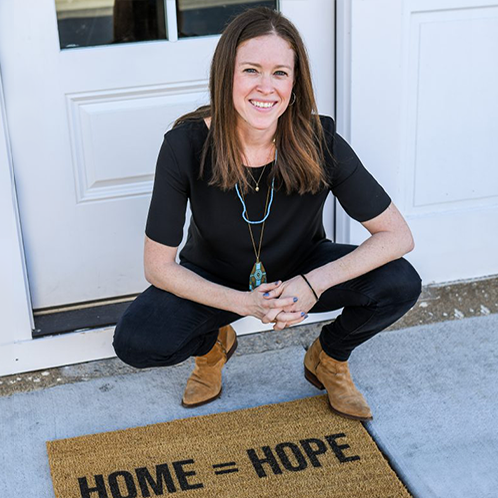
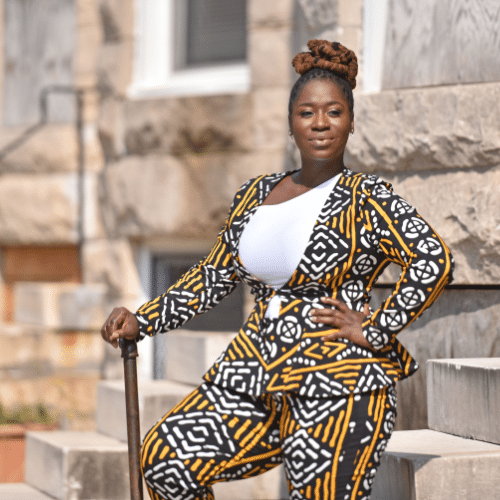
Joanna Bartholomew, owner of O’Hara Developments, is a woman who’s breaking all barriers. 

While Joanna’s background is in social work, community health and financial education, real estate is in her blood. Her father was a developer, and as a young girl she spent time with him, both in the office and on job sites. So it’s no surprise that she launched her own real estate company.

But being a Black woman in the real estate industry is not quite enough of a challenge. On one hand, Joanna is focusing on broad community development by tackling decaying properties in East Baltimore (one block at a time) and breathing new life into them. But on the other, she is committed to providing outreach to the people who will occupy them. To make sure that what she is building will serve the community effectively, Joanna’s organization offers up financial literacy courses and down payment programs, to both educate and support new potential home-owners. All of it to make sure everyone can have a chance at home ownership.

Insights and Inspirations

  • Joanna is one of a few. A black woman with her own real estate company.
  • She’s focussing on community development one block at a time, tackling decaying properties and breathing new life into them.
  • Her past career in social work creeps into her real estate work. She offers up financial literacy and down payment  programs so that everyone can have a chance at home ownership.
Read the podcast transcript here

Eve Picker: [00:00:17] Hi there, thanks for joining me on Rethink Real Estate. I’m Eve Picker and I’m on a mission to make real estate work for everyone. I love real estate. Real estate makes places good or bad, rich or poor, beautiful or not. In this show, I’m interviewing the disruptors, those creative thinkers and doers that are shrugging off the status quo, in order to build better for everyone. When I’m not hosting the show, I’m running my real estate crowdfunding platform, SmallChange.co, where you’ll find impact real estate investment opportunities open to everyone, or you can learn more about me and catch up on some podcasts at my website EvePicker.com.

Eve: [00:01:14] Today, I’m talking with Joanna Bartholomew, owner of O’Hara Developments and a woman who’s breaking all barriers. While Joanna’s background is in social work, community health and financial education, real estate is in her blood. Her father had a real estate company. And as a young girl, she spent time with him in the office and on job sites. So it’s no surprise that she launched her own real estate company. But being a black woman in the real estate industry is not quite enough of a challenge for Joanna. She’s focusing on community development one block at a time, tackling decaying properties and breathing new life into them. You’ll want to hear more.

Eve: [00:02:04] If you’d like to join me in my quest to rethink real estate, there are two simple things you can do. Share this podcast or go to Patreon.com/rethinkrealestate to support this podcast for the price of a cup of coffee.

Eve: [00:02:25] Good morning, Joanna. Thanks so much for joining me.

Joanna Bartholomew: [00:02:28] Hi, Eve. Good morning. Thanks for having me. Yeah.

Eve: [00:02:32] So you’re a pretty rare breed, a black woman developer. And I was wondering how you got there from your initial career choice of social work. That’s quite a journey.

Joanna: [00:02:46] It quite is. So I actually was raised in real estate. My father was a developer. So, growing up, I knew him to just be the person that always would have me in these rooms of either going to a settlement or going to the old Hechinger, which was the former Home Depot, picking up the lumber and looking at like design sketches and things like that. I still remember having to take a construction class in an elementary school. And I have to be honest, I probably picked the classes I knew I could pass. My house, that I had to build it looked better than all the other kids in the class because of my dad. But fast forward, you know, being in the field of social work for some years and working with families that were facing various challenges, one of the most common things that we saw was their access to equity, their access to wealth. And in the population that I worked with were people that looked like me and other brown families that had limited access. And it wasn’t because of anything other than the knowledge and knowing where to get information. So what I wanted to do, expanding on, I said, you know, it’s time for me to fire my boss, get into the roots of what I know, and bring both worlds together so we could be able to provide access to equity. And one of the first places you could do that with is in real estate.

Eve: [00:04:11] So isn’t that interesting? Because my parents sort of grew up always investing that I grew up with my parents, always investing in real estate. They actually were refugees, so they had very little, but that’s when they had money and that’s what they invested in. So I was also very comfortable with real estate. And it really is about a comfort level, isn’t it, with something you don’t understand.

Joanna: [00:04:33] Right. Right.

Eve: [00:04:35] It’s really interesting.

Joanna: [00:04:37] And it does take a level of comfort to know what you know in your brain and have to manifest that into reality. And it requires some guts. And if you have the privilege of seeing that in your younger years, when you get older, it does feel a little bit more comfortable vs. a family that doesn’t know anything about these type of financial terms and systems. And now you’re adding on a big house responsibility onto it. So we want to be able to be that line of support.

Eve: [00:05:06] So what sort of projects do you focus on?

Joanna: [00:05:10] So our projects primarily are residential. The majority of them are three level homes, three story homes where they’re row homes there in the urban community. And we are either transitioning them into single family homes where they can use the whole space for their family or we are actually converting them into duplexes, most of them being bi level units, two bedrooms, two baths, where people can also be able to rent from them for a period of time. Now, with our renters, we do something a little different because, again, we’re encouraging homeownership. We take a portion of their rent and we put it into escrow. So when they’re ready to be able to transition to being a homeowner, they could actually use those funds, especially if they’re purchasing one of our properties towards either down-payment or any moving costs.

Eve: [00:06:02] Oh, wow. So how long does it take for someone to save enough that way to purchase a house?

Joanna: [00:06:11] Well, it really just depends. I mean, everybody’s situation is different. How much they need for down payment, is different and they may not even use it. They may use it towards their moving costs. They can use it however they choose. But I would say if I had to put a number on it, most people could be able to use those funds at least in about a year and a half. Right. So.

Eve: [00:06:35] Right. So this is the social worker in you emerging in real estate.

Joanna: [00:06:42] Yes. Most developers could care less about where you’re moving to next.

Eve: [00:06:46] This is really, this is really cool. So you’re really working on the whole thing. The real estate project and the people who live in the projects.

Joanna: [00:06:57] Yes.

Eve: [00:06:59] So where do you focus on your projects?

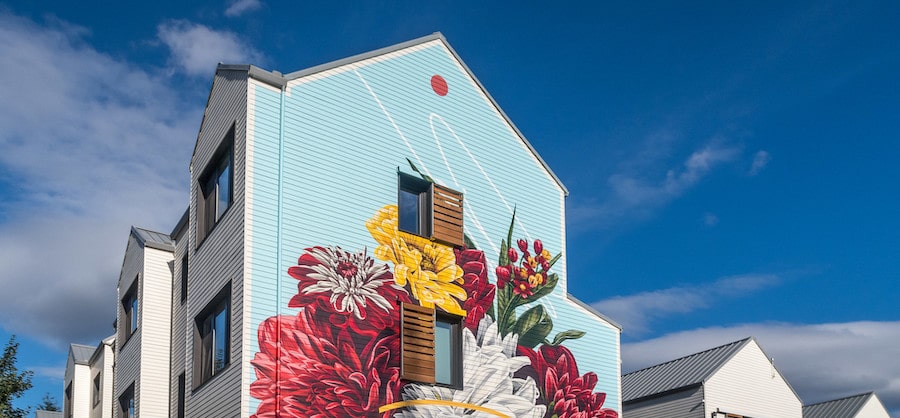
Joanna: [00:07:02] So as of right now, we have I would consider it to be our staple development site, which is in Baltimore City. We’re actually restoring a nice portion of the neighborhood. Some people say that we bought the neighborhood, but I don’t feel that way. It’s about two continuous blocks, I would say, in that area that we’re focusing on. And majority of them are actually not all of them are three story buildings. And we’re planning for about 15 single family homes and eight buildings that will actually be duplexes.

Eve: [00:07:35] So I’ve seen the blocks and the architecture is really stunning. And these buildings have been vacant for a while, haven’t they?

Joanna: [00:07:45] Yes, they have, unfortunately in a lot of urban neighborhoods, what we hear and what we see is the aftermath and some of it we’re still fighting that’s affiliated to redlining. And redlining is something that has caused a lot of funds to not be placed in certain neighborhoods over the years, which would have allowed people to become homeowners, which then also brings in other things as far as, you know, very poor behaviors in terms of drugs and things of those nature. So these are neighborhoods that have that are being revamped. But we have to be intentional in how we do it in these spaces, because these are people that have lived here in some shape or form for a long time. But in this particular area of Baltimore, Baltimore had a great flight at one point where a lot of these homes became became vacant. So we’re working with various city programs and some individuals in terms of the acquisition of the properties. And we also make sure that we work with some of the neighborhood associations as well, making sure that they are aware of some of the programs that we have. One of the beauties about adding in the social work piece is that because of our program and through our non-profit, we’re also able to provide up to 43,000 dollars in down-payment assistance as well.

Eve: [00:09:00] Wow. So you have to tell me more about the non-profit. You’re throwing things at me really fast. So what condition are the buildings in?

Joanna: [00:09:11] It varies. Some of them. I mean, you have to, I tell people all the time what we see in like the Home Depot and Lowe’s now as lumber is nothing in comparison to some of the true lumber that was there way, way back in the day. So these houses have stood the test of times. I mean, they have great solid bones. Some of them are still pretty intact and maybe they just need heavy cosmetic work. But there’s also some of them where the roof has already caved in and now we’re doing a lot more extensive work. There’s a good portion of them that are also considered to be historic. So when we restore those, we have to follow certain architectural guidelines. So we have to put back like wood windows. If the staircase was still intact, we have to restore the staircase to its original state as much as possible. We have to take certain pictures, submit it to the historic alliance there to be able to make sure that we’re following things to code. So it’s a little bit a mixture of both that we experience.

Eve: [00:10:18] Cool. So when it’s done, how many units will there be? What will this project look like?

Joanna: [00:10:24] So in this phase of the project, which I consider to be Phase A, there will be a total of 31 units. Between the single families, the units from the duplexes and one of the duplexes has a commercial space at the bottom. So it’ll be 31 units and the the duplexes will bi-level two bedroom, two bath, kind of give you that New York feel a little bit. So it will have that, that feel of a home because you can be able to go upstairs and downstairs. One of the things that we did during the time of when the pandemic first hit and really, really heavy, we readjusted the layout for the single-family homes because we know some people are not going back into the office for work for some time and some children are still going to do hybrid learning or they’ll be learning 100 percent from home. So those homes have a loft area that could be converted back to a bedroom later on, if they chose to. And it also has a private office for whomever wants to use that as well. So we wanted to meet the families where they are in the times that we’re living in because we don’t know how long we’re going to be living this way. So it’s a very convertible house. I would say that can truly grow with you.

Eve: [00:11:40] And what is Phase Two?

Joanna: [00:11:43] Well, Eve, maybe I could say a little bit about that. So,t Phase Two is at very, very early stages. We have some land there that we are considering to do some development on. We can’t talk too much about it, but it could be some brand new construction with some condos. So we’ll see.

Eve: [00:12:04] Ok, and I know you’ve talked to me in the past about open space as well and how that knits into your overall strategy. And can you talk about that?

Joanna: [00:12:15] Yes. So through our non-profit, we manage about 27, 25 lots, give or take, in the East Baltimore section of the city. Our biggest thing is, is reducing vacant lots. So right now, a lot of the lots, we’re just keeping them clean as much as possible. Some of them are side lots next to homes. Some of them are just completely wide open spaces where they used to be homes, but they had to be demolished for whatever reason, more than likely because it was a safety hazard to the neighborhood and they’re just completely open. So what we’ve been doing with one of the particular areas, which is about a little over a quarter acre of land, that space, we’re actually transitioning that to a community park. So on our in our neighborhood, right behind some of the houses that we’re planning to build to restore there, you would now have a community park right in your backyard where you could really be in your kitchen and look out and see your kids playing or any of those things there. It’s going to be really nice. We’re using a concept that we like to call It Takes a Village. So we are blurring the lines of Baltimore City and really allowing people from different cities and states to donate and be a part of reducing vacant lots in urban neighborhoods, period. And that has been going pretty well. So we’re excited to see what it looks like when it comes together.

Eve: [00:13:39] So I want to come back to the non-profit. You said you have a non-profit as well, which is kind of unusual for a developer. Why? And what do you accomplish with that?

Joanna: [00:13:48] So through our non-profit, we only manage space, the green spaces, because they are not providing us any rent. So through our reinvestment model, we donate a portion of our profit from our developments into our non-profit. That helps us to be able to provide financial wellness workshops for the neighborhood. We’ve recently partnered with JPMorgan Chase Bank, which we’re really, really excited about, to be able to offer workshops to the neighborhood. We also have a summer financial literacy program that we’re actually in our fifth year. I couldn’t believe it, the other day when I saw the number. We’re in our fifth summer providing financial literacy specifically for young women. And then we also have our housing and financial counseling program. So for us with a non-profit, it’s not necessarily totally focused on real estate, but it does manage the last that we adopt and or that we own under that umbrella.

Eve: [00:14:46] It’s a really interesting strategy because often in neighborhoods like the one you’re working in you would only be able to have a non-profit developer to accomplish all of this. This is not yet. I’m sure it’s still a soft market. Is that what you’re experiencing? I mean, the market values are going to be different in a in a more established neighborhood in Baltimore, certainly. Right.

Joanna: [00:15:12] Right. So I would say that right now we are still in the early transition part of this neighborhood. We do have some brand new development that has already happened. They they did modular homes right in our backyard where we are. And those were eight. Yeah, I think we’re eight of modular homes and they look beautiful. And we have some other homes that have already been restored and they vary. In terms of price point, you do have some non-profits that have actually built those homes and they were able to take advantage of different funding and they were able to offer them under three 300,000. And then you have some of your traditional developers who have come in and done restoration projects and they’re selling for over 300,000. So we’re still very much in the early phase in this particular area. And it just it does vary.

Eve: [00:16:03] Right. So not absolutely ground zero.

Joanna: [00:16:05] Right.

Eve: [00:16:06] So tell me about some of the challenges you’re being confronted with, both as a developer and with this project.

Joanna: [00:16:15] Right, so as a female developer, one of the challenges is that I’m often taken as the secretary when I walk into most places then the owner. And it’s nothing wrong with being a secretary or an administrative assistant. But it’s the assumption of the fact that she could actually be the owner, that sometimes can be a bit frustrating. And so that can kind of get underneath my skin a little bit. I try my best for it not to get to me, but it can be a bit uncomfortable. I feel like when I get into spaces and I get in and I get a chance to connect with other female developers, I almost feel like it’s a sorority. Like you haven’t seen your sorority sister since college. You’re like, oh my God, just another person like me. And we’re able to connect. Thank God. I had somebody call me yesterday and they were all the way in Boston and they said, Joanna, do you have like two minutes just to say hi to someone? They saw you online. She also female developer. Can you just say hi? And we were like, oh, my gosh, this is great. We have to connect. And, you know, I say that to say Eve, we need more females in this space. We need to have more women investing for sure. But we need to also have more women in the real estate industry. And this has been a very much a male dominated space for a very long time. I still come across in business meetings, in business meetings where men will say, sweetie, honey and I have to correct them.

Eve: [00:17:41] Yeah, oh yeah.

Joanna: [00:17:43] I’m not sweetie, would you say this if I was a man and we were talking about the deal? No, let’s you know, so I have to, often, correct that as well. So that’s some of the challenges that I face on the female side of being a developer. But building in Covid-19, I mean, who would have thought that this would be the time that we would really be doing this would be right in the middle of Covid-19. And it’s like, oh, my goodness. I think the beauty for me, though, because I’m often the person that’s thinking outside of the box, Covid has made every industry have to think outside of the box. So now when I’m going into spaces and I’m talking about for profit and non-profit and down payment assistance and thinking about the actual individual and how it affects their family, people are actually more open-minded now than they were three years ago when we first started.

Eve: [00:18:39] I think that’s very true. Yeah. Yeah, yeah. So so what about financing? I mean, you know, most of the honeys I’ve received have been at banks. I sometimes want to come back with sugar, but that won’t work.

Joanna: [00:18:58] Well, in regards to financing, we’ve been able to be in a good position. I mean, Baltimore’s is one of the places that we that we have our our staple project. We’re also doing some work in the Philadelphia area. And this is this is not the beginning. This is not a very this is the beginning of this level of how we’re going about things. But I’ve been able to do some projects in the past where I was strategic with those funds and really allowed that to be the spark of what we’re working on now. We’ve also done…

Eve: [00:19:28] I think I think it was asking more like how did banks treat you when you walk in the door? You know…

Joanna: [00:19:35] Banks are a little bit a little bit different. I think I’ve come across more of the honeys and the sweeties in the private the private conversations. That could be a little frustrating, but I think the bank so far has been pretty good. And we haven’t had to really work with too many of them. Most of our financing when we’ve done construction and things of that nature has been more of your alternative options. Some people call them hard money and things like that. But I haven’t had a bad experience at the bank, knock on wood that they won’t.

Eve: [00:20:10] Well, that’s an improvement. OK, so no other serious challenges. It looks like you’re roaring along. What about perception, like in the neighborhood?

Joanna: [00:20:23] Well, I would tie that in. And that’s part of where I was going with that. Perception in the neighborhood especially, and I’ll focus on Baltimore because Philadelphia is home for me. When you’re going into a city where you’re not from there, it does require another layer of work. You have to understand how their systems work. But right down to how can you get your utilities turned on is a whole new system, even with some of the things that we’re coming from a different city. Not necessarily using Philadelphia systems and trying to put them into Baltimore, but you’re looking at different systems from various cities. In addition to things that you have learned from a different industry and you’re bringing them into a city that you’re now in a room with other creatives, but now you’re bringing a different process to them because they may have only understood how things go in Baltimore, but now you’re bringing in new information and you want to do this in a strategic way where you’re not trying to flex a muscle and so to speak to them. But you want them to start thinking outside of the box of how they can be able to address some of the challenges. So I would say in a nutshell, it’s been positive overall, but at the same time, we’ve had situations where you do have people wondering, well, who is this woman? Where does she come from? How does she know this and how does….but now I could say that we’ve gotten past that part. And I want to say 95 percent is very much welcome in opening. We can pick up the phone, ask questions, get the support that we need with no problem. And Baltimore has become almost like a second home for me.

Eve: [00:22:08] That’s nice. But what about the neighborhood itself, the people who live there?

Joanna: [00:22:12] Right. So the people that live there? One of the things that I did from the very beginning, and this is before we did any construction on any property, I went I knocked on the door of the local church and I sat with one of the associate pastors asking them questions about what, how the neighborhood operates, what’s the vibe in the neighborhood, and I did not I did that not only with the church but even when we were out, some of my meetings are not just your formal neighborhood association meetings or your land use committee meetings. Some of these meetings, Eve, is right on a stoop. Sitting with someone that lives in the neighborhood. Asking questions and engaging with them before your you know, they just see you doing demo. And that has been very helpful. So, I mean, I think I might have one of the best security systems in the area, and that’s called neighbors now because of the fact that we have this relationship. So we will welcomed very early on with positivity. I didn’t have any issues with neighbors because I went to them. I didn’t wait for them to come to me.

Eve: [00:23:16] That’s great. So they trust you and they’re looking forward to what you’re building, right?

Joanna: [00:23:20] Oh, yes, absolutely.

Eve: [00:23:22] That’s wonderful. So you just made it a little harder for yourself. You added crowd funding to the mix. Your project of Aruka Midway in Baltimore is listed on my platform, Small Change. And that’s just another layer of complexity. Why did you do that? What do you hope to, what do you hope the outcome is?

Joanna: [00:23:50] What I hope for the outcome to be is for in urban neighborhoods, for wealth to be more normalized by the people that live there. And this is what I mean by this. Growing up I grew up in North Philly. That’s considered, quote unquote, the hood for some people. And when we will see development happening, even if you went off to college or came back, you’re like, oh, my goodness, what happened here? Ms. so-and-so used to live here. This school building used to be here. One of the common threads in the neighborhood and not just in North Philadelphia is, well, I didn’t even know what happened. Nobody ever talked to us about it. And we often feel boxed out, left out. And then definitely there was no one saying to us, well, how we could be able to at least reap some part of the return for things that are happening right in our neighborhood, that they also want us to patronize it. You want us to come shop at these retail places and things of that nature. So while we’re doing the crowdfunding raise, is to now provide an opportunity for people that live in the neighborhood, people that can relate in urban neighborhoods or those that want to support this type of development structure for them to also have a piece of what we’re also going to be reaping as well. That’s why we’re really creating it. We’re already doing the education in the community. We’re already providing the housing counseling through partnerships. We’re providing down payment assistance. So now the thing is, where can we do this in a way that, yes, we are able to raise the funds to do the development, but we also strategically do it in a way where those that can connect with this area in some shape or form can also be able to see what it looks like when you get that dividend check every year or see what it looks like when you can say, I own a piece of that restaurant that I go to every Sunday for family, a family breakfast. Those things start to matter. So that’s why I decided to create Aruka Midway. It’s a part of restoration for the neighborhood. And Aruka actually means restore in Hebrew.

Eve: [00:25:55] Oh, I didn’t know that. Thank you.

Joanna: [00:25:57] Yeah.

Eve: [00:26:00] Yeah. So, yeah, there’s something very palpable about people wanting to be involved in and engaged. And crowdfunding seems to just go that extra step. They can actually say I own a piece of that. I made it happen. Right?

Joanna: [00:26:13] Yes, absolutely. It’s the story that’s able to be told.

Eve: [00:26:17] Right. So what’s next for you? What’s ultimately your big, hairy, audacious goal, Joanna?

Joanna: [00:26:26] Believe it or not, and some people are often like, what, you don’t want to do this in 20 other cities? I absolutely do not. I want to live. I want to be able to enjoy the fruits of my labor and be able to enjoy time with my family. So doing this in more than three cities is not the goal. Three cities will be our max. We’re still identifying what that third will be. And ultimately, what we want to be able to do is for companies that see this to be a structure of purpose in their real estate development, is to be able to sow a seed and be their partner in helping them get started. Be a part of that funding for them where they could be able to come to O’Hara Developments and say, hey, I found a block, I found a neighborhood, or maybe it’s just one house. I know it fits into your model. Is there a way that you could support me? So if we could do that in a way of being some form of an equity partner in the beginning, giving them the consultation that they need, the support that they need. As long as they are looking to mirror a socially conscious and impactful model, the way that we have it, we want to be able to be that source for other developers in urban development.

Eve: [00:27:41] That’s a great goal. So thank you. Thank you very much for talking with me today. I hope that listeners will go check out your offering on SmallChange.co. We can’t talk too much about it here, but there’s lots about it there. So here’s to your success, Joanna.

Joanna: [00:28:00] Thank you, Eve. Thank you and thank you for having me today.

Eve: [00:28:09] That was Joanna Bartholomew. Joanna Bartholomew changed her career path from social work to real estate, and yet she didn’t. It’s not just about the vacant and decrepit row houses that she’s rehabbing one block at a time. For Joanna, it’s also about the people who will occupy them. She immerses herself in the community to make sure that what she is building will serve it well. And she offers up financial literacy and down-payment programs so that everyone can have a chance at home ownership.

Eve: [00:28:51] You can find out more about this episode or others you might have missed on the show notes page at EvePicker.com, or you can support us at Patreon.com/rethink real estate for the price of a cup of coffee. A special thanks to David Allardice for his excellent editing of this podcast and original music. And thanks to you for spending your time with me today. We’ll talk again soon. But for now, this is Eve Picker signing off to go make some change.

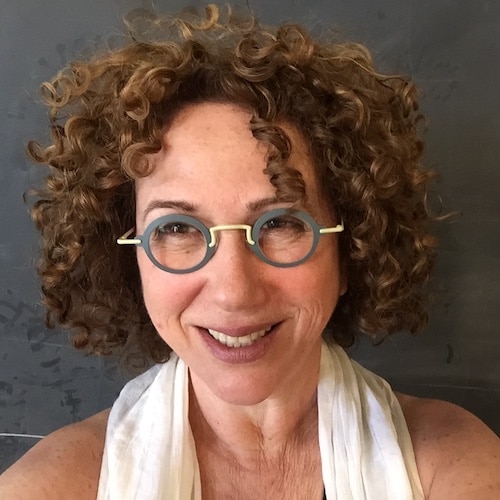
Image courtesy of Joanna Bartholomew, O’Hara Developments
One year. 41 more conversations.

July 28, 2021

41 amazing people. 41 inspiring conversations.

Cynthia Muller. Richard Rothstein. Andre Perry. Charmaine Curtis. Lyneir Richardson. Darryl Scipio. Libby Seifel. Beth Silverman. Patrick Quinton. Daniel Parolek. Charles Durrett. Heather Hood. Diana Lind. Scott Flynn. Atticus LeBlanc. Sam Ruben. Andrew Luong. Stephanie Gripne. Shannon Mudd. Ken Weinstein. Garry Gilliam. Andy Williams. Daniel Dus. Patrice Frey. Bruce Katz. Christopher Leinberger. David Peter Alan. Annie Donovan. Michael Shuman. Dan Miller. Scott Ehlert. Katie Faulkner. A-P Hurd. Max Levine. Brian Dally. Jonny Price. Michael Lee. Kevin Cavenaugh.

These are the rockstars of my show.

Season Three starts soon …

Read the podcast transcript here

Eve Picker: [00:00:14] Hi there. Thanks so much for joining me today for the final episode of Rethink Real Estate. For Good, season 2.

My name is Eve Picker and I’m on a mission to make real estate work for everyone. Real estate can help to solve climate change, can house people affordably, can create beautiful streetscapes, unify neighborhoods and enliven cities. 

You can learn more about me at my website, rethinkrealestateforgood.co, or visit my real estate crowdfunding platform, SmallChange.co. Our projects offer impact, solve housing problems, invest in neighborhoods and give everyone the opportunity to invest and build wealth for as little as $500.

[00:01:12] Today marks the second anniversary of this podcast. Two years ago, I didn’t know that our audience would grow as it has. In fact, two years ago I wasn’t sure we would have an audience at all. Now 10,000 people download episodes every month. That’s 10,000 people who care about thoughtful and impactful real estate solutions.  Wow!  I am humbled that all of you want to listen in.

This second year has been an opportunity to learn from yet another class of extraordinary leaders and innovators in real estate. My guests are working on housing solutions, policy issues, manufacturing, in fintech, on preservation, on developing new technologies and on providing real estate metrics, on mobility issues, as architects, on sustainable development, on community capital, on equity for women and equity for minorities and in many other niches, pushing the boundaries of the built environment to be better for everyone. 

The range of work that is being accomplished is quite awe-inspiring.

[00:02:25] Perhaps the most important theme this year was equity.

Cynthia Muller, director of Mission Driven Investments at the Kellogg Foundation. has been described as a “thought leader of the impact investing ecosystem and a trailblazer in the field.” In No guilt. Just Action. she reminds us that every time there has been an opportunity for black and brown people to build an asset, to build wealth, it’s been taken away from them. Let’s change that. 

Richard Rothstein and Andre Perry have written about these inequities.In The Color of Law Richard argues for a national civil rights movement to ensure that we all get to reap the economic benefits of living in this rich and diverse country. And In Know your price, Andre share findings that homes are underpriced by 23 percent, or $48,000 per home, in majority black neighborhoods. That’s $156 billion in lost equity.

[00:03:31] Charmain Curtis, Lyneir Richardson and Darryl Scipio are a new breed of black developers. Charmain has built a successful career as a developer despite being a black woman. She didn’t realize what she was up against until she was in her 30s. In Spread the Wealth she ponders how wealth could be distributed equitably to everyone.

In Building Generational Wealth, Lyneir describes his plan to buy 100 community shopping centers with 100 community members, all focused in majority black neighborhoods. He provided the first opportunity to 140 investors on Small Change early this year.

[00:04:17] Justice runs deep with Darryl.  In Turning renters into homeowners he describes his latest passion project, Savers Village.  He aims to help every tenant save enough for a down payment on a home.

And Libby Seifel is focused on women.  In Women building collective muscle, she describes the network of women leaders in real estate she has built. After more than 30 years in the industry, she is no longer the only woman in the room, and that some of the biggest new projects in the Bay Area are being driven by women.

[00:04:56] Housing solutions are importantly getting a lot of attention.

Perhaps the boldest of these is Beth Silverman’s Lotus Project. In Radical in its Simplicity she tells us how ,for just $800, her organization can successfully house a homeless family and change the trajectory of their lives forever.

We learn about accessory dwelling units as an affordable housing solution in Yes! In My Backyard! Patrick Quinton has developed a manufactured solution that drops a 32×14 foot ADU into a typical 50-by-100-foot lot in Portland, Oregon without hitting the setbacks and without requiring city design review. And he’s raising money for this project on Smallchange.co

[00:05:48] On the west coast, Daniel Parolek, architect, coined the phrase, The Missing Middle just as the critical absence of affordable housing was becoming a major planning issue for cities nationwide. He explains what the missing middle is, why it is important and how we can build more of it. 

Charles Durrett brought co-housing from Copenhagen to the US many years ago and wrote a book about it. He explains why he’s spent a career in co-housing and how it can make people’s lives better in It takes a Village.

[00:06:27] In Northern California, Heather Hood oversees efforts for the Enterprise Community Partners that ensure low- and moderate-income residents have access to affordable, quality housing. We talk about the enormous size of this problem in The elephant in the region.

And Diana Lind wraps it up for us in Lets be Brave. She’s written a book called Brave New Home in which she argues that the single-family home is at least partly to blame for our current housing woes.

[00:07:01] Technology is rapidly transforming the real estate industry in many different ways as well.

Some of my guests, like Patrick Quinton and Scott Flynn in Manufacturing change, are focused on manufacturing affordable homes in factories. Scott’s company, IndieDwell, manufactures smaller, sustainable and affordable homes at the pace of 10 homes per week and growing.

But others are pursuing new ideas.  Atticus LeBlanc tells us about PadSplit in One Room at a time.. He wants to dramatically change how we address affordable housing by using space that is now under-used in everyday homes.

[00:07:46] Or Sam Ruben in 3D-printing, robotics and automation, oh my! His company is printing buildings and hopes to create affordable and sustainable homes with their new technology.

And finally, Andrew Luoung who has deconstructed the often lengthy and confusing process of small scale real estate investment, making it accessible to everyone.  In Andrew loves real estate he describes the online turnkey service that he has developed into Doorvest.

[00:08:20] Some guests are focused on fertilizing tranches of future impact investors and leaders.

None is more passionate than Dr. Stephanie Gripne. In The impact accelerator, she tells us about founding the Impact Finance Center with a mission to identify, train and activate philanthropists and investors to become impact investors. Her big, hairy audacious goal is to move a trillion dollars into impact investing.

Dr. Shannon Mudd is right behind her, teaching students how to invest $50,000 of real money for maximum social impact. His Young Angels are carrying this knowledge into their professional careers.

[00:09:09] Others want to pay it forward.

Like Ken Weinstein, a highly successful Philly developer whose career was inspired by his landlady in Germantown. He’s created a boot-camp for aspiring developers called Jumpstart Germantown and describes the program in Jumpstarting a community.

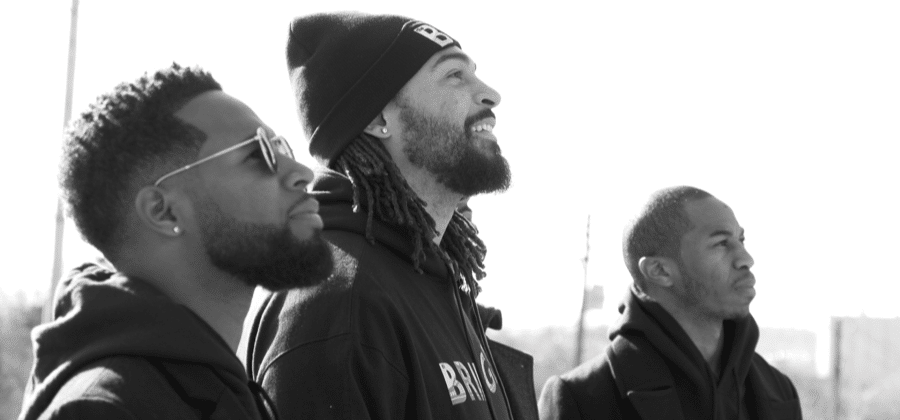
[00:09:32] Garry Gilliam may be best known for playing in the NFL. Today he has a second career as an impact real estate developer. He tells about his first project in The Bridge. It came about as a joint effort with Garry’s friends from the Hershey School, a philanthropic school for low-income children. That school gave them all a leg up and now they want to give back to their community. 

Or Andy Williams, a former Marine who was determined to secure his future through real estate. He’s built a substantial portfolio of homes, a real estate development business focused on larger projects, and now, a program that seeks to turn veterans into entrepreneurs just like himself.  

[00:10:23] Some guests, like Daniel Dus and Patrice Frey, are focused on building on what’s already there. Learn how Daniel is planning to redevelop the dramatically underutilized historic luxury estates of the Berkshires for the shared economy in Everything old is new again.  And in Saving Places, Patrice explains the role of the National Main Street Center in servicing the revitalization of commercial main streets in big cities and small towns alike.

Bruce Katz moves the focus back to metro areas in Cities are networks. As a foremost policy expert, Bruce argues that cities must knit together solutions. It’s an imperative. And he calls this the new localism.

Christopher Leinberger is thinking along the same lines in Back to the Future. As a renowned urban strategist, teacher, developer, researcher and author Chris thinks “Back to the Future” got it right.

[00:11:30] While David Peter Alan enchanted me in I’ve been working on the railroad with his singular passion for the country’s railway system. He has ridden the entire Amtrak system and about 300 transit providers in the U.S. and in Canada.

Annie Donovan and Michael Shuman are focused on alternative finance. Michael thinks we have it Totally backwards. Local owned businesses make up 60 to 80 percent of the private marketplace in the average U.S. community. But economic developers and subsidies almost always overlook them. And Annie believes that disruptive capital is critical for solving thorny problems. She describes her pursuit of fairness in economics and finance in The world beyond banks.

[00:12:27] A handful of guests are diversely focussed on sustainability in the built environment.  Perhaps the most interesting is Dan Miller, who has launched a platform that connects everyday investors with farmers who need loans. He’s Stewarding the Future of Farming with investments as low as $100.

Scott Ehlert and Katie Faulkner are mass timber experts.  Katie as an architect with an eye on sustainability in From here to there.  In Mass timber for the masses, Scott tells us about the installation and cost benefits of a proprietary hollow core mass timber system he is designing that uses 50% less wood fiber. And, as if that is not enough, Scott is also designing a robotic fabrication facility to anchor a new wood product innovation campus, in California.

While A-P Hurd remains focused on building Livable and delightful communities.

[00:13:28] This class of guests would not be complete without my colleagues in the crowdfunding industry.

Some like Max Levine and Brian Dally are focused on real estate.

In Hello, Neighbor we learn about Max’s Neighborhood Investment Company, which has a mission “to localize wealth creation and broaden access to neighborhood equity.”  While in Get in on the ground floor,  Brian describes the platform that he has built into the go-to funding platform if you want to fix’n flip property.

Jonny Price, previously with Kiva and now with Wefunder, is focused on Filling the “crazy” gap. There’s a common theme for Johnny – financially excluded and socially impactful businesses.And Michael Lee is Building Virtual Communities using blockchain. Instead of using blockchain for crypto, he’s using it as an organizing tool to democratize the power of data.

[00:14:31] Finally, what better way to end than with Kevin Cavenaugh a developer in a class of his own. In I do a bunch of weird stuff, you can tap into this unique developer. Left brain, right brain, head and heart all come to bear on his wildly creative buildings. “I’m tired of mocha-colored, vinyl-windowed boring. I can’t change the fact that the streets are gray, and the sky is gray. But the buildings?” says Kevin.

Phew. That’s a lot of podcasts.  I’ve enjoyed every interview with every person.  I’m in awe of them all.   But it’s time to take some time off to recharge and get ready for Season Three. We’ll be back refreshed in September with many more amazing people for you to listen to and for me to learn from.

Thank you so much for joining me.  Now go forth, invest a little in your community and make some change!

Radical in its simplicity.

May 26, 2021

Beth Silverman is Executive Director of the Lotus Campaign, a nimble nonprofit startup focused on reducing homelessness.

What makes the Lotus Campaign especially interesting is its approach to putting a roof over a homeless family’s head. Instead of building ground up affordable homes, employing a bevy of subsidy financing, the Lotus Campaign is instead focusing on existing Class B apartment buildings, and on building partnership with Landlords. By offering a networked support system to ensure that each tenant succeeds, the Lotus Campaign has been able to house 300 families to date. Only 1 has been evicted – a resounding success and a testament to the program.  Even better, each placement has only cost an average of $800. 

This seems such a small price to pay to put a roof over someone’s head… 

Beth’s background lends itself to this feisty little startup. She has been chief of staff for Real Estate Transaction Services with the New York City Economic Development Corporation under Bloomberg, and led ULI’s Real Estate Advisory services, which gave her an inside look at the issues cities grapple with all over the world.

Insights and Inspirations

  • The Lotus Campaign is a spirited startup, experimenting to find solutions for homeless families.
  • Another 10 million families are expected to be homeless once the pandemic eviction moratorium ends.
  • Educating landlords is key. Perceptions around homelessness are the enemy.
  • Homelessness is a race issue. 75% of the homeless are people of color.
  • Beth’s BHAG is be put out of business, because they’ve scaled and taught others how to replicate the Lotus model.
Read the podcast transcript here

Eve Picker: [00:00:06] Hi there, thanks for joining me on Rethink Real Estate. I’m on a mission to make real estate work for everyone. Real estate can help to solve climate change, can house people affordably, can create beautiful streetscapes, unify neighborhoods and enliven cities. So I’m on a journey to find the most creative thinkers and doers out there. I’m not the only one who wants to rethink real estate. You can learn more about me at EvePicker.com or you can find me at SmallChange.co, a real estate crowdfunding platform with impact real estate investment opportunities open for investment right now. And if you want to support this podcast, please join me at Patreon.com/rethinkrealestate where there are special opportunities for my friends and followers. Today I’m talking with Beth Silverman, executive director of the Lotus Campaign, a nimble non-profit startup focused on reducing homelessness. What makes the Lotus Campaign especially interesting is its approach to putting a roof over a homeless family’s head. Instead of building ground up affordable homes, employing a bevy of subsidy financing, the Lotus Campaign is instead focusing on existing Class B apartment buildings and on building partnerships with landlords. By offering a network support system to ensure that each tenant succeeds, the Lotus Campaign has been able to house 300 families to date. Only one person has been evicted, a resounding success and a testament to the program. Even better, each placement has only cost an average of 800 dollars. This seems such a small price to pay to put a roof over someone’s head. Beth’s background lends itself to this feisty little startup, she has been chief of staff for real estate transaction services for the New York City Economic Development Corporation under Bloomberg, and she’s led ULI’s Real Estate Advisory Services, which gave her an inside look at the issues cities grapple with all over the world. I’m going to learn a lot from Beth and so might you. If you’d like to join me in my quest to rethink real estate, there are two simple things you can do. Share this podcast or go to Patreon.com/rethinkrealestate to learn about special opportunities for my friends and followers and subscribe if you can.

Eve: [00:03:02] Hello, Beth. It’s been a few years since we talked, and I’m really excited to catch up.

Beth Silverman: [00:03:08] Great to be here, Eve.

Eve: [00:03:10] Yes, so I’ve been tracking the Lotus Campaign for a few years now, and I wanted you just to tell us the primary purpose and mission of the Lotus Campaign. And how did you get that name?

Beth: [00:03:24] Sure.

Eve: [00:03:24] Fill that in as well.

Beth: [00:03:26] So, Lotus Campaign is a non-profit startup dedicated to housing driven solutions for homelessness. And part of what makes us different from other approaches that are out there is the whole goal is how do we bring together the private real estate and investment communities alongside of the non-profit social service providers? Our whole mission, which sounds very simple but is more complex than you might think, is to open up access to housing. And we do that through a couple of different ways. But it’s really to open up access to market rate housing and to folks that are either at risk of experiencing homelessness or experiencing homelessness. And the name is really based off of the meaning behind the lotus flower. So, if you know anything about the mythology of the flower, you know, it’s been revered for generations by many different cultures, but it is a symbol of rebirth and renewal. And the flower submerges every night into pond mud and then in the morning blossoms into a beautiful flower. And we thought that was really a great metaphor for what we’re trying to do with Lotus and in general of both the perceptions of the challenge of homelessness and the hope needed to solve it.

Eve: [00:05:12] I think it’s a lovely name. So what is the actual program?

Beth: [00:05:17] So we have three different programs and they’re all tied to immediacy of impact. So our program, which is really connected to immediate impact, is a landlord participation program and that is pretty radical in its simplicity. What we’re doing is we’re bringing market rate landlords together with non-profit social service providers. And what we’re doing is Lotus is acting as the mediator between what are the risks that the real estate community has in renting to someone that has experienced homelessness. And what is all the friction that the non-profit sector has in finding housing for their clients? So we solve for that risk in two different ways. We do a bunch of economic mitigation and then we also solve for the perception risk. So, in terms of the economic mitigation, pretty much, we did a massive amount of interviews with private sector landlords and asked them why they would be hesitant to rent to someone that’s experienced homelessness. And we took all of their objections and then solved for them. So we use capital as a tool, right? So, we do things like offer a payment in lieu of security deposit. We pay for application fees, inspection fees, renters’ insurance for a year up front, we guarantee against loss of rent and tenant caused damages. And we also agree to reimburse any legal costs if someone needed to be evicted. So we’re really trying to hedge a potential landlord’s economic risks. And then in terms of the perception risks, we partner with high-capacity non=profits that provide ongoing support and services to a resident for the duration of their lease term. And what’s really cool about that program is the impact isn’t just getting someone into housing, it’s that that impact is, one, providing a stable home for someone in a neighborhood of opportunity. It’s also giving someone a year of a runway minimum to stability and self-sufficiency. It’s giving a resident or a family the opportunity to build credit while they’re there and get all of the supportive services they might need to potentially move on to housing on their own. So, what we’ve been able to do in that program in less than three years is house over 300 individuals and families at a cost of less than 800 dollars per person.

Eve: [00:08:15] Wow. So, let’s stop there a moment. So, you’re mitigating things that are sort of making landlords nervous and unwilling to rent to that group of people who is in danger of losing their homes or already have. So, what’s the biggest thing you heard in that survey that you took?

Beth: [00:08:36] I think the biggest concern, it wasn’t even necessarily the economic concerns. Those are so easy to solve. It’s how is the person being supported once they’re in housing? And what’s the mechanism there? Because property managers aren’t case managers. Right. And so, you know, the economic barriers are really easy to solve for. It’s finding the combination of the housing plus the services, which I think…

Eve: [00:09:06] So your partnership with the service providers is really critical.

Beth: [00:09:10] Yeah. And it’s a way to invest in existing systems that are great but need some new tools and need some roadblocks eliminated for them too.

Eve: [00:09:22] So who are the tenants, and do they come into this housing opportunity and leave in a better place or like what’s the result of this program, I suppose, is what I’m asking?

Beth: [00:09:35] Yeah, no, no, no. It’s a great question. I’m going to start taking you to fundraising meetings with me. You know, it’s all different folks. So we work with everyone from high functioning chronic. That’s someone that has experienced homelessness and living without shelter for a number of years, to folks that are at risk of becoming homeless. And I think that last category is really important, especially right now. Right? There’s some recent data about the number of renter households that are at risk of losing their housing once eviction moratoriums are lifted. And that number right now is 10 million people.

Eve: [00:10:19] Oh, my heavens.

Beth: [00:10:20] So we really feel strongly that you also have to stop the flow into the cycle of homelessness. And so in terms of what sort of impact can a program like this have on someone? We’ve had people graduate from the program and move into housing on their own. A big data point for us is the number of renewals we have. Another data point is someone graduating from the program and renewing on their own. But it really depends on where the person is starting from. And and I am a strong believer that someone working with one of our non-profit partners and walking into the door of a place that they feel safe living in and feel proud of, that’s a huge metric of success that just can help lead to lots of other things.

Eve: [00:11:17] What about evictions? How many of these three hundred tenants have gone bad or not been able to perform or have not been able to succeed?

Beth: [00:11:24] That’s a great question, Eve?

Eve: [00:11:26] Gone bad was a bad way to say that.

Beth: [00:11:29] Well, I like to always say don’t let perfection be the enemy of the good. So to date, you’ve have had one eviction and it’s always unfortunate that was a case of someone not following the requirements of the program they were in. It was never an issue with the landlord. To me, it’s a sign that the program works because our non-profit partner made the decision that that person was no longer a fit for the program. For whatever reasons we you know, they decided that. And as part of that, if they weren’t holding up their end of the bargain following the end of their lease term, they could no longer continue.

Eve: [00:12:15] How does that make you feel? One failure in amongst 300?

Beth: [00:12:21] Well, I think I’m a reformed perfectionist. And to me, that’s just a sign the program’s working, right?

Eve: [00:12:29] Yes.

Beth: [00:12:29] It’s not going to be a slam dunk.

Eve: [00:12:32] But it’s a pretty good safety net if those are the numbers.

Beth: [00:12:36] Yeah.

Eve: [00:12:36] And 800 dollars is extraordinary for what you do for these people. That’s amazing. So I’d love to stay with this program. I know you have two more to talk about, but I just want to ask a few more questions. So, the landlords that you have partnerships with, where are they and what do they look like and why did they decide to do this? Who are they?

Beth: [00:12:55] Yeah, no, great question. I mean, they are mostly Class B landlords, right? Some of them have Class A properties and more high end properties that are not fit for our program just based on the rents.

Eve: [00:13:11] What’s a Class B property for people who don’t know?

Beth: [00:13:15] Great question. So it might just be an older property that does not have the same amenities as a new building.

Eve: [00:13:25] So no roof deck. No shared gym. No swimming pool.

Beth: [00:13:29] No indoor swimming pool.

Eve: [00:13:31] But in good shape. Well looked after.

Beth: [00:13:35] Yeah. Yeah. And honestly, you know, where do they come from? Why do they want to be involved? I think really what the key to me has been with this, if you give the real estate community an easy path to say yes and participate, they’ll take it. I mean, I think folks, especially landlords and the property management community, they’re the front lines of understanding the housing affordability and homelessness crisis. So how do you give them a way that they can participate? That’s easy. As opposed to telling them they should do this, or they should do that. Or, you know, unless you do it this way, you can’t be a part of this.

Eve: [00:14:21] Interesting.

Beth: [00:14:21] And so we have a mix of landlords that participate with 10 units to a couple of hundred units. And a good piece of data for me is one of our newest landlords who started with us in July, just wrote me last week and said they want to expand their participation across their whole portfolio of properties. Going from 10 units in July to now 80 units. And to me, that’s a test that it’s working and that it’s it’s really just a great thing…

Eve: [00:15:01] Yeah.

Beth: [00:15:01] For them to be involved in in terms of being a community champion for some new ways to think about homelessness and housing.

Eve: [00:15:08] Oh, yeah. Pretty great. So another question is like, what are the neighbors thinking in these buildings, you know, NIMBYism, I think has been a downfall, right?

Beth: [00:15:18] Yeah, well, something I started to think a lot about on that front, having been yelled at for six years by community boards in New York City, is the idea of community courage. Right? And it’s not necessarily political will or NIMBYism. It’s the necessity of community courage to try new things and strengthen our communities. But the great question you asked, what do people think? What I like to say is, well, someone’s no longer homeless once they’ve moved in somewhere. So the whole key is for Lotus to kind of be the actor behind the scenes that provides the structure and the facilitation. But, you know, ideally, neighbors don’t know that they’re…

Eve: [00:16:04] Yeah, I don’t know when my neighbors came from last at all. So, yeah, it’s irrelevant. Right?

Beth: [00:16:10] Right.

Eve: [00:16:10] Interesting. So what cities are you in right now?

Beth: [00:16:15] So we’re currently in Charlotte, but we are working on scaling this year to another community and raising money to do that. Which is exciting because the whole idea behind Lotus is that we want to build a model that’s replicable and scalable. Housing affordability and homelessness are not challenges that are specific to any one community. They’re unique in some of their characteristics, but every community across the country is challenged by both of those issues. So, the idea is we’ll scale another pilot this year, test that scaling, and then the hope is that then we can expand where we’re operating and where we can’t go. Really teach communities how to do what we’re doing.

Eve: [00:17:05] Mm hmm. Fabulous. OK, so tell me about the other two programs now.

Beth: [00:17:10] Great. Yes, so the second program is geared towards addressing a shortage of high quality, safe and affordable workforce housing by investing in existing properties, using the same private investment strategies that are used in for-profit real estate development. So our acquisitions and investment program looks to leverage capital. So, to give you an example of this, we purchased our first multifamily property three months after we launched, which was both terrifying and exciting. And Lotus put in or I should say Lotus and Friends invested 300,000 dollars. We got…

Eve: [00:17:59] And you didn’t crowdfund it.

Beth: [00:18:02] We didn’t.

Eve: [00:18:05] I’m chastising you.

Beth: [00:18:07] We might have had we had more than 26 days.

Eve: [00:18:11] Oh yes. You need a little more time.

Beth: [00:18:12] There’s a funny story with a flaw in the title which we don’t have time for on this podcast. But a short amount of time to raise money. And we were able to partner with an impact investment fund out of Jonathan Rose’s investment arm. And so for our 300,000 dollars, we got an equity partner for about six million, got a traditional Freddie Mac loan for about 11 million. So, for our 300,000 dollars, we now have control of a 17-million-dollar asset for seven years. The investors are making a six percent cash return today and a 12 percent return over the life of the investment…

Eve: [00:18:59] That’s a really good return for impact investing.

Beth: [00:19:02] Yeah, we think so. We’re pretty proud of it.

Eve: [00:19:05] A really great return. Yeah.

Beth: [00:19:06] It’s a great capital stock. It’s not complicated, right?

Eve: [00:19:08] Yes.

Beth: [00:19:11] So what we do in projects that we invest in, 20 percent of the units in this property are set aside for our core mission, so, providing housing for folks experiencing homelessness. So, 20 percent of the units, that’s about 30 apartments are participants in our landlord participation program. And the rest is just market rate, workforce housing. So, the idea there is profit is a tool. You can do good and do well. And we don’t have to have all of these complicated layers to preserving free housing that’s affordable.

Eve: [00:19:51] So are the units that are available for homeless people less expensive than the workforce housing units? Is that how you’ve managed the income flow?

Beth: [00:20:02] The rent is slightly lower for those units, which does help keep them affordable to our non-profit partners, but not by much. But it is really the 80 percent workforce market rate units that are allowing us to make the rent of the other units more affordable.

Eve: [00:20:18] That’s what I figured, okay. Do you have any more of those projects planned?

Beth: [00:20:24] Yes, we’re right now doing some due diligence for another project. We’ll see how that goes, we’re knee deep in it. But the idea eventually, too, is that we have a pipeline of enough projects. We’re also helping with that next stage of housing, and we are offsetting the operations of the non-profit.

Eve: [00:20:47] Right, right.

Beth: [00:20:48] So this model doesn’t have to solely depend on philanthropic contributions. It can also have a revenue model where we’re getting either an asset management fee or a return on our investment.

Eve: [00:21:04] Yep, yep. And what’s the third program?

Beth: [00:21:07] Well, this is probably the most daunting, but I think one of the most critical is an education program. And it’s really how do we creatively raise awareness, bust myths around who’s homeless and why, and really share our model and then also help dispel some misperceptions about the economics of housing development. And a key goal of this work is really to build community support, encourage and get people to have a different type of dialogue about homelessness and housing. So how do we flip the script on these really difficult topics for people to get into?

Eve: [00:21:52] Mm hmm. It’s really interesting. You probably thought a lot about affordable or homeless housing solutions and why this one and how do you think it might scale 10 million more people? Families? Homelessness is super daunting.

Beth: [00:22:10] Yeah, well, what’s interesting is I actually, my background is in urban planning, but I’ve never worked in urban planning. I’ve always worked in equitable economic development and real estate. And when I was first talking to one of my co-founders, I just said, this is ridiculous. I don’t want anything to do with it. And then the more we started fleshing out what this could be and how it could be a new tool and bringing some imagination to a space that’s just heavy and fatigued, I said, you know what, this sounds more like a startup. This sounds this sounds more like testing new ideas and seeing how they land. And that sounds really exciting to me. And, you know, in many ways, I think Lotus is about abandoning the notion that there’s one way to solve a problem. I don’t think Lotus on by itself is going to solve homelessness alone. But as we know from increasing numbers of homelessness and housing insecurity, we need every tool in the toolkit. And so, what I love about what we’re trying to do with Lotus is it also represents the bright light of human possibility, because it’s about investing in players on the ground. It’s about investing in systems and trying to get rid of the friction that’s preventing those systems from being effective. And it’s about bringing a bigger tent together to solve problems. Right?

Eve: [00:23:52] Yeah.

Beth: [00:23:52] And if we think about homelessness, it’s really a barometer of social justice and the strength of our communities.

Eve: [00:24:00] Right. Right. So, what’s the biggest challenge you’ve had in building this startup? So many you can’t answer?

Beth: [00:24:09] Well, I always look at the challenges as opportunities for growth, too, but I think there is a lot of resistance at first to will this model work? Is it actually replicable? And now we’re in a place where we have a strong enough narrative of impact and proof of concept that we don’t get that question anymore. So now we get other questions. I think it’s also disarming people’s notions of what homelessness is and how we can start making a dent in it. I think it’s disarming people’s notions about who get to be allies and problem solvers together. As you probably are aware, there’s some interesting perceptions of the private sector if you’re in the public sector or the non-profit sector and vice versa. And in many ways, translating all of those worlds is a thing we do really well. And bringing those folks together who usually may not have the opportunity to be part of the same team.

Eve: [00:25:16] Um hmm.

Beth: [00:25:16] And I think, challenges, like any startup, is raising capital to do more pilots, right?

Eve: [00:25:25] Yes.

Beth: [00:25:25] We’re not at a level with our investments and acquisitions that that’s going to fund every next pilot. I don’t think this is a challenge, but I think it’s the opportunity of, how do we get people to feel connected to what we’re doing and see the impact it’s having. So that is creative storytelling and how we share what we’ve been able to do, the impact it has, and then why it all matters.

Eve: [00:25:53] Mm hmm. So, I have to ask, what role does racism play in homelessness? What are the demographics look like? I’m sure you’ve looked at this.

Beth: [00:26:02] It’s a great question. I think arguably they play a huge role. National stats show that the majority of people that experience homelessness are African American. With the data we collect in our program, the folks that we’ve been able to house, about 75 percent of those are African American. What we know about housing and real estate and land use law is that for a long time, it was actually used to segregate communities and discriminate. I think that’s no longer up for debate, which is is refreshing. And some of the challenges with the impacts of whether it was restrictive covenants, redlining, access to just the ability to buy a home. Right. And build equity,

Eve: [00:26:56] Access to capital.

Beth: [00:26:58] Yeah, it’s played a huge role. And the challenges we got to lean into, difficult conversations about structures and things that are still in place that have, whether intended or not, consequences.

Eve: [00:27:13] So what’s the big, hairy, audacious goal then for the Lotus Campaign?

Beth: [00:27:20] That’s a great, great question. You know, survival is a good goal, but I think…

Eve: [00:27:25] That’s not an audacious one.

Beth: [00:27:28] On a more aspirational note. I’d love to see us in a couple different communities in the next few years and really sharing having a blueprint to share our model with other people.

Eve: [00:27:41] That’s a very sensible goal. So I want to go back to your background, because I know you’ve had a really interesting career path. And I want to understand what led you here. So you have a degree and I can’t remember, planning?

Beth: [00:27:58] Yeah, well, undergrad, I did the design-your-own-major program.

Eve: [00:28:03] Oh.

Beth: [00:28:03] Which was great actually, but I created something that was probably would have in any other place, would have been in urban studies program and then went on to study city planning and economic development in Philadelphia, which was a great city to be learning about all of those things and forced myself to take finance classes while I was there so I could understand that language of real estate. I have never worked as an urban planner, which I find interesting, but I think most people that go into urban planning, it’s a great field of study for identifying problems and understanding how to create solutions.

Eve: [00:28:46] I met you when you were at the Urban Land Institute, which is a very large, what, 10,000 strong, more people? Real estate membership organization with lots of big, fat developers. So how did you get like, what’s your trajectory been like? How did you get to the Lotus Campaign?

Beth: [00:29:08] Yeah, great, great question. So, I think a good starting point with my path is in my early 20s, I was an outdoor guide. Which means I taught people how to feel safe and comfortable doing crazy stuff outside. Whether it was hiking, backpacking, rock climbing, sea kayaking, snowshoeing. But the whole key there was disarming people of their notions of what they thought something was, teaching them how to trust themselves and how to try something new. And hands down one of the most fun and one of my favorite jobs and have a great community of friends from those days. But the other thing with nature is, is that’s always been a refuge for me. That’s always been a part of community building for me. And I found myself in urban planning because I wanted to strengthen communities. So, I went to undergrad, there was no such thing as urban planning, at least not where I went. So, I did this design-your-own-major program that looked at essentially urban studies and economics and then decided, let me go on and study this and throw on economic development and went to grad school in Philadelphia. And I found myself, you know, in an interesting path, which is not linear, because I wanted to soak up as much experience as possible. But I think a thread that runs through all the jobs that I have is how do we strengthen our communities? And, you know, I worked in New York City when Mike Bloomberg was mayor, doing crazy real estate projects, trying to get things going during a recession when no one was building things, getting yelled at community board meetings, because I was the free therapy for that evening and trying to disarm people’s notions of what they thought something was. But Lotus, for me, was this opportunity to build something and create real change and get to do it nimbly and at ULI I had this great job where I got to travel all over the country and the world with teams of experts helping communities on complex land use and real estate issues. What that also showed me was where people were inspired and motivated in their careers, right. And what some of the characteristics were.

Eve: [00:31:59] And how some people aren’t motivated and inspired, right?

Beth: [00:32:03] Totally, totally. You know, I think a bunch of people wanted my job after they went on a roll. But also personally. Right, with homelessness and housing, if you’ve ever witnessed someone in your family have some sort of emergency, whether it’s an economic crisis, a medical crisis, a mental health crisis and how close to the edge people get. If they don’t have a support system, what happens? Right, and with Lotus, there are just so many people that fall into a cycle of homelessness because they don’t have a support network or they don’t have an emergency fund or a strong family network, whatever it might be. And I was just really attracted to the idea of I think we can do something here and let’s take the best principles from real estate. Let’s take the best principles from community building. Let’s test some things. And so now I found myself running a startup. But as I’ve mentioned earlier, I really think homelessness is a reflection of us. Right. And if we’re measuring our communities doing well, are they thriving or are they healthy? I think we have to look at that as one of the metrics and it’s a sobering reality because a lot of communities are not doing so well, so that’s a long way of saying, I think I’ve had I’ve had a non-linear path, but it’s always been about how do you usher in change and get people to join you and how do you do it in a way that helps create some sort of positive impact.

Eve: [00:34:00] So I would say it’s pretty courageous path. I don’t think there’s many people, I think a lot of people don’t know what to do about the homeless situation and don’t even know where to begin to help. And you’re sort of diving into one of the most difficult problems, housing problems to solve. It’s not even about affordable housing housing. It’s about any housing. Right?  It’s the roof over your head, so…

Beth: [00:34:29] Well, the other thing that keeps me motivated is no one else is doing this. And if we don’t do it, how are we going to get others to join us and how are we going to get someone else to do this? And I actually think about that a lot because I don’t think what we’re doing is rocket science, but it is radical in its simplicity and that makes it challenging for some people to understand.

Eve: [00:34:54] So when I met you, you were at ULI, and that’s a very different place where you are now. I mean, Urban Land Institute rights for our listeners.

Beth: [00:35:07] Right, and I was running a program called the Advisory Services Program, which you can think of as an in-house consulting arm that goes out with teams of multidisciplinary experts and works with communities on complicated land use and real estate challenges. So that might be a downtown vision challenge for Norman, Oklahoma, or that might be how do we think about transit-oriented development in Cape Town, South Africa? So that was a wild couple of years of getting to travel all over the country and internationally a little bit to see what challenges communities were facing and then also provide real, tangible strategic advice to them. And I think a big takeaway I had from that phase of my career is most communities have similar challenges as different as they might be.

Eve: [00:36:11] No, I sat on a few of those advisory committees, and I was always struck like small town, big city, same problems. Pretty amazing. Almost the same financial problems. The performers look the same. This was really quite striking.

Beth: [00:36:29] Yes.

Eve: [00:36:30] Same homeless problems, do you think?

Beth: [00:36:34] You know, maybe different scales, but I can, I can say that every single program I did, it was always a housing issue. Even if it was a panel about urban resilience, there was always a housing affordability issue that came up.

Eve: [00:36:50] So then of all of the things you’ve done, why this? Because you saw, you know, because housing loomed larger in your life or I mean, it’s a big leap from real estate to, you know, director of advisory services to running this non-profit, which is really, really stretching the limits of what’s possible, right?

Beth: [00:37:13] Yeah, I mean, I’m a doer, right? I’m impatient, I like to solve problems, and I saw this as an opportunity to work somewhere and lead something that could be really nimble and had the potential for massive impact and to build a new tool that could ideally help communities help individuals. And that’s what really attracted it, attracted me to the, to helping to start Lotus. I will tell you, I was not a housing expert when we started. And now I feel like I have a little more fluency. But again, all these things about building strong communities. How do we measure that in our communities? I think it also comes down to housing and folks’ access to housing and you know how we’re thinking about how the folks that are with the least resources…

Eve: [00:38:17] Right.

Beth: [00:38:18] How they’re able to be a part of the community. And I think I was just really attracted to, let’s try to make a dent in this thing that seems intractable.

Eve: [00:38:30] Yeah, well, I’m really excited to see where you go with this. And I’m ready to buy a building with you in Pittsburgh if you if we can get a Class B building.

Beth: [00:38:42] Okay.

Eve: [00:38:42] Because I really think it’s a what a great program. It’s really pretty fabulous. I can’t wait to see where you take it. Thank you so much for joining me.

Beth: [00:38:51] Thanks so much for having me, Eve.

Eve: [00:39:01] Radical in its simplicity. That’s how Beth Silverman thinks of the Lotus Campaign. This spirited little startup is growing quickly, experimenting with a variety of solutions to homelessness. Lessons I learned today? Another 10 million families are expected to be homeless once the pandemic eviction moratorium ends. Educating landlords is key. Perceptions around homelessness are the enemy. Homelessness is a race issue. 75 percent of the homeless are people of color. Ultimately, Beth’s big, hairy and audacious goal is to be put out of business because the Lotus Campaign has taught others how to replicate the Lotus model and they are no longer needed.

Eve: [00:39:57] You can find out more about this episode on the Show Notes page at EvePicker.com, or you can find other episodes you might have missed. Or you can show your support at Patreon.com/rethinkrealestate, where you can learn about special opportunities for my friends and followers. A special thanks to David Allardice for his excellent editing of this podcast and original music, and thanks to you for spending your time with me today. We’ll talk again soon. But for now, this is Eve Picker signing off to go make some change.

Image courtesy of Beth Silverman, the Lotus Campaign

Bridging the Gap.

May 24, 2021

“Even after retiring from the NFL, Seattle Seahawks players keep finding ways to give back to their community. Former offensive tackle Garry Gilliam and defensive tackle Jordan Hill, who have played football together for most of their lives, are uniting once again to create change in their hometown of Harrisburg, PA.” writes Samantha Sunseri for Yahoo Sports.

When Garry Gilliam retired from football, it was just the end of his first career. As a graduate with multiple degrees from Milton Hershey School and Penn State University, and with a thirst for knowledge and a passion to give back to his community, he launched a second career –  as founder and CEO of The Bridge. Not content with coaching youth football, his former colleague and good friend Jordan Hill also jumped on board as chief community officer.

With the Bridge they are building a ‘for-purpose’ real estate development company with the intention of acquiring unused properties such as malls, schools and warehouses and transforming them into inner-city mixed-use ‘eco villages’. Their focus is on cooperation, collaboration, and community. Sustainability will be achieved by residents being able to work, eat, learn, live, and play all in the same location. The first eco-village, in the former Bishop McDevitt High School, broke ground in late 2020 and they hope to open it to the public in 2022. The project will include affordable housing and spaces for entrepreneurs, entertainment, specialized learning and trade programs. Year-round food production is planned, using no-soil agricultural techniques such as hydroponics and aeroponics. 

The Bridge wants to address some of the challenges which many communities face and which have created systems of oppression for many Black Americans. They want to “span the tide…. that exists between the rich and the poor, the informed and the untaught, the entrepreneur and the everyday citizen.”

Listen to my interview with Garry Gilliam or read the original article here.

Images courtesy of The Bridge

Happier housing.

May 10, 2021

In her book, Brave New Home, Diana Lind argues that the single-family home is at least partly to blame for our current housing woes.

“A fundamental part of the American dream is to own a single-family home. But this aspiration and the lifestyle that comes with it has grown increasingly unaffordable, unhealthy, and ironically out of step with consumer demand” writes Lind in an opinion piece for The Philadelphia Enquirer. “A large and growing portion of the population is unable to access the homeownership lifestyle, even if they desire it. Not surprisingly, the lack of housing choices and the prevalence of exclusionary housing regulations—such as minimum lot sizes and required off-street parking for each household— has made housing grow more expensive decade over decade, even though wages have not kept up with housing costs.”

The impossible dream

Home ownership, idealized by real estate developers and 20th Century policymakers, is no longer an achievable goal for many. It divides the country not only financially but racially. Redlining and other widespread discrimination have left entire neighborhoods in poverty. The high cost of housing and subsequent poverty can be directly linked to poorer health outcomes. And suburbs full of single-family housing, where cars are required, have caused environmental consequences as well.

Single family homes are just not as suitable as they once seemed. Today, 20 percent of the population lives alone and 20 percent live with extended family in multi-generational homes.

Alternatives

COVID-19 has also challenged the way we look at housing. Stay-at-home requirements during the pandemic brought the need for community into sharp focus. “The fact is that encouraging more housing types would accommodate more people with different life circumstances” writes Lind. “By changing our zoning to not only accommodate more housing, but also changing how we incentivize housing types other than the single-family homes, we could make our neighborhoods more livable and affordable for a wider range of people.”

Other housing types might include duplexes, a good option for family who want to live close to each other; Single Room Occupancy buildings (SROs), a better option than living on the street for those who can’t afford an entire apartment; and Accessory dwelling units (ADUs), a housing type which includes basement apartments, in-law suites and backyard cottages.

_

So, how do we find a path to what Diana Lind calls “smarter, simpler, happier housing”?

“We will have to include housing in a broader set of policies to address the country’s deep inequality. But we must do so without prizing homeownership and the single-family home.“

Listen to my conversation with Diana Lind or read her Phildelphia Enquirer article here.

‘Missing Middle Homes 2′ by Sightline Institute from Flickr CC BY-2.0

« Previous Page
Next Page »

Primary Sidebar

sign up here

APPLY TO BE A PODCAST GUEST

More to See

(no title)

February 22, 2025

Bellevue Montgomery

February 11, 2025

West Lombard

January 28, 2025

FOLLOW

  • LinkedIn
  • RSS

Tag Cloud

Affordable housing Climate Community Creative economy Crowdfunding Design Development Environment Equity Finance FinTech Gentrification Impact Investing Mobility Offering Opportunity zones PropTech Technology Visionary Zoning

Footer

©rethinkrealestateforgood.co. The information contained on this website is for general information purposes only. Nothing on this website is intended as investment, legal, tax or accounting strategy or advice, or constitutes an offer to sell, solicit or buy securities.
 
Any projections discussed or made may not be accurate and do not guarantee a specific outcome. All projections or investments are subject to risk due to uncertainty and change, including the risk of loss, and past performance is not indicative of future results. You should make independent decisions and seek independent advice regarding investments or strategies mentioned on this website.

Recent

  • The Mulberry
  • Mount Vernon Plaza
  • The Seven
  • Real estate and women.
  • Oculis Domes.

Search

Categories

Climate Community Crowdfunding Development Equity Fintech Investing Mobility Proptech Visionary


Copyright © 2026 · Magazine Pro on Genesis Framework · WordPress · Log in