• Skip to main content
  • Skip to secondary menu
  • Skip to primary sidebar
  • Skip to footer
  • Home
  • About Us
  • Say hello
Rethink Real Estate. For Good.

Rethink Real Estate. For Good.

  • Podcast
  • Posts
  • In the news
  • Speaking and media
    • About Eve
    • Speaking requests
    • Speaking engagements
    • Press kit
  • Investment opportunities

Equity

Foot traffic ahead.

April 19, 2023

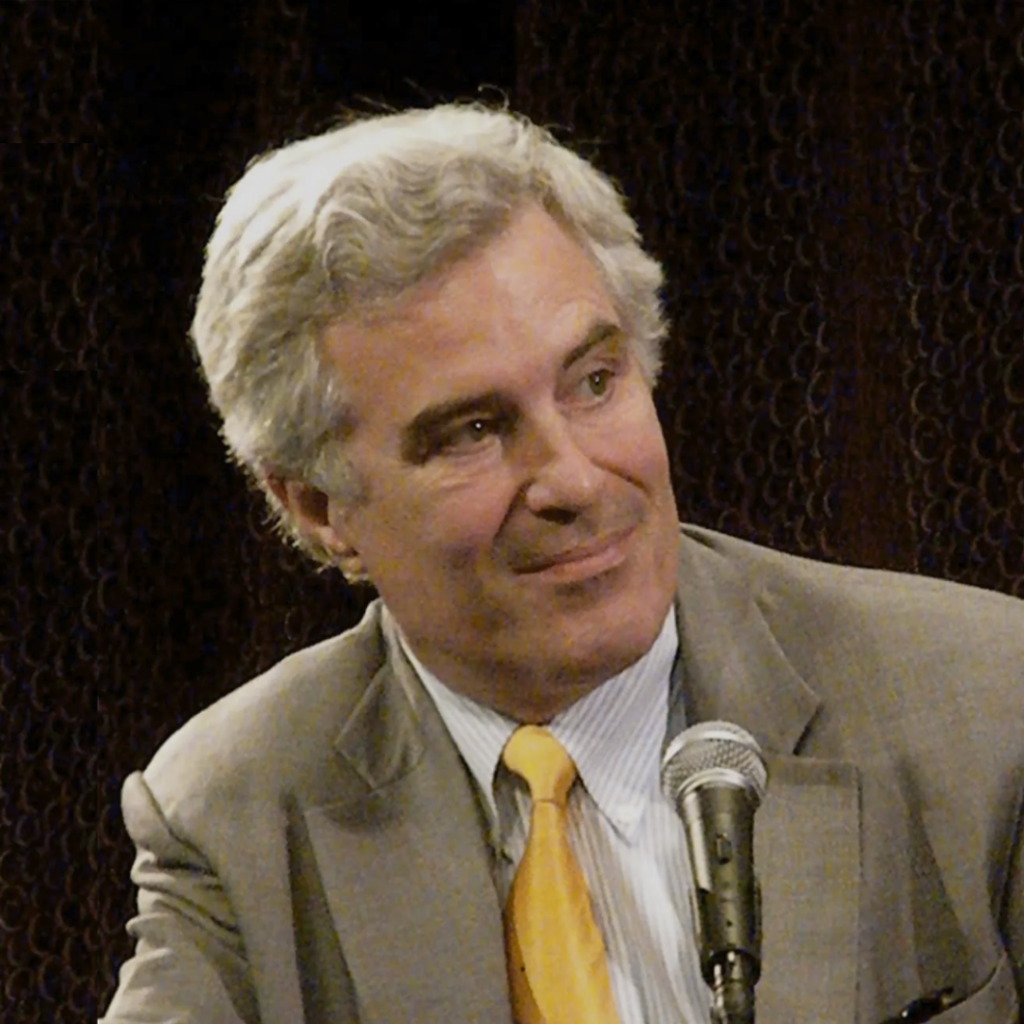
Christopher Leinberger has had a singular career embedded in urban land use issues – as a strategist, teacher, developer, researcher and author. Recently retired from academia, he most recently taught at George Washington University as the Charles Bendit Distinguished Scholar & Research Professor and chair of the Center for Real Estate and Urban Analysis. His new venture is a startup, Places Platform, developing tools and methodologies to measure economic, social equity and environmental conditions in cities and metropolitan areas.

Growing up in the 1960s and 70s, Chris learned early the value of connecting coursework and theory with hands-on community engagement. Although he first put his business degree to work in the corporate world, Chris found he wanted to run his own organization and opted to take over management of Robert Charles Lesser & Co (now RCLCo), a one-office real estate consulting firm in Southern California, first as executive vice president, then as an owner and managing director. By 2000, RCLCo had become one of the largest real estate advisory firms in the U.S., with four offices nationally. Chris then moved to work as a developer full-time, co-founding the Arcadia Land Company, for which he is still a managing partner.

From 2005-18, Chris served as a fellow at Brookings’ Metropolitan Policy Program researching, writing and speaking on issues of walkable urbanism and metropolitan governance. He also helped found LOCUS (Responsible Real Estate Developers and Investors), serving as president from 2008-16, to help push political advocacy at the federal and regional level for a walkable urban future. In addition to George Washington University, Chris has taught at the University of Michigan, University of New Mexico and Harvard Graduate School of Design. He is the author of two books, Strategic Planning for Real Estate Development Companies (1994) and The Option of Urbanism, Investing in a New American Dream (2008).

Key findings from  Foot Traffic Ahead 2023 include:

  1. To paraphrase Mark Twain, the reports of the death of walkable urban cities and towns are exaggerated.  Walkable urban places still have substantial price (rental rates and sale price) premiums over drivable sub-urban areas as of the end of 2021, the trough of the pandemic. The premiums are 35-45% for office, retail, rental housing and for-sale housing. In FTA 2019 the price premiums were 40-50%…so down by 5 percentage points but still substantial. Plus, all 35 metros saw their walkable urban places gain market share at 2.8 times their 2017 market share…which means drivable sub-urban places lost market share. 
  2. We know for the first time ever that in the top 35 metros, only 1.2% of the metro land mass was walkable urban…in almost all of the other 98.8% of land, walkable urbanism is illegal, due to zoning and NIMBY opposition.  We need to increase the walkable urban land to 6-8% of metro land use, so as to drive down land prices to make it more affordable.  Our research shows that the bulk of the reason for the affordable housing and homelessness crisis is extraordinary land costs, which is created by the obsolete zoning and NIMBY opposition to housing production, especially walkable urban housing.
  3. This tiny sliver of land, 1.2% of the top 35 metros, generates nearly 20% of US GDP!  This sliver of land is even smaller when you realize that it is 0.07 of 1% of all US land, which produces such a large share of US GDP.  Plus, 7% of the US population live in this tiny amount of land.
  4. Past research shows that walkable urban places almost always generate a net fiscal impact for local government, while most drivable sub-urban places have to be subsidized, even high end subdivisions need subsidy.  Building more walkable urbanism is the best way to keep local government fiscally healthy.  Arlington, VA is a national model for this since they have 10% of their land mass built out as walkable urban.  This walkable urban land has created huge financial support for their nationally outstanding schools, in spite of the fact that Arlington has a large immigrant community with 80 languages spoken in their public schools.
  5. The 8 highest ranked walkable urban metros are Metro NYC, Boston, Washington, DC, Seattle, Portland, San Francisco, Chicago and Los Angeles.  Metro LA may be surprising to readers…it is due to their investment in rail transit ($180 billion, by far the most in the country) but also the urbanization of the suburbs (Pasadena, Glendale, Santa Monica, Long Beach, etc.).  However, they did not fare as well in social equity ranking.
  6. On social equity, we demonstrated that highly ranked Metro NYC and Washington, DC rank very high…showing you can “do well while doing good.”  However, rising walkable urban LA is also dead last in social equity…lack of high density zoning around their new rail stations which continues to crush the dreams of low and moderate income households for affordable, transit-served housing. 
Read the podcast transcript here

Eve Picker: [00:00:10] Hi there. Thanks for joining me on Rethink Real Estate for Good. I’m Eve Picker and I’m on a mission to make real estate work for everyone. I love real estate. Real estate makes places good or bad, rich or poor, beautiful or not. In this show, I’m interviewing the disruptors, those creative thinkers and doers that are shrugging off the status quo in order to build better for everyone. And speaking of building better, I’m very excited to share that my company, Small Change, is now raising capital through a community round that is open to the public. Small Change is a leading equity crowdfunding platform for impact investment in real estate. For as little as $250, anyone 18 and over can invest in Small Change, helping to fuel our growth as we disrupt the old boys club of capital that routinely ignores so many qualified people and projects. Please visit wefunder.com/smallchange to review the full details of our raise and to make an investment if you can. And remember, investing is risky. Don’t invest more than you can afford to lose.

Eve: [00:01:45] Is the city dead? Christopher Leinberger doesn’t think so. He recently co-authored a report called “Foot Traffic Ahead 2023” that loudly proclaims the city is not dead. Post-pandemic price premiums and increased market share dominate walkable urban places. These findings may cement walkable places as the wave of the future. They point to us moving toward a more connected, environmentally sustainable way of life. Christopher has a storied career in real estate policy and development. His most recent project, Places Platform, is an information services company that tells you what location, location, location is actually worth. You’ll find a more detailed bio and report highlights on Rethinkrealestateforgood.co. Listen in to learn more. If you’d like to join me in my quest to rethink real estate, there are two simple things you can do, share this podcast and go to RethinkRealEstateforgood.co, where you can subscribe to be the first to hear about my podcasts, blog posts and other goodies.

Eve: [00:03:08] It’s nice to have you back, Christopher.

Christopher Leinberger: [00:03:11] Glad to be here.

Eve: [00:03:12] So, the common theme in your development work is the one you discovered when, I remember you said this, you were eight years old. The value of well-developed, walkable, urban land. And how did that walkable theme just come to take such center stage in your professional life?

Christopher: [00:03:33] Well, at first it didn’t. When I was first running, Robert Charles Lesser and Company, the largest real estate consulting firm in the country. And this is back in the bad old 1980s. And all that we were doing was drivable suburban master planned communities and stuff that I really didn’t like. But I just said, hey, the market wants it, got to give it to them. But then by the late 80s, early 90s, I remembered my growing up in Philadelphia and, you know, a lovely place Rittenhouse Square is and other great walkable urban places. And how come we weren’t building these places again? And then the market in the 90s began to accept walkable urbanism. I explain it that the pendulum went from only wanting drivable suburban, moving over to demanding walkable urban once again. So, I was thrilled that the market came around to where I would like it to go.

Eve: [00:04:39] I even remember that Urban was a not a good word to describe it.

Christopher: [00:04:44] That’s really true. I did a cover story for The Atlantic calling; How Business is Changing America. It directly led to the book Edge Cities that Joel Garreau wrote. You know, Edge City was basically this article, two, three years later in book form. And the managing editor of The Atlantic, I was calling them urban villages then. And he said, don’t use urban. That means it’s depressing, it’s never going to get fixed. It means it’s heavily minority. Nobody wants to talk about that. Well, we’re back to urbanism is cool.

Eve: [00:05:23] Urbanism is very cool. So, but why is walkable so important?

Christopher: [00:05:29] Well, transportation drives development. And for the last 10,000 years, we’ve been building cities. The transportation system or systems you have dictates what you build. So, with drivable sub-urban, it’s all cars and trucks. There’s no other option. With walkable urban, you can get to these places by cars and trucks or by freight rail or by transit, by bus, by bicycle, by walking there. But once you’re there, everything you need is within walking distance. And it just changes your life. It’s just a fundamentally different lifestyle. As anybody who has experienced both ways of building the built environment, because that’s all there are. There are just two, drivable suburban, walkable urban. Within each of those, there’s a whole spectrum of different ways of building. But they’re two fundamentally different ways of using the 42% of our wealth that we put into real estate.

Eve: [00:06:34] And I suppose it’s become much more important as climate change has become much more dominant because we want to find ways to leave our cars at home. Right?

Christopher: [00:06:43] Exactly. Everybody understands that walkable urban is crucial to the environmental efforts that we must undertake. What they don’t understand is that it’s the number one thing to do as far as addressing climate change. It’s number one.

Eve: [00:06:59] Oh, that’s interesting. So, you’ve now launched Places Platform, which I think I heard you say you hope will become the Bloomberg of real estate and the built environment. And tell me about that. What do you hope to accomplish with Places Platform?

Christopher: [00:07:14] We hope that this will be a decision-making engine for anybody, making a decision about how to invest or reinvest that 42% of a country’s wealth. It’s the largest asset class in the economy, and it’s all of our real estate, it’s all of our infrastructure. And it is critical to our economy. And right now, we don’t have a way to intelligently make decisions based upon the mixed-use nature of this world. We have silos in for sale residential, a silo in rental apartments, a silo in retail. Places Platform looks at all real estate product types and allows you to understand at the place level, at the dirt level, on up, where should you be making investments? Where should you be disinvesting? And what does it mean for social equity? And what does it mean for the financial health of our local jurisdictions? All of these questions are vaguely understood by the participants. We hope to give them a tool on their desktop to make these decisions in real time. It could even be used in a public meeting saying, what if we double the density of a place? What if we put in not rail transit but bus rapid transit? What will that do to the economics? What will that do to the net fiscal impact for that jurisdiction? Will it make the local government money? So, that’s what we hope to do.

Eve: [00:09:00] So, how far have you come in building the platform?

Christopher: [00:09:03] We have the 35 metros that we have all the real estate data for sale, housing, office, retail, industrial. We are moving it very rapidly to 100, the largest 100. And within a year we’ll have the entire country. So that, you know, we’ve been doing a lot of work in Grand Rapids, and we help them understand what the value of their downtown is, but also what are you subsidizing or making money as a city for these different places? And the surprising thing was that one of the downtown districts was the most socially equitable, had the most affordable housing. Also, quite vital. It was a, you know, a hip place, they had their food hall there and they had their arena there. But it was where most of the homeless services were as well, and homeless housing. That place, which was about 200 acres in size, was making scads of, tens of millions of dollars per year net profit to the city. Meanwhile, comparable places that were high income, you know, primarily white housing districts were being subsidized. The city didn’t know that. They had no idea. They just assumed that the high-end housing districts were making the money. No, they were losing money.

Eve: [00:10:36] And the further out they are, the more suburban they are, the more resources the city has to put into sewer systems and roads and everything that, the infrastructure that serves them, right.

Christopher: [00:10:49] There are 16 infrastructure categories and all of them, you know, there’s sewer, water, roads, police, parks, all of them are cheaper in higher density places. And they are 10 to 20 times more expensive on the per house basis for drivable suburban sprawl. It’s hugely more expensive.

Eve: [00:11:15] So, you studied 35 US metro areas. The 35 that you’ve got all the information for in a recent report I saw called Foot Traffic Ahead, and I wanted to talk about your findings, which was really focused on walkable areas. So, you know, how much of the total landmass of the US is actually walkable, or of those 35 US metro areas?

Christopher: [00:11:42] That was one of the remarkable things that we found for the first time. 1.2% of those 35 metros, 1.2% of their land mass is walkable urban. That’s it. Not much at all.

Eve: [00:11:59] Interesting.

Christopher: [00:11:59] And so, the other 98.8% by definition are drivable suburban. And by the way, it is, in almost all of that 98% of their land mass, it is illegal through zoning to build walkable urban there. So, we have basically ghettoized walkable urban in this very small amount of land. But the amazing thing is, is that 7% of the country’s population live in that 1.2% of those top 35 lands and nearly 20% of the gross domestic product of the country is created in that 1.2% of that land.

Eve: [00:12:41] So, density is a good thing, right?

Christopher: [00:12:43] Very good thing every which way. Density is a very good thing.

Eve: [00:12:46] So, that land, mass and walkability, how does that impact our housing crisis?

Christopher: [00:12:52] It impacts it because walkable urban land and places Being so restricted to that 1.2%, It’s an artificial constraint. As a result, the housing and the office and the retail Is much more expensive. 40 to 45% on a price per square foot basis, more expensive than drivable suburban. And that is primarily due to how much we’re paying for the land in that 1.2%, that the land prices have gone through the roof. It’s just crazy. We have no shortage of land in this country. And yet we’ve artificially constrained walkable urbanism to this 1.2%. And it’s driven up the land prices, it’s made it more unaffordable.

Eve: [00:13:48] So, we need to take the edges of these walkable areas and pull them out and make them bigger, bigger, bigger, right?

Christopher: [00:13:55] Exactly. But, you know, we don’t need to convert single family land into walkable urban. Now with single family land, we should, the only thing we need to do there is make it legal to build granny flats if the owner of the single-family house would do it. That’s not legal either in the vast majority of our single-family zoning.

Eve: [00:14:19] Right.

Christopher: [00:14:20] But we need to take that 1.2% and increase it to 6 to 8%, so we flood the market with land that will drive down the cost of housing.

Eve: [00:14:32] If the single-family housing on the edges of this walkable land, isn’t there some value in saying, okay, the single-family zoning exists today, but in the future we want to have more density on these sites as they become available?

Christopher: [00:14:49] I guess I figure, I’m a pragmatic kind of guy. And if we can solve the housing crisis by increasing the land mass that’s walkable urban from 1.2% to 6% and not take on the millions of people that are very happy in their single-family home. You know why lift that.

Eve: [00:15:15] Why rock the boat? Yeah, yeah, yeah. I get it, I get it.

Christopher: [00:15:16] When you can just focus on a much smaller piece of land.

Eve: [00:15:19] But then, where is that land? How do you find that land?

Christopher: [00:15:21] Oh, there’s plenty of land. There’s plenty of land. Oh, Lord. Keep in mind, I live in Metro DC, which is about 6 million people. And Metro Paris is literally twice the size. So, they have 12 million people. However, Metro Washington occupies four times the land of metro Paris.

Eve: [00:15:45] Right.

Christopher: [00:15:46] So, we’re built at one eighth the density of Paris. And nobody feels sorry for people who have to live in Paris. So, there’s plenty of land. There’s plenty of land. Some of the best ones. And they’ve just made this possible out in California. They’ve upzoned strip retail. And made it so that at the state level they pushed this down to the local governments that you must convert your strip retail into by right zoning that allows for high density residential on top of retail.

Eve: [00:16:22] That makes a lot of sense. So, in other words, zoning can really be like a primary driver for releasing this land and permitting more density where the land already exists. Right. That makes a lot of sense.

Christopher: [00:16:36] Exactly. And it’s going to increase the fiscal health of our cities. It’s going to increase the amount of housing in our metropolitan areas, which will help address homelessness and the housing crisis as far as just sheer affordability. It’ll be, as I said, it’s a number one thing we can do to address climate change. And the thing is, is that the single-family housing around that strip retail, right now, many times that strip retail is dead or dying. And when you create walkable urban places, it increases the quality of life and therefore the price of those homes. Because rather than walking to a strip mall, you could walk to a vital, a walkable, vital place and you’re going to increase your quality of life. We call this the halo impact of walkable urbanism. We have found that single family housing within walking distance of walkable urbanism have a 40 to 80% price premium over a comparable house. That’s not within walking distance of great urbanism.

Eve: [00:17:52] Interesting. So, the price premium, is that likely to go down if walkable areas increase in size?

Christopher: [00:18:00] I hope so. I hope that we can satisfy the market and then do what real estate developers always do. They overbuild the market, hence tanking the price during a downturn.

Eve: [00:18:14] Yeah. Okay. So, right now, what’s the highest ranked walkable city? And you have a group of eight of them, I think.

Christopher: [00:18:21] So, as you would expect, it’s always been New York. This is the fifth time we’ve done this survey and Metro New York is always at the top. Now, major caveat about New York. A, their walkable urbanism is pretty much confined to the city and pretty much confined to Manhattan Island. Everybody goes to New York; they go to Manhattan. Manhattan is 0.3 of 1% of metropolitan New York’s land mass. So, it’s tiny. But everybody has this image of New York based upon that 0.3 of 1%. The rest of metro New York is built at much lower density than metropolitan Los Angeles, much lower density.

Eve: [00:19:09] That’s interesting.

Christopher: [00:19:10] And they have very little of what’s the development trend of the future, which is the urbanization of the suburbs. Yes, they have Jersey City and White Plains and Stamford and Princeton, but they don’t have it like here in Metro DC, where there’s 30 walkable urban places in the suburbs and growing because that’s where most of the people live. Most of them live in the suburbs and they want walkable urbanism, but they don’t necessarily want to move into the center city.

Eve: [00:19:44] So, who else is at the top of the list and who’s at the bottom?

Christopher: [00:19:48] So, it’s New York and then Boston, Washington, Seattle, Portland, San Francisco, Chicago, and the eighth highest in this highest rank is the only real surprise, and that’s Los Angeles. I used to live in Southern California. And the thing about Southern California that most people don’t know, is that it was built around a very extensive rail transit system back in the early 20th century. By 1945, Los Angeles had the longest rail transit system in the world.

Eve: [00:20:27] Wow.

Christopher: [00:20:28] And by 1962, they ripped it out. And what they’re doing today, they’ve taxed themselves $180 billion. This is primarily local generated funds to put that system back in. There are about 60% there. So, they’re rising in the rank because they’ve invested in.

Eve: [00:20:49] They’re paying attention. Yeah.

Christopher: [00:20:51] With one exception. We also rank these 35 metros based upon their social equity. What does it mean if you’re a moderate to low-income household? Is this a good place to live? And Los Angeles ranked dead last 35 out of 35. And as best we can understand, the reason for that is zoning and NIMBY opposition to building housing. They build all these rail transit stations and then they forgot to upzone to allow the, you know, the industrial locations and the single-family locations around the stations to upzone to build high density so people can walk to the train station.

Eve: [00:21:38] It’s a perfect example of walkability being exclusive, right, for the very wealthy. What a shame. It’s the reverse of what should be happening. You assign three rankings for the cities, the 35 metro areas that you looked at, foot traffic, social equity and future momentum. And I wanted to understand how you arrived at those three rankings and exactly what they mean.

Christopher: [00:22:05] Sure. So, the foot traffic ahead ranking is what percent of your real estate inventory, office, retail, multifamily rental, for sale housing, those were the four that we looked at. What percent of that total inventory, those tens of millions of square feet of space that is in your metropolitan area, what percent is walkable urban and what percent is drivable suburban? And so, those with the highest percentage walkable urban will rank highest, and those that have very little walkable urban, you know, just a few percentage points of their total inventory will rank at the bottom. And those include Phoenix and Orlando and San Antonio and Las Vegas. These places that are absolutely built around the car. And if you want to participate in society in Las Vegas or San Antonio or Orlando, you must, it’s mandated, from on high, you must own a fleet of cars for your family, your household, to participate in society. So, that’s the ranking for foot traffic ahead index.

Eve: [00:23:22] And what about social equity, the second ranking?

Christopher: [00:23:24] So, social equity is an index. So, there’s three different components that go into it. And the most important one is how much does a moderate-income household say, 80% of the area median income. What percent of that household income is spent on housing, the number one category of household spending, and on transportation. And why that’s important is the transportation is the number two household spending category. And so, it really revolves around where do you live and are you forced to rely upon cars?

Eve: [00:24:15] Right.

Christopher: [00:24:15] The average American household spends about 18% of their household income on transportation. If you live in a walkable urban place, you spend 9%, half of that on transportation because you have transit and biking and walking. You can drop cars out of your household. Maybe you only have one, maybe you don’t have any. A low-income drivable suburban household has to spend 25% of their household income on transportation.

Eve: [00:24:43] And I assume it goes up the further out from the city they are and.

Christopher: [00:24:48] Exactly.

Eve: [00:24:48] You know, the more affordable housing now is being pushed further and further out. So, it’s just making the problem worse and worse, right?

Christopher: [00:24:55] Exactly. Basically, our affordable housing strategy in this country has been drive until you qualify. So, just go and drive another ten, 20 miles and you’ll find cheap enough land and cheap enough housing that you’ll be able to afford it. However, you’ll never see your kids and you’re polluting the planet and your public health goes down because we know there’s a causal connection between how much you drive and obesity.

Eve: [00:25:23] Yes. Okay, and then the third one, future momentum, which sounds the most interesting to me. What does that mean? What is future momentum?

Christopher: [00:25:33] The main issue with future momentum? There’s a few different factors, but the main factor is how fast is walkable urbanism’s market share growing? And so, think of this as EVs, you know, electric vehicles. EVs in this country, and I don’t know the exact number right now, but roughly there are 5% of the total fleet is EV. But 10% of new car sales are EVs.

Eve: [00:26:07] So, it’s growing.

Christopher: [00:26:08] So, they’re growing twice as fast as their market share. Same thing is happening with walkable urbanism. All 35 metros, the walkable urban is gaining market share at a rapid rate, almost three times faster than their base market that we looked at in 2017. So, the growth from 2017 to the end of 2021 growing at 2.8 times faster than their market share in 2017. And those metro areas that have high future momentum are ones that have very high market share changes, what we call market share shifts. So, Atlanta, the market share shift is four times faster. You had mentioned Pittsburgh.

Eve: [00:27:02] Well, yeah, Pittsburgh is an interesting example. That’s my hometown. So, fared well in foot traffic and the ninth spot, and then very well in social equity at the sixth spot. And then awfully in future momentum, 33rd, not a lot better than.

Christopher: [00:27:19] No. And that’s because their market share is not growing. That’s one of the lowest market share growths in the country.

Eve: [00:27:27] That’s horrible.

Christopher: [00:27:28] I know it’s a shame because you’ve got great housing stock. Pittsburgh’s been around for years, and they’ve got great, walkable urban. Basically, there’s a cutoff in this country. At about 1940, housing stock built before 1940, almost all of it was walkable urban and that’s where the biggest boom, that’s where all the gentrification is going, is homes that were built prior to 1940 that went downhill economically in the late 20th century. And now young people just say, wow, we got to live in these. My wife and I have five kids between us, all five of them, they’re all married. They all own their own homes. 4 of 5 of them are in pre-1940, housing, tiny lots walkable urban when they were built, and then all the retail went away in the late 20th century, and now all the retail is coming back. So, they have a place to walk to get a quart of milk to go to a restaurant, right.

Eve: [00:28:29] Pittsburgh also has a great walkable downtown. It’s really amazing.

Christopher: [00:28:32] Yes, it is.

Eve: [00:28:33] But what does a place like Pittsburgh do to change that outcome?

Christopher: [00:28:38] A lot of this is going to be well, obviously, we talked about zoning that you’ve got to get the zoning right. You have to make the right thing easy. I’m also a developer. I’m not active with my development company. I started this firm about 20 years ago, but I’m now just a limited partner, and this firm was involved with a conversion of 120-acre golf course to a high density, walkable urban place. Over the years, this golf course got surrounded by freeways. And it’s a half mile from the King of Prussia mall, which is the largest mall on the East Coast. It took us 12 years to get zoning approval, which included a trip to the state Supreme Court. And it became the largest zoning overturn decision in the history of the country. And we kept on writing checks for 12 years with no assurance. And today, after ten years of building it out, we’re 70% built out. It is the downtown. It’s the social center of this part of Montgomery County. People love it. It’s where they go for date nights. It’s where they take their kids for all their birthdays because of all the water fountains and all that stuff.

Eve: [00:29:58] But you know, who has the tenacity to do that?

Christopher: [00:30:01] Or stupidity. We had the stupidity.

Eve: [00:30:04] I think the tenacity. I think that’s pretty remarkable. But yeah, hindsight is pretty easy, right? I bet everyone there is saying, oh, this is wonderful and forgetting the real pain of getting there.

Christopher: [00:30:16] So, that’s number one. But then number two is engaging in place management and place strategic planning. Recognize that each of these places, I liken the place level as the fifth level of governance in our society. We have federal, state, regional, city and then place. And these places that are walkable urban must have a strategy and they must be managed on a day in, day out basis. Tends to take the form of Main Street organizations, could be business or community improvement districts. A lot of private sector developers are just doing it themselves. Boston Properties does this a lot with their major projects like Reston Town Center, and somebody’s got to be in charge and managing 24/7. The safety, the cleanliness, the festivals, the economic development, manage the parking, engage in new economic development strategies, all sorts of things that a mayor would be doing for a city needs to be done at the place level as well.

Eve: [00:31:27] So, then what’s the biggest surprise in all of this research for you?

Christopher: [00:31:31] Well, the biggest surprise was how small the land mass was. We knew it was small, but not 1.2%. I obviously made a apples-to-oranges comparison here with that 1.2% of the land in these 35 metros generates nearly 20% of the country’s GDP. If you took that land and showed what percent of the US land is it? It’s under 0.1 of 1% of US land.

Eve: [00:32:02] Wow.

Christopher: [00:32:02] Generates 20% of the GDP. We didn’t know that.

Eve: [00:32:07] I suppose, in summary, what do you think it will take to move the needle to a higher percentage of workable land?

Christopher: [00:32:14] Well, one thing that’s going to drive even the most resistant person or government official or developer, is that many of our local jurisdictions are in deep trouble fiscally. That, number one, they probably have a pension plan for their workers that is dramatically underfunded. And they’re going to have to increase taxes to pay off the promises they’ve made to their police and fire and to their civil servants because there’s just no money in these pension plans. That’s number one. Number two, though, is their infrastructure, particularly the drivable suburban infrastructure, has been in place for the last 30, 40, 50 years. That’s their effective life. You have to go in and repair them, replace them, and it’s going to cost more to replace them in real dollar terms than to build them in the first place. Because you’re using them while you repair them?

Eve: [00:33:23] Yes.

Christopher: [00:33:24] With roads, you have to, you know, you have to do the work at night and on weekends because you have to keep the road open during rush hour. Yes. And at nights and weekends, you pay two and three times the cost of labor.

Eve: [00:33:40] And you get a lot of complaints.

Christopher: [00:33:42] A lot of complaints. So, our jurisdictions can’t afford their current drivable suburban approach to life. They just can’t afford it. And we have done enough fiscal impact studies, and also our partner in the Smart Growth America has done many, many fiscal impact studies that demonstrate that walkable urban land generates ten to 20 times the positive fiscal impact on cities that drivable suburban generates.

Eve: [00:34:19] So, just to wrap up, what’s next for you? Do you have another report you’re working on?

Christopher: [00:34:26] Yes, working on digging further into the foot traffic ahead study. One of the things that we found out is that the pandemic was a bump in the road for walkable urbanism, that the premiums went down about five percentage points. So, it’s roughly now 40 to 45%, depending on which product, housing or office. And it used to be 45 to 50%. So, that bump in the road, we’ve been isolating it, and the bulk of that decrease in price premiums was due to our downtowns. Not downtown adjacent places, not urban commercial places, not urban university places, not suburban town centers, not the redevelopment of suburban malls. There’s many types of walkable urban place. Most people do think downtown as walkable urban. That’s where the problem is, in our downtowns. And the reason for that is that our downtowns got addicted to office space. Basically, there’s a theory in finance called the portfolio theory that in other words, don’t put all your eggs in one basket. And our cities put all their fiscal future in the office basket. And now downtown offices got crushed in the pandemic. And they’re going to be, continue to be crushed as these office leases roll over because these are five and ten year leases and they’re coming due and people will leave or take much less space. So, we are all obviously focusing on how can we redevelop again, our downtowns. And the obvious example or the obvious direction is to convert offices to residential. Very important that that be done, but it’s going to be very painful.

Eve: [00:36:29] So, that’s happening in Pittsburgh already. There’s already quite a few announcements for building conversions, which has been really interesting to watch. I live downtown, so it’s becoming a bigger neighborhood pretty rapidly.

Christopher: [00:36:42] That’s the important thing. One of the things we learned during this pandemic is that the downtown adjacent places that grew rapidly over the last 20 years. You know, the downtown adjacent places that surround a downtown have been doing so well. Their portfolio profile is, you know, 30, 40% office, 40, 50% residential, 10% support retail, maybe 15% retail, and then some civic functions, stadiums or museums. They have a much more stable portfolio. And they did very well, in fact, better than they did before, because many of the office workers working downtown stayed home.

Eve: [00:37:32] Yeah.

Christopher: [00:37:33] And they went to the restaurants at lunch.

Eve: [00:37:37] Yes.

Christopher: [00:37:37] They just hung around in their downtown adjacent places. So, these downtown adjacent places did better during the pandemic.

Eve: [00:37:43] Yeah, I would believe that.

Christopher: [00:37:43] Downtown has to learn from the downtown adjacent places as to balancing their portfolio.

Eve: [00:37:49] Well, thank you very much. Thanks for joining me. And I can’t wait to see the next report. I love the work you’re doing, and this is really important work, I think.

Christopher: [00:37:58] Great. Thank you, Eve. Okay. Good to see you.

Eve: [00:38:00] Okay. Thank you very much.

Christopher: [00:38:02] Okay, bye bye.

Eve: [00:38:10] I hope you enjoyed today’s guest and our deep dive. You can find out more about this episode or others you might have missed on the show notes page at RethinkRealEstateforGood.co. There’s lots to listen to there. You can support this podcast by sharing it with others, posting about it on social media or leaving a rating and review. To catch all the latest from me you can follow me on LinkedIn. Even better, if you’re ready to dabble in some impact investing yourself head on over to wefunder.com/smallchange where you can invest directly in Small Change and our mission to democratize capital formation to create impact in commercial real estate development. A special thanks to David Allardice for his excellent editing of this podcast and original music, and a big thanks to you for spending your time with me today. We’ll talk again soon. But for now, this is Eve Picker signing off to go make some change.

Image courtesy of Christopher Leinberger

The power of Fintech.

April 19, 2023

Technology is the bomb. But when you set technology loose on the problems of the world, that’s when things really start clicking.

The Fintech Times agrees with me. This month they are focused on fintech companies that meld diversity and inclusion into their financial services. My interview with them kicked off their investigation.

I’ve faced “plenty of challenges” around the notion of achieving inclusion, but financing opportunities tops the list. This struggle served as the catalyst that launched my equity crowdfunding platform, SmallChange(dot)co, which is squarely focused on including everyone.

Capital is an old boys club. The members of that club invest where they feel most comfortable. And In real estate this means that capital (lots of it) flows into the same neighborhoods, for the same kinds of projects, often being developed by the same few people. Over and over again.

  • Women, and people of color get left out.
  • Smaller projects that need less than $10 million in equity get left out.
  • Opportunities to kickstart local economic growth are ignored
  • Rich areas get richer, poor areas get poorer.

I’ve built the first (and perhaps only) crowdfunding platform fully focused on impact in real estate. On Small Change anyone can invest directly into real estate projects for as little as $250 (as long as they are 18). And developers can raise up to $5 million for their projects every year, directly from the crowd.

We’re focused on democratizing capital formation for real estate projects, offering investment opportunities to everyone with the potential for real impact and real returns.

Read the Fintech Times report here.

Image courtesy of The Fintech Times

Fix Development.

April 5, 2023

Juli Kaufmann believes in a quadruple bottom line return. Her company, Fix Development, applies this philosophy to each and every real estate project in their portfolio, prioritizing economic stability, environmental stewardship, social equity, and cultural continuity.

Juli founded Fix Development in 2009, and has since developed more than $25 million in real estate projects in Milwaukee. While Fix Development operates as a “for-benefit” company, Juli’s focus is on businesses that generate earned income but give top priority to social mission. The Aux Evanston, a project to be owned 100% by the community, is a great example of this.

Juli is also the managing member of Riverbee Collective, a collective of over 40 investors who all own a piece of a Milwaukee building formerly known as the Cream City Hostel. This building was redeveloped by Fix Development, and the Riverbee Collective is currently transitioning the building into a housing cooperative meant to support people dealing with losses and uncertainty such as jobs, instability and landlord challenges. She is also a founding member of Fund Milwaukee, an investment group that seeks to match unaccredited local investors with opportunities to support local entrepreneurs, all while focusing on impact. The effort has raised over $1 million in local capital to date. Juli is also a founding member of Bublr Bikes, Milwaukee’s bike sharing system. She also consults on impact-based commercial real estate development projects, providing guidance on real estate and financing development strategies.

Awards include the 2020 Milwaukee Magazine Betty Award, which honors remarkable women in the community: 2018 Woman Executive & Executive of the Year by BizTimes Milwaukee;  2017 Biggest Neighborhood Impact Award by the Milwaukee Business Journal: and a 2013 AIA Top Ten Green Projects in the Nation, for The Clock Shadow Building, in Milwaukee.

Read the podcast transcript here

Eve Picker: [00:00:19] Hi there. Thanks for joining me on Rethink Real Estate for Good. I’m Eve Picker and I’m on a mission to make real estate work for everyone. I love real estate. Real estate makes places good or bad, rich or poor, beautiful or not. In this show, I’m interviewing the disruptors, those creative thinkers and doers that are shrugging off the status quo in order to build better for everyone. And speaking of building better, I’m very excited to share that my company, Small Change, is now raising capital through a community round that is open to the public. Small Change is a leading equity crowdfunding platform for impact investment in real estate. For as little as $250, anyone 18 and over can invest in Small Change, helping to fuel our growth as we disrupt the old boys club of capital that routinely ignores so many qualified people and projects. Please visit wefunder.com/smallchange to review the full details of our raise and to make an investment if you can. And remember, investing is risky. Don’t invest more than you can afford to lose.

Eve: [00:01:59] People, planet, profit and place. This is the return that Julie Kaufmann believes all real estate should achieve. Less than that is simply not good enough. Julie founded her company, Fix Development, with this explicit goal. She applies the philosophy to each and every project in her portfolio, prioritizing economic stability, environmental stewardship, social equity and cultural continuity. One recent example is The Aux in Evanston, Illinois, a vacant warehouse destined to be converted to a black owned business wellness hub. The goal is for the community to own and manage the building, with investors contributing through a crowdfunded capital raise, and Julie has orchestrated this in the background.

Eve: [00:02:58] Hi Julie, it’s really great to have you on my show.

Juli Kaufmann: [00:03:01] Hi Eve. Good to see you.

Eve: [00:03:04] So, you’ve said that the driving force behind the fixed development business model is your quadruple bottom line philosophy, and I wanted to learn about that. What is that?

Juli: [00:03:16] The quadruple bottom line is sort of a morphing of what’s more commonly referred to as a triple bottom line for people, planet and profit. I think that’s language that got some traction in recent years. I in my work really just, personally in my life really, just care you know a lot about people, a lot about planet and I understand we live in a world where profit or money drives basically everything. So, for me, it was always just more about finding pathways that had to do, had impact beyond just my pocketbook. But the fourth element really is about place or culture. So, people, planet, profit and place, recognizing that, you can’t just drop in something that’s beautiful for the environment and good for a few people. It really has to be of the fabric of place to be meaningful in a way that I think transcends time. And I try to integrate that fourth bottom line in the work I do as well.

Eve: [00:04:17] So, how did you build your development company around that idea? That’s a lot.

Juli: [00:04:24] Yeah, I mean, it’s a lot. It just I think it makes sense in hindsight when people are like, what do you do? Try and creating a framework to make sense. But what I really like to say is I built my company and I called it Fix Development because I was just an individual who was an activist and wanted to fix shit. If I can say that in your podcast.

Eve: [00:04:41] Of course you can.

Juli: [00:04:42] So, I was like, I shortened it to Fix Development to be a little more appropriate. But I think that I’ve evolved as a human, as an activist, it’s my nature. And that started back in college, you know, protesting and being activist around a number of topics, including climate change. We didn’t even call it climate change back in those days. But nonetheless, thinking about, how do I be the change I want to see in the world? And eventually I found my way to entrepreneurship only because I was living in neighborhoods all the time and concerned about what I saw in my own neighborhoods. Why were there toxic brownfields? Why was there disinvestment? Why were there lack of things that I wanted to go to like ice cream shops in my neighborhood? And what can I do as an individual to make that look differently? And so, it really is just around that activism background and a do-it-yourself mentality that the world is not going to change for us and the systems are increasingly morphing against us, if you will, us being the euphemism for the individual and our own self-determination. And so, through that lens, I started to think about what I wanted my little corner of the world to look like, and development became the vehicle I used.

Eve: [00:05:55] So, you know, then Fix Development, what needs to be fixed in development? I sprung that one on you, right?

Juli: [00:06:04] What doesn’t need to be fixed? Yeah. I mean, I think what you focus on in your podcast, are these themes are very common for us change agents in this work and it’s really the financial systems and real estate systems themselves. They’ve been, the architecture of those systems, are built around white male dominance and that’s not always bad but it’s exclusionary and we’re a diverse, multicultural world. And in my community, that’s certainly applies. And in my neighborhood that applies. And when you don’t have all those voices and perspectives and ideas at the table, it changes what the world looks like. And it’s not always for the better. And when you’re increasingly driven by solely economic profit of singular profit, financial profit as a bottom line, it’s no surprise that there’s toxic waste dumps all around us and that people are marginalized in decision making because they’re not valued. And so, I even forget the question, but I think all of that needs to be fixed.

Eve: [00:07:05] All of that needs to be fixed. Yeah, yeah, yeah. And it goes really deep, doesn’t it? Because that filters into zoning and all sorts of things that impact the physical world around us. But what led you to launch Fix Development? What were you doing before?

Juli: [00:07:21] You know, my background is, I started in corporate America. I worked for Procter and Gamble, and I sold like Downy fabric softener. You know, gross right? Sort of sucked the soul right out of me. But it’s useful, I have a business degree background and I think it’s useful as a training to understand the mindset of a lot of smart people in the world and how they apply their intellect. And I didn’t view it as meaningful. And I eventually worked my way through some nonprofits thinking mission driven work would be a solution. But you find very quickly that all sectors of the world have systems that are oppressive and dominant paradigms that are part of the problem and not the solution. And so, you know, I found my way, like many entrepreneurs, to entrepreneurship. And I think the reason real estate was my calling had more to do with just neighborhood activism. Like I could see places and wanted to see places look differently. I don’t have formal training in real estate development.

Eve: [00:08:19] Oh, who does?

Juli: [00:08:20] Yeah, right. I mean.

Eve: [00:08:21] That’s why so much of it is bad.

Juli: [00:08:24] Amen, sister. I think that partly that I recognize that, like, there were a lot of bros in my community who were like, doing some stuff. They just had access to money. And I was like, oh, what are you doing that for? You know, because they can, I guess. And so, what’s beautiful about it is, the flip of it is because, quote unquote, anyone can do it, but can do it badly. Anybody can also do it and do it well, was my belief and I did put that to the test. And so, I do use this DIY strategy in all of my work now, do it yourself. I learned it myself. And then I said, you know, I’m nothing special. Why can’t I collaborate with other neighbors in other parts of my city and teach them alongside me as I’m learning, and we learn together and do it ourselves?

Juli: [00:09:11] So, a big part of the Fix Development model is this co-development model, bringing together spheres of expertise that aren’t necessarily developers but that know communities are, you know, community leaders who are opinion leaders, who can rally neighbors around an idea, bringing together folks who just have lived there forever, who know the real estate and are like, oh, that building is such an important asset in our community. Here’s why. Those kinds of values are critical to successful development. And so, it’s been a mechanism I continue to use now, is just working with quote unquote average neighbors to raise up real estate.

Eve: [00:09:49] Interesting. So, it must be really difficult to balance each project’s financial return on investment to reach that quadruple bottom line goal. What does that look like for you?

Juli: [00:10:03] Every project is different because every project is such, you know, that cultural resonance that being embedded in of the community is so critical that each community defines the project for us and therefore they’re never the same. So, I have projects where, you know, Black leadership, Black equity, Black ownership is a critical social impact of the project, and other projects I have a real driving force around climate change and minimizing environmental impact and celebrating resilience. And those aren’t mutually exclusive. But, you know, in each project, a different set of values emerges as kind of the leading set. And that’s fun. It keeps it interesting. And, you know, in an ideal world, all of the bottom lines are represented, and they are to some degree, just some have different priorities, I guess I would say.

Juli: [00:10:52] And it’s just being true to that and bringing that as a through line, through everything, weaving together those priorities in each decision. So, for example, a project I have in Illinois right now, African American equity is the critical driving factor. And so, they are making decisions at every step. And for example, we’re hiring a Black architect, we’re hiring a Black general contractor, we’re hiring a Black graphic designer. So, it’s not just, you know, who the tenants are, who the leaders are, what the project looks like, who owns it at the end. It’s every step in between where that priority is paramount. But at the end of the day, we’re making strong environmental decisions. It’s going to be a cultural icon and there will be a positive bottom line financially. So, each project is a different tapestry. And so, therefore they’re all extremely hard and take a lot of work. And it’s not easy to cookie cutter these.

Eve: [00:11:41] Well, I’m going to dig into one aspect of it. You mentioned this project that is really all about building an asset for Black people, for African Americans. So, you know, you seen the statistics on investments in Blacks and in women, and they’re like shockingly low. 1% of all venture capital invested goes to Black-owned companies. So, in real estate, that must be really hard. If you’re putting together a project where Blacks have ownership and are the driving force, what does that look like when you go to a financial institution or try to raise money for that project?

Juli: [00:12:17] Yeah, you don’t go to financial institutions because you get what, you know you get, which is no. Or patronizing maybe that’s eventually a no. Or you’re doing it wrong, here’s the way to do it. And I think that for me, in my work, I’m white, but I’m a woman. And when I started, I happened to be a bit younger, too. So, those were a couple strikes against me anyways. You know, people just pat you on the head and say, oh, isn’t that cute? It’ll never work. And I think now I’ve done my work for over ten years, you know, I still get no, but I’m less patronized because I have examples I can show. And in this case, we don’t bother to just waste time on it anymore. We go to a contingency of the willing. And increasingly there are more of us. There are platforms like Small Change that you’ve helped lead that bring together like-minded compatriots. I’m often asked the question, who else out there is doing the work you do? And for the longest time I said, I have no idea. I’m sure there are brilliant people.

Eve: [00:13:13] Yeah.

Juli: [00:13:14] I’m no different in some ways, and there are probably people just like me so frustrated everywhere in this country and beyond. But I’m too busy trying to get this job done to know. But I knew of you a little bit. So, now I think there are mechanisms through the World Wide Web where we’re finding each other, and that means investors too. So, I don’t generally use banks. I can’t. They don’t want to party with me, so I don’t party with them. But we have to find more angels. It’s still the case that a lot of projects that I work on and folks like me and entrepreneurs like me, we’re not just trying to build in suburbs, in affluent neighborhoods and then layer on it something we’re trying to solve way more than that. And we recognize, we want to be in the urban community because density is important to climate change. We want to be in the urban community because equity is important to human existence and there are lack of projects in certain communities. So, we’re already layering on to our developments, so many barriers that most of our traditional colleagues don’t have. So, we still need subsidy if you will. We need angels and impact investors.

Eve: [00:14:14] You know, you need subsidy basically, because the world thinks that Blacks and women are not investment worthy.

Juli: [00:14:21] Right. And that has built up a system of, that the real estate won’t get appraised, even if I can show you that I have a business model that will work, you’re not going to value my piece of real estate in a certain neighborhood because of all the other systemic racism and oppression and all those things. I mean, of course, all real estate development projects have subsidy. They just call them different. They call them tax incremental financing, or they call them, you know, the government will give $1 million handout to our very successful corporation in our town because they asked for it. When we ask for it, we have to do a song and dance all day to the end of the moon. But I think it’s worth it when you see the impact of these projects once they’re built. They are transformative in people’s lives, truly. And now we have ten years of experience in my company where you see the impact of the jobs that have been created, the companies that have been formed, the commercial corridors that have been catalyzed to greater impact, neighborhoods that have become more stable. I mean, it’s very real and very tangible.

Eve: [00:15:19] Can you tell me about 1 or 2 of your very favorites?

Juli: [00:15:23] They’re all my Children and none are my favorites, Eve.

Eve: [00:15:25] Okay, well, 1 or 2 of your children then. You know, I suppose a couple of projects that best exemplify this quadruple bottom line and what you can get out of it.

Juli: [00:15:38] Yes. I have a wonderful project in a neighborhood called Walker’s Point. It’s a historic neighborhood in Milwaukee, one of the three founding neighborhoods of the city. And it was my first project. So, that’s probably why I love it. It’s a very hard-core example of my philosophy in action. I lived kitty corner from a toxic waste dump in my neighborhood, and that just infuriated me. And on that site, I ultimately built my first huge project. It’s an $8 million building called the Clock Shadow Building, and it has a urban creamery on its first floor, and then it has health related businesses on the top three floors. It’s a smaller set of investors. It was my first project before crowdfunding was really even going. It’s over, it’s now 12 years old this year and it had had incredible impact. And now that neighborhood is actually quite transformed. And what I’m proud of is we set the standard and I think we helped catalyze change in that neighborhood. And now it’s actually outpacing, it’s one of the few neighborhoods where change is outpacing the rest of the community.

Juli: [00:16:35] And so, we set rents back in the day that are now renewable in long term leases that are affordable. So as the tides raise all ships, our ship is staying anchored. And those tenants remain viable and have a growing base of customers because the neighborhood has grown up around it and it has won international awards for its climate impact, we use rainwater to flush the toilets, we have a farm on the rooftop. So, it’s demonstrated a lot in terms of environmental impact, it’s generated returns for its investors every year, and it has thriving nonprofit and for-profit tenants. So, I’m really proud of that project. And it’s one of my first.

Eve: [00:17:10] Let me ask you about that. You have this anti-gentrification strategy. How does that work?

Juli: [00:17:14] It’s, first of all, it’s community owned, right? So, our neighbors, our owners aren’t looking to flip and get out and make a big profit. They would like a return on their investment, but by definition, they are neighbors who own our real estate and therefore their vested interest is in their neighborhood staying great for them. And they don’t want Applebee’s, you know, they want a local coffee shop. They don’t want all these mega chains come and taking the soul out of their neighborhood. They want our local neighbor who opened a ice cream shop to continue to thrive with that ice cream shop. That’s a literal example. It’s called Purple Door Ice Cream that we got into one of our projects in this neighborhood. So, I forgot the question.

Eve: [00:17:50] No, that’s good. That’s a great answer. Because it’s community owned, it’s community controlled, and decisions are made that keep the project full of the sorts of businesses the community wants. Right?

Juli: [00:18:02] And it comes, those owners have a philosophical alignment with the quadruple bottom line. So, they’re getting a financial return. They’re not looking to increase those rents every year just because they can. They’re looking to ensure those tenants stay. They keep getting return, but they get those cultural, social and environmental impacts as part of their valued return. And if we were to forgo those returns, sure, we could recruit different tenants at this point. But that’s really critical. And I think without owners like this working in combination with tenants, you don’t have that kind of outcome.

Eve: [00:18:34] Right. So, how do you find the projects or how do they come to you?

Juli: [00:18:39] Yeah, there’s an overabundance of brilliance and opportunity and properties in all of our communities that could be developed. So, there’s sort of some special magic and sauce. I started by working my own neighborhood and picking off projects that were meaningful to me. As the model grew and more neighborhoods were attracted to it working in their neighborhoods, I’ve partnered with Co-developers. And so, I usually look to find somebody who’s extremely motivated, who has time and capacity to give to the project that is a recognized leader, and they may not have the business model fleshed out, but they know a lot and they will come as a co-equal to the table minimally. And then we build the project together. And at this point, I’m not taking on any more because I have way too much on my plate.

Juli: [00:19:25] But most of my projects have been in different neighborhoods throughout the greater Milwaukee area, and I now have a, I was recruited to a project in Illinois which I resisted for quite some time because, I mean, it’s so hyperlocal, the work we do. You know, it’s knowing your community that really matters. But in that particular case, there are five other co-developers. So, it’s a really strong local team and I’m able to just bring the real estate experience that that team did not have and add it to their expertise. So, the common threads are that there’s passionate co-developers, that there’s a really cogent idea. In the case of the Illinois project, it’s a coalition of tenants focused around wellness and racial equity. So, they have a common theme they want to get after and that’s it. Then we just build it from the ground up. We do it ourselves. Each one’s different.

Eve: [00:20:10] Have any disappointed you, any of these co-ownership models?

Juli: [00:20:15] Yeah, that’s a great question. I would say the one thing that’s been beautiful and not disappointing me, but it’s restored my hope is that there have been so resilient through pandemic that because of that local ownership, there is such a strong base of community support that buys into these tenants that goes and shops there even during the hardest times or where experts from the ownership community come in and help them pivot from a brick and mortar model to a virtual model so that most of our tenants not only survived but thrived during pandemic. That was an upside. A downside, a hard thing I learned, I guess, one project I’ve had was a hostel project. It’s the first hostel in Milwaukee and we partnered on that project, we had about 80 community owners. We still do. But it was a single tenant project.

Eve: [00:21:01] 80.

Juli: [00:21:01] Yeah. I mean, I think that was that’s one of my larger ownership groups, 80 owners. All in the neighborhood, really excited about the hostel concept. And then it opened right before pandemic.

Eve: [00:21:10] Oh.

Juli: [00:21:12] Hostel is like the worst possible business to have.

Eve: [00:21:15] Oh yeah, that’s pretty bad. How do you pivot from that?

Juli: [00:21:16] So, it died. It died, and then it was our only tenant, so then we had a real tough challenge. We were able to pivot. But the learning there is diversify your revenue streams.

Eve: [00:21:28] Yes. Yes, So.

Juli: [00:21:31] But not too many. Not too many.

Eve: [00:21:32] What are some other influences on your work? Maybe that’s enough. You sound to me, I’m an introvert, you sound incredibly brave for taking on this sort of vast array of new people and always sort of putting them together in this big jigsaw puzzle of development projects. 80 investors in a little project is significant.

Juli: [00:21:56] It’s such an astute insight, Eve. I’m also an introvert, and when people who meet me learn that they’re stunned because you have to cultivate your extroverted and I think I’m shocked by you telling me that as well. I’d say who inspires me are ironically, people. It’s such a hard thing to explain to people who aren’t like us in terms of introversion, but I really don’t want to spend a ton of time with people, yet awe inspired by all of them. And they are the reason the work happens. But I just would like to go away from all of them. And it’s not because hate people so much as it sucks the soul out of me sometimes.

Eve: [00:22:26] It really does. Yeah, I taught for a while and it was just exhausting, and it took me a few years to figure out why because, you know, I gave it my all, but I was so exhausted afterwards, it would take me the whole next day to recover.

Juli: [00:22:40] Yeah, exactly.

Eve: [00:22:41] And other people get energy from that. And we were sucked dry, right. So…

Juli: [00:22:48] Yes, but I think it’s an important point to say that these projects, this work that we do, it requires people with incredible passion and energy and commitment and perseverance to lift such hard things and believe in them for so long. And part of the reason I stand in my two feet and come and be present all the time is because I do see how many people are moved by it. And one by one we turn minds and hearts and I just keep telling others, you can do it too. Please do it.

Eve: [00:23:17] Yeah, yeah, yeah.

Juli: [00:23:18] So I can take a nap.

Eve: [00:23:19] Yeah. No, I feel exactly the same way. So, the big question is, and we know the answer, is this kind of real estate development harder than developing a market rate building?

Juli: [00:23:32] Isn’t that hysterical? It’s a hysterical question.

Eve: [00:23:35] But it’s an important one because, you know, sometimes it’s actually really hard to get to that magical 21% internal rate of return that, you know, deep pocketed investors are looking for. That’s hard.

Juli: [00:23:45] Never get to that. Never get to that. But I guess I will say in fairness, I don’t think I’ve ever done a traditional real estate development. So, what do I know how hard they are? What came to mind to me right now is like what people say to you when they haven’t had children, and then once they have children, they’re like, I had no idea.

Eve: [00:24:02] It’s true.

Juli: [00:24:02] Traditional development is really hard. I get it. I’m sure that it is. Now layer on all these other things and try and do it. You’re really just trying to change systems in this kind of work, and I think people can all understand how hard that is. And what for me at this point in midlife is difficult, is looking backwards and thinking, wow, so many of these things have been amazing. And then while I’ve been doing them, I’ve felt so proud, and I’ve seen the impact. And yet at the same time, it’s crushing to see how little the world has changed.

Eve: [00:24:34] Completely crushing.

Juli: [00:24:36] That’s where I have to look to the next generation for hope and inspiration, because I’m short of it. I feel like I do feel proud of what I’ve accomplished. Yet, I’m just so dismayed at how little progress as a society we’ve made and.

Eve: [00:24:49] We actually seem to have stood still. I think we’re working in this little corner of it, and it feels like progress. But then when I look outside this little corner, I realize there really isn’t any progress at all and that is, it is crushing.

Juli: [00:25:01] Yes, the end. Thank you for coming to our depressing podcast.

Eve: [00:25:06] Well, if you’re going to listen to two women developers, this is what you get.

Juli: [00:25:11] Reality sucks. We’re in it.

Eve: [00:25:14] Yes. My first really significant project downtown. When I went to the first banker, I approached, I got, oh, honey, no one’s going to live downtown. And that was, that just motivated me to go to the next one.

Juli: [00:25:28] Right. I mean, I do think, like, there’s a point at which it motivates you, right Because we’re so wired to not take no for an answer because we can see the vision. And I think that’s the power of continuing to do the work, is helping others continue to see that there is an alternative. It’s like when we had the first Black president in the United States. I know how meaningful that is. One of my other favorite projects we didn’t talk about is called the Sherman Phoenix. What happened in Milwaukee was police shot a Black man, there was an uprising. A ton of buildings got burnt down. One was a bank, and me, together with co developers, redeveloped that into a hub for 30 black owned businesses. All to say, I now get to lead tours where all kinds of folks, not just Black people, come and walk and say, and you can literally see the tears in their eyes saying, I’ve never seen a place like this in my world. And these are Milwaukeeans who live in predominantly Black neighborhoods, who have never seen a marketplace where the business owners and the building owners look like them. And it is literally transformative.

Eve: [00:26:30] That’s really fabulous.

Juli: [00:26:31] Yeah,

Eve: [00:26:32] Will you conduct an Eve Picker podcast tour?

Juli: [00:26:36] Yes.

Eve: [00:26:37] For all our listeners, that’s really fabulous.

Juli: [00:26:39] Of course.

Eve: [00:26:39] So, then how do people perceive you and how do they respond to the work that you do?

Juli: [00:26:44] I think you have to ask them, right? My sense of it is people like you and I have fans and haters, I’m sure. I don’t know. I mean, you don’t get to this point in Systems Change work without ruffling a few traditional feathers. I speak truth to power all the time. It’s increasingly easier for me to do that in rooms where I look different than the audience I’m talking to because I have the power to do that. I try in every speech I now give to talk about my white privilege. I talk about white men, and it’s not an attack. It’s just a statement of reality that we need to keep saying out loud. I date a white man and sometimes I can see how uncomfortable he gets with that conversation. It’s not personal, it’s reality. And until you. When you’re the dominant paradigm, you don’t see it. You don’t see how it affects those of us who aren’t in it. So, I think that that makes people less comfortable with me sometimes. But certainly, I know that there’s plenty of people who view this work as inspirational and I hope that they’ll replicate it in their little corners of the world.

Eve: [00:27:52] Yes. So, I’ve heard you say that much of your work has less to do with construction and more to do with advancing social entrepreneurship and developing new models for social investing. What does that mean and how has that played out in your life?

Juli: [00:28:09] Yeah, I think really real estate is just the vehicle. You know, it’s a tool, but what’s really important is how we change. I don’t even like to say change the narrative, but actual change the reality of the corner of the world. It happens to be through brick and mortar, but the real power of the model starts with co-development. Teaching neighbors that this is a skill set and a power they have that they can access and that they can take control of in their own little corner of the world. That’s number one. Number two is that then you can imagine not only leading a project, but populating a project with your friends and neighbors who have brilliant ideas, who never had access.

Juli: [00:28:48] That guy down the street who makes this new thing he calls a spring roll, but that he bakes, not fries. And it has sweet potato and black beans in it because that culturally feels more acceptable, that idea is brilliant. And it doesn’t have to be that you go to a big bank and get a big loan, your neighbors can pull together and help you start that little business in this little building that’s on your main street. That’s all possible. And guess what? Those banks won’t finance it. Well, that’s great. You know why? Because we don’t want that kind of system oppressing us any further. Look what they’ve done to put us in this position. Let’s do it ourselves together and own this building. So, when I started, there weren’t mechanisms to self-fund and do it ourselves. I mean, learning how to do real estate was somewhat possible because I did it in places where nobody gave a crap, to be honest. And so, there were so many opportunities that we could just take.

Eve: [00:29:33] That’s exactly what I did. Yeah.

Juli: [00:29:35] Get buildings for free here, please take this building for free. And then, oh, no, only a crazy person would do that. And then, right. You know.

Eve: [00:29:43] Oh I know exactly.

Juli: [00:29:44] And then you do it. But then you feel so proud because you did it together and you have this amazing thing that exists in it and it’s a powerful beacon. When we started, there wasn’t sort of a mechanism, there wasn’t crowdfunding, there weren’t crowdfunding laws, believe it or not. I mean, the Internet did exist, but not much more. So, we formed a group called Fund Milwaukee, which in many ways is a precursor to what you have as Small Change or many other platforms that aren’t real estate focused now. But we just looked to a lot of local living economies across the state and country and said, how are you pulling your assets and resources as neighbors to get things to happen? And we built off of that. So, we built our own little micro funding mechanism in Milwaukee. It’s now been supplanted mostly by some of these platforms, but it still works because we’re all volunteers, so we don’t layer on any fees which any platform needs to survive.

Eve: [00:30:37] Yeah, absolutely. Yeah.

Juli: [00:30:39] You can’t do this for free forever, even though we do a lot of it for free. And then it’s because people give to people, right? And so, people like us, who don’t look like the power structure, who don’t have the right language, come to a safe environment and say, I have this idea. I don’t even know how to put it into a business plan. It’s a group that wraps around and helps and says, here’s why this might work or here’s why it wouldn’t. We’re not going to reject you because you didn’t have a good business plan. We’re going to help you. It’s a supportive environment. So, all of that is meaningful and has impact. And at the end of the day, yes, there’s a building, but what we’re left with is people whose lives have been changed and whose skill set has been expanded. And that can be adapted and replicated and expanded in their families and in their neighborhoods and in wherever they go next. And that’s intrinsic wealth.

Eve: [00:31:25] And that’s an amazing legacy to leave behind, which is only, because you’re pretty young, it’s only going to get better. It’s pretty fabulous.

Juli: [00:31:34] I’m pretty young. I’m trying to retire soon.

Eve: [00:31:38] That’s young. It’s just a state of mind.

Juli: [00:31:40] Fair enough, right. I need another lifetime to hike for a while away from everybody.

Eve: [00:31:46] Yes. So, I have one last question. And that’s what keeps you up at night?

Juli: [00:31:51] You know, it’s what we touched on earlier. It’s not anything specific to my projects. It’s specific to the world. And, you know, will we survive climate change? Will my kids survive climate change and wealth inequality? Those are the two main disparities that I see just getting worse. And I am very scared that we’re not substantively making progress in the right direction. I see, there’s very few women world leaders, and I think it matters when we have them and they’re stepping aside because they’re exhausted from the work. And I think we need more people with bold and just profoundly transformative disruptions at this point.

Eve: [00:32:31] Yes, the New Zealand prime minister stepped aside, which was really sad for exactly that reason. Yeah.

Juli: [00:32:37] So, I hope, I want to stay hopeful, but I have to say it’s hard to see how we get to the other side of wealth inequality and climate change. And those are the two things that I think really are spiraling us out of control these days.

Eve: [00:32:51] Yeah, well, I want to believe that there’s a lot of people like us out there squirreling away in their little corner, making things happen because, you know, there’s got to be, right. I wish I lived in your little corner of Milwaukee. It sounds fantastic. Thank you so much for joining me today. It’s a great conversation and I want to come visit.

Juli: [00:33:13] Well, thank you and thank you for Small Change. We are raising for my projects on your platform, and it’s been an incredible vehicle to do that and it’s transformative in the work that I do to have platforms that advocate the same values. So, thank you.

Eve: [00:33:46] I hope you enjoyed today’s guest and our deep dive. You can find out more about this episode or others you might have missed on the show notes page at RethinkRealEstateforGood.co. There’s lots to listen to there. You can support this podcast by sharing it with others, posting about it on social media or leaving a rating and review. To catch all the latest from me you can follow me on LinkedIn. Even better, if you’re ready to dabble in some impact investing yourself head on over to wefunder.com/smallchange where you can invest directly in Small Change and our mission to democratize capital formation to create impact in commercial real estate development. A special thanks to David Allardice for his excellent editing of this podcast and original music, and a big thanks to you for spending your time with me today. We’ll talk again soon. But for now, this is Eve Picker signing off to go make some change.

Image courtesy of Juli Kaufmann

Ready. Set. Homes.

March 22, 2023

Necessity is the mother of invention.

In 2019, Dafna Kaplan embarked upon an investigative journey to uncover the obstacles preventing true construction innovation from widespread adoption. Extensive research and development led to the launch of Cassette, an integrated product and service model with an innovative delivery approach.

In 2022, Cassette introduced a beautifully designed one-bedroom apartment pod that can stack up to six stories high into a multifamily development.  And their first order for 200 pods came in.

The company’s commitment is simple and straightforward: Deliver one manufactured product exceptionally well, improve that product’s performance and features over time, and with that discipline and repetition – reverse the cost escalation in housing construction.

Dafna is a recognized futurist and design influencer, with a vast and varied career spanning two industries: consumer product tech and construction. Her past roles have included VP Marketing at MATT Construction where her leadership helped the company achieve over 300% revenue growth and senior roles in several rapid-growth organizations, from Inc. 500 startups to mid-size ($500M) companies. In 2017, she co-founded a live entertainment company, HATCH Escapes, before exiting the role with 30% return on investment in 12 months. Between 2009-11, she launched successful products for high-net-worth clients and influencers, including Marley Coffee and the Johnny Carson Digital Archives. And there is more!

Dafna has been a board member and advisor to several organizations, including American Institute of Architects Los Angeles, Western Museums Association, HATCH Escapes, Consumer Electronics Association, Urban Land Institute Los Angeles, the Consumer Electronics Association accessories division, and A+D Museum, among others. She  completed an MBA at UCLA Anderson School, where she graduated top of the class with honors, and completed her BA at the University of Oregon.

In 2020, Dafna received the Presidential Award from the Los Angeles Chapter of the American Institute of Architects (AIA) for her work at Cassette, addressing the housing crisis.

Read the podcast transcript here

Eve Picker: [00:00:09] Hi there. Thanks for joining me on Rethink Real Estate for Good. I’m Eve Picker and I’m on a mission to make real estate work for everyone. I love real estate. Real estate makes places good or bad, rich or poor, beautiful or not. In this show, I’m interviewing the disruptors, those creative thinkers and doers that are shrugging off the status quo in order to build better for everyone. And speaking of building better, I’m very excited to share that my company, Small Change, is now raising capital through a community round that is open to the public. Small Change is a leading equity crowdfunding platform for impact investment in real estate. For as little as $250, anyone 18 and over can invest in Small Change, helping to fuel our growth as we disrupt the old boys club of capital that routinely ignores so many qualified people and projects. Please visit wefunder.com/smallchange to review the full details of our raise and to make an investment if you can. And remember, investing is risky. Don’t invest more than you can afford to lose.

Eve: [00:01:43] Necessity is the mother of invention. In 2019, Dafna Kaplan embarked upon a journey to uncover the obstacles preventing true construction innovation from widespread adoption. Extensive research and development led her to launch Cassette. In 2022, Cassette introduced a beautifully designed one-bedroom apartment pod that can stack up to six stories high into a multifamily development. Dafna’s commitment is simple and straightforward. Deliver one manufactured product exceptionally well, improve that product’s performance and features over time, and with that discipline and repetition, reverse the cost escalation in housing construction. In 2020, Dafna received the Presidential award from the Los Angeles chapter of the American Institute of Architects for her work at Cassette, addressing the housing crisis. Listen in to be inspired. If you’d like to join me in my quest to rethink real estate, there are two simple things you can do. Share this podcast and go to rethinkrealestateforgood.co, where you can subscribe to be the first to hear about my podcasts, blog posts and other goodies.

Eve: [00:03:12] Hi, Dafna. I’m really excited to talk with you today. Thanks so much for joining me.

Dafna Kaplan: [00:03:17] Thank you. I’m excited to be here, Eve.

Eve: [00:03:20] The tagline on your website says, Accelerating construction, 1000 homes at a time. Tell me about that.

Dafna: [00:03:30] Sure. Actually, I appreciate you reminding me what it says. It’s been a long time since I’ve been on my own website.

Eve: [00:03:37] That’s a great tagline.

Dafna: [00:03:39] It’s really connected to, in some ways, how we started the business which was this observation that there was a lot of interest in construction, especially in housing, toward utilizing what we know works in manufacturing. So, there’s a lot of adoption of prefabrication and manufacturing construction in the form of things like what we do, modular. But there’s also this, what seemed to be a lack of understanding in the real estate and construction world, that part of what really makes manufacturing efficient is this ability to run at scale. And so, while your project might be 15 units of housing or even 100 units of housing, when you’re thinking about efficiencies that come from manufacturing, it’s really in the thousands or it needs to be thought about in the thousands to really capture the efficiency and more important, the process improvement that you get from doing the same thing over and over and over again.

Eve: [00:04:42] That makes sense. Although, you know, it’s the same problem with the missing middle housing, right? That’s almost too small to build efficiently, which is why there’s so little of it. You know, tell me about the company. When did you found it? How young is it?

Dafna: [00:04:58] Yeah, sure. And as long as you get back to that missing middle, because that’s a big part of, I think, why we’re doing that.

Eve: [00:05:03] Oh, we can get back to it right now. Go ahead.

Dafna: [00:05:06] Okay. Yes, I agree. Most of those projects are too small to gain any kind of efficiency. But that is part of the purpose of how we’re looking at the business of creating the housing as a product and at least a componentized part of that project that we could repeat over, say, 100 different projects, so that your project of maybe ten units, at least half of the cost of your project might be able to be encapsulated in this manufactured item that is getting cheaper over time, like your television set, as opposed to getting more expensive every year. And so, if we can capture a big chunk of your project and then aggregate that savings for a bunch of developers like you, then we have the potential at scale to really reduce the cost of housing.

Eve: [00:05:55] That makes a lot of sense. So, how long have you been in business?

Dafna: [00:06:01] So, in business, we actually formed and raised a little bit of friend and family capital to launch in early 2020, concurrent with the pandemic launching.

Eve: [00:06:10] Perfect timing.

Dafna: [00:06:13] And that set in motion a beautiful series of pivots that that I’d say every founder launches at the wrong time for some reason or another and at the right time for some reason or another. So, we formed the business. And as soon as the pandemic hit, we saw it as an opportunity to do two things. One, to start just consulting and taking everything, we had learned and understood about modular housing and modular construction and start doing feasibility studies for developers. While we were doubling down on our actual product design and engineering. So, we spent the last couple of years really focused on designing a best-in-class structural system that could go together very quickly on site and could be very easy to understand for the trades that have to interface with that object when it comes to the site to get the design finished. So, we launched that product, which is not only a structural system, it’s an entire finished one-bedroom apartment. This one designed by Hodgetts and Fung, an incredible design duo in California, and we launched that in late October last year.

Eve: [00:07:22] So, it took a while. Yeah, I saw the first Cassette Home you rolled out, the pod, and it’s absolutely gorgeous. I want to move right in.

Dafna: [00:07:32] Thank you. Same here.

Eve: [00:07:33] I’m wondering where you’re shipping it to at this point. Let’s start with how big it is and what it looks like finishes and windows and.

Dafna: [00:07:41] Yeah. So, as I mentioned, it was designed by a duo in California named Hodgetts and Fung, Craig Hodgetts and Ming Fung. They’re pretty well-known architects, but they have a lesser known history in industrial design. They actually had two modular patents, so unbeknownst to us before we met up and started chatting with them about a year ago, they’d been passionate about this idea of industrializing great design and we sort of landed on this idea and an alignment that just like, Target in the nineties, hired Michael Graves, a famous architect, to design your teapot for 20 bucks. Right? If you can really leverage manufacturing to do this at scale, there’s no reason you can’t have great design. And so, they took this roughly 600 square foot structure that we had, and they really made it sing from a livability standpoint. If you had 600 feet, that was about fourteen and a half feet wide and 43 feet long to live in, what would be the best version of that to live in?

Eve: [00:08:48] And so, what is the best version of that? Just how would you describe it?

Dafna: [00:08:52] Well, because of the structure, one of the real benefits of this unit is that we have a wall-to-wall window system on the front of the unit. So, about a 14 foot wide floor to ceiling window system. And on most applications that will be a window system with a couple of operable windows. A developer does have the option to get a sliding door system and to hang a balcony off of that unit.

Eve: [00:09:16] Right.

Dafna: [00:09:16] That’s sort of the… you see it the moment you walk in the door, you see that the end of the unit is just this giant, beautiful opening.

Eve: [00:09:24] It always makes space feel so much bigger when there’s light.

Dafna: [00:09:28] Yeah, and then a gorgeous sort of compact but luxurious cooking kitchen because both Ming and I love to cook, and I think a kitchen makes a great home. And then between the bathroom, which is immediately off the door and the living room is a bedroom that completely opens up with a three panel Hafele slider door. And the thinking behind that was that 80% of renters are one and two person households. We imagine that most of the time that bedroom would be open. And so, why make it a small door? Why not just open that entire wall so that your hallway doesn’t feel like a hallway?

Eve: [00:10:08] Nice. And again, anyone who’s listening, you should go check it out because it really is gorgeous. So, it’s a pod and how can it be used? You talked about, you know, someone who might use ten of them. I mean, how can it be put together?

Dafna: [00:10:24] Yeah, the design of the unit was really made for the business-to-business market. It was made for a real estate developer of any size who wants to deliver housing really quickly, to be able to stack it up to six stories high in multiple kinds of configurations. The constraints are really how it connects, which is at the corners. So, it is a bit rigorous in terms of a grid, but you could do a building with a single loaded corridor on the outside or you could do, if you have enough space, they’re long units, you could do a double loaded. And the unit comes with the structural support brackets to hold up that corridor or to hold up a balcony on the other side.

Eve: [00:11:06] So if someone purchases like ten of these units and they’re going to make a five-story building with two units on each floor, do they build the common areas and then these pods slot in? Or do you provide, or are you hoping to provide staircase pods as well?

Dafna: [00:11:27] Someday we would provide the staircase pods. At this point, I think what our interest is, how can you make a product that is the same every time so that as we discussed, what is the minimum chunk of a building you could replicate and not have it changed between buildings. And so, often the common areas and the stairs and the, say the amenity spaces, are the things you really want to customize. But there’s only so many ways to design a 600 square foot apartment. And most architects will accept that because we hired a great architect to design the inside of that, they don’t need to revisit that. And so, we are only going to prescribe the apartment part and then give you multiple options for how you can configure that as an architect on the site.

Eve: [00:12:15] That makes a lot more sense.

Dafna: [00:12:17] Yes, you will have to add the corridors. Yes, you’ll have to add a staircase. There are many miscellaneous metals companies that will prefab a stair pod. That’s not something that you need a special thing to do.

Eve: [00:12:28] Right, fascinating.

Dafna: [00:12:31] To help visualize the way they connect together. They don’t slide in; they actually stack like Lego bricks. So, the beauty of our particular system and the way we designed it and the benefit of those two years in a pandemic, is that we got ourselves to a system where you don’t even need to weld it or bolt it together. It literally just stacks on top of each other until you’re at the top of the building. And then we tension a cable down the columns. It’s a vertically post tension connection.

Eve: [00:13:00] I’m going to ask questions I hadn’t planned now because I’m wondering what that’s like to get through building, permitting, and if that’s going to vary from state to state. Where are you targeting as your, for your rollout?

Dafna: [00:13:13] Yeah, we are based in California, and while it may have been easier to design a system for Texas or for any other place in the country, housing is not only deeply needed in California, it’s the entire West Coast. And what makes the West Coast difficult for modular structurally is the seismic, just the seismicity of the West Coast. And so, we felt like the greatest need was here and steel construction and specifically post tension construction, the way we’ve done it, it’s beneficial in a seismic zone if you can get it right. It’s tricky. But we have designed this particular product to be able to stack up to six stories with no external bracing, which is very unusual, especially for a modular project and one of that height. And so, it can go together very rapidly in a seismic zone. You could use the same product in a different state. We likely just wouldn’t need all of the columns, if that makes sense.

Eve: [00:14:16] Right, yeah, yeah, yeah.

Dafna: [00:14:17] Right now there’s eight columns per unit. You probably will only need to connect the corner columns in a state that doesn’t have the same seismicity.

Eve: [00:14:26] That makes a lot of sense. But are you focused on California is your market for now.

Dafna: [00:14:32] It’s our launch market. We’re focused anywhere on the West Coast. And you are right in that modular is permitted differently in every state, but most states permit modular at the state level rather than for a small municipality. And so, the benefit is the same product we’re using in Los Angeles we can use anywhere in California. And it’s permitted through private agencies in our case, which is also the case, and I think more than 40 states, where the state farms it out to private agencies to really specialize in this manufactured housing division.

Eve: [00:15:09] Interesting. I have to ask, why 600 square feet?

Dafna: [00:15:14] Oh, it’s a great question. It’s really driven by the dimensions that would make the cost and constructability and shipping logistics most efficient in our minds. That is something that changes from state to state and from highway to highway because different roads have different regulations, even within the same state. Different highways allow different widths on the trailer for different costs. So, ours was driven around this, for us, it’s like, how do we get the 80% or 90%? And what we decided was to keep it under 15 feet wide, even with all of the wrapping and the tarp on a truck, and to keep it at a length that was kind of just in that sweet spot where there’s the greatest number of trucks available. They certainly can drive a 75-foot module on a truck. And there are a lot of wood modular companies that are doing 75 feet long so that they can get two apartments in one with the corridor. That restricts the type of building you can design, but it also does make the logistics quite challenging.

Eve: [00:16:25] Oh yeah, I imagine, yeah. 75 is long.

Dafna: [00:16:27] And while there are trucks that can do that, there’s only so many and you run out of them. And so, you don’t want your project being a slave to what the shipping industry has available. We wanted it to be something that could ship on the most widely available fleets. And so, that’s how we landed. And we wanted a livable space. We didn’t want an eight-foot-wide container home. In our minds, that’s not a livable space for most people.

Eve: [00:16:54] Right. So, you just launched. Do you have customers yet?

Dafna: [00:16:59] We do. We’re very fortunate. So, we launched the product, but we had already been working with a few developers and we’ve, both Nick and I, have been in the industry quite a while, so we’re fortunate to have a lot of goodwill. We have a signed letter of intent from a woman owned developer.

Eve: [00:17:18] Yay!

Dafna: [00:17:18] To do 200 plus units of workforce housing in the, not north of Los Angeles, but in LA County, in a city called Lancaster. And so, we’re just in the early stages of conceptualizing. It’s a ten-acre site, so we’re in the early stages of conceptualizing how that lays out.

Eve: [00:17:38] It’s a great first LOI to have. Congratulations.

Dafna: [00:17:42] Thank you.

Eve: [00:17:43] So, what’s your goal for 2023 and two years from now and five years from now? How do you get to the 1000 homes at a time? I suppose with five of those projects, right, and you’re done.

Dafna: [00:17:55] I would love to be serving projects of all size. I would love for more infill developers with ten units to understand that they can get the benefit of this, whereas they may not be able to get the benefit of most modular because you need a bigger scale or a bigger order. But by ordering a product that a company like Cassette has already prototyped has already put the R&D into, you don’t need to add that to your pro forma. And so, maybe now it pencils for you and maybe now we can scale that and make an impact across the industry with that as a product, as opposed to being a custom fab shop that kind of starts from zero every time.

Eve: [00:18:36] Interesting. So, I did talk to you once before and I was sort of really interested by the statement that you made that your hope is that eventually they will, costs will go down for each Cassette, not up.

Dafna: [00:18:50] Absolutely.

Eve: [00:18:50] So, let’s talk a little bit about that.

Dafna: [00:18:52] Yeah, I mean, why else would we do this, right?

Eve: [00:18:56] To make a lot of money. Not to bring costs down.

Dafna: [00:19:01] Yeah. I mean, making money is important, but there’s certainly easier ways to make money than starting a really complicated business. So, I could have stayed in an executive job. I could have done that. You know, life is precious. And I think a lot of us get to a certain point in life where we try to align the things that we know how to do and make money with the things that really matter. And that moment sort of came from me and my ability to think through that sort of came a few years ago, and that’s how that came about. All of a sudden, I forgot your question.

Eve: [00:19:34] You know, I suppose it’s how do you differentiate yourself in the marketplace? But also, I remember you saying that your ultimate goal was to drive the cost of each pod down.

Dafna: [00:19:44] Yeah.

Eve: [00:19:45] Purely because you’re not offering customized options.

Dafna: [00:19:49] Yeah, it gets down to a few years ago when I was leaning into industrialized construction. It wasn’t just because it was the hot new thing. It was because I had spent ten years in the manufacturing sector before I was in architecture and construction. And what I saw happening in prefab was not really manufacturing. And now there’s such an interest both from cities and the investment community in what prefabrication can do, because there’s this thought that, wow, manufacturing gets cheaper every year, right? We get better and better. We are so far advanced in manufacturing in terms of productivity improvement, that it is basically at the top of all other industries when it comes to productivity gains per year. And construction is pretty much dead last on that list. And in fact, we’ve probably lost productivity in the last 20 years for a lot of reasons, some of them good reasons for safety reasons, but some of them not so good reasons.

Dafna: [00:20:53] So, there’s this sort of understanding that there’s an inevitability around industrializing this construction industry yet, I think. You know, manufacturing is a really complex business, especially complex manufacturing, which would be more like automotive or aerospace. It’s not like manufacturing, say, a widget that has one plastic tooling form and then you amortize that form like we’re making plastic cups. It’s like, you have 50 different subassemblies inside of this product that are sub assembled by different. Call it mechanical, electrical, plumbing, subassemblies, etc…

Dafna: [00:21:33] So, it’s complex manufacturing. Yet if you look since the thirties, complex manufacturing, it’s been measured that for every time you double the number of units you make, there is a constant savings and there is a curve of efficiency and savings associated. But that is when you’re doubling the same unit over and over. That is something that the way that most developers are buying modular construction, it’s still not happening. Even if you have 100 units in your building, that’s barely enough for a factory to start understanding how to build that product. And those savings, don’t, they do come a little bit from material aggregate, but Katara proved that just having big volume doesn’t get the cost down the way that process improvement actually gets the cost down. Which is the primary driver of cost savings, and manufacturing is this process improvement. So, we thought, okay, how do we create a process that really could be the same every time, all the way through installing the product? And so, that’s sort of the target. And the answer to your goal is I want to get this one product to 1000 and start to measure that curve. And what is that constant savings for every doubling? Because then we have a way of predicting how the cost will come down and then we have a reason to launch a second product and a third product.

Eve: [00:22:57] So, you also will have to probably, I’m assuming, scale your manufacturing operations. I don’t know where you’re manufacturing right now, but how do you expect that to change over the next few years as these numbers go up?

Dafna: [00:23:10] That’s exactly true. And so, the business was designed around scaling manufacturing from the start. And so, we actually have two agreements right now. We have two manufacturing hubs, and we’re bringing a third one online. And they’re in all in different places to have some diversification, to have scalability, but also have geographic diversification. Sort of, what’s best for this project? Where should these come from? And then building the back end, one of our goals in 2023 is starting to build what they call an ERP system in product where you start to really have control and data on every single material that goes into that product. And to be able to move that material and supply database across your different hubs of where you’re manufacturing it.

Eve: [00:24:03] Interesting. So where did the inspiration for this come from?

Dafna: [00:24:08] Oh, boy, I don’t think it was sort of a sudden inspiration. It was really more of a leaning in. It started with the hypothesis that manufacturing should work in construction, specifically around multifamily, because you have the ability to do the same thing over and over. It’s a lot harder in this country to do that with single family. That’s a whole other conversation, but I thought it should work. I’m going to lean into this, and for about a year I traveled around the world. I talked to different manufacturers, and not just of modular, but different forms of prefabrication, from CLT to panelized housing to volumetric. And in Asia, there’s a lot of volumetric that’s been going on for decades, actually. And I asked a lot of people in the US who’ve been doing these projects. And so, it was really a leaning in that led to just a lot of observations and questions. And one day I wrote a business plan. I thought, there’s something I see that I don’t think other people see. And as I started speaking about it, there were large companies and partners that were very interested right away in working with me.

Eve: [00:25:24] Another question I have is we know that buildings are responsible for probably about 40% of tainting our environment, our world. How does this process help, or does it help?

Dafna: [00:25:36] Yeah. I mean, that’s one of the most exciting parts about this, is that construction is also one of the most wasteful industries.

Eve: [00:25:44] Very wasteful.

Dafna: [00:25:45] When you think about things that are thrown in a landfill and a dumpster.

Eve: [00:25:48] That’s beyond the 40% emission number, right?

Dafna: [00:25:51] Yeah. No, no, absolutely. So, from a sustainability perspective, there’s been some measurement. Obviously, I’m not big enough and don’t have the track record yet to start measuring our specific business around it. But the early studies, at least in the UK and I think now in Canada have shown something like 70% less carbon emissions just from less trucks to the site.

Eve: [00:26:15] That’s what I was going to say. You’ve got one truck run instead of like probably hundreds, right?

Dafna: [00:26:20] I believe you have to be really honest and say, okay, well then you also have to measure trucks to your manufacturing hub. And so, people get very concerned about having a manufacturing site maybe where they think it should be. But what I would say from a sustainability perspective is the biggest thing you want to make sure is that all the suppliers are in close proximity to that manufacturing hub. So, and we have a manufacturing hub in Korea. We have a partner in Singapore. We’re working on a couple in North America right now. But the bigger important piece of that is designing the product and supply chain that goes into that manufacturing and making sure that that doesn’t have a big distance to travel and that that’s a sustainable material. If you’re doing it to really be sustainable rather than to just get points on a board, it makes you think about a lot of different things. And it’s one of the things I think we’re most excited to start measuring from day one is, how do we benchmark our carbon emissions and then over time, how do we improve that?

Eve: [00:27:24] Yes, fascinating. So, what’s standing in the way of producing housing like this? What’s making it harder for you? Or harder than it should be?

Dafna: [00:27:36] Yeah, harder for us versus harder for the industry may be two different things. I mean, we are, like a lot of women owned businesses.

Eve: [00:27:44] Oh, well, that’s hard right there.

Dafna: [00:27:46] Yeah. That started in a pandemic. I’m not complaining, but we’ve bootstrapped and that’s just a slow process. You know, maybe it’s my optimism. I don’t think things are standing in our way. I think there’s a lot of capital markets that don’t understand how to calculate a risk of something that’s very new. And so that’s not just me, that’s the modular industry facing industries like banking and insurance that are not incentivized to take risks, right. So, changing things in that industry usually takes a crazy amount of capital to be able to guarantee loans and those things. So, that’s one of the obstacles to the industry. But it’s softening. And then what I would say is the bigger obstacle, and this is the less talked about obstacle, is this culture of custom start from scratch. And even a lot of architects are looking at prefabrication and saying, Oh, I want mass customization. And what I would say is, well, you haven’t even figured out how to make the industrialization work. Great, let’s get to mass customization. I love that.

Dafna: [00:28:49] I was, the contractor I worked for, built the Broad Museum and the Academy Museum of Motion Pictures, and every kind of iconic, like one off unique thing and using 3D technology, and it’s all great. But that’s not where construction started and that’s not where prefab or modular needs to start. We need to start by understanding that when I build a project as a developer and a general contractor, my typical process involves 80 different stakeholders down the chain, from the lender to the plumber on site to the neighborhood to the permitting agency. There’s a lot of people involved in this process. And the crazy part about what we do, is that every time you develop a new project, you change all 80 of those entities, or maybe like 75 of them are different every time. And so, if you’re going to say like I do, that cost savings over time comes from process improvement, how in the heck is that going to happen when you have a different 80 companies doing that process every time?

Eve: [00:29:54] Right.

Dafna: [00:29:55] And so, I’m trying to sort of cordon off this 50 to 70% of what you’re doing to make sure we can have a repeatable process for you. But what that means for everybody else is that I need to make sure that my product is actually created in a way that’s simple enough that I can teach it to a very fragmented industry, and they can quickly get it every time. So, I think one of the obstacles is this sort of desire to customize everything and not really respect and understand the investment that goes into creating a product in a manufacturing environment. But I do believe that just by showing the industry that a beautiful product can be created and it has a fixed price, and you could actually know exactly what you’re getting for the price you’re getting it, which is unheard of in construction, that developers will buy that. If you build it, they will come. And that’s what we’re starting to experience and it’s, hopefully that will be transformative in the industry when that starts to happen.

Eve: [00:31:00] Well, I feel like I’ve missed some question somewhere. Is there anything else you want to tell us? It’s a fascinating business.

Dafna: [00:31:07] I feel like I’ve been talking too much, and I’d like to know more about you, actually.

Eve: [00:31:12] Well, that’s not what this is about, but we can talk about that later. It’s really fascinating. What’s next for you? I mean, what do you have to do over the next three months to keep this going and keep building it?

Dafna: [00:31:25] Yeah, well, we’re set on executing perfectly, right? I mean, there’s a lot of people that want to get a lot of projects. I want to get our first project in the ground and have the project work the way we’ve promised and to keep our word and to measure it. And we’re fortunate enough to have at least one customer that wants to move forward and work with this system. And I think our job is to just execute well. So, that’s my goal. I believe everything else falls into place from that.

Eve: [00:31:54] Well, I can’t wait to see it. Thank you very much for joining me. It sounds fantastic.

Dafna: [00:31:59] Thank you, Eve.

Eve: [00:32:18] I hope you enjoyed today’s guest and our deep dive. You can find out more about this episode or others you might have missed on the show notes page at RethinkRealEstateforGood.co. There’s lots to listen to there. You can support this podcast by sharing it with others, posting about it on social media or leaving a rating and review. To catch all the latest from me you can follow me on LinkedIn. Even better, if you’re ready to dabble in some impact investing yourself head on over to wefunder.com/smallchange where you can invest directly in Small Change and our mission to democratize capital formation to create impact in commercial real estate development. A special thanks to David Allardice for his excellent editing of this podcast and original music, and a big thanks to you for spending your time with me today. We’ll talk again soon. But for now, this is Eve Picker signing off to go make some change.

Image courtesy of Dafna Kaplan

Disability Forward Housing.

March 8, 2023

Micaela Connery is co-founder and CEO of The Kelsey, a San Francisco–based nonprofit that co-develops accessible, affordable, inclusive multifamily housing, advocates for policy changes that promote inclusive practices, and provides tools and templates for others who want to build housing based on its model.

Since founding The Kelsey in 2017, Connery has secured more than $120 million in funding to pilot programming in existing units in Oakland and to finance new buildings in two of the nation’s most challenging housing markets—San Jose and San Francisco. She also oversees strategic planning across program areas, including housing development, field building, and community and political advocacy.

Connery’s lifelong advocacy for people with disabilities stems from her relationship with her late cousin and close friend, Kelsey Flynn O’Connor. The Kelsey co-founder and chief inspiration for the organization, O’Connor lived with multiple disabilities. As the two grew up together, Connery saw firsthand the obstacles many disabled people face in accessing the same resources as their nondisabled peers. Determined to work on solutions, Connery realized there was no cohesive model for housing that would allow people like her cousin to live independently in a mixed community, so she set out to build one.

The Kelsey’s model for accessible, affordable, inclusive communities allows disabled and nondisabled people with a wide range of incomes, needs, and life experiences to live side by side in equally high-quality homes. Locations are chosen for their proximity to jobs, community, culture, services, and transit, while architecture and engineering go beyond building code requirements to implement universal design. In addition, thoughtful but optional community outreach programs foster interaction, understanding, and connectedness, leading to mutual support and a sense of belonging.

Connery is proudest of the role The Kelsey plays in shifting the narrative of what disability-forward housing looks like. The Kelsey is spearheading a movement for equity co-led by people with disabilities—voices that should have been at the forefront a long time ago. Connery envisions a world where inclusive housing is the norm and people with disabilities have true options for community-based living. She believes The Kelsey’s work will show that everyone is better served by design choices that include disabled people. Prior to founding The Kelsey, Connery published leading research as a fellow at the Joint Center for Housing Studies at Harvard University. Her findings identified what became the core elements of The Kelsey’s design and programming principles. Before that, she served for 12 years as CEO of United Theater, a nonprofit organization she founded at age 15 to foster inclusion and leadership among disabled and nondisabled students through the arts.

Read the podcast transcript here

Eve Picker: [00:00:10] Hi there. Thanks for joining me on Rethink Real Estate for Good. I’m Eve Picker and I’m on a mission to make real estate work for everyone. I love real estate. Real estate makes places good or bad, rich or poor, beautiful or not. In this show, I’m interviewing the disruptors, those creative thinkers and doers that are shrugging off the status quo in order to build better for everyone. And speaking of building better, I’m very excited to share that my company, Small Change, is now raising capital through a community round that is open to the public. Small Change is a leading equity crowdfunding platform for impact investment in real estate. For as little as $250, anyone 18 and over can invest in Small Change, helping to fuel our growth as we disrupt the old boys club of capital that routinely ignores so many qualified people and projects. Please visit Wefunder.com/smallchange to review the full details of our raise and to make an investment if you can. And remember, investing is risky. Don’t invest more than you can afford to lose.

Eve: [00:01:51] Michaela Connery is co-founder and CEO of the Kelsey, a non-profit focused on inclusive housing for people with disabilities. Michaela’s lifelong advocacy grew out of her relationship with a late cousin and close friend, Kelsey Flynn O’Connor, who lived with multiple disabilities. As the two grew up together, Connery saw firsthand the obstacles many disabled people face in accessing the same resources as their non-disabled peers. Determined to work on solutions, Connery realized that there was no cohesive model for housing that would allow people like her cousin to live independently in a mixed community. So, she set out to build one. Since founding the Kelsey in 2017, Connery has secured more than 120 million in funding to pilot programming in existing units and to finance new buildings in two of the nation’s most challenging housing markets, San Jose and San Francisco. You’ll want to hear more.

Eve: [00:03:08] If you’d like to join me in my quest to rethink real estate, there are two simple things you can do. Share this podcast and go to rethinkrealestateforgood.co, where you can subscribe to be the first to hear about my podcasts, blog posts and other goodies.

Eve: [00:03:32] Hello Michaela. I’m really excited to talk with you today.

Micaela Connery: [00:03:35] Thanks for having me. Excited to chat with you too and share more.

Eve: [00:03:40] So, let’s start with this. What is The Kelsey?

Micaela: [00:03:44] Yeah. So, The Kelsey is an organization that both advocates for and develops disability forward housing that’s affordable, accessible and inclusive. We are a not-for-profit based in San Francisco, working both in the Bay Area but also nationally. Our work began with Kelsey, our co-founder, who was a disabled advocate and my cousin, and can share more on that. And yeah, our mission is really to address what we see as both a really critical but too often overlooked housing need of people with disabilities. 1 in 4 Americans who live with a disability, addressing their housing need, and also recognizing that building housing that meets that need, that’s affordable, accessible and inclusive actually just makes better housing and communities for all people.

Eve: [00:04:35] It does. So, let’s go back and tell me why you started it. Like, take me on the journey.

Micaela: [00:04:40] Yeah. So, as I mentioned, my co-founder and my cousin and dear friend Kelsey, she and I really grew up together and, you know, went through every life milestone together and through all of those, you know, experienced, you know, access and inclusion or in some cases, lack of access and inclusion through really all life stages. And, you know, whether that was at our schools or in summer camps or church or recreational stuff or travel. And so, that was just a part of our lives and how we saw the world. And when we were both in our 20s, similarly, life milestones going through at the same time. We were both, you know, in that phase of life where we were looking to move out of our parents’ home, and Kelsey didn’t use verbal language to communicate, she used modified signs. But she made it very clear that she was ready to move out on her own. And the options were just incredibly lacking and limited for her and particularly lacking the option for integrated, community based, inclusive housing where she could live not only with other people with disabilities, but in real community, with people of all backgrounds and disability.

Micaela: [00:05:52] And, you know, recognized really quickly that what I thought might have been a unique issue to Kelsey based on her level of support need and where she lived was not unique to her at all. And in fact, Kelsey was an example of a much larger systemic issue of a lack of housing for people with disabilities. We had affirmed in this country through a lot of policies and rights-based work, the right of people with disabilities to live in the community of their choice and can talk more about what those policies are. But that that right was 100% not made a reality and that it was particularly acute for people in lower income communities and communities of color. And so, that led me to go on this journey to first understand like, what was this problem, who was solving it, what was the system around it that I could plug into and be a part of solutions and ultimately realize that solution didn’t exist and created that within the Kelsey.

Eve: [00:06:49] Wow. So, can you talk about some of the biggest issues you saw her struggle with? I mean, what were the reasons why it was so difficult to find housing?

Micaela: [00:06:58] Yeah, this is something that I really looked to investigate right off the bat, both as it related to Kelsey, but also as it related to like disability housing more broadly. Because one of the things that was really clear once I started to both, you know, with Kelsey and her family, but also talking to other people with disabilities, is that nobody kind of disagreed that there is a need for housing for people with disabilities. But, you know, it was hard to create some clear language around what that actually means. What is housing mean for people with disabilities? And that gets to your question around like what were the barriers and what I categorize and saw as the barriers, and this still informs our lens of our work today. I said earlier, affordable, accessible and inclusive. Those are our focus areas at the KELSEY, because those are the three barriers that we’re actually seeking to overcome in our model of both housing development and housing advocacy. And so, really what gets in the way of people with disabilities ability to live in community of their choice is one, a lack of affordability where folks with disabilities are disproportionately likely to be low and extremely low income. Our SSI system forces people to live in extreme poverty. So, those individuals, 4 million plus Americans who rely on SSI are at the lowest of incomes in our country. And other disabled people, you know, have other affordability considerations, not to mention just broadly in this country, we have an affordable housing need. So, the first barrier is really people couldn’t afford to live where they wanted to live. The second barrier then came that even in some cases if you solve for affordability, which was not being solved for, that then there was the gap in accessibility.

Micaela: [00:08:37] And accessibility we really define as anything to do with the built environment, so that even once people found housing, it wasn’t located in an accessible space, their unit wasn’t accessible to them, the amenities weren’t accessible, it didn’t meet their specific access needs and wasn’t designed for them. And then really the third barrier that came in had to do with inclusivity, which was really about the operations and the services that, you know, if you solve for one and two, that then still, and this was particularly true for Kelsey. Kelsey was somebody who used 24-hour support and care and that communities, you know, weren’t designed to be connected to the kind of services that, you know, Kelsey needed in her home, in the community. And that still, and we can have a long conversation about this, that still there’s a really, what I would say, unfortunate, if not dangerous sort of, you know, divide in saying, oh, people with disabilities use supportive services, those ones go to facilities and group homes. Like if you have less needs, then you can live in community-based housing. And we reject that concept. And really then it’s about how do you design communities where people with disabilities, regardless of the level of their support need, have access to integrated, diverse community with diverse neighbors and diverse experiences and within that community have access to the services they need to not just survive, but thrive there.

Eve: [00:10:03] Yeah, because disabilities come in all shapes and sizes, don’t they? Which makes it. And yeah, we have, I mean it’s already very difficult to build affordable housing, but to then be able to address all of the issues that need to be overcome, that must be an enormous project.

Micaela: [00:10:19] Yeah, well, you know, I think I would say yes to people with disabilities, you know, have diverse access needs and are a heterogeneous population. One size does not fit all. I would challenge a little bit that building disability forward housing has, you know, additional complexities by nature of the fact that disabled people have different needs because, you know, what we found is that actually if you just anchor on these access needs from the start, they’re just better design choices that for, you know, in 90% of times don’t actually bring additional costs to a project or make it any more difficult. It’s just shifting to have that consciousness, that access and disability is a natural part of the human experience, and we should be designing spaces that reflect that, you know, just like we would, you know, now it’s, you know, there are so many things that are standard around how we think about and develop housing and include within that, you know, access can be one of those things. It’s it’s a choice not to include that. And we would say it’s an opportunity to include that to create better spaces.

Eve: [00:11:23] Yeah, no, that makes a lot of sense. I think at least where I live, the zoning codes have required inclusion of accessible units in all sorts of projects and sometimes it doesn’t make sense. They can be really high-end projects and you’re required to set aside a certain number of accessible units which, you know, they might be available, they might not be available, they may not be affordable. It makes a lot more sense to address the entire building in some way.

Micaela: [00:11:53] Yeah. And we think that that’s the interesting thing about disability too, is that like, while I mentioned the affordability consideration, like and it is the case that, you know, many people with disabilities live on low and extremely low income. There are people with disabilities at all levels of income, including high income, workforce housing, you know, teachers, you know, direct service workers. There are disabled people at all levels. And so, we should be really thinking about how do we define and design housing of all types to include accessibility. The design principle that we’ve used at the Kelsey Air Station, which is our first community that’s under construction right now, is that 100% of our units are visitable and adaptable, meaning that if you are a person with disabilities, you can one visit any unit. So, because we would see communities where, you know, you couldn’t have a friend over if they used a wheelchair because they couldn’t get into your apartment. That’s a terrible way to build community.

Micaela: [00:12:48] So, that 100% of our units are visitable and adaptable, meaning a guest with disabilities could come in, enjoy dinner, use the restroom, you know, be in the unit, and then 100% of units are adaptable without, you know, skills or training that somebody could come in and adapt their unit to make it fully accessible for their needs. And then 25% of the units are specifically already adapted and designed with, you know, enhanced accessibility features. But like, all countertops are the same height. And I’m a very tall person, and I would tell you that that works. All the countertops are the same. All the widths and spaces and additional design features for access are included everywhere. Backing for grab bars are included everywhere. And that’s just.

Eve: [00:13:33] That’s basic, yeah.

Micaela: [00:13:34] It’s smart to do also from an efficiency and a turnover because you’re not saying, oh, like you have to go into that one unit or what if you have less or more or whatever it is. It’s just a, it’s a better, it’s better for disabled people, it’s better for owners and operators, and it’s better for future residents who could become disabled or have a disabled child or have a disabled guest. It’s just all across the board better.

Eve: [00:13:55] I’m sure you’ve made comparisons between these buildings that you’ve built following these procedures versus a regular building and what is the cost increase when you provide 100% adaptable units?

Micaela: [00:14:08] Yeah, so our community, I mean, we’re in the Bay Area, so cost is expensive to start with. But we have found if you compare our buildings to comparable projects, it is not like significantly more expensive. I don’t have a specific dollar amount to give you and that’s something that we once we’re finished with construction, we can probably give those numbers more directly. But that from our initial budgeting and estimating that we’ve done with all of our contractors and partners, it is not measurably more expensive to do these accessible projects than it would to do other kinds of projects. The cost comes in on accessibility when most people grumble about accessibility being more expensive, it’s because they didn’t do it from the beginning, and it’s incredibly expensive to retrofit.

Eve: [00:14:52] To retrofit yeah. Because you’ve got to have wide enough doors and you’ve got to have, you know, think about your hallways and everything from the beginning, right?

Micaela: [00:15:00] Yeah. But if you build that in, then it’s just in your cost. And our units are tighter. Our studios are at 490 our twos are around 700ft², about. So, there are like also people are like, Oh, that’s going to be this huge building. It’s going to have a massive footprint. We’re doing like dense infill development with these kinds of accessibility. So, it’s really feasible to do it. But again, it’s the intentionality of doing it from the start.

Eve: [00:15:26] I can see a primer in the works here.

Micaela: [00:15:29] Yeah, yeah.

Eve: [00:15:30] For contractors.

Micaela: [00:15:32] Yeah, we do actually have something called our Housing Design Standards for Accessibility and Inclusion. Those are at thekelsey.org/design and these are a set of design guidelines and design strategies for people doing cross disability accessibility and not just around some of the stuff that we’ve talked about, but it starts with community engagement and outreach from the project conception, obviously through all the units and the built environments, but up into resident services and operations. And it’s, you know, 300 elements that people can use in their own projects or, you know, as a funder or as a developer to define what accessibility looks like. And we’ve got folks using them all across the country and they’re just a really, we like went from our first community to our second and we felt like we had to retrain our whole design and development team on all of our accessibility goals and what it meant and what cross disability accessibility meant and all of that. We were like, why isn’t there a standard that we can just share with our team? And there wasn’t. So, we created one and it’s up for folks to use exactly in that way as a primer.

Eve: [00:16:34] That’s great. So, when did you launch the organization?

Micaela: [00:16:37] So, we are just coming up on five years. Our first round of funding came in March of 2018 and that launched us into a community organizing work we did across the Bay Area called, Together We Can Do More, as well as securing our first two sites in that time. So, we’ve been around for just about five years.

Eve: [00:16:57] And how many projects have you built? They’re all in the Bay Area so far.

Micaela: [00:17:00] Yeah. So, we have a project under construction in San Jose of 115 mixed income homes for people with or without disabilities. We’ll be breaking ground soon on a similar 112 home community in San Francisco right across from City Hall. We also have a small pilot that we operate providing residents services within an existing project in Oakland, so all in the Bay Area. But then we also do technical assistance where we might not be the developer, but we help support other people working on housing projects or housing adjacent projects where they’re working on being disability forward and needing capacity building or project scoping or feasibility studies or community engagement support. And so, we’ve done technical assistance both across the Bay, across California and nationally, too.

Eve: [00:17:51] So, it sounds like you’re not always the developer. How do these projects get developed?

Micaela: [00:17:56] Yeah. So, we are not always the developer in these examples of the projects that are under construction or about to be, we are the co developers, so we work in partnership with local, you know, both for profit and not for profit housing developers, building, you know, these communities and they come on and we share development responsibilities. Us obviously really leaning into the disability forward elements of the project and our development partners, you know, sharing their, you know, track record with just developing standard affordable or mixed income housing and our technical assistance work that really ranges from, you know, as we talked about at the beginning, disability. You know, disabled people are, you know, parts of communities everywhere. And so, our technical assistance clients range from affordable housing organizations who, you know, know that they are serving or desire to serve disabled people, but it’s not explicitly their mission and want to do that better and understand, you know, community engagement or dealing with regulation around disability services and compliance there or involving more disabled people in their design and development process. And so, we do that.

Micaela: [00:19:03] We’ve also worked with disability service organizations who deliver services, and as part of those services, aim to provide housing or support somebody in the provision of housing for the people that they serve but aren’t a housing developer or housing expert. And so, we’ll lend development capacity to them. And then we’ve also worked with some finance organizations who are thinking about how to think about accessibility or disability inclusion within the projects that they fund. And so, helping them think about, you know, design and development guidelines like our design standards as it relates to ecosystems of multiple projects, not just a single one. And so, you know, it really ranges in terms of all the different players, and we do a lot of stakeholder mapping of, there’s a lot of players who impact how housing gets built and who housing gets built for. And so, we really are open to lending capacity for any of the people who are moving the needle on getting housing out there to make sure that needle is moving towards more disability forward models.

Eve: [00:20:04] So, how is leasing managed and how long is the waiting list?

Micaela: [00:20:09] The community that’s under construction in San Jose will open in the first part of 2024. And so, we’ve actually just hired our resident services director who’s just starting that leasing, the marketing and leasing process and partnership with our property management and other compliance partners. Um, we don’t know how long the ultimate wait list will be, but I can tell you that even just on having like a, we have like a general form that people without any active outreach just sort of having it up there, we’ve got several hundred people who have like put their names to be notified when the lottery comes on. We imagine when we actually market it, that number will grow just from based on what we’ve seen both in affordable housing generally and particularly for people with disabilities. Our process works in that 25% of our homes are explicitly reserved for people with disabilities who utilize supportive services. And we have tenant referral organizations and partners who help us verify, you know, residents, you know, having eligibility under that criteria of being disabled and using services. And then within that, people qualify. And based on that criteria and income and there’s a lottery, then out of the qualification. And then the other 75% of the homes are available and marketed based on income, whether or not you have a disability. And it may also be the case that there are people, it will likely be the case, that there are people in those 75% of homes who might not qualify as a person with disabilities who use supportive services, but they’re a teacher who uses a wheelchair in San Jose, who likes the middle-income home, who still is disabled and comes through those 75%.

Micaela: [00:21:47] So, you know, people with disabilities will exist in both categories. And I’ll just note that we do specifically do a lottery. I saw a lot of communities that operate, especially in disability founded models or disability focused models that do waitlists. But we feel really strongly that, you know, we shouldn’t preference people who had involvement in the process or who are in the know and able to get in line first that we, you know, have a very specific affirmative marketing goal to make sure this community is known and particularly underserved and underrepresented, low and extremely low income communities, as well as communities of color in the cities we build and making sure that all people have an equal chance of getting a home in the building so people will qualify, get in and then be ultimately selected through a lottery, to try to give the most open process.

Eve: [00:22:43] I do want to get back to some of the policy questions you alluded to. And I’m just wondering what the biggest hurdles have been for you and what challenges you still have.

Micaela: [00:22:52] Yeah, I think we look at our policy focus as not far off from the framing of affordable, accessible and inclusive either. The biggest hurdles around building disability forward housing as we created at the Kelsey as one like, you know first of all, full stop, we don’t have a universal right to housing in this country and we are under subsidizing a system that needs more subsidy overall. And so, we exist within that as a housing development organization, regardless of whether we’re focused on disability. But I will say that the existing financing sources for affordable housing, very few target disabled people as they’re kind of, you know, when you apply for funding, there’s different sort of target populations and disability is not included typically in like preferences or scoring for programs. And often if it is included, it only applies if you are a disabled person experiencing homelessness. And we 100% believe that disabled people experiencing homelessness should be provided housing. But we also believe that you shouldn’t have to become homeless.

Eve: [00:23:59] In order to get it, yeah.

Micaela: [00:24:01] In order to get it. And so, it’s a both, and situation there that we need to have subsidy that provides housing for disabled people who are living in a household with parents or guardians who are aging. We need to provide funding to disabled people who are in an institution or a hospital and are ready to move out but have nowhere to move into the community. And so, just one like increasing public subsidy into, you know, housing and particularly making sure that that subsidy includes, you know, either incentives or requirements to include homes for disabled people. The main federal program that exists around that is the HUD 811 program. And we do a lot of advocacy to increase that. But that can’t be the only, and I’d also say that like we’ve also seen that a lot of our funding sources, even including like, you know, recent Nofas put out by the city of San Francisco, while well intended, a lot of these funding sources actually like don’t adhere to some of the goals of community integration and building mixed communities of people with and without disabilities of all incomes. You know it’s this sort of like let’s solve all together and concentrate extremely low-income housing. And I understand the need because we need to build more of that housing. But we also do need to think about Olmstead, which is the the Supreme Court ruling that mandates, you know, the right to community living for people with disabilities as well as, you know, the integration mandate of the Americans with Disabilities Act, that we need to make sure our housing policies live up to that integrated community model and that our funding sources not only incentivize it, but don’t actually disincentivize it, which sometimes they do.

Eve: [00:25:42] Right, right.

Micaela: [00:25:43] And then I’d say the two other policy focuses are around that accessibility. As you pointed out, there’s a lot of confusing and sometimes compliance heavy accessibility focuses where, when people think about accessibility of the built environment, it’s like one just like, oh, endless regulations, you know, opaque guidance. You know, I never know what I’m going to get. This funding source requires this, and this funding source requires that. And so, doing some work to streamline and clarify baseline accessibility so that all communities meet increased baseline accessibility, which they should, as well as that would be considered a stick. That’s a requirement and we think that’s important. But also layering that with incentives, carrots of how do you, in addition to just requiring a baseline accessibility, how do you provide incentives or systems that support enhanced accessibility or provide technical assistance or capacity building for people to do really robust accessibility? And so, we’re working on some federal legislation that’s going to be introduced in the Senate soon, specifically around that.

Micaela: [00:26:49] And then the third area is really about housing related services and that, you know, we have underfunded Medicaid in this country significantly. And California, where we’re based, relatively speaking, has robust supportive services. But that’s even that relatively is still not enough. We don’t pay direct care workers enough. We don’t, some states haven’t opted into waitlists or into waiver programs and still run waitlists where people can’t have access to services and are waiting to receive the services that they need. And so, even though we are not a service provider at the Kelsey, we recognize that people’s access to Medicaid and other supportive service programs directly impacts their ability to live in the community of their choice. And so, we we don’t necessarily lead advocacy in the service funding area, but we definitely participate in support and lift that up as that. Those two things have to go hand in hand. And perhaps there’s also opportunities which we do work on, is how to better coordinate between housing systems and service delivery systems to serve people better. When we de-institutionalized in this country, we sort of said, okay, here all you disabled people, you can take your money for services and go live wherever you want, and quote unquote, and we never actually built the live wherever you want things. And therefore, our housing system sometimes don’t even think about disabled people who use supportive service as like their responsibility or on their docket. They think, oh, those people are like served in group homes or some other things. They’re not like who the state of California is developing affordable housing for or who the city is responsible for. That’s like another system, and that’s absolutely wrong. The housing infrastructure has a responsibility to serve these people but has an opportunity to leverage service dollars coming out of the service systems once that housing is built. And so, how do we get those systems in our post institution world, getting those systems to work better to to meet the true goal of community living?

Eve: [00:28:47] How many people with disabilities are there in the US?

Micaela: [00:28:52] 61 million, I believe, is the most recent number. That’s 1 in 4 people.

Eve: [00:28:58] 1 in 4 people. And if you add into that, seniors who are having trouble getting around and could probably benefit from housing that thinks about that, you know that’s a lot of people yeah.

Micaela: [00:29:10] Think the 1 in 4 does include older adults with disabilities but yes. You’re exactly right.

Eve: [00:29:15] I mean, it’s not even necessarily a disability. You know, your knees are creaky. You don’t want to take steps anymore like, you know, sort of basically, you know, lifestyle hurdles that you start having.

Micaela: [00:29:26] Yeah, it’s a huge population. It’s also a diverse population, as we talked about before. We spend a lot of time too, like, I think it can be a both, and of thinking about the big tent disability of we are a stronger political movement when disabled people and allies like think about and advocate for disability holistically and don’t separate based on you know, do you have this type of disability or that type of disability or are you this age or that age or, you know. Just really take a big tent approach. And then you can within that big tent also be very intentional around specific interventions of supporting specific access needs or specific service needs. I feel like, you know, sometimes we’ve diluted our power as a disability rights movement of, you know, I go to conferences where it’s like, well, this is for high support need people not low support. And it’s like, okay, let’s just like talk about that all people need support and let’s like build for that.

Eve: [00:30:21] I love that approach, yeah. It makes a lot of sense. Who else is working in this space? Should there be more of you?

Micaela: [00:30:27] Yeah. Fortunately, I think there have been more and more developments coming up focused on disability access and inclusion. We actually, with that in mind, you know, part of the Kelsey’s mission has from day one always been like, we seek not to be the only. We seek to be a part of a robust field of a lot of people doing these kinds of developments. Like it would be crazy if there was one senior housing developer in the country. There’s not. There’s, you know, thousands of developers who do that. And there should be, you know, all developers should be doing disability forward development as part of what they do. We convene a group called the Inclusive Houser Network that includes housing developers that have, you know, individual projects. You know, one in Maryland, another one that’s getting developed in Maine, some work out of Chicago, something happening in Denver, in the DMV, Washington, DC area, to name a, Pacific Northwest.

Micaela: [00:31:24] So, there are some, you know, single projects. And one of the things that we do at the Kelsey is really try to bring those disparate organizations together to share best practices, start to build like an industry group, and then also have that group be working on shared policy priorities. Again, building power for this issue together. And we also hope again with things like the design standards and our technical assistance, like one of our goals is also like, hey, you developer, take what we have, run with it, it’s free, it’s Available. We want to make it so that every developer can say that they are a disability forward housing developer and sharing the tools and strategies that make that possible.

Eve: [00:32:04] So, I have to ask, what’s your background? You’ve got a lot of knowledge wrapped up in this.

Micaela: [00:32:09] Yeah. So, you know, I often say as it relates to this work, my initial background is as Kelsey’s cousin and just really from a young age, and I think about this a lot as a currently non-disabled person leading a disability organization, but that my whole life has been really wrapped up in, you know, disabled allyship and what that means in a, you know, a powerful way to share power and build opportunities in that way. And Kelsey really taught that to me. And that, you know, was from a very, whether when we were like 13 years old and our mothers had the brilliant idea that like we would be each other’s support staff at a summer camp, just the two of us or many other things that throughout our lives. I think I actually was younger than 13. But anyway, so my background really started with Kelsey. I also, prior to this, because of Kelsey, I had started a school-based inclusion program. I was a theater kid growing up and was perturbed by the lack of disabled representation in our arts programming in our school, and so redeveloped arts programming for people with and without disabilities that was student led and led by students with and without disabilities to do theater. And, you know, just as it leads to this, that was like this aha moment as Kelsey was going through her own housing challenges. And I was seeing this on a family level. I was running this education program and seeing our young people who were graduating our school programs was in middle and high schools. And we had talked in the education programs, all our entire kind of theory of change was like, inclusive education and recreational programs like prepare students for more meaningful inclusive adulthoods.

Micaela: [00:33:47] And it was like those inclusive adulthoods did not exist. And that was really a part of the inclusive concept of the Kelsey really building integrated communities was to realize that promise of inclusion that our education system is making to students with and without disabilities. But our housing and community development infrastructure is not meeting. And so, that was that. And then I kind of did, more formally before launching the Kelsey in 2018, was a graduate student at the Harvard Kennedy School and eventually as a Mitchell Scholar at the University College Dublin too. But at Harvard I was a Research Fellow on housing and disability publishing my initial research on this that really formed the Kelsey and did the Social Innovation Fellowship there also to initially design the Kelsey’s business model so that that helped launch into this work.

Eve: [00:34:40] So, one final question I have for you, and that is what keeps you up at night?

Micaela: [00:34:46] You know, I think what keeps me up at night is, it depends on the day is either out of concern or out of hope of just, how do we as a society create and in some cases return to true community and like, true like interdependence and recognizing that an interdependence is a principle of disability justice, that, you know, I’ve really been moved by and that really try to both internalize in my personal but also in obviously the work we do at the Kelsey and like their interdependence exists, we can point to really great communities. And I think we even saw it in many of our communities in this country during COVID, that we really recognize that like we are only as strong as our neighbors biggest trouble. And so, we really have to look out for one another and care for one another and that, you know, we need to create communities where that’s not just possible, but it’s encouraged and supported. You know, some of the systems we build go right in the face of that. And so how do we both, on an individual level, lean into that, you know, and I feel when I see moments of interdependence and moments of true community, I feel so inspired and like, oh, we can do this, it is possible. And then I feel worried when I see, you know, how isolated people are and how much our sort of capitalist systems, you know, create this false narrative that we are only, you know, little cog machines that are going to get forward by ourselves and nothing else. We just need to go, go, go. And so, yeah, that keeps me up at night, of just thinking about what it really means to have community, what it means to have communities that take care of one another. And with inclusion of diversity and both seeing when people do that really well and seeing where we have a lot of work ahead to make that happen in a real way for everyone.

Eve: [00:36:46] Well, it sounds like you’ve only just started, and I can’t imagine you’re not going to be wildly successful. So, I’ll be really interested to see where this goes, and I’ll be looking for that download too. I’m really interested in what you’re saying. It’s fascinating.

Micaela: [00:36:59] Awesome.

Eve: [00:36:59] Very sensible.

Speaker3: [00:37:01] Thank you so much, Eve. Well, it was great to chat with you on this and appreciate you lifting up, you know, disability forward housing in your storytelling.

Eve: [00:37:10] Okay. Thank you.

Micaela: [00:37:11] Thanks, take care.

Eve: [00:37:21] I hope you enjoyed today’s guest and our deep dive. You can find out more about this episode or others you might have missed on the show notes page at RethinkRealEstateforGood.co. There’s lots to listen to there. You can support this podcast by sharing it with others, posting about it on social media or leaving a rating and review. To catch all the latest from me you can follow me on LinkedIn. Even better, if you’re ready to dabble in some impact investing yourself head on over to wefunder.com/smallchange where you can invest directly in Small Change and our mission to democratize capital formation to create impact in commercial real estate development. A special thanks to David Allardice for his excellent editing of this podcast and original music, and a big thanks to you for spending your time with me today. We’ll talk again soon. But for now, this is Eve Picker signing off to go make some change.

Image courtesy of Micaela Connery

« Previous Page
Next Page »

Primary Sidebar

sign up here

APPLY TO BE A PODCAST GUEST

More to See

(no title)

February 22, 2025

Bellevue Montgomery

February 11, 2025

West Lombard

January 28, 2025

FOLLOW

  • LinkedIn
  • RSS

Tag Cloud

Affordable housing Climate Community Creative economy Crowdfunding Design Development Environment Equity Finance FinTech Gentrification Impact Investing Mobility Offering Opportunity zones PropTech Technology Visionary Zoning

Footer

©rethinkrealestateforgood.co. The information contained on this website is for general information purposes only. Nothing on this website is intended as investment, legal, tax or accounting strategy or advice, or constitutes an offer to sell, solicit or buy securities.
 
Any projections discussed or made may not be accurate and do not guarantee a specific outcome. All projections or investments are subject to risk due to uncertainty and change, including the risk of loss, and past performance is not indicative of future results. You should make independent decisions and seek independent advice regarding investments or strategies mentioned on this website.

Recent

  • The Mulberry
  • Mount Vernon Plaza
  • The Seven
  • Real estate and women.
  • Oculis Domes.

Search

Categories

Climate Community Crowdfunding Development Equity Fintech Investing Mobility Proptech Visionary


Copyright © 2025 · Magazine Pro on Genesis Framework · WordPress · Log in