• Skip to main content
  • Skip to secondary menu
  • Skip to primary sidebar
  • Skip to footer
  • Home
  • About Us
  • Say hello
Rethink Real Estate. For Good.

Rethink Real Estate. For Good.

  • Podcast
  • Posts
  • In the news
  • Speaking and media
    • About Eve
    • Speaking requests
    • Speaking engagements
    • Press kit
  • Investment opportunities

Development

No guilt. Just action.

September 2, 2020

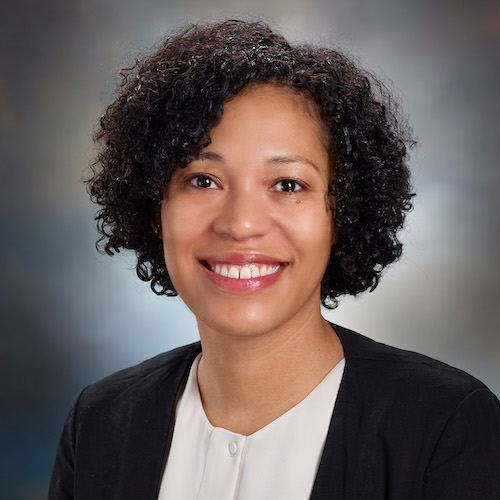
Cynthia Muller is the Director of Mission Investment at the W.K. Kellogg Foundation based out of Battle Creek, Michigan. 

Described as a “thought leader of the impact investing ecosystem and a trailblazer in the field,” Cynthia has been at Kellogg since 2016, first serving as a program officer with their Mission Driven Investments division, then as its director. Previously, she developed and managed the impact investment practice at Arabella Advisors, which involved deal sourcing and structuring of investments in health, education, micro-finance, housing and green technology – domestically and abroad. 

At Kellogg, the team she works with does grant-making and makes investments (in both nonprofit and for-profit organizations). Their core mission is to “improve the lives of children, their families and their communities, with an emphasis on investments that help to dismantle the root causes of racial inequity.” Since Kellogg’s Mission Driven Investments was created in 2007, they have put $100 million towards market-rate investments, and $50 million strategically towards below market-rate program-related investments.

Cynthia also served for seven years as the director of strategic investments for Capital Impact Partners where her work on impact investments targeted health, food, education, energy efficiency and economic development. And she serves on the boards of Groundswell and Enterprise Community Loan Fund. She holds a Master of Business Administration from the Foster School of Business at the University of Washington and a bachelors degree in psychology from Stanford University.

Insights and Inspirations

  • Every time there has been opportunity for black and brown people to build an asset, to build wealth, it has been taken away from them.
  • Who do we consider deal worthy?
  • Their family bought land one generation after slavery. The Reels Brothers Spent Eight Years in Jail for Refusing to Leave It.
  • Cynthia thinks power mapping is the go-to community engagement tool.

Information and Links

  • Cynthia is a staunch advocate of local investment through Community Financial Development Institutions (CDFIs), having done her first community development deal early in her career in her home state of Alaska.
  • She’s particularly proud of the Kellogg Foundation’s commitment to investing in fund managers and entrepreneurs of color, including organizations like Blavity, Impact America Fund and Rethink Impact.
  • At this critical moment, she’s re-reading Jennifer Eberhardt’s book Biased, and the Business Case for Racial Equity.
Read the podcast transcript here

Eve Picker: [00:00:15] Hi there, thanks so much for joining me today for the latest episode of Impact Real Estate Investing.

Eve: [00:00:22] My guest today is Cynthia Muller. She’s the director of Mission Driven Investment at the W.K. Kellogg Foundation. Cynthia doesn’t see herself as a leader, but she is. She’s been described as a thought leader of the impact investing ecosystem and a trailblazer in the field. Cynthia has been at Kellogg since 2016, first serving as a program officer with their mission driven investment division, then as its director. There she is wholly focused on their core mission to deploy investments that help to dismantle the root causes of racial inequity. She’s taking action.

Eve: [00:01:18] Be sure to go to rethinkrealestateforgood.co to find out more about Cynthia on the show notes page for this episode and be sure to sign up for my newsletter so you can access information about impact real estate investing and get the latest news about the exciting projects on my crowdfunding platform, Small change.

Eve: [00:01:41] Hi, Cynthia. I’m just really delighted to have this opportunity to talk to you.

Cynthia Muller: [00:01:47] Me too, Eve. It’s been great, it’s great to connect and I’ve been a huge fan of the podcast and I’m really excited for our conversation today.

Eve: [00:01:54] Oh, that’s lovely to hear. OK, so I like having fans. So tell me, just to set the scene, what’s your background and how did you become a leader in impact investing?

Cynthia: [00:02:11] I honestly, I didn’t set out, by any reason, I certainly don’t think of myself as one now. I’m really just a practitioner and I have the fortune to work for the W.K. Kellogg Foundation, where I lead our Mission Driven Investment program, which is about 13 years old, focused on impact investment. We do both MTRIs, our mission really did invest in market rate investments, as well as concessionary investments known at the foundation as program-related investment. And it’s a small 450 million but it’s really exciting because that pool has really been a tool for us at the foundation to learn how do we invest with a more equitable lend? How do we invest understanding that not only are we achieving a financial return, but we are also targeting demonstratable, tangible social impact?

Cynthia Muller: [00:03:02] And so, 13 years ago when our board approved this, they also declared us an anti-racist organization. In that same year in 2007, our predecessor, previous president of our foundation, as well as board members who are currently and of the past, had, knew that there were opportunities for us to think about how do we use tools differently, how do we think about systems differently? And so, 13 years later, it’s all culminating now this intersection between understand that there would be systems that people operate in and even though these systems are built for everyone, they don’t work for everyone. And I think what I’m heartened, despite this is a terribly difficult time to see what all of the loss of life, as well as the challenges that many folks are facing, and in particular, the poor Black, native and other marginalized groups that were already systematically left behind who now, yet have a double whammy to try and catch up.

Cynthia: [00:04:08] But that is also an incredible opportunity for groups that we fund and that we partner with. These are groups that are in communities. These are groups that, through their advocacy, lived experience and continued representation of the communities, know exactly what tools, what resources they need in order to build the community that will work truly for everyone. So, I’m so excited about that, this work and about the ways in which we can think about these systems, right? Because we’re in such a period of inflection. We, in philanthropy, you know, obviously we, like a lot of other industries, are going through our own reckoning and how we navigate the non-profit sector and social impact and even how we navigate being complicit in some of these practices of white supremacy in these systems. So, for me, it’s really helping to figure out how to use these tools to unlock and really help to support our folks in developing resources, tools and funds, models that truly could be resonant and sustainable for communities in the long term.

Eve: [00:05:12] I read somewhere that you said, you talked about approaching racial equity, not with guilt, but with an impact lens, which I love. I think that’s a really meaningful shift in understanding for me, I suppose. And I wanted to start talking about, like, this is a really huge subject we all know but I’m in the little real estate industry section of it and I wanted to start talking about, you know, how the real estate industry fails people of color and what you think are some of the key things going wrong.

Cynthia: [00:05:47] Sure. And, I want to couch my remarks carefully, because, again to the point, I don’t want to guilt, you know, folks in these conversations. These conversations are really to help illuminate, right? Illuminate how people actually experience working in these systems. And I think, in real estate industry in particular, I think is interesting, obviously built off our understanding of what it means to own land. Our, I should say, Western understanding of what it means to own land. And that’s derived from obviously the theft of land from Native Americans several hundred years ago.

Cynthia: [00:06:25] And so, the start was there. The start with our fundamental understanding of what it means to land. And so, when you have a society that has been built on taking land from folks already there and then re-giving it out, well of course you’re going to have flaws in the system several hundreds of years later because it perpetuates this idea of who owns the land and who has the right to decide on it. But that’s not to say that for 2020, I think in the ways that real estate has left Black communities behind, I think it’s similar to how the finance industry or even the entertainment industry has left Black communities behind. They leverage the work, the creativity of folks in use of their land. And it really started with slavery, with the renaming of the 40 acres and a mule. And so, folks who had nothing coming out of reconstruction where they were promised this land and they had it for a couple of years before it was unfortunately taken back and given to other folks, and in that case, those who have resources. And so, I think compound that over generations. Right? Every time there was an opportunity for black and brown people to build an asset, to build wealth, unfortunately and systematically, it was taken away through, either through force like we saw in, you know, in many examples that we’ve been learning about, but we also learned through other means, through legal means, right?

Cynthia: [00:07:53] And for me in my own journey, in understanding how these systems work, and even myself being complicit and working in organizations that didn’t know, or to understand how, you know, we continue to perpetuate this divide through our financing structures, through how we even underwrite our deals, who we consider deal-worthy, even by zip code. And so I think all of that’s to say that we all operate in this environment of a real estate where we understand who owns things based on who it’s passed down to, the legal structures, but as we have learned through great reporting like The Atlantic and The New York Times and others, there have been generations of folks who’ve been losing their land. And one of the greatest examples right now is the great Black land theft. There’s a great, great piece in ProPublica on just that. Basically, the systematic theft of Black land that’s been left to families through generations. And unfortunately, the families that they gifted this land are unable to, for a variety of reasons, maybe they don’t have the assets to find a lawyer or understand how to reach the appropriate folks to document ownership. And so, this creates more vulnerability and predatory behavior by others who see it as an opportunity.

[00:09:11] And so, I think that’s all to say that’s how the system works. We see how the money comes in. We see who is getting financed, how these big real estate funds are able to amass all this property through systematic purchasing. And we see how this plays out in local communities where there are a handful of individuals or families that own the real estate, right? And so, unfortunately, for folks who, like myself, my father was in Vietnam, came back from the war, settled in Alaska and worked as a civilian on the Air Force base for many years and was ultimately able to buy his own property. But that was after a lot of handwringing. He had to jump through a lot of different hoops, thinking about financing in different ways because traditional banks were going to put him through extra steps that he wasn’t willing to go through. So, every time we talk about creating wealth for people, that’s great. But it’s not that everybody has the same access and opportunity to create that wealth. I think that’s, quite frankly, how real estate fails black and brown communities. That lack of recognition is very much obviously focused on the bottom line and that exchange of the assets and who owns and how much revenue we can glean from it but we never systematically just sit down and think about who actually is benefiting from this and who is it benefiting from this?

Eve: [00:10:37] I mean, that’s just a huge problem. And, you know, and the predatory behavior is continuing today in different ways. So, it isn’t like it’s stopped. So, what would it take to correct this? We’re talking about banks that won’t lend to certain groups of people. We’re talking about people who go into poor neighborhoods and purchase homes for less than market value. We’re talking about all sorts of, kind of, failings that ultimately impact people who don’t have the resources to deal with it, right?

Cynthia: [00:11:13] Mm hmm, that’s right. So how do we, how do we help them, right?

Eve: [00:11:16] How do we start, right?

Cynthia: [00:11:20] So now that we’ve painted this dire… What’s out there? There are some incredible areas of opportunity and great work. One of those is really around community development finance. This is an industry that’s been around for 40-something years. This really came out of church groups, non-profits creating loan funds all over the country to do justice, to be that bridge finance or for, in those places and those communities, for those people who are being overlooked. And so, there are several thousand CDFIs across the country, they’re all kinds of shapes and sizes. Some of them are national, some of them are in places, some of them are thematically structured, but they’re all in the service of deploying capital. And a lot of them are very much active in the real estate market because a lot of great programs in the 80s and 90s and then the aughts have really allowed the industry to flourish. New market tax credits to various CDFI fund programs, healthy food financing.

Cynthia: [00:12:24] I do think the CDFI space has done a tremendous job. We’ve got a great history and track record of these transactions. I think the challenge is that the industry is a little dispersed. Obviously, it’s all over the country and each CDFI has its own individual strategy. And I think further, the CDFI industry has been really, really thoughtful about scaling up and figuring out how do we start to do larger deals so we can be a more significant player with the larger banks. And I think we’ve proven that case. I think, unfortunately, though, we have veered a little bit away from providing capital to the folks in the most need.

Cynthia: [00:13:05] And I say this because when we, as we have been trying to marry this impact and finance, I think this field is borne out of a number of different things and I think the folks that have come to it have brought all of this incredible insight and talent and resources from a lot of the institutional finance investment. Some of those folks came from banks, they came from investment banking, they came from equity, venture capital, the whole industry. Now if you think about it, what are those industries lacking? A lens into these communities, a connection into these communities. And unfortunately, I think that it still comes out in different ways. And so, I’ll say that while we have incredible groups that are providing capital to low-income communities, we’re still not hitting the most marginalized. We’re hitting cities, we’re hitting gentrifying areas. And so, if you actually look at some of the loans across the country, we are, we’re actually, we’re doing work but we’re hitting the wrong areas.

[00:14:02] And so for me, it’s really helping to illuminate what these other opportunities look like and that CDFIs and others have the opportunity to really bring their lens and this 40 years of working in low income communities to the space, and to provide that capital. That quite frankly, and it’s already happening in so many ways. In the news recently, we’re hearing about groups like Netflix and PayPal who are deploying tens of millions of dollars into CDFIs and community banks to help folks address these needs. And PPP, the subsequent round after the first round, they made sure to include CDFIs because, obviously, they realized really quickly that there was a whole flock of folks that were being left behind. I think CDFIs aren’t the panacea, but I do think they are a huge partner, along with other asset holders that help to influence how we structure the practice.

Eve: [00:14:55] Yes. I think developers., OK let’s talk about developers. They’re often, you know, that’s often considered a bad word in underserved neighborhoods, while there are, I think, quite a few developers who really want to do the right thing. So how we train developers to fully understand the consequences of their projects? And can we do that? Can we really, like, look ahead 20 years and understand what might happen in a neighborhood?

Cynthia: [00:15:27] Yeah, I think we can. I think we got a little bit of a lesson with Opportunity Zones. While…. hold out with me here. Opportunity Zones obviously a lot of challenges. I personally have a lot of challenges with them in the way that the program is structured, and I think folks have talked about this in detail. So, I don’t think I have anything else to add. But I do think there were a number of my peers who were really trying to figure out just that. How do they help to show, demonstrate, the practice of making these investments in communities with that land? Right? Because that was the general intent that I think that a lot of folks had expected and unfortunately the program did not have enough accountability metrics to really allow for that to really play out.

Cynthia: [00:16:15] And so we’ve gotten what we’ve gotten, you know, a lot of deals that didn’t go into high need communities. However, the work that Kresge Foundation funded really around, how do we look at these transactions with that lens? I think that was the most valuable piece of what we learned from Opportunity Funds so far, is that we can go in with a good intent, right? We know that the idea was to bring in new money, right? But we also realized that, unfortunately, capital markets need some accountability, you know. And I know that there’s varying degrees of how we can play that. But it’s clear to me that had we been clear about when you’re going into these communities, here are kind of the criteria. How are you engaging with the community? What’s the community’s voice? Does the community have an actual equity stake in this development? If so, how? Right? So how do we get past this rubber stamp where people hold community meetings to say they did it and say the community’s involved, right? How do we actually push for meaningful?

Cynthia: [00:17:18] I think the answer is pretty simple. I think the answer is that communities have a voice. And a voice that I think that people have been so surprised and shocked by. And it’s been social media. Think about what we are able to see now right outside of the news. When I was growing up, you saw the news and that was your world view, right? And whatever news you’ve watched? And now your world view is not just the news you watch, it’s the social media system and the people you connect with. And so, think about communities you see all over the country right now with, you know, Municipal Boards and cities debating and hearing the community talk about how they’re being failed. And that is raising the visibility around a lot of the gaps. And I think that’s really where the opportunity is. Because when you have a community that engaged, that community is willing to be involved and willing to go with you on that journey. And also, it means that there is an accountability there, that you can’t just come into that community and say you’re going to do one thing and not follow up.

Cynthia: [00:18:19] And I think that, quite frankly, developers, unfortunately, have a reputation. And I think this is an opportunity for them to work in a meaningful way, because I think in the long term that actually benefits them. If they have a community that’s bought into, right? It’s going to compound the prosperity of that asset, of that community and the longevity of that community, right?  And bring in more folks. And so, you want that compounding effect, but you have to spend the time to do it. And unfortunately, underwriting, due diligence, structuring doesn’t allow for that. So how do you do that in a meaningful way that still allows folks to get their deals done to set up these projects to house, provide services to folks without going through a two-year journey of learning this community? And I think the answer, quite frankly, is that the community has to be involved in the development, right? It means that we have to think about their engagement differently. And it’s not just the developer who’s developing, it’s the community who’s developing their own community. It’s a very deep philosophical shift, but it’s one where I think where it’s the time for us to be having a conversation.

Eve: [00:19:23] Yeah, no, I agree. But I think, you know, it’s a very different conversation when it’s a small developer versus a large one. It’s about resources and what’s possible and it’s a huge industry doing a lot of different things. It’s difficult.

Cynthia: [00:19:40] When you talk about small, like, the small developer, and I’m thinking about, you know, obviously there’s the developers in New York and L.A. and then you’ve got developers in the Midwest and in these smaller cities. And there are different dynamics there, right? There’s a little bit more, obviously, insular, you know. It obviously depends on who owns what assets, the political leanings of folks in power and whatnot. But I do think, given Covid, given the Black Lives Matter uprisings, we’re in a place in time where that’s our leverage. Right? Because we all want to build stronger communities. We all want to live in safe, strong communities. And I think that’s the message for us, right? Where we’ve been living in the last four months in Covid and all of this. And there’s so much fear and people just want to get to their communities. And so, it just feels like, if there were a call-out to developers, it would be now. You have an opportunity to rewrite how you show up in communities, how you develop communities, who you develop communities with.

Eve: [00:20:50] So, I want to go up the food chain just a little bit more because it isn’t just developers. When developers look for equity, which, you know, over the last 15 years they have needed more and more of as banks have retracted the amount they will lend. You know, when you need to find 35 or 40 percent of the development cost as equity, you have to pay for that. Now we’re in the market where there’s investors who are seeking a return for the risk they’re taking. And I think, more than anything, that return drives what goes on, right?

Cynthia: [00:21:26] It does.

Eve: [00:21:27] And I think there are expectations of return in real estate that I’ve heard, you know, are 25 percent internal rate of return. How can you ever build anything affordable for a community when that’s the equity that you have access to? You know I have Small Change and I’ve been trying to raise money for meaningful projects, and this is this is the question I always get from developers. How much return do I have to give to investors to raise the money? And I don’t really know the answer because I think there is kind of the level of greed and I wish that were kind of reduced right now, but I don’t know the answer. I don’t know if you have thoughts about that.

Cynthia: [00:22:12] While impact investing or social mission investing or whatever folks call it, I think we’re in a moment. There’s enough of us now, we’re in major investment banks, we have our own celebrities now and I think our practice out there. Listen, like Netflix dedicating 100 million to Black banks all over the US didn’t happen overnight, right? These funds that are 200-million-dollar impact funds didn’t happen overnight. There are investors who understand how to manage risk and how to manage impact. I think the challenge is in creating a better flow between those investors and to folks that are raising those dollars. And that’s the piece that I think we constantly run up against. What’s nice is, through the global impact investment networks, through groups like SOCAP and Confluence and others, we have these great anchor organizations within our field that are really able to connect folks to the deal. So, for instance, at Confluence I just think they do a fantastic job, really kind of digging in in specific things and bringing their investors together. So, like any investor that has an interest in an area can go in. And in with other folks that have been looking at similar deals and to engage. I think it’s really creating more visibility and awareness around that practice.

Cynthia: [00:23:36] And one of the things I think that it’s already being seeded, it’s been seeded, is that we are in so many business schools right now, there’s so much impact investing being baked in into MBA programs, into graduate programs all over the country. We are also, we have a dearth of folks who are interested in the space and not enough jobs. And so, I think that I would put it out to developers to really start to look at that. There’s a whole dearth of folks that are coming into the industry with this orientation. Hire them, engage them, especially if they’re from these communities. Because what I have found is that a lot of these students and the young folks, the way that they’re coming up in the world is not in these silos, the way that the world is so much more fluid. And so, it makes so much more sense, the why. For them this is, this integration, is much more, is a no-brainer. Unfortunately, we’re on the other side of it or trying to reorient our infrastructure, our approach, our lens into that. And so, I would say for investors and for folks, for developers, smaller developers, looking for this type of investor, I that that with the impact field in the regard that we have community foundations in every major city in this country, we’ve got family foundations, we’ve got private foundations, and we’ve got a lot of individuals, like a lot of your listenership and your partners, right? And so, we have to start to message that and get that out more. And I think it’s starting to take root. It’s just, it’s a lot. It’s a lot in this environment, right? To introduce in a completely new framing.

Eve: [00:25:12] It is. Yeah. And then, you know, there’s also redlining, which was supposed to be gone, right?

Cynthia: [00:25:21] No, yeah, no it never went away, never went away.

Eve: [00:25:24] It never went away. So how does that get eradicated? How will that go away?

Cynthia: [00:25:31] So familiar. You know, there are recent reports of some of the cases, and current cases of redlining are still there. And so, I think this is also a finer point, right? So, while we are being aspirational, working in this new normal, we still have to recognize we have vestiges of this old practice. And I think that for many groups that are wanting to engage, and what do I do now, it’s really continued to let up and figuring out how do we support those communities. Look at the communities that haven’t been, who haven’t had any investment. And it’s not easy, it’s not hard to find them, right. And you can see exactly who has been flown over and the bank does, or what have you. Start looking at them.

Cynthia: [00:26:16] So, whenever folks come to us and they’re like, oh, my gosh, we got we’ve got 50-million-dollars, which we do. All right. So, I ask them to look at their issue areas, look at and think about who’s benefiting and who isn’t, and then really focus on who isn’t. And that’s your baseline. And then you build from there you look at, all right, so if this community does not have access to housing, we’re like, well, OK, well what other alternatives, right? Is a smaller housing unit? Is it partnerships with other groups? It’s really helping them to reframe their lens instead of how the deals fit within the future is, to look at what the actual deal is and how you look for the opportunity.

Cynthia: [00:26:56] And I think that given that this recession will hit us very much in places different than the last recession and in a sense, because, look how Covid is hitting us now. The wave will be similar. So, I think the developers in those places that will be in a tremendous amount of opportunity and need for creativity.

Eve: [00:27:22] Yes.

Cynthia: [00:27:22] To help to buy up some of these properties, to help them ensure that they maintain affordability, that they are owned by Black and brown community. And so that’s where I would go. I would look at that and start to think about how do we, how do we help reinforce these communities.

Eve: [00:27:38] Right. Oh, OK.

Cynthia: [00:27:43] Sorry, we said we’d go heavy and deep.

Eve: [00:27:48] I know, it’s hard work, isn’t it? Just shifting gears, a little bit, how much money is being deployed in impact investing at the moment and how much you expect that to grow?

Cynthia: [00:28:01] Yes so impact investing has, over the last few years, has grown a tremendous amount. And so, in the most recent global impact investment report, I believe that the size, and they, every year, they do a survey of self-identified impact investing and impact investors, that every year it’s been going up. And so, this year, I think we’re up into several trillion. And what’s really exciting is if you actually look at the impact investing, if you look at that survey, do it every year, you can see, year over year, exponential growth of the folks that are identifying in this space. And even more so, if you look here in the US, you can see more and more folks that have, who have investable assets, who are very much interested. So, the signs show that there is interest.

Cynthia: [00:28:44] I think the challenge is like, OK, what is that interest, right? And how do we translate that interest into capital and into these deals? And I think that’s the piece that, what we do in our grant-making and with our peers in the impact investing field, it’s where, how are we creating new vehicles, whether they’re investment vehicles and organizations or even thinking about the fintech infrastructure, right? So, there’s a lot of conversations around that. And how do we attract investors to participate in, kind of, this fintech revolution or should we in some cases? And I think that’s all to say, that there’s a momentum and it’s just connecting that momentum with folks who have capital. And the folks who have capital are very much interested in that. A least based on my schedule calls.

Eve: [00:29:34] You said the folks that have capital and that that’s actually what interests me most because everyone has a little bit of capital. I think about how everyone could be involved. And, you know, when you build a new project in a neighborhood that is funded through foundation funds or government funds or new market tax credits or however, you basically increasing, eventually, the asset value of that neighborhood. And then there are people who are left behind. We call that gentrification. I think there’s probably some good things about gentrification. You can’t, you know, not leaving neighborhoods in deplorable states is one of them. I think investments have to be made. But how do you make sure that the little people also get to be part of this, maybe even get to invest?

Cynthia: [00:30:27] Yeah, and I think the more that we can democratize investing, I think the better. The same way think about social media, the way that we’ve democratized people’s voices. Some would argue there’s a downside, and there definitely is…

Eve: [00:30:42] Yeah, there definitely is.

Cynthia: [00:30:44] I will not deny that. But think about it. Think of the voices we’ve been able to hear; think of the things that we’ve been able to see.

Eve: [00:30:52] Yes.

Cynthia: [00:30:52] Think about the deals. Now translate that to investment. Think about the deals we’ll be able to do as a result of people’s voices and perspectives who outside of our industry. And I think there’ll be a reckoning for us around what does risk actually mean? When you think about the risk of National Guardsmen coming into your city and bringing, and all of the chaos that could come with that, right, because some of these protests? And so, I think risk is really what’s on the table, is like, how do we, a free market, define risk? And that’s what’s really happening, because it’s clear that people have defined risk in ways that have been self-serving to one group or groups over others, right?

Eve: [00:31:36] Yes.

Cynthia: [00:31:36] And so, and that’s where we’re at. That’s where we’re at. But wait a minute, you didn’t have, you know, how many folks were like, wait a minute, you know, why couldn’t you waive our rent? These are all issues that are based on the system, but we can dictate the system based on what the need is in this given moment. And I think that that’s really caused a lot of consternation in folks, and particularly those folks that are coming, that are growing up, progressing in their careers and realizing they’re not going to have the same opportunities as the parents.

Eve: [00:32:11] Right.

Cynthia: [00:32:12] Or the grandparents. Are you even remotely, you know.

Eve: [00:32:17] So, a completely different question again. What community engagement tools have you seen that have really worked?

Cynthia: [00:32:26] Power mapping. It’s probably one of my, the best tools in the sense of really, if you are an investor who wants to, you want to make sure that you’re engaging in community in a sufficient and a meaningful way and, be real, like the Black community, right? And often folks especially, say a white developer, or white-led organizations don’t know how to navigate that. So, I would encourage folks to look at things like power mapping and helping them to understand why some communities will be so resistant to developers. This takes reflection and really understanding around the barrage of issues that these communities are facing. And obviously, place is paramount, but now on top of that, access to health care, access to jobs. And so, when you think about that and you have developers that are coming in, we’re going to fix your lives with this new development and then not deliver. And then rinse and repeat. That bears out, that really shows up in the community. I encourage folks to always go into understanding power. How has it been stripped from this community? You know, in the past, how has it enabled the community? You learn about the history, right? It really helps you to understand, how do you find a project, or structure a project, that will get through and be meaningful and beneficial to the community. So, I always start with power mapping.

Cynthia: [00:33:48] I also start with, you know, there are a lot of really great local data and analytics there. Folks who are just totally crunching the data for the communities, right? And really using that to program. Look at them. A lot of folks like to bring in national groups and they’re great, too but I think these local groups have access to data, they have the nuance of this data, that I think is far more powerful and insightful to folks who are thinking about a comprehensive project. That’s the data that helps to tell the story of that community. And so, so many stories of communities have been forgotten or reframed. And so, I would also think about them, making sure you’re getting an understanding of that community, not the, you know, not the one that’s told you by folks who are selling it, but really the community. Right? And so, you know, when you’re going in, you know what you experience with blockers in that development.

Eve: [00:34:46] That’s really, that’s really fascinating. OK, so, where do you think the future of real estate impact investing lies, like 10 years from now? What does this all look like?

Cynthia: [00:34:57] Gosh. Hopefully, it means we see more community making decisions about what businesses are there and more deep engagement, right? I think we’ve seen a lot of national chains that go into various communities and doing a lot of extractive practices, unfortunately. And so, I’m hopeful that we see a little bit of a rightsizing of that, right? And I think where we see much more meaningful and thoughtful engagement from a lot of our national corporates who are a critical partner to community development all over this country. I also hope that we have better models for underwriting these projects and ensuring that we’re thinking about risk in the proper way. And then we are also, we’re comfortable with a different form of return from some of these projects we’ll take. We all, many of us, are long-term investors, right? But we all, we say we’re long term investors, but that’s not how we act. And so, I think that’ll be an interesting piece, I hope that it helps us to shake out a new framing around that.

Eve: [00:36:05] And so what’s next for you? What are you working on?

Cynthia: [00:36:10] A couple of things. Something that I’m really excited about, well as much as you can be excited about trying to systematically eradicate racial injustice in the capital markets, is really some of this ecosystem building. So, for instance, like I said, you know, this recession is going to be so localized and so for, in my mind, that it creates a lot of opportunities with a lot of our local leaders and a lot of folks are about to become local leaders. And so, there’s the conversations that are happening in some of these cities around that and thinking about innovative financing structure. So, I’m really excited about that, Eve. I’m also excited about getting a little more visibility to many of our under-banked and under-financed regions, most notably in the US south. The US south are going to have like 45 percent of our population, is probably the most impoverished counties and cities across the country. And yet we barely have banked them. We barely have community banks and other resources to help these communities, kind of figure out the tools and structures that would work for them and so, for me, it’s really connecting those dots and really helping them build those eco systems and driving more capital and connecting investors to those burgeoning opportunities and businesses and funds.

Eve: [00:37:36] Well, I think you’ll have your hands full, in fact, I think we’re all going to have our hands full, but it is, as you said, an opportunity. Thank you so much for talking to me today. I really enjoyed our conversation. Hope we continue it.

Cynthia: [00:37:55] Likewise, Eve.

Eve: [00:37:55] That was Cynthia. Every time there has been an opportunity for black and brown people to build an asset, to build wealth, says Cynthia, it’s been taken away from them. Who do we consider deal-worthy? Cynthia thinks we are in a moment and so do I. This may just be the moment where we should all sit our guilt aside and just take action.

Eve: [00:38:22] You can find out more about impact real estate investing and access the show notes for today’s episode at my website rethinkrealestateforgood.co. While you’re there, sign up for my newsletter to find out more about how to make money in real estate while building better cities.

Eve: [00:38:39] Thank you so much for spending your time with me today. And thank you, Cynthia, for sharing your thoughts. We’ll talk again soon but, for now, this is Eve Picker signing off to go make some change.

Image courtesy of Cynthia Muller

Rent to buy.

July 27, 2020

How do we address the affordable housing crisis? There are lessons to be learned from all over the world. 

Kris Daff, in Melbourne, Australia, is developing an important solution. Australia’s housing market is very expensive and lack of tenure in the rental market results in significant levels of housing anxiety. At the same time, Kris, a real estate developer, was disenfranchised with the for-sale housing market in Australia. Usually there are display models and a sales suite, a real estate agent is appointed, and there’s a lot of expensive marketing deployed. The goal is to have investors or residents pay ten percent up front for the right to buy an apartment when a building is finished. Kris finds this to be an impersonal relationship between developer and homeowner, especially as more often than not investors are buying units with managing agents acting on their behalf. At the same time a superannuation investment industry which is the fourth largest pension fund in the world has emerged in Australia, and institutionally owned housing is likely to be on the rise threatening home ownership for those who really need it even further.

Kris wanted to find a way to get affordable homes into the hands of people who need them the most. To that end he embarked on his own international research project on how housing is delivered in other countries, large-scale housing owned by one entity and offered for long term secure rental for residents for whom ownership may be difficult. He took what he learned from US commercial housing models and Europe’s approach to the development of long-term rental housing and melded the two into a unique housing model. 

His company, Assemble Communities, builds uniquely affordable housing products that offer a stable, permanent housing solution for low to moderate income earners. They provide tenants with a five-year lease and an option to purchase their property at the end of that lease. They’re not obliged to buy but Assemble provides a program of financial coaching and cost-of-living savings initiatives to help them get there. To date, over 10,000 people have registered their interest with Assemble.

There are no pools or saunas here but Assemble has created an important solution to an enormous problem.

Listen to my interview with Kris Daff.

Image courtesy of Assemble Communities

One year. 49 conversations.

July 15, 2020

49 amazing people. 49 inspiring conversations.

Josh McManus. Tom Murphy. Avra Jain. Liz Faletta. Eric Kronberg. Christine Mondor. Lorenzo Perez. John Perfitt. Jason Neville. Molly McCabe. Jonathan Tate. Scott Choppin. Matt Hoffman. Rebecca Foster. Brian Gaudio. Thibault Manekin. Jeremy McLeod. Kris Daff. Marc Koehler. Brian Murray. Josh Lavrinc. Emerick Paul Patterson. Brandon Dennison. John Folan. Majora Carter. Sadie McKeown. Justin Garrett Moore. Adam Sgrenci. Adrian Washington. Katie Swenson. Kimber Lanning. Brian Beckon. Jorge Newbery. Ommeed Sathe. Lance Chimka. Christina Marsh. Melissa Koide. Lyneir Richardson. Karina Ricks. Gabe Klein. Harriet Tregoning. Donald Shoup. Janine Firpo. Laura Callanan. Mark Roderick. Jennifer Castenson. Sandy Selman. Sandy Wiggins. Jim Kumon.

These are the rockstars of my show.

Next year? Bruce Katz. Michael Lee. Cynthia Muller. Patrice Frey and …

Read the podcast transcript here

Eve Picker: [00:00:12] Hi there. Thanks so much for joining me today for the latest episode of Impact Real Estate Investing.

Today marks the first anniversary of this podcast, something I am immensely proud of.  

[00:00:36] A year ago, I didn’t know that our audience would grow as it has. In fact, a year ago I wasn’t sure we would have an audience at all.  And I certainly never imagined that I would have the opportunity to talk with so many extraordinary individuals, leaders and movers in their respective fields, all doing remarkable things. 

When we started the podcast, I thought we would focus on real estate and the impact it makes.  But I’ve discovered that “real estate” is a very broad industry. I’ve found a horde of people working in fascinating niches around this one big central theme – the built environment we all occupy.

[00:01:26] These people work in city planning, on affordable housing, in impact investing, on mobility issues, in fintech, as architects, on sustainable development, on community capital, on equity in communities and in many other niches, pushing the boundaries of the built environment to be better for everyone. 

The range of work that is being accomplished, is quite frankly, astounding.

[00:01:59] I learned how big, visionary thinkers make cities better. Like Josh MacManus in How to leave places better than you find them. He’s spent quite a lot of time rebuilding downtown Detroit. 

Or Tom Murphy, past mayor of Pittsburgh, who showed incredible fortitude in shepherding Pittsburgh from abandoned to reinvented in How to transform a city.

And most recently, Avra Jain, who tells us all to look past the working girl on the corner in Beyond the Vagabond. When she looked she saw the future of Biscayne Boulevard.

[00:02:45] Other guests have reminded me of the power of zoning, architecture and design starting with Liz Faletta in By right, by design. Her in depth research on the impact of zoning on housing in Los Angeles provides unexpected insight.  

In Atlanta, Eric Kronberg convinced me yet again of the importance of salvaging architecture in The zoning whisperer.  

Christine Mondor reinforces the idea that architects can influence the future of cities in The power of design.  

And Lorenzo Perez’s creativity as a real estate developer in Phoenix caught me off guard in Real estate artist. His approach to transforming ugly desert architecture into beautiful community spaces is wildly creative.

[00:03:44] Let’s not forget the housing crisis. Lots of my guests are all in looking for big solutions. John Perfitt and Jason Neville are tackling homeless housing in Los Angeles by re-introducing iconic architecture, in Hungry for disruption;

Molly McCabe describes the unusual approach of the Lotus Campaign in Capital is just a tool.

Jonathan Tate takes an architect’s approach by focusing on the value of odd lots and the houses you can build on them in Lead by example.

Scott Choppin is tackling multi-generational workforce housing in The contrarian developer, an important niche that has gone unnoticed by other housing developers.

[00:04:31] Matt Hoffman is focusing instead on how technology might solve the crisis in 7.4 million short.

Rebecca Foster, in San Francisco, is busy saving existing affordable housing through financial tools on Accelerating affordable housing.

Brian Gaudio has a modular housing solutionin Scaling up.

And Thibault Manekin (T-bo) of Seawall Development is focusing on specific communities, affordability and astounding preservation efforts in Choose your own rent.

[00:05:22] Across the Pacific Ocean, Australian architect Jeremy McCleod has figured out how to deliver Sustainable, affordable and beautiful housing in a market that most people can’t afford.

Fellow Australian, Kris Daff, is tackling the same problem in a different way. He’s Assembling communities and offering them a path to home ownership.  

And across the Atlantic Ocean Marc Koehler is turning the architectural design process upside down by first curating communities and then designing a building around them in his Superlofts project.  It’s super fantastic! 

[00:06:08] Community development and social equity have moved into the foreground this year, and I expect will even more so next.  

Brian Murray is Embedded in community in Philadelphia, working on projects that provide equitable opportunity for everyone.

Josh Lavrinc has spent his career squarely focused on Advancing community development, through capital raising and real estate development

Emerick Paul Patterson is busy experimenting with inclusionary community tactics in New York. Listen to his love of diversity in Delicious Urban Soup.

[00:06:47] In West Virginia, Brandon Dennison is experimenting as only an entrepreneur can, on how to end generational poverty in A bold experiment in coal country.

John Folan, who heads a department of architecture, wants to make sure that the next generation of architects understand the meaning of equity. For John, Equity is the thread.

Majora Carter has gone from Revitalization strategist to barista in her efforts to bring equity to the South Bronx, one of the poorest zip codes in the country, and where she lives. “Nobody should have to move out of their neighborhood to live in a better one,” says Majora.

Sadie McKeown, in Political will and community, has seen firsthand the influence of good and steady political leadership in building better communities.

[00:07:43] Justin Garrett Moore has a day job ensuring the quality of public space in New York City.  But on the weekends, he’s knee-deep in redeveloping the community he grew up in. Hear what he’s up against as a black man in Black, white and red(lining).

Adam Sgrenci is showing communities how they can control their own destinies, andn educating developers on how to Co-create.

Adrian Washington has been developing in Opportunity Zones before they were a thing. He decided a long time ago that Greenfields are boring.

And Katie Swenson is the quintessential community architect. Home is the most important community development concept for her.

[00:08:43] For insights into economic development and financial inclusion hear Kimber Lanning who is Striving for justice in Arizona or Brian Beckon explain how to raise community capital in Share the wealth.

Jorge Newbery is using Fintech to keep people in their homes. He’s saved 10,000 and counting, while Ommeed Sathe sees Big Change in his role at Prudential, helping them to build a billion-dollar impact fund.

Lance Chimka who leads an Economic Development Department believes their role should always be First in. Towards growth.

Christina Marsh has given herself over to the remaking of Erie in Of service. In Erie.

Melissa Koide is researching and advancing ideas on financial inclusion. With Fintech.

And Lyneir Richardson, wants to help 1,000 urban entrepreneurs grow their business.

[00:09:55] I’ve learned about mobility in cities, and how it touches real estate and equity, from Karina Ricks, who heads a newly energized Department of Mobility, and from Gabe Klein, a mobility rock star, who convinced me that the future of mobility will be enhanced by data in Mobility is pretty pedestrian.

Harriet Tregoning is taking on a leadership role with NUMO, the New Urban Mobility Alliance, and explains why in The reluctant planner. And let’s not forget Donald Shoup, parking czar, who believes that parking is over-rated and under-compensated in Parking not required. 

[00:10:38] Others think about investment in ways I never imagined. Janine Firpo is on a personal journey to ensure that every dollar she invests does good. Listen to her explain why in She’s all in.

Laura Callanan is squarely focused on Connecting impact and creativity.

And Mark Roderick, a crowdfunding attorney, explains how the Securities and Exchange commissions are opening the doors for Democratizing investment. And why its a huge step forward;

[00:11:12] For innovation in the building industry listen to Jennifer Castenson, who surely has her finger on the pulse of new trends, in Living the Jetson life;  

Or maybe you want to learn about blockchain? Listen to Sandy Selman explain how it might be applied to real estate in Digital twins; and if you are ready to embrace sustainability and saving our planet in the most wholistic way, Sandy Wiggins may just be the one to listen to in Let’s change our mindset.

And if you think we need to get back to a former time, listen to Jim Kumon of the Incremental Development Alliance talk about The lost art of small-scale development.  He’s teaching small-scale developers how to get back there all over the country.

[00:12:01]Phew. That’s a lot of podcasts.  I’ve enjoyed every interview with every person.  I’m in awe of them all.   But it’s time to take some time off to rest, enjoy the weather and just step back from the extraordinary last few months that has rearranged all of our lives.

We’ll be back refreshed in September with many more amazing people for you to listen to and me to learn from.

Thank you so much for joining me.  Now go forth, invest a little in your community and make some change!

The role of architects in building communities.

July 13, 2020

America is such a diverse country. It encompasses geographic locations as diverse as the Mississippi delta, Bethel in Alaska, New York City, San Antonio in Texas, Hawaii and the Great Lakes. And it encompasses even more diversity in its community types — from rural to tribal to suburban and urban.

But despite this diversity there are many common themes that unite us. One of those themes is the current housing crisis and the question of how we will solve it.

It’s important to understand that diversity is a result of the people and an expression of their environment and community values. This is what creates something that is unique and individual to a place. In the same way, buildings and communities also have an opportunity to be designed in concert with the values, ambitions, aesthetics and goals of the people that occupy them, both those responsible for creating them and those who will live and grow in those communities.

So, what role should an architect play in building local communities? In recent years the architect’s role has grown and changed and it is still evolving. An architect’s role should not only be to build distinct projects and beautiful buildings, but it should also help knit together the blocks of housing, libraries and parks into a community where residents feel supported and are able to live well and grow their families. For community-based development groups, a dedicated architect can be an important resource to help with the ins and outs of affordable housing development, community engagement and regulatory processes.

Katie Swenson is such a community architect. Over the many years she has spent working on affordable housing, she has always been a powerful advocate for equitable cities and communities. Her work with the Enterprise Rose Fellowship Program taught her a lot about the role of architects in local communities — architects who approach their work with a desire to help communities achieve their goals and who bring the best resources from the architectural and design communities to bear in this local work.

In 2020 Katie became a senior principal at MASS Design, a design practice that embraces issues of economic and social equity. Katie believes that the importance of home, especially as revealed by the Covid19 Pandemic, has never been so important. “Buildings shape us, they shape our experience. They shape our health outcomes.” says Katie. “We need to ask more of our buildings and participate in a greater spatial awareness and spatial literacy to understand the profound effects that the built environment in general, and the buildings that we occupy in specific, have on our health outcomes and our quality of life and productivity outcomes and that we gain a sort of awareness and capabilities around our ambitions for the built environment.”

Listen to my interview with Katie Swenson.

Image by Jonathan Greene

Choose your own rent.

July 1, 2020

Born and raised in Baltimore, Thibault Manekin embodies a healthy idealism which has helped drive the choices he has made, and now, the career he has embraced. He describes his company Seawall Development, as a team of “social entrepreneurs who happen to be in real estate,” noting that real estate touches everyone. His goal, through Seawall, is to work against the division of communities by real estate. And to reimagine the power of the built environment to unite cities.

Thibault comes from a family long involved in real estate and development in Maryland. His grandfather started a real estate company in 1946, as a broker for commercial and industrial buildings. In 1975, Thibault’s father was drawn into the business when he saw that “the business was not about crunching numbers, but had everything to do with building relationships.” By 2000, when Thibault’s father retired, the firm had offices in Baltimore, Columbia and Frederick, and 144 employees.

Thibault, after graduating from college in 2001 worked with a friend on a non-profit, Playing for Peace (later called PeacePlayers International). They used basketball in Northern Ireland to bring children from divided backgrounds together. Thibault helped raise money for an expansion into South Africa, and then joined the team that helped launch the program there. They went on to replicate the model with Israeli and Palestinian children, and then in Cyprus with Greek and Turkish Cypriot children.

After five years, Thibault moved back to Baltimore, more confident in his abilities. He asked his father to help him start a real estate company, but one that “used buildings to create community and empower people.” When they co-founded Seawall, their initial focus was on creating affordable housing communities for teachers with centralized space for education nonprofits. Their first project was Miller’s Court (2009), a 100,000 sf former tin-can factory, abandoned for 30 years in a not-so-great neighborhood. Teachers were able to design their own apartments and amenities, and choose their own rent. Based on the rent the teachers said they could afford, Thibault and his father reverse-engineered the project to come up with a budget, which was $6 million, $14 million short of cost. So they assembled a team of ‘guardian angels’ made up of attorneys, accountants, banks and other lenders, and found creative financing solutions that included historic building tax credits, and local and federal assistance, finding that people wanted to help this project because it wasn’t a “real estate deal.”

For this project and the followup housing project, Union Mill (2011), Thibault was recognized by the White House as a Champion of Change. Since then Seawall has worked on a number of projects that are mixed use and geared to build community. Currently, they are working on the $40 million renovation of Lexington Market, the longest continuously operating public market in the country.

Insights and Inspirations

  • Seawall believes in re-imagining the real estate development industry so that the built environment empowers communities, unites our cities, and helps launch powerful ideas.
  • They strive to be neighbors, not guests, in the communities they work in.
  • Thibault just helped to launch Larger Than Yourself a collaborative space for brave people to share how they are helping small ideas become powerful movements.

Information and Links

  • Thibault loves watching how their R.House project has become one of the most diverse places to hang out in Baltimore.
  • Seawall transformed a Victorian-era dye factory into yet another teacher community, this time in Philadelphia.
  • Thibault is excited for the work they are doing to bring the Lexington Markets back to life.  
  • Thibault was honored by the White House in 2011 as a Champion of Change for developing affordable housing for teachers.
Read the podcast transcript here

Eve Picker: [00:00:13] Hi there, thanks so much for joining me today for the latest episode of Impact Real Estate Investing.

Eve: [00:00:19] My guest today is Thibault (Tee-bo) Manekin, the founder and CEO of Seawall Development. Seawall is rolling out the red carpet for teachers. They are building high quality, affordable housing, which in itself is a big task. Layer that with the inclusionary design process they employ and the fact that they are creating this housing by restoring large and stunning vacant buildings and seawall is altogether fantastic.

Eve: [00:00:55] Be sure to go to rethinkrealestateforgood.co to find out more about Thibault on the show notes page for this episode. And be sure to sign up for my newsletter so you can access information about impact real estate investing and get the latest news about the exciting projects on my crowdfunding platform, Small change.

Eve: [00:01:15] Hi Thibault, I’m really excited to talk to you today.

Thibault Manekin: [00:01:20] Hi Eve, I’m excited to talk to you, too. Thank you for having us.

Eve: [00:01:23] It’s a pleasure. So, you started your company by building quality, affordable housing for teachers, and that’s a really targeted mission and I’m wondering what led you to this work?

Thibault : [00:01:36] Yes, I probably have to go back a little further than that. When I first graduated from college at around 21 years old, I helped, with two buddies, we started an international non-profit organization called Playing for Peace. It’s called PeacePlayers Today. And the idea is that we would go to war-torn countries and we would use sports to get kids from two sides of a conflict, meet each other, finding common ground and eventually becoming friends. So, we raised about eight thousand dollars and was enough to get on a plane to Durban, South Africa, at the time, where we were going to try to get, use sports to get black kids and white kids post-apartheid meeting each other, finding common ground, becoming friends. And it had an amazing run with that organization, really grew it to be quite international. We had a program in Northern Ireland with Protestant and the Catholic kids, Cypress, the Middle East, with Israeli and Palestinian kids.

Thibault : [00:02:36] So in all of my travels with PeacePlayers, one of the reoccurring things that I continued to notice was that real estate had done more to tear us apart than bring us together, especially with my experience in South Africa, seeing what the apartheid government had done with townships and informal settlements. And then, as I would make trips back to my home city of Baltimore, seeing the negative effects of redlining. So I came back, I think it was around 2006 and I asked my dad, who’s a hero of mine, to go out to dinner and I pitched this idea of starting a company, a real estate company, but with the idea of really reimagining the real estate industry all together so that everything that we did used buildings and the built environment to empower communities, unite our cities and help to launch really powerful ideas. You know, I had seen the impact of reimagining the sports industry to bring people together, especially young people, and I wanted to do more with it. And if real estate was indeed the most powerful connected industry on the planet, then truly reimagined, there’d be the opportunity to bring people together in ways that possibly hadn’t been done before.

Thibault : [00:03:53] So, we launched this company. And, you know, we had an amazing dinner conversation around what we were going to focus on first. And my dad did spend a long time in real estate but was really passionate around education. And he had done a ton of listening to all of these new teachers and first year teachers that were showing up to Baltimore, maybe for the first time, and were having a really tough time figuring out the city. Figuring out where to live, figuring out who to live with, figuring out their classes and jumping into arguably what’s the hardest profession on the planet, educating the future generation. He basically was like, there’s a great opportunity to continue to listen to this community of educators and provide them what they’re asking for, which at the time was collaborative, affordable, well located, funky housing that would take the mystery for them out of where to live, provide them the ability to live some place special with like-minded people, which hopefully, over time, would translate to them agreeing to stay in the classroom for longer, falling in love with education, falling in love with our city of Baltimore, and maybe even making a permanent investment in buying their own home once they had a better lay of the land and been able to save some money as a result of staying in one of our projects.

Eve: [00:05:20] So, basically really supporting the pool of teachers who serve our city and, our cities, and really can’t afford to live in them anymore.

Thibault : [00:05:29] That was the idea behind it. And we coupled it with a similar thread that we’d been listening to, which was that there were all of these non-profits focused on kids and education and supporting the school system. Programs like Teach for America and Playworks and Wide-angle Youth Media and Baltimore Urban Debate League. They were spread out in dozens of buildings all over Baltimore all essentially doing the same kind of work around kids but with no ability to really deeply collaborate. And so, these non-profits who focused on kids and education and come to us and said it would be amazing if we could all be located under one roof, if we could share resources and have free conference rooms and training facilities that we don’t need all of the time but that we need throughout the day at different times. And so, our first project ended up becoming called the Center for Educational Excellence. We’ve always looked for a cooler name than that but that’s the one that’s kind of stuck. And it was a adaptive reuse of one hundred thousand square foot collapsing old factory building that got turned into about 40 apartments for teachers and thirty thousand square feet of collaborative office space for the non-profits underpinning the success of the school system.

Eve: [00:06:43] That’s a pretty big project to tackle for a first project.

Thibault : [00:06:46] It was funny. Yeah, we look back on it and, you know, when we first started the company, which is called Seawall, we weren’t sure if it was ever going to make it. And we had kind of said that we would, you know we’d been listening to teachers for so long, we’d probably buy a little four-unit row home and converted it into four apartments for teachers and that would be the first thing that we would do, which would probably cost four or five hundred thousand dollars. And our first project ended up costing 20 million dollars and we had no business taking on a project of that scale. And, you know, we can get into the movement that came as a result of it and what really propelled us forward. But that was, yes, that was our first project.

Eve: [00:07:31] How do you involve teachers in the process of creating these buildings? You’ve done three now, right? Three for teachers, is that correct?

Thibault : [00:07:39] We have, we have. So, everything that we’ve ever done has been built inside out. And what we mean by that is that we start with the end users, the people that are going to be living and working in our buildings. It’s important for us that they have a sense of pride, of authorship and ownership in what’s getting created. So, we start out by deeply listening to those people that are going to be occupying our spaces. And we let them drive the direction and the program of the space. We don’t ever pretend to have any of the answers. Our job’s to be quietly behind the scenes, asking the questions that held their thinking forward in a way that results in a finished product that makes them really proud and allows them to be more successful in whatever it is that they’re doing.

Thibault : [00:08:29] So in the case of the teachers, we assembled a group of, a focus group of about 10. We walked them through the collapsing building as we first bought it. They worked with our design team over the course of twelve months to design every square inch of their apartments. We let them pick their own amenities they needed like a resource center in the building that had access to copiers and laminating machines and staplers and hole punchers, so that they could plan their lessons within the building and not have to run out to Kinko’s in the middle of the night. We did the same thing with our non-profits. We let our teachers choose their own rents based on the salaries that they had and what felt like an affordable rent for them to be paying. And we really spent a ton of time with both the teachers and the non-profits from day one, letting them design what is their building.

Thibault : [00:09:19] I want to add something to that, because there are two other levels that we really focus on. As important as the teachers are, and whoever the end user is for any specific project we’re working on, equally as important is the community that we’re working with that. At the end of the day, they’re the ones that have been staring at these dilapidated, collapsing old buildings and it’s critical that they have a seat at the table in helping to shape what those new buildings are going to get turned into.

Thibault : [00:09:50] One of the things that developers are famous for, kind of going into a community and telling the community what they’re going to get, and we take the complete opposite approach. In the case of the first teacher housing project, we went to our first neighborhood association meeting, introduced ourselves and explained that a bunch of teachers and non-profits had this idea of creating the first Center for Educational Excellence and that the building that seemed to be a good fit for that was this one building in their neighborhood. And they loved the idea. And for the most part, everyone was thrilled.

Thibault : [00:10:24] And I remember this one young man stood up and raised his hand, kind of defiantly, at the end of the meeting as if he was going to oppose the project and he, he said look, as great as this is, what you’re missing is a little cafe or coffee shop on the corner of Howard and Twenty Sixth Street, which is where the project was. And there is no decent place to get a fresh sandwich or a good cup of coffee in this neighborhood and that would be an amazing thing if you guys could figure out a way to program a cafe into the corner there. And then he continued to say that if we brought in a Starbucks that they would throw rocks through the window at night when we weren’t there, that it was really important that it be locally owned.

Thibault : [00:11:06] So I’m sitting there, and I think that what this guy is suggesting is a terrible idea. The corner of Howard and Twenty Sixth Street is, at the time, was not a corner that anybody would feel safe walking to. We had programmed a two-bedroom apartment for a teacher to go in, for teachers to go in there. And that seemed way less risky than putting a coffee shop that we really had no control over and just didn’t feel like a retail type of location. But the community had spoken up and everybody kind of clapped and applauded and thought that it was a great idea. And so, we listened, and we took out the two-bedroom apartment, made space for a little thousand square foot coffee shop that ended up being one of the most powerful things that we did.

Thibault : [00:11:50] A local co-op started. They called themselves Charmington’s, and they opened up this rad little cafe that just was the place to meet in the community. It was the place to have a affordable cup of coffee, to come and chat, big communal tables and just a really beautiful vibe. So inspiring was this little cafe and the co-op and ownership behind it that, jeez, I guess, five or six years ago I was in it and unannounced, President Barack Obama showed up to speak with the owner and they had been working on something together and it was just such an inspiring moment. And it kind of goes to show the power of giving up control of the perceived ownership and authorship of a project to the end users in the community and the momentum that that can build in a project, especially a really complicated project coming to life.

Eve: [00:12:54] So, and I suspect it did more than just give something to the community. It probably added something pretty spectacular to the teacher community, having that.

Thibault : [00:13:03] Yeah, yeah. Charmington’s was amazing. You know, they committed to opening up at 6:00 a.m. so that the teachers on their way to school in the morning could stop and get a cup of coffee. One of the things that our management team is, we ended up setting up a property management company to manage every one of our properties because we’ve interviewed all these third-party property management groups and it felt like if you were about to have a baby, or had a baby, and you were going to give it to somebody else to raise. Like, nobody was going to love it as much as we would. And so, we set up this property management company. One of the things we did is, once a month at like five thirty in the morning, we would post up at the entrance and exit to the building and we’d be there with Charmington’s coffees and muffins and bagels and fruit. And we would, like, serve the teachers a cup of coffee and we’d walk them to their cars with their books if they had too much to carry and just kind of send them on their way with like a big hug and a warm smile and a fresh cup of Charmington’s coffee.

Eve: [00:14:03] That’s a very nice story. So, I have to ask, every developer has stories about putting in an amenity like a roof deck that everyone says they want and then no one uses them, right? So, did that, has that happened at all? The teachers who were involved and the amenities that were requested, have they been used?

Thibault : [00:14:26] Yeah, so look, so the amenities include like fitness centers and lounges and free gated parking. The one amenity that’s evolved is the idea of a resource center, right? The room where the teachers can make their, plan their lessons and photocopy. When we first built the building in 2008 or 2009, when it opened, teachers were still going to Kinko’s to make photocopies of their lessons. The evolution was that the classroom got more digital and people stopped making photocopies and printing hundreds of pages to hand out to students. And as that trend started, the need for the resource room, for the most part, went away entirely.

Eve: [00:15:19] So amenities evolve, right? And needs evolve it’s pretty fascinating. Going back to something you said earlier, which was that you allowed tenants to basically choose their own rent. How did you fill the inevitable financing gap? Because you can’t possibly restore a building like that and provide affordable housing without some sort of, I suppose, funny money, right?

Thibault : [00:15:44] Yes. This is a beautiful story and really a learning moment for us. You know, we had set off to do a project that would cost about five or six hundred thousand dollars to start. And we kept striking out. And eventually, a friend of ours pointed us to this collapsing old factory building that was way past our ability to wrap our heads around at the beginning. And we worked with the teachers and they told us what their rents needed to be. And the non-profits the same thing. And then we kind of backed into how much debt we could afford. And so, the number based on the net operating income was that we could afford about six million dollars’ worth of debt. And we went out and had a architect and contractor help us figure out what it would cost to build, this being our first project. And the price tag came back at 20 million dollars, all in for the project. So, we had a 14-million-dollar gap in our capital stack, which to most would have felt insurmountable but we were so driven by this, this movement of providing amazing space for the people doing the most important work in our cities that we were never going to give up on it.

[00:16:54] And we called a good friend of ours from Enterprise Community Partners, Bart Harvey. Enterprise was the brainchild of the late Jim Rouse, A total urban visionary. And we toured him through the building. Most of the people who we toured throughout the building told us we were crazy and that the idea would never work. And we toured Bart through the building and we went out for coffee afterwards and we told him about this fourteen-million-dollar gap and he said, Guys, I know just what to do. You’re in good hands now.

Thibault : [00:17:25] And I’ll never forget that moment. He started to tell us about Historic Tax Credits, which is a program that for every dollar you invest in keeping a historic building, rehabbing it, the federal and state government give you a tax credit for that which turns into actual equity into the project. There is also something called the New Market Tax Credits, which we knew nothing about, which encouraged commercial investment in low income census tracts. And so, Bart starts telling us about all this and he starts making introductions around the country. And before you know it, the phone’s ringing off, ringing off the hook with all these great community-driven lending institutions who want to be a part of the first Center for Educational Excellence. And with Bart’s help and Enterprise’s help we ended up closing that gap with all of those tax credits. We were still short about a million and a half dollars and we went to the city and state and just pled with them of the importance that this project had to the education community and to the neighborhood that it was going to be located in. And they collectively came up with that last million and a half dollars of, you know, fairly soft money. Certainly, we would owe it back at the end of the day, but the terms were super flexible. It allowed the building to, kind of, really ramp up and stabilize. So, when you kind of have the vision set for you, as hard as it’s going to be to get there, there’s always a way to push it forward. And it was an incredible learning opportunity for us around really not giving up when things got complicated and pushing forward. no matter how challenging the situation was.

Eve: [00:19:18] Yeah, I’ve done projects like that, they’re extremely challenging but very fulfilling. So, have you been able to stick to the choose your own rent mantra? Like, what happens now that the building, I suppose the first building, is stabilized?

Thibault : [00:19:30] Yeah. I mean, look, for sure, you know, the first building’s been a great success as a result of that and I’ll say, I will point out that when we started leasing the property, the entire building was fully leased nine months before we finished construction. And by the time we finished, there was a waiting list of over 300 teachers waiting to get in. There was clearly a demand for it. I mean, I think that was driven by all these teachers spreading the word and have it go viral organically.

Thibault : [00:20:03] You know, we’ve got this crazy developer that let us choose our own rent and pick our own amenities. He’s building this brand new building for us, it will probably never work, but if it does you’ve got to get in. And as a result of, kind of, the collective success of the first projects we got invited to do another one in Baltimore, and then we were asked to replicate the model in some other cities across the country. And yeah, across the board, we’ve held our rents low for teachers. They’ve certainly crept up. it’s been kind of maybe 12 or 13 years since the first project was completed. But we’ve actually had to artificially freeze the rents, even though expenses continue to go up, to remain committed to the teachers and what seems affordable to them.

Eve: [00:20:49] And so how many units have you built to date?

Thibault : [00:20:52] I think we’ve probably built around 400 apartments to date.

Eve: [00:21:01] OK, a hefty number.

Thibault : [00:21:02] Yeah, it’s a huge number considering where we started. You know, the original goal was to start off a little four-unit apartment buildings.

Eve: [00:21:11] Very different.

Thibault : [00:21:11] We’ve ended up doing about three hundred million dollars of really transformative, collaborative real estate projects over the last decade.

Eve: [00:21:20] So I have to ask, is there another group of needy tenants that you’d like to serve beyond teachers? It’s really interesting because I see that the very targeted mission has actually helped market the projects for you.

Thibault : [00:21:34] Yeah, look, we get a lot of requests to figure out a way to do some sort of similar housing for nurses, right. And first responders and police officers, many of whom can’t afford to live in the districts that they’re working in. And we’ve been evaluating that over the years. I think one of the things that’s been really fascinating to us is the impact of retail on communities and especially locally owned small businesses that reflect the demographics of the neighborhoods that they’re in, or not. Small retail, especially in today’s e-commerce world, is increasingly challenging. And finding really creative ways to provide space for these social entrepreneurs and small businesses to take real risk and to get their ideas out in the open is something that I think is really critical, a critical next step and something that we’re really studying very closely.

Thibault : [00:22:44] We’ve done a couple projects around that. And the more we learn and the more challenging we understand it to be, the more inspired we are to figure out ways to continue to push that forward.

Eve: [00:22:57] So what other projects are you working on right now? I think I read somewhere, a market building that you tackling?

Thibault : [00:23:04] We organically happened in to the food hall world. We don’t like to think of it as a food hall. About five years ago, a group of chefs in Baltimore approached us and asked us to do for them what we had done for teachers, which was to provide collaborative plug-and-play space at affordable rents where they could focus 100 percent of their energy and attention on what they do great – cooking, good food – and leave the, like, back-end side of running a restaurant to us. And we launched a project called R. House (R period House). It was incredibly successful, and we had 10 chefs open up. We had over 100 chefs apply for the 10 spots and we really looked at ourselves as a launchpad, not as a food hall but a launch pad for creating community and for helping chefs launch really inspiring ideas.

Thibault : [00:24:03] As a result of the work that we did with that, of the success of that project, we were invited to apply for RFP for the redevelopment and really the saving, of the oldest, longest continuously running public market in the country. A project called Lexington Market in Baltimore City that at one point was the place to be in Baltimore. My dad tells stories of taking the trolley down there on Saturdays with his father and literally, you didn’t start a weekend before showing up at some point at Lexington Market. That area where Lexington is in, has suffered from significant disinvestment and it’s really a shell of its former self and the market was at risk of closing. And so, we responded to the RFP with this idea of, on a citywide scale, doing the deepest listening that we’ve ever done and helping to breathe a new life back in, in essence, transforming Lexington Market into something that would work for the entire city of Baltimore. It’s the largest, most complicated, riskiest project that we’ve ever taken on. But it’s also the most soul fulfilling one that we’ve ever done. It literally checks every box of things that interest us as a company. And it’s pushed us so far out of our comfort zone that the amount of learning that we’re doing on a daily basis is so inspiring and I keep telling everybody that asks about it and I keep reminding our team that it’s impossible that we’re going to get this right the first time, even with the deepest listening that we’re doing. A project of this scale and magnitude is going to continue to grow organically. Our job and our role is to set it up, to evolve to be what all of Baltimore expects it to be and wants it to be as they close their eyes and dream of what this project should be.

Eve: [00:26:08] It sounds pretty fabulous. I cannot wait to visit it. When I travel, the local market is always the first place I go because I think it’s kind of the life and heart of every city. They’re always fascinating places, I think, so it’s really great to hear that it’s being revived. Have your plans for housing or housing amenities or the market changed at all with the pandemic? That’s a tough question, but I’m going ask – it’s a pretty tough time.

Thibault : [00:26:36] It’s a beautiful question. We think about it and we talk about it every single day. The challenge with the pandemic is that a plan you make one day is no good by the time you wake up the next morning just because, like, everything is changing so rapidly. I think we’re in a really fortunate place because all of the work that we’ve done has been around providing affordable, kind of, workforce, discounted apartments. And I think there will always be a need for that product.

Thibault : [00:27:11] We are watching it really closely. We’re trying to wrap our heads around how we can be even more helpful and supportive in these rapidly changing times, especially as it relates to how people live and interact with each other. But we don’t have any of the answers yet, and we’re just continuing to ask the questions that help us wrap our arms around what role we can play in that.

Eve: [00:27:35] Yeah, I worry very much about places like the little coffee shop surviving this and I have a number of tenants myself and I’ve been, sort of, we’ve been limping through this disaster trying to figure it out. So, it’s a big question but let’s move on to something happier and that is like, you know, what’s your big hairy goal. Where are you going with all of this?

Thibault : [00:28:00] Yeah, look, a lot of people ask us that question for me and for us it’s somewhat simple, right? Like, our goal and the work that we do is almost 100 percent driven by the communities that we work in. We want real estate to put the power back into the hands of the communities. So, this neighborhood where we did our first project for teachers, the neighborhood’s called Remington in Baltimore City. As a result of the relationship that we formed with the community associations that are there, they came up with this master plan of other things that they wanted to see happen in their community.

Thibault : [00:28:41] And we worked with them, we did a lot of listening and we’ve slowly but surely been chipping away at that master plan. We’ve helped to bring the first bank to the community. We’ve helped to bring the first pharmacy to the community. We’ve helped to bring the first dry cleaner to the community, the hair shops and hair places, the gyms. And all of it’s been done in an incredibly inclusive way where we’ve just, kind of, continued to ask what else, what else could serve you guys and what else do you guys think that you’re missing?

Thibault : [00:29:14] So in large part, our work’s been driven by the communities that we’re in and the cities that we’re in and what they collectively think that they’re missing. And what role real estate and what role our company Seawall can play in helping them realize their dreams.

Eve: [00:29:30] It sounds like you’re having fun. I have to ask; do you think socially responsible real estate is necessary in today’s development landscape?

Thibault : [00:29:40] I don’t know that necessary is the right word. I think mandatory should be the right word, especially with how quickly the conversation has been changing and especially with how aware we all must be around the inequalities that real estate has spread throughout our communities in our country. To sit on the sideline and pass blame on previous generations for how things are and hope that somebody else is going to fix it, is no longer an option. Now, more than ever, we are fully aware of it and we all have a responsibility to ask what role we can play in helping communities, especially disenfranchised communities, use real estate and buildings to help them achieve what it is their they’re after.

Eve: [00:30:35] Yes. So, are there any other current trends in real estate development that you think are most important for the future of our cities? Maybe things that you’re not working on?

Thibault : [00:30:48] Look, I think transportation is such an important part around the real estate and urban planning conversation and the cities that have gotten it right, and who are getting it right, are the ones that we all need to look to. Without adequate and exceptional public transportation, so much of this work that we’re all doing is just going to have its growth stunted. And I think that’s one of the most important things that cities and urban planners need to be thinking through, is exceptional public transportation.

Eve: [00:31:28] Of course, that’s shifting rapidly at the moment too, with the pandemic. So, we don’t even know really what that will look like. But perhaps the ideal is that, you know, the next time you build a building for teachers, they won’t need to have on-site parking. They’ll have transit that can get them to their jobs. So, whatever that looks like. Yeah, I totally agree with you. And what community engagement tools have you seen that have worked best? It’s always very difficult for most developers to contemplate how to engage a community.

Thibault : [00:32:09] Look for us, it’s been really important to come into a community as neighbors and not guests. And we’ve lived our entire professional career that way. And I think that’s really one of the differentiating factors around connecting with communities. Not just, kind of, coming in and being one and done, but spending real time there, sitting on people’s front porches and stoops and listening to what it is that they want. Those are the really important lessons that we’ve learned along the years, over the years, as we’ve worked in the communities where we have.

Eve: [00:32:52] Yeah, I can see that. It’s perhaps not part of the original job description for a developer, but it’s certainly a really important one. So, I have one final question, and that’s what’s next for you?

Thibault : [00:33:08] We’ve been asking ourselves what’s next for us for some time now, and I think that conversation has been amplified given what’s going on in the world around us. One of the things that we’re really aware of is the unintended consequences of successful development. You know, when we set out to do the first teacher housing project in that neighborhood of Remington, fully supported by the community, it was all high fives and hugs. And then when we worked with the community to start to chip away at their master plan to bring in all of these resources in retail and apartments and office space, all kind of things driven by the neighborhood, you know, hundreds of millions of dollars later, that little, somewhat forgotten community had become one of the premier destinations and places to be in the city. And as a result of that, the gentrification conversation became very real. And one thing that we’re really aware of is that we cannot run from it. We are responsible for it. And in hindsight, as well-intentioned as we were, we would have done more from the very beginning to make sure that if the neighborhood succeeded, people that had lived there for generations, the legacy residents, would never be displaced. And there’s been incredibly hard lessons learned along the way.

Thibault : [00:34:43] And so, our mandate, and one of the things that we think so much about today, is now that it is what it is. It’s not too late. And how can we creatively work with the community to continue to find ways for them to attain their development goals? But in a way that is going to really limit displacement and make sure that nobody’s ever kicked out of their store or their office or the home that they lived in for decades. And that’s really hard work.

Eve: [00:35:18] It is, it’s really hard to balance.

Thibault : [00:35:21] Yeah, it’s really hard to balance and it’s incredibly vulnerable. But it is something that we’re committed to and as we approach new communities and new projects, we’re even more aware of it going in at the early stage so that we can plan and get ahead of it if the development projects succeed.

Eve: [00:35:21] So, do you think, I mean I think about this a lot too, do you think government has a role in this?

Thibault : [00:35:44] Yeah, I’m hesitant to pass the blame on to…

Eve: [00:35:49] I’m just saying, you know, by the time a community is feeling the pain of gentrification, it’s too late. It’s over, right? So, I think a lot about what you could put in place decades before to encourage good development and investment in neighborhoods that need it, and safeguard people who are already there. It’s hard to think about. But I think you have to think about a long time before you show up.

Thibault : [00:36:19] You do. And you interviewed a friend of mine, Brian Murray, in Philadelphia that’s done things a little bit of the opposite way as us with Shift Capital. They went in and bought millions of square feet of projects with the idea of having gotten in early enough, bought it at the right price, and being able to have the community involved every step of the way as the neighborhood starts to meet its goals.

Eve: [00:36:47] And controlling real estate so they could control what happened to it, right?

Thibault : [00:36:51] Yep. You know, ours has been a little bit of the opposite. We’ve just been kind of, like, piecemealing things together totally unintentionally, just driven by what the neighborhoods wanted. But as a result of that, and it’d success, now other landlords are taking advantage of the rising tide and not doing it in an inclusive way that honors the people that have been there forever. So, it’s a little too late, it’s hard to buy anything in that community and invest in it in a way that would keep it affordable. And that’s the challenge.

Eve: [00:37:28] It’s a huge challenge. I’d love to know what strategy you come up with for your next community. I think it’s a really important challenge because not doing anything is bad too, right? These communities need investment because they’re disintegrating, and they haven’t been invested in for a long time and then when you invest, you become an unhappy player in the gentrification game, which is not what we intend, right Very difficult.

Eve: [00:38:00] Ok, well, thank you very much for this conversation. And I’d love to hear what you’re doing next. You’re tackling some really huge projects, and I really appreciate what you’re doing.

Thibault : [00:38:13] Yes, thank you so much. I’ve enjoyed listening to some of your past episodes, and it’s certainly a little bit of a niche market but you’re asking all the right questions. And I’ve enjoyed learning from your past guests over time so keep up the great work!

Eve: [00:38:29] OK, thanks, Thibault. You have a really great day. Bye.

Thibault : [00:38:32] You too. Thanks so much.

Eve: [00:38:45] That was Thibault Manekin, Seawall believes in reimagining the real estate development industry. They want the built environment to empower communities, unite our cities and help launch powerful ideas. Seawall’s projects tackle three things. First, they want to save large, historic and blighted buildings. Second, they want to create affordable communities with rents that are customized to pay checks. And finally, they strive to be inclusive in the communities they work in.

Eve: [00:39:19] You can find out more about impact, real estate investing and access to the show notes for today’s episode at my website rethinkrealestateforgood.co. While you’re there, sign up for my newsletter to find out more about how to make money in real estate while building better cities.

Eve: [00:39:36] Thank you so much for spending your time with me today. And thank you, Thibault, for sharing your thoughts with me. We’ll talk again soon but for now, this is Eve Picker signing off to go make some change.

Image courtesy of Thibault Manekin, Seawall Development.

« Previous Page
Next Page »

Primary Sidebar

sign up here

APPLY TO BE A PODCAST GUEST

More to See

(no title)

February 22, 2025

Bellevue Montgomery

February 11, 2025

West Lombard

January 28, 2025

FOLLOW

  • LinkedIn
  • RSS

Tag Cloud

Affordable housing Climate Community Creative economy Crowdfunding Design Development Environment Equity Finance FinTech Gentrification Impact Investing Mobility Offering Opportunity zones PropTech Technology Visionary Zoning

Footer

©rethinkrealestateforgood.co. The information contained on this website is for general information purposes only. Nothing on this website is intended as investment, legal, tax or accounting strategy or advice, or constitutes an offer to sell, solicit or buy securities.
 
Any projections discussed or made may not be accurate and do not guarantee a specific outcome. All projections or investments are subject to risk due to uncertainty and change, including the risk of loss, and past performance is not indicative of future results. You should make independent decisions and seek independent advice regarding investments or strategies mentioned on this website.

Recent

  • The Mulberry
  • Mount Vernon Plaza
  • The Seven
  • Real estate and women.
  • Oculis Domes.

Search

Categories

Climate Community Crowdfunding Development Equity Fintech Investing Mobility Proptech Visionary


Copyright © 2026 · Magazine Pro on Genesis Framework · WordPress · Log in