• Skip to main content
  • Skip to secondary menu
  • Skip to primary sidebar
  • Skip to footer
  • Home
  • About Us
  • Say hello
Rethink Real Estate. For Good.

Rethink Real Estate. For Good.

  • Podcast
  • Posts
  • In the news
  • Speaking and media
    • About Eve
    • Speaking requests
    • Speaking engagements
    • Press kit
  • Investment opportunities

Development

Starter Home. Where are you?

January 24, 2023

“The economics of the housing market, and the local rules that shape it, have squeezed out entry-level homes.” writes Emily Badger for The New York Times. “The disappearance of such affordable homes is central to the American housing crisis. The nation has a deepening shortage of housing. But, more specifically, there isn’t enough of this housing: small, no-frills homes that would give a family new to the country or a young couple with student debt a foothold to build equity.”

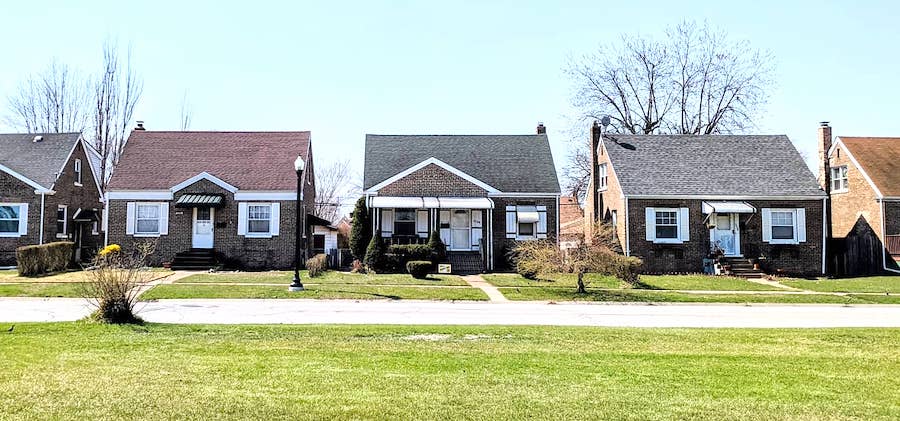
Starter homes were once ubiquitous in the US. They included shotgun homes, bungalows, mill worker’s cottages, split-levels, two-bedroom tract homes, ramblers, brick rowhouses, duplexes and triple-deckers. Today those houses have all but vanished from new construction. According to CoreLogic, almost 70 percent of houses were 1,400 square feet or less in the 1940s. Now they number only about 8 percent.

Some of those smaller homes were still being built as recently as the 1990s but since then the rising costs of land, construction materials and government fees, along with single-family zoning, have led to larger homes being built. This despite the dwindling size of the typical American household over the last few decades. And those entry-level homes of the past are now selling for half a million dollars or more.

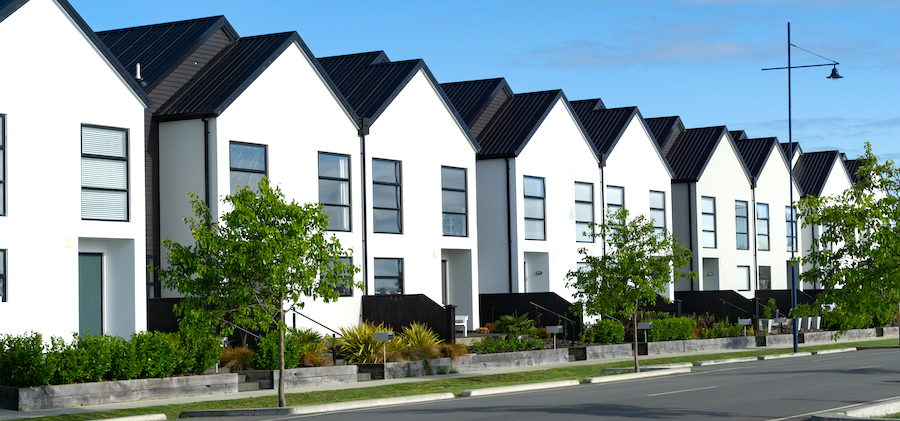
Builders and communities may need to rethink what a Starter Home might be. The easiest way to produce more entry-level housing on increasingly expensive land is to build more of it on less land. Maybe duplexes, rowhouses or condos? This makes sense for everyone. Builders will reap the same profit margins for entry-level housing – that they are smaller is offset by the fact that demand is high. For homeowners a small starter home provides an opportunity to gain a foothold in the housing market and a path to building wealth. 

Daniel Parolek, author of the book Missing Middle Housing says: “We need to shift our culture away from this dependency on single-family detached housing and thinking it’s the only solution.” Listen to my interview with Daniel here. … and read the original article here.

Mid Century Starter homes Hammond Indiana by Eric Allix Rogers, CC BY-NC-ND 2.0
Our client is the planet.

January 18, 2023

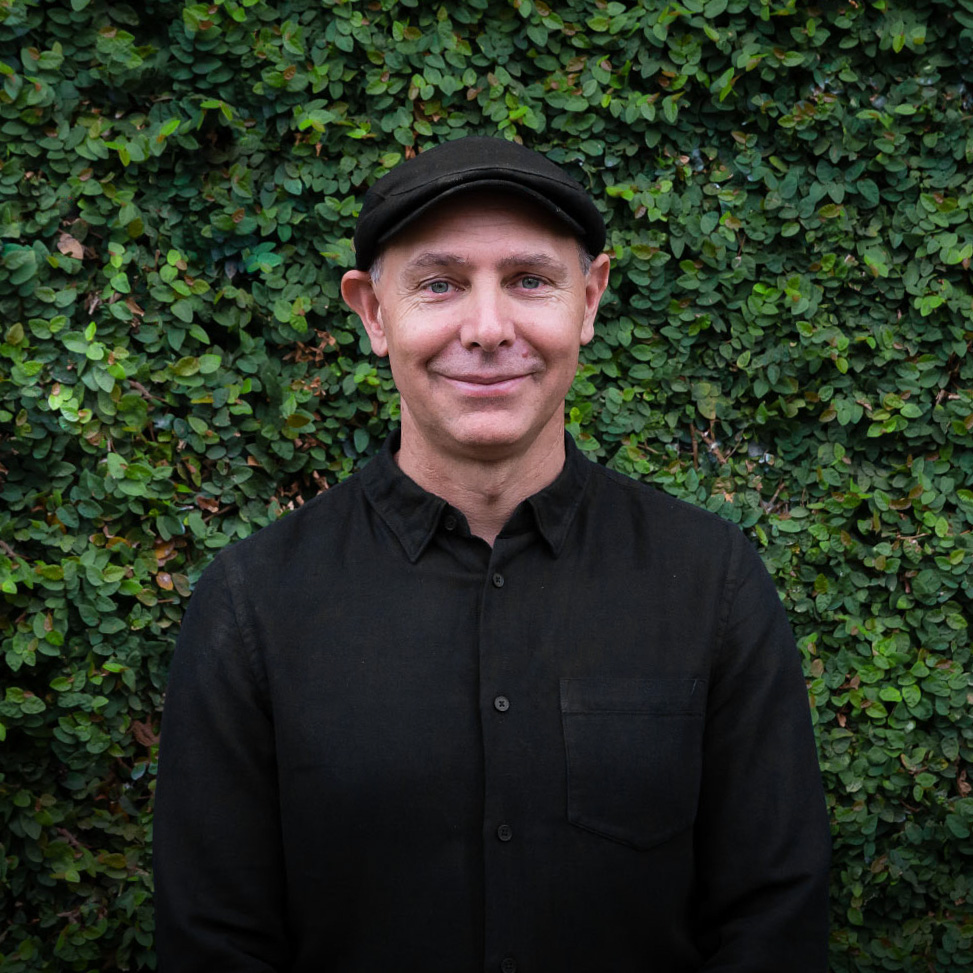
Jeremy, the founding Director of Breathe, has built a team of dedicated architects with a reputation for delivering high quality, sustainable design for all scale projects. In particular, Breathe has been focused on sustainable urbanization and exploring ways to deliver more affordable urban housing to Melburnians.

As the instigator of The Commons housing project in Brunswick, Jeremy was the driving force behind the prototype for what is now Nightingale Housing, a not-for-profit organization dedicated to providing sustainable and affordable housing. Jeremy believes that through collaboration, architects can make a real and positive impact in their community.

This belief is exemplified by Breathe’s work with other Melbourne architects to deliver the Nightingale Model, which is intended to be an open source housing model led by architects. According to Jeremy, “if you want to build something that is affordable and sustainable simultaneously, every project manager in Melbourne will tell you you can’t do that.” Instead, Breathe has defined sustainability through reductionism, identifying that what people really want in housing is good, meaningful spaces with light, outlook, and plants, rather than luxurious but unnecessary features.

As Melbourne experiences rapid growth and housing becomes an increasingly expensive commodity, Jeremy’s movement towards affordable and sustainable urban housing through stunning, thoughtfully executed projects is vital for the city’s future.

Read the podcast transcript here

Eve Picker: [00:00:08] Hi there. Thanks for joining me on Rethink Real Estate for Good. I’m Eve Picker and I’m on a mission to make real estate work for everyone. I love real estate. Real estate makes places good or bad, rich or poor, beautiful or not. In this show, I’m interviewing the disruptors, those creative thinkers and doers that are shrugging off the status quo in order to build better for everyone. And speaking of building better, I’m very excited to share that my company, Small Change, is now raising capital through a community round that is open to the public. Small Change is a leading equity crowdfunding platform for impact investment in real estate. For as little as $250, anyone 18 and over can invest in Small Change, helping to fuel our growth as we disrupt the old boys club of capital that routinely ignores so many qualified people and projects. Please visit Wefunder.com/smallchange to review the full details of our raise and to make an investment if you can. And remember, investing is risky. Don’t invest more than you can afford to lose.

Eve: [00:01:44] Three years ago, I interviewed the delightful Jeremy McCleod of Breathe Architecture, and today I’m lucky enough to interview him again. Jeremy founded Breathe, an architecture studio in Melbourne, Australia. There he delivers gorgeous and sustainable buildings to his clients. But Jeremy was unhappy with the ever-widening gap between those who have wealth and those who do not. So, he embarked on a second journey to deliver sustainable and affordable housing to everyone. Many told him that this was an impossible goal. But he completed his first project, The Commons, with accolades, three years ago. With a waiting list of over 8000 buyers, Jeremy and his team set about building lots more. This is what a great architect does. Listen in to learn more.

Eve: [00:02:43] If you’d like to join me in my quest to rethink real estate, there are two simple things you can do. Share this podcast and go to rethinkrealestateforgood.co where you can subscribe to be the first to hear about my podcasts, blog posts and other goodies.

Eve: [00:03:14] Hi, Jeremy. Thanks for joining me. And I just want to say, whoa, what a difference three years in a pandemic made for your business.

Jeremy McLeod: [00:03:23] Yeah, it’s been pretty wild times. Thanks for having me back on, Eve. It’s good to see you on the other side.

Eve: [00:03:31] It is. It’s the other side. So, since we last talked, your architecture studio Breathe and your brainchild Nightingale seem to have both exploded. And I wanted to give a little background to listeners who hadn’t heard the first podcast, or maybe tell them to go listen to it. But let’s talk about Nightingale first. So, for those listeners who missed our first chat, tell us about Nightingale. What is it and where did it all begin?

Jeremy: [00:04:03] Okay, so. Yeah, Melbourne, where our practice is, is a lot like any capitalist society. Unlike the beautiful Scandinavian countries where they decide to house their people through high taxes and good kind of support networks in a good neo liberal society, our government has been underspending in housing for decades. And so, as an architect, you know, we work, historically, our choice is to do private homes for wealthy Australians or do apartments for property developers where, you know, they’re really following a profit in a complex kind of environment. So, both of those things aren’t very rewarding. And Breathe architecture, our architecture firm, you know, we believe strongly in this idea that our first client is the planet, you know, our second client is the broader community that live on that planet. And then lastly, we have the client that pays us, and we felt like doing property development apartments wasn’t achieving the first two of those three criteria. So, we built a prototype project. We finished that in 2013 and it was called The Commons, and it was an idea to kind of prove to developers that you can make a profit by building sustainable homes and building community. And so, we built this building called the Commons. And the idea was that it would be car free, carbon free, that it would be affordable and that it would be incredible. And a lot of those things came true. I mean, we shot for the stars. We kind of landed on the moon.

Eve: [00:05:50] It is incredible. It’s a beautiful building.

Jeremy: [00:05:52] Yes, Eve you’ve been here. Right. So, you’ve been to it. You’ve been to Australia, you’ve been to Melbourne, you’ve seen it. We couldn’t get the carbon free piece right. So, there was still, we couldn’t afford the non-gas infrastructure back then. But apart from that it’s a very good building. And what was interesting about that was that we then opened it up for tours, brought every developer in the city through and said, look, this is what you can do. And they all saw it as a kind of an aberration rather than a trend and said, oh, well, that’s a nice idea, but thanks very much, we won’t worry about it. But, interestingly for us at Breathe is that people just, you know, every regular day Melburnians that are writing to us saying, if you’re going to do that again, can you please let us know? Because we would like to live in a building like that.

Eve: [00:06:36] But the really important thing is that these units were also affordable, right? They were affordable to civil servants who were really being pushed out into the far nether land.

Jeremy: [00:06:51] Yeah. I mean, the whole premise of building something that was sustainable and affordable simultaneously and still profitable for a developer was really about this idea of, you know, analyzing everything. And it was about a sustainability of reductionism. So, developers view historically has been that sustainability is expensive and it’s hard to get a return on your investment. And so, we just questioned everything. So, the big thing about taking out the cars was that we saved 10% of the build cost by taking out the basement. We reduced every apartment by $40,000. We took out every second bathroom. So, every two-bedroom apartment only has one bathroom. So, we saved $9,000 per apartment. We even took out all of the individual laundries, reduce the price of every apartment by about $6,000. And when you take a second bathroom and a laundry out of an apartment, the living room suddenly gets, you know, nine square meters bigger. You know, in your space, 90 square feet, about 90 square feet bigger, right. So, the living rooms start to be these really great, you know, spaces to be in. The cost comes down in all these apartments and then we start to build really great shared spaces, like a really incredible bike park, a really great rooftop laundry, you know. And rooftop laundry sounds weird, but it’s beautiful, right?

Eve: [00:08:12] It’s absolutely beautiful, yeah.

Jeremy: [00:08:13] Opens up onto the big garden and views to the city. And these become these, kind of, social hubs where people in the building meet each other doing something really ordinary, but it actually works in a kind of safe, nice space where people actually get to break down those barriers to talk to each other. So, anyway, when we finished the Commons, we won the national award for housing with this thing, and it was quite a small building. You know, it was 24 apartments, and we won the National Award for Sustainability, which was incredible because it wasn’t a $100 million university building that was funded by some philanthropic fund. It was, you know, it was actually. Yeah, it was just a market rate apartment. So, then we wanted to get other developers to employ us as architects to do that after two years of bringing them through the building. We couldn’t find anyone that would want us to do that. They wanted to do the same as business as usual. So, we decided that I took four days off work, and I wrote a manifesto and called it the Nightingale model, and we established Nightingale housing. So, the idea was that we would share all of our IP. That we would bring architects together, that architects would lead a housing revolution, that we would democratize capital.

Jeremy: [00:09:31] It’s interesting, Eve, that you and I met and, you know, when I saw Small Change, I was like, oh, this is what I really needed back in 2015. But basically, it was peer to peer funding. Small mom and dad investors putting in like about $100,000 each to kind of crowdfund these projects, equity fund these projects. And we built the first project, Nightingale One, which finished in 2017. And then, you know, by that stage our waiting list, people who had been writing to us had grown from 11 to 57. And so, we balloted those apartments. So, we didn’t sell them through a real estate agent. We took all of the agents out, all of the marketing, all of the display suites, which all reduced the cost of the building. We took out all the gas to make sure it was 100% electric. We shared a lot of the infrastructure inside the building, like the hot water for the hydroponic heating, like the hot water for the showers. So, we got one set of plant that does all of that. It makes it really cheap for everyone living in there. These are all built to sell like market owned apartments. And 57 people entered a ballot and we balloted. We sold all the apartments in one day. And people hadn’t seen that in Melbourne, you know.

Jeremy: [00:10:46] So anyway, you know. So, that was kind of the start of Nightingale. And what’s happened since then is that a couple of projects kind of took that Nightingale model and delivered it. So, we shared that IP with other architects. You know, I actively worked with those other architects to help them deliver those projects. So, Nightingale 2 is a great example of that. And then it kind of faltered, Eve. And the challenge, I think, was that to go and source equity, to go and buy a piece of land, you know, someone needs to sign the directors guarantee on the purchase of the land. To go and secure a debt, someone has to put a director’s guarantee down, you know, to secure whatever it is, $10 Million from the bank. And the bank wants to know that the person delivering the building has done it before and that they’re good at it and that they have a big balance sheet behind them. So, this revolutionary idea for Nightingale housing, like it kind of went bananas, right? So, after Nightingale 1, we balloted Nightingale 2. And you know, we started doing all of these projects, but, you know, our demand grew so that there’s 15,000 people, over 15,000 people on a database now to buy housing.

Eve: [00:12:02] Wow, my heavens.

Jeremy: [00:12:03] But we couldn’t keep up with supply because, you know, there’s fundamental issues around, in a good neoliberal society, around risk, who’s prepared to take the risk and put their home on the line. And, you know, again, I guess risk from a debt point of view and an equity point of view, who’s going to put money into these projects because you know, who’s going to take risk on that? And so, look, the good news is that, you know, we’ve just completed like our 500th apartment and we’ve got another 500 in the pipeline. Last year we balloted $80 million worth of housing where we’ve rolled in a social housing portion so that, you know, trying to really kind of nail the affordable housing piece now means we have 20%, that the first 20% gets balloted to an affordable housing provider. So, that’ll be a charitable organization like Women’s Property Initiatives. The next 20% goes in a priority ballot. So, to you know, key service workers, nurses, teachers or to First Nations Australians or to people with a disability or carers for people with a disability. And the last 60% is balloted to, you know, to the broader waiting list. Everything sold. Now we’ve got a, you know, the new model is kind of evolved into, you know, it’s a Nightingale not for profit, so, there’s no profit in there anymore.

Jeremy: [00:13:33] And we’re now getting institutional funding from what are our superannuation funds, which might be called pension funds in the US. And we’re getting senior debt now from our major banks really through their kind of social impact arm rather than just their commercial finance arm. So, we’re getting good rates and really good engagement like we’ve had the CEO of one of Australia’s biggest banks, you know, come and meet with us, walk through the buildings, ask us what he can do to help personally and like task you know team of six of his heavy hitters to help, you know, build a specific loan product for people who want to buy into Nightingale. So, I think the interesting thing about Nightingale is this idea that it’s got a very clear narrative around it, which is that it’s a triple bottom line housing model. So, it’s about being carbon neutral. It’s about building community, not only in the community within the building, but kind of engaging with the broader community through that whole process. And then lastly, it’s about affordability and how do we get a broader cross-section of the community living there. So, it sounds it sounds pretty easy, but, you know,

Eve: [00:14:43] Well, it’s not easy.

Jeremy: [00:14:46] As you know, Eve. So, you know, and when I started there, it was, you know. Yeah, it was just an idea, right? You know, in a manifesto. And I recently handed over the reins, so I was the founder for a while. I put together a not-for-profit board. Or actually, I got some help to put together a not-for-profit board, which was really great. We put someone on to kind of run the show for a couple of years and then it just didn’t take off. And then I step back in as managing director to try and say, If we’re going to go, let’s do it. I stayed in that acting managing director for over five years, you know, and we saw massive growth and I’ve just stepped down in that role as managing director. So, you know, I’m back on the board now. So, you know, I attend six weekly board meetings. But, you know, as I stepped away, there’s now 17 staff, you know, and 500 apartments in the pipeline. And yeah, so.

Eve: [00:15:44] Is it satisfying to have built that?

Jeremy: [00:15:46] Yeah it is and you know, I was sad to step away. But, you know, I’m also the design director at Breathe Architecture and you know, it’s time that I actually give some love back to Breathe. You know, the organization that founded Nightingale. Now, you know, I feel like I need to spend some time there to go and, you know, see what’s next on the horizon, right?

Eve: [00:16:07] Yes, yeah.

Jeremy: [00:16:08] Building up to do the next thing.

Eve: [00:16:10] So, are other architects involved now? You said you have built 500 units.

Jeremy: [00:16:16] Yes. So, I mean initially it was meant to be this architect led kind of revolution and we got lots of engagement from architects to do that. Lots of challenges around funding and equity raising. And just not.

Eve: [00:16:32] It’s all about money, isn’t it?

Jeremy: [00:16:34] It’s all about money. It’s all about money. Unfortunately. This idealist has become, I’ve become much less, I’m much more pragmatic over time, which is really interesting. I was also quite scathing at the development industry when I started Nightingale, thinking that they were all evil. And now I’m. Yeah, and now, you know, I’m really embarrassed about the things that I said early on, the disparaging things I said about developers, because I just realized how hard it is and how much risk is involved. And you know that the profit margins that developers put in, while they might seem horrifically high from the outside, you know, it only takes one project to go.

Eve: [00:17:17] It’s a huge amount of work.

Jeremy: [00:17:17] Well also, they need a balance sheet to be able to fund the projects and in the event that one project fails, they need to, they need a balance sheet behind them to be able to.

Eve: [00:17:26] Especially in Australia where I really don’t understand how the financing works at all, we’ll have to talk about that. But it seems even harder than here.

Jeremy: [00:17:35] It is.

Eve: [00:17:36] It’s very difficult.

Jeremy: [00:17:37] Yeah, it is very complex. And the banks here, you know, I guess like anywhere are not interested in taking, you know, risk so.

Eve: [00:17:44] Very conservative, yeah.

Jeremy: [00:17:46] Yeah, yeah, yeah. So, you need lots and lots and lots of debt coverage, but it’s really great to be able to get to the point now where I can step away from that. I do worry for the sanity of my replacement, given, you know, it’s probably the same thing that’s happened in the States. You know, we’ve got high inflation here. We’ve got, we have had supply chain issues through COVID. So, we’ve seen massive increases in construction costs in the last two years. In one of the states here, we’ve seen like a 23% increase in construction. So, in the last year, that’s put a lot of projects under pressure. And then we’ve seen, to try and control inflation. The banks have put the interest rates up, so lending is tightening. So, first tome buyers who are our cohort are struggling to get loans. So, you know, it’ll be interesting to see, you know, out of those 15,000 people, how many can actually secure a loan to buy a property. We will see how much demand there still is out of that 15,000 for the next project, when we take the ballot.

Eve: [00:18:48] So then, yeah, I think you’ve answered this question. My question was going to be what did you have to give up on? Like your idealism was thinking, this is going to be like this, but what did you have to give up on to really make this work? Was there anything or have you.

Jeremy: [00:19:02] Yeah, well, I mean, that’s a that’s a really good question. Look, I did think that, you know, that when we first established Nightingale that it was going to be this really light touch thing, right? That there would be a couple of people with a repository of all of the information and they would share it with a Nightingale license to another architect. And that other architect would read through everything diligently. They would understand the risks involved. They would establish a company, go and raise equity, go and secure a debt, and go and buy the site and build the projects. And that it would grow, and it would just go viral. I think that was the that was the dream, right? That the whole thing would kind of happen because it was such light and demand for it. So, the thing that I’ve had to give up on is actually, you know, from being a revolutionary organization, you know, to actually have the impact that we need, we’ve become, yeah, much more mainstream. So, you know, now Nightingale, you know, has a fund it raises, you know, seed fund and equity and debt. Nightingale goes and buys the sites; it engages the architects. So, you know, we still employ.

Eve: [00:20:05] So, you’re really, that nightingale is really making it all happen.

Jeremy: [00:20:11] Yeah. So, Nightingale does everything now takes all the risks. So, as a director on the board, I still take the risk. So, we’re basically taking the risk out of the hands of the architects and centralized it at Nightingale. But we’ve also centralized the expertise. So, you know, we’ve got a finance director at Nightingale, we’ve got, you know, delivery team of development managers and project managers and that obviously gives the banks and the superannuation funds lots of confidence that this team has done it before, and they can do it again and all that expertise is in-house.

Eve: [00:20:45] That’s a lot, that’s huge.

Jeremy: [00:20:49] Yeah. But you know, yeah. So, it’s much less grassroots and it’s much more boring. Yeah. Hey, I mean, still doing incredible things, right? It’s still setting the agenda like, you know, we build.

Eve: [00:21:05] You’re a starter. You don’t like the maintenance, the maintenance stages.

Jeremy: [00:21:08] 100%. I’m a starter, not a finisher. There are other people that are better at finishing than me. That’s absolutely right. Well, it’s got an incredible inertia.

Eve: [00:21:20] I think we have that in common. I like things, but maintenance can be really boring.

Jeremy: [00:21:25] Yeah, And look, it’s got its own inertia behind it now, so it doesn’t need me, you know, anymore.

Eve: [00:21:31] Pretty fabulous. So, what else about the model has shifted over time? This just.

Jeremy: [00:21:35] Well, look, under the interesting thing for us was that we were delivering housing that was carbon neutral and that was meant to be affordable. But I was actually frustrated by delivering not for profit housing that, you know, the first project was 19% under market. In one of the projects we balloted last year was only 13% under market and it’s not for profit. Right? And so, I think the challenge for us was that when we pushed the environmental credentials and the build quality and the design quality and all of those things, it still wasn’t as cost effective as what we were hoping. You know, we were hoping to kind of shave 25% out of the price of housing and we thought that we would get better at that over time and that as we built bigger projects, and we had an economy of scale that we could keep on reducing prices. Yeah, I guess for us it just, it didn’t get cheaper. Even with big projects like Nightingale Village where there’s six buildings all together and we’re sharing infrastructure, you know, the project got more complex and they got better, but they didn’t get cheaper.

Jeremy: [00:22:43] And so, for us, we had to kind of start to think about how do we have impact on affordability, which is when we kind of wrote our own affordable housing policy, you know, a little bit like, you know, the UK where we just allocate 20% of housing kind of salt and pepper through each of the developments now and then those 20% are held by the community housing provider and cross subsidized by everything else in the project, which actually makes everything else in the project slightly more expensive, right. So, we’ve actually made the other 80% slightly more expensive, but we now have 20% that is truly affordable, you know. And so, and it’s complex and it shouldn’t be up to a small not for profit to be delivering affordable housing. But in a city where there has been so much underspending on housing, then I think that everyone’s got to take some responsibility to try and solve for that.

Eve: [00:23:39] So, has any of this rubbed off on the Australian Government?

Jeremy: [00:23:43] Yeah, I mean it’s been incredible. The impact that Nightingale has had is unbelievable. So, you know, so Nightingale now has, there are a number of other companies doing things that look and smell like Nightingale, but they kind of got their own, you know, their own approach to it. You know, there’s a company here called Assemble, and if you talk to Assemble, you know, they say that they developed all of their all of their things, all of their ideas, all their policies at the same time as us, which may well be the case. And maybe everyone was kind of we just all arrived here at the same time. They kind of came a couple of years after us. But the great thing about assemble is their scale. So, they are funded, you know, they’re 25% owned by a superannuation company, all of their sustainability credentials, they match all of our sustainability credentials. So, we’ve got seven and a half stars, not five stars.

Jeremy: [00:24:44] That’s one of our, you know, energy rating requirements. They’re also 100% electric. They also buy 100% certified green power, so no black power. They also have a car share system in that they also have an embedded network that shares the benefit for the residents. And they also have a 20% affordable housing criteria. You know, the difference is that while we’ve got 500 apartments under development, they’ve got 3000. So, I mean, and also, yeah, it’s incredible. And also, they’ve got some really smart people working with them around tax structuring and finance. And they’ve been able to work really well with government on getting government backed finance, you know. So, yeah, I think that they’ve approached it in a kind of more intelligent and strategic way. But it’s really great, right? So, it’s not just Nightingale now. It’s also a company that has to generate returns for a pension fund which is doing this and showing that this model can be replicated at scale and profitably and still everyone wins on it and most of their model is build-to-rent, but they’re building buildings that are largely…

Eve: [00:25:55] Which is unusual in Australia.

Jeremy: [00:25:58] Yeah, I mean Australia is weird, right? So, most of the apartments here are kind of built to sell. Most of the rental apartments are owned by mum and dad investors, you know. And so, the build to rent market here, you know, the rental market is only just recently turning to kind of, you know, whole buildings being owned by a property companies. So, we’re seeing like Heinz coming out here, Greystar coming out here, so, internationals coming here to build, you know, buildings that will be rented out. So, it’s good to have Assemble here as an Australian, you know, version of that.

Jeremy: [00:26:35] But we’re also seeing boutique developers, Milieu here, who sell beautifully designed. Their whole schtick is beautifully designed buildings, relatively small buildings. There may be only 50 apartments in each building. But what we’ve seen from them is that they engage Breathe architecture to work on a project with them. And basically, they said we want to build all of the sustainability outcomes of Nightingale. We want to add some optionality. So, if our purchasers want to buy a car park or buy an individual laundry, they can. And so, we’ll just offer those as optional extras and then we’ll sell it at a different price point. And we’ll make sure that it’s designed really well and that it’s, you know, that the specification is slightly better. And so, we’ve seen Milieu now become a B Corp certified company delivering buildings that are carbon neutral in operations, meeting all of the Nightingale kind of design standards and then selling to the kind of the next tier up of second or third home buyers, you know, and it’s been really good to see them delivering great quality with those same sustainability and community outcomes.

Jeremy: [00:27:51] And in fact, around here, Eve, you’ve been to this suburb that we’re in, Brunswick, in the north of Melbourne here, it’s kind of a, you know, I guess, let’s call it a Williamsburg of, you know, of Melbourne, right? It can be gritty, and it can be great. And it’s pretty diverse. But what we’ve seen around here now is that no developer builds here now, who is serious. No one here plumbs gas into their building, no one here builds something that’s kind of under seven stars. You know, everyone who’s building here now knows that the purchasers in and around this area expect that their building is going to be energy efficient and there’s going to be 100% electrified. So, it’s been really interesting to watch the market shift. And I think that, you know, the epicenter is here around where we’ve built 14 nightingale buildings in this suburb. And I think that it’s kind of rippling out through the rest of Melbourne and then it’ll kind of ripple up the East coast here and get to Sydney and Brisbane.

Eve: [00:28:54] What about other countries?

Jeremy: [00:28:58] No, no, no, that’s a really good question. I mean, yeah, it’s interesting that lots of people around the world know about Nightingale, and we’ve spoken to people in London, you know, Sweden, Canada.

Eve: [00:29:12] And plenty of students who know about Nightingale and Breathe.

Jeremy: [00:29:16] Yeah, yeah. It’s really interesting. But New Zealand has paid a lot of attention. So, New Zealand is, you know, Australia only has 25 million people. New Zealand only has 5 million. It is the most beautiful place. It’s incredible.

Eve: [00:29:33] It is gorgeous, yeah.

Jeremy: [00:29:34] The New Zealand central government has a housing crisis on its hand that the cost of housing in New Zealand is like, you know, I think it’s like know third after, you know, Paris and Hong Kong or something like it’s crazy how expensive housing is in Auckland. The central government from New Zealand sent a delegation of about ten senior planners, planners, urban designers out to come through, and economists, to come and walk through the commons and look at Nightingale One. They’ve recently announced a new housing policy under their incredible Prime Minister, Jacinda Ardern.

Eve: [00:30:12] I know. She’s amazing.

Jeremy: [00:30:13] She’s amazing. Yeah, she’s like, Oh, there’s a problem with housing. Let’s write a housing policy and let’s actually change planning policy to solve that. And basically, when that delegation met with me, they said, what is the biggest barrier to building affordable housing? And I said, it is, in Melbourne, it’s actually third-party objection. Right? So, it’s.

Eve: [00:30:36] Yeah, I was going to say the same thing. Zoning. Well, it’s, yeah, objection rights are really strong there, but definitely zoning impacts what you can do.

Jeremy: [00:30:44] Yeah. So, one person living, you know, 500 meters away, you know, or half a mile away can put in an objection and delay the entire project and cost the project hundreds of thousands of dollars. Absolutely, and it’s alive and well here. And the thing that they complain about is lack of car parking, despite the fact that our road network is absolutely at capacity and that the City of Melbourne has 30,000 available car spaces in existing buildings. And all we need is an app called Parkhound or Spacer to link people up to those things. So, we don’t have a car parking problem, we’ve just got a management issue about where those people being able to find those car spaces, so car parking and height and so basically anything over two stories, everyone in Melbourne is up in arms. And so, basically what they did in New Zealand is that they heard that, and they’ve got a new policy which says that anything up to five story, there’s no third-party objection rights, even if it’s got zero car parking. So, they’re happy to waive the car parking to zero because construction of basement is, like labour costs are very high, really high in Australia and New Zealand. We’re literally saving like 15, sometimes 20% of the housing cost out by taking out basement car parking.

Jeremy: [00:32:08] So, so New Zealand has changed their planning rules and Breathe have been working with the with the kind of community-based developer, believe it or not, with an incredible constitution out of Hamilton and New Zealand and a local architect called Edwards White in New Zealand. And we’ve been working with them to build their version of Nightingale. You know, that’s specific to New Zealand. And so, we’re working on a project with them. But the first project isn’t like Nightingale One, like 20 apartments. It’s like Nightingale Village. So, it’s, you know, it’s eight buildings by eight different architects, all carbon neutral in a village. And we’re working really closely to make sure that we knocked that out of the park and we’re building the infrastructure around that. It’s called Project Korimako. Korimako is a New Zealand bird, you know, as opposed to, you know, the Nightingale. Anyway, I’m really looking forward to. So, the Breathe team kind are working with them and we’ve taken all the learnings from our time at Nightingale over there to kind of try and, you know, just leapfrog kind of five years of R&D. So yeah, it’s, it’s definitely it’s definitely spreading.

Eve: [00:33:16] Interesting. So, in the meantime, what’s happening with Breathe? I know a little bit because, full disclosure, Jeremy is my architect on a project in Australia which has suffered through the pandemic and objection rights. Right?

Jeremy: [00:33:33] Well, I mean you saw that there was one objector on your project, which was a really aspirational project, not an overdevelopment. And we had to spend a lot of time with that one objector, you know, to kind of work through that was painful. And now our big challenge is funding, right? Funding and finance.

Eve: [00:33:53] Well, also the contractor, it’s a very, very dense urban site. The contractor is really concerned about how he’s going to build there. And so, you’re not going to like this but he says, you know, they need the whole road. That objector went away because we gave them an accessible parking spot, which the contractor says he now needs. It is really, I mean, I’ve never seen, I mean, I’m in a small town. I know that entitlements and zoning moves very slowly in places like San Francisco, but I’ve really never been through anything quite like it. Especially with the pandemic. And everyone disappeared and there were no phones, and no one responded to email.

Jeremy: [00:34:40] Yeah, it was challenging, wasn’t it? Anyway, we’ll get there, Eve. So, what was the question again?

Eve: [00:34:47] So, like, what’s happening in your architecture studio?

Jeremy: [00:34:53] Yeah, okay. Okay. Right. So, you know, we’ve kind of specialized in sustainability for a long time. And when I say specialized, it’s just been something that we’ve always done. I think the big change for us in the last couple of years is that one of our great architects, Bonnie Herring, was the director of architecture here, we’ve now made her a director of sustainability. We’re now doing lifecycle assessment on all of our buildings. So, we’re one of three firms in the country that are kind of measuring carbon and trying to deal with whole of life carbon or embodied carbon, which has been interesting. And, you know, everyone says to us, you know, it’s funny that you guys tend to focus on narrow your focus down and doesn’t that cost you work? But interestingly, by narrowing our focus, we’ve got clients like ANZ Bank. So, you know, we’re a relatively small practice. You know, I think there’s 27 staff here and ANZ Bank are again one of the big four banks here, and they’ve been working with us in the last couple of years about changing their branch rollouts to being, you know, instead of constructing branches, basically working on a system where we build, you know, a carbon neutral, like kit of parts or furniture installation basically that can be installed and then removed at the end of each lease and taken to other branches and, and all the parts can be used. There’s a barcode on all of the parts so you know.

Eve: [00:36:23] It’s like knock down furniture for ANZ Bank.

Jeremy: [00:36:25] Exactly, exactly. So basically, kind of, and the incredible thing about that is, you know, just in the 21st century, being able to design everything in 3D, you know, prototype everything, build a prototype branch, test everything, and then start to roll out, you know, branches. And so, we basically built this kit of parts, a 3D model, a handbook, basically like an IKEA catalogue showing how it all goes together. A little YouTube tutorial to future architects working on these branches.

Eve: [00:37:02] A phone number.

Jeremy: [00:37:04] No phone number, but, you know, so we designed that. We rolled out the first three branches together with ANZ and then we worked with their three other architects to then take them through it and then we worked with another three. And so, we’ve kind of been spreading how to do that, you know? Yeah, like a tutorial, but you know, they’ve just finished their 60th branch and they’re rolling out across the country, so they’ll roll out hundreds of these things. So, these carbon neutral branches in operation with a massive reduction in embodied carbon, that’ll be totally circular. So, there’s no glue in these things, Everything’s screwed together or bolted together. So, at the end of a component’s life, it can all be, you know, broken down to its kit of parts and reused. I mean, that’s been pretty interesting.

Eve: [00:37:48] For people listening, they’re wondering, is this really what an architect does? So, you know, is this the role of an architect?

Jeremy: [00:37:58] Well, that’s a really good question, right? Because what is an architect in the 21st century? You know, I’m on the National Council of the Institute of Architects in Australia. And, you know, a lot of architects think their job is to draw buildings. You know, and I would say to any architects listening that that is absolutely not our job, that, you know, 39% of all carbon emissions on this planet come from the built environment. And that, you know, we’re in a time of massive climate crisis and that we as a profession need to be asking ourselves big questions like, eh, should we be drawing a building at all? Or should or should we be finding a different solution? So as architects, we’re trained as systems thinkers, you know, Eve, you’re trained as an architect, and you know.

Eve: [00:38:46] It’s a great training, it’s creative, and it’s systematic and it’s, you train to be a problem solver and make something from nothing. Yeah.

Jeremy: [00:38:55] Yeah. Correct. And so what I would say to architects is to use that thinking to say, what is the answer to this solution? Is it building more basement car parks or is it actually just introducing the council to apps that already exist, or is it building an app? You know, like what is the answer to the problem? And it’s not always drawing a building, you know? So, yeah, I think that where, you know, yeah, we probably approach architecture a little bit differently to traditional firms. I’m not a big fan of single, you know, residential family houses, you know, or the inequity in that that so many architects focus on this fetish-ization of you know I want to do this big luxurious house, you know, and I want to get it photographed and put in a magazine.

Jeremy: [00:39:48] But if you think about the impact that you can have, you know, spending all that time with a pedantic, wealthy client to build their one dream house as opposed to you could be working with Aboriginal Housing Victoria, you know, and building housing for First Nations Australians who have been, you know, pushed off their own land in this country, you know, or you could be working with ANZ to say, well you’re about to roll out 400 branches, how do we pull out thousands and thousands of tonnes of carbon out of that and how do you improve the working experience for all of your staff through that, by, you know, introducing Biophilic design and flooding the place with plants and pink UV grow lights so that at night time when the branch closes, it glows pink, you know. So, yeah, I think that we have to ask ourselves. You know, this is post, we are we exist post peak oil. We exist post, you know, the debate on climate change. There is no debate now. And we have to choose who we want to be in the profession and what we want to be doing, but it shouldn’t be adding to that 39% of carbon emissions. It shouldn’t be adding to social injustice. You know, we get to be change makers and we should, you know, focus our time and our energy on that.

Eve: [00:41:14] Yes, I totally agree. For me, it’s also that buildings make better cities for everyone. And I get.

Jeremy: [00:41:25] Absolutely.

Eve: [00:41:26] Really upset when all the focus is on that special Italian marble finish inside, when really, it’s the external walls of the building that are going to make a street or a place or a square, really a wonderful, really place to be, you know.

Jeremy: [00:41:43] I had an architect at Breathe the other day, quote, a famous quote to me, and he said, Jeremy, God is in the detail. And I banged my fist on the table and I said, absolutely not. Not in this place. You know, it’s in the big idea and it’s in the ethic of what you’re doing, you know?

Eve: [00:42:02] But on the other hand, your details are gorgeous. So…

Jeremy: [00:42:05] Yeah, absolutely. I mean, but those two things have to coexist, right? You know, you can’t just obsess about a detail without actually if you think about Bonnie in the way that she worked and designed the commons, you know, every detail is about a reduction. How do I take things out? And so, it’s so reductive that it’s really, really beautiful. But there was a reason for that, right? A sustainability reason, a cost reason. So yeah, but also Eve, interesting that you studied architecture, but you saw that what actually needed to happen in the built environment was funding for the right type of projects. So, Small Change is an example of I teach at Melbourne University, I teach Nightingale night school to thesis students, you know, every second semester at Melbourne University. And I become incredibly proud when I hear about one of my graduates going out and they might work for Lend Lease in and become the head of their sustainability, you know, or they might go and work for a property developer and become a development manager there, or they might go and work for the public housing team in Singapore, you know. But I get really inspired when I hear that architects understand that sometimes the most impact they can have is not drawing buildings but using their systems thinking to actually make massive change. So, I think the key is getting up upstream, right? Architects are always downstream. You’ve got to get up to the source to be able to kind of change be outcomes.

Eve: [00:43:45] I think that’s right. And I don’t know if it’s changing, but I taught in architecture school for a while and I found it incredibly myopic that students were taught to design just buildings and very little time was spent on everything else they could do with their education.

Jeremy: [00:44:05] I think it depends a lot on what university, you know, like I was at the Royal College of the Arts a couple of years ago, you know, with a woman, Tash, there seeing what she was doing. And she was there really trying to get, you know, these architects in London thinking really about systems, big things, you know, how do we, you know, how do we as a profession have, massive impact which leads to massive change.

Eve: [00:44:32] Yes. So, I’m going to ask you one more question. When are we going to build a Nightingale project together in the US? That’s what I really want to do.

Jeremy: [00:44:43] Well I mean, if you think of if you think about what the barriers are. So, can we get a great architect in the US? Absolutely. You know. Can we find a site with lots of opportunity in the US? Like, absolutely. You know, I mean, often, you know, we’ll try and align strategic planning support with community support. You know, and you can imagine that there would be states or cities within the US. I mean, it’s obviously quite divided at the moment, but we but we would need to go to the right place to do it. And then the biggest piece of the puzzle is funding, you know. So, and I think that…

Eve: [00:45:22] It always is. Yeah.

Jeremy: [00:45:23] And I think that, you know, that you could solve that. So, and well, actually the last piece of the puzzle is that the Nightingale Housing Board has said absolutely no to any, the reason that Breathe are working with the New Zealand crew is that the Nightingale Housing Board have said Jeremy No we’re, we’ve got a sole, let’s just solve Melbourne, you know, and I’ve kind of pushed them to, you know, Adelaide to the next state to the west of us and I’ll push them north into, into New South Wales. So, we’re kind of in a few states here. But yeah, I think that, you know, we could call it the Eagle.

Eve: [00:46:07] I love this idea of sustainability through reductionism. Like I worked in this Pittsburgh market, which is a really soft market when I was doing real estate development. And I had to reduce everything down to the bare minimum for different reasons, just because the market couldn’t support anything else. But there are now places here where it can support, it can support more. But I mean, you know, my own apartment has polished concrete floors because we really couldn’t afford to cover it. And I’ve got, you know, concrete, raw concrete block walls because painting it just wasn’t part of the budget. I think that’s beautiful. You know, I think that it’s exposing that, you know.

Jeremy: [00:46:50] But if you detail it well, I mean, the fascinating thing is if you think about the Commons, you know, Bonnie being so reductive that even the surfaces. So, all of the tap ware that we used to specify in Melbourne was cast in brass and it made it made in Melbourne, cast in brass sent off to the chrome platers so to be electro plated with chrome. And then it would come back to the manufacturers that would brush the chrome, that would repackage it, they would send it out. And chrome plating is a very toxic process, anyway. It’s very, very energy intensive and it requires all of this transport between the brass caster and the chrome platter and back again. So, Bonnie pulls all of the chrome plating off, you know, talks to the manufacturer, gets them to agree to give us basically the rough cast brass, you know, just buff off.

Eve: [00:47:40] Which are beautiful, right.

Jeremy: [00:47:42] Absolutely beautiful. And now in Melbourne, you know, find me a building you know, whatever, ten years on that doesn’t have bar store furniture and brass tap you know. So, it’s actually, it’s become an aesthetic and I’m not saying that again, maybe it was just the time, but you know, it’s become an aesthetic in its own right in this city. But it’s really come out of, you know, Bonnie Herring pushing this, just really pushing the reductionist agenda. So, yeah, I mean, it’s interesting. And then if you think that all of the apartments around here, we pull all the ceilings out to give us, you know, taller ceiling heights and to not put all of the, you know, embodied carbon in those ceilings and to expose all the thermal mass to give us really stable temperatures. You know, we’ve been pulling the ceilings out since 2014 and now no apartments around here, you know, like they’ve all got exposed concrete ceilings, you know.

Eve: [00:48:52] So, there was this language in construction and building homes that wasn’t really there for good purpose, right. And you’ve stripped it away and it’s really quite a beautiful aesthetic and people are adopting it, it’s a great thing.

Jeremy: [00:49:07] It’s interesting. Eve, I better run because I’ve got to go and talk to someone. So good to speak with you.

Eve: [00:49:15] And I want to, I’ll want to know in two or three years where you are then, because this was enormous progress, especially given that there was a pandemic during all of this.

Jeremy: [00:49:25] Yeah, but I think that I’m sure it was the same in the States. We were expecting the sky to fall, and everything was upside down. So, you know, housing prices went up, construction prices went up, yet demand went up like nothing made any sense. So, yeah, you know, I am still expecting the sky to fall, Eve.

Eve: [00:49:49] I’m hoping to come to Melbourne sooner and we’re going to catch up again then. Thank you very much.

Jeremy: [00:49:56] Thanks, Eve. Thank you.

Eve: [00:49:58] You too. Bye.

Eve: [00:50:16] I hope you enjoyed today’s guest and our deep dive. You can find out more about this episode or others you might have missed on the show notes page at RethinkRealEstateforGood.co. There’s lots to listen to there. You can support this podcast by sharing it with others, posting about it on social media or leaving a rating and review. To catch all the latest from me you can follow me on LinkedIn. Even better, if you’re ready to dabble in some impact investing yourself head on over to wefunder.com/smallchange, where you can invest directly in Small Change and our mission to democratize capital formation to create impact in commercial real estate development. A special thanks to David Allardice for his excellent editing of this podcast and original music, and a big thanks to you for spending your time with me today. We’ll talk again soon. But for now, this is Eve Picker signing off to go make some change.

Image courtesy of Jeremy McLeod

Democratizing green roofs.

January 11, 2023

Molly Meyer is democratizing the green roof. 

80% of the buildings that will exist in a few decades from now are already built. And since buildings are one of the biggest contributors to climate change, figuring out how to retrofit them economically and easily is a must do. Green roofs are a big part of that. Molly wants to put a green roof within the reach of anyone who owns a building.

She’s tackling this through engineering incredibly lightweight soil and systematically training contractors in how to use it. Her company, Omni Ecosystems, in Chicago, is growing, evidence of the demand.

Molly’s interest in green roofs developed in Germany, where she spent two years working in the green roof industry on a Robert Bosch Fellowship after completing her degree in Earth Systems at Stanford. She founded Omni Ecosystems in 2009 where she works to advance technology associated with working landscapes in order to create rooftop gardens (and other types of working landscapes) that are functional, biodiverse, environmentally friendly, and fiscally beneficial. The company is multidisciplinary and comprised of five branches: OmniInnovation (research and development), OmniProducts (product development), OmniWorkshop (design studio), OmniConstruction (installs living infrastructure systems), and OmniStewardship (provides care for long term landscape management). They don’t just build green roofs – they invent, design, supply, construct, and maintain working landscapes.

In 2019 Omni Ecosystems headquarters relocated to the Bowman Dairy Company’s State Street facility in Chicago, rehabilitating the neglected into a design studio with a 30 ft palm tree, construction yard and manufacturing warehouse, and a rooftop showcase with a 15,000 sq ft green roof including 32 trees. Omni Ecosystems has patented a number of innovative solutions to improve their products including the Omni Tapestry and the Omni Green Roof and have received numerous awards for their visionary products and Molly has received more for her visionary leadership.

Read the podcast transcript here

Eve Picker: [00:00:11] I thought I’d kick off the New Year with an inspirational conversation I had with Molly Meyer last year. Molly is the founder of Omni Systems. She’s developed a brand-new approach to greening roofs.  She’s engineered an incredibly light-weight soil that weighs just 12.5% of your average garden soil, making it possible to easily grow trees on rooftops. Why is this so important? 80% of the buildings that will exist in a few decades from now are already built. And since buildings are one of the biggest contributors to climate change, figuring out how to retrofit them economically and easily is a must do. Green roofs are a big part of that. Molly wants to put a green roof within the reach of anyone who owns a building. I was blown away. 

If you missed this podcast when it was first published, make sure to catch it now.

If you’d like to join me in my quest to rethink real estate, there are two simple things you can do. Share this podcast. And go to rethinkrealestateforgood.co where you can subscribe to be the first to hear about my podcasts, blog posts and other goodies.

Eve: [00:01:38] Molly Meyer is democratizing the green roof. Why, you ask? 80% of the buildings that will exist in a few decades from now are already built. And since buildings are one of the biggest contributors to climate change, figuring out how to retrofit them economically and easily is a must do. Green roofs are a really big part of that. Molly wants to put a green roof within the reach of anyone who owns a building. She’s tackling this through engineering incredibly lightweight soil and systematically training contractors in how to use it. Her company, Omni Systems in Chicago, is growing, evidence of the demand. I was fascinated and hope you will be to listen in. If you’d like to join me in my quest to rethink real estate, please share this podcast. Or go to RethinkRealEstate.Co and describe to be the first to hear what we’re cooking up next. Hi, Molly. It’s really nice to have you on my show today.

Molly Meyer: [00:01:41] It’s so nice to be here. Thank you, Eve.

Eve: [00:01:44] You’ve built an amazing company I heard about called Omni Ecosystems with a vision to democratize the Green Roof. So tell me about that. What’s the problem that you’re trying to solve?

Molly: [00:01:57] Yeah, so, well, green roofs are one aspect of it, but when we’re thinking about putting landscapes on structure, weight is a serious concern. So making sure that green roofs, or that the ecosystems that we put on structure aren’t too heavy. And so we’ve invented a new type of growing media or engineered green media, which colloquially we call soil, but it’s very, very lightweight. And so typical soil, like in someone’s front yard, would weigh under a lawn. To grow that lawn would be about 120 pounds per square foot. And typical green roof systems will grow along in about 80 pounds a square foot. We’ve grown lawns in 15.

Molly: [00:02:48] Oh Wow.

Molly: [00:02:50] Orders of magnitude lighter weight.

Eve: [00:02:52] Wow. Wow, wow.

Molly: [00:02:54] And so why is this important? You know, this is one aspect of what we do, which is broadly, broadly what we do is how do we integrate nature into the built environment. But why is this aspect of it important is because when we look at the building stock that’s going to exist in 2040, I might have this stat wrong, but I believe it’s almost 80% of the building stock is already built. Right. And that’s huge. So, and when we know that the built environment contributes at least 40% to greenhouse gas emissions, then that makes it very clear that there’s a huge imperative to retrofit and to adapt our existing structures to be more, to be able to mitigate and adapt to climate change. So when we think of overhauling the auto industry or transportation, if the administration were to put forth a new sort of emissions standards for auto manufacturers, that would turn over about 10 to 15 years. So, we’d know, okay, in 2037, by 2037, here in 2022, those new standards will be in effect. And we know we’ll see the benefits of these better emission standards. But that’s still only, what, a quarter or a third of emissions. There’s still almost half comes from buildings. So, we really do need to be thinking now about what retrofits look like. And while there’s a lot that contributes towards how a building can be greener, I think one really important part is integrating nature into it. So, creating greenery in, on and around buildings.

Eve: [00:04:49] Interesting. Just as an example, I don’t know, maybe about five years ago, I live in a little downtown building which has a flat roof with a stair to it. And I wanted to put a, I wanted to put a green roof on it. And everyone said, no, no, no, no, you won’t have the structure. You’ll have to get a structural engineer, etc., etc. But, you know, I was thinking some lovely little perennial. It’s a tiny little area. It’s maybe 20 by 20. But I thought, you know, something that would be low maintenance in the sun, up there, would give us a little less cooling needs inside since we’re on the top floor. So, when you go to retrofit a building, did you look at existing structure to understand what sort of weight it could carry? Like if joists carry a roof, what extra can they carry?

Molly: [00:05:37] Sure. Yeah. So, we don’t have structural engineers on staff. We, you know, a developer or a building owner would hire them as another consultant within the team. And it’s really important to have a structural engineer to evaluate the building so that we can ensure that it can hold even a lighter load to put the system on. But when our soil scientist invented this new type of growing media, the very first projects they looked at were incredibly limited loads. There used to be in Chicago, a small grocer called True Nature Foods, and True Nature wanted to grow food on their own rooftop and their joists, the structural engineers said their joist would only support an additional 12 pounds per square foot. So, insanely light, and no one had ever grown food in this capacity. But the soil scientists that that we work with, Michael Rabkin, he invented our soils. This was back in 2004, 2005 time period when he was faced with this question. He said that was the first project that they were trying to tackle, and he really developed a process to do this. And it’s all based on the concepts of terraforming. Terraforming is how do you grow soil? So, soil grows in nature, right? Rocks break down biological materials like microbes and earthworms and whatnot, grow in on and around them and organic matter builds up over time. So, you have a profile of biogeochemical processes happening. It’s where geology and biology meet, is what soils really are. And so, to grow soils is really to ask how do we introduce biological organisms to the geosphere in a way that we can make sure plants can thrive?

Molly: [00:07:44] And so, Michael, his work prior to omni ecosystems was with the U.S. Military asking how would we grow food on Mars? How would we grow food? Yeah, in otherwise unable to be grown upon areas. And so, if you were to watch the movie The Martian with Mike, it’s painful because he just goes, “That’s not how it works. That’s not how it works.” Apologies to Matt Damon, but the genesis of the soils at Omni Ecosystem differ significantly from how other providers within this industry ask: How do you grow on structure? How do you grow in lightweight? Because their approach is very much from an engineering or mechanical mindset. Let’s look at the geology and the chemistry of it. So, making sure that there’s certain rock substrate and then there’s a certain amount of NPK, nitrogen, phosphorus, potassium and other micronutrients. Whereas our approach is we can grow on any geologic substrate because we can add the appropriate biology in order to turn that rock into soil. And so, what we’ve done is we’ve just used a very, very lightweight rock and we grow within it, we turn it into soil on a rooftop. And so, our processes really mimic the ideas of ecological succession. So, when a forest fire goes through an area and decimates a forest, over the course of the next five decades, you will see a forest regrow there. And there’s these ecological steps that occur in growing back a forest. We take those biological processes, and we accelerate them. We put all the ingredients together so that nature can do what happens in after forest fire in five decades. We do it in 12 weeks on a rooftop.

Eve: [00:09:53] Wow. So, it’s actually on the roof. These were not the questions I was going to ask you. I’m fascinated. I know I like it. So, it’s actually a process that you implement on the rooftop.

Molly: [00:10:08] It is, yes. You know, we grow soil from bare rocks. So, on day one, the rooftop looks the worst that it will. And over time, it grows. And so, the most cost effective version of this is actually one of the most cost effective versions of greening rooftops anywhere on a market. It’s less expensive than other sort of monoculture systems. We’ve created a native wildflower meadow that can work anywhere in the Midwest and East up and down the Eastern Seaboard to really mimic nature, to create native habitats.

Eve: [00:10:27] Fascinating, how fascinating, and do different weights of soil give you the ability to grow different things?

Molly: [00:10:51] Weight, not so much depth. Yes. So, the deeper we would go with a soil profile, different plants can survive. So, there are a few misconceptions, however. Many plants don’t actually have tap roots or roots that need to go straight down. Most plants can adapt, and their roots can go sideways. So, lawns, native wildflower meadows, those can all exist in the shallowest three inches. When we try to create forests or tree canopy on roofs, then we do go to a deeper profile because typically our clients want to have mature trees on the roof. And so, we have to cover fully their root balls or their rooting mass with soil. And so, we might have to go up to a two foot depth, but it’s still very lightweight. For example, on our own headquarters, the building where I’m speaking to you today. We created a rooftop with a very structured Bosque, so a series of 15 maple trees in one area. There’s over 30 trees on the roof, but 15 maple trees in one area that, through the use of this lightweight soil, through the use of just optimizing just the right depths that need to be there. And, through the use of air spading, which is a process by which you remove excess soil from the root of a tree. Those things, we’ve allowed us to put this forest on the roof in 60 pounds per square foot. To do this with any other technology, or approach, would weigh 240.

Eve: [00:12:31] Wow.

Molly: [00:12:32] Yeah.

Eve: [00:12:33] When can I come and visit?

Molly: [00:12:34] Any time. Eve, come any time.

Eve: [00:12:36] It sounds really amazing. You’re sort of in the process of making your vision to democratize green roofs into reality. And just tell me a little bit about your company and when it launched and what products and services you offer.

Molly: [00:12:53] Yeah, absolutely. So, we started the company about 13 and a half years ago, in January of 2009. Great time to start a company in the real estate industry. If you remember, I’m being sarcastic. It was.

Eve: [00:13:08] Did she get a loan for a building then?

Molly: [00:13:11] Not so much. But we started the company then here in Chicago because there was quite a robust green roof industry here in Chicago. Thanks to Mayor Daley, his administration put forth a sustainable development policy that was the core of which was around green roofs. So, there was a great market here and we brought our products and services, which at first were really just green roofs. And so, we started with this lightweight soil, bringing it to market. And over time, we found that clients were asking us for more and more services in addition to the products, because it’s a unique approach. It’s not what most landscapers would do and how they would approach creating green space. And so over time, we added a construction arm and a maintenance arm and a design studio. Today, the core of our business is really around supplying our, the soils that we’ve invented and designing landscapes that do more than just look pretty but actively work to adapt and mitigate the climate change. We do still offer some of those construction maintenance services, but it’s less of the focus of the firm. And really what we’re trying to do is get these soils out to other contractors so that they can implement them because we realize there’s too much work to be done for us to try to become a big behemoth contractor. We really want to educate other contractors because our skill set is in inventing and understanding soils. And then our other core is designing with this advanced technology in mind.

Molly: [00:14:59] So through our design studio, we’ve really been able to push the industry forward in thinking about what can be done on structure and within landscape. So the rooftop that I mentioned before in the building I’m in where we have a quarter of the weight of a typical approach, that’s the first time that’s ever been done, and it’s in the staid and risk averse real estate architecture and construction industries. It’s unique to push forward that much through a client. So, our own design practice can push those boundaries and then lead the way for other designers to implement or to apply those to other projects. But another example of sort of work that we do now is not just on structure but on grade. So, one of the soils that we’ve created actually has an enormous amount of pore space. So typical soils have about 25% pore space, which means like air space or where air or water could be held within the geologic substrate. And our stormwater soil has 78 to 91% pore space.

Eve: [00:16:09] Interesting.

Molly: [00:16:10] Over three times the amount of space for water to be held. And this is really important because this becomes then a stormwater management tool using innovative soils. Projects where we are applying this are particularly in urban infill sites where there’s environmental contamination. So, when you have environmental contamination and you’re doing new construction, you often need to dig out that contaminated soil, haul it off somewhere, make it somebody else’s problem to dispose of. But hauling that off in order to create space for cisterns or underground vaults to manage your stormwater.

Molly: [00:16:49] So what we’ve been able to do is say we can cap the existing site, which is a typical approach to environmental remediation, to put a engineered barrier on a site and leave the contamination in situ. And then on top of that, we’re able to put this super spongy soil and it basically behaves like a green roof on ground. But in doing this, the soil, the contamination remains in place to minimize the amount of negative impact that might occur due to that contamination moving. We’re able to bring in this clean soil that manages the stormwater without digging down, and we’re able to often exceed the stormwater requirements of a site. So doing all of this in a couple of sites that we’ve studied and are implementing this on, we have found up to a 35% cost savings when you compare the grey infrastructure approach to the green infrastructure, meaning if you were to look at the environmental, civil and the landscape budgets together of the typical grey infrastructure solution, meaning with cisterns and hauling off contaminated soil, it would be 35% more expensive than just capping the site and putting a super spongy soil on. And the other benefit is that for that less money, we’re getting a more robust landscape.

Eve: [00:18:20] Yeah, and that sounds amazing.

Molly: [00:18:22] So bigger trees. Yeah. Yeah.

Eve: [00:18:25] So do you find that it’s useful where you have really poor soil, like solid clay or it’s really. I suppose you could treat that as contamination too, right?

Molly: [00:18:34] Yes, you could. Absolutely.

Eve: [00:19:37] Because there’s no water runoff. It’s just like a brick wall.

Molly: [00:18:40] Right.

Speaker1: [00:18:41] Just thinking here.

Molly: [00:18:43] Yeah.

Eve: [00:18:44] We’ve lost a lot of retail and there’s lots of strip malls with tons of parking that are standing empty. And I wonder all the time what they’re going to become. Can you just cover over asphalt or concrete?

Molly: [00:19:57] We can, yeah.

Eve: [00:19:59] Have you done that yet?

Molly: [00:19:00] We have actually, a version of that.

Eve: [00:19:04] Turn the mall, the local mall into a park with tiny little retail outlets around the hitch. I think I might go buy one.

Molly: [00:19:13] We absolutely can.

Eve: [00:19:14] That’s really interesting.

Molly: [00:19:19] Yeah. And we have yeah, we’ve put the soil on just straight on asphalt and concrete caps and very shallow, and we can grow plants out of it.

Eve: [00:19:26] Because, you know, that does a couple of things that first of all, it changes the nature of the space. And secondly, the demolition costs and hauling that material and putting it in landfill is just an awful thing to do, you know? So really, really interesting.

Molly: [00:19:42] Yeah. The carbon footprint, I think can particularly as developers start to consider and quantify better the carbon expenditure that they have with each of the decisions they make, it may become very cost effective because of the ability to offset all those hauling the carbon of all that hauling. Yeah.

Eve: [00:20:05] So where are you offering your products and services now? Just Chicago or have you gone national.

Molly: [00:20:11] We’re national. We do this work coast to coast. We have projects now in Phoenix and California, Minneapolis, Atlanta, DC, New York, Connecticut.

Eve: [00:20:26] Not outside the country?

Molly: [00:20:27] Well, we do have a very first couple of projects in the Grand Cayman this year. Everyone on our team is saying, I have to go to that project for site visit. And so, it’s very competitive to us and staff members there for a site visit. But right now, really solidly work within the continental United States. And we’re excited that we have a couple of opportunities to expand beyond that right now.

Eve: [00:20:51] Well, I have a project I’m working on and trying to get built in Australia and we could use that technology there. And the architect I’m working with would be fascinated by this. I mean, they have lighter soils there, but really nothing, nothing like this.

Molly: [00:21:06] Yeah.

Eve: [00:21:07] Are you getting towards your vision to democratize the green roof? How far do you have to go?

Molly: [00:21:12] Oh, we have a long way to go. Well, I think we are making headway, but this is a big endeavor. And it’s not just about us. It’s about everybody contributing to it. We definitely have a couple of decades more of work to do.

Eve: [00:21:26] Who are your customers?

Molly: [00:21:27] Yeah, good question. So, our customers are, for our landscape architecture studio, we are often either directly contracted by architects or ownership, depending on how a certain contract might be structured. For our products, we sell those to other contractors. So, roofers, landscapers and periodically general contractors who do work.

Eve: [00:21:55] So if I wanted to find someone in southwestern Pennsylvania, could I go to your site and see who you sold to?

Molly: [00:22:02] Oh, yeah. You know what? I don’t know if we have a list on the site for Southwest Pennsylvania, but, yeah, we have folks I can connect you with.

Eve: [00:22:11] Okay. Do you touch on who’s on your team? You’ve got a research division. Like what does your team look like to start a company and grow a company like this?

Molly: [00:22:21] Yeah, we have a very diverse team with quite a broad set of skill sets. So, we do have a soil scientist and, as well as a team of, I think about ten landscape architects and a couple of architects. We also have construction project managers. Obviously, HR and accounting and then we have horticulturalists.

Eve: [00:22:50] So your typical stuff.

Molly: [00:22:51] I started the company where I was wearing all the hats, you know somebody had to drive a forklift. It was me, right? If somebody had to pull weeds, it was me. Over time, we’ve grown, and we’ve really gone from a group of generalists who are willing to do anything to now, over the last few years, really having a group of specialists who bring expertise from their prior work. So, we have a director of operations now who comes to us after a career as an owner’s rep. So, she really understands the breadth of the industry and how to interact with our typical clients and how our team should be operating. Yeah, so a really, quite a diverse group of people. But what’s peculiar about our group and what we do is that we need this breadth, to enable to go deep in what we do, right? Because what we do is so unique, but it has to slot in across the industry from design and construction, also through stewardship, through the whole timeline, and be able to speak to each of the stakeholders which are obviously very diverse within the AC industry.

Eve: [00:24:04] And what’s the range and scale of projects?

Molly: [00:24:07] Oh yeah, we have very large projects which can be acres in size, like the Morton Salt Project where we’re applying our soils on grade to manage contamination and stormwater on that site. It’s a four-acre site and other projects are even larger. And then we have a contest among our sales team for the smallest project. And I think right now it’s about 26 square feet. But if you have anything smaller than that, they will be fighting tooth and nail to sell it to you.

Eve: [00:24:43] 26 square feet, that’s a little room.

Molly: [00:24:44] Yeah, exactly.

Eve: [00:24:25] No. So a little tiny little courtyard. Like a little urban courtyard somewhere. Tiny, weenie, little one.

Molly: [00:24:49] Yeah. That might have even been a set of planters, but yeah. But, more or less, our average project tends to be, I don’t know, between a half-acre and an acre of size.

Eve: [00:25:02] Residential, residential, commercial. Do you have residential customers who come to you?

Molly: [00:25:12] We do have residential customers that come to us. Our typical clients, however, are commercial and institutional. So, over the past ten years, much of our work has been commercial developers who are looking to green amenity deck space for their tenants. And we’re finding quite an increase in that after the pandemic, as people are thinking about how do we lure our folks back to the office? And green space is really critical, and adapting existing structures is very critical. And that’s obviously a sweet spot for us. Through the pandemic, many of our projects continued that were commercial, but we have seen quite an uptick in institutional work, health care and higher ed. Those portfolios for us are really increasing significantly. And then we do residential. Yeah, we do it and we enjoy it. But really, I think we’re a commercial outfit, so we kind of work with commercial clients.

Eve: [00:26:06] Interesting. Just to wrap this part of the conversation up, just tell me about one of your favorite projects that you worked on that was really very impactful.

Molly: [00:26:14] Sure. Well, we were lucky to build and supply and continue to maintain the green roof on Studio Gang Architects headquarters here in Chicago. And that was a really fun project for many reasons. Obviously, to get to work with Studio Gang is an honor, but also because of what we actually did on that project. So, they were looking at an existing building. I’m not remembering the vintage, but that was probably before the 1930s. And so, there was a limitation on the structural load. I want to say it was around 22 pounds a square foot that we were limited to. You know, Studio Gang wanted to put a wildflower meadow on the roof, a native meadow, as well as some trees. So, we worked with the structural engineer to identify the columns over which we could place trees, and then the remaining area, we sort of sloped the topography of the soil to manage the weight, keep it low, and then seeded the roof with a native wildflower meadow. And this was really, really fun to do and to think about the species that were up there. But one of the challenges that came up was that the project was delayed and what should have been seeded in the spring was seeded in the fall and late enough in the year that we weren’t sure if the plants could establish and protect the soil from wind scour through the winter. So, we spoke with the Studio Gang and said, hey, look, we can seed with the meadow, with the native species, and they can cold stratify help establish in the spring. But through the winter we’re not entirely sure. So, what we’d like to suggest is seeding the roof with a cold hardy annual so it could establish in the fall, cover the roof through the winter, and then we can mow it back in the spring. Or it could die back because it’s an annual and then the perennial plants could establish.

Eve: [00:28:20] Yeah, yeah, that makes sense. Yeah. It’s like a blanket.

Molly: [00:28:23] Right. A cozy blanket. So, we ended up seeding with winter wheat. And winter wheat, we thought, I think at the time this was the first time we did this. We were like, let’s just throw a lot of wheat on this roof because we’ve got to make sure it stays in place. So, when we came back in the spring, it was a wheat field across this rooftop. It was so dense. And so, we asked, can we leave it up here rather than mow it? What do you think about just seeing what happens? And they were game. And so, we let it mature and in July we took some samples, sent them to a lab, and they were cleared for, basically there are certain type of fungus that can attack wheat and then it can be dangerous to humans if you were to consume it, but it came back clear on all this. So, we got a group of students together from a non-profit called After School Matters here in Chicago and One Summer Chicago, two different groups. But we worked with them to train them up. The students came to the rooftop with us. We harvested all the wheat. Well, actually, we harvested about 3000 square feet because it was a lot of work. So, we just did about 3000 square feet of this roof because Studio Gang wanted us to harvest with scissors so that we wouldn’t damage the underlying perennials that were coming up.

Eve: [00:29:51] That’s a lot of work.

Molly: [00:29:51] It was so much work. So, the students and we, like everybody, like our staff was out there or the students and we all were out there with a pair of scissors doing this. We brought the harvest back to our headquarters at the time. Another group of students helped us winnow, separating the chaff from the grain, and they came up with all different ways to do this. They took boards and beat the boards together to break up the seed heads. They took a bucket and filled it up and put a chain in there on a drill and beat apart the wheat. And then they took fans and blew the chaff away from the grain. So, like all this stuff, and over the course of three weeks they processed all of this wheat and we had 66 pounds of grain and a local artisanal miller milled it into a high grade pastry flour. And we had over 60 pounds of flour, which then a local baker worked with the students to bake it into cookies that they sold to raise money for After School Matters and One Summer Chicago.

Eve: [00:30:59] That’s really a lovely story. That’s a lot work.

Molly: [00:31:02] It was so much work, so much work. But it did really pay off because a few things came of that. One is the students were hilarious and incredible and so much fun to work with. And one of the students was like an aspiring stand-up comedian, and he put a whole bit together about like how insane it is where cookies and bread come from, which was awesome. And then at the time, the mayor of Chicago was Rahm Emanuel, and he came to our headquarters to celebrate their graduation from this non-profit, this student summer program that they were in. And there were 30,000 kids across Chicago that were in this program, and about 30 of them were here, were with us. And he came to their graduation, and he was supposed to be at our office for like 30 minutes. He spent almost 2 hours just hanging out with the kids. It was so cool. They gave him a pound of flour. And then, you know, Studio Gang’s rooftop ended up winning an award for this project. And today it’s a native wildflower meadow. So, after that first season, the story.

Eve: [00:32:18] They didn’t keep the wheat? Because wheat is beautiful.

Molly: [00:32:20] It is. It really is. But they wanted the native wildflower meadow and so they let it go back to that. And every year now they do a BioBlitz where they bring out a group of biologists and study like what are the species they’re seeing and what’s happening on the roof. So, it’s interesting to see that this is a space, a very urban space. It’s right at the intersections of Ashland in Milwaukee, in Chicago. It’s a very dense intersection, but three floors up, all this ecology has happened in the past five or six years. You know, it’s pretty impactful.

Eve: [00:32:57] It’s pretty fabulous.

Molly: [00:33:18] And then we also learned something very cool, which I love the data behind what we find out on each project. So, here’s a project where it’s about 5000 square feet. We harvested 3000 square feet of wheat and we got 66 pounds of flour. So, what we know now is that for every 50 square feet of a green roof, you could have 1 pound of flour grown. And this is important when we think about how do we scale this up, right? So across the city of Chicago, we worked with Perkins and Will to actually study how many square feet of green roof could ever be built and learned that from each of these data points of all of our projects, that little bits like how much, how much stormwater on this project, how much we do on this project and whatnot. We learned that, you know, if every year you harvested wheat on all the, all the eligible rooftops in Chicago for green roofs you could get, what’s the number of pounds? It’s almost 10 million pounds of flour and that of grain. And that grain could turn into nearly 50 million bottles of beer a year. That is pretty dang cool.

Eve: [00:35:38] Well, so I have two more questions for you. Clearly, you’re really passionate about this. How did you come to it? What’s your background?

Molly: [00:35:09] Oh, yeah, I know enough to get myself really in trouble. So, I studied Earth Systems for my undergraduate degree and my graduate degree. So, I got an undergrad and a master’s from Stanford in Earth Systems. And my focus there was within geology and narrowly within geology, I took a lot of soils and biogeochemistry classes, but I really just knew enough to get myself in trouble. I didn’t. I’m not a soil scientist. After my master’s degree, I ended up going to work for a general contractor as a carpenter for a couple of years just to do something different and be, I wanted to be up in Seattle where I could ski and climb every weekend, and after a few years of that, kind of wanted to go back into working in the environment but thought about, I was so interested in construction and how the built environment was, operates, but I really love soils and a couple of conversations some friends said, what about green roofs? So, I got a fellowship to work in Germany and learned how they build green roofs over there.

Eve: [00:36:23] It’s the country of green,

Molly: [00:36:25] Right, yeah.

Eve: [00:36:26] I mean, they separate out all their recycling. You can’t put glass bottles in except for certain hours because it might disturb the neighbors. I mean, they are so organized.

Molly: [00:36:37] Yeah, yeah, they are.

Eve: [00:36:40] Very precise. Yeah.

Molly: [00:36:41] Yeah. And so, I went over there, and I was there for about a year and a half learning, learning about the German green roof industry, which at the time really was far ahead of the United States. And so, I learned a lot there about green roofs, best practices, came back to the United States and just very fortuitously met Michael Repkin within that first few months of coming back, or being in Chicago. And it’s, his soil science background and me to know enough that he was speaking the truth, but not enough to be able to do it myself. We teamed up and really created Omni Ecosystems from that.

Eve: [00:37:20] How fabulous.

Molly: [00:37:21] Yeah. And over the past 13 years, in some ways we’ve leapfrogged what Germany did. You know, German green roofs remain very much about seeding, which is a monoculture and non-native to most of Europe and North America. In our work is, how can we go lightweight, how can we manage more stormwater, how can we become more biodiverse? But none of that would be possible without understanding what they developed in Germany and building upon it.

Eve: [00:37:48] Absolutely fascinating. So, what’s next for you? What’s next? There’s got to be something next brewing.

Molly: [00:37:55] Oh, boy. We always have little things brewing, but, you know, what we’re really excited about right now is scaling up the solutions we’ve created so that others can implement this. We recognize that we are on a very short timeline to mitigate and adapt to climate change. And the soils that we’ve invented and the design approach that we have has really kind of shown people, hey, there’s a path, it’s proven, this isn’t a pilot study anymore. We have this done and figured out. And so, what we’re working actively on right now is scaling and empowering others to use this technology. And that’s why I said earlier, our construction and maintenance teams are small and mighty, but really what they’re about is learning how these, our systems are best implemented and managed so that we can train others to do it. So, we’ve now built training programs. We have more than 50 contractors around the United States, either fully trained and implementing our systems or in the process of getting trained up. And that to us is really exciting because our hands can only do so much. But getting this technology to others.

Eve: [00:39:16] Now is exciting because I would want to know who they are. I mean, I hope you have a database.

Molly: [00:39:21] We do. And to your point earlier, it’s not on our website yet. But that’s part of the, part of our plan over the course of the next year is to build that up. And we want to make sure it’s just easy, easy for people to deploy this technology and use it.

Eve: [00:39:39] Well, this has been absolutely delightful. I’m in awe. How interesting.

Molly: [00:39:43] Thank you, Eve. It’s a treat to speak with you. And I do hope you’ll come visit sometime.

Eve: [00:39:47] I’m definitely going to. When this latest COVID wave settles down again, I’ll try and come to Chicago. I’d really love to see what you’re doing. Thank you so much.

Molly: [00:39:17] Thank you, Eve.

Eve: [00:39:24] That was Molly Meyer, founder of Omni Systems. She’s developed a brand new approach to greening roofs, an engineered soil that weighs just 15 pounds per square foot. That’s just 12.5% of your garden soil, which averages 120 pounds per square foot. And it’s not only meadows that she’s growing, but trees in her lightweight soil. I’m blown away.

Eve: [00:40:40] I hope you enjoyed today’s guest and our deep dive. You can find out more about this episode or others you might have missed on the show notes page at RethinkRealEstateforGood.co. There’s lots to listen to there. You can support this podcast by sharing it with others, posting about it on social media or leaving a rating and review. To catch all the latest from me you can follow me on LinkedIn. Even better, if you’re ready to dabble in some impact investing yourself head on over to wefunder.com/smallchange, where you can invest directly in Small Change and our mission to democratize capital formation to create impact in commercial real estate development. A special thanks to David Allardice for his excellent editing of this podcast and original music, and a big thanks to you for spending your time with me today. We’ll talk again soon. But for now, this is Eve Picker signing off to go make some change.

Image courtesy of Molly Meyer

Flat is the new normal.

January 10, 2023

“Mass-market production and the commodification of housing has led to a ‘flattening’ of design into a limited set of bland, homogeneous options” writes Diana Ionescu for Planetizen.

Once upon a time, houses used to have unique features. Today, if you drive around any American city, you’ll see neighborhoods full of cookie cutter homes and rows of surprisingly similar, cheaply constructed apartment blocks. Architecture critic Mark Lamster, from Dallas Morning News, writes: “To call this ‘architecture’ is an insult to the art. Rather, think of these buildings as spreadsheets bumped up to three dimensions.” He calls this “The Flattening, a gradual draining of character from just about every corner of our lives.”

How did this happen? Cookie cutter suburbs are not new, but the trend seems to have accelerated. The status of houses has changed from family home to commodity. This has led to their design being driven purely by economics. Builders who want to appeal to a wide range of buyers, to embrace the demand for greater efficiency and to use the cheapest materials available, now favour quantity over quality and character.  

Will this shift be kind to us in the long run?  We think not.

For economic and sustainable reasons, we need to shift our focus to long-term growth of cities. This means designing and building a variety of housing types for the ever-increasing variety of family types.  And it also means designing and building to improve our cities, making them delightful places to live, not flattening them.

Read the Planetizen article here or the original Dallas Morning News article here.

Image by BrianScantlebury licensed by Canva

Women-led Cities.

December 14, 2022

Katrina Johnston-Zimmerman is an urban anthropologist working to create better cities for people through the lens of anthropology. Currently her work is focused on Philadelphia, where she is a SmartCityPHL Data Fellow, working on the implementation of the SmartCityPHL Roadmap.

As an anthropologist, Katrina is curious about us – homo sapiens – and why we behave the way we do in society and spaces. As an urbanist, she’s passionate about our cities – our unique manufactured habitats – and how we can make them better for us mentally and physically. As an urban anthropologist, she’s committed to applying anthropological principles, research methods, and the lessons learned from our collective history to the present day. To this end, she has built her career around the specialization of behavior in public space: observing interactions between people and the built environment in the spaces between buildings.

But as a human being and woman, Katrina has also made it her goal to advocate for this shift in thinking – toward a more humanist approach to the building and management of our cities. With so many ideas out there about tech-centered “smart” cities, Katrina believes that we need now more than ever to reevaluate our shared ideals for our urban future. It is her hope that through meaningful measurement, evidence-based design, and humanist intent, we can create better cities for all of our fellow human beings. She is especially proud to have been included in BBC’s 100 Women list for 2019 for her advocacy on women and girls in our urban environments.

Katrina previously worked as the communications manager at Project for Public Spaces, as an urban anthropologist for wayfinding company City ID, as the project manager at the Lindy Institute for Urban Innovation, and in various research and education roles in an academic and non-academic context. She has a Bachelor’s in Anthropology from Arizona State University and a Masters of Urban Studies from Portland State University with a focus in Public Space.

For more information on Katrina, you can visit Think Urban.

Read the podcast transcript here

Eve Picker: [00:00:05] Hi there. Thanks for joining me on Rethink Real Estate. For Good. I’m Eve Picker and I’m on a mission to make real estate work for everyone. I love real estate. Real estate makes places good or bad, rich or poor, beautiful or not. In this show, I’m interviewing the disruptors, those creative thinkers and doers that are shrugging off the status quo in order to build better for everyone. And speaking of building better, I’m very excited to share that my company, Small Change, is now raising capital through a community round that is open to the public. Small Change is a leading equity crowdfunding platform for impact investment in real estate. For as little as $250, anyone 18 and over can invest in Small Change, helping to fuel our growth as we disrupt the old boys club of capital that routinely ignores so many qualified people and projects. Please visit wefunder.com/smallchange to review the full details of our raise and to make an investment if you can. And remember, investing is risky. Don’t invest more than you can afford to lose.

Eve: [00:01:36] My guest today is Katrina Johnston-Zimmerman. She’s an urban anthropologist. What’s that you say? As an anthropologist, Katrina is curious about us and why we behave the way we do in society and in spaces. As an urbanist, she’s passionate about our cities and how we can make them better for us mentally and physically. Katrina is applying anthropological principles, research methods, and the lessons learned from our collective history to the present day. Observing interactions between people and the built environment in the spaces between buildings. This is what an urban anthropologist does. Listen in to learn more. If you’d like to join me in my quest to rethink real estate, there are two simple things you can do. Share this podcast and go to rethink real estate for Good Echo, where you can subscribe to be the first to hear about my podcasts, blog posts and other goodies.

Eve: [00:02:46] Hi Katrina. Thank you very much for joining me today.

Katrina Johnston-Zimmerman: [00:02:50] Thank you so much for having me.

Eve: [00:02:53] So, you’re an urban anthropologist and you’ve even been included in BBC’s 100 women list for your advocacy on women and girls in our urban environment. So, congratulations for that. I can’t wait. I can’t wait to hear more about that. But first, I’m really fascinated by the title Urban Anthropologist. What does that mean?

Katrina: [00:03:16] So, a fun story. I actually have this title because I like having people ask me that question. I kind of consider part of my role as an everyday advocate to that extent, but really it just means I’m an anthropologist that specializes in cities. Some people focus on linguistics, some people are archaeologists, but there’s no degree for this. So, I have an undergraduate degree in anthropology and a graduate degree in urban studies, and I focus on people and human behavior in public spaces.

Eve: [00:03:48] So, what came first? Which degree.

Katrina: [00:03:50] Anthropology.

Eve: [00:03:51] And what led you to urban studies?

Katrina: [00:03:55] Yeah, honestly, it’s a pretty funny track because I actually started as an artist. So, I was thinking I was going to be a fine artist. I did a year of fine arts degree in Massachusetts. And then I just sort of realized it wasn’t very lucrative sounding. And so, of course, I became an anthropologist, which is exactly the same problem. But really, I’ve always just been very interested in culture and, you know, I thought art history would do it for me, but not really. And so, I dabbled in sociology and archaeology, did a dig in Cyprus. And then my last semester of my anthropology undergraduate degree, I took a class on our earliest cities. So, I learned about how we got to be where we are now because we didn’t always live in cities like this. And, you know, it’s a very interesting story for us as humans collectively. And then I learned about Jane Jacobs and Holly White, who in the public space world were basically the pioneers of making good places for people. But they were basically anthropologists, they just didn’t know that they were.

Eve: [00:05:04] And they were women, right, those pioneers. We’re going to come to that later.

Katrina: [00:05:07] Yeah.

Eve: [00:05:08] So, that’s really, it’s really interesting. So, I’ve got to ask, are there are lots of urban anthropologists out there?

Katrina: [00:05:17] Not a lot. No, we are sort of few and far between. Most of them are professors. So, I left after my grad degree to go out into the world and try and apply anthropology to the world of urban planning and architecture.

Eve: [00:05:29] So, that’s really interesting. So, then where have you worked?

Katrina: [00:05:33] A lot of different kinds of places actually, which is really interesting. It’s been a good experience over the last ten years. So, I’ve worked in nonprofit placemaking sectors, wayfinding design companies, let’s see, academia, research labs, looking at sort of more the systems thinking, back end of things. And then right now I actually work for the city of Philadelphia, where I live as a data fellow, trying to create best practices for how to have data privacy and equity, especially in places like our public spaces.

Eve: [00:06:07] Okay, so you’re a data fellow. What does that work look like? Can you give us a little more detail?

Katrina: [00:06:13] So, when you’re in a public space, right. A park, a plaza, a street in any city, especially in some cities more than others, there might be sensors around you. So, there might be cameras. There might be some of them might be private, but some of them could be owned by the city. For instance, some of them are monitoring things like air quality. Maybe some of them are trying to do like traffic counts to get a better idea of that street. And so, there are a lot of public private partnerships that deal with the management of things in spaces in a city. So, the city itself as a government might be working with a tech company in order to buy and then manage these sensors. So, what does that mean for you? Right. Your data might be gathered to that extent, it might be anonymized, it might be kept safe. But, you know, if you’re a normal person in a city, you may not even know any of this information. So, having some kind of policy in place and an understanding with the public of what the city is doing and prioritizing their privacy is super important. So, I’m doing a lot of investigatory research on other cities best practices, policy language and specific projects, and some of them didn’t go very well in some cities. So, we can learn a lot from how that negotiation happened so that Philadelphia can do better for its people.

Eve: [00:07:34] But I imagine the data that you collect can also teach you a lot. What does that look like?

Katrina: [00:07:40] Well, the government’s a big beast, and this is my first time working for a city government. And there’s a lot of bureaucracy behind the scenes, and there’s a lot that the city can and cannot do. So, normally I’m dealing with the people side, doing surveys or observing people in public space. I’m kind of a professional people watcher, so going behind the scenes, looking into these details, it still gets back to the people. But it’s hard sometimes to draw that line. You know, like the city is so focused on trying to put out fires literally all day, you know? And so, it’s really important to think about, okay, how does this impact the person on the ground and what kind of perception do they have about the city if this is or is not happening? Because a city as I advocate, as I give talks, because I also give a lot of talks about things not just everyday advocacy, but, you know, talks at conferences and so forth. The issue with our separation right now, with our divide, especially in this country, is about trust. You know, it’s hard for a normal person walking down the street to feel a level of trust and confidence in a city if there’s garbage everywhere. Right. You know that kind of an idea, that impacts everybody all the day, like all the time, every day. And you just might not think of it that way. But if you know, if you have a better understanding that the city is thinking about you and caring for your needs, then maybe that also makes you a better citizen, quote unquote. Right.

Eve: [00:09:07] So, I’m gathering fellow is a limited stint, right? You have a company called ThinkUrban. What type of projects were you doing there?

Katrina: [00:09:18] So, under ThinkUrban, which actually started as a blog way back in the day, somehow, I was one of the first sort of female urbanists blogging and again, really kind of trying to speak up about the subject before Twitter was very big, which makes me feel really old, but I’m not that old. But yeah, you know, ThinkUrban was a blog and I wanted it to be this sort of think tank, but really, it’s just my umbrella LLC for anything that I do, so, if I give talks or consultations in that way. So, I’ve worked on a couple of projects, like a grant funded project by the Knight Foundation for South Street here in Philadelphia as well. In that project, we basically did a lot of engagement, me and two partners, around the neighborhood, business owners and residents to try and Pedestrianize South Street. So, it’s a very like core commercial corridor.

Katrina: [00:10:15] There are a lot of different kinds of businesses. It has a huge history. It’s very famous. You know, people used to come to Philly and come to South Street along with the rest of the tourist attractions like Independence Mall and so forth. So, during the pandemic, there were so many outdoor activities like Parklets in the parking spaces for people to eat outside streateries or whatever they called them in each city. So, we look to see, can we make South Street an actual sort of thriving pedestrianized, outdoor, you know, like Main Street. It was the right time to try it. It was really successful in a lot of different ways; it is not permanently pedestrianized right now. It’s a very difficult process just in general. Again, now I understand that better from the city side, but that’s an example of something that we were trying to do.

Eve: [00:11:07] Interesting. So, over the years, is there a theme that’s emerged that really most interests you?

Katrina: [00:11:16] Yeah, Yeah, there sure is. And it’s really funny because I took a while for this theme to come out. Definitely, Women in Cities. I learned that from my workplaces and my personal experiences, my friends, really just paying attention more to who was in the limelight, like who is being featured, who’s being hired, who’s speaking, who has books, etc. And that’s predominantly men in the urbanist world. Whatever you’re looking at, architecture, planning, economics, etc. That’s basically all white men of a certain age or background, and that’s it. So, that’s a big piece of what I have focused on. It’s why I’ve been featured in things and why people want me to give talks and so forth. But moving beyond just gender equity, the thing that I’ve noticed the most, I’ve been to a bunch of different cities, I always observe wherever I am, basically every day too, just on the street what people are doing and also what people leave behind. You know, what people are writing, posting up in places like objects. Kind of like an everyday living archaeology. And the thing that I find the most in all places, that I think is really telling, is I just see little hearts, you know, just everywhere.

Katrina: [00:12:31] People just draw hearts all the time. Not just kids, you know what I mean. Like, people just think it’s kids, like hearts and smiley faces and stars, you know? But honestly, I see it carved into pavements, made in snow, even in pitch, like, literally, tar on the ground in Stockholm once, I found I heart you. And I just see all these, like, positive messages. And I think that, I think we lose track sometimes. We fall into a pattern of cynicism, and I think we lose this sentiment like we lose the feeling of a city and a feeling of our fellow humans in that way. And I think it’s important for us to remember that the core condition of human beings is kindness, that it’s not some kind of competition like we see today. It’s not really like this consumerism that we see today, we really do come together when we need to. And I think that we can be doing that every day in our cities.

Eve: [00:13:27] So, where does that lead you? What’s the next gig going to look like?

Katrina: [00:13:33] I feel like you just called me out.

Eve: [00:13:36] No, I mean, I’m still trying to wrap my head around, you know, urban anthropology. And it’s got to be useful because you’ve made a career out of it. So really, what would be the next gig for you?

Katrina: [00:13:48] Well, it is still challenging because even just direct observation, even just looking to see what people are doing and asking them what they’re feeling and thinking in a place before and after making changes to that place. That’s not standard. That’s not, it’s not built into the urban planning process. Like engagement is, but engagement can be a lot of different things, you know, and there are a lot of issues with that, too, and so…

Eve: [00:14:17] Because some people, if you engage, you know, if you have engagement, people will tell you that they want a certain thing or certain behavior, but it’s not actually the way they behave and they may not be aware of it. Is that what you mean by that?

Katrina: [00:14:30] Yeah, correct. And that’s very astute because not a lot of people really understand that a lot of what they’re doing is just an instinct. I mean, this is just an instinctive reaction. So, you know, unless you’re really in tune, and I also teach people this in terms of workshops and things like that, try being more in tune and then try putting yourself in someone else’s shoes. It’s sort of a design thinking exercise, but like go into a plaza and just think, okay, where would I go in this place right now? Like, try not to think of it first, then try to think of it more overtly, then try to think of it in a different situation. And you’ll be really sort of, I think, pleasantly surprised by your reaction.

Katrina: [00:15:09] Because I’m a white female of a certain age, you know, and if I’m alone, etc., whatever, have you, there’s a lot of different things that come with me along with everybody else. We all have our biases and our experiences. So, my experience walking into that place, I’m like, oh, I don’t want to go over there. That looks like a creepy place, or I don’t even want to enter this place because there’s just literally just men in that space or something like that. Who knows? Or there’s nobody in that space like, okay, now I’m not going to go there either. But then you think about like, oh, what would I do if I was this kind of a person or whatever? What are the kids doing? Are there elderly individuals here? Like what are they doing and so on.

Eve: [00:15:46] So, I would think this would be enormously useful for all the public place planning that’s going on right now after the pandemic. There’s a wave of thinking about how to use public spaces. Are any architects or public space planners turning to urban anthropologists for help.

Katrina: [00:16:06] Thankfully, yes. And there are more larger architecture companies now and also real estate development companies. I mean, there’s also, depending on the world you’re in, obviously they blend together quite a bit in some cases. So, the larger companies, especially the international ones, do tend to have sort of research departments and research. It could be external research; it could be internal research onsite or for consulting projects. And those kinds of teams do have folks more in line with my experience, more of that multidisciplinary kind of approach to things. So, that’s definitely hopeful. And then there are a couple other companies that really do feature that very prominently in their work, like Gehl Architects is a great example, and they have from the beginning done that kind of observational work. They just call it behavior mapping. So, depending on where you’re at, that’s what it’s called.

Eve: [00:17:03] Yeah, I think it would really help because sometimes you walk into an urban space, and you wonder how it ever became that it’s really not a very pleasant space to be in.

Katrina: [00:17:13] Welcome to my life.

Eve: [00:17:15] Yeah.

Katrina: [00:17:17] It’s kind of a problem.

Eve: [00:17:19] So, okay, now I want to veer off on, I read one of your very provoking articles called “Urban Planning has a Sexism Problem,” where you write about the overwhelming Y-chromosome bias in the architecture and urban planning fields is that’s like been my life. I’ve certainly noticed that. How bad is that Y-chromosome bias?

Katrina: [00:17:43] Well, it’s pretty bad and it has been bad or the same for actually about 5,000 years, which is very interesting to think of it.

Eve: [00:17:53] That’s a long time.

Katrina: [00:17:53] It is. It’s not a long time in terms of like all of human evolution. So, technically speaking, there was a lot more time that it wasn’t like this. But, as I like to tell people, if you imagine that human evolution was like a clock, so like 24 hours of a day for literally the entirety of that day, from morning till night until about 11:30, actually it’s probably like 11:d59 and 30 seconds, like that, extremely small little click of the clock. Then we were in cities the entire rest of the time we were hunter gatherers, so we were constantly just like a normal sort of animal on this planet, moving around from place to place, a part of the ecosystems. And then suddenly we decided about 10,000 years ago to settle down. And there are various reasons people think that this happened.

Katrina: [00:18:45] But I mean, we basically, once we settled down, it just spread across the globe. And now we have settled down since then, and now we’re majority urban for the first time. But after the earliest cities, just the first ones where it was more like a commune, it seemed to be more gender equitable. It seemed to be less violent, or not violent. It had no major hierarchy. There was no commerce system. It was just literally like a commune. After that point, at some time, we then made larger cities. We had kings, we had wars, we created slavery, we created economies. And that’s the system that we’ve been living in for the last 5,000 years. So, no city now has ever been made or managed by primarily women. Every city on this planet has been just male dominated.

Eve: [00:19:37] So, any space I go into that’s a city space is likely to have been designed by a white man?

Katrina: [00:19:46] At the very least, it’s influenced by the status quo also. So, there are obviously more companies coming up that are women led or there are cities now that have women mayors and so forth. But really, the structure of the city as we see it today is based on sort of that ideal. It’s like the ideal family unit. This is the ideal city based on that male idea.

Eve: [00:20:12] But that’s long gone now, right? That family unit is not, no longer the majority family unit, right? So, things are changing rapidly.

Katrina: [00:20:20] Everything is now on the upswing from that other side, we’re about to crest a hill, as it were, and the majority of people are in this other new mindset, whatever it is, for the future of humanity. But we still have a long way to go because the built environment, as you know, with real estate, with buildings and so forth, that takes a long time to change.

Eve: [00:20:44] Well, even housing is out of the reach of most people. They want a starter home. So, I think we’re seeing more and more, you know, sort of fractional ownership of housing and people grouping together in ways that were just not seen 100 years ago, right?

Katrina: [00:21:02] Yeah. Yeah.

Eve: [00:21:04] So, you also said, you know, there’s this allergy to women led urbanism and further and outright resistance to urbanism led by women of color. I mean, how do we explain that? Like, surely, it’s not just because that’s the way it’s always been.

Katrina: [00:21:21] Yeah, but actually a lot of it does come down to change. I mean, we have a, we have a really excellent ability as humans to adapt. We are very adaptable and creative. I mean, like I like to say all the time, I like to remind myself and others, we created everything. We invented cities. We can reinvent them. It’s just a question of who is reinventing and making things and why, like what that purpose is, what their incentive is. And so, the fear of change, I think, is a fear that things will be worse than it is, because for a lot of people, for those folks in particular, those privileged individuals who have had that power up until now, it’s pretty good. You know, it works for them, and they’ve been able to make it to work for them. An excellent example is like, I love to use Robert Moses and Jane Jacobs as like this quintessential thing. I mean, most people know the story, but I see this story as really this like anti patriarchal battle.

Katrina: [00:22:19] I mean, she wasn’t just a little person against like a powerful individual. It was this woman, mother advocate, journalist against, you know, a non-elected, egotistical, power hungry, like, control freak and man. And he basically rewrote, like he literally redrew, lines in New York City to make it more convenient for him to live his life and for people like him to therefore live their lives. And so, the highway construction in the Bronx, the one that was not done away with by Jane Jacobs, that was not protested against in the same way, and it was lost. That cut through whole swaths of neighborhoods, of communities of color that were just destroyed for decades. And so, recovering from that is so difficult because you would have to tear down a highway again, you know, and rebuild.

Eve: [00:23:18] We have one of those in Pittsburgh.

Katrina: [00:23:22] Right. And we have them everywhere because of him. Like his influence was felt so far and wide because once people realize they could do that and get away with it and then have an easy commute, they did it.

Eve: [00:23:33] So, you and I believe that women can have a really positive influence in cities. And there’s been some women who have had that influence, like Jane Jacobs or Janette Sadik-Khan. I mean, her taking back of streets in New York City has certainly spread much wider than New York City, right. So, it’s possible and it’s happening. But still, we seem to be so resistant to women.

Katrina: [00:24:04] I know. And it’s, again, it’s easy to get cynical, it’s easy to feel, you know, sort of disparaged by it, I guess, which is why I think it’s really important to speak out about it. And I think it’s sort of like the elections. I think that’s probably the best example right now is like we need to be putting more people in these positions of power who are not what we have seen before. And that’s actually a whole diversity of individuals. It’s not just women as women identified, it’s also trans and non-binary individuals. It’s individuals with different abilities, you know, neurodivergent individuals and so forth. Like, there’s just so much diversity out there that can be infused into the process. And we know that a diversity of ideas and opinions and contributions is going to create a more positive output for everybody because all of that diversity will feed through and impact your life, even if you’re not on the same line as one of those individuals contributing. So, you know, I think they’re just afraid of not having the comfort. Yeah, and that change seems scary.

Eve: [00:25:16] So then, what can we do about this? How can we tackle these issues?

Katrina: [00:25:21] Well, the great thing about anthropology in particular, instead of just, you know, design or planning and so forth, is anthropology is actually really about culture. So, culture change is really about changing norms. And the word norms is now, it’s kind of an easier thing for us to understand, I think. But, you know, changing norms happens every day. Like we all literally impact each other every day in what we do. So, like if it’s just on the job, if it’s waiting for the bus, if it’s, you know, picking up your kid at school, whatever it is, you know, you are having an impact on the people around you. And it doesn’t have to be huge. It doesn’t have to be a stump speech every time. But it’s just that kind of like raising the bar on the expectations, right. So, if you have a position in your job where you actually can hire people or something like that, or you’re on a board and you have decision making abilities, that recruitment can be different, you can do a better job at that, right? So, that’s something that actually makes a huge difference because then that person is changing the culture of the place that you’re working in, which then impacts the product, whatever that might be. That’s like one example, right?

Eve: [00:26:39] That’s low hanging fruit, right?

Katrina: [00:26:40] Low hanging fruit. But at the same time, like a lot of that really does add up, you know, over time. And again, it’s like also stepping up into that position, like, you know, stepping up into that position of leadership or something like that. It’s just like run for something. You know, like if you have somebody in charge, then that is, you know, different and progressive and so forth, then they will be able to make things happen.

Eve: [00:27:06] So, who else, I mean, you’re tackling this, but do you have some examples of women or people of color who are tackling this particular issue?

Katrina: [00:27:16] Yes, I do reference this in the article, too, which was pre-pandemic, by the way. So, not to say that things have changed too much, but it’s all related. And I think streets are a really excellent way of thinking about this. Like you mentioned, Janette Sadik-Khan. The other one is Ada Colau, who is the first female mayor of Barcelona. And Barcelona is a wonderful city. It has a…

Eve: [00:27:40] It is, it’s fabulous.

Katrina: [00:27:41] It has this great old core but then it has this like modernist exterior, which was master planned, and very big blocks. And, you know, just, it’s very rectilinear, you know, or orthogonal. So, that whole system created a car centric situation because of the ease of getting around and so forth with those expectations. Ada Colau said, okay, no, we have too much pollution, air pollution, we have noise pollution. You know, cars are killing children. I mean, this is not, it’s not a joke, right? They’re very dangerous things on our city streets and they’re really not supposed to be there. And they’re very stressful for us as human beings in this environment. So, she made the bold choice as a woman speaking on behalf of a lot of these types of people in her city, to say this is better for everyone. I’m going to close down some of these streets. And so, they closed some of them down. They turn them into playgrounds, they put out benches. Of course, they have accessibility for local deliveries or individuals who need to use a car for mobility, that kind of a thing, but completely changed those streets, obviously. Superblock, they’re called super blocks. So, now air pollution…

Eve: [00:28:58] What’s her approval rating, you know?

Katrina: [00:29:00] Right? No, I know, right? But that’s the thing is, again, we’re so afraid of change until we experience it.

Eve: [00:29:05] Right.

Katrina: [00:29:06] I mean, once you actually realize, oh, like eating outside in this, that’s really nice, right? Not hearing car traffic all the time is actually really pleasant for my mental health. You know, once we experience it, then we like calm down a little bit. And that’s what we really need, is those kinds of people to take that bold step, just push it over the edge, just get people out of their comfort zone for a minute. And then after a little bit, they settle down and it’s okay. And it’s really no fault of anybody. This is just who we are as people. But Ada Colau will overtly say that this is an anti-patriarchal move that she’s making, that her motivations are that second class citizens, i.e. women, have not had the ability to do this until now.

Eve: [00:29:51] And they have an equal voice right.

Katrina: [00:29:53] Now she can, and now we can. And now we see what the repercussions of that are, which are, I mean, it’s just, it’s beautiful.

Eve: [00:30:00] That’s a great story. I haven’t been to Barcelona for a while. I’m going to have to go back there and check it out.

Katrina: [00:30:06] Yes.

Eve: [00:30:06] You also co-founded something called the Women-led Cities initiative, which sounds really fascinating. What is that?

Katrina: [00:30:15] Yeah. So, the article led to, and sort of my personal awareness of my own experiences, literally my bookshelf. I mean, it’s as simple as just, like, I just turned to look at my books, but like looking at your bookshelf and going, hang on a second, all of these were written by men. I have like five books written about cities by women, and most of them are about women and cities, because that’s what we have to talk about right now, right? So, which is great, but we have a long way to go. I get that. But in any case, the article led to starting this organization, also in Philadelphia, through a small grant to basically bring together women of different areas within the city, not just within city making, because I think that’s one of the other issues of the sort of, like, male-dominated city idea is just, it’s very linear, it’s very siloed and it’s very hierarchical. And its structure, which we can get to in a minute too. But this organization was meant to bring together women who were artists, who are advocates, who are also architects, of course, policy makers, you know, nonprofit leaders, people like that from a whole host of backgrounds, ages and experiences and so forth, just really talk about what a city is.

Katrina: [00:31:38] And so, this project had a couple of workshops in Philadelphia and then also did some workshops in other places like South by Southwest, again, all pre-pandemic. And I mean, basically the conclusion was that all of these women talking about a lovely city, it really is mostly the human centered, very tangible, not low tech, but just very hands-on normal experience that everybody wants. We want it to be calmer and quieter. Also bustling, of course, like a city is exciting, but we want to be less stressed. We don’t want to be like unsafe. We want to be safe, obviously. We want to have places to play, we want to have places to eat, we want to be able to ride a bike, we want to be able to walk places and have a diversity of options. I mean, it’s just, it’s literally what we all know that we need. It’s just that it’s not necessarily being done.

Eve: [00:32:34] So, can I join? Sounds great.

Katrina: [00:32:41] Thank you. No, I know. So, the project was ended also, like because of the, in part because of pandemic problems. And because, again, grant funding, you know, this kind of thing is very, it’s not a commercial enterprise. But the fun thing is, is that these kinds of groups had started to exist around the same time that I was doing mine and especially now. So, really, honestly, anybody could start something in their city that is sort of a women led X, Y, Z. I was even in Torino, in Turin, in northern Italy for a conference in October, just recently for Utopian Hours. I give a talk on all of these things we’re talking about, it was a wonderful experience and I had a lunch and got to meet the women in charge of basically, within focus, Turin, you know, as a city. And the woman in charge of that, Anna Pratt, basically the Janette Sadik-Khan of Milan and northern Italy, right? I mean she’s just done so much good work for that region and has now brought together women in the same way that I was doing, but completely independently. I mean, this is just, it’s clearly a need and it’s something that I really highly encourage.

Eve: [00:33:59] It’s just bubbling up.

Katrina: [00:34:00] Exactly. And I encourage everybody to start something like that if you can.

Eve: [00:34:04] So, what excites you most about the work you’re doing?

Katrina: [00:34:08] Oh, wow. That’s actually a hard question.

Eve: [00:34:11] It is a hard question. Sorry.

Katrina: [00:34:13] No, it’s okay. I’m just surprised it’s a hard question because I normally have an answer for everything. That’s just me personally. I think that any work that I’m doing, what really excites me is being able to potentially solve a problem. And, you know, I think it kind of, it sort of, honestly, it kind of is maddening to me personally when there is a solution to a problem that has happened already. You know something we’ve already figured out that we’ve done before or that somebody else has figured out that is just not being implemented. That’s my personal hell. Like if there is, if there’s a level of hell for me, it’s just everybody knowing the solution and nobody doing anything about it. So, which is really nerdy. That’s my… Anyway, I’m going to think about that later.

Katrina: [00:35:03] But the point being, you know, it just takes a little bit of time and thought. And then, of course, you need the leadership and willpower to push it forward. But, you know, it’s just like our ancient cities. I mean, if we have archaeological records and we’ve done this work, we can see that we once lived in whatever you want to call it, harmony. You know, we came together in this way, so why aren’t we doing it now? And I think asking those questions and just being really curious and thoughtful about coming up with some kind of, co-creating some kind of answer to that and some future that is better. Really, that’s my jam.

Eve: [00:35:48] Well, it’s really fascinating, and I can’t wait to see where you land next, because it sounds like the government gig is going to end and then you’ll be on to the next stage. So, I really appreciate the work you’re doing. I think it’s great. And it’s got me writing notes about women-led initiatives. There’s such a huge need.

Katrina: [00:36:08] I’m so glad.

Eve: [00:36:09] Really, women and minorities have been left so far behind, it makes me want to gasp. So, it’s pretty awful. So, thank you very much. And yeah, keep in touch. Let us know what else you’re doing.

Katrina: [00:36:24] Thank you so much. Take care.

Eve: [00:36:34] I hope you enjoyed today’s guest and our deep dive. You can find out more about this episode or others you might have missed on the show notes page at RethinkRealEstateforGood.co. There’s lots to listen to there. You can support this podcast by sharing it with others, posting about it on social media or leaving a rating and review. To catch all the latest from me you can follow me on LinkedIn. Even better, if you’re ready to dabble in some impact investing yourself head on over to wefunder.com/smallchange, where you can invest directly in Small Change and our mission to democratize capital formation to create impact in commercial real estate development. A special thanks to David Allardice for his excellent editing of this podcast and original music, and a big thanks to you for spending your time with me today. We’ll talk again soon. But for now, this is Eve Picker signing off to go make some change.

Image courtesy of Katrina Johnston-Zimmerman

« Previous Page
Next Page »

Primary Sidebar

sign up here

APPLY TO BE A PODCAST GUEST

More to See

(no title)

February 22, 2025

Bellevue Montgomery

February 11, 2025

West Lombard

January 28, 2025

FOLLOW

  • LinkedIn
  • RSS

Tag Cloud

Affordable housing Climate Community Creative economy Crowdfunding Design Development Environment Equity Finance FinTech Gentrification Impact Investing Mobility Offering Opportunity zones PropTech Technology Visionary Zoning

Footer

©rethinkrealestateforgood.co. The information contained on this website is for general information purposes only. Nothing on this website is intended as investment, legal, tax or accounting strategy or advice, or constitutes an offer to sell, solicit or buy securities.
 
Any projections discussed or made may not be accurate and do not guarantee a specific outcome. All projections or investments are subject to risk due to uncertainty and change, including the risk of loss, and past performance is not indicative of future results. You should make independent decisions and seek independent advice regarding investments or strategies mentioned on this website.

Recent

  • The Mulberry
  • Mount Vernon Plaza
  • The Seven
  • Real estate and women.
  • Oculis Domes.

Search

Categories

Climate Community Crowdfunding Development Equity Fintech Investing Mobility Proptech Visionary


Copyright © 2026 · Magazine Pro on Genesis Framework · WordPress · Log in