• Skip to main content
  • Skip to secondary menu
  • Skip to primary sidebar
  • Skip to footer
  • Home
  • About Us
  • Say hello
Rethink Real Estate. For Good.

Rethink Real Estate. For Good.

  • Podcast
  • Posts
  • In the news
  • Speaking and media
    • About Eve
    • Speaking requests
    • Speaking engagements
    • Press kit
  • Investment opportunities

Crowdfunding

Asset Digest on Paul Rabinovitch.

January 16, 2023

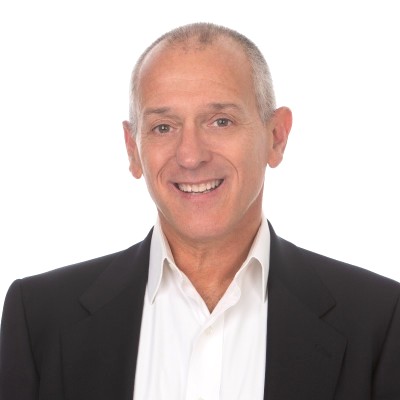
Asset Digest announces Paul Rabinovitch joins SmallChange.co Crowdfunding Platform as Strategic Advisor.

Rabinovitch was the former principal and head of real estate at New Island Capital Management, a 100% impact investment advisory firm. Over the past 2 decades he has overseen investments of approximately $500 million of equity in real estate and is widely considered a pioneer in impact investing for real estate.

“Small Change is tackling the inequity of the real estate world head on, opening doors for emerging developers, first-time investors and disinvested places alike.” says Rabinovitch. “I’m looking forward to working with Small Change to ensure that these open doors become major thoroughfares of opportunity.”

Rabinovitch joins Small Change as the company launches its first-ever community-round capital raise on Wefunder. As strategic advisor, he will help guide the continued expansion of the growing platform.

Logo from Asset Digest
Superpowers.

December 9, 2022

“What do you think of as your superpower?” asks Devin. “My superpower is when someone says “no” to me, that just makes me go harder” says Eve. “Seriously, I have incredible stick-to-it-iveness. My superpower is endurance.”

Listen to the podcast for more about Eve and her superpowers!

Logo from Superpowers for Good

Gower Crowd.

December 7, 2022

Adam Gower founded GowerCrowd in 2014 to provide developers with resources to help raise money online for real estate crowdfunding deals. His platform provides lots of educational materials and training courses for both developers and investors, mostly geared towards high net worth individuals. Adam also hosts a podcast show called The Real Estate Crowdfunding Show, Syndication in the Digital Age where he speaks to the founders of crowdfunding platforms, attorneys, professors, investors and more, all on the topic of crowdfunding.

Adam has over 30 years of experience in finance and investment, and has taught many individuals how to build wealth and earn passive income through  investing in real estate. His career in real estate was launched in 1982 when he took a job with an electrician and quickly developed  an interest in real estate finance.

His past career included a stint as President of Universal Studios in Japan in the 1990s, where he was primarily responsible for Universal’s real estate development in the Asia Pacific region. He returned to the U.S. and worked for a series of banks – East West Bank, Gaw Capital and Colony Capital – until the passing of the JOBS Act in 2012. In 2013, he founded Castlewell Properties, an organization to assist developers in navigating the JOBS Act. Adam has written five books on real estate crowdfunding and you can find them all here.

Read the podcast transcript here

Eve Picker: [00:00:06] Hi there. Thanks for joining me on Rethink Real Estate. For Good. I’m Eve Picker and I’m on a mission to make real estate work for everyone. I love real estate. Real estate makes places good or bad, rich or poor, beautiful or not. In this show, I’m interviewing the disruptors, those creative thinkers and doers that are shrugging off the status quo in order to build better for everyone. And speaking of building better, I’m very excited to share that my company, Small Change, is now raising capital through a community round that is open to the public. Small Change is a leading equity crowdfunding platform for impact investment in real estate. For as little as $250, anyone 18 and over can invest in Small Change, helping to fuel our growth as we disrupt the old boys club of capital that routinely ignores so many qualified people and projects. Please visit wefunder.com/smallchange to review the full details of our raise and to make an investment if you can. And remember, investing is risky. Don’t invest more than you can afford to lose.

Eve: [00:01:44] My guest today is Adam Gower, founder of Gower Crowd. On his platform, Adam shares his decades of experience in finance and development with developers, showing them how to raise money online for real estate Crowdfunding deals. Content rich, his platform includes educational materials and training courses for both developers and investors alike. Adam also hosts a podcast show called The Real Estate Crowdfunding Show: Syndication in the Digital Age, where he speaks with the founders of crowdfunding platforms, attorneys, professors, investors and more, all on the topic of crowdfunding. And he’s written five books as well. Opinionated, straightforward, with lots of information to share, that’s what you’ll hear when you listen in. If you’d like to join me in my quest to rethink real estate, there are two simple things you can do, share this podcast and go to rethinkrealestateforgood.co, where you can subscribe to be the first to hear about my podcasts, blog posts and other goodies.

Eve: [00:03:01] Hi Adam. It’s really great to finally catch up, it’s been a while.

Adam Gower: [00:03:05] It has. It’s a pleasure to see you again. It has been far too long.

Eve: [00:03:08] Yeah, it has. So, you know, I’ve always thought you have a pretty unusual background. From Ph.D. to Universal Studios in Japan to author and then real estate crowdfunding. So, can you connect the dots for me?

Adam: [00:03:22] Oh, my goodness. Yes. Well, actually, chronologically, it wasn’t quite that order. So, I’ll try and do it. I’ll try and do it as fast as I can, which is not good, because talking about myself is my favorite topic. And I can talk for hours, you know, on that subject. But basically, I started pulling wires for an electrician 40 years ago. Oh, my goodness. Summer of 1982. And then from there I did some finance for multifamily developer in San Diego, raising money from Japanese investors. And then, yes, I ended up in Japan during the nineties and was hired by Universal Studios. I was [speaks in Japanese], which made me president and CEO of Asia Pacific for Universal Studios. It’s actually a JV with Paramount Studios. And then I came back and started doing my own developments, got a PhD, you’re quite right, in banking and banking history and risk mitigation, how to mitigate risk in the banking world. And then in around 2012, started doing seed investing, actually seed and angel investing after the global financial crisis had recovered.

Eve: [00:04:45] Oh I didn’t know you did that. That’s interesting.

Adam: [00:04:47] I did. I did a little seed investing and that’s what got me interested in digital marketing, because all these 20-something-year-olds were talking a foreign language. It was the language of digital marketing. So, when the JOBS Act passed and you and I first met, right, you are absolutely one of the first leaders of the crowd here in my [inaudible]

Eve: [00:05:09] I think I shocked you with all the regulations. I remember the conversations like you saying, you can’t do that. Why not?

Adam: [00:05:17] I tell you what, I was so blown away that you did it because I downloaded, it wasn’t the JOBS act, but I remember downloading Reg CF to see if I could figure it out. It was [inaudible], and I printed it!

Eve: [00:05:31] The first time I read it, I read 650 pages, it was like, what is this?

Adam: [00:05:39] I actually printed the thing. It was like, that was a ream of paper, 500 pages or more, and I gave up. There’s no way I’m going to get past the introduction. I’ve got no… The preamble was too long for me, so I didn’t bother. But what I did realize at that time was that there was an intersection between commercial real estate, capital formation and digital marketing. And so, that was where I started to develop expertise in helping sponsors to raise money online, as you know, primarily accredited investors for Reg D offerings. But we just, we do all the digital marketing. That’s what we do for sponsors, and platforms sometimes as well.

Eve: [00:06:23] So, on your site you say the best way to invest in real estate is by crowdfunding. So, tell me why you believe that.

Adam: [00:06:33] So, you know, during my career I’ve raised over a half a billion dollars in capital, as you know.

Eve: [00:06:41] Can you send a little bit of that my way?

Adam: [00:06:43] It’s unfortunate, most of it I did for other people. I’ve very seldom done it for myself. I usually do it as an employee or as, you know, as a whatever, anyway, as a hired gun to help them raise money. But it was always in person, Eve. It was just this painful process of having to meet people one at a time. One of the first terms that I heard when I was in San Diego doing this, I forget who said it, but I can see his face and I can hear his voice saying it’s a dog and pony show. So, we got to go and do a dog and pony show. And that’s what it was. It was, you had to know people. You had to establish a relationship. You had to meet them in person. It was just this incredibly long, painful process of networking, relationship development. As soon as crowdfunding became legal, it just allows you to now, to do that, to transition that entire process online where you can, you know, I don’t want to say literally, but you can effectively be in front of everyone all the time, everywhere. Everyone, everywhere, all the time. So, you still have to go through that attract and nurture process, but by doing it online, by crowdfunding it, it just makes your time that much more efficient. You don’t have to do it one person at a time. You know, the other thing that’s interesting about crowdfunding is that everybody, I don’t know if there’s a video podcast or audio, but I’m going to wave my phone in front…

Eve: [00:08:22] It’s not going to be a video.

Adam: [00:08:24] I’m waving my phone…

Eve: [00:08:26] He’s waving his phone.

Adam: [00:08:28] …as a prop to say what people don’t want, you know, as a sponsor, nobody, no sponsor wants to sit down through a one- or two-hour pitch meeting with one investor after another. It’s time consuming and tedious and you never know.

Eve: [00:08:44] And honestly, I think there’s very few investors who want to go through that too.

Adam: [00:08:47] And that’s the point. Investors don’t want that.

Eve: [00:08:50] And as an investor, you know, I might very well be interested, but the more you try and sell me, the more I’m going to run screaming from me.

Adam: [00:08:58] It puts you off. Investors don’t want that either. Nobody wants that in this world. Everybody wants to be able to, at the very minimum, be able to research and evaluate a sponsor and a deal anonymously. That’s the key thing they want.

Eve: [00:09:16] Anonymously and on their own time and with enough time to absorb it, right?

Adam: [00:09:20] Yes, that’s right.

Eve: [00:09:22] So, it works for both ends. So, really, crowdfunding, the JOBS act, really took investing from behind closed doors out into the open. And it stopped that miserable process. And it also gave opportunities to people who’d never been part of it before. Right?

Adam: [00:09:38] Exactly. Yeah, exactly. It opened up the world to, you know the other thing that it did, Eve, was that it opened the book of real estate syndication. It was a closed book. Closed shop. If you knew the right people and were a member of the right country club, both figuratively and literally…

Eve: [00:09:59] If you were the right gender, if you were the right race.

Adam: [00:10:02] Right gender, and the right race.

Eve: [00:10:04] Yeah. So, all of that was closed, right?

Adam: [00:10:07] You had to have the right connections. But even if you did, you had no access to information about what was fair market, what made sense. They had no basis for comparison when the guy at the country club recommended or tried to pitch you on a deal, you just didn’t know. Today, with crowdfunding, you can go online and see hundreds of deals and compare them all, apples for apples. And that way you can determine not only what fits your investment profile better, but also which of them are treating you the fairest, right at the end of the day. And so, really the world changed. It became a lot more transparent and easier to transact, better for everyone.

Eve: [00:10:55] So, do you think it’s becoming more widely accepted? Like we’ve been at this for a few years now, you and I.

Adam: [00:11:03] Yeah, most definitely. You know, we’ve talked about this a lot, and a couple of years ago, we, it just suddenly occurred to me that everybody, all the insiders in this, the industry insiders, know that the industry is growing by leaps and bounds. We just know it, right? But there were no data that quantified it. There’s one source that looks at regulation crowdfunding and analyzes that, but it’s a relatively, it’s important, but it’s a relatively small part of online syndication. So, we did some analysis of SEC data.

Adam: [00:11:48] We actually downloaded a million data points and I wrote a book. And so, two years ago we discovered, and it’s two years ago already, it’s a long time ago already. The crowdfunding, so, by crowdfunding I don’t mean regulation crowdfunding. I mean online syndication, in general, to include regulation crowdfunding. But Reg D, 506 Cs as well, and Reg As, and realized that actually it was starting, it had become, and even then, two years ago, 25% of all capital raised for all private equity deals was through online syndication. In other words, it was happening.

Eve: [00:12:27] Is this in real estate or across the board?

Adam: [00:12:30] In real estate. So, it’s rapidly becoming the dominant form of capital formation.

Eve: [00:12:37] That’s really interesting. So, what do you think holds people back, especially new investors, from investing in real estate?

Adam: [00:12:45] Yeah, I think, so, that’s a good question, actually, because that question.

Eve: [00:12:50] I only have good questions.

Adam: [00:12:53] And hopefully I can compliment them.

Eve: [00:12:56] I’m just joking.

Adam: [00:12:58] So, I think that that, I would answer that question differently today than I would have done at the beginning of the year. At the beginning of the year, I would say to you that the primary barrier to entry for a new investor, somebody who is considering investing in real estate, is education. Lack of understanding, a lack of appreciation for what real estate is, just, you know, having no experience or background, being used to stocks and bonds and just sticking with what they, you know, their comfort level. That has changed profoundly in the last six months, particularly. Because what’s happened, when we’re seeing this in the data that we gather through the work that we do in marketing offerings. But what’s happened is that you have a stock market collapse that has wiped out huge amounts of people’s net worth. You’ve got interest rates climbing, which is eroding the value of people’s homes, so they feel like their homes aren’t worth as much.

Adam: [00:14:02] And of course, inflation is also having that erosive effect on people’s savings. So, people today, versus where they were nine months ago, feel less wealthy than they did. So, they are significantly more cautious today about anything at all because they feel like if, you know, nine months ago an investor, you could say to an investor, you know, you should diversify. And an investor would think, yeah, you know what, that makes sense. I’ve made so much money in the stock market, why don’t I take some of those winnings and diversify into real estate? Today, the mentality is, wait a minute, I don’t want to sell anything at a loss, right, just to diversify into real estate.

Eve: [00:14:47] Just want to stay in there and stick it out.

Adam: [00:14:49] Yeah. It’s just made it harder. And we’ve seen this dynamic Eve, because we do, some months we spend up to $150,000 a month in Facebook ads across all of our campaigns, not just for Gower Crowd, but for our clients. And what we saw happened fairly early this year, once the inflation kicked in and interest rates went up and the stock market came down, war in the Ukraine. And all this kind of compounding effect, was that the cost of acquiring a new accredited investor lead almost doubled. In other words, it became harder for people were not reacting to the exact same messaging as they were at the beginning of the year because they’re more cautious.

Eve: [00:15:35] So, my next question would be, okay, that’s investors in general. But what holds people back from investing through crowdfunding platforms?

Adam: [00:15:43] I think, again, I think the same answer is there’s just lack of awareness.

Eve: [00:15:47] I would have argued that I think crowdfunding platforms also attract a different demographic. So, I think there are still a fair number of people who don’t trust a crowdfunding platform, who are used to investing in that old-fashioned, behind closed doors. way that… Yeah, I think, I really wonder whether that shift has really happened.

Adam: [00:16:13] It’s interesting you say that because I, we’re immersed in this industry. And so, everybody we speak to knows that for the most part, sometimes, you know, like you do, I also get sponsors coming to me to help them. We get investors coming in and, but everybody has heard of it and is interested, at the very minimum, or has engaged in online syndication and crowdfunding. So, it blows me away when I talk to people who I know are accredited investors. They ask me, what do you do for a living? And I tell them, and they’ve never heard of it. Absolutely.

Eve: [00:16:51] I know, I know. That happens. And that’s really, I feel like, I haven’t done the research on it, that really, where wealth is held hasn’t really shifted to crowdfunding platforms yet. Does that make sense?

Adam: [00:17:08] Yeah, I think so. It’s still an alternative, you know, for real estate, it’s still an alternative asset. So, for most people, it’s never going to take up a huge proportion of that portfolio. It’s not a high priority, it’s a diversion from the usual investments. The only people I know who are heavily overexposed in some cases 100% exposed to real estate are the sponsors themselves. That’s like, they have, they might have a few dollars in stocks and bonds because they feel like they should have, but for the most part, their net worth is entirely based on their commercial real estate real estate investment. But most people it’s, you know, it’s a kind of a flutter on the sign.

Eve: [00:17:57] As a real estate developer I can attest to that. That’s where my money is, in my projects. But my husband and I, together, we’re diversified.

Adam: [00:18:09] Between the two of you. I’m the same with my wife as well. It’s the same thing. She has these stocks and bonds. I have some stocks and bonds as well. I never pay any attention to them. I’ve got no idea what they are, how they work, nothing at all. Zero. And whenever I have a financial planner, he calls me, he likes to have these lengthy, he’s a super nice guy, likes to have these lengthy discussions about my portfolio because he wants to tee me up to asking my approval to do something. Should I buy this? Sell that for… I would say, before we even start, the answer is yes, whatever you want. Let’s get that out of the way for whatever you advise, yes. Can’t think in that sense. But most people don’t.

Eve: [00:18:55] Yes. Okay, so walk me through the services you provide at the Gower Crowd. What type of services do people come to you for?

Adam: [00:19:05] So, what we do primarily is we build, the easiest way to describe it is that we build tailor made crowdfunding platforms. Again, to be clear, these are not regulation CF. We’re not FINRA, SEC. None of our clients do any of that, right. So, these are typically sponsors.

Eve: [00:19:24] So, this is just basically like the old-fashioned private placement investment opportunity now on a website instead. Because it’s permitted, it’s a 506 C offering.

Adam: [00:19:36] Not just that. No, not really. Actually, we build systems that elevate a sponsor’s visibility, so that they become known and recognized as an authority in the industry, so that when an investor comes to them and does research on them, goes to their LinkedIn profile, goes to their website, looks on Facebook, goes to Twitter, goes to YouTube, wherever they are, they realize that they are a leader in the field. The websites used to be, they have no functionality, websites have no, typically they’re just a couple of pretty pictures and a contact page. Well, the websites that we build have full functionality, lead generation forms, lead generation funnels. So, when somebody comes to the website, they can sign up to get on a newsletter. They then get automated emails from the sponsor so that the entire process of finding investors and nurturing them is fully automated for the sponsor, so they can get on with the business of going out and finding deals, buying them and executing of business plans and investors literally come to them. They don’t have to go out and find investors. Investors come to them.

Eve: [00:20:59] Well they are going out to find them because you’re building a marketing campaign around them, right? It’s not about a particular project, but it’s about the sponsor.

Adam: [00:21:08] Yes, that’s right. But it works on autopilot. So, once we switch the machine on, the machine, just cast this net and investors gravitate towards it and come to the website. They do their research, they sign up. And so, the sponsor, it used to be that used to have to go out. You join a country club, or you’d go to a networking event, or you go to a conference. You remember business cards? I used to go to conferences. My primary goal was to get as many business cards as I could, and then I’d follow up with them. That’s all I did. I just, I’d collect business cards, stacks, and then I’d follow up. I’d say, it was nice to meet you at the conference. And then I realized, you know what? I don’t need to go to those conferences. All I need is a list of everybody there. I write to them, and I’ll say, it was nice to meet you at the conference, because no one remembers anyway. Everybody. No one’s got a clue. This is the same thing, essentially. You’re just casting out and people, they come to you, they find you online, they come to you, they get to know, like, and trust you, and become predisposed to investing. Those are the, that’s what we build for our clients. We build the platforms, but we also teach people how to build them themselves. So, that’s kind of the main distinction. And then we do marketing, active marketing for clients.

Eve: [00:22:32] So, what’s the biggest misconception that developers have about marketing or crowdfunding platforms when they come to you that you have to break through?

Adam: [00:22:41] Yeah, I think.

Eve: [00:22:44] That marketing support is probably the number one thing.

Adam: [00:22:47] Yeah, it’s like, moving into, I think first of all, speed, it’s one of the main things I like to emphasize is, this is not a quick fix. It does not happen quickly. I mean, you know that as well as anybody in the country, Eve. It takes a long time; you’ve got to have patience and you’ve got to work at it. So, speed of turnaround is important. And the other thing is the process of being online and being visible for some people is, some people thrive on it, relish it. Other people are hyper protective of their, overprotective of their, brand and their identity. They think it has to be perfect, has to be polished like Hollywood in every possible regard. And it doesn’t, I mean, it just doesn’t. People don’t expect perfection. In fact, if they see perfection, there’s, it creates…

Eve: [00:23:49] A fake facade.

Adam: [00:23:52] Exactly. Don’t worry about, you know.

Eve: [00:23:55] A little authenticity is good, right?

Adam: [00:23:57] Exactly. Warts and all. Don’t worry about it. It’s okay. Zoom recordings are perfectly fine for the online world. You don’t need to have a Hollywood studio and lighting and lights, camera, action to get good. People don’t care. What your investors care about is the message, not the way, not the quality, the way you deliver it. They want to be able to access it on a phone, on their computer, in their car. They just want easy access to it. They don’t care if the shirt you’ve got is the same shirt you wore yesterday, for example, or that it’s, you know, a perfectly high-quality video.

Eve: [00:24:40] I’ve got to ask you a question. What does a really bad real estate crowdfunding campaign look like to you?

Adam: [00:24:48] You know, that is also an interesting question. That is in the eye of the beholder. So, I will tell you that the really easy, the really easy answer to that is something that is, well, there’s actually a few answers. One that’s hypey, that’s just hypey. And over promises.

Eve: [00:25:14] That’s just not permitted. So, you know, no matter which rule you’re using, the SEC won’t like that, right?

Adam: [00:25:20] Doesn’t mean people don’t do it, a lot.

Eve: [00:25:22] I know, I know.

Adam: [00:25:24] So, that is one bad campaign. And investors should be very, very cautious of something that promises the earth, even if it has the CYA language, right? Like projected returns. Be very, very careful. So, that’s one thing. Overhype, too flashy, non-authentic, too polished. I see some stuff out there where I just know people are playing games. Bad. Like, you know, I’m not going to mention…

Eve: [00:25:54] No names.

Eve: [00:25:54] I’m not going to, but some really bad stuff. So, that’s the first thing. The other things that make for a bad campaign, bad copy. You still have to have good written content. Your content still has to be well-written. It doesn’t need to be hype, but it needs to be well written, you know, and there’s lots of people that just don’t know how to do that properly. So, I see a lot of badly written, badly structured campaigns. Another thing that people get wrong is the way that their website is structured. There is an optimal way to structure your website. It’s not that difficult to have a well-structured website, but a lot of people don’t know. It’s something that we teach, I actually wrote a small book on the topic because it’s such an easy thing to do well. So, that’s another thing that people make mistakes with. Yeah.

Eve: [00:26:58] So, what’s a great one look like?

Adam: [00:27:00] It’s the way it’s structured, Eve. It’s the architecture of the website. So, the key components are going to be, you’ve got to have a good catch phrase on the front page. It’s called the Big Idea. So, the big idea is a catch phrase that speaks to what is, the only thing that your prospects, the only thing that’s going, the conversation that your prospect is having in their own mind. And that conversation is always and only ever going to be what’s in it for me. So, whatever your tagline is, whatever your headline is on your home page, should speak to that, period. Because you’ve got about a half a second for somebody to land on your website, during which they will decide whether or not they want to learn more or to leave. So, you’ve got to have a good headline that is easy to understand.

Adam: [00:27:53] And if you want a pro tip, there are three terms that should be, at least two of them, ideally three of them, that should be included in that. The word you or yours. And you are speaking directly to the person that lands on your website. Second is the word real estate. So, somebody knows it’s a real estate website. And third, the word invest or investing or investment, some derivation of the word invest so that people know that you are talking to them directly about real estate investing. And ideally it should be aspirational in some way. And then the second thing, three key components. There’s more, these are the really important ones. The second thing is that underneath that you need to have a lead generation button, a button that says basically, give me your name and email so you can learn more, basically. It doesn’t say that, might say, learn more, join the waitlist, sign up, you know, get access.

Eve: [00:28:50] Right, right.

Adam: [00:28:51] But then what should pop up is something that says gain access to X, Y, Z, whatever your lead magnets is, and then ask for name, first name, email address. And then ideally, you want to ask whether or not somebody is accredited or not, and then you bifurcate them inside your automated emails that then go out once somebody submits that form. And the third thing that is critically important on a real estate sponsor’s website is content. Content is king, Content is king. You’ve got to have good content because your prospects are going to want to research you. So, don’t let them go off to somebody else’s website to learn about real estate. You have to teach them yourself. Otherwise, they’ll do research online, they’ll find somebody else’s client, probably one of my clients or yours, and they will invest with that person, not with you. So, those are the three most important things.

Eve: [00:29:48] So unfortunately, the content piece for Regulation Crowdfunding is very difficult to put in place on a funding portal, which is really only supposed to be doing the business of raising money through those offerings. And we’ve actually had to move our content off. So, yeah.

Adam: [00:30:06] You can’t have educational content.

Eve: [00:30:08] Well, yeah, you can have educational, but it’s got to be really very neutral educational content. So, blog posts and a lot of activity are very difficult because FINRA wants to track it all, makes it difficult. So, anyway, that’s an aside. It’s an interesting little wart about that particular rule.

Adam: [00:30:33] Well, that’s for regulation CF, let’s just be clear about it.

Eve: [00:30:36] Right, right, right. Let’s be absolutely clear. So, we actually have a second site. This one, Rethink Real Estate for Good. That’s where we have our content, because we can generate content there, we always need to be cognizant with the same business, but a little more freely.

Adam: [00:30:52] Yeah.

Eve: [00:30:55] So, what trajectory then, do you see for real estate crowdfunding? What’s in that crystal ball?

Adam: [00:31:02] It’s not that difficult to see what’s going to happen. And we could, I’ve been predicting this ever since the beginning. I’m not the only one. There are few of us that think similarly to what’s going to happen. But the difference between now and ever since the beginning of real estate crowdfunding or online syndication, the difference is it’s going to happen now, right? It’s like happening now. So, this, what is going to happen is that a lot of newcomers to commercial real estate and new sponsors to commercial real estate, I hate to say it, are going to lose their shirts. When they do, their investors are going to lose everything. It’s just going to happen, end of story. I mean, we’ve got interest rates have gone from sub threes to north of six. That wipes out equity, period. And as cap rates increase, that’s just going to wipe out equity across a broad range of asset classes. There are some tailwinds for certain asset classes, multifamily being one where you’ve had this incredible build up, incredible inflation of rents that will cushion some of that blow. But there are a lot of inexperienced commercial real estate sponsors who have raised a lot of money, who will lose everything and their investors will lose everything. So, it’s going to create a huge, it’s going to tarnish the industry, the reputation of the industry, because it will, you know, what do you call it? It’s a black mark that will be, that will stereotypically be applied to all sponsors and everybody that raises money online and to crowdfunding in general.

Adam: [00:32:43] So, those people who have been cautious, who have been frustrated at the excesses that some sponsors have taken online, right, the liberties that some inexperienced sponsors have taken on, we talked about this a bit earlier, the hype, the hype promises, even with the projected returns, all the hype and all that stuff, when those people lose money, that will rub off on even those who have been cautious, prudent. And so, we’re going to see that, with no doubt at all, going into 2023 is going to be a very tough year for the real estate crowdfunding industry as a whole. But those who have been conservative, prudent, careful, multi cycle sponsors who know this is, they’ve defended, have set up defenses already, because they don’t want it to happen again to them. We’ve seen it before and have been careful and held back despite the temptation to compete with the hype mongers right over the last few years. Those people will survive, and those people will prevail and they will get bigger and stronger going through this downturn and coming out the other side a much stronger than they were before. And the same will go for the platforms.

Eve: [00:34:07] So, the big thing here is stay away from the hype mongers.

Adam: [00:34:11] Yeah, I think you’d just be, you know, if it seems too good to be true, it is.

Eve: [00:34:16] It is too good to be true.

Adam: [00:34:17] Yeah, and it always has been. Yeah. But knowing what that is is difficult. You know, it’s difficult. Real estate is a high return, high risk industry. It doesn’t need to be high risk. It can be mitigated. But when it’s lower risk, the returns are going to be lower. So…

Eve: [00:34:35] Right.

Adam: [00:34:36] My advice to investors today is, you know, there’s those that have already kind of been seduced, if you like, into believing that higher returns come with no pain.

Eve: [00:34:45] Well, I think they were seduced a long time ago. I mean, I think the promise of high returns has been falling for the last few years anyway. The developers we talk to, when you hear an investor say, oh, I can get 20 to 25% internal rate of return, the developers I talked to for the last two years have been saying those days are long gone. So yeah, I think you have to be cautious.

Adam: [00:35:13] Absolutely. Yeah, exactly. And the internal rate of return is such a manipulable metric, anyway.

Eve: [00:35:22] We’re not allowed to talk about them, if we’re members of FINRA at all.

Adam: [00:35:25] Well, it’s a good thing, because it’s just so easy to manipulate the IRR, we’ve got to look way, way beyond. And probably the best thing to look at is the experience of the sponsor. How many sites.

Eve: [00:35:38] I was just going to come back to this. You said before, the experience of the sponsor matters, and I think that probably is like a key thing. There’s got to be some experience that is relevant to the project, right? Not like, well, I built three single houses and now I’m going to do a retail strip mall, you know, or whatever. It’s going to be somewhat relevant experience, right?

Adam: [00:36:03] The other thing that’s important to look at is, really the biggest killer in real estate, is debt, the amounts of debt. And if somebody is just layered upon, put layer upon layer of debt on something, you know, they’re going to be able to show those high returns, but it’s going to put their…

Eve: [00:36:22] It’s all going to go to the bank, yeah.

Adam: [00:36:25] Delivering is going to be much harder. So, the best thing, look at people who have lower debt. Even people at, say, sub 50%, 30, 40% debt. If you got sponsors that are talking about that kind of debt, their return profile is going to be significantly lower, but much, much more likely to achieve the returns.

Eve: [00:36:46] But you know what’s interesting about that, that is a targeted neighborhood profile that you’re talking about. So, if you go into a neighborhood that hasn’t had much investment and where city or state wants to have it and they add second to third mortgages that come from an urban redevelopment authority or grants or matching facade grants, etc., then you can lower the debt. So interestingly, I think that those sorts of investments or those sorts of projects that are in, not the hot markets, might actually survive because they have that sort of, I don’t want to forecast anything, but they have that sort of profile. They tend to have sub 50% traditional bank debt.

Adam: [00:37:38] Yeah, that’s, it’s just so important because people talk about the capital stack. I think the language that is used when you talk about the capital stack is misleading. What they say is, they say the first to be paid and then the second to be paid. So, the language that is used when you talk about the bank is the first to be paid and then the equity holders are paid next, is a positive spin on what the capital stack is.

Eve: [00:38:07] Right.

Adam: [00:38:07] But really, what the capital stack means is, being in first position, they have the first right to take the project away from everybody else. That’s what the capital stack is.

Eve: [00:38:21] Now you’re scaring me.

Adam: [00:38:23] That is the power of foreclosure to wipe out all the other investors. That’s what the capital stack means. So, the higher the level of debt, the more people that are there who can take over the project wipe you out.

Eve: [00:38:39] Yes.

Adam: [00:38:40] That’s why the capital stack is, I think the language that’s used is misguiding. It’s not first paid, it’s first right to wipe everybody else out. And that’s why you want to have less debt.

Eve: [00:38:52] Okay. Okay. So, I’m going to ask you one more question that we’ve talked about offline and say, why don’t we ask online? So, if you were to go about helping Small Change my funding portal, double its investor base, what would that campaign look like?

Adam: [00:39:08] Yes, that’s a very good question. So, I would say it depends on how much money you want to spend. So, I’ll give you a range of options. First of all, get on as many podcasts as you can. I know you’ve got your own podcasts. Podcasts are incredibly powerful. Podcasts are micro and nano influencers. You get on as many real estate podcasts as you can. They stay out there forever, it’s a fantastic way of building your visibility and developing a network of more investors, and it’s totally free. It’s just your time. That’s number one. Another thing that you can do is, of course you can do paid advertising. So, we are including non-accredited investors. Gosh, in total I would say our cost of getting investors is running, probably including non-accredited investors, probably sub $20 to $25 a lead. That’s a lead. That’s not an investment.

Eve: [00:40:11] And that’s actually someone who ends up investing?

Adam: [00:40:14] No, not somebody who ends up investing. That’s a lead.

Eve: [00:40:17] A lead. And then what percentage of those convert to investors.

Adam: [00:40:21] So, we only do accredited investors and it’s significantly more for accredited investors. And the accredited investors are running up to $100 a lead. And then we find that the total cost of converting an accredited investor on their first deal is between $3500 and $4500. And the average investment for an accredited investor is between, if your minimum is 25,000, it’s going to be 45,000 to 50,000. If your minimum is 50,000, then the average is going to be 80,000 to 100,000. So, it runs, it ends up being between 3% and 4% the cost of your marketing budget.

Eve: [00:41:00] Okay.

Adam: [00:41:01] Right. Sorry. Not three, 3 to 4% the total amount that you raise should be your marketing budget.

Eve: [00:41:09] But you think it’s higher for non-accredited investors?

Adam: [00:41:12] Well, I don’t know because I haven’t really worked the non-accredited investor market, I imagine…

Eve: [00:41:17] It might be the same.

Adam: [00:41:18] It might, it’s not going to be far off.

Eve: [00:41:20] Because they’re just investing maybe smaller amounts and more of them.

Adam: [00:41:25] Yes, more often. But here’s the thing, you know. We’re talking about first investment within the first 60 to 90 days. Within the first 60 days, you want to be getting, you want to be converting your prospects into actually investing. So, those numbers apply to that period. That group of people will reinvest if you treat them properly and your cost of acquiring them, the second time, is zero.

Eve: [00:41:51] I mean, we’ve noticed that on our platform too. We have a larger and larger base of people, actually, who’ve invested over three times and many more times than that. So, they become very loyal customers. And so, our responsibility is to make sure the opportunities we put on the site are as good as we can get. Right?

Adam: [00:42:10] And also, follow up communication is vital as well. As long as you communicate effectively, it’s really important to communicate with people that will inspire them to invest multiple times. So, those are the basic numbers. I was just, something else came to mind for you that you could try. The other thing that works really well and I, there’s a lot of options, I’m trying to think of the least expensive options.

Eve: [00:42:38] Well, actually, Adam, you taught me well, because full disclosure, Adam helped me way back and helped me to launch this podcast, which has been successful, but also a huge learning experience for me. So, thank you very much. And also, you taught me about always on campaigns, which was evergreen, always on campaigns, which I think is a remarkable tool for people who don’t have the time to be on Twitter and Facebook every day, five times a day, and we’re still doing that. Maybe you want to explain an always on campaign.

Adam: [00:43:15] Yes. So, in digital marketing, the concept is the funnel, so it’s a funnel. And at the top of the funnel, you want top of funnel tactics to get people into your network. Include podcasts, paid advertising, paid webinars, paid email blasts, paid marketing in general. And there’s a whole range of different ways that you can drive traffic to your funnels. Now, each one of them. And then if you have multiple funnels, that will attract different people, but they’re all automated. So, for example, you might have a white paper giveaway, or you might have a case study giveaway, or a PDF about something, or a video training about something, and for each one of those lead magnets, you create social media posts.

Adam: [00:44:07] And so, for a webinar, you might have 20, an evergreen webinar or a PDF, you might have 20 or 30 posts, and then for another one, you might have 20 or 30 posts. So, in the end you’re going to have hundreds of posts that go out on social media automated. They are posted on social media. And people see them, they click on the link and when they sign up to get your PDF, boom, you got their name, email, address, whether or not they are accredited and then you trigger automated emails. It is so powerful to do that because once you build that machine, leads just keep coming in all the time. I probably get ten new leads every single day and I don’t do anything for them. But you know, the funny thing is, as well…

Eve: [00:44:54] Well, you have, you’ve done a lot for them. That’s not true. But you’ve built all of this. But the thing that fascinates me about it is that, you know, social media is very, very fast moving, right? Especially Twitter. So, if you were to natively post something there today, the good chance is that most of the people, you know, will not see it. So, if you put it in an always on campaign, it’s going to pop up some other time and you might catch a few more people who didn’t see it the first time.

Adam: [00:45:21] Exactly. The other thing that’s cool about an always on campaign, an automated posting campaign is that when somebody does research on you, they go to your Twitter account, they go to your LinkedIn account, they go to Facebook account, what do they see? Post after post, after post, all of them super cool, all of them top of funnel stuff. They might glance across the first ten and the 11th one. They think that’s really cool. That’s really interesting.

Eve: [00:45:50] Yeah.

Adam: [00:45:52] That’s the one that inspires them to give you their name and email address. But more than that, I see all these different posts and all this high value content educational stuff that you’re putting out there. They know you’re the real deal, right? And come to know that you are. You can be trusted that you really working at it. You’re not sitting in some basement in, you know, somewhere. Who the heck knows, right? In a, you know, basement somewhere and you know, scamming them, you’re the real deal. And they also think of you as an authority. They realize that you are a leader of the crowd just as you are, Eve. Right. I mean, it’s my first book, right on crowdfunding.

Eve: [00:46:33] That’s right. Yeah.

Adam: [00:46:34] There’s a lot of people in it.

Eve: [00:46:35] Yeah. Yeah. Well, it’s all a lot of work. What I like about always on campaigns is, I don’t know that it’s less work, but it’s targeted work. So, you don’t always, you don’t have the stress of having to think about the next post all the time. So, you can create this bucket of work that you complete. And then you let it loose, so to speak. Right? So, I thought that was very powerful. And the podcasting is also very powerful, but I see it as an educational experience as well. Anyway. So, I have no more questions for you. Do you have any for me? 3 minutes and we’re done.

Adam: [00:47:11] What’s going on in the world of Regulation Crowdfunding.

Eve: [00:47:16] So, Regulation Crowdfunding took a couple of shifts this year, over the last year or two that were great. One was that the upper limit of target for a sponsor or an issuer is now $5 million every 365 days, which was an enormous improvement over 1.7 million. And also, accredited investors can now invest as much as they like, and you do not need to verify their status. They can self-verify. So, it’s actually more seamless than the offering that you typically do with sponsors. There’s no verification, it’s just a self-verification. So, that is a big wow, I think. So, you can use for everyone. But non-accredited investors still are limited as to how much they can invest. However, those limits were changed as well. They used to be the lesser of a percentage of income or net worth, and now it’s the greater of. So there have been little shifts that have pushed, you know, raising more money, raising larger amounts, permitting investors to invest more.

Eve: [00:48:26] And then last week, the SEC adjusted the cap for the three tiers in raising money for issuers around financial statements. So, if you want to raise up to 107,000 until last week and now up to 124,000, you don’t need any financial statements except a self-verified one. When you’re raising money as an issuer, let’s say you only want to raise a little bit, so you can now raise up to 124,000 with self-verified financial statements. As a first-time issuer, if you want to raise more than that, you can now raise up to 1.235 million with third-party financial review. Of course, if you’re a real estate developer and you have a brand-new entity, it’s going to be a third party financial review of nothing. But nevertheless, you need to have that, right. And then if you want to raise over 1.235 million, you have to have a third-party audit completed.

Adam: [00:49:28] I see.

Eve: [00:49:28] So, those are the…

Adam: [00:49:31] Kind of the changes. Have you noticed it materially harder to raise money this year since all this market turmoil or not in Ref CF?

Eve: [00:49:42] Yes, maybe it’s very hard to track that. It’s possible. Our projects are so varied that it’s, I mean, if we had hundreds of them and I could put them in buckets, I might be able to track that. But they’re so varied, our common denominator is impact and real estate, not the product that’s being offered or the opportunity that’s being offered. So, it can vary from a very traditional waterfall to 2% debt. It’s really a big variation. So, it’s hard to say. I don’t know. We’ll see in a few months. I had one issuer come back to me who completed a raise earlier this year saying that he wanted to raise more money because debt was just harder for him to get. So, definitely, which means less debt from a bank, more equity required. So, definitely some shifts like that, I don’t know yet.

Adam: [00:50:39] Yeah. Lending has definitely tightened up.

Eve: [00:50:42] So Adam, you know, in the 2008, 2009 downturn, I had a portfolio that actually performed very well, and I barely noticed it because the buildings I had were small and boutique and unique, and there was always someone who would rent a space. And so, it didn’t have the impact that I think other buildings, properties had. So, I don’t know the answer to that. Does anyone really, you know? I don’t know.

Adam: [00:51:14] Let’s just stay closely in touch over the next few months.

Eve: [00:51:17] So, let me ask you, what’s your really big, hairy, audacious goal with the Gower Crowd?

Adam: [00:51:23] I think to educate more. I send out a lot of high value educational content that I don’t sell. So, I actually, we’ve got a lot of really first class training materials and I’ve just been, I’ve not really been particularly proactive in giving people access to it. So, I think that’s what we’re going to be doing. It’s exactly what I’m going to be doing for the rest of the day and tomorrow, is putting together some funnels that say, look, we’ve got this great stuff that is for sale. So, take a look at it. If you want to test the… have a look at it, try it. If you don’t like, I give you money back. But I’m going make more effort to sell more of them.

Eve: [00:52:13] Yeah, yeah.

Adam: [00:52:13] Yeah, it’s really good stuff and it just, we’ve restricted it to private clients mostly. But in this market, I just think more people need access to it. They’re going to need help. And so, we’re going to release more of that.

Eve: [00:52:28] I should really check it out to see if you have anything that works for non-accredited investors in terms of educational, because I agree with you. I think education is key.

Adam: [00:52:38] Yeah. All right. Yeah, we…

Eve: [00:52:41] We can talk more about that.

Adam: [00:52:42] Sure.

Eve: [00:52:43] Well, thank you very, very much. And we’re going to talk again.

Adam: [00:52:47] Such a pleasure seeing Eve. It’s been far too long. Thank you so much for inviting me on the show.

Eve: [00:53:06] I hope you enjoyed today’s guest and our deep dive. You can find out more about this episode or others you might have missed on the show notes page at RethinkRealEstateforGood.co. There’s lots to listen to there. You can support this podcast by sharing it with others, posting about it on social media or leaving a rating and review. To catch all the latest from me you can follow me on LinkedIn. Even better, if you’re ready to dabble in some impact investing yourself head on over to wefunder.com/smallchange, where you can invest directly in Small Change and our mission to democratize capital formation to create impact in commercial real estate development. A special thanks to David Allardice for his excellent editing of this podcast and original music, and a big thanks to you for spending your time with me today. We’ll talk again soon. But for now, this is Eve Picker signing off to go make some change.

Image courtesy of Adam Gower

100% Community.

November 16, 2022

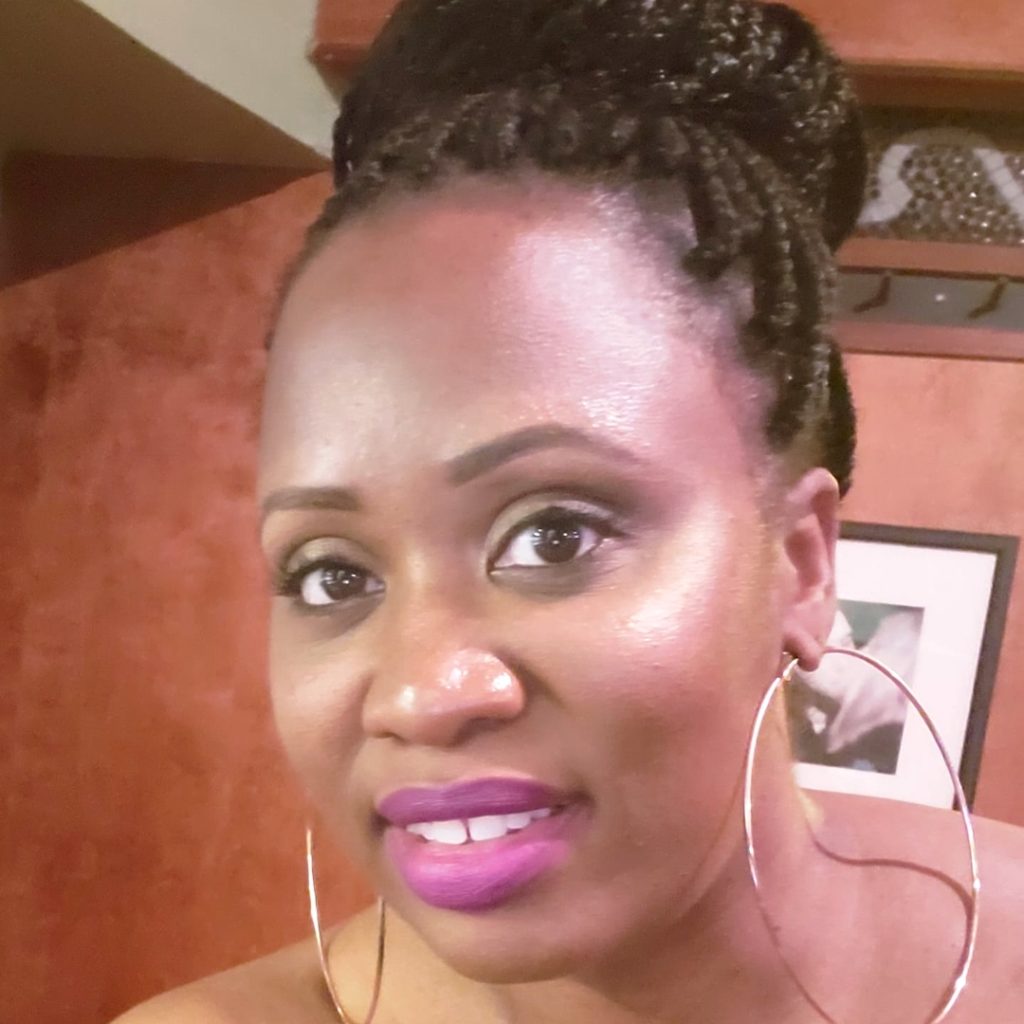
Tosha Wilson was born in the community she serves and is a proud graduate of Evanston Township High School in Evanston, Illinois. She received her bachelor’s degree from Illinois State University in Communications and her master’s degree in Children’s Law and Police from Loyola University School of Law.

In 2018, Tosha Wilson and Jacqui White had the idea of opening The Laundry Cafe (TLC), a laundromat that incorporates comfortable seating, fresh brewed coffee, a book room and a yoga and meditation space. While trying to turn their business idea into a reality, they ran into an issue with acquiring capital. They were turned down for the small business loans they applied for. In an interview with the Chicago Tribune, Tosha said: “Two professionals with decent jobs (and) good credit scores, and the bank basically told us, ‘You don’t have enough experience. I just thought, `How in the world do you beat the red tape to get a dream to unfold?’”

In frustration Tosha founded Boosting Black Business, an internet-based community group that helped raise over $100,000 for Black owned start-up companies throughout Chicagoland in 2020. Heidi Stevens of The Chicago Tribune, named her as one of the “10 People that Gave Me Hope in 2020.”

This grew into her current role, as a co-developer of an $8 million project in Evanston called The Aux, which is dedicated to healing, wellness, racial equity and entrepreneurship. The Laundry Café will open as one of the businesses inside The Aux. 

Tosha is deeply involved in the Evanston community and has been a part of many outreach programs for youth, coaches middle school girls’ basketball, and is currently a board member with two great Evanston organizations. She is also a police Sergeant with the Evanston Police Department and has been with the department for over 20 years.  She became the first Evanston born African American woman to be a Sergeant with the Evanston Police Department following her great-Uncle William Logan Jr. who was the first African American from Evanston to do so. In her spare time, sleeping, playing with her puppy, catching up with friends and watching TV is what she does to relax. She is also the mother of her two sisters, who she adopted 21 years ago, and they have challenged her along the way to be a better person, sister, mom, community member and police officer.

Read the podcast transcript here

Eve Picker: [00:00:15] Hi there. Thanks for joining me on Rethink Real Estate. For Good. I’m Eve Picker and I’m on a mission to make real estate work for everyone. I love real estate. Real estate makes places good or bad, rich or poor, beautiful or not. In this show, I’m interviewing the disruptors, those creative thinkers and doers that are shrugging off the status quo in order to build better for everyone. And speaking of building better, I’m very excited to share that my company, Small Change, is now raising capital through a community round that is open to the public. Small Change is a leading equity crowdfunding platform for impact investment in real estate. For as little as $250, anyone 18 and over can invest in Small Change, helping to fuel our growth as we disrupt the old boys club of capital that routinely ignores so many qualified people and projects. Please visit wefunder.com/smallchange to review the full details of our raise and to make an investment if you can. And remember, investing is risky. Don’t invest more than you can afford to lose.

Eve: [00:01:50] Today, I’m talking with Tosha Wilson. Born in the city of Evanston, Illinois, and now a police officer there. In 2018, Tosha and her cousin, Jackie White, had the idea of opening the Laundry Café, a laundromat that incorporates comfortable seating, fresh brewed coffee, a book room and a yoga and meditation space. But finding a loan defeated them. They were turned down for every small business loan they applied to. In an interview with the Chicago Tribune, Tosha said, “two professionals with decent jobs and good credit scores and the bank basically told us, you don’t have enough experience. I just thought, how in the world do you beat the red tape to get a dream to unfold?” In frustration, Tosha founded Boosting Black Business, an Internet based community group that helped raise over $100,000 for Black-owned startup companies throughout Chicagoland in 2020. Heidi Stephens of the Chicago Tribune named her as one of the ten people that gave me hope in 2020. This grew into her current role as a co-developer of an $8 million project in Evanston called The Aux, planned as a 100% community owned Black business hub. You’ll want to hear more.

Eve: [00:03:26] If you’d like to join me in my quest to rethink real estate, there are two simple things you can do. Share this podcast or head over to rethinkrealestateforgood.co and subscribe. You’ll be the first to hear about my podcasts, blog posts and other goodies.

Eve: [00:03:49] Hi, Tosha. Thanks so much for joining me today.

Tosha Wilson: [00:03:52] Thank you. Thanks for having me.

Eve: [00:03:55] I know you’re a police officer in the city of Evanston, Illinois, and that you’ve been plotting your next act. I also read that you’ve been heard to say, beyond being a police officer, I’m a Black woman and I understand social injustice. I wanted to ask you what social injustice means to you, just as a starting point.

Tosha: [00:04:16] I mean, from a starting point, I have been a police officer for about 20 years. I’m a sergeant now. But watching my parents both suffer addictions in the crack cocaine epidemic through the nineties, starting in the late eighties. So, I could just see how my parents were kind of criminalized versus just say, people who have meth addictions now and it’s considered medical and not criminal. So, there are just different aspects of how I see the world from these different bubbles and how those things try to, they actually pushed me to be a better police officer, understanding social ills, whether it’s how we got involved in a Laundry Cafe and how it turned into the Aux due to trying to get loans and being denied and. You know, schooling.

Eve: [00:05:10] There’s many, many aspects to this.

Tosha: [00:05:12] Many aspects, yeah.

Eve: [00:05:13] That touch your lives. I’m going to ask you about this, as well. So, what does community mean to you then?

Tosha: [00:05:20] Community means everything to me. Like I feel like we are in this age of social media. There’s nothing communal about it. Like we’re not touching each other, we’re not hanging with each other, we’re not laughing together. We’re sending laughing emojis, but we don’t feel like that connection. And then I feel like we have lost that. And community used to be, if Eve was my neighbor and I was outside doing something I wasn’t supposed to be doing, Eve had permission to say, Tosha, get in here and let me talk to you, and everyone would support you.

Eve: [00:05:55] And more than that, we actually had front porches, right, back then?

Tosha: [00:05:58] Yes. Yes. And we’d wave at people driving by. And I don’t even know my neighbors that way. It’s terrible.

Eve: [00:06:04] Oh, that’s awful. Yeah. Well, I don’t either. So, yeah. So, you have been plotting your next act. And the first part of that was the Laundry Cafe. What is the Laundry Cafe?

Tosha: [00:06:19] Well, the Laundry Cafe was something I saw, like, just kind of surfing the internet, not looking for any business ideas. Let me, mind you, I was not looking for business ideas. But I saw some laundromats in Europe that were just super cool. They were like the spot, not like these nasty, bug infested, no one’s maintaining them sort of laundry where you go in there to clean your clothes in a dirty place. And I’m like, Can you imagine if you could just do like this mundane, silly chore, but you could kind of hang out with people, drink coffee, sit on your computer, do homework? And I’m like, Ooh, what if we did, like both? And so, I had been thinking about it, and then my poor cousin, I just dragged her right on into this. And thankfully she was supportive. She became my partner. But we decided, like, our community needed this place, like we had so many places to go to as a kid to just hang out. And we thought, why not Evanston? Why not now?

Eve: [00:07:18] So, in building this business, which isn’t open yet, we’re going to get to that later, what are the challenges you’ve been faced with?

Tosha: [00:07:26] Well, when we thought, Let’s make it an LLC, let’s get started. Let’s make this a real thing, we’ll need some laundry equipment, obviously. So, we were willing to go to the bank. Throw our Social Security numbers on paper and go for this loan for equipment. And the bank said no. And we’re thinking, well, why not? We have the collateral, we have the credit scores, we have jobs. You know, we’re secure in so many things. And they said, well, you don’t have laundry experience. We’re like, Oh, is that is that the end? I’m like, we’re not washing the clothes. The machines are. But, you know, I think we have pretty good customer service, you know, being a police officer.

Eve: [00:08:10] It’s all about customer service, right.

Tosha: [00:08:12] It’s a customer service business. And I’m thinking, we do this all day in the worst situation, and I don’t think laundry would top what we deal with. So, we didn’t understand and it kind of got out that we were denied and the community swarmed and they were disappointed, and they brought the story to other people. And that’s kind of how we started surfing our way towards The Aux and the connections to different people.

Eve: [00:08:40] So, just to finish up that story, did you ever find a bank or is that still out there?

Tosha: [00:08:46] No, we never found a bank. We never went back. We were kind of…

Eve: [00:08:51] Very disheartening.

Tosha: [00:08:52] Yeah, we were just discouraged and we’re like, okay, let’s take a step back. Maybe this is not what we’re supposed to be doing. Maybe this is not the time. And that’s kind of where we just left it. But I did create, you know, a little community group on Facebook Boosting Black Business. Because I felt that during the pandemic, if we’re being told no, other people are being told no. So, I was able to raise like $110,000 for nine other businesses just sitting in this room saying, I want to help someone else, and the community, that’s why I believe in community. When you have the credibility and community, they show up for you. And they showed up for me and they helped boost a lot of businesses and it was really cool.

Eve: [00:09:40] That’s really fabulous. So, but then there’s a really bigger story here, and that’s what we’re getting into. And that’s the Laundry Cafe’s planned home, because along the way, you met someone planning something much bigger for Black businesses. So, where is the Laundry Cafe going to be located and what’s it called? Tell me about it.

Tosha: [00:10:02] So, the Laundry Cafe will be inside a bigger facility called The Aux. And we met Laurie Lazar and Julie Kaufman. And when I say we, it was myself and a couple of friends. We were sitting in a restaurant, and I promise you, I don’t know these women from anyone else in the world. We’re just sitting there. I’m eating, I’m about to put a sandwich in my mouth and someone says, oh, that’s Tosha Wilson and that’s Tiffini Holmes, who’s another co-developer with the Aux, and we’d like to introduce you and then go, Wait, did someone tell you about us this morning? And sure enough, someone had called me earlier that day to say, I want to introduce you to Laurie and Julie. And I said, okay, you know, whatever, whenever. 11 hours later, we just kind of literally physically bumped into each other. And we have not been apart in the last two years. And along the way we came up with the Aux, which is short for the Auxiliary Chord. And that’s why you have this little thing here.

Eve: [00:11:06] She’s got a, we’re not going to do a video. But Tasha is wearing a t-shirt with a nice logo.

Tosha: [00:11:14] The logo with the Aux cord.

Eve: [00:11:16] Yes.

Tosha: [00:11:17] Because we, as people, have to plug in, you have to plug back into each other, plug back into just connecting. And that’s kind of like the symbolism of the Aux cord and what it always has done for us before Bluetooth and all we always had to plug in.

Eve: [00:11:32] Yes, it’s true. So, the Aux cord. So, what are you planning? This group of people who are now, who now got together two years ago?

Tosha: [00:11:41] Well, what we’re planning is a business hub for healing, wellness and racial equity. So, we’re using real estate. We have purchased a building that will be located in Evanston, Illinois, and that building will help us empower our community. So, through equity sharing, they will now, soon to be owners in what we’re building. We don’t want to just build this and kind of disappear, but we want people to know that if you have shares in this, if you have equity in this now, you want it to succeed. You want to come there, you want to wash clothes there, there’s a workout facility and Wellbeing Chicago. You can get culinary classes from Chef Q’s kitchen, get your hair done and embrace your crown, wash your clothes at the Laundry Cafe, do yoga with the Growing Season, go to a business class with Sunshine Enterprises. So, we have created a circle of things that people can come enjoy and we will have pop up shop. So hey, if you’re that person who just cannot afford the brick and mortar right now, you know, we’re going to provide a safe space for the community to come and buy your products and build your confidence and show you how great you are. And that’s our plan.

Eve: [00:12:58] That’s the big audacious plan. And the building is a warehouse, right? A vacant warehouse that you’ll be converting.

Tosha: [00:13:05] Yes. It was a stinky vegetable cleaning factory. So, when you go in there, you’ll still get hit with that smell. Thank God they’re starting some moves in there. But they used to clean potatoes. And, you know, anything you can think of that went out to the local restaurants, but they needed more space. So, they outgrew this 16,500 square foot building. And it was sitting there for a few years. People tried to buy it. It’s really oddly designed in a very odd space. We’re going to call it the Hidden Gem, because you have to look for it. But we walked in, and I want you to know, we ignored this building for quite some time. We had a previous building, but we don’t know what really happened. But we were going to make a deal. And then we went into the building and shortly thereafter the owner says, I don’t want to sell it to you.

Eve: [00:13:58] Oh.

Tosha: [00:13:59] And real estate in this capacity is very hard to find. So, we were really shook by that and we had to kind of get back on board and find somewhere else. And that’s how we landed in this facility.

Eve: [00:14:11] So, this stinky warehouse. Walk me through the spaces that you’re going to create, because you’re going to have to really rip the guts out of it and start over, right?

Tosha: [00:14:21] Yeah. So, we’re going to rip some guts for sure. We’re going to take some things and rearrange it. But overall, we have a laundromat, which will be us. You can get your hair done at Embrace Your Crown. There’s the Small Business Academy, Sunshine Enterprises, which I am a graduate of, my partner, Jackie, is a graduate of. The other co-developer, Tiffini Holmes, is a graduate and instructor at Sunshine Enterprises. We just created a great deal between Sunshine Enterprises, Northwestern University and the City of Evanston to make sure we have that incubation space that is supported by strong entities. Chef Q is a CNN hero. She fed so many people during the pandemic and CNN recognized her. And she’ll be in her kitchen, in her commercial kitchen in the back of the building. And she also has the hidden dinner.

Eve: [00:15:22] Oh, yeah. The private, little private dinner pop up.

Tosha: [00:15:25] I went in, and it was fantastic. The Growing Season, which is our fiscal agent for the Aux right now, and that is with Laurie Lazar. And she is about meditation and mindfulness and all the great things that just bring you back to a space of relaxation. And then there’s Wellbeing Chicago, where they will have clinicians for mental illness, therapy for self-esteem, working out, anything you can think of that completes the whole being, Wellbeing Chicago is focused on that. And so, and then we have pop up spaces for.

Eve: [00:16:08] For other businesses.

Tosha: [00:16:10] Yeah absolutely.

Eve: [00:16:11] And what about office space? Do you have co-working spaces as well?

Tosha: [00:16:15] Absolutely.

Eve: [00:16:15] So it’s really a complete business center and are all the businesses are going to be Black owned? Is that the goal?

Tosha: [00:16:23] That is the goal. But we’re also understanding of demographics, how demographics change. Being aware of what’s changing in Evanston, we’re totally aware of that. I think our upbringing in Evanston showed us that type of realization 70 years ago. So, our focus is intentional. I’m learning in this process that sometimes it feels odd to say that your focus is Black intended, and I never thought that that would be like a subject matter that I was kind of stuck on because I’ve gone to Hispanic communities where there’s a strong community presence and you love it. You want to be there; you want to eat their food and buy their products. You know, in Chicago, you can go to any neighborhood and it’s a strong base. And then as we’re trying to create this base, people say, well, are you going to have other cultures in there? And then you want to say, Yes, of course. But our intention is, you know, Black-owned businesses. Yeah, absolutely.

Eve: [00:17:30] Yeah, I understand that. It sounds like you love diversity, but really the point of this is to support Black-owned businesses that don’t get it, that don’t get a chance in other ways. Right.

Tosha: [00:17:42] I mean, when do you stop and are you able to say, you know, I’m going to go over to this neighborhood where I know there’s a strong Black presence where I can get the food and the culture, and I don’t know a place.

Eve: [00:17:53] Or even just support a Black owned business, right?

Tosha: [00:17:56] Yeah, I don’t know a place. Yeah. So, it’s important.

Eve: [00:17:59] That’s great. So, what’s the team? Who’s the team doing this?

Tosha: [00:18:04] Oh, the team. Oh, our lovely team. So, The Aux team is myself, Tiffini Holmes, Jacqueline White, Gabori Partee, Lori Laser, we’re the co developers and we have a great support system and Juli Kaufmann from Fix Development out of Milwaukee and her partner Jessie Tobin, who’s also with Fix Development and she’s actually from Evanston. So, the weird thing is, we didn’t know Jessie and then once we met, we’re like, hey, did you go to school with us? You know, sort of thing. So, it was great. So, that’s our team.

Eve: [00:18:40] They really are pretty amazing, Fix Development. I’ve worked with a lot of developers and they’re pretty extraordinary.

Tosha: [00:18:47] Yes.

Eve: [00:18:47] So, the really interesting thing to me is the financing structure, which I’d love to talk to you about, because, as you know, we have a crowdfunding platform. And what I’ve been seeing over the last year is more and more developers coming to us playing with this idea of community ownership. And I would say the Aux is the first one that really, really gets at it in a wholehearted way. So, tell us about how this $8 Million project is going to be financed.

Tosha: [00:19:19] Well, due to inflation, it went from 6 to 8.

Eve: [00:19:22] Yeah, that’s…

Tosha: [00:19:23] Same structure. So, we used community-based funds, meaning like state, federal, city backing. So, we got $1,000,000 from the city of Evanston, $1.5 million from the state of Illinois.

Eve: [00:19:38] These are grants, right? They’re not loans they’re grants.

Tosha: [00:19:40] Absolutely. We are not interested in loans.

Eve: [00:19:43] These must be around job creation, these grants, right?

Tosha: [00:19:46] Yes. Yes, absolutely. So, there were ARPA funds. There were things to get the base of business back going. So, that was pretty much our angle and saying that a lot of Black businesses lost during COVID and we need to rebuild and be strong. We’re raising money by using state, federal and city funding. So, we have received funds from that. Then we’ve also had strong backing with philanthropic donors who support this project and move forward. And then we also have a section where we’re going to use crowdfunding for equity ownership in the building, and all three of those had to be strong. So far, we’ve raised a nice chunk of change from our overall 8 million and we’re very proud of our endeavor because in last year around this time we were like, what are we doing? And in that 365 days we worked pretty hard and we’re doing very well, and we think we can pull it together in this last stretch of equity ownership and additional philanthropic funds and the state and city, they’re still supporting us.

Eve: [00:21:01] That’s fantastic. So, my understanding is that anyone who invests is going to have a vote in the management of the building, and those investors will eventually own the building 100% so the philanthropy and those donors and the state and the feds won’t have any ownership say. So, you’re going to be a self-managed self-owned really community owned project which is astounding.

Tosha: [00:21:32] That is correct. That is correct. Thank you.

Eve: [00:21:35] It’s really pretty fabulous. And where are you in, like, building. And I mean, what’s the plan? The timeline.

Tosha: [00:21:43] Well, actually, later today, of all things, we’re meeting with the architects for our final final. We always get that email that says final, drawings and moving on to the construction. So, once we get the permits going with the city. and that’s always a challenge…

Eve: [00:22:03] Always difficult, yeah.

Tosha: [00:22:04] Yeah, anyone who knows, and the city of Evanston is very diligent in how they make sure whether it’s curb cuts to where this tree is going to be planted. They are very diligent, which makes the city beautiful. But that is our next phase in just getting the process going. They’ve been testing the roof and the sewers and everything and we are done with that and we’re so happy.

Eve: [00:22:28] That’s pretty fabulous. So, what’s the goal for groundbreaking and what’s the goal for opening the doors and moving in and for quitting your job?

Tosha: [00:22:40] That’s an even longer story. We’re quitting the job, like groundbreaking we’re looking for the end of this year. So, end of this month into November, we plan on having the groundbreaking. Our goal is to open a year from now around Thanksgiving-ish time. We know it’s kind of probably hard to open during cold winters in Chicago and the Chicagoland area, but that is our goal right now, hoping that permits go through smoothly and we can get the process going.

Tosha: [00:23:13] It would be great to have a Christmas like opening festival. Wouldn’t it be fabulous?

Tosha: [00:23:18] That kind of would be cool. That would be nice.

Eve: [00:23:20] What’s your ultimate goal with this building and is it the last one this group will build or are you already thinking ahead?

Tosha: [00:23:29] We thank the process for making us co-developers, we’ve learned a lot. And do I think I could do this again to my partners? When you’re in the middle of it, you’re like, absolutely not. But I think when we see these doors open, the people happy, businesses thriving, community, they’re laughing, engaged, supportive. I feel like, yes, we could do it again and Fix Development has given us a great blueprint for that. Things that we can fix, things that we can make better, things that we’ll do just the same. So, I do think our overall goal is to win, you know, just win, and let kids see that. I know a place, you know what I mean? I know a place. We went to Sherman, Phoenix, which is one of Fix Development’s projects in Milwaukee, and that’s the old BMO Bank that was burned down and, after a police officer shot a young black man and there was a lot of protesting and civil unrest. And after this building burns down, they recreate this building.

Tosha: [00:24:33] And I walked in, Eve, and I could not believe what I saw. And I’m from, you know, a city that claims to be the most progressive city in America. And when I walked into this place, I had never seen anything like it. Where Black businesses were everywhere. And it was love. It was, I don’t, every face imaginable was sitting down and just being one. The police officers are sitting down eating. You know, there are police stations across the street. So, they came over to get coffee. You know, they are doing it right in Milwaukee at the Sherman Phoenix. And why can’t we do that the same way? Why does it have to be something I’ve never seen before? Why does it have to be something you’ve never seen before? So, we want to make it normal. Our goal is to say places like the Aux and the Sherman Phoenix are, you know, it’s like the other businesses in the world. We’re just business and good business.

Eve: [00:25:32] I love the idea of making it normal. I think that’s…

Tosha: [00:25:35] Yeah, I want to make it normal.

Eve: [00:25:36] …really, what we’re aiming for.

Tosha: [00:25:37] That’s our goal.

Eve: [00:25:38] I can’t wait to see it. I hope I get invited to the opening.

Tosha: [00:25:41] Oh, God, yes, you will be there.

Eve: [00:25:45] And good luck with your fundraising. It’s a really fabulous project and I’m excited we’re hosting it.

Tosha: [00:25:52] Thank you.

Eve: [00:25:53] Thanks so much.

Tosha: [00:25:53] We’re thankful. So thankful.

Eve: [00:26:02] I hope you enjoyed today’s guest and our deep dive. You can find out more about this episode or others you might have missed on the show notes page at RethinkRealEstateforGood.co. There’s lots to listen to there. You can support this podcast by sharing it with others, posting about it on social media or leaving a rating and review. To catch all the latest from me you can follow me on LinkedIn. Even better, if you’re ready to dabble in some impact investing yourself head on over to wefunder.com/smallchange, where you can invest directly in Small Change and our mission to democratize capital formation to create impact in commercial real estate development. A special thanks to David Allardice for his excellent editing of this podcast and original music, and a big thanks to you for spending your time with me today. We’ll talk again soon. But for now, this is Eve Picker signing off to go make some change.

Image courtesy of Tosha Wilson

Creative Homies.

November 2, 2022

Adewale Agboola (pronounced “WAH-Lay”) and his partner, Cyrus Coleman have purchased the historic Enterprise Building in downtown Portland originally constructed in 1905. The 20,000 square foot building is located at 433 NW 4th Avenue, Portland, Oregon. They plan to repurpose the 20,000 square foot building located at 433 NW 4th Avenue, into a creative hub dedicated to the BIPOC (Black and Indigenous People Of Color) community in Portland and are calling it the Creative Homies Enterprise Building (the “Building”).

Adewale believes there is a critical need for such a gathering/work space in the market for the growing BIPOC community in Portland. A series of curated spaces are being designed, ranging from a subterranean music bar and lounge, to a museum-style gallery, cafe/wine bar and boutique store, a full production studio space, with equipment rental and creative space available for use by the Portland creative community along with rental lodging for studio guests.

Adewale Agboola is a photographic artist by trade. His work is emotionally driven, capturing the mood and demeanor of his subjects in powerful photographic images. He is well-versed in understanding human emotion, art + storytelling and not afraid to express his strong emotions through his work.

He attended Mankato state university for Aviation and studio art. After being recruited to travel to China one summer to photograph lifestyle, Adewale became fascinated with the art of photography and creative directing. Now, after a 15- year career in the creative industry, he has worked with clients such as Nike, Target, Adidas, Wolf and Shepherd, redwing, RedBull, General Mills, Invisalign, Lil Nas X, Gronk, Bon Iver, The national, Chastity brown, Indigo girls, Ani Difranco and the list goes on.

Adewale is fascinated by people and has a genuine love for everyone he meets. His superpower is bringing like-minded people together. His ability to communicate and encapsulate moments from extreme to intimate is born of a deep and natural understanding of emotion. His photographs speak for themselves because of the beauty and truth they lay bare.

Read the podcast transcript here

Eve Picker: [00:00:07] Hi there. Thanks for joining me on Rethink Real Estate. For Good. I’m Eve Picker and I’m on a mission to make real estate work for everyone. I love real estate. Real estate makes places good or bad, rich or poor, beautiful or not. In this show, I’m interviewing the disruptors, those creative thinkers and doers that are shrugging off the status quo in order to build better for everyone. And speaking of building better, I’m very excited to share that my company, Small Change, is now raising capital through a community round that is open to the public. Small Change is a leading equity crowdfunding platform for impact investment in real estate. For as little as $250, anyone 18 and over can invest in Small Change, helping to fuel our growth as we disrupt the old boys club of capital that routinely ignores so many qualified people and projects. Please visit wefunder.com/smallchange to review the full details of our raise and to make an investment if you can. And remember, investing is risky. Don’t invest more than you can afford to lose.

Eve: [00:01:38] Today I’m talking with Adewale Agboola. Adewale is an astounding photographer with many Fortune 500 clients. As a Black man, he is in a minority in that profession. Only about 5% of professional photographers are Black. He’s also a minority in his hometown, Portland, Oregon. Only about 13% of the population in Portland is Black. But he and his partner, Cyrus Coleman, another successful artist who also lives in Portland, started hatching a plan to create a small art gallery and meeting space aimed at people just like them. Last year, they closed on a 20,000 square foot building in downtown Portland. Not so small at all. And have some very big plans to turn it into a creative hub catering to BIPOC creatives. They call themselves the Creative Homies. You’ll want to hear more.

Eve: [00:02:41] If you’d like to join me in my quest to rethink real estate, there are two simple things you can do, share this podcast or head over to rethinkrealestateforgood.co and subscribe. You’ll be the first to hear about my podcasts, blog posts and other goodies.

Eve: [00:03:07] Hello, Adewale. Thank you so much for joining me.

Adewale Agboola: [00:03:10] Hey Eve, how are you doing?

Eve: [00:03:12] Your career path has fired both sides of your brain, first in aviation and then in your amazing work as a photographer. Truly amazing, beautiful work. How did photography take this lead in your life?

Adewale: [00:03:26] Photography, I think it became a place where I could express my emotions and express who I am as an artist. Earlier on in my uni days, I was really fascinated by the art of photography and just in general, the art of art. I mean, coming from a very technical engineering and like aviation background, I was kind of just blindsided by the art of art. So, I started shooting for my school newspaper and that kind of led into more involvement in creativity and more involvement in art. By the time I was junior year, during my uni years, I was recruited by Nat Geo to go to China for three months and travel with them and just photograph lifestyle. And this was like almost like an internship kind of things, but it was almost like the first time I’ve ever faced a world bigger than mine and so completely different and so beautiful. And I was just enamored by the culture that everything in China was like, almost like a sensory overload. Like, it just woke me up to this thing. And by the time that I came back home to school, I was gone. I just went through school, finished my degree and finished my pre-flight and professional flight certification. And I basically told my parents the last day I graduated, I’m going to move to Chicago and be a photo editor. And it goes.

Eve: [00:05:02] And like all parents, they were probably horrified.

Adewale: [00:05:06] Very, very, very horrified. It was pretty hard for them to kind of take that in because I’ve just spent like almost six years of my life flying.

Eve: [00:05:14] Yeah.

Adewale: [00:05:14] Spent a great load of money to do something so minute, but also something that I love, you know?

Eve: [00:05:23] So, they must be pretty proud now because your photographs are gorgeous. They’re just amazing.

Adewale: [00:05:28] They’re very happy now. Now it’s like, oh well, you’re not asking us for money, like how you can do everything on your own. I think they’re very happy now. They’re very, they’re very like, oh great, you can make money. That’s good.

Eve: [00:05:43] Well, that’s what every parent worries about, that their child isn’t going to starve on the streets, I suppose so. So, then I have to ask, what are the challenges you’ve being confronted with as a Black photographer in a majority white profession? I’ve read that there’s a very small percentage of Black photographers, something like 5%.

Adewale: [00:06:01] Yeah, I mean. When I started out, I didn’t have anyone to really walk me through how this is going to pan out, right? I had this ambition that I wanted to make it and work as a photographer, but something I never realized is you have to play the game, right? Like, you have to take all the clients. You have to go through all the seminars. You have to go through all the networking events and all of that. But also, I never had an agent. Now I have an agent to represent me. So, I never really knew how to really market myself except like on Facebook and Instagram. Well, Instagram was not even around during that time, It just was Facebook. So, it was really, really, really hard for me to really, like, make strides in any way until basically I just started randomly going to different agencies, I would look up ad agencies, and I would talk to a creative director like, hey, do you mind if I show you my work? And I started doing that. I think I kind of told myself I need to do three a week, to talk to three different creative directors or someone on an agency a week. And I would do that constantly until I got my first, like, my first big break. And once that happened, I think my first big break was a five different campaign with 3M, which is a massive company. And for the first time in my life, I saw like this big check. I was like, oh, my God, I couldn’t believe like a photographer could make this. And then as that kind of went through, I started showing those work and that landed me my second work and that landed me my second work until I got to like, photographing for Target and now Nike and Adi. So, it’s been really, really great. But also, being Black in a field that is really slim. For example, during the uprising, the George Floyd era of what happened, it was really important that Black Voices gets to narrate those events. It was really hard for me to see that go through, having the white photographers photograph, almost like Black grief, which is really hard. So, for me, I took it upon myself. I mean. I think one of the biggest quotes as a photograph was, I forgot who said this, pick up a camera, photograph the things that are going on in your community. That’s how you get noticed by anything. Once you’re out there shooting the interesting thing going on in your community and you’re giving it, you’re doing it with gratitude and you’re doing it with empathy, you’re doing it with grace. I mean, everything will come to you by nature. Everything will come to you easily. And I think that’s what I did during that time. I photographed what was going on in my community. And I told the story through images. You know, people always ask me, what do you do for a living? I simply just say, I see for a living. My job is to capture a moment to eternity. My job is to take moments and just put it in history as what they simply are. In my life, make tangible. Really, so…

Eve: [00:09:20] So then, I’m going to ask a leading question. So, you live in Portland. What’s it like to be a creative in Portland? A Black creative in Portland today?

Adewale: [00:09:30] It’s quite tough, actually. It’s I think for me, I would think artists should be more, given more opportunities here in Portland that are of color. But, generally speaking, Portland is a very, very white city. And people will give work to who they know and what they know.

Eve: [00:09:54] And what they’re comfortable with, right.

Adewale: [00:09:56] What they’re comfortable with, and people don’t really go out of their comfort zone to really search for great artists or great black artists. It’s usually, oh, we’ve used that person, let’s use that person again. Where you could actually challenge yourself and look at who is around and who lives in Portland, Oregon. It’s a really hard town, which is like one of the reasons why we wanted to do what we’re doing.

Eve: [00:10:21] Well, let’s talk about that, because we haven’t talked about that yet. So, you got together with your partner, Cyrus Coleman, who’s also a very talented artist, recently and purchased a commercial building in downtown Portland. So, I want to hear about how that came about. But tell us about what you plan to do with the building.

Adewale: [00:10:41] Yeah. I mean, Cyrus and I started this idea, like, we were looking at a 400, 500 square foot studio to just have a space where we can create our work, where he could paint, and I could just turn it a photo studio. But also, we wanted a place where our friends can come to and just hang out and also just like, kick it with us while we do our work or they’re doing their work. And this idea kind of just started snowballing into multiple facets of things. You know, Cyrus’s family, are a music legacy family, and they’ve got this crazy tie to music legends. And I think that was like, really amazing. It’s like, oh my God, we could have a block party in the summer in this 400, 500 square foot building.

Eve: [00:11:29] As long as I’m invited.

Adewale: [00:11:32] Well, we kept coming up with this idea and something really hit me. I realized that there isn’t a lot of Black creatives in town, at least not enough that are showing theirselves or showing their work or being advertised. I started realizing that even looking at my work. So, we got together with Jessie Burke, who her and her husband, runs the Society Hotel here in Portland. And after we talked about our pitch deck and everything and kind of presented her this idea of what we wanted to really bring to Portland and how we want to unify creative people in town together and make something better for our community. And she basically asked the question, would you like to rent, or would you like to create generational wealth? And we know it’s to do with generational wealth. Of course, we definitely don’t want to rent because we’ve just gone through this two-months long campaign of trying to find a place and everything is just a bit too much. So, Jessie was like, well, I’ve got some units I can show you and I’ve got a building that you can buy. So, they started showing us these rental places that we can, which were all wonderful. But Cyrus and I had this inkling in the back of our head, we wanted to see this building. And the minute we walked into this building, we realized, it’s like, we can’t go back.

Eve: [00:13:02] And it was 20,000 square feet instead of 500 hundred.

Adewale: [00:13:07] Yeah. We couldn’t go back. We’re now stuck in this thing. And we’ve got to figure out how to acquire this building before anything happens. So, all of the inspiration comes from just my background of being a photographer, his background of being an illustrator and a designer. And also, we love wine, we love bringing people together, we love bringing Black people together, but we also love bringing all the Black people together, of creative, in a place where we can all talk and all laugh comfortably. Where no one is looking over our shoulder or no one is telling us what we can do or what we can’t do. And the idea is also to foster creative mind and to foster people’s outlet. You know, I would just be open minded in a place that could be of shelter, a place that could be like an oasis for people. So, we ended up acquiring the building in December 2021, and we started this conversation in June 2021. So…

Eve: [00:14:13] That was pretty quick, that was pretty quick.

Adewale: [00:14:15] Talk about reality kind of coming to fruition. We were very, very happy and very honored that Jessie and Jonathan saw something in us and they, kind of, went on this trip with us and it’s been an amazing ride and it’s still an amazing ride. There’s still, there’s bumpy days, there’s great days, there’s bad days, there’s good days. And you take it as it is and you go and you wake up the next morning and you go again and do it.

Eve: [00:14:39] So, just for our listeners. So, Jesse and Jonathan are a couple in in Portland who’ve been very successful with two hotels that they own and other real estate developments. And during the pandemic they decided that I suppose they needed to give back and they have developed this non-profit where they’re working with, I think the way Jonathan said it was to help shift real estate assets into the hands of the BIPOC community. And they do this with a limited number of clients, right? And you guys were, I think, some of the earliest. So, it’s a great story.

Adewale: [00:15:20] We’re also the one with the biggest undertaking, I think. I think our building is very ambitious and it’s also very well needed and it’s something that, you know, you can really talk to people and people just connect with it because it’s been something that has been wanted. We’re so surprised that Nike and Adidas and all the other companies that are around Portland hasn’t really thought about something like this for all the creatives that they bring into the city. Because one of the biggest issues Portland is having is losing great talent. They’re not able to keep them here because it’s not New York or it’s not L.A. Or it’s not London or any big metropolis. So, the idea is if we can foster a building where all of these people that are coming in could actually build family, build friendship, build all those things, It’s.

Eve: [00:16:14] Maybe even professional networks, right?

Adewale: [00:16:16] Yeah. The possibilities are infinite on what could happen then. So, yeah.

Eve: [00:16:21] So, what’s your big audacious goal for the building? You’ve got 20,000 square feet. What are you going to do with it?

Adewale: [00:16:28] I’m hoping it’s forever everlasting, really. It just grows. But, at the moment, the basement is going to be a jazz club, which is something that is very well needed in Portland as the couple that we had here has shut down. So, a lovely jazz club. And then we’re going to have a private speakeasy room in the basement too, and a beautiful kitchen. And then, that’s the basement of the building, which is also another 5000 square feet, which is, oh, insane. The first floor is going to be a big gallery room and a wine bar, a coffee shop and a point-of-sale place for every artist, but also for merchandise from whatever show is there or whatever we want to sell that it’s going to be that spot there. And then the second floor is going to be a full makerspace. This is a dream artists space. You can come in, you can paint, you can sew. There’s going to be a podcast room, there’s going to be a printing center, there’s going to be a screen-printing center too. So, it houses everything, any creative needs. And also, when you’re done with everything from the maker floor and you want to do a production and photograph your product and photograph everything, there’s a full production studio that is going to cater on the same level as Nuke Studio, Acme Studio. All of those places in LA, so people like Nike and Adidas and King and on running can find a place to actually shoot product and be present in Portland, Oregon. So, we don’t have to always keep flying everyone out to New York, flying everyone out to L.A. There’s a premiere studio in town and you can get that done here.

Eve: [00:18:13] So, what’s like the best outcome that you can imagine with this building?

Adewale: [00:18:18] Oh, man, the best.

Eve: [00:18:21] Am I asking too hard questions.

Adewale: [00:18:23] No, the best outcome for this building would be for it not to be used to the full potential of what it could be. I want people to see what it could be, and I want people to forever keep coming in to just work and produce work that are unparalleled, that are great, that are just revered by other artists. So, one of the best outcomes I really want for this building is I really want it to be a great oasis for artists. I want kids from high school to come in once a month to learn what it feels like to be an artist, to learn what you can become as an artist, because I wasn’t given that as my younger self. But also, it’s elevated and it’s Black excellent. It’s going to be something different from what people are used to in Portland. It’s going to have some African flair, some European flair. It’s going to have things from the world in it that I think everyone would be really stunned. But one thing I do also really want is I wanted to always, forever evolve. I don’t want it to stay stagnant. I don’t want it to stay still. I wanted to keep evolving and keep moving as we all grow.

Eve: [00:19:39] So, how far along are you in the process? You have the building. You need to renovate it, right?

Adewale: [00:19:45] Yeah. So, we’ve just won the occupancy review so we can have more people in the building. With the city, we are submitting our permits. We’re submitting the permits on Monday, this upcoming Monday to the city, we are now represented by an advertising firm who is going to do all the branding and all the the brand book and the design and the signs. We have a PR team that is behind us now to start going to different magazine and publishing. We have a world renowned, a world-renowned hardware store that is giving us a good amount of credit to come by and see things we can put into the building. We have friends going around talking about the building to friends. The building is in one of the most impeccable shape I’ve ever seen. It’s really got these lovely bones that is undefined. But also, we’re in the middle of talking to multiple different contractors. We’re now getting, we’re supposed to be getting the bids in actually today of what the build out is going to be. So, we hope to start demolition hopefully at the end of November or at the beginning of January so.

Eve: [00:21:04] And open the doors?

Adewale: [00:21:05] Open the doors hopefully as early as June.

Eve: [00:21:09] So, I do know that that you had, you know, financing was a challenge. So, tell me how you financed all of this and how are you going to finance the renovation?

Adewale: [00:21:21] So, even starting, we basically spoke to the lenders, and we presented to them what we really wanted to do with the building.

Eve: [00:21:32] What was their reaction?

Adewale: [00:21:34] They were like, this has never been done in town. This is great. Like, this sounds amazing. And we went ahead and put down the earnest money and then we also went ahead and put down the deposit on the building. We’re so lucky, we had really, really great sellers when they financed it for us. So, we didn’t have to go straight to a bank real quick. They trusted us and they believed in the idea of what we had. And now we’re at this point and we’re going through a local bank for construction and construction and finalizing things. They’re called Prosper Bank. They basically oversee all the BIPOC community. They oversee all those built out for BIPOC. They’re supposed to be an opportunity zone like bank, where, you know, if you’re a BIPOC community, like someplace like Chinatown and all that, they would finance all of those.

Eve: [00:22:37] So I have to say, you know, Jonathan told me that you went to maybe a dozen banks.

Adewale: [00:22:42] Yeah.

Eve: [00:22:43] And you, and I saw your business plan. It was very professionally laid out. And he said, only when you removed your images from those packets did the bank start talking to you. And honestly, that is, that just made me gasp. That was really pretty shocking for me.

Adewale: [00:23:01] It’s. It’s a hard thing to eat up sometimes. And trust me, I’m so sorry if I get a bit emotional.

Eve: [00:23:11] No, I’m emotional.

Adewale: [00:23:13] It was. You know, we’ve heard about things like that before, but it being done to you, it’s a whole completely different thing. You know, I like to want to say like there isn’t you know, what they call it like, there isn’t. The word is getting away from me. Well, it happens. It happened to us. And one of the biggest things was like Jonathan, Jessie, you know, started also their business. They had to go get a loan from a bank and they were right where we were. They didn’t really have much, and they were approved because basically they look like.

Eve: [00:24:07] They’re white.

Adewale: [00:24:08] Yeah. And for us it was very different. We had this amazing idea, and we have this great execution and we were just shunned off by everyone. And it’s very apparent because we’ve sat down for hours and hours and days to work on this business plannings and everything and to make sure it is so perfectly driven and perfectly written. I’m pretty sure the banks are going to be the one who even wins no matter what. But they declined us, multiple people. And it’s been really sad to kind of really see. But at the same time, Cyrus and I have such really crazy drive and really big heart, because we don’t let things like that phase us, we kind of rise to the occasion and we rise to do more, better and be better. That’s the way we’ve kind of looked at this process.

Eve: [00:25:01] Yeah.

Adewale: [00:25:02] We don’t let it knock us down. I think we just get up and we keep moving and hopefully something happens. And throughout the entire process we’ve always rised up and something has always come true for us.

Eve: [00:25:15] So, there’s a lot of discussion about, you know, wealth generation for minorities, communities, for the BIPOC community. And, and the thing that is tracked, I think, is redlining. You know, people have tracked what happens with redlining. But they’re really not tracking what’s happening to people like you going to a bank and the process of getting a commercial loan and how different it is for minorities and women, and they do track venture capital funding. And we know that the amount of money that is invested in minority businesses is minuscule. So, I really, like 1.2% of all funds this year. So, I’m sure it’s not very different for real estate. And it’s really, we’ve got a long way to go, so. I’m sorry you went through that. I’m very glad you got the building.

Adewale: [00:26:12] Yeah, it’s the lay of the beast. You know, it’s life. It’s not fair, but we understand it. You know, I think Cyrus and I, we’ve been really in tune and intertwined. Like we understand the world and the world of injustice and the world of what it is. But we don’t want to ever let that get us down. There’s so much more to be done, but we’re very optimistic and we’re very driven. So, nothing is going to break us down anytime soon.

Eve: [00:26:47] So, full disclosure, you have also listed a crowdfunding offering on Small Change. And you know, who do you hope will invest and be partners with you in this building?

Adewale: [00:27:00] We hope to see the leaders of tomorrow, people who believe in ideas. People who want to see things evolve. People who are dreamers. People who are artists. People who supports the hearts. People who know exactly what it feels like to be an immigrant, who also knows what it feels like to be Black in America to start anything. But also, people understand business and know this is good business and also understand, like the dark history of sometimes of what Portland is and what this is going to do for that community and how it’s going to celebrate this community. We’re hoping big investors come in and look at it like, okay, I support this. I love jazz club. I can go there and just sit down and listen to good music.

Adewale: [00:27:48] I feel free drinks coming on.

Adewale: [00:27:51] Yeah. Hey, it’s a perk. But also, if you’re a fan of, like, good art. Cyrus and I have promised ourself, we will always find people that would believe in quality to present their work, that wants to present their work. And something that is being really, really hit at the moment is a wine bar. We love good natural wine. That’s how we bring people down to the table. I mean, if you love wine and you want to see Black kids bring good wine from the Canary Islands, from London, from Spain, come to this place, it’s going to be great. Invest in it. And if you’re an artist that you always need a studio and you can’t work from your home and you need something to sew, like you need a machine to sew, you end up price machine. It’s also for you to come. Invest. That’s what it is. It’s for the like-minded, the artist in us, and also the business savvy people who just love to sit on the computer and do their meetings.

Eve: [00:28:54] You know I, first of all, I hope America is listening and I hope everyone goes and checks out your offering. And I really hope you are wildly successful, and I get to come see it next year.

Adewale: [00:29:06] Well, you’re going to be there on the opening day.

Eve: [00:29:09] I am. I’ve been told I have to do what dance is that I have to do? The mashed potato.

Adewale: [00:29:15] The mashed potato dance. No, you have to be that because you’re part of the reason why we’re really doing all of this. You’re helping us and a great deal. So, you and your team have to be there. That’s definitely going to be an invitation sent to you guys.

Eve: [00:29:31] It’s a deal. Okay onwards, right.

Adewale: [00:29:34] Yeah.

Eve: [00:29:35] Thank you.

Adewale: [00:29:36] Thank you so much.

Eve: [00:29:54] I hope you enjoyed today’s guest and our deep dive. You can find out more about this episode or others you might have missed on the show notes page at RethinkRealEstateforGood.co. There’s lots to listen to there. You can support this podcast by sharing it with others, posting about it on social media or leaving a rating and review. To catch all the latest from me you can follow me on LinkedIn. Even better, if you’re ready to dabble in some impact investing yourself head on over to wefunder.com/smallchange, where you can invest directly in Small Change and our mission to democratize capital formation to create impact in commercial real estate development. A special thanks to David Allardice for his excellent editing of this podcast and original music, and a big thanks to you for spending your time with me today. We’ll talk again soon. But for now, this is Eve Picker signing off to go make some change.

Image courtesy of Creative Homies

« Previous Page
Next Page »

Primary Sidebar

sign up here

APPLY TO BE A PODCAST GUEST

More to See

(no title)

February 22, 2025

Bellevue Montgomery

February 11, 2025

West Lombard

January 28, 2025

FOLLOW

  • LinkedIn
  • RSS

Tag Cloud

Affordable housing Climate Community Creative economy Crowdfunding Design Development Environment Equity Finance FinTech Gentrification Impact Investing Mobility Offering Opportunity zones PropTech Technology Visionary Zoning

Footer

©rethinkrealestateforgood.co. The information contained on this website is for general information purposes only. Nothing on this website is intended as investment, legal, tax or accounting strategy or advice, or constitutes an offer to sell, solicit or buy securities.
 
Any projections discussed or made may not be accurate and do not guarantee a specific outcome. All projections or investments are subject to risk due to uncertainty and change, including the risk of loss, and past performance is not indicative of future results. You should make independent decisions and seek independent advice regarding investments or strategies mentioned on this website.

Recent

  • The Mulberry
  • Mount Vernon Plaza
  • The Seven
  • Real estate and women.
  • Oculis Domes.

Search

Categories

Climate Community Crowdfunding Development Equity Fintech Investing Mobility Proptech Visionary


Copyright © 2026 · Magazine Pro on Genesis Framework · WordPress · Log in